Sophie Jeong (b.1987) - K-ARTIST
Sophie Jeong (b.1987)

Sophie Jeong graduated from the UCL Slade School of Fine Art in London and completed her graduate studies in Western painting at Seoul National University. She currently lives and works in Seoul.

Solo Exhibitions (Brief)

Jeong has held solo exhibitions including 《Cradle of Love》 (Osisun, Seoul, 2024), 《Ground 0》 (Osisun Web, online, 2022), and 《Year 0》 (Osisun Web, online, 2021).

Group Exhibitions (Brief)

Jeong has also participated in numerous group exhibitions, including 《I AM CONQUERED》 (Artspace Boan 2, Seoul, 2025), 《Point Nemo》 (Amado Art Space, Seoul, 2025), 《Generation Environment Future》 (Kyungpook National University Art Museum, Daegu, 2024), 《The Rings of Saturn》 (Bucheon Art Bunker B39, Bucheon, 2024), and 《The 23rd SONGEUN Art Award Exhibition》 (SONGEUN, Seoul, 2023).

Awards (Selected)

Jeong was selected for the Seoul Museum of Art’s “2024 Emerging Artists Support Program”.

Collections (Selected)

Jeong’s works are included in the collection of the MMCA Art Bank, among others.

Works of Art

Alternative Worlds After the Anthropocene

Originality & Identity

Sophie Jeong’s work begins from the climate crisis, ecological collapse, technological acceleration, and the imagination of a post-human world. The artist does not push today’s disasters away into a future catastrophe, but understands them as conditions that have already seeped into present life. In her videos and online works, the post-apocalyptic world is not so much a backdrop for intensifying fear as it is a device that asks what kind of future is being produced by the ways of life we are choosing now. The ‘Hyperobjects’ series, which includes Hyperobjects: Episode I – The Forgotten Town(2019), Hyperobjects: Episode II – Year 0(2021), and Hyperobjects: Episode III – Ground 0(2022), constructs disasters created by the capitalist world-ecology and the lives that follow them through speculative narratives, exploring a sensibility after the Anthropocene.
 
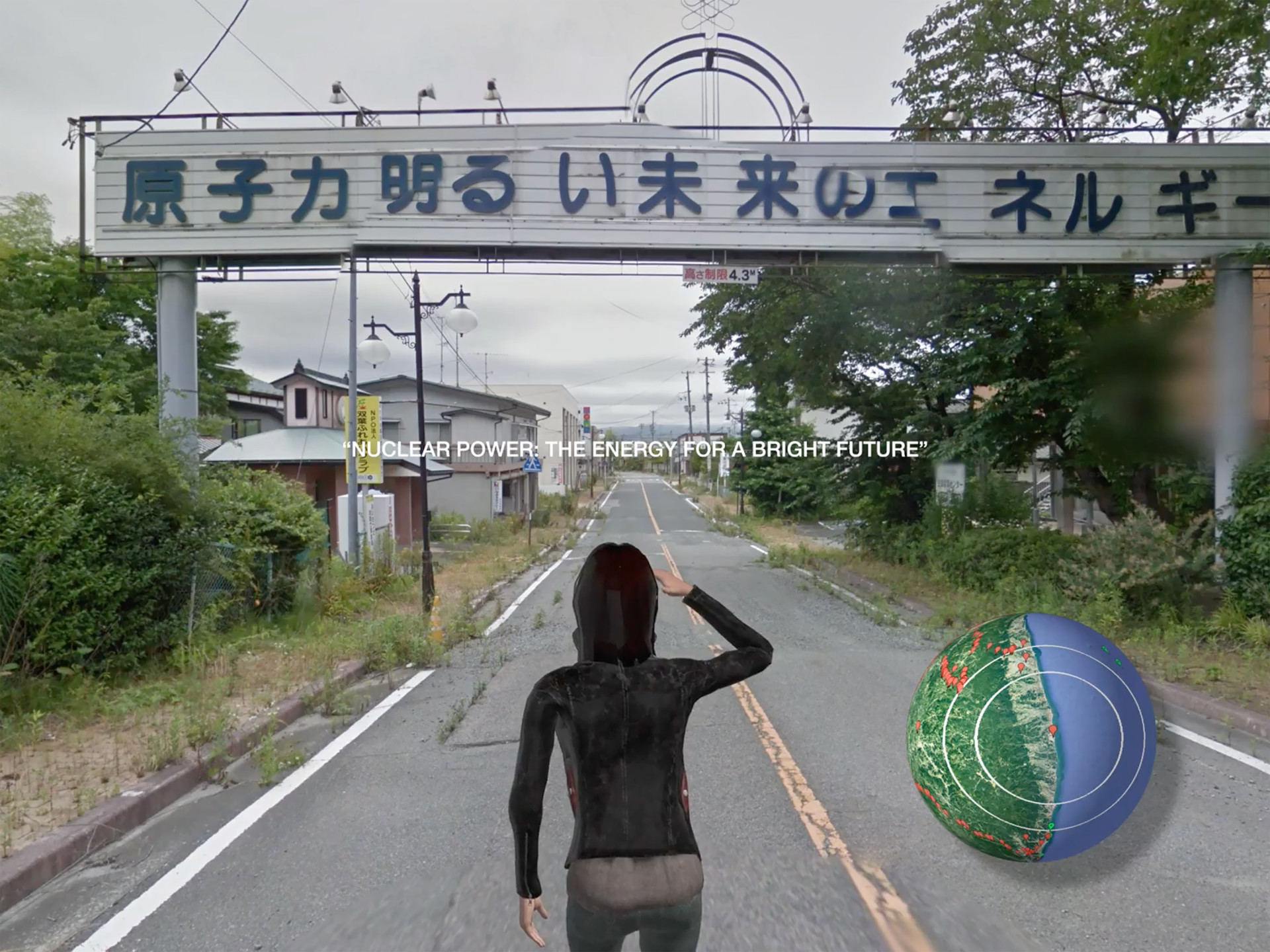
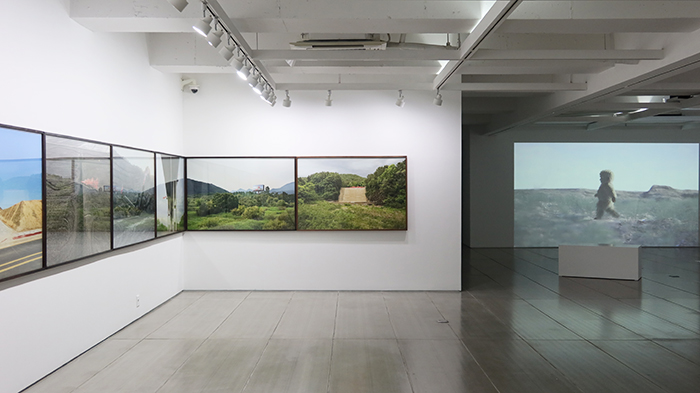
What is important in Jeong’s work is not predicting the future, but making us look again at the present from an unfamiliar time zone. Hyperobjects: Episode I – The Forgotten Town traces sites after the Fukushima nuclear disaster through Google Street View and game-based realism. The artist explores areas that have become inaccessible due to radiation risks through a virtual character, simulating landscapes of ruined villages, empty schools, workers exposed to danger, and accumulating waste. In this work, disaster is not presented as an event that has already passed, but as a long-term and excessive reality produced by human economic decisions and technological systems.
 
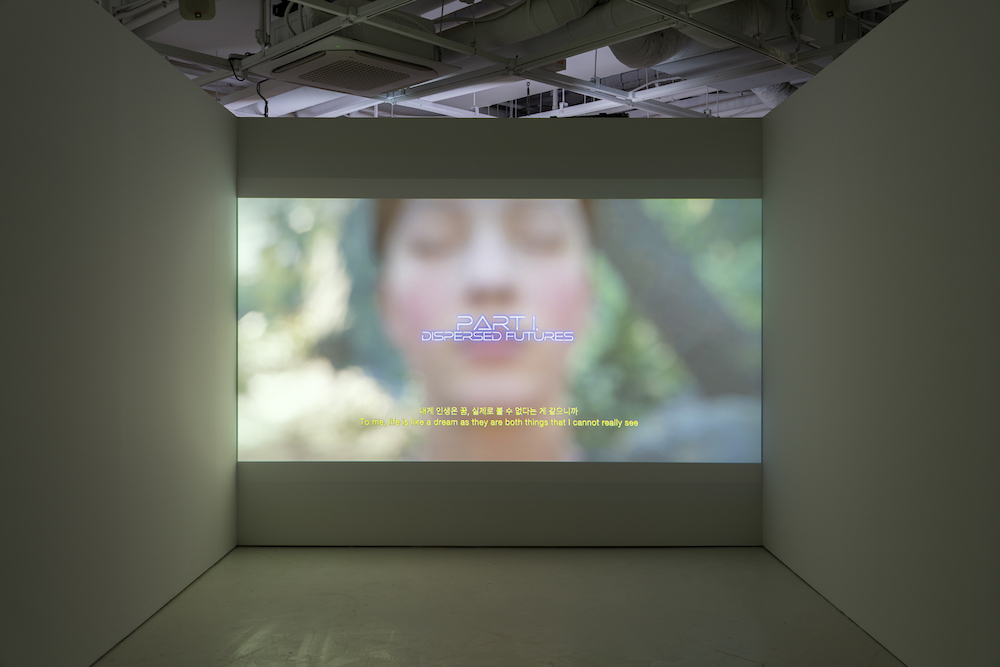
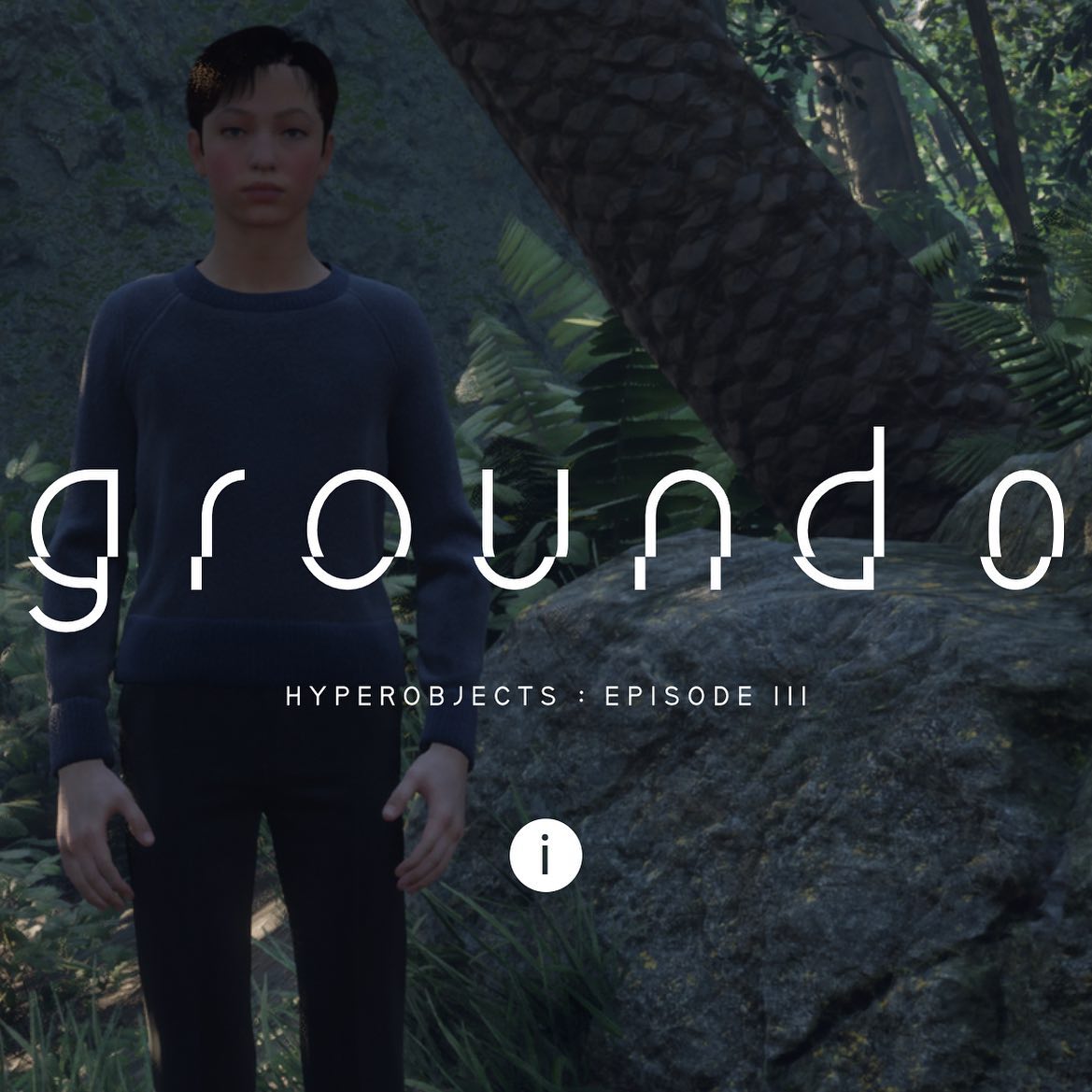
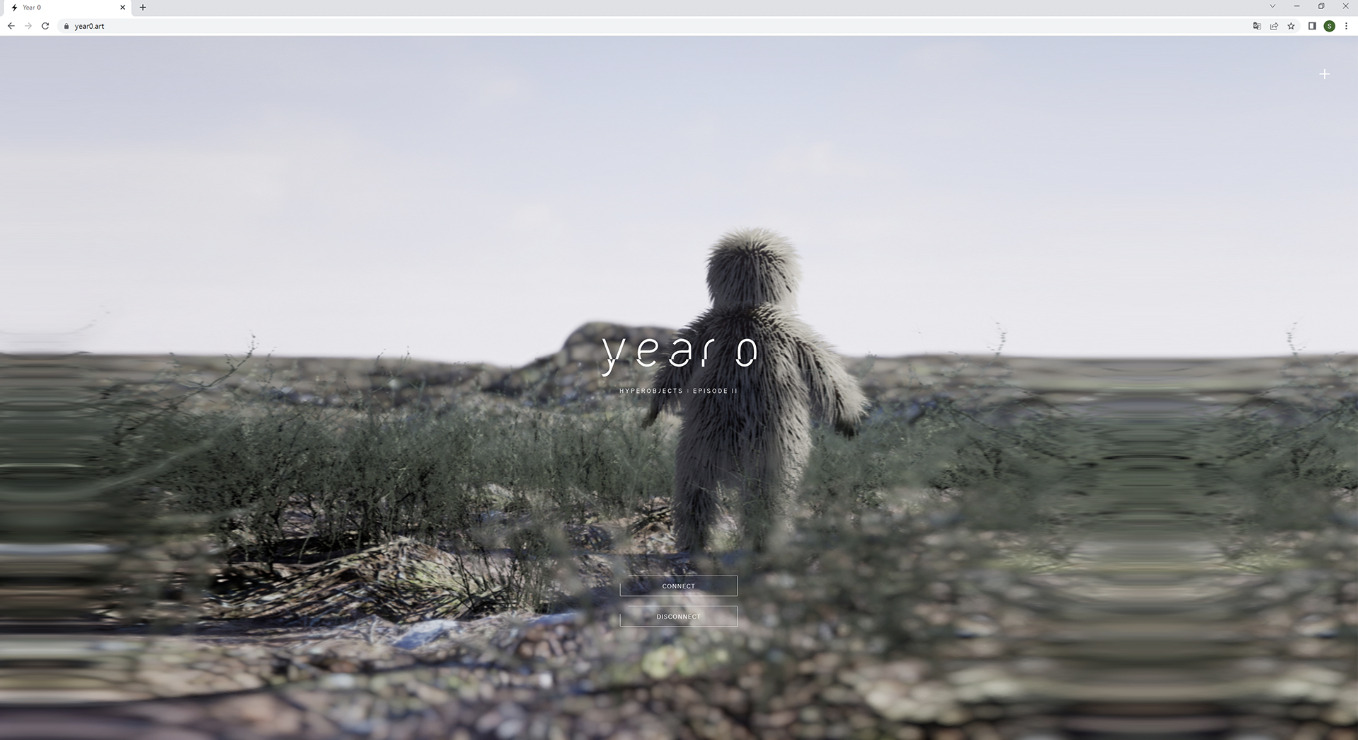
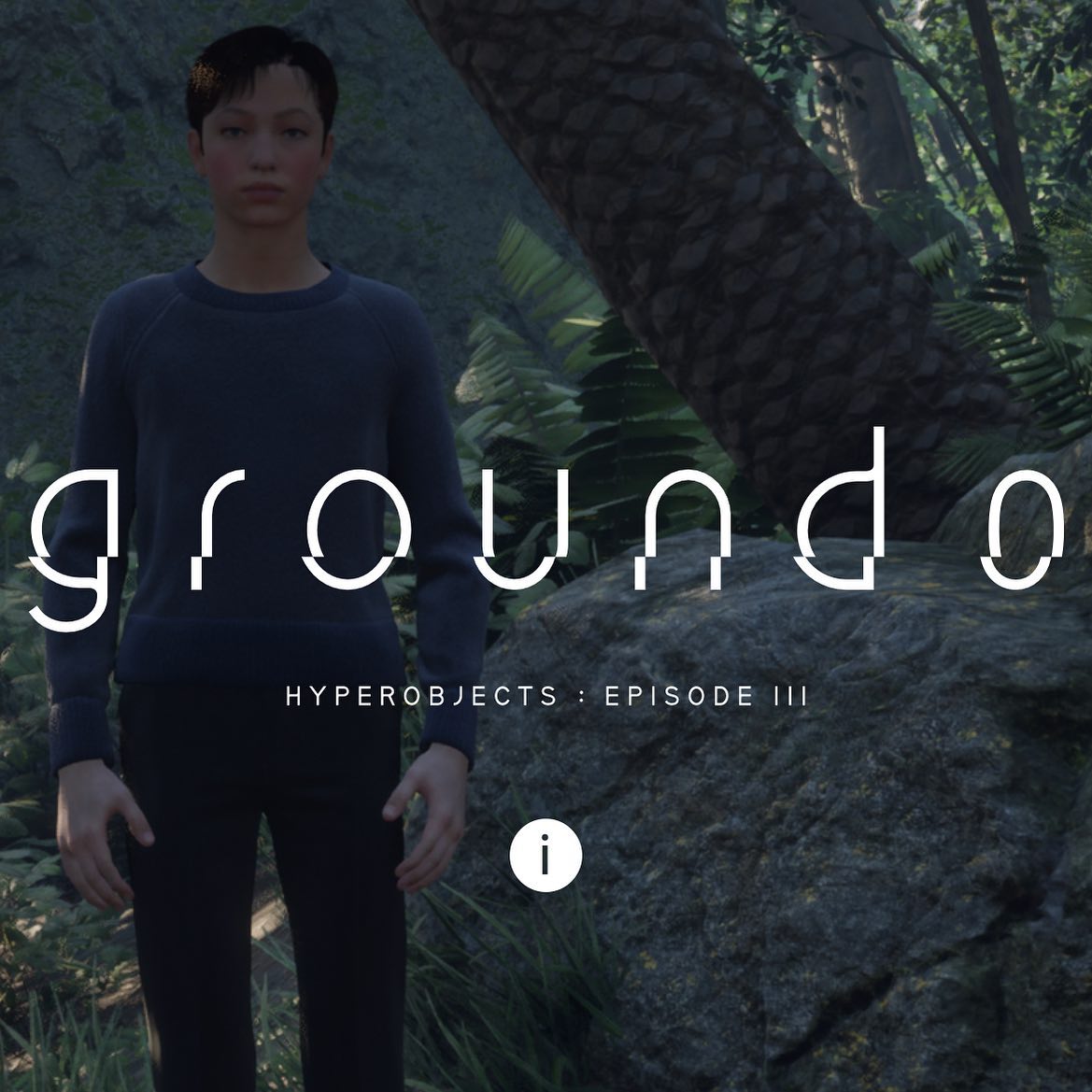
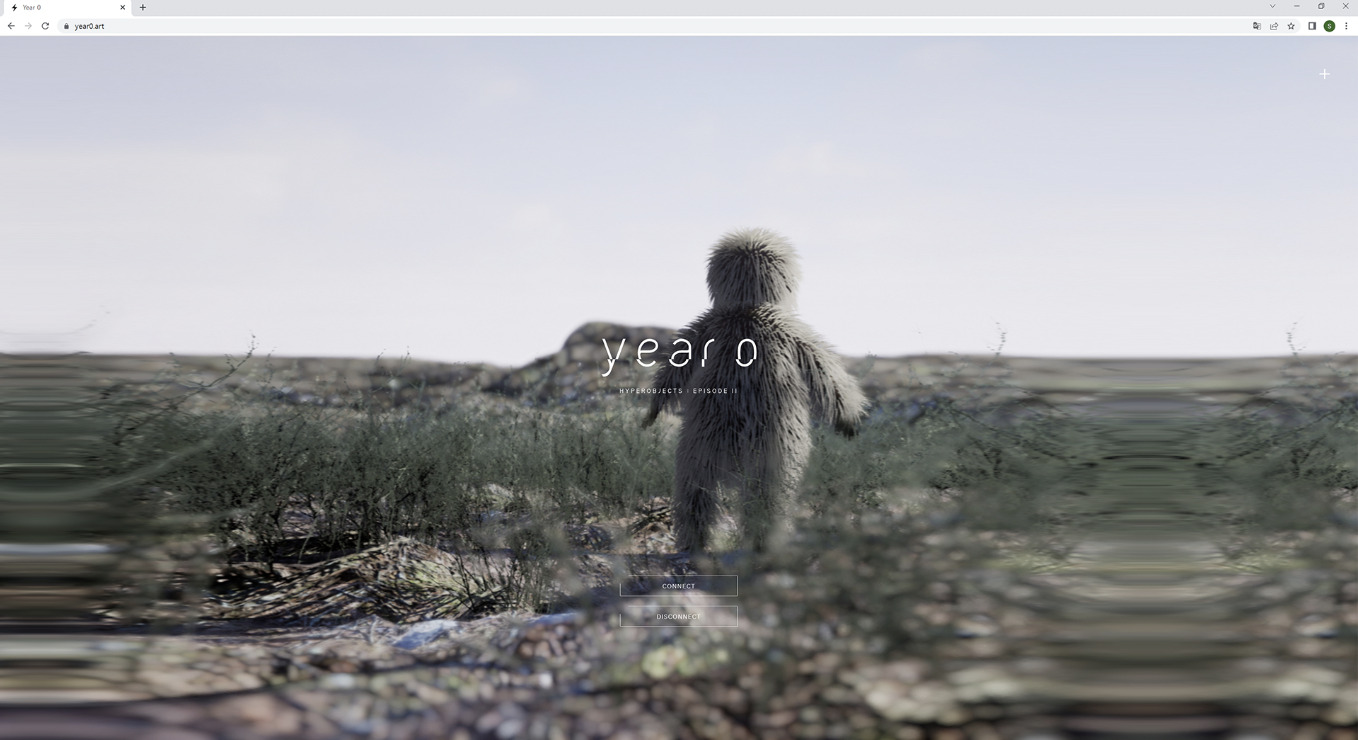
After this, Hyperobjects: Episode II – Year 0 and Hyperobjects: Episode III – Ground 0 more fully construct a worldview after humanity. Year 0 follows the journey of a hybrid being who encounters a completely transformed world, set in a future where Earth’s climate has collapsed and humans can no longer live. Ground 0 imagines a world where the promises of liberalism and late capitalism have collapsed after the climate crisis, pandemic, and new Cold War, and considers the apocalypse not as an end but as a new beginning through a secret city inside an underground bunker and a child of a fugitive community born there. Within this trajectory, the artist seeks to reset the relationships between human/nonhuman, social structure and individual, ecology and technology.
 
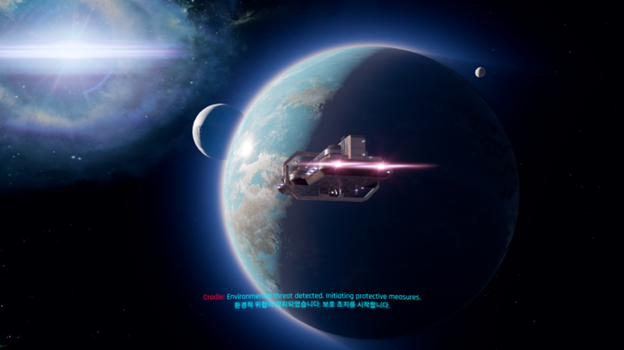
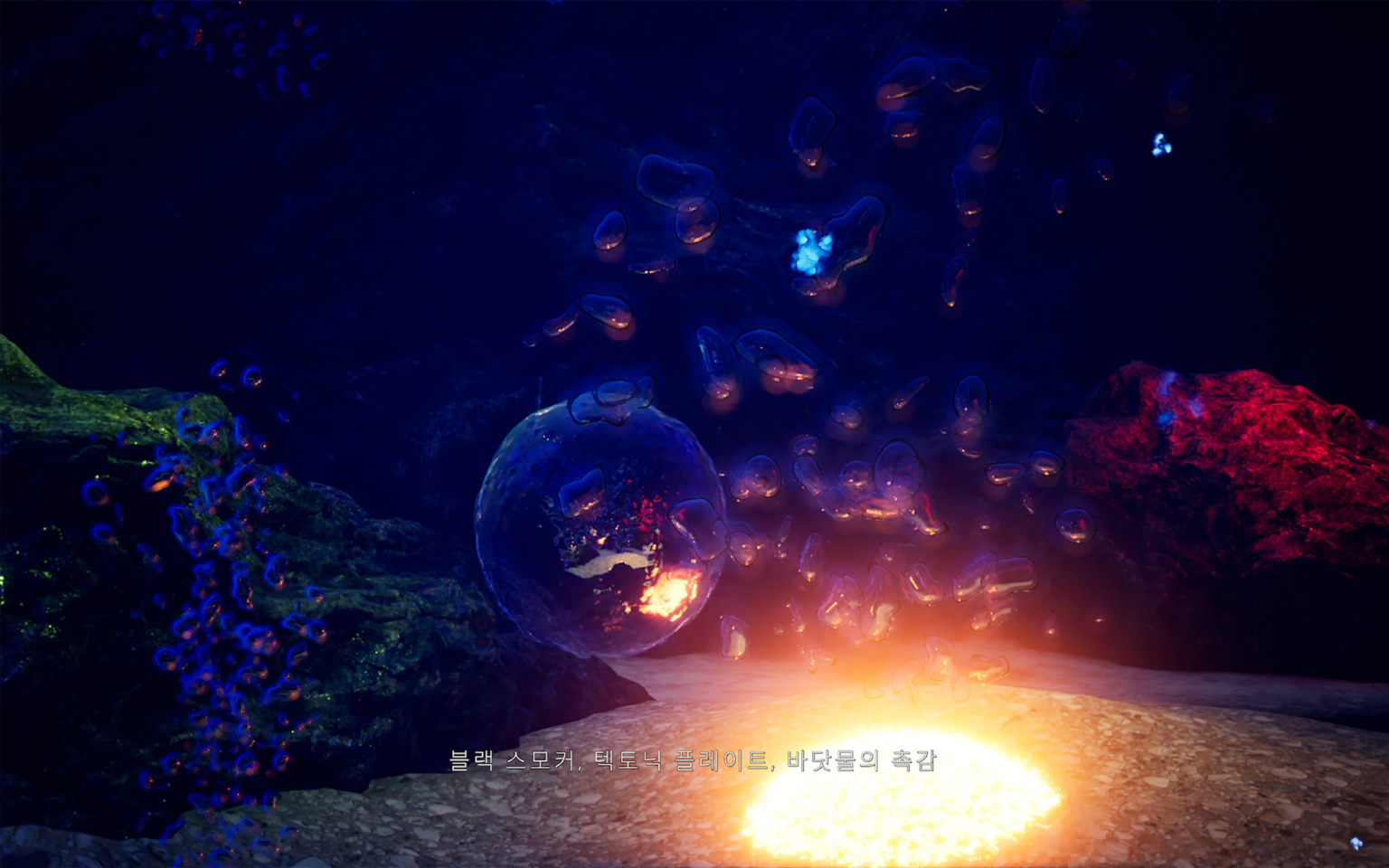
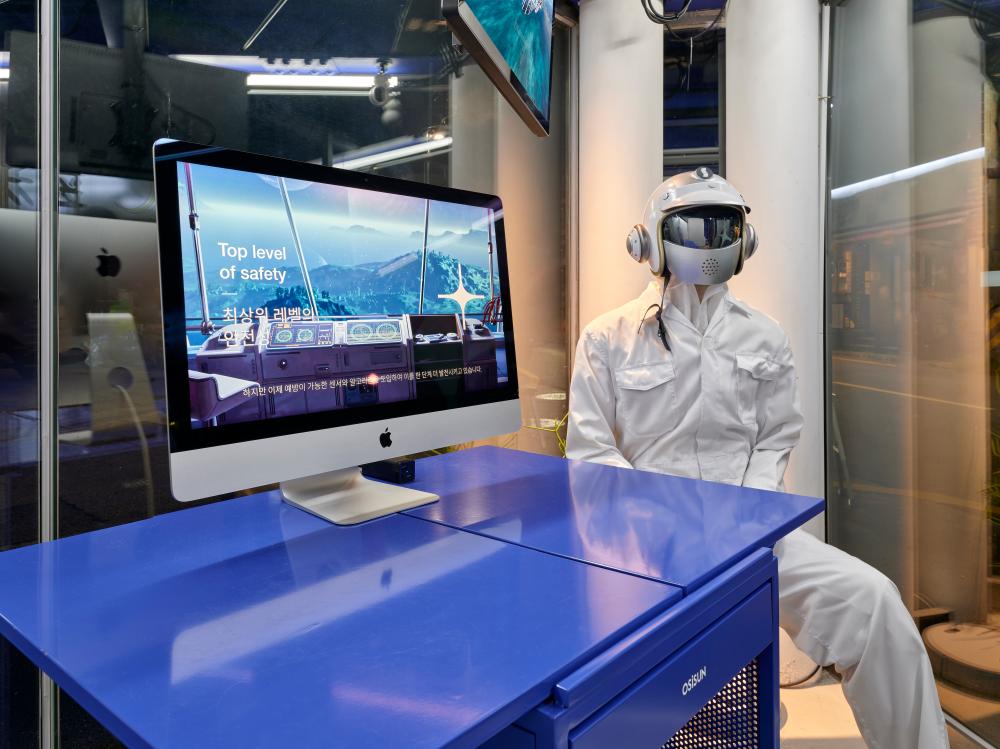
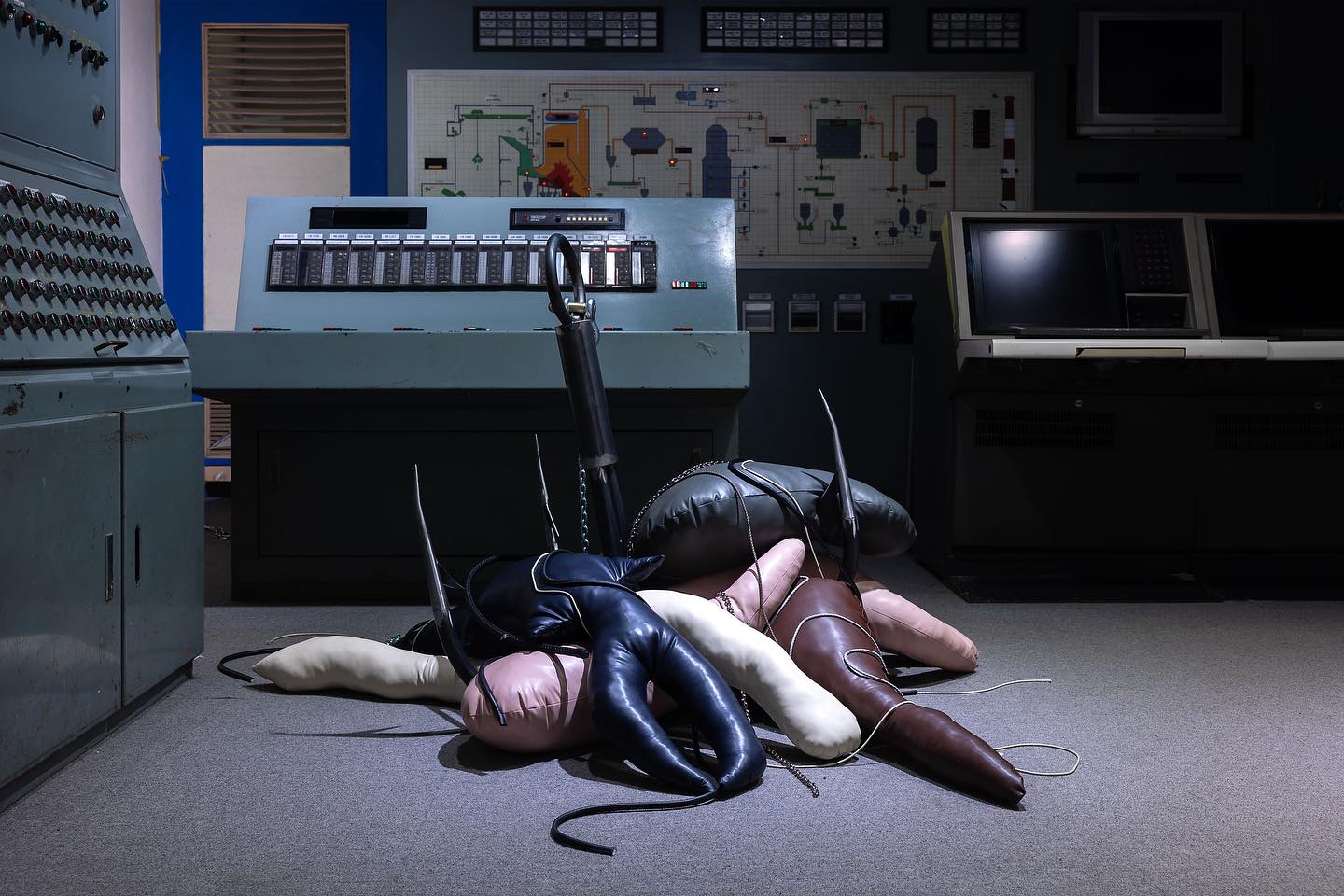
In recent works, this speculative worldview expands into questions of technological ethics and human connection. LUCA(2023), presented at 《The 23rd SONGEUN Art Award Exhibition》(SONGEUN, Seoul, 2023), connects a mythical past and an anticipated future through LUCA, the common ancestor of all life. Later, Cradle of Love(2024), presented in the solo exhibition 《Cradle of Love》(Osisun, Seoul, 2024), is a spin-off work that expands the worldview of LUCA, dealing with a situation in which technology replaces human choice through an incident encountered by the autonomous vehicle “Cradle” and the character “Ray.” Viewers make several choices within the work, and are led to ask what humans can choose, and what they come to give up, in an era when technology makes decisions in the name of safety and efficiency.

Style & Contents

Sophie Jeong works with CGI video, game engines, web-based interactive structures, online exhibitions, Google Street View, and the sensibilities of AI and AR. In her work, digital technology is not simply a production tool, but a condition that structures the very way we experience and judge the world. The screen often moves between games, documentaries, simulations, and science-fiction narratives, while viewers become participants who move, choose, and construct meaning within a virtual world rather than simply watching a completed story. For this reason, her work is video and at the same time a playable world; it is documentary, yet close to speculative fiction.
 
The ‘Hyperobjects’ series clearly shows Jeong’s formal characteristics. Hyperobjects: Episode I – The Forgotten Town begins from the method of exploring an actual disaster zone through Google Street View, but does not present it as a simple record. The artist transforms an inaccessible place into a space through which a virtual game character moves, reconstructing real ruins as scenes of game-based realism. In Hyperobjects: Episode II – Year 0, future landscapes without humans are combined with the movement of a hybrid being, and the world after environmental disaster unfolds in the form of a gamified documentary. Hyperobjects: Episode III – Ground 0 rearranges real anxieties around class and survival into a digital narrative through the fictional setting of an underground bunker and secret city.
 
In LUCA and Cradle of Love, the artist’s interest becomes more concretely focused on life, technology, and choice beyond ecological crisis. LUCA transforms the scientific concept of the common ancestor of all life into a fictional character, unfolding the origins of living beings and the future possibility of coexistence through a game-format documentary. Cradle of Love is produced as a web CGI-based interactive video, allowing viewers to intervene in the direction of the work through a tablet controller. The structure of four choices does not leave the viewer outside the narrative, but places them in a position where they must make direct decisions between technological judgment and human judgment. Here, the viewer’s choice is not merely a branching point, but a device that allows them to experience questions of human connection and technological ethics.
 
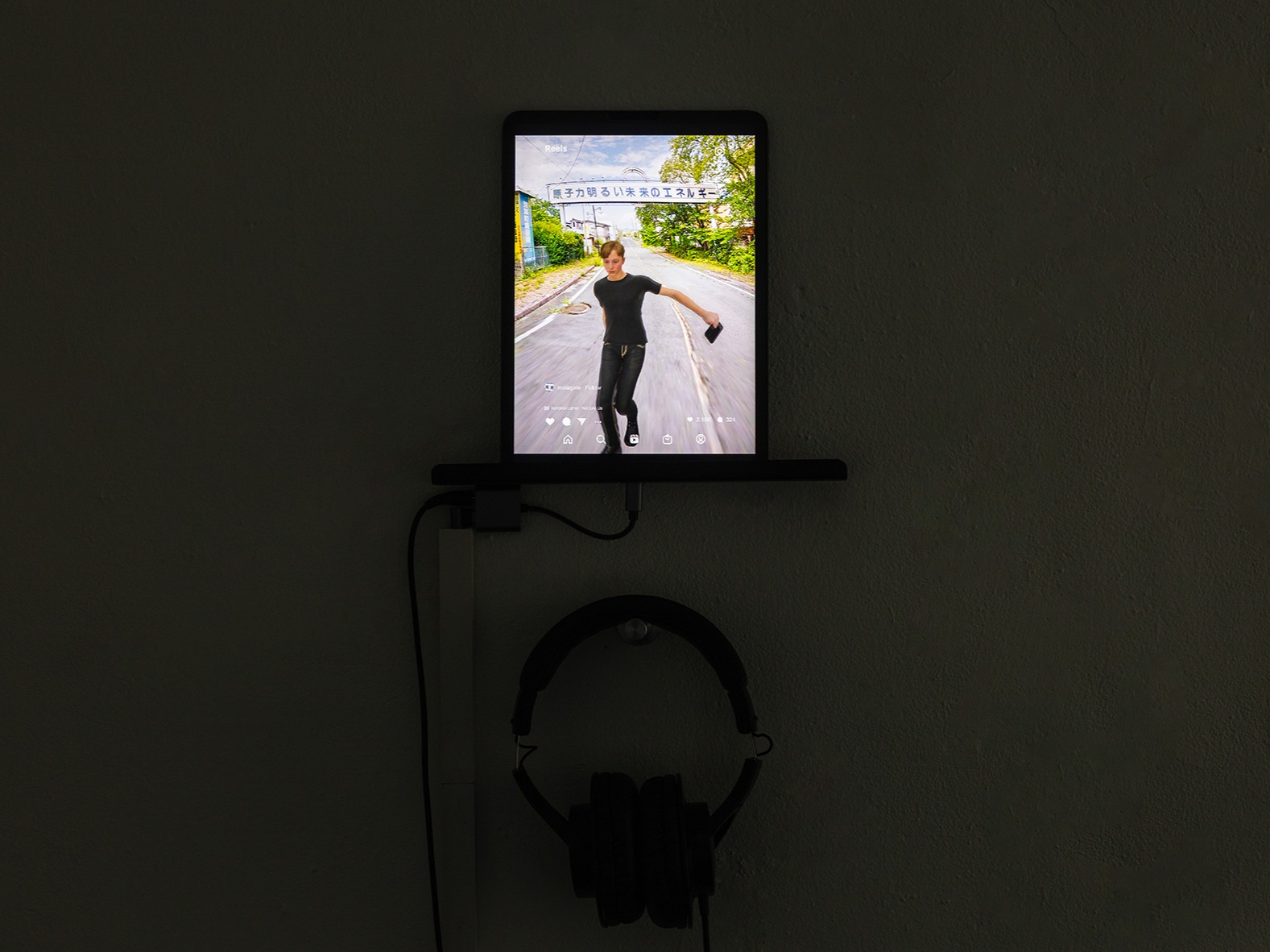
The new works after 2025 recall the existing worldview while more sharply addressing the ways images are consumed and the conditions of technological freedom. Miraigate(2025), presented in the group exhibition 《Point Nemo》(Amado Art Space, Seoul, 2025), is a follow-up to Hyperobjects: Episode I – The Forgotten Town. It once again heads toward the forgotten town, but this time reveals how ruins are consumed as momentary spectacles through fragmented screens that shift rapidly. Ground 0: Reloaded(2025), presented in the group exhibition 《I AM CONQUERED》(Artspace Boan 2, Seoul, 2025), again questions a world where choice and autonomy in fact operate as disciplined performance. These works explore the way digital images both reveal and conceal reality, and how structures that appear to offer free choice design behavior.

Topography & Continuity

Sophie Jeong’s work addresses questions around the climate crisis and technological society, but does not present them as explanatory messages or simple warnings. She creates worldviews, then places characters, events, and structures of choice within them, allowing viewers to experience the conditions of the present again in another time and space. In this respect, her work occupies a position where ecological art, science-fictional imagination, gamified documentary, and new media installation intersect. Rather than directly denouncing real disasters, a key feature of Jeong’s work lies in how she constructs the conditions and sensations of life that continue even after such disasters within virtual worlds.
 
Looking at the trajectory of her practice, if Hyperobjects: Episode I – The Forgotten Town explored an actual site of disaster through digital simulation, Hyperobjects: Episode II – Year 0 and Hyperobjects: Episode III – Ground 0 expanded the time and social structure after that disaster into speculative worldviews. LUCA allowed the post-human world to be viewed within the broader temporal axis of the origin of all life, while Cradle of Love connected that worldview to questions of autonomous driving, AI, and human connection. Miraigate and Ground 0: Reloaded revisit earlier works while bringing questions of image consumption, the structure of choice, and algorithmic autonomy into the present tense. This trajectory shows that the artist is not simply repeating a single worldview, but continuously renewing it and reconnecting to the crises of the present from different angles.
 
Sophie Jeong asks what ethical position humans occupy within the worlds created by technology. Her CGI and gamified forms are not means for producing spectacular images of the future, but structures that make us think about and choose within worlds after crisis. In particular, the interactive method that asks viewers to make choices is less a technical device than a form of questioning. Viewers consider what to choose within the work, while also sensing that those choices have already been designed within a certain system. In this way, Jeong uses the language of digital technology to reveal both the optimism and anxiety of technological futures. Moving between online space and the exhibition space, games and video, ecological imagination and technological ethics, the artist continues to expand important questions within contemporary new media practice.

Works of Art

Alternative Worlds After the Anthropocene

Articles

Exhibitions

Activities