A distinctive feature of Choi’s work lies in the way she allows
viewers to sense and reconstruct social issues through images, actions, and
structural repetition, rather than presenting them as direct slogans or
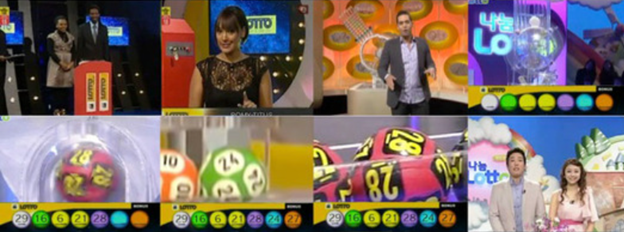
explanations. The artist deals with contemporary conditions such as
neoliberalism, financial capitalism, artificial intelligence, data labeling,
plant investment, and care labor, but she does not fix them into a single
theoretical argument. Instead, she draws on concrete scenes of life and personal
experiences, connecting them to the problems of social structures. This
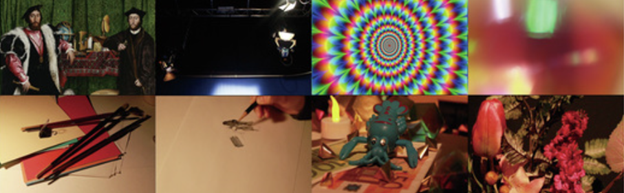
tendency can also be seen in Rehearsal(2022), which
deals with a figure who learns the gestures and attitudes of others in order to
adapt within a community, and in The Unknown
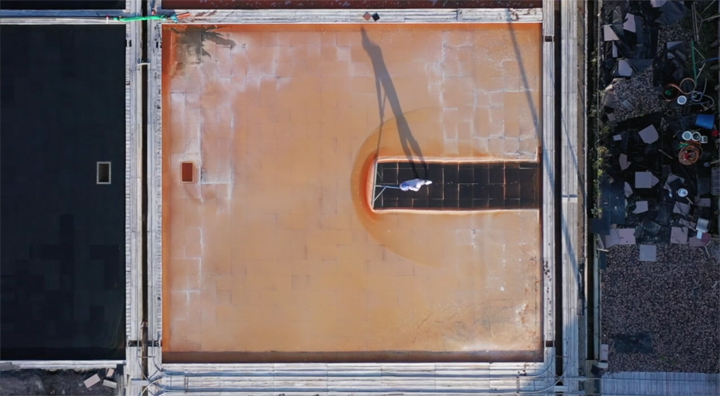
Masterpiece(2022), which juxtaposes the labor of a salt farmer with
the issue of AI image generation.
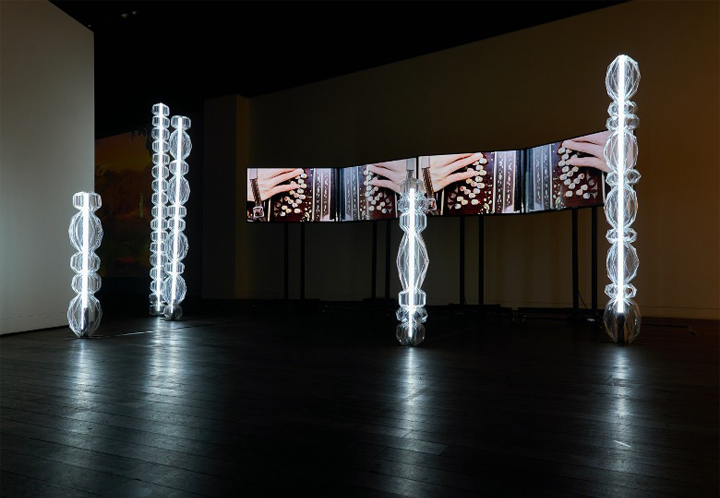
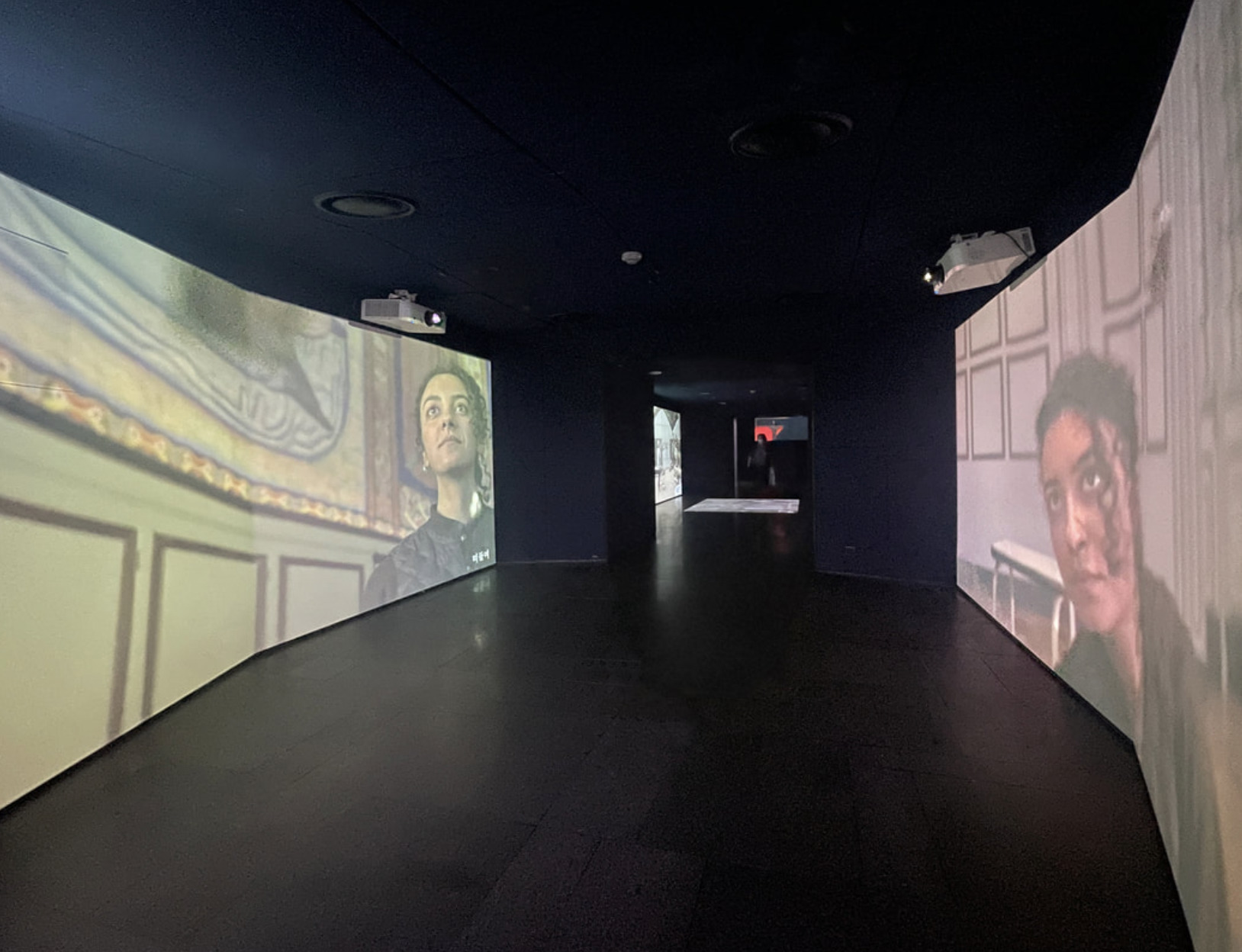
Choi finely examines the traces of relationships and the
structures of emotion between technical form and strong narrative. Her
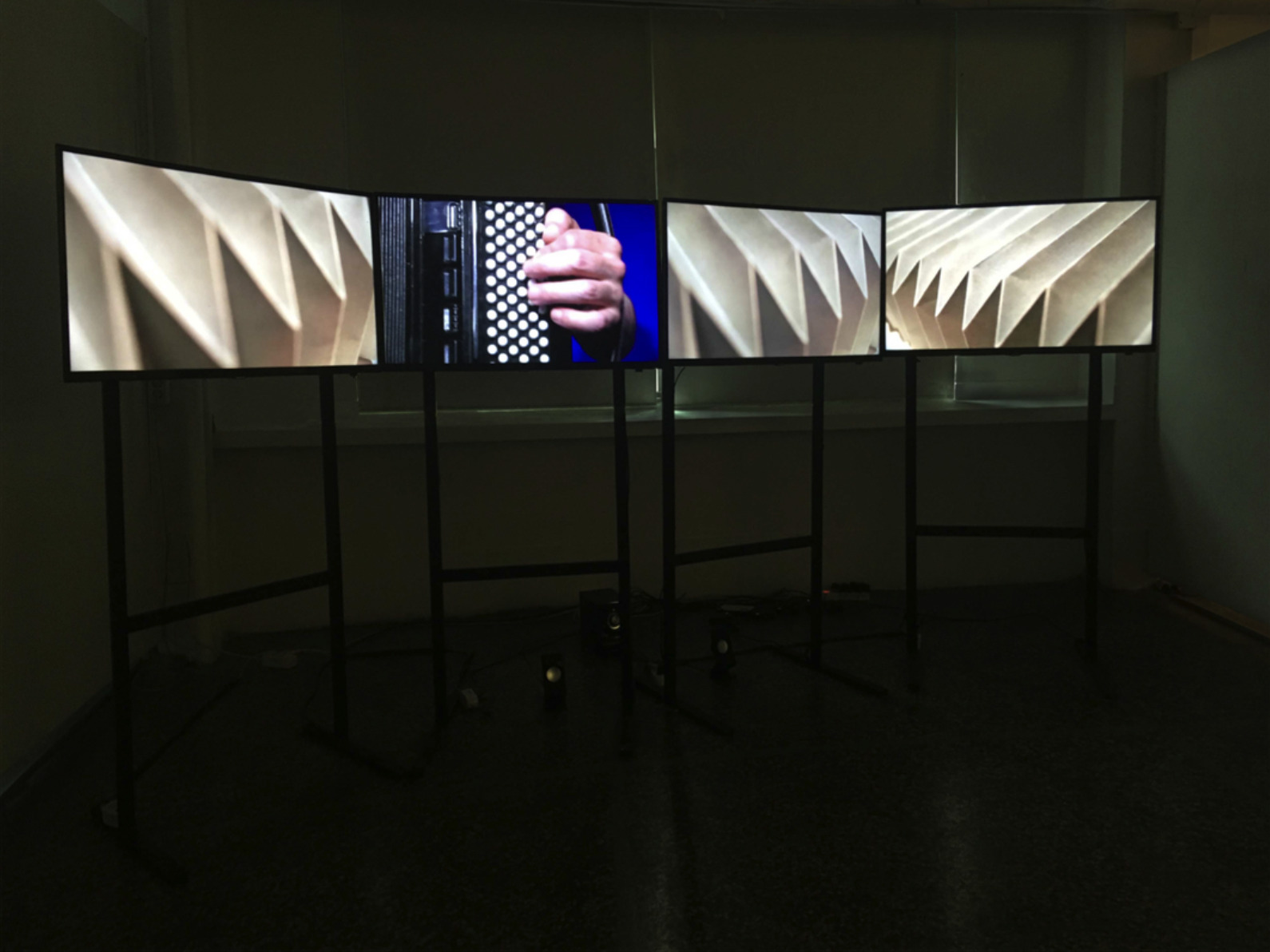
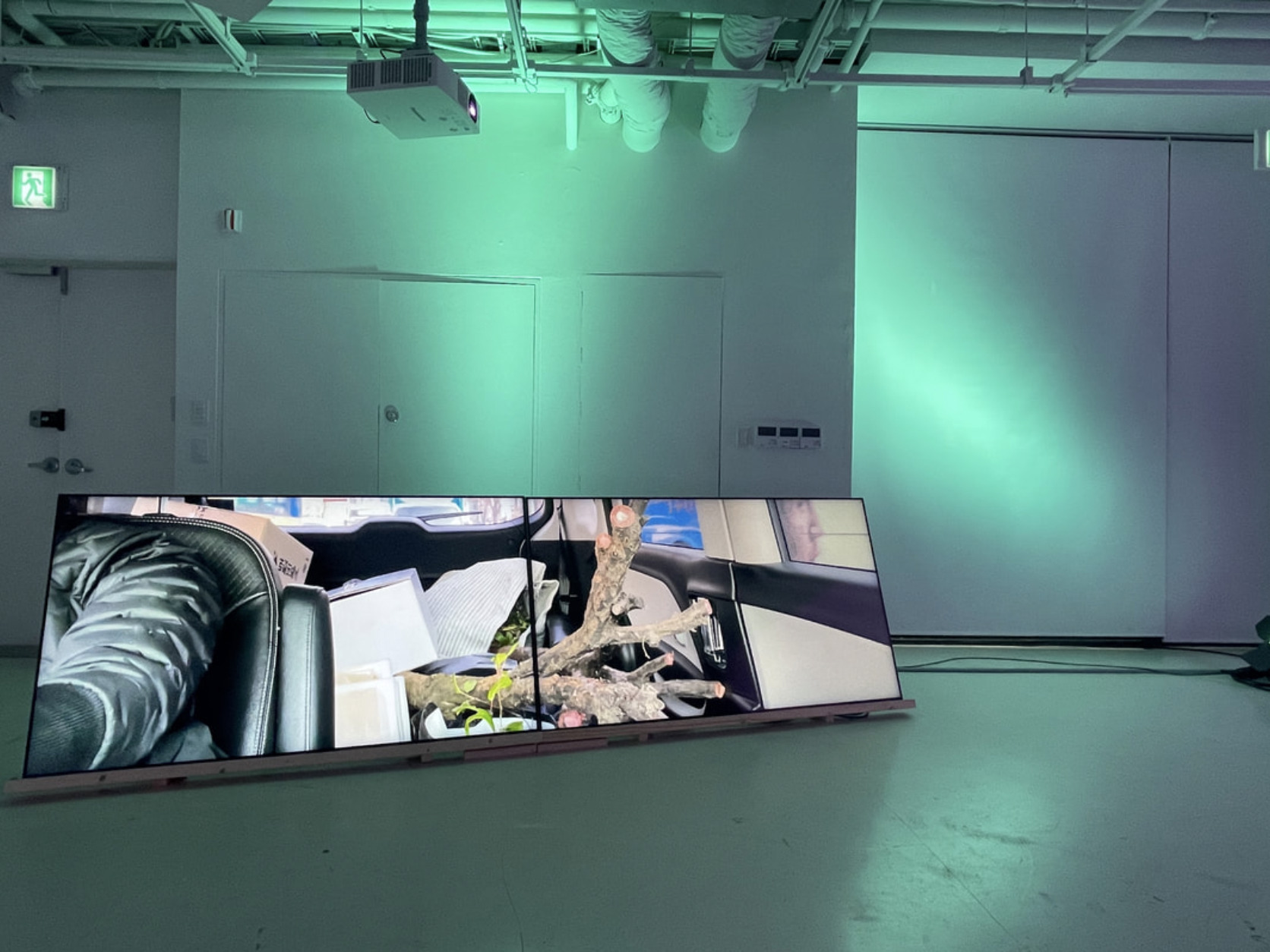
multichannel videos do not foreground technical devices themselves, but instead
coordinate the viewer’s perception through the ways in which multiple images
and sounds fold and unfold into one another. The materials of her work begin
from personal experience, yet they do not remain as private confession; rather,
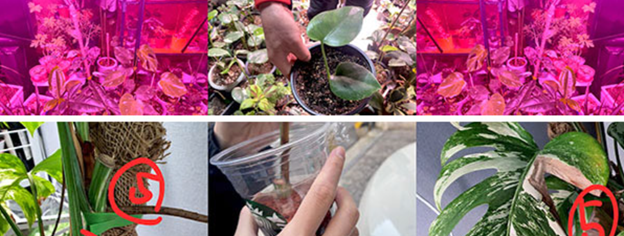
they are connected to broader social conditions. Plant trading, the memory of
her grandmother, the experience of migration in Hamburg, and anxiety as an
artist all move beyond individual stories and expand into scenes that ask under
what conditions humans today form relationships, remember, are chosen, and are
abandoned.
Choi’s practice has moved from the relational structure of the
“fold,” through the metaphor of loss and exclusion embodied by the “shadow,”
toward ethical questions of “care” and “abandonment.” This trajectory is not a
series of abrupt shifts, but rather a continuous process of tracing, through
different media and materials, how relationships are formed, weakened, and
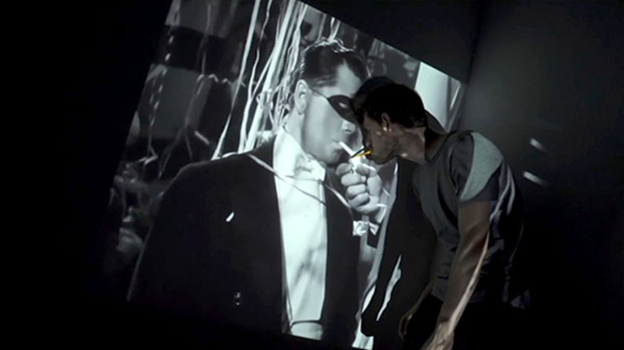
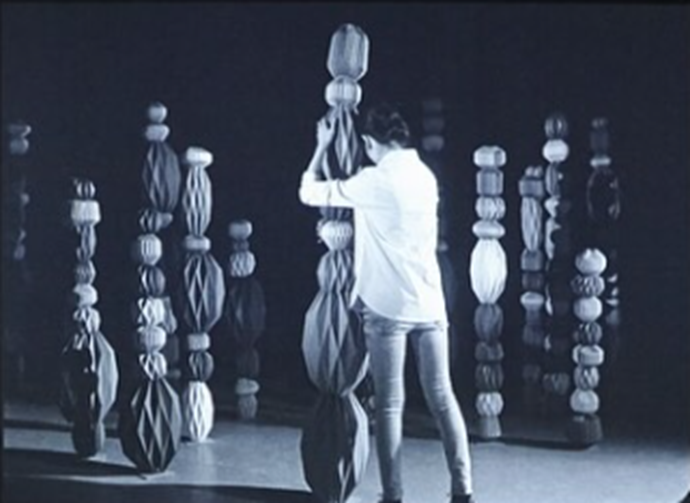
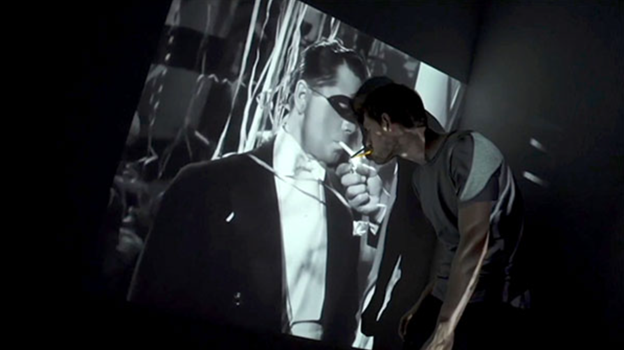
disappear. If Galatea deals with the artist’s
ideal and the birth of the artwork, Der Erlösende
Blitz shows the repetitive performance required to reach that
ideal, while 《The Opposite of Love is
Abandonment》 and 《I Found My
Shadow After A Long Time》(Project Space Sarubia, Seoul,
2024) more concretely reveal the social conditions in which such performance
takes place and the vulnerability of human existence.
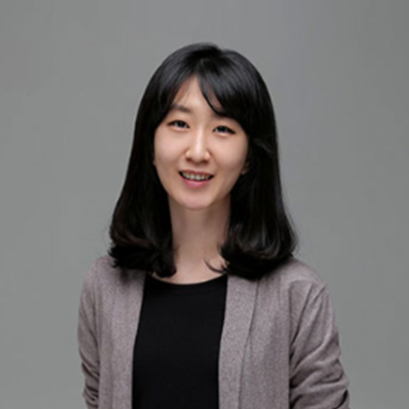
Heejung Choi studied Western painting and art history at Ewha
Womans University and received her MFA in Western painting from the same
university, before studying film at the University of Fine Arts Hamburg in
Germany. Her background, which spans painting, drawing, video, and
installation, provides the basis for her practice to engage simultaneously with
the flatness of images, the temporality of video, and the spatiality of
installation.
Recently, she has participated in exhibitions and programs
including 《EMAP x Frieze Film Seoul
2024》(Ewha Womans University, Seoul, 2024), 《ALT-NeMAF 2025》(KT&G Sangsangmadang,
Seoul, 2025), 《begehren》(Xpon-art
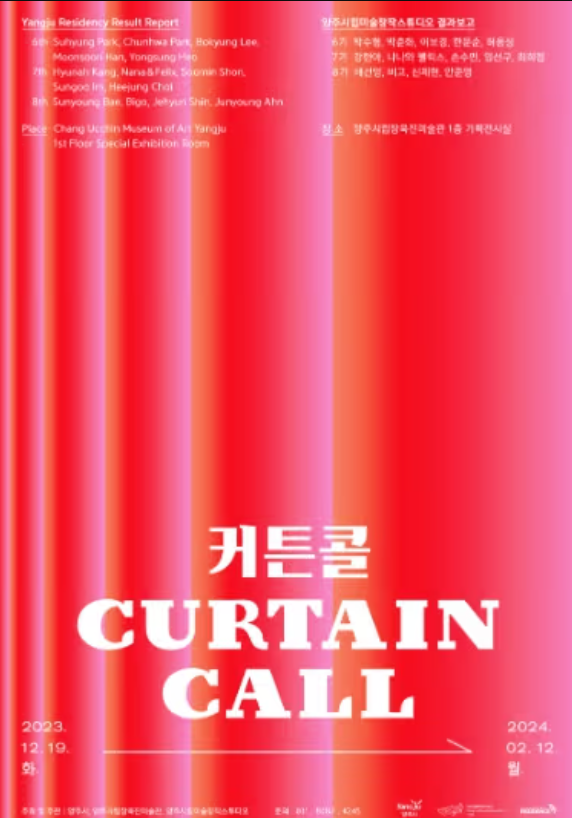
gallery, Hamburg, 2024), 《Open References》(d/p, Seoul, 2024), and 《Curtain Call》(Yangju City Chang Ucchin Museum of Art, Yangju, 2023). She received
the Alternative Moving Image Art Award at the 25th Seoul International ALT
Cinema & Media Festival and the Grand Prize of Public Art’s 2025 “New Hero”
award. These achievements show that Choi’s practice is increasingly gaining
attention across a wider field as one that brings together personal narrative,
social sensibility, and experimentation with the medium of video.