Dahoon Nam (b.1995) - K-ARTIST
Dahoon Nam (b.1995)
Dahoon Nam (b.1995)

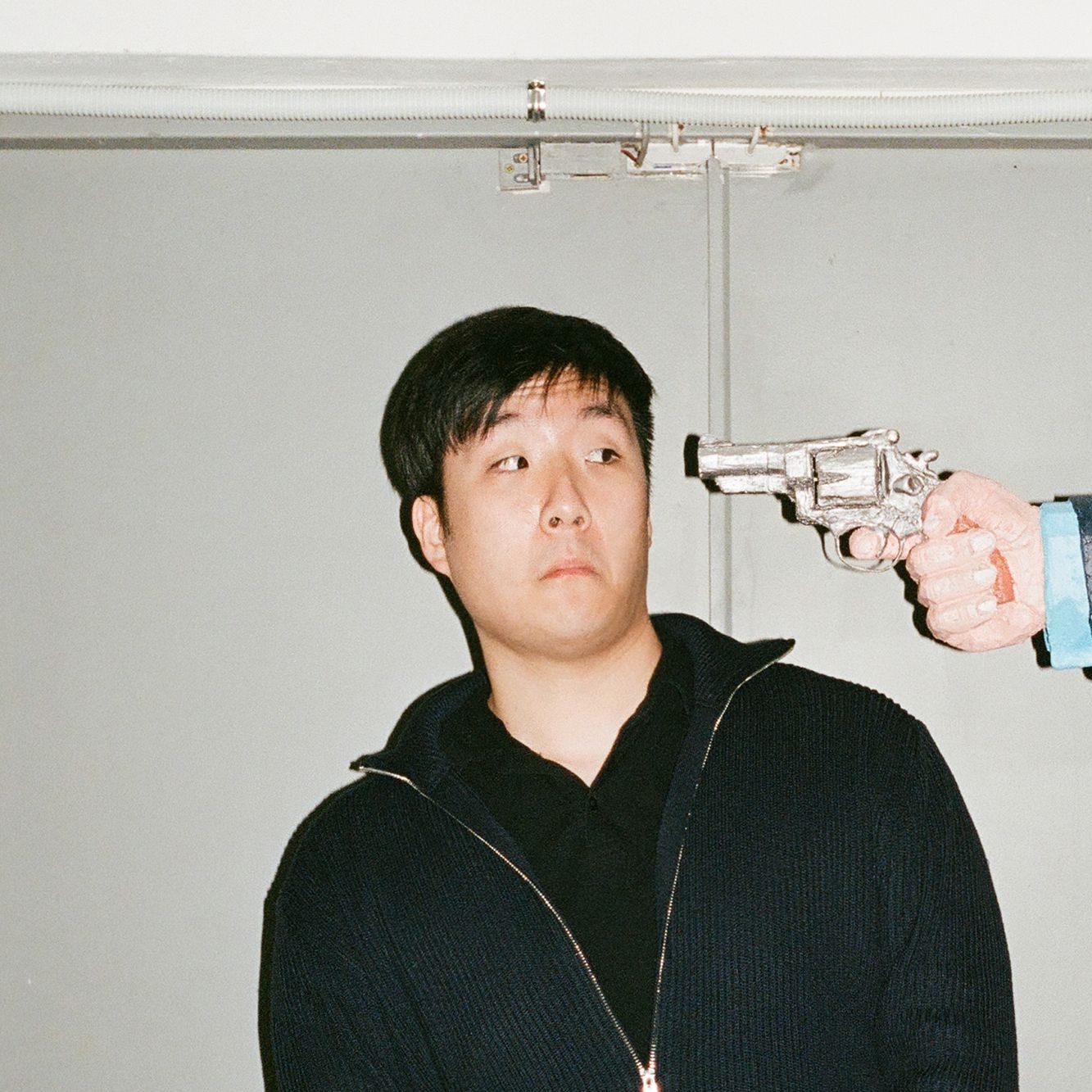
Dahoon Nam studied Art History at the University of Toronto. He currently lives and works in Seoul.

Solo Exhibitions (Brief)

Nam’s solo exhibitions include 《National Junkyard of Modern and Contemporary Art》 (ATELIER AKI, Seoul, 2025), 《MoMA from TEMU》 (Space Hwangumhyang, Seoul, 2024), 《YOU JUST ACTIVATED MY TRAP CARD》 (Chamber, Seoul, 2023), 《SB-129 Part 1》 (Ingahee Gallery, Seoul, 2022), and more.

Group Exhibitions (Brief)

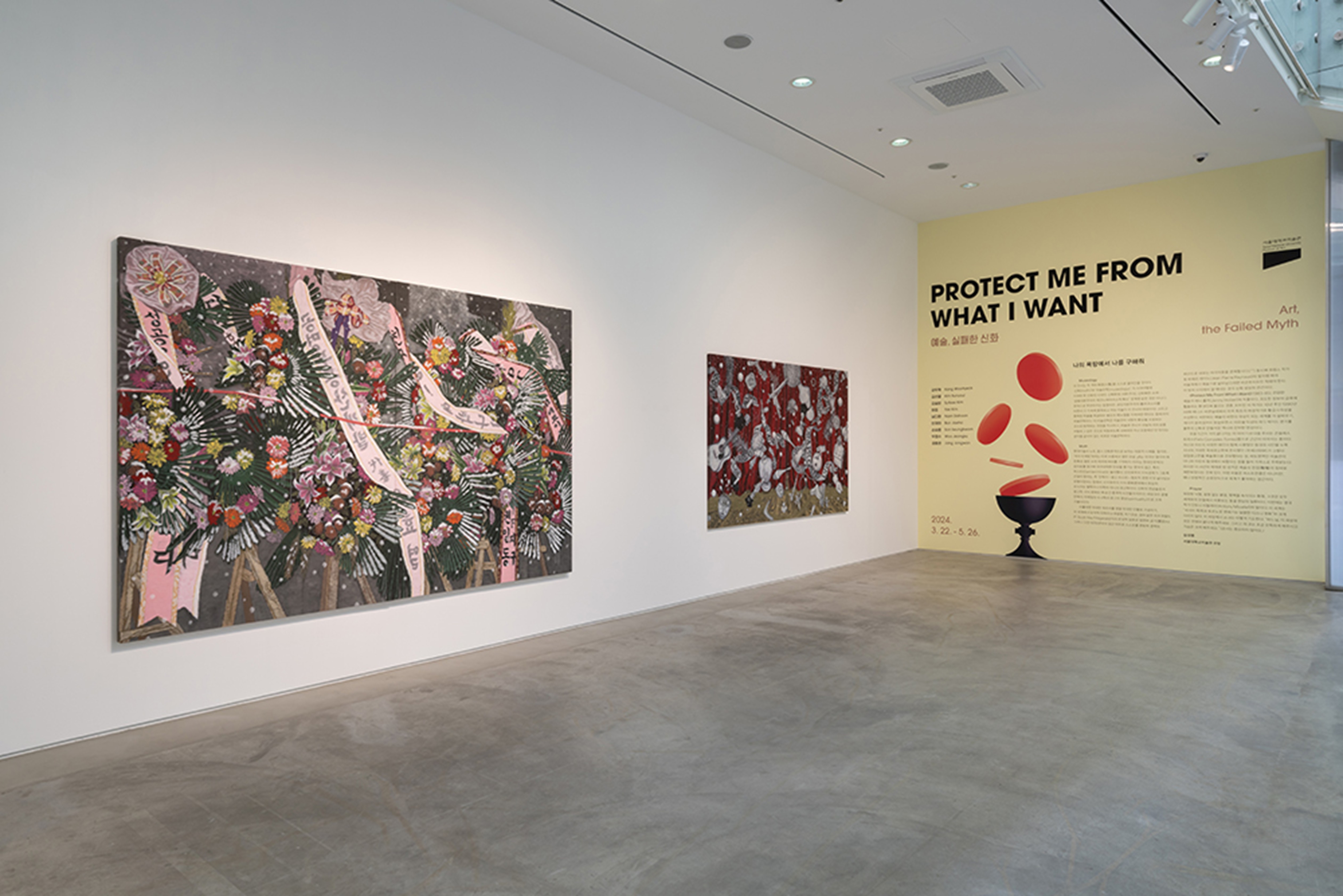
He has also participated in numerous group exhibitions, including 《For All: Chocolate, Lemonade, and Party》 (Suwon Museum of Art, Suwon, 2025), 《The Year Book: Class of ‘24》 (Space xx, Seoul, 2024), 《Protect Me From What I Want》 (Seoul National University Museum of Art, Seoul, 2024), 《In This Garden We Loved_Part II》 (ATELIER AKI, Seoul, 2023), 《The Squid Chooses Its Own Ink》 (Post Territory Ujeongguk, Seoul, 2022), and 《NEW RISING ARTIST》 (Jeju Museum of Contemporary Art, Jeju, 2022).

Collections (Selected)

Nam’s works are held in the collections of the Jeju Museum of Contemporary Art and the Yangju City Chang Ucchin Museum of Art.

Works of Art

The 'Art' of Replication

Originality & Identity

Dahoon Nam’s practice begins by questioning the systems of value and structures of reality that we tend to accept as given, using replication as his core strategy. Rather than employing replication as simple imitation or reproduction, he presents objects that closely resemble reality yet ultimately reveal themselves as “fake,” exposing the fissures between the real and the fake, the original and the copy, value and price. This line of inquiry extends beyond the art system to encompass consumer culture, capital, desire, memory, and the broader structures of contemporary society.

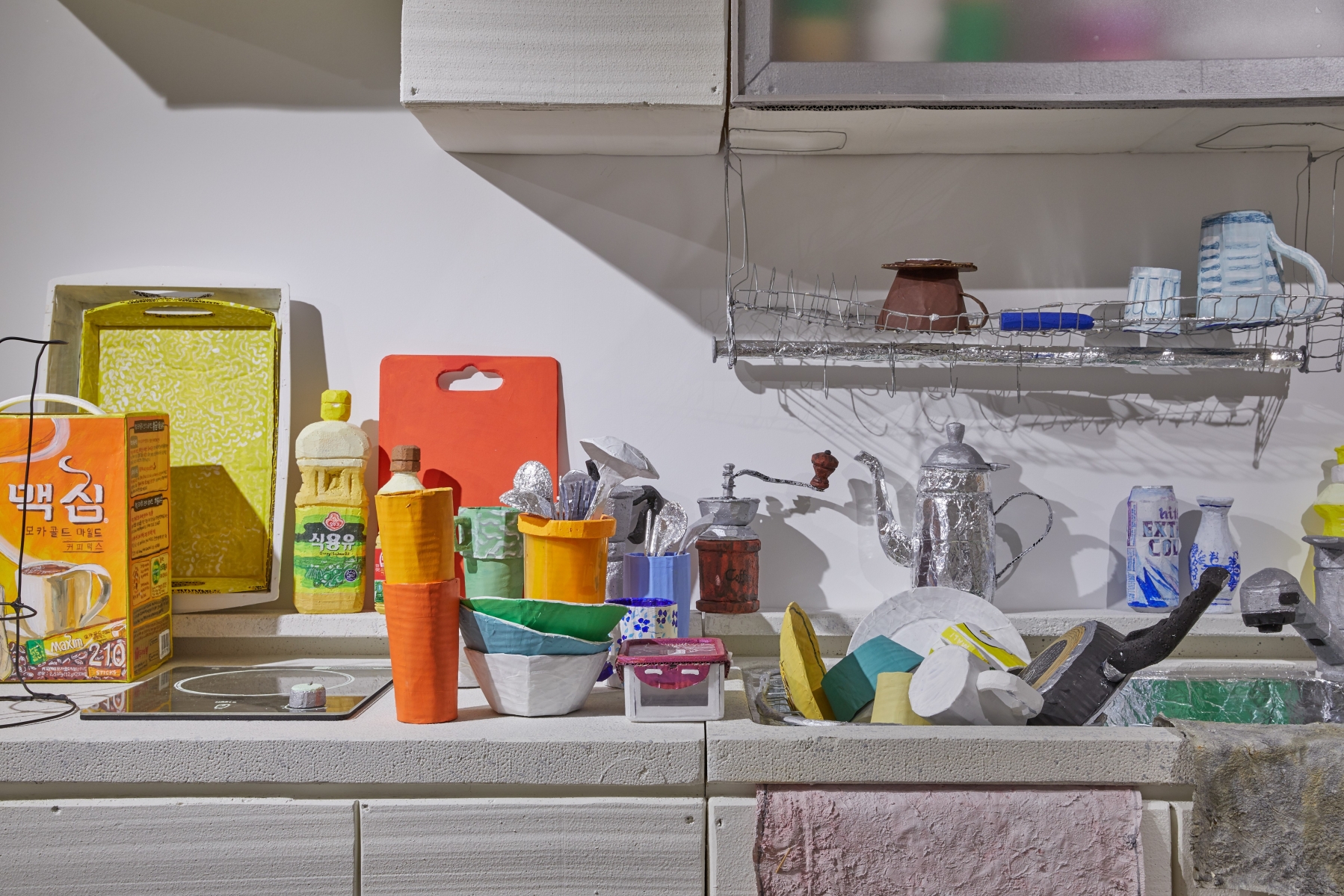
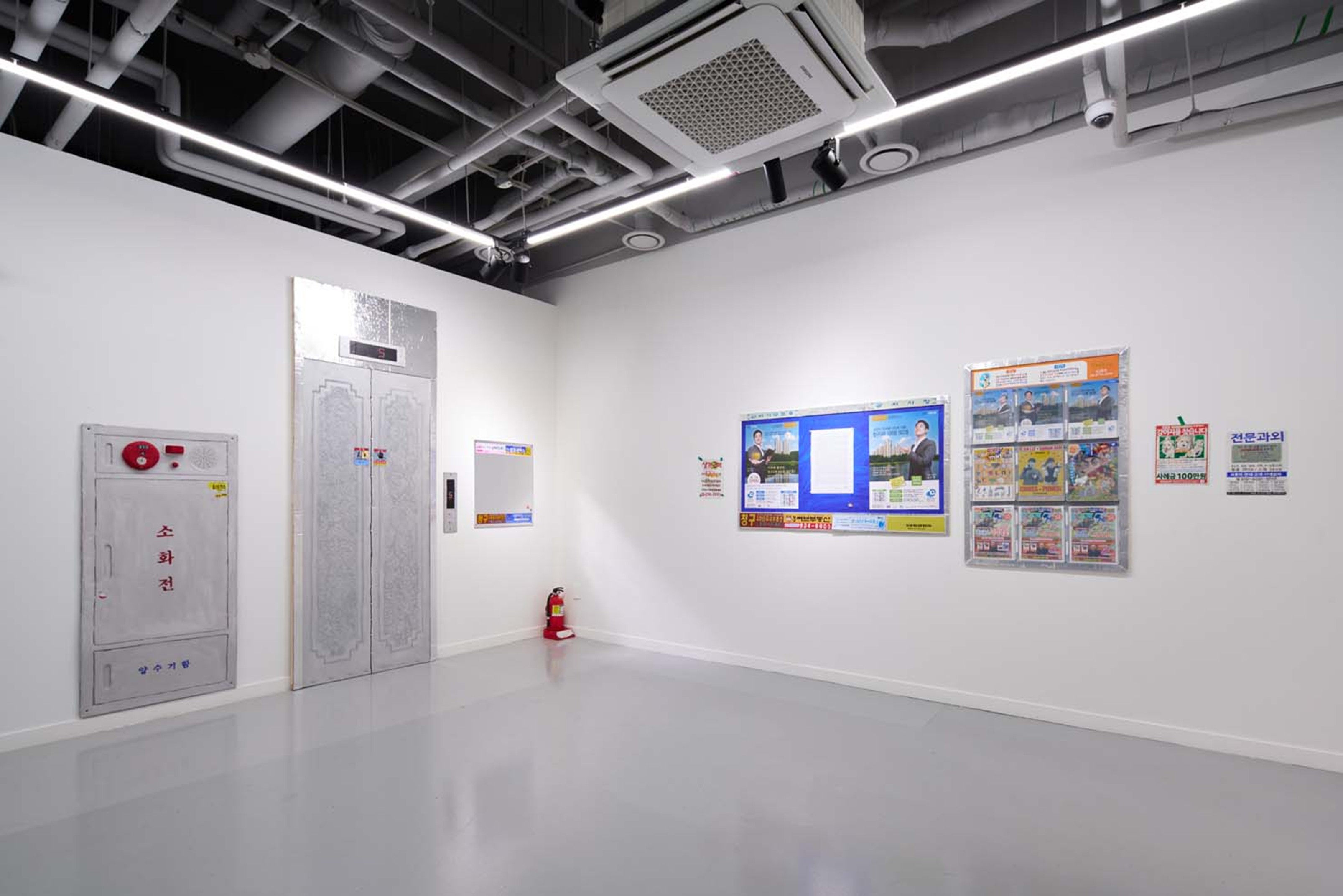
In his early works, Nam began by replicating books he personally admired in two-dimensional formats, gradually turning his attention to spaces and objects from everyday life that are easily overlooked. In his solo exhibition 《#21》(Rund Gallery, 2019), he replicated a laundromat located across from the gallery, while in 《#22》(oh!zemidong Gallery, 2020), he recreated a subway ticket gate. These works operate by rendering familiar reality unfamiliar. Though the replicated objects closely resemble their originals, their use of lightweight and fragile materials situates them in a state that appears real yet is unmistakably not.

In the solo exhibition 《#23》(Gallery Yoho, 2021), Nam expanded this approach to encompass life in the aftermath of the pandemic, weaving personal experience and contemporary conditions into a spatial narrative framed as “traces of travel.” The exhibition structure, reminiscent of a guesthouse, metaphorically evokes memory, movement, and the instability of identity, signaling a shift in replication from objects toward emotional and experiential dimensions.

In more recent works, replication increasingly targets the structures of economic systems and art institutions directly. The ‘MoMA from TEMU’ (2024) series and the solo exhibition 《National Junkyard of Modern and Contemporary Art》(ATELIER AKI, 2025) foreground issues of masterpieces, institutions, and authority, asking how artistic value is produced and consumed. In this process, Nam does not avoid the position of the “fake” as something negative; rather, he actively embraces it as a site of subversive potential.

Style & Contents

In Dahoon Nam’s work, form is closely intertwined with concept. He primarily employs lightweight and provisional materials such as Styrofoam, cardboard boxes, paper, aluminum foil, and discarded automobile parts to construct models that mirror the structures of reality. These material choices reveal, at a tactile level, how institutions and values that appear solid and stable often rest on surprisingly fragile foundations.

The fake ticket gate recreated in 《#22》 was produced using a combination of acrylic paint, spray paint, and aluminum foil, resulting in surfaces that oscillate between painterly and sculptural qualities. Such heterogeneous material combinations simultaneously reinforce the object’s resemblance to reality while exposing its artificiality. Viewers recognize the familiar form but are prompted to reassess their perception through its visible imperfections.

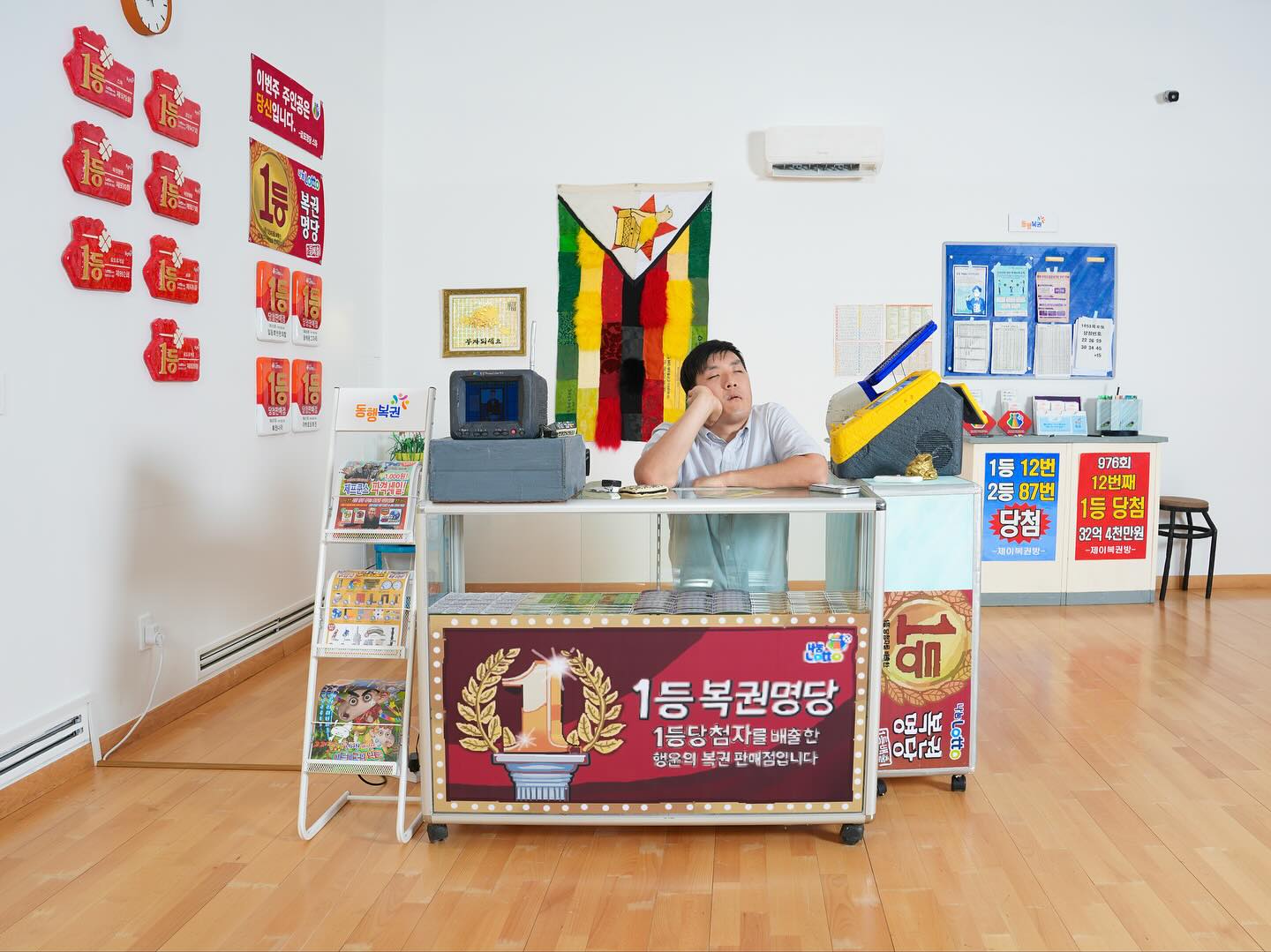
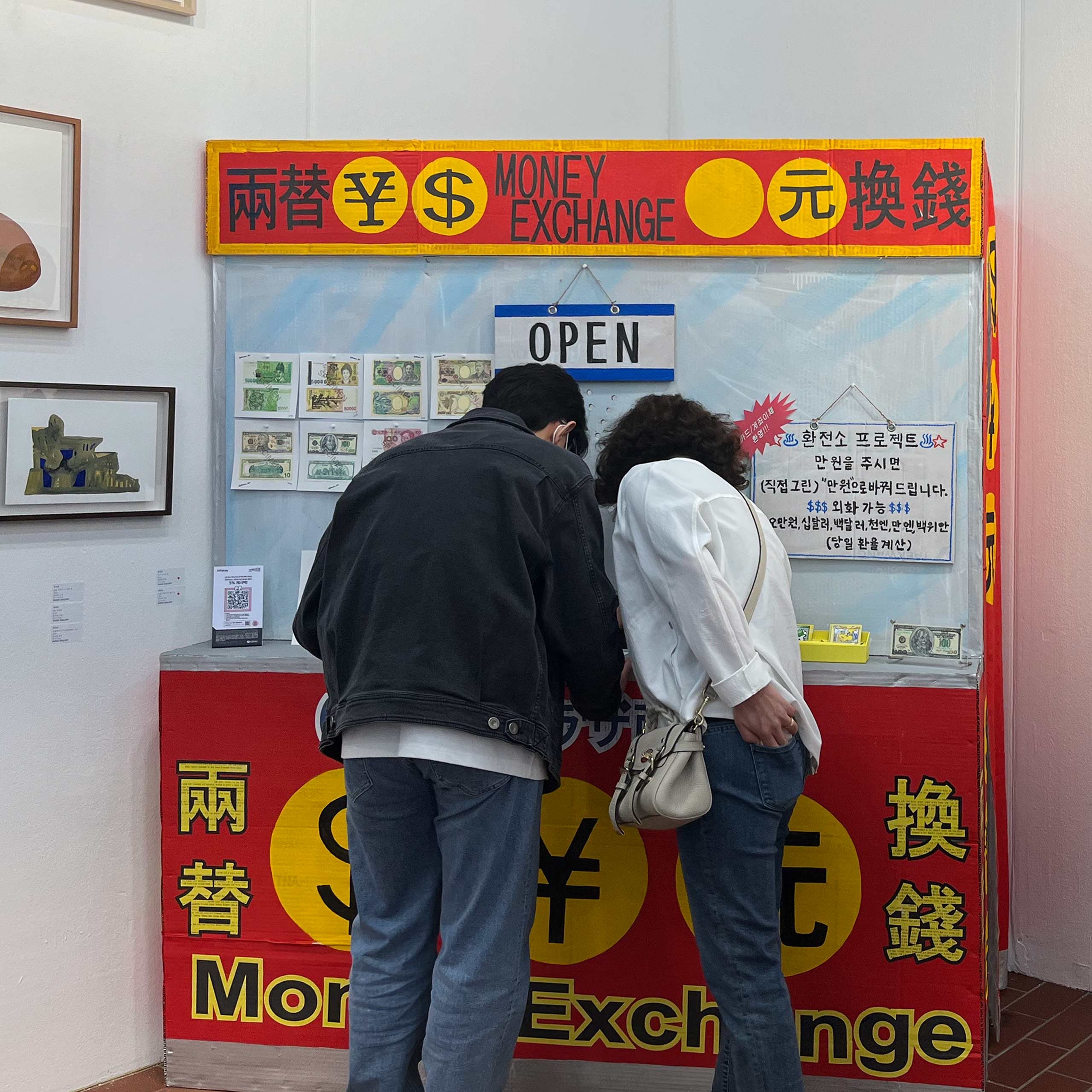
In works such as the Currency Exchange Project(2021–) and Lottery Booth Project: Jackpot Spot(2023–), replication expands into the realm of experience. Participants pay real money to receive fake currency or counterfeit lottery tickets, directly encountering the emptiness between expectation and outcome. In particular, awarding prizes in Zimbabwean dollars—rendered valueless by hyperinflation—humorously exposes the instability of economic systems and the illusory nature of desire.

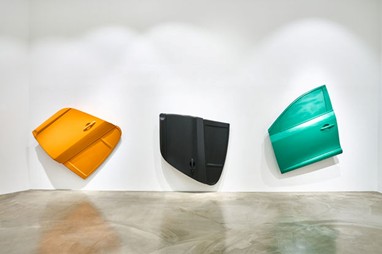
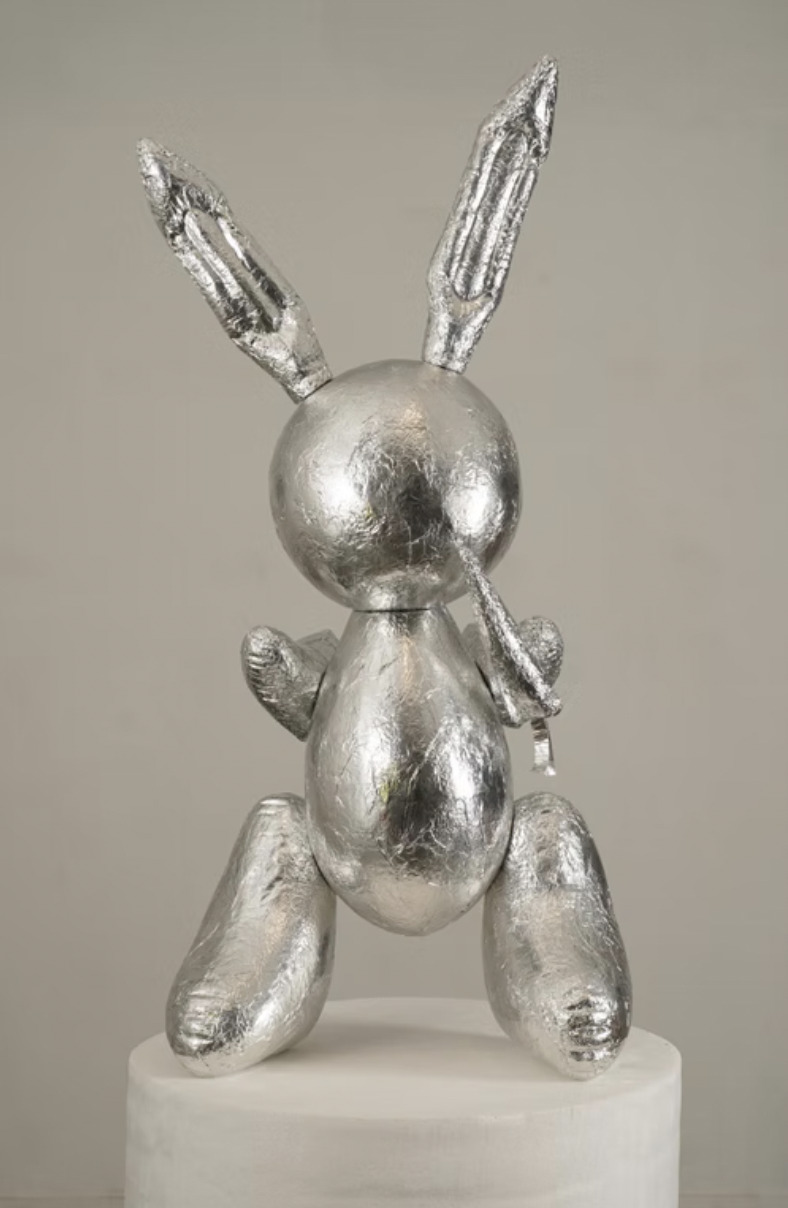
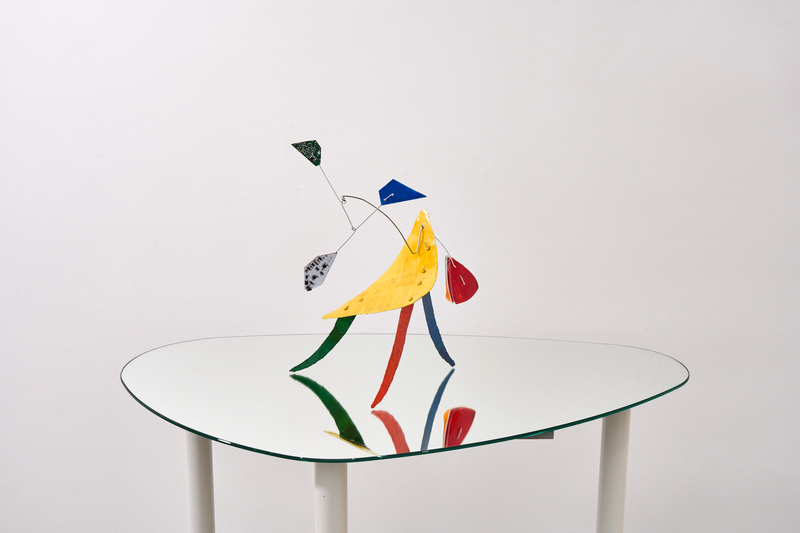
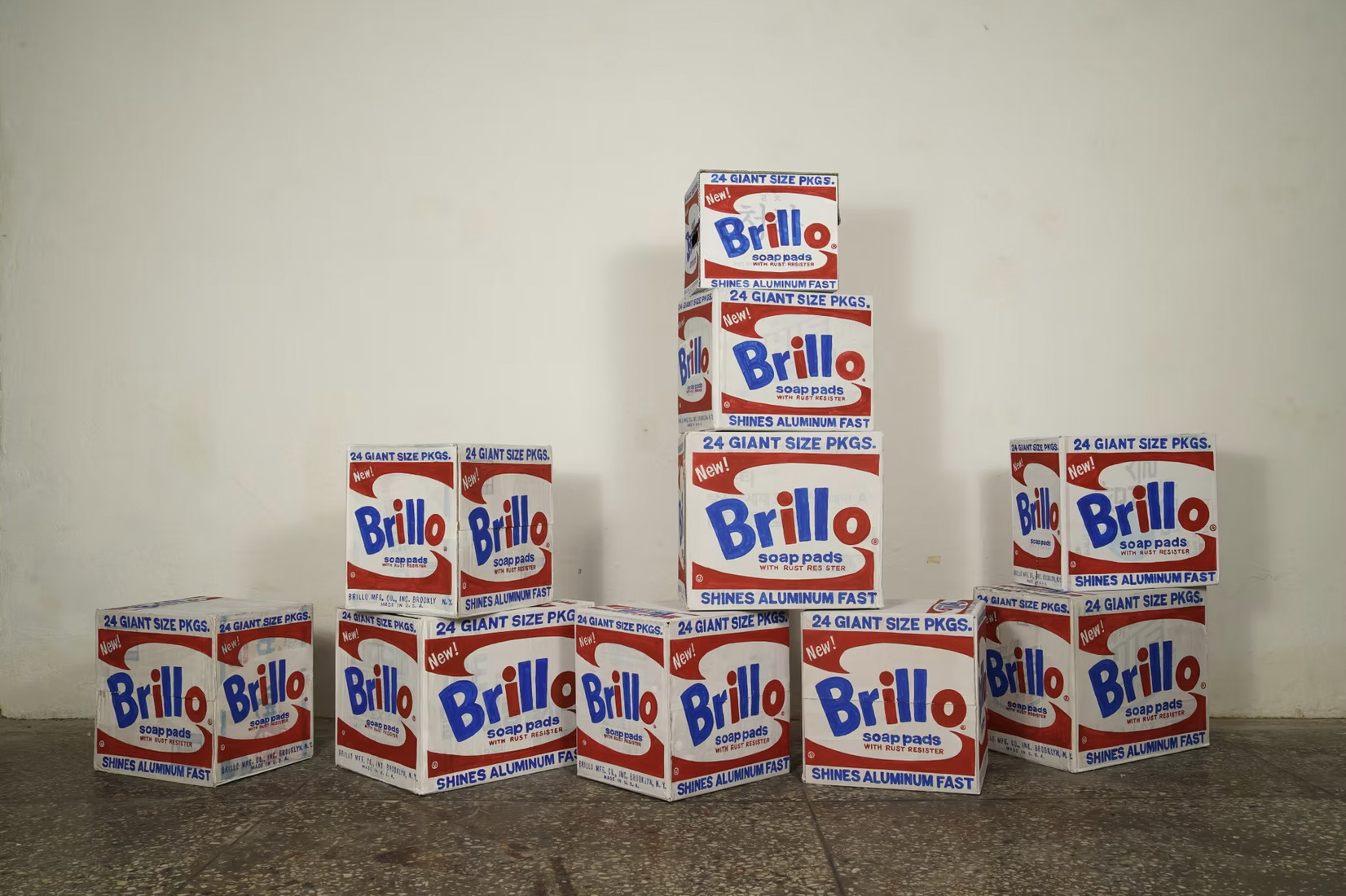
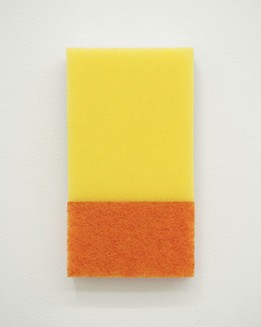
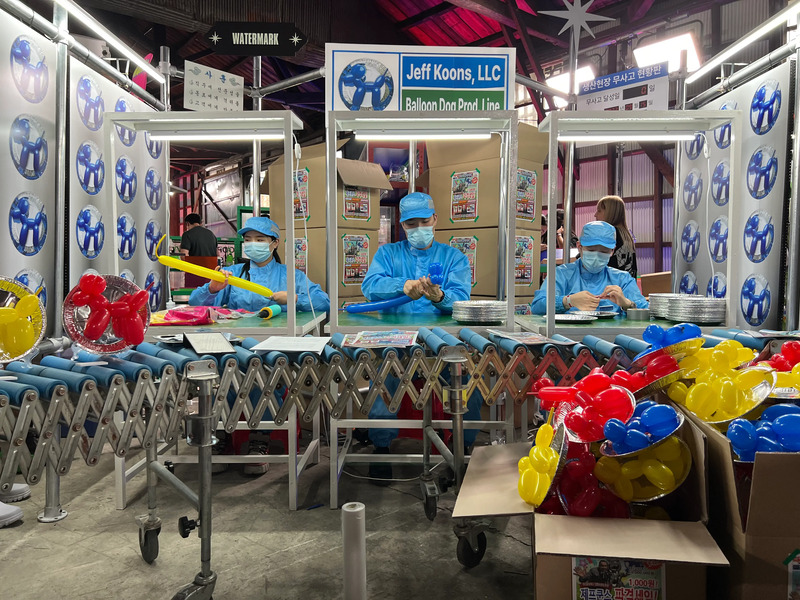
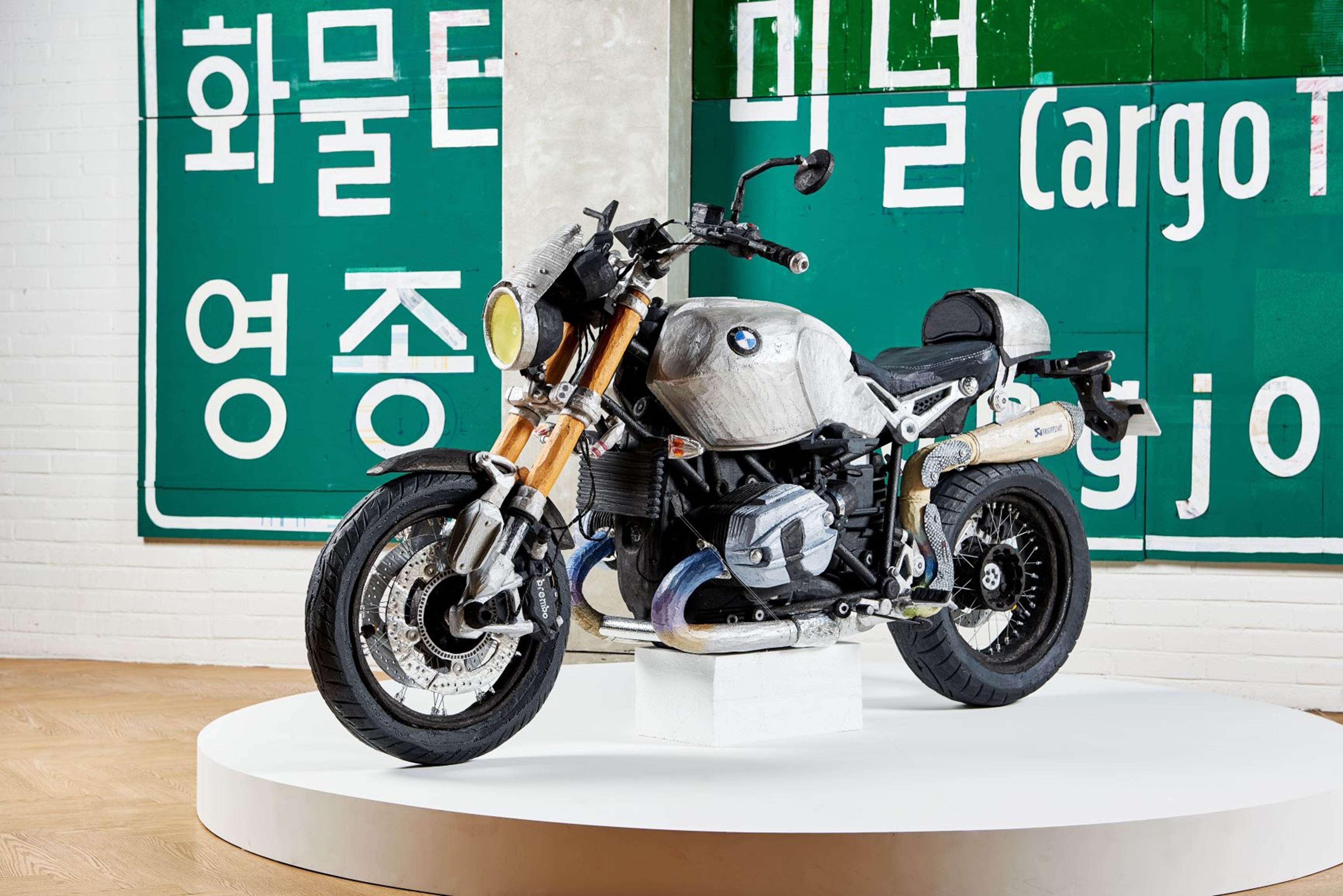
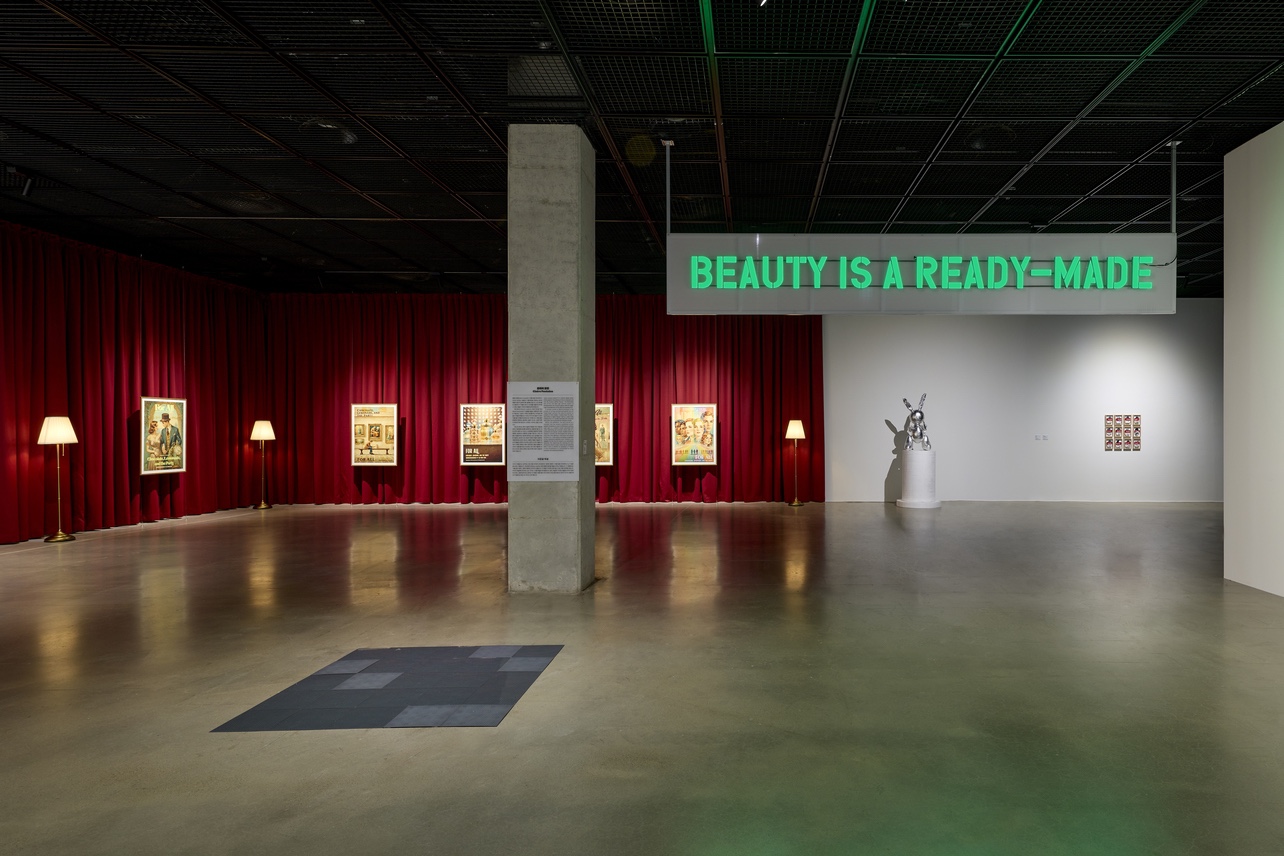
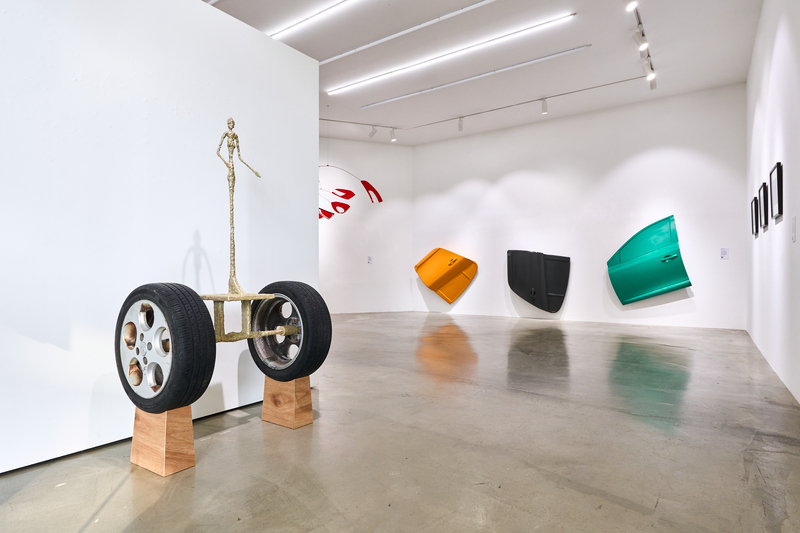
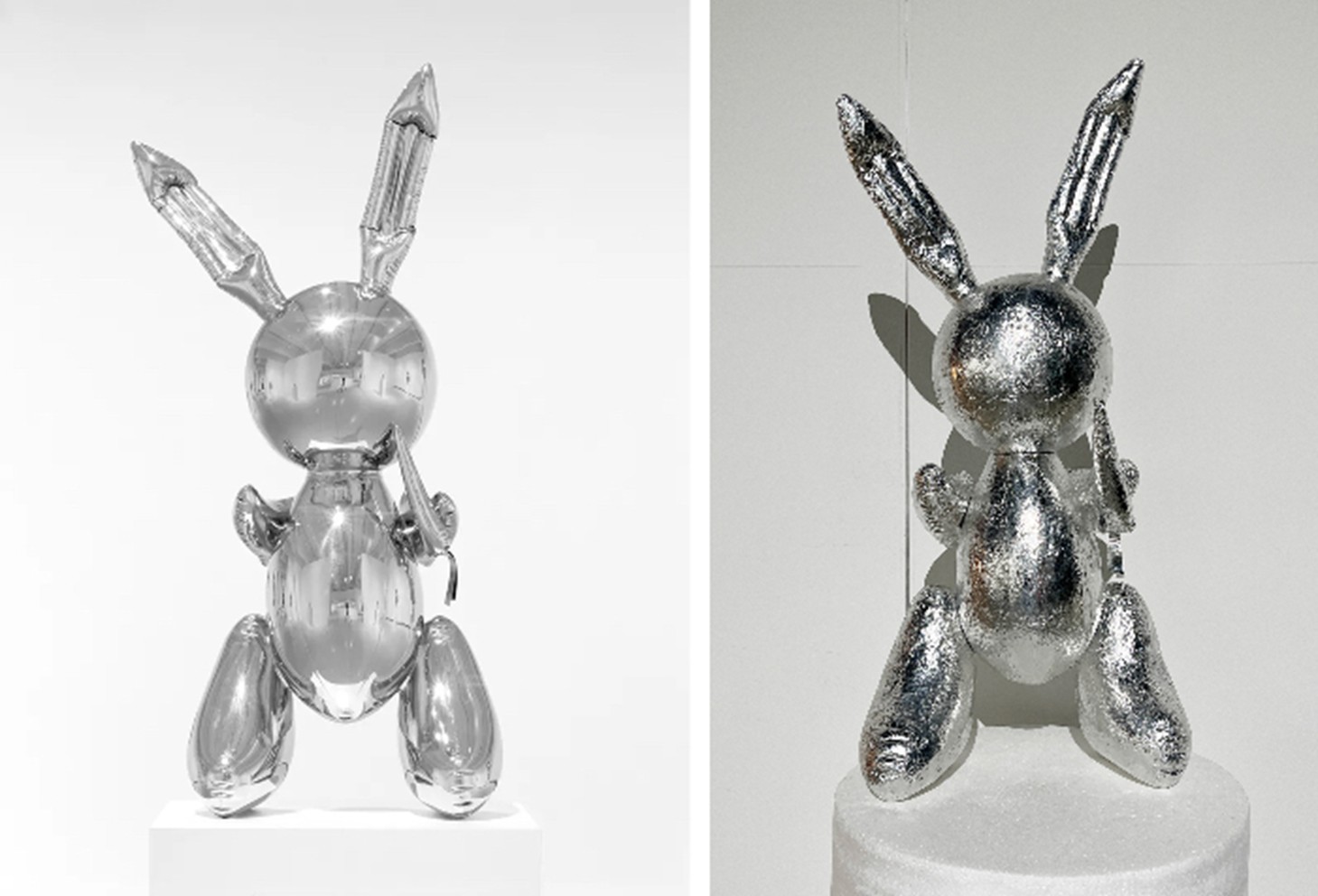
In the ‘MoMA from TEMU’ series, icons of art history are reconstructed using everyday consumer goods. Mark Rothko’s Untitled is replicated with sponge scrubbers purchased from Daiso, Jeff Koons’s Rabbit with Styrofoam and aluminum foil, and Andy Warhol’s Brillo Box with boxes from Korean consumer brands. In 《National Junkyard of Modern and Contemporary Art》, discarded automobile parts stand in for the works of Alexander Calder, Alberto Giacometti, and Richard Serra, materially dismantling the boundary between art and consumer products.

Topography & Continuity

Nam’s work does not remain at the level of parody or satire; rather, it structurally exposes the mechanisms through which art institutions, capitalism, and consumer culture operate. His distinctive position lies in making heavy questions accessible through humor and play. Over time, his practice has expanded from the replication of everyday spaces to the replication of experiences, transactions, and ultimately institutions and authority themselves. The objects of replication gradually shift from concrete things to systems and myths.

His works consistently privilege situations, participation, and experience over finished outcomes. Viewers become both consumers and participants, navigating moments of laughter and discomfort that prompt reflection on their own desires and expectations. Through this approach, art is transformed from an object of passive viewing into a device that operates through collective engagement.

As Dahoon Nam continues to expand his activity through major exhibitions and museum contexts in Korea, his work remains highly relevant within global environments shaped by capital and platform economies. Moving forward, he is likely to continue renewing the relationship between art and society through strategies of replication and falseness, exploring alternative ways for contemporary art to think through reality.

Works of Art

The 'Art' of Replication

Articles

Exhibitions

Activities