
Sanghee Song (b.1970) - K-ARTIST
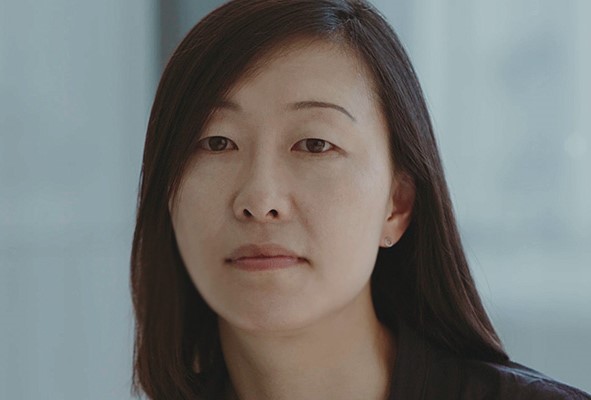
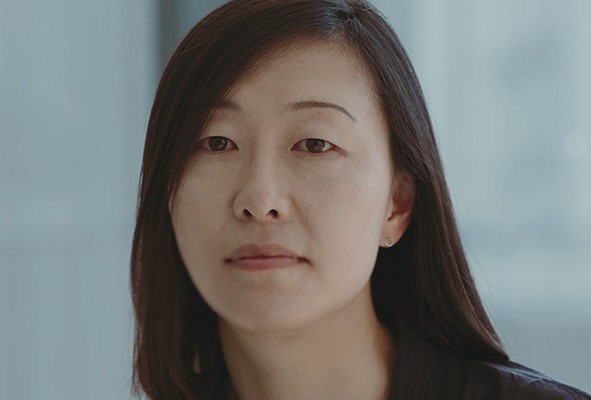
Sanghee Song (b.1970)

Sanghee Song graduated from the Department of Western Painting at Ewha Womans University and received her master's degree from the same graduate school. She currently lives and works in Korea.

Solo Exhibitions (Brief)

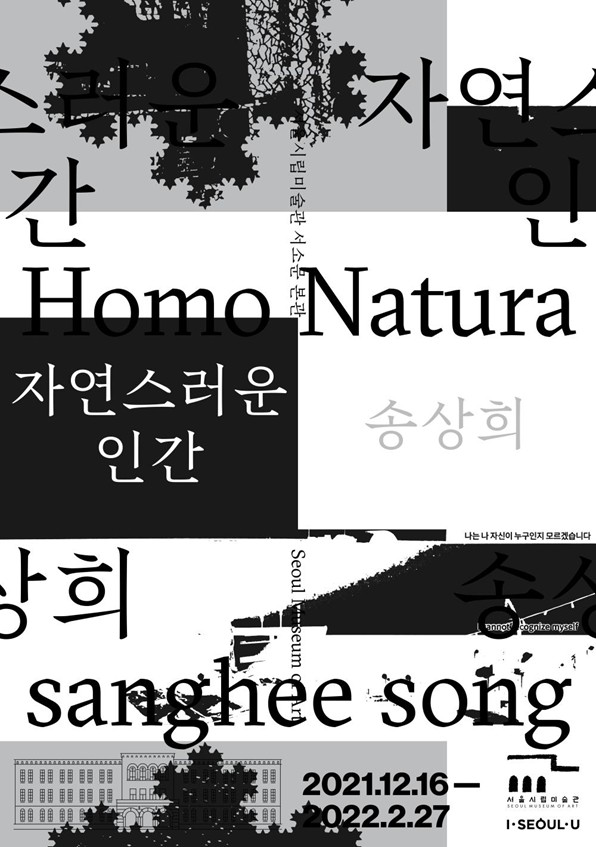
Song has held solo exhibitions at various institutions, including the Seoul Museum of Art (Seoul, 2022), VZL Contemporary Art (Amsterdam, Netherlands, 2018), Witzenhausen Gallery (Amsterdam, Netherlands, 2010), Insa Art Space (Seoul, 2004), and Art Space Pool (Seoul, 2001). 

Group Exhibitions (Brief)

Sanghee Song has participated in numerous group exhibitions organized by various international institutions in countries including Korea, China, the United States, Japan, Taiwan, and the Netherlands. Major institutions include the National Museum of Modern and Contemporary Art, Korea (2017); Nagoya Art Museum (2016, Nagoya, Japan); Nam June Paik Art Center (2013, 2014); Seoul Museum of Art (2011); Arko Art Center (2007); and Brooklyn Museum (2007, New York, USA).

Awards (Selected)

Sanghee Song received the Hermès Foundation Missulsang in 2008 and the Korea Artist Prize from the National Museum of Modern and Contemporary Art, Korea in 2017.

Residencies (Selected)

Sanghee Song has participated in residency programs at Okinawa Creator Village (2016, Japan), Aomori Contemporary Art Centre (2010, Japan), Rijksakademie van beeldende kunsten (2006–2007, Netherlands), and Ssamzie Space (2005, Korea).

Collections (Selected)

Sanghee Song's works are included in the collections of the National Museum of Modern and Contemporary Art, Korea; Seoul Museum of Art; Wumin Art Center; and the Art Council Korea.
Works of Art

Forgotten Beings Within a Paradoxical History

Originality & Identity

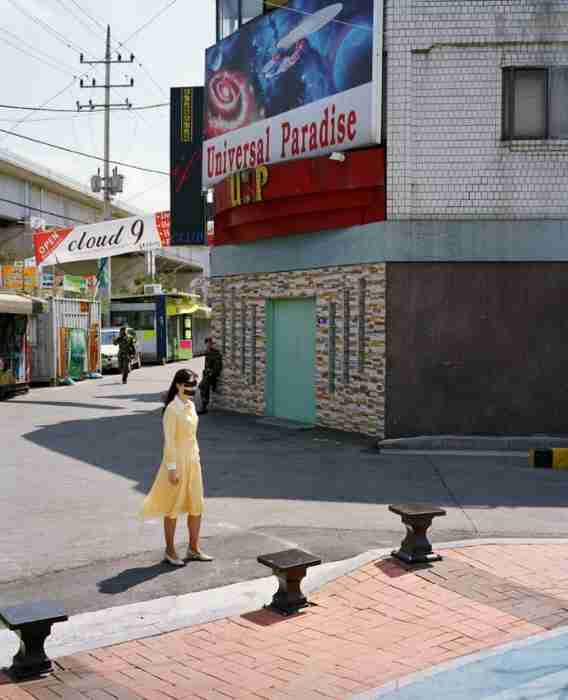
Sanghee Song's practice begins with a critical historical awareness that summons forgotten beings buried within power structures riddled with contradictions. In her early work Dongducheon(2005), the artist employs performance and photography to reconstruct the oppression and marginalization of women in the U.S. military camp towns, revealing how state violence and gender power intersect in this historically charged space. Through this, Song has consistently traced the lives of nameless individuals excluded from mainstream historical narratives.

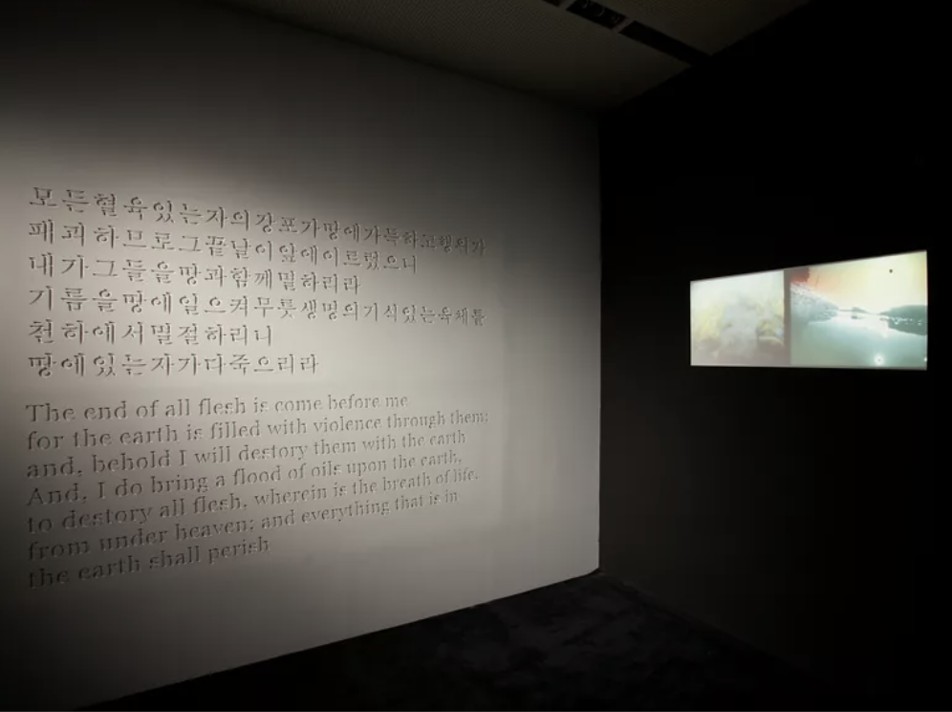
The Sixteenth Book of Metamorphoses(2008) and The Road to Mohang(2008) expand her practice by combining mythical narratives with the tragedies of modern history. Reinterpreting Ovid’s Metamorphoses, Song reimagines humanity’s self-destructive behavior caused by ecological devastation and oil greed through mythological language. In The Road to Mohang, based on the real-life Samsung Heavy Industries oil spill, the mythical narrative returns to reality, highlighting the recurring structure of human greed.

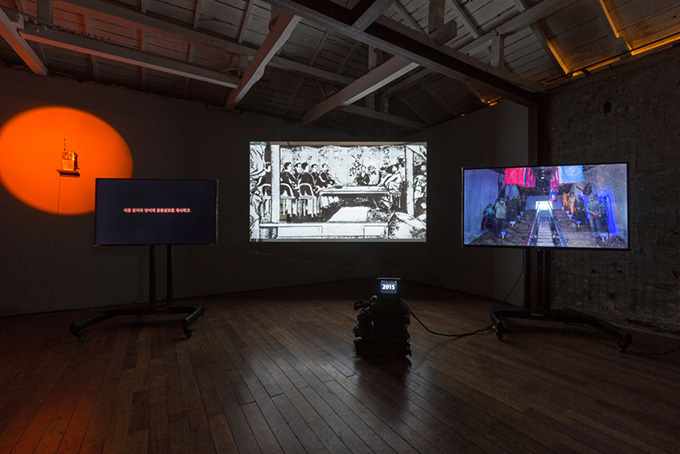
From the mid-2010s, her practice evolved into multilayered structures rooted in historical archives and site-specificity. In her solo exhibition 《The Story of Byeongangsoe 2015: In Search of the Others》(2015, Art Space Pool), she projected portraits of colonial subjects, comfort women, and prisoners of war, integrating these drawings with textual fragments. Through the vulgar and tragic narrative of Byeongangsoe, she questions how social tragedies are repeatedly concealed and forgotten.

In 《Korea Artist Prize 2017》(2017, MMCA), Song’s exploration deepens into a universal narrative of apocalypse and regeneration. Works such as Come Back Alive Baby(2017) and This is the way the world ends not with a bang but a whimper(2017) recombine fragments from Chernobyl, the People's Revolution Party Incident, Nazi experiments, ISIS, and other catastrophes across time and geography, creating an apocalyptic narrative that reflects both human destruction and hope.

Style & Contents

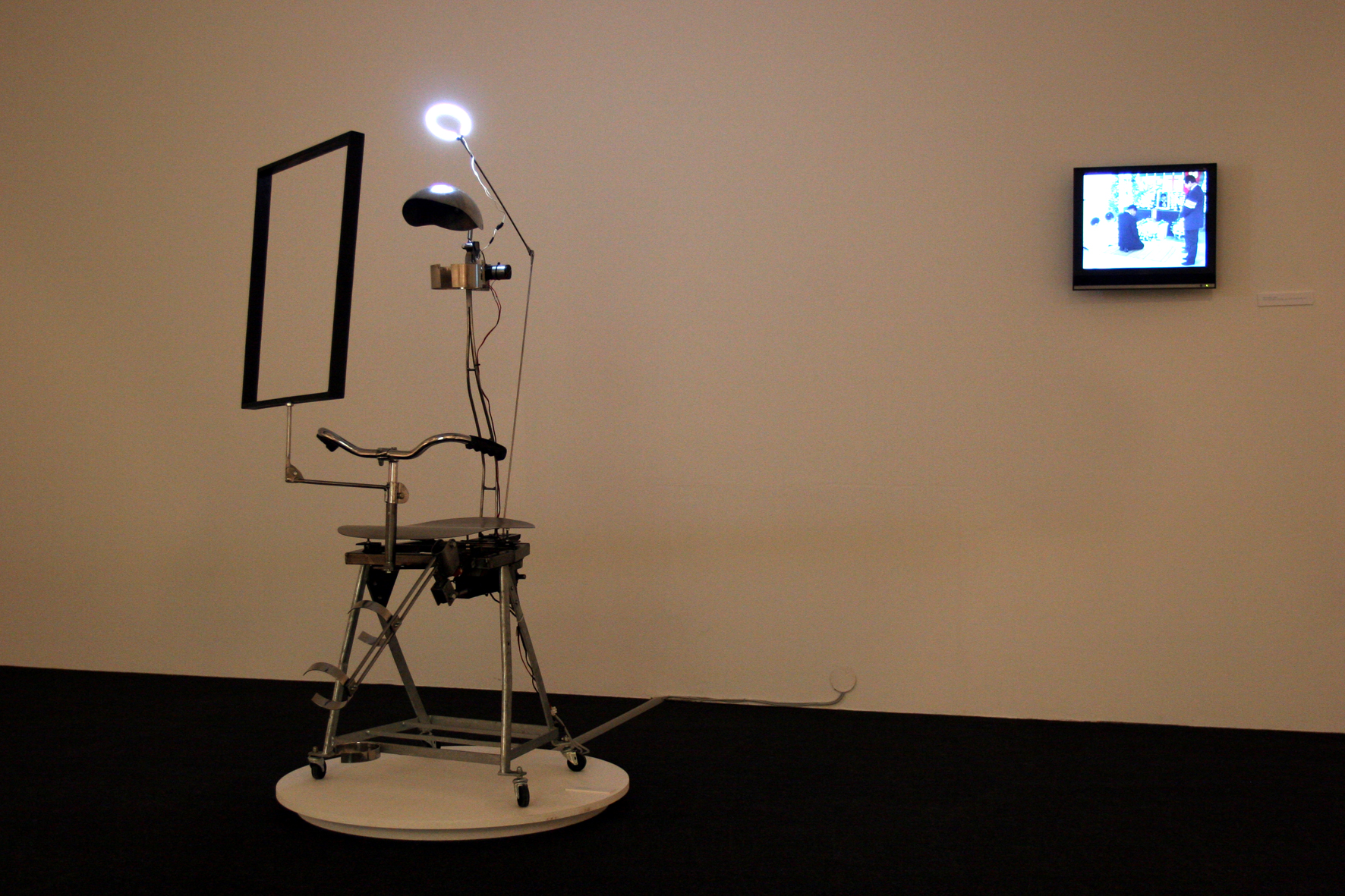
From the outset, Song’s work has been characterized by experimental use of multiple media. In Dongducheon(2005), she mediates her own body through performative reconstruction and photographic documentation, a "body-image" strategy that remains central to her narrative language.

In The Sixteenth Book of Metamorphoses(2008), she utilizes pencil-drawing based animation to fuse mythological imagination with ecological tragedies of reality. The video interweaves multiple narrative layers of myth, science, apocalypse, and love. Later, in The Road to Mohang(2008), live-action footage further extends her experimental visual language.

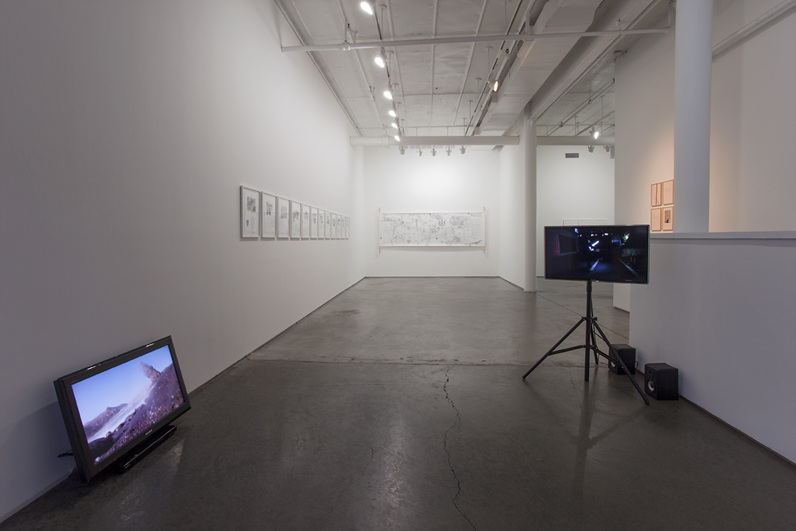
Beginning with The Story of Byeongangsoe 2015: In Search of the Others(2015), her work transitions into complex installations. Drawings, historical records, pansori novel fragments, music, and video are layered into archive-like spatial structures that generate both narrative immersion and sensory discomfort through the disruption of text and image.

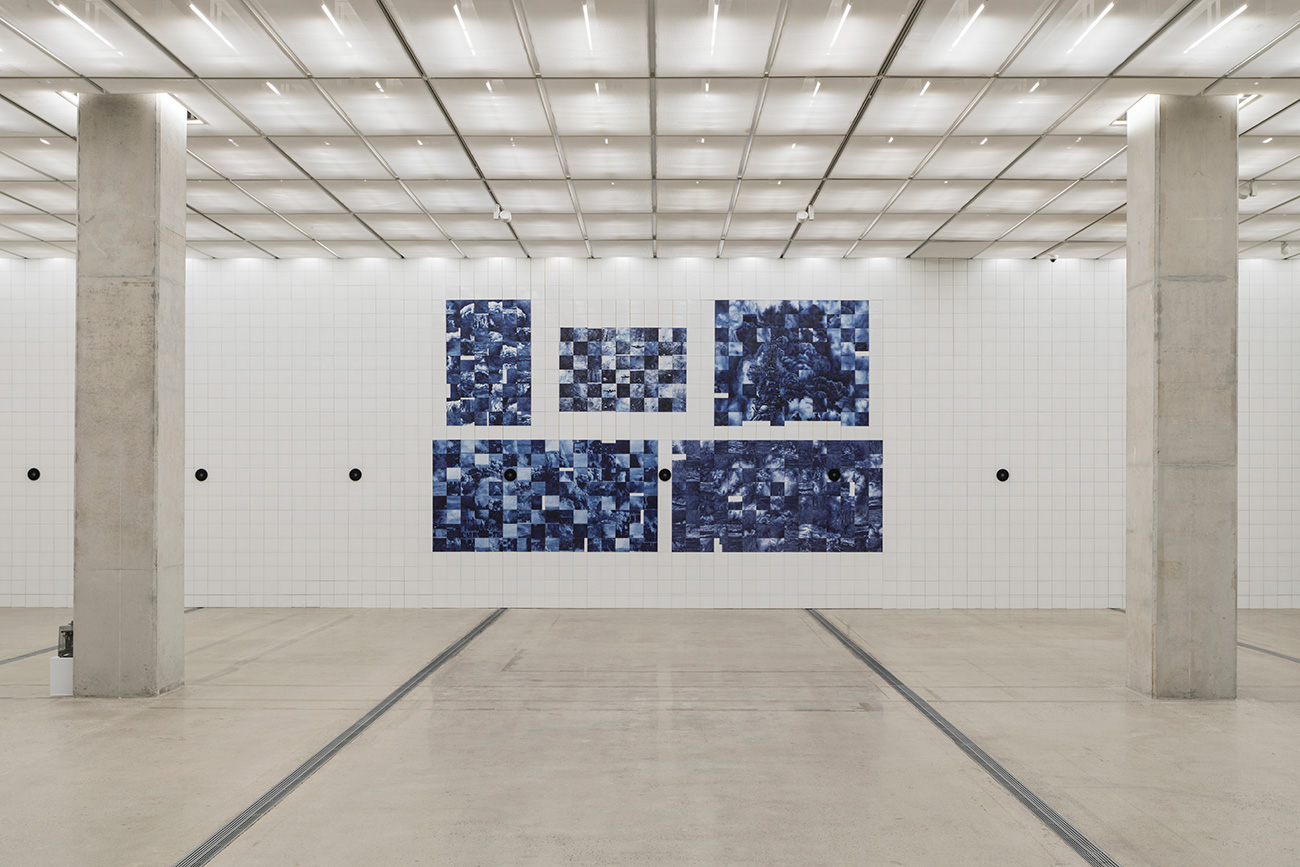
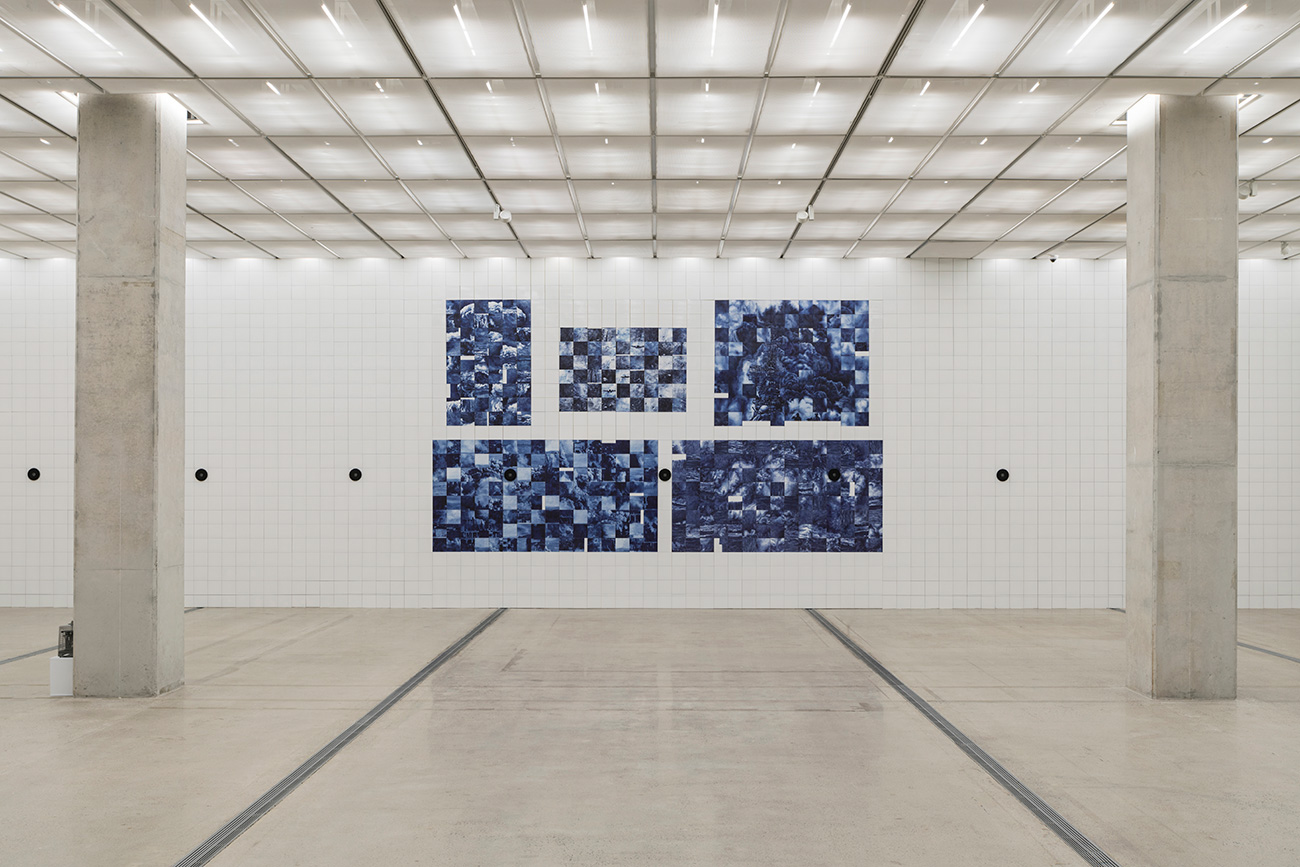
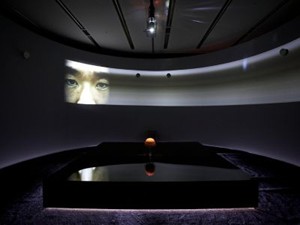
In 《Korea Artist Prize 2017》, spatial installations are expanded into immersive narratives integrating multi-channel video, tile drawings, and sound systems. Come Back Alive Baby transforms the “Baby Commander” folktale into a cyclical structure of birth, death, and resurrection via three-channel video. Meanwhile, This is the way the world ends not with a bang but a whimper extends the temporal spectrum through tile-drawing mosaics and Voyager-recorded greetings.

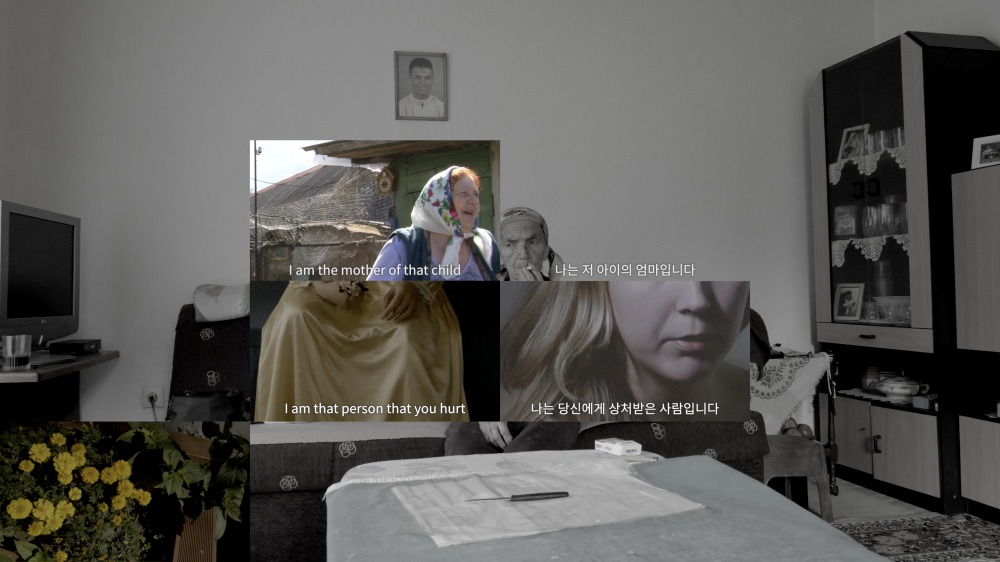
Her recent work Talk to You(2021) incorporates multi-channel screens, drone speakers, and texts from John Berger, expanding her inquiry toward the human collective.

Topography & Continuity

Sanghee Song has consistently summoned beings excluded from the contradictions of modern society—those displaced by state violence, gender oppression, war, and ecological collapse. Rather than reproducing victimhood, she fragments and recombines remnants of tragedy through intersections of mythology, folklore, and archival material, which have become her signature narrative language.

While her early work focused on photography and performance, she has since expanded into complex multimedia works combining video, installation, sound, drawing, and text. Following 《Korea Artist Prize 2017》, her immersive spatial compositions and multidimensional interplay between history, reality, and narrative have become more pronounced. She was also selected as the final recipient of the Korea Artist Prize at this exhibition.

Today, Sanghee Song holds a central position in East Asian contemporary art as a mid-career artist who dissects state violence and historical erasure through both narrative and sculptural dimensions.

Works of Art

Forgotten Beings Within a Paradoxical History