
Koo Jeong A (b.1967) - K-ARTIST
Koo Jeong A (b.1967)

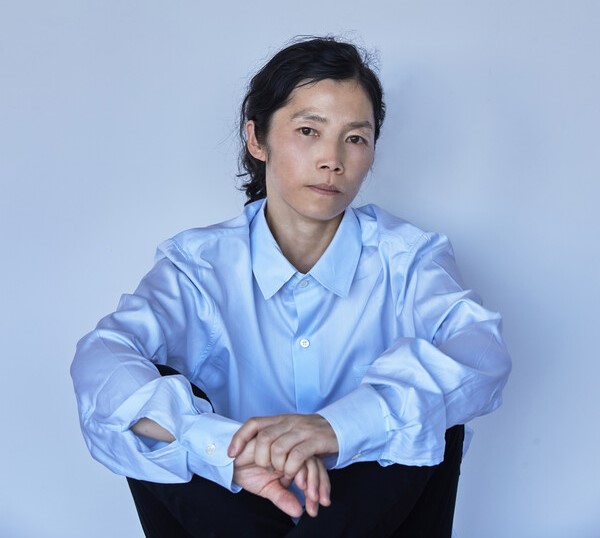
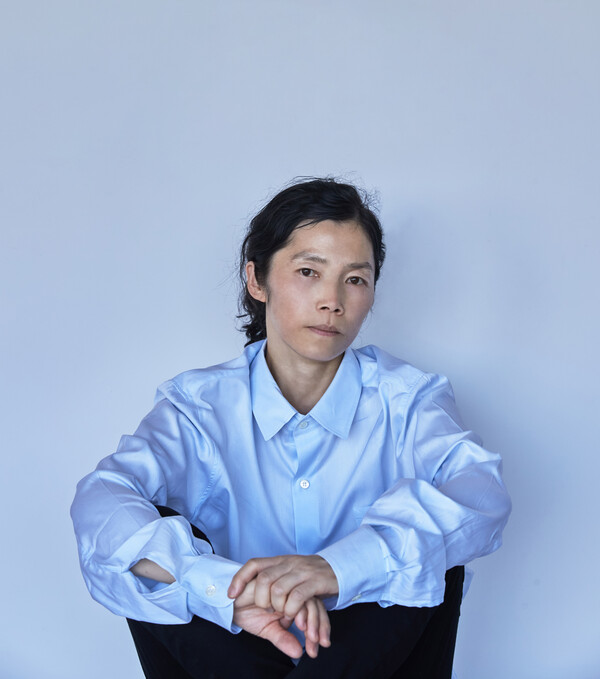
Born in Seoul, Koo Jeong A has been based in Europe and the US ever since she moved to Paris from Seoul to study at the École des Beaux-Arts in 1991.

Memory, Scent, and Anti-History

Solo Exhibitions (Brief)

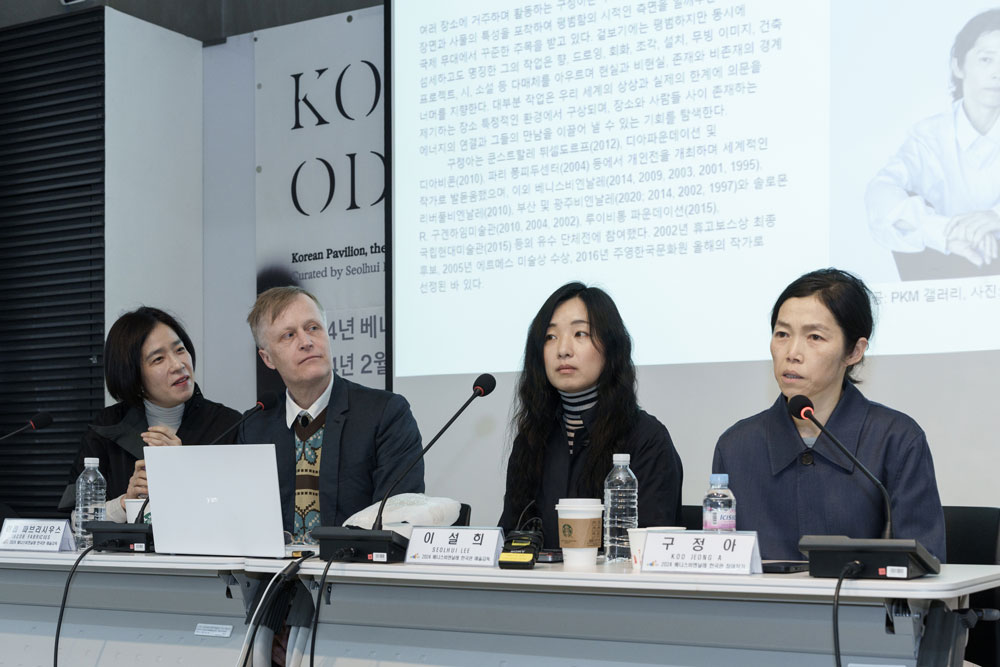
Koo Jeong A has held solo exhibitions at major international institutions, including Malmö Art Museum (Malmö, Sweden, 2024), Pilar Corrias (London, 2022), Fondation Beyeler (Basel, 2019), Kunsthalle Düsseldorf (Düsseldorf, 2012), and Centre Pompidou (Paris, 2004). She has also presented solo exhibitions within major international biennials, including the Korean Pavilion at the Venice Biennale (2024) and the Milan Triennale (2019).

She is currently preparing upcoming solo exhibitions at Leeum Museum of Art (2026), the Aspen Art Museum (Aspen, USA, 2026), and Kunsthaus Bregenz (Bregenz, Austria, 2026).

Group Exhibitions (Brief)

Koo Jeong A has participated in numerous major group exhibitions, including the Venice Biennale (2014, 2009, 2003, 2001, 1995), the Liverpool Biennial (2010), and the Busan and Gwangju Biennales (2020; 2014, 2002, 1997). She has also taken part in exhibitions at leading institutions such as the Solomon R. Guggenheim Museum (2010, 2004, 2002), the Fondation Louis Vuitton (2015), and the National Museum of Modern and Contemporary Art (2015).

Awards (Selected)

Koo was a finalist for the Hugo Boss Prize in 2002, won the Hermes Korea Prize for contemporary art in 2005, and was named as ‘2016 artist of the Year’ by the Korean Cultural Centre UK. 

Residencies (Selected)

Koo Jeong A has participated in a number of artist residencies, including the Dia Art Foundation Residency (New York, 2010), Atelier des Arques (Les Arques, 2007), CCA Kitakyushu (Kitakyushu, 2002), and the Villa Medici (Rome, 2000).

Collections (Selected)

Works by Koo Jeong A are held in the collections of major institutions, including the National Museum of Modern and Contemporary Art, the Leeum Museum of Art, the Art Sonje Center, the Centre Pompidou, the Fondation Louis Vuitton, the Solomon R. Guggenheim Museum, the Musée d’Art Moderne de Paris, and the Tate Modern.
Works of Art

Memory, Scent, and Anti-History

Originality & Identity

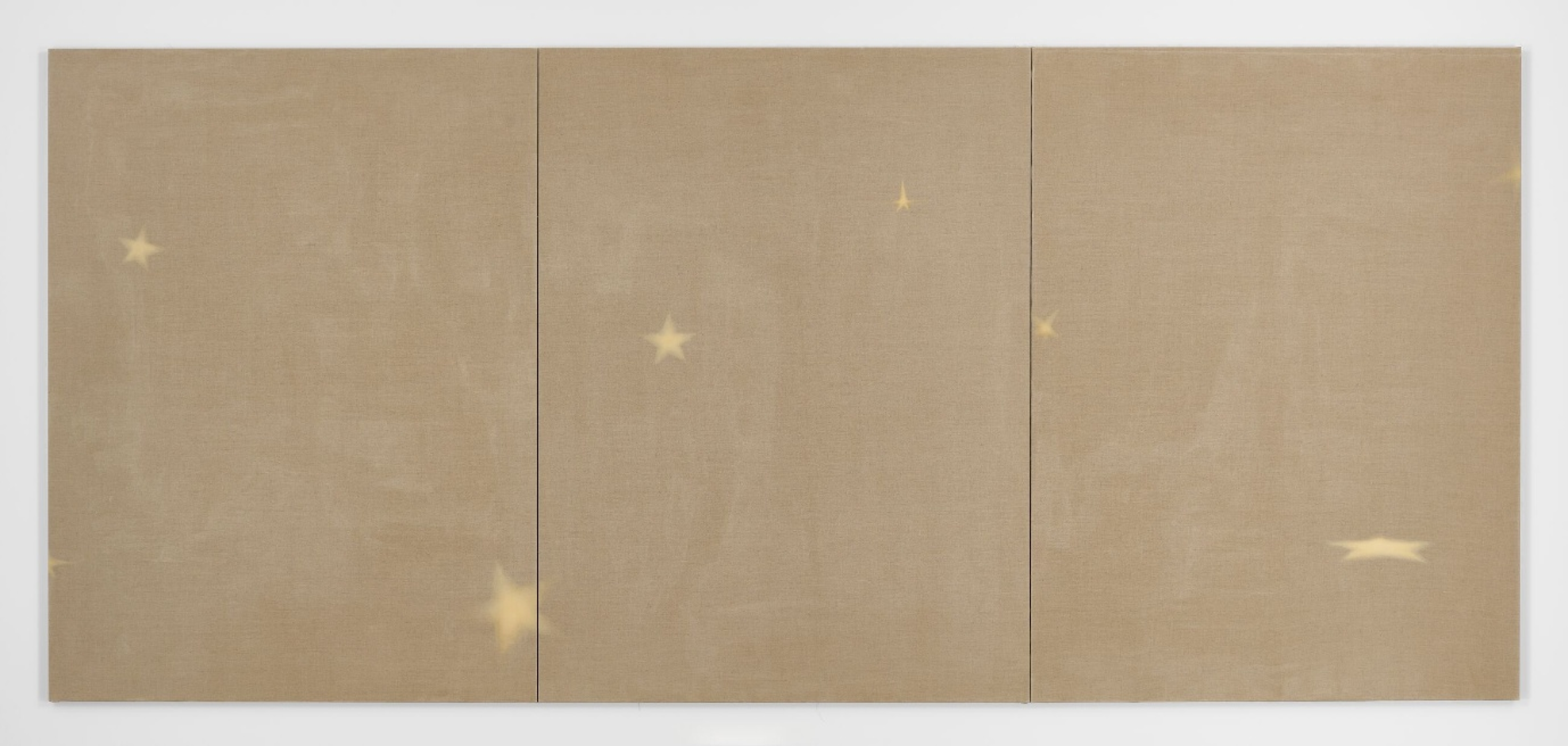
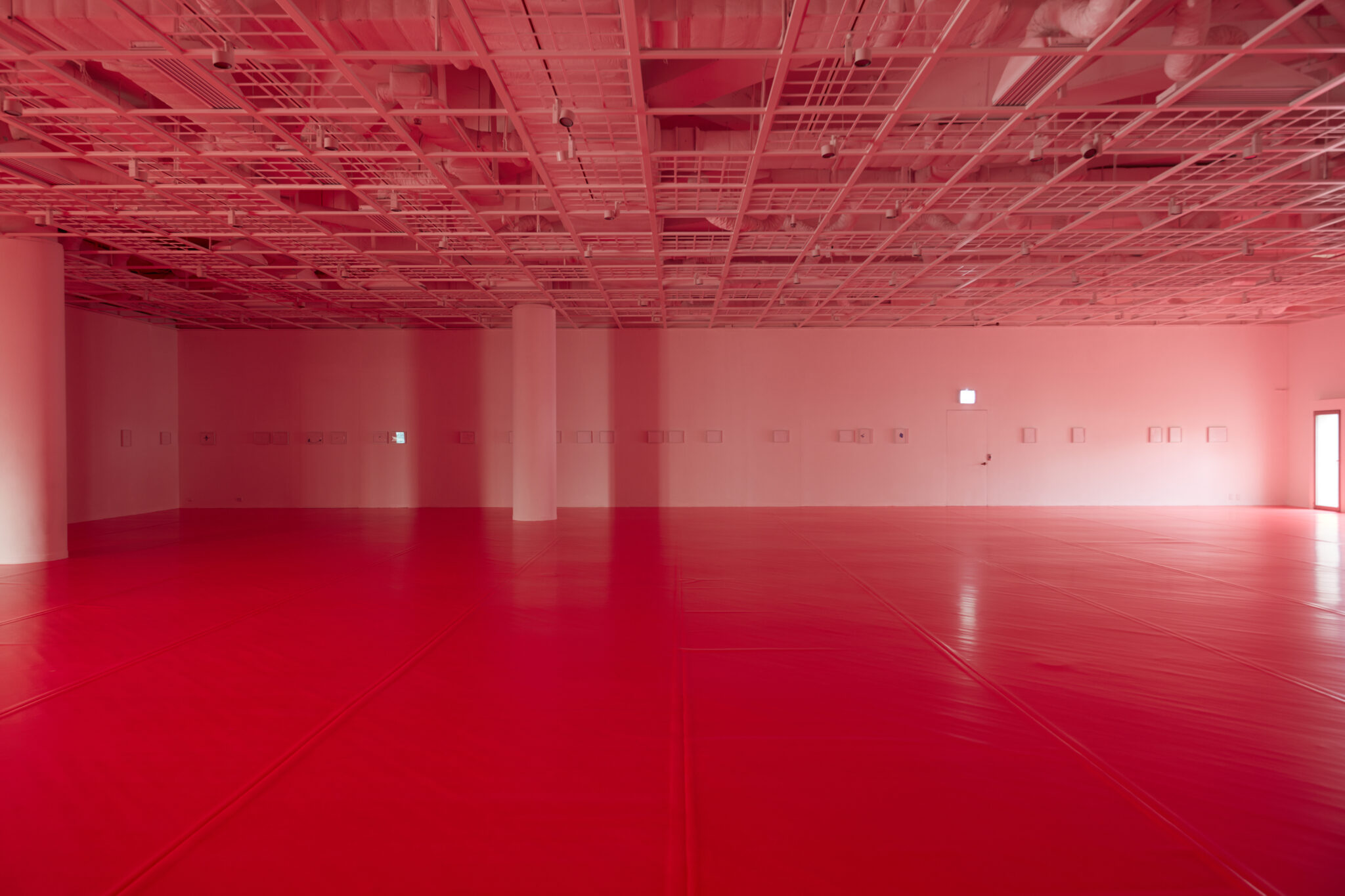
Koo Jeong A’s artistic practice begins with attention to fleeting everyday scenes, ordinary objects, and subtle sensory conditions, revealing the poetic potential embedded in the mundane. Rather than clearly separating reality from unreality or existence from non-existence, she focuses on the ambiguous states formed in between. This approach is evident from early works such as Oslo(1998), where minimal elements—light entering through a window and white powder made from crushed aspirin—quietly alter spatial perception.

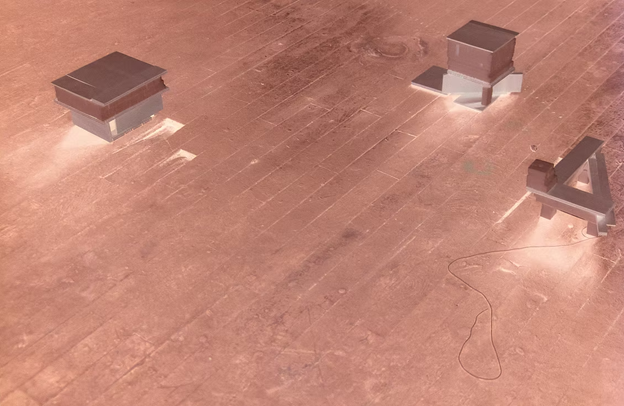
By employing fragile and commonplace materials, Koo avoids overt symbolism or fixed narratives, allowing viewers to form meaning through sensory experience. Materials such as crumpled paper, discarded toys, or cigarettes function not as carriers of messages but as catalysts that generate shifting perceptual states depending on their context. In this way, her work privileges experience over interpretation and foregrounds the latent tension of the ordinary.

Over time, this interest expands toward immaterial elements such as sound, light, temperature, and scent. These elements, while invisible, act directly upon space and the body, subtly destabilizing perception. Works presented at the Venice Biennale in 2009 or the installation Dr. Vogt(2010) intervene minimally in everyday environments, activating sensory events only when viewers approach or linger.

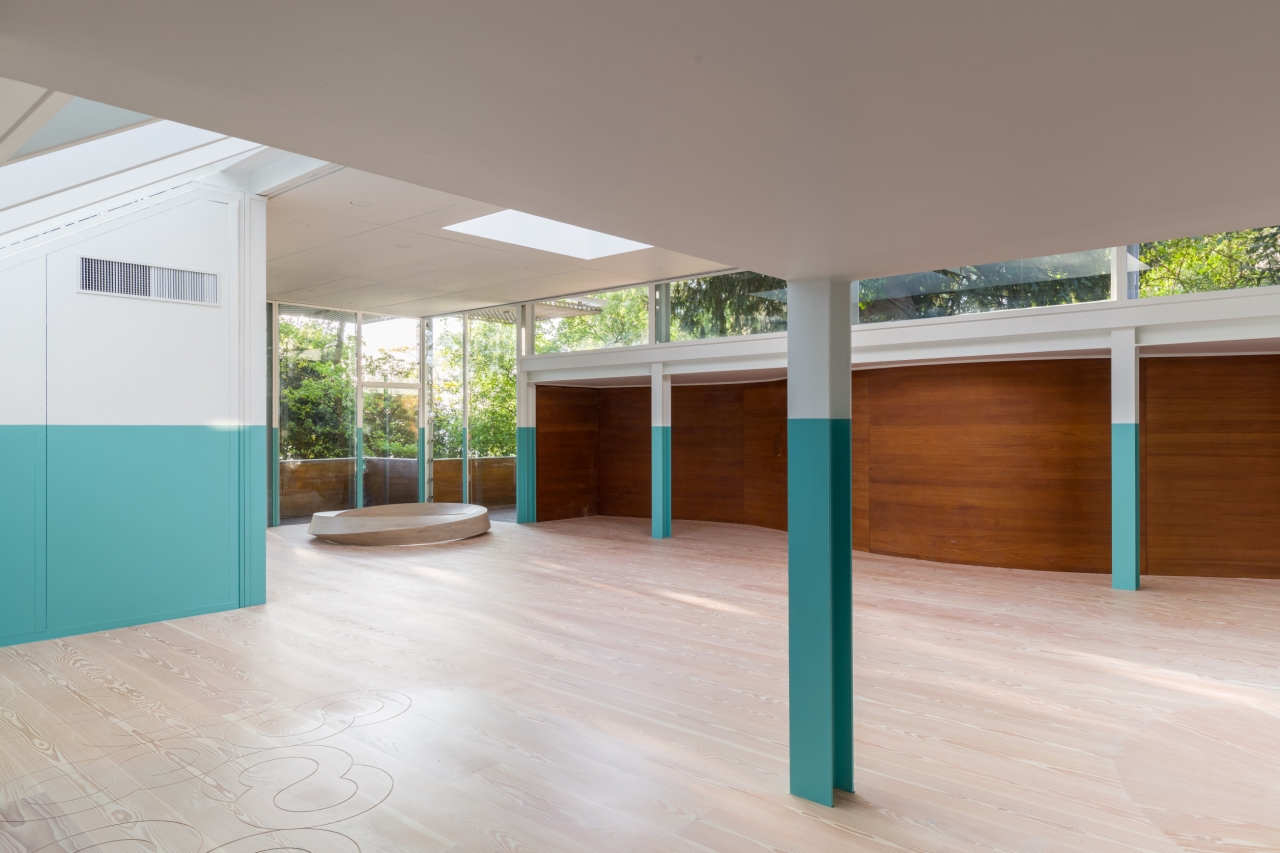
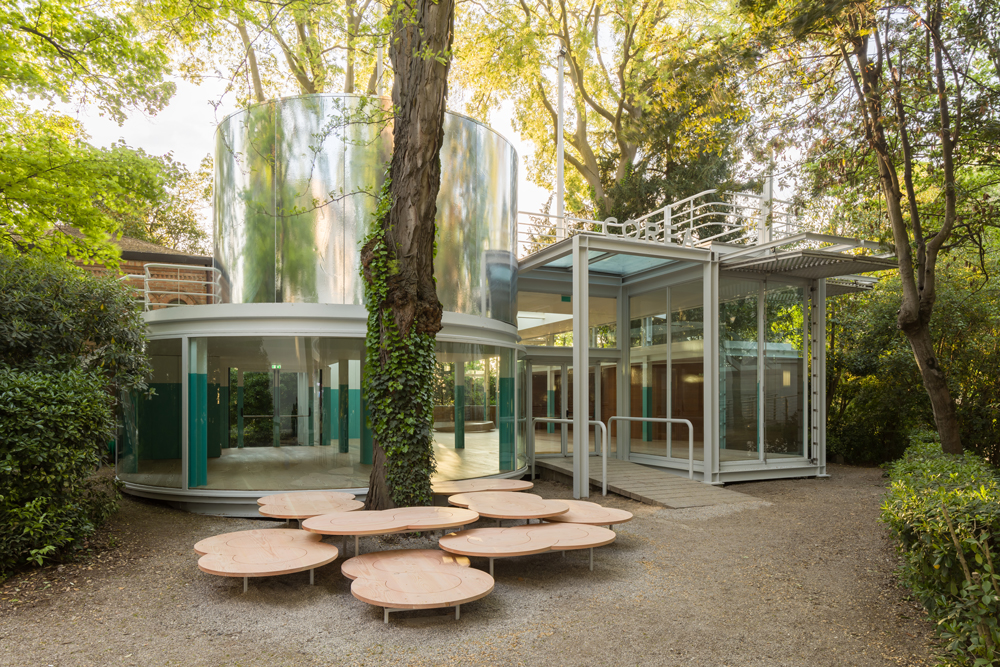
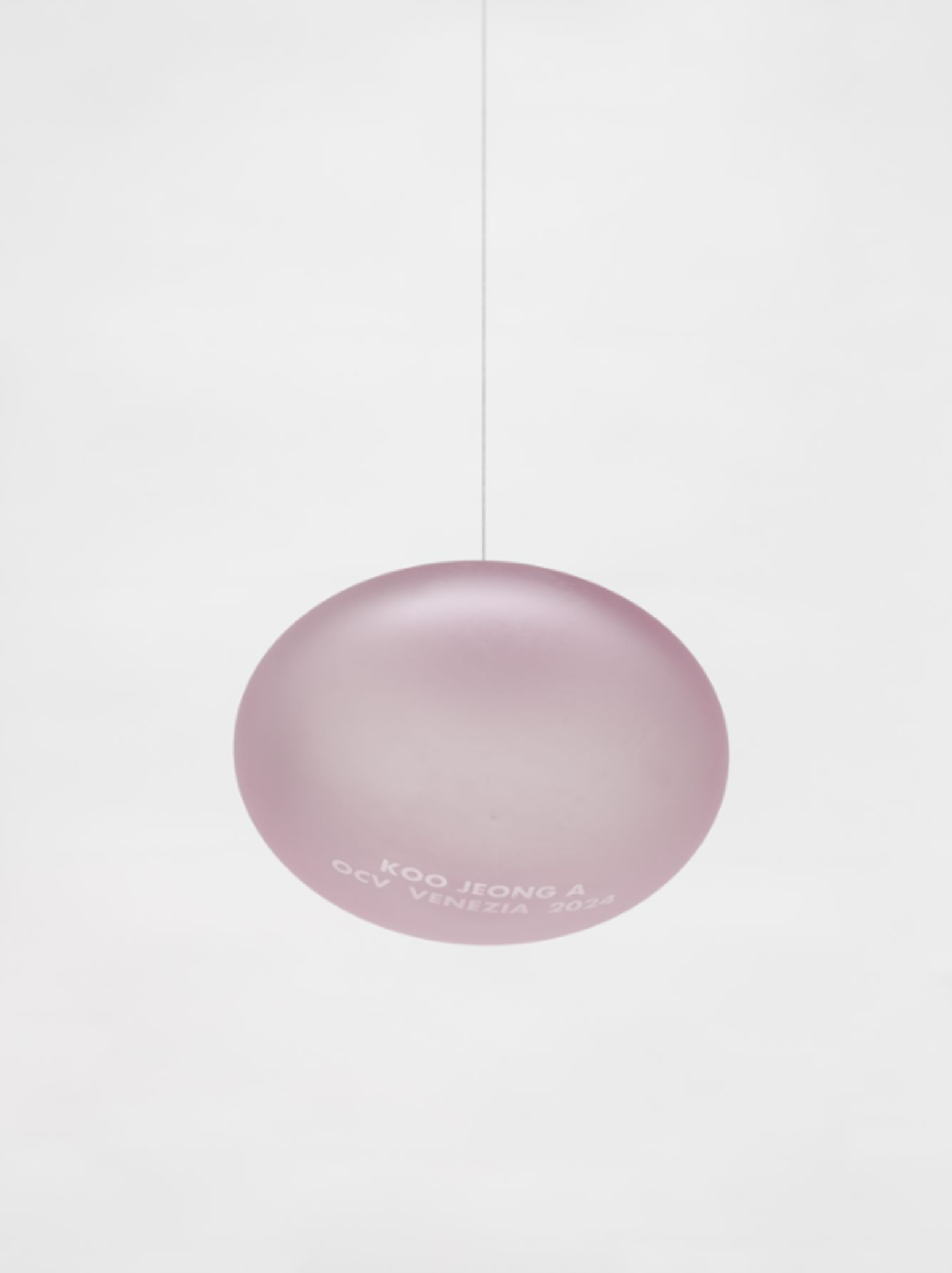
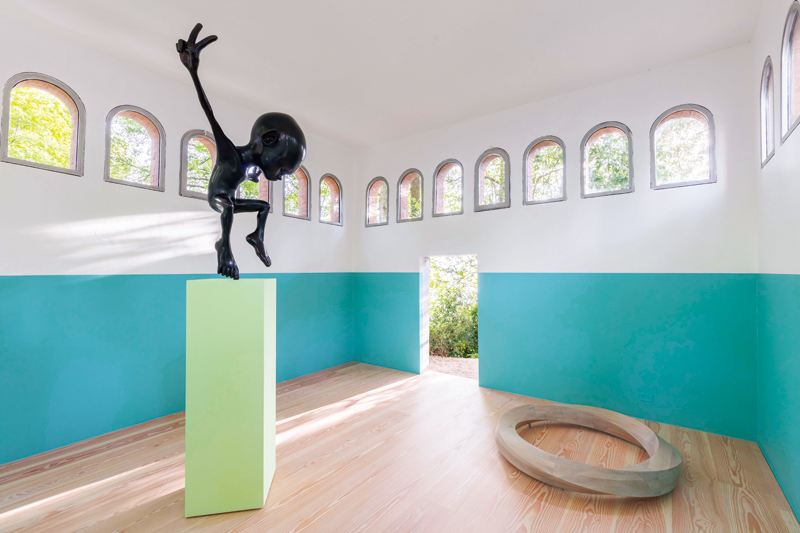
In 《KOO JEONG A – ODORAMA CITIES》(Korean Pavilion, Venice Biennale, 2024), these concerns culminate in scent as a medium for collective yet deeply personal memory. By collecting scent memories related to cities and hometowns and transforming them into olfactory compositions, Koo reveals a sensory landscape that extends beyond physical geography. Memory here is not represented but reactivated as a present, embodied experience.

Style & Contents

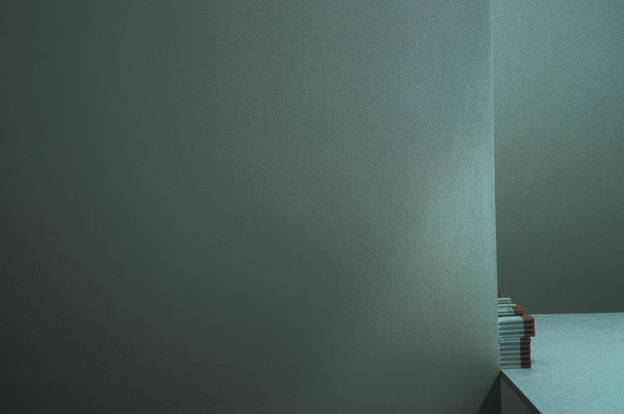
Koo Jeong A’s work unfolds across a wide range of media, including installation, sculpture, drawing, moving image, sound, scent, and architectural structures. Early works emphasize the orchestration of atmosphere through simple materials, as seen in Oslo or Dr. Vogt, where spatial perception is shaped through light, color, and paper rather than sculptural mass. Form is secondary to the sensory experience produced within the space.

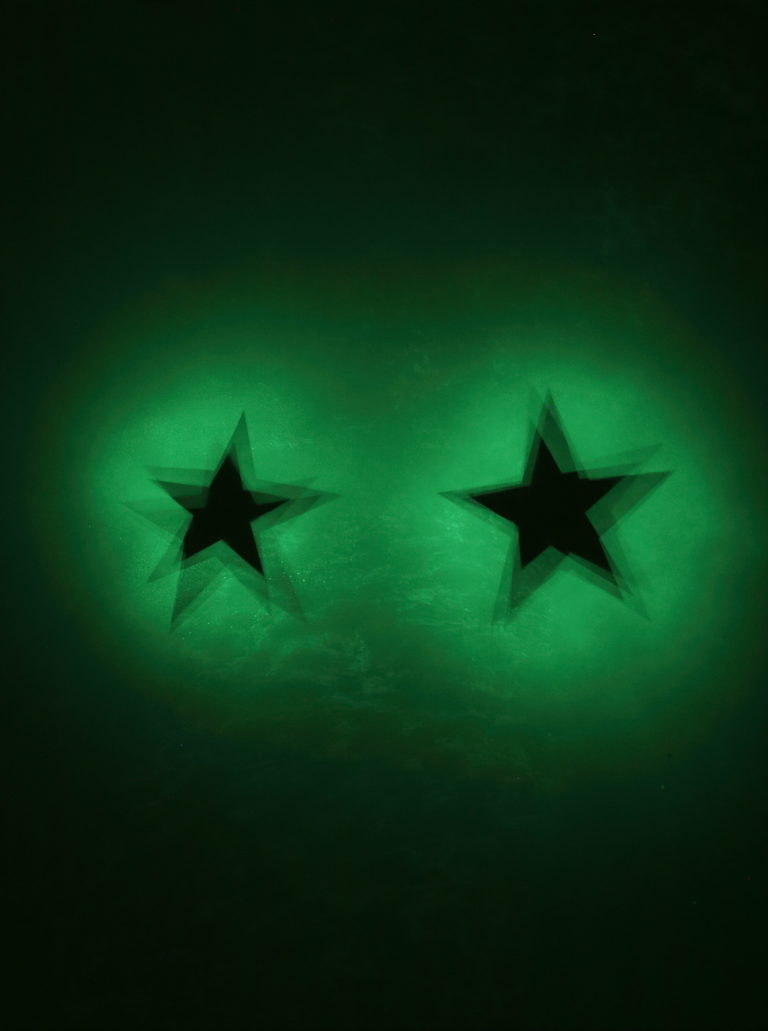
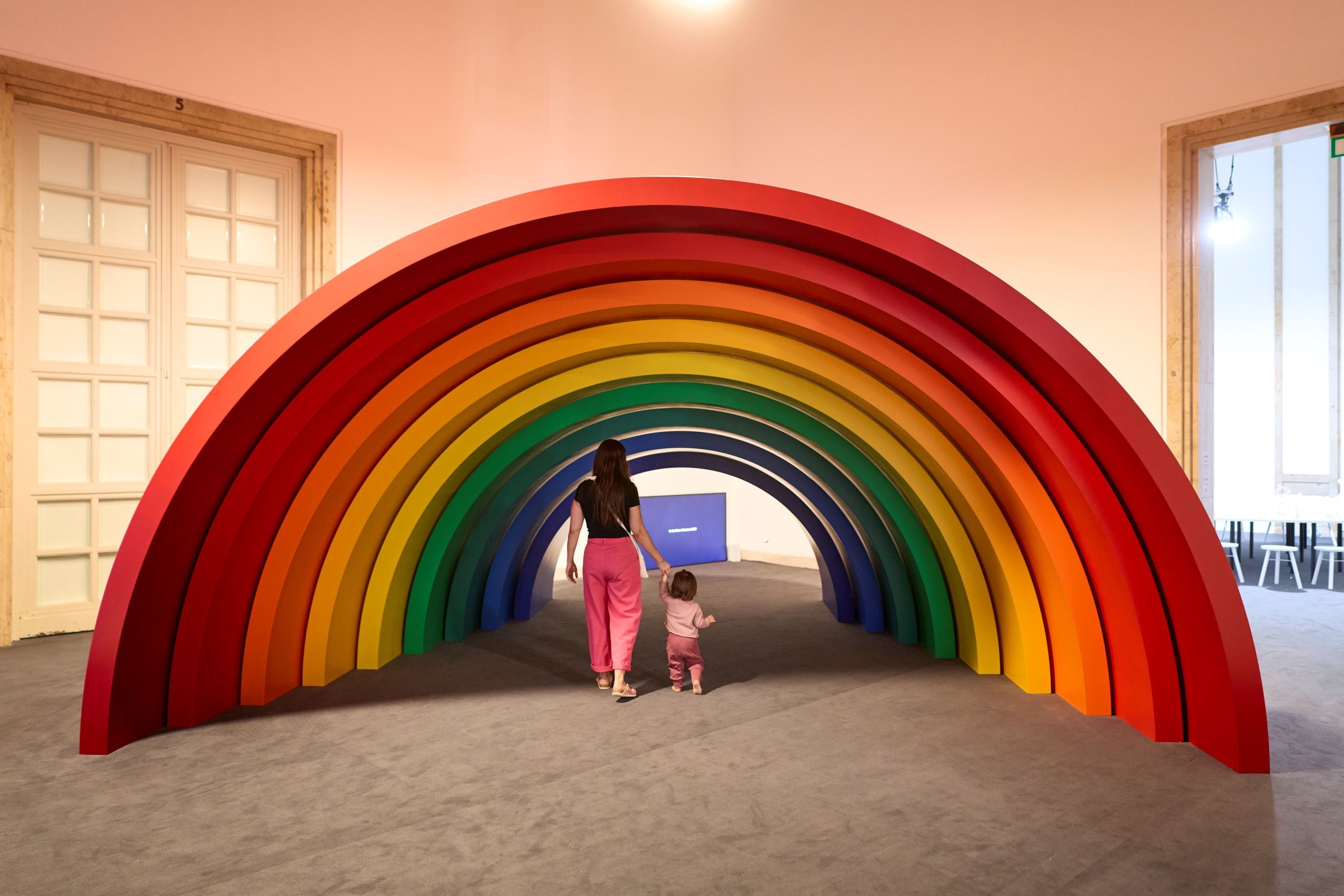
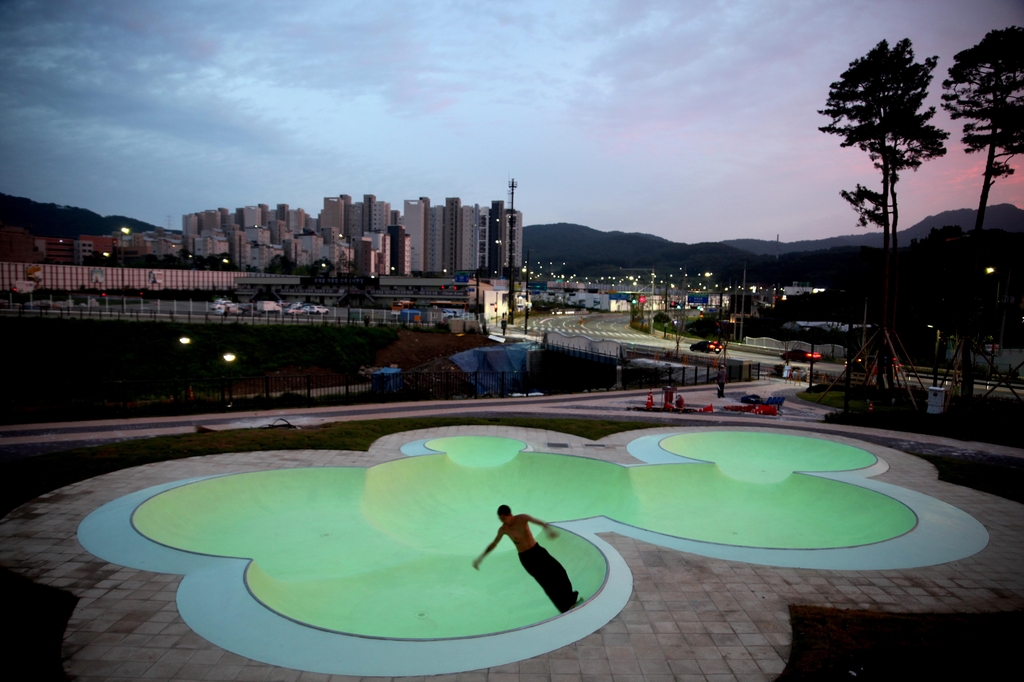
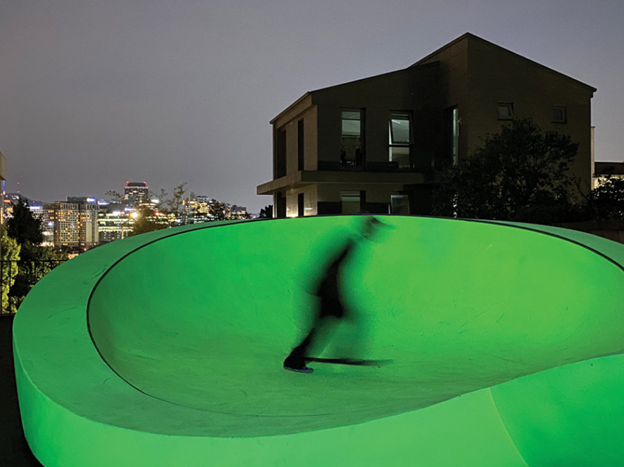
The ‘Skate Park’ project, initiated in 2012, marks a significant expansion of form. Beginning in Vassivière, the phosphorescent structures blur distinctions between sculpture, playground, and public space. Versions such as OooOoO(2019) adapt to different urban contexts in Liverpool, São Paulo, and Milan, incorporating participation, bodily movement, and temporality into the sculptural field.

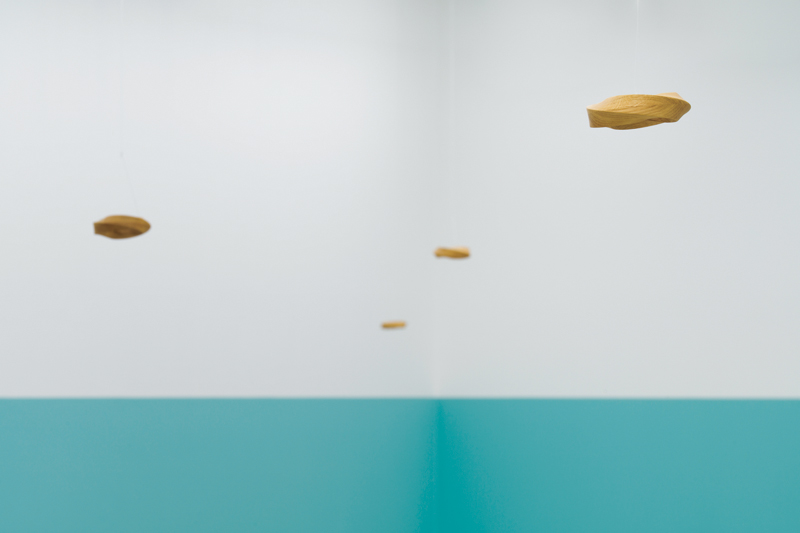
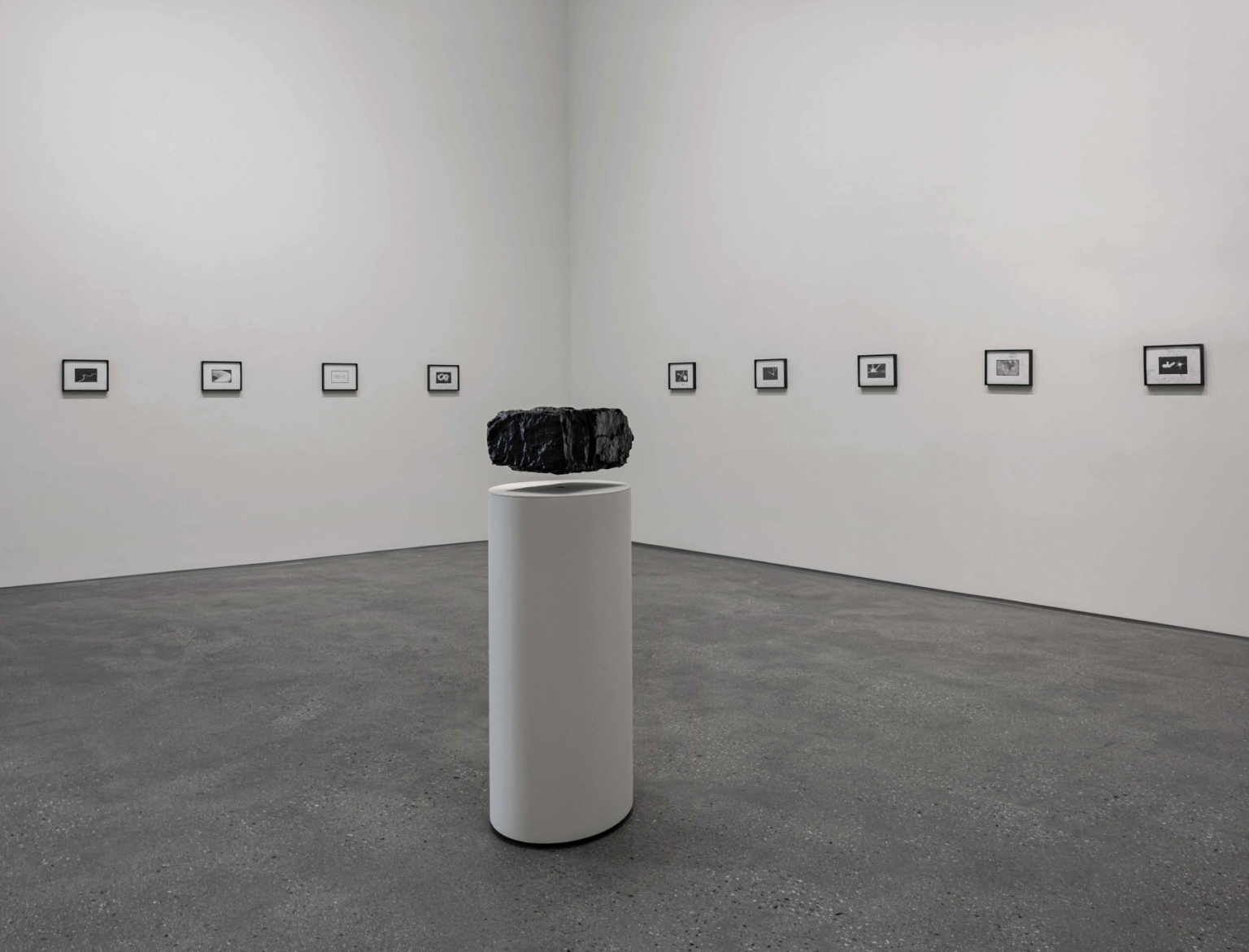
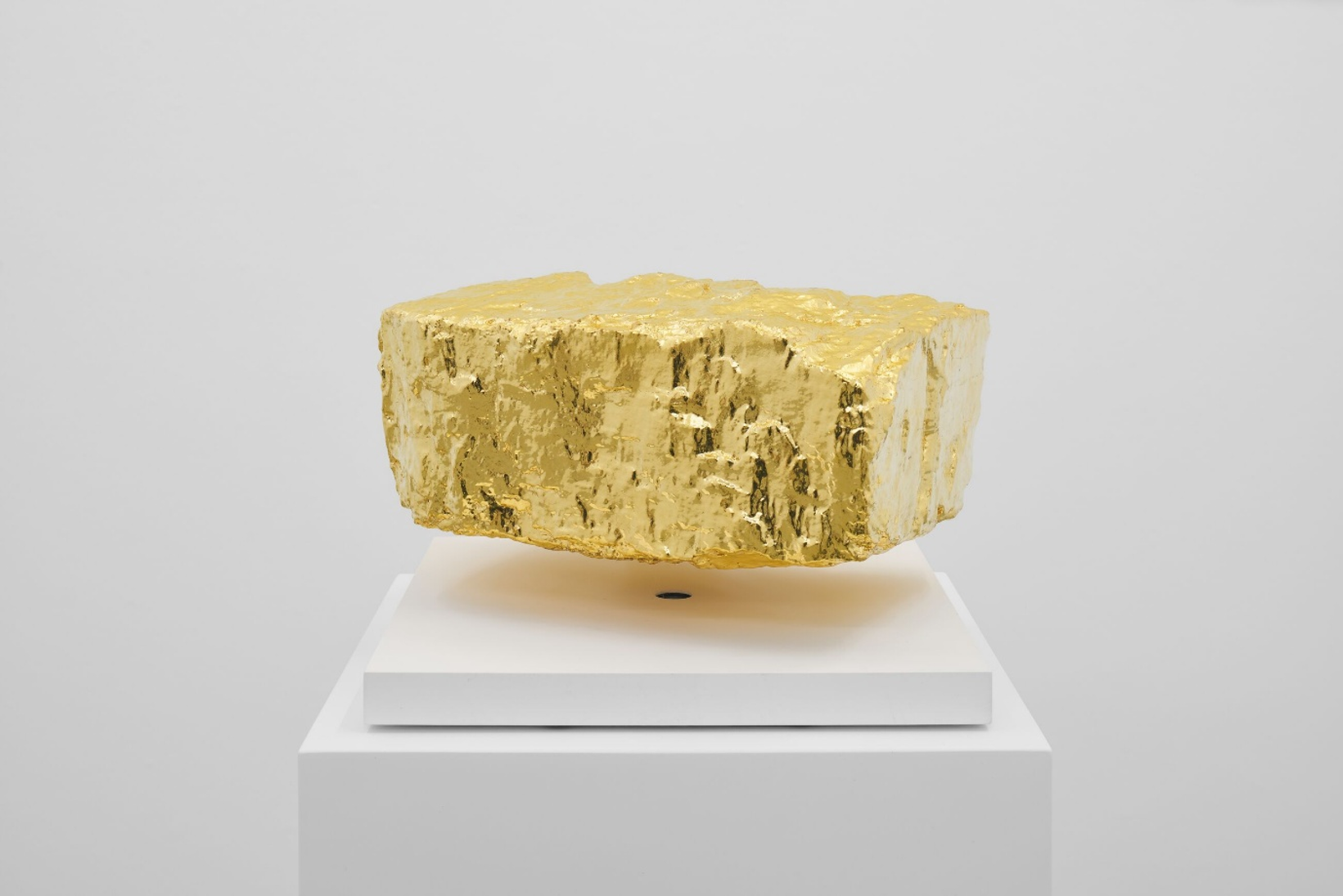
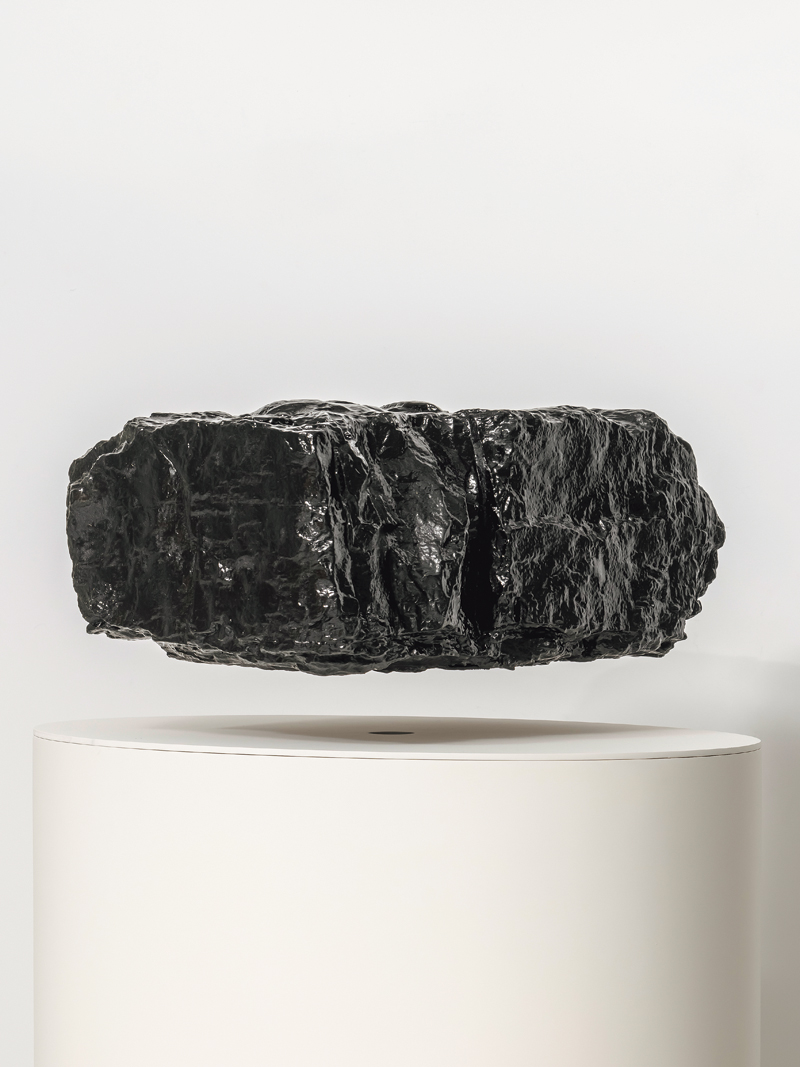
Koo’s engagement with technology remains understated. In Density(2019), augmented reality introduces floating ice fragments into real spaces, emphasizing the overlap between reality and unreality rather than technological spectacle. This work later materialized as magnetically levitating sculptures in Density(2023), tracing a transition from immaterial image to tangible form.

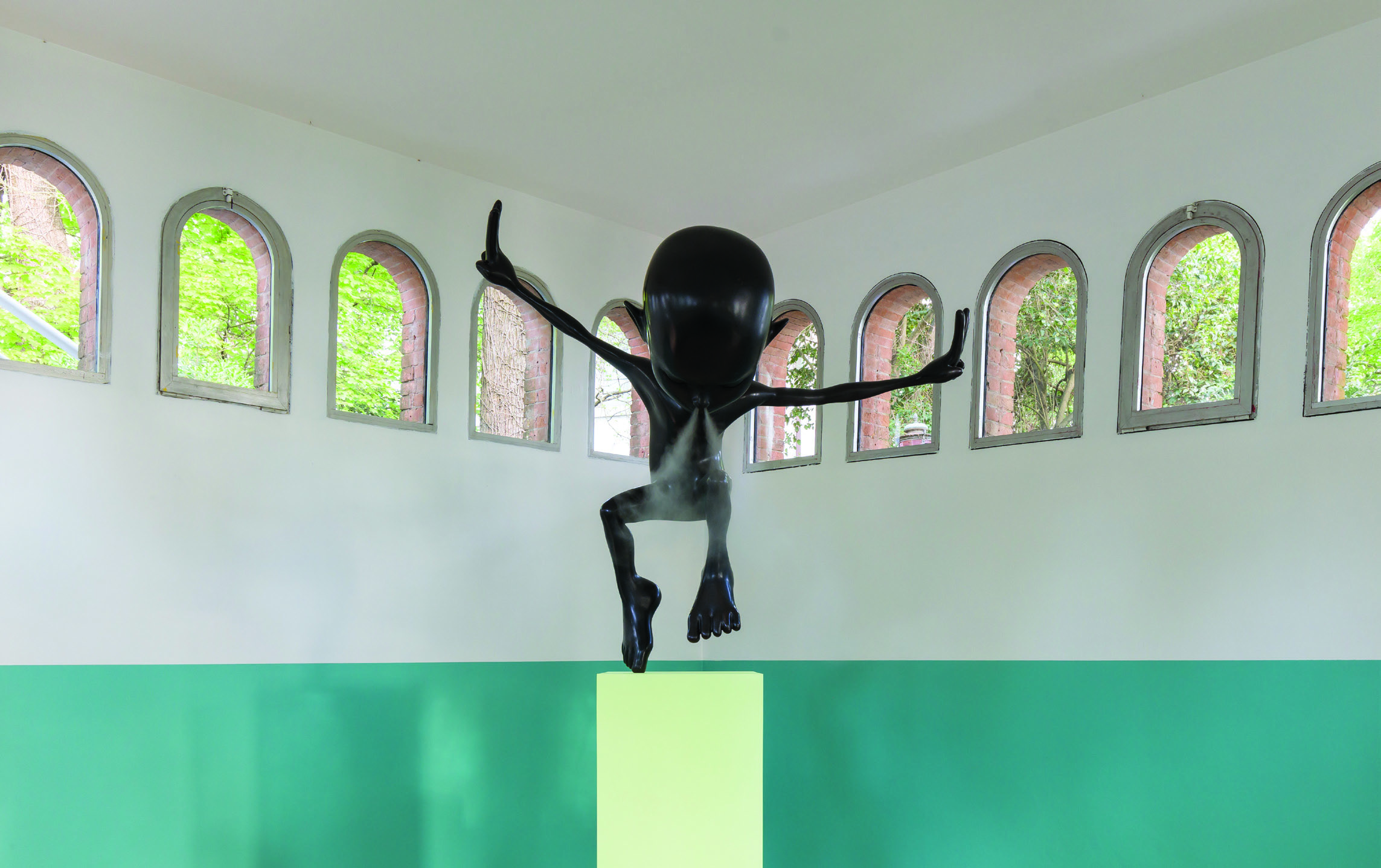
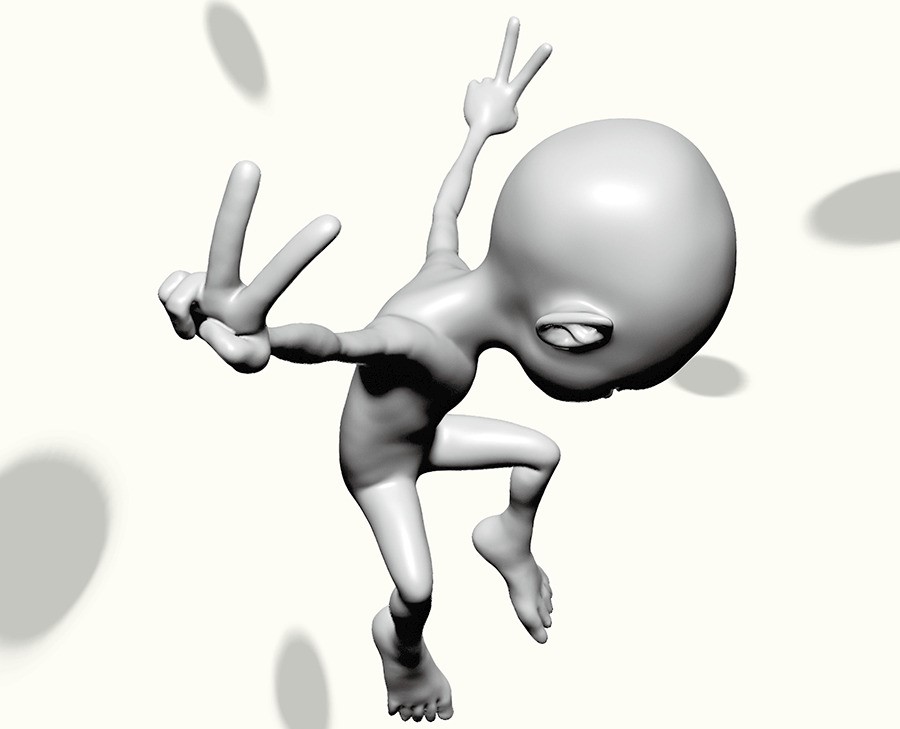
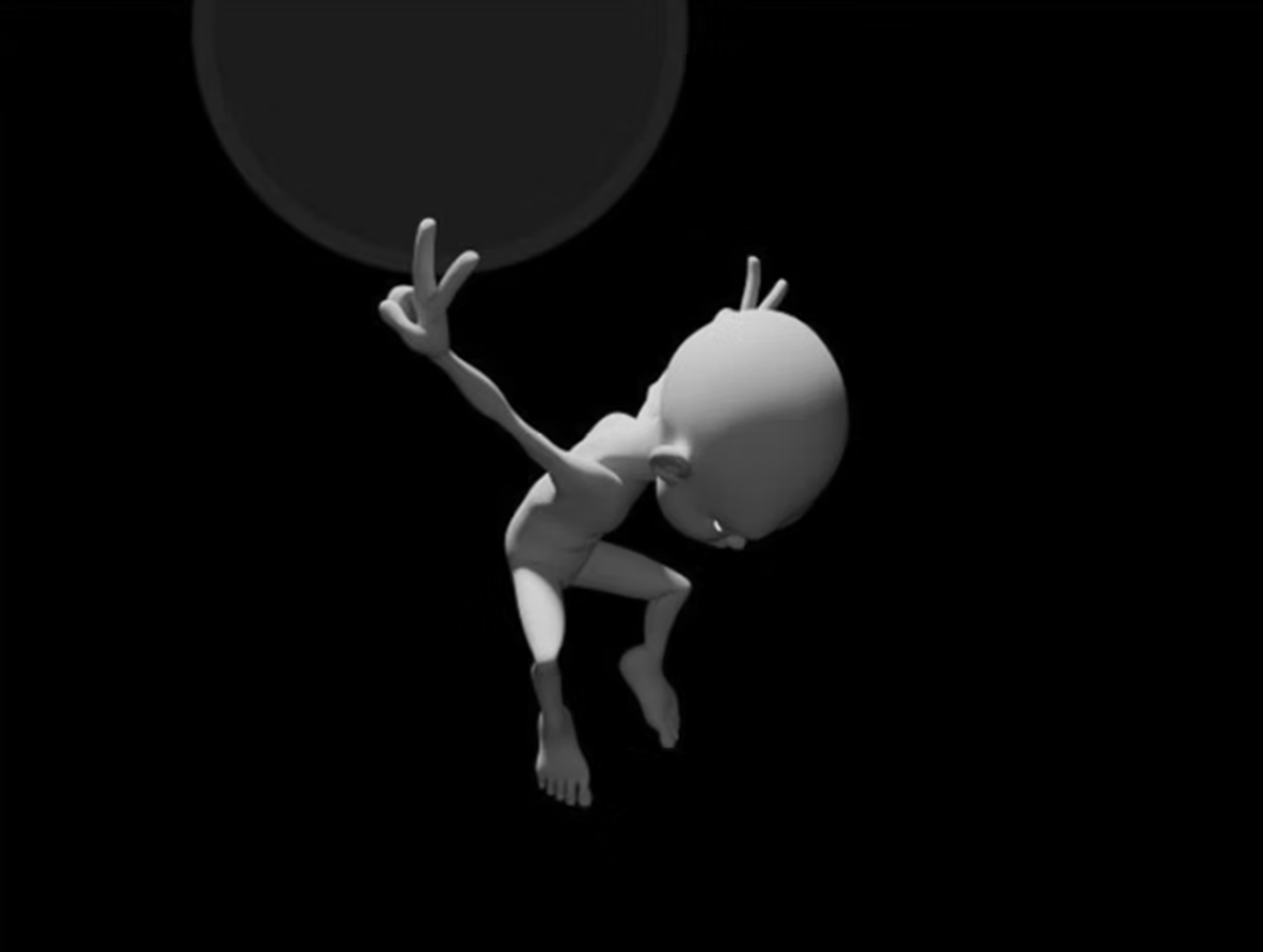
In moving image works such as MYSTERIOUSSS(2017) and in 《ODORAMA CITIES》, narrative explanation is minimized in favor of sensory flow. The diffuser sculpture KANGSE SpSt embodies the long-standing concept of ‘OUSSS,’ combining sculptural form, scent, and character-like presence. Across these works, Koo consistently dissolves boundaries between media, centering the viewer’s embodied experience.

Topography & Continuity

Koo Jeong A has sustained a practice that fluidly moves between material and immaterial states, sculptural and non-sculptural forms, and public space and private experience. Rather than addressing specific social issues in a direct manner, her work reconfigures the conditions of perception and experience, prompting viewers to reconsider how they apprehend the world. This approach establishes a distinct artistic position within a contemporary context where installation, public art, and technology-based practices frequently intersect.

One of the defining characteristics of Koo Jeong A’s work is her sustained focus on elusive elements such as scent, light, and sound. Her interest lies not in recording or explaining these phenomena, but in engaging with their momentary effects as they act upon the body and the surrounding space. In 《Odorama City》, scent functions not as a symbol of a nation or a place, but as a medium through which personal memory and sensory experience intersect, transforming the institutional framework of the Korean Pavilion into a newly configured sensory landscape.

In contrast to many contemporary artists who foreground technology or participation, Koo Jeong A distinguishes herself through the use of minimal intervention to induce perceptual shifts. In her work, technology, publicness, and sculpture operate not as ends in themselves but as conditions that activate the viewer’s experience and perception. This is clearly evident in the way play and sculpture converge in the ‘Skate Park’ series, as well as in the process through which image and material are transposed in Density(2019).

Her participation as the representative artist of the Korean Pavilion at the 20th Venice Biennale in 2024, together with upcoming solo exhibitions at Malmö Konsthall, Leeum Museum of Art, and the Aspen Art Museum, suggests the potential for her practice to further expand across diverse spatial and cultural contexts. Rather than adhering to a fixed form or theme, Koo Jeong A’s work continues to evolve through ongoing variation, mediated by the specific conditions of place and sensory environment around the world. In this way, her practice persistently reveals poetic moments latent within the ordinary.

Works of Art

Memory, Scent, and Anti-History

Exhibitions

Activities