

Biodegradable Land - K-ARTIST

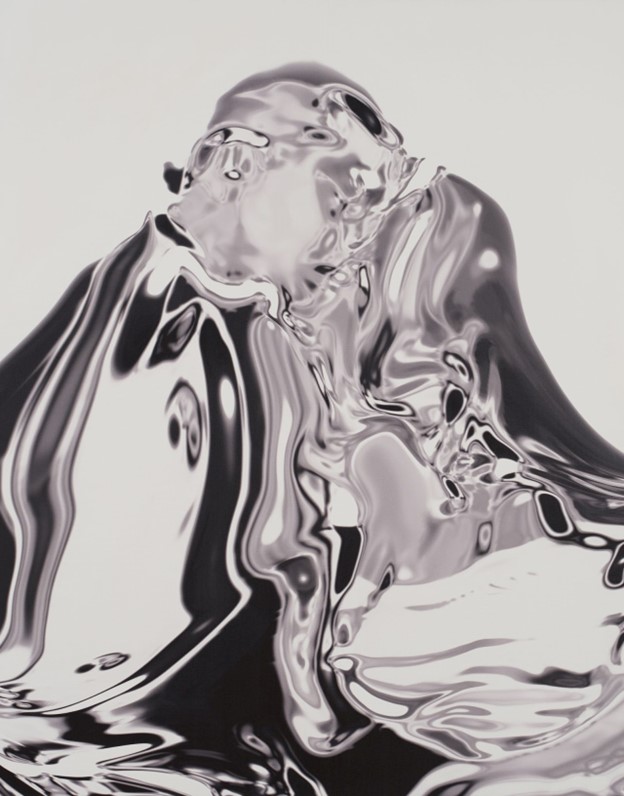
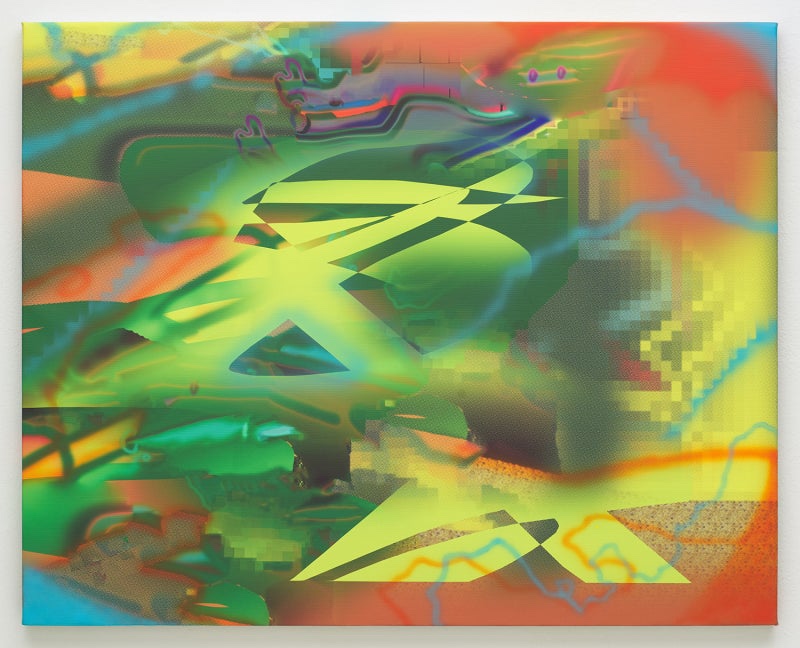
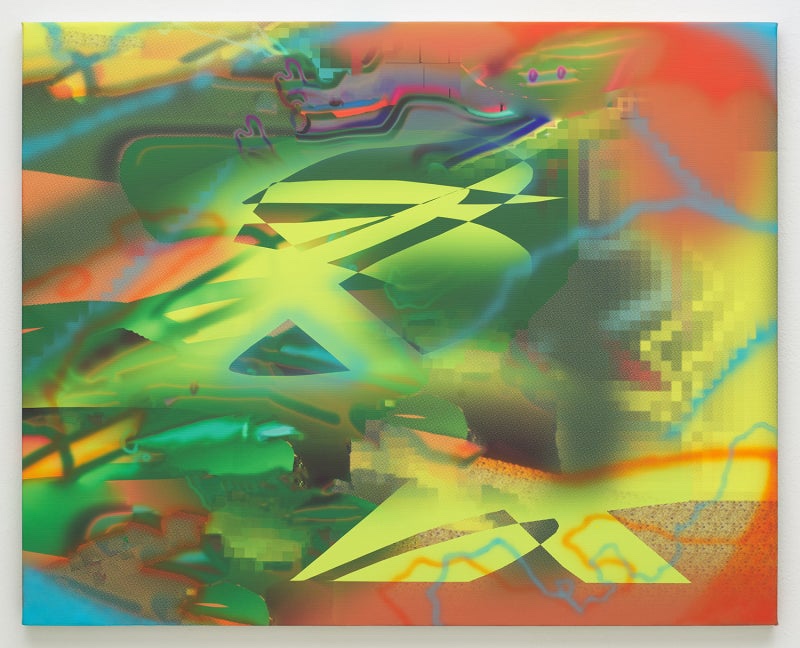
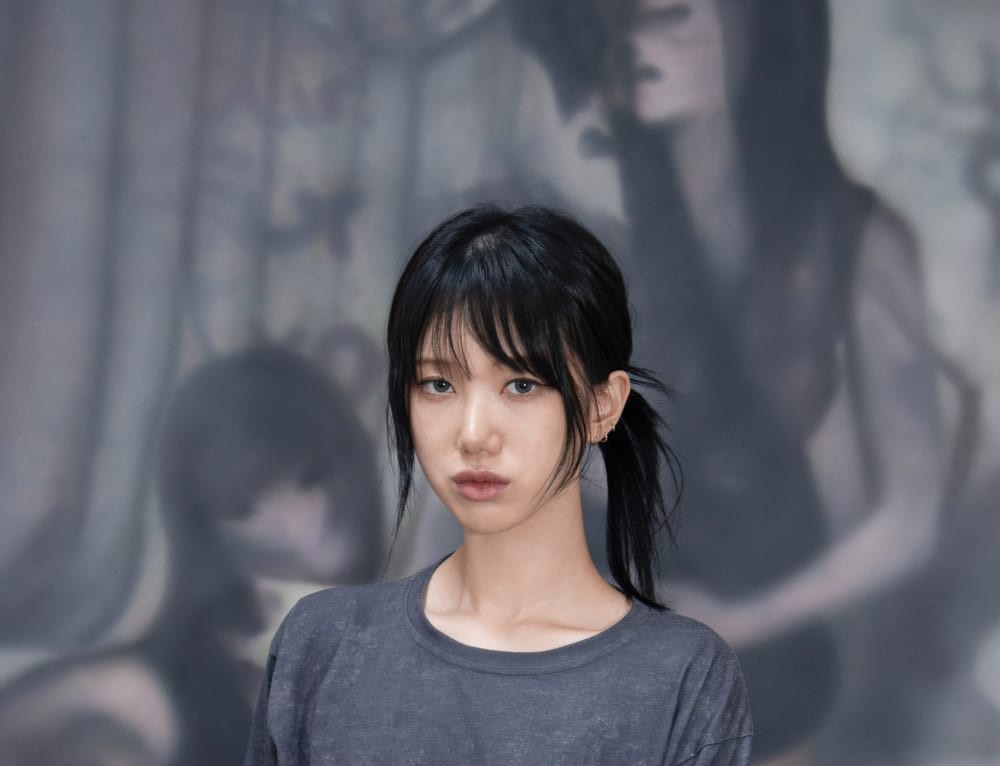
Biodegradable Land

2020
Acrylic on printed canvas
72 x 91 cm 
About The Work

From the outset, Han’s work has engaged consistently with questions of corporeality, informality, and the techno-political condition of the body in the posthuman era.

Her early practice focused on the disintegration and reconfiguration of the self across cultural environments, while her more recent works integrate digital aesthetics and speculative futurism to examine the subject’s position within complex systems of power.

Her paintings are not merely representations of the digital but are themselves embodiments of a digital sensibility—offering new propositions for painting as an expanded and experiential medium.

Solo Exhibitions (Brief)

She held her solo exhibitions at Gallery 175 (Seoul, 2020), N/A (Seoul, 2021), DrawingRoom (Seoul, 2022), Byfoundry (Seoul, 2023), and Jasaon Haam (Seoul, 2024).

Group Exhibitions (Brief)

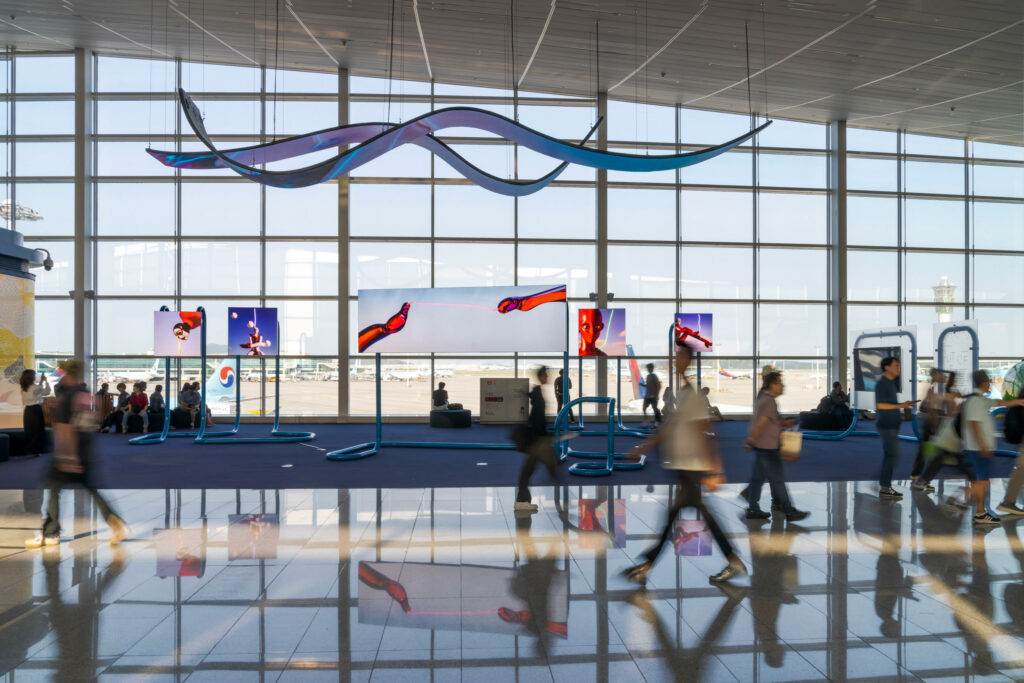
Recent group exhibitions in which Han has participated include 《Karma II》 (Ground Floor, 9 Cork Street, London, 2025), 《Condo London 2025》 (Carlos/Ishikawa Gallery, London, 2025), 《At the end of the world split endlessly》 (Seoul Museum of Art, Seoul, 2024), 《Ghost out of the machine》 (Incheon International Airport, Incheon, 2024), 《BOLMETEUS》 (SAI Gallery, Tokyo, 2024), 《K90-99》 (LUPO Gallery, Milan, 2023), and more.

Awards (Selected)

Jihyoung Han was selected as the winner of the Chongkundang(CKD) Yesuljisang Award in 2023.
Works of Art

New Ways of Survival Through Destruction

Originality & Identity

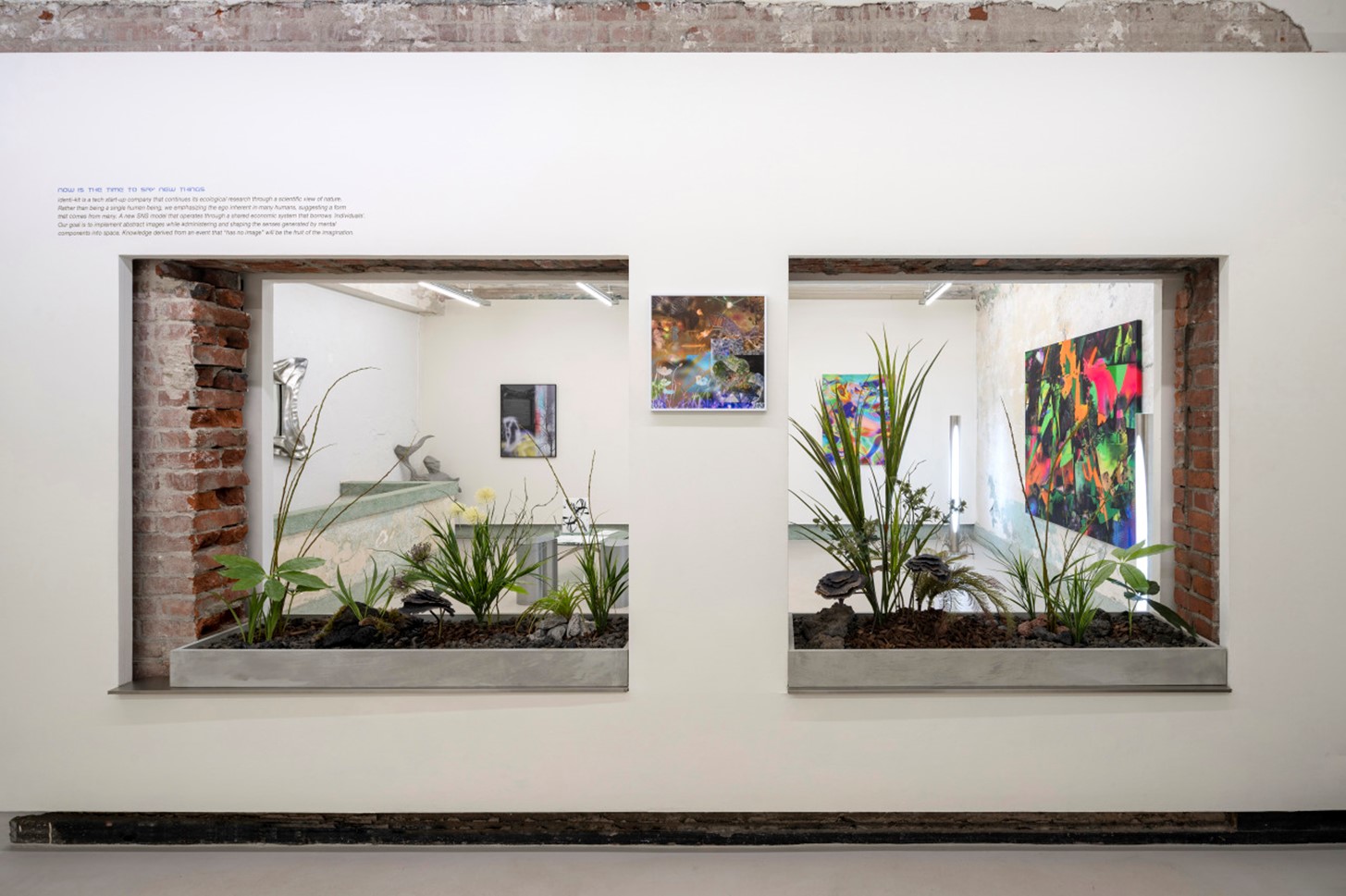
Jihyoung Han’s work amplifies contemporary crises—such as the acceleration of technological development, the unchecked expansion of capitalism, and the fragmentation of human identity—into dystopian imaginaries. Yet, rather than dwelling on apocalypse, her vision explores alternative modes of survival and the possibility of new, organic collectivities. In her solo exhibition 《identi-kit : The people’s choices》(N/A, Seoul, 2021), Han dismantles anthropocentric thought and the notion of fixed identity, proposing instead a posthuman model of interdependence, where the body becomes a site of events rather than a stable form. Her concept of selfhood emerges through ecological co-existence, blurring boundaries between humans and non-human agents.

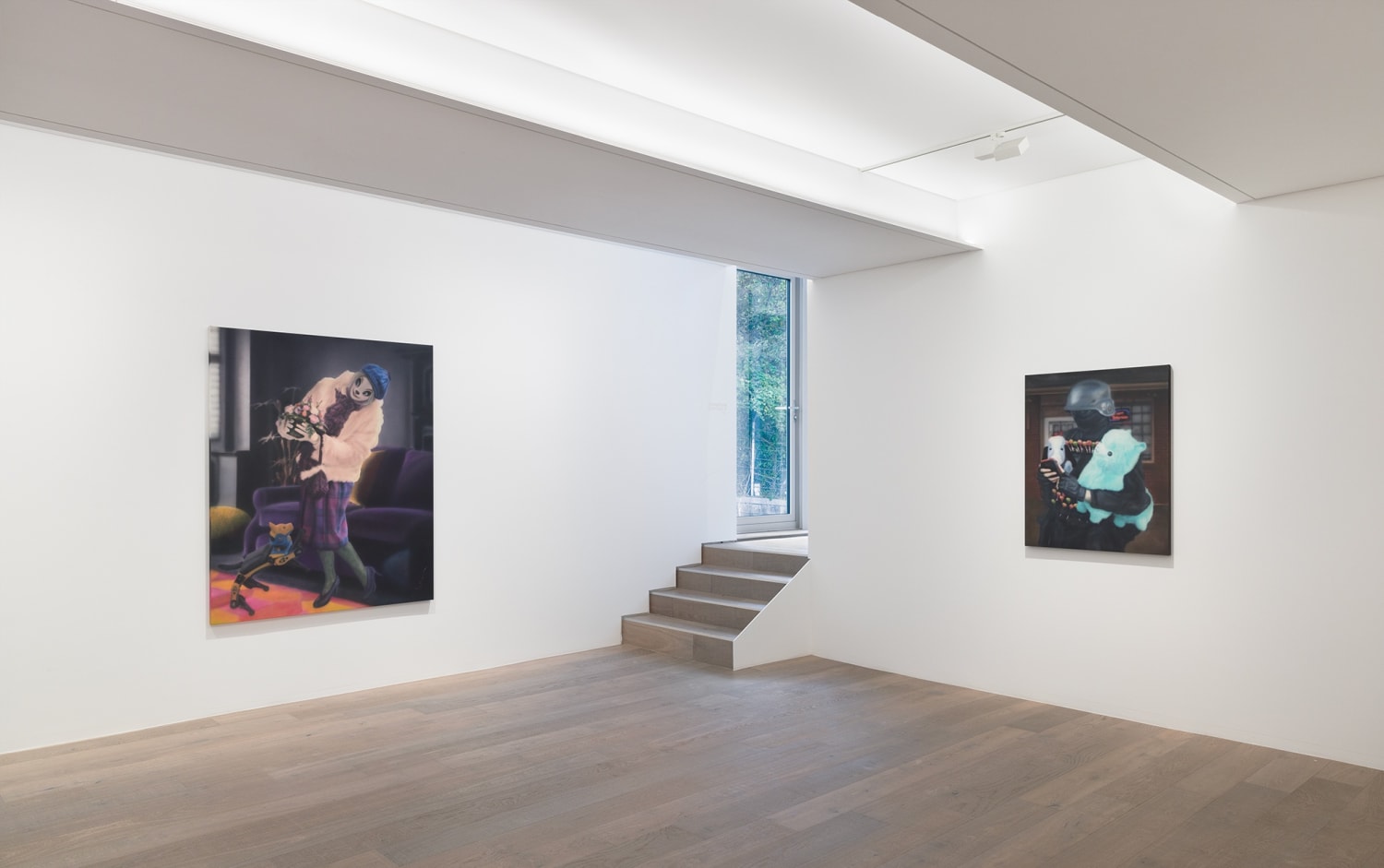
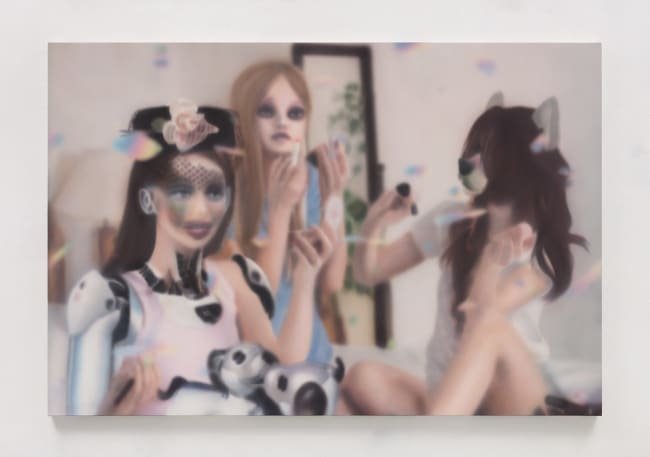
This dystopian worldview is further developed in 《Lavish Bone》(Jason Haam, Seoul, 2024), where works like The Luncheon on the Bed(2024) depict fragmented and transformed bodies set in bleak future scenarios. However, Han’s dystopia is not a terminal zone but rather a playground for survival through absurdity, grotesquerie, and affective humor. Her protagonists relinquish traditional humanist ideals and instead engage in playful metamorphoses, forming new constellations of subjectivity through multiplicity and disobedience.

Style & Contents

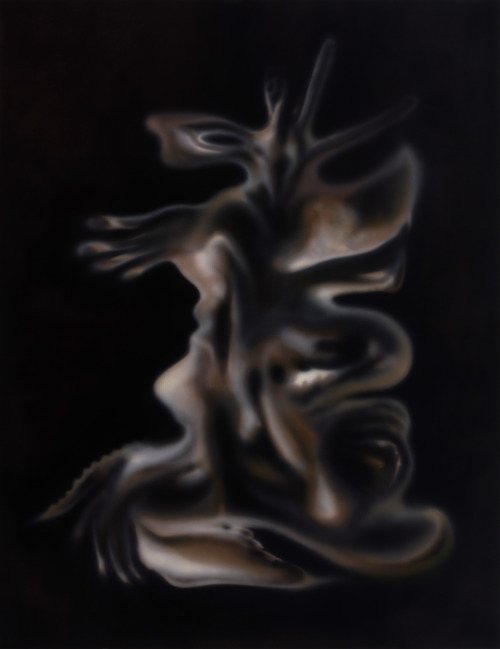
Han employs the malleability of digital technologies as both a conceptual and material foundation for her work. Her early series, ‘Biodegradable Land’(2020), visualizes hybrid organisms as metaphors for identity reconfiguration—shaped by her personal experiences living across diverse cultures. These abstract, soft-edged bodies, rendered through digital painting and acrylic on printed canvas, suggest potential connections and the dissolving of rigid boundaries. They evoke a shared ecology of beings in flux, each forming part of a mutable and speculative village.

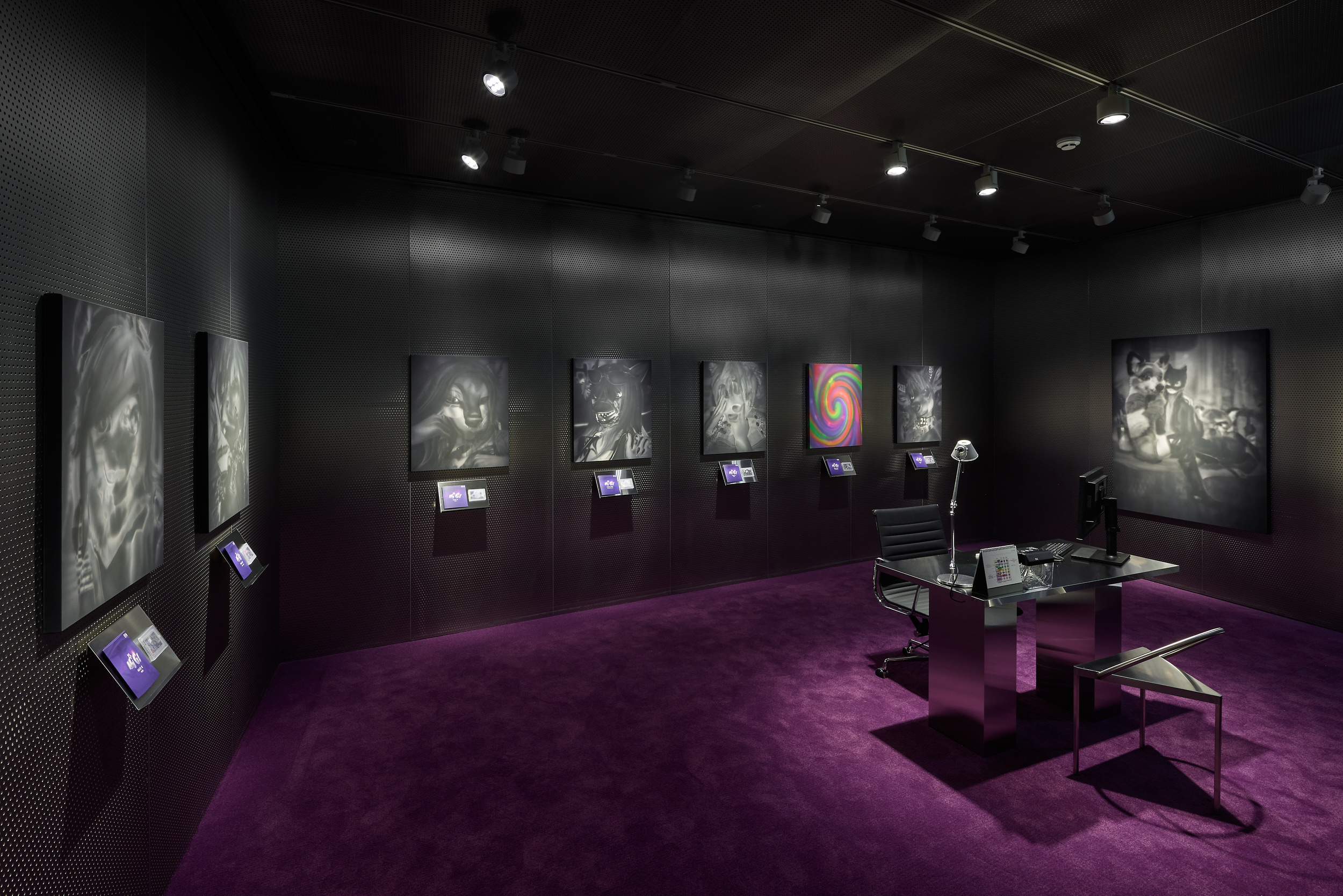
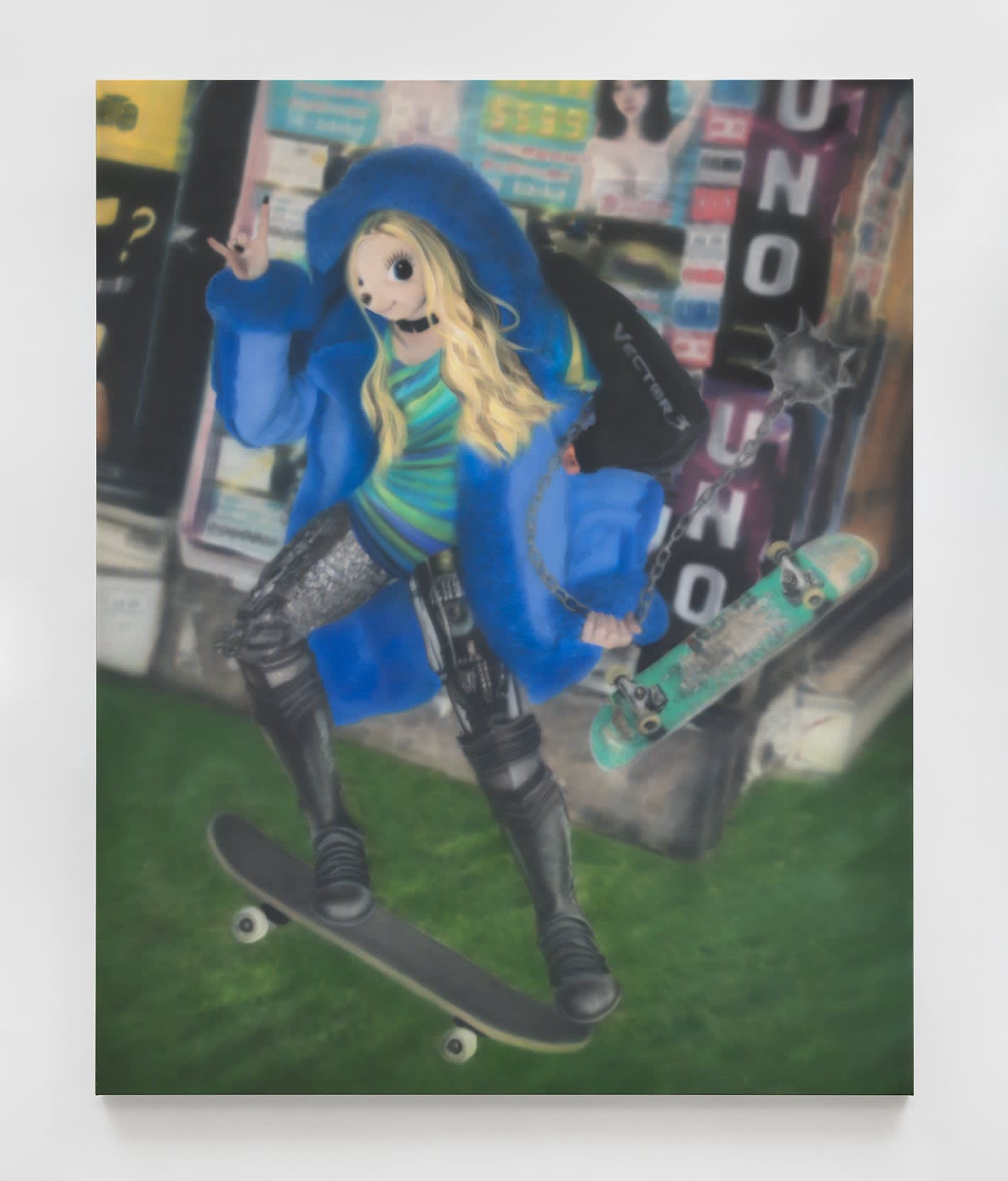
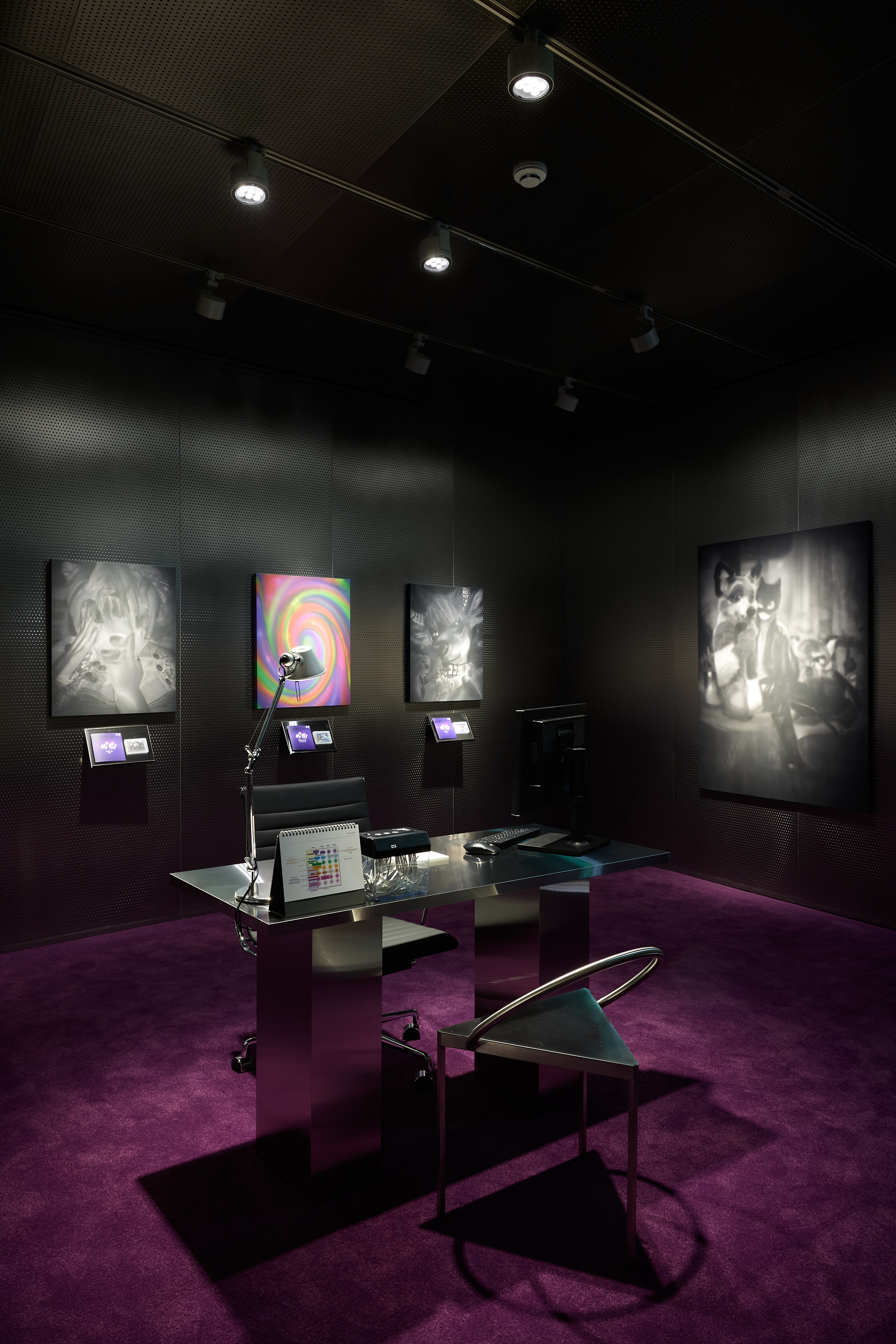
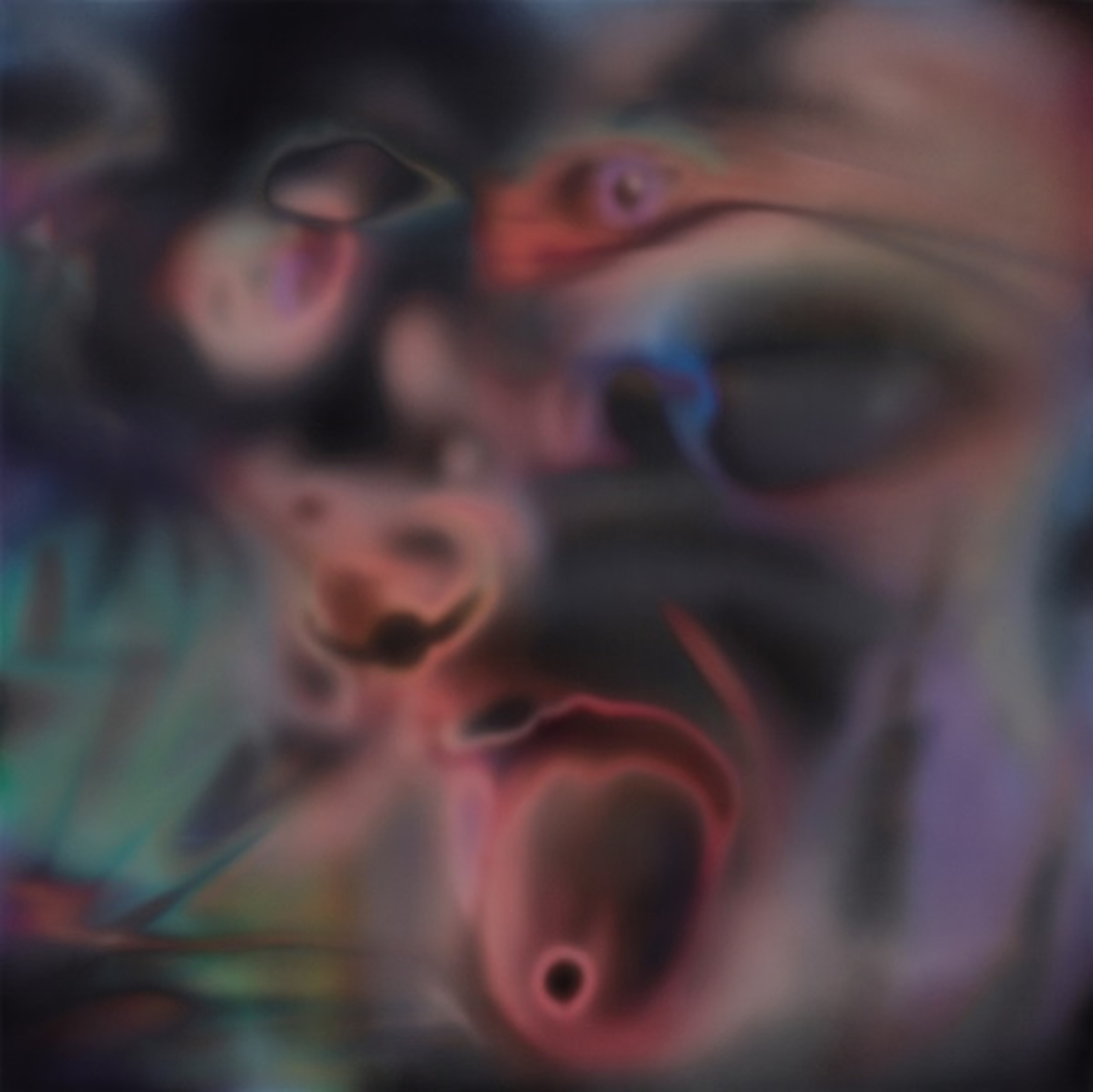
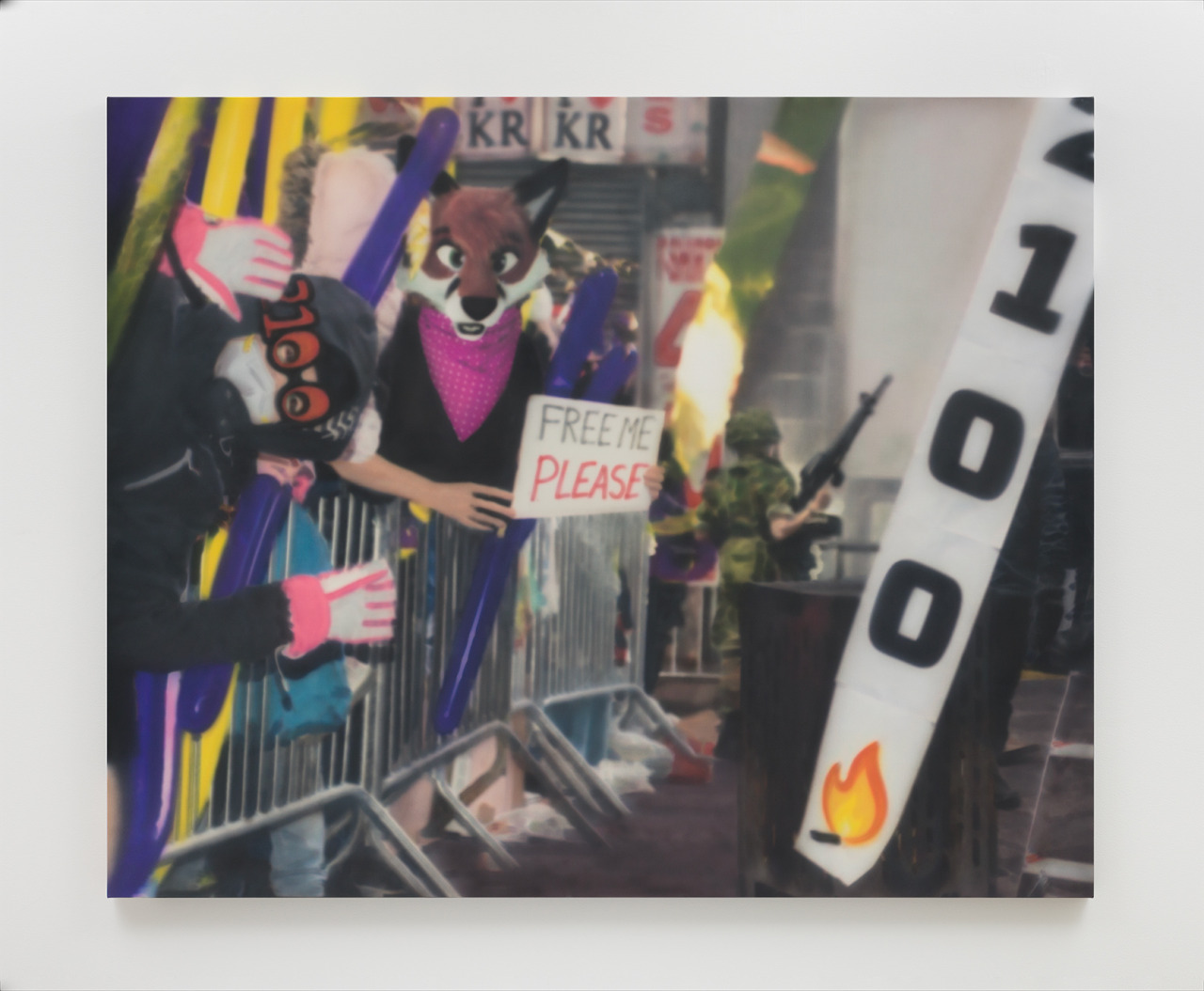
In her 2023 solo exhibition 《Them so good》(BYFOUNDRY, Seoul), Han introduced works such as Rave quotes and wisdom(2023) and Egos slide into one another(2023), in which she adopted an airbrush technique to produce dreamlike, hazy gradients. These pieces draw from digital collages combining self-shot photographs and found internet images, transforming them into smooth, painterly compositions. The blurred furry portraits and ambiguous bodily forms dismantle traditional representations of gender and age, while referencing subcultural avatars and alter-egos. Through anamorphic transformations and digitally mutated surfaces, Han constructs a distinct visual grammar rooted in hybridity, non-linearity, and disidentification.

Topography & Continuity

From the outset, Han’s work has engaged consistently with questions of corporeality, informality, and the techno-political condition of the body in the posthuman era. Her early practice focused on the disintegration and reconfiguration of the self across cultural environments, while her more recent works integrate digital aesthetics and speculative futurism to examine the subject’s position within complex systems of power. Her paintings are not merely representations of the digital but are themselves embodiments of a digital sensibility—offering new propositions for painting as an expanded and experiential medium.

Through her notion of “optimistic dystopia,” Han offers visual narratives that imagine continuity beyond collapse. Her vulnerable bodies—interspersed with animalistic traits and commercial caricatures—evolve through.

Works of Art

New Ways of Survival Through Destruction

Exhibitions

Activities