

Calm the storm - K-ARTIST

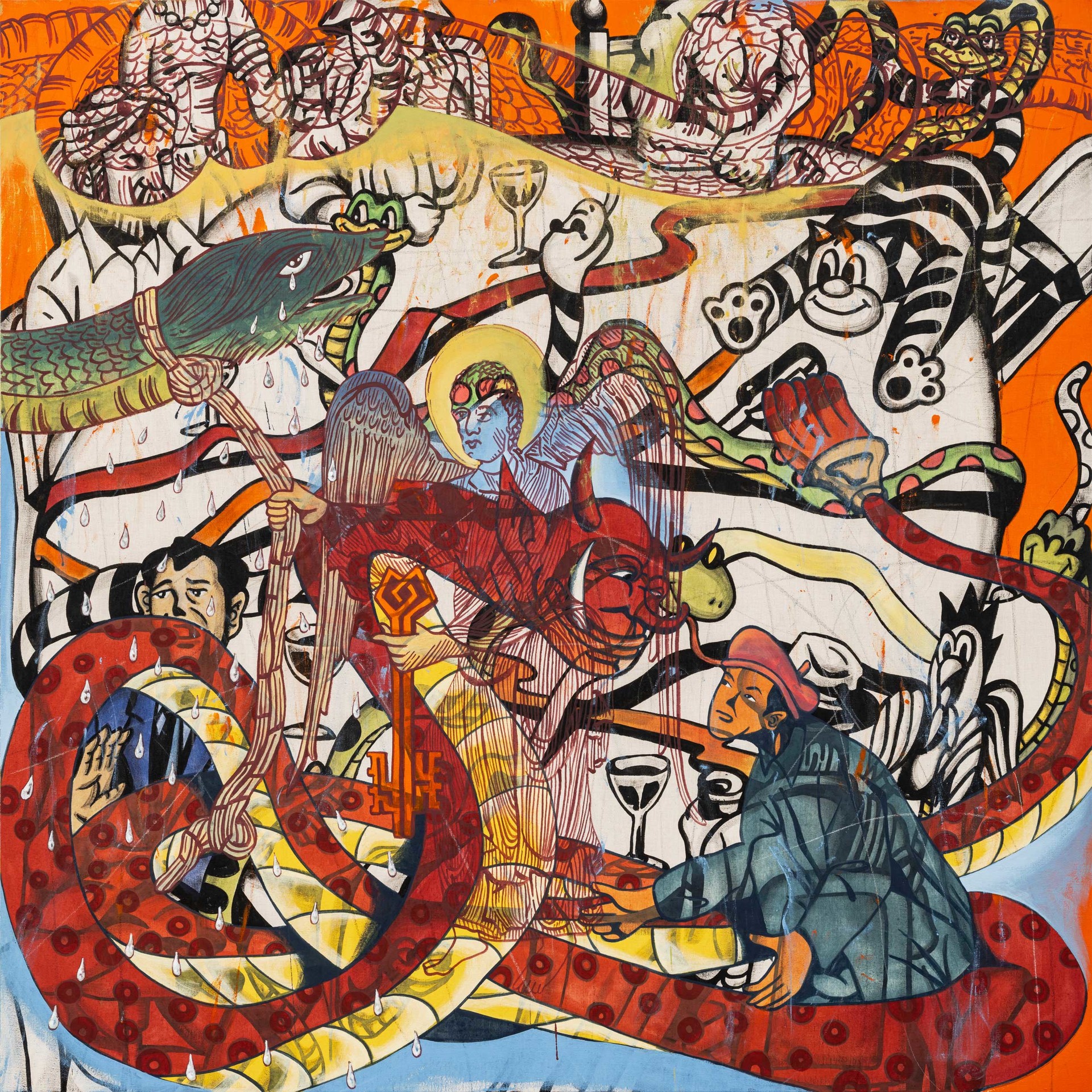
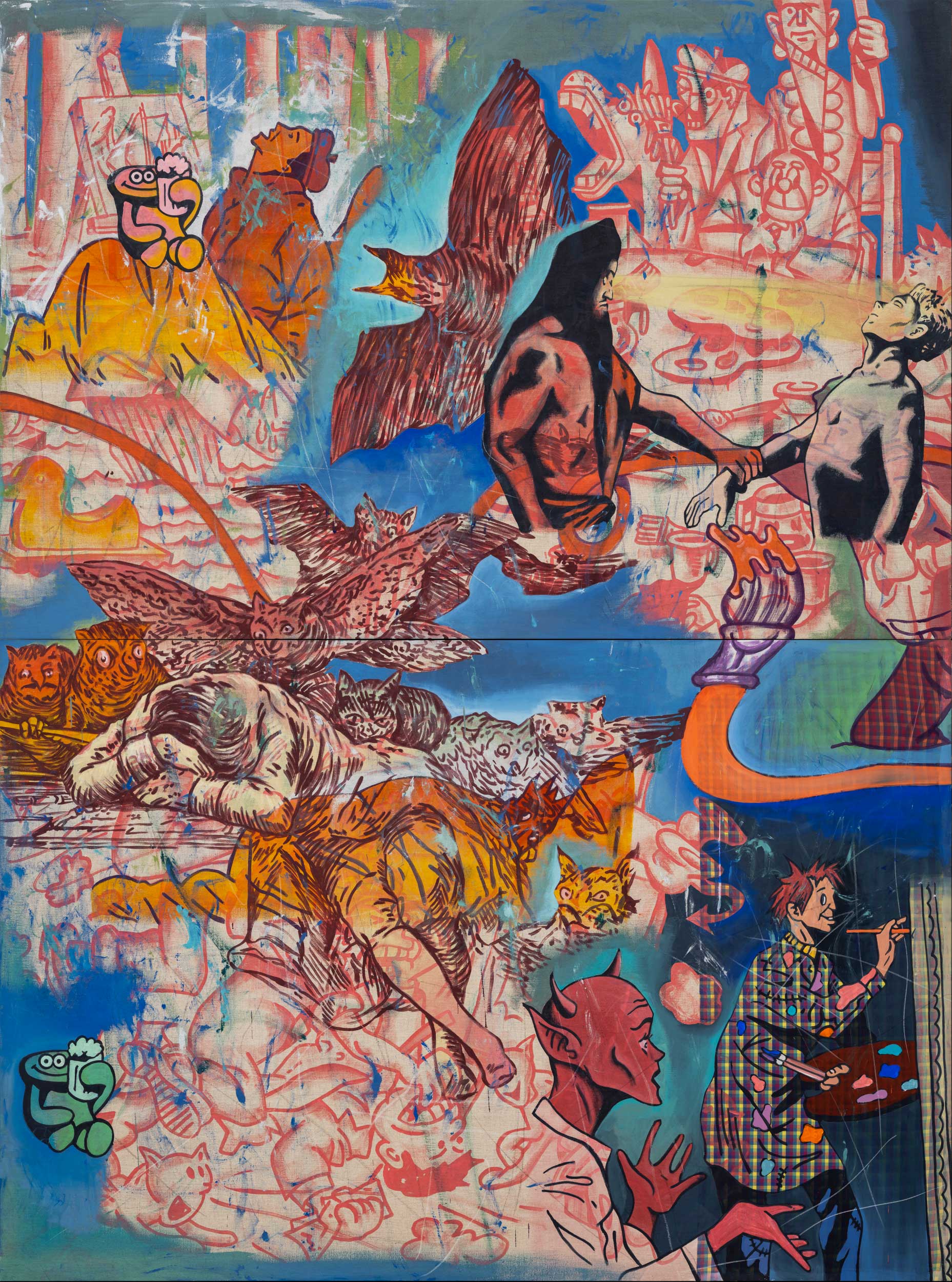
Calm the storm

2017
acrylic, ink and gesso on canvas
200 x 500 cm
About The Work

Woo’s practice has fundamentally questioned the relationship between “story” and “image.” He remains skeptical of images as mere vessels of fixed narratives; instead, he uses them to reveal narrative absence, incompleteness, layering, and distortion. His early black-and-white ink drawings featured direct and intuitive compositions that tackled social issues, and this allegorical approach has continued as he reinterprets various historical and genre-based narratives in his own painterly language.

His motifs function not as symbols, but as fragments of accumulated historical and media imagery. This reinforces the notion that painting is not a medium of logical representation, but rather a way to “understand what cannot be understood through images.”

Solo Exhibitions (Brief)

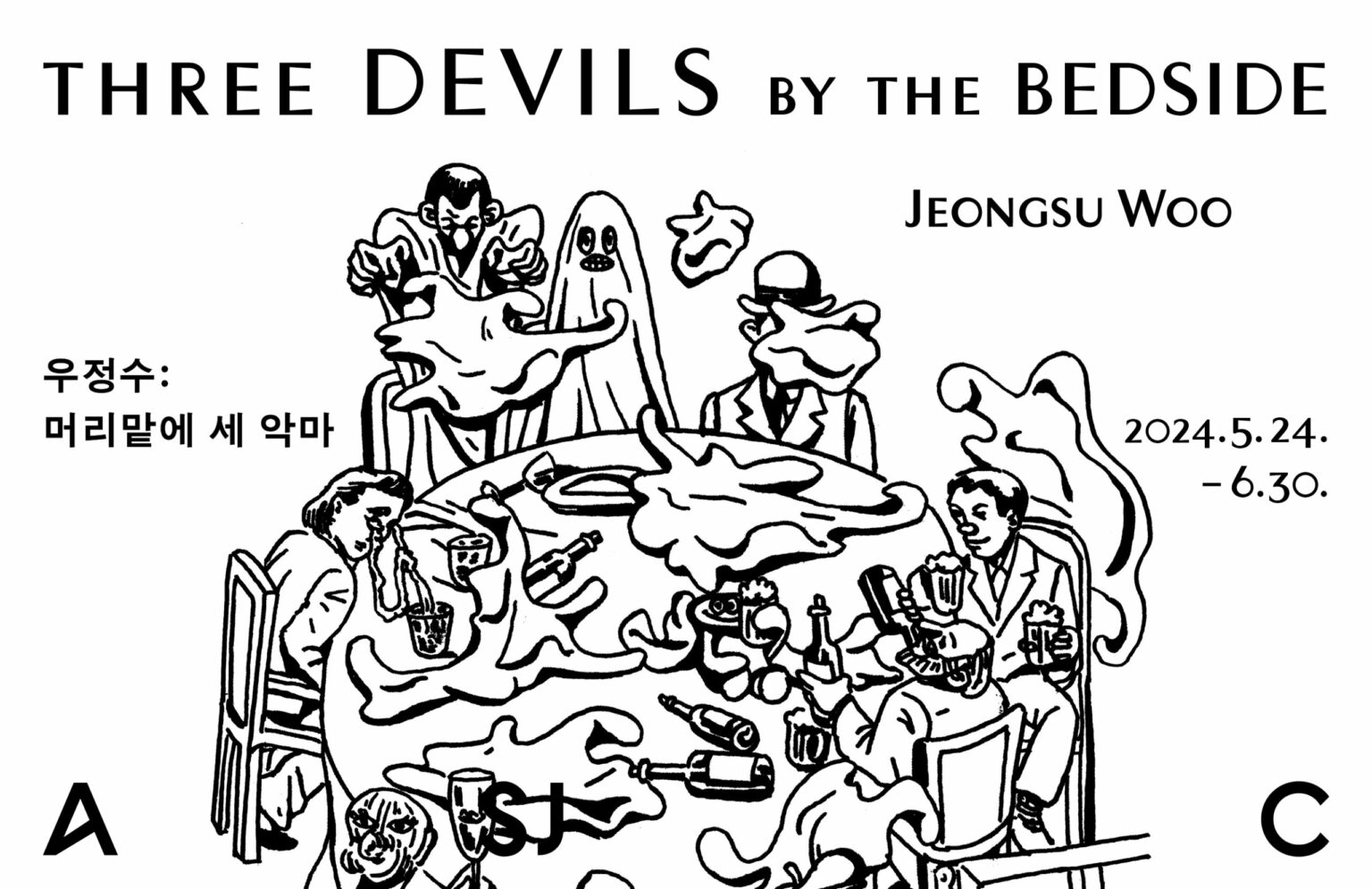
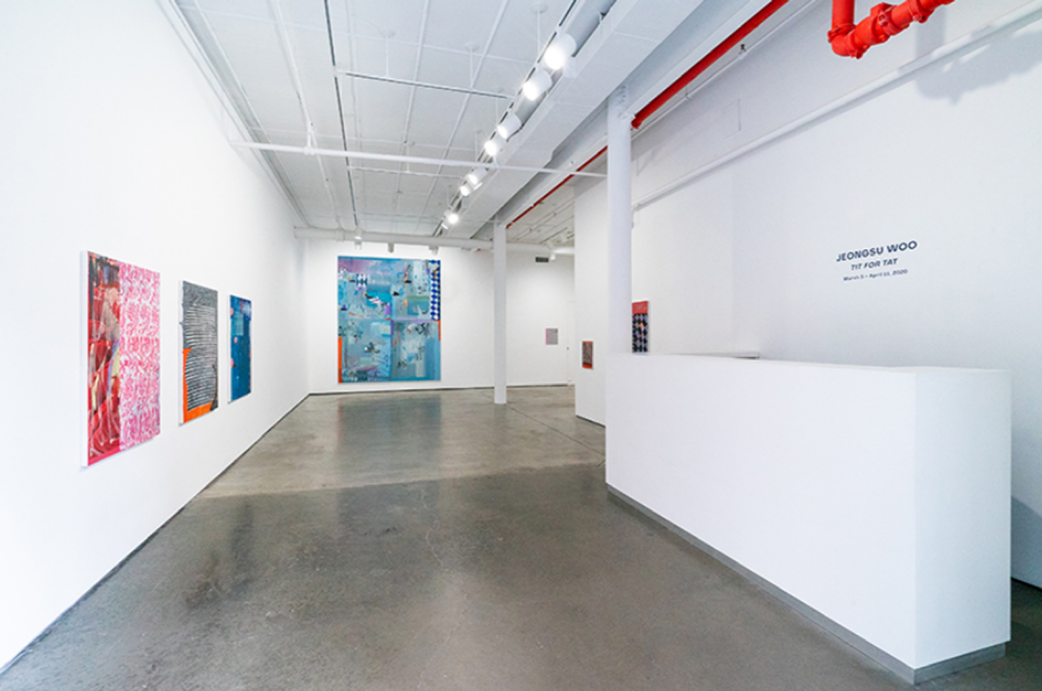
Woo’s significant solo exhibitions include 《Three Devils by the Bedside》 (Art Sonje Center, 2024), 《Palindrome》 (BB&M, 2022), 《Where Is My Voice》 (DOOSAN Gallery Seoul, 2020), 《Tit for Tat》 (DOOSAN Gallery New York, 2020), and 《Calm the Storm》 (Kumho Museum of Art, 2018).

Group Exhibitions (Brief)

He has also been featured in numerous local and international group exhibitions, such as 《Cadenza》 (Korean Cultural Center in Hong Kong, 2024), 《Flowing Moon, Embracing Land》 (Jeju Biennale, 2022), 《Young Korean Artists 2021》 (National Museum of Modern and Contemporary Art, Korea, Gwacheon, 2021), 《Fortune Telling》 (Ilmin Museum of Art, 2021), 《Compulsion to Repeat》 (Seoul Museum of Art, 2019), and 《Imagined Borders》 (Gwangju Biennale, 2018).

Awards (Selected)

Woo participated in MMCA Goyang Residency in 2017 and DOOSAN Residency New York in 2020. In 2019, he received Paranoid Park Grand Prize from, Galleries Association of Korea and in 2017, he was selected as a Kumho Young Artist and as an Emerging Artist by the Seoul Museum of Art.

Collections (Selected)

His works are currently housed in the collections of DOOSAN Art Center, OCI Museum of Art, Kumho Museum of Art, MMCA, Blackstone Group, and more.
Works of Art

Allegorical Paintings of Contemporary Times

Originality & Identity

Jeongsu Woo has continually produced paintings that metaphorically reflect contemporary conditions by deconstructing and reconfiguring visual imagery and narratives from various eras and genres. Drawing freely from sources such as medieval illustrations, religious paintings, mythology, B-movies, and comics, his works extract these images from their original contexts and respond to the existential questions of modern individuals and society.

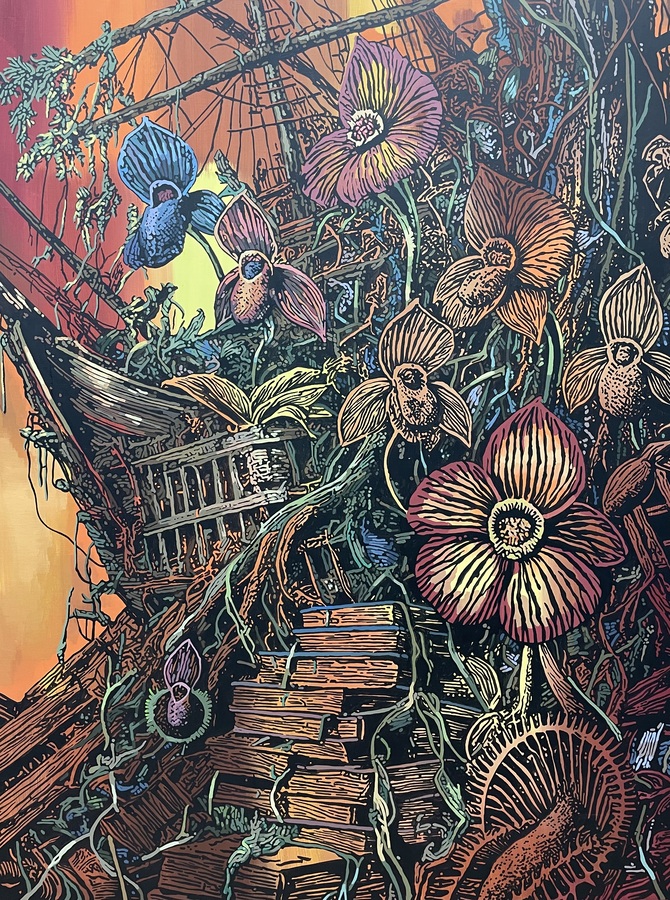
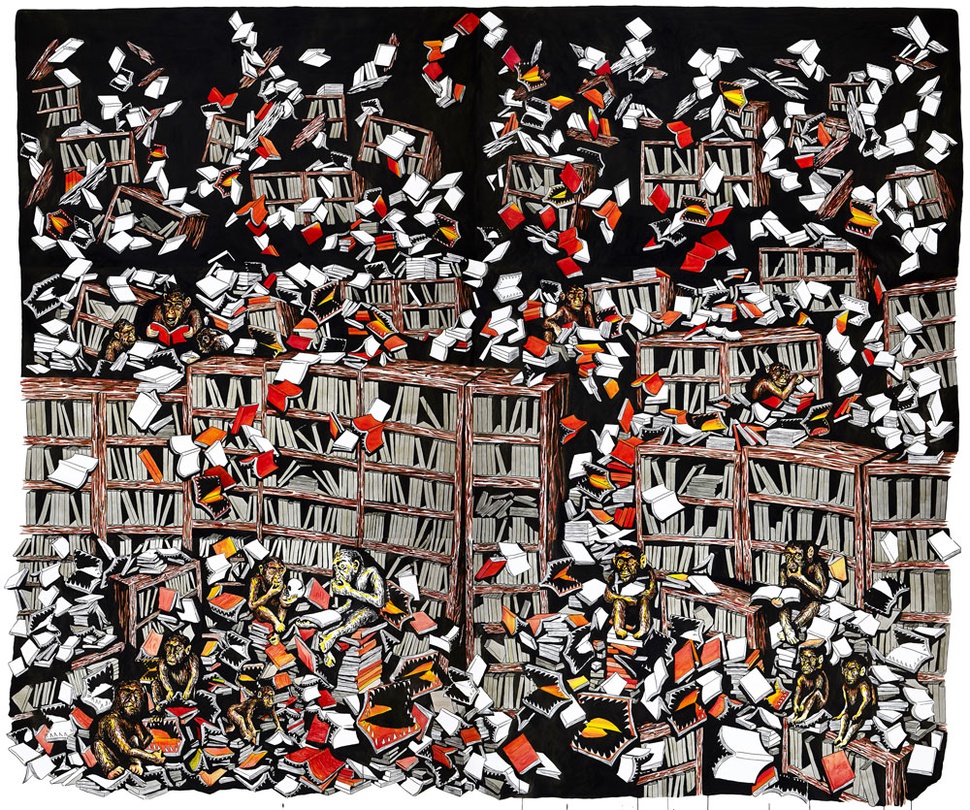
In his solo exhibition 《The Painting of Villain》(2015, Project Space Sarubia), Woo visualized social contradictions through grotesque yet humorous figures of monsters and ghosts. In 《The Grave of Books》(2016, OCI Museum of Art), he unfolded allegories of human desire and destruction through large-scale drawings. This approach connects with his self-awareness as a ‘flâneur,’ using fragmented images to reflect both societal chaos and personal anxieties.

Over time, Woo's paintings have become more introspective and structurally complex. His ‘Calm the storm’ (2018–) series, shown at Kumho Museum of Art and Ilmin Museum of Art, deconstructs the biblical miracle of Jesus calming the storm, instead revealing human psychology marked by anxiety, fear, faith, and doubt.

In 《Where Is My Voice》(2020, DOOSAN Gallery), Woo revisits and reconfigures iconography from mythology and classical literature, examining the concept of “voice” as both presence and expression. The work expands into themes of selfhood, social alienation, and the invisibility of emotion.

His recent ‘Three Devils by the Bedside’ (2024) series, originates from his personal experiences with insomnia, depicting contemporary emotional states such as depression, obsession, and inner isolation. Through dreamlike and fragmented narratives, the series sharply captures the complexities of contemporary affect.

Style & Contents

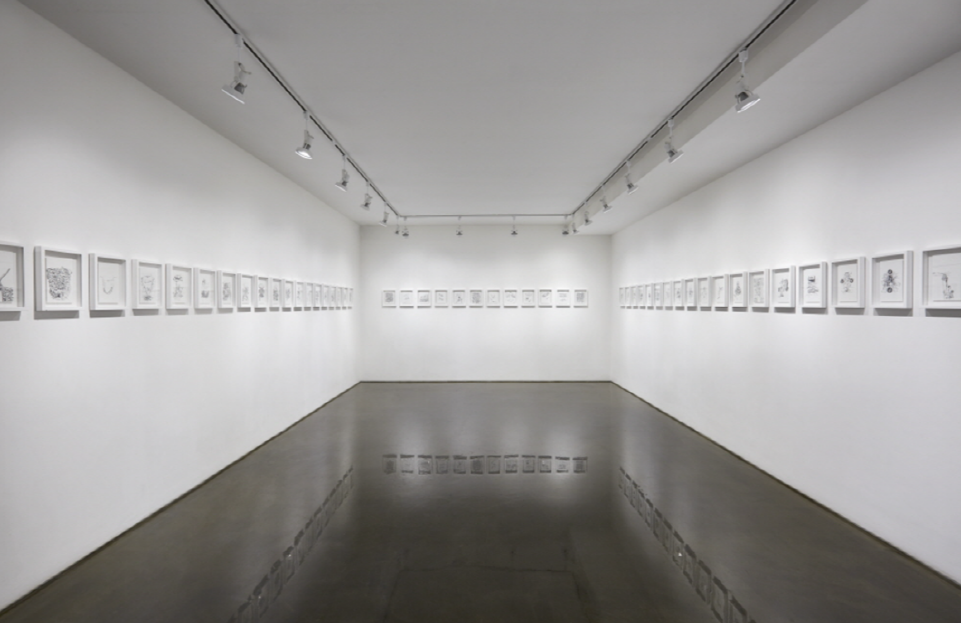
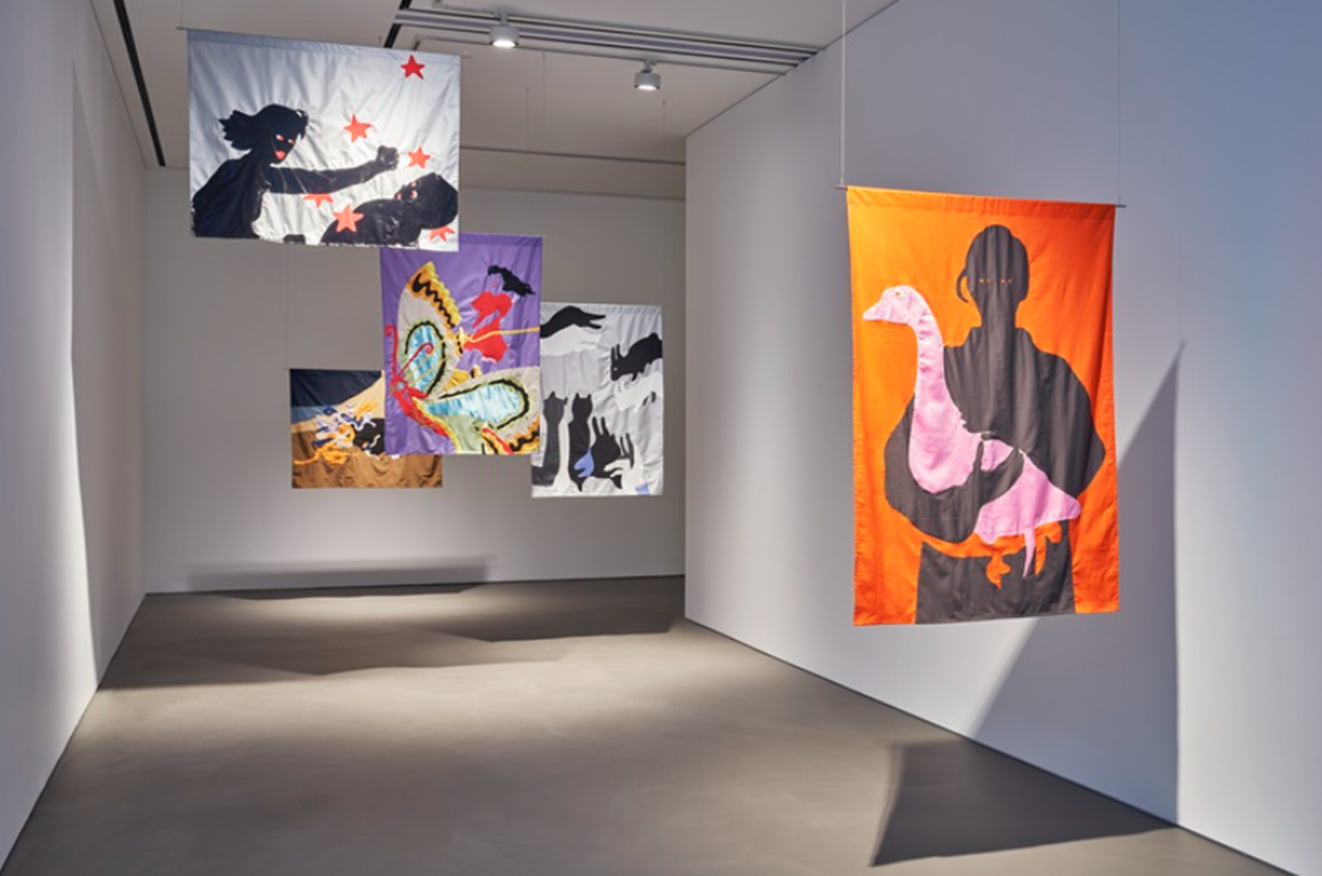
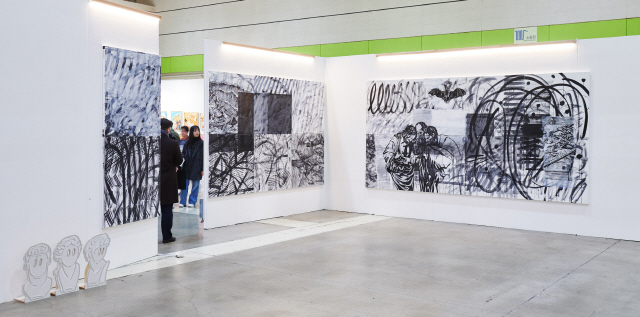
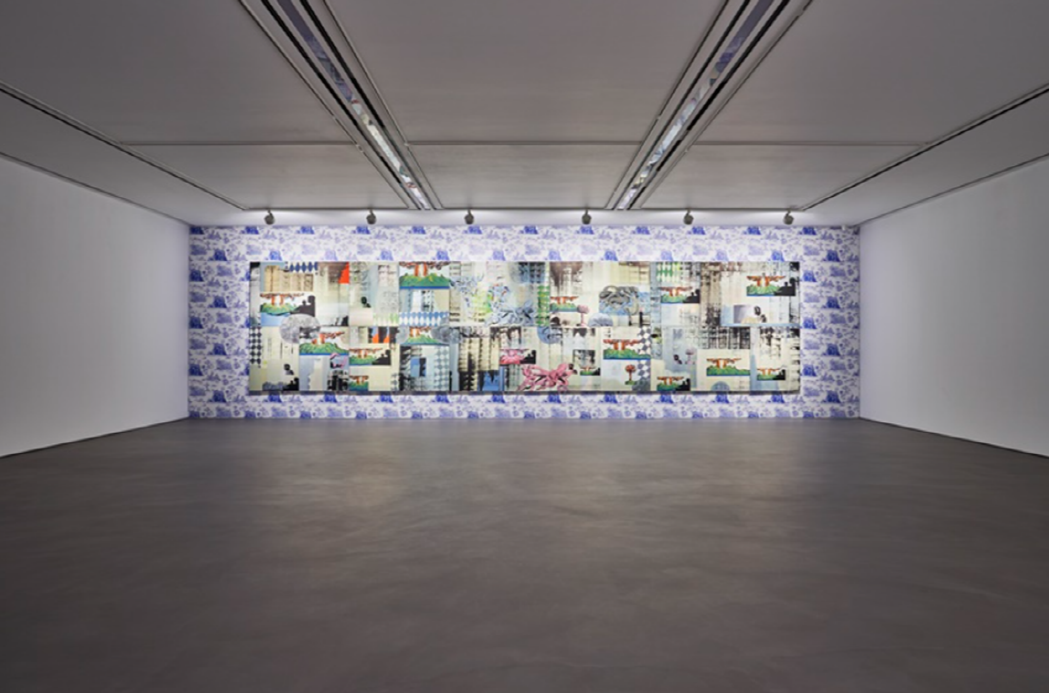
Grounded in the traditional materials and techniques of painting, Woo has actively experimented with diverse media and surfaces including printed imagery, wallpaper, drawing, canvas, and fabric. His early practice featured black-and-white drawings, utilizing print-like textures and ink tones, with an emphasis on the speed and sensitivity of line. The sharp pen drawings combined with wall paintings in 《The Painting of Villain》 fluidly crossed the boundaries between painting and installation, narrative and scene.

In 《The Grave of Books》, he presented over 110 drawings as a sequential composition. In particular, the large-scale painting Monkey Library(2015), composed using ink, Chinese ink, and acrylic, depicts a single chaotic scene of books falling in disarray, weaving the entire painting and exhibition into one cohesive narrative.

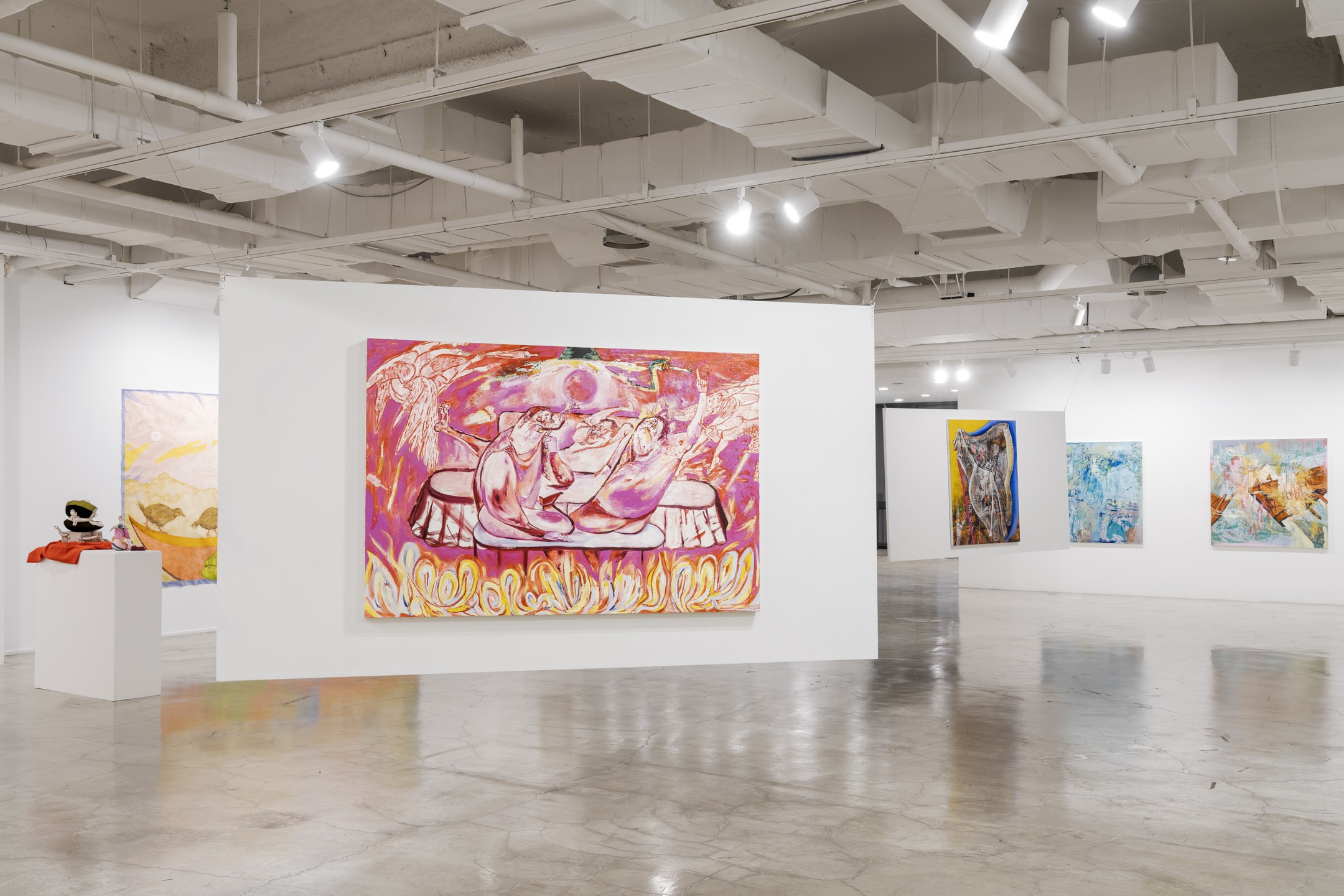
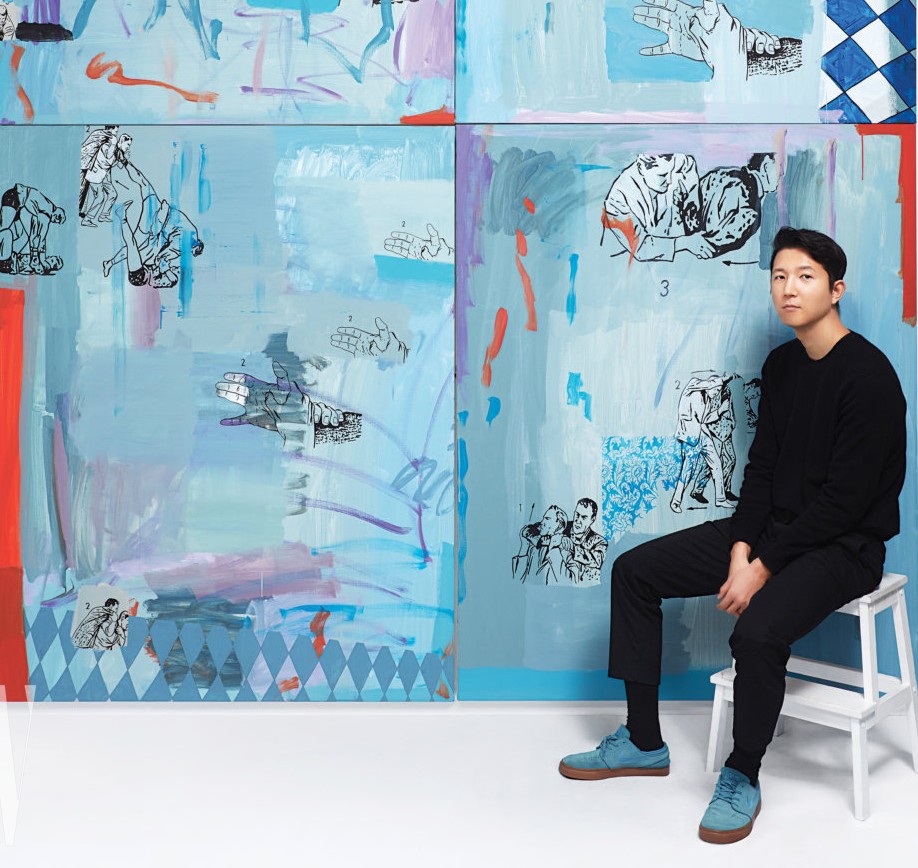
Since 2018, Woo’s canvases have evolved to include more color, patterns, and abstract elements, further dislocating and fragmenting the relationship between image and narrative. Works such as Brighter tomorrow(2019) and Young painters(2019) juxtapose wallpaper motifs, ornamental patterns, and flat color fields—borrowed from 1990s visual culture—with figurative elements, critiquing the modern obsession with wealth and the compulsive repetition of desire.

In ‘Three Devils by the Bedside’, motifs, patterns, and narrative components are layered in fragmented strata, turning the painting into a multi-layered event rather than a single cohesive scene.

Topography & Continuity

Woo’s practice has fundamentally questioned the relationship between “story” and “image.” He remains skeptical of images as mere vessels of fixed narratives; instead, he uses them to reveal narrative absence, incompleteness, layering, and distortion. His early black-and-white ink drawings featured direct and intuitive compositions that tackled social issues, and this allegorical approach has continued as he reinterprets various historical and genre-based narratives in his own painterly language.

His motifs function not as symbols, but as fragments of accumulated historical and media imagery. This reinforces the notion that painting is not a medium of logical representation, but rather a way to “understand what cannot be understood through images.”

Today, Woo has established a distinctive visual language that merges narrative painting—rare in contemporary art—with rich references and an installation sensibility. Originating from his ink drawings, his practice has expanded into multicolored patterns, wallpapers, fabric, and canvas installations, embracing both experimentalism and performativity. By critically engaging with the reality of the here and now, and developing a unique method of narrative weaving, Woo has positioned himself as one of the most significant experimentalists in contemporary painting.

Works of Art

Allegorical Paintings of Contemporary Times

Exhibitions

Activities