

We Used to Be Fish - K-ARTIST

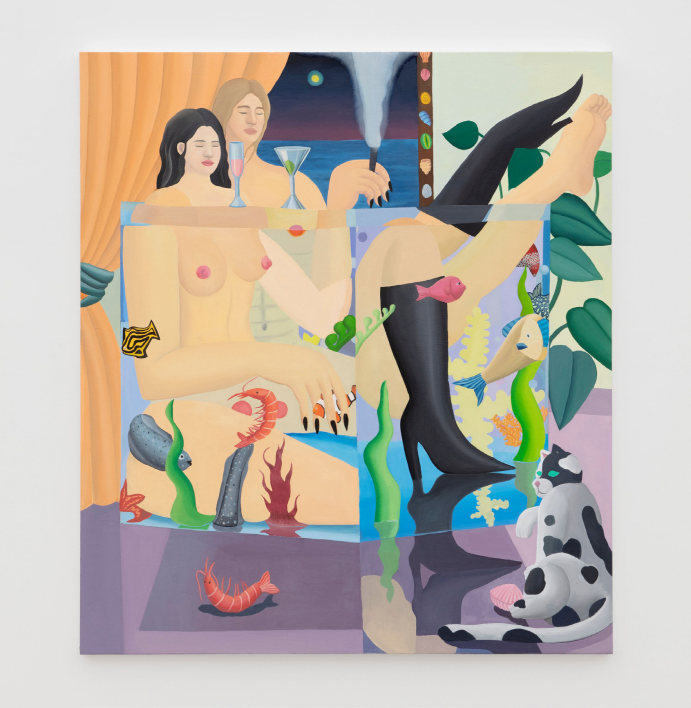
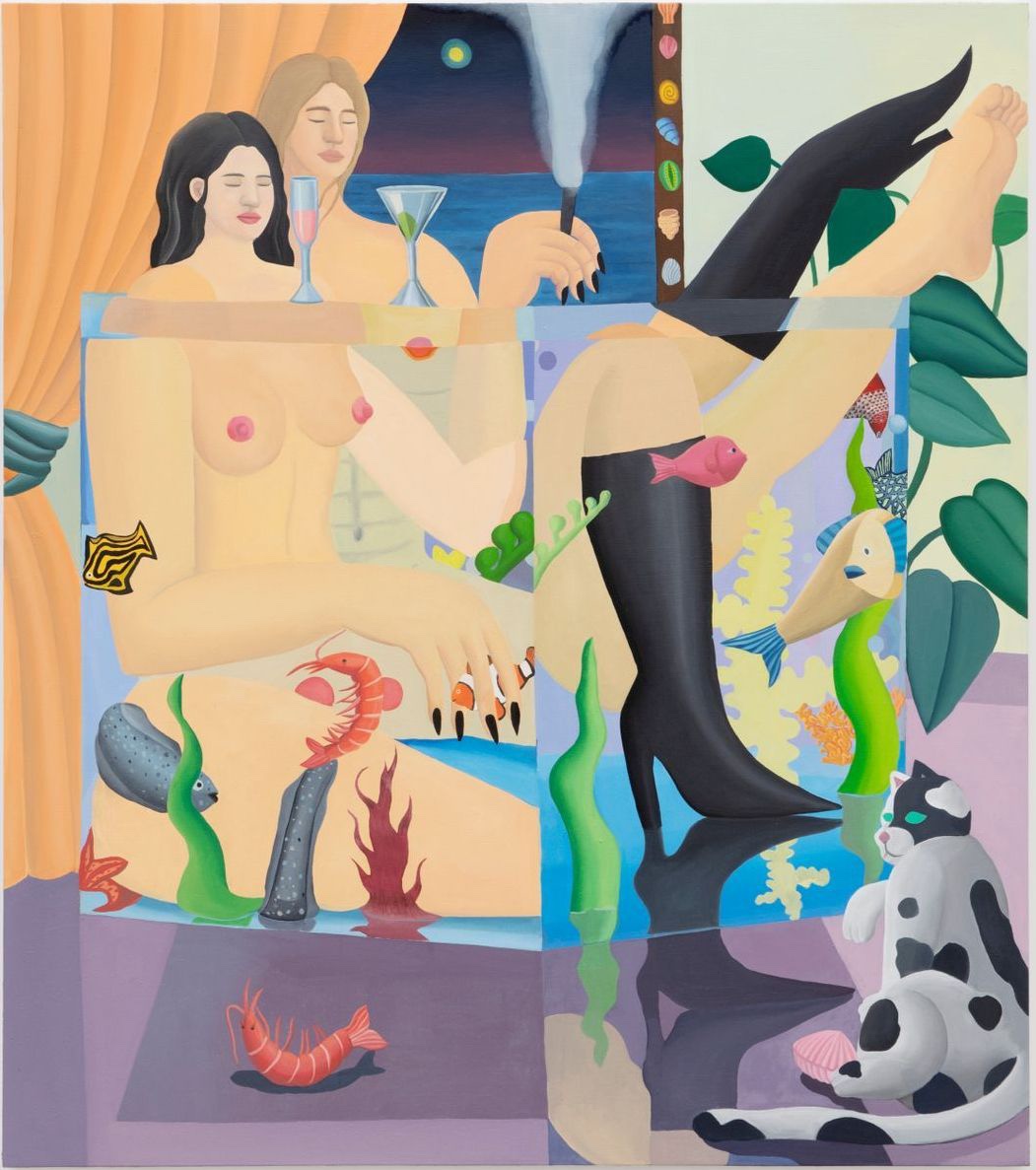
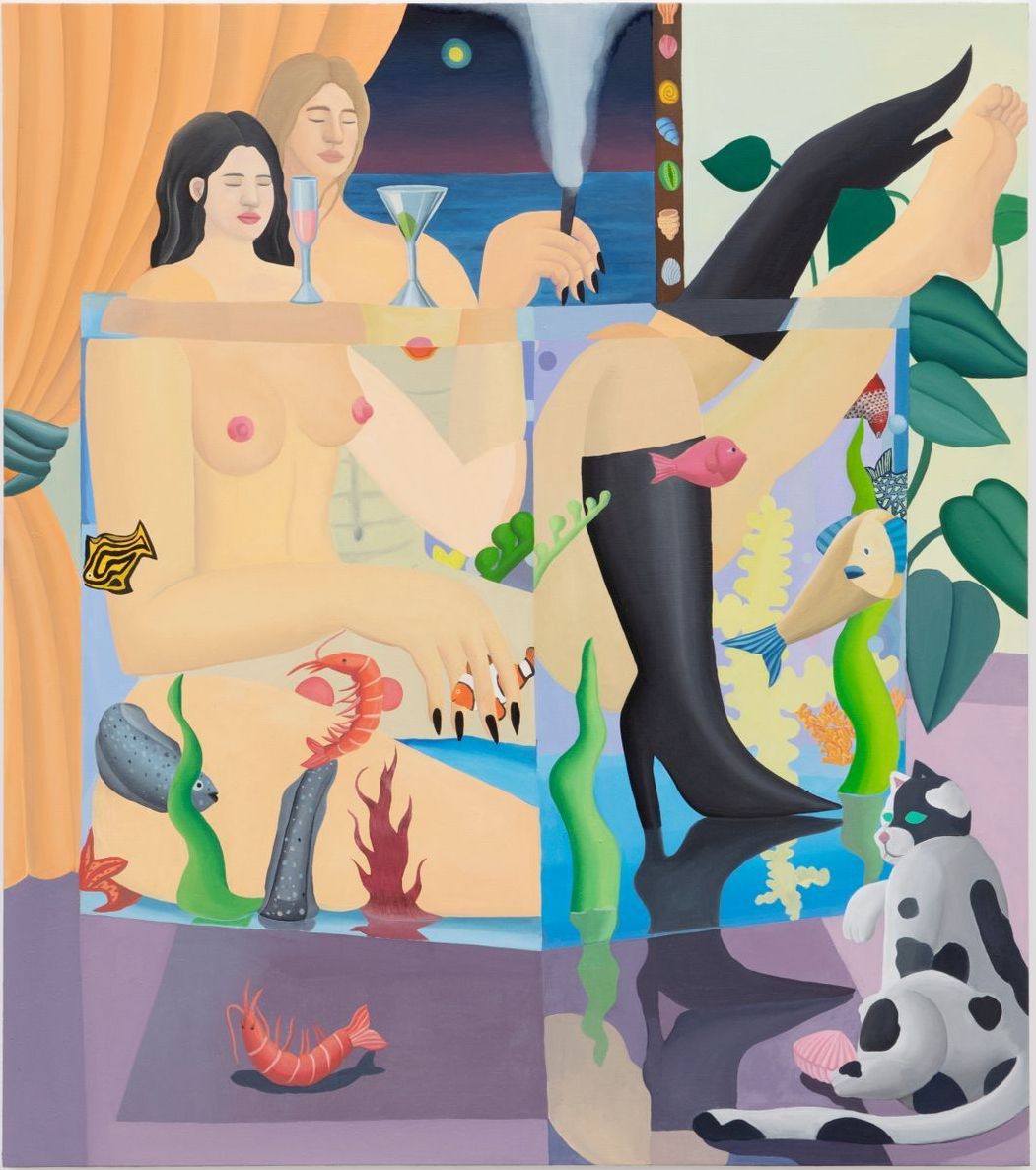
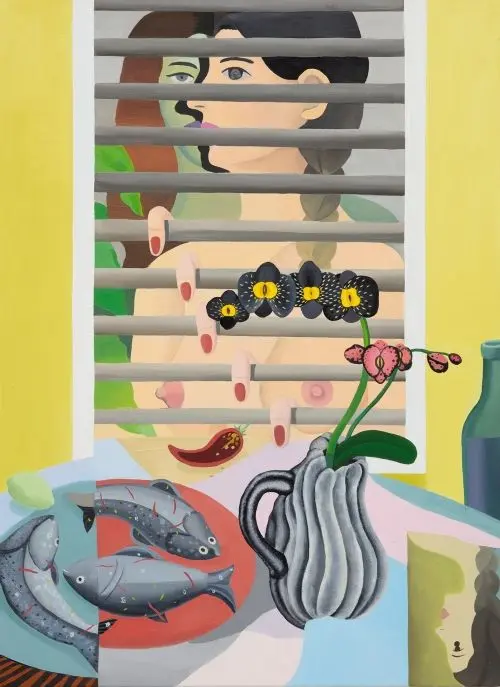
We Used to Be Fish

2019
Oil on canvas
152.4 x 172.7 cm
About The Work

From the beginning of her career, Park has consistently engaged with themes of the female body and desire. However, her approach has evolved from explicit and provocative imagery to more nuanced and layered narratives. 


Recently, her work has incorporated spatial and patterned elements, multi-layered storytelling, and cinematic framing techniques—practices increasingly prominent in contemporary painting. This demonstrates that her work extends beyond feminist discourse, positioning itself as an ongoing experiment in the formal possibilities of painting. 

Solo Exhibitions (Brief)

GaHee Park has held several solo exhibitions, including 《Fun and Games》 (Perrotin, New York, NY, USA, 2024), 《Académie Conti》 (curated by Eric Troncy, Consortium Museum, Vosne-Romanée, France, 2023), 《Eveningness》 (Perrotin, Tokyo, Japan, 2023), 《Too Early After All》 (Perrotin, Paris, France, 2021), 《We Used to Be Fish》 (Perrotin, Seoul, South Korea, 2019), 《Every Day Was Yesterday》 (Taymour Grahne, London, UK, 2018), and 《No No Means Yes Yes》 (Marginal Utility Gallery, Philadelphia, PA, USA, 2015).

Group Exhibitions (Brief)

Park has participated in numerous group exhibitions, including 《From the Collection》 (Nassima Landau, Tel Aviv, Israel, 2025), 《The Imaginary Made Real》 (Berry Campbell, New York, 2023), 《Beyond Identity》 (Jessica Silverman, San Francisco, 2022), 《No Patience for Monuments》 (Perrotin, Seoul, 2019), and 《Cheeky: Summer Butts》 (Marinaro Gallery, New York, 2018).

Awards (Selected)

Park participated in the Shandaken: Storm King Artist-in-Residency program in 2018. In 2016, she was awarded the Dedalus Foundation Master of Fine Arts Fellowships in Painting and received Special Recognition as a C12 Emerging Artist. That same year, she was selected as a Summer Artist-in-Residence at The Cooper Union.

Collections (Selected)

Her works are housed in collections such as The Pond Society (Shanghai, China), Columbus Museum of Art (Ohio, USA), and the Institute of Contemporary Art, Miami(Miami, USA). 
Works of Art

Normalizing the Taboo

Originality & Identity

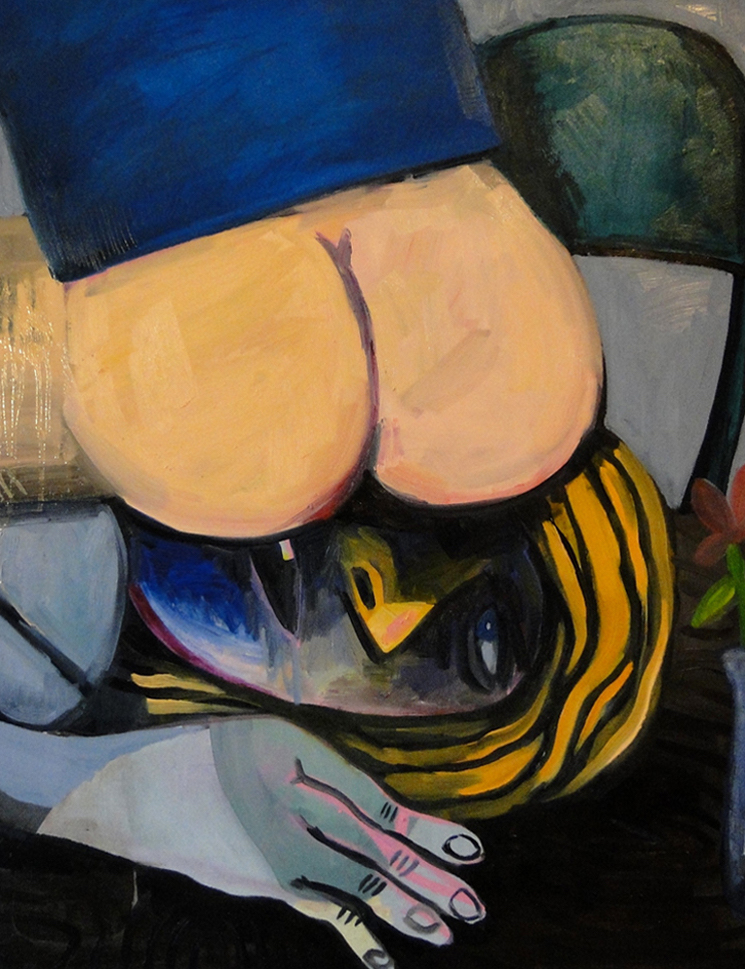
GaHee Park’s artistic practice originates from an exploration of social taboos surrounding sexuality, desire, the female body, and identity. Her early works directly addressed the dynamics of power entangled in sexual acts, illustrating the tension between prohibition, censorship, and repressed desire. A representative example, 〈Butt on Face〉(2016), depicts an anonymous figure pressing their buttocks against a woman's face, emphasizing the asymmetry of power structures. This work suggests that eroticism, beyond being a mere expression of sensuality, can also function as a critique of male-dominated hierarchies.

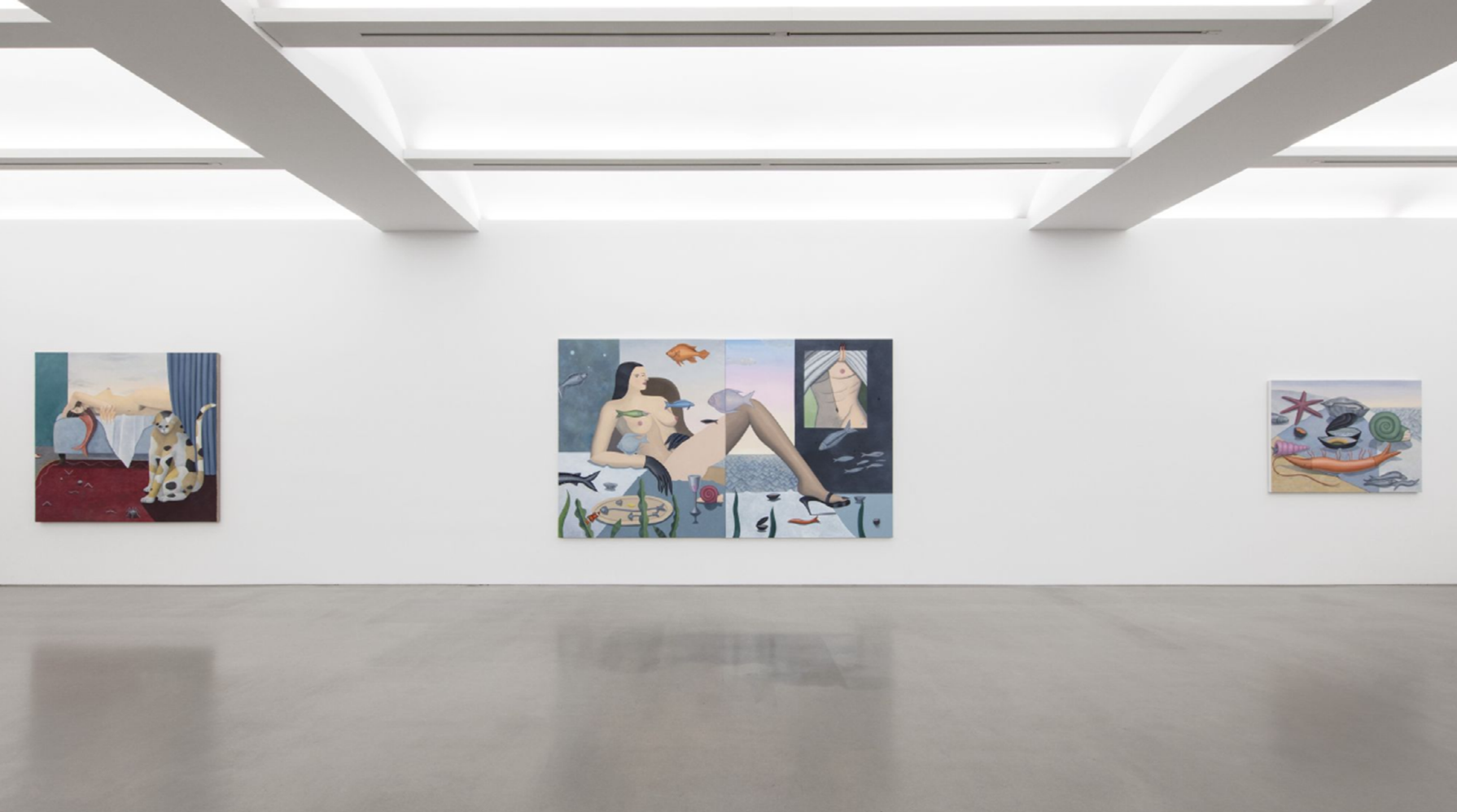
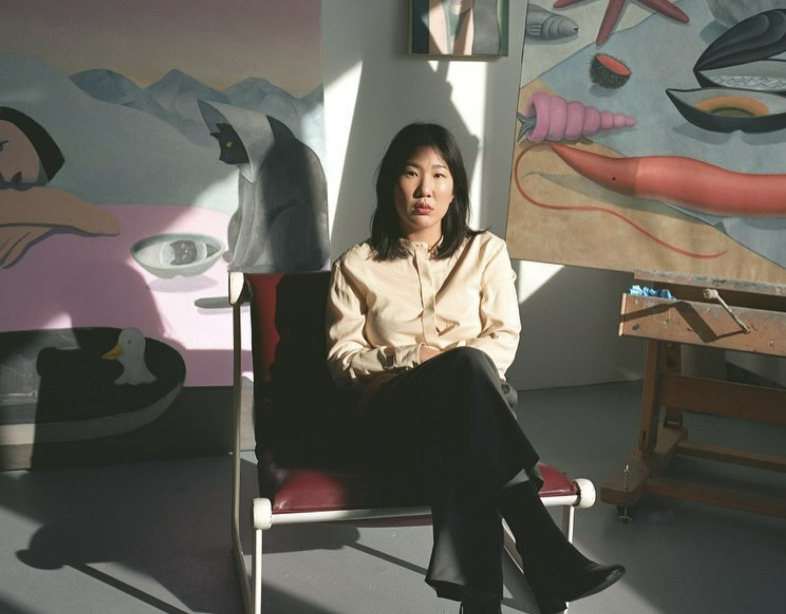
Over time, Park’s work has evolved toward blurring the boundaries between sexuality and the everyday. Her solo exhibition at Perrotin Seoul, 《We Used to Be Fish》(2019), showcased paintings that combined personal experiences and imaginative elements, depicting intimate scenes of women enjoying sexual pleasure in private settings. 〈We Used to Be Fish〉(2019), while inspired by an internet hoax claiming that humans were originally fish, ultimately extends into an exploration of the fluidity of existence and the ambiguity of self-perception.

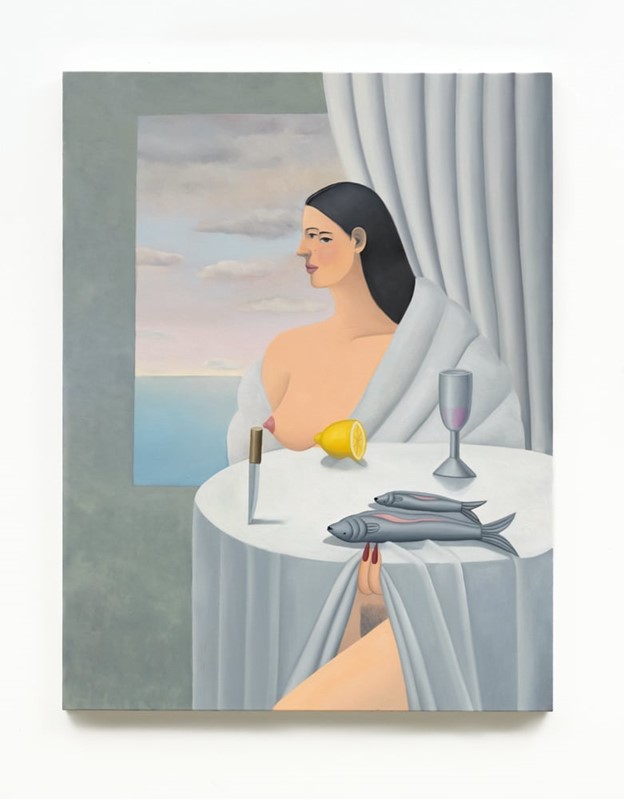
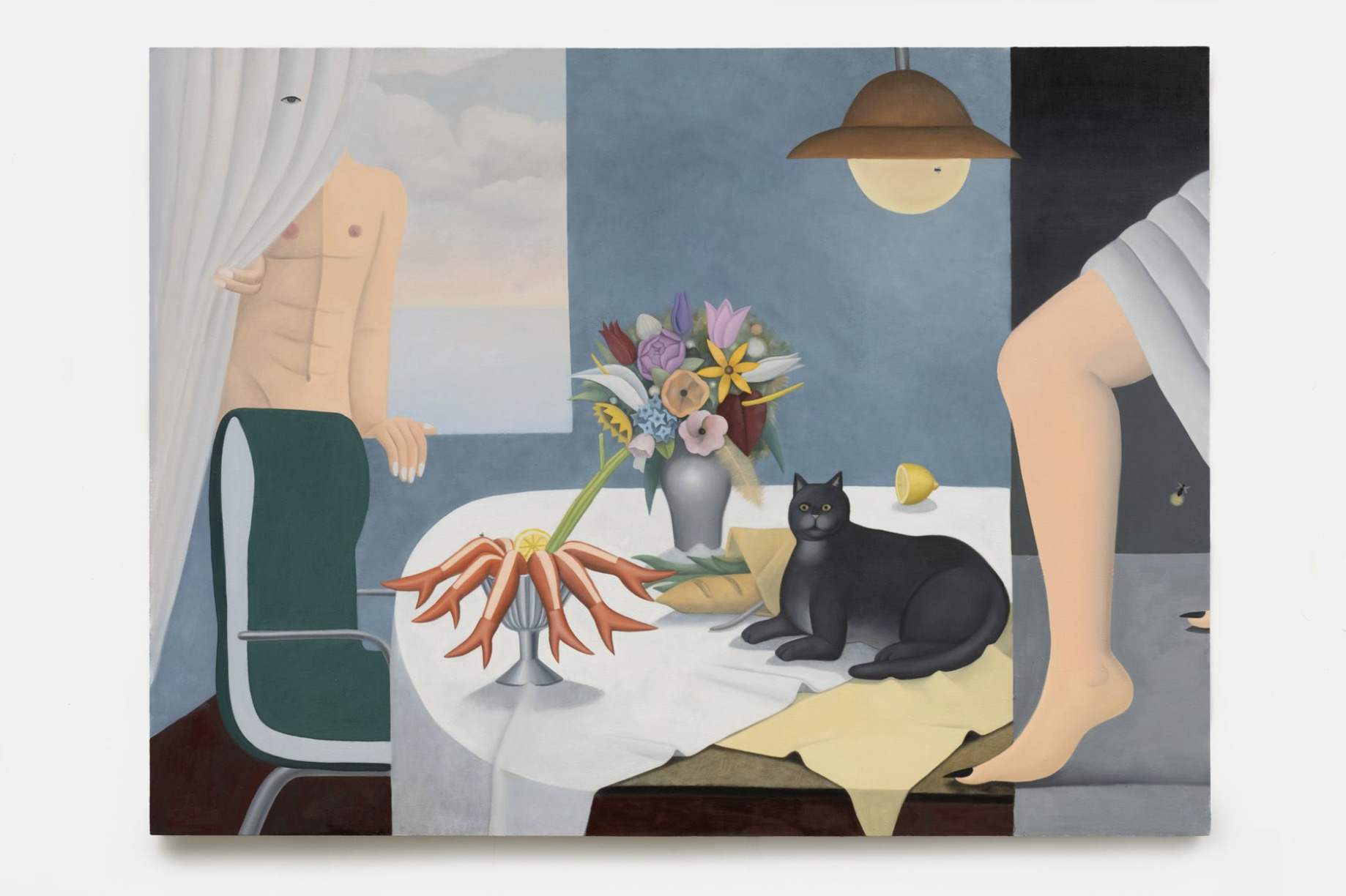
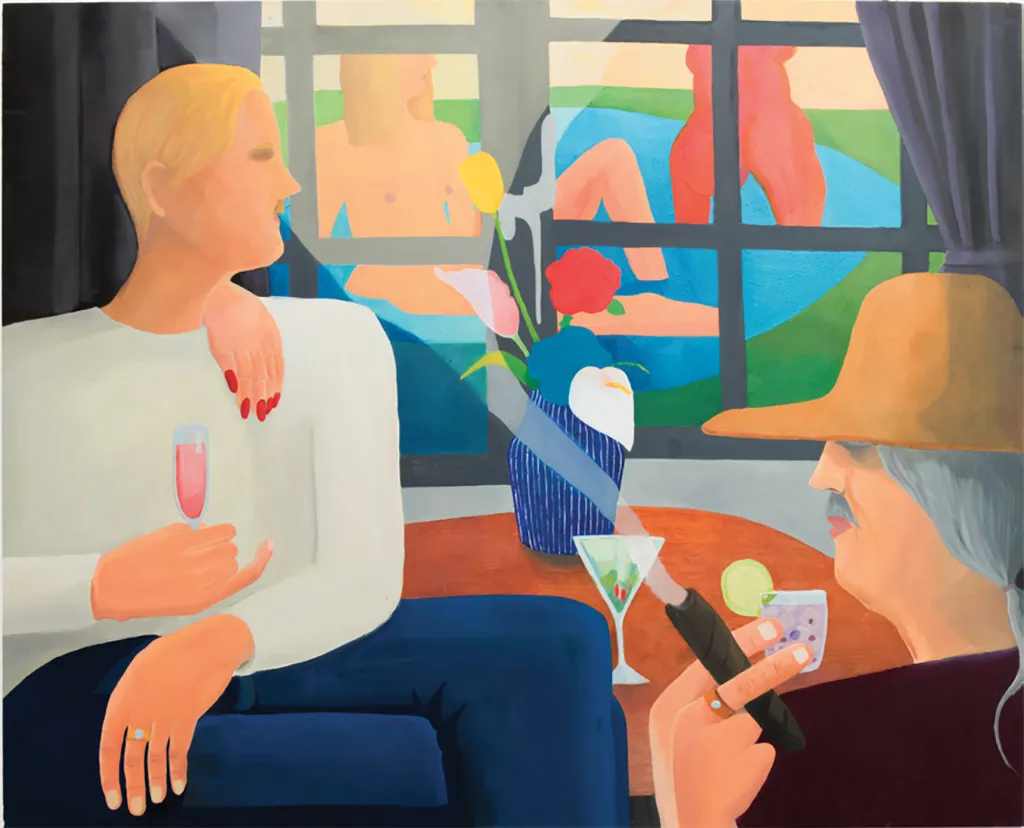
Her recent solo exhibition at Perrotin New York, 《Fun and Games》(2024), further fragmented and complicated her approach to figures and objects, pushing the formal boundaries of painting. 〈Under Cover〉(2023), structured like a still life, features a topless woman seated before a table where a dissected fish, a lemon, and a vertically impaled knife are arranged, evoking unease and a surrealist atmosphere.

Style & Contents

Park’s early works emphasized strong contrasts and clearly defined contours. In pieces such as 〈Butt on Face〉(2016), she used simplified color fields and exaggerated bodily forms to highlight the dynamics of sexual power. This style reflects influences from the 1920s still lifes of Gerald Murphy, whose work also featured flat compositions and spatial distortions.

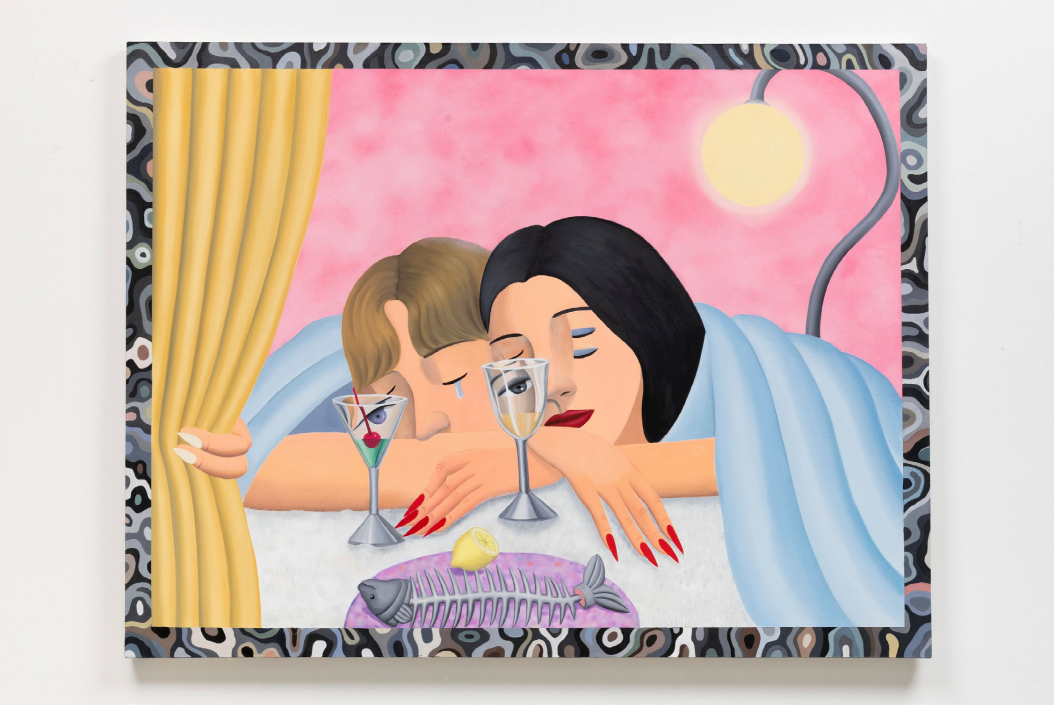
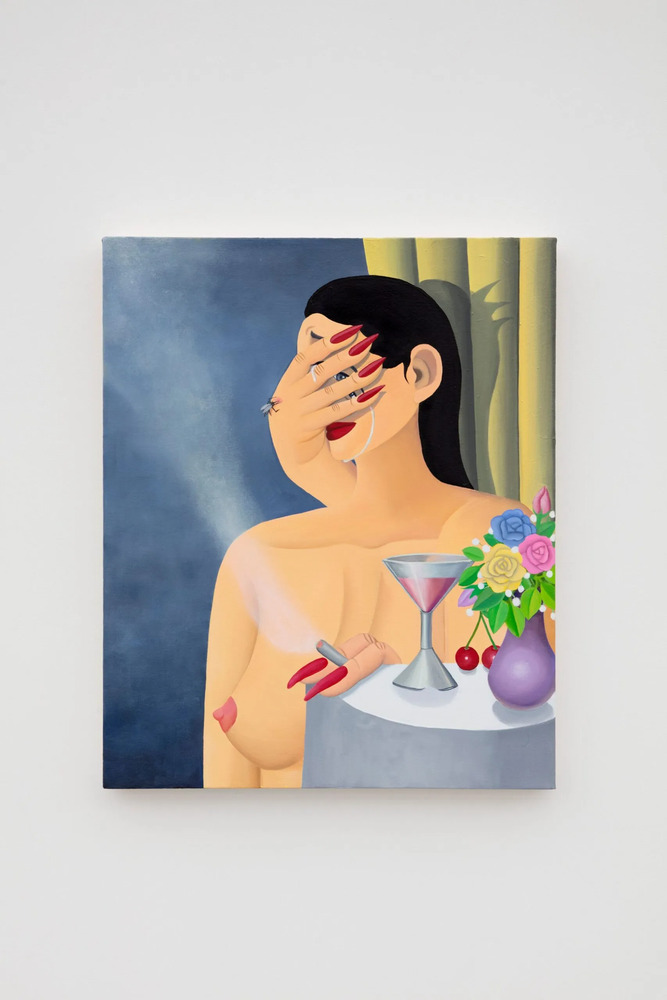
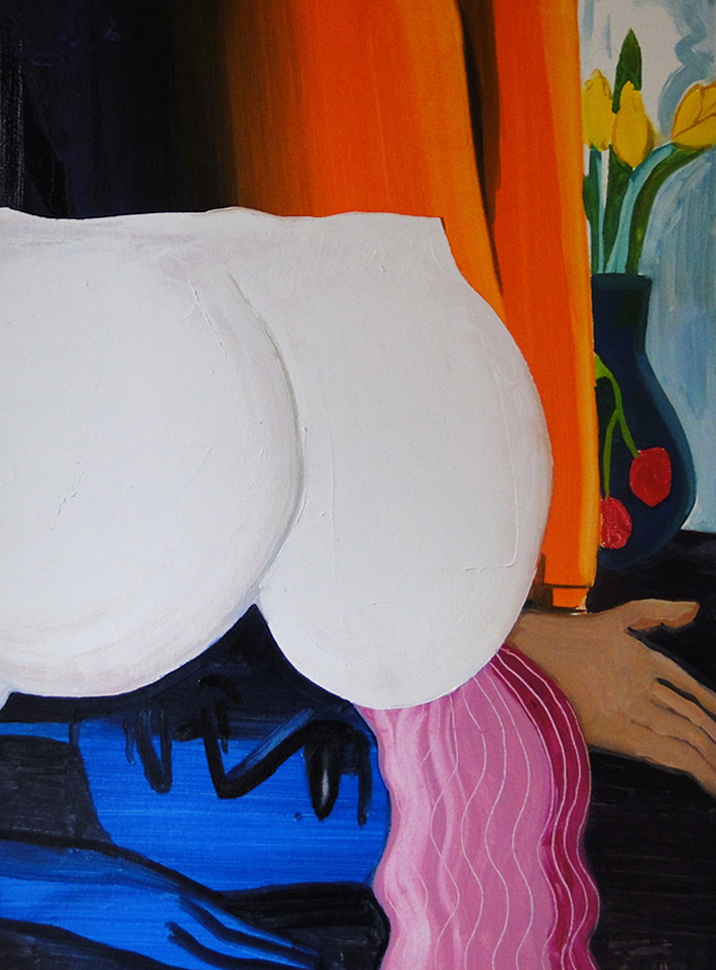
However, her solo exhibition at Perrotin New York, 《Betrayal (Sweet Blood)》(2020), marked a shift toward more complex compositions. In 〈Betrayal (Sweet Blood)〉(2020), grotesquely depicted hands clutching a distorted face and disproportionately large fingers resting on a table create a sense of visual discord. This work exemplifies Park’s continued investigation into the interplay between flatness and spatial depth, using disproportionate body parts and layered compositions to unsettle the viewer’s perception.

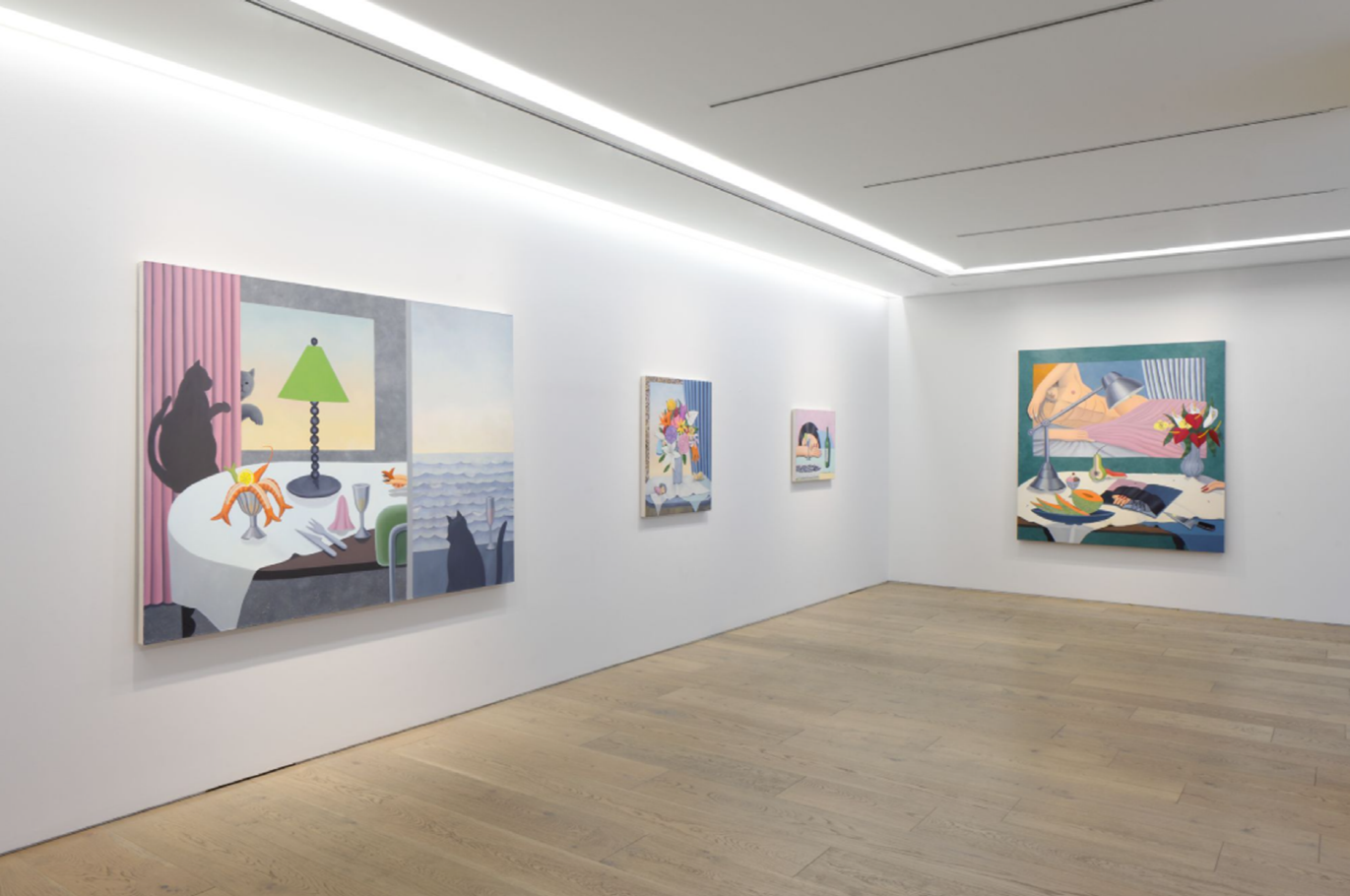
Her recent works further incorporate fragmented time and space, along with bodily distortions and cinematic multi-perspective compositions. In 〈World of Tails〉(2023), for instance, Park actively employs frames within frames—mirrors, windows, and other reflective surfaces—to superimpose scenes. This approach prevents the viewer from settling into a singular perspective, instead offering an experience where the illusion of space is simultaneously created and dismantled. Additionally, her increasing emphasis on pattern and polished textures moves her work away from earlier simplified forms and color palettes, gradually building toward denser, more intricate paintings.

Topography & Continuity

From the beginning of her career, Park has consistently engaged with themes of the female body and desire. However, her approach has evolved from explicit and provocative imagery to more nuanced and layered narratives.

Recently, her work has incorporated spatial and patterned elements, multi-layered storytelling, and cinematic framing techniques—practices increasingly prominent in contemporary painting. This demonstrates that her work extends beyond feminist discourse, positioning itself as an ongoing experiment in the formal possibilities of painting. Works such as 〈Betrayal (Sweet Blood)〉(2020) and 〈Woman on a Beach at Dawn〉(2024) emphasize close-up compositions of exaggerated hands and fragmented bodies, intensifying the tension between flatness and spatial illusion.

Park’s paintings occupy a significant position within the evolution of contemporary female artists’ exploration of pictorial language. Whereas her early works often reflected autobiographical narratives or served as a critique of Korea’s patriarchal structures, her current practice delves into more ambiguous, dreamlike atmospheres that challenge conventional depictions of desire. Rather than conveying explicit social messages, her works investigate the expansion of painting’s formal and narrative capacities, securing her a distinctive place in contemporary art. Moving forward, she will likely continue dissolving the boundaries between sexuality and daily life while persistently expanding the formal language of painting.

Works of Art

Normalizing the Taboo

Exhibitions