Rogue Stars - K-ARTIST

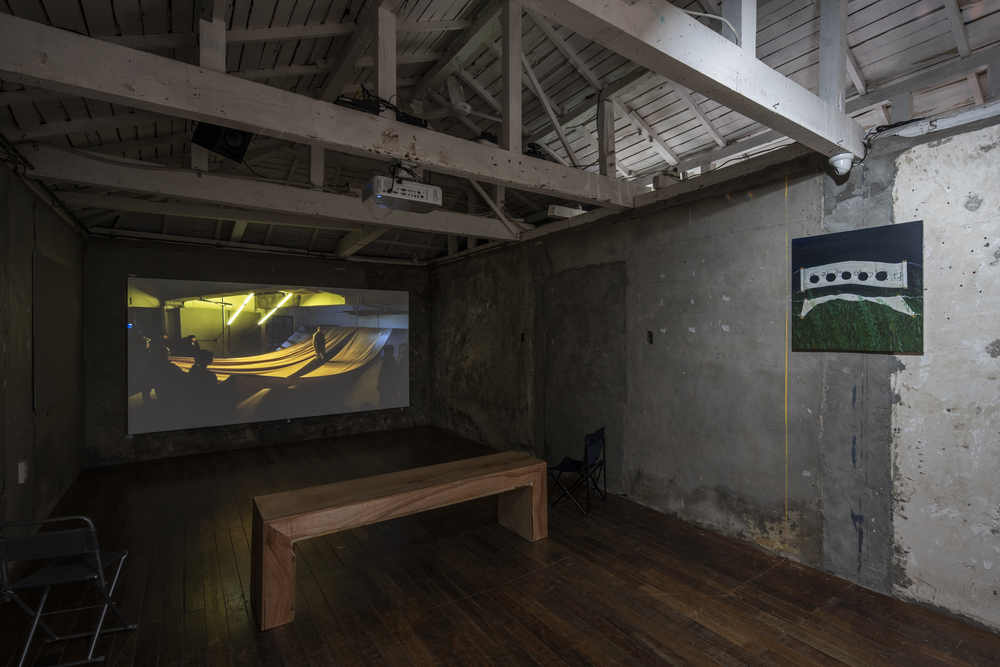
Rogue Stars

2018
3-channel video
16min 16sec
About The Work

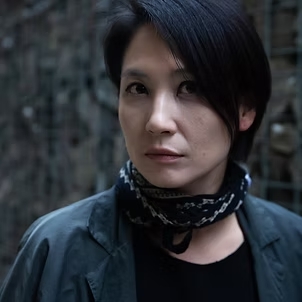
Yuri An traces how individuals perceive and redefine their positions within the conditions of history, politics, nationhood, and community. In particular, she explores how past events connect with or come into conflict with present-day phenomena, listening closely to words and stories that have disappeared in the process.

An’s practice begins with autobiographical experiences of encountering unfamiliar places as an outsider. From there, her focus has expanded from narratives of the diaspora centered on the Korean Peninsula to Asia, a region shaped by the intersecting forces of colonialism, imperialism, the Cold War, and ideology. Throughout her practice, she has continued to bring attention to the stories of marginalized individuals and communities.

Working across a range of media, including video, text, sound, publishing, and web-based projects, An develops her practice around the notions of “words” and “voices.” By weaving together poetry and archival records from different periods with her own writing, she resists fixing the history of a place or the experience of an individual within a single narrative. Rather than explaining one another, images, texts, and sounds are placed alongside each other with slight discrepancies, inviting viewers to forge new connections between historical events and individual stories.

Through these diverse media, An weaves together individual voices and stories, bringing fragmented and fading presences back into the present and connecting them with one another. Furthermore, amid ongoing conflicts, divisions, discrimination, and violence, she gives form to voices of solidarity and resistance.

Solo Exhibitions (Brief)

Yuri An has held solo exhibitions including 《River of No Return》 (Seogyo Art Space, Seoul, 2016), 《Sailing Wokrds》 (Cheongju Art Studio, Cheongju, 2015), and 《The Unharvested Sea》 (Art Space Pool, Seoul, 2015).

Group Exhibitions (Brief)

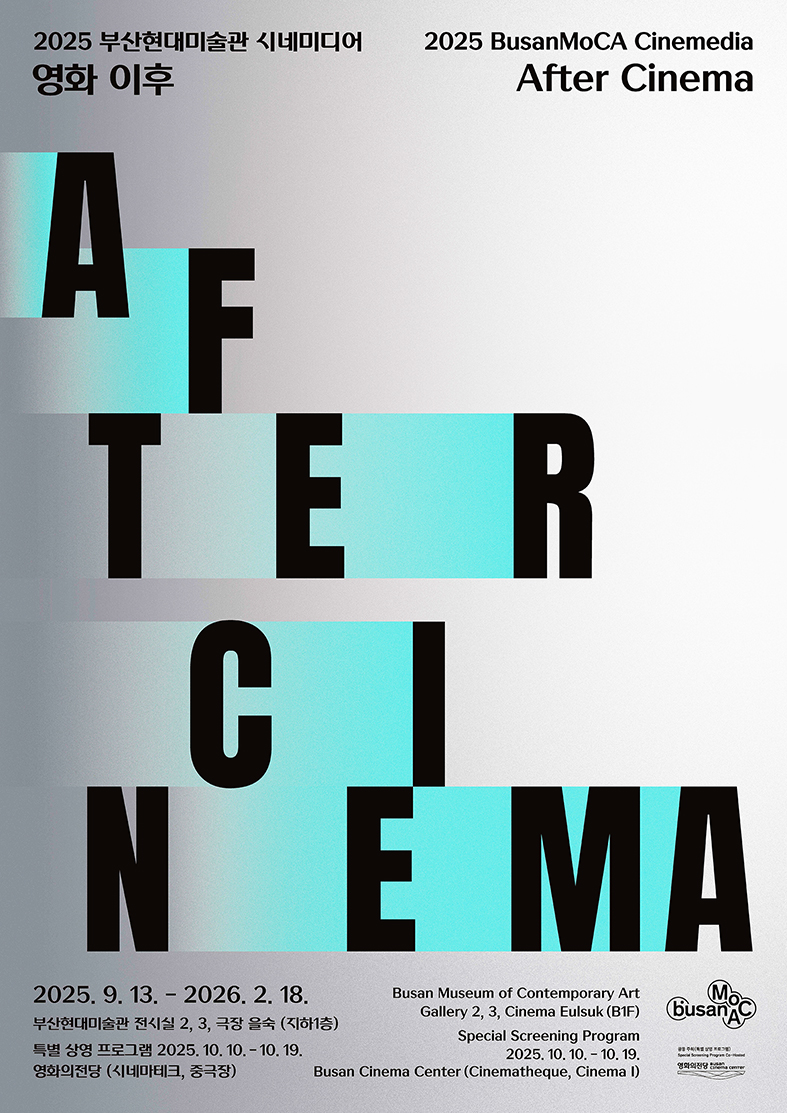
An has also participated in numerous group exhibitions, including 《Borderless Cinema》 (Incheon Art Platform, Incheon, 2026), 《Women on the Boundary》 (Jeju Museum of Art, Jeju, 2026), 《2025 BusanMoCA Cinemedia_ After Cinema》 (Busan Museum of Contemporary Art, Busan, 2025), 《Loop Lab Busan 2025》 (Museum 1, Busan, 2025), 《The 24th SONGEUN Art Award Exhibition》 (SONGEUN, Seoul, 2024), 《Snake Oil Salesmen and Promised Land》 (Art Space Boan, Seoul, 2023), and 《ARTSPECTRUM 2022》 (Leeum Museum of Art, Seoul, 2022).

Awards (Selected)

An was named a finalist for the Loop Barcelona Video Art Production Award 2021.

Collections (Selected)

An’s works are held in the collections of several institutions, including the Gyeonggi Museum of Modern Art, the National Museum of Modern and Contemporary Art, Korea, the Busan Museum of Art, the Busan Museum of Contemporary Art, and the Seoul Museum of Art.

Works of Art

Visualizing the Spatiotemporal Gap Between Past and Present

Originality & Identity

Yuri An traces how individuals recognize and reshape their positions within the conditions of history, politics, nation, and community. Her practice began with her own experiences of migration and linguistic change. Created while she was studying in the Netherlands, Floating Land Drifting Heart; From Texel to Jeju(2014) connects Texel, where Hendrick Hamel began his voyage, with Jeju, the place An had left behind, following a situation in which one person’s point of departure becomes another person’s destination.

Her experience of living as a foreigner, as her mother tongue grew distant and came into contact with another language, became an important starting point for her later work. In The Unharvested Sea(2015), An adds Jindo to the route between Texel and Jeju and addresses “beings beyond return” and a “heart that cannot cast anchor” against the backdrop of the Sewol Ferry disaster and the downing of Malaysia Airlines Flight 17.

Figures from myth and legend—including Odysseus, Hamel, Ppong Halmeoni, and Yeongdeung Halmeoni—encounter contemporary events, bringing past and present together within the same temporal field.
 
With the ‘Korean Diaspora’(2016–) project, An’s personal experience of migration expands into broader historical questions surrounding the Korean Peninsula. Cross a River(2016), Body, Words, and Sound examine Joseon-jok communities in Yanbian, China, focusing on the condition in which bodies crossed national borders while language remained connected to the place they had left, and on the ways voices and identities inevitably changed over time.

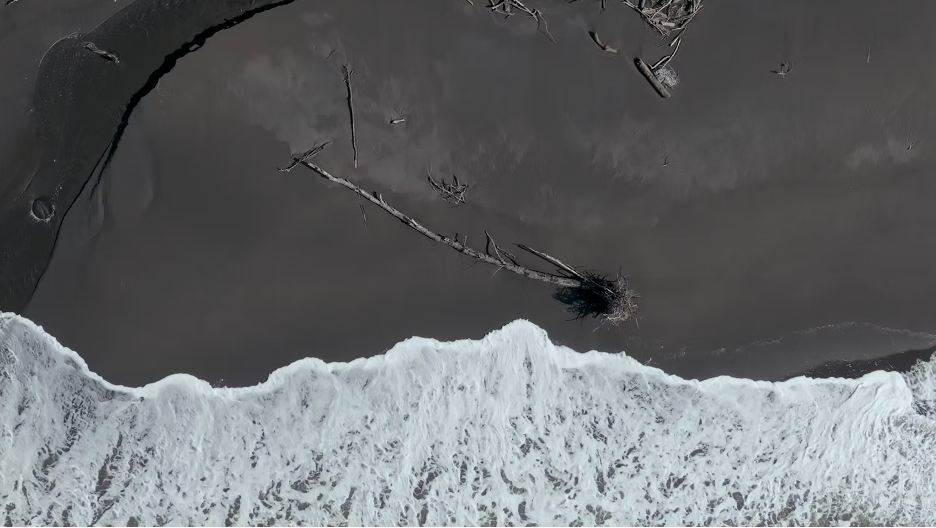
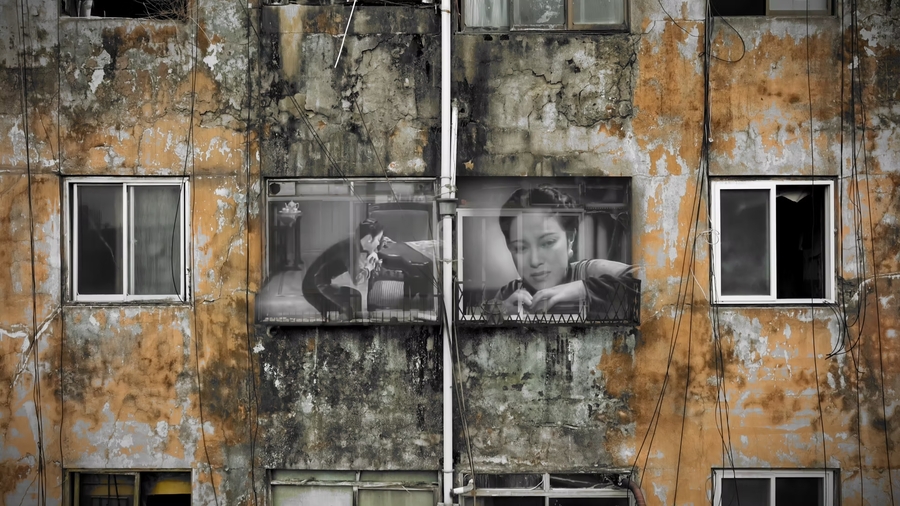
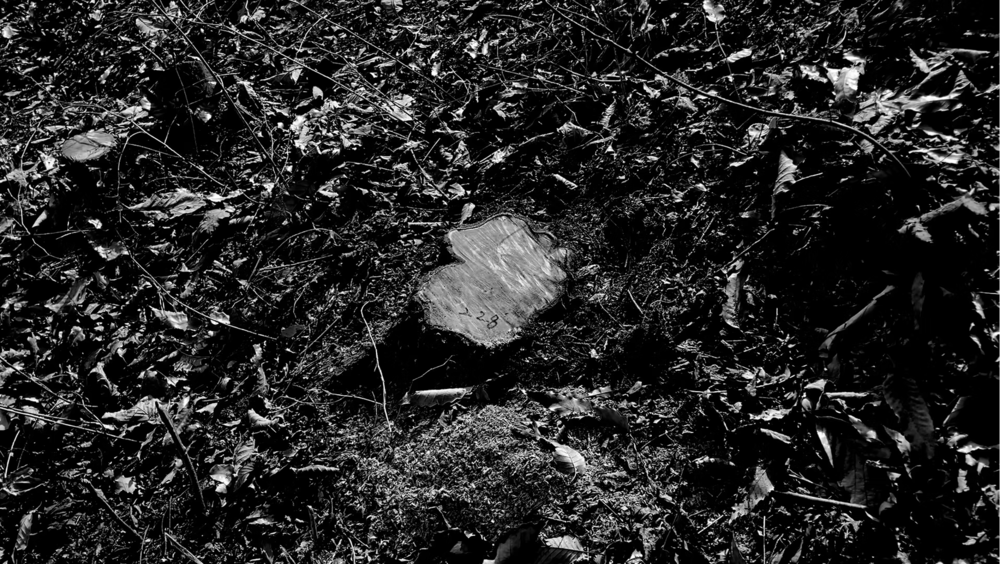
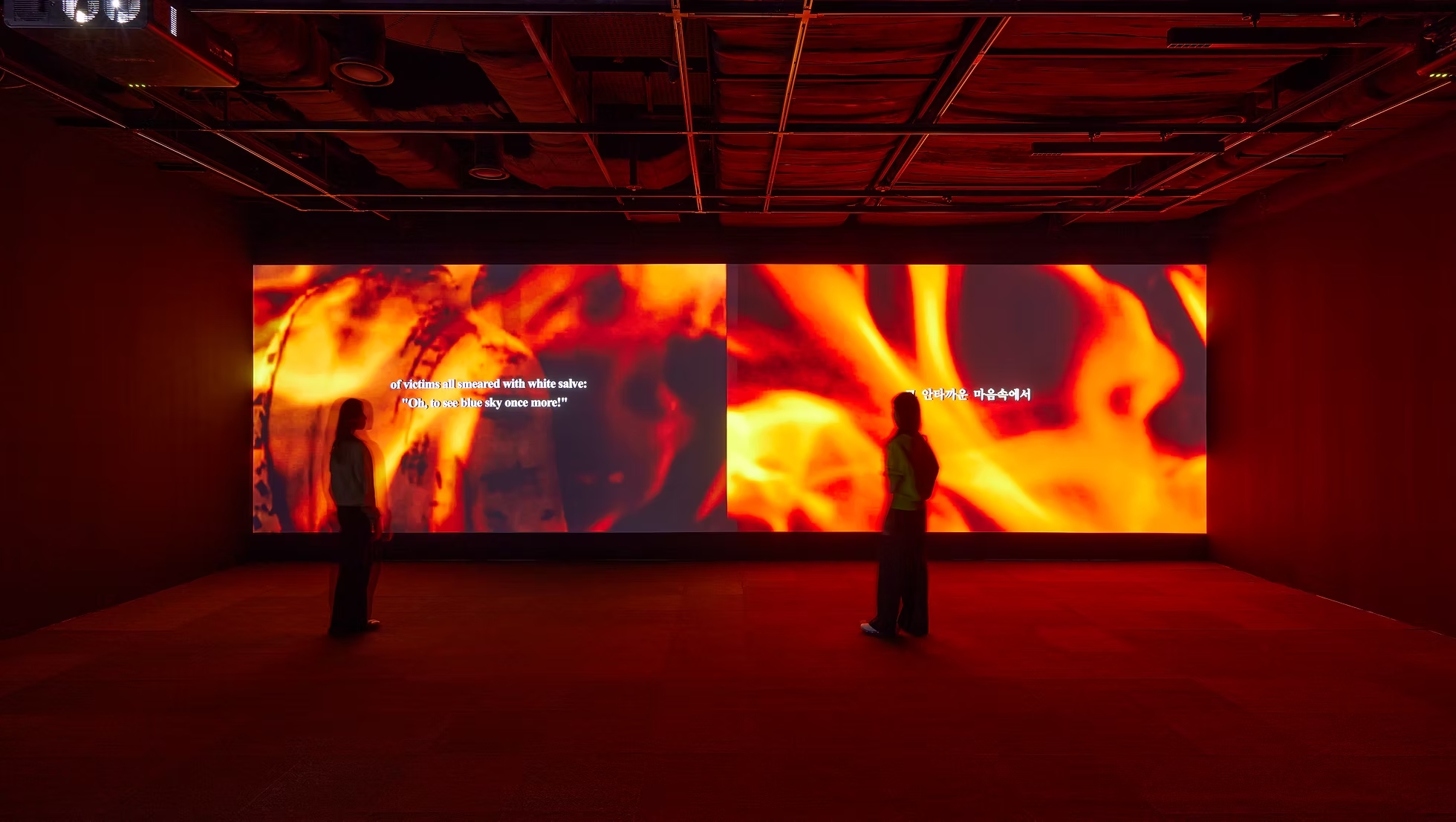
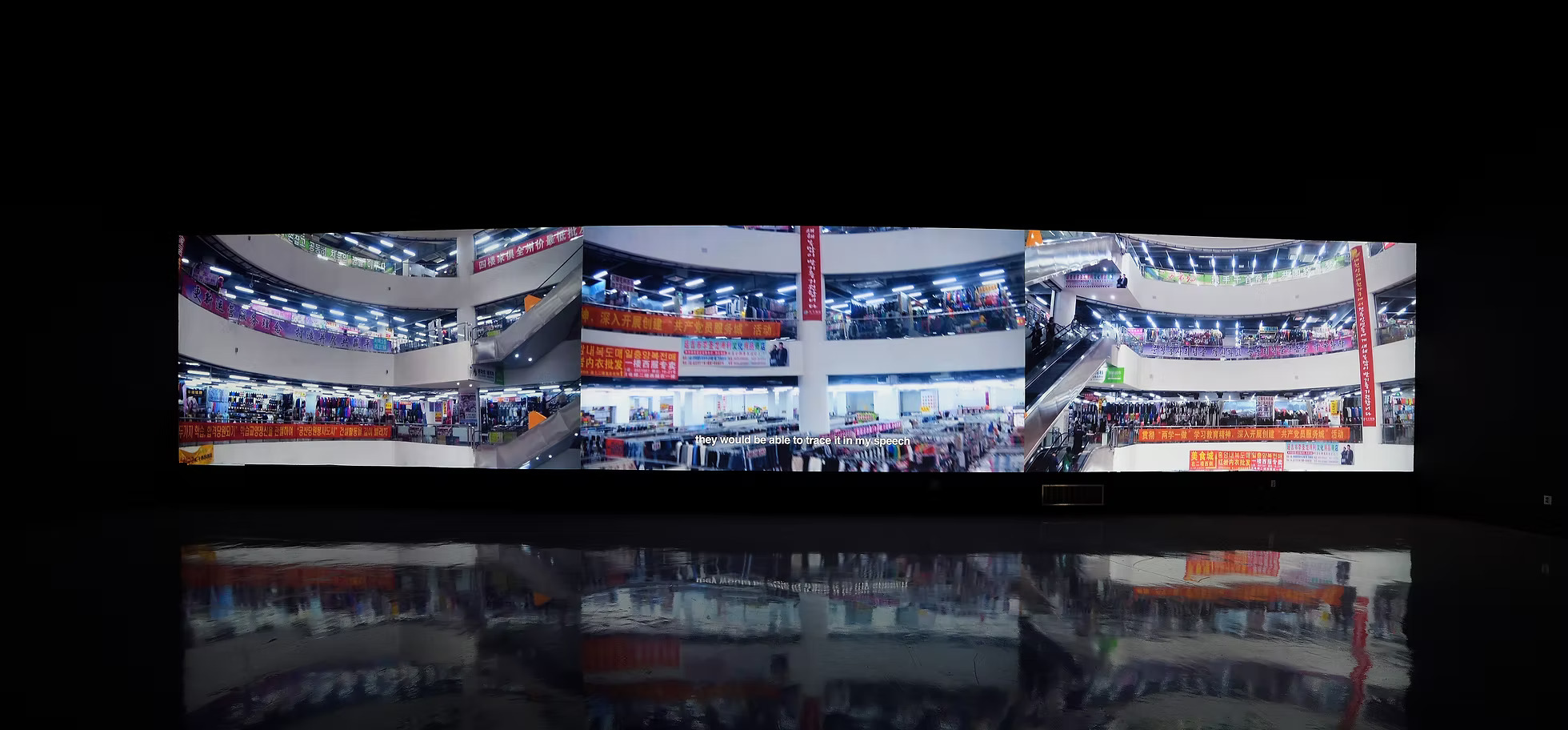
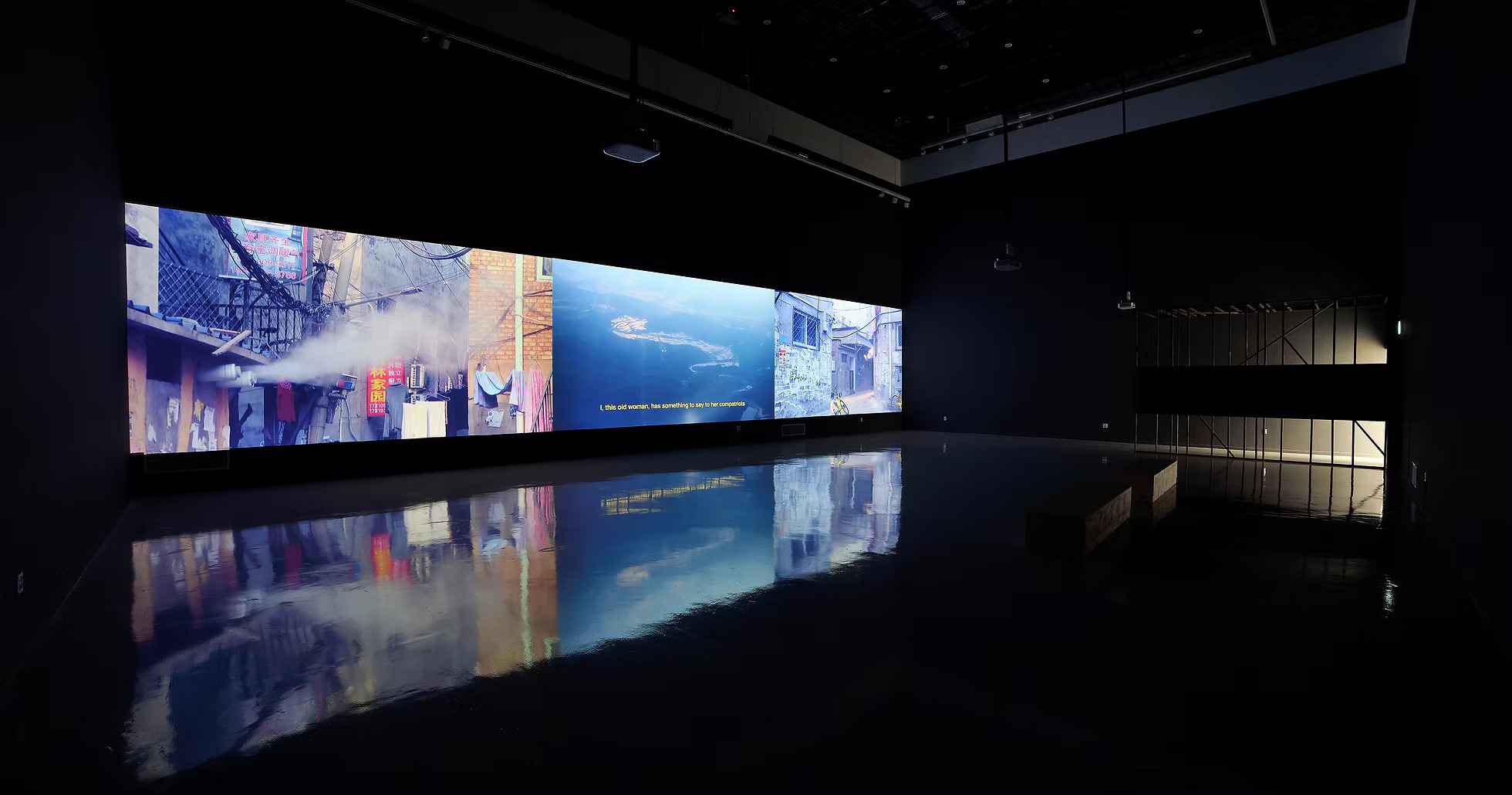
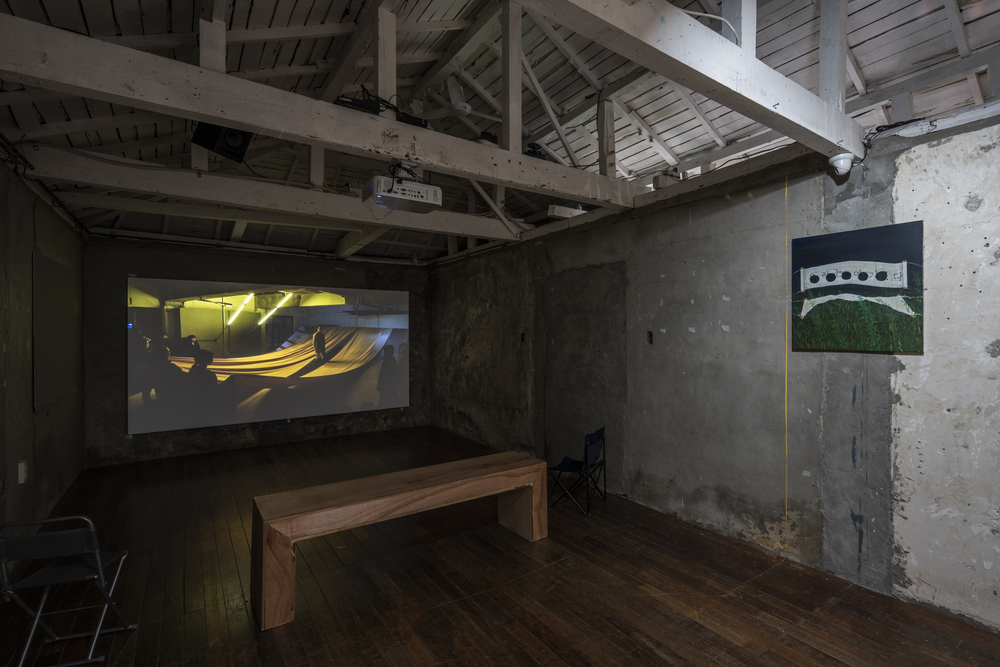
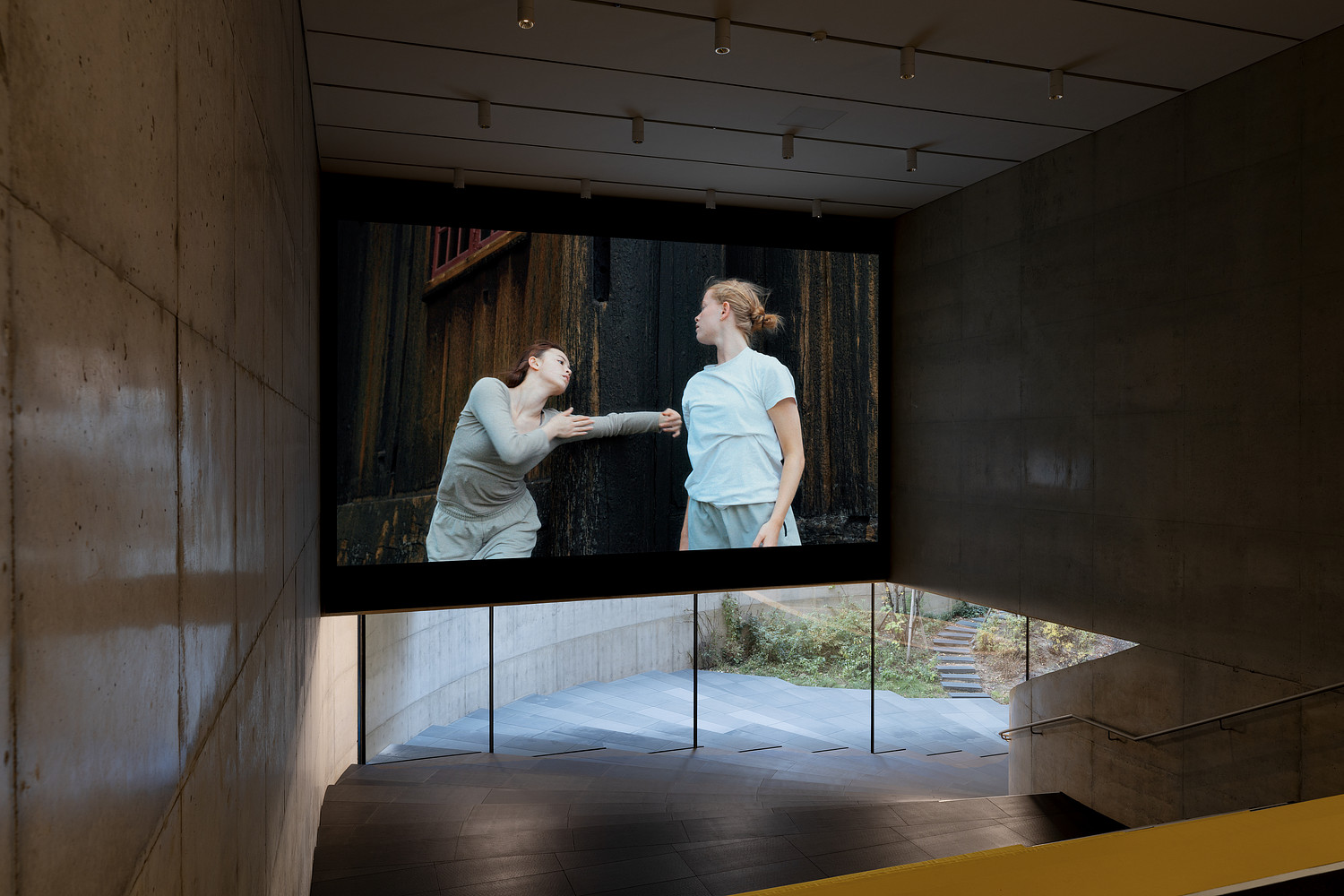
Rogue Stars(2018) subsequently brings together multiple spatial relationships—Korea and Yanbian, Yanbian and China, and Korea and China—to reveal complex positions between “homeland” and “motherland,” and between “compatriot” and “foreigner.” During this period, diaspora in An’s work becomes less a group defined by a singular identity than a condition through which one can observe how the names of nation and ethnicity are repeatedly imposed upon and removed from individuals.
 
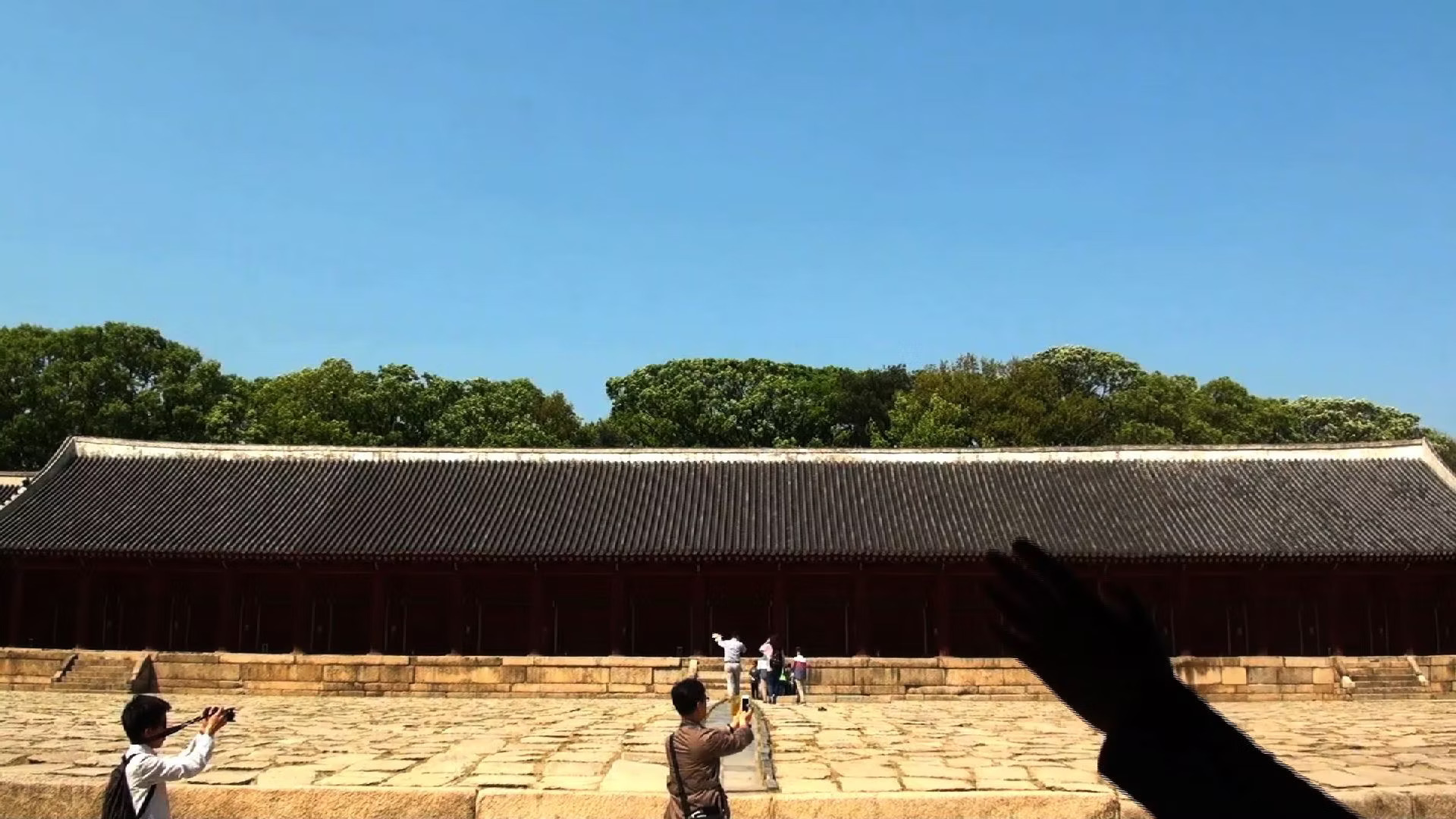
Her practice later expands beyond the Korean Peninsula toward Asia and the wars, Cold War conflicts, and ideological divisions of the twentieth century. The ‘Potemkin Study’(2017–) series questions the very ways in which cities and borders are read. Potemkin Study 1. Seoul: Tower of Silence, Fire Temple(2017) juxtaposes Jongmyo, which has remained in the same place for more than five centuries, with Daerim-dong, shaped by the constant movement of people and goods.

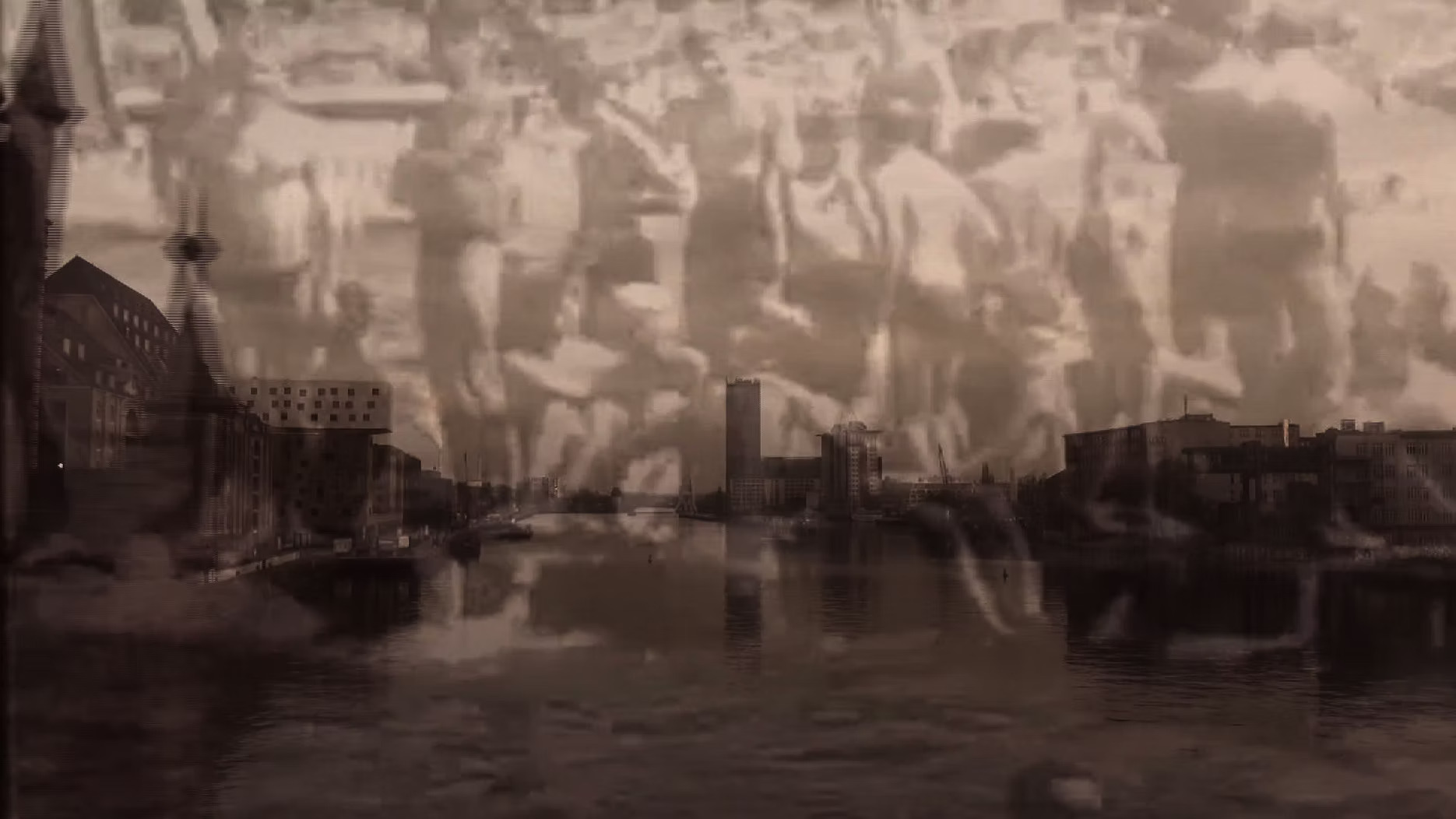
Potemkin Study 2. From Berlin to Tumen: The Way to The Origin of a Million Rivers(2019) connects Berlin, a city that experienced division, with Tumen, which remains situated along the border between North Korea and China. In Parrhesia: One Body Two Words(2020), four figures whose lives were transformed by ideological confrontation after the Second World War offer different accounts of similar circumstances according to their respective positions.

Through this process, An’s focus shifts away from defining the identity of a particular group and toward asking how states and ideologies organize individual lives, and how different voices endure within those structures.
 
In her work of the 2020s, “bringing disappeared voices back into the present” becomes increasingly central. Styx Symphony(2022) revoices the poetry of four women poets who lived through Hiroshima, Nazi and Soviet oppression, the American civil rights movement, and the Gwangju Democratization Movement through the voices of women living today, asking how the violence of the past continues to resonate in the present.

Grafted Words, Eliminated Names(2023) examines how refugees, foreign workers, compatriots, and other differently positioned subjects are named and excluded within Korean society through the institutional language surrounding naturalization tests and “becoming Korean.” Wandering Star along the Silver Screen(2024) traces the “personas” imposed by nation and era through the lives of Yoshiko Yamaguchi and Yoshiko Kawashima.

More recently, Roaring Ashes(2025) brings these historical concerns back toward the personal experience of death and mourning. Following sea routes linking Hokkaido and Sakhalin, and Jeju and Tsushima, the work waits for voices that never arrived; within this lament, historical and private loss converge.

Style & Contents

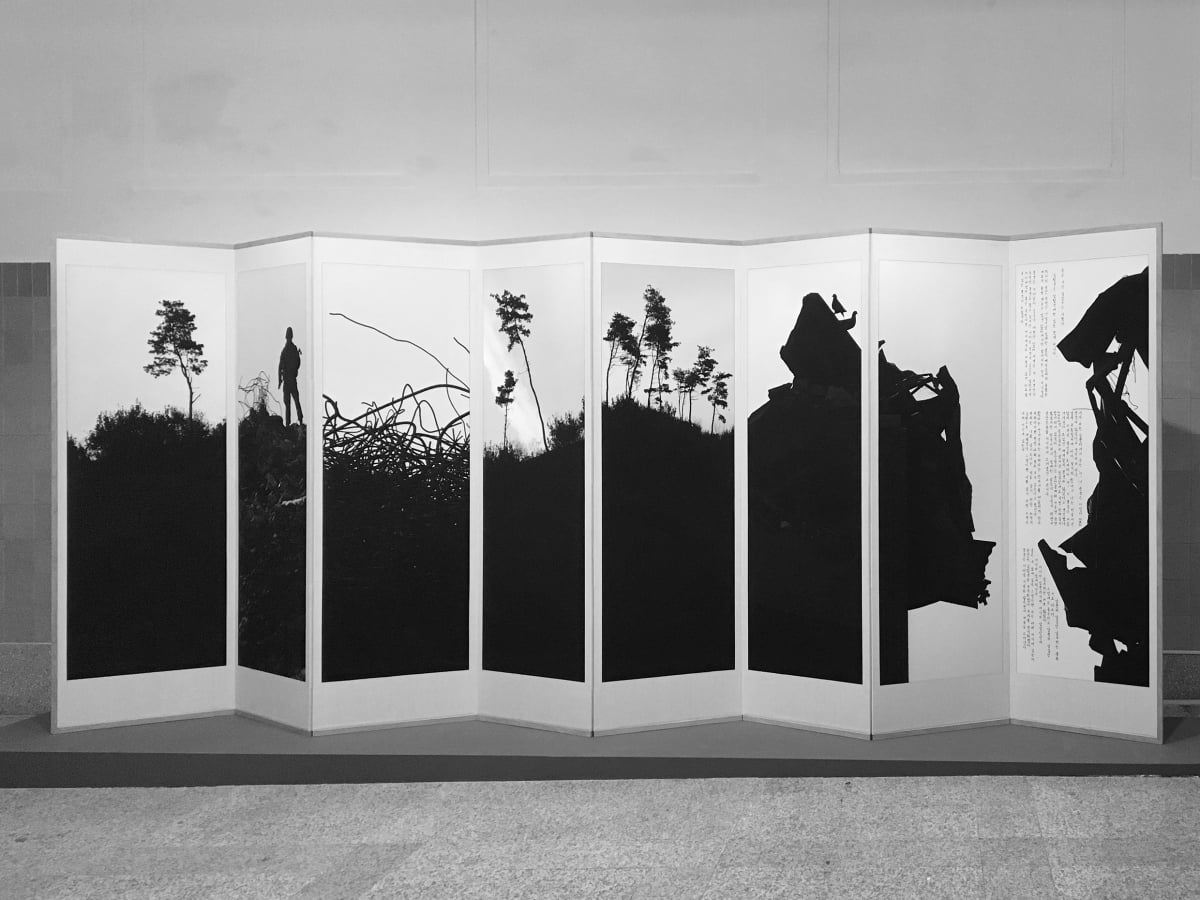
Yuri An works across moving image, text, sound, publishing, and web-based media, centering her practice on “speech” and “voice.” From the beginning, she has preferred structures in which text and sound redirect the reading of images rather than using images simply to explain or represent a subject.

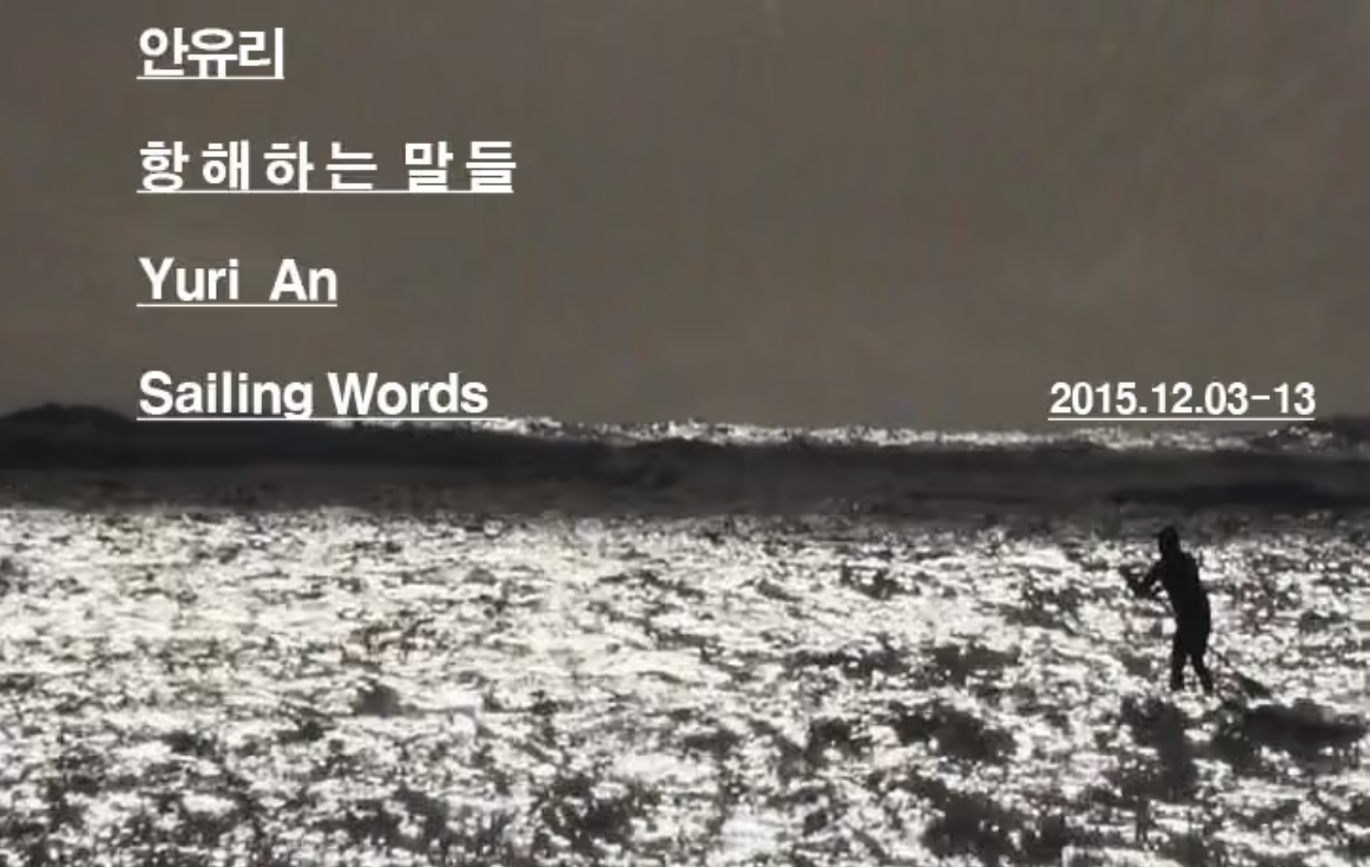
Sailing Words; A dialogue with the poet, Huh Sukyung
(2015) develops from letters exchanged with poet Huh Sukyung into a text installation and three-channel video, while the solo exhibition 《The Unharvested Sea》(Art Space Pool, Seoul, 2015) loosely arranged moving images, still images, and writing throughout the exhibition space.

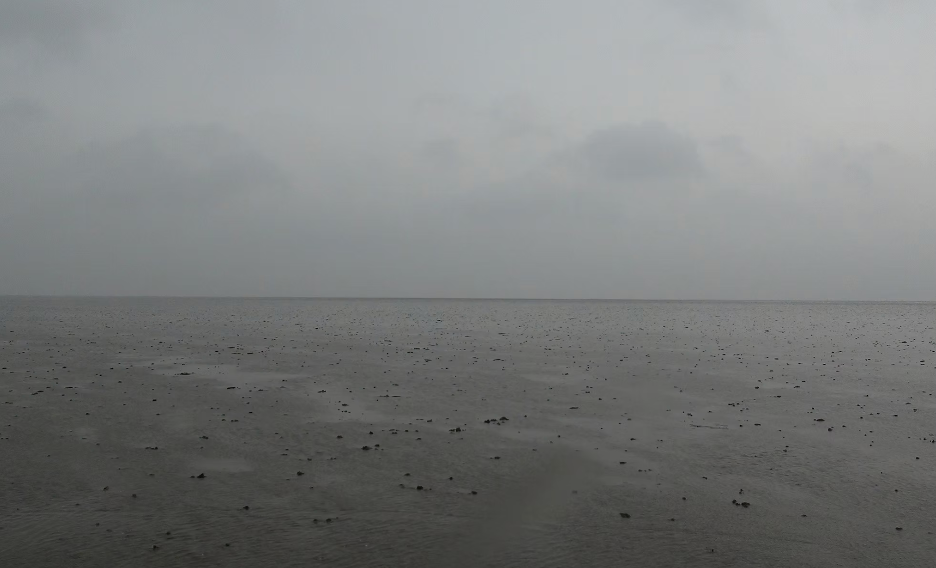
Her recurring decision to withhold people’s faces and leave only landscapes and voices also emerged during this period. This allows viewers to avoid quickly judging a person through appearance or background and instead follow the narrative more slowly through the space between speech and landscape.
 
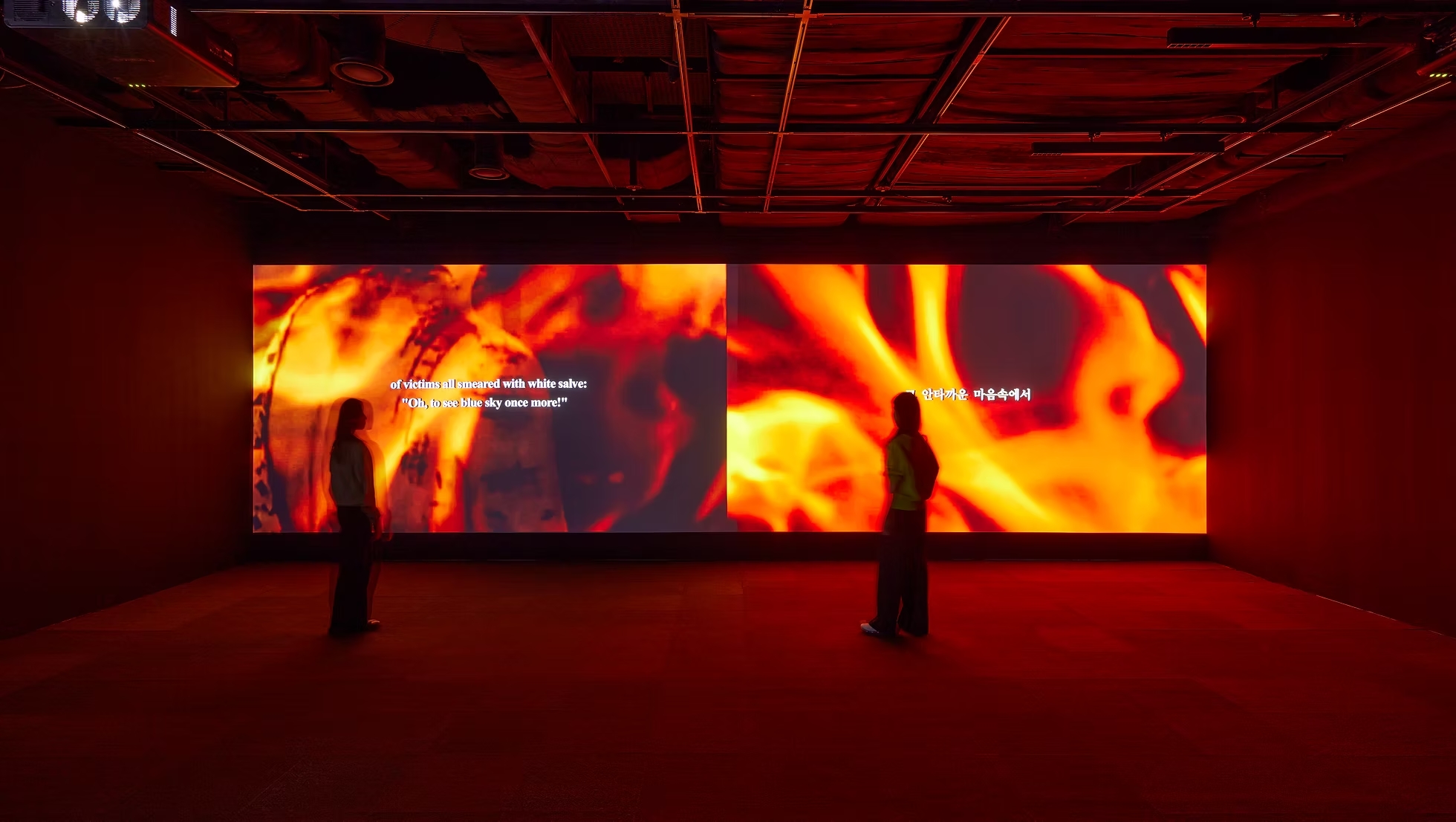
As the ‘Korean Diaspora’ project developed, the number of video channels and the structure of the works changed according to their subjects. While Cross a River, Body, Words, and Sound were each produced as single-channel works, Rogue Stars was reconfigured as a three-channel installation in order to present three spatial relationships simultaneously. In single-channel works, An layers multiple temporalities within one frame, while in multichannel works she places different speakers and spaces alongside one another horizontally.

In Parrhesia: One Body Two Words, she uses theatrical structures of monologue, aside, and dialogue, together with the “Rashomon Effect,” to present conflicting accounts by four individuals of comparable circumstances. Form, in this sense, is determined less by an autonomous aesthetic decision than by the question of how different voices and temporalities need to relate to one another.
 
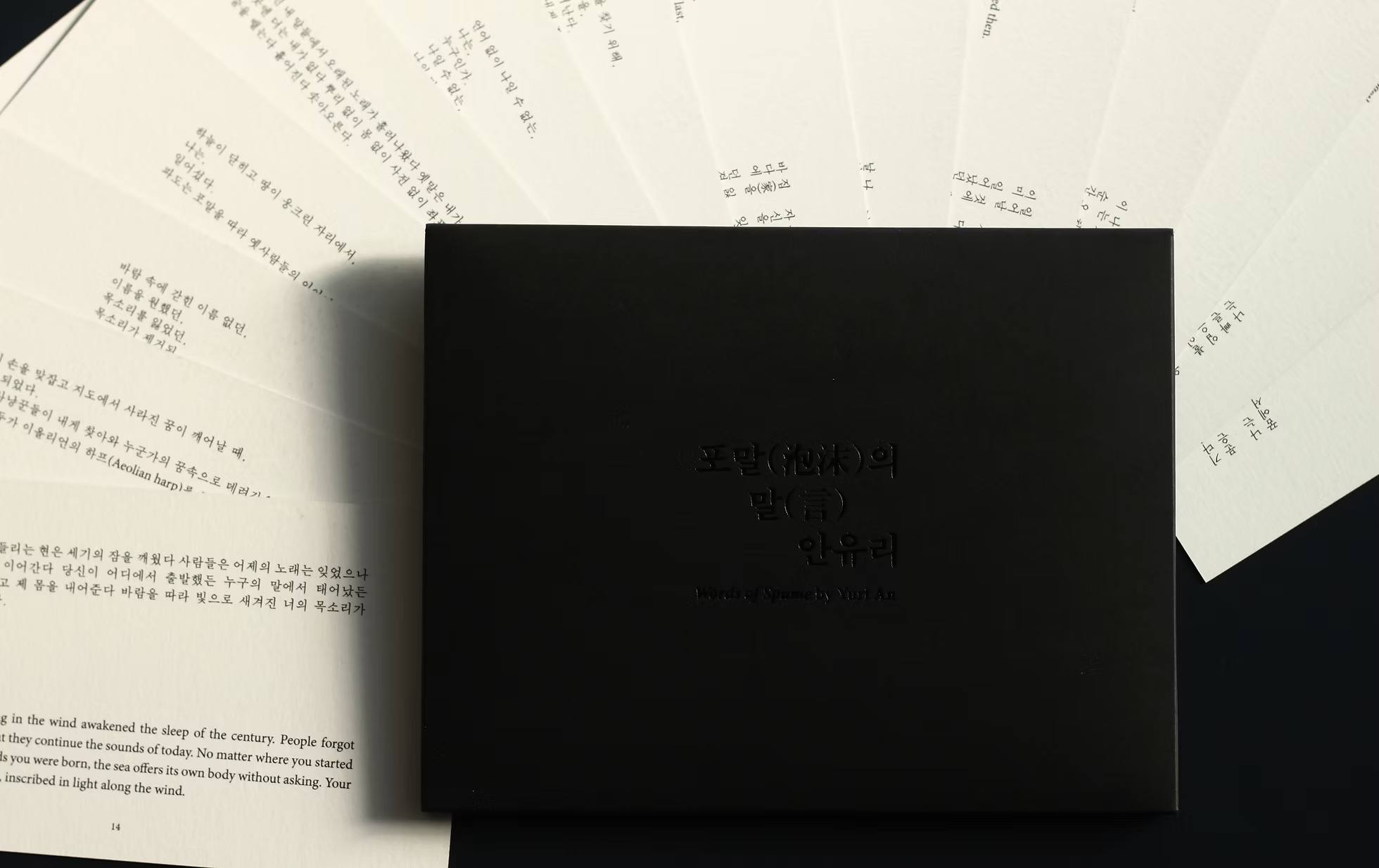
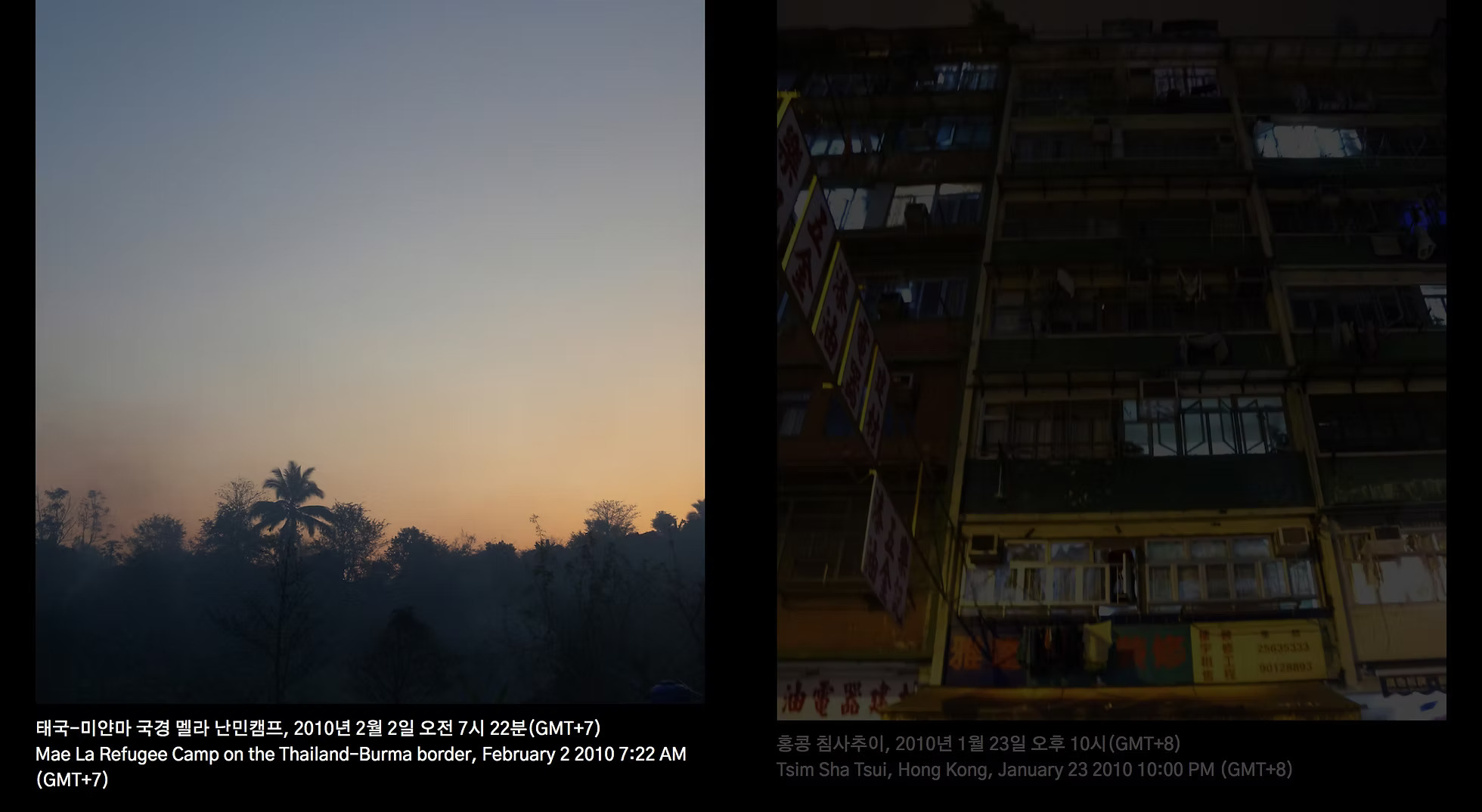
Text and poetry are as important to An’s practice as moving image. Words of Spume(2021) continues the memory of Kim Ok-kyun’s exile and banishment around the Ogasawara Islands through a dialogue between two narrators, while Promised Place, Displaced Memory(2021) connects photographs taken at the Mae La refugee camp and in Hong Kong in 2010 with different temporal axes: the 1988 uprising in Myanmar, the handover of Hong Kong, the 2019 Hong Kong protests, and the 2021 Myanmar anti-coup protests.

The sound installation Resonance From Where She Goes(2021), presented in the same year, repeatedly voices Goh Jung Hee’s poetry through contemporary women’s voices, transforming poetry from a literary text belonging to the past into sound articulated again in the present. This also explains why An describes herself as a “Poetry Weaver.” She weaves together poetry and records from different periods with her own writing, refusing to fix the history of a place or an individual experience into a singular narrative.
 
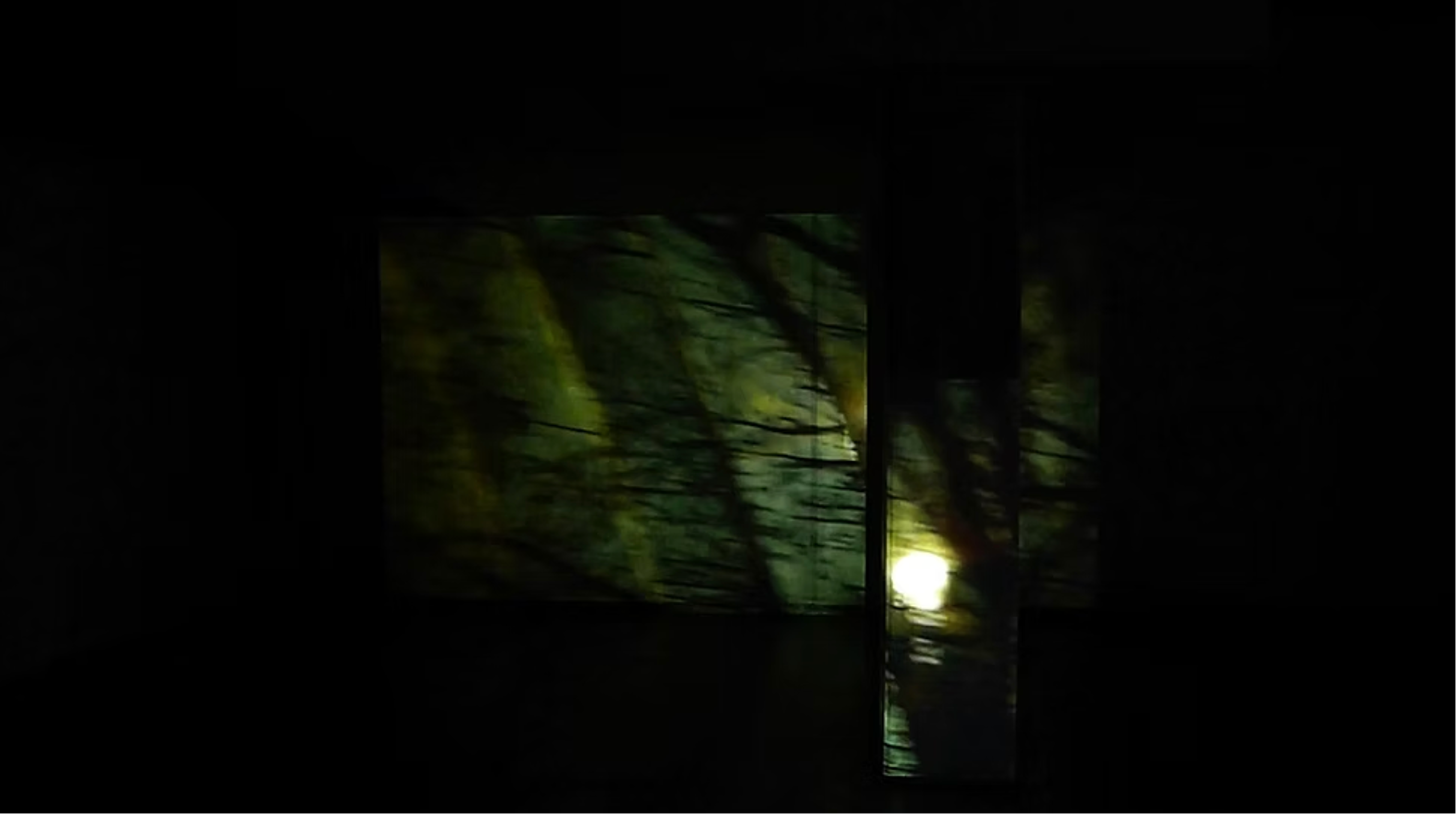
In recent works, this methodology has developed into increasingly cinematic and sensory compositions. Styx Symphony positions its two screens as a boundary where the worlds of the living and the dead, and past and present, coexist, connecting the different languages of four women poets with the voices of eight women like movements in a symphony.

In Wandering Star along the Silver Screen, An reconstructs the lives of two historical figures on a stage of phantasmagoria, using a pre-cinematic visual device and the image of the “silver screen” to consider how historical individuals were compelled to perform within images produced by the state. Roaring Ashes returns to a single-channel format, creating a more intimate rhythm that follows coastlines and seas, voice and silence.

Although the formal structure changes from work to work, image, text, and sound never simply explain one another. Instead, they remain slightly out of alignment, creating gaps in which viewers are asked to reconnect history with individual lives.

Topography & Continuity

One of the most consistent aspects of Yuri An’s practice is her way of “listening to history again through individual voices.” Her videos address large-scale subjects such as war, division, diaspora, and state violence, yet they do not explain them primarily through timelines or documentary footage. Instead, the weight of history emerges through a person’s manner of speaking, a line of poetry, a coastal landscape, or subtle differences between languages.

As a result, figures in her works are not fixed as representative examples of particular groups. People who can easily be subsumed under categories such as Joseon-jok, North Korean defectors, refugees, or migrants appear through their voices, words, and the places they inhabit rather than primarily through their faces. An’s distinctive approach lies in revealing the conditions through which identities are constructed and destabilized rather than simply explaining what those identities are.
 
Another characteristic is her use of “water” and “movement” not merely as symbols, but as temporal structures within the work. Geographic movements from Texel to Jeju and Jindo, Berlin to Tumen, Ogasawara to Hong Kong and Myanmar, and later Hokkaido, Sakhalin, Jeju, and Tsushima become passages connecting events from different historical periods.

Rivers and seas operate as borders dividing territories, yet water itself is cyclical and difficult to locate within a clear beginning and end. Through this quality of water, An understands “homeland” and “foreign land,” “departure” and “arrival,” and “past” and “present” not as fixed oppositions but as continuously shifting relationships. This approach places her work somewhere between documentary moving-image practices that reconstruct historical events and essay films centered primarily on personal memory.
 
Across the development of her practice, An’s concerns have expanded from personal experiences of migration to Korean diaspora, and further toward the Cold War and imperialism in Asia, refugees and citizenship, women’s voices, and historical violence. More recently, she has returned to questions that are simultaneously more personal and more universal, including death and mourning.

Yet the sensibility connecting the earliest and most recent works remains largely unchanged: listening for “disappearing words and words that wish to be remembered,” and creating situations in which they can encounter voices from other times. While Whispering Molecules(2022) asks whether speakers of different languages can speak and listen together even without producing perfect harmony, Roaring Ashes turns the very act of waiting for voices that have not yet arrived into the work itself.

This development shows how An’s practice has deepened beyond analyzing identity and borders toward asking how different lives can be remembered and mourned together. Combining historical research, poetic language, and the temporality of moving image, her work continues to expand ways of listening across different places and generations rather than remaining confined to the explanation of a particular region or event.

Works of Art

Visualizing the Spatiotemporal Gap Between Past and Present

Articles

Exhibitions

Activities