Every Worm Trampled Is a Star - K-ARTIST

Every Worm Trampled Is a Star

2025
Single-channel video, color, sound
30min
About The Work

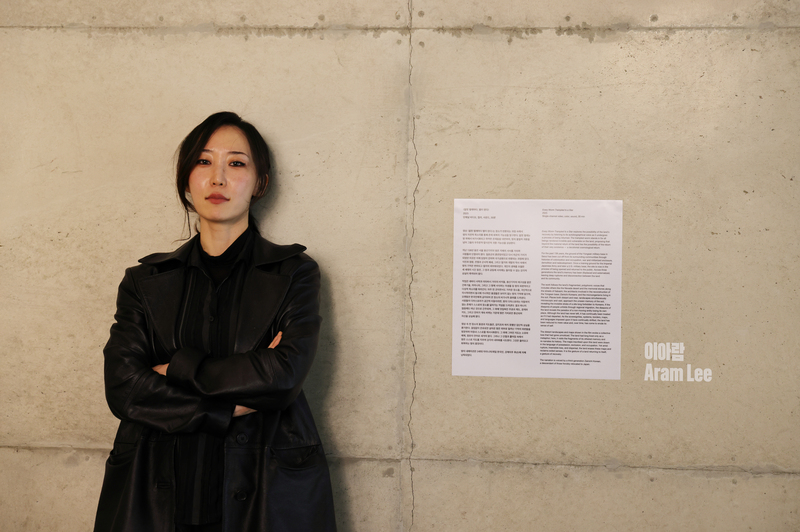
Aram Lee traces the material and ecological afterlives of colonialism and militarisation across museums, objects, bodies, and landscapes, drawing on feminist materialist thought and postcolonial perspectives. Through performance, video, installation, and other media, she recontextualises materials found within Western institutional settings to bring marginalised and overlooked narratives to light and explore subversive cultural structures.

Aram Lee’s practice stems from her experiences of frequent movement and migration, which have led her to examine from a critical distance how places and institutions shape memory and perception. Her work traces not only the narratives of people forced to relocate, but also the trajectories of movement and cultural displacement experienced by nonhuman entities that have been lost or objectified within dominant symbolic systems shaped by Western-centric hegemony and narratives of modernity.

Working across diverse media, Lee intervenes in and reorganises power structures surrounding institutions, bodies, and cultural capital. She disrupts the representational conventions and stereotypes of dominant narratives, seeks the return of excluded beings and memories, and blurs the boundaries between subjects, objects, and environments to propose new relationships and possibilities.

Solo Exhibitions (Brief)

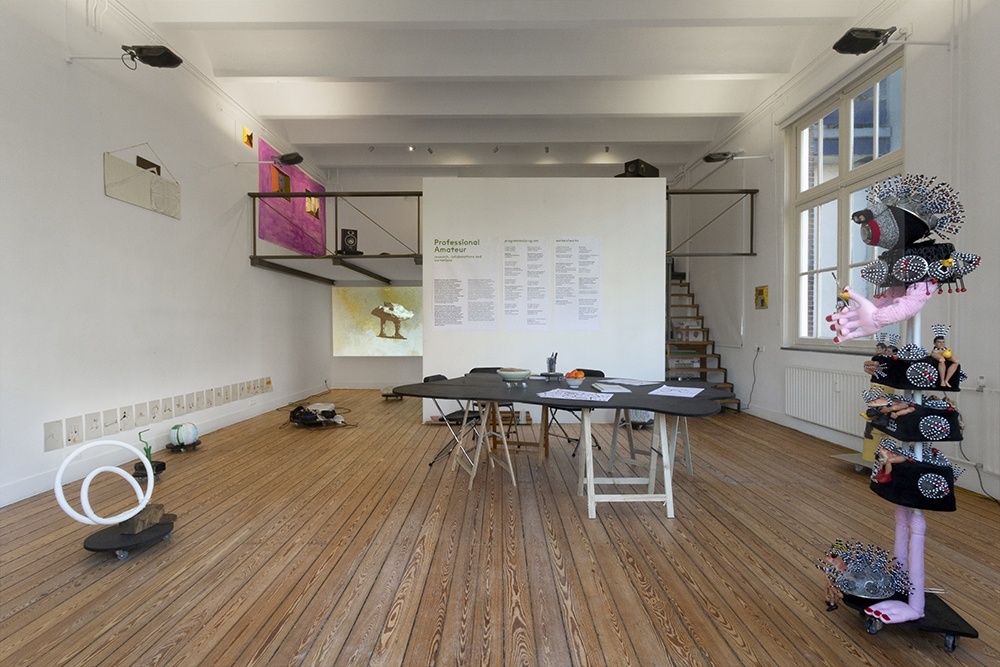
Lee has held two solo exhibitions, 《Every Worm Trampled Is a Star》 (Buro Stedelijk, Amsterdam, 2026) and 《To Pluto and Back》 (Framer Framed, Amsterdam, 2020).).

Group Exhibitions (Brief)

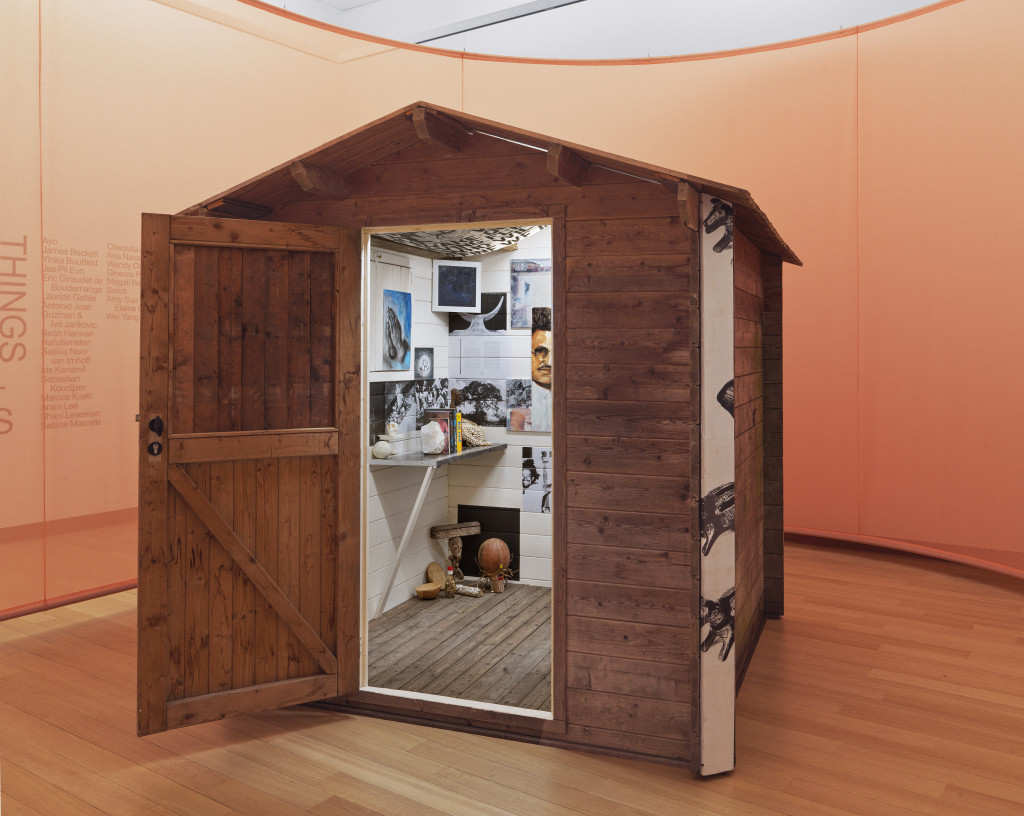
Lee has also participated in numerous group exhibitions, including 《SONGEUN x UNBOXING PROJECT: Generative Forms》 (SONGEUN, Seoul, 2026), 《The 25th SONGEUN Art Award Exhibition》 (SONGEUN, Seoul, 2025), 《This nameless sites》 (K-Arts space, Seoul, 2024), 《Branching Streams, Sketches of Kinship》 at the Dakar Biennale (Musée Théodore Monod d’Art Africain, Dakar, 2024), and 《When Things Are Beings, Proposals for the Museum Collection》 (Stedelijk Museum Amsterdam, Amsterdam, 2022).

Awards (Selected)

Lee was awarded the Grand Prize at the 25th SONGEUN Art Award.

Residencies (Selected)

Lee has participated in residency programmes at the Rijksakademie (the Netherlands, 2022–2023), Goethe-Institut (Marseille, 2019), and Jan van Eyck Academie (Maastricht, 2018–2019).

Works of Art

Re-narrating Those Pushed to the Margins

Originality & Identity

Aram Lee’s practice traces how objects and places are moved and classified within institutions and history, and what kinds of memories and relationships are erased in the process. The project Inside Out, ZZM(2016) relocated regional artifacts held in the storage of the Zuiderzeemuseum in the Netherlands back to their places of origin, questioning the very practice through which museums gather and preserve objects in a single location.

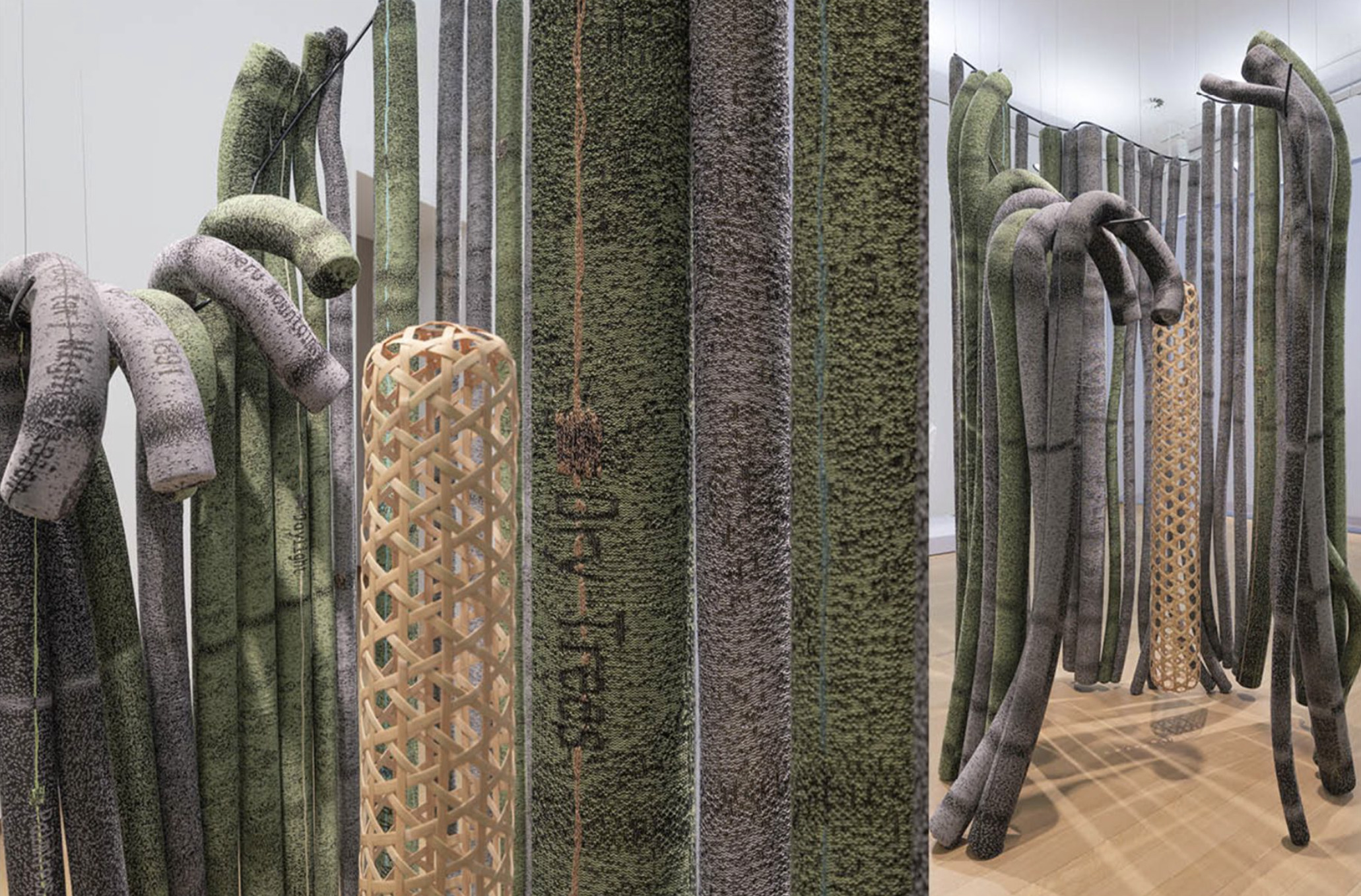
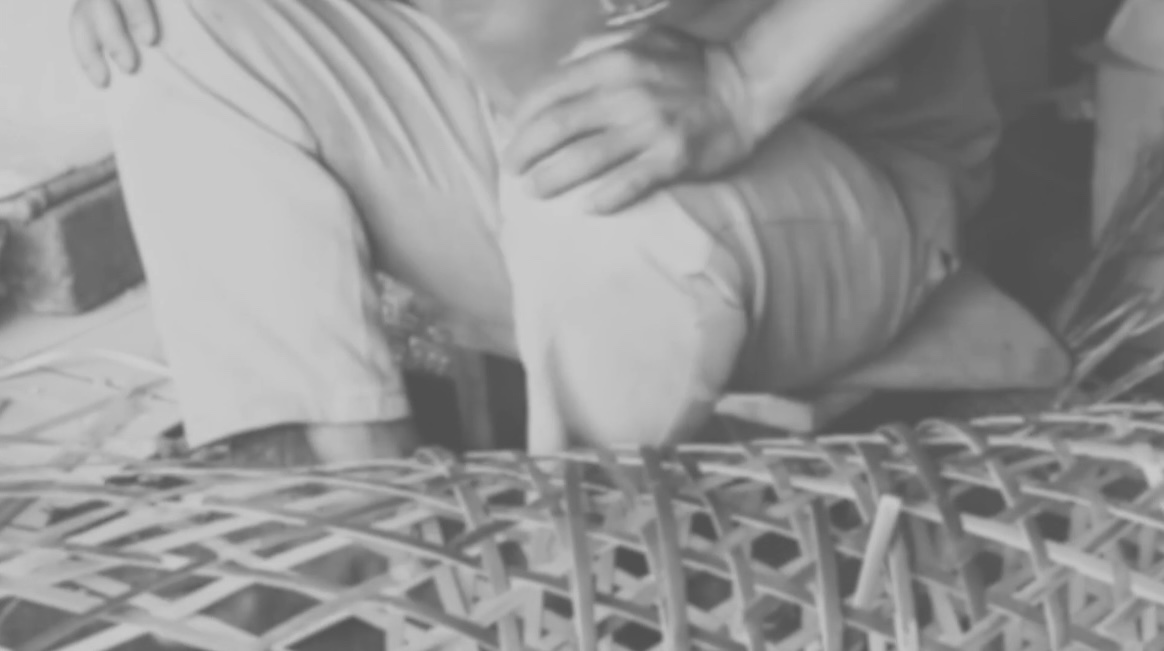
This was followed by the ‘Dutch Wife’(2017–2022) series, which traces how the Indonesian bamboo pillow known as the guling came to be called the “Dutch Wife” through Dutch colonial rule. Here, the object is not a fixed artifact but a site where memories of colonialism, gender, labor, and migration overlap. By remaking the guling and transforming its function from an “object to be embraced” into a “subject that embraces another,” Lee asks whether the historical relationships inscribed in an object can likewise be reconfigured.
 
This concern gradually expands toward the systems of knowledge and representation surrounding objects. La Grande Transformation(2019) critically examines how the universal design language of Western modernism, represented by the Bauhaus, standardized local material cultures and individual stories.

Presented in the same year, From Pyongyang to Pluto and Back(2019) materializes satellite images and 3D-rendered data produced by a U.S.-based institution analyzing North Korea, before bringing these objects into an encounter with a North Korean defector. In this work, images that appear to represent “fact” are revealed as speculative realities constructed by institutions and technologies.

In A Dissonance of Landscapes(2019), Lee similarly takes European-style winter landscapes imagined and painted by Cantonese painters out of the museum, revealing how colonial trade, visual conventions, and museum conservation systems overlap within a single image. From this period onward, Lee’s focus expands from the movement of objects to the institutional gaze that defines and perceives them.
 
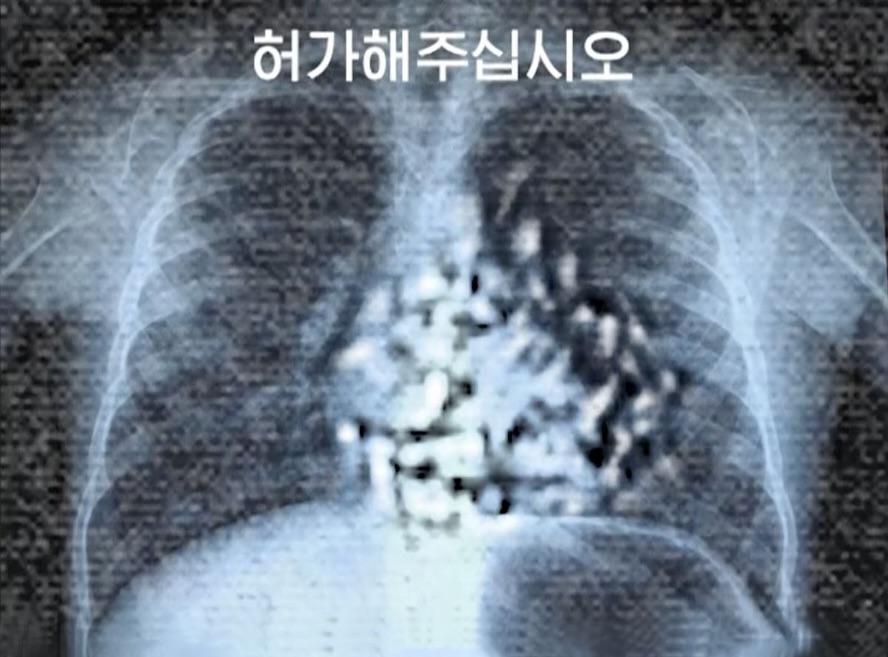
In the 2020s, these concerns expand from objects toward bodies and ecosystems. X-hale(2023) combines X-ray images taken during the tuberculosis screening Lee was required to undergo when moving from Germany to the Netherlands with images of microorganisms collected from a museum basement.

By juxtaposing a human body required to prove its legitimacy at a border with microorganisms that move freely in and out of the museum without permission, the work transforms the question of “who is allowed to cross a border?” into a question concerning bodies and life itself. In Holding Poison(2023) and 350,000 Leaks(2024), Lee focuses on the ways museum conservation systems eliminate life and suspend time.

Toxic substances such as DDT, the regulation of temperature and humidity in storage facilities, water pipes, and freezers are no longer treated as neutral conservation technologies, but as political environments that determine what is preserved and what is removed.
 
More recently, this institutional critique has shifted toward broader ecological relationships and the memory of place. Transcorporeality in Toxic Times(2025) understands human and non-human bodies not as autonomous entities, but as porous beings that continually affect one another through toxic substances, environments, and institutions.

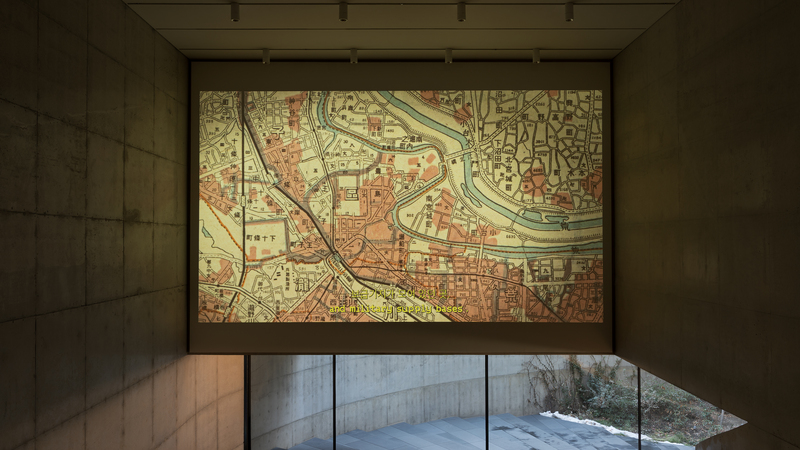
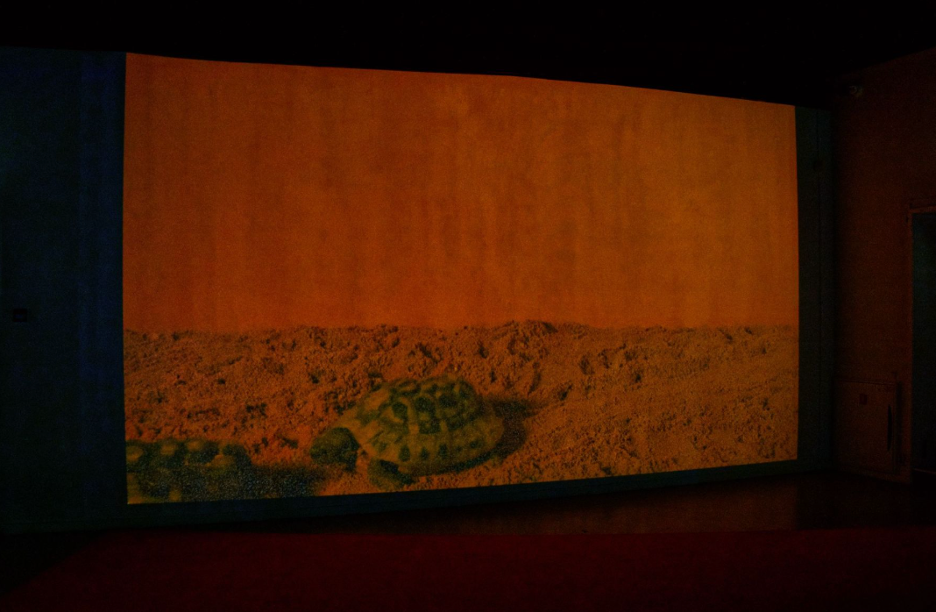
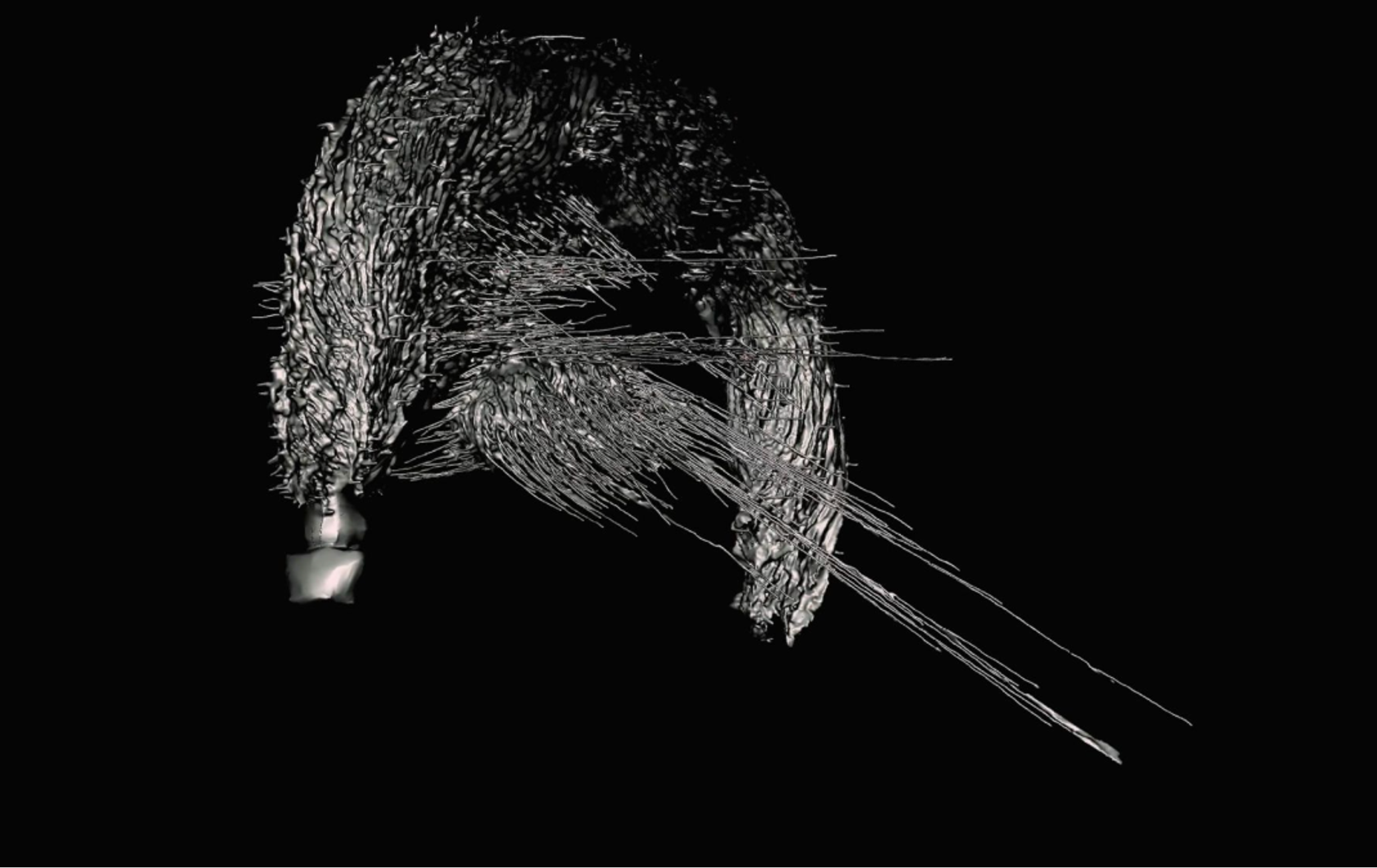
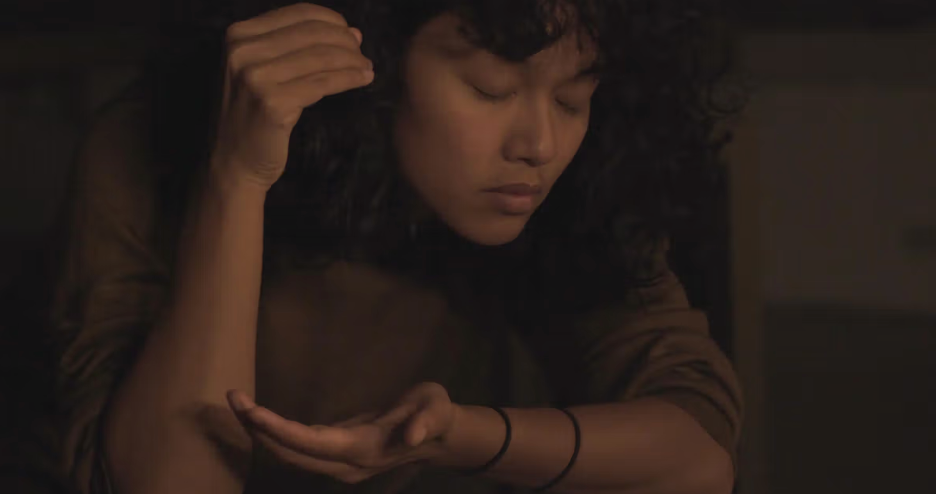
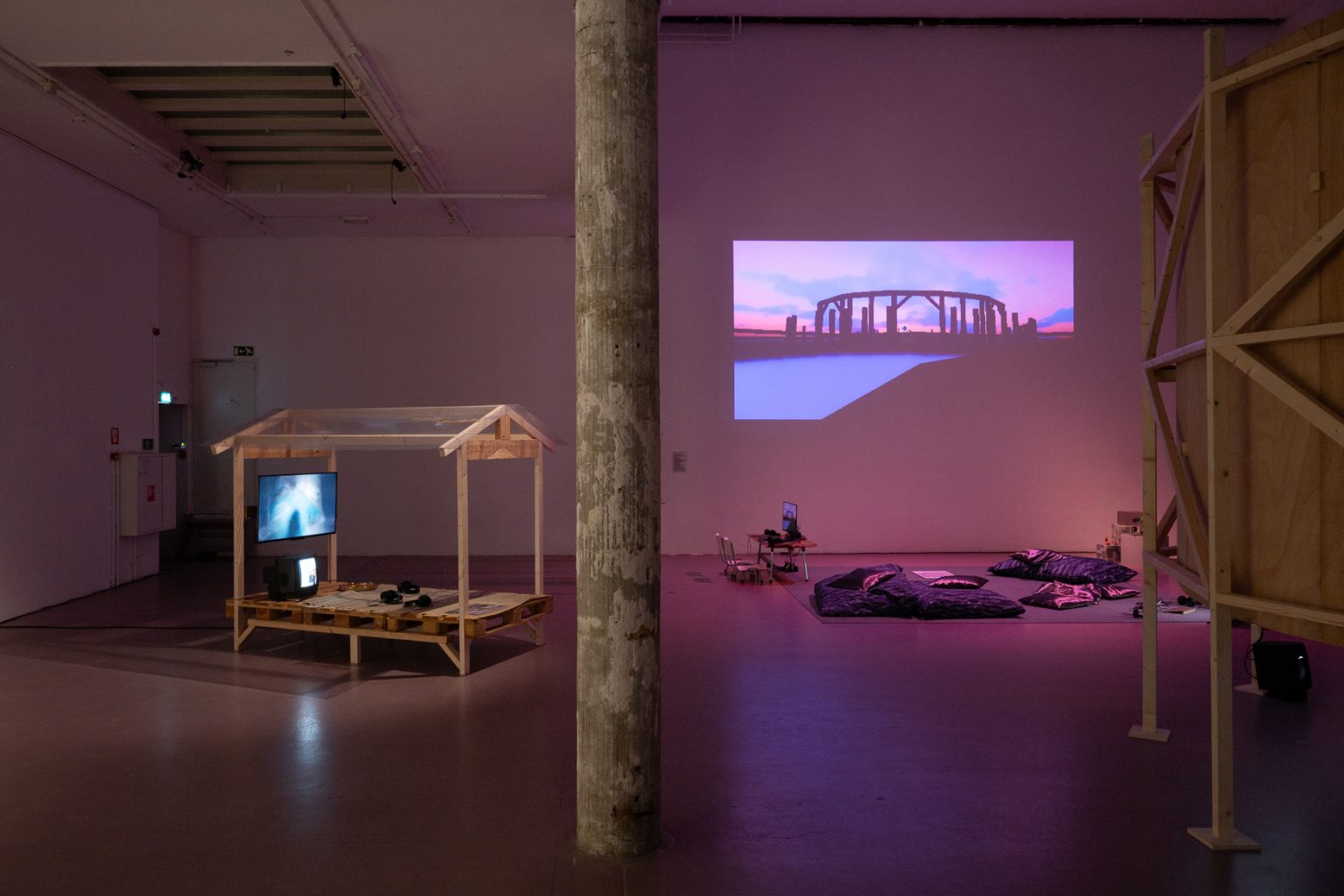
Every Worm Trampled Is a Star(2025) imagines the Yongsan Garrison, occupied by the Japanese and U.S. militaries for 138 years, as a single “body,” extending the concept of human diaspora toward a “diaspora of the land.” Although the land itself never moved, changing sovereignties, maps, and languages separated it from its own memory, allowing Lee to reread the traces of colonialism and militarization through ecological time.

What began as a question surrounding “displaced objects” has thus expanded into questions of who can remember and speak, and whether non-human objects, microorganisms, soil, and landscapes can also become subjects of history.

Style & Contents

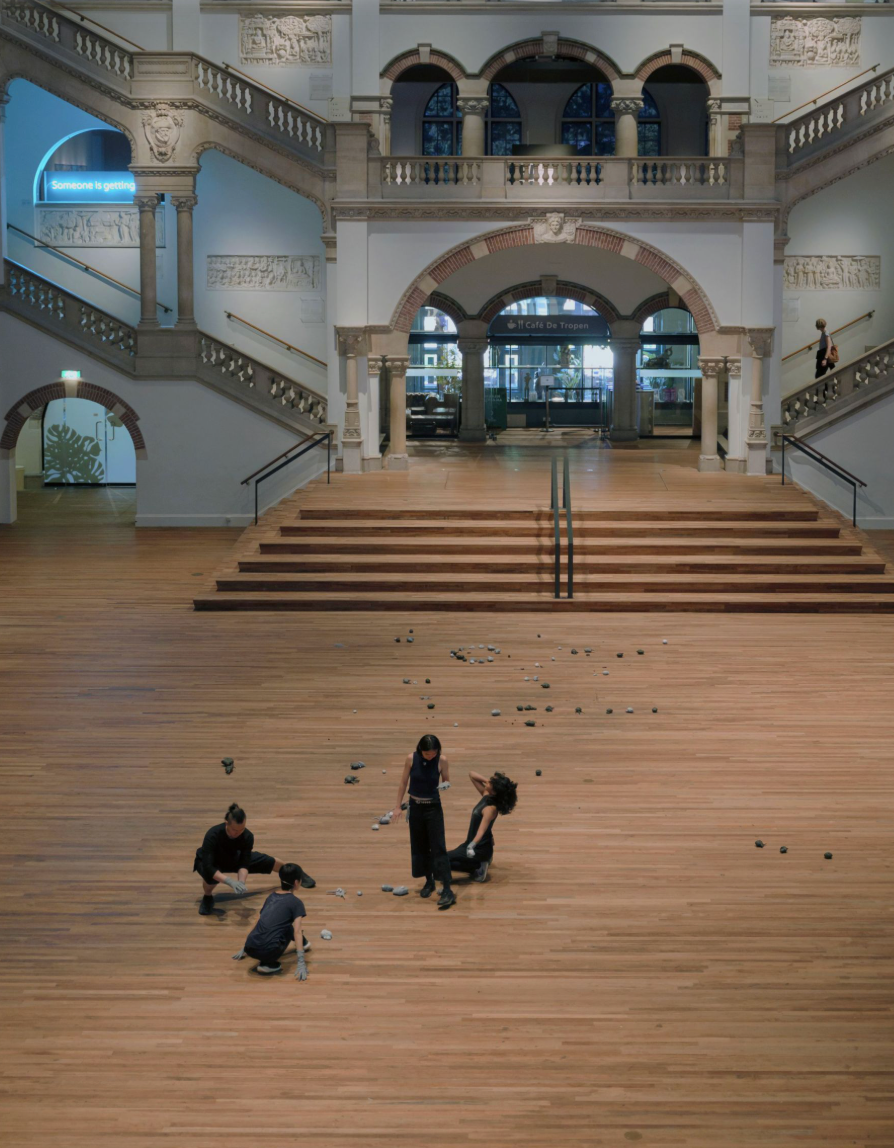
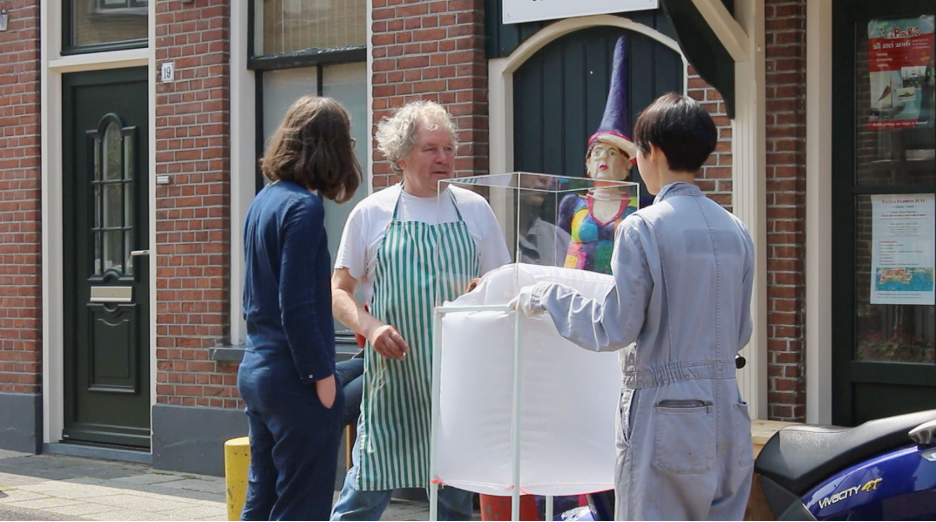
Aram Lee works across moving image, installation, performance, live radio, and archival research. What matters in her practice is not simply presenting materials, but physically moving them and setting them into motion again. In Inside Out, ZZM, Lee created performances that took artifacts out of museum storage and back to their original regions, producing mobile display cases and a new calendar for each object.

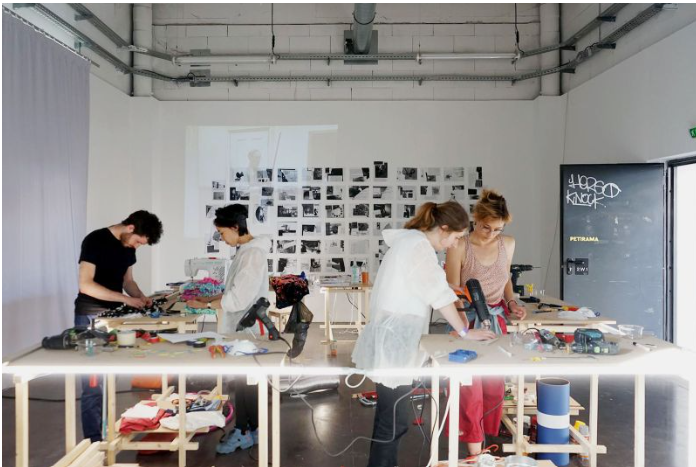
In the ‘Dutch Wife’ series, she collaborated with local craftspeople in Indonesia to remake the guling, combining it with knitted structures and woven maps. Research, in this sense, is not merely preparation preceding the artwork, but becomes the form of the work itself, reorganizing relationships between objects, people, and places.
 
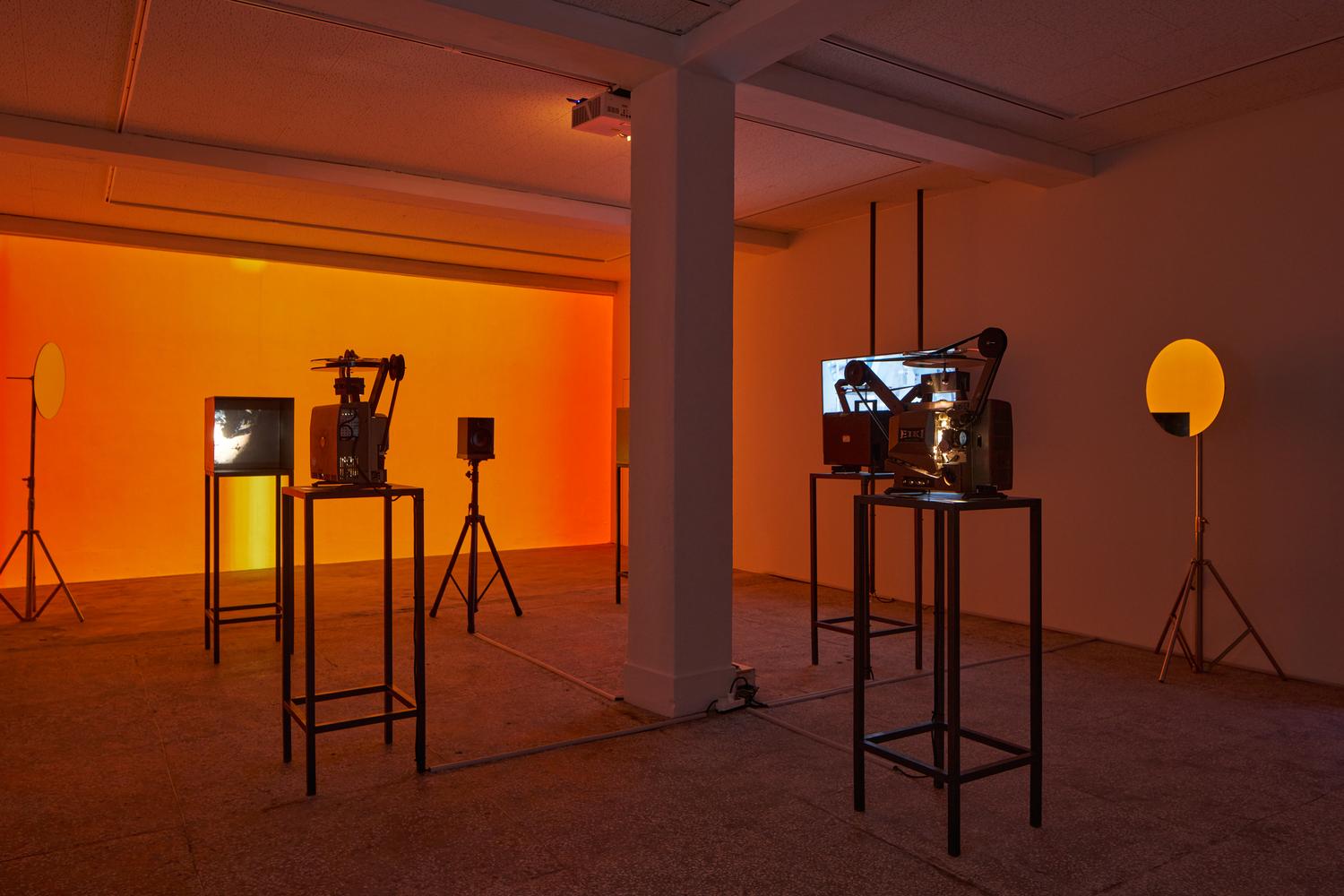
Lee likewise does not simply reuse existing materials in her moving-image works. In From Pyongyang to Pluto and Back, virtual objects from a digital archive are physically reconstructed and brought into friction with the experiences of a North Korean defector, while in A Dissonance of Landscapes, paintings kept in museum storage are moved into the dark landscapes of the city and its canals.

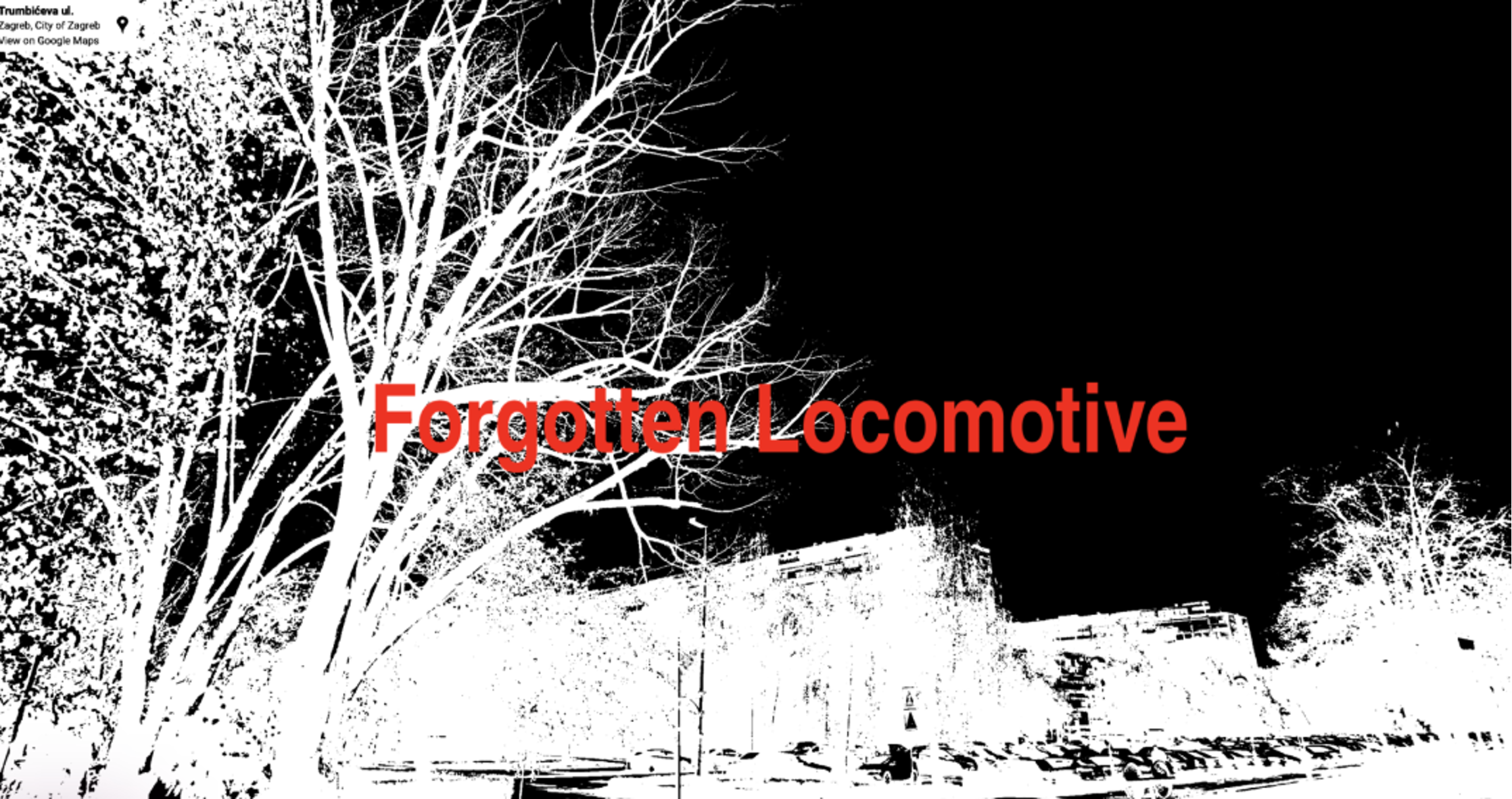
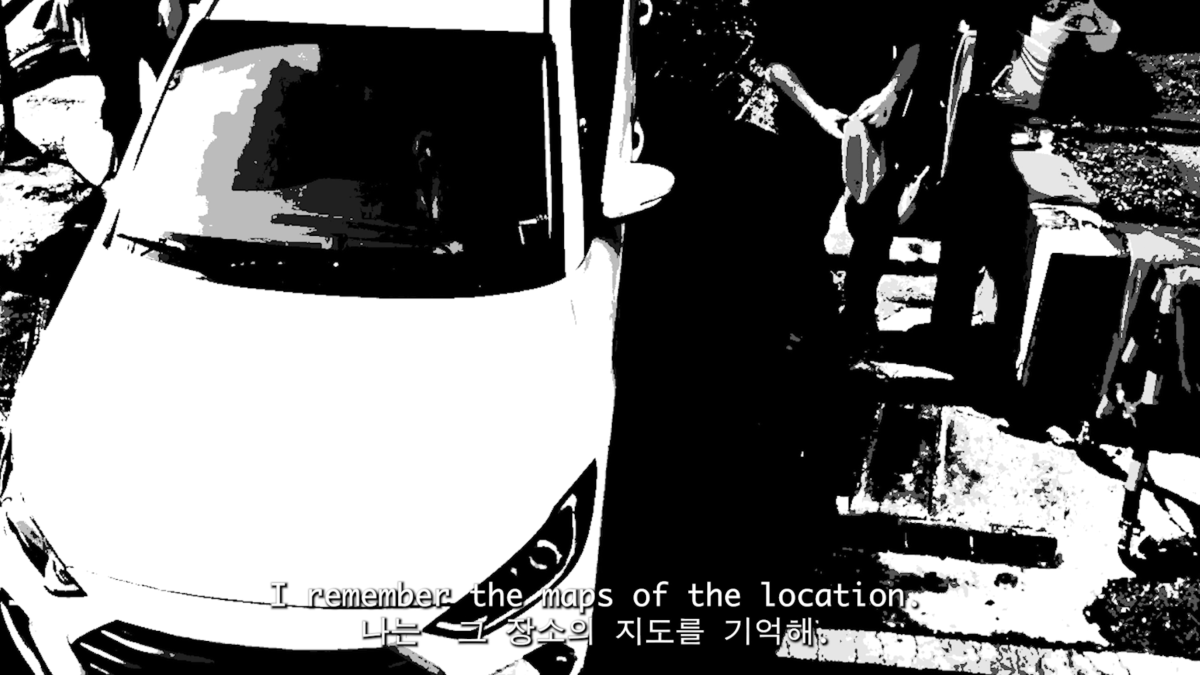
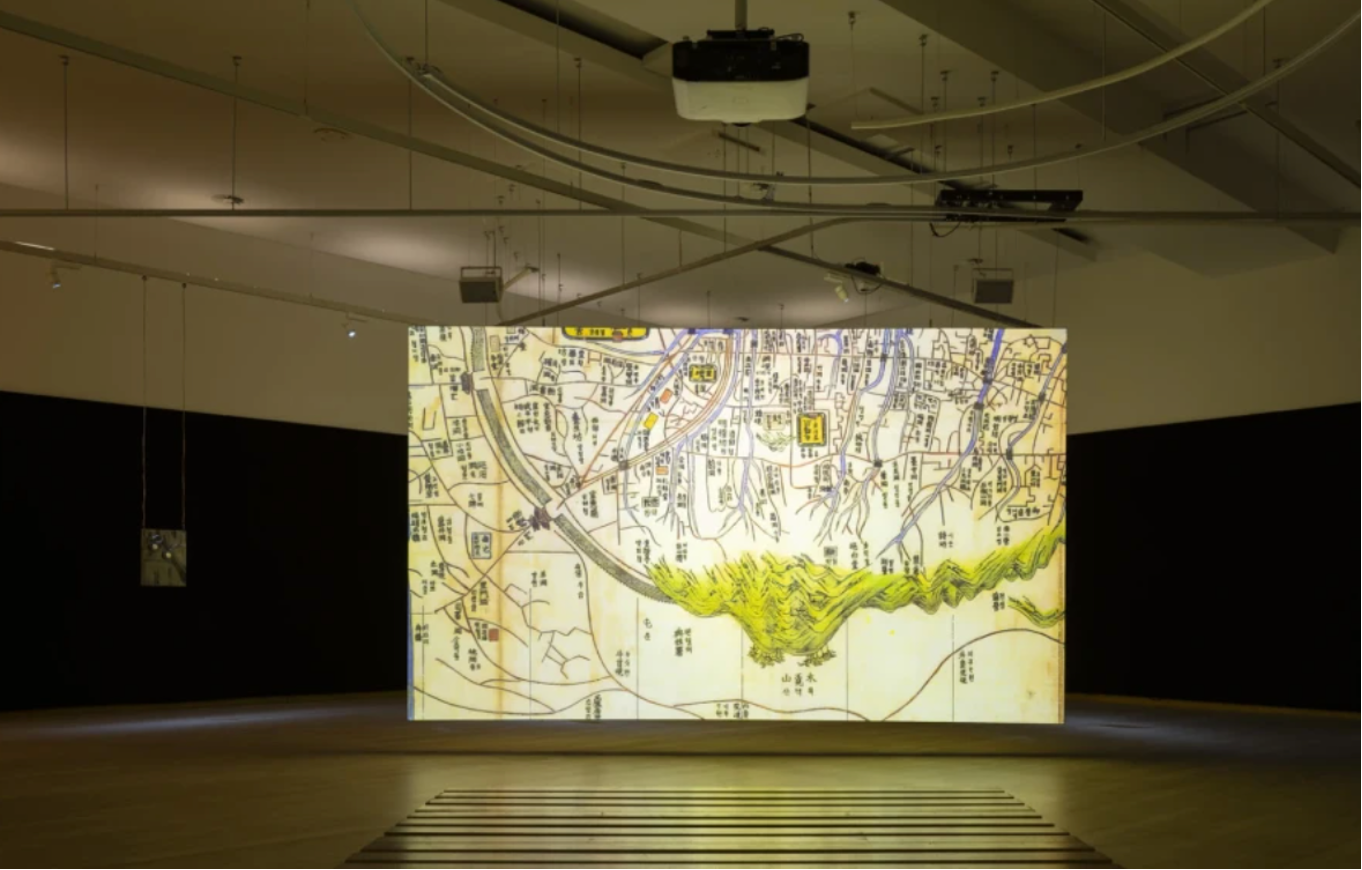
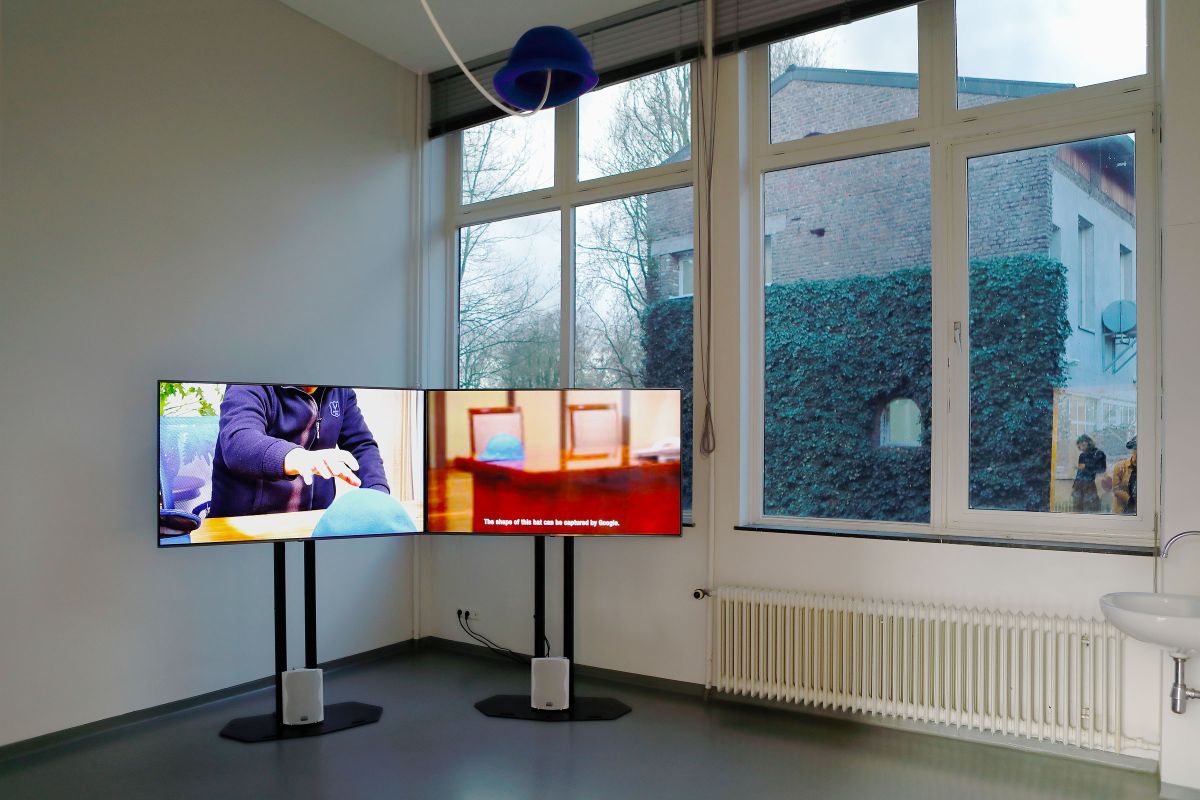
In the ‘Synchronic Cinema’ project, including Synchronic Cinema: Shadow Zones in Maps(2023), Google Maps and continuously updated Street View become both filming locations and editing devices.

By introducing voice-over, time, and movement into the static spatial system of the map, Lee destabilizes the idea that borders and identities are fixed. A defining feature of her moving-image practice is the way systems that appear to provide objective information—maps, satellite images, and museum archives—are instead revealed as incomplete and politically structured mechanisms of image production.
 
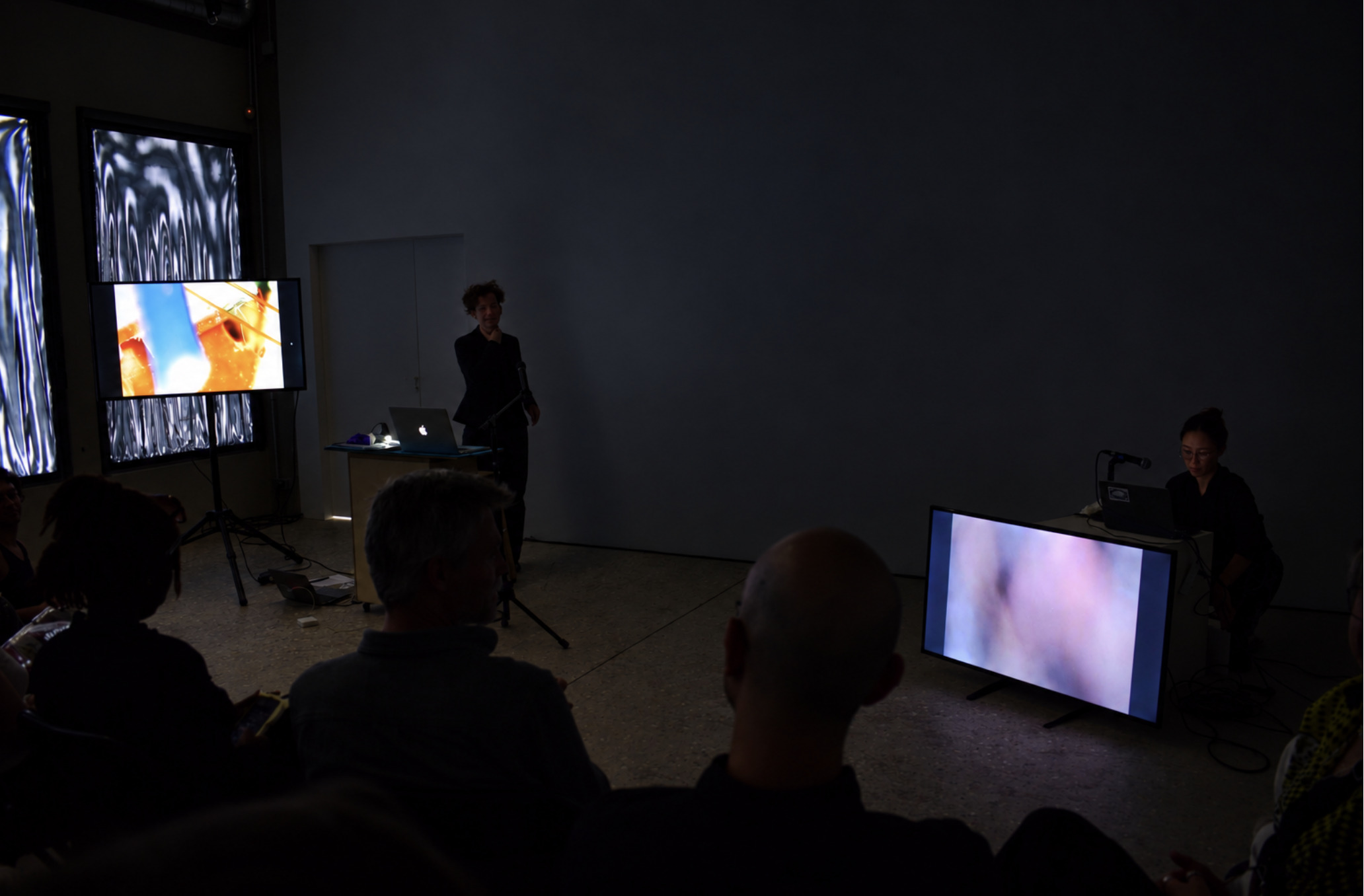
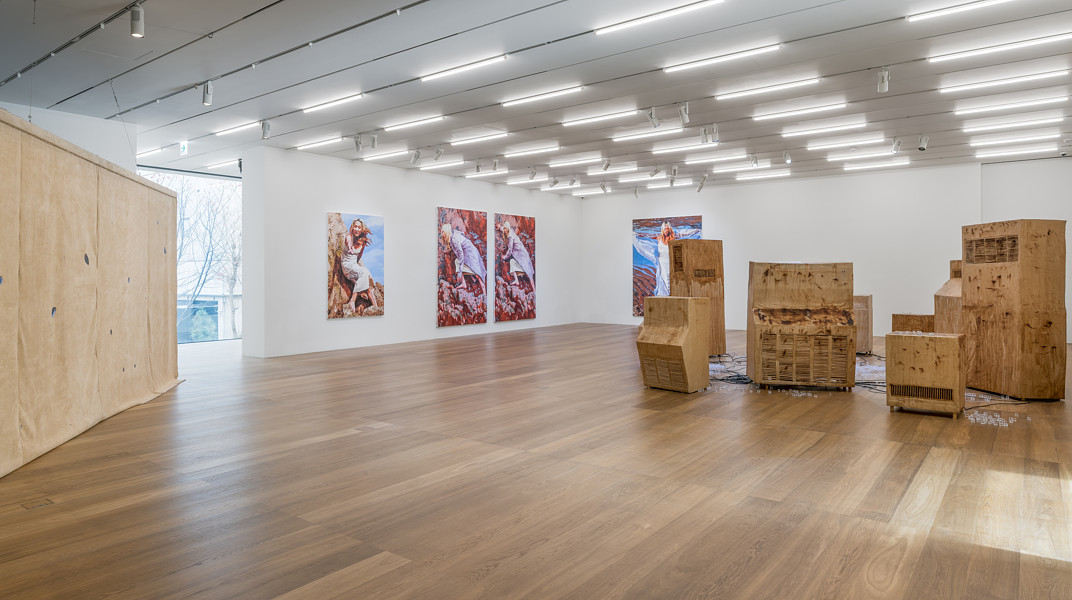
From 2023 onward, this methodology takes on a more directly sensory form. In Holding Poison, 95 species of microorganisms discovered in water from a museum basement are enlarged into 3D models, fitted with mechanical devices, and allowed to move through the exhibition space. In X-hale, microorganisms circulate within the X-ray image of the artist’s body, visually dissolving the boundary between the human body and non-human life.

In 350,000 Leaks, sounds from otherwise invisible museum infrastructures—including freezers, air-conditioning rooms, and water pipes—are transmitted through live radio. Here, the museum shifts from a building that displays objects into an ecological machine through which water, air, temperature, toxic substances, and microorganisms circulate.
 
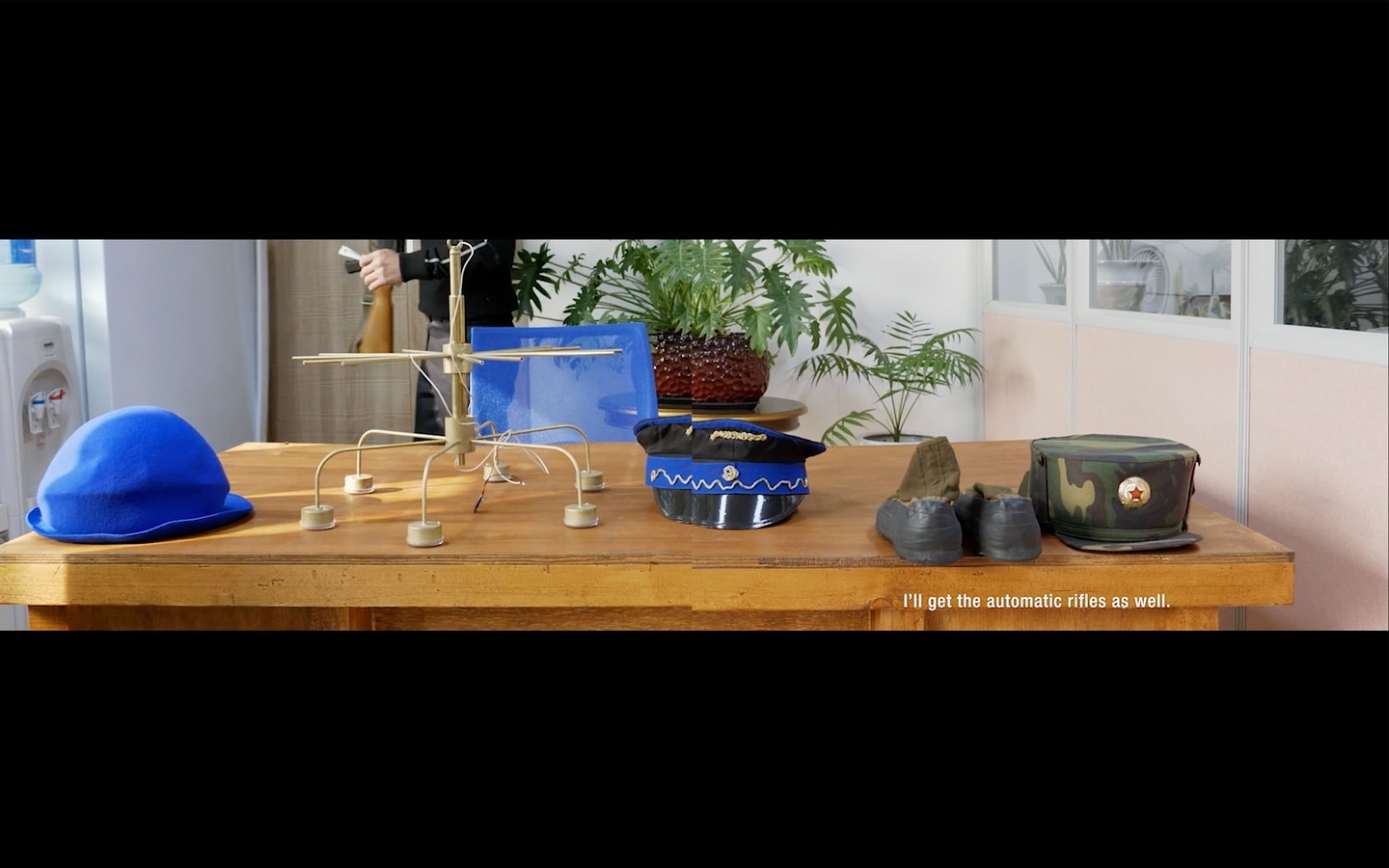
In Every Worm Trampled Is a Star, this composite methodology expands to address an entire site. The video connects geographically distant locations—including Yongsan Garrison, the area near the Nevada nuclear test site, a former Imperial Japanese Army site in Itabashi, a landscape architecture studio, and a microbiology laboratory—within a single narrative.

Soil from Yongsan is physically collected and subjected to microbial analysis, while narration by a third-generation Zainichi Korean, gayageum performance, recordings from within the soil, and the glass installation Stars and Worms are brought together.

Rather than relying on a single type of material or medium to explain a place, Lee juxtaposes voices, scientific analysis, maps, architecture, landscapes, and sound. Instead of presenting historical fact as a complete narrative, this approach makes perceptible how different times and forms of existence simultaneously constitute a place.

Topography & Continuity

A recurring thread throughout Aram Lee’s practice is a suspicion of “fixed states.” Museums fix objects, maps fix territories, borders fix the belonging of bodies, and scientific classification divides life into species and categories. Rather than rejecting these systems entirely, Lee searches for the gaps, omissions, and movements within them.

Microorganisms passing through museum walls, artifacts leaving storage, bodies subjected to examination at borders, and diasporic narratives in which multiple temporalities overlap within Google Maps all refuse to remain in assigned positions. Through such movements, Lee reconsiders institutional distinctions between subject and object, inside and outside, and human and non-human.
 
Compared with other practices concerned with archives or colonial histories, Lee’s work does not end with recovering and supplementing narratives omitted from the past. She moves objects again, turns microorganisms into performers, imagines water pipes as respiratory organs, and gives the land a first-person voice.

Her approach is therefore concerned not only with correcting the contents of an archive, but with changing how archives, museums, and maps themselves operate. While granting a degree of agency to objects and non-human beings, Lee avoids simply anthropomorphizing them, focusing instead on relationships through which humans, objects, and environments continuously transform one another. Here, feminist materialism and decolonial ecology function not as abstract theoretical references but as practical foundations structuring the form and methodology of her work.
 
The scale of Lee’s practice has also gradually expanded from individual objects. While the ‘Dutch Wife’ series traces colonialism and women’s memories hidden within a single object, X-hale addresses the relationship between the body and the border, 350,000 Leaks examines the institutional ecology of the museum as a whole, and Every Worm Trampled Is a Star considers the ecology of a site where soil, the city, and military occupation intersect.

Yet the expansion of scale has not altered the fundamental question underlying her work: what has been removed from its original place, who has owned and classified it, and whether it can become alive again within another set of relationships. In Lee’s recent works, “return” has likewise expanded beyond the physical restitution of an object to encompass the restoration of sensory experience, memory, and ecological relations themselves.
 
Based in Amsterdam, Aram Lee has presented her work at institutions including Stedelijk Museum Amsterdam and Wereldmuseum Amsterdam, and has participated in international residencies and research programs including the Jan van Eyck Academie and Rijksakademie. Dutch Wife was nominated for the Gijs Bakker Prijs, while Every Worm Trampled Is a Star received the Grand Prize of the 25th SONGEUN Art Award and was subsequently expanded into Lee’s first European solo exhibition, 《Every Worm Trampled Is a Star》(Buro Stedelijk, Amsterdam, 2026).

As her research has moved from objects and museums toward bodies, microorganisms, climate, and soil, Lee’s practice is likely to continue exploring the points where institutions and ecologies meet, revealing beings and relationships that remain difficult to capture through human-centered historical narratives.

Works of Art

Re-narrating Those Pushed to the Margins

Articles

Exhibitions

Activities