Bunker#2 - K-ARTIST

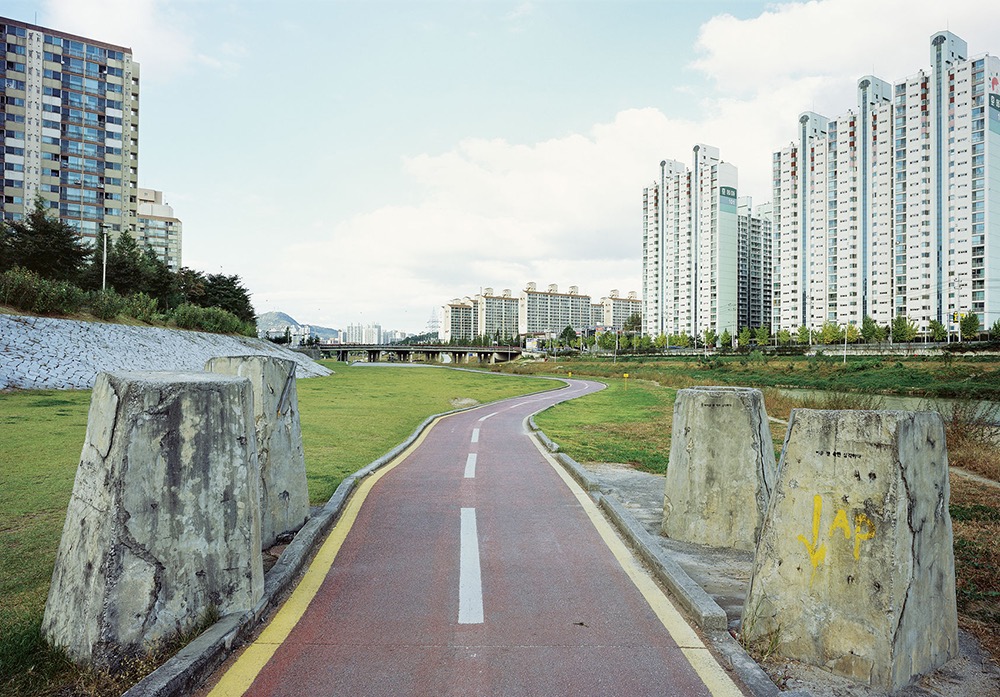
Bunker#2

2005
C-print
82 x 78 cm
About The Work

CHE Onejoon is a visual artist and filmmaker whose practice explores the Cold War structure and military landscapes of the Korean Peninsula, as well as the political and historical relationships between Africa and East Asia.

His practice emerged at the intersection of the documentary nature of photography and research-based approaches in contemporary art, grounded in his experience of documenting crime scenes as evidence photographs during his military service.

Since the mid-2000s, CHE has photographed spaces that have lost their original functions or disappeared from view amid rapid social change, including military facilities, bunkers, and U.S. military bases.

In doing so, he has expanded photography beyond the documentation of social reality into a method for researching historical materials and spaces. He has since broadened his practice from photography to visual art and research by incorporating film, installation, and archives.

CHE traces places and people pushed to the margins of history, bringing the political structures underlying them back into the present as contemporary issues. His practice has progressively expanded its focus from place to geopolitical relations, and from there to people and communities, while developing its methodologies from observation and documentation to collection, collaboration, and social practice.

Through this practice, CHE asks who becomes visible and who remains invisible in history, and how political structures shape and transform the identities of people and places. By revisiting the traces of places and people that have disappeared or been pushed to the margins through a contemporary lens, he further explores the possibility of forging different relationships with established histories.

Solo Exhibitions (Brief)

CHE Onejoon has held solo exhibitions at Insa Art Space (2007, 2009), Alternative Space Pool (2008), Ilwoo Space (2011), Sindoh Culture Space (2015), The Reference (2021), and Hakgojae Gallery (2022).

Group Exhibitions (Brief)

CHE Onejoon has participated in group exhibitions at Taipei Fine Arts Museum (2008), the National Museum of Modern and Contemporary Art, Korea (2008, 2019), Palais de Tokyo (2012), Seoul Museum of Art (2012, 2014, 2019), the Korean Pavilion at the Venice Architecture Biennale (2014), the New Museum (2015), Louisiana Museum of Modern Art (2015), Museum of Contemporary Art Busan (2018), and Jakarta Biennale (2021).

Awards (Selected)

CHE Onejoon received the Ilwoo Photography Award in 2010 and the Photoquai Photography Award at the Musée du quai Branly in 2012, and was selected for the Sindoh Artist Support Program (SINAP) in 2014 and as an Artist of the Year at the 9th KT&G SKOPF in 2016.

Residencies (Selected)

CHE Onejoon has participated in residency programs including the MMCA Residency Changdong (2009–2010), Le Pavillon at Palais de Tokyo (2011–2012), Seoul Art Space Geumcheon (2012), Sommerakademie Zentrum Paul Klee (2013), Rijksakademie van beeldende kunsten (2017–2018), and SeMA Nanji Residency (2019).

Collections (Selected)

CHE Onejoon’s works are held in the collections of the Seoul Museum of Art, MMCA Art Bank, Gyeonggi Museum of Modern Art, Peace Museum, KADIST, and Musée du quai Branly.

Works of Art

Bringing Marginalized Histories into the Present

Originality & Identity

CHE Onejoon’s practice begins by tracing the marks that major events in modern Korean history have left on the spaces of everyday life. In his early work, he consistently documented sites that had gradually lost their functions or been pushed beyond social visibility during the course of urban development, including the Miari red-light district, underground bunkers, military facilities, U.S. military bases, and camp towns.

In works such as ‘Unfinished Project_Island’, 'Undercooled', and 'Townhouse', these places reveal how the Korean War, national division, military dictatorship, and rapid urban development remain embedded within contemporary space rather than being neatly confined to separate periods of the past.

For CHE, the Cold War is less a concluded historical event than a reality that persists by changing form within urban structures and the conditions of everyday life. Through abandoned and closed-off spaces, he makes visible times and memories that are easily omitted from official historical narratives and reexamines the landscapes left by Korea’s modernization from the perspective of the present.

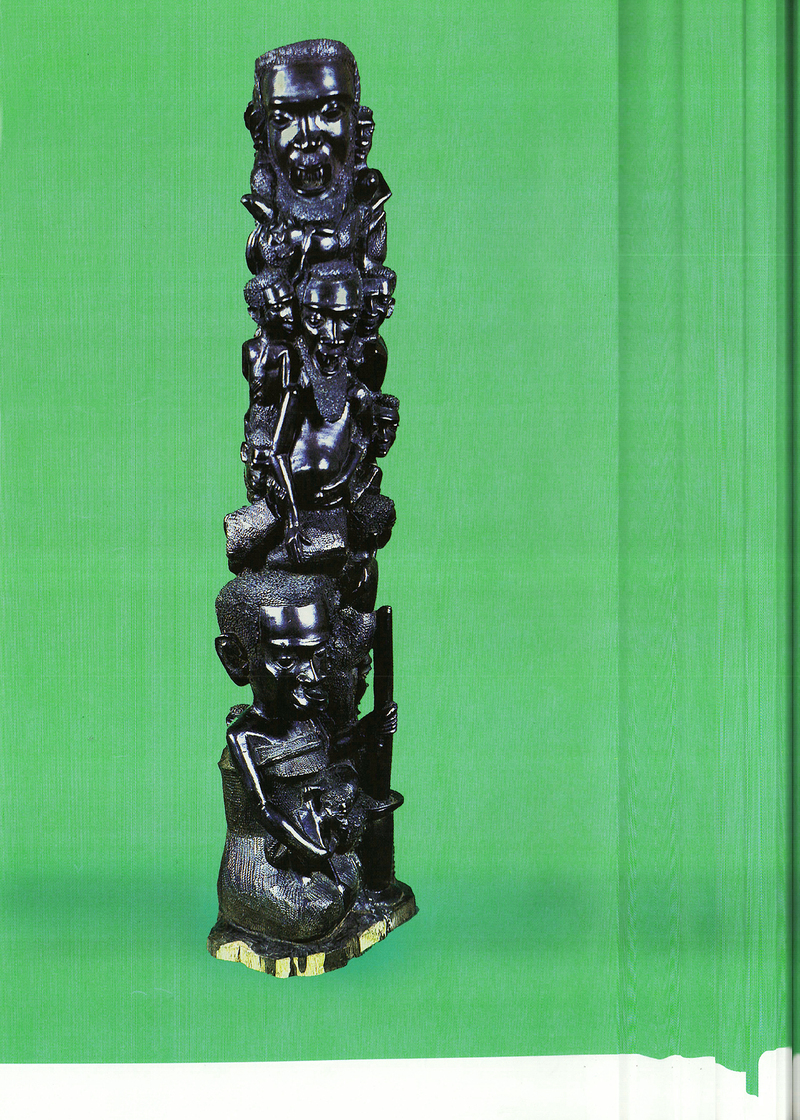
Entering the 2010s, this concern expanded beyond the Korean Peninsula toward the relationship between Africa and North Korea. CHE investigated monuments and architecture constructed by Mansudae Art Studio across several African countries, tracing the trajectories through which Cold War diplomacy, state image-making, socialist realism, and monumental culture traveled across national borders.

Mansudae Master Class and 'International Friendship' approach an otherwise inaccessible North Korea through material traces left in Africa, repositioning the Cold War on the Korean Peninsula within histories of international politics and postcolonialism.

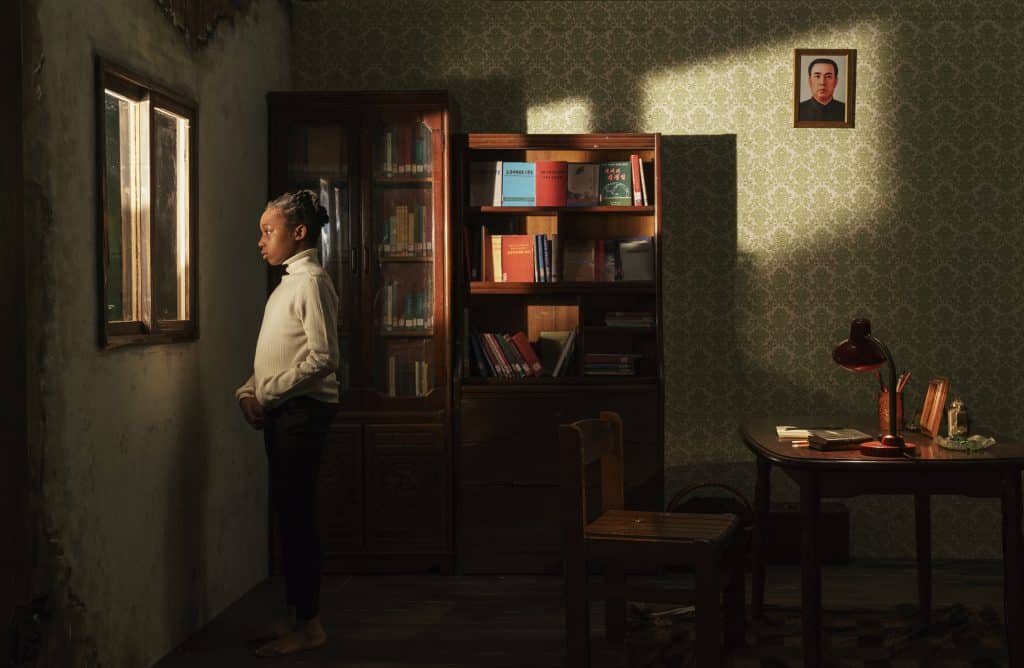
In this process, Africa emerges both as an indirect route through which North Korea can be observed and as a region where political solidarity, diplomatic competition, and representations of power developed between Asia and Africa after the Bandung Conference intersect. My Utopia further connects relations between the state and ideology to questions of identity such as nationality, race, language, and diaspora through the life of an individual who moved between Equatorial Guinea and North Korea.

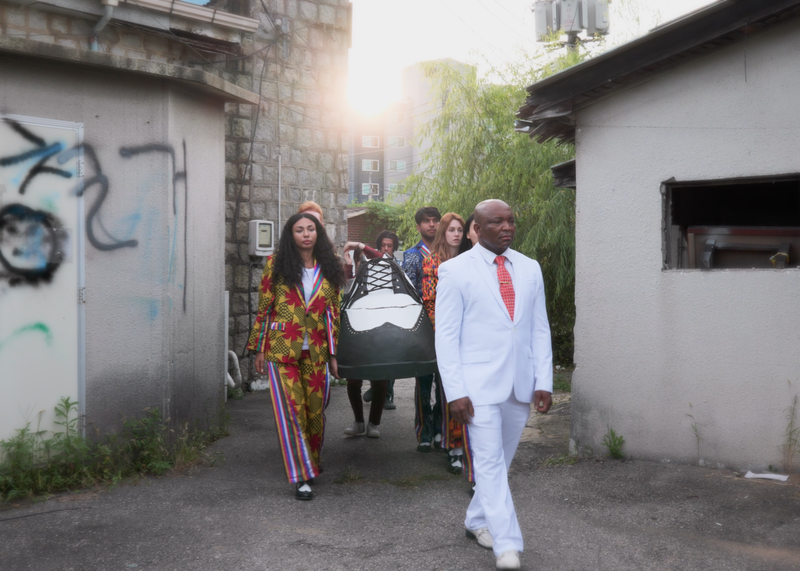
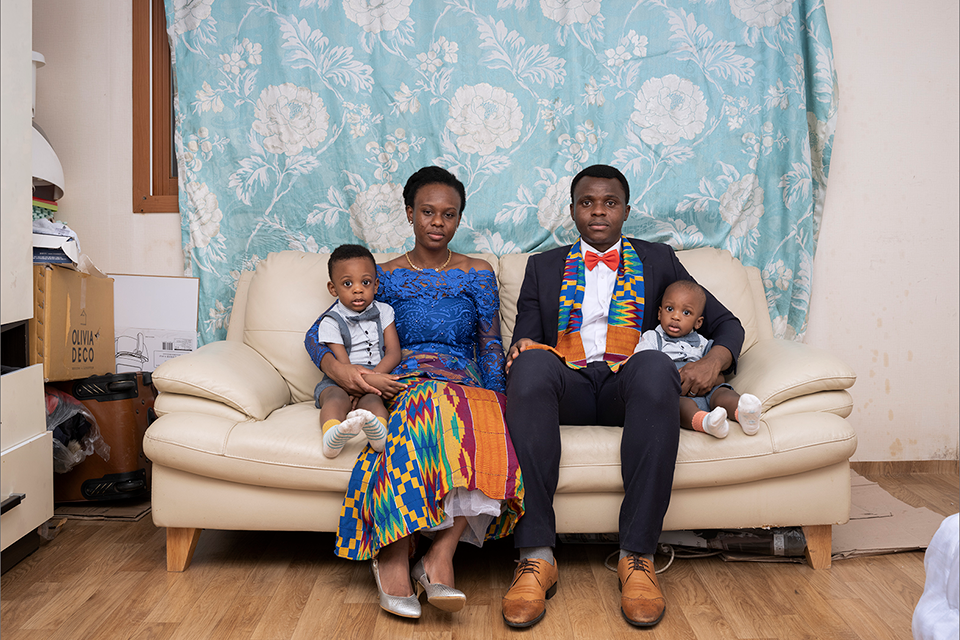
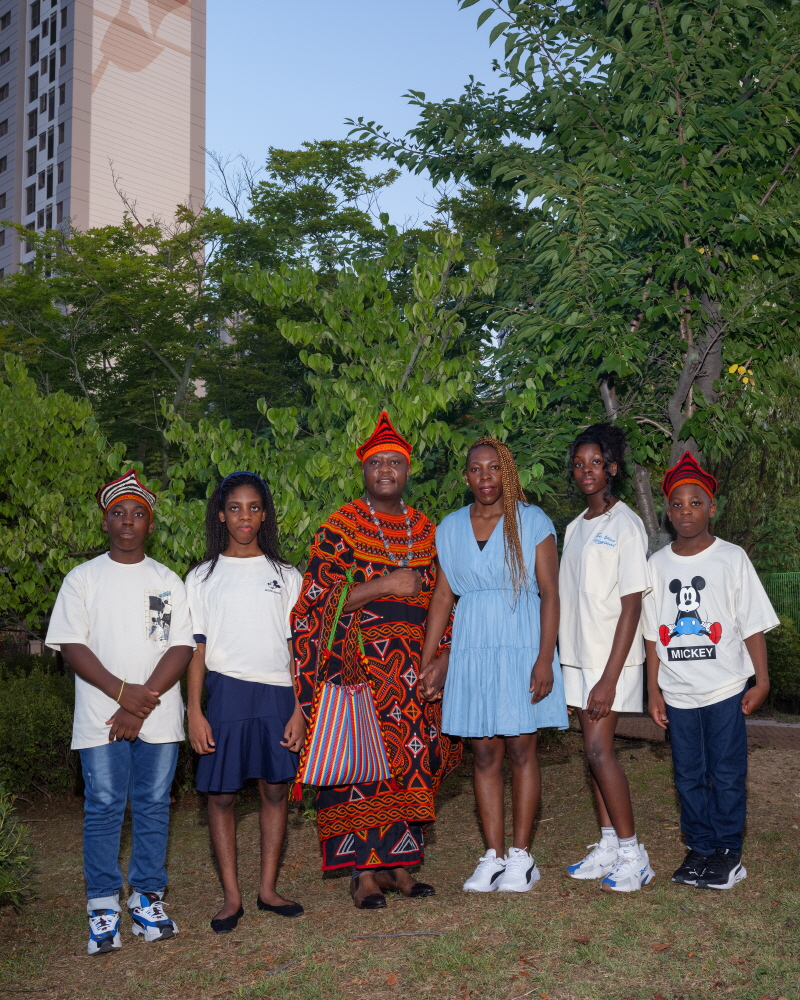
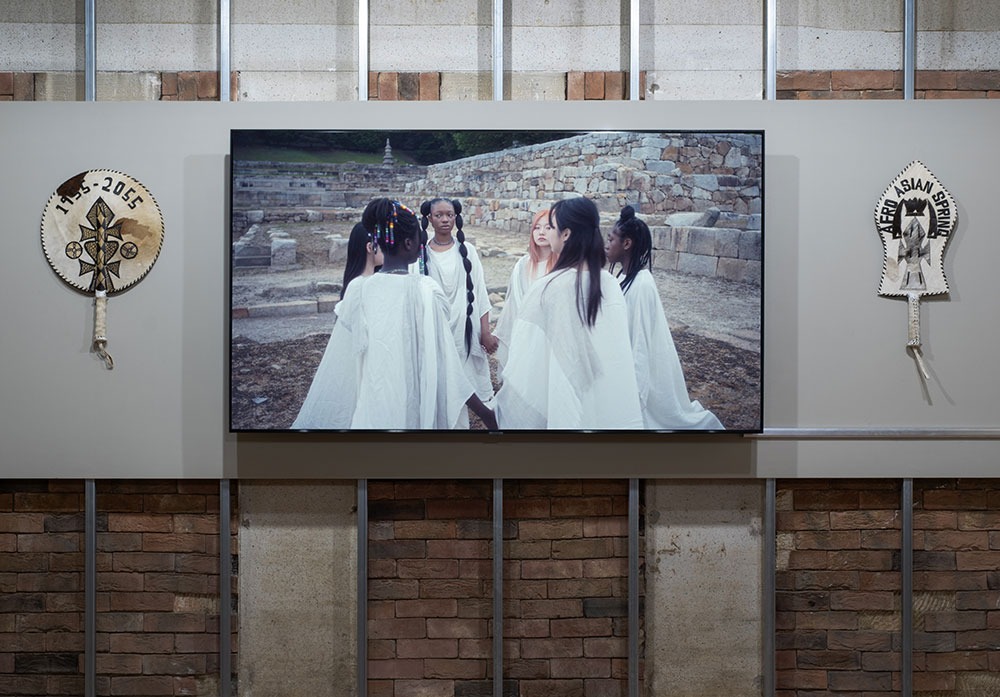
Since relocating to Dongducheon and co-founding Space AfroAsia in 2021, CHE’s research into geopolitical relations has extended toward relationships with the people who currently inhabit the place. Dongducheon, where the history of U.S. military bases and the camp town economy remains deeply inscribed, is now home to communities of migrants from West Africa, and CHE examines how these different temporalities intersect within the same city.

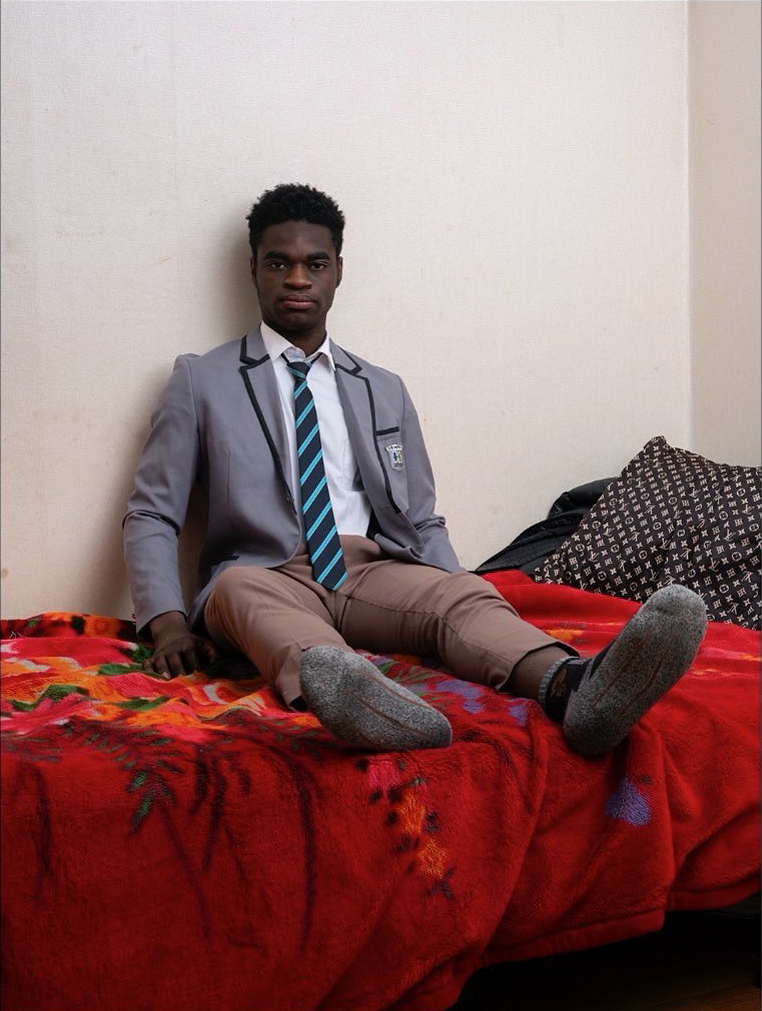
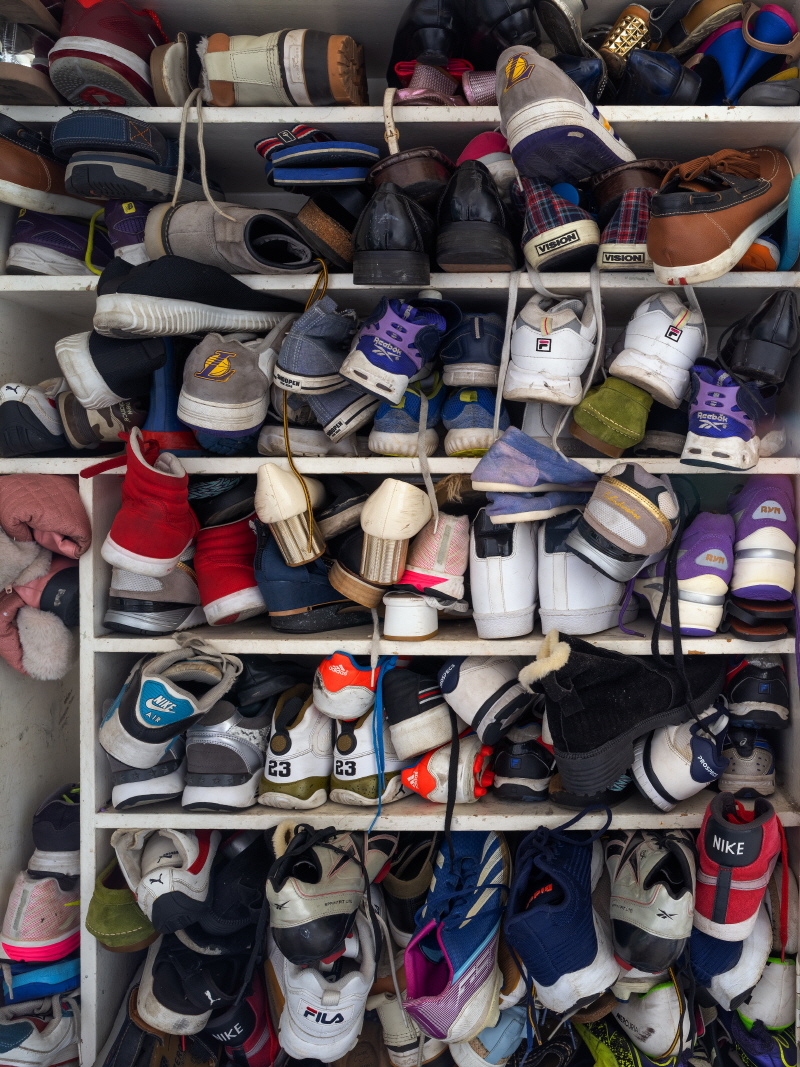
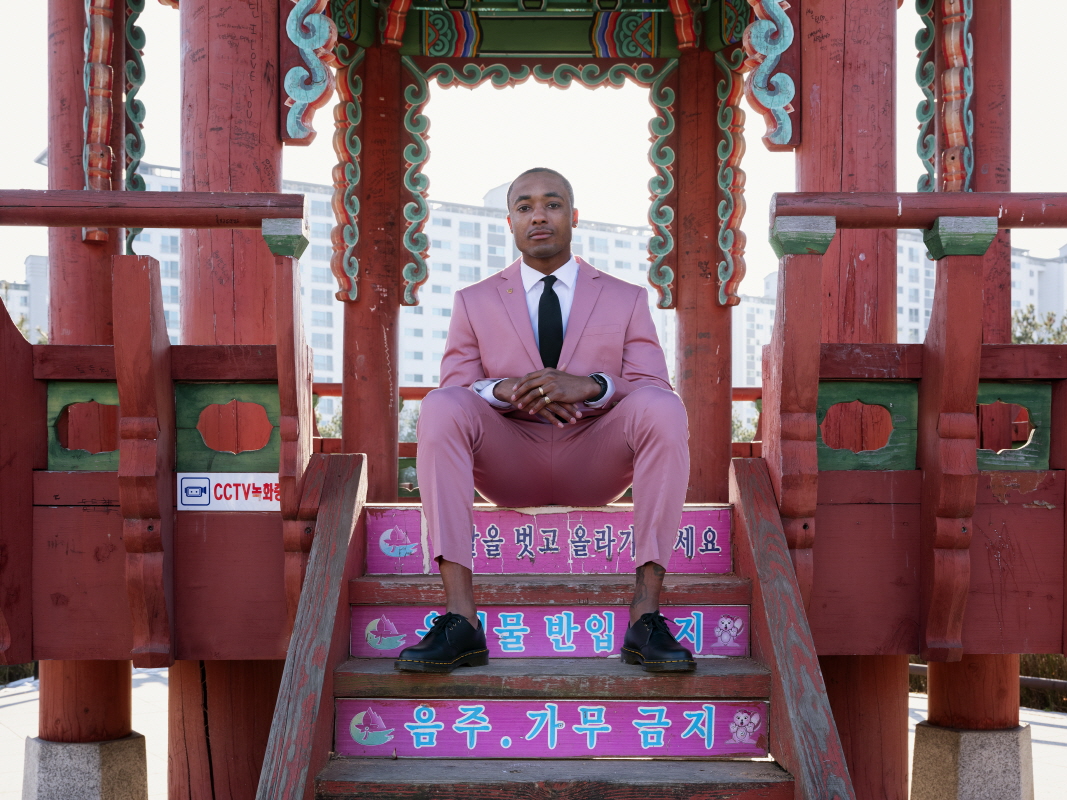
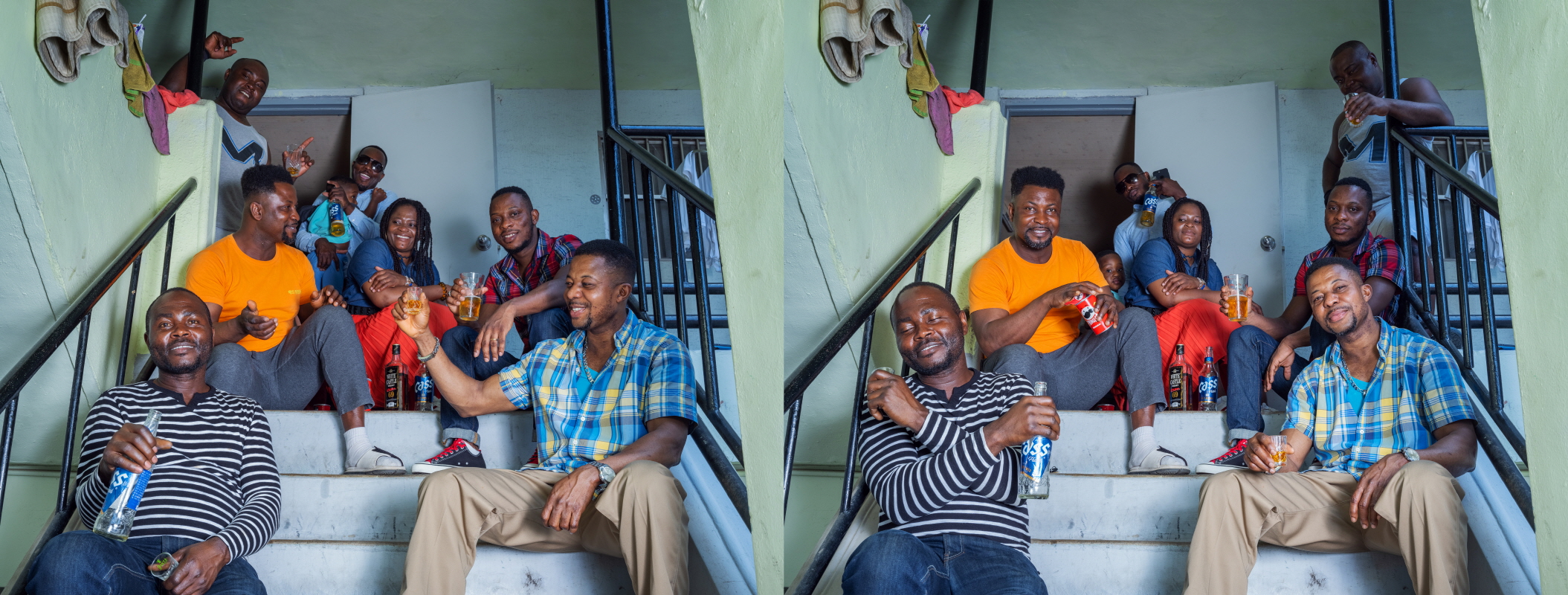
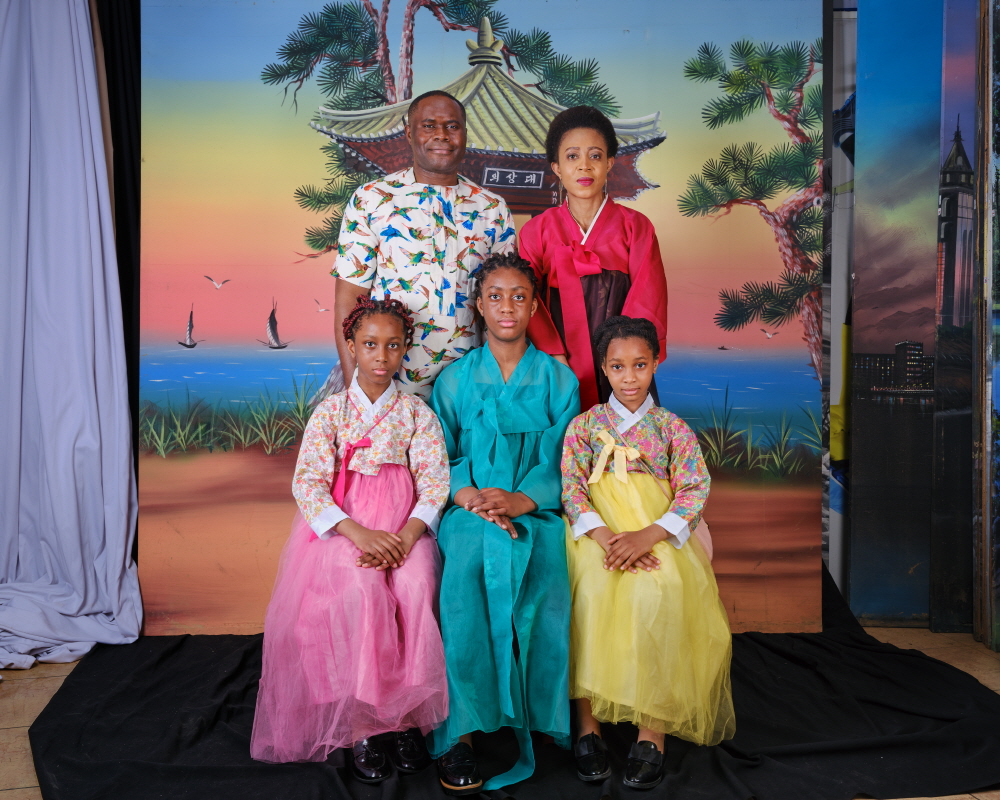
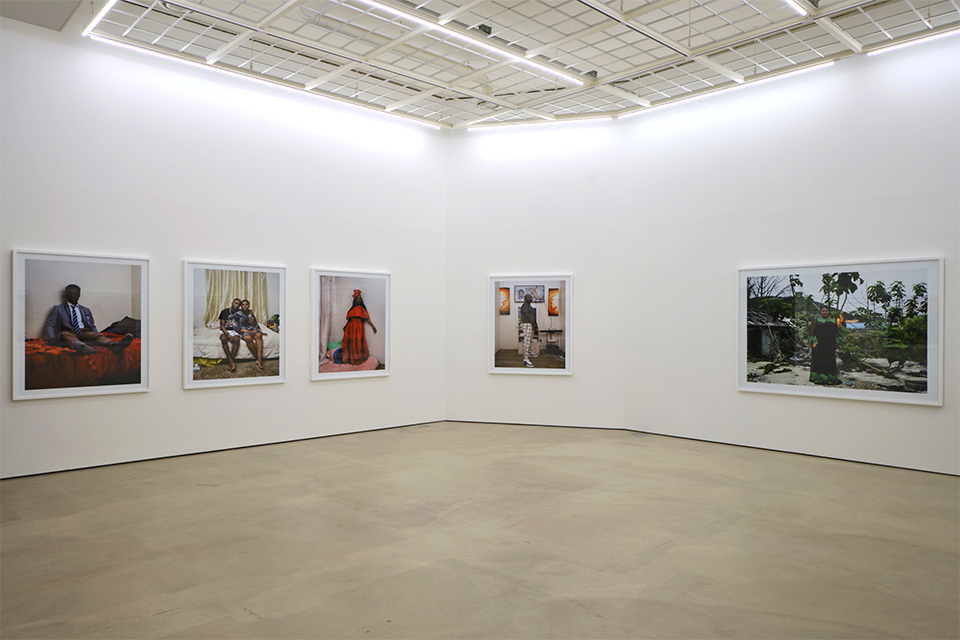
The portrait works presented in 《Capital Black》, Made in Korea and No Pain No Gain, created with Igwe Osinachi, and the documentary Dongducheon New Town address migration, labor, capital, racial identity, and cultural translation through concrete lived experiences. In the recent work Echoes from the Back, he connects an archive from a former camp town photography studio with contemporary technology to recall individuals whose lives were recorded but whose stories were never fully articulated.

By residing in the area, forming relationships with local communities, and collaborating with them, the artist has expanded his research beyond the observation of place toward forms of social practice.

Within CHE Onejoon’s work, “Korea” is not an identity completed within fixed national borders. Colonial experience, national division, the presence of U.S. military forces, North Korea’s foreign relations, and the migration of African communities reveal how modern Korean history has continually been shaped through connections with the world beyond the peninsula.

Rather than explaining these connections through grand national narratives, CHE locates them in specific places and images: bunkers, monuments, shuttered clubs, and portraits of migrants.

Although the geographical scope of his practice has moved from the Korean Peninsula to Africa and back to Dongducheon, a consistent set of questions persists: who becomes visible within history and who is rendered invisible; how political structures transform the identities of people and places; and what different relationships with established histories might emerge when the traces they leave behind are reread from the perspective of the present.


Style & Contents

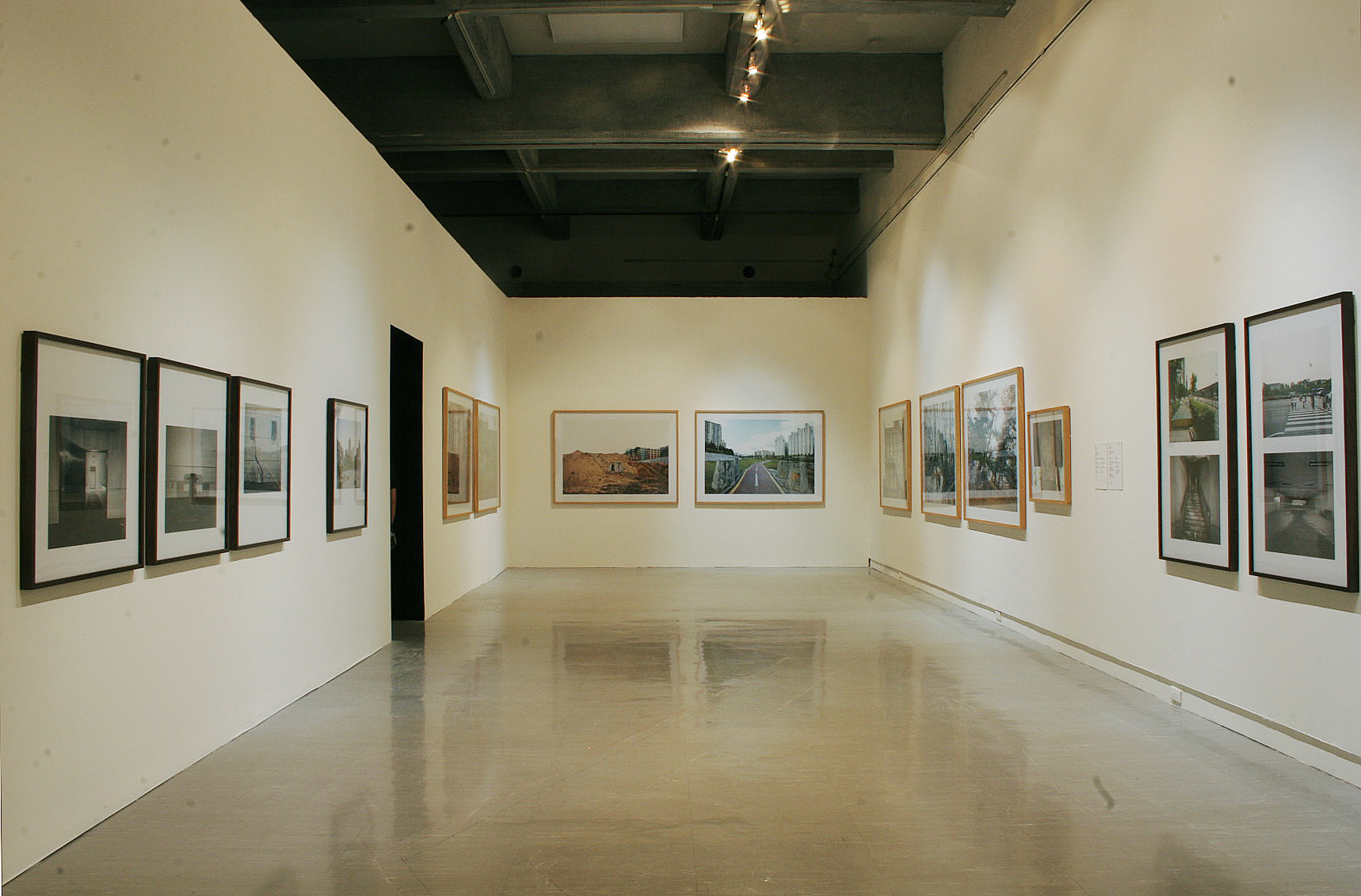
CHE Onejoon moves across photography, film, archives, and installation, repositioning sites, images, and records gathered through research within the structure of his work. In his early photography, he documented spaces heavily charged with political meaning—such as military facilities, bunkers, and U.S. military bases—through frontal compositions and restrained framing.

By largely excluding human figures and presenting architecture and its surrounding environment in detail, he encourages viewers to read the historical traces embedded in each site for themselves. This gaze recurs in series such as 'Undercooled' and 'Townhouse', as well as in ‘Unfinished Project_Island’, where facilities that have lost their military functions or been absorbed into processes of urban redevelopment emerge as unfamiliar landscapes.

While maintaining an awareness of documentary objectivity, CHE actively employs photographic form through vanishing points, repetitions of structures, and the tension of empty space, allowing his images to move between document and interpretation.

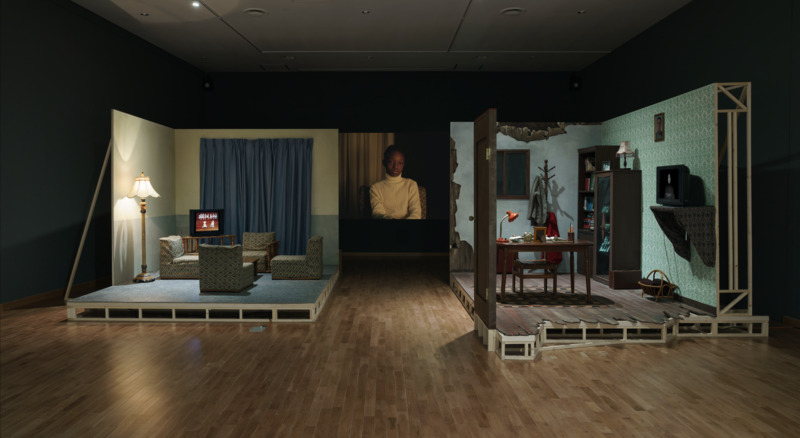
In his moving-image works, CHE introduces fiction and reenactment into documentary material to address dimensions of time and narrative that photography alone cannot easily capture. Spinning Wheel combines the actual history of Mullae-dong and interviews with workers with a fictional narrative in which a bust of Park Chung-hee is melted down and transformed into a handgun, while My Utopia reconstructs the life of a real individual through the format of documentary theater.

Fiction here functions as a means of connecting historical memories that are difficult to grasp through official records alone with the present, rather than as a device that diminishes factuality. By moving between documentary and staging, testimony and imagination, these works prompt questions about whose perspective and editorial process allow recorded facts to acquire meaning.

While retaining an observational approach to the camera, CHE combines narration, interviews, performance, music, and multi-channel presentation to reveal multiple temporalities embedded within events and places.

The archive is also a significant formal element in CHE Onejoon’s practice. In 'International Friendship' and Mansudae Master Class, North Korean art books and stamps, photographs and videos of monuments and architecture, propaganda images, and research materials are presented together, expanding the political contexts in which individual images were produced.

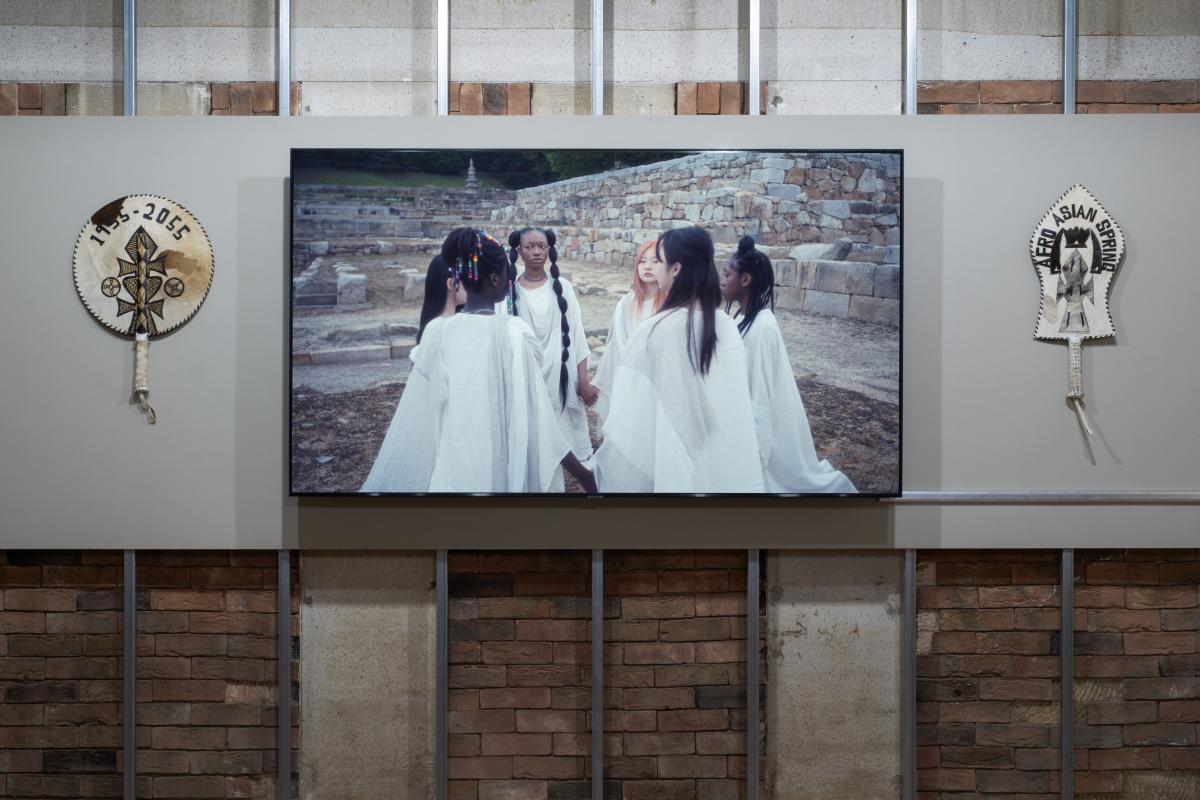
By juxtaposing materials from different sources and periods, CHE invites viewers to trace relationships between images rather than presenting a fixed conclusion. His recent Dongducheon projects similarly bring together historical records of the camp town, objects collected locally, and materials concerning the rituals and festivals of African migrant communities.

The archive thus functions not simply as a means of preserving past history, but as a working method for reconnecting events and places that may appear distant from one another and making them available for reinterpretation from the perspective of the present.

In recent years, CHE’s formal vocabulary has expanded further from practices centered on the artist’s own recording and editing toward collaborative production and technological experimentation. In Made in Korea and No Pain No Gain, co-directed with Igwe Osinachi, he employs highlife music and the music-video format to bring a migrant worker’s labor, everyday life, and self-expression into the work, while AfroZia: Pow Pow directly involves second-generation African migrant youths and Korean youths in vocal, choreography, and acting workshops.

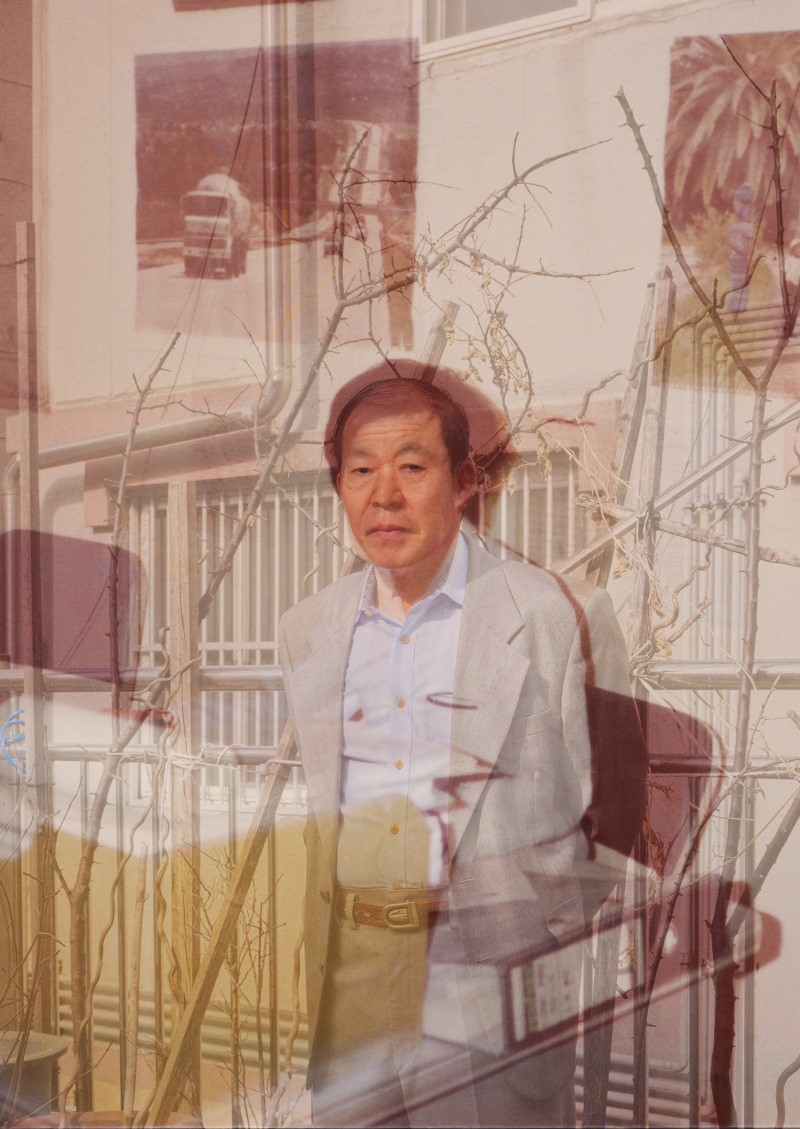
In Echoes from the Back, portraits from a former camp town photography studio are reconstructed using AI so that only the backs of the figures remain, while technological errors and imperfections are incorporated into the images themselves. Across these developments, CHE continues to preserve the documentary qualities of photography, moving image, and archival material while making the very conditions through which records are produced and interpreted part of the work’s content.

Topography & Continuity

CHE Onejoon’s practice emerged at the intersection of documentary photography and research-based contemporary art practice. His experience photographing incidents as evidentiary documentation during his military service later informed his approach to investigating and recording specific sites.

Beginning in the mid-2000s, he photographed spaces that had lost their functions or slipped from public view amid rapid transformations in Korean society, including the Miari red-light district, military facilities, bunkers, and U.S. military bases.

Through this work, he positioned himself within the trajectory of Korean documentary photography concerned with social realities while simultaneously expanding photography into a method of historical documentation and spatial research. As film, installation, and archival practices became increasingly integral to his work, his position likewise expanded from that of a photographer to a visual artist and researcher.

A significant shift in CHE’s practice came when his focus on the division and militarization of the Korean Peninsula expanded toward the geopolitical relationship between Africa and East Asia. Long-term projects including 'International Friendship' and Mansudae Master Class traced monuments and architecture constructed by North Korea across various African countries, broadening familiar perspectives that had understood Cold War history primarily through inter-Korean relations.

By investigating cultural diplomacy, military alliances, and the circulation and translation of socialist realism, these works established CHE as an artist who connects the realities of Korea’s division to broader histories of the Cold War and postcolonialism. His combined use of photography, moving image, and extensive archival research also became more pronounced during this period, while My Utopia extended relations between states into the realms of individual memory and diasporic experience by combining the life of a real person with staged scenes.

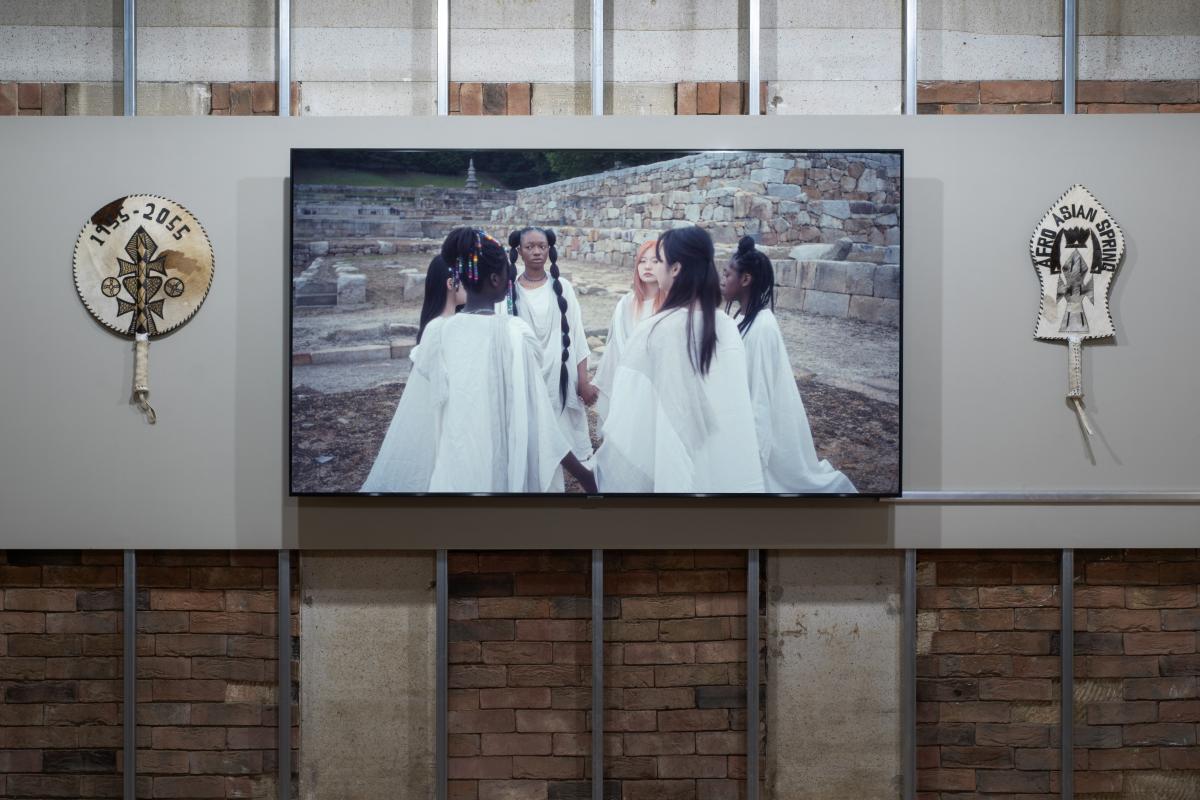
His work in the 2020s marks another development as these accumulated concerns have evolved into locally grounded practices and collaboration. After co-founding Space AfroAsia in Dongducheon with Moon Seona in 2021, CHE developed sustained relationships with African migrant communities that had formed within a city shaped by the histories of U.S. military bases and camp towns.

In this process, collaborative production, education, music, and performance were added to his established methods of research and documentation, while the activities of Collective Afro-Asia became increasingly significant. CHE has stated that the collective’s activities have recently become more important to him than his individual practice, and projects developed in Dongducheon connect the histories of U.S. military presence and the Cold War explored in his earlier work with contemporary realities of migration and multicultural life.

What has remained consistent throughout nearly two decades of CHE’s practice is his commitment to tracing places and people pushed to the margins of history and returning the political structures operating behind them to the concerns of the present. His early work used the camera to record traces of spaces that were being closed, abandoned, or erased; he later investigated the routes through which monuments and images traveled between North Korea and Africa; and more recently, he has lived in Dongducheon while building relationships with local communities.

As his subjects have shifted from places to geopolitical relations and then toward people and communities, his methods have likewise expanded from observation and collection to collaboration and socially engaged practice. These changes can be understood as a continuous process of examining how national division, the Cold War, U.S. military presence, and migration—forces that have shaped modern Korean history—remain interconnected.

Works of Art

Bringing Marginalized Histories into the Present

Articles

Exhibitions

Activities