Diagonal Cut 05 - K-ARTIST

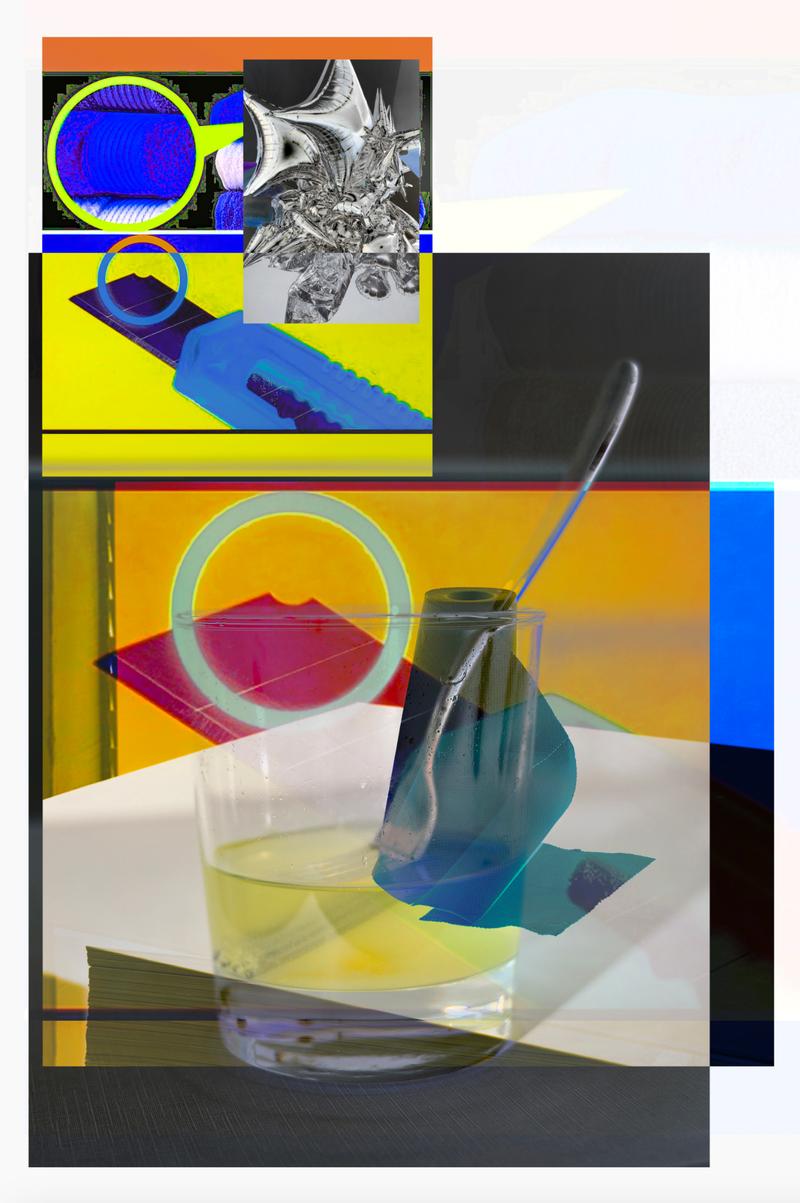
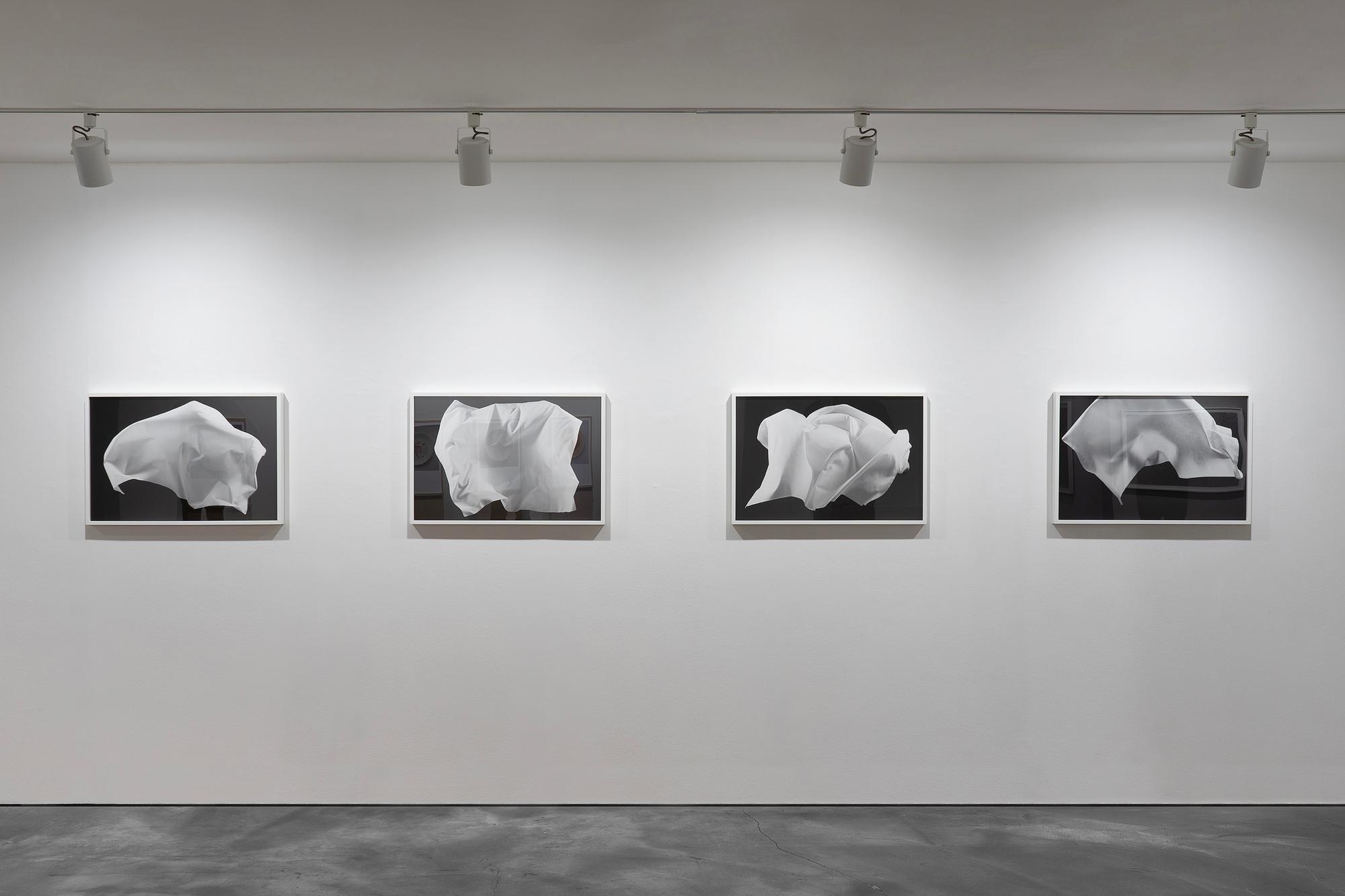
Diagonal Cut 05

2023
Archival pigment print
60 x 90 cm
About The Work

Dongsin Seo explores the boundaries between representation and abstraction, as well as the materiality and limits of the photographic medium. Seo’s practice asks what photography shows, how we look at images, and at what point we decide that we “know” what we are seeing.

Photography is commonly understood as a medium that conveys information about the photographed subject, yet Seo loosens the familiar connection between subject and image to explore moments when photography’s indexicality begins to waver. 

His recurring concern with the gap between “seeing” and “knowing” emerges from this inquiry. His aim is to slow down the processes of recognition and interpretation so that an image is not immediately reduced to a specific name or narrative, allowing viewers to remain with the visual experience itself for a longer period of time.

Seo focuses on moments when images created to explain a function begin to slip away from their intended purpose, questioning whether an image can ever be entirely subordinate to its name or use. 

Ultimately, for Seo, the image is a fluid entity that opens up different possibilities whenever the viewer’s perception and language intervene, and his practice continues to experiment with this indeterminacy.

Solo Exhibitions (Brief)

Dongsin Seo has held solo exhibitions at KT&G SangsangMadang Gallery and SPACE22 in 2023, Hoqicm/Humor Garmgot in 2024, and Hoqicm/Humor Garmgot/POST in 2025.

Group Exhibitions (Brief)

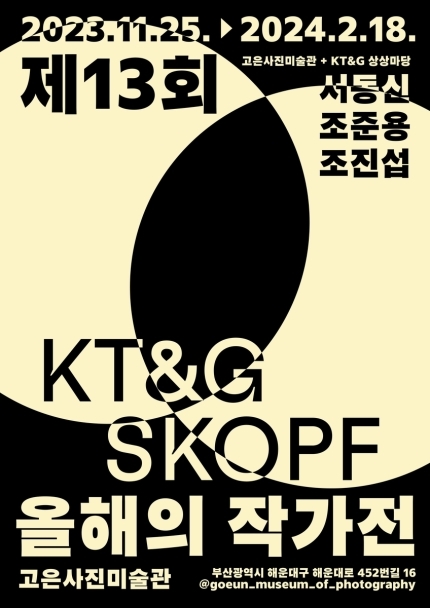
Dongsin Seo has participated in group exhibitions at the GoEun Museum of Photography in 2023 and the Daegu Photo Biennale Special Exhibition in 2024, as well as the inaugural exhibition of the Photography Seoul Museum of Art and the Dalseong Daegu Contemporary Art Festival in 2025.

Awards (Selected)

Dongsin Seo was selected as the Final Artist of the Year for the 13th KT&G Sangsangmadang Korean Photographer’s Fellowship (SKOPF) in 2022.

Works of Art

Between Abstraction and Figuration, Language and the Nonverbal

Originality & Identity

Dongsin Seo’s practice asks what photography shows, how we look at images, and at what point we decide that we “know” what we are seeing. Photography is commonly understood as a medium that conveys information about the photographed subject, yet Seo loosens the familiar connection between subject and image to explore moments when photography’s indexicality begins to waver.

His recurring concern with the gap between “seeing” and “knowing” emerges from this inquiry. His aim is to slow down the processes of recognition and interpretation so that an image is not immediately reduced to a specific name or narrative, allowing viewers to remain with the visual experience itself for a longer period of time.

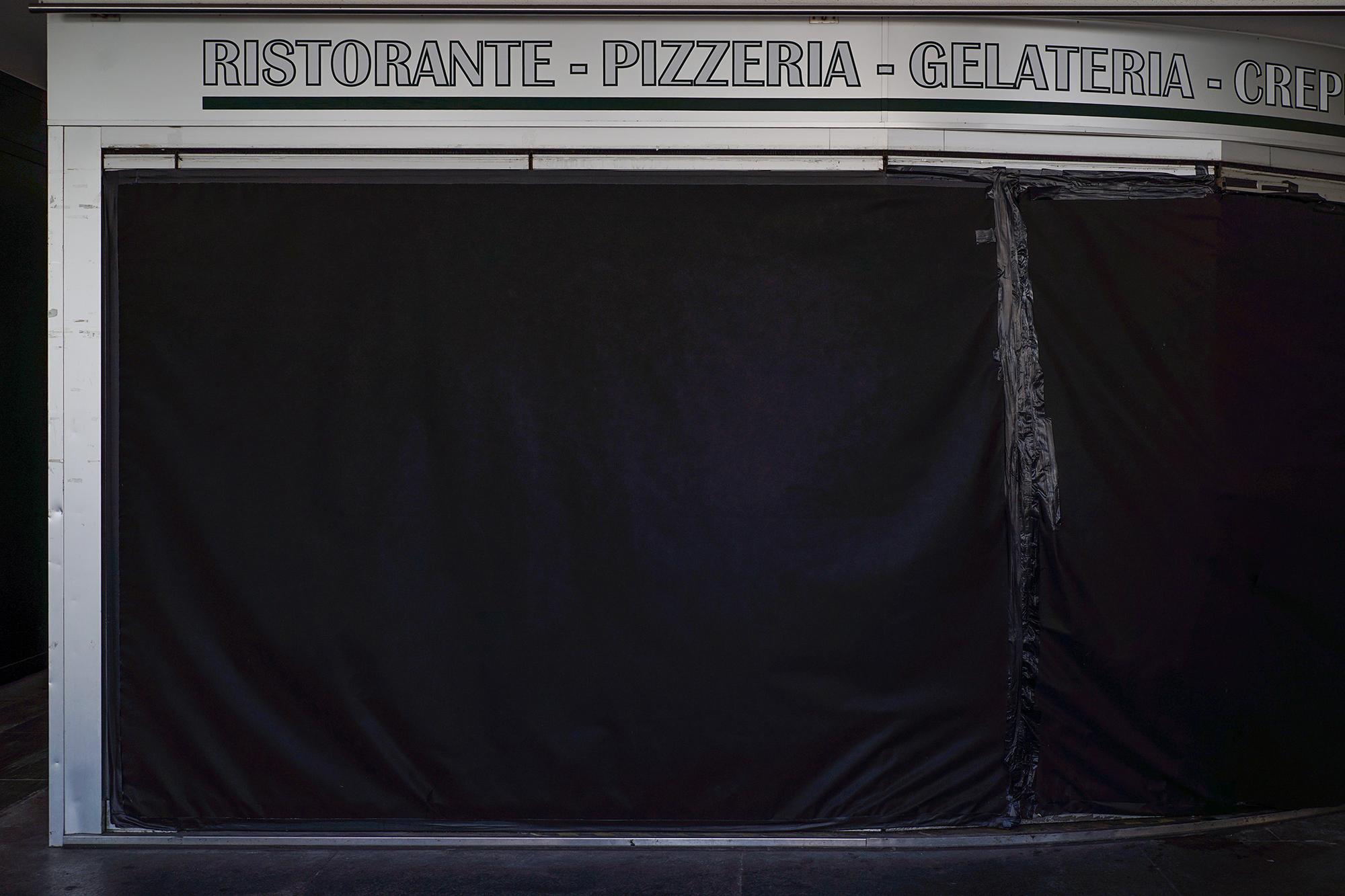
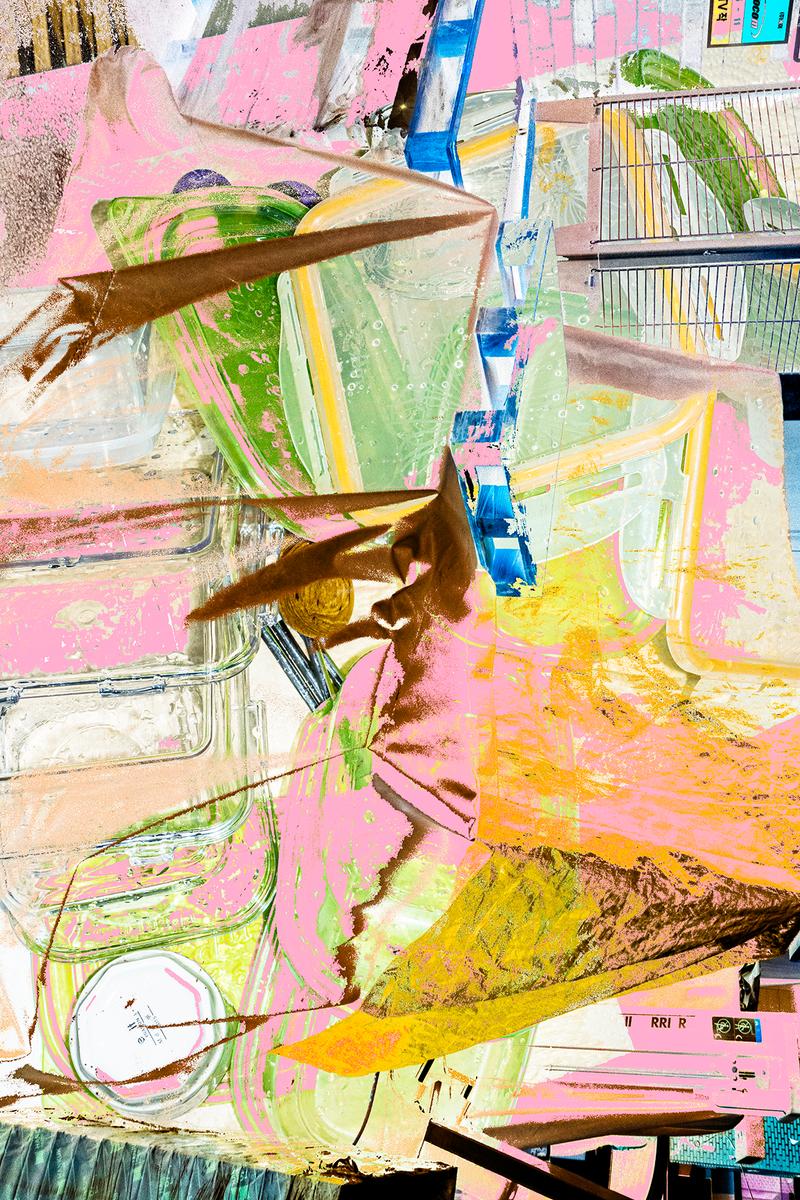
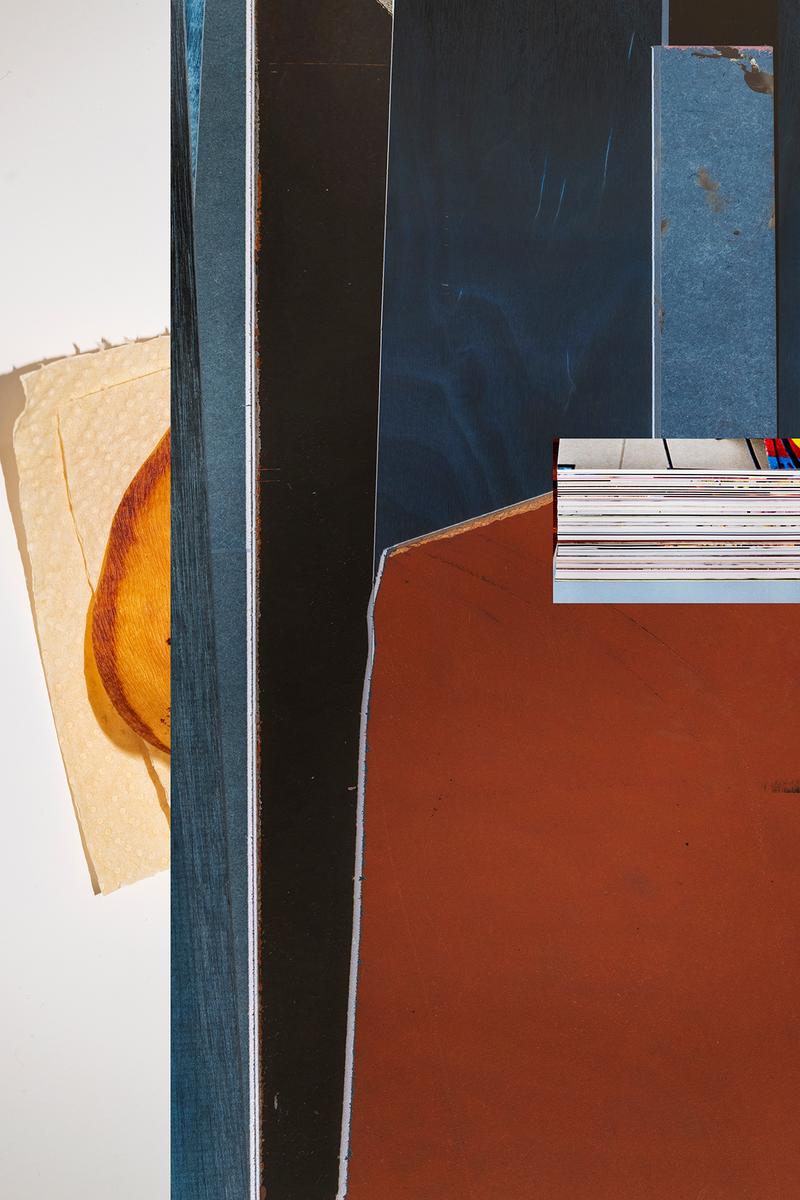
In the 'Entropy' series, this concern takes shape through the way Seo observes ordinary and transient states encountered in everyday life. Familiar objects whose names and functions are already known—a table after a meal, stacked dishes, or construction screens—reappear as unfamiliar forms and colors when filtered through the artist’s gaze.

By arbitrarily pairing images with words or separating images from captions in his photobooks, Seo further destabilizes the process by which language immediately defines an object. For Seo, everyday life serves as an opportunity to look again at things we assume we already know, an attitude that continues throughout his subsequent practice.

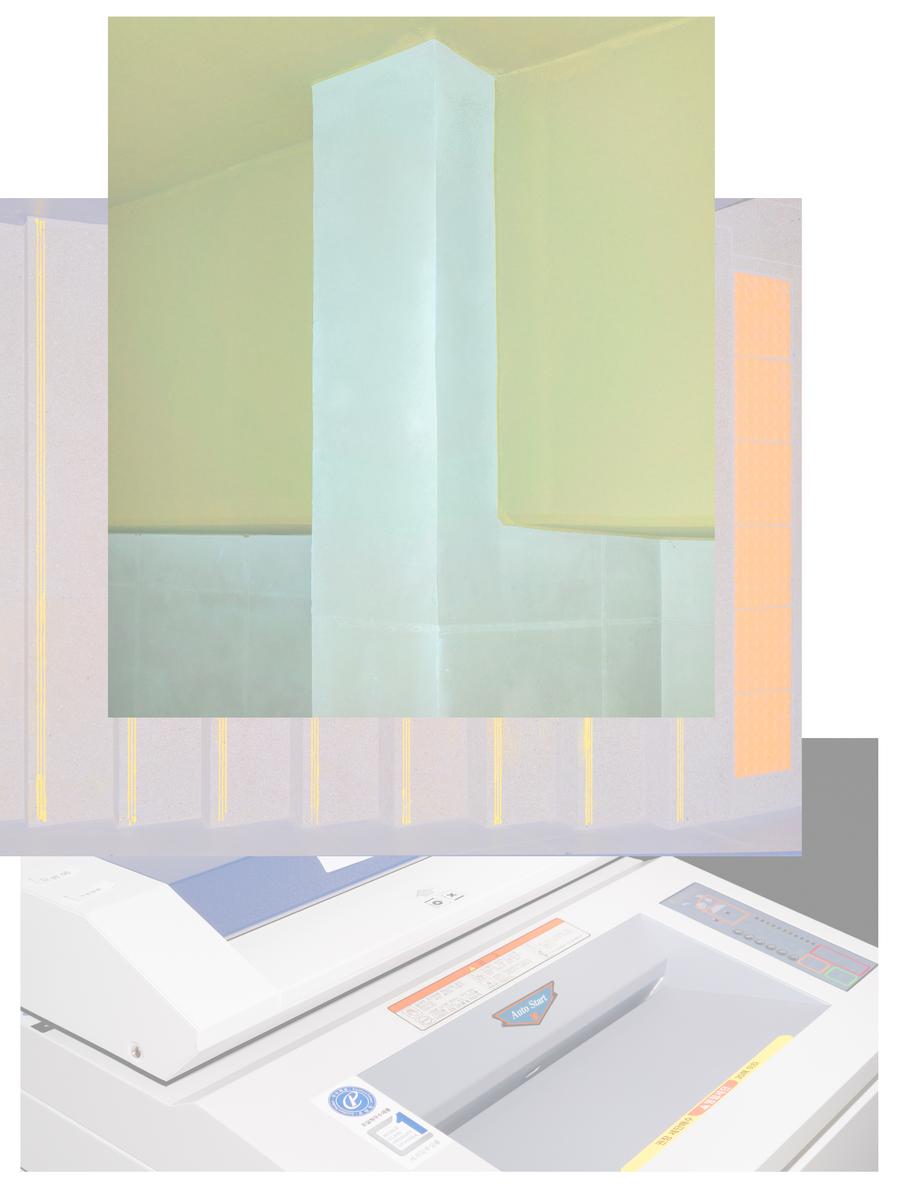
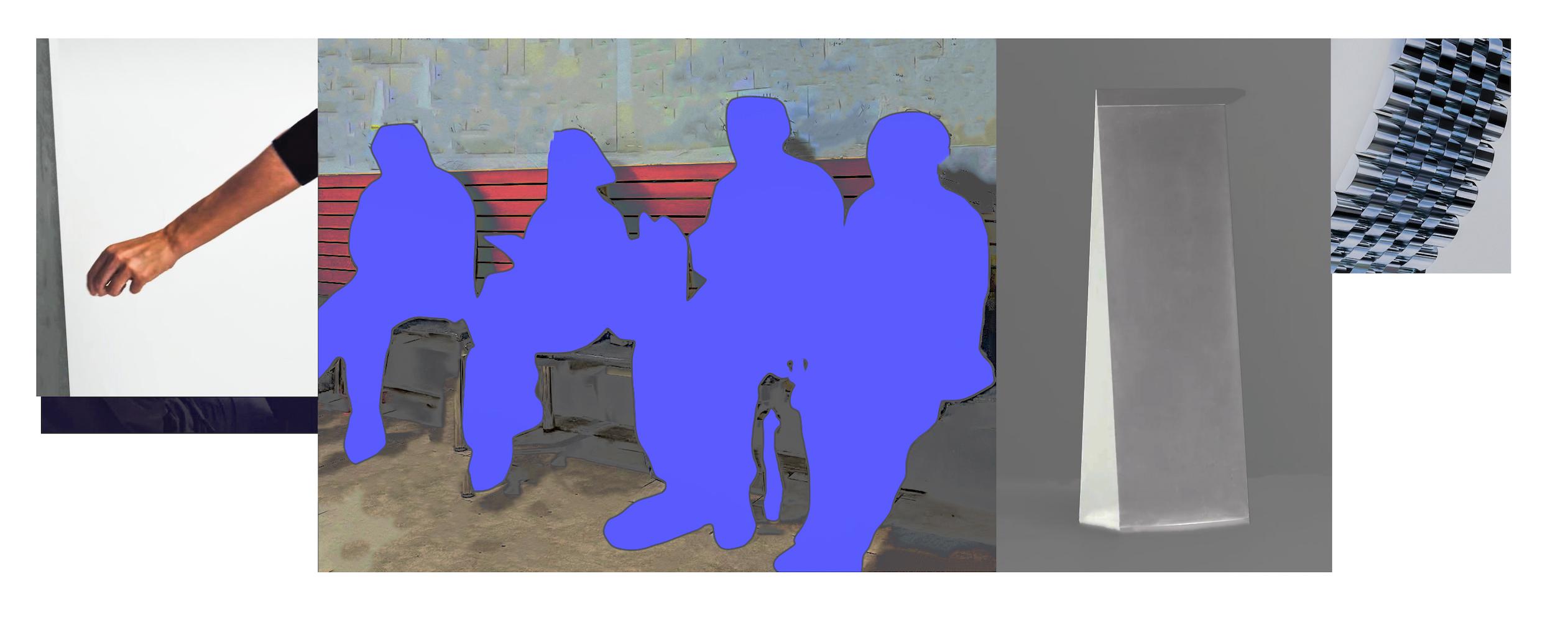
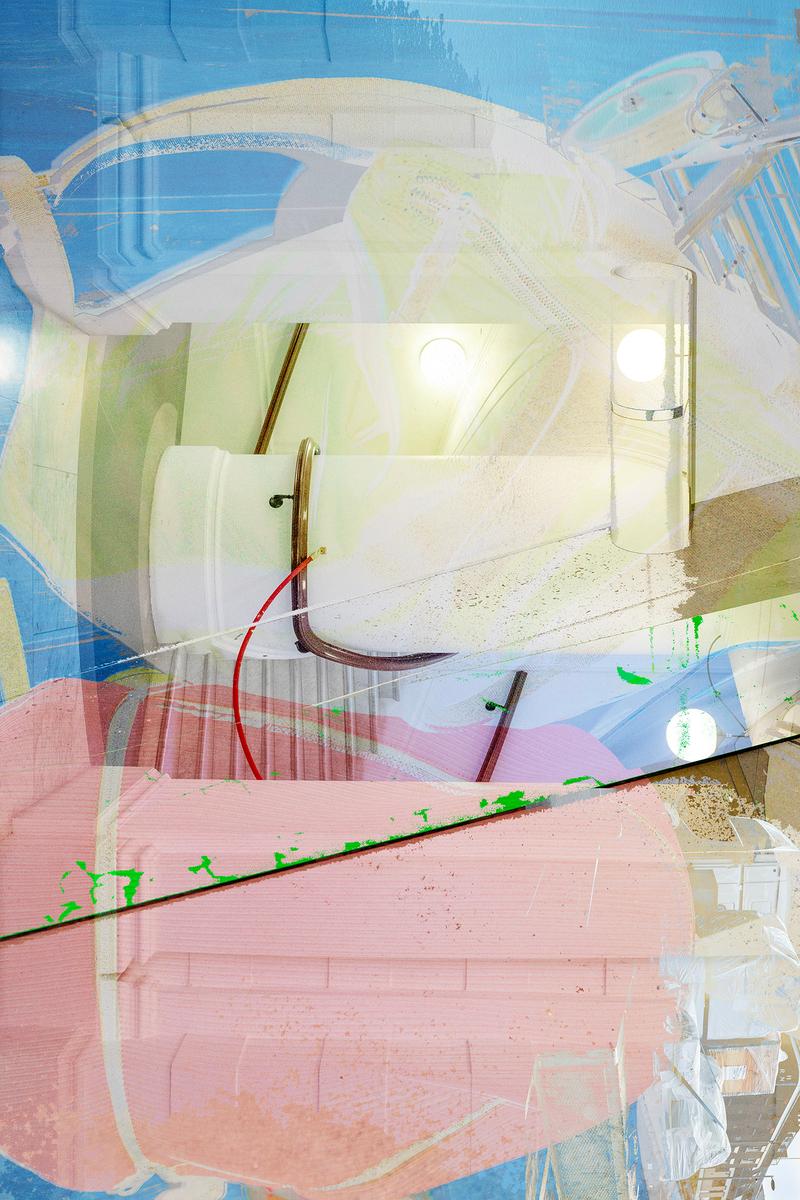
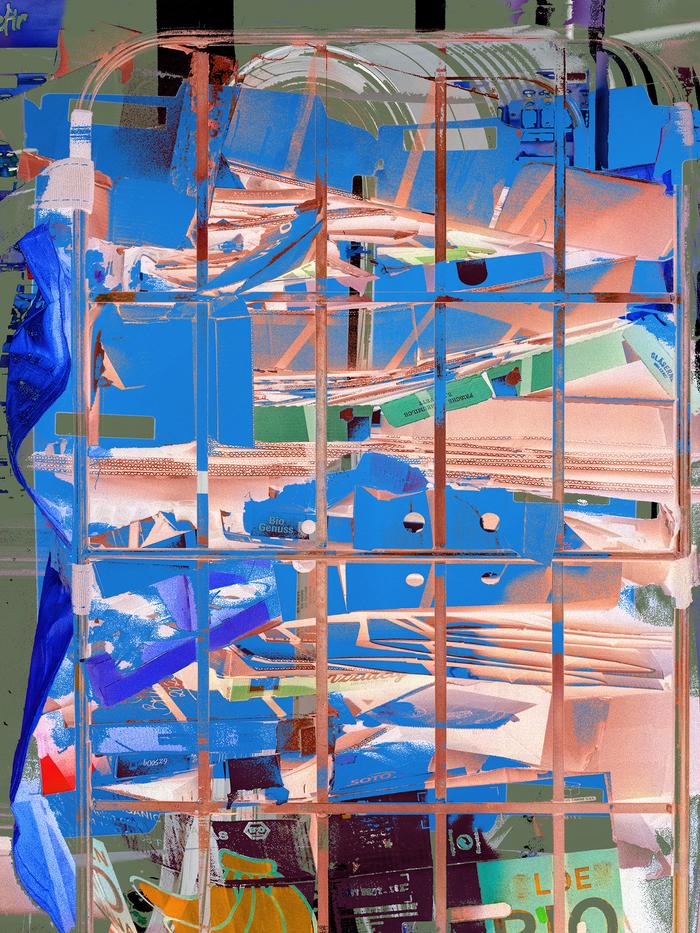
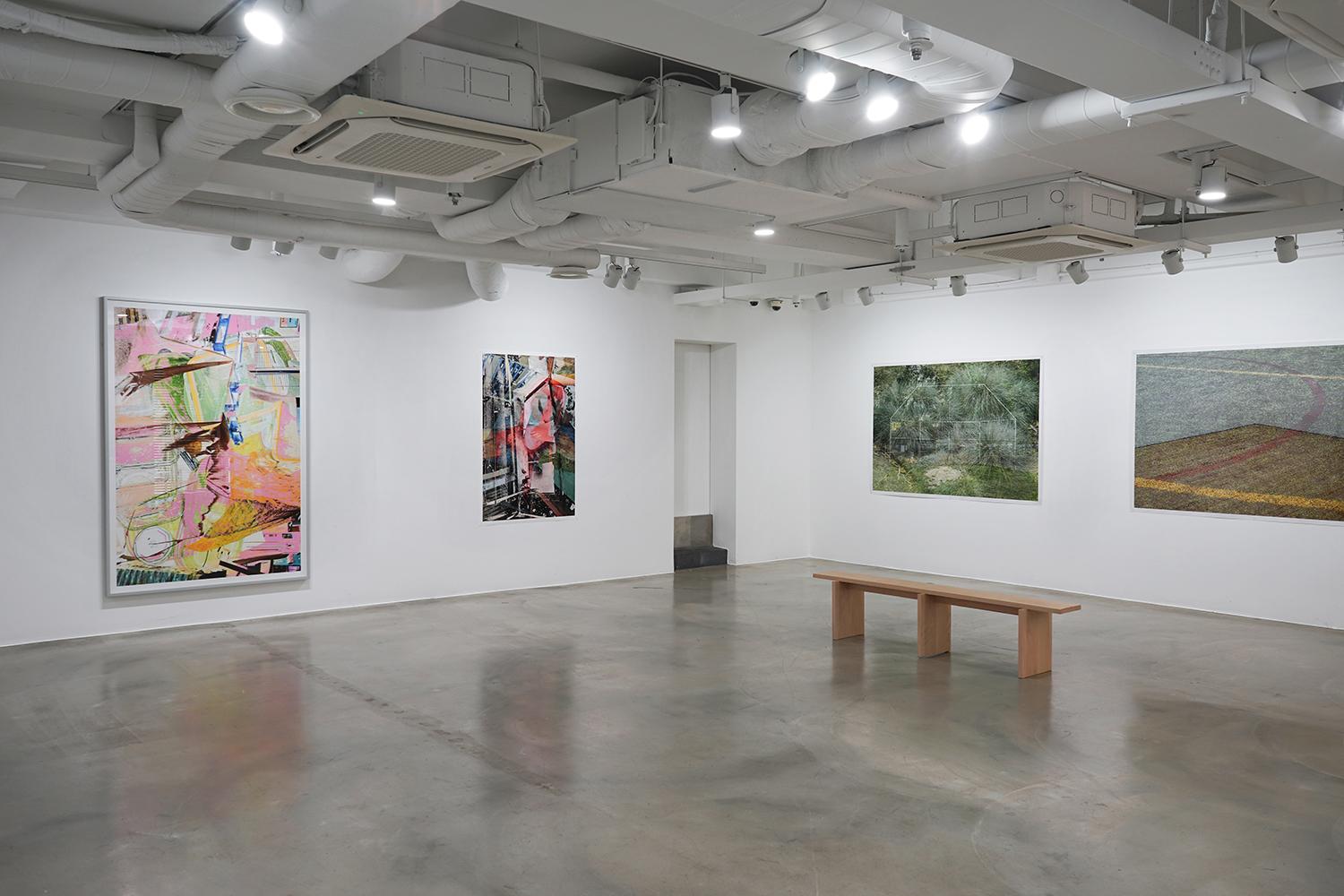
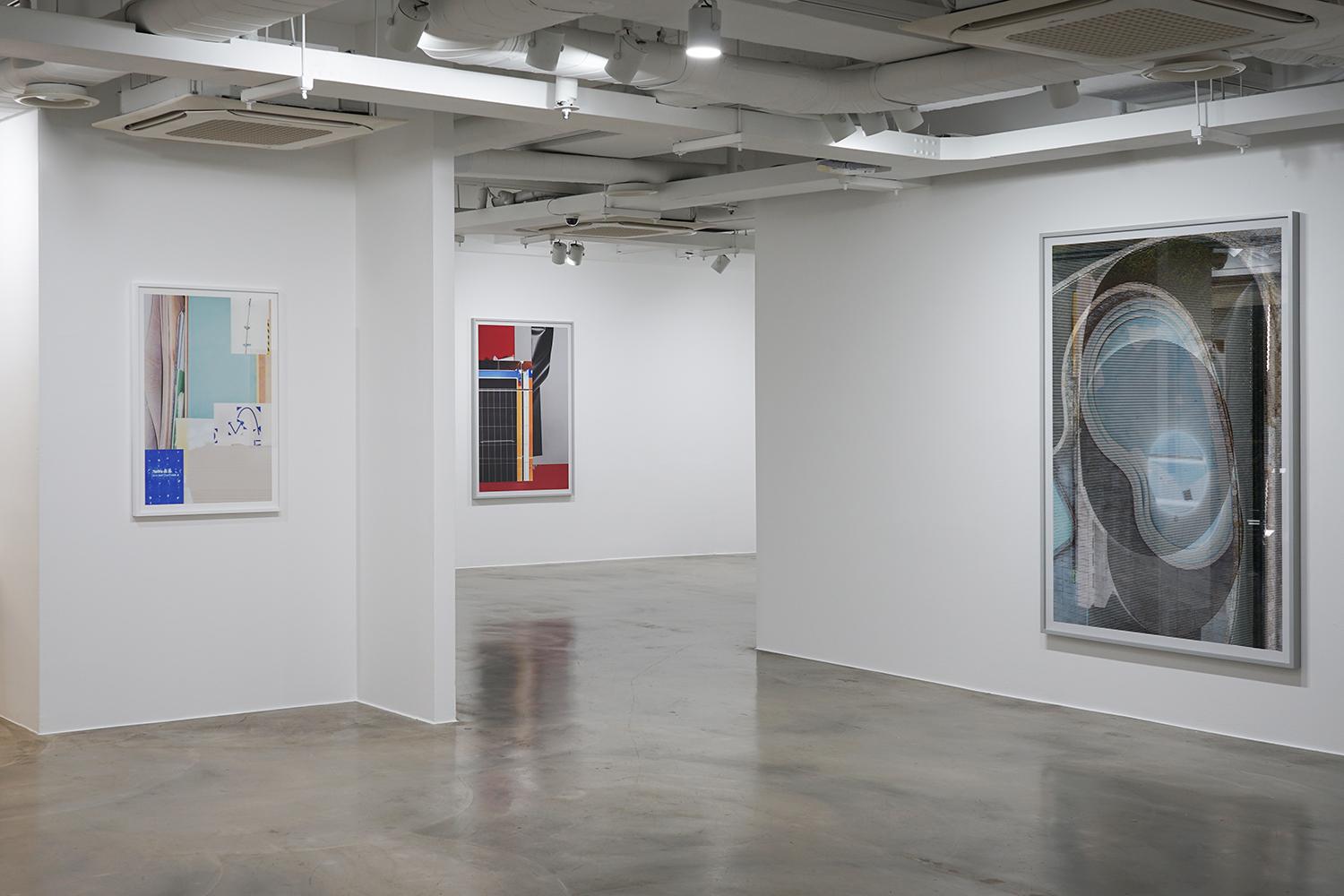
In the 'Equation' series, Seo develops more actively his attempt to delay judgment toward images. As disparate photographs collide and overlap, the information and hierarchy originally carried by each image are weakened, producing ambiguous states in which concrete forms and abstract imagery are perceived simultaneously.

Rather than offering an interpretation that approaches a definitive answer, Seo extends the amount of time viewers spend before the image. As attempts to determine what has been photographed and how the work was made fail to arrive at an immediate answer, the act of looking itself becomes increasingly perceptible. This interest also informs 《Figure Out》, in which repetitive everyday actions are removed from their original contexts and transformed into unfamiliar visual moments.

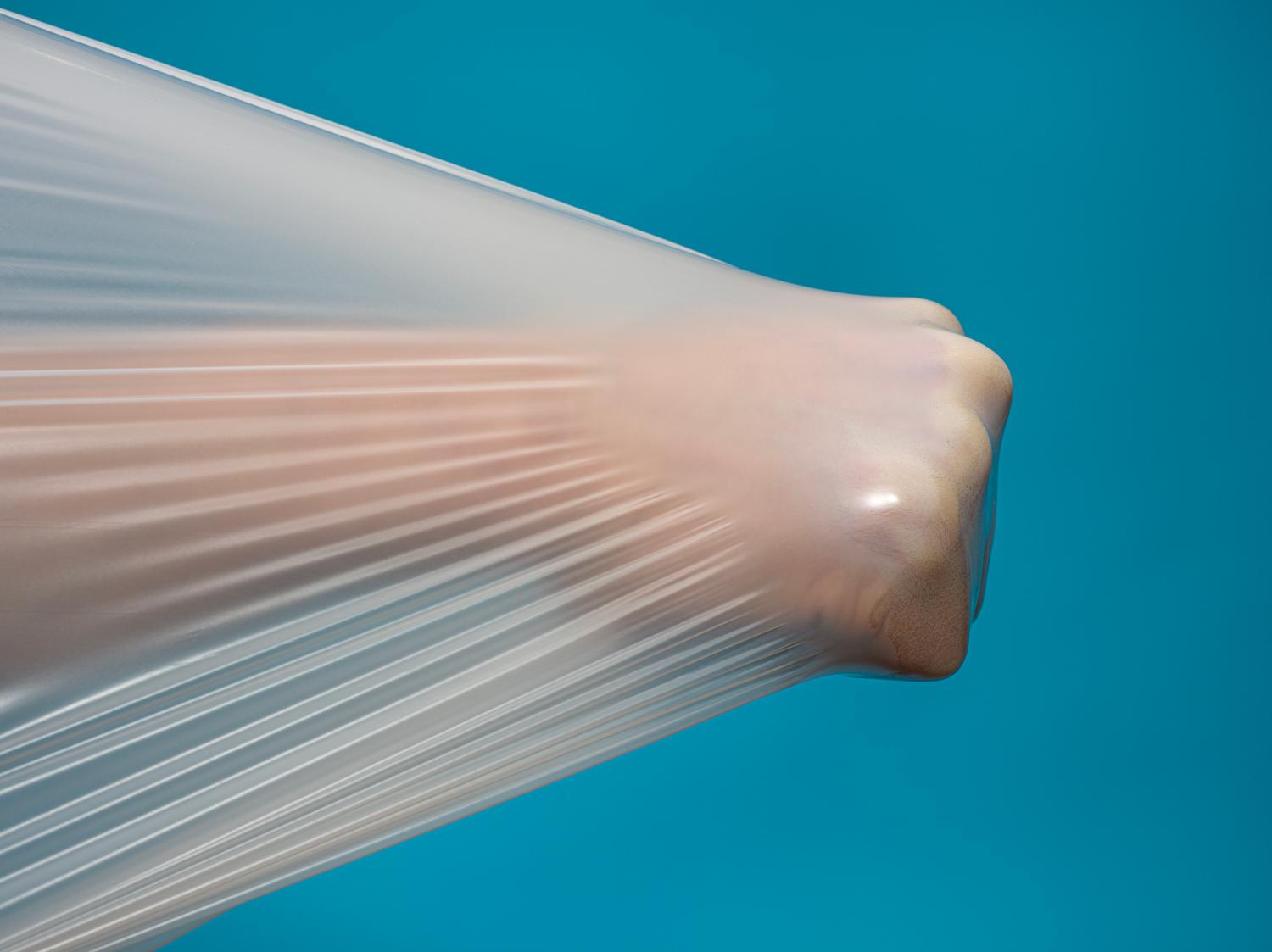
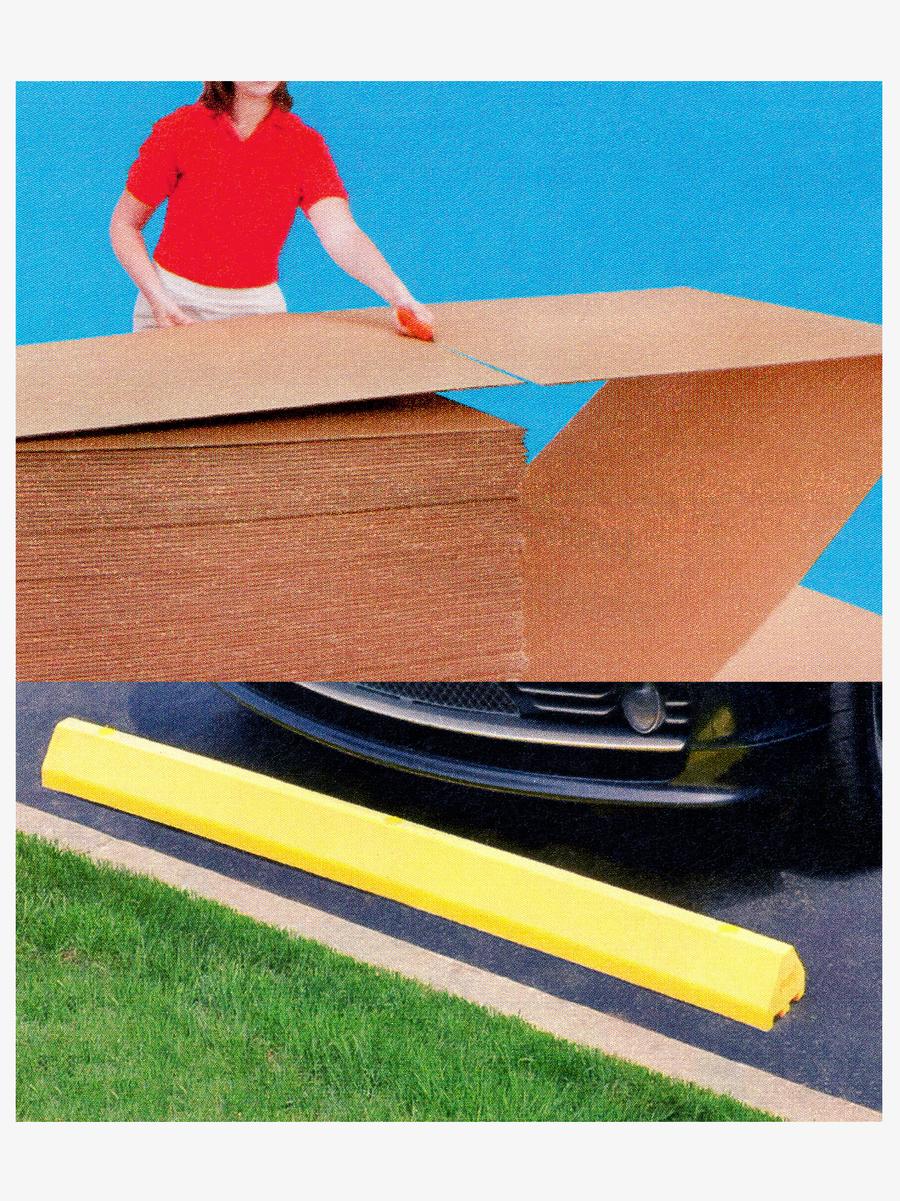
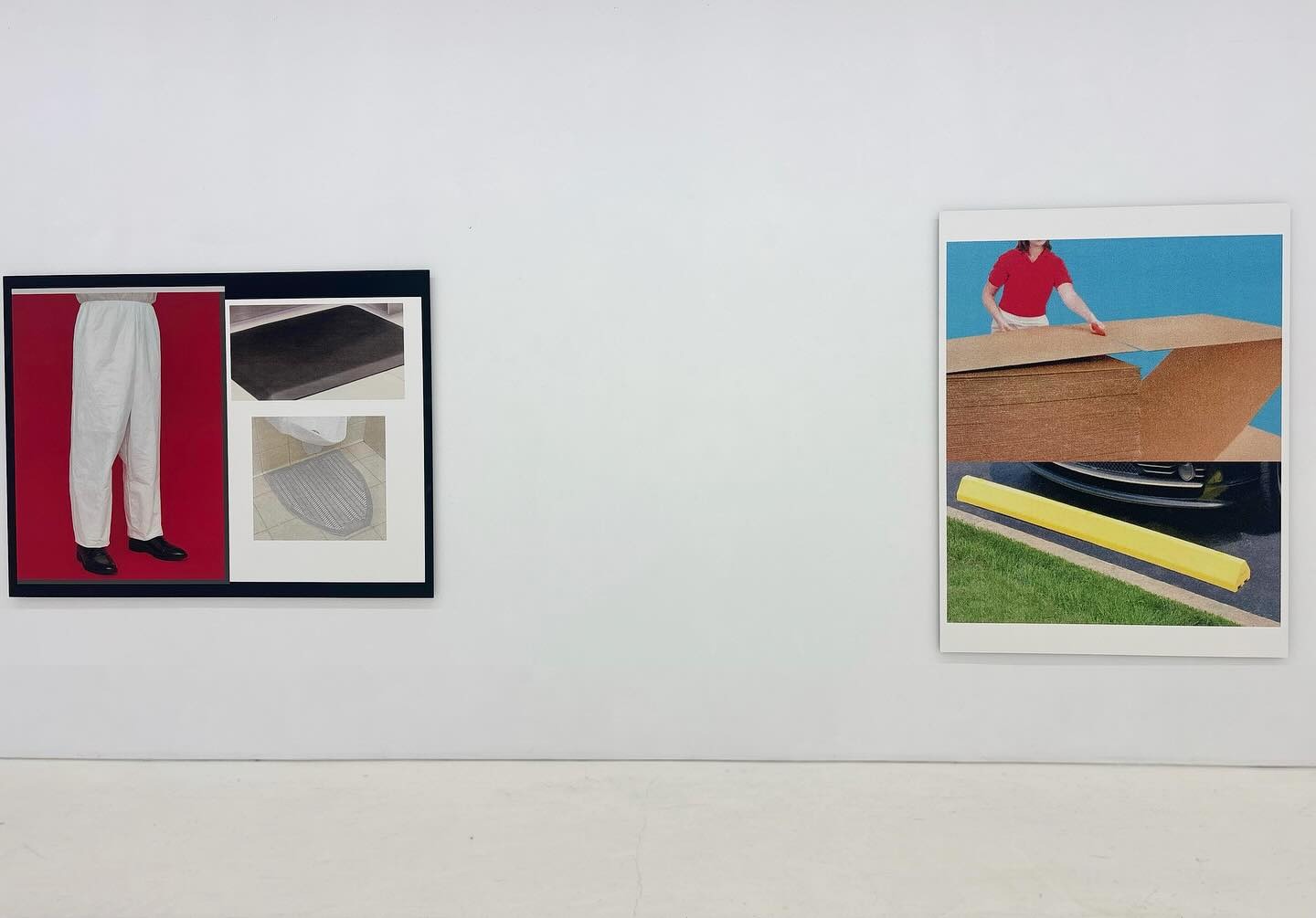
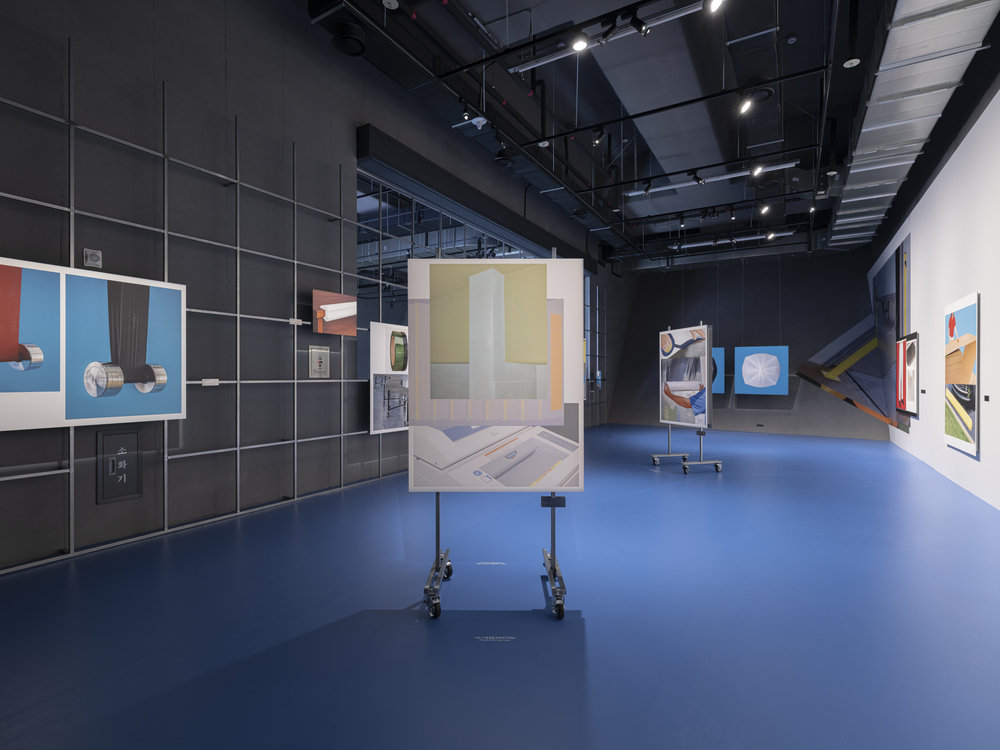
The recent 'Malfunction of Functional Function' series extends this inquiry into the realms of function and clarity. Even in images such as product photographs, where intention and outcome are assumed to correspond precisely, cultural habits, personal experiences, and accidental traces intervene as uncontrollable variables.

Seo focuses on moments when images created to explain a function begin to slip away from their intended purpose, questioning whether an image can ever be entirely subordinate to its name or use. Ultimately, for Seo, the image is a fluid entity that opens up different possibilities whenever the viewer’s perception and language intervene, and his practice continues to experiment with this indeterminacy.

Style & Contents

Dongsin Seo uses images captured from everyday life as the primary material for his practice. He photographs ordinary objects and surroundings with a compact digital camera, then selects, rearranges, and recombines images from this accumulated archive.

In the 'Entropy' series, familiar subjects such as tables after meals, stacked dishes, construction materials, and temporary screens are photographed at close range or partially framed so that their original scale and function become difficult to identify. Color, repeated lines, and surface textures gain prominence, gradually shifting the perception of concrete objects toward relationships of form and color.

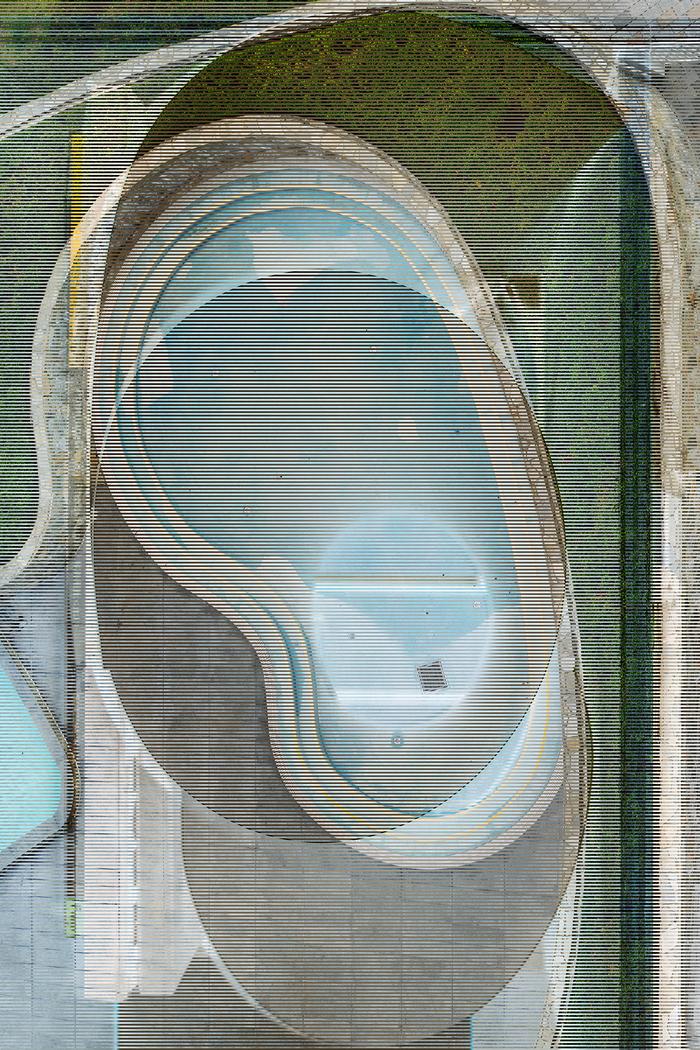
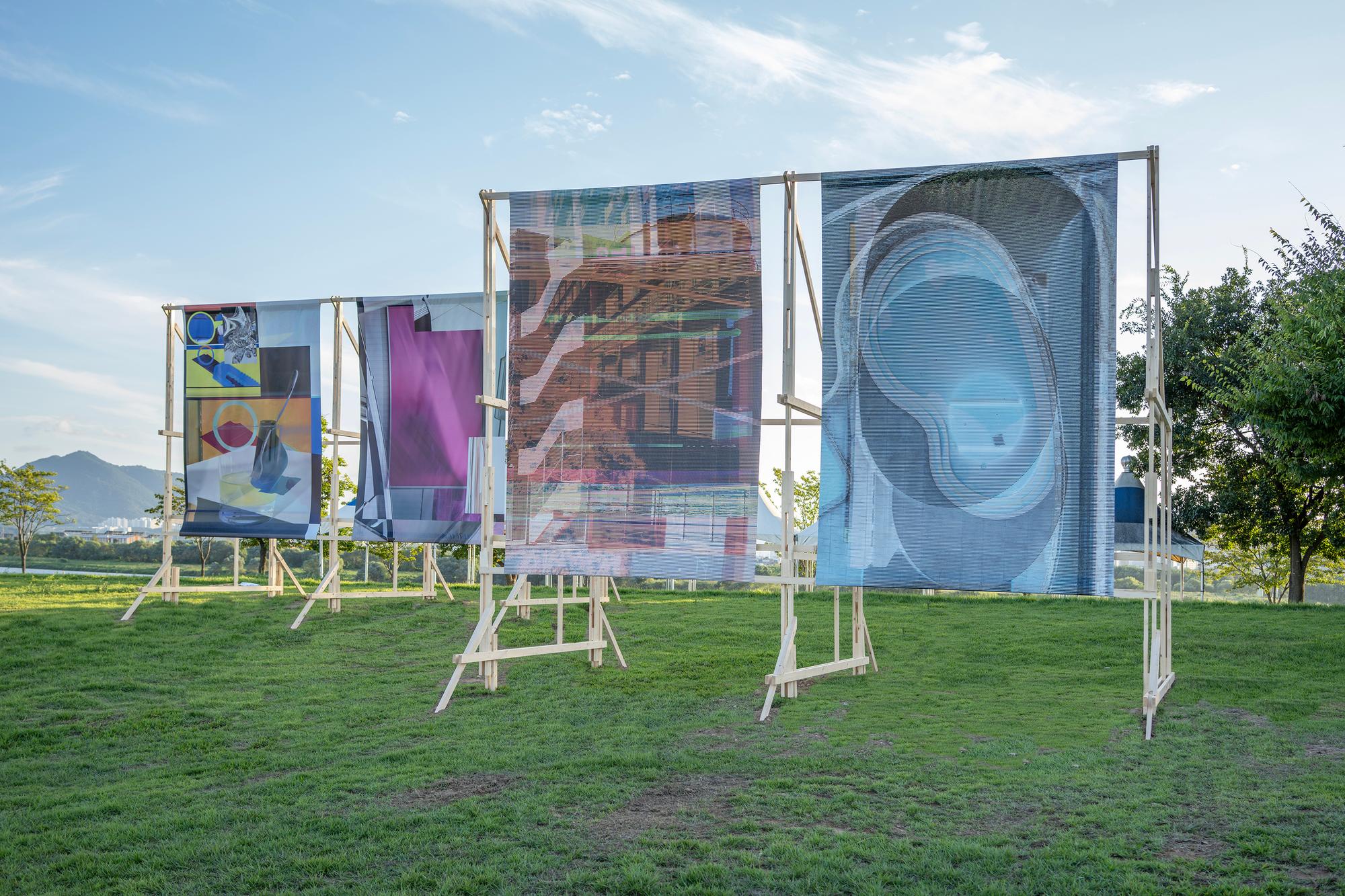
In the 'Equation' series, digital processing becomes a central part of the production process. 'Equation' juxtaposes multiple images at different scales and positions; 'Cacophony' overlaps photographs of the same size while extracting or removing selected RGB colors; and 'Arithmetic' divides two images into regular pixel-based intervals and interlaces them.

Rather than relying on elaborate compositing techniques, Seo repeatedly applies a limited set of procedures. Chance enters through the selection and combination of images, while the artist’s intuition and visual judgment determine the density and balance of the final composition. More recently, he has begun combining these procedures across the series, further expanding the range of possible transformations.

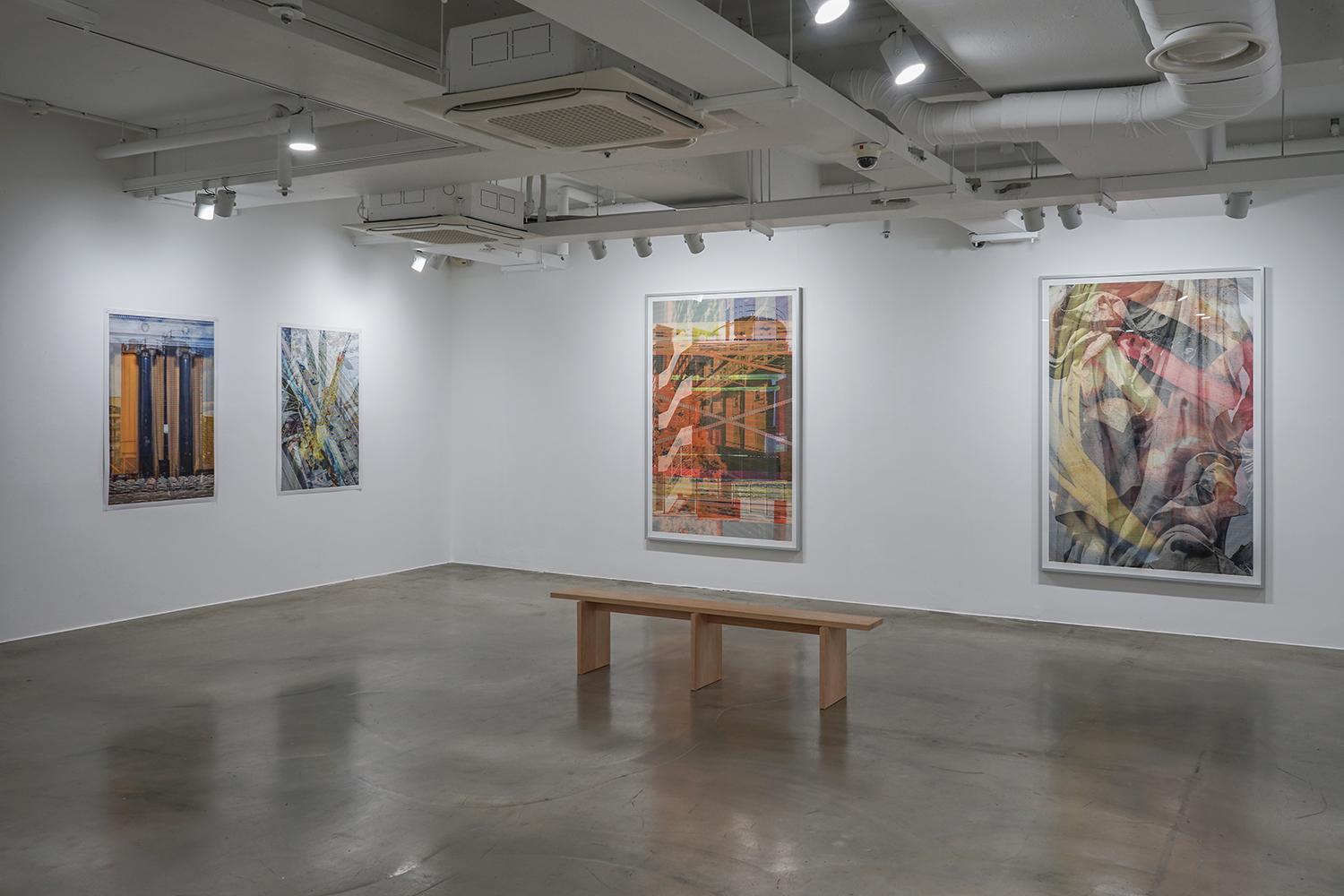
These digital transformations acquire a material surface through the printing process. Seo primarily works with archival pigment prints, making active use of the color and surface effects created by microscopic ink particles deposited evenly on photographic paper. Broad fields of color, finely divided images, and overlapping forms produce different visual experiences depending on viewing distance.

From afar, abstract colors and forms tend to dominate; at close range, segmented lines and traces of the original photographs become visible. This shifting perception between distance and proximity allows figuration and abstraction to remain simultaneously present, forming a distinctive formal characteristic of Seo’s work.

In the recent 'Malfunction of Functional Function' series, Seo extends his practice by producing and transforming the visual language of functional photography itself. Borrowing the compositions and explanatory conventions of product images designed to communicate the uses of objects such as cable ties, corner protectors, and anti-slip covers, he alters framing and rearranges visual elements to unsettle their apparent clarity.

The everyday imagery accumulated through 'Entropy' and the methods of division and superimposition developed in 'Equation' continue here in altered forms. By treating photographed subjects, digital manipulation, and the printed surface as interconnected stages of production, Seo expands the entire photographic process into a field of formal experimentation.


Topography & Continuity

Dongsin Seo’s practice has developed from a sustained concern with photography’s representational and indexical qualities and with the processes through which images acquire meaning and become interpreted. In the early 'Entropy' series, he loosened the familiar functions and contexts of everyday objects while destabilizing the relationship between photography and language.

With 'Equation', this inquiry expanded through the division, overlap, and recombination of photographed images, allowing Seo to more actively dismantle the ways in which photography appears to explain its subjects. Although his methods have changed over time, his effort to delay immediate recognition and fixed interpretation has remained consistent.

This trajectory continues in 《Figure Out》 through repetitive actions drawn from everyday life. Actions such as dusting, observing traces left after a meal, or flushing water gradually become detached from their original purposes through repetition, revealing unfamiliar visual forms in the process.

Rather than seeking exceptional events or extraordinary subjects, Seo finds moments in which perception becomes newly activated within habitual actions and familiar objects. If 'Entropy' unsettled habitual recognition of things, 《Figure Out》 extends this inquiry to the relationship between action and meaning.

The more recent 'Malfunction of Functional Function' shifts this concern toward systems of functional imagery. Product photography is designed to communicate the use and purpose of an object with maximum clarity, yet Seo identifies incidental details and traces that escape such intentions.

By reframing and rearranging these images, he questions the presumed one-to-one correspondence between function and result and reveals the possibility of interpretive slippage even within highly controlled visual structures. In this sense, his longstanding interest in indeterminacy expands from the relationship between objects and language to the structures of function and information.

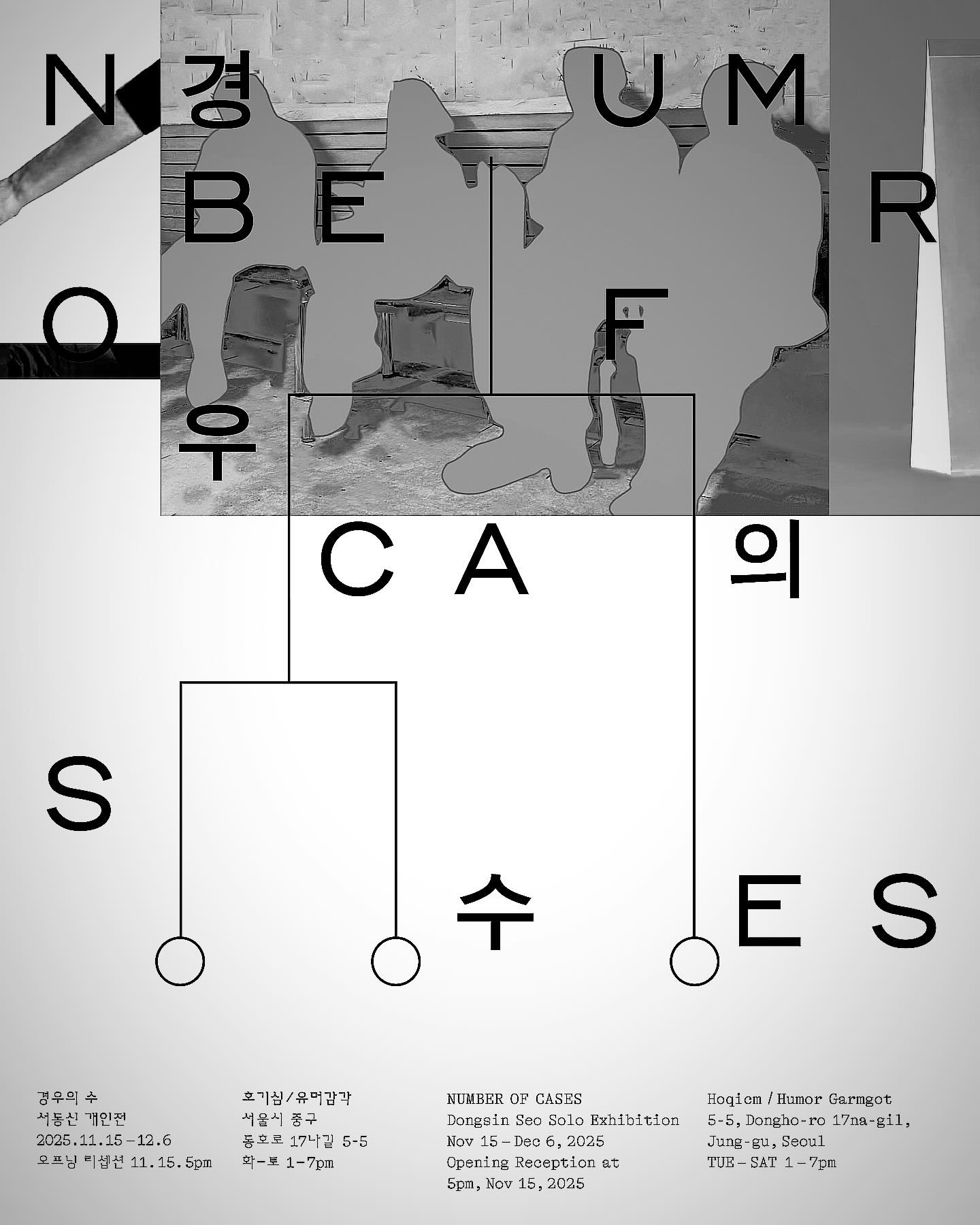
By the time of 《Number of Cases》, methods and sensibilities accumulated across earlier works begin to operate together. The everyday imagery of 'Entropy', the division and superimposition of 'Equation', and the failure of functionality explored in 'Malfunction of Functional Function' form a continuous investigation into the multiple directions an image may take.

Rather than repeating a fixed formal solution, Seo places photography and images under slightly different conditions with each new body of work. This sustained exploration of moments when images depart from familiar meanings and functions forms a consistent thread throughout Dongsin Seo’s practice.

Works of Art

Between Abstraction and Figuration, Language and the Nonverbal

Articles

Exhibitions

Activities