An Abandoned Diary - K-ARTIST

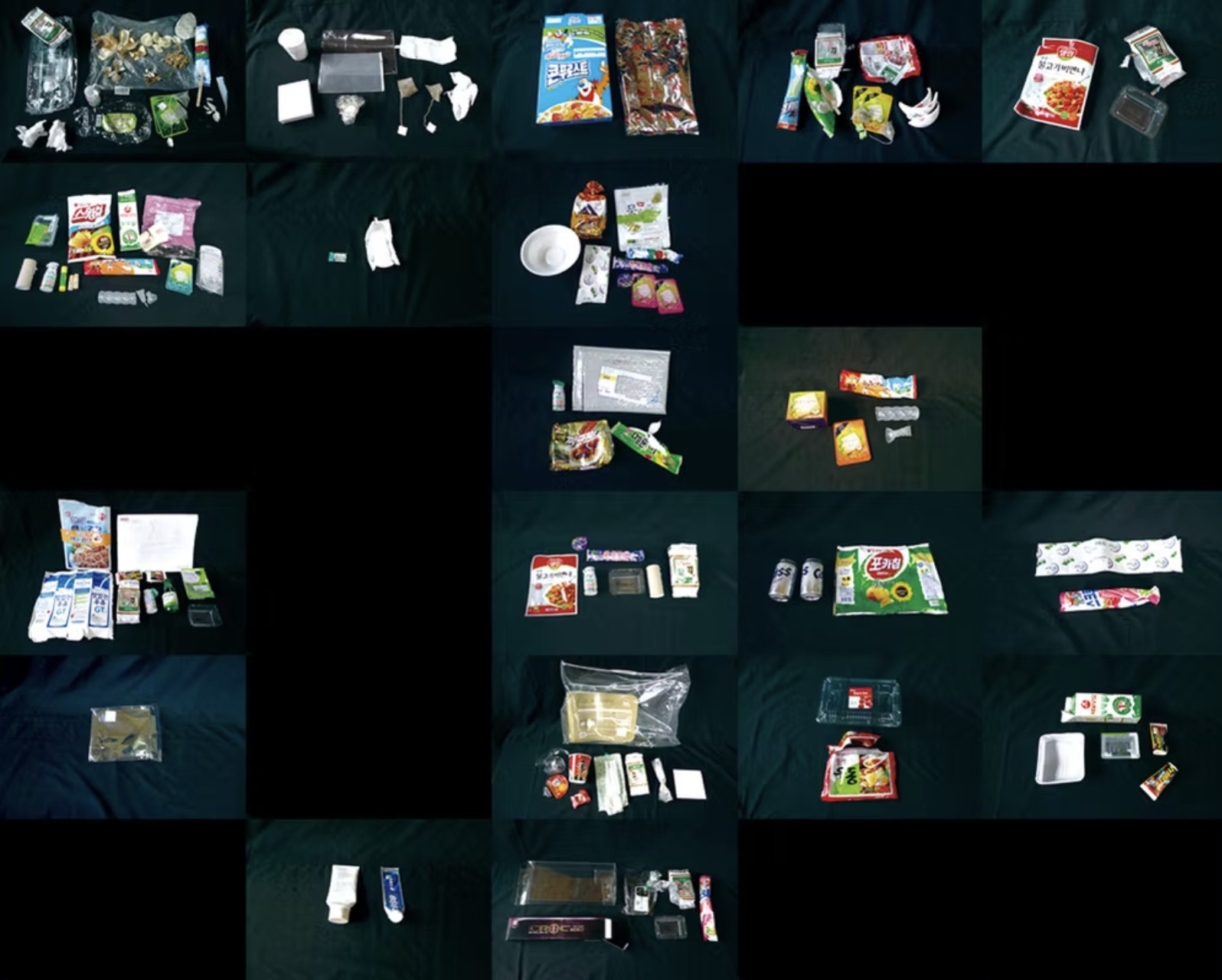
An Abandoned Diary

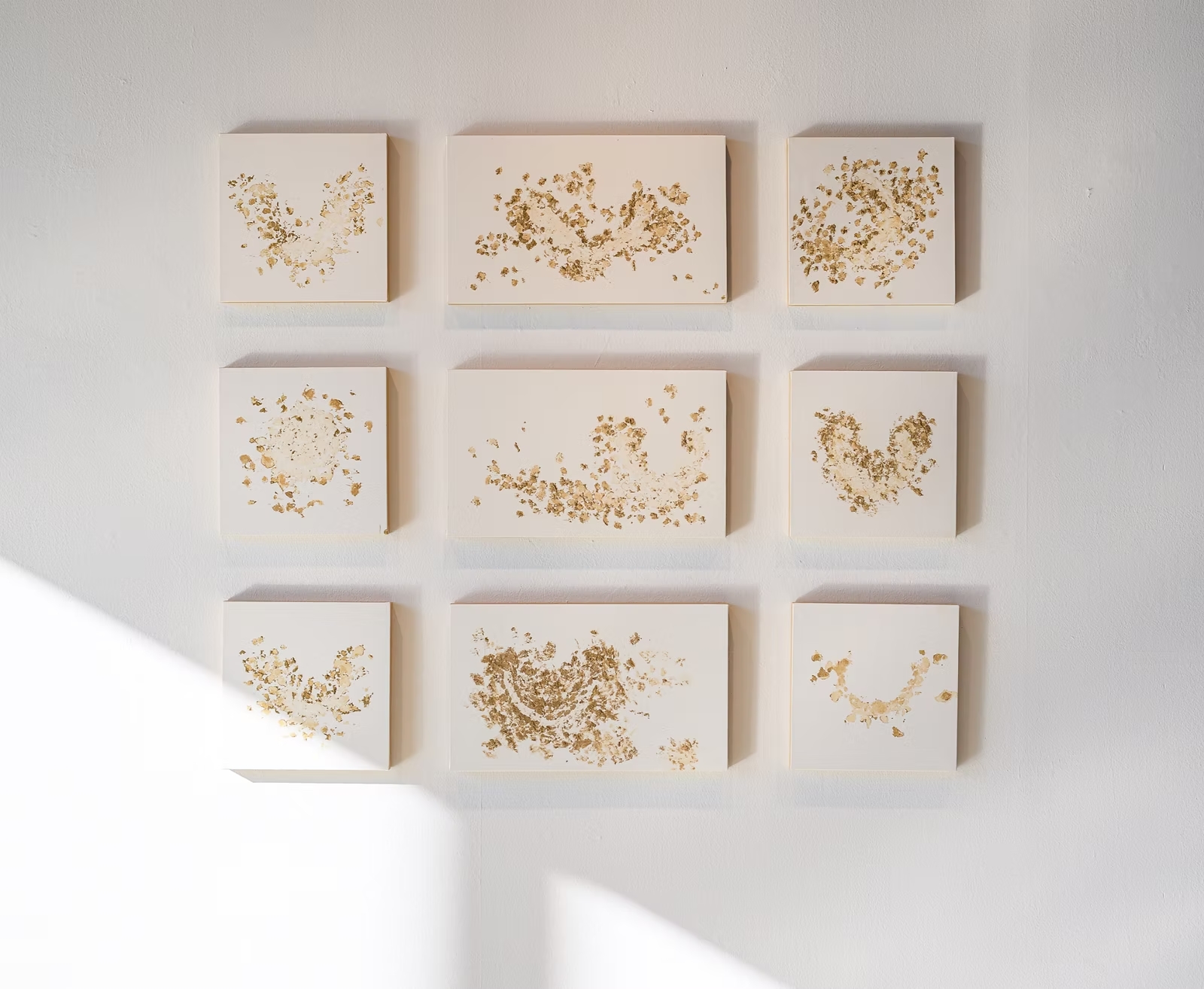
2009-2010
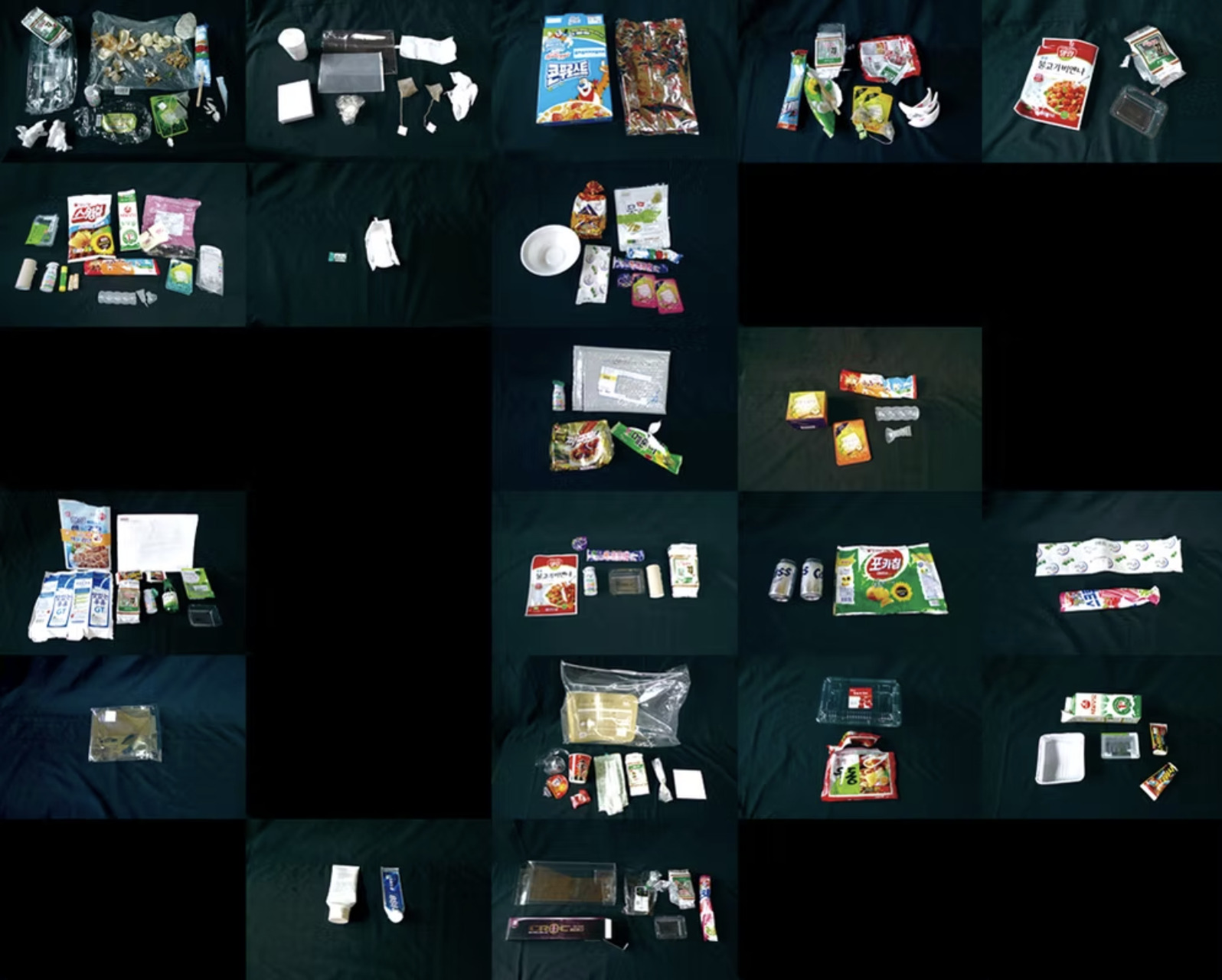
A day's photographs of the garbage coming out of the house
About The Work

Gosari has continued to revisit discarded or neglected objects and spaces, imbuing them with new meanings and bringing attention to beings and landscapes that are easily overlooked or forgotten in everyday life. In particular, she focuses on the surrounding natural ecosystem and nonhuman beings, proposing ways of rethinking the relationship between humans and nature through the cycles of beings marginalized by anthropocentric systems.

Gosari’s practice begins with a process of reflecting on and putting into practice the sensations she has experienced throughout her life. Her work initially developed from observing discarded objects and things that had grown old and lost their former luster, as well as documenting their traces and surrounding landscapes. It has since expanded into a multisensory exploration of the cycles of life that she experienced through cultivating the land herself.

Her practice of caring for discarded and marginalized forms of life has evolved through her direct engagement with the labor of farming, leading her to explore the rhythms of a life cycle that moves from soil to life and back to soil.

In this way, Gosari moves beyond simply caring for and valuing the beings and landscapes that often go unnoticed, immersing herself in the cyclical processes of nature and inviting us to sense and reconsider relationships between time and space, and between humans and nature.

In this sense, Gosari draws attention to the lives of small and seemingly insignificant nonhuman beings that are often taken for granted, using their cycles to reflect on ecological sensibility and the value of the environment.

At a time when human desires have contributed to contemporary crises such as climate change, her work creates a space and time in which we can move beyond viewing humans and nature as separate entities and reconsider the interconnected relationships among different forms of existence.

Solo Exhibitions (Brief)

Gosari has held solo exhibitions including 《Lee-Rip》 (Gallery SAFE, Seoul, 2025), 《Untitled》 (Daechumoo Fine Art, Gangneung, 2023), 《Spring has come》 (CR Collective, Seoul, 2022), and 《Woosil》(Salt Museum, Jeung-do, 2020).

Group Exhibitions (Brief)

Gosari has also participated in numerous group exhibitions, including 《Sak-da: The Poetics of Decomposition》 (MMCA, Seoul, 2026), 《Territory of Nature: Artistic Questions on Co-creation of the World》 (Aegibong Peace Ecopark Exhibition Hall, Gimpo, 2025), 《You cannot elaborate the dark thickness of night as they can》 (DOOSAN Gallery, Seoul, 2024), 《Landscape of life: How are you today?》 (Ulsan Art Museum, Ulsan, 2023), and 《Things, Traces Memories》 (Daecheong Ho Art Museum, Cheongju, 2022).

Residencies (Selected)

Gosari has participated in artist residency programs including the Gangneung Residency (2025), Kwon-jinkyu Atelier Residency (2021), ‘Art Like Salt’ International Residency (2020), and the MMCA Residency Goyang (2019).

Collections (Selected)

Gosari’s works are held in the collections of Ulsan Art Museum and the Museum Division of the Seoul Metropolitan Government’s Cultural Facilities Bureau.

Works of Art

Rereading the Relationship Between Humans and Nature

Originality & Identity

Gosari’s work begins with a sustained attention to discarded or neglected objects, spaces that have grown old and lost their light, and small beings that are easily passed over in everyday life. Her early work An Abandoned Diary(2009-2010) is a photographic record of the waste produced at home each day over one year and seven months.

Here, waste is not simply refuse, but a trace of what a person consumes and pushes away in order to live through a day. The artist gathers ordinary objects and records personal life, yet this record soon expands into a shared sense of generation and time. The traces of consumption produced in a private room become a mirror reflecting the structure of everyday life.
 
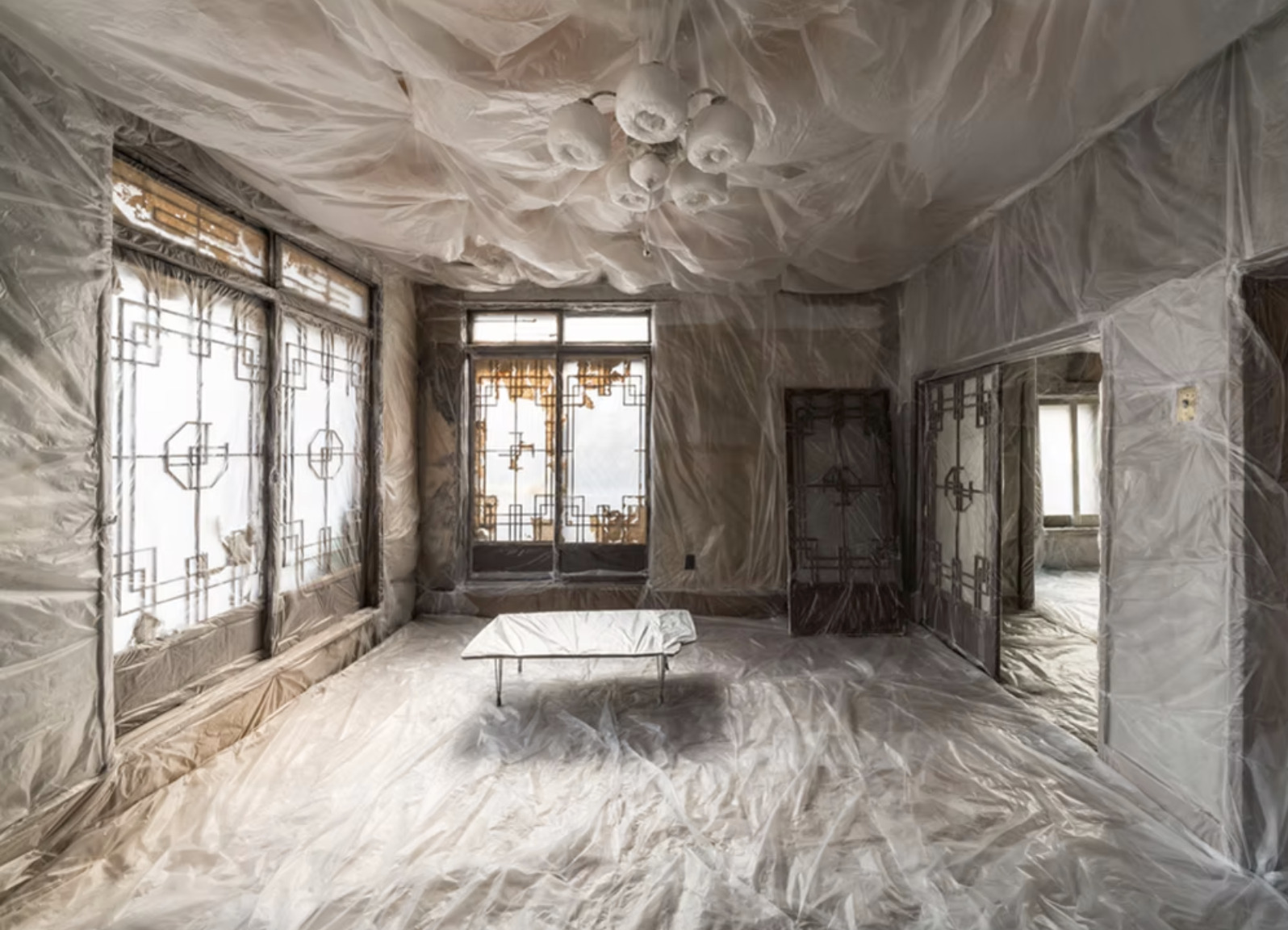
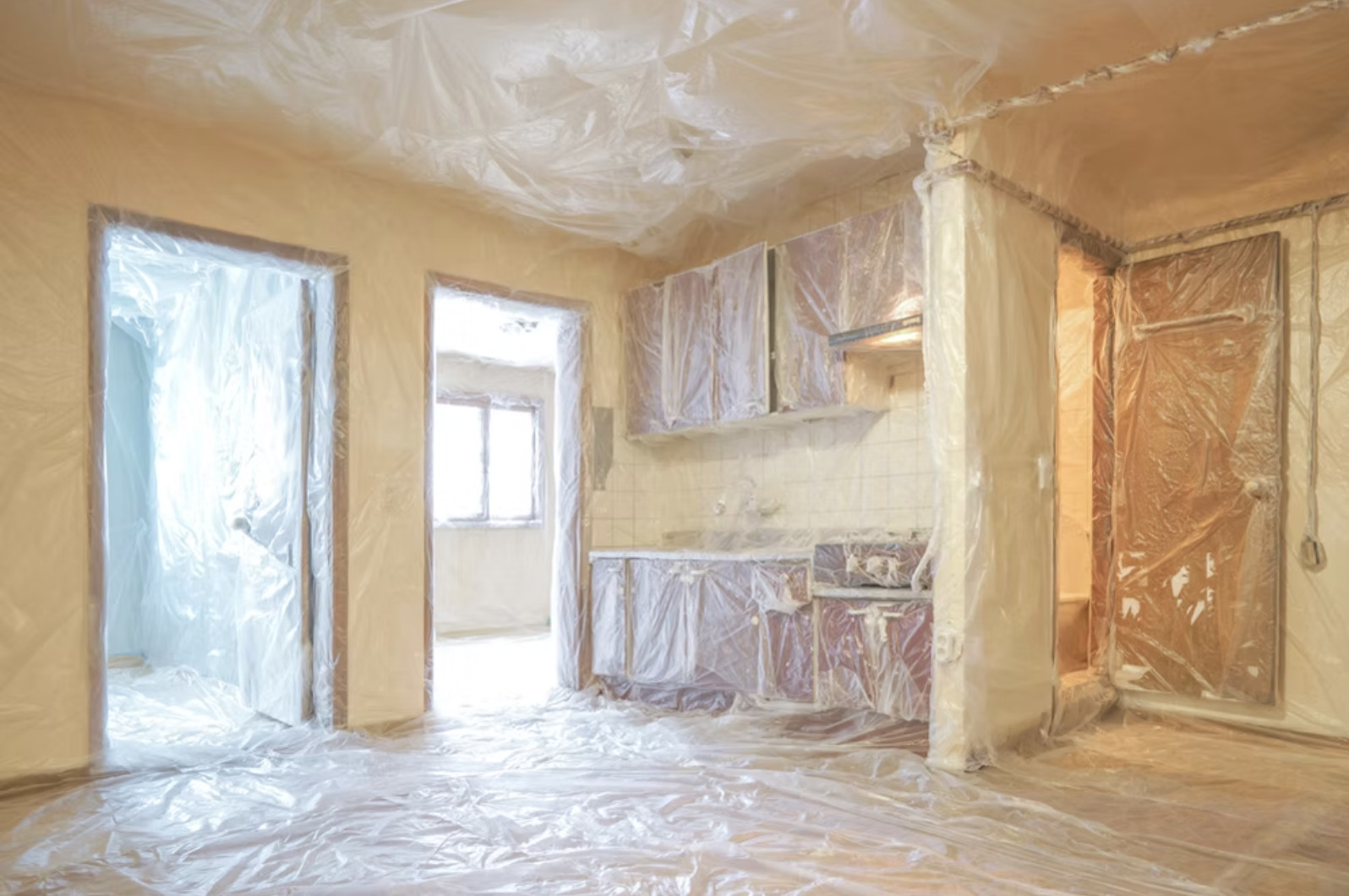
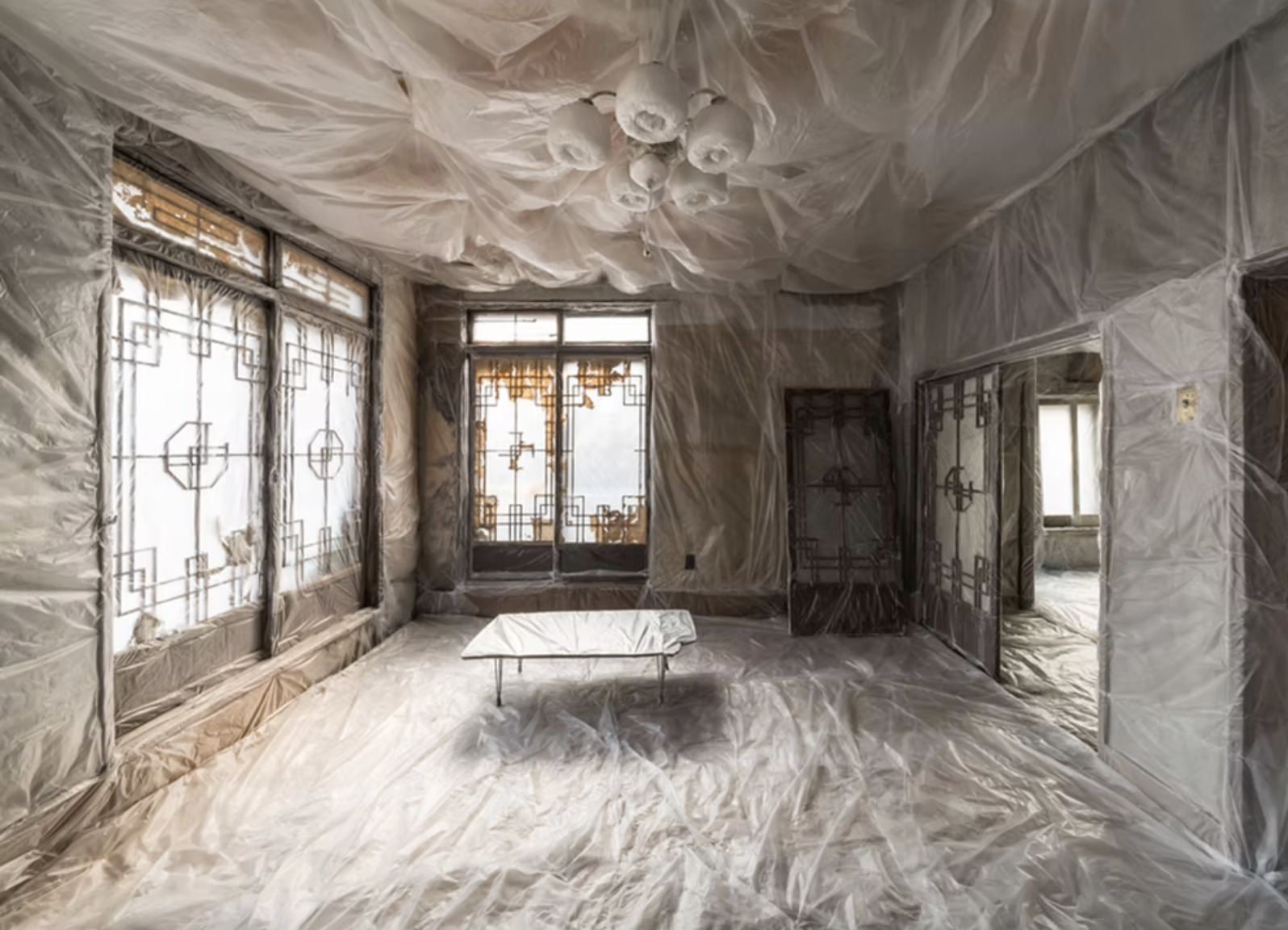
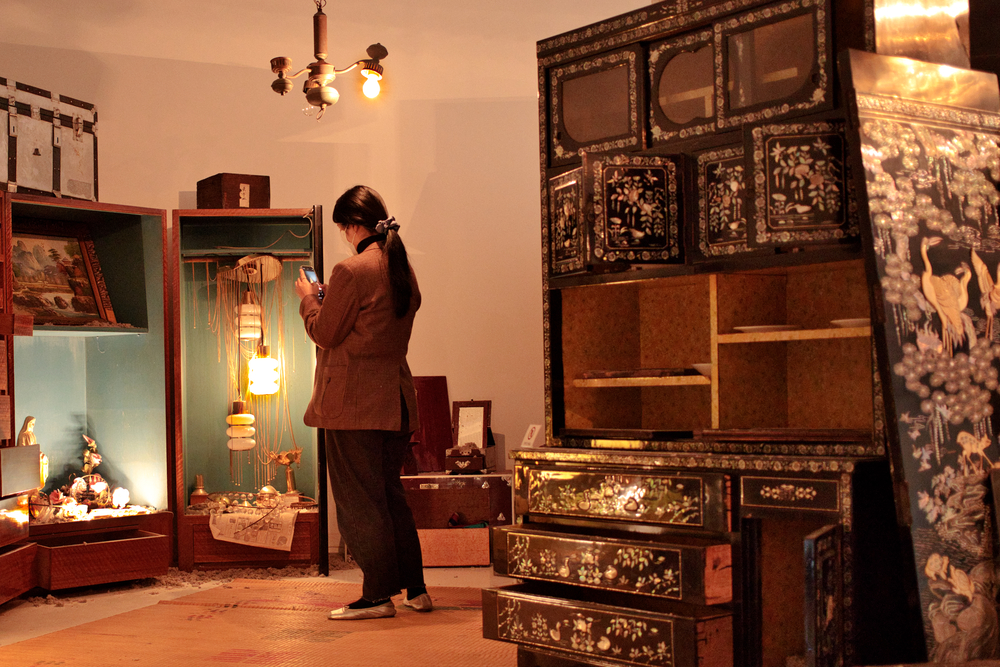
In Moving in(2017/2018), Gosari began to address the time and memory of disappearing spaces. By wrapping the interiors of a house scheduled for reconstruction in Dungchon-dong and an empty house in Seongbuk-dong with translucent vinyl, she asks us to see the empty house not merely as a ruin or a site for demolition, but as a place that still holds someone’s warmth and traces of life.

Vinyl becomes both a membrane that separates space and a sensory device that reveals breath, wind, and rustling sound. Rather than trying to preserve a vanishing space, the artist allows viewers to physically pass through the memory and time still held within it. The attitude of accumulation and collection seen in 《Enduring Hour》(PSBR, Seoul, 2017) thus expands from personal records to the memory of space.
 
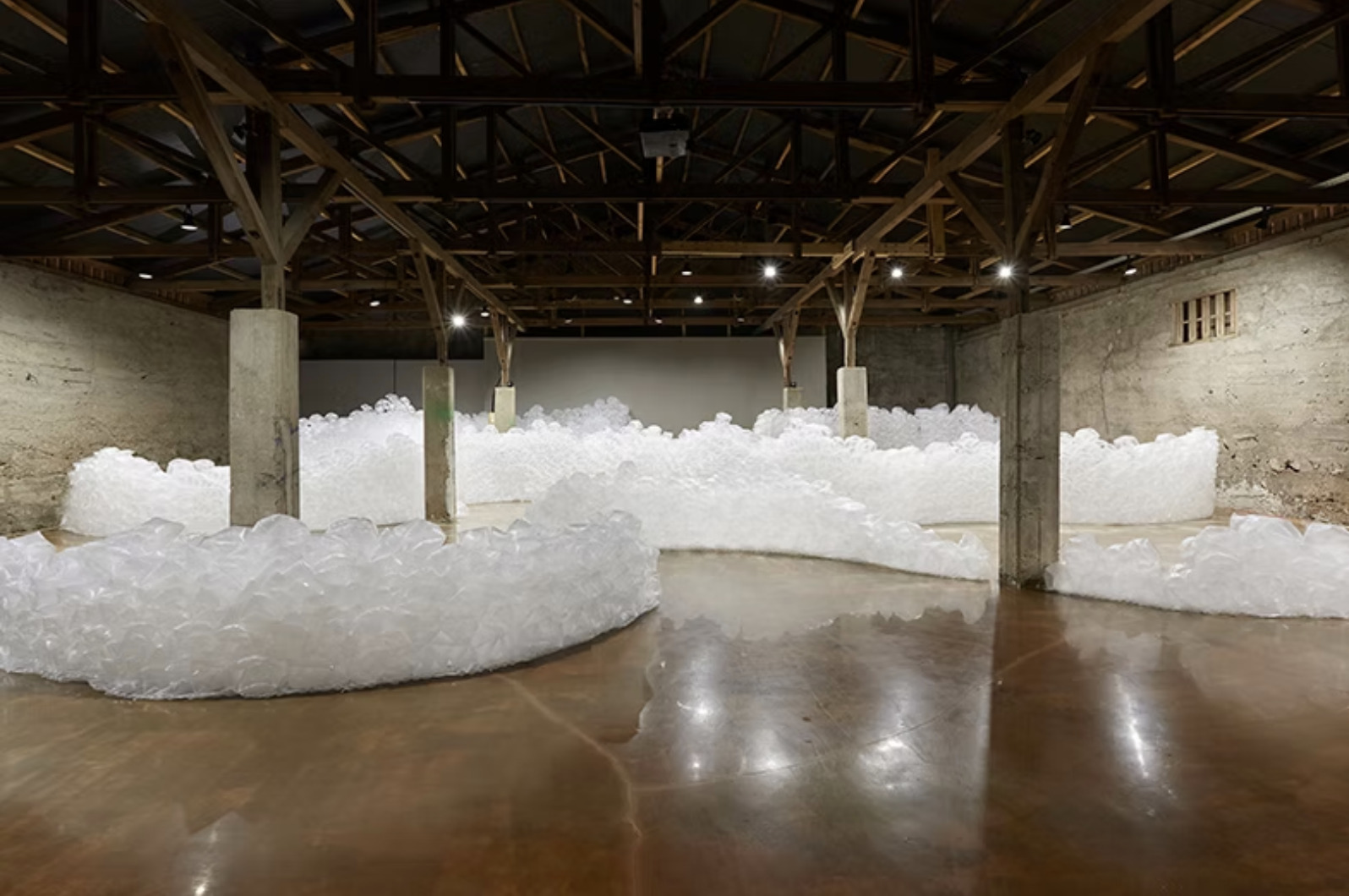
In 2020, through 《Woosil》(Salt Museum, Jeung-do, 2020), the artist shifted her attention from objects and spaces to local living culture and communal wishes for protection. “Woosil” refers to a traditional stone wall built to block sea winds and pray for the peace of a village, while also connecting humans and nature.

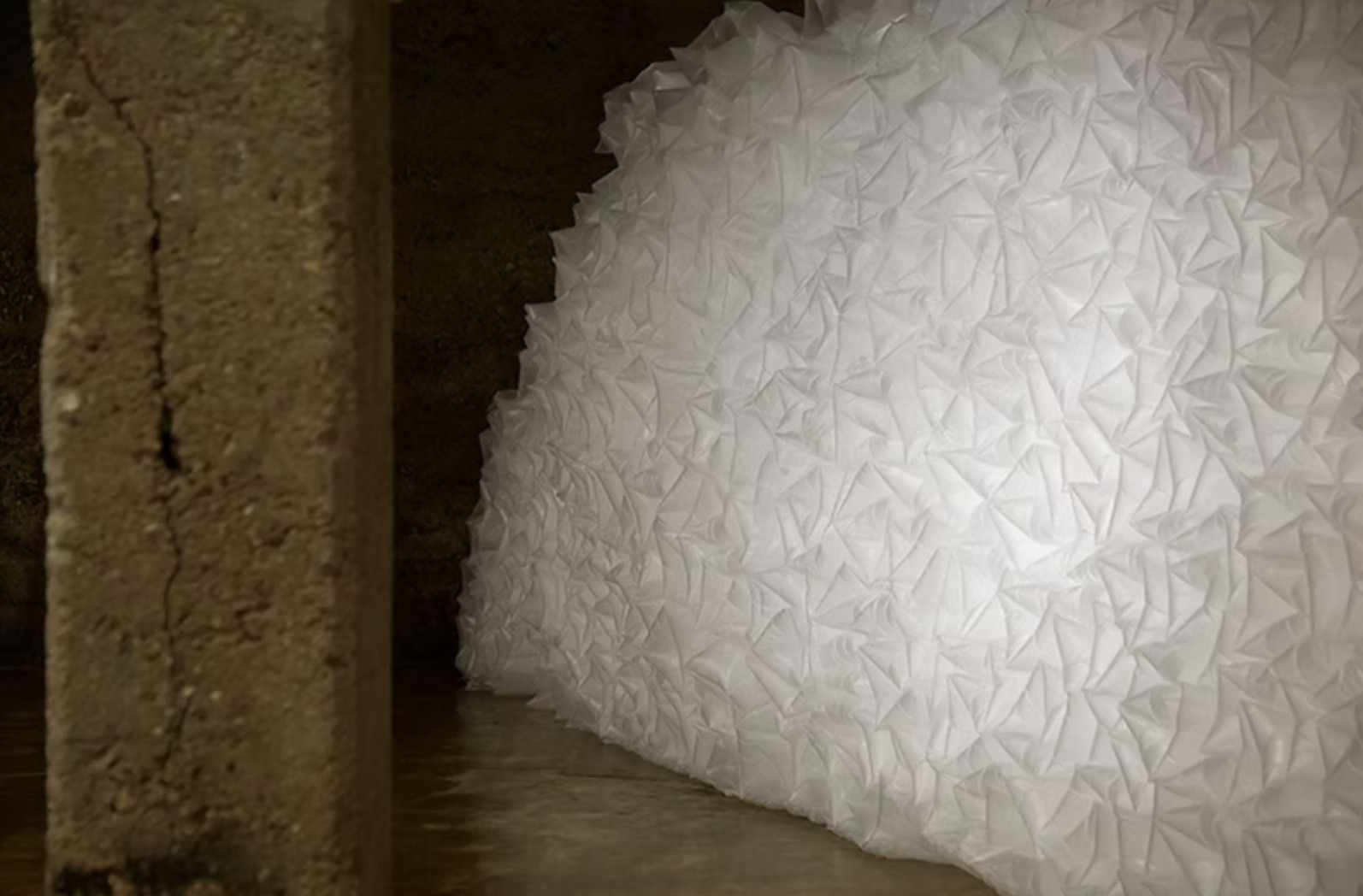
After directly observing woosil structures remaining on several islands in Shinan, Gosari built a weightless woosil inside the exhibition space using vinyl air pockets inflated with breath. Replacing the solidity of stone with the lightness of air, the work visualizes the act of enduring the harsh winds of life, connecting inside and outside, and wishing for someone’s well-being.

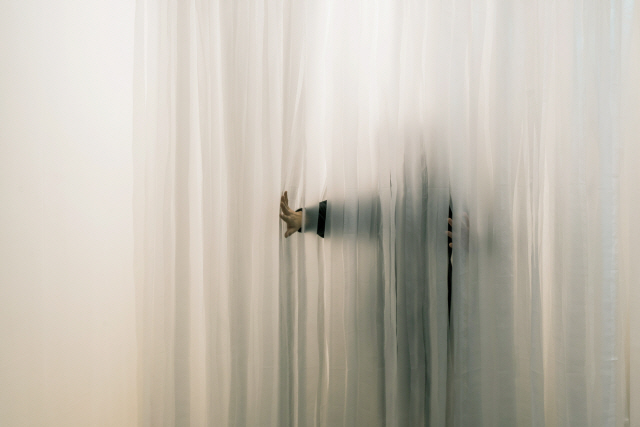
Later, Breath and Untitled in 《Untitled》(Daechumoo Fine Art, Gangneung, 2023) also address the weight of invisible thought and sensation through vinyl, air, restricted vision, and frictional sound.
 
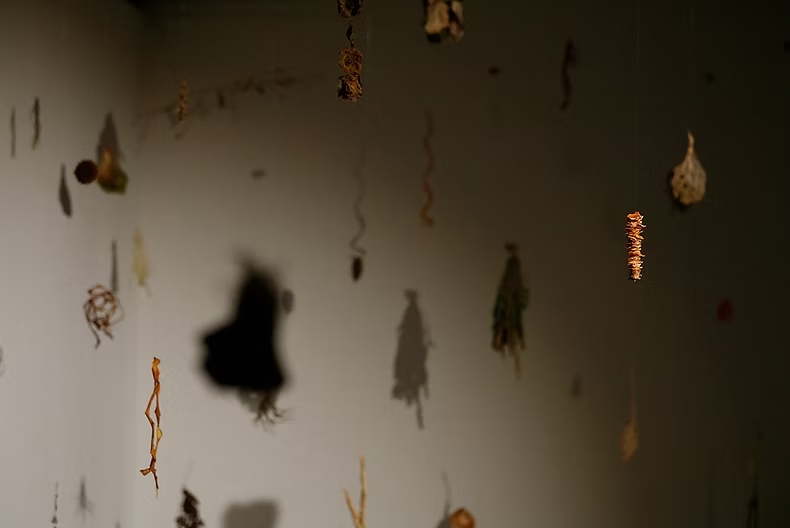
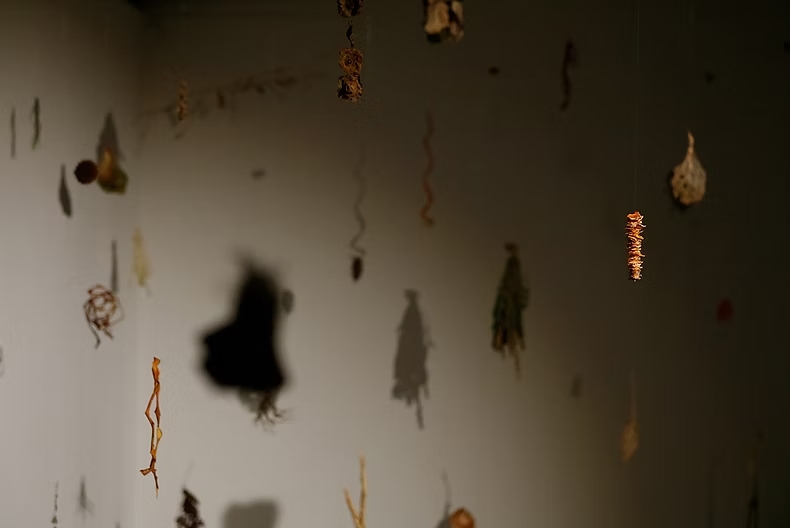
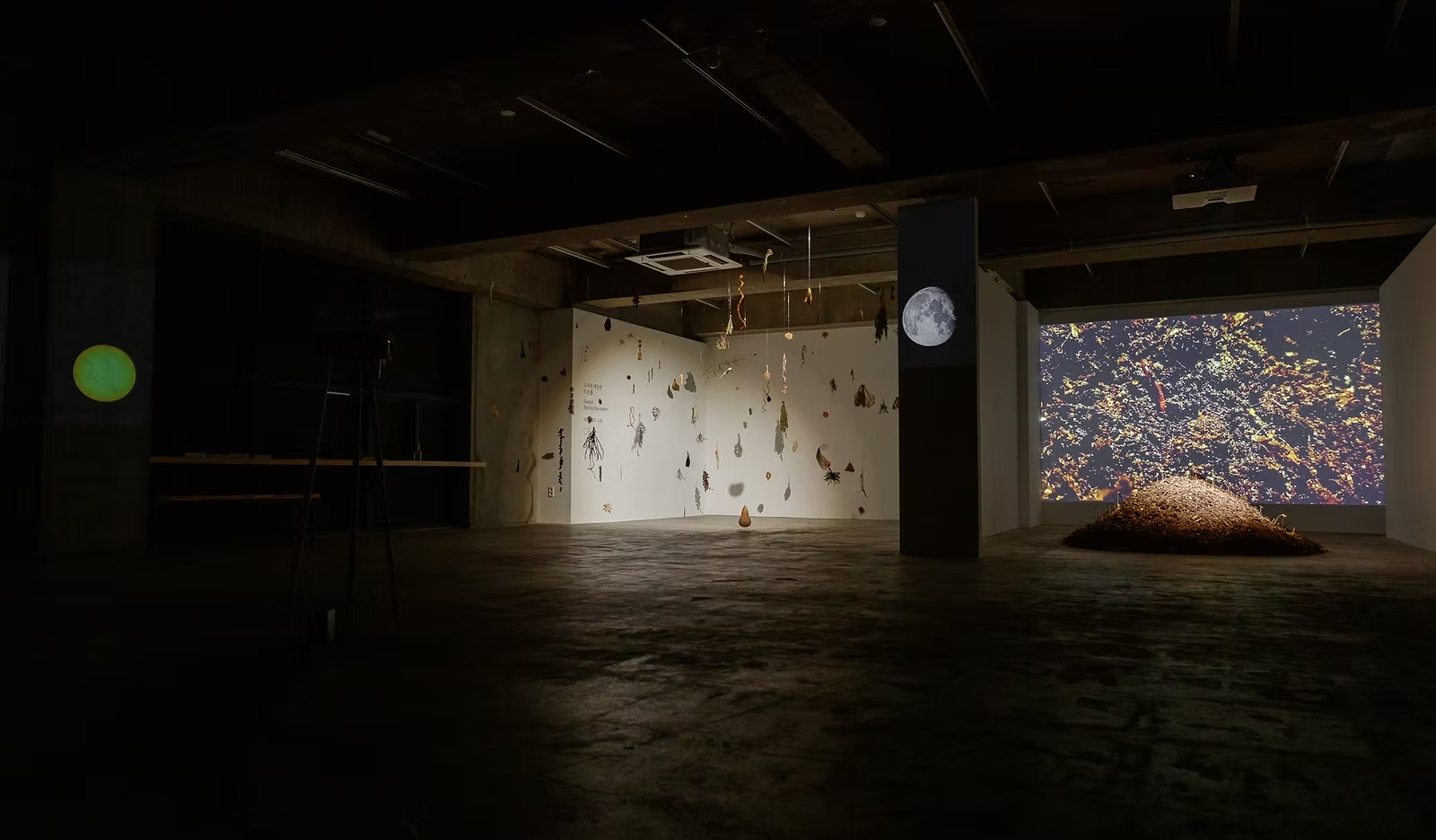
Through 《Spring has come》(CR Collective, Seoul, 2022), Gosari’s work moved more fully into the cycle of life and the time of farming. Earth Star(2022-2024) consists of by-products from crops cultivated by the artist herself, unharvested plants, and discarded plants, which she washed, dried, and suspended in the exhibition space.

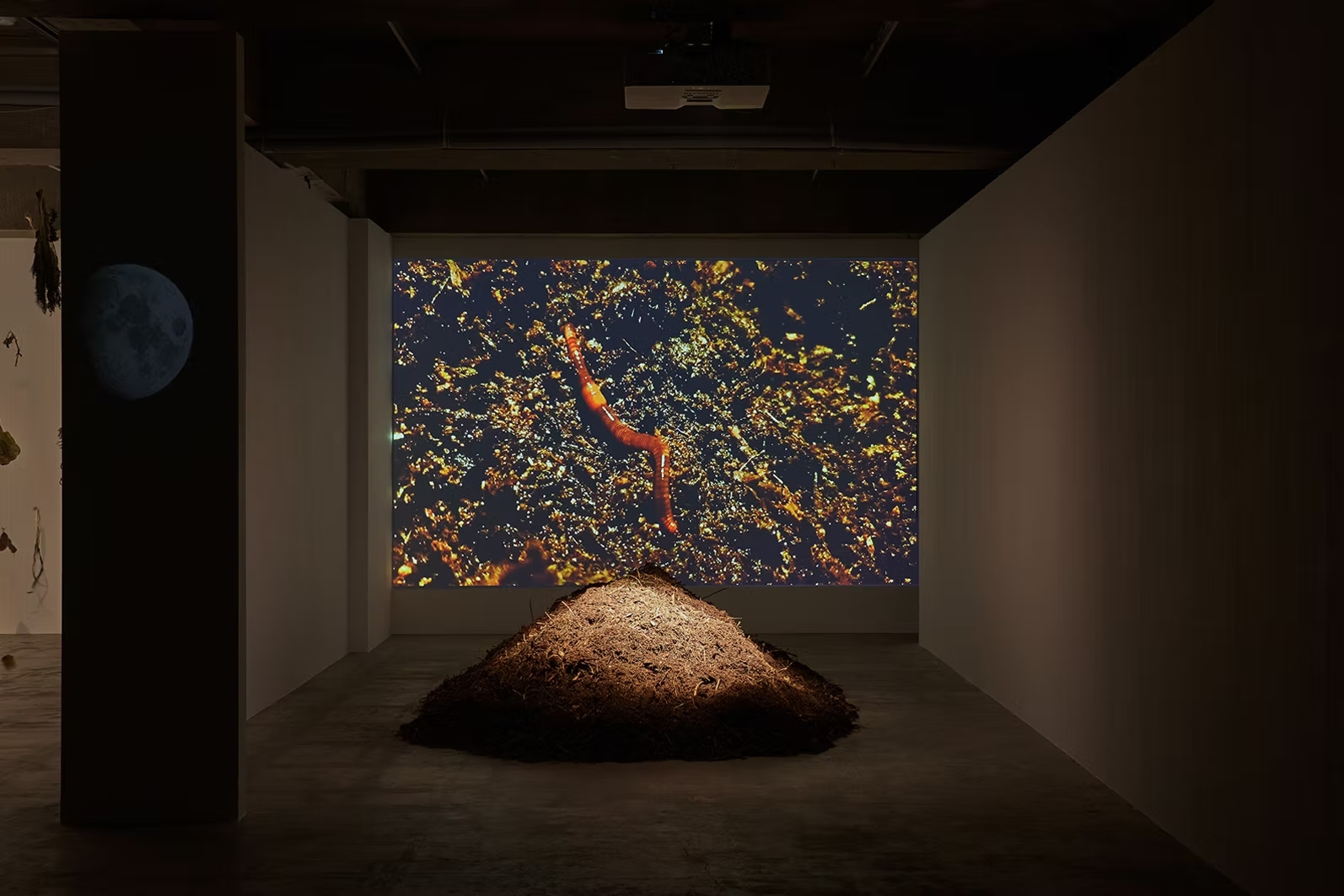
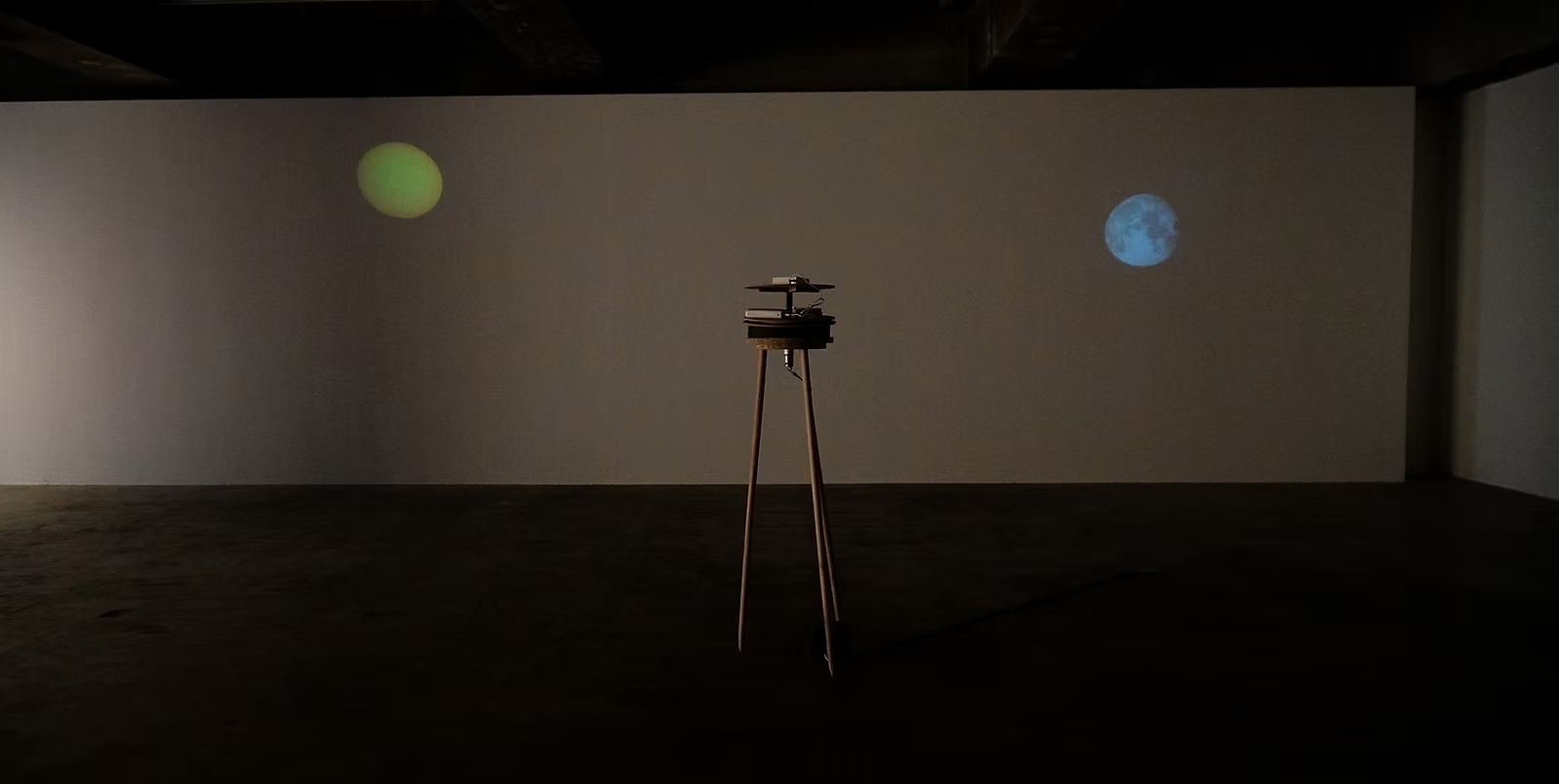
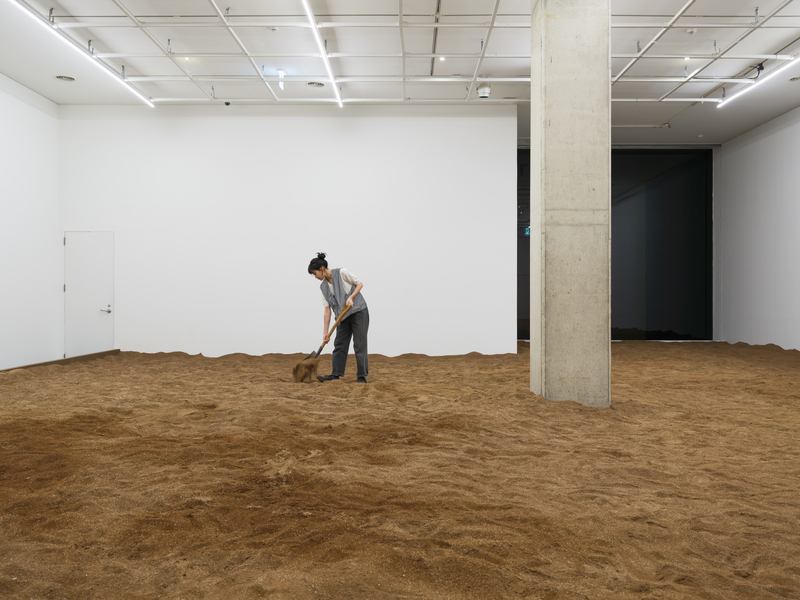
Compost Hill(2022) brings compost fermented for one to three years into the gallery, revealing the process in which frozen soil thaws and dormant insects and seeds awaken. Sun and Moon(2022) reminds us, through the movement of the sun and moon, that time and seasonal divisions are not simply numbers, but sensations rooted in the rhythms of nature.

Her swallow works, which began in Gangneung in 2025—Barn Swallow Seat(2025), Barn Swallow’s Pass(2025), Barn Swallow’s Galaxy(2025), and Barn Swallow Story(2025)—extend this concern to the habitats and migrations of nonhuman beings that have lived beside humans and are now gradually disappearing from sight.

Ultimately, Gosari’s work has slowly expanded from discarded things to disappearing spaces, from spaces to communal structures of protection, and then again to the multispecies cycles formed by soil, plants, compost, and swallows.

Style & Contents

Gosari works with photographic records, site-specific installation, vinyl and air, soil and compost, dried plants, weeds, mud and straw, hanji, and natural light. If the early work An Abandoned Diary recorded daily waste through photography, Moving in expands the object of recording from things to an entire space.

The artist wraps the floor, walls, ceiling, windows, doorknobs, and remaining objects of an empty house in vinyl, transforming the whole space into a single sensory surface. Viewers walk through it, experiencing the rustling of vinyl, a narrowed field of vision, and traces visible beyond translucent surfaces. At this point, the work is less an object to be viewed than a duration to be passed through and inhabited.
 
In 《Woosil》, the structure of installation becomes more concise and symbolic. Woosil(2020) is a 300m2 variable installation made by stacking vinyl air pockets, recreating a village stone wall as a structure of air and breath. The use of light, temporary vinyl and air in place of heavy, enduring stone is an important feature of Gosari’s work.

Through things that disappear, things that are light, and things that are easily torn and discarded, the artist reveals the weight of life and the sensation of protection. The way she cast vinyl bags filled with her own breath in cement in Breath from 《Untitled》 belongs to the same context. Invisible breath and thought are transformed into material form, and a very small everyday sensation appears as a sculptural object.
 
After 《Spring has come》, Gosari’s forms became more closely tied to life outside the exhibition space. Earth Star is completed through the labor of washing, drying, and hanging plants left after farming, while Compost Hill continues to change during the exhibition period.

Frozen compost thaws at room temperature, the seeds and insects inside it awaken, and after the exhibition, the sprouted plants are moved into pots while the compost returns to the composting area. In this work, what matters more than the completed result is the process of washing, drying, fermenting, caring, and returning.

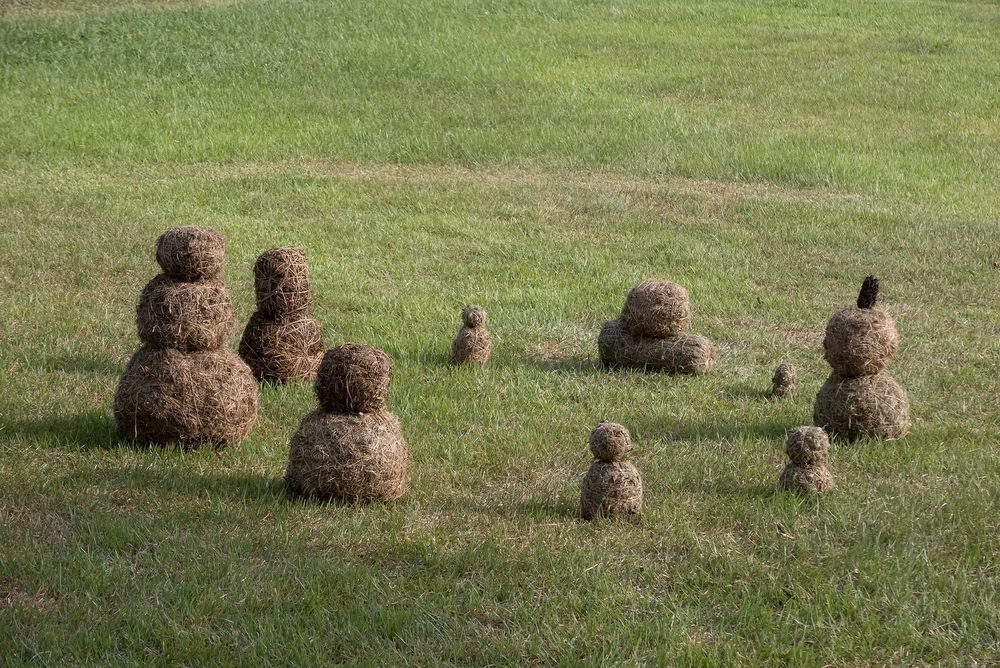
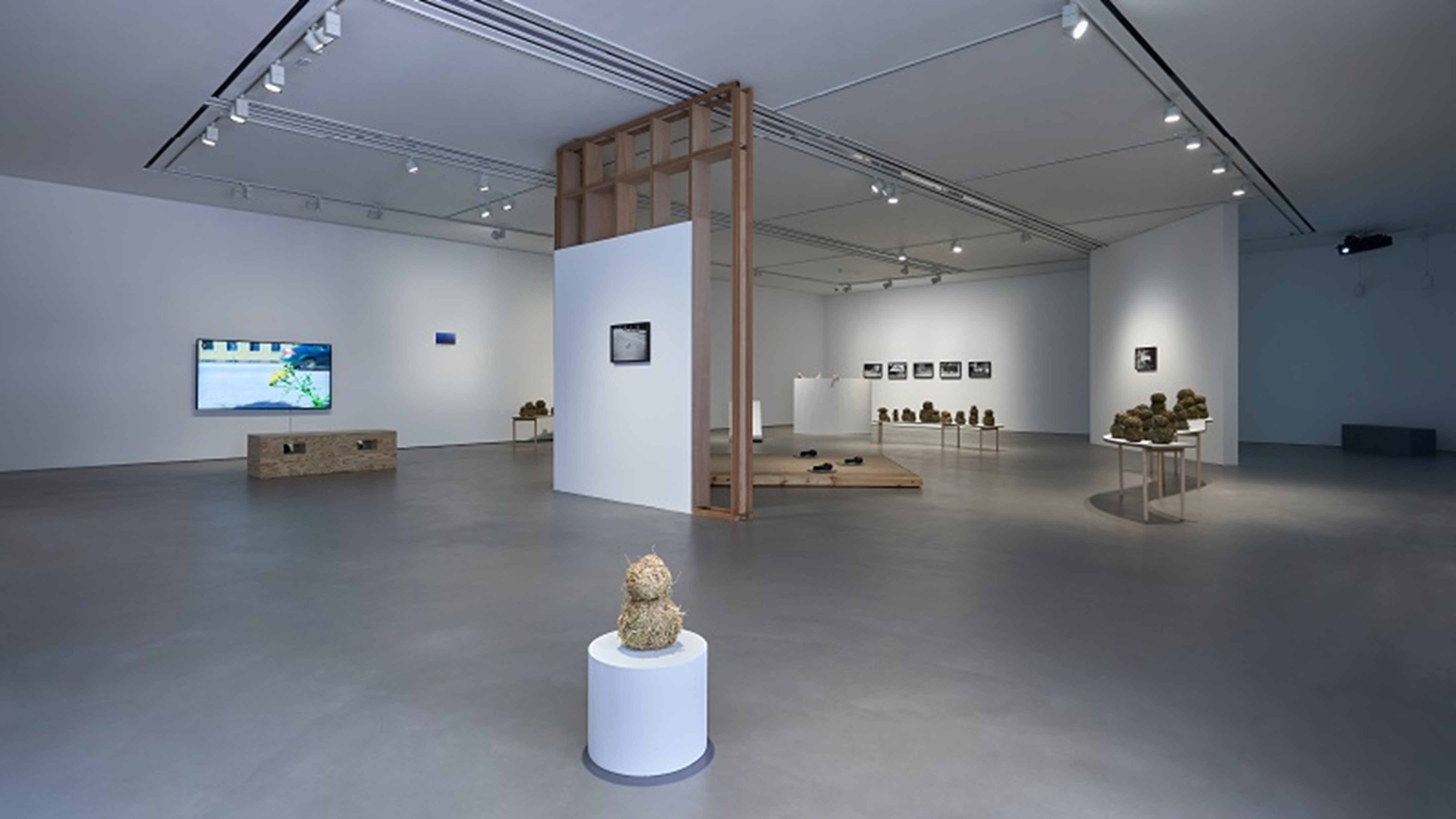
Grass Person(2021-) is likewise a sculpture made by gathering weeded plants and shaping them by hand like a snowman, yet it is ultimately presented as a being that returns to nature through seasonal change. Gosari treats the artwork not as an object to be preserved permanently, but as an event that reveals relationships for a certain period of time before returning to circulation.
 
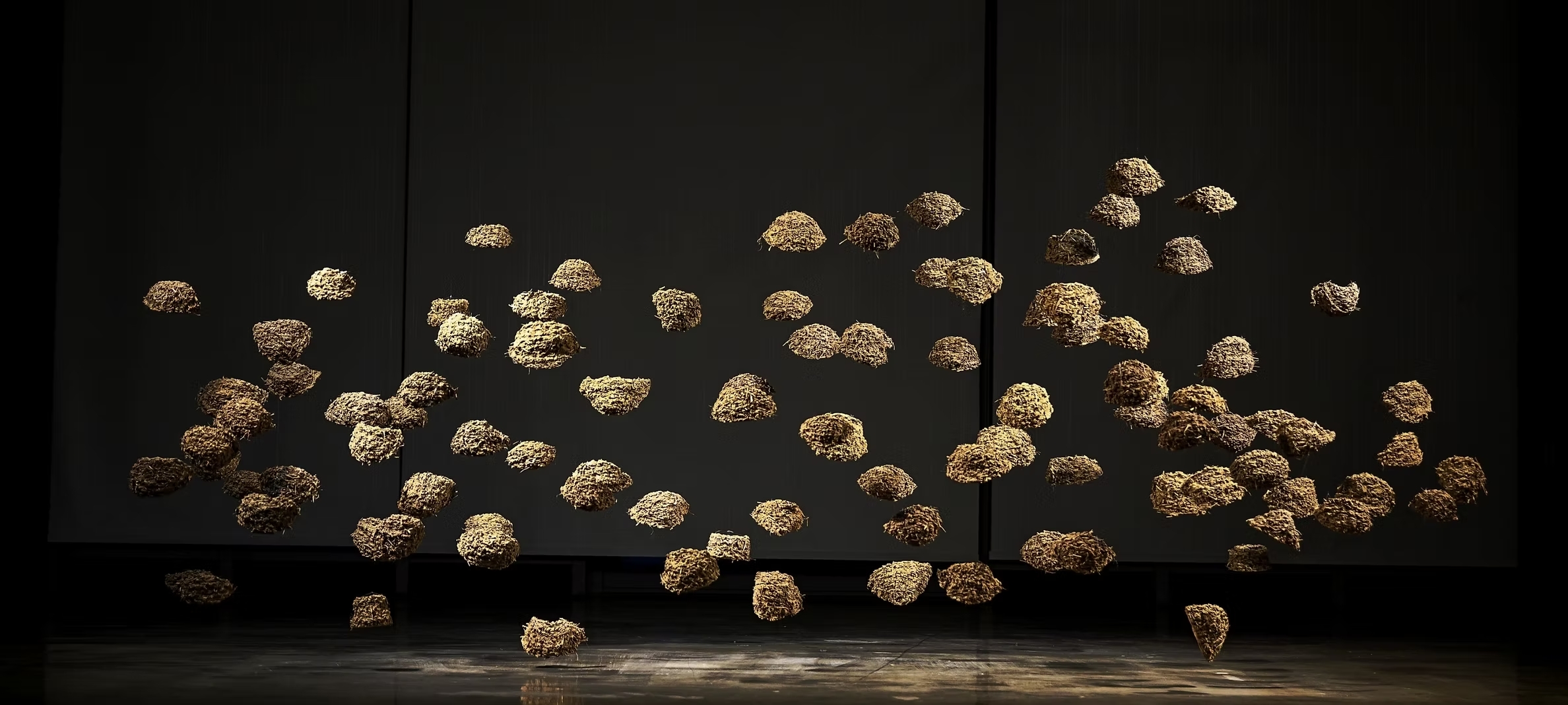
In the 2025 swallow works, the labor of the hand and the sensation of movement become central. Barn Swallow Seat is made from mud and straw from Namdaecheon Stream in Gangneung and earthenware clay, preserving the traces left by molding swallow nests. Barn Swallow’s Pass is an installation of 99 suspended swallow nests, overlapping the ninety-nine bends of Daegwallyeong Pass with the long migratory routes of swallows.

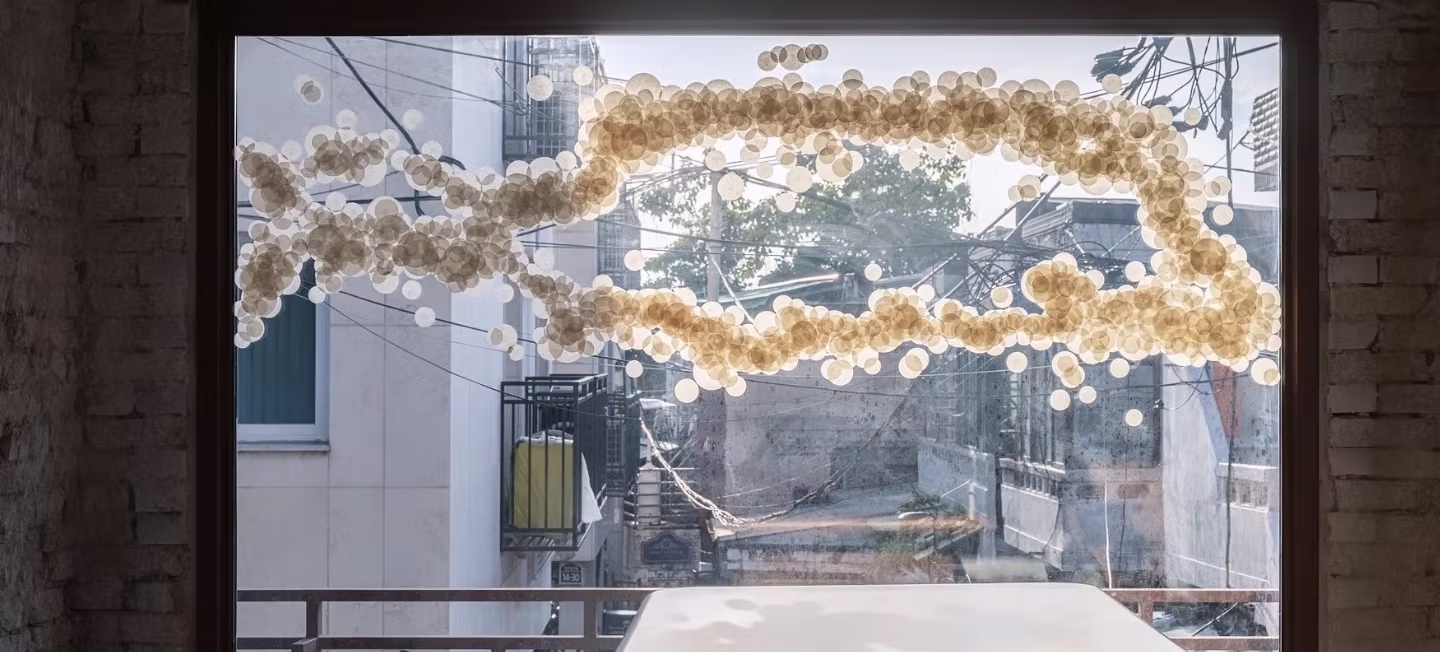
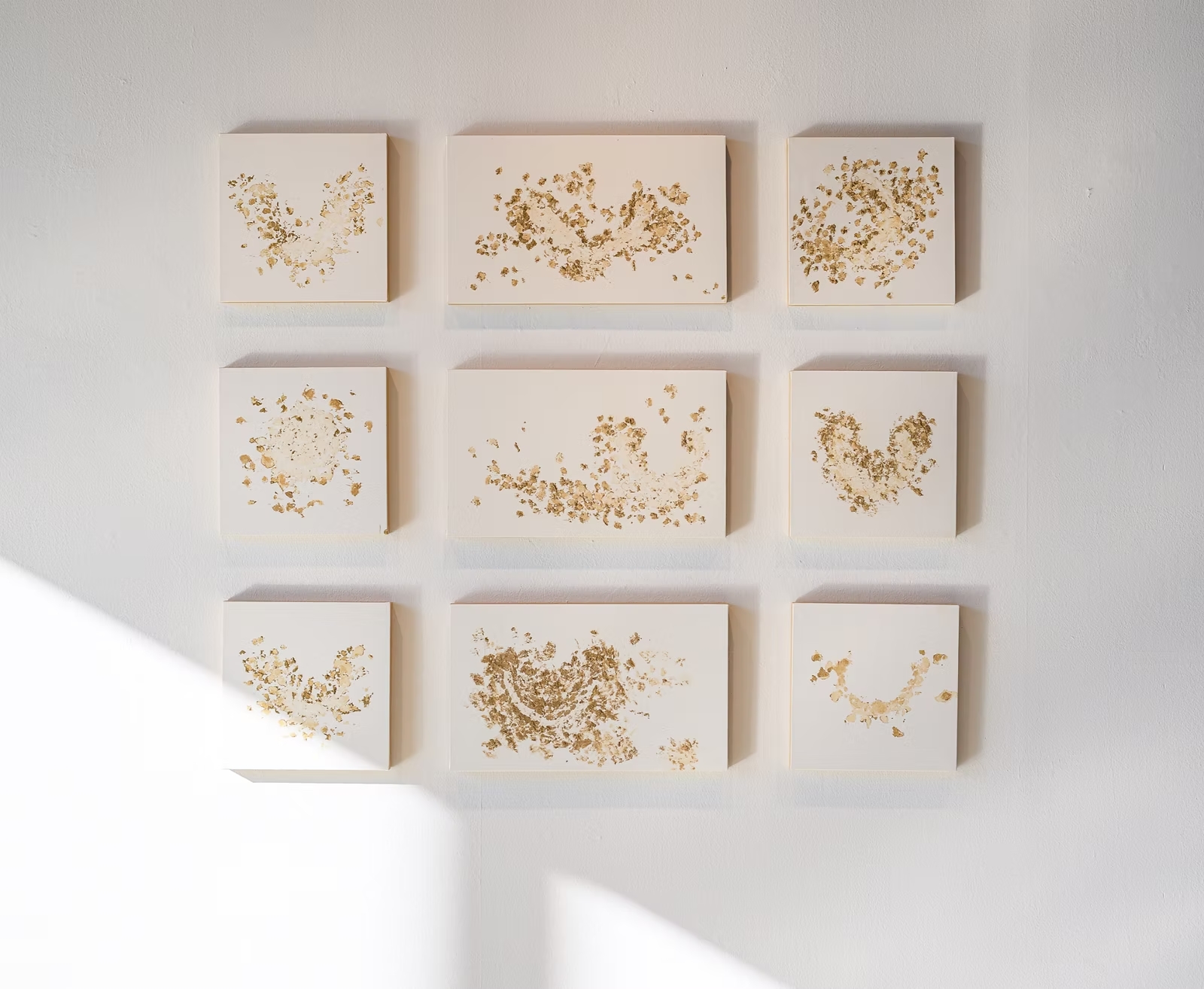
Barn Swallow’s Galaxy attaches circularly cut hanji to a window and lets natural light pass through it, unfolding the swallows’ migratory path like a map. Barn Swallow Story gathers archival materials about swallows around Gangneung Market and the shopkeepers who live alongside them.

Here, Gosari does not consume the swallow as a symbol; instead, she follows, through the senses of her hands and feet, the way swallows actually build nests, the places where they stay, the paths they travel, and the relationships they have formed with humans.

Topography & Continuity

Gosari addresses nature and ecology through small, concrete materials such as trash, vinyl, empty houses, air pockets, compost, weeds, dried plants, and swallow nests. She neither idealizes nonhuman beings nor romanticizes nature. Instead, she slowly observes what is thrown away, what decays, what grows and disappears, and what is classified as weeds or waste according to human need.

In Gosari’s work, “care” is therefore not a sentimental attitude, but a repetitive and concrete form of labor. Washing, drying, wrapping, tying, watering, observing, and returning become the core of the work.
 
Compared with other practices that similarly use ecological materials, Gosari’s work more strongly reveals an ethics of process over the production of results. She brings soil or plants into the exhibition space, but rather than fixing them as sculptural objects, she allows them to change and return.

Compost Hill
returns to the composting area after the exhibition, Grass Person disappears over time, and in the context of 《Sak-da: The Poetics of Decomposition》(MMCA, Seoul, 2026), decomposition and fermentation are read not as failures of the artwork, but as modes of existence.

In this sense, Gosari’s work quietly questions the values of preservation and completion that museums have long taken for granted. A work does not have value only because it remains for a long time; when it disappears well and returns well, it may become a condition for other forms of life.
 
Tracing the development of her practice, Gosari has moved from records of everyday consumption to the time of redevelopment and empty houses, the protective structures of island villages, farming and seasonal divisions, compost and weeds, and the coexistence of swallows and humans.

If An Abandoned Diary was a record of waste produced in a private room, Moving in translated the memory of disappearing houses into bodily sensation, and Woosil recreated a protective structure connecting village and nature through air.

Earth Star
, Compost Hill, and Sun and Moon expanded the cycle of life into the time of soil and seasonal divisions, while Barn Swallow Seat, Barn Swallow’s Pass, and Barn Swallow’s Galaxy reveal how human ways of dwelling overlap with, or diverge from, the lives of nonhuman beings. This trajectory is less a change of medium than a gradual expansion of the artist’s sensory field.

Rather than foregrounding grand ecological discourse, Gosari’s practice continues to deepen slowly by rereading the relationship between humans and nature through the lives of small beings she meets by touching with her hands and walking with her feet.

Works of Art

Rereading the Relationship Between Humans and Nature

Articles

Exhibitions

Activities