Personality, Page 145 - K-ARTIST

Personality, Page 145

2009
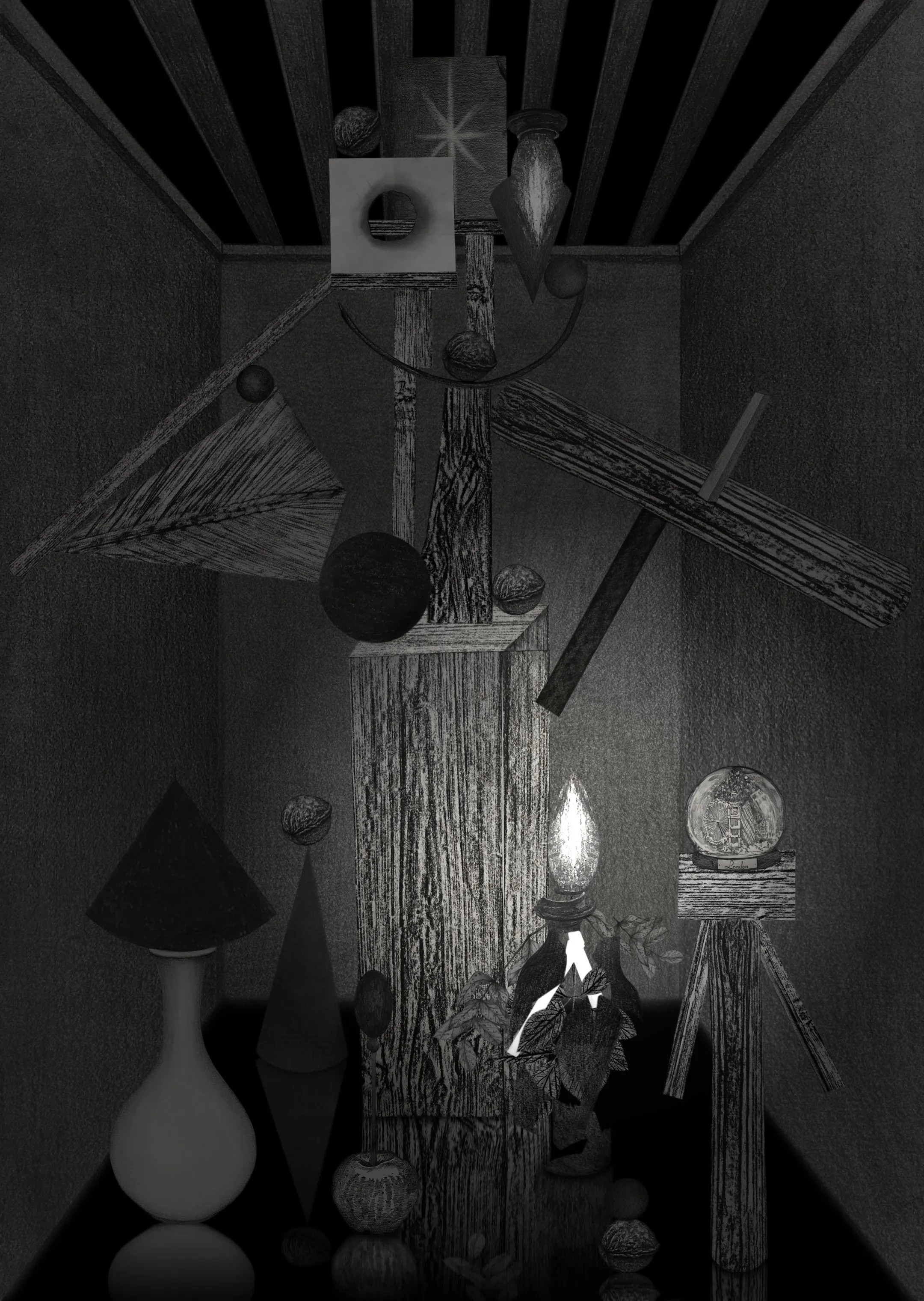
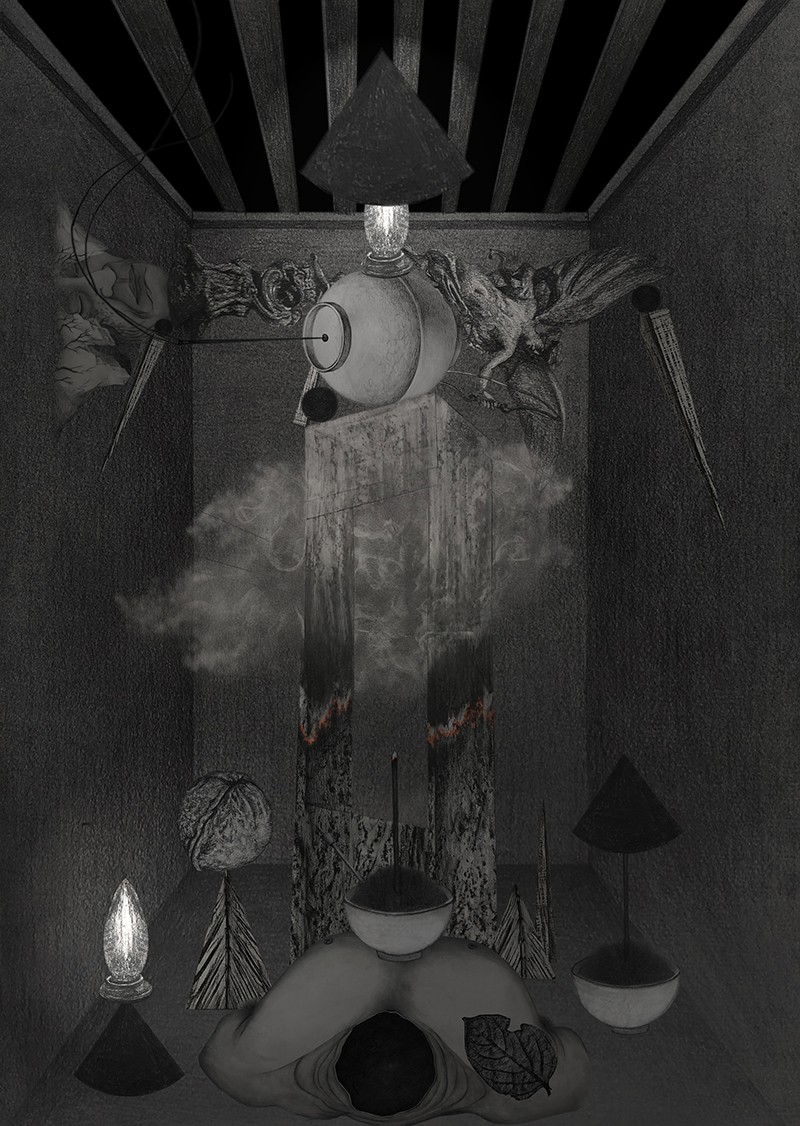
Pencil on paper mounted in insect box
30 x 46 cm
About The Work

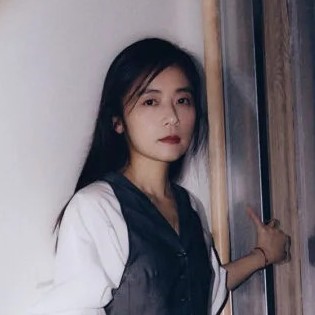
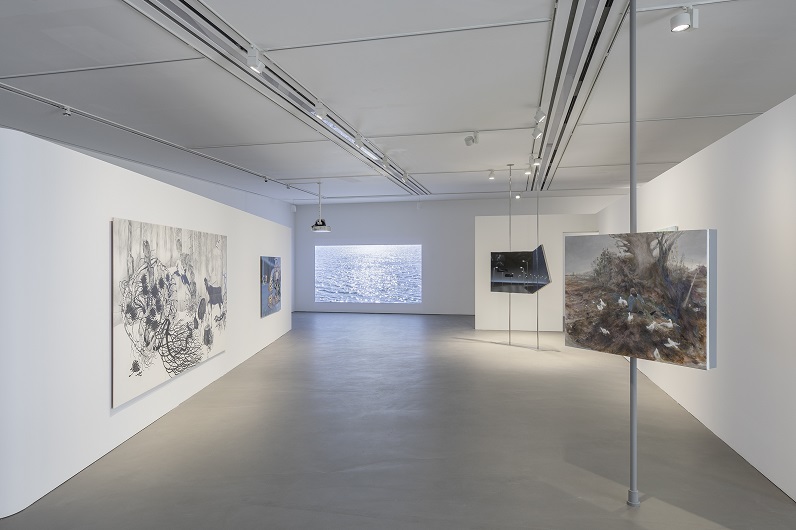
Seung Ae Lee is an artist who translates immaterial elements such as light, sound, emotion, memory, and belief into the languages of painting and moving image. Working primarily with graphite and paper, she has developed a distinctive artistic practice that spans painting, mural-scale installations, and stop-motion animation. Her work focuses on exploring the forms of emotions and spiritual forces that, though invisible, shape and animate our lives.

Lee incorporates rubbings taken from the surfaces of natural materials such as wood and minerals, as well as everyday objects imbued with personal memories, as compositional elements in her works. Through this process, she seeks to uncover the latent vitality and energy residing within ordinary and seemingly static objects. This approach resonates with an East Asian naturalistic worldview that regards all things as possessing an intrinsic life force.

For Lee, painting serves as a medium through which intangible spiritual elements can be embodied in visual form and through which one may connect with a world beyond visible reality. Graphite, in particular, plays a central role in her practice, as its texture, color, scent, and material properties reveal the artist’s physical gestures while remaining deeply intertwined with the conceptual concerns of her work. The traces left by a pencil become a means of visualizing unseen energies and movements.

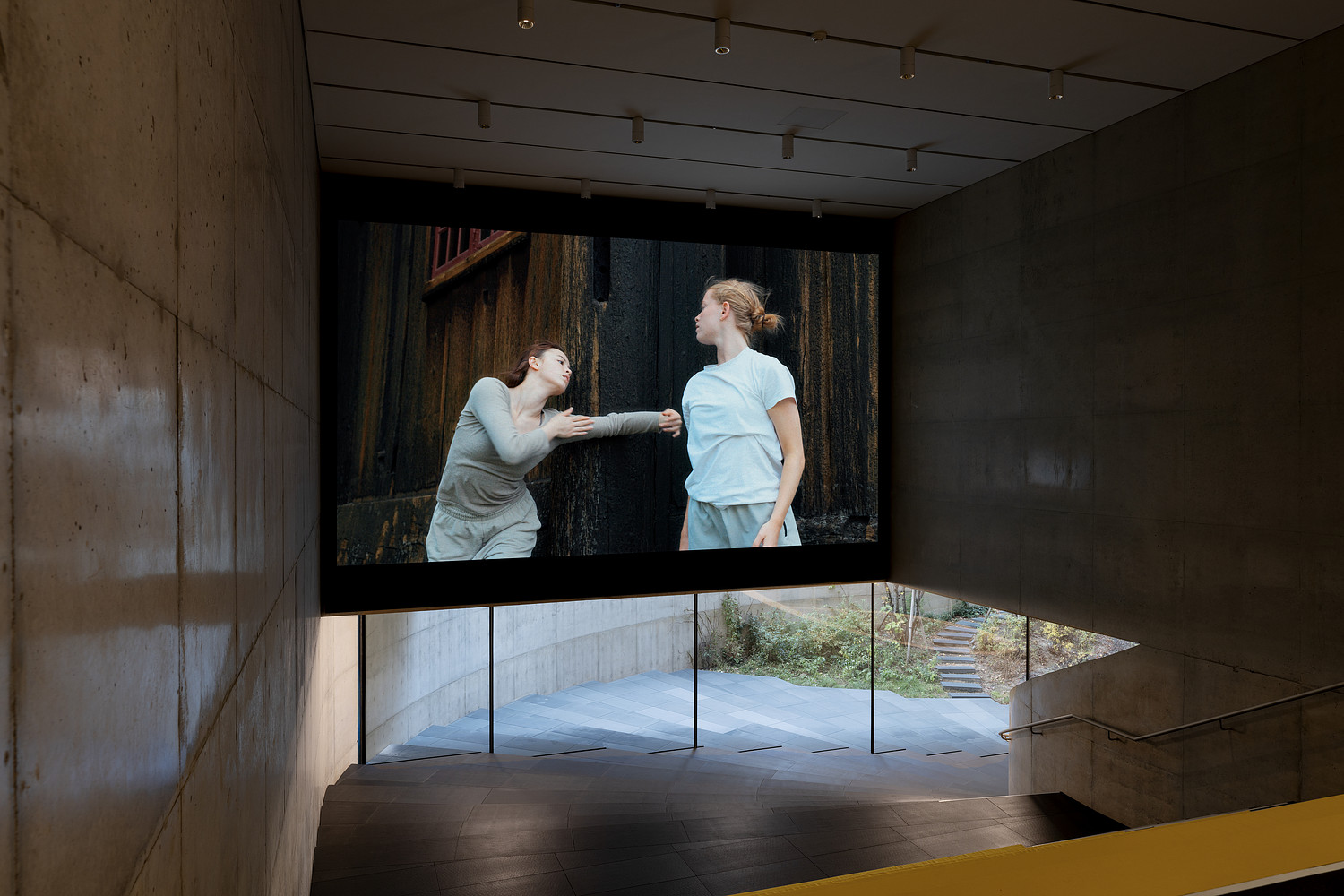
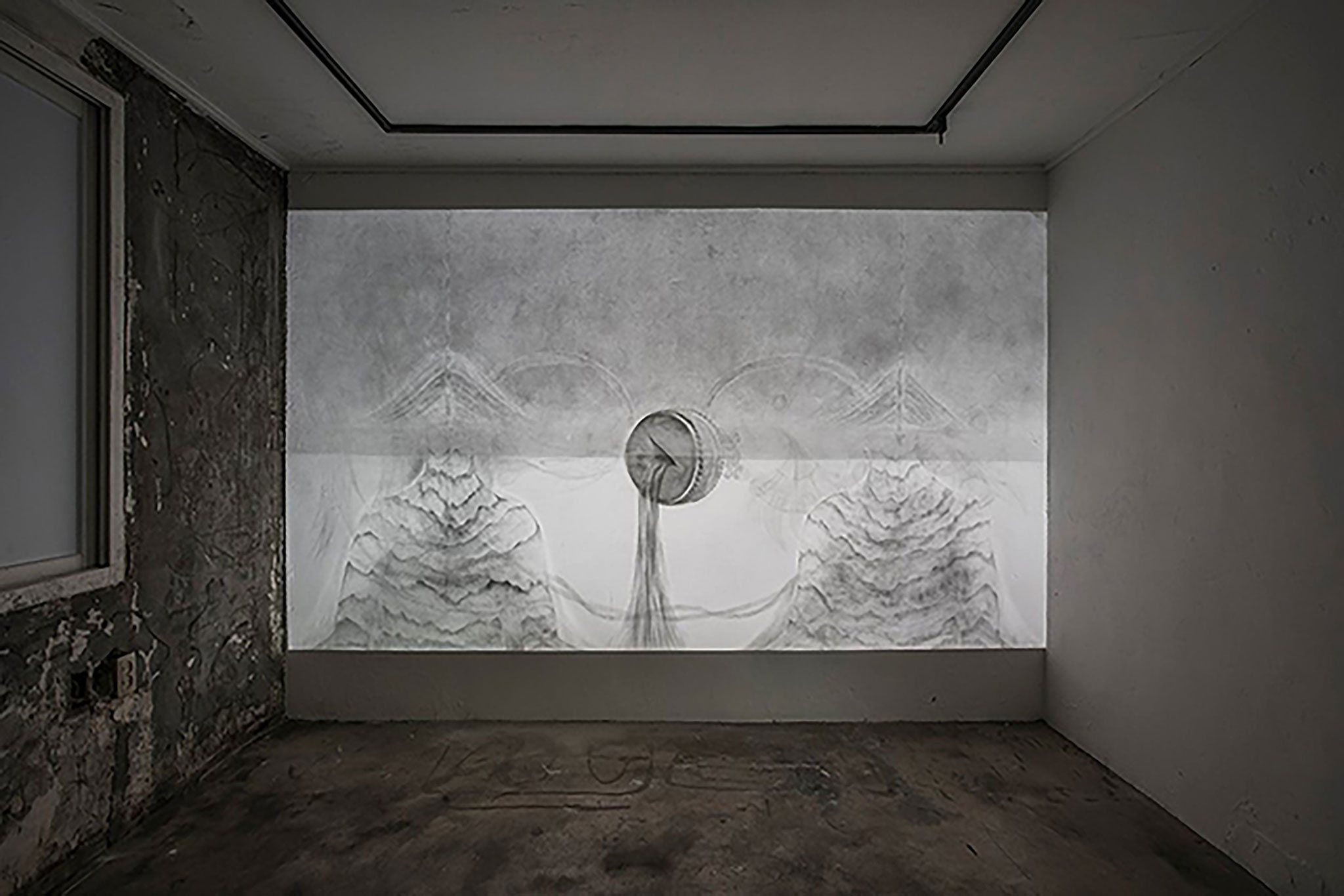
Over the past decade, Lee has continuously developed animation works rooted in painting. By photographing drawings that have been repeatedly created and erased, she reconstructs them into moving images and combines them with organic sounds drawn from nature, including water, wind, fire, and smoke. Through the flow of time and the continual transformation of images guided by intuition, these animations create a space where an imagined world becomes vividly and tangibly manifest.

Solo Exhibitions (Brief)

Seung Ae Lee has held solo exhibitions at Gallery Hyundai’s Window Gallery (2005), ARARIO GALLERY SEOUL (2008, 2012, 2023), Doosan Gallery New York (2011), Marlborough Fine Art in London (2017), the Korean Cultural Centre UK, Christine Park Gallery in New York, and de Art Center in Beijing (2018), Chapter II (2020), and Artspace Boan 1 at Boan 1942 (2024).

Group Exhibitions (Brief)

Seung Ae Lee has participated in group exhibitions at the Seoul Museum of Art (2009), Ilmin Museum of Art (2009), SOMA Museum of Art (2011), the 4th Guangzhou Triennale (2012), the Royal College of Art and Art Dubai (2016), Marlborough Fine Art in London (2016), the 14th Gwangju Biennale (2023), Songeun (2024), and ARARIO GALLERY SHANGHAI and Start Museum in Shanghai (2025).

Awards (Selected)

Seung Ae Lee received the Valerie Beston Artists’ Trust Prize in 2016.

Residencies (Selected)

Seung Ae Lee has participated in the Eco Friendly Residency at Exhibit LIVE & Moris Gallery in Tokyo (2008), Space Studios in London (2016–2017), the Chapter II Residency in Seoul (2019–2020), and the Delfina Foundation Residency in London (2026).

Collections (Selected)

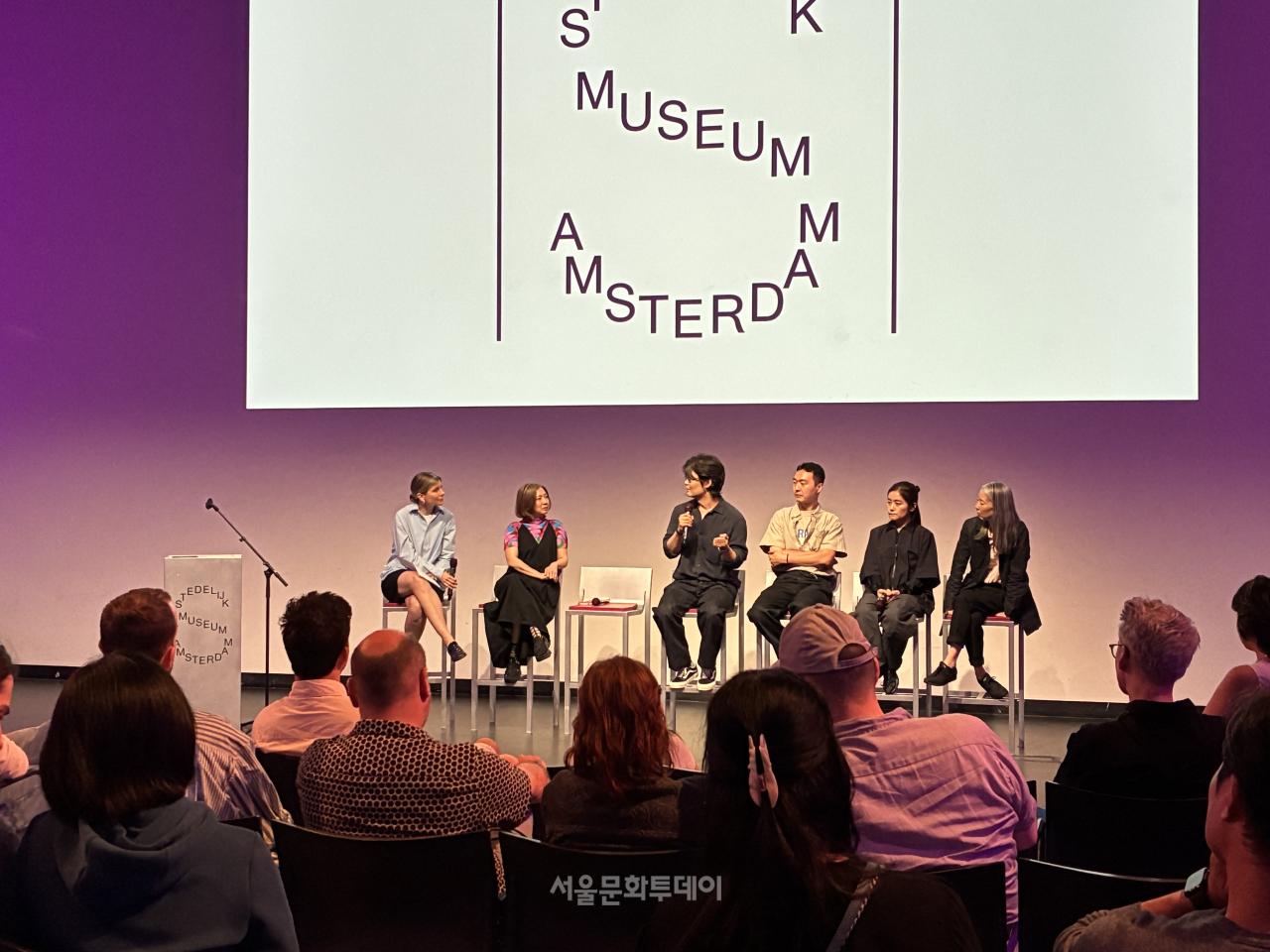
Seung Ae Lee’s works are held in the collections of the Stedelijk Museum Amsterdam, the Government Art Bank of the National Museum of Modern and Contemporary Art, Korea, the Seoul Museum of Art, and the ARARIO Collection.

Works of Art

Giving Form to the Intangible Spirit

Originality & Identity

Seung Ae Lee’s practice explores the forms of emotions and spiritual forces that remain invisible yet shape human life. In her early ‘Monster’ series, she embodied fear, wounds, hatred, maternity, and healing—affects that cannot be fully contained by language—as imaginary organisms.

Combining disparate animal and vegetal features, these monsters are conceived not simply as agents of terror but as guardians and warriors that confront human suffering and transform wounds into energy for survival. Rooted simultaneously in the artist’s inner conflicts and the injustices of the external world, they demonstrate how the fragile medium of pencil can become a means of resisting sorrow. 

Within Lee’s world, the monster also mediates between the self and the Other. Although assembled from recognizable biological parts, each creature appears radically unfamiliar while continuing to evoke human emotions and lived experience. It therefore invites a relationship with alterity that neither excludes difference nor reduces it to sameness.

Her ‘Mummy’ series, inspired by figures relegated to the social margins, brings the ethics of compassion and the representation of vulnerable Others into sharper focus. By situating her creatures between normality and abnormality, humanity and nonhumanity, fear and wonder, Lee affirms the complexity of lives that resist stable classification. 

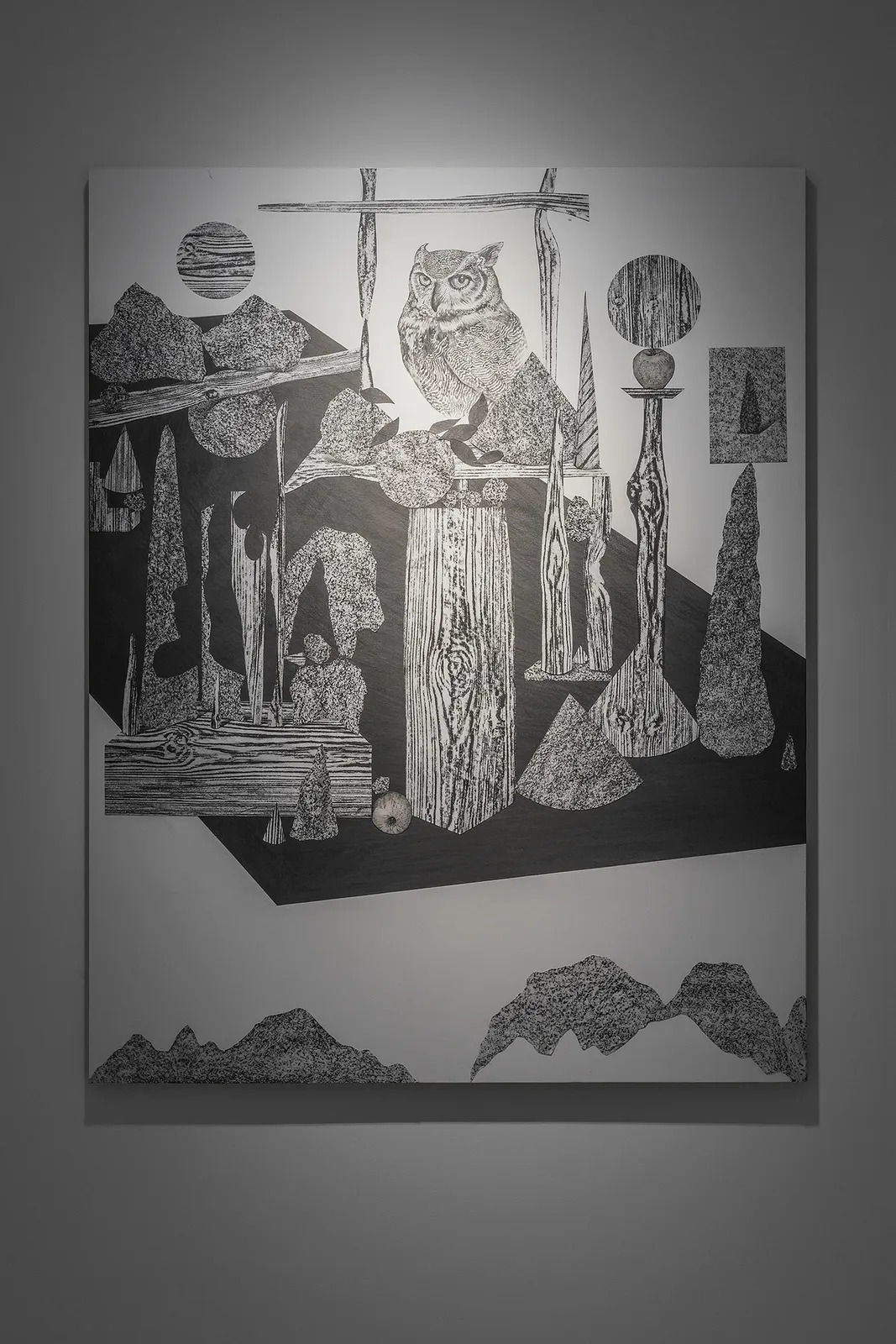
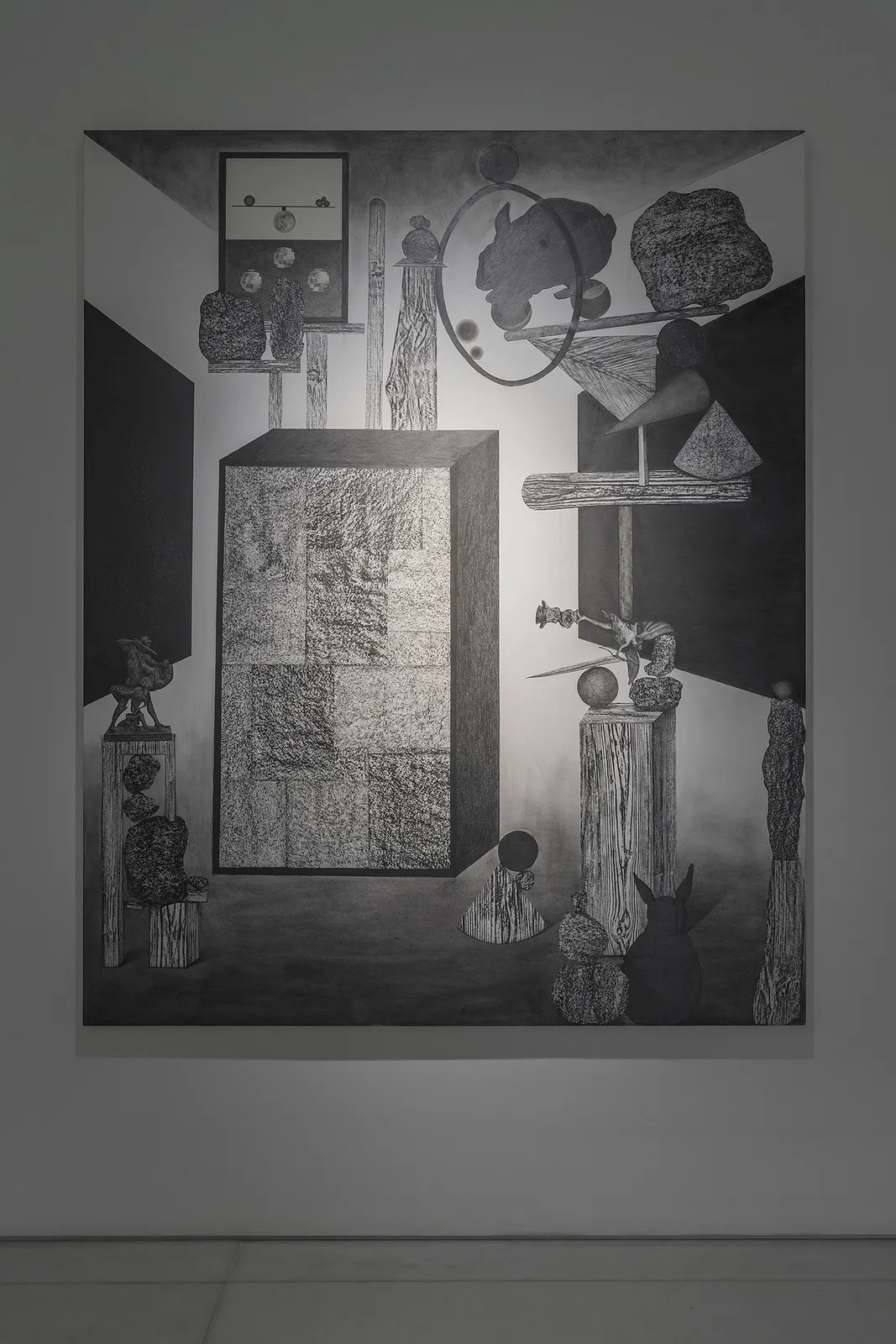
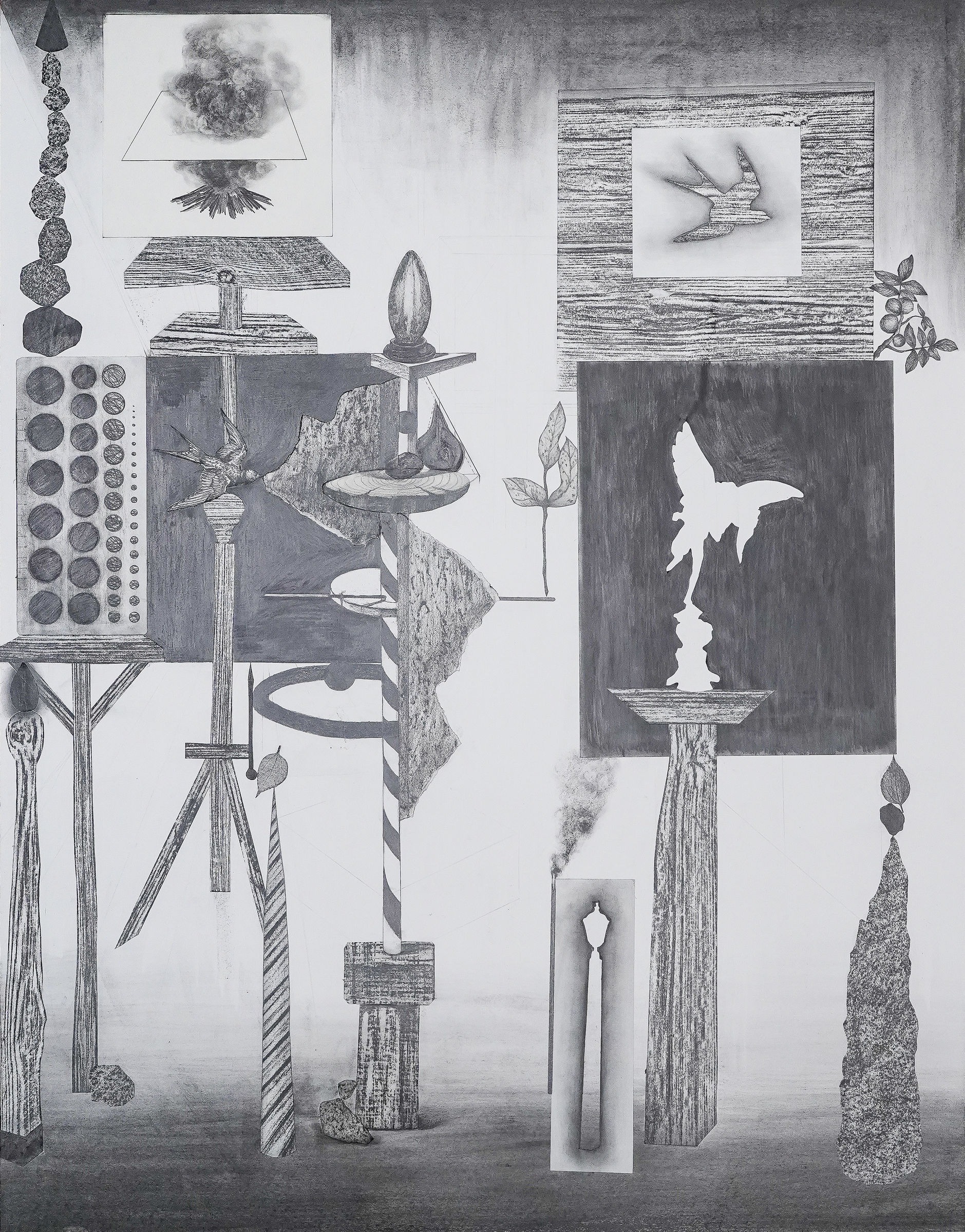
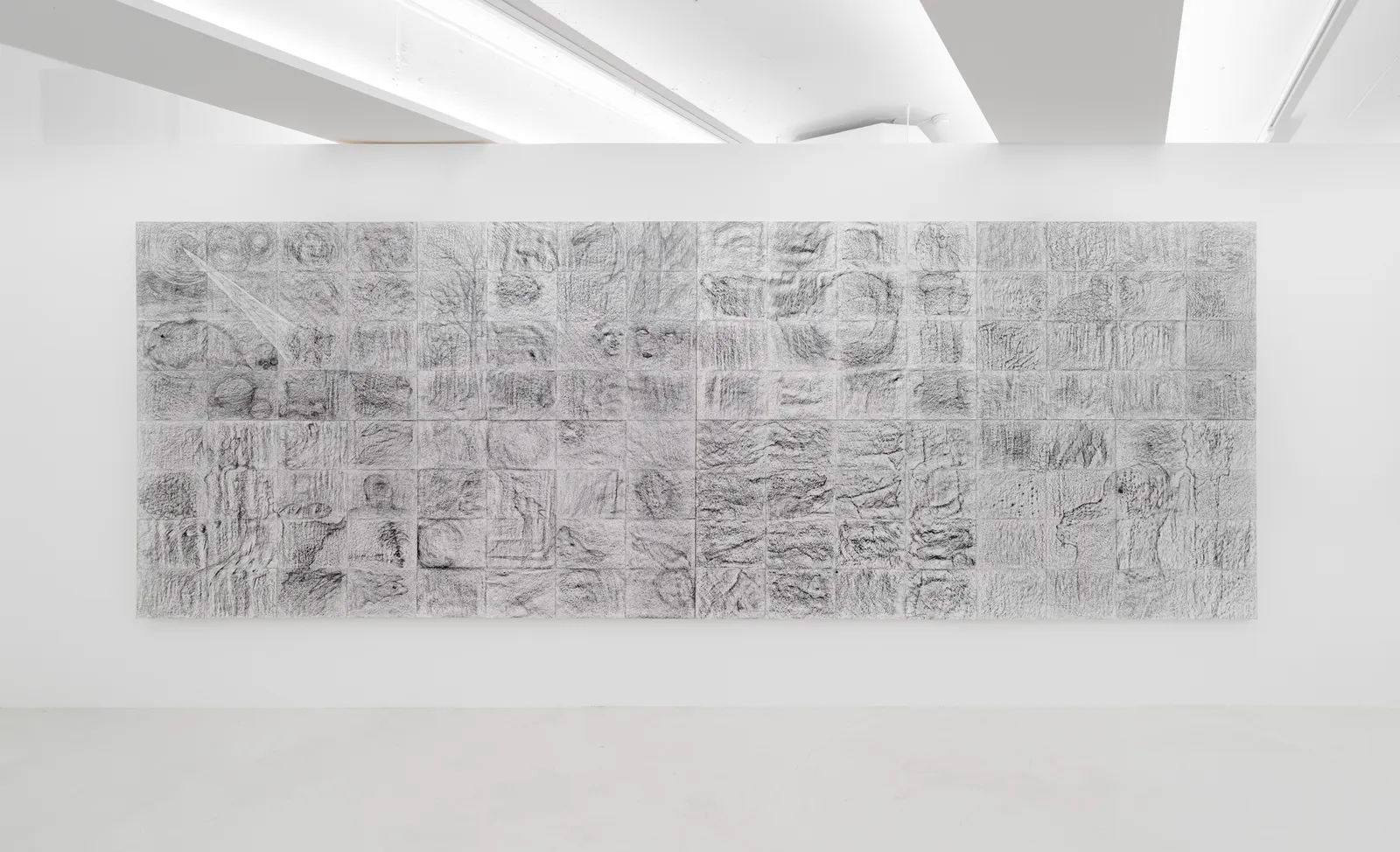
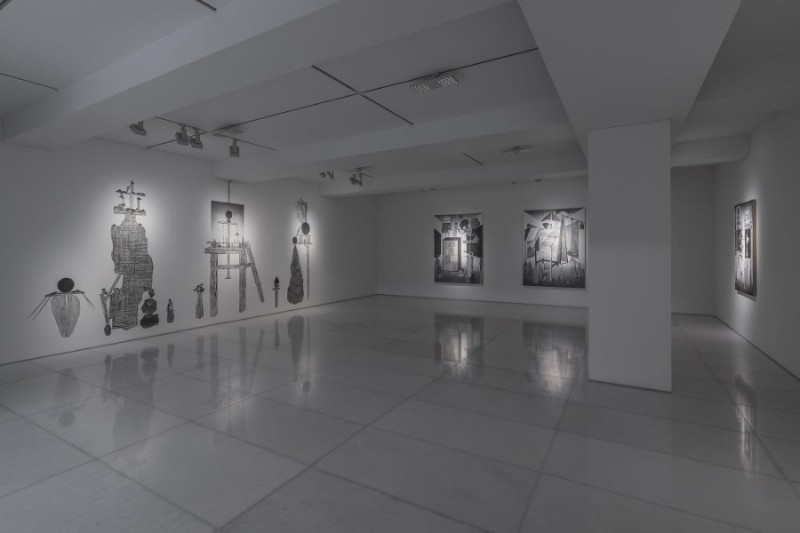
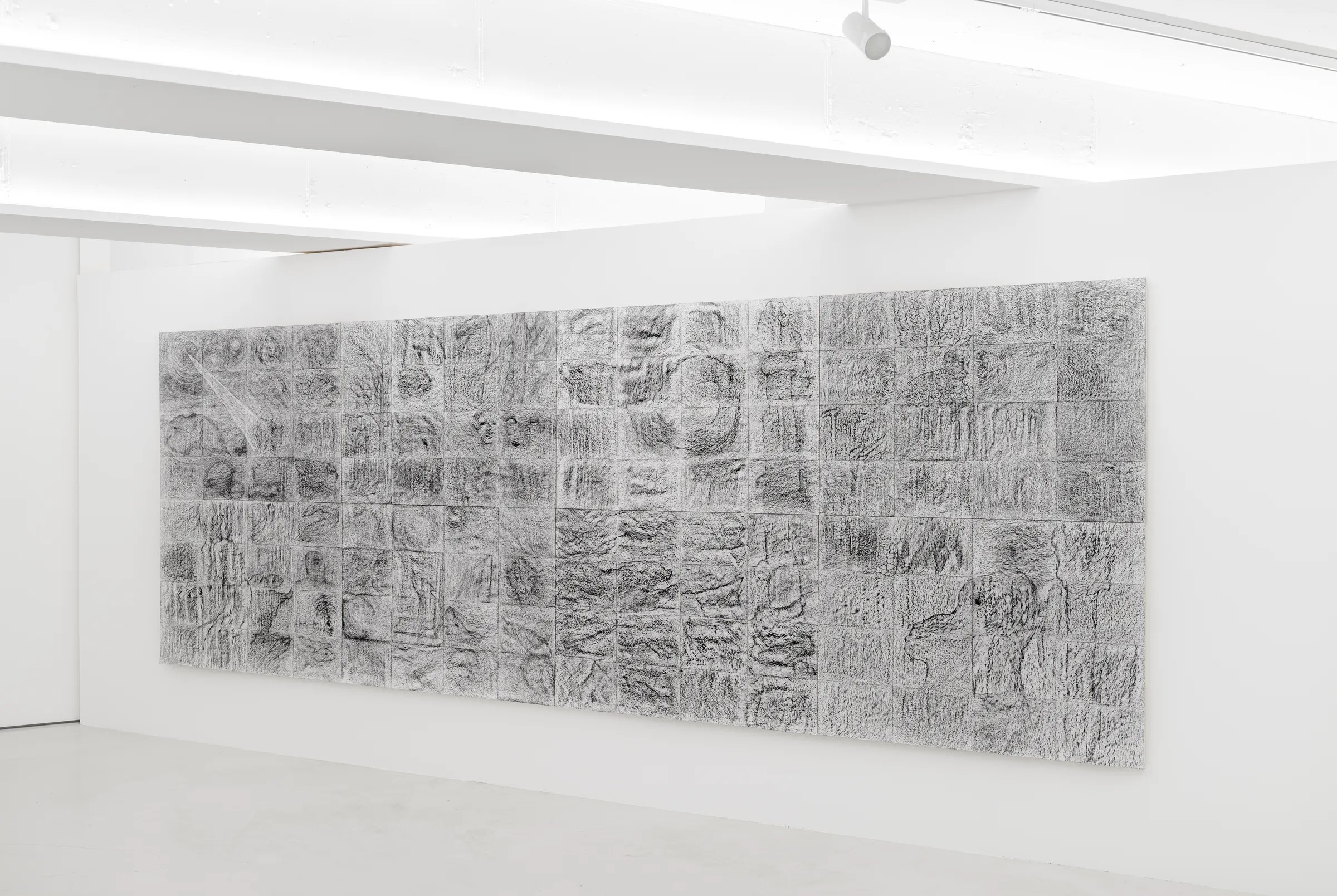
From the late 2010s onward, Lee expanded her inquiry from the narratives of individual creatures to the conditions under which images emerge and disappear. She rubs graphite over walls and objects, discovers suggestive forms within the resulting traces, and allows them to connect, proliferate, and transform.

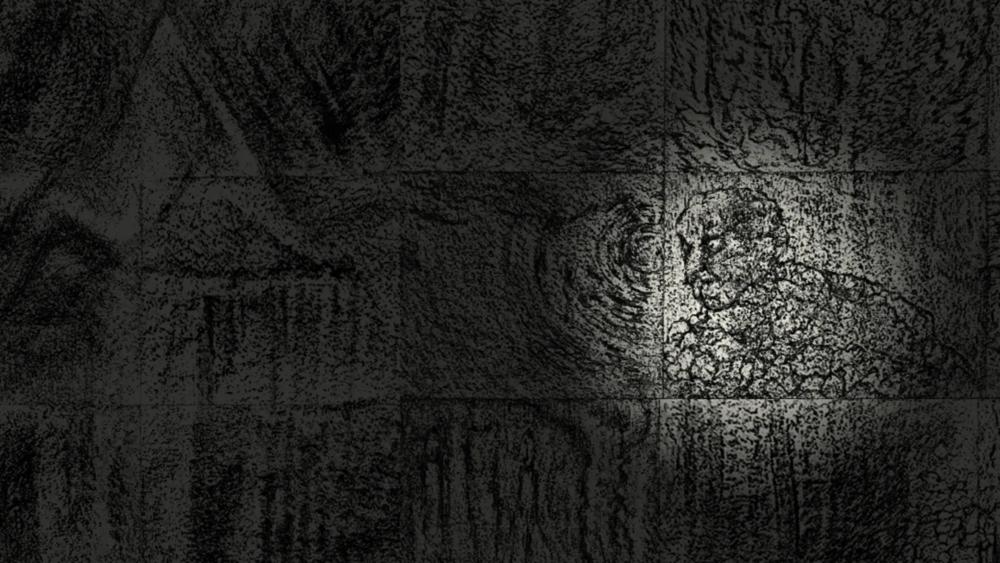
In The Accidental Night, faint marks and shadow-like figures hover between coincidence and inevitability without settling into clearly recognizable objects. This ambiguity encourages viewers to move beyond a binary distinction between knowing and not knowing and instead to accept uncertainty as an integral part of perceiving the surrounding world. 

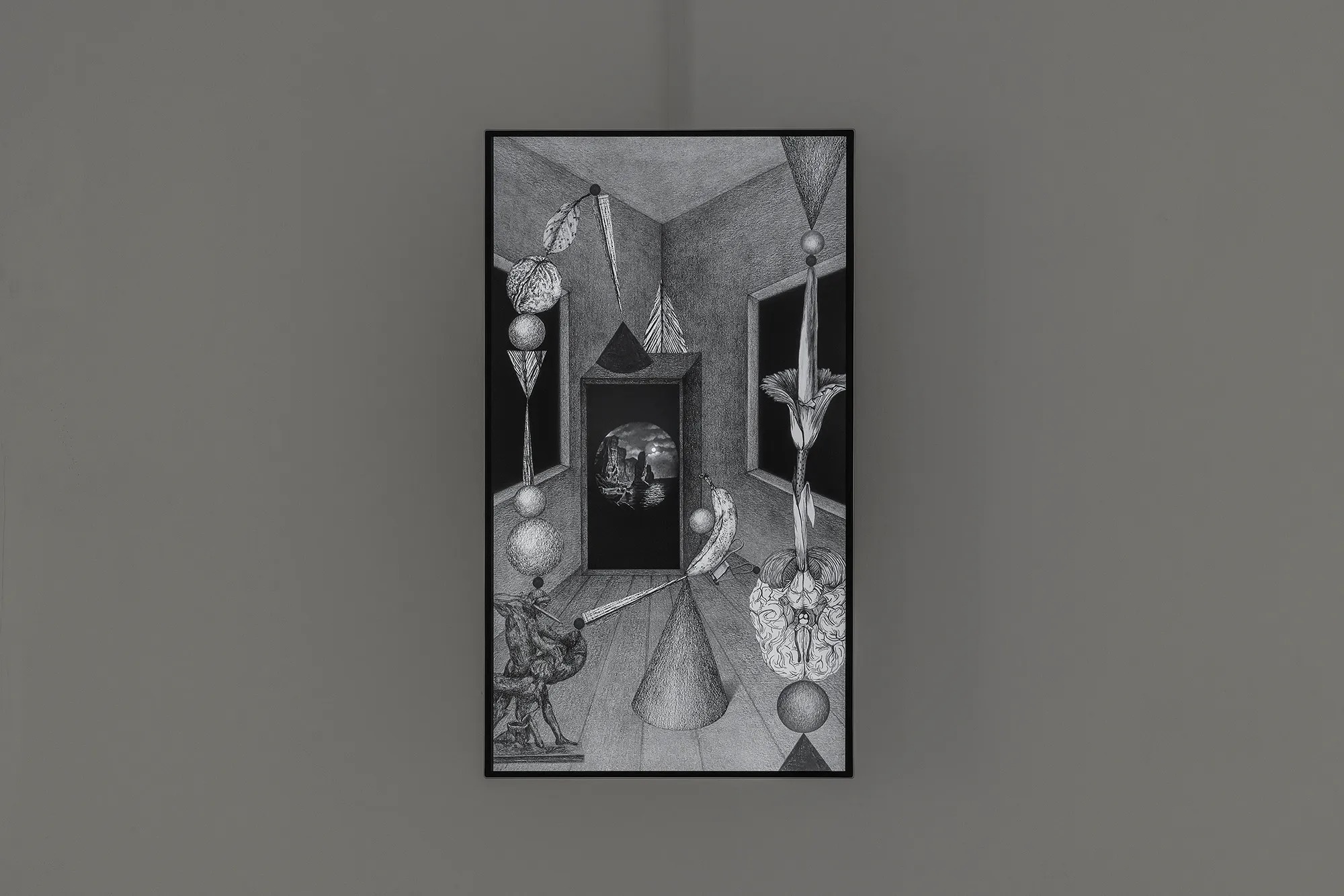
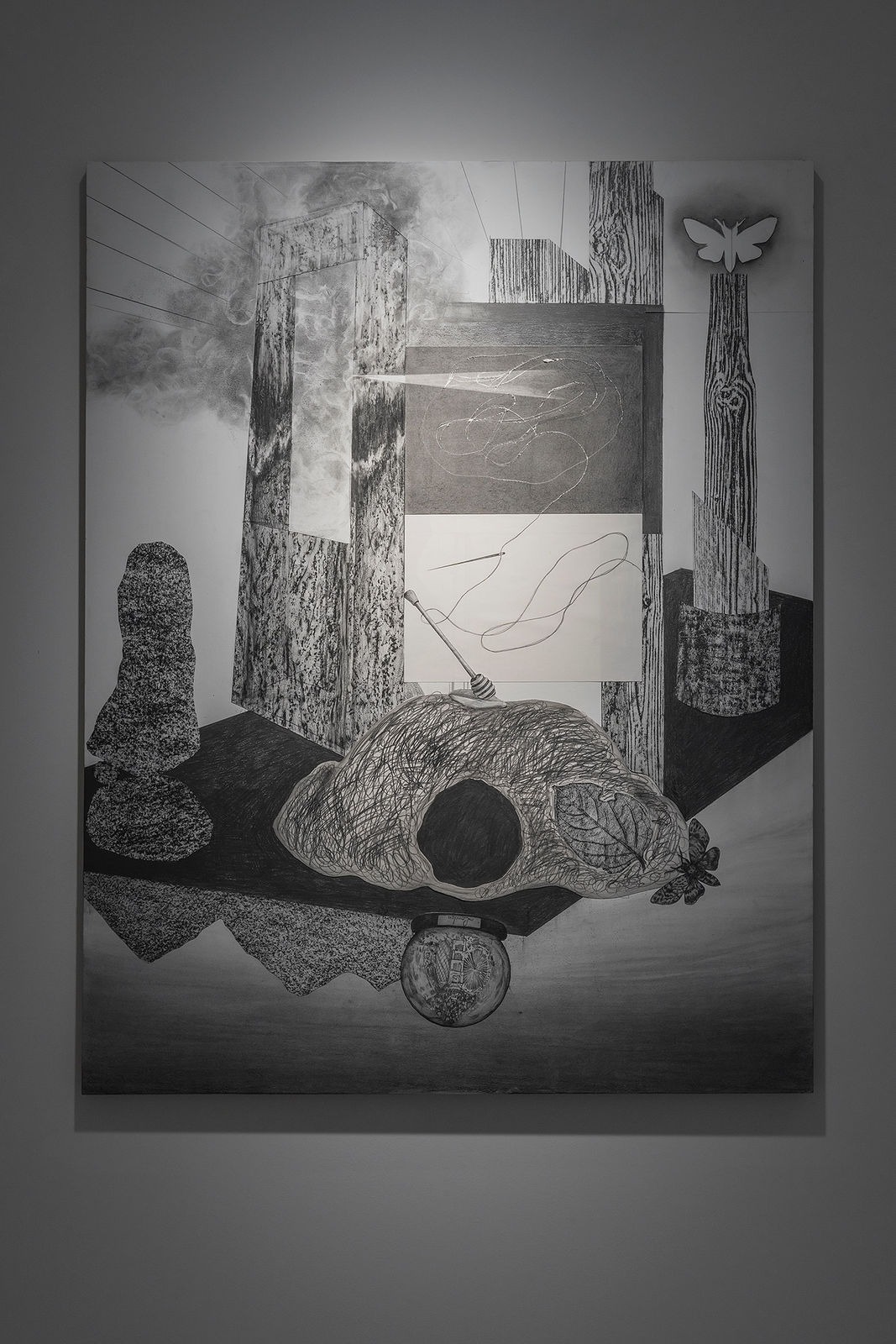
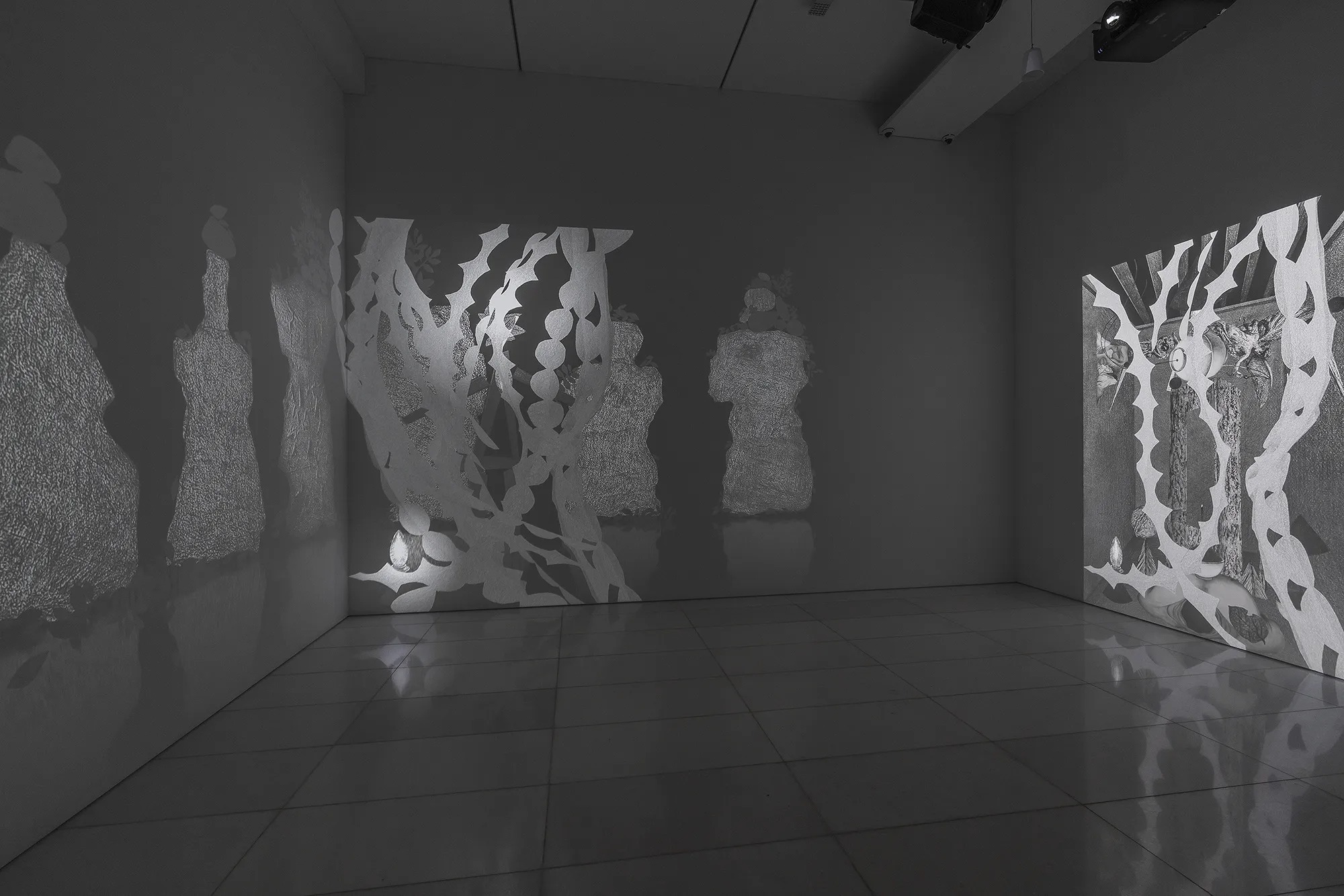
Her recent works center on boundaries connecting absence and loss, life and death, reality and memory. Originating in the disconnection of the pandemic and the memory of a vanished studio, the ‘Distant Room’ series addresses spaces that coexist yet remain beyond one another’s reach. The Wanderer, drawing on the structures of ssitkimgut and its path-clearing ritual, unfolds a process of mourning that consoles the dead and prepares them for passage into another world.

Death and disappearance do not constitute absolute endings: looping animations, figures that burn, dissolve, and reappear, and sounds of bells and natural elements construct a cyclical order of death and rebirth. While the early monsters embodied the power to endure and transform wounds, the wandering figures of Lee’s recent works sustain communication with the invisible through acts of remembrance, mourning, and letting go.

Style & Contents

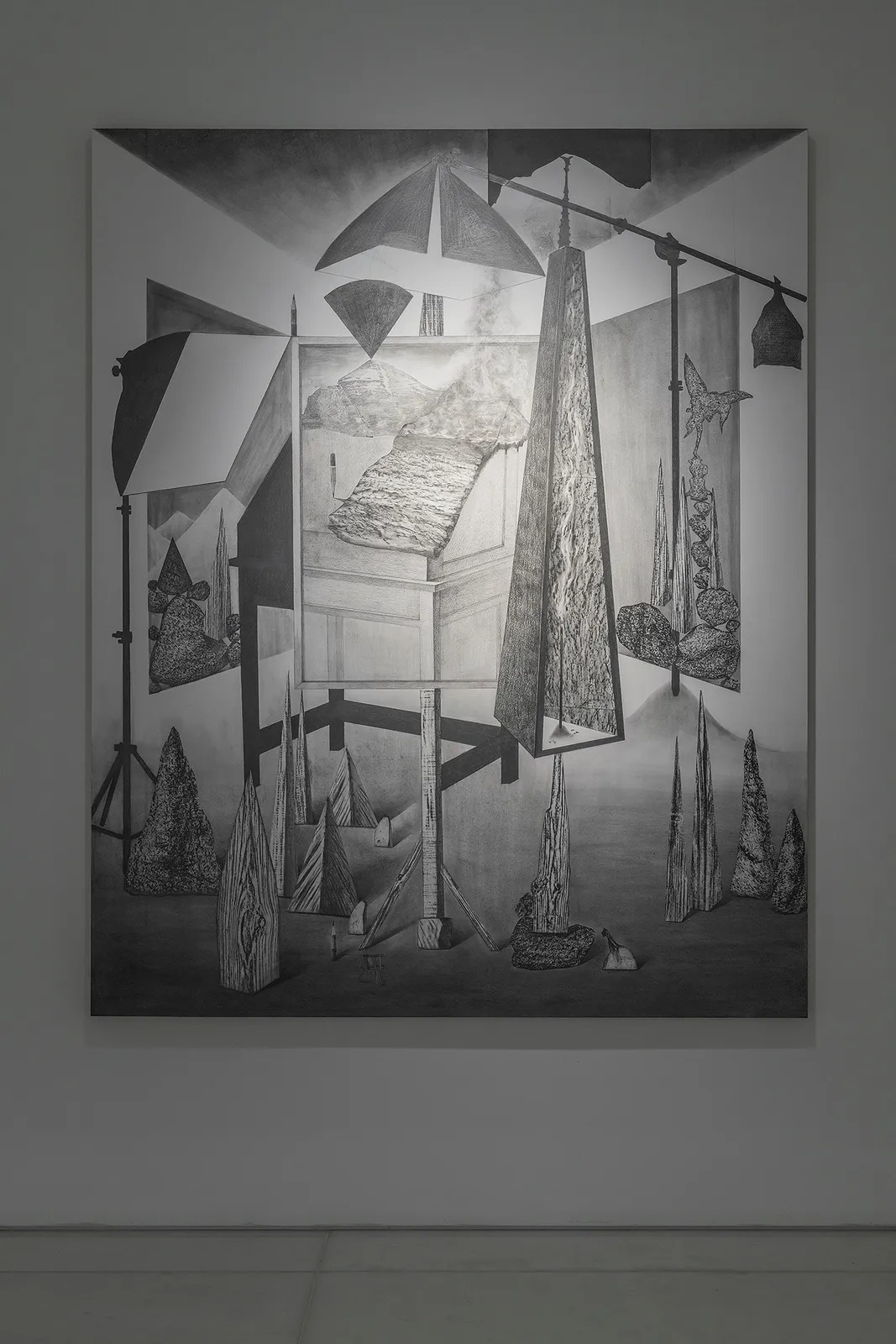
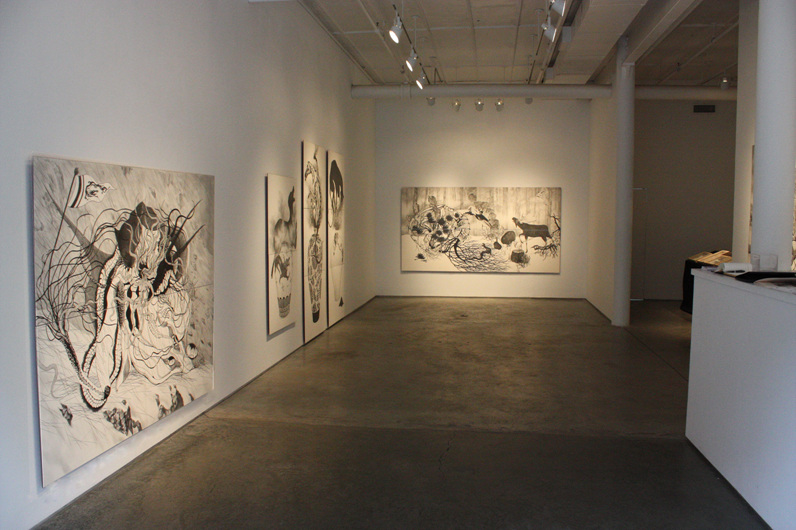
Seung Ae Lee’s practice begins with the restricted materials of pencil and paper and expands into drawing, collage, mural installation, and stop-motion animation. Graphite functions not only as a tool for inscribing lines but also as a material that leaves dust, stains, sheen, and traces of friction. By varying pressure and working with erasers, cotton swabs, and her fingers, Lee produces a wide tonal spectrum ranging from faint mist to hard, metallic textures.

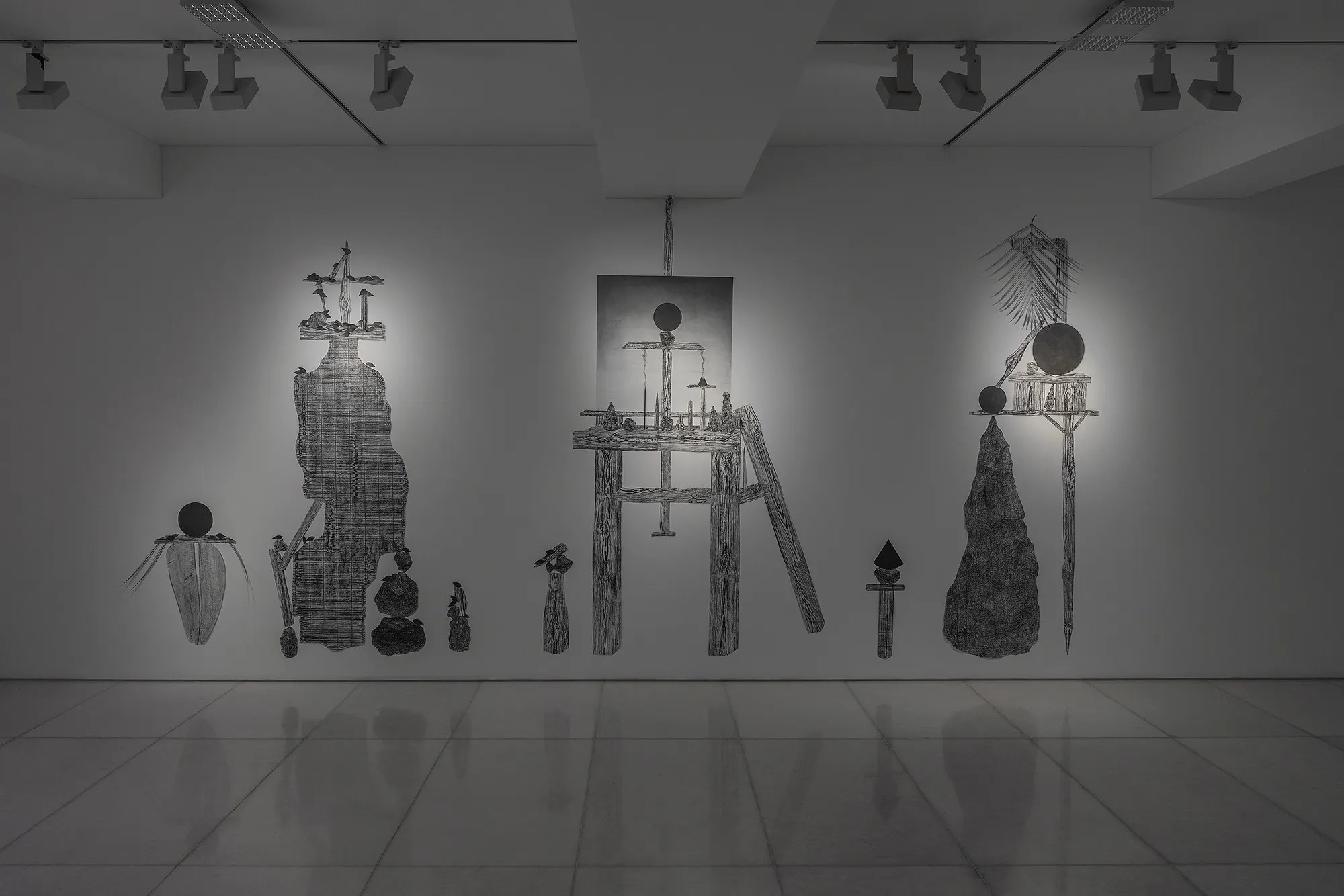
She joins multiple sheets of paper or extends drawings across walls, transforming the small and direct gesture of the pencil into an environment that surrounds the viewer’s body. The fragility and mutability of graphite are closely aligned with her exploration of unstable forms and imperceptible sensations. 

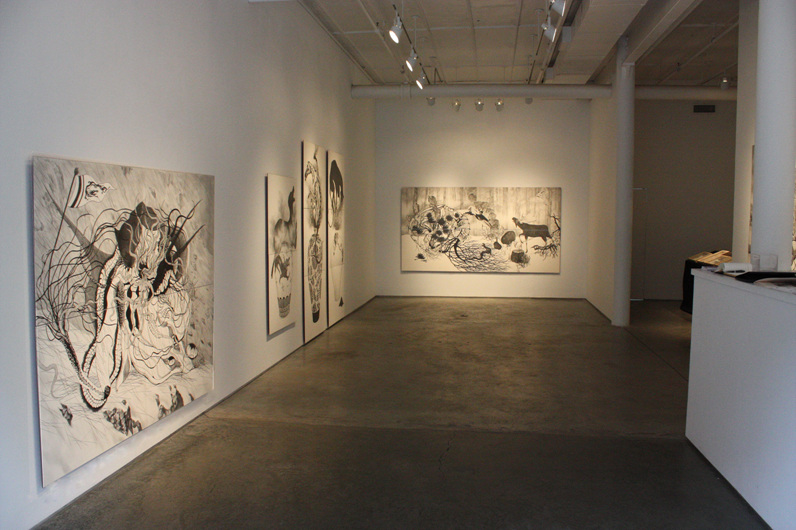
Her early large-scale drawings meticulously portray imaginary organisms composed of vegetal and animal forms, organs, bones, tentacles, fur, and scales. Their detailed rendering, reminiscent of biological encyclopedias and anatomical specimens, lends the monsters a persuasive physical presence, while bodies assembled from different species and developmental stages escape established systems of classification.

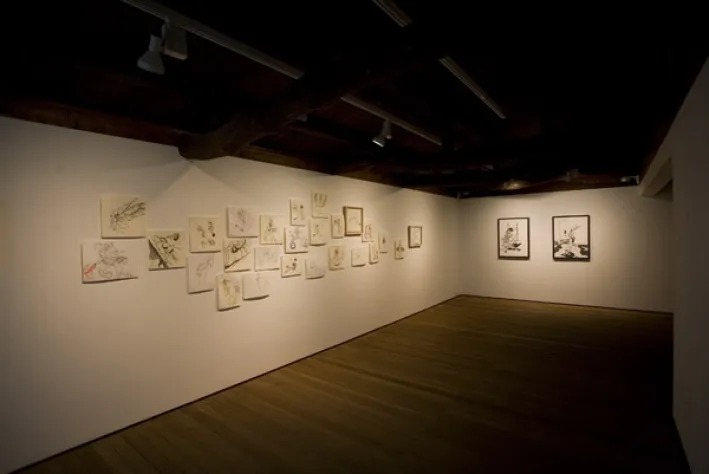
Each monster is assigned a habitat, lifespan, constitution, mission, and order of derivation, with functions such as defense, healing, revenge, and transformation shaping both its form and narrative. In the ‘Mummy’ series, these beings are fixed inside small specimen cases and given gray-toned, humanlike faces, producing a sense of vulnerability and compassion that contrasts with the dynamic energy of the larger monsters. 
 
Lee introduced time into drawing by photographing the repeated process of drawing and erasing an image on a single sheet of paper and editing the frames into continuous movement. Because each preceding image remains as a residual trace and becomes the point of departure for the next, her animations unfold through emergence, disappearance, transformation, and association rather than fixed causal narratives.

In works including Lamp and Becoming, objects and organisms continually shift between states through events involving light, fire, smoke, and falling. Their looping structures reconnect endings with beginnings, extending the physical duration of drawing and erasure into a cyclical movement of generation and dissolution. 

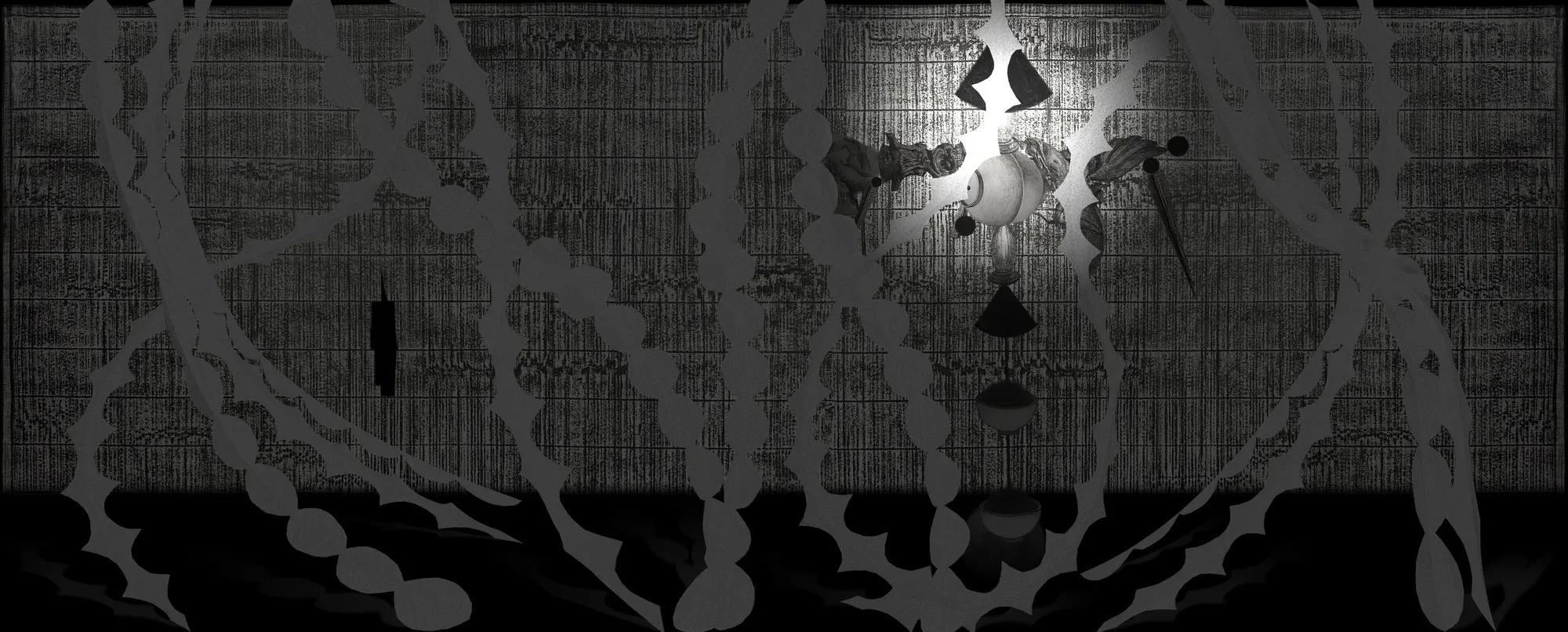
Since The Accidental Night, frottage and collage have become central to Lee’s visual methodology. She places paper against walls, wood, stone, soil, and everyday objects, rubbing the surfaces with graphite to collect their textures and traces before rearranging or cutting the sheets apart from their original coordinates. Where the intention to depict a specific object is reduced, accidentally revealed patterns proliferate into figures, spaces, and organisms that migrate between drawing and animation.

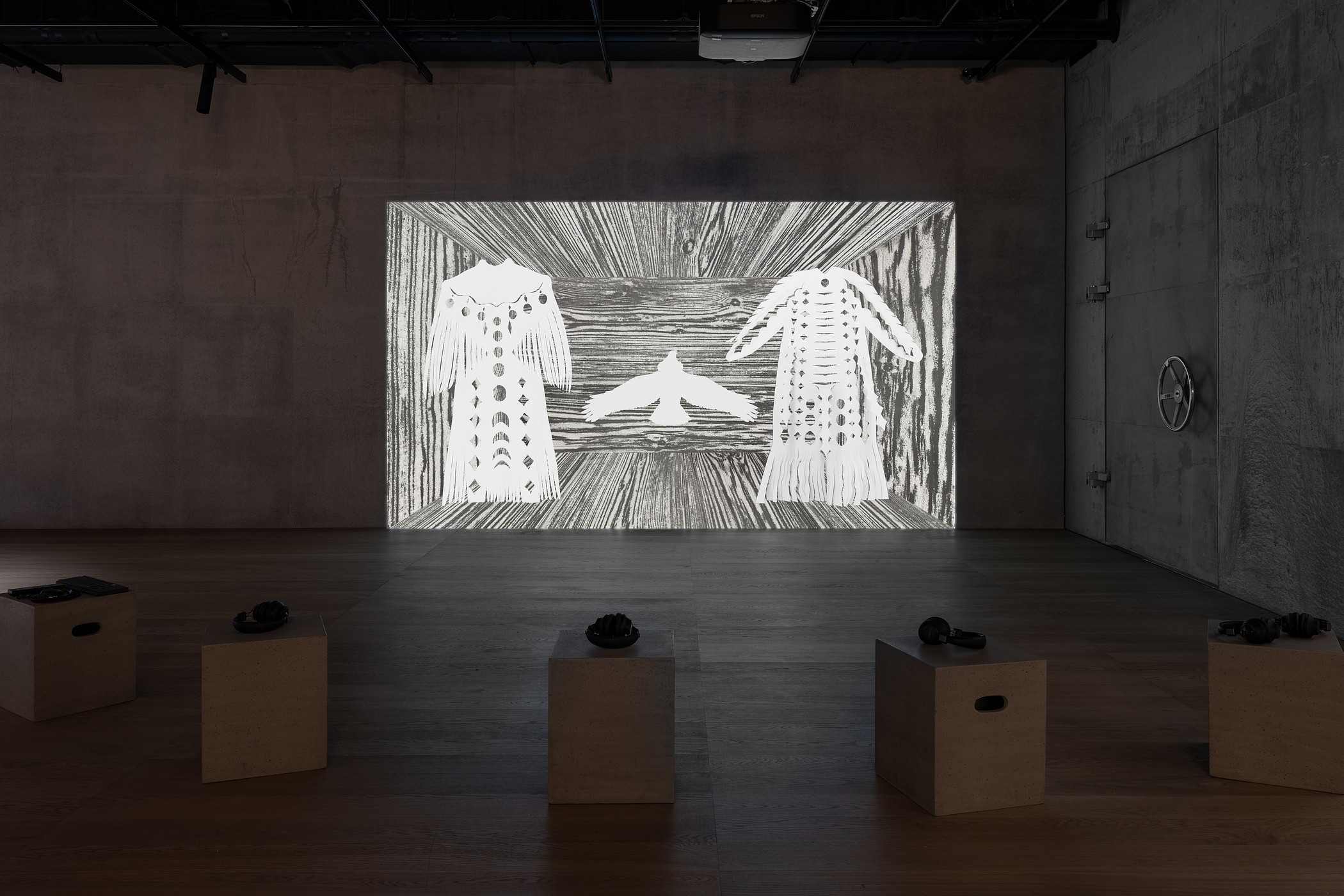
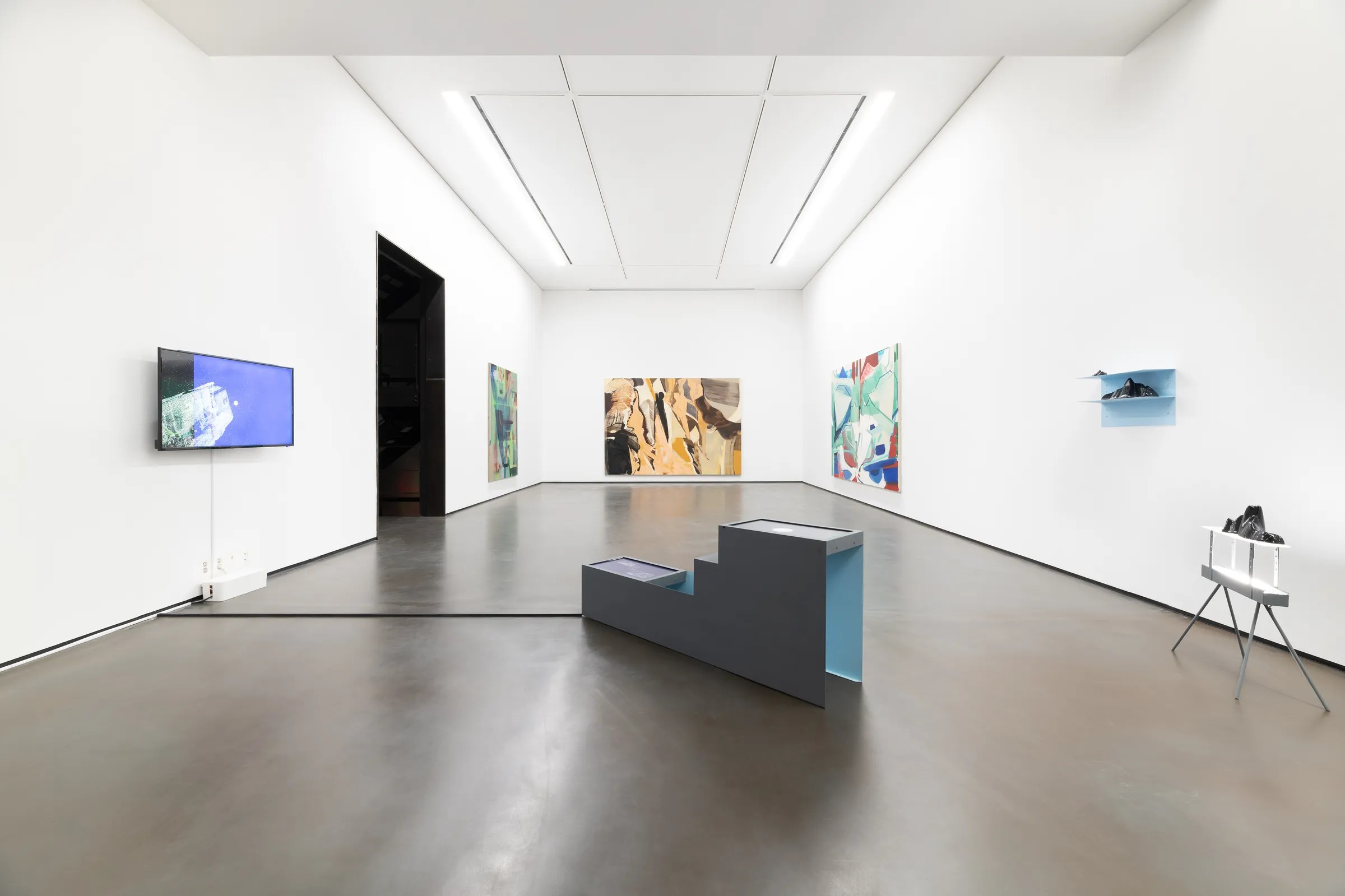
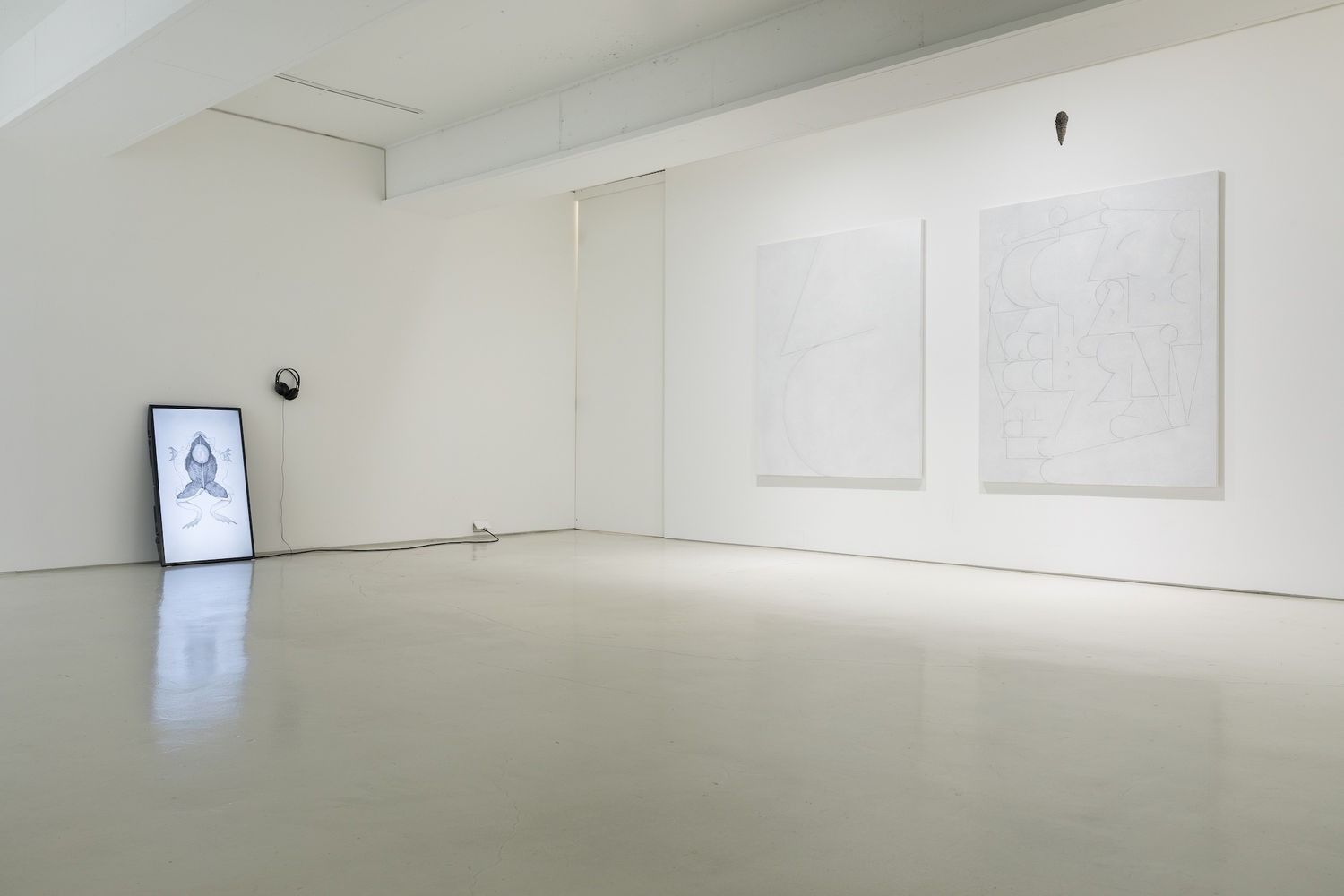
In the recent ‘Distant Room’ series and The Wanderer, video, collage drawing, projection, murals, organic sound, and the ringing of bells are interconnected across the exhibition space. As images on paper overlap with physical architecture, the boundaries between interior and exterior, material and immaterial, and reality and memory become fluid, shifting viewers from observing a scene to bodily passing through it. 

Topography & Continuity

Since the mid-2000s, Seung Ae Lee has maintained graphite and paper at the core of her practice while steadily expanding from imaginary organisms into moving images and spatial installations. Initiated around 2005, the ‘Monster’ series translated personal conflicts and social anxieties into beings equipped with distinct survival strategies.

The subsequent ‘Mummy’ series introduced a mournful gaze toward creatures that had fulfilled their roles only to be forgotten and abandoned. Questions of injury, vulnerability, protection, and healing established in these early works have remained an emotional foundation throughout the changes in her imagery.

While the monsters confronted an uncertain world as guardians acting on the artist’s behalf, the figures and objects in her recent works mediate contact with other realms through memory and absence. 

The animation-drawings developed from the mid-2010s transferred Lee’s longstanding interest in transformation and generation into a temporal dimension. Repeated drawing and erasure on a single sheet of paper record forms passing into other forms, with each scene carrying traces of the preceding image into the next.

This structure continues the logic of the monster’s body, in which biological fragments combine, mutate, and proliferate. As figures transform, disappear, and re-emerge on screen, the earlier concepts of survival and conversion are reformulated through the movement of drawing and the cyclical structure of animation. 

The introduction of frottage in The Accidental Night marked a significant shift in Lee’s method of generating images. Whereas she had previously designed beings by combining remembered forms from plant and animal encyclopedias, she began to discover and connect traces latent in the surfaces of walls and objects.

Artist-directed narrative and accidentally generated forms coexist, while images leave their original coordinates and begin to reproduce and multiply. This methodology suspends the impulse to define an uncertain external world with clarity and instead develops a contemporary sensibility that accepts ambiguity as part of lived experience. 

With the ‘Distant Room’ series and The Wanderer, Lee’s practice expands from a private imaginary ecology toward shared experiences of loss and mourning. Spaces severed during the pandemic, memories of a departed loved one, and the rituals of ssitkimgut and path-clearing converge into structures that address the boundaries between reality and memory, life and death.

At the same time, the friction and combustion of graphite, the disappearance and regeneration of paper figures, and the recurrence of looping images sustain her enduring logic of becoming and transformation.

Grounded in restricted materials and repetitive actions, Lee has continued to absorb historical circumstances and personal experience, deepening her practice from an inquiry into vulnerability through unfamiliar beings into an act of remembering, mourning, and restoring connection. 

Works of Art

Giving Form to the Intangible Spirit

Articles

Exhibitions

Activities