Floater on screen #1 - K-ARTIST

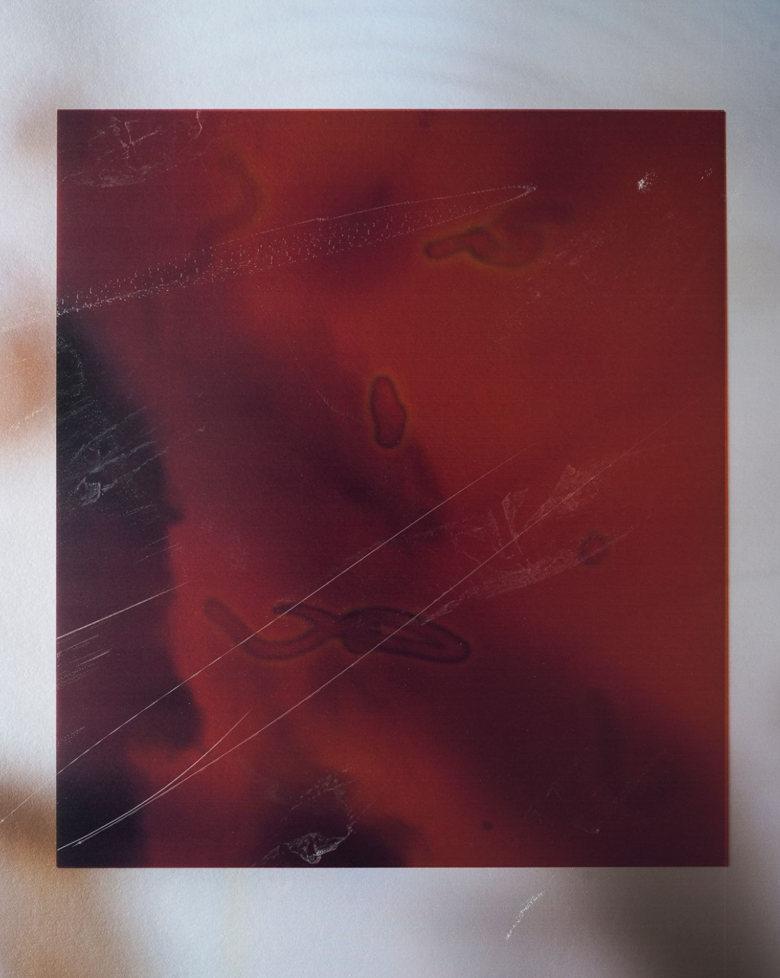
Floater on screen #1

2026
About The Work

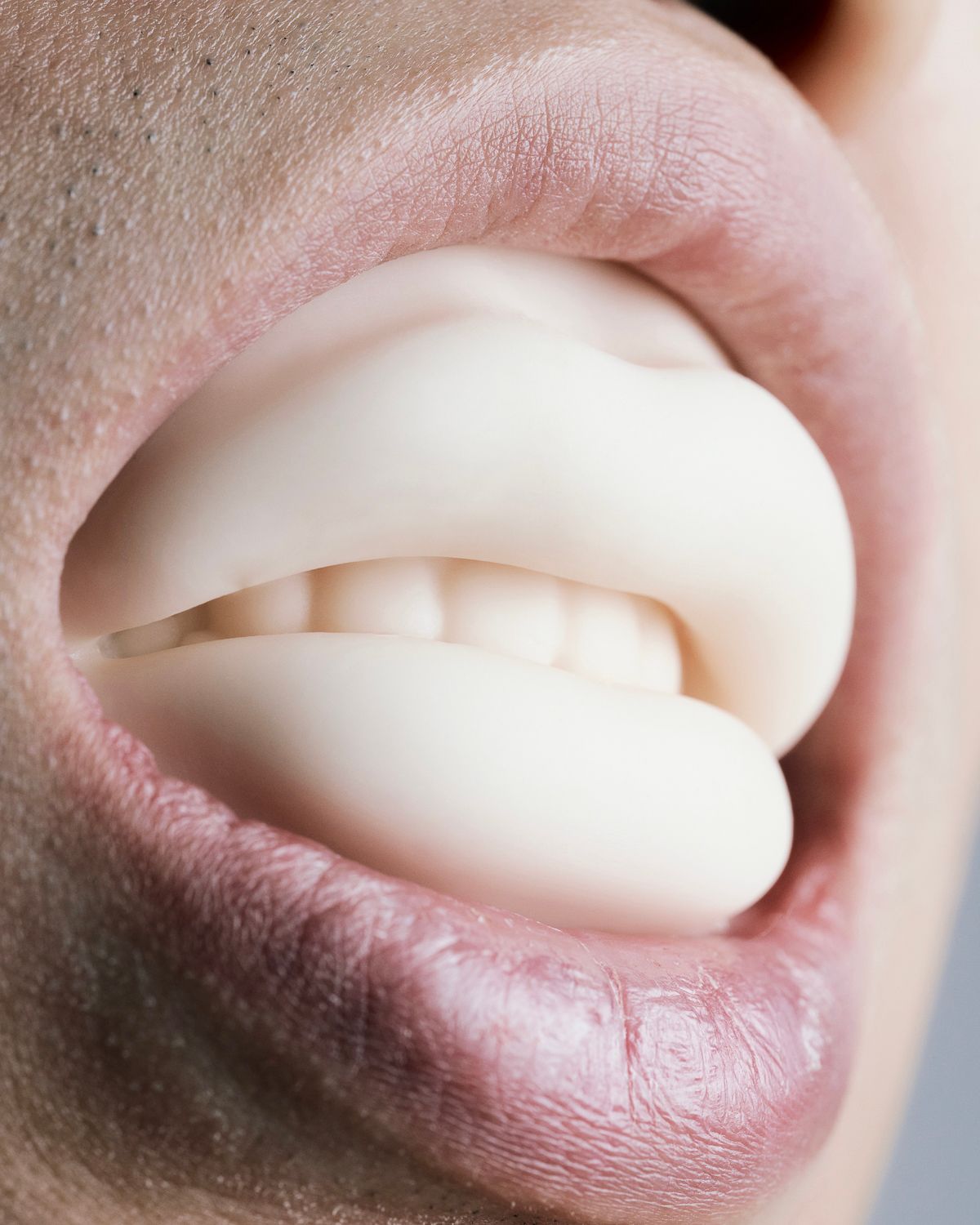
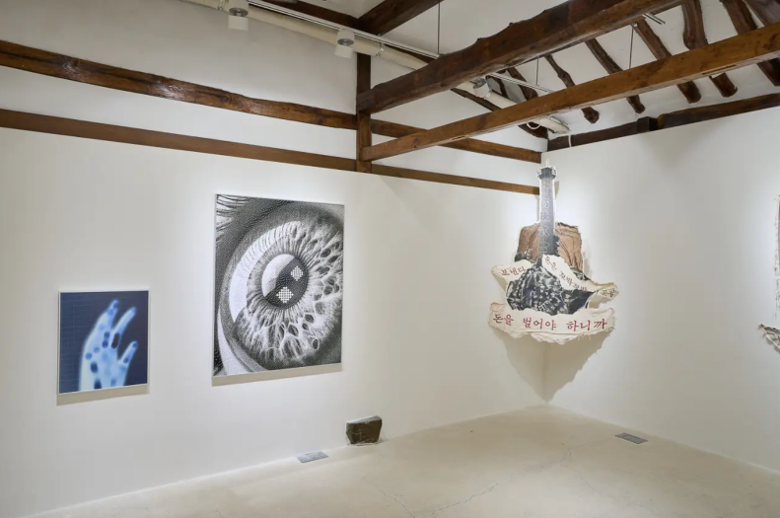
Yun Taejun has employed photography as a tool for reconfiguring the ways bodies and objects are perceived, exploring the gap between materiality and immateriality. Attentive to how advances in optical technologies are transforming modes of perception, he proposes new sensory experiences that connect physical reality and the digital world through his work.

Yun regards photography not merely as a tool for representing reality, but as a transformative apparatus that blends and alters objects and bodily sensations. Drawing on photography’s ability to transform objects into data and then render them perceptible once again as material presences, Yun Taejun’s work blurs the physical boundaries between objects and the body.
 
Within digital environments, his practice reveals the body’s fragility, softness, and apparent freedom from gravity, while prompting viewers to imagine new forms of physicality and alternative material conditions. Building on this perspective, Yun Taejun’s practice explores the gap that emerges between the seamless representational capacity of digital media and the materiality of the physical world.
 
Through the intersection of bodily sensation and data, as well as traditional objects and contemporary modes of representation, he experimentally expands both the possibilities and limitations of photography. His work engages in processes of visual transformation and reinterpretation through photography, objects, digital screens, and a variety of print-based media.

Solo Exhibitions (Brief)

Yun Taejun has held solo exhibitions including 《Water Photoautomat》 (Space DDF, Gwangju, 2024), 《Middle Turn》 (Space X Shift, Seoul, 2021), and 《Will We Live on Stones in the Future?》 (Ilhyun Museum Eulji Space, Seoul, 2018).

Group Exhibitions (Brief)

Yun has also participated in numerous group exhibitions, including 2026 SePF 《Come Back Home》 (Photography Seoul Museum of Art, Seoul, 2026), 《Technically Speaking》 (Space DDF, Gwangju, 2025), the 14th Gwangju Biennale (Swiss Pavilion, Gwangju, 2023), 《Where Are We Now?》 (Sungkok Art Museum, Seoul, 2022), 《Calling》 (d/p, Seoul, 2021), 《Interro-gative Sentence》 (CAN Foundation, Seoul, 2020), and 《2017 Community Art: Annyeonghaseyo》 (Buk-Seoul Museum of Art, Seoul, 2017).

Awards (Selected)

Yun was selected as a finalist for the 26/27 MH Talent Portfolio organized by the Museum Hanmi.

Residencies (Selected)

Yun was selected for the 3rd H-Artlab Residency of the Hoban Cultural Foundation in 2025.

Collections (Selected)

Yun ’s work is held in the collection of the Museum Division, Culture Headquarters, Seoul Metropolitan Government.

Works of Art

Reconstructing Bodily Perception Through Photography

Originality & Identity

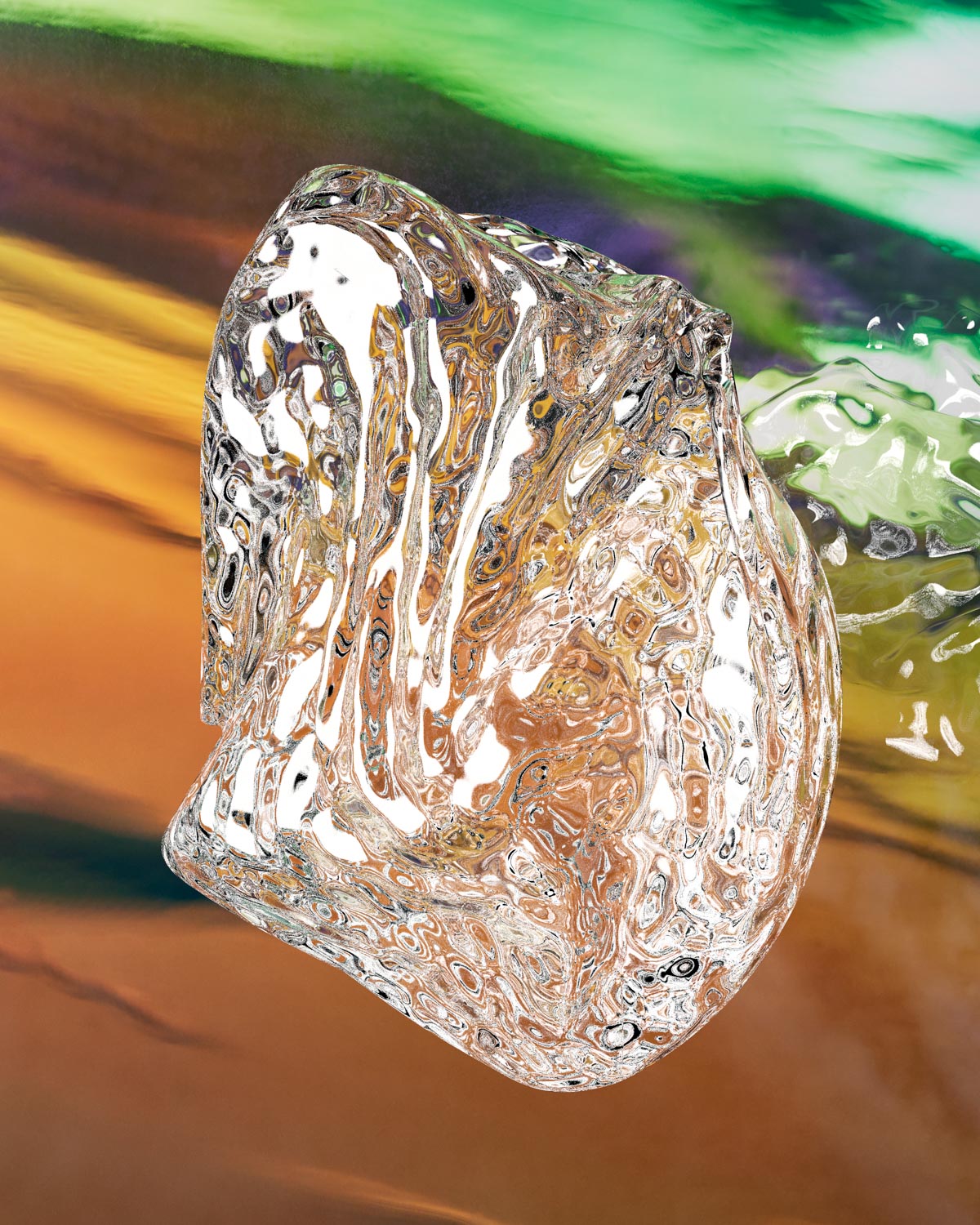
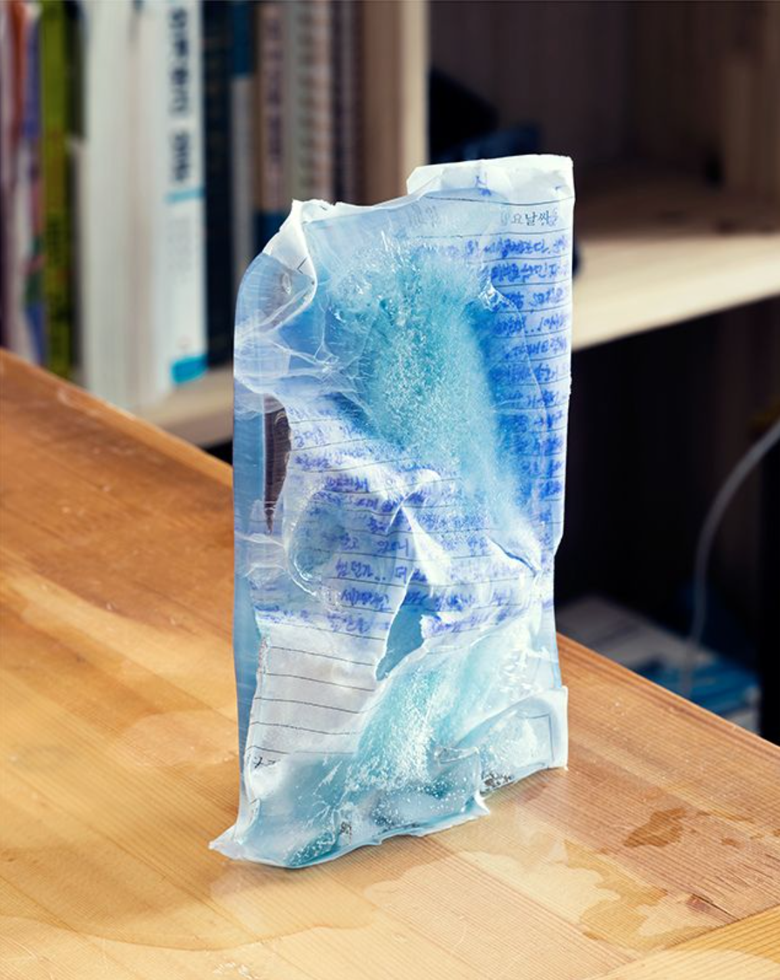
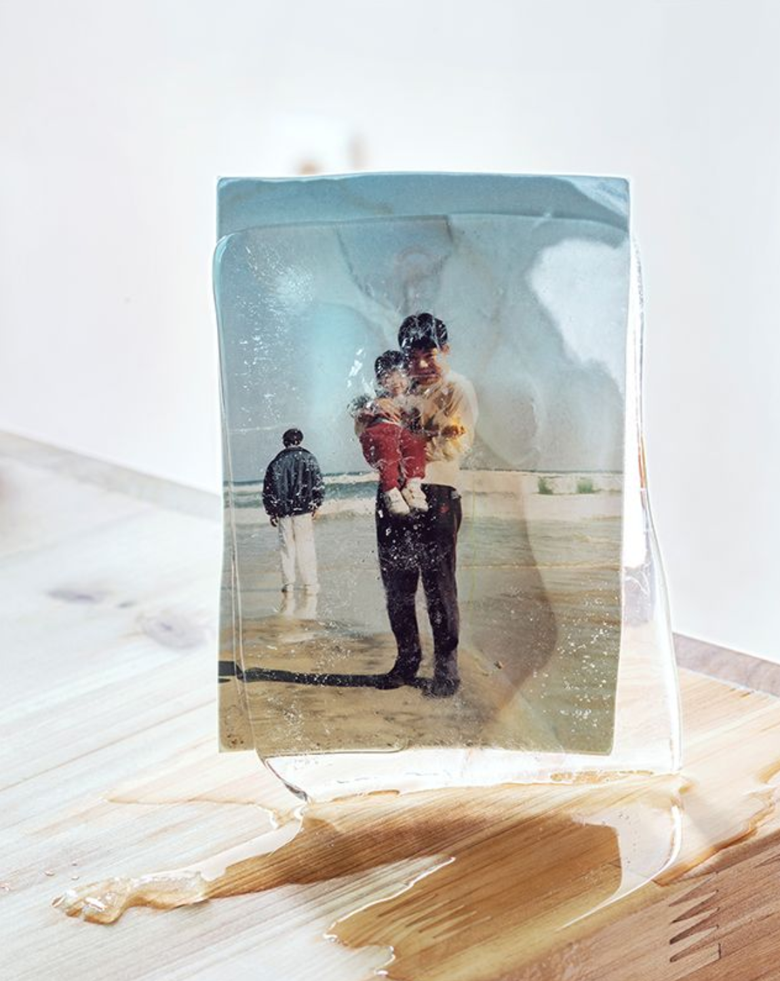
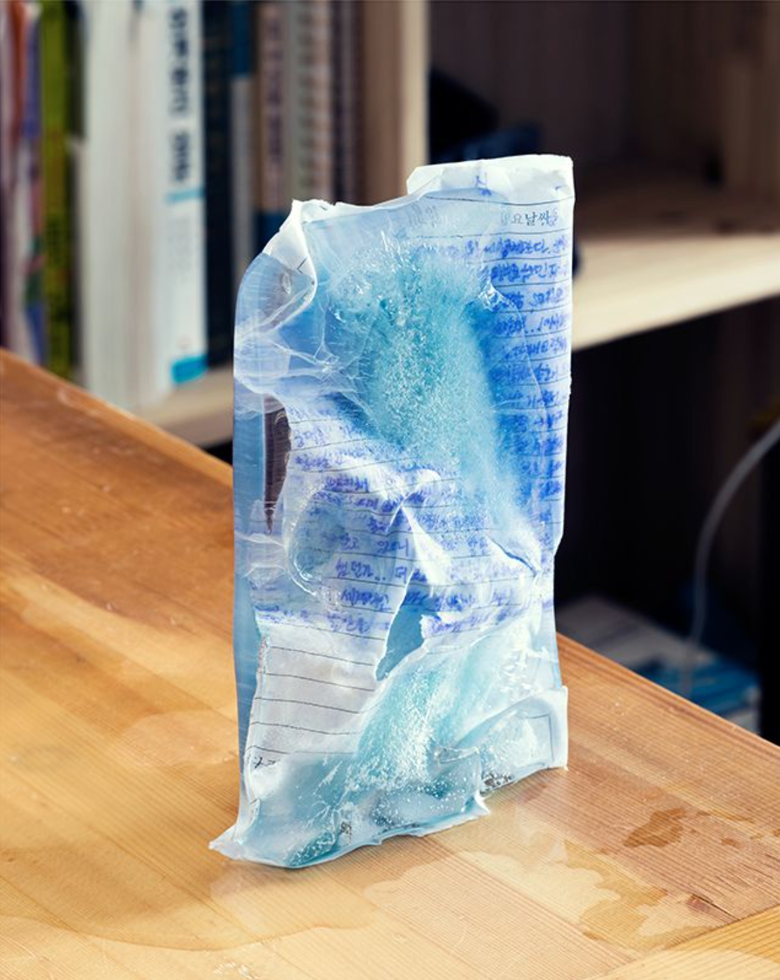
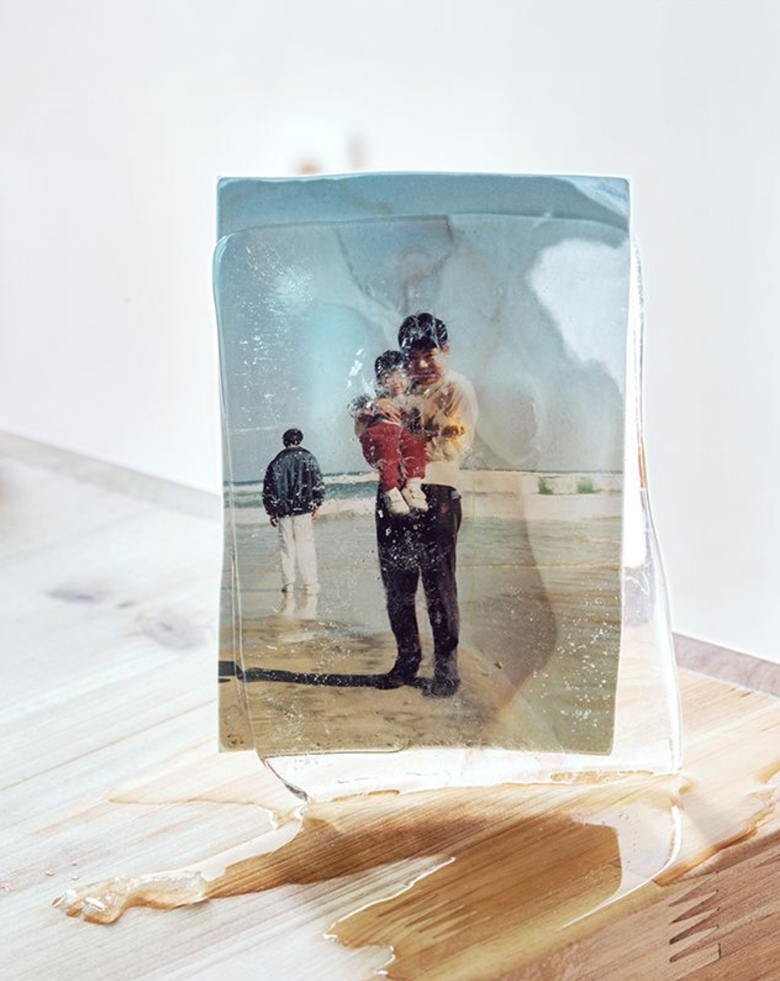
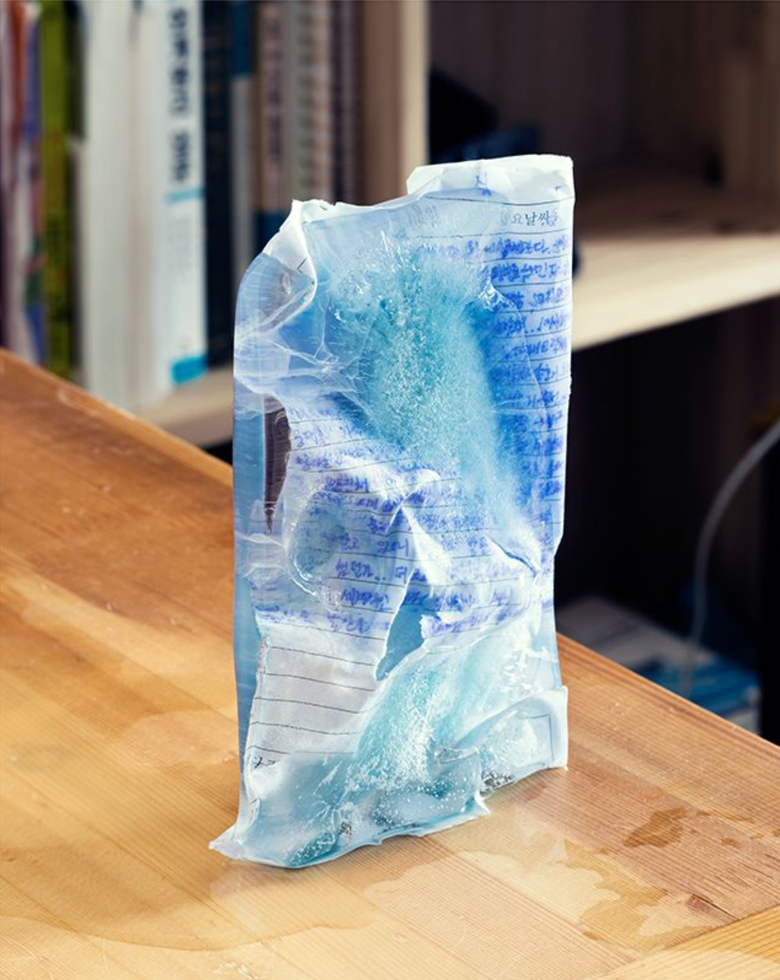
Yun Taejun has approached photography not simply as a device for recording the surface of reality, but as a medium for experimenting with how the perception of bodies and objects is constructed and transformed. In his early 'Weight of Remorse'(2013–2014) series, the artist froze objects connected to memory inside blocks of ice and photographed the process through which they slowly melted and changed.

In works such as Weight of Remorse #03(2014) and Weight of Remorse #11(2014), ice reveals the desire to preserve memory while also showing that memory is not a fixed scene, but a fluid state transformed within time. Photography appears here as a tool for preserving a moment, yet it also functions as a device that exposes the incompleteness and distortion of memory.

Yun later expanded his inquiry into the relationship between photography’s truthfulness and fictionality by connecting it with history, folklore, ritual, and vanished presences within the city. Bukduchilnak(2015) borrows the forms of documents, artifacts, and archives to question how photography comes to be accepted as historical evidence, while works such as The Birth Rock of Nak and The Feather Growing from Nak’s Armpit show how fact and fiction become intertwined within photographic representation.

In the 'Illusion Stair'(2017) series, the artist began from research into the history of Choansan Mountain, rituals surrounding old ginkgo trees, and vanished historical figures, building a structure of consolation that summons past presences into the present. Works from this period reveal photography not merely as a medium that proves what once existed, but as one that allows what is invisible or disappeared to be imagined again.

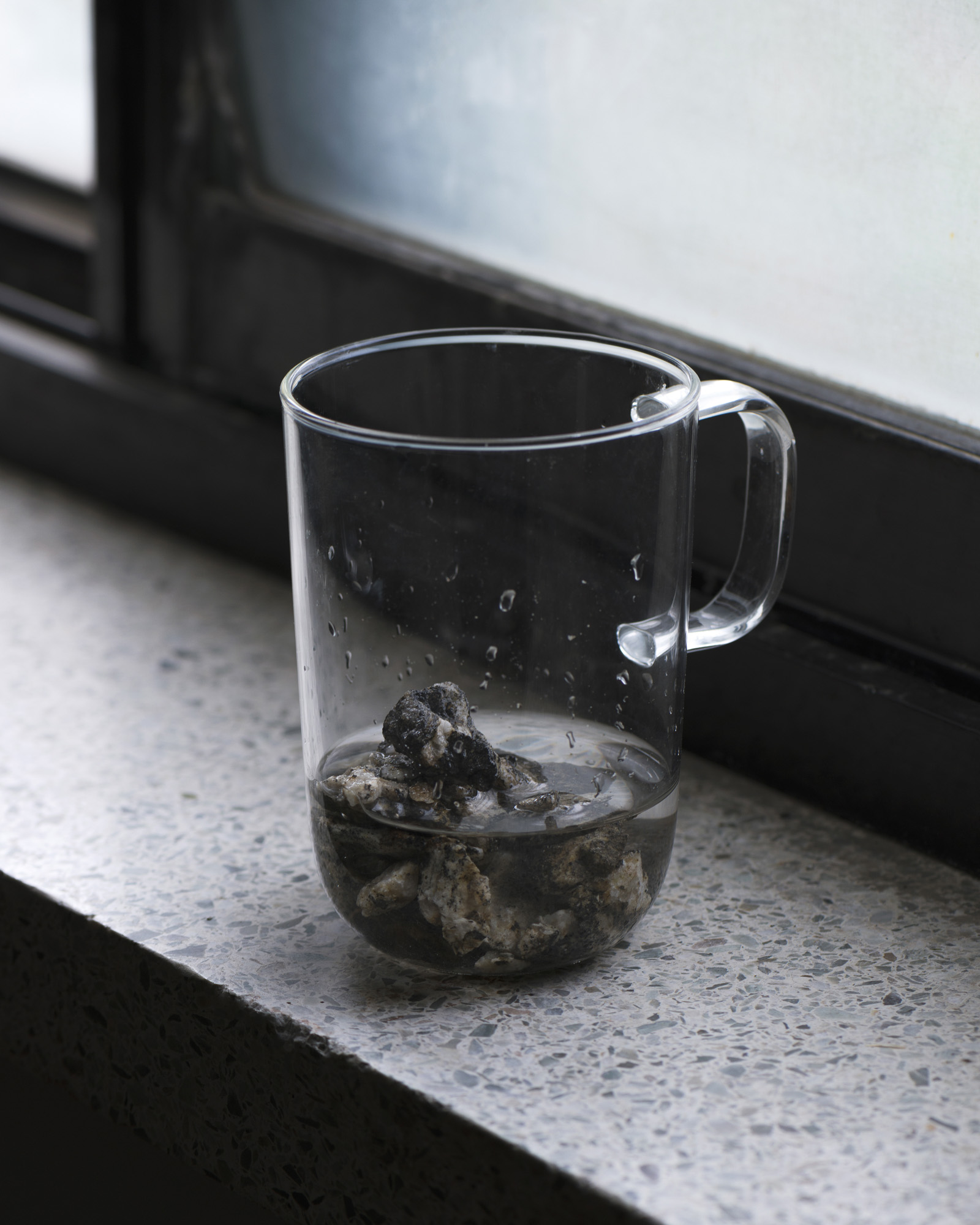
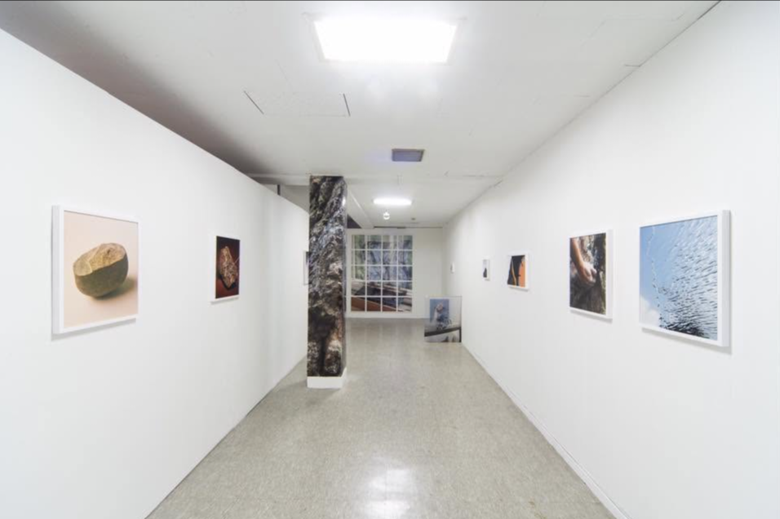
After 2019, the artist’s focus shifted toward the convergence of photography and digital technology. In the 'Low, Quickdraw'(2019–2020) series and the 'Middle Turn'(2020–2022) series, the recurring motif of stone becomes a central mediator between materiality and sensation, reality and virtuality.

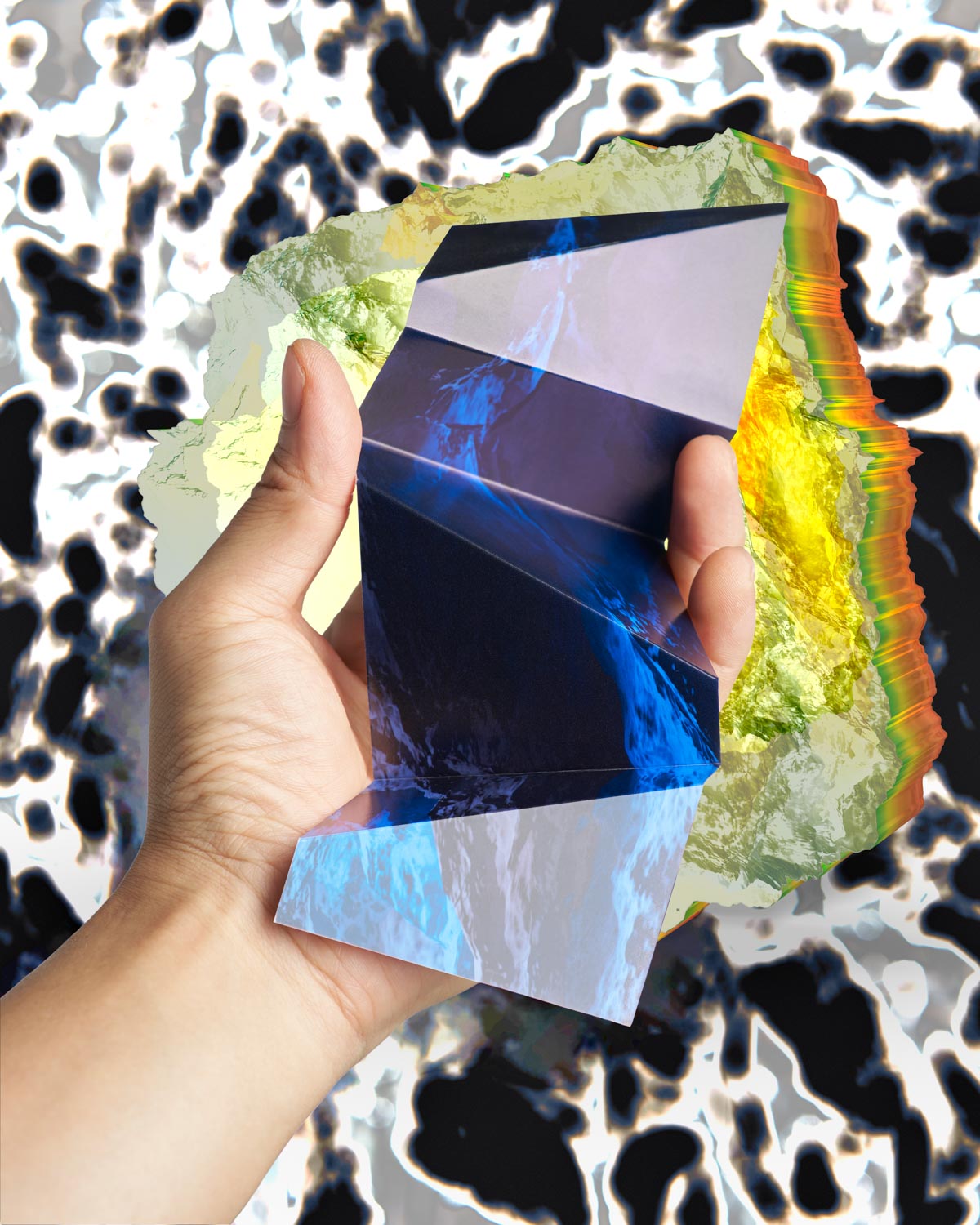
Through the concrete object of stone, the artist examines how bodily sensations such as weight, touch, volume, and surface are compressed and substituted on the photographic plane. In works such as Twist(2020) and Reflection(2021), photographed images and 3D graphic sources are combined, transforming photography from a transparent representation of reality into a complex image where data, surface, texture, and virtual materiality collide.

His recent works expand toward summoning back, through photography, what has disappeared, what remains unseen, or what exists only as data into a form that can be sensed. Firefly(2024) traces presences that appear faintly only at night in the city, dealing with traces of lives that history and records fail to capture.

Water Photoautomat
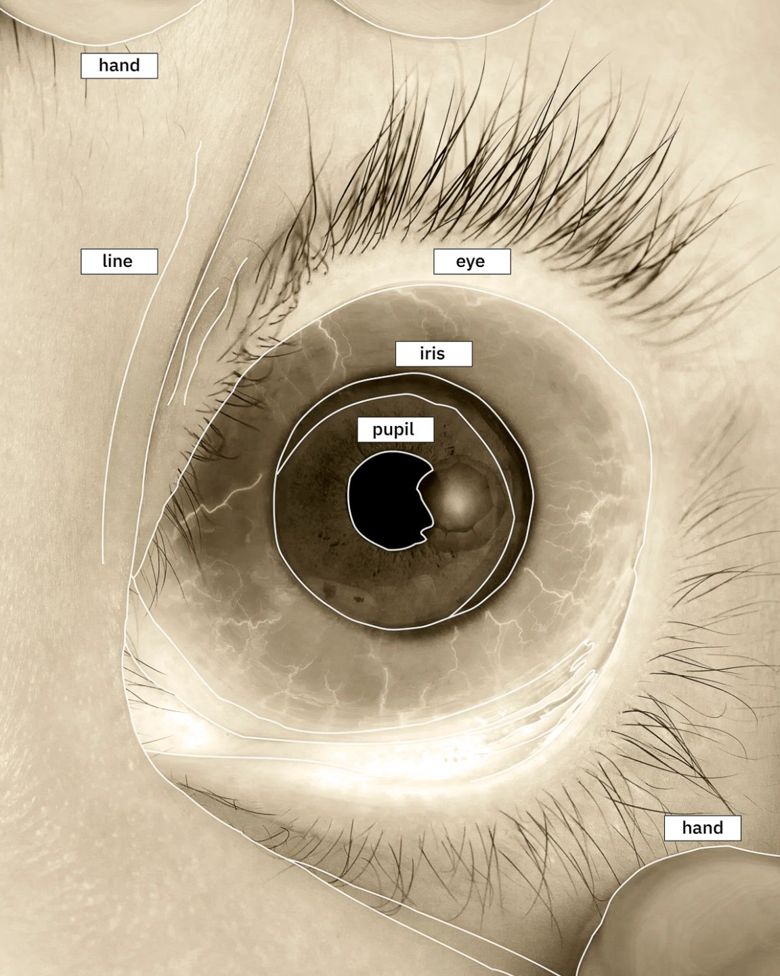
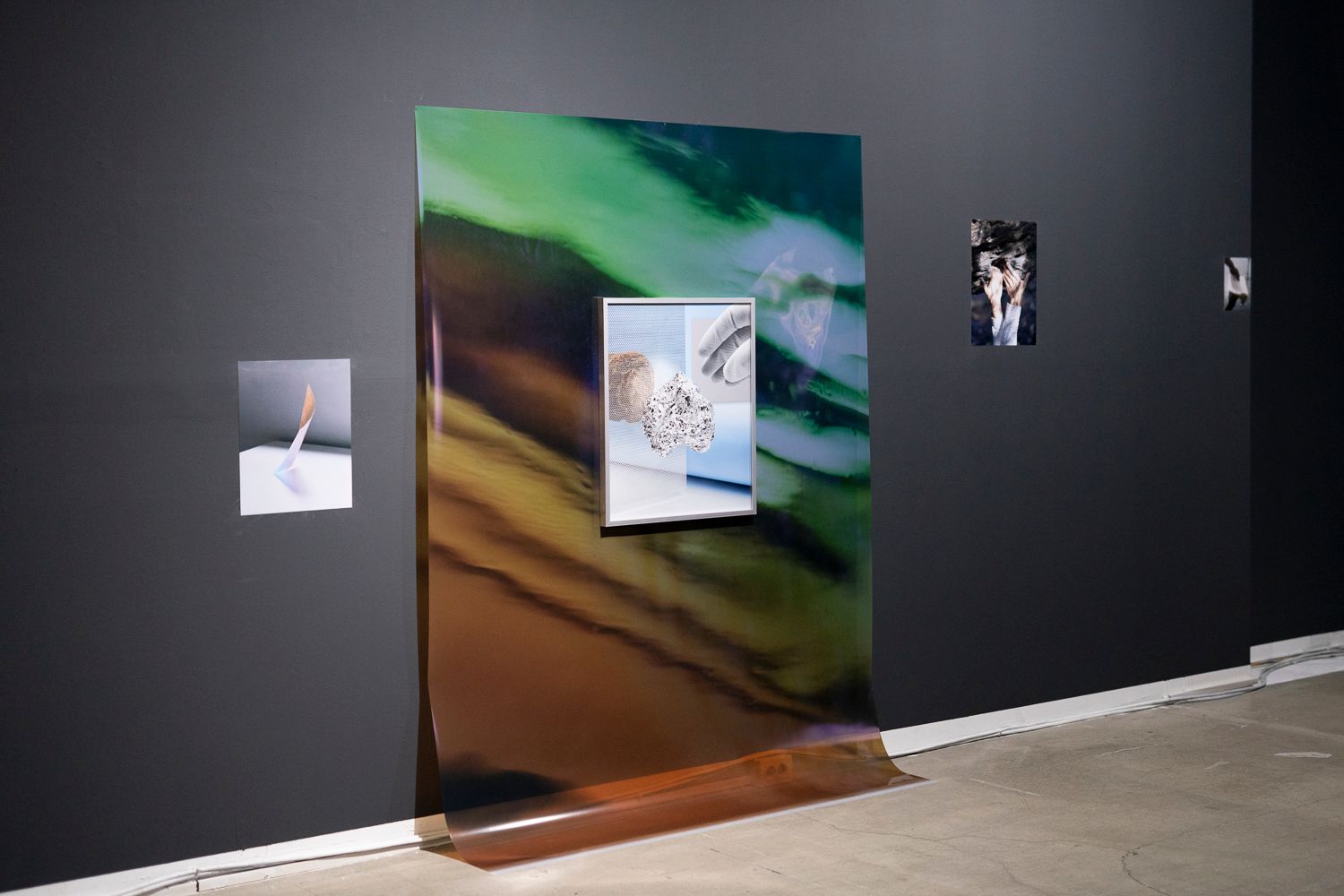
(2024) shows that photography does not simply stop time, but instead allows fragments of the past to rise like phantoms. The 'Transmitter to the Object'(2025–) series, along with Gaze(2025) and Unspeakable(2025), explores how signals and data come to be perceived like objects with volume and texture, revealing that bodies, images, information, and matter are already deeply entangled within the digital environment.

Style & Contents

Yun Taejun’s work moves across photography, printed matter, installation, objects, digital screens, 3D graphics, and video, yet at its center remains the question of how photography transforms objects and sensation. In the 'Weight of Remorse' series, personal objects connected to memory—diaries, photographs, letters, clocks, name tags, and stones—were photographed while enclosed in ice.

In this work, photography clearly presents objects while the thawing of ice, discoloration, and the flow of water reveal that preservation is always bound to fail. The documentary function of photography is not treated as stable evidence, but as something entangled with the unstable condition of memory within the passage of time.

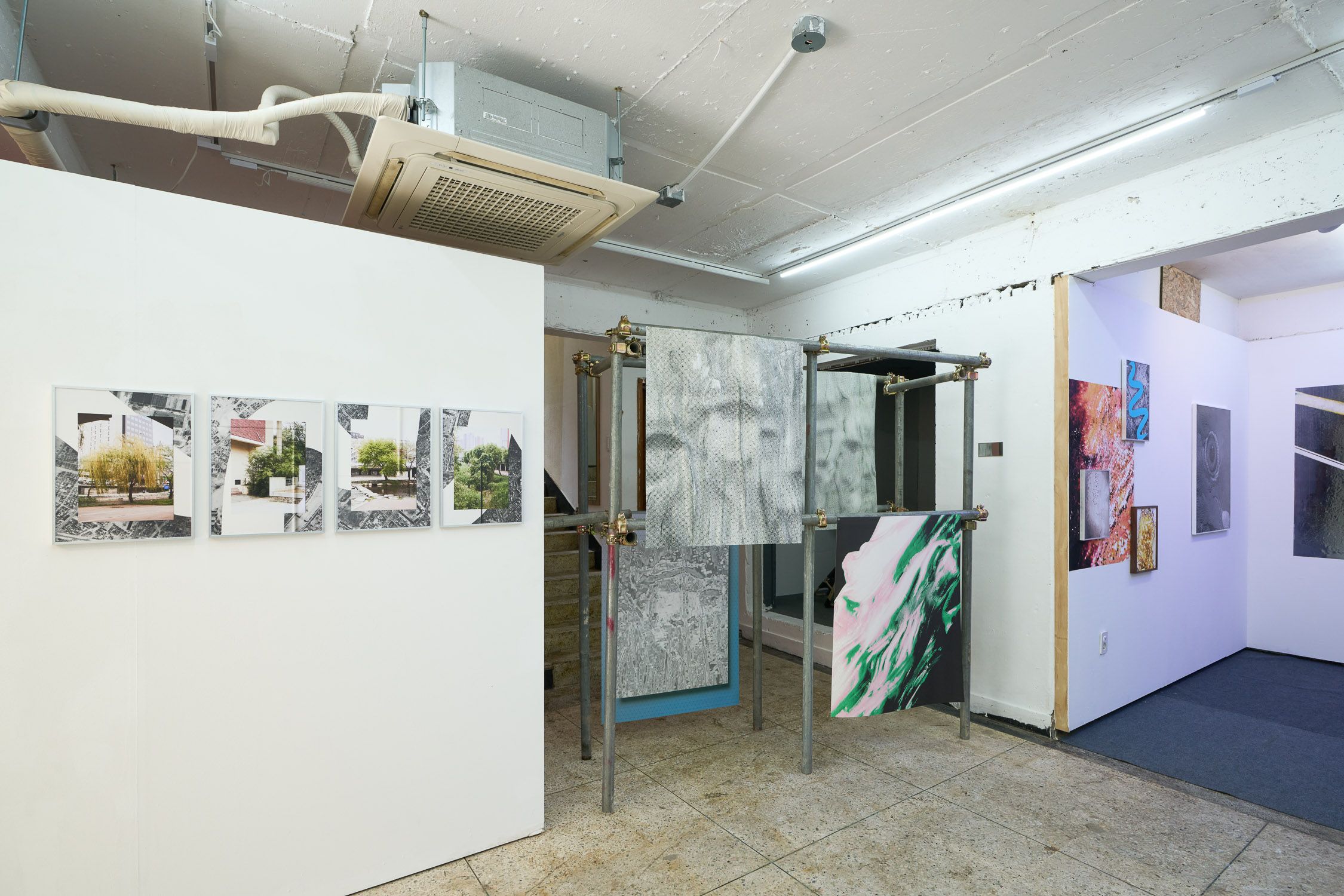
The 'Illusion Stair' series combines photography, installation, performance, and halftone imagery, translating non-existent subjects into objects with physical form. Figures found in archival records, graves on Choansan Mountain, hollows in ginkgo trees, and traces of ritual are reconstructed through photographic images and spatial devices, blurring the boundaries between past and present, reality and fiction.

In this work, the halftone images resembling soap bubbles suggest presences that have disappeared or been marginalized within the city. Photography becomes not the record of a single scene, but a thin membrane and temporary surface through which invisible presences briefly emerge.

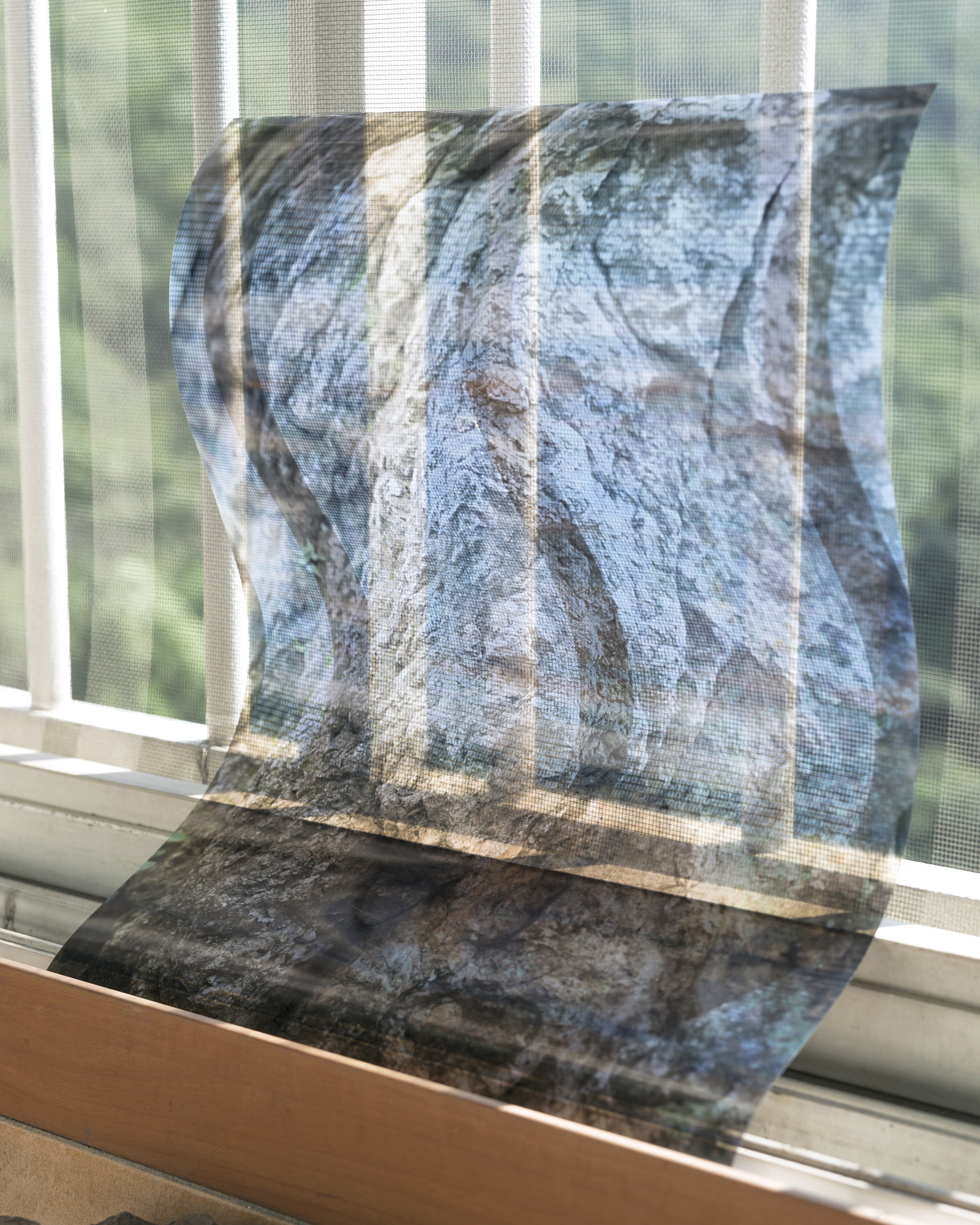
In the 'Low, Quickdraw' and 'Middle Turn' series, the artist actively uses the flatness of photography and the manipulability of digital images. Images of stones are transformed within 2D and 3D graphic software, and photographs become solid backgrounds with depth or surfaces of virtual objects.

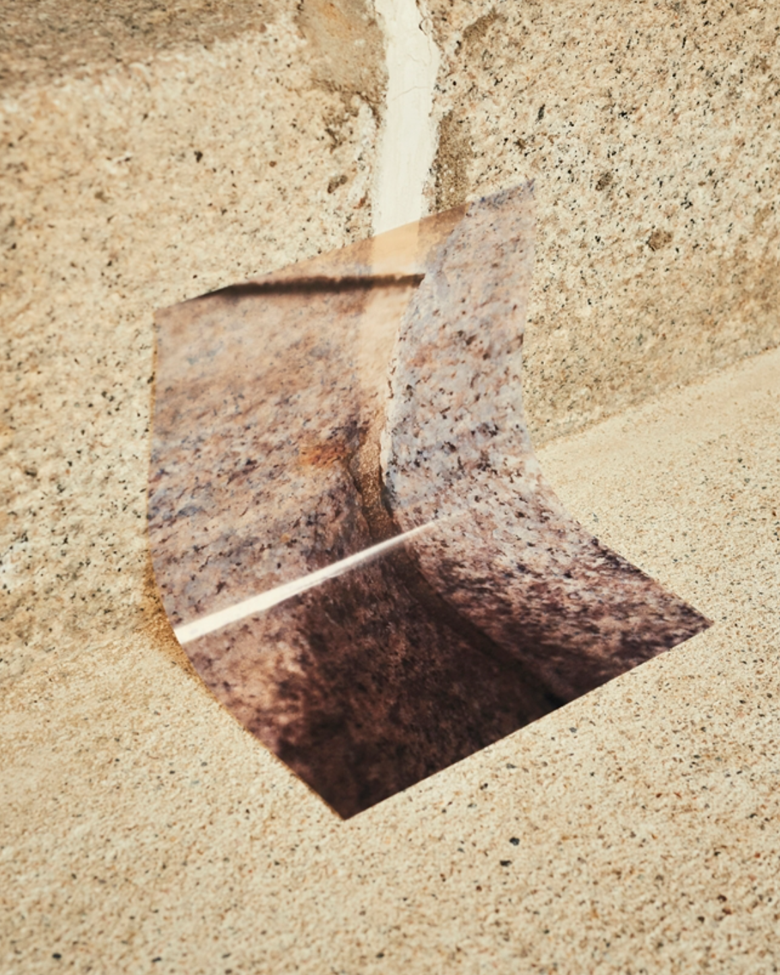
Actual stones and virtual objects resembling stones collide with and substitute one another, placing viewers in a state where it becomes difficult to determine whether the object in the photograph is a flat image, a digital graphic, or a trace of a material object. Through this process, photography becomes not the result of representation, but the very process through which materiality and sensation are newly assembled.

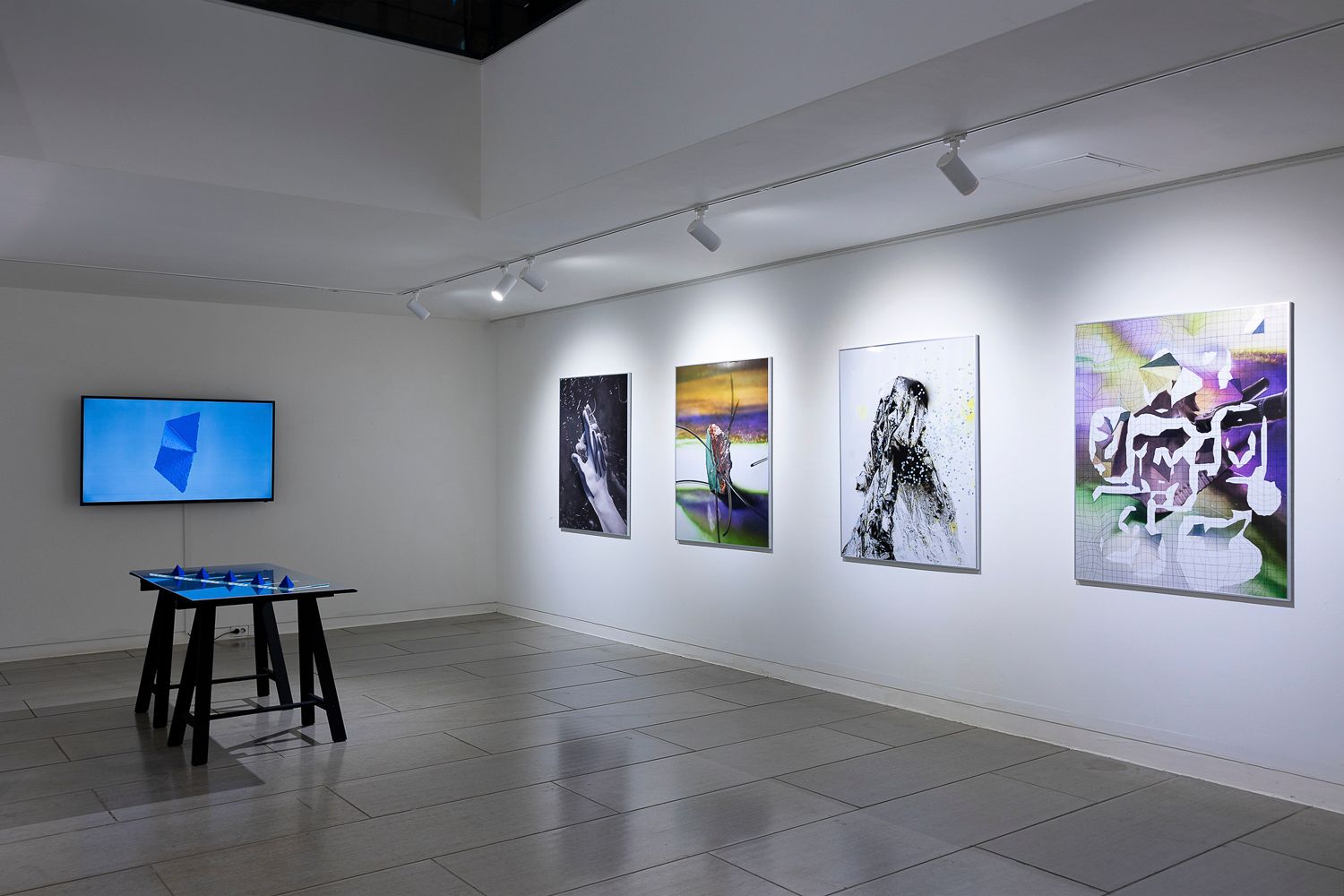
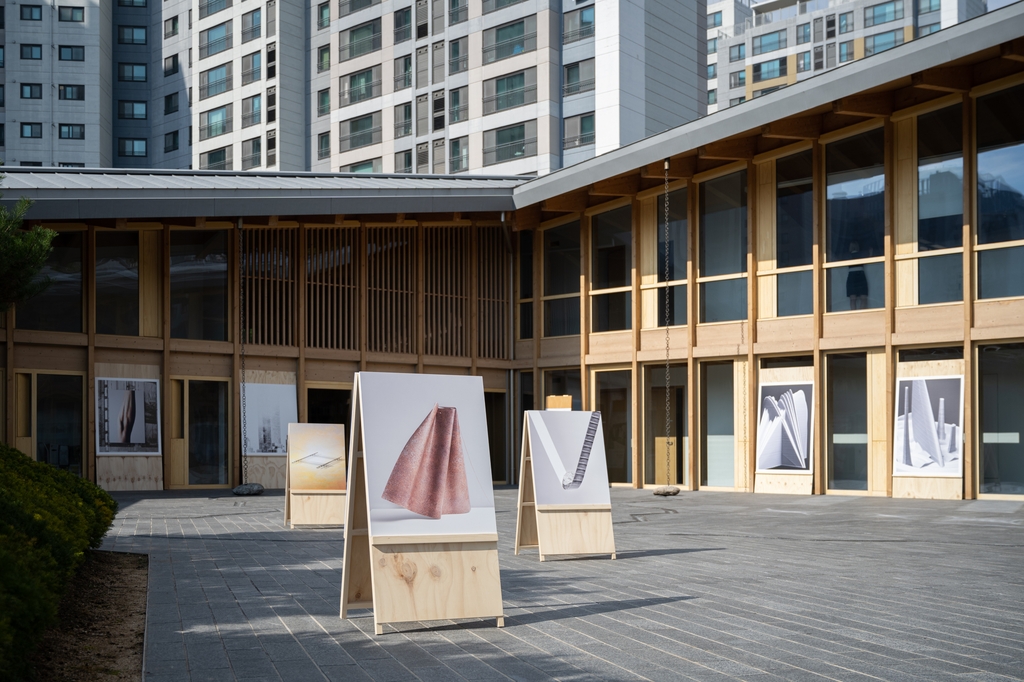
Recent works such as Firefly, Water Photoautomat, and the 'Transmitter to the Object' series extend photography into printed media, digital devices, video, and installation structures. In 《Water Photoautomat》(Space DDF, 2024), the artist gathered traces of those who have disappeared through photography and reorganized those fragments into present images.

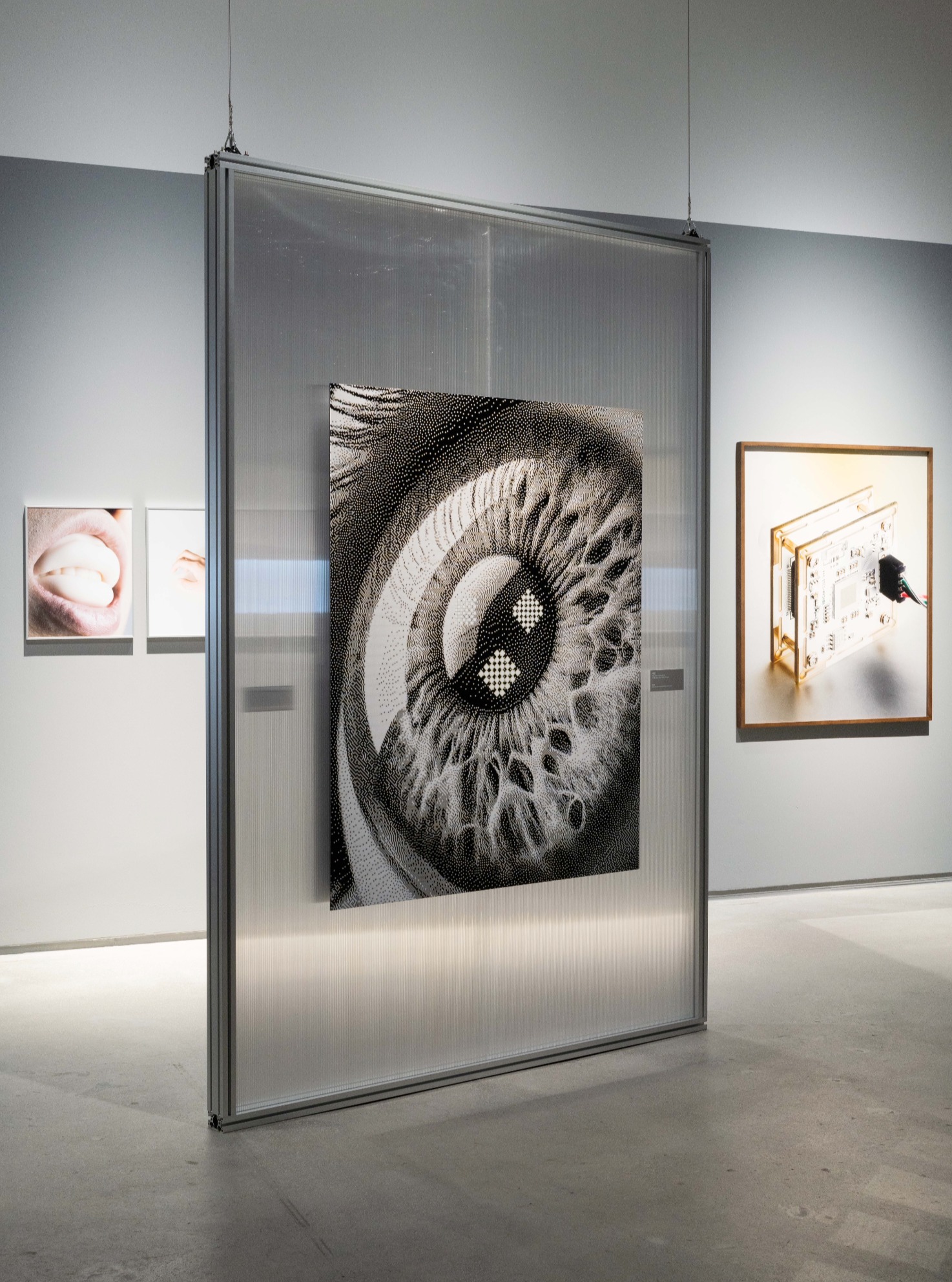
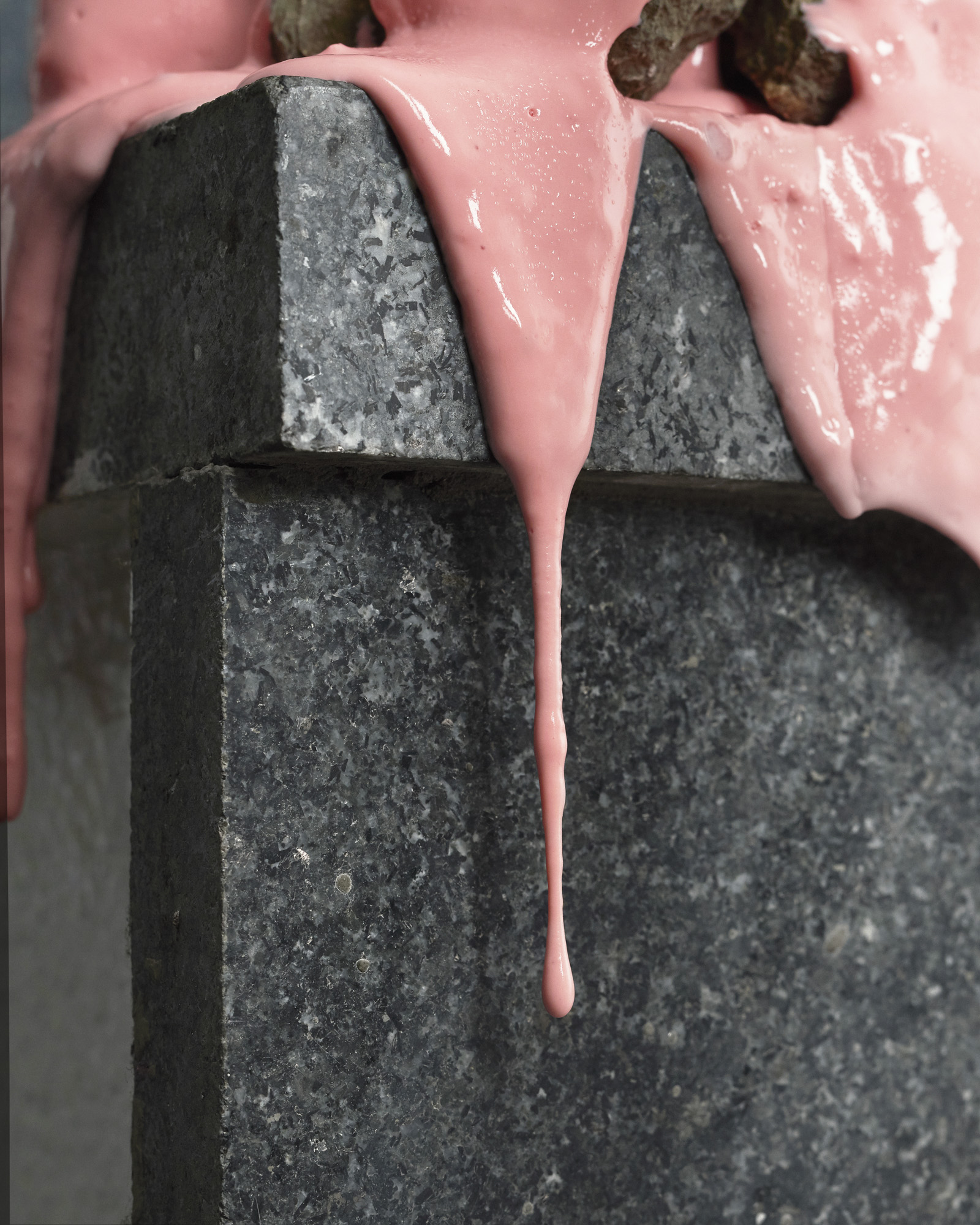
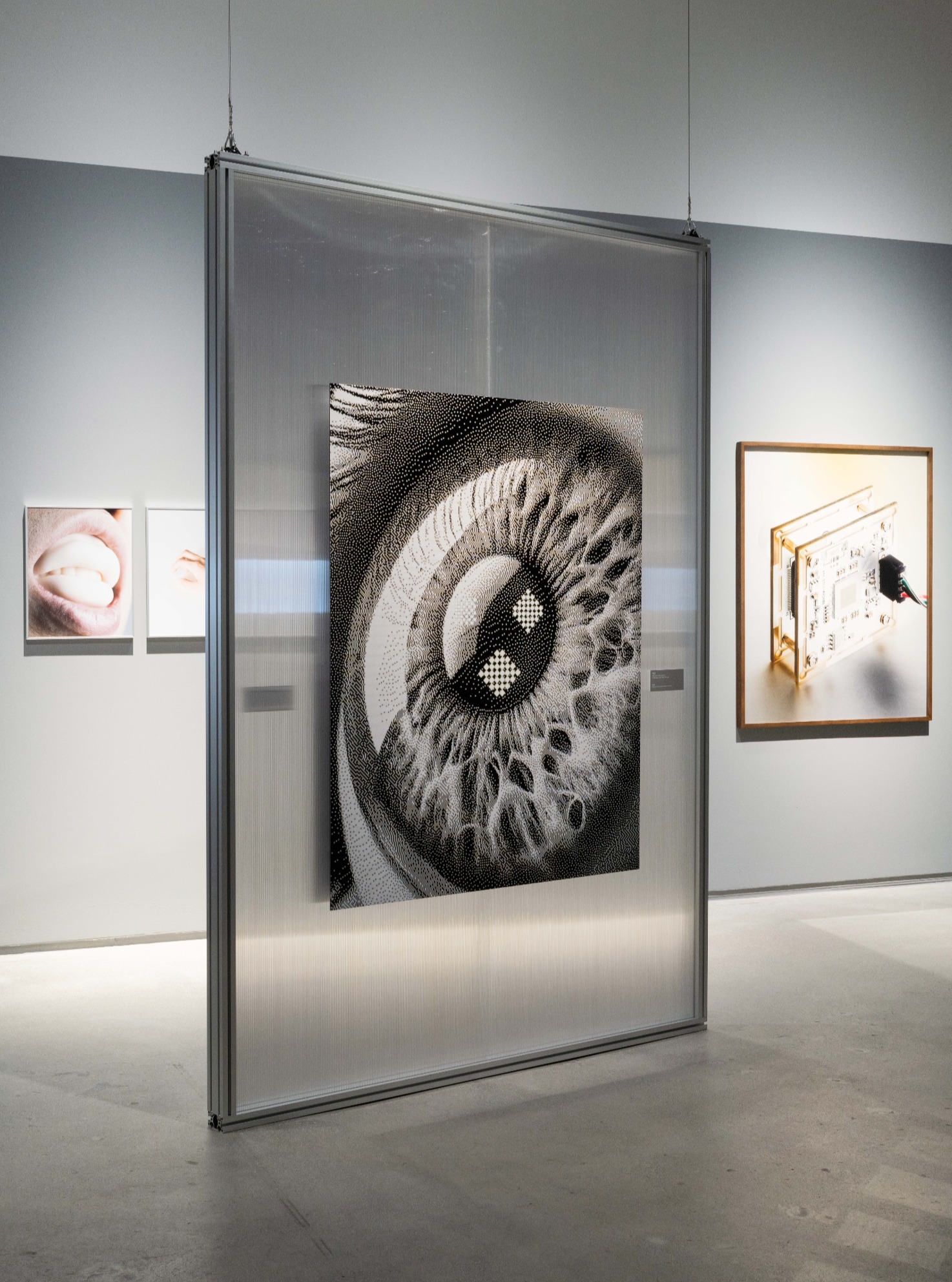
The 'Transmitter to the Object' series, presented at the 2026 Seoul Photo Festival exhibition 《Come Back Home》(Photography Seoul Museum of Art, 2026), gives volume and physical tension to flat images through materials such as Dibond panels, inkjet prints, polycarbonate, and aluminum profiles. In this way, Yun’s photography passes through layers of printed surface, screen, structure, and data, extending the act of looking into the tactile sense of the hand and the perception of the body.

Topography & Continuity

un Taejun occupies a distinctive position in the way he treats photography not as a medium limited to documentation, representation, or evidence, but as a field of transformation where sensation and data meet. Even as he addresses the immateriality of digital images, he does not push it solely into abstract technological discourse.

He begins instead from concrete objects and sensations: the weight of stone, the melting of ice, the touch of the hand, droplets on a screen, and presences that appear faintly in the city at night. In this sense, his work addresses the image environment after photography, while always returning to the question of how the body sees, touches, remembers, and misperceives.

While many similar experiments with digital images tend to focus on technological speed or visual spectacle, Yun Taejun’s work is more concerned with how images transform sensation.

The 'Network'(2022) series combines photographed subjects and virtual images to show how sensation is dispersed within networked environments, while his work in 《Technically Speaking》(Space DDF, Gwangju, 2025) can be read as an experiment that connects the materiality of photographic and digital images with human bodily sensation. For him, the digital image is not a lightweight screen to be quickly consumed, but a complex surface that prompts us to reconsider bodily sensation and the materiality of reality.

Yun Taejun explores how images come to be sensed like objects within digital environments, connecting the medium-specific conditions of photography with contemporary technological environments.

In 2026, he was named one of the final selected artists for the ‘26/27 MH Talent Portfolio’ organized by Museum Hanmi, and accordingly, he is scheduled to hold a solo exhibition at Museum Hanmi in 2027 and publish an accompanying catalogue. This is also an important milestone in that it provides a foundation for his work to be discussed continuously within an institution specializing in photography.

Currently serving as a professor in the Department of Photography and Visual Media at Gwangju University while continuing his artistic practice, he is likely to keep treating photography not as a fixed image, but as a medium that is assembled, transformed, and capable of reorganizing sensation. His work does not stop at explaining the gap between physical reality and the digital world; it allows us to calmly observe the new structures of perception that emerge between them.

Works of Art

Reconstructing Bodily Perception Through Photography

Articles

Exhibitions

Activities