The Dinner - K-ARTIST

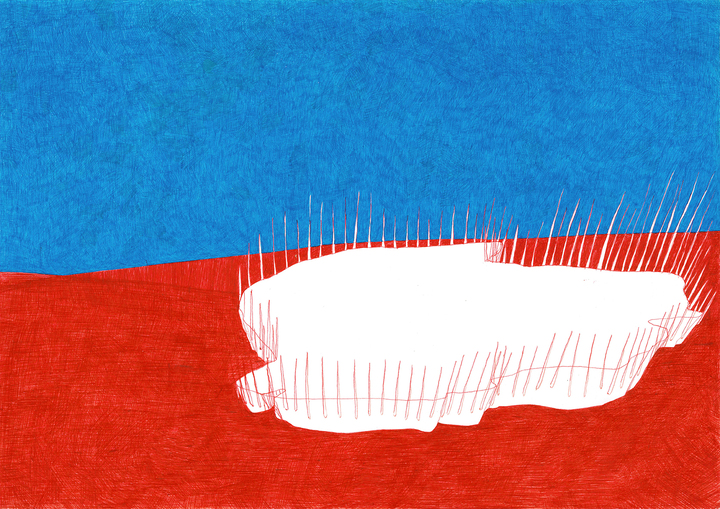
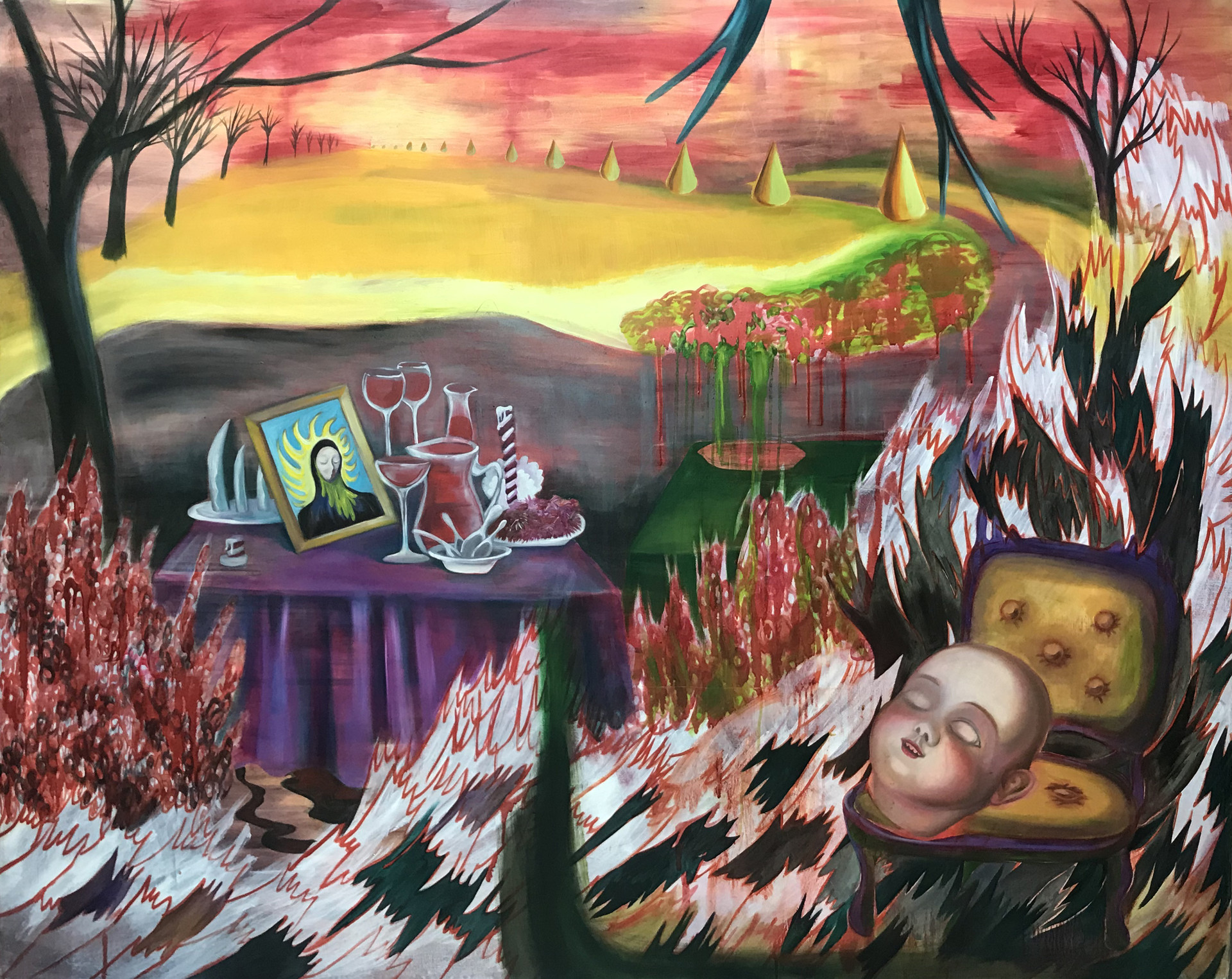
The Dinner

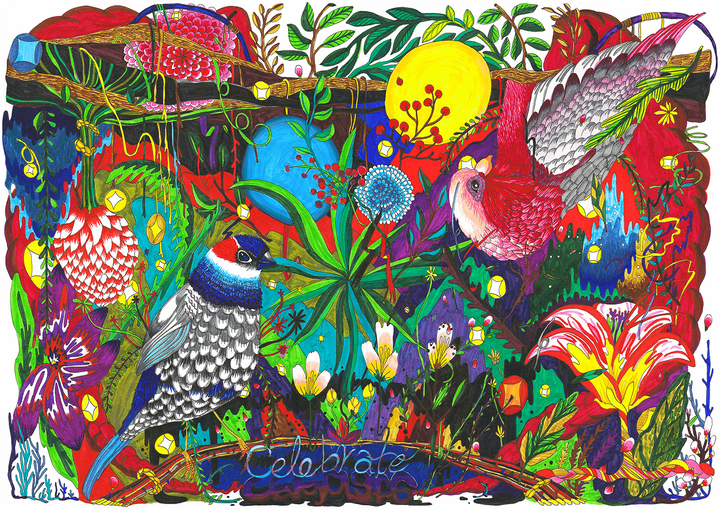
2010
Mixed media on Canvas 
91.0 x 116.8 cm
About The Work

Hee Vaak works across painting, drawing, video, installation, embroidery, objects, and handcrafted practices, tracing how beliefs and wishes passed down through generations permeate an individual’s life and persist in the forms of memory, habit, labor, and image. Rather than treating religious faith only as an absolute truth or sacred object, the artist observes the conditions under which it arises, how it is transmitted within the family, and how it transforms over time into certain emotions and images. 

This concern is closely connected to the artist’s childhood, Catholic faith, and matrilineal memories passed down through her maternal grandmother and mother to herself. Through her work, Hee Vaak attempts to draw up the intimate memories of her childhood in order to reveal the substance of fervent beliefs and desires handed down through generations. 

Hee Vaak calmly examines how images such as the Virgin Mary statue, the praying girl, geumjul, candles, mantillas, and First Communion are intertwined with family expectations, women’s roles, childhood memories, Korean wish-making faith, and labor passed down across generations. The religious images in her work are less symbols of absolute belief than psychological residues that have long adhered to one individual’s body and memory. 

Unlike many contemporary works that deal with religious imagery or family history through the language of accusation, deconstruction, or identity narrative, Hee Vaak does not rush toward judgment. She leaves lives that cannot speak, beliefs that cannot be fully explained, and residues of desire that do not easily disappear in an ambiguous state.

As a result, her works are closer to scenes that invite prolonged looking than to clear conclusions, and viewers are led to see not the truth or falsity of faith, but the conditions of the mind in which faith comes into being. This attitude remains consistent across various media, including video, installation, embroidery, and painting. For Hee Vaak, a medium is less a tool for delivering a message than a way of retracing memory, holding it by hand, and looking at it again.

Solo Exhibitions (Brief)

Hee Vaak has held solo exhibitions including 《Girlhood》 (Ieum 1977, Incheon, 2025), 《There is no gold that does not decay》 (Incheon Art Platform, Incheon, 2025), 《Hoping for a Safe Day》 (Cheongju Art Studio, Cheongju, 2022), and 《Oksoon’s Thread》 (Seoul Citizens Hall Sound Gallery, Seoul, 2021).

Group Exhibitions (Brief)

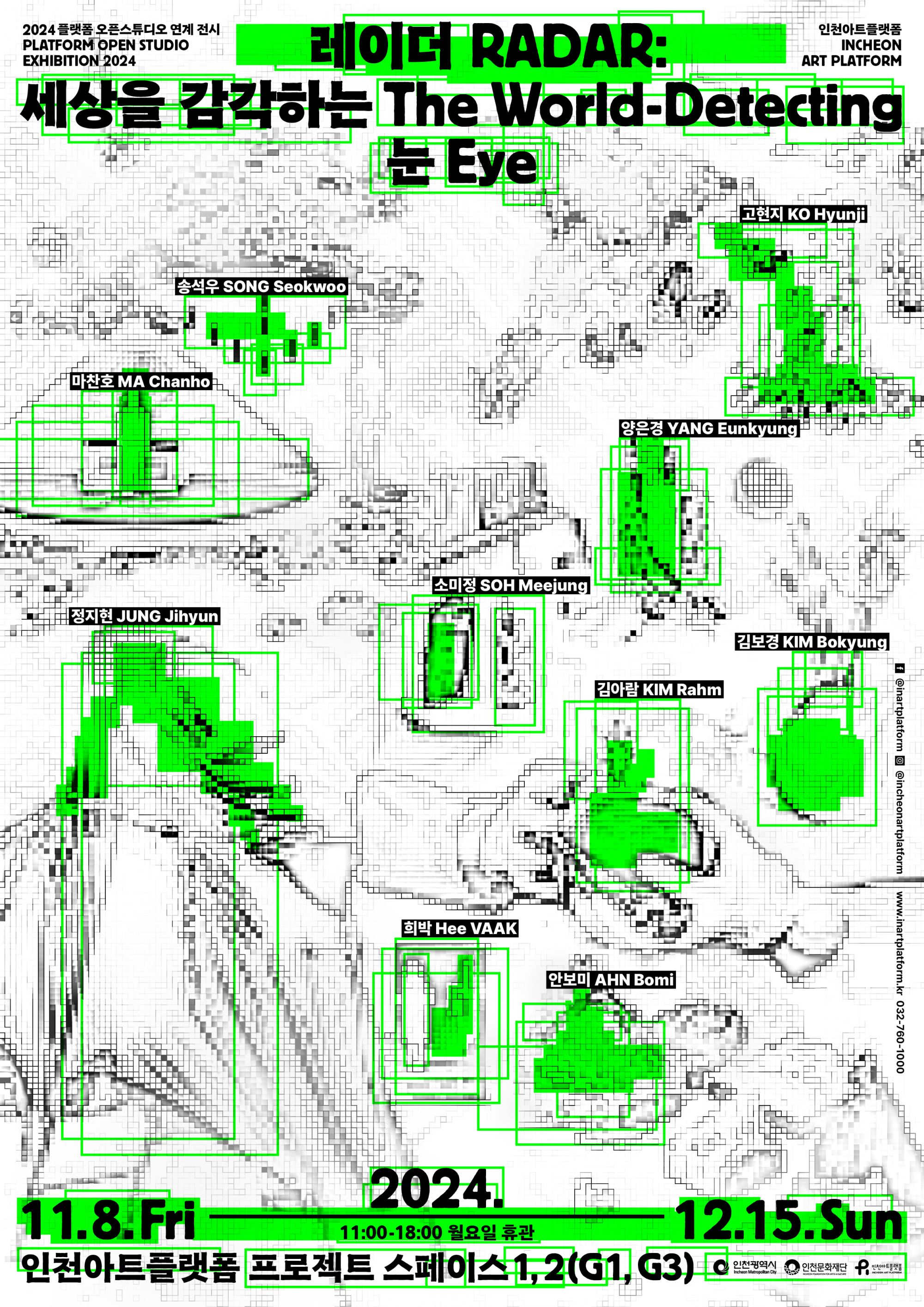
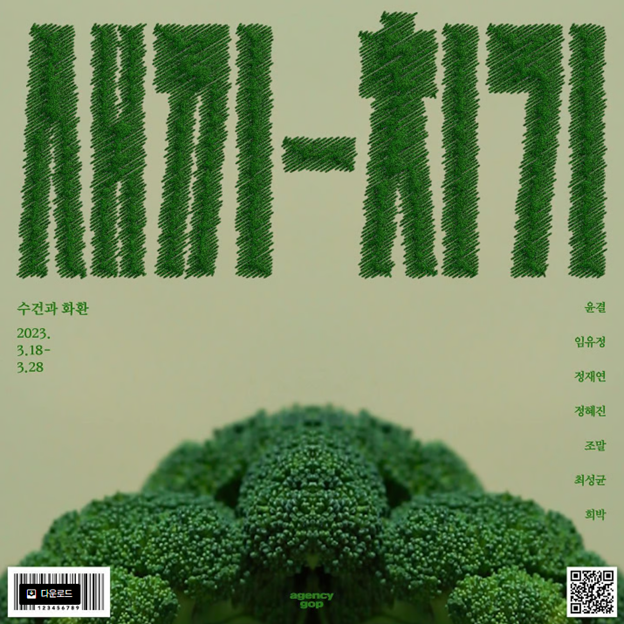
Hee Vaak has also participated in numerous group exhibitions, including 《Busan, Connected》 (Busan Mordern & Contemporary History Vault Art Museum, Busan, 2025), 《New Indépendant : Crossword》 (Yangpyeong Museum of Art, Yangpyeong, 2025), 《Drawing-Growing》 (Artspace Boan, Seoul, 2025), 《RADAR: The World-Detecting Eye》 (Incheon Art Platform, Incheon, 2024), 《Tillering》 (WREATH AND TOWEL, Seoul, 2023), and 《Artist Prologue 2022》 (Art Centre Art Moment, Seoul, 2022).

Residencies (Selected)

Hee Vaak has participated in residency programs at Incheon Art Platform (2024) and Cheongju Art Studio (2022).

Collections (Selected)

Hee Vaak’s works are included in the collections of the Incheon Foundation for Arts and Culture, Bupyeong District Office, and Art Centre Art Moment.

Works of Art

Tracing the Shape of Unfading Longings

Originality & Identity

Hee Vaak traces how beliefs and wishes passed down through generations permeate an individual life, and how they remain in the forms of memory, habit, labor, and image. Rather than treating religious faith only as an absolute truth or sacred object, the artist observes the conditions under which it arises, how it is transmitted within the family, and how it transforms over time into certain emotions and images.

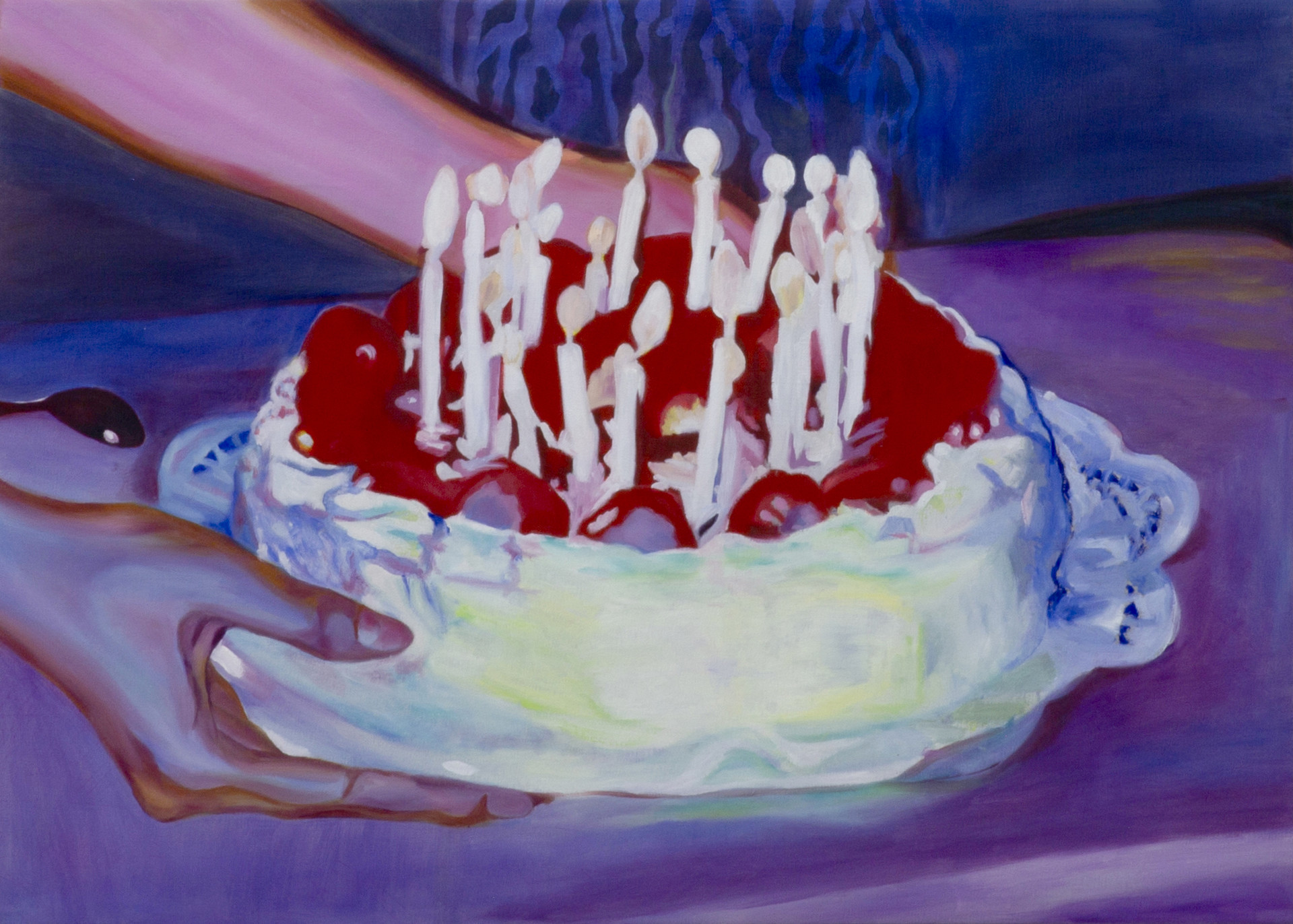
This concern is closely connected to the artist’s childhood, Catholic faith, and matrilineal memories passed down through her maternal grandmother and mother to herself. If early works such as The Dinner(2010) and Guwol-Jugong Drawing(2011) already revealed a personal world in which family, living space, religious iconography, and everyday objects were intermingled, her later works expand those layers of memory into more specific questions of family history and faith.
 
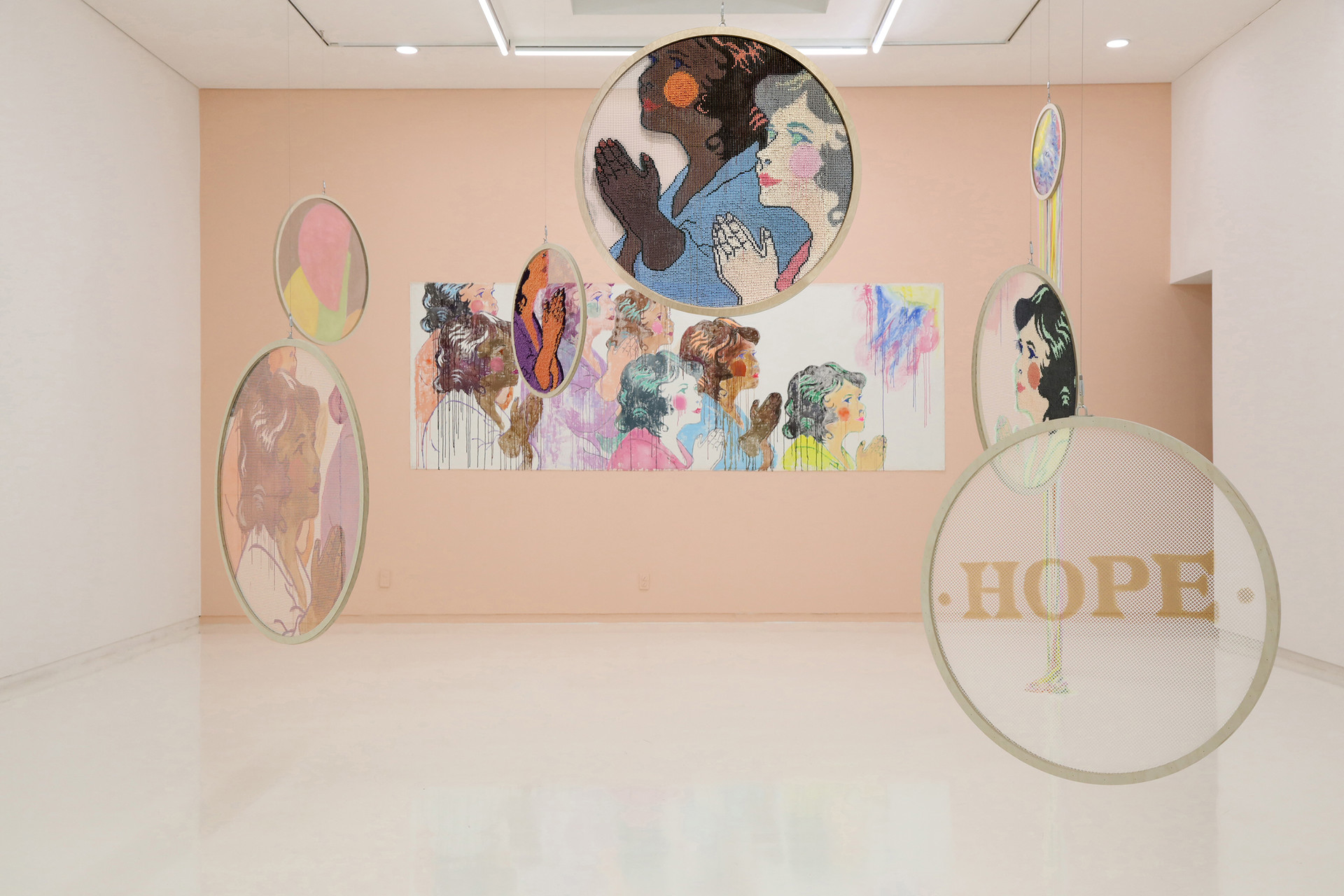
The core image that appears repeatedly in Hee Vaak’s work is the “praying girl.” This image originated from Joshua Reynolds’s The Infant Samuel and was transformed and reproduced in Korea together with the phrase “Hoping for a Safe Day,” becoming an image of wish-making often found in homes, shops, taxis, and barbershops in the 1970s and 1980s.

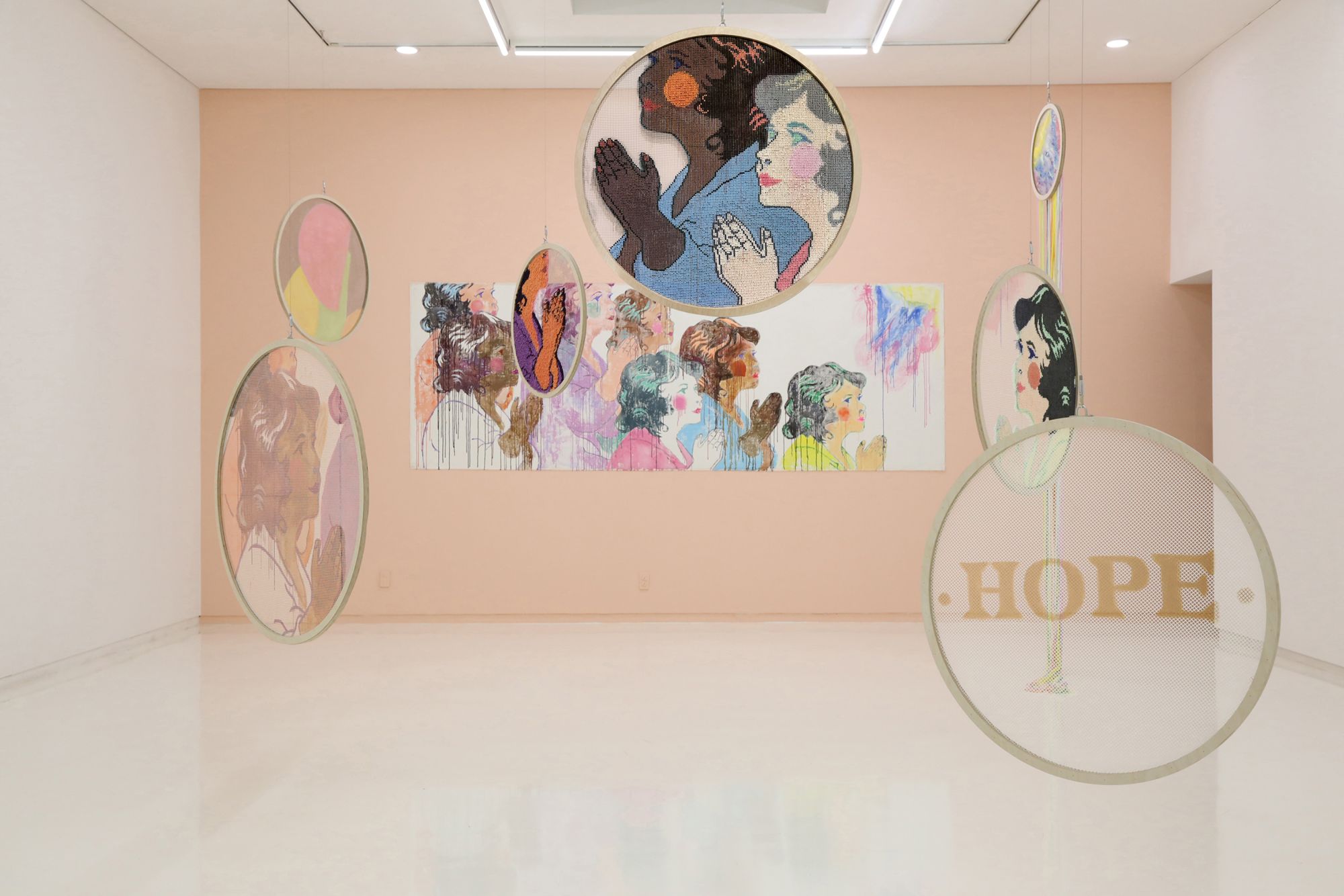
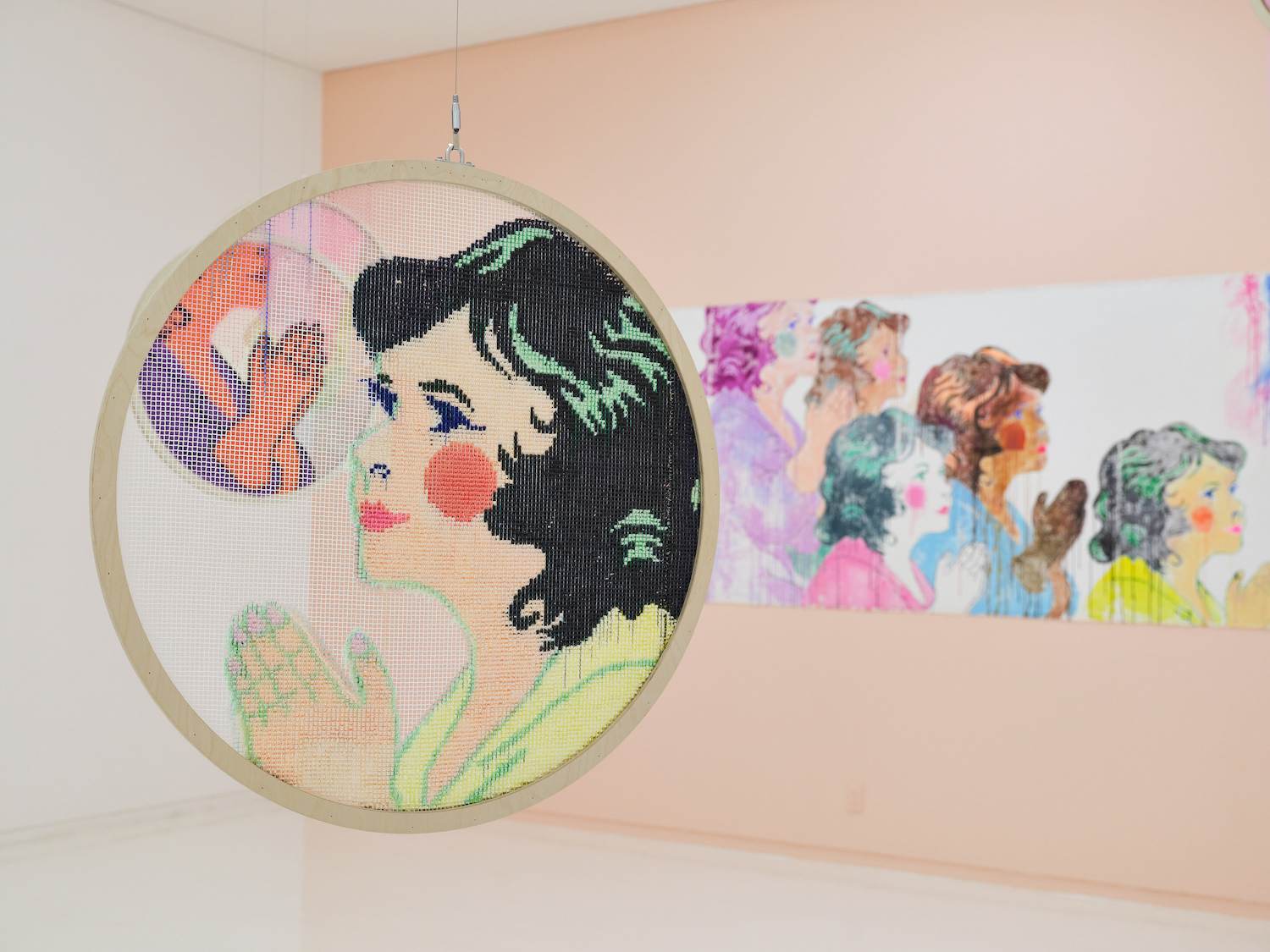
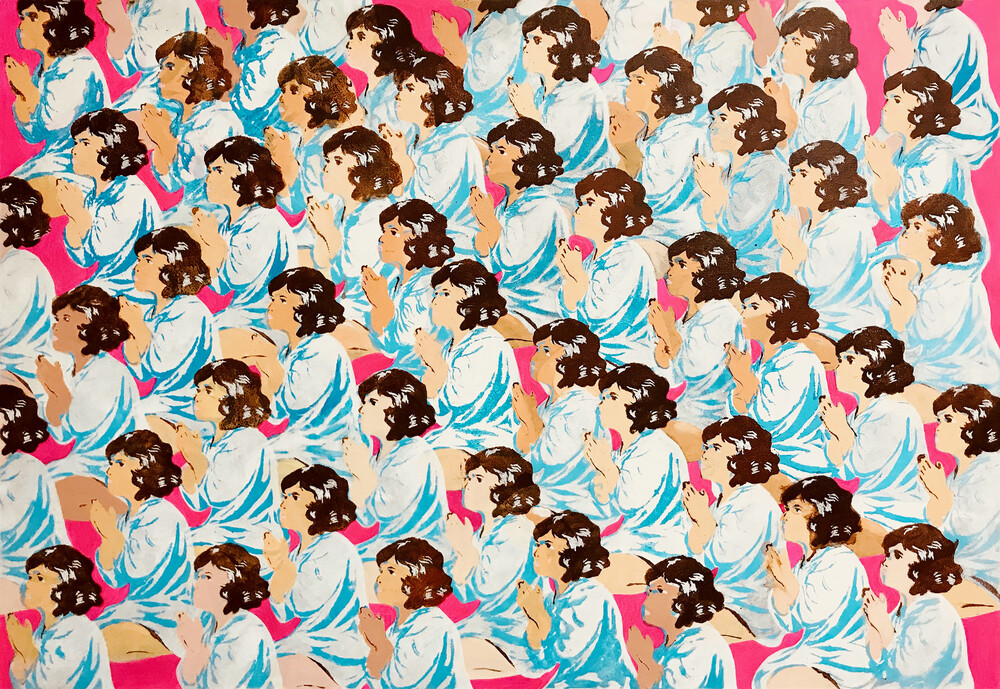
Hee Vaak repeats this iconography in works such as Hoping for a Safe Day(2009), A world that works by faith(2022), and The Praying Girl(2022), focusing on the form of desire rather than sacredness, and on the human wish for safety and well-being rather than religious doctrine. Here, faith appears less as a firm belief than as a system of small repeated actions and images through which one endures an unstable world.
 
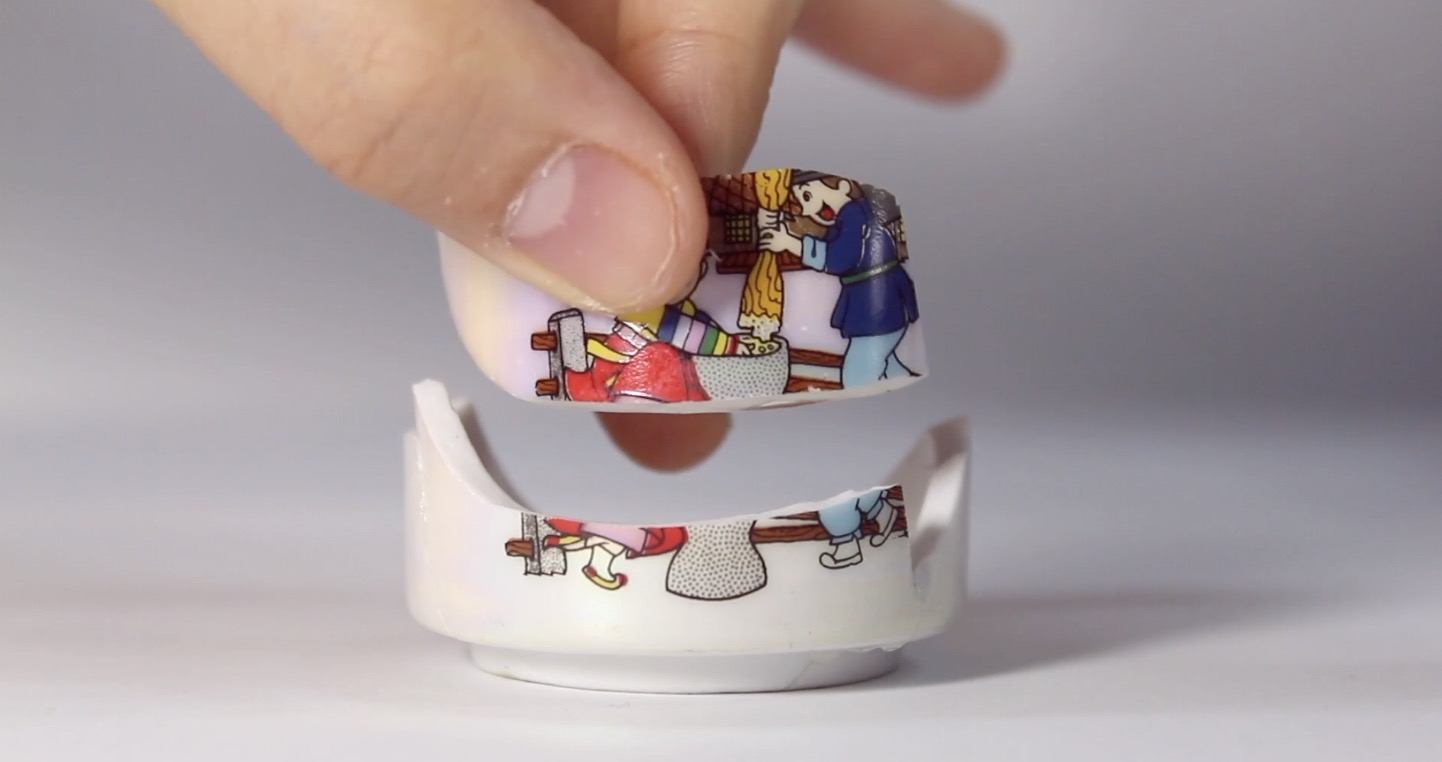
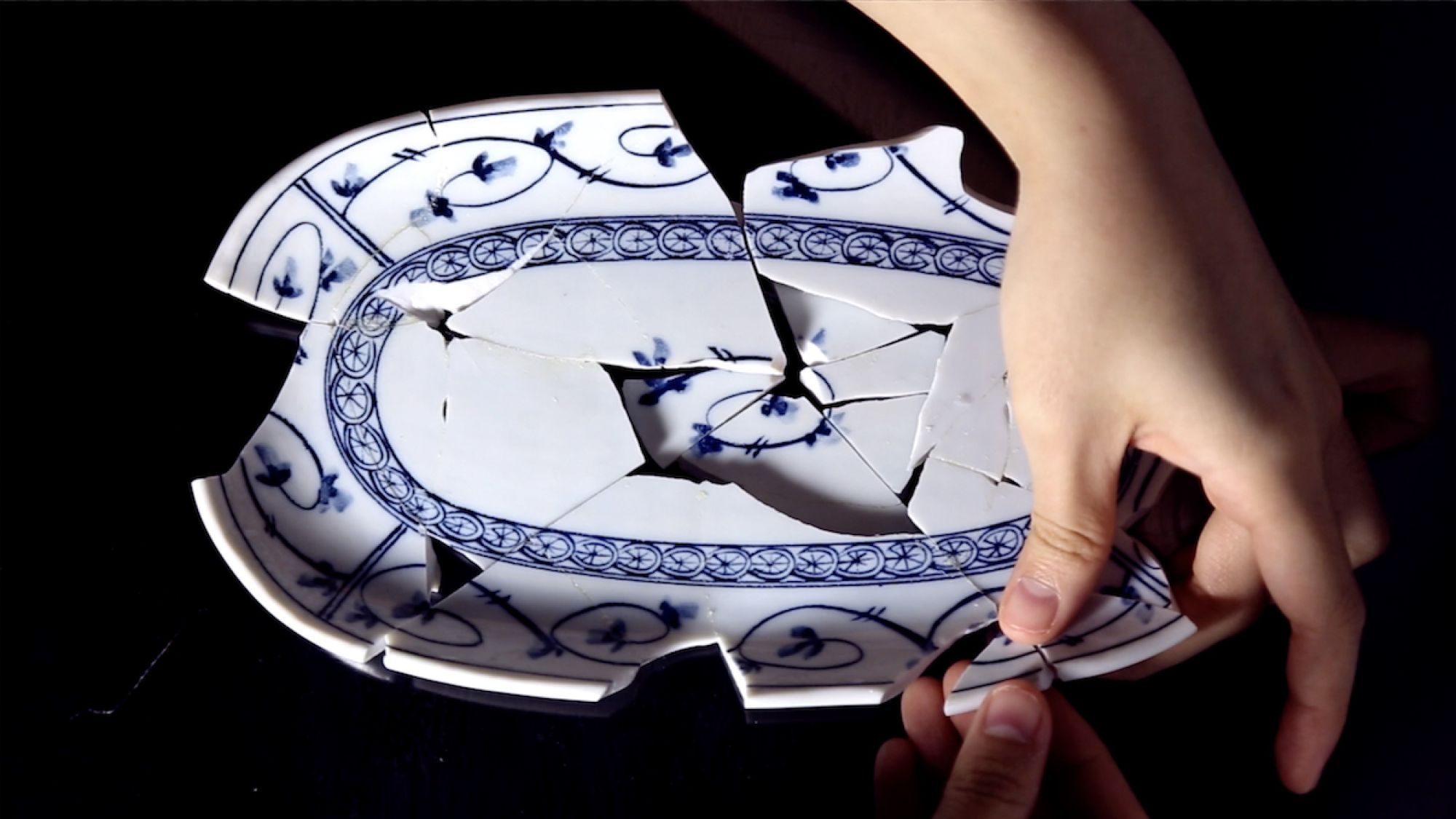
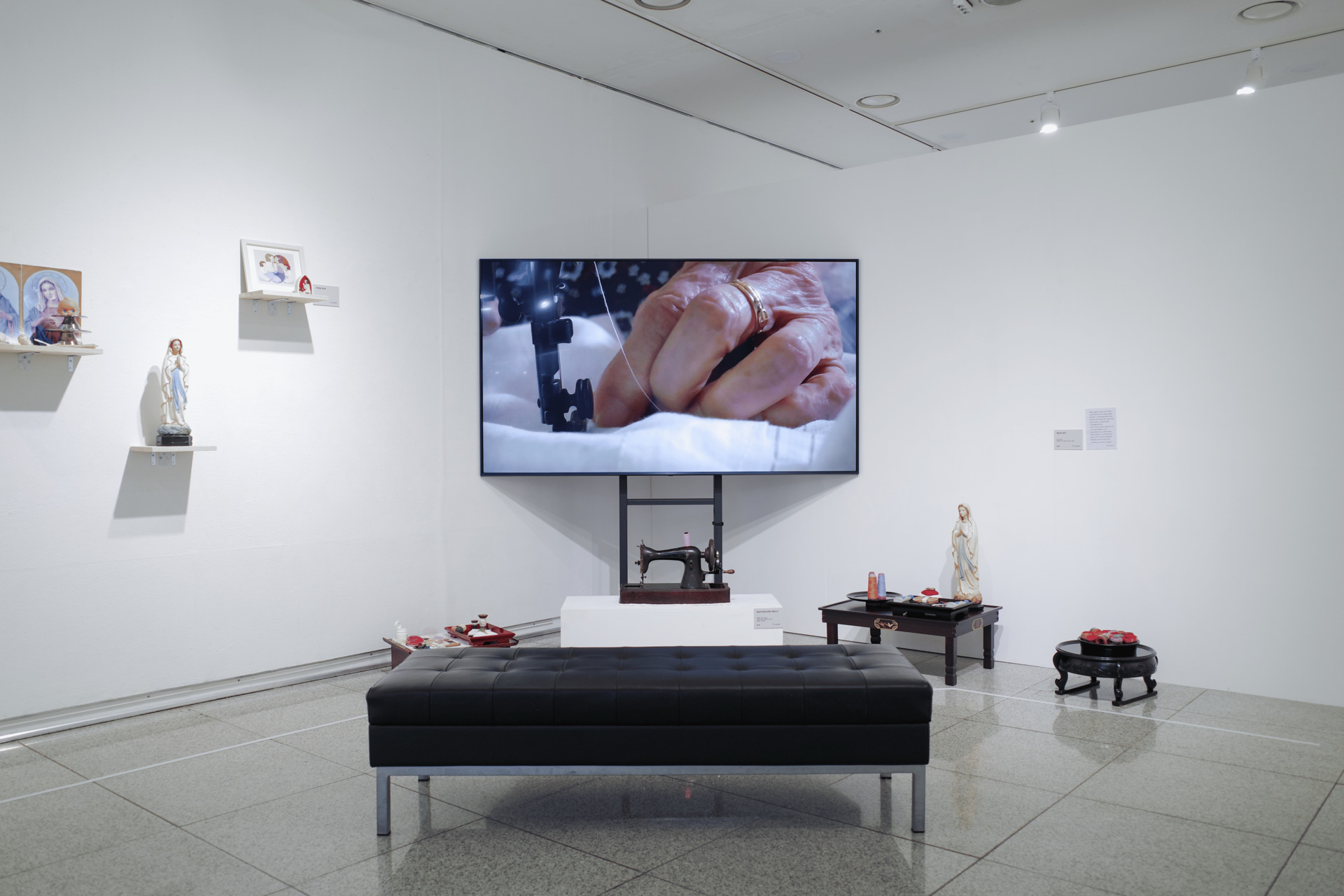
This interest leads to works that record the life of the artist’s maternal grandmother, Choi Oksoon. If Five Cups collected from the Bugae-dong railroad tracks(2015) and Nameless Memories(2015) dealt with the sense of loss and restoration through the act of reassembling broken objects and scattered memories, Oksoon’s Geumjul(2021), presented in the solo exhibition 《Oksoon’s Thread》(Seoul Citizens Hall Sound Gallery, 2021), and the later work Pieces of Oksoon(2023) follow the names, labor, language, silence, and faith of her maternal grandmother.

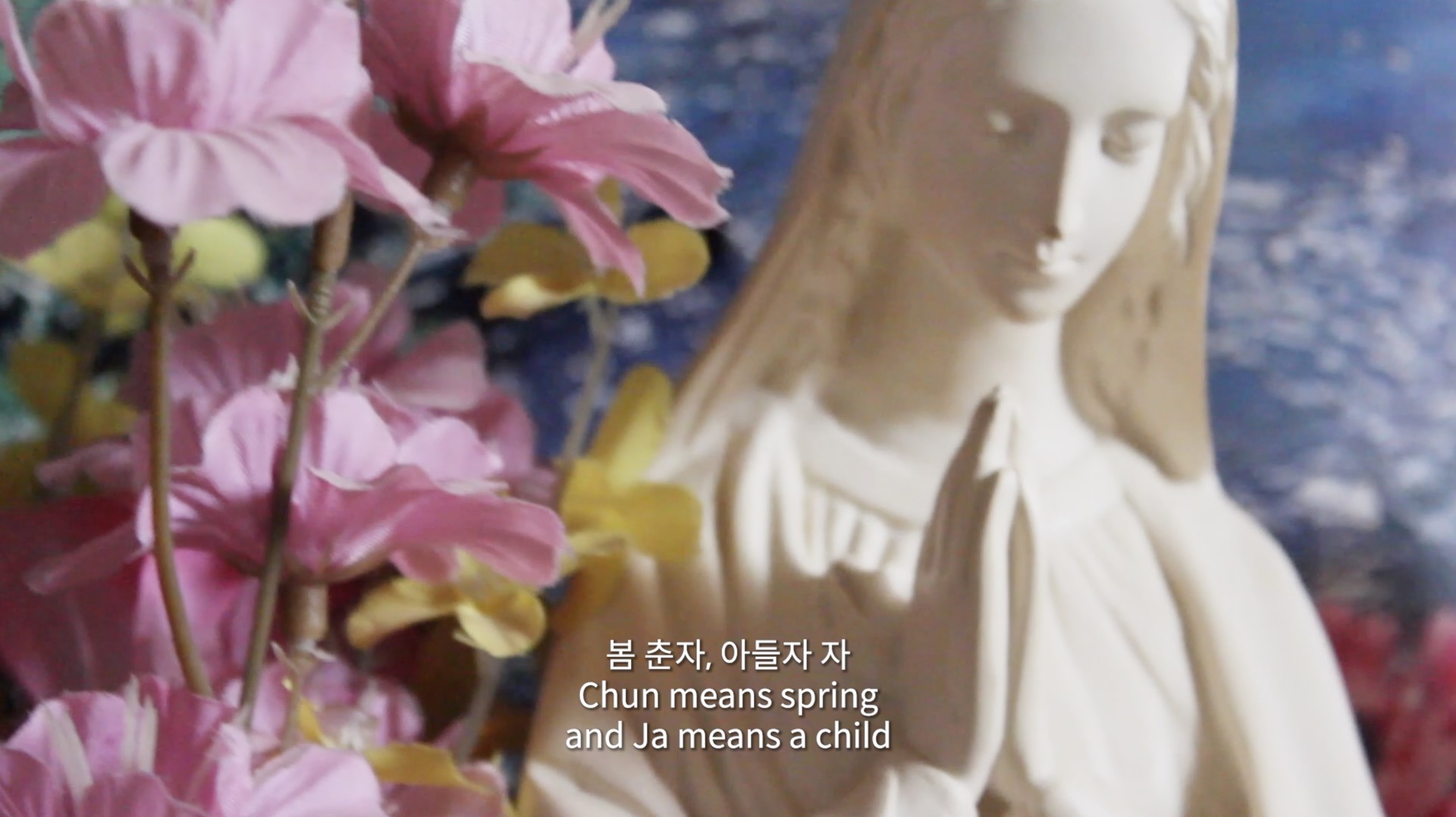
Oksoon is a figure who lived under several names — “Oksoon,” “Chunja,” “Saikyokujun,” and “Haruae” — and passed through the times of colonization and liberation, migration and return, religion and labor. Rather than organizing her life as a single historical testimony, Hee Vaak quietly gathers unspoken memories and traces of small acts of labor.
 
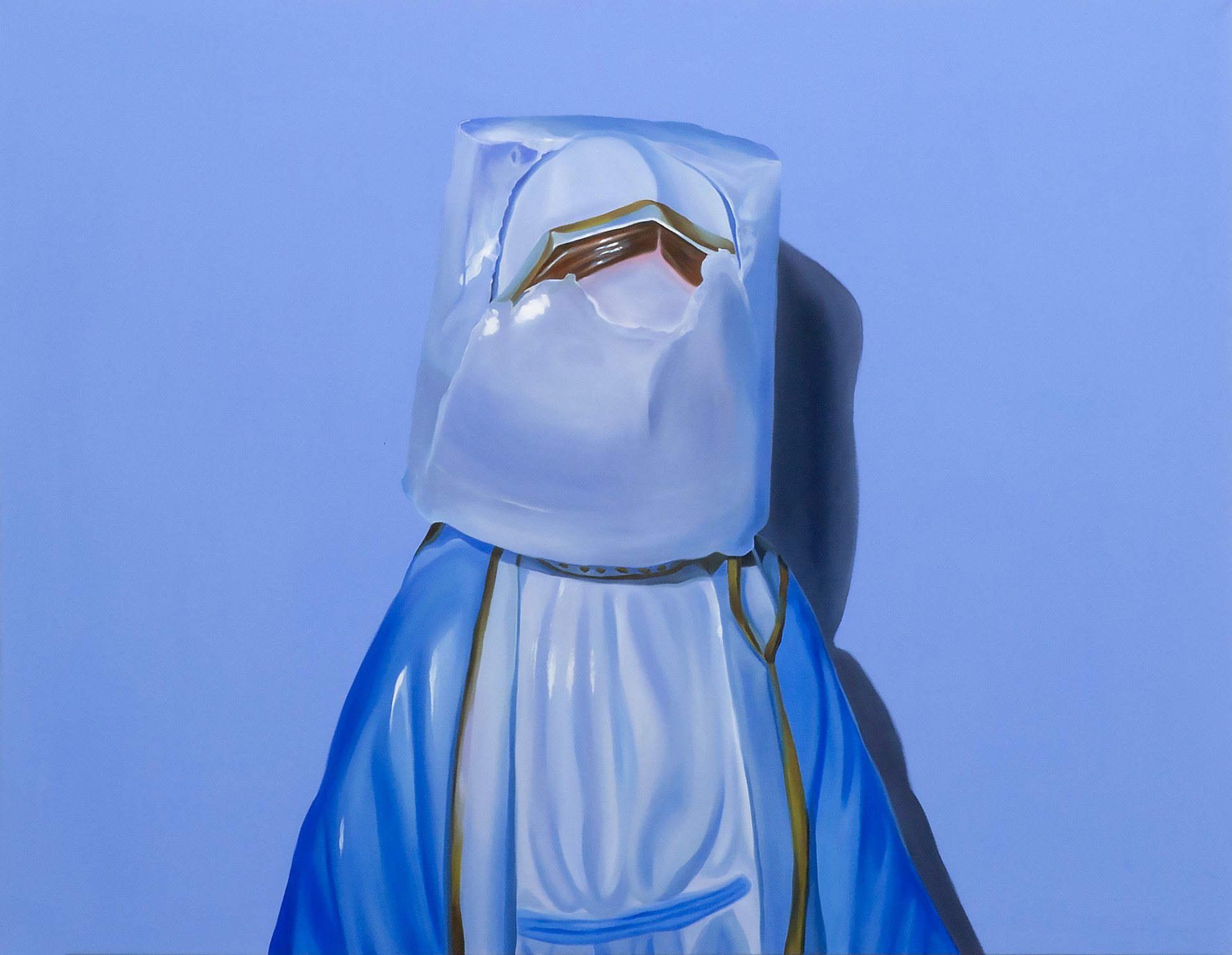
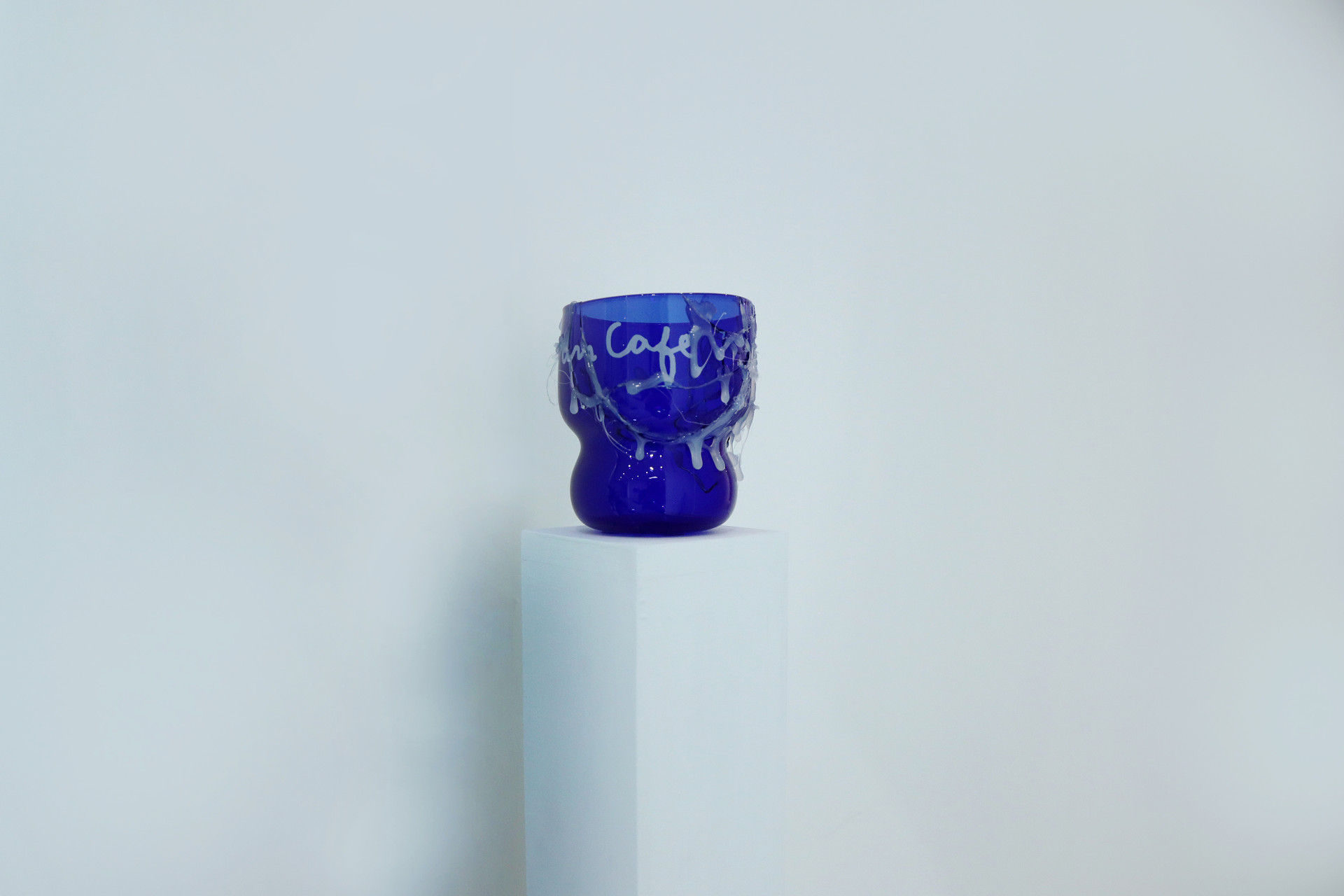
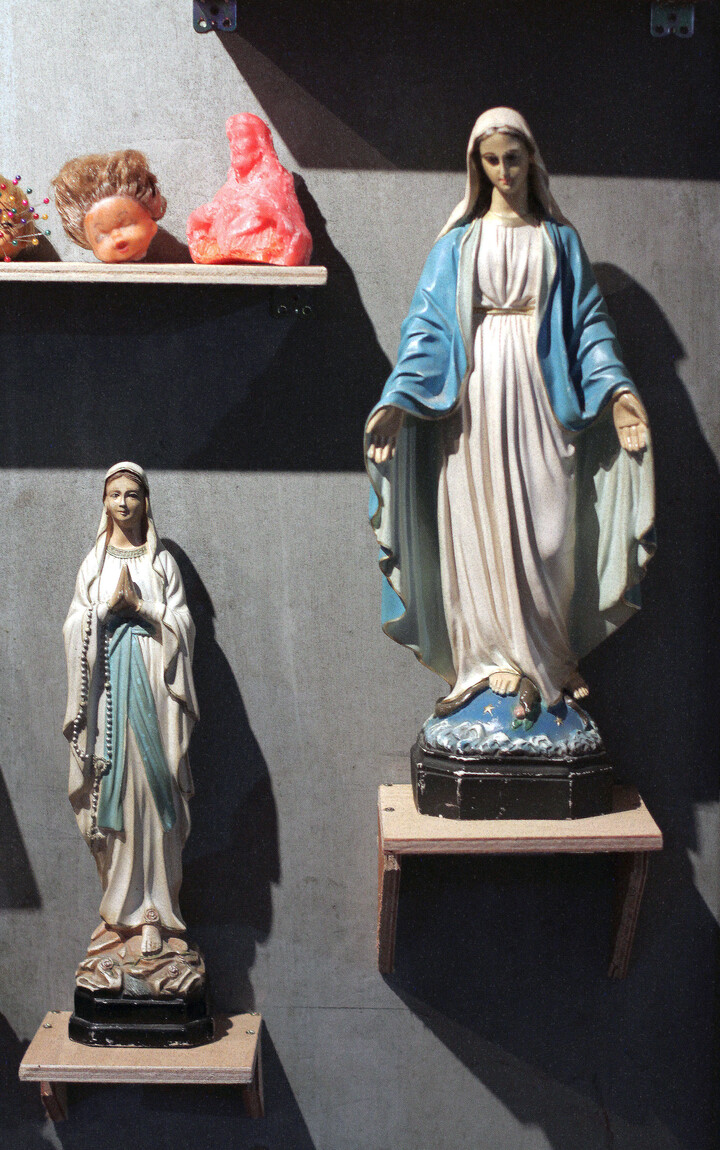
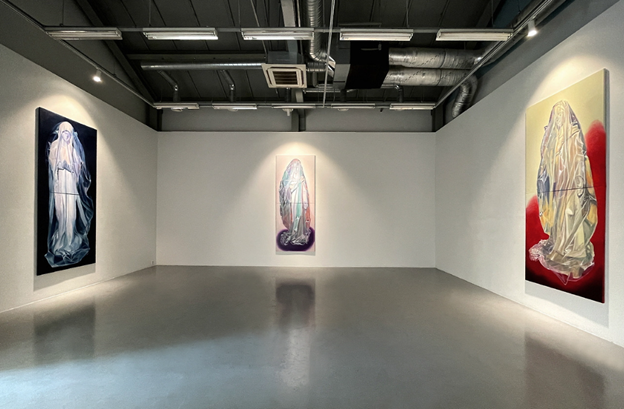
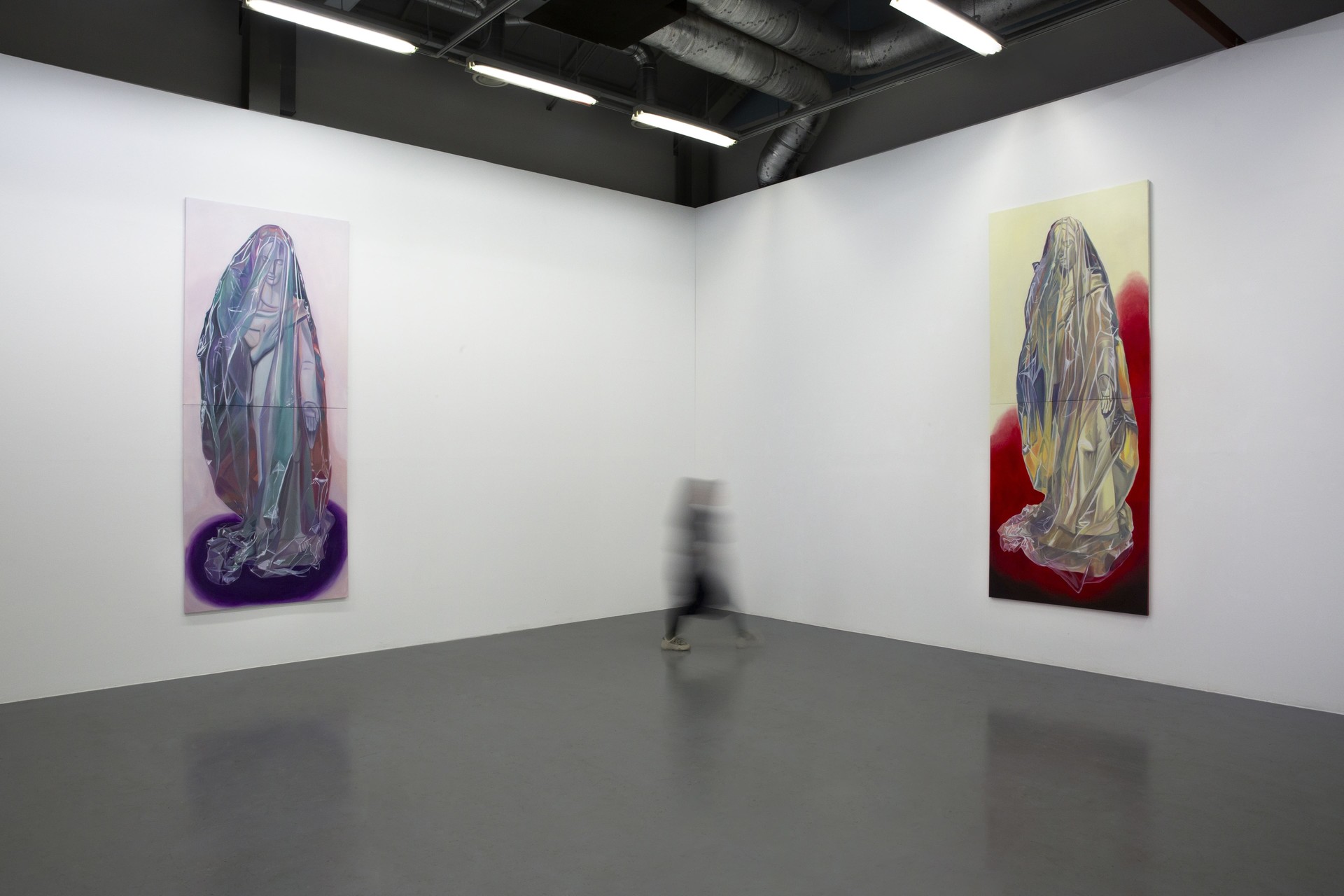
In her recent work, Hee Vaak’s interest converges again on the religious memories of childhood and the psychological weight of sacred images. In the solo exhibition 《There is no gold that does not decay》(Incheon Art Platform, 2025), the artist reveals both the radiance and discomfort of religious iconography through Virgin Mary statues wrapped in plastic, wax, candles, and artificial light and color.

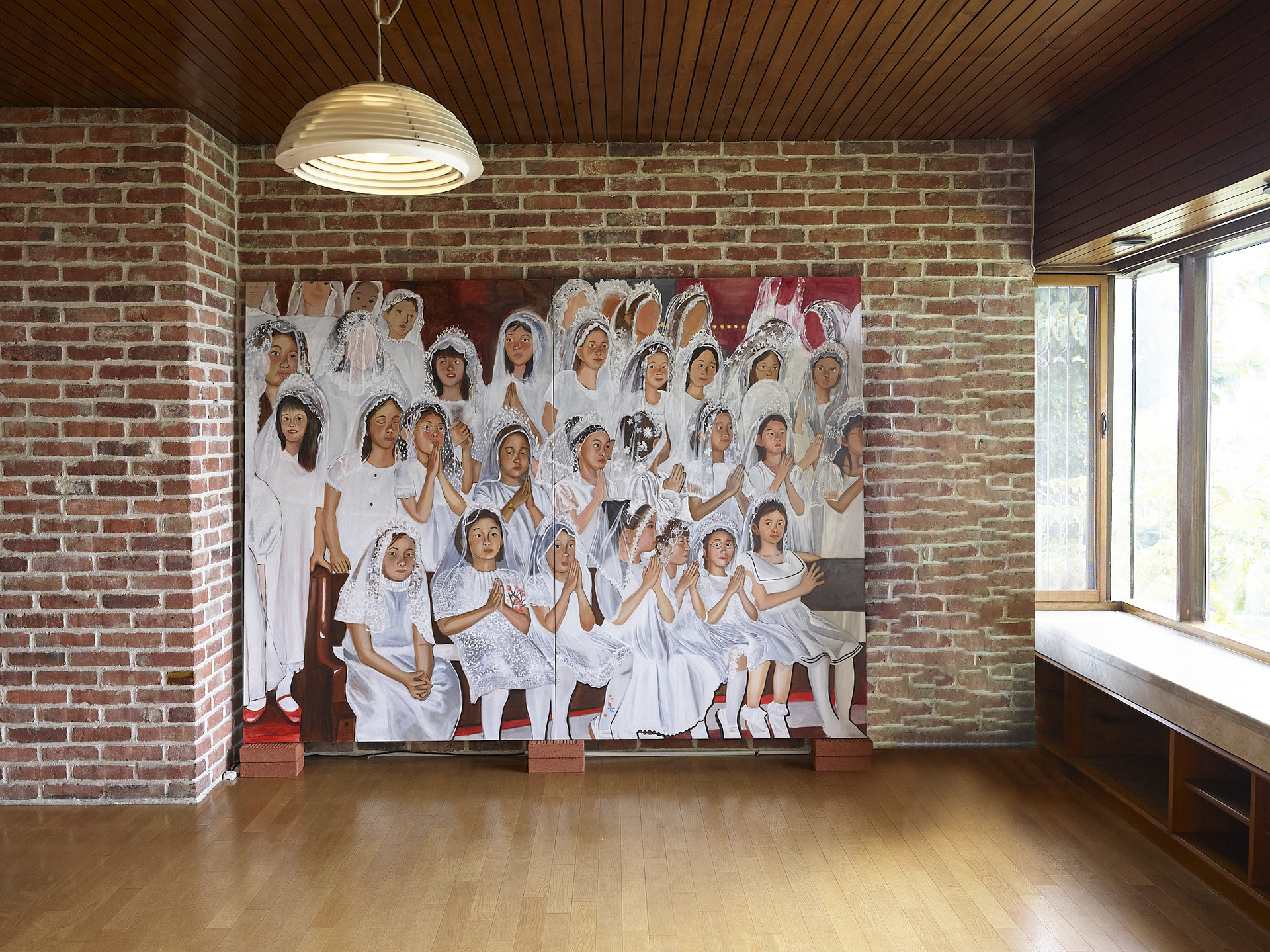
Works such as Maria(2025), Celebratory Cake(2025), Butter, Pink to Purple, and Prussian deal with the subtle boundaries between sacred image and idol, sanctity and commodity, prayer and desire. In the subsequent exhibition 《Girlhood》(Ieum 1977, 2025), she recalls scenes from childhood such as First Communion, white dresses, mantillas, and commemorative photographs, revisiting the memory of a child’s body onto which family wishes were projected and which tried to live up to the model of a life of faith.

Hee Vaak’s work has expanded not toward simple criticism or recollection of a specific religion, but toward asking what human beings believe in and what they rely on in order to live through each day.

Style & Contents

Hee Vaak’s practice unfolds across painting, drawing, video, installation, embroidery, objects, and handwork. In her early works, she dealt with fragments of personal memory and living space through mixed media on canvas, collected objects, and drawings, while later works came to emphasize materials related to manual labor, such as broken objects, thread, cloth, embroidery, sewing, and religious objects.

Five Cups collected from the Bugae-dong railroad tracks records, as a single-channel video, the process of reassembling broken cups discarded along a railroad track, connecting the very act of restoring broken objects to questions of memory and safety. Nameless Memories is also a video work that retraces scattered memories, showing that in Hee Vaak’s work, restoration, mending, and piecing together are not simply acts of repair but are connected to an attitude toward life.
 
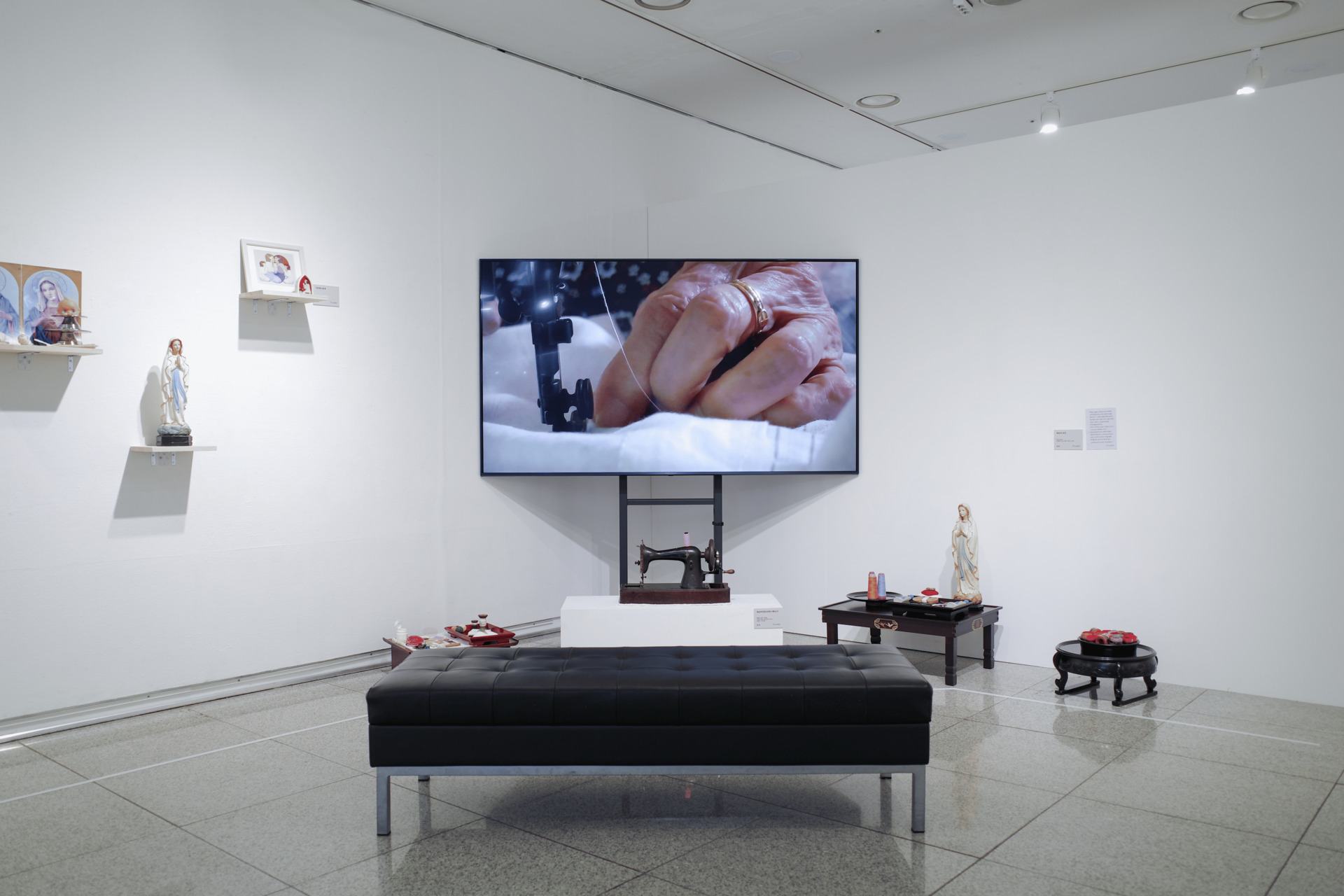
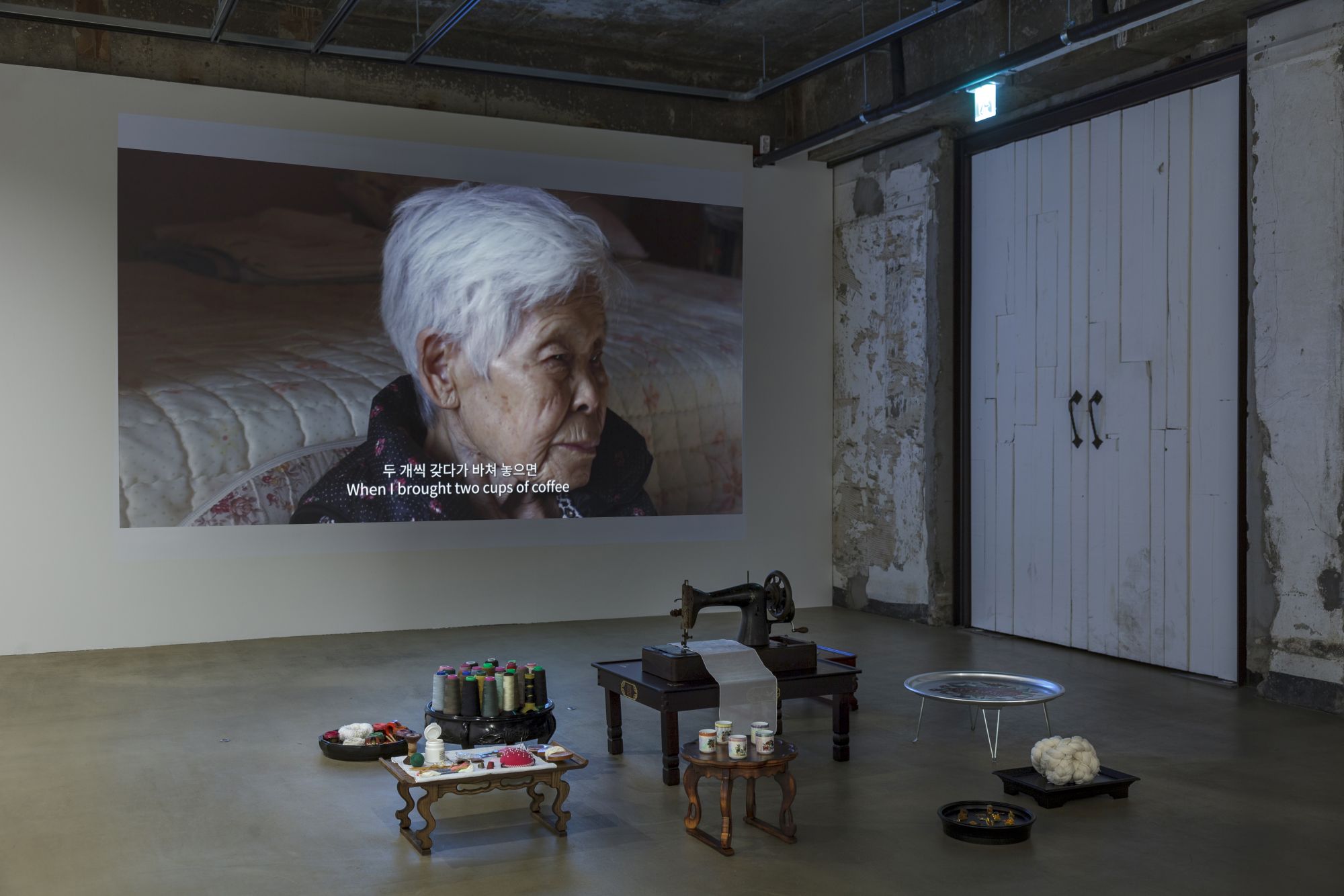
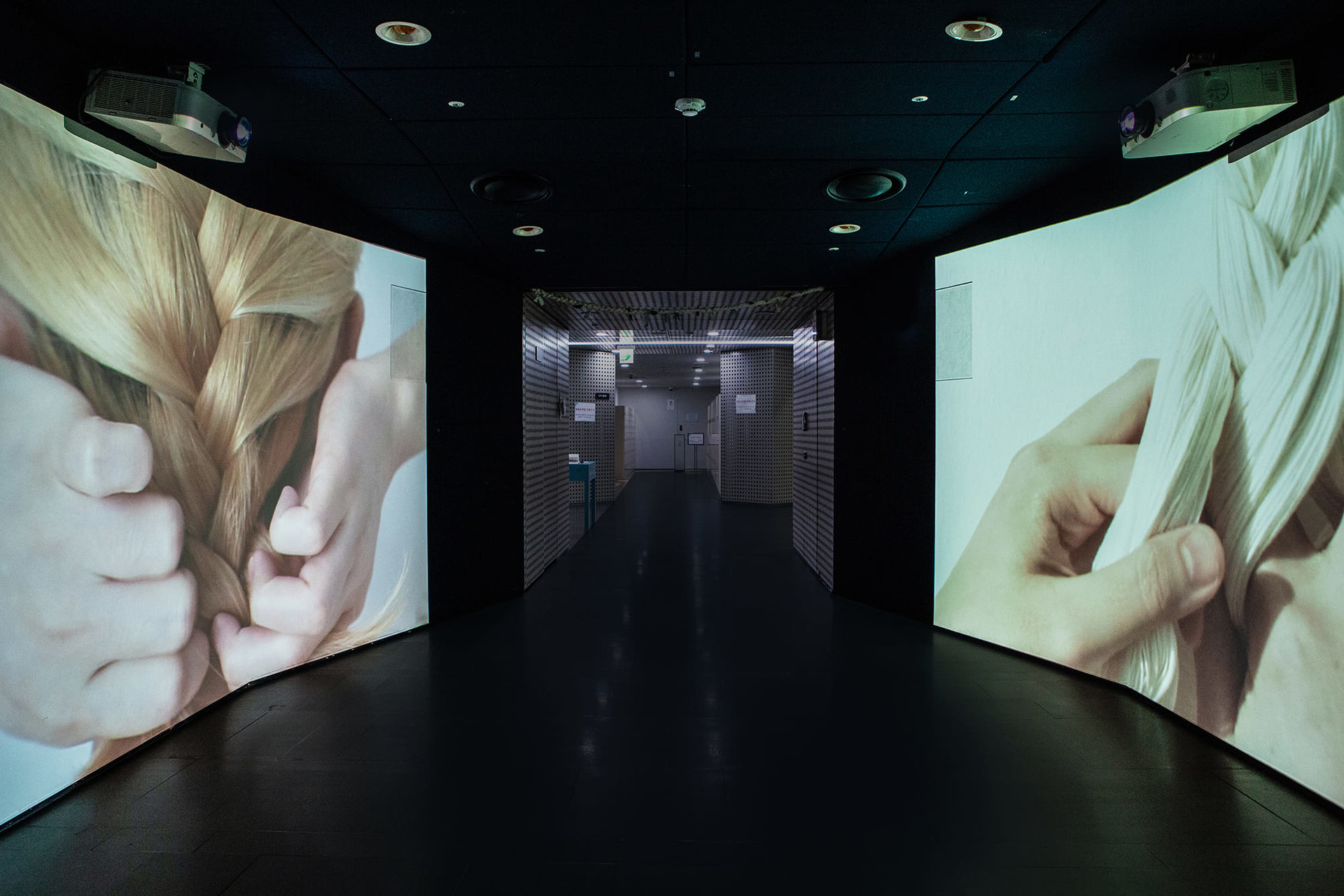
The artist materializes the labor of women’s family history through sewing, embroidery, thread, and cloth. In 《Oksoon’s Thread》, the silk thread braided by Oksoon’s daughter and granddaughter, along with the thread, sewing basket, sewing machine, and blanket left behind by her maternal grandmother, show how one generation’s labor for livelihood is passed on to the next generation as artistic labor.

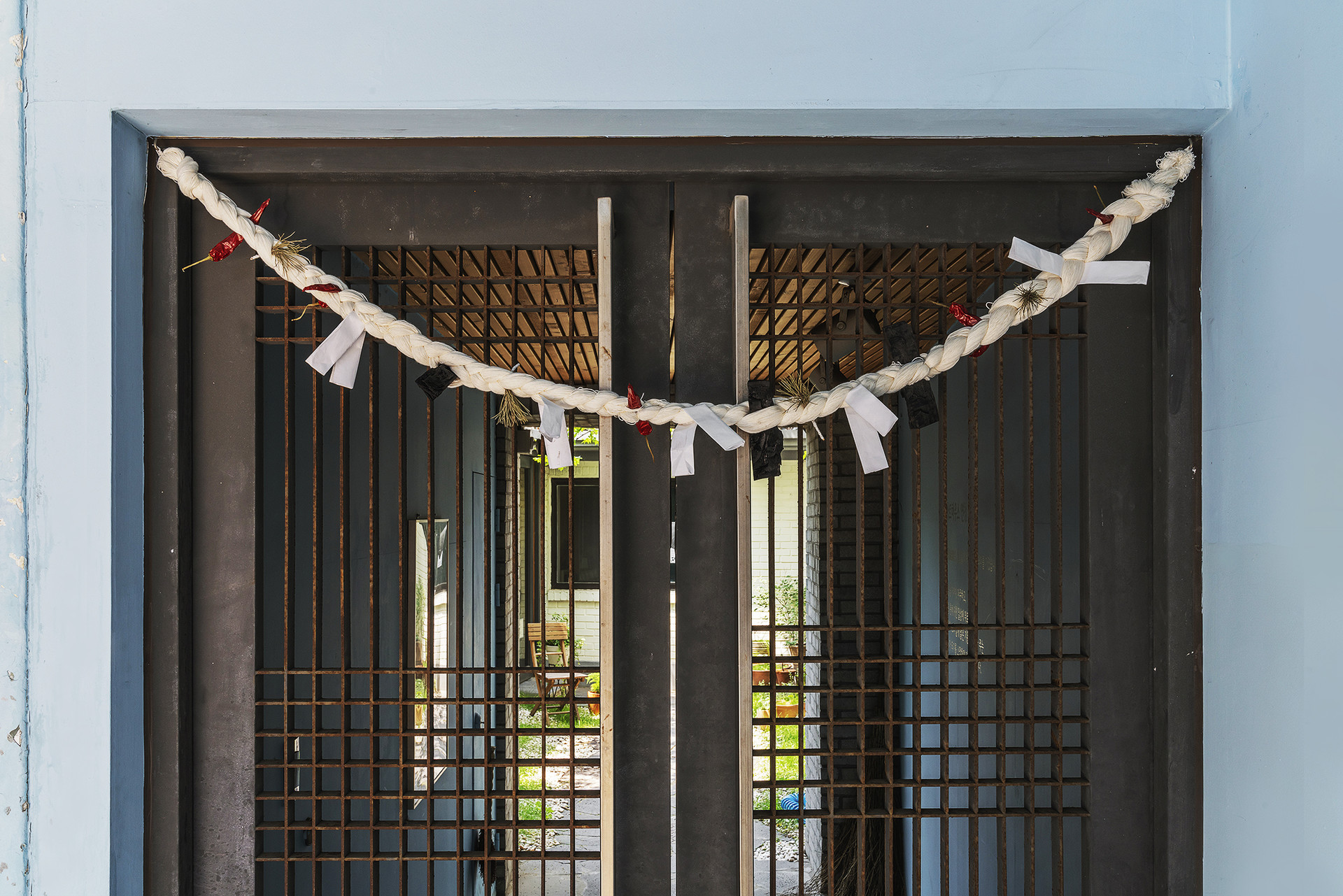
Oksoon’s Geumjul is a work composed of silk thread, chili pepper, charcoal, pine needle, and hanji, remaking the traditional geumjul — associated with birth, protection, taboo, and prayer — using the thread of her maternal grandmother. Here, the artist’s handwork is not merely a craft technique, but a performative act of remembering Oksoon’s life and praying for the well-being of a generation that has passed. In Hee Vaak’s work, thread is both a physical material and a line that connects memories, a sensation that passes through generations, and a trace left by belief and desire.
 
In the 2022 exhibition 《Hoping for a Safe Day》(Cheongju Art Studio, 2022), painting, installation, punch-needle embroidery, mesh net, wood, and objects are composed into a space resembling a pseudo-chapel. The Praying Girl is an installation work combining acrylic, punch-needle embroidery, mesh net, and wood, expanding the formerly flat image of the “praying girl” into a material and spatial icon.

A world that works by faith shows how faith operates through repetition, reproduction, and habit by presenting repeated images of the praying girl on canvas. What matters in this period is not the direct reproduction of religious images, but the way the structure of desire is revealed through the labor of repeatedly printing, stitching, and erecting them. Rather than the sacredness of the praying image, the artist focuses on how that image has carried people’s anxieties and wishes on their behalf.
 
In the paintings produced after 2025, her previous narrative and installational methods shift into more compressed psychological images. In 《There is no gold that does not decay》, the Virgin Mary statue is not transparently represented under natural light, but appears through plastic, artificial tones, segmented surfaces, and color planes that reflect like shards of glass. Maria is an image left behind in the process of casting a Virgin Mary statue in wax, while wax and candles appear as instruments of prayer and as materials that can be melted and transformed again.

The paintings in 《Girlhood》 recall scenes of childhood First Communion, white dresses and mantillas, and the poses and expressions of commemorative photographs, revealing the discomfort of a young body that had to dress itself as an immaculate and sacred being. Even as Hee Vaak’s forms move from video and installation to painting, they continue to hold onto what is “left behind,” what is “repeated,” what has “settled into the body,” and what “works by faith.”

Topography & Continuity

Hee Vaak calmly examines how images such as the Virgin Mary statue, the praying girl, geumjul, candles, mantillas, and First Communion are intertwined with family expectations, women’s roles, childhood memories, Korean wish-making faith, and labor passed down across generations.

The religious images in her work are less symbols of absolute belief than psychological residues that have long adhered to one individual’s body and memory. In this sense, Hee Vaak is often read as an artist who layers religion, folklore, women’s family history, and everyday kitsch images within a single pictorial or spatial field.
 
Her work began from familial and everyday-life images, and has moved through videos and installations recording the life and labor of her maternal grandmother Oksoon, repeated image-based works centered on the “praying girl,” and more recent paintings of the Virgin Mary and scenes of childhood First Communion.

The attitude of reassembling broken objects and retracing fragments of memory in Five Cups collected from the Bugae-dong railroad tracks and Nameless Memories became more concrete in Oksoon’s Geumjul and Pieces of Oksoon, where she records and commemorates the life of her maternal grandmother.

Later, in A world that works by faith and The Praying Girl, personal memory encountered the images of wish-making embedded in Korean society, while in Maria and 《Girlhood》, religious iconography returned once again to the artist’s own childhood and bodily sensations. This trajectory can be understood as a process in which private memory expands into social imagery and is then compressed again into psychological painting.
 
Unlike many contemporary works that deal with religious imagery or family history through the language of accusation, deconstruction, or identity narrative, Hee Vaak does not rush toward judgment. She leaves lives that cannot speak, beliefs that cannot be fully explained, and residues of desire that do not easily disappear in an ambiguous state.

As a result, her works are closer to scenes that invite prolonged looking than to clear conclusions, and viewers are led to see not the truth or falsity of faith, but the conditions of the mind in which faith comes into being. This attitude remains consistent across various media, including video, installation, embroidery, and painting. For Hee Vaak, a medium is less a tool for delivering a message than a way of retracing memory, holding it by hand, and looking at it again.
 
Through various exhibitions and residencies at Incheon Art Platform and Cheongju Art Studio, Hee Vaak’s practice has expanded beyond personal memory and women’s family history into a way of reading the sensations of belief, desire, and safety in Korean society.

Going forward, Hee Vaak is likely to continue her work not by simply explaining or organizing religious iconography and private memory, but by making us sense the discomfort and tenderness these images leave within us, as well as the forms of desire that do not disappear even after faith.

Works of Art

Tracing the Shape of Unfading Longings

Articles

Exhibitions

Activities