

At Hotel - K-ARTIST

At Hotel

2025
About The Work

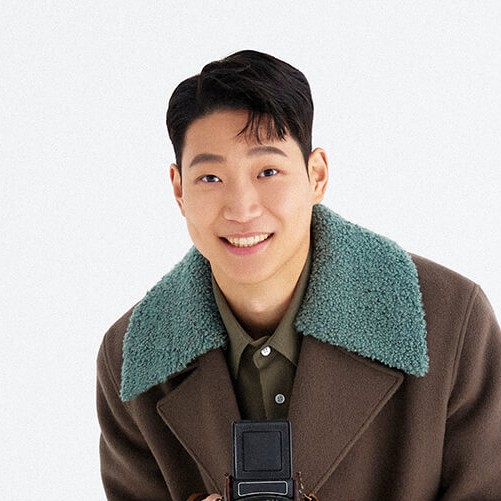
Jeong Young Ho works primarily with photography, focusing on how contemporary technological apparatuses influence the ways we understand and perceive the world. In particular, he continues to explore the gap between electronic, mediated experiences—circulated through networks, servers, and screens—and direct, unmediated perception through the naked eye.

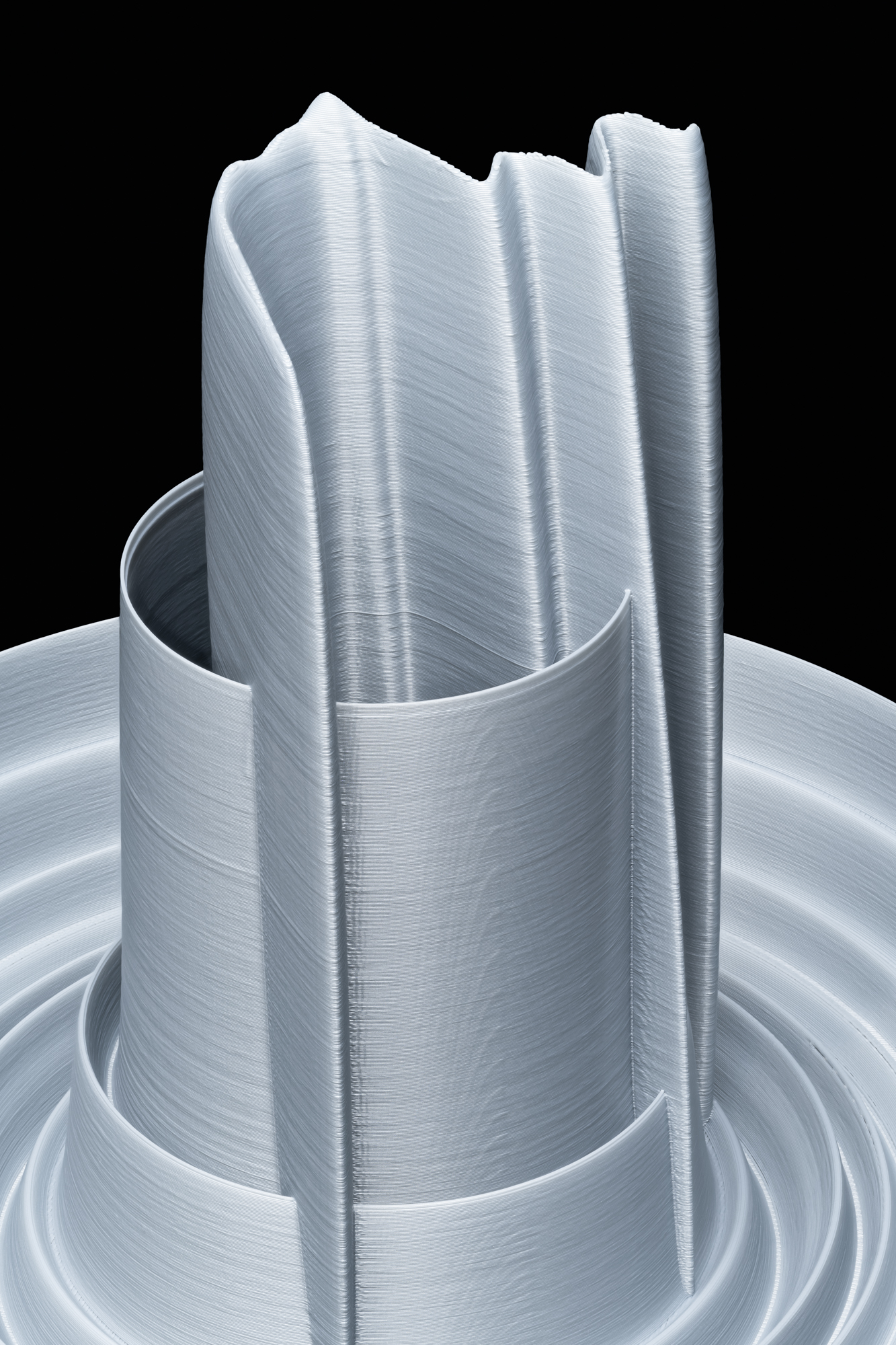
Jeong develops his work on the premise that technological advancement is not merely a change of tools, but a condition that reshapes the ways of thinking and the norms of an era. In this process, he has attempted to paradoxically reveal “that which cannot be photographed” by employing methods such as capturing images without light, or converting digital event data into 3D prints and then re-photographing them. These works expose the limitations of photography as a medium while simultaneously redefining the concept of reality as it shifts within a technological environment.

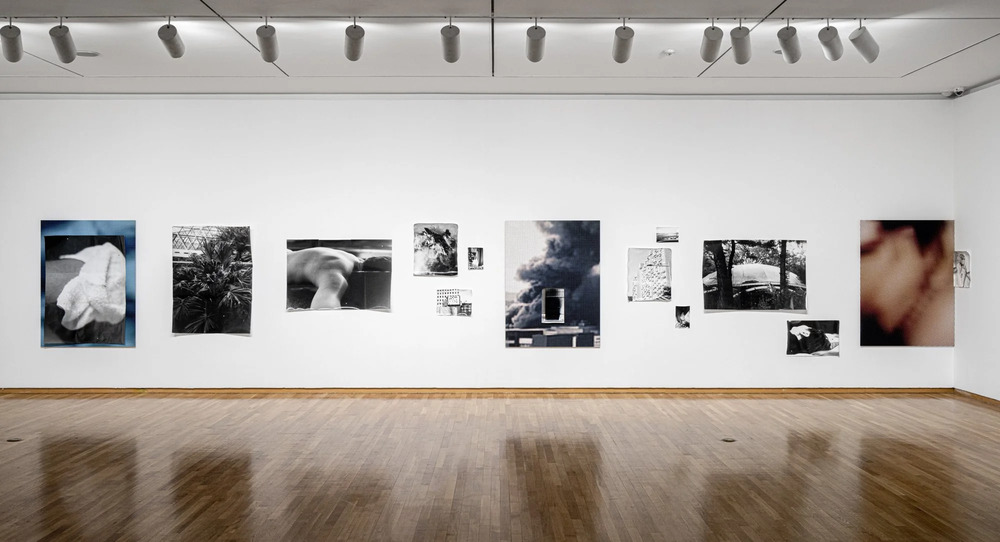
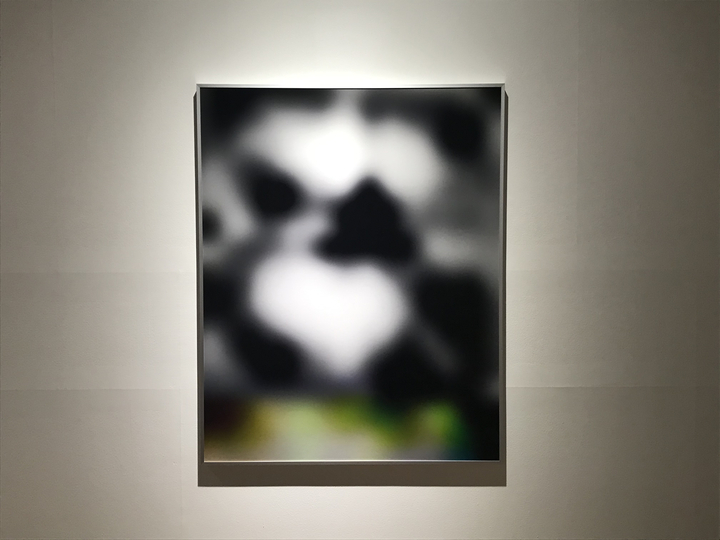
His later works gradually expand toward questions of “the authenticity of images” and “layers of experience.” Jeong juxtaposes and interweaves black-and-white photographs taken in physical reality with color images encountered through smartphone screens, as well as actual images with those generated by AI, revealing a contemporary reality in which the boundaries between the virtual and the real have become blurred. In this process, reality and the virtual are not separated but appear in a state of condensation, and his work gradually moves toward revealing the “uncertainty of perception.” 

In this way, Jeong Young Ho focuses on how rapidly evolving digital environments shape our perception and sensory experience, visualizing these phenomena through a range of experimental photographic practices. His work ultimately raises a fundamental question: in an age where experience is increasingly shifting from offline to online, and where mediated encounters through screens begin to replace the act of seeing itself, what is it that we are truly seeing—and believing?

Solo Exhibitions (Brief)

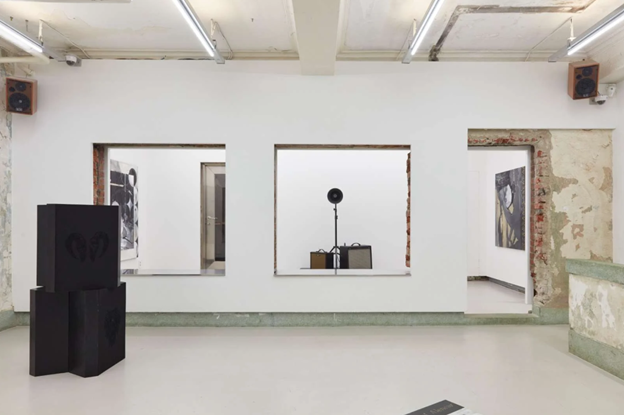
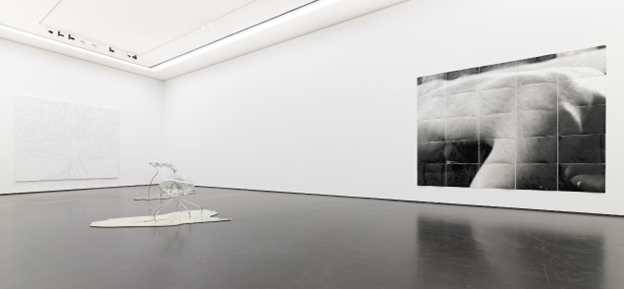
Jeong has held solo exhibitions including 《Dew Point》 (N/A, Seoul, 2025), 《Double Retina》 (Kumho Museum of Art, Seoul, 2023), 《Converted and Interpolated》 (Sahng-up Gallery Euljiro, Seoul, 2022), and 《Out of Photography》 (SONGEUN Art Cube, Seoul, 2021).

Group Exhibitions (Brief)

Jeong has also participated in numerous group exhibitions, including 《PHOTOGRAPHICNESS: PHOTO / THE PHOTOGRAPHIC》 (Ranee Seoul, Seoul, 2025), 《Synthetic Fever》 (Coreana Museum of Art, Seoul, 2025), 《Whispering Noise》 (N/A, Seoul, 2024), 《Landscapes》 (Wooson Gallery, Daegu, 2023), 《SPACELESS + 60 Swiss Books》 at the Swiss Pavilion of the 14th Gwangju Biennale (Gwangju, 2023), 《Summer Love 2022》 (SONGEUN, Seoul, 2022), and 《Inter-face》 (Perigee Gallery, Seoul, 2022).

Awards (Selected)

Jeong was selected for the 20th Kumho Young Artist (2022), Sanhg-up Gallery Ex-UP (2021), and the SONGEUN Art Cube Exhibition Support Program (2020).

Residencies (Selected)

Jeong was also a resident artist at the 17th Nanji Residency of the Seoul Museum of Art.

Collections (Selected)

Jeong’s works are included in the collection of the SONGEUN Art and Cultural Foundation.
Works of Art

The Gap Between Screen and Naked Eye

Originality & Identity

Jeong Young Ho’s practice begins with questions about how humans perceive and sense the world within a contemporary technological environment. He focuses in particular on the gap between electronically mediated experience through screens and direct experience through the naked eye, exploring “what is real” within a condition where digital and analog coexist. As seen in his first solo exhibition 《Out of Photography》(SONGEUN Art Cube, 2021), he develops his work on the premise that technological advancement is not merely a change of tools, but a condition that reshapes the ways of thinking and the norms of an era.
 
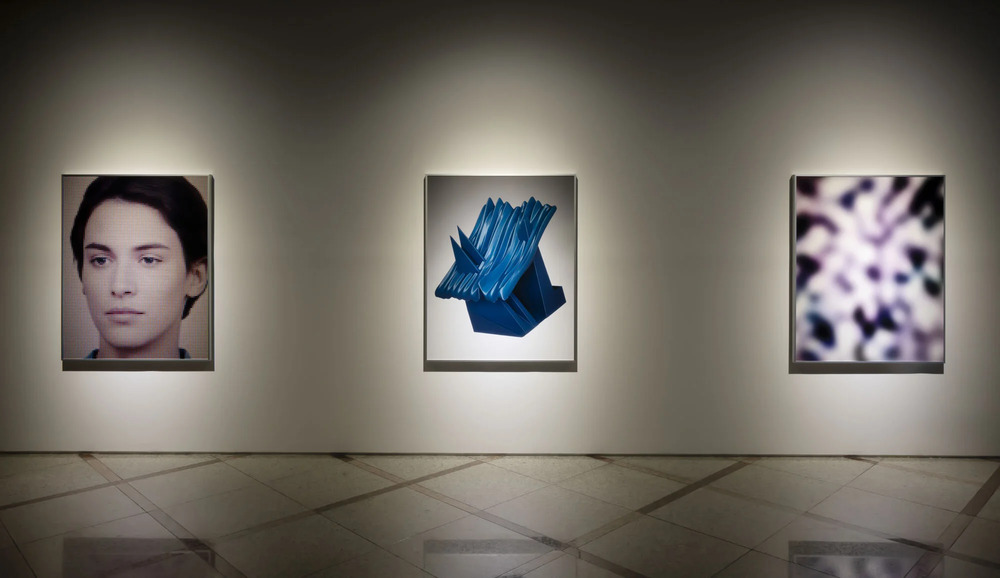
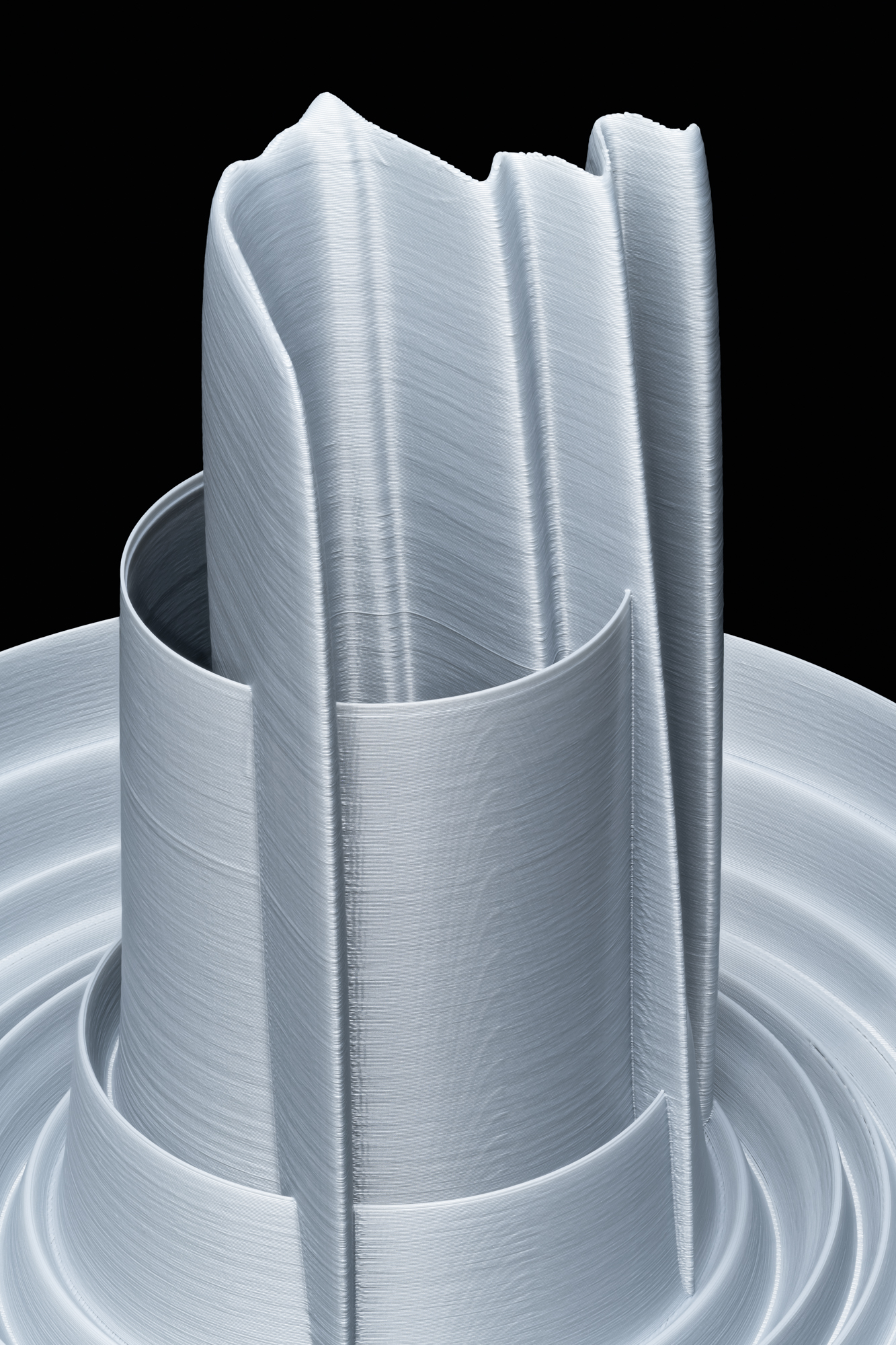
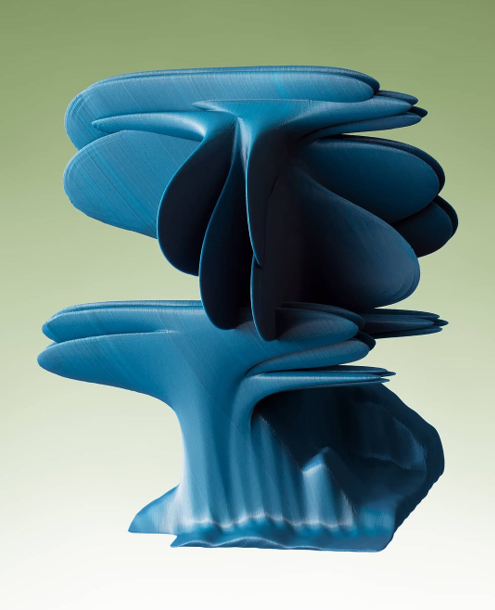
This line of inquiry is concretized in the ‘Lightless Photography’(2019-2020) series and the ‘Unphotographable Cases’(2020-2021) series. By photographing images produced without light, or by converting digital event data into 3D prints and then re-photographing them, he attempts to paradoxically reveal “what cannot be photographed” through photography. This not only exposes the limits of the photographic medium but also leads to a redefinition of reality as it is transformed within a technological environment.
 
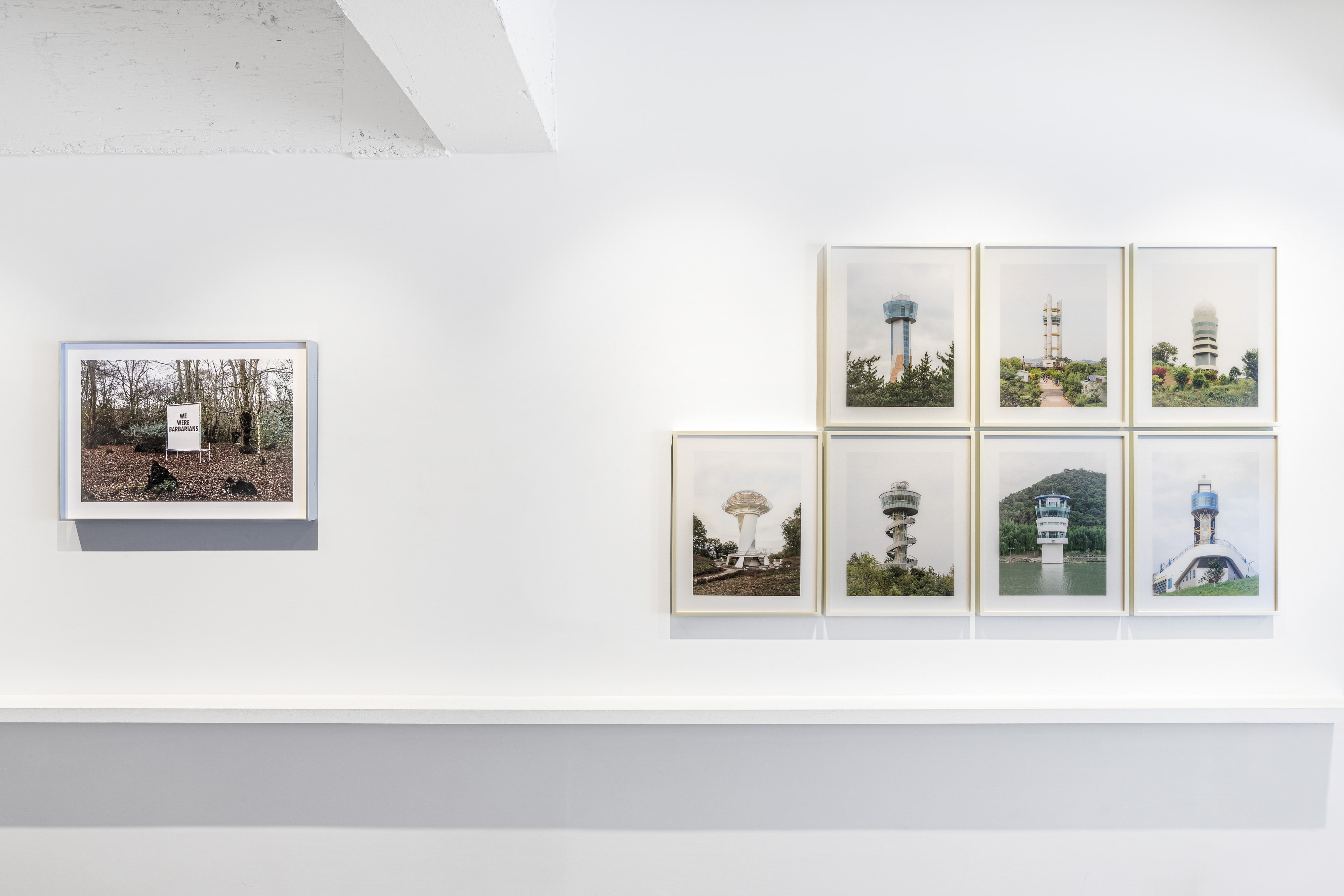
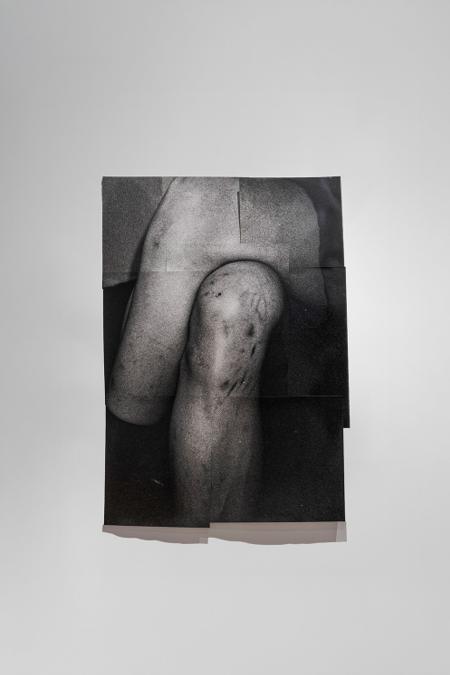
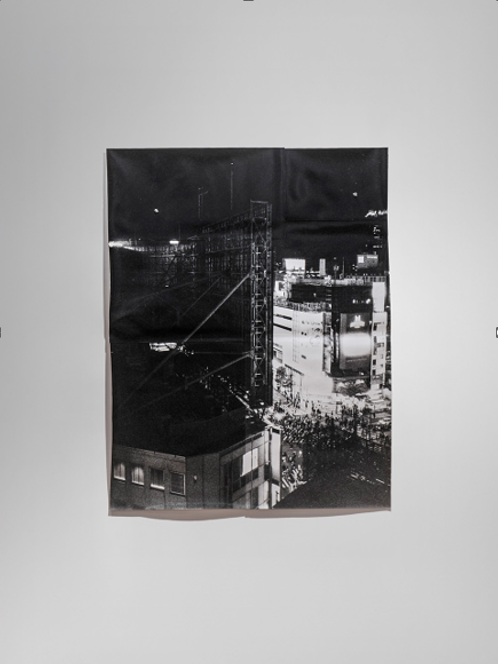
His work subsequently expands toward questions of “the authenticity of images” and “the layers of experience.” In 《Double Retina》(Kumho Museum of Art, Seoul, 2023), he juxtaposes black-and-white film images captured at actual sites with color images encountered through smartphone screens, revealing a structure in which a single event is perceived in fundamentally different ways. Works such as The Unknown No.9(2024) and The Unknown No.10(2024) present a state in which real images and generative AI images coexist, addressing a reality in which the distinction between them is becoming increasingly difficult.
 
In his recent solo exhibition 《Dew Point》(N/A, Seoul, 2025), this inquiry extends toward “the boundary of experience.” He defines the physically experienced world as the “inside” and the digitally mediated world as the “outside,” visually exploring the “temperature difference” between them. In this process, reality and the virtual are not separated but appear in a state of condensation, and his work gradually moves toward revealing the “uncertainty of perception.”

Style & Contents

Jeong Young Ho works with photography as his primary medium, but departs from conventional documentary approaches by actively engaging with the materiality of photography and the apparatus itself. In the ‘Unphotographable Cases’ series, online data—search keywords and frequencies—are transformed into physical objects through 3D modeling and printing processes, and then photographed again. This process forms a complex structure in which data, sculpture, and photography are combined, revealing photography not as a simple outcome but as a medium that encompasses a series of transformations.
 
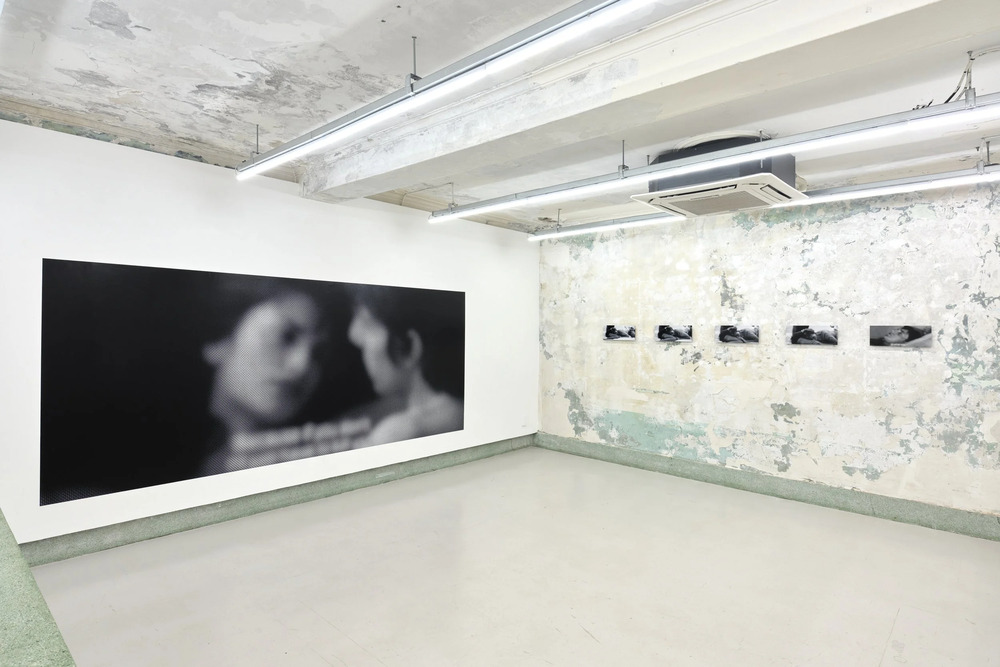
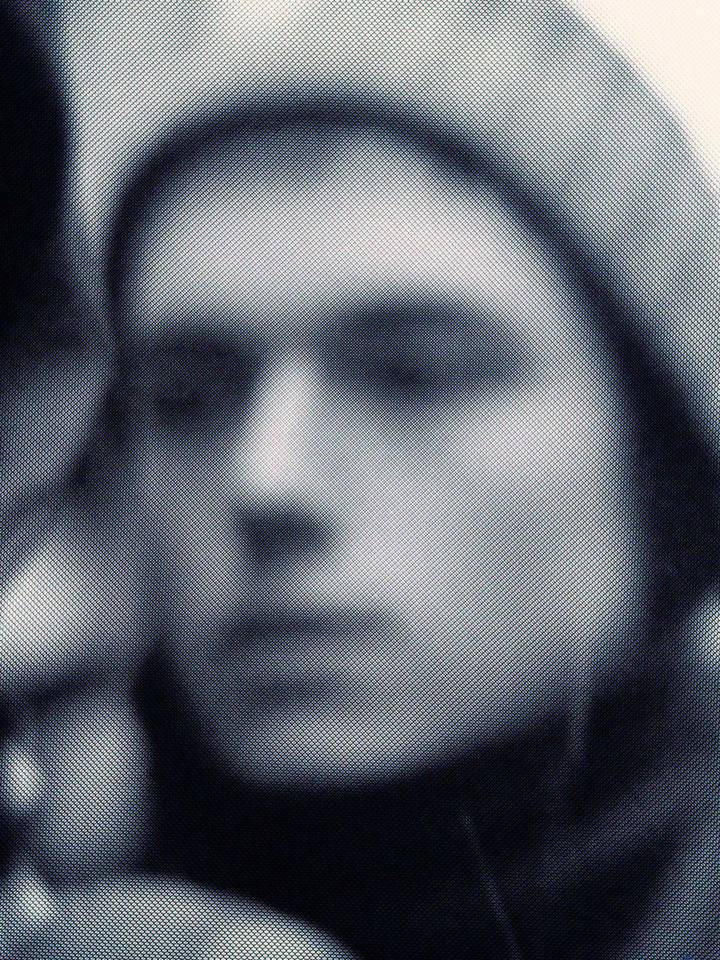
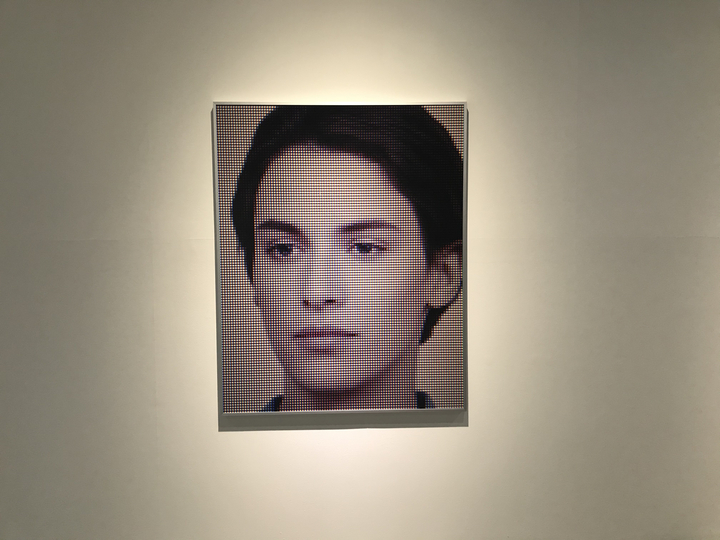
Meanwhile, in ‘Face Shopping’(2020), he presents a condition in which the most familiar image—the human face—can no longer guarantee “reality,” by installing AI-generated portraits within the exhibition space. This work reveals how screen-mediated perception produces a disconnection in emotional and relational engagement, while drawing the viewer’s affective response into the work.
 
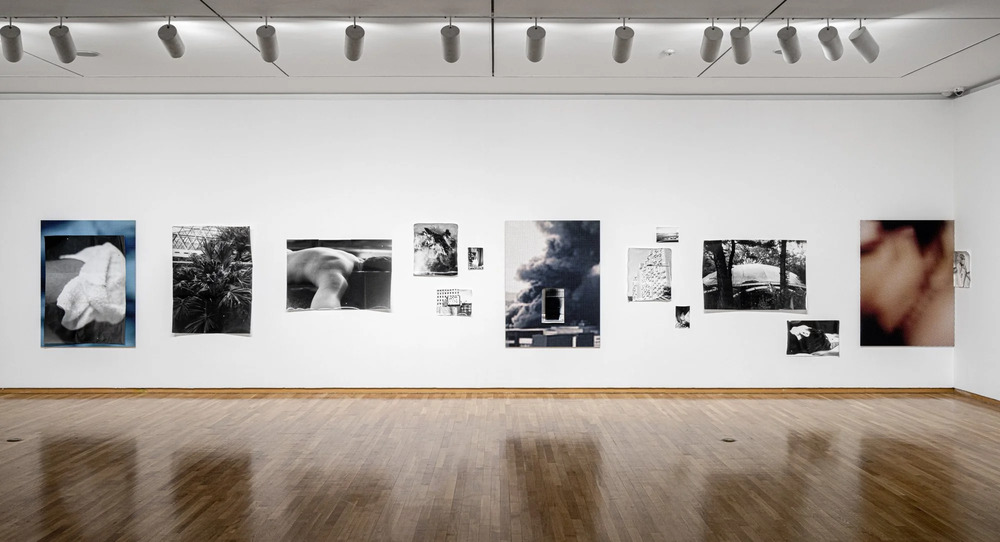
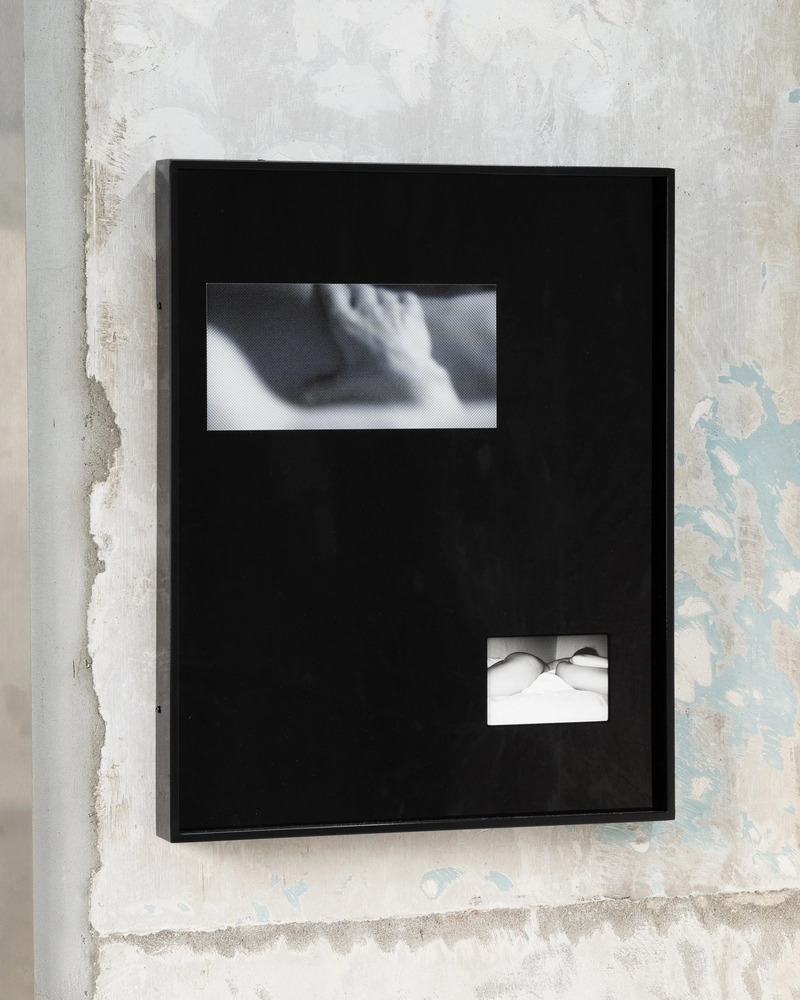
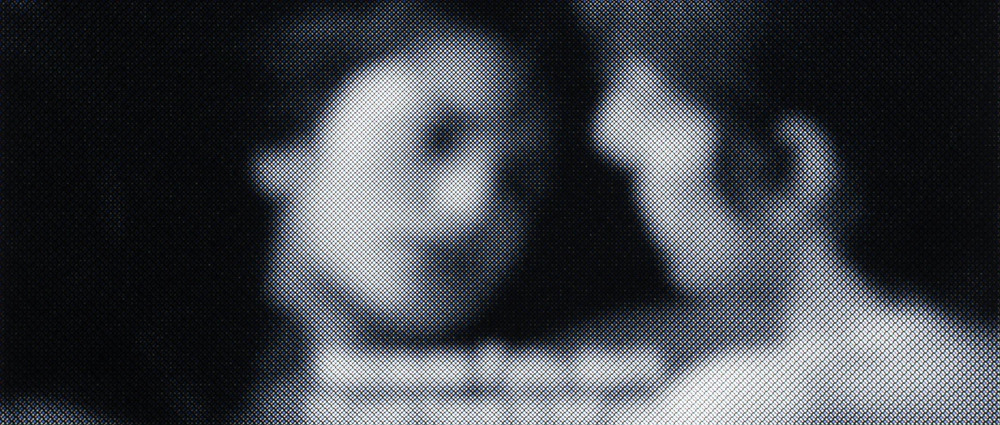
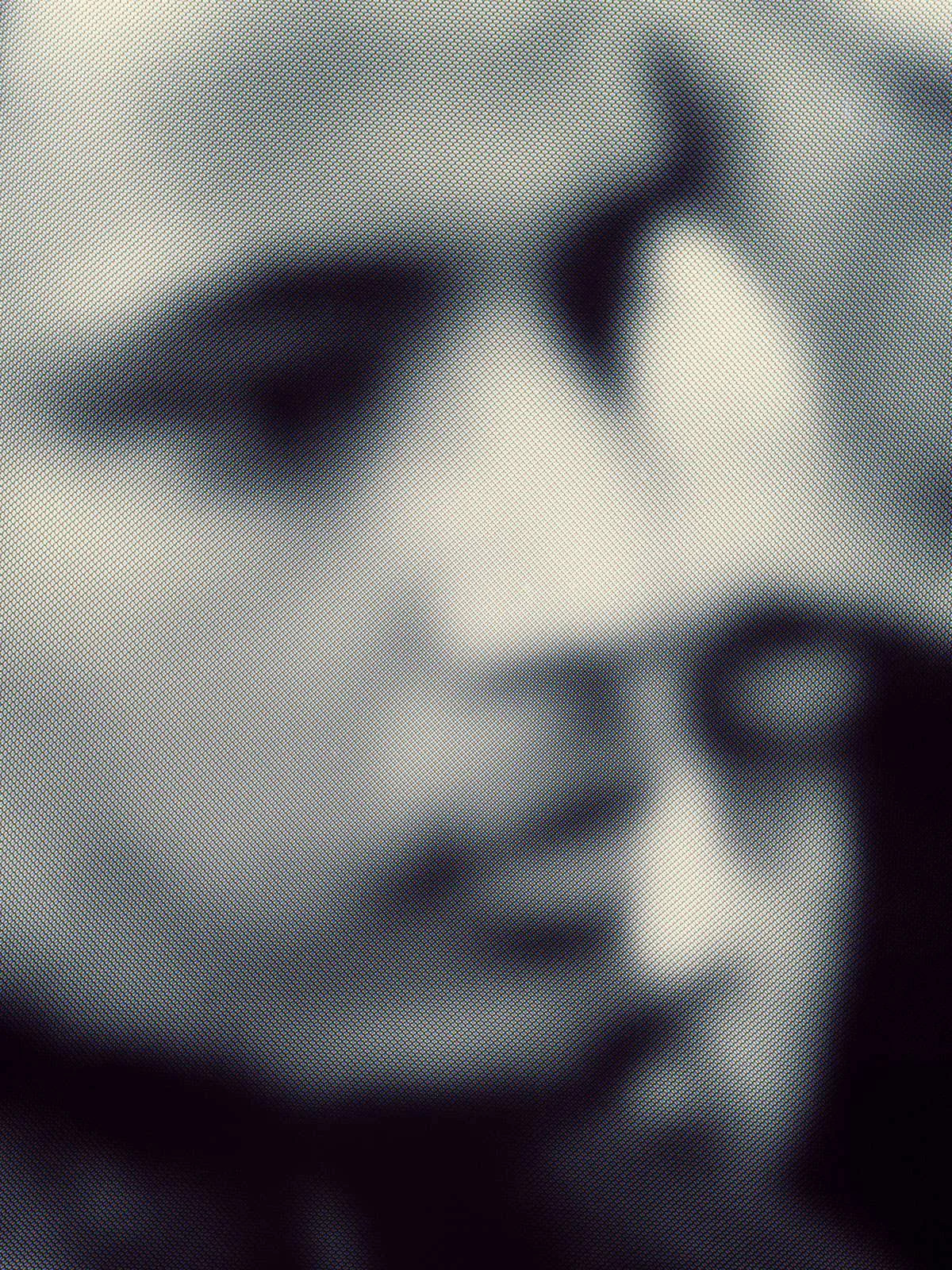
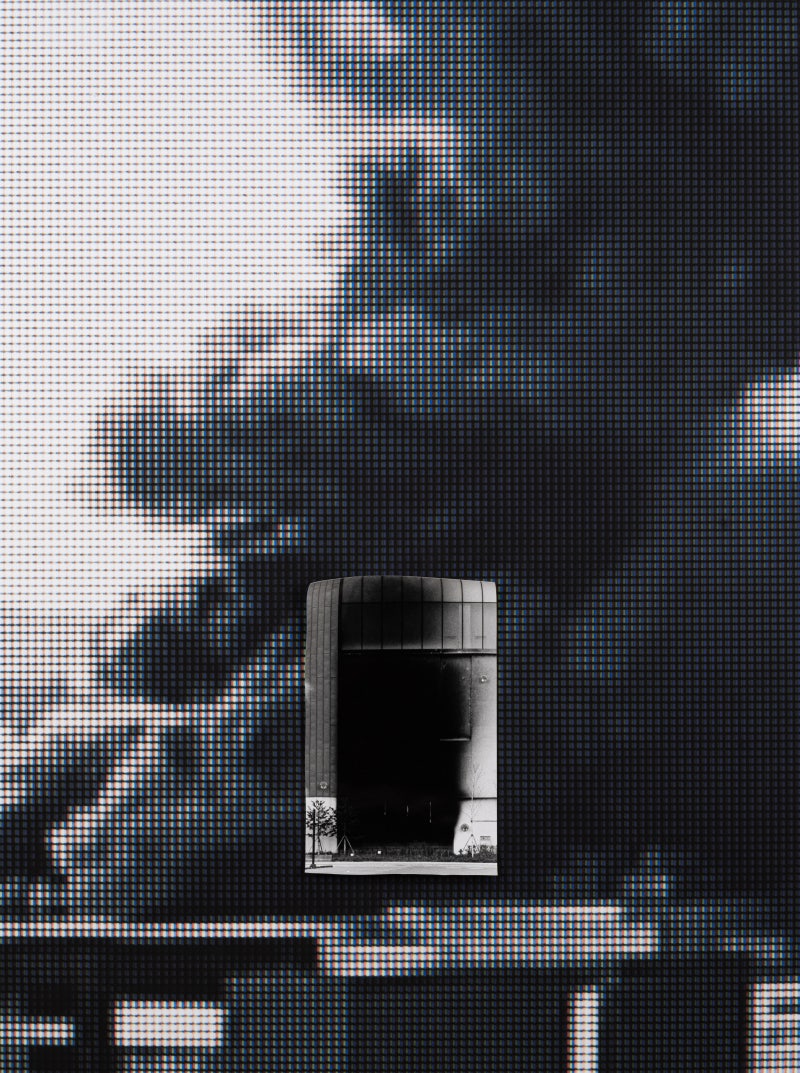
In 《Double Retina》, the juxtaposition of analog black-and-white film photography and digital color photography creates a strong formal contrast. For example, in a work such as 〈September 26, 2022〉(2023), the combination of pigment print and fiber-based gelatin silver print reveals both the smoothness of the digital and the materiality of the analog. In addition, the method of photographing smartphone screens at close range to expose pixel structures visualizes the material layer beneath the surface of the image.
 
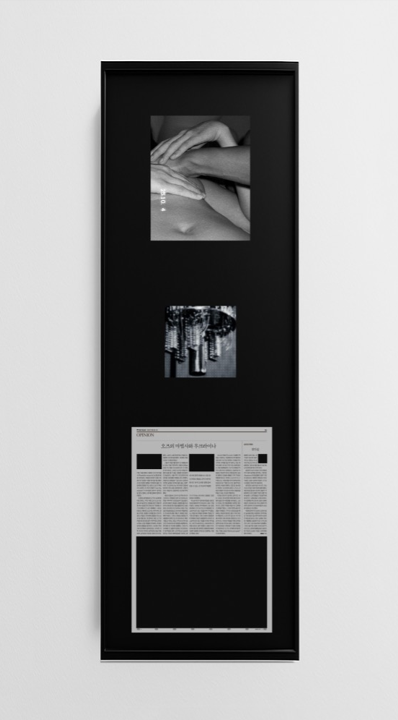
In his recent works, these formal experiments expand further. In 《Dew Point》, newspapers, screens, and photographic images are juxtaposed, overlapping different media within a single scene. In particular, by presenting images that emphasize RGB pixels alongside physical photographs, the viewer simultaneously experiences both the process of image production and the conditions through which it is perceived. In this way, Jeong Young Ho’s work centers on photography while traversing the boundaries between media, forming a complex sensory structure.

Topography & Continuity

Jeong Young Ho’s practice is distinguished by its expansion of photography beyond a simple recording medium into a device that reveals structures of perception. He continuously explores the gap between images produced and circulated within digital environments and the sensory experiences of the physical world, using photography to connect and collide these two domains.
 
His work places significant emphasis on the processes through which images are generated and the conditions under which they are perceived. In particular, by foregrounding elements such as pixels, noise, and the materiality of prints, he repositions photography as a material object while simultaneously revealing how it is transformed within a digital environment.
 
From an initial exploration of how technology affects perception, his practice evolves to address the authenticity of images and differences in sensory experience, eventually moving toward an investigation of the boundary between reality and the virtual itself. This progression can be understood not as a shift in medium, but as the expansion of a consistent line of inquiry across different layers.
 
Jeong Young Ho’s work continues by connecting photography, data, screens, and materiality, with the central question of “how we believe images” remaining at its core. This question does not depend on a specific technology or form, but instead remains open to transformation, functioning as a foundation through which his practice can flexibly expand across diverse media and environments.

Works of Art

The Gap Between Screen and Naked Eye

Exhibitions

Activities