Hanger - K-ARTIST

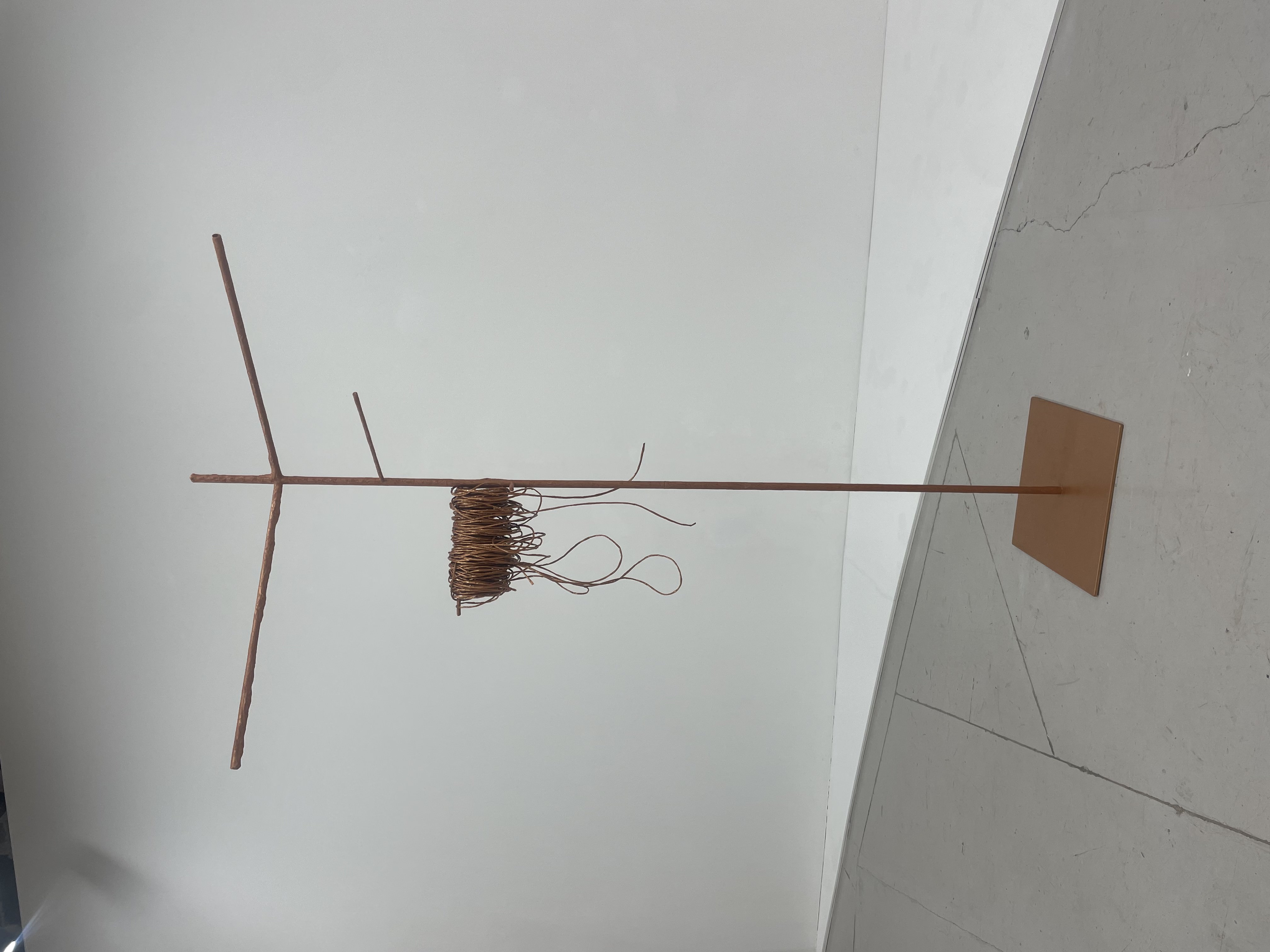
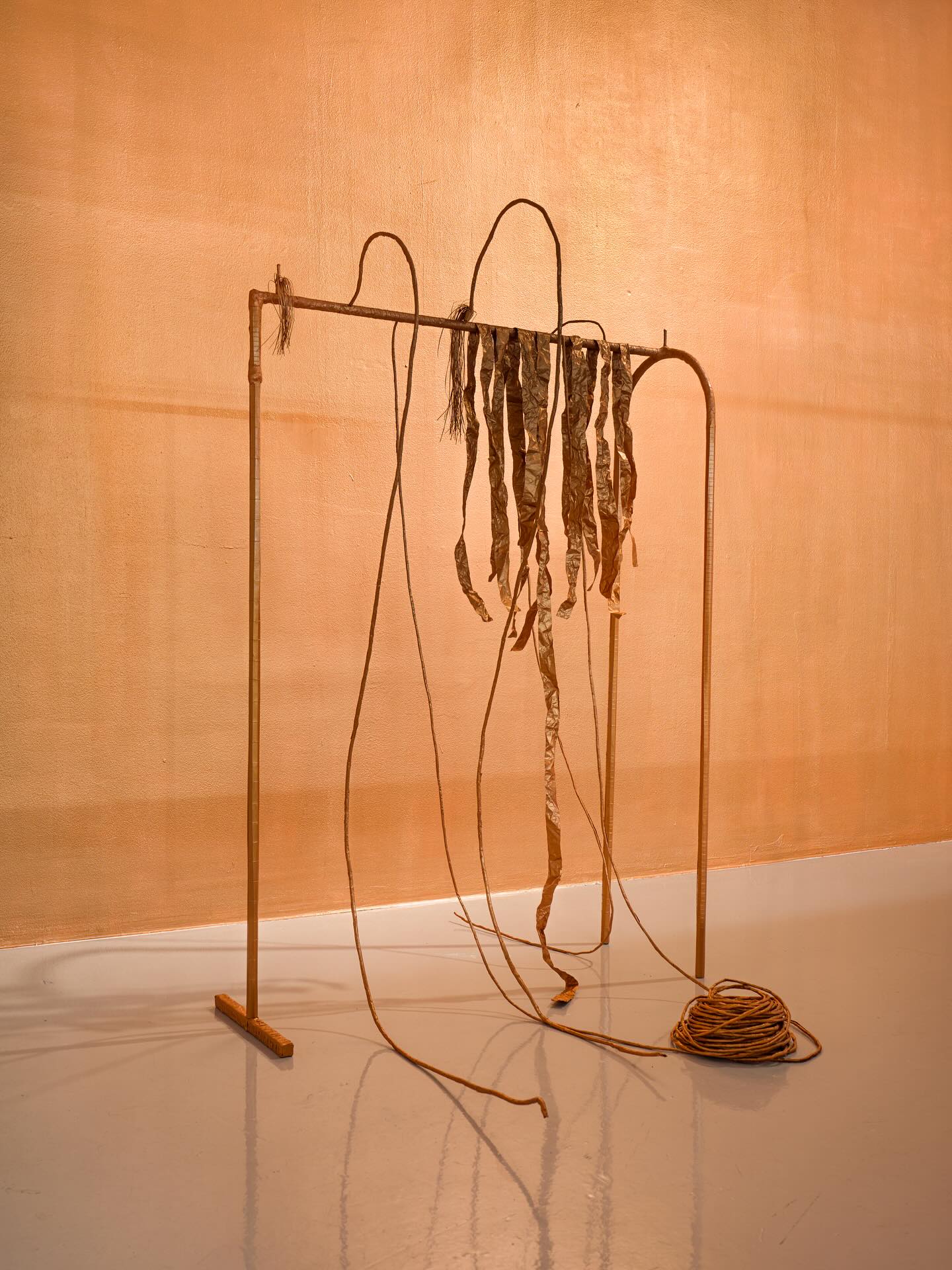
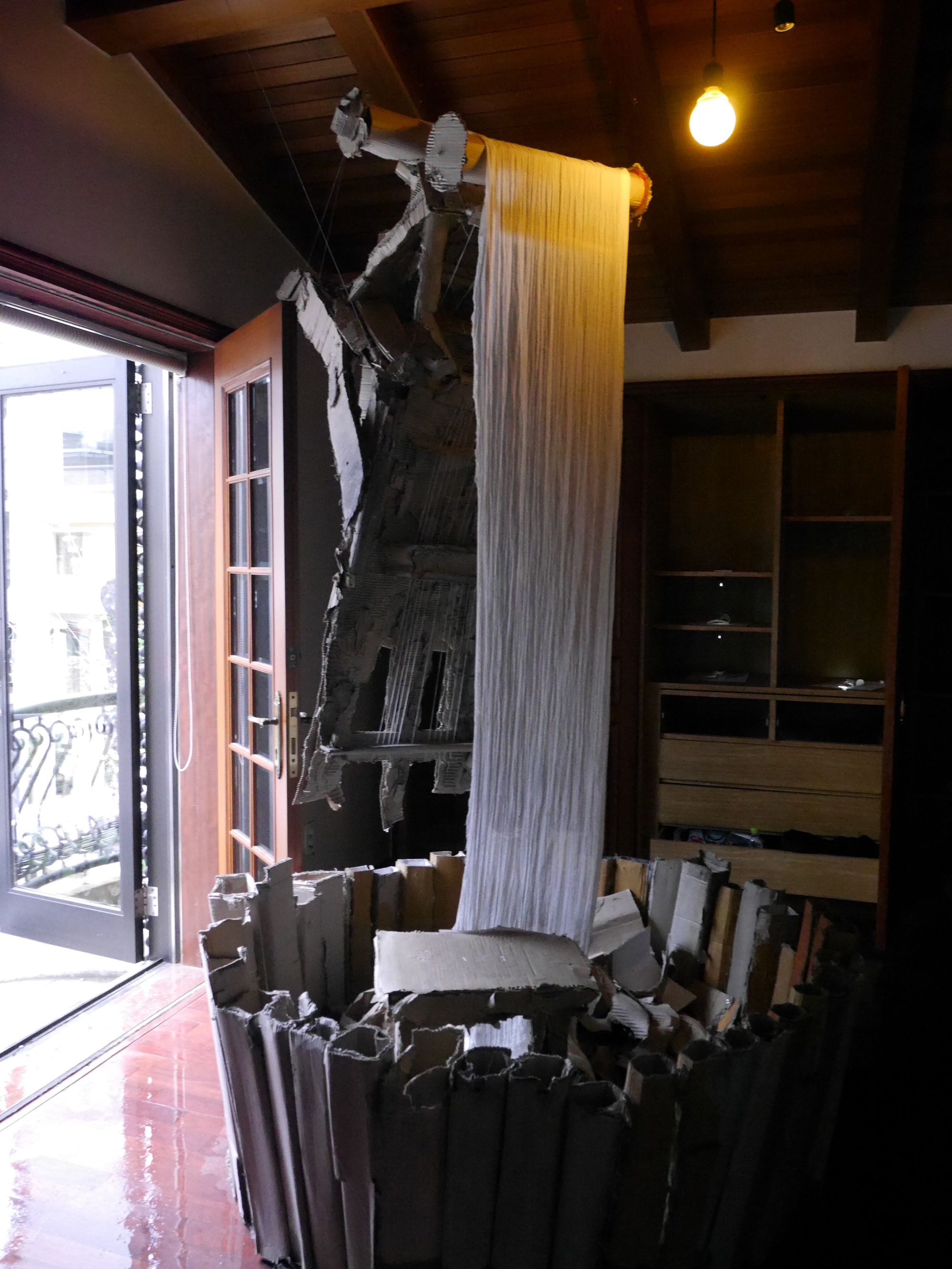
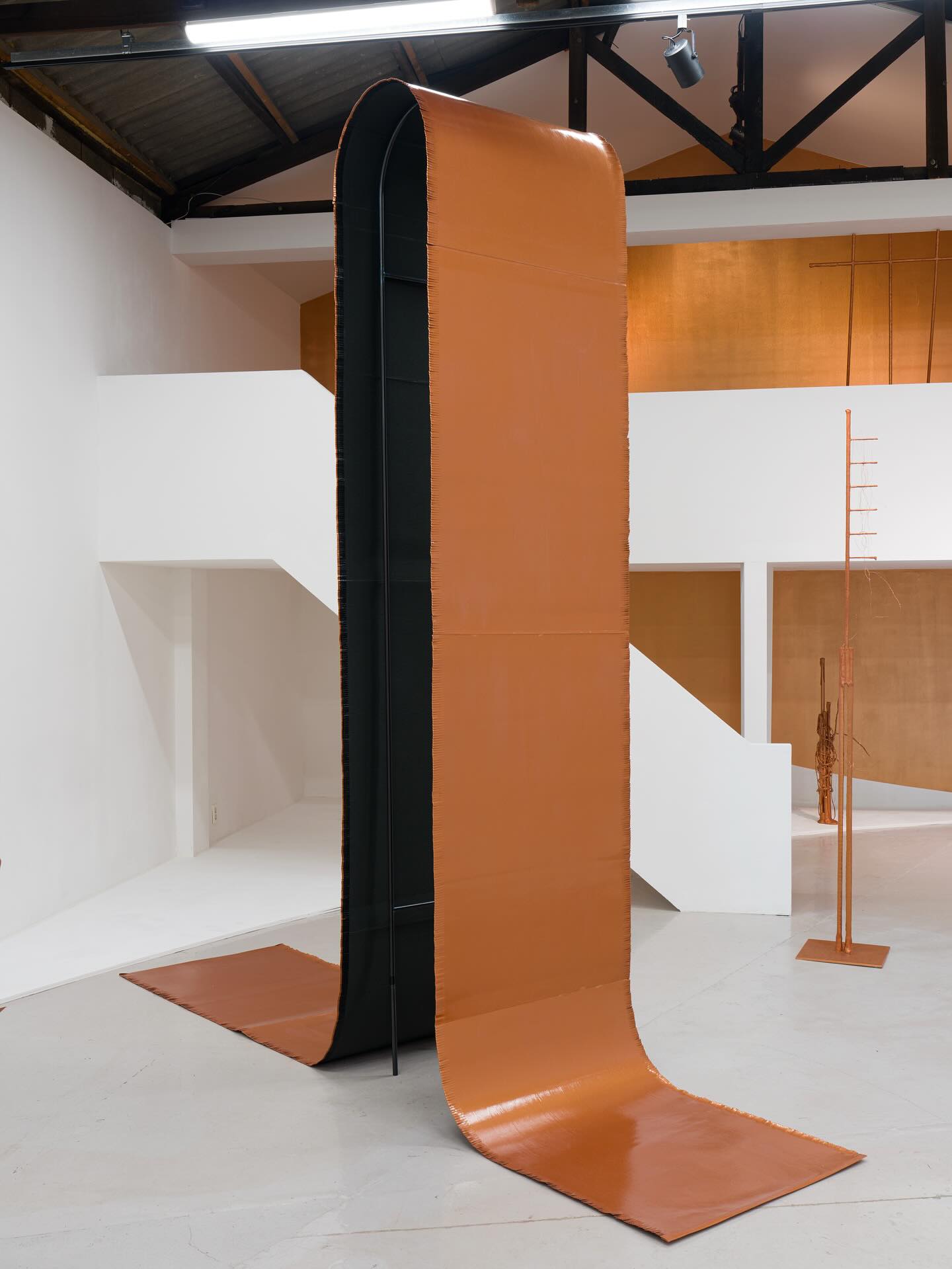
Hanger

2022
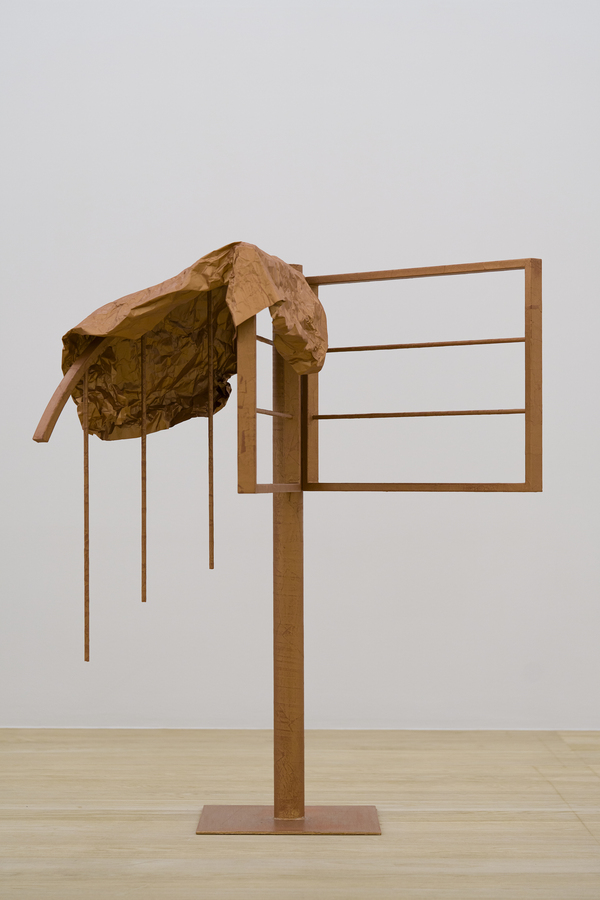
Custom-made paper, ropes, and steel pipes
About The Work

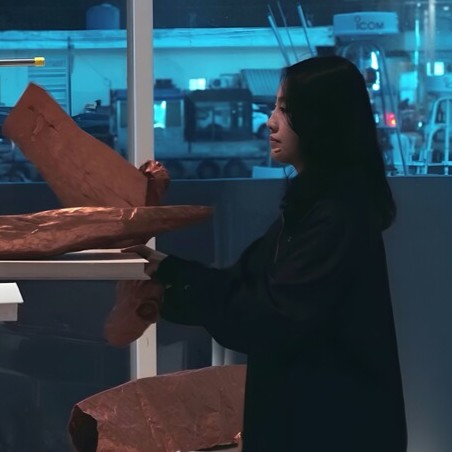
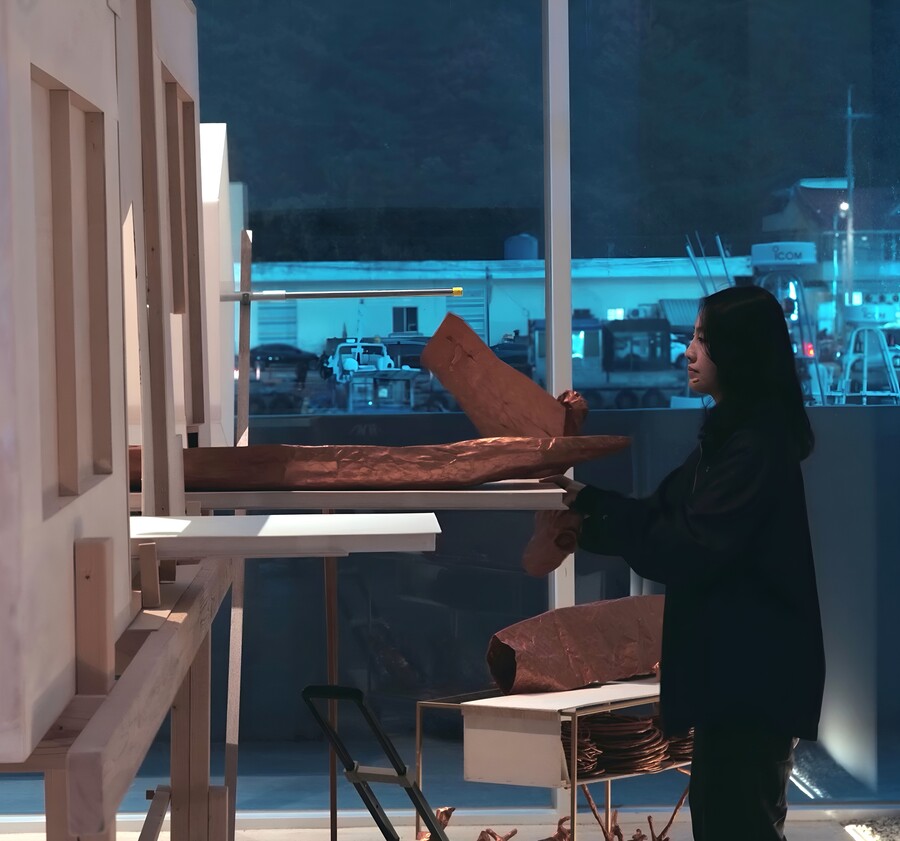
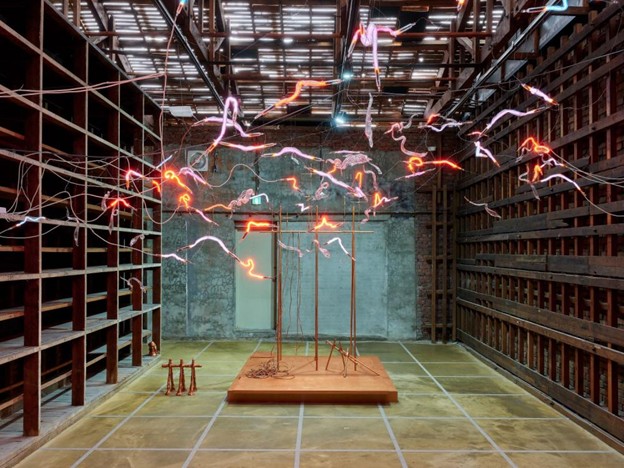
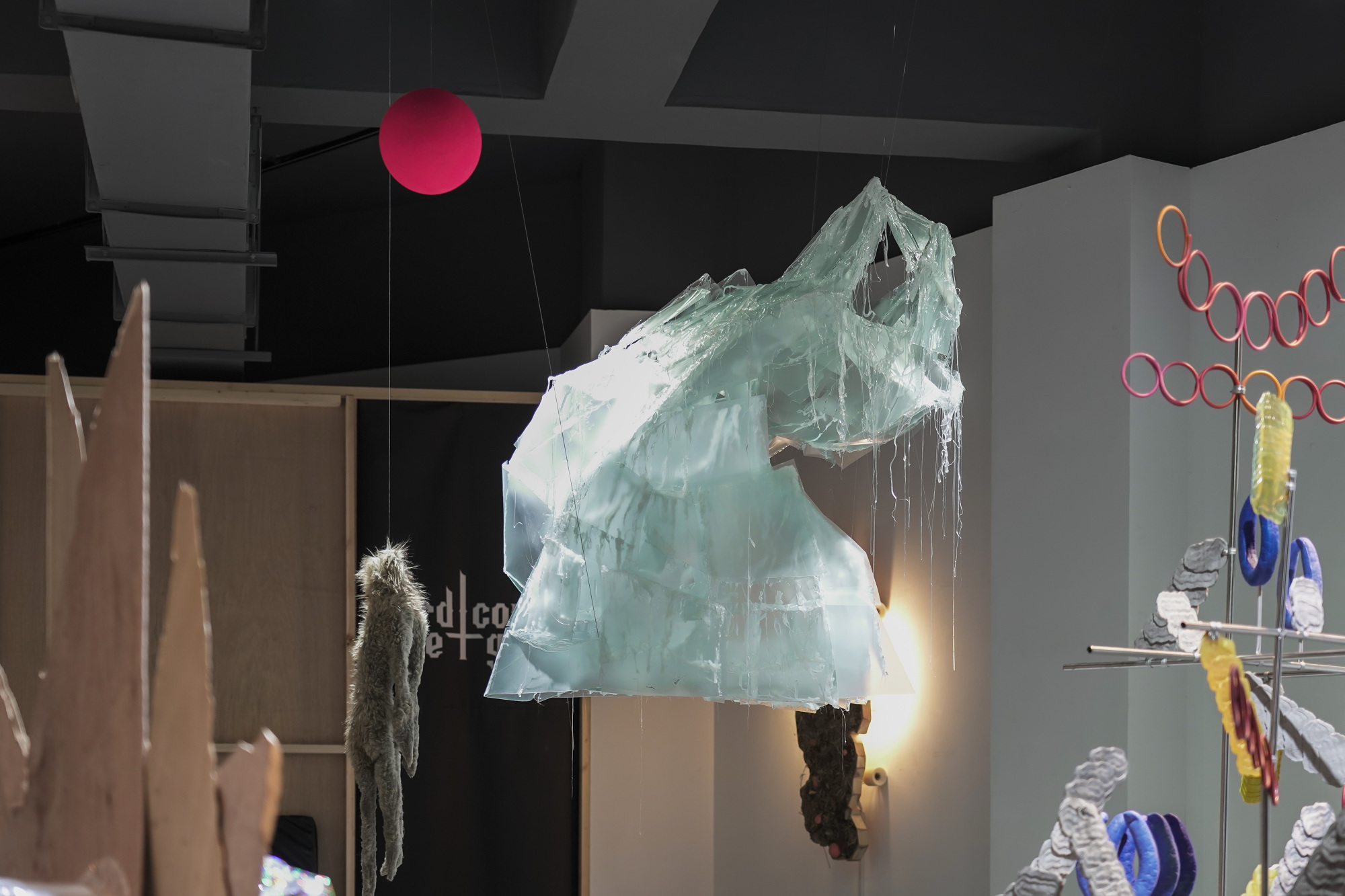
Ria Choi works across sculpture, video, and installation, engaging with questions of the autonomy and presence of the sculptural object. In particular, through the repetitive act of “making”—standing and connecting paper that mimics metal—she metaphorically expresses elusive structures of force, focusing not on defining fixed objects as sculpture but on states in which relationships and forces are provisionally revealed.

Choi’s work begins from an ontological inquiry into how the entity of “sculpture” has existed and evolved across the timeline of past, present, and future, and extends to an exploration of the dynamic relationships and structures of force that operate between sculpture, space, and the viewer’s body.
 
Moreover, her experimental approach to sculpture departs from the conventional notion of sculpture as something solid and stable, instead revealing conditions that diverge from established perceptions and unfold in unexpected ways. 

In doing so, her work moves beyond dismantling the conventional perception of sculpture as a fixed object, instead enabling viewers to physically experience the dynamics of relationships and forces at play within it—ultimately expanding this inquiry into a broader reflection on the relationship between the self and the external world.

Solo Exhibitions (Brief)

Ria Choi had held solo exhibitions including 《Red Circuit Ready》 (SONGEUN, Seoul, 2026) and 《Fence-go-round》 (Hall 1, Seoul, 2025).

Group Exhibitions (Brief)

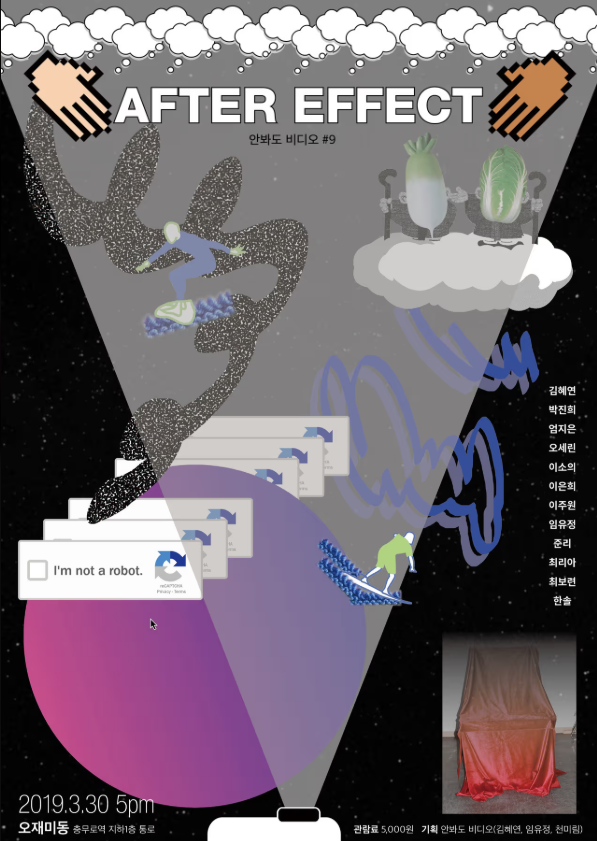
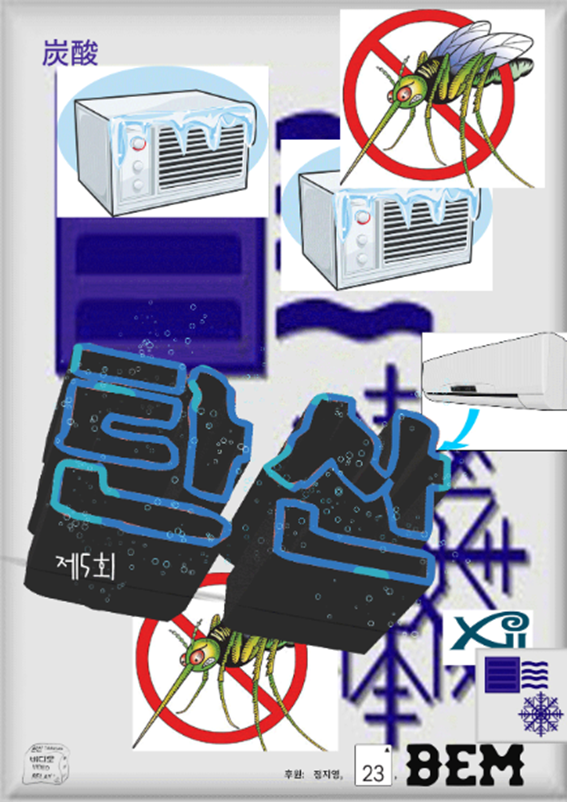
Choi has also participated in numerous group exhibitions, including 《PANORAMA》 (SONGEUN, Seoul, 2025), 《stocker》 (SeMA Storage, Seoul, 2023), 《Hardcore Futuregraphy》 (17717, Seoul, 2020), 《Hardcore Futuregraphy》 (Culture Station Seoul 284 RTO, Seoul, 2019), 《Obviously Video 9th: AFTER EFFECT》 (Ohzemidong, Seoul, 2019), 《The 5th VIDEO RELAY TAANSAN》 (Yeouido Xi Officetel, Seoul, 2016), and 《Matter Flow》 (Hapjeong, Seoul, 2015).

Awards (Selected)

In 2026, Choi was selected for “Spring Fever,” the emerging artist support program organized by the SONGEUN Art and Cultural Foundation.

Works of Art

Sculpture Metaphorizing the Structure of Invisible Forces

Originality & Identity

Ria Choi’s work begins by approaching sculpture not as a fixed object, but as something that exists within specific conditions and relationships. From her early work Vacuum, Full, store- A Power Loom(2014), she revisits past exhibitions and performances from a present perspective, incorporating the sense of “here and now” that includes site and the experience of movement. By allowing even the route and memory of the viewer’s arrival at the exhibition space to function as part of the work, she expands the scope of sculpture beyond the physical object itself.
 
This approach develops into an interest in the temporality and conditions of sculpture. In 《Hardcore Futuregraphy》(17717, Seoul, 2020), she reinterprets sculpture after 1999 while imagining sculpture in 2040, suggesting that sculpture is not bound to a specific period but is a concept that continues to be updated. Works such as Blue Screen Love(2020) and Outside of the Inside of the Outside are reconfigured within new contexts while referencing earlier works, emphasizing that sculpture is not a singular form but an accumulation of relationships and interpretations.
 
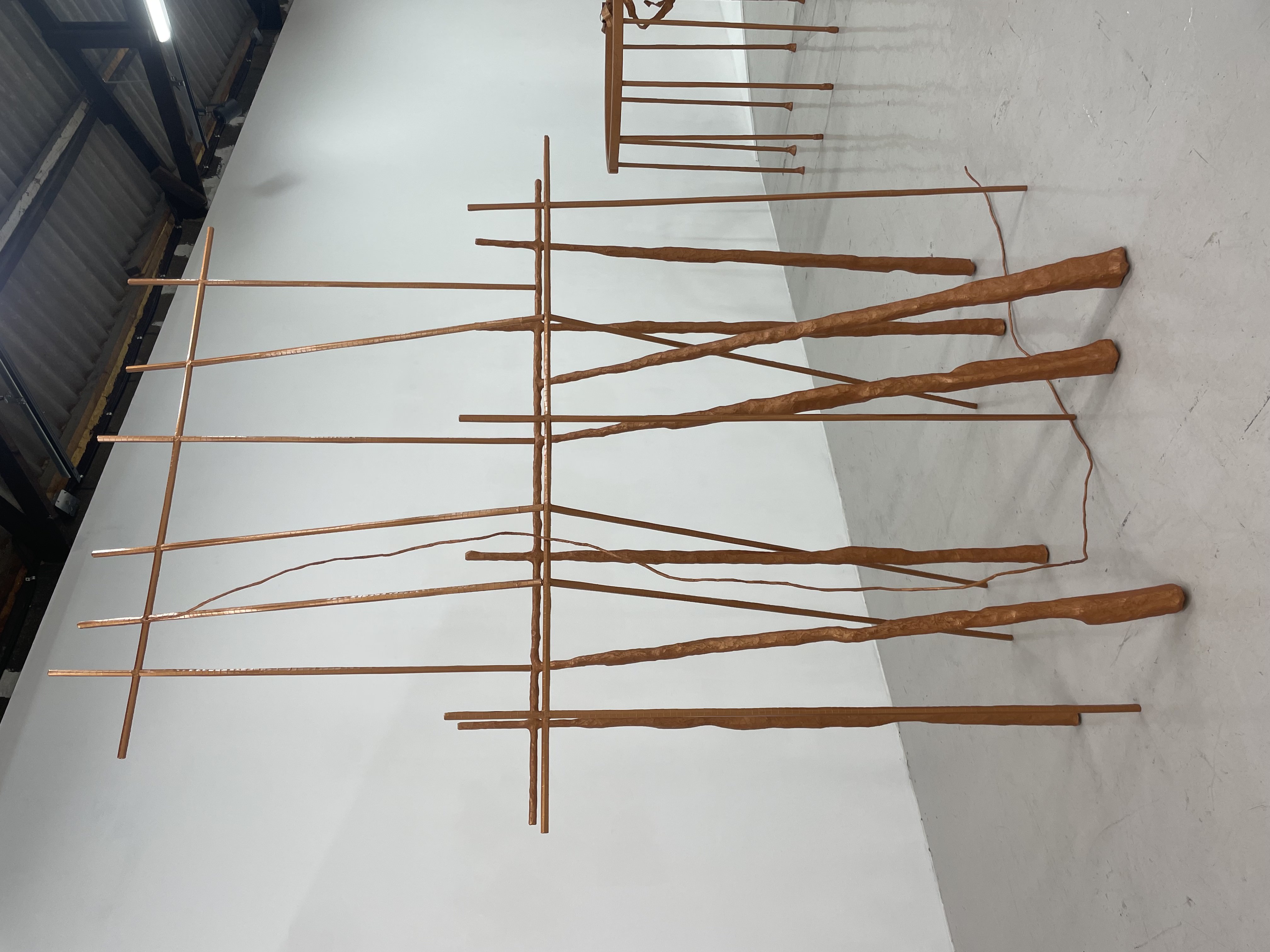
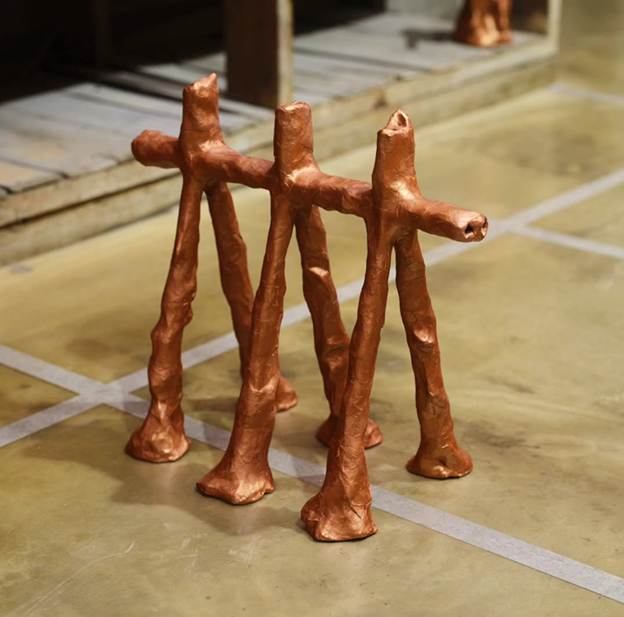
The ‘Fence’ series, developed after 2021, extends this inquiry into more concrete social structures. Inspired by the circular riding arena, these works focus on the invisible rules and forces that restrict and guide individual movement. As seen in Fence 1(2023) and Fence-growing(2023), the fence operates not merely as a structure but as a device that organizes bodily movement and behavior. Here, sculpture shifts from a question of form to a question of how it functions.
 
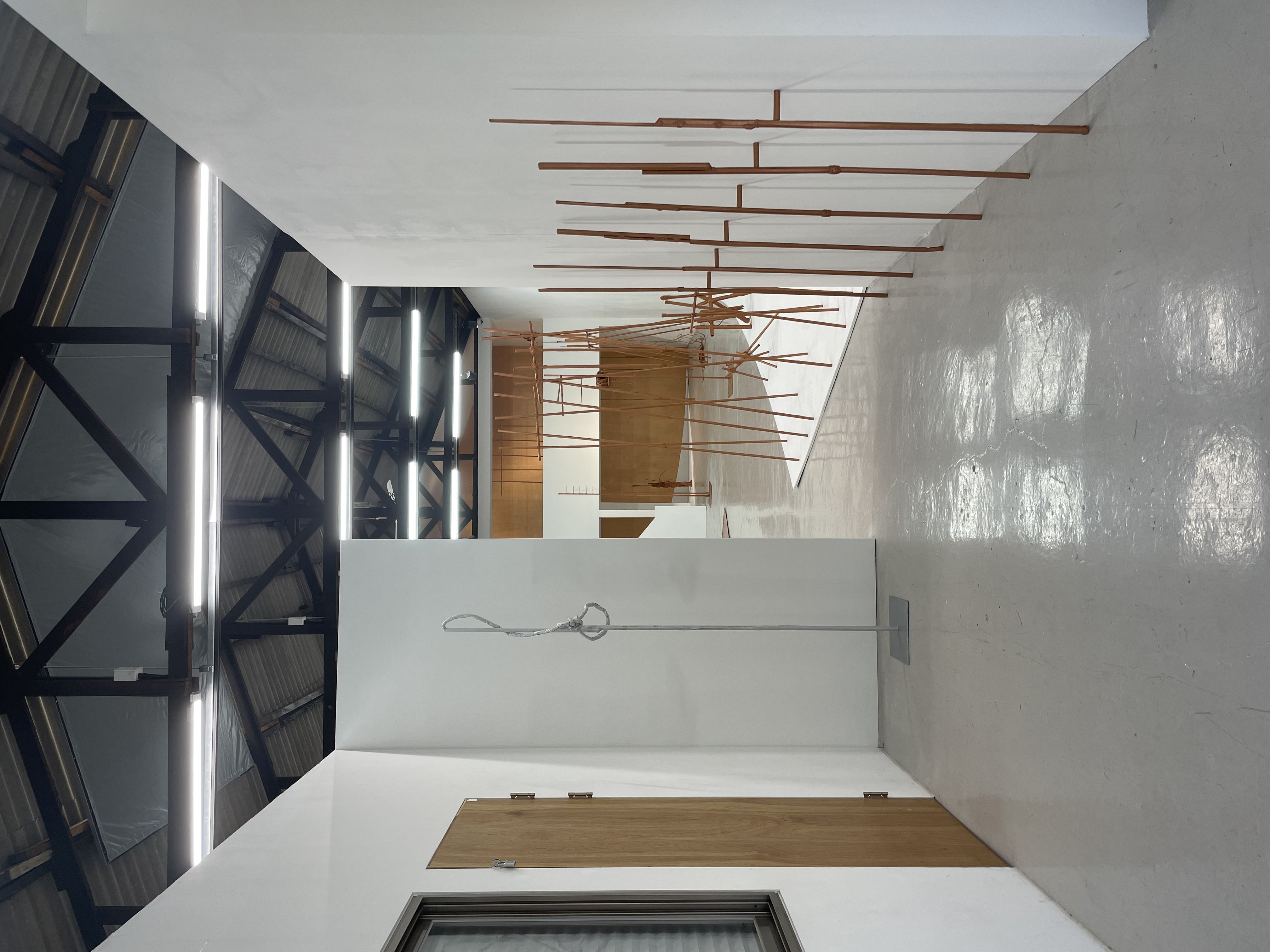
Her recent works expand these concerns into more sensory and symbolic dimensions. In 《Fence-go-round》(Hall 1, Seoul, 2025) and 《Red Circuit Ready》(SONGEUN, Seoul, 2026), she reveals the dual concepts of protection and control through fence structures made of paper. Works such as Knot(2025) and Triple Fence(2026) allow viewers to physically experience how boundaries operate, prompting reconsideration of the relationship between the individual and the external world. In this process, Choi’s practice evolves from questioning the ontology of sculpture toward broader considerations of relationships, power, and bodily perception.

Style & Contents

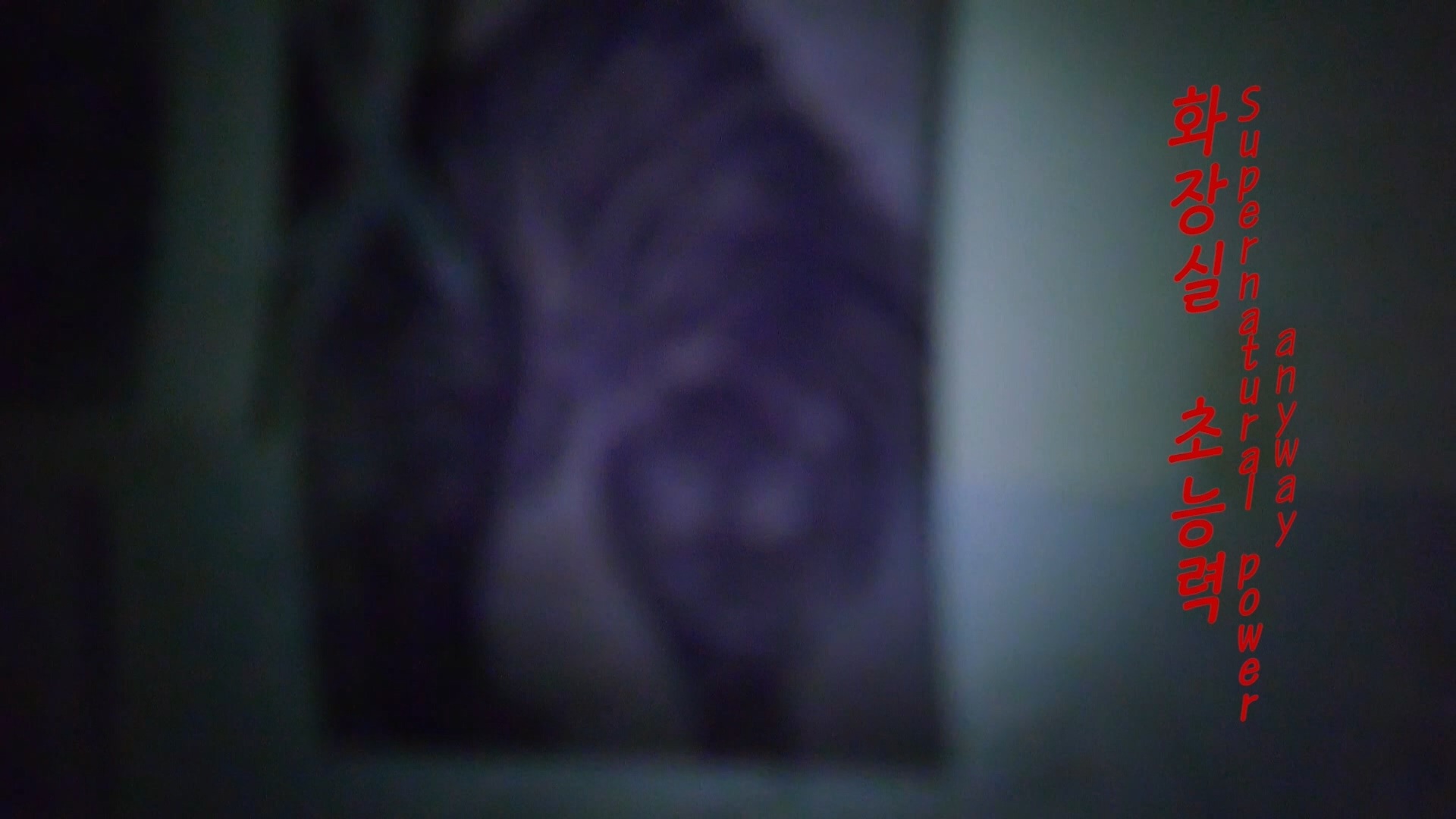
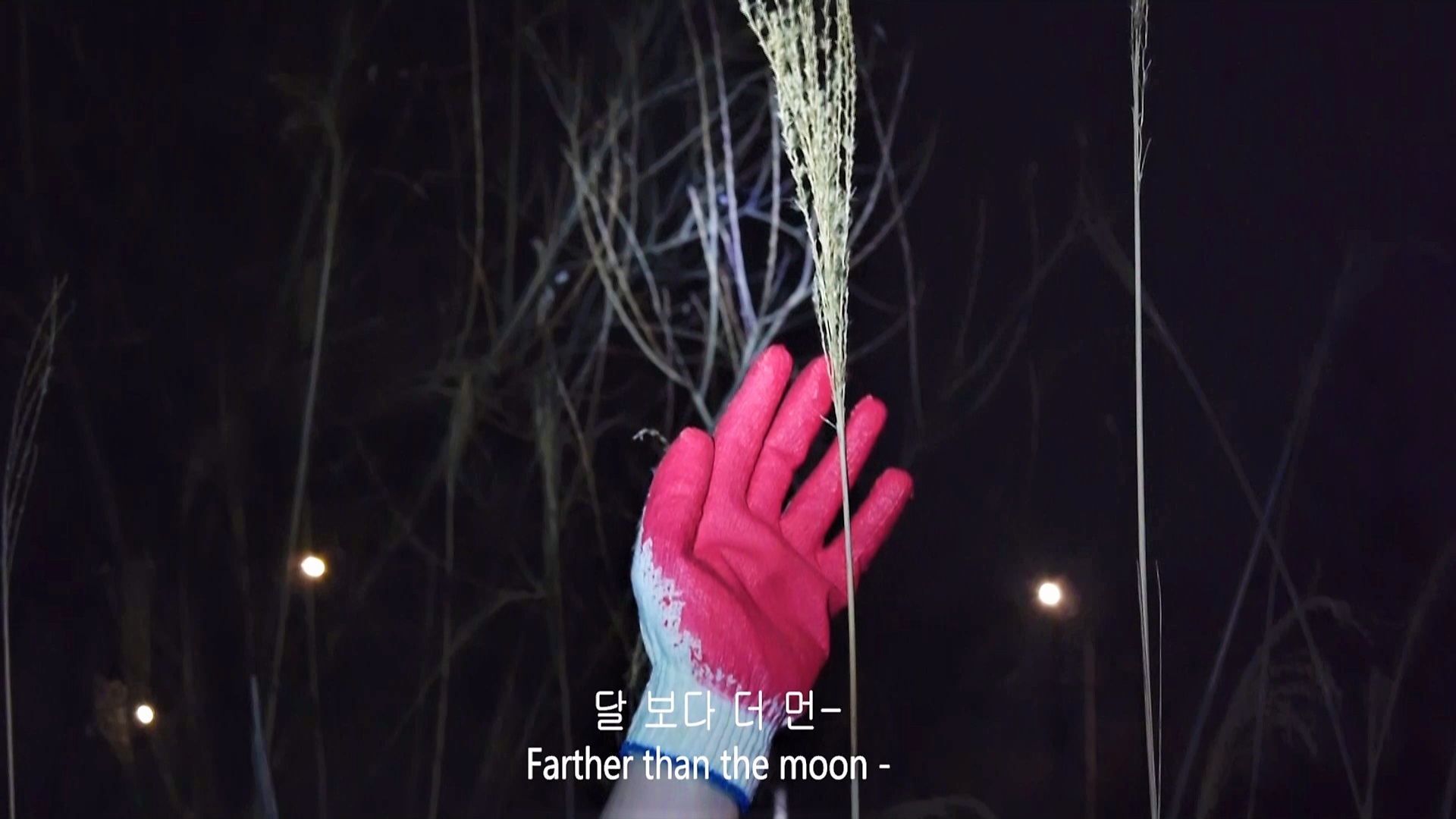
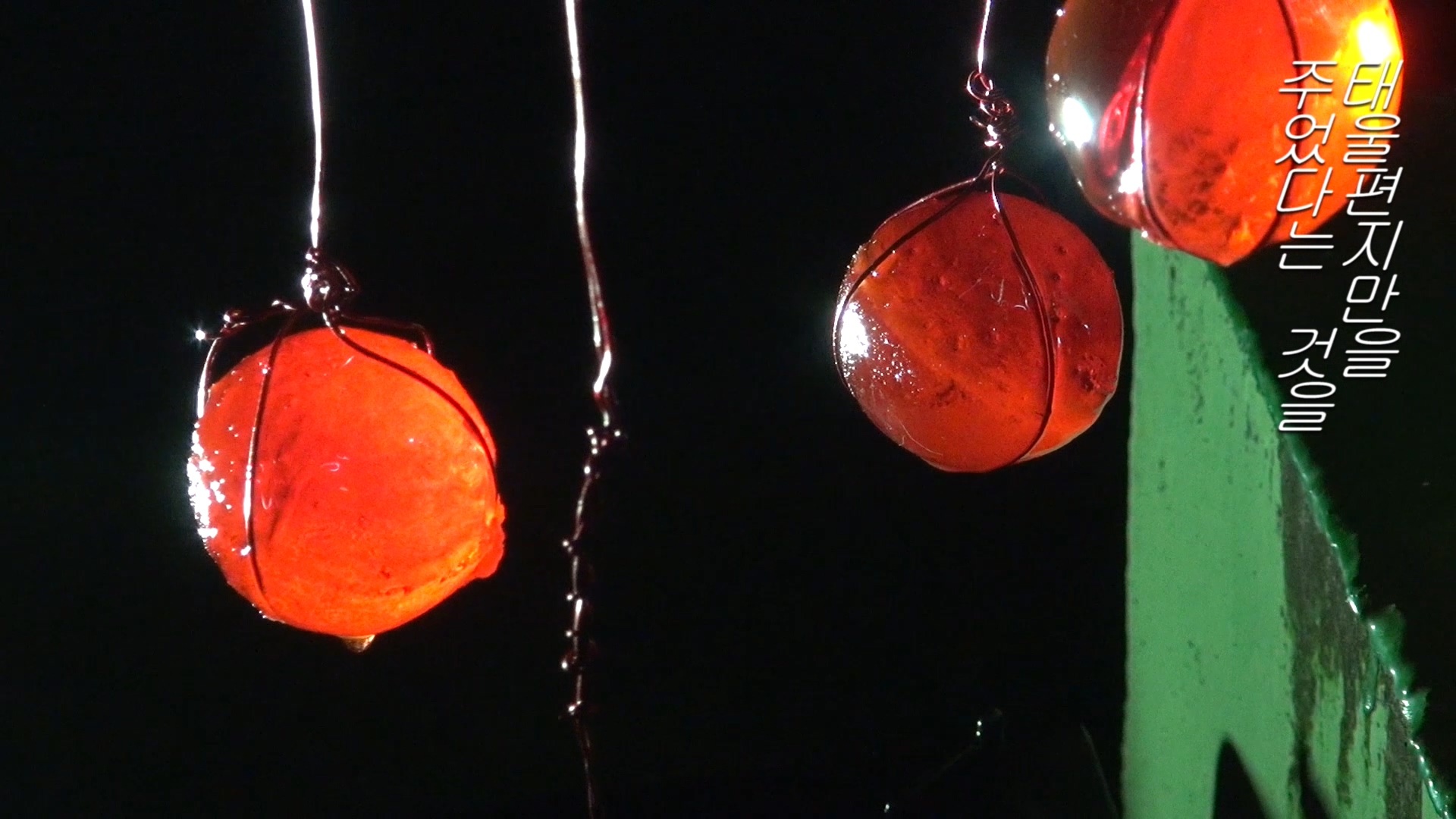
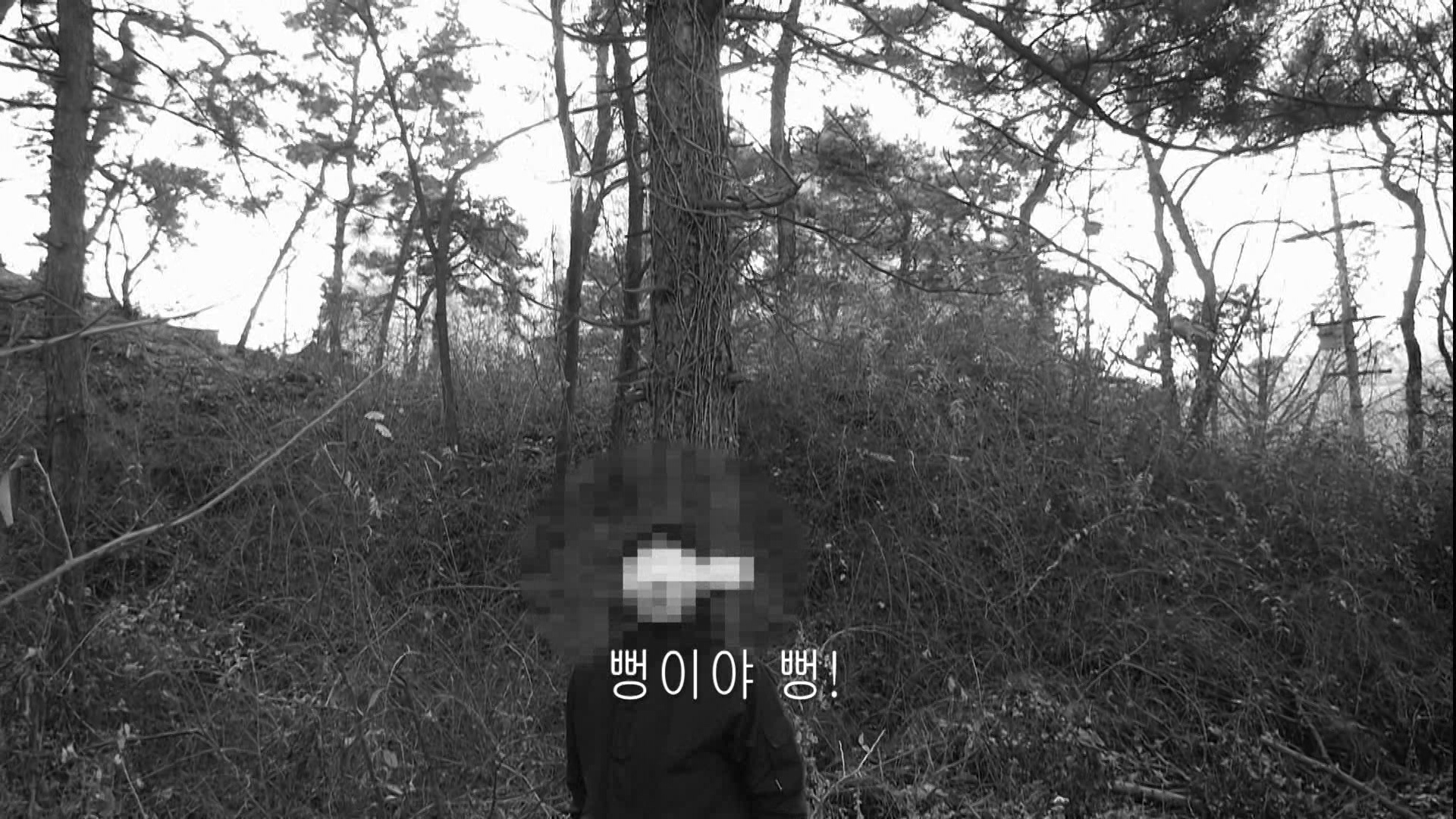
Ria Choi employs a range of media, including paper, metal, and video, yet her primary focus lies not in the material itself but in the structures and conditions it produces. In early video works such as Blind(2014), Galaxy(2016), and Hyphen(2018), she reveals the instability of relationships and meaning through repetitive actions and subtle disjunctions within constrained conditions. Even before her sculptural practice, these works demonstrate an ongoing interest in states that emerge within given conditions.
 
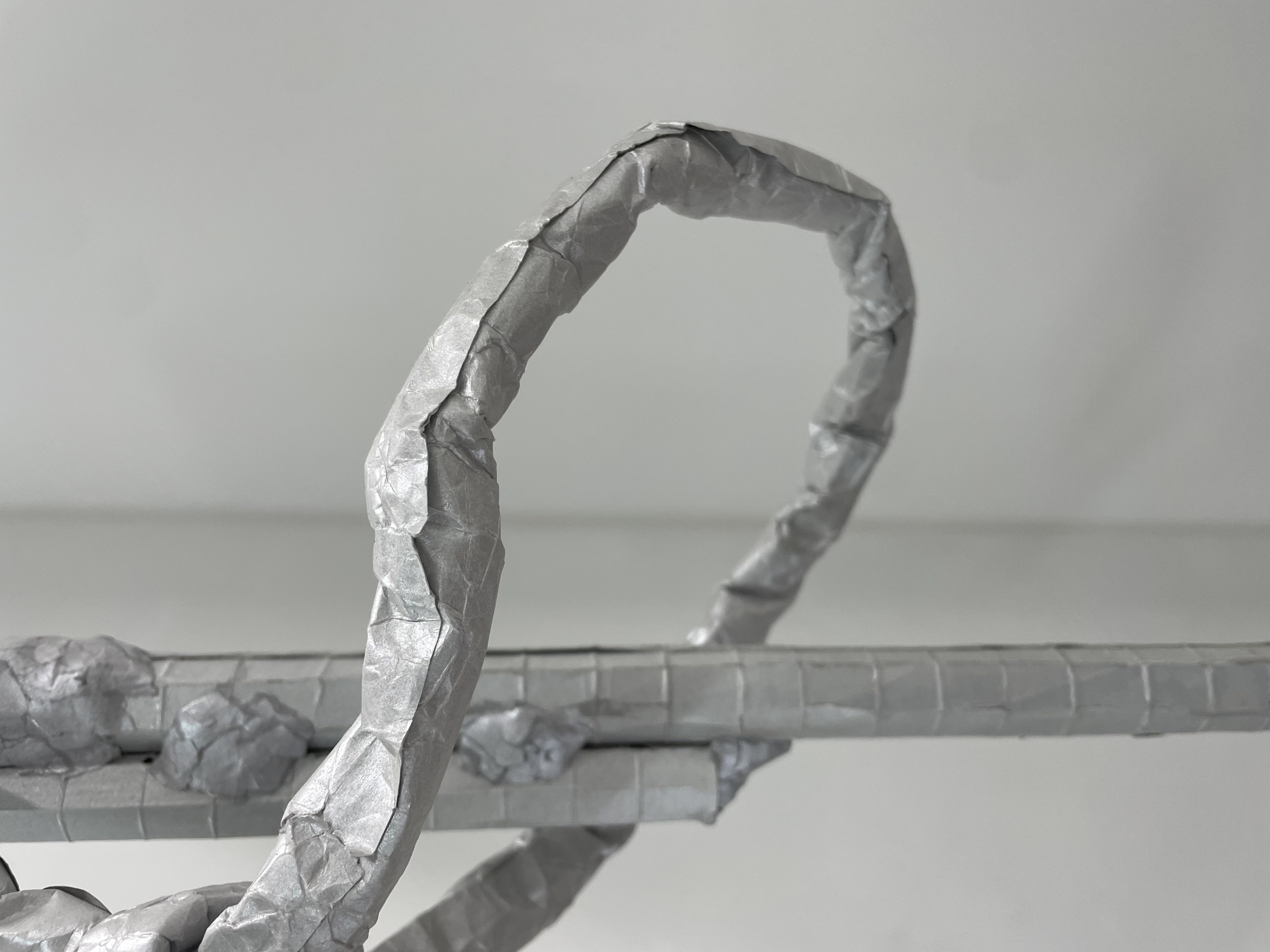
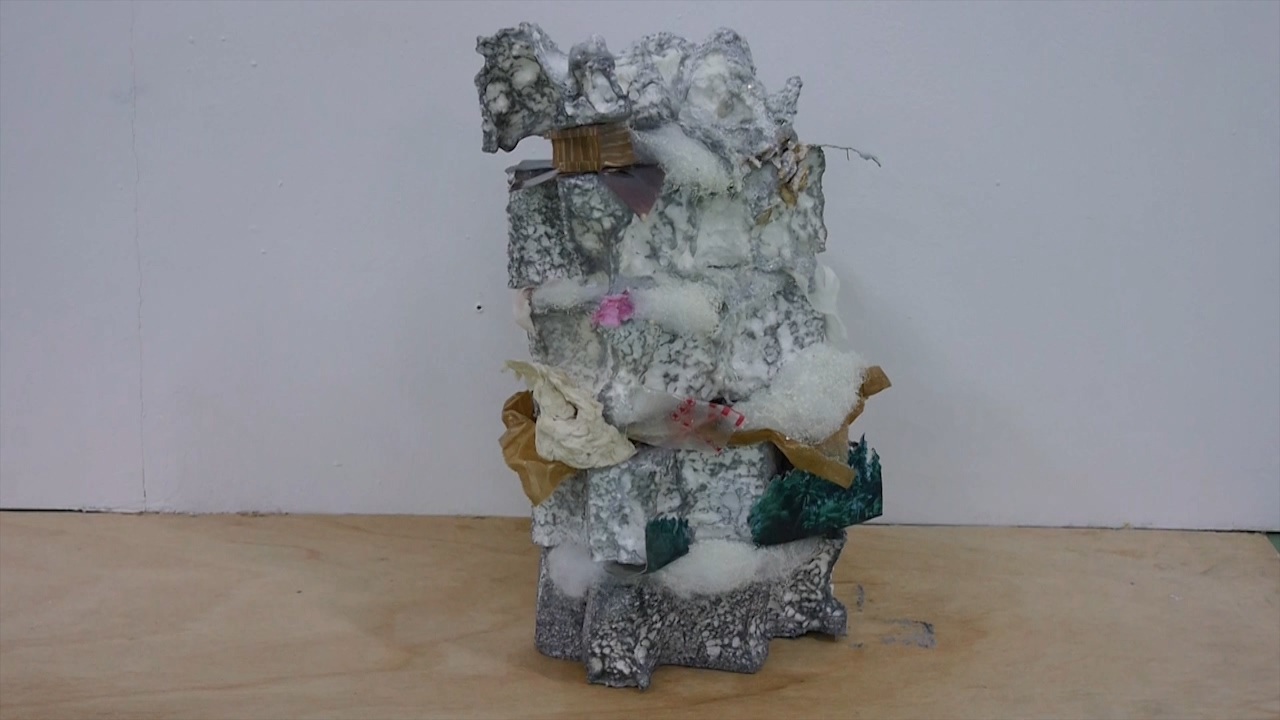
This interest later translates into material structures in her sculptural work. Rather than directly using metal, she constructs forms using paper that mimics metal. While paper imitates solidity, it remains easily bendable and fragile, and this contradiction destabilizes conventional perceptions of sculpture. The materiality evident in the ‘Fence’ series creates a condition in which stability and instability, strength and vulnerability coexist simultaneously.
 
Spatial configuration also plays a key role. In 《Fence-go-round》, elements such as the entrance structure, partition walls, and circular platforms restrict the viewer’s movement and establish a specific circulation path. Low platforms and narrowed entrances may appear minimal, yet they function as devices that physically constrain the body. In this way, sculpture is no longer an independent object but becomes a system integrated with the entire spatial environment.
 
In recent works, this formal language expands further in complexity. In 《Red Circuit Ready》, elements such as fences, columns, and ropes are combined, leading viewers to navigate through a maze-like environment. Works like Revolving Door(2026) and Triple Fence bend pathways or induce pressure, transforming sculpture from a visual object into a bodily experience. Through this process, Choi’s formal language expands to encompass sculpture, installation, and performative elements simultaneously.

Topography & Continuity

At the core of Ria Choi’s practice is the idea of treating sculpture not as a fixed object, but as a state that emerges within conditions. The concerns with conditions, repetition, and relationships evident in her early video works continue into her sculptural and installation practices, forming a consistent conceptual framework. Rather than defining sculpture through form, she locates its meaning in the context and manner in which it operates.
 
While many contemporary sculptural practices focus on materiality or formal completion, her work instead foregrounds incompleteness and the potential for transformation. The choice of paper that mimics metal, structures that can easily bend or collapse, and spaces that shift according to the viewer’s movement all displace sculpture from a stable state. In this sense, her work transforms sculpture from an object into a field of relations.
 
Her practice also actively connects space and the body. The viewer does not remain a passive observer but moves within constrained pathways, experiencing the structure directly. Through this process, sculpture moves beyond visual representation and becomes directly linked to bodily perception. This approach provides a foundation for the work to remain open and adaptable, rather than fixed to a single medium or form.
 
Within this trajectory, Choi’s work does not converge into a single formal language but continues to evolve by experimenting with different conditions and structures while maintaining its core concerns. The question of how to organize the relationships between sculpture, space, and the body is continuously rearticulated, allowing her practice to remain in a state of ongoing transformation.

Works of Art

Sculpture Metaphorizing the Structure of Invisible Forces

Articles

Exhibitions

Activities