As You Know - K-ARTIST

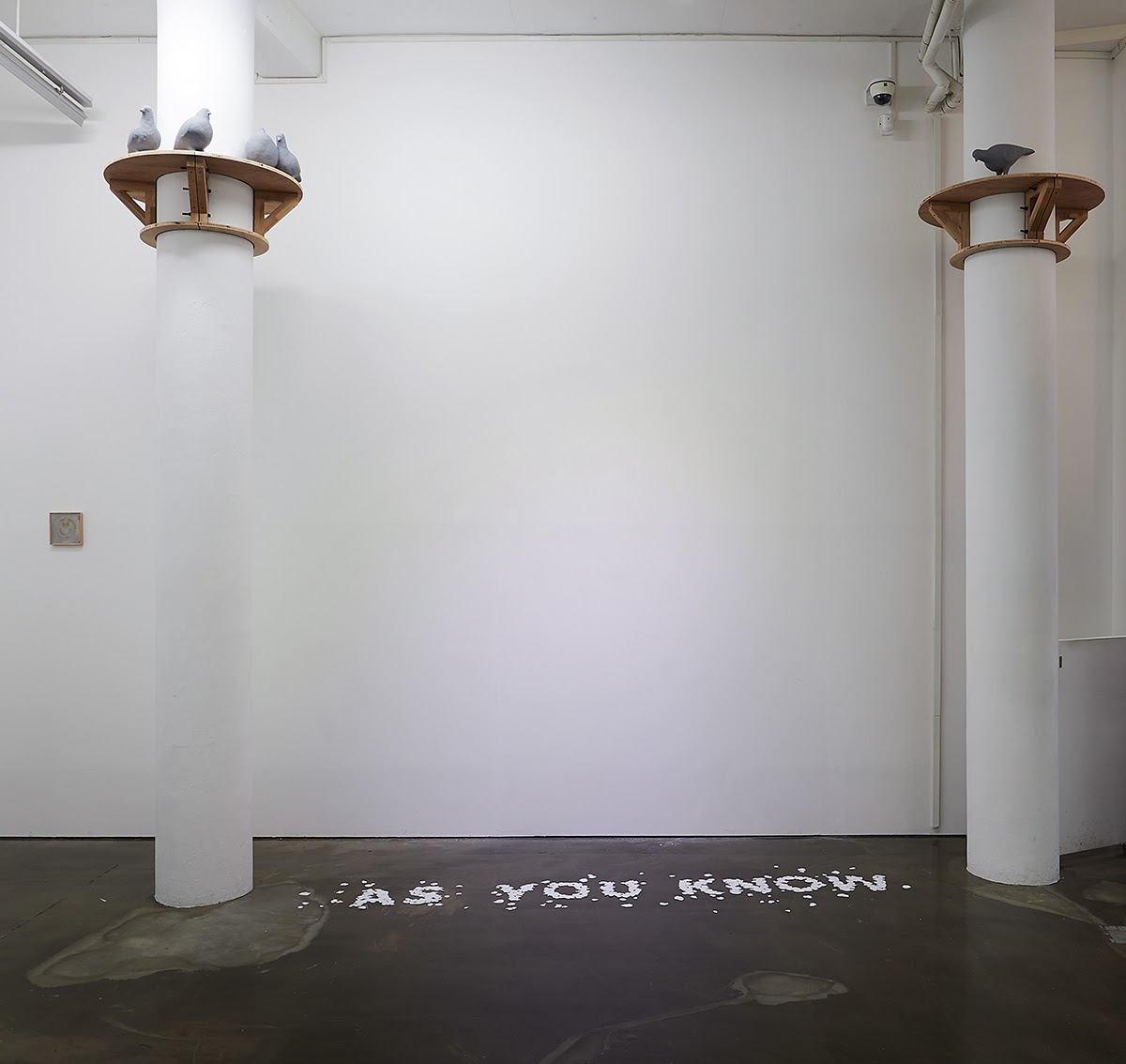
As You Know

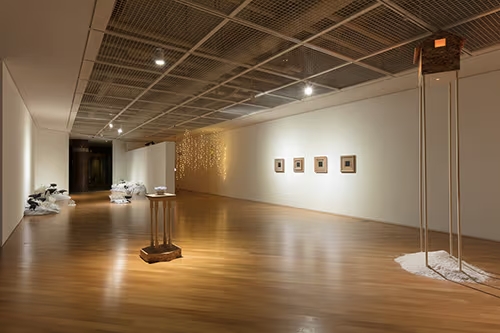
2018
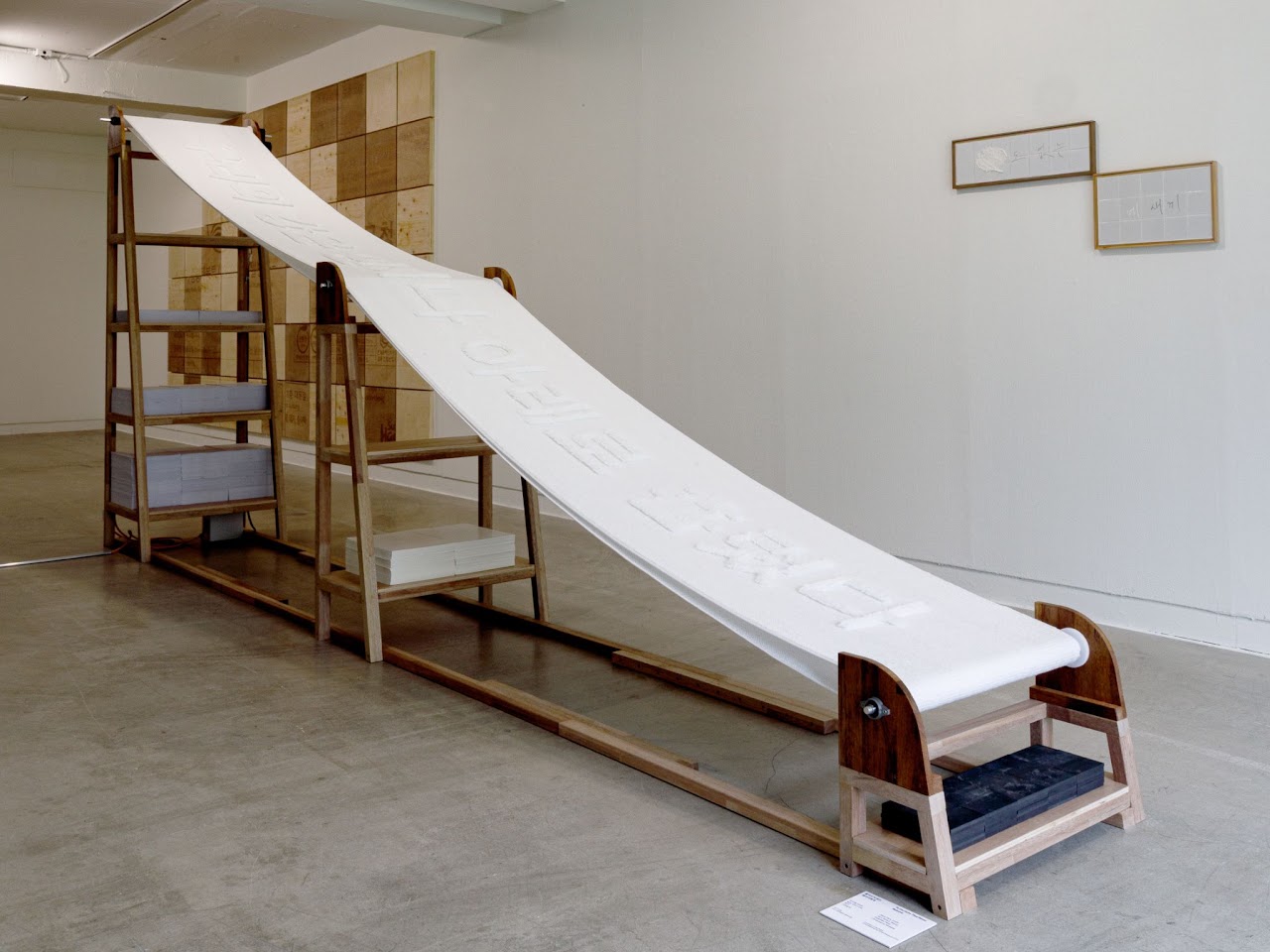
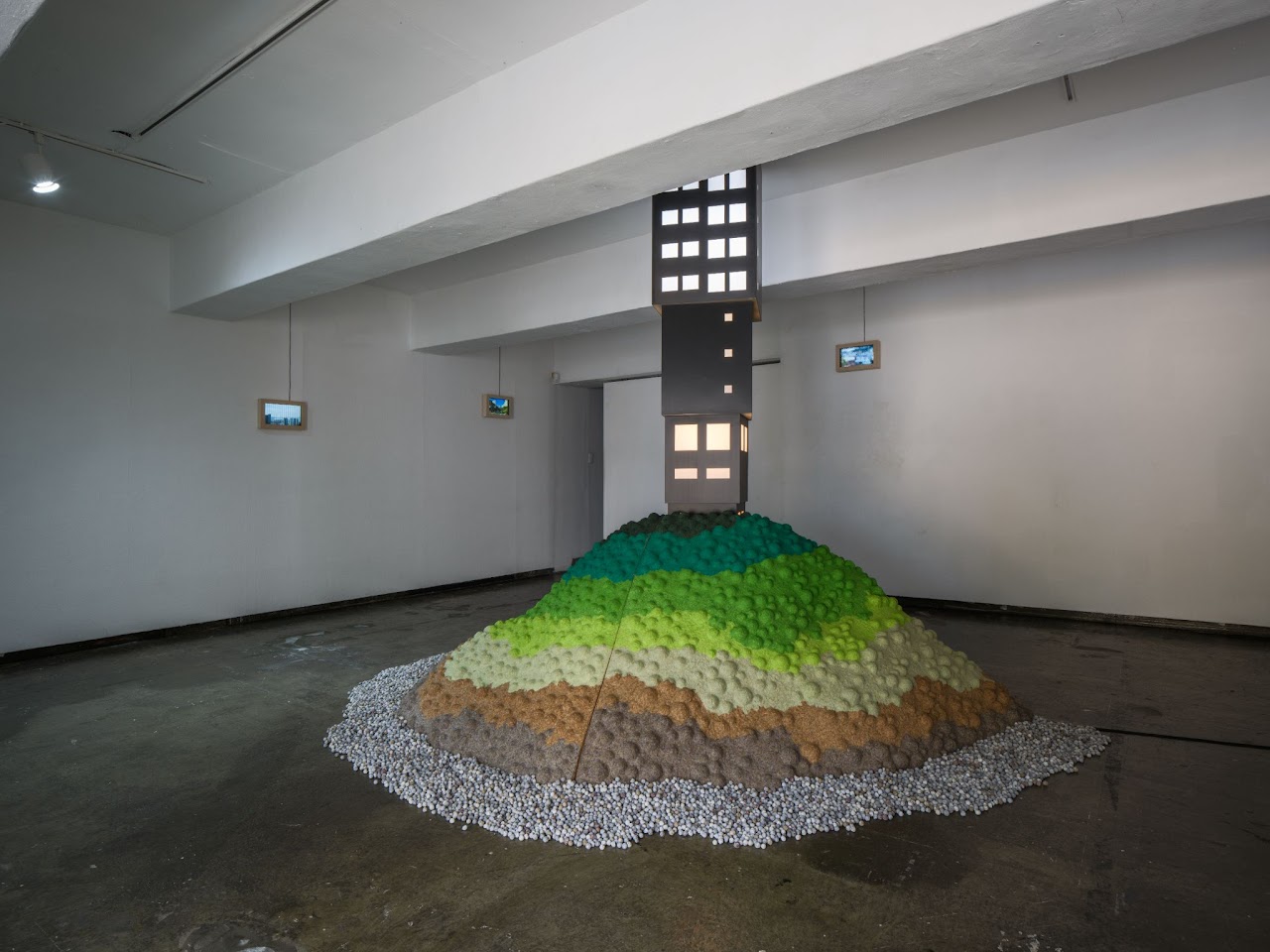
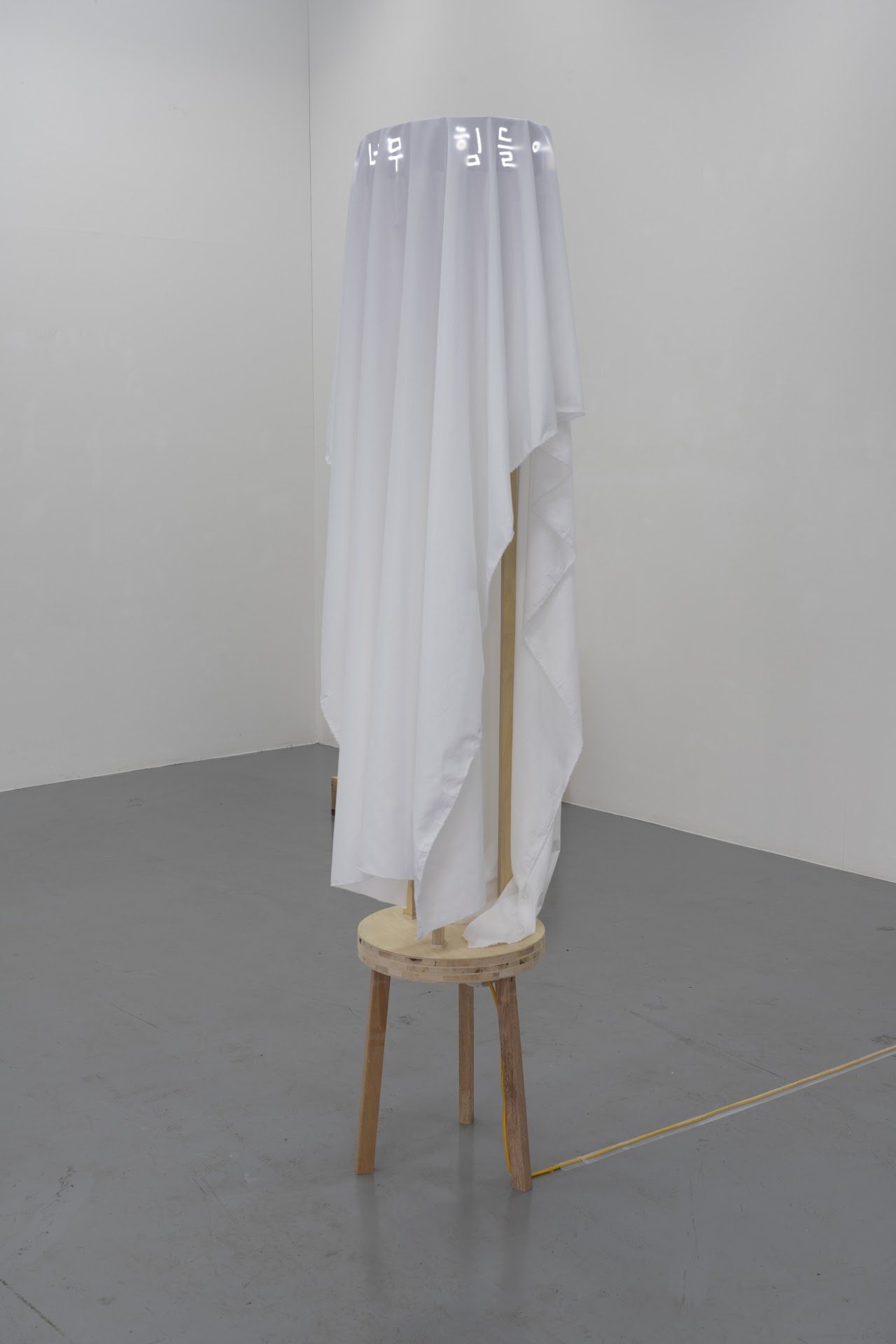
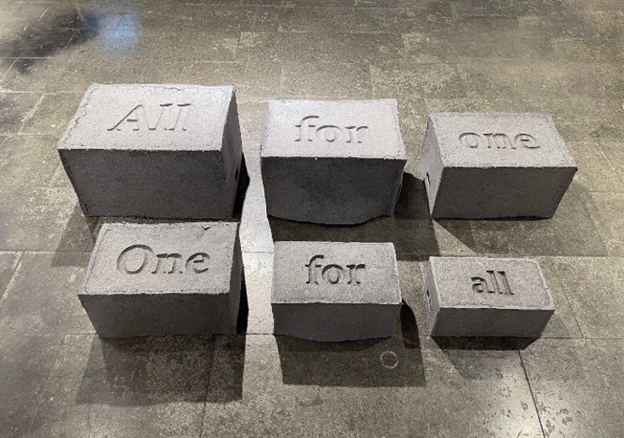
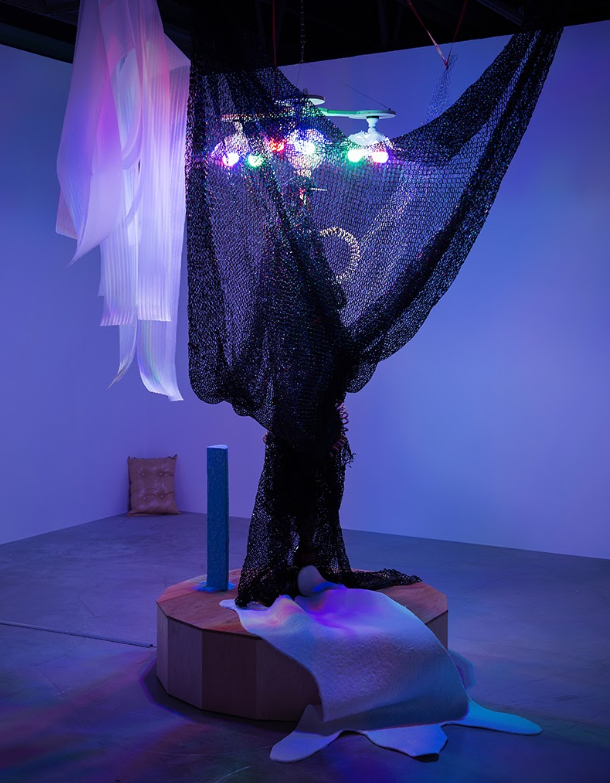
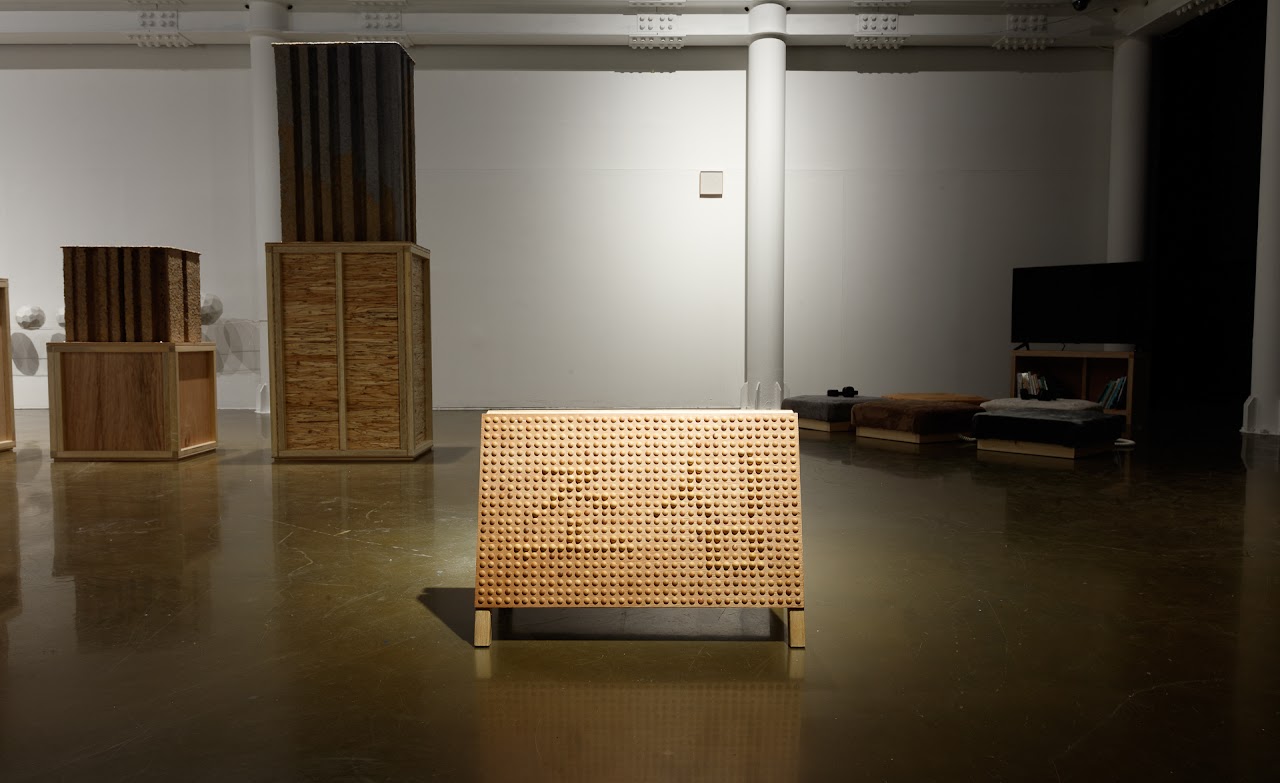
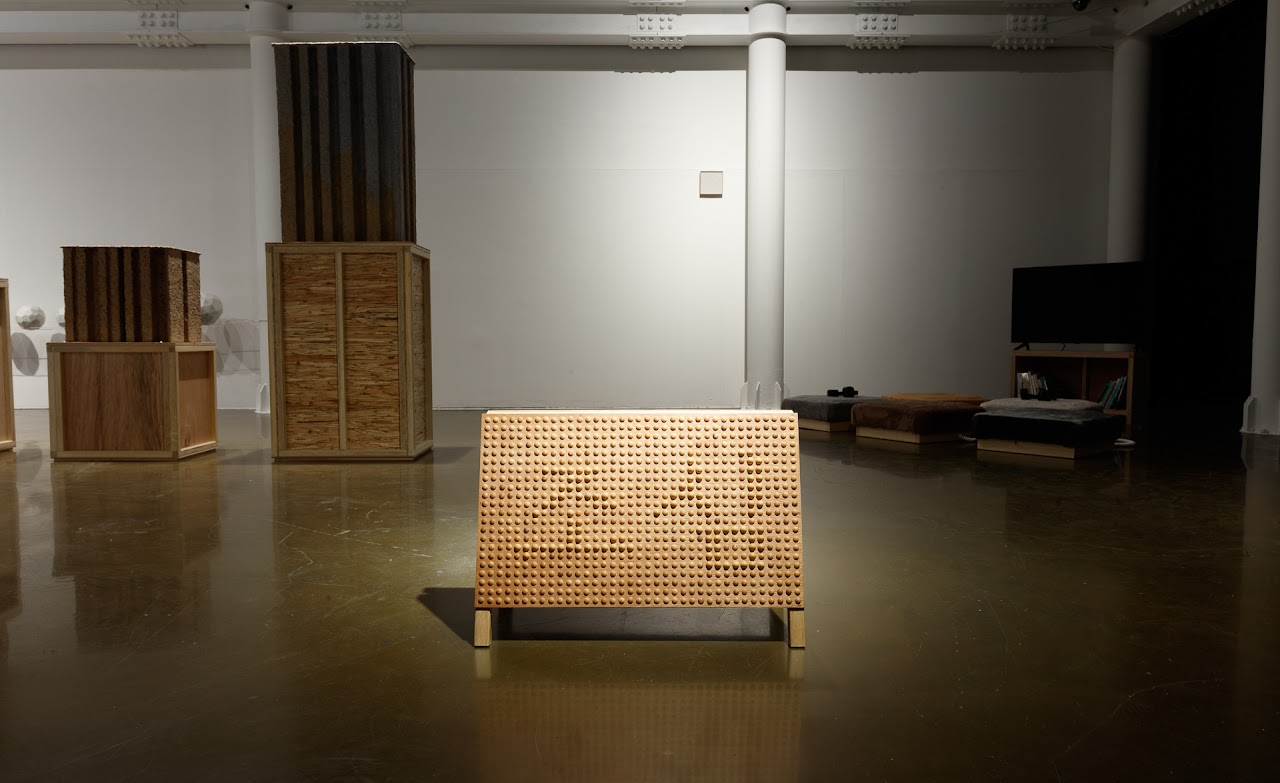
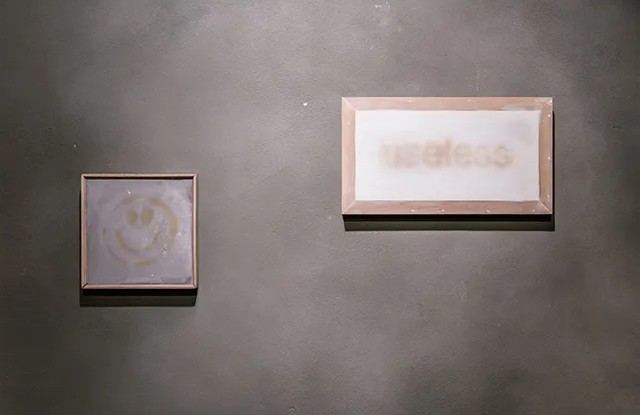
Wood, styrofoam, resin
Dimensions variable
About The Work

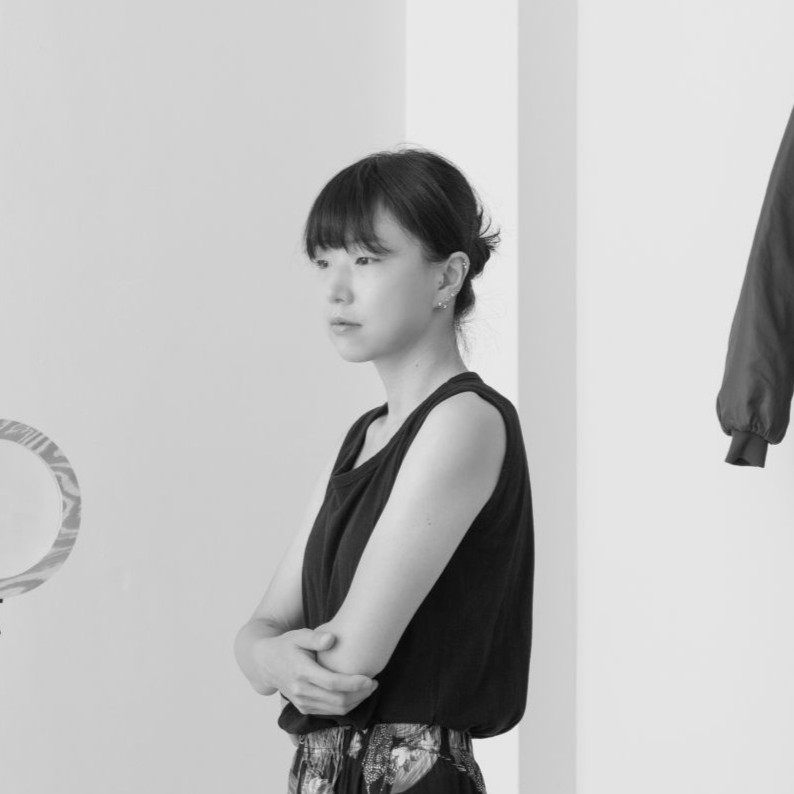
Jihye Park is interested in social orders mediated by implicit consensus and has continuously questioned the value systems we believe to be optimal. Based in sculpture and installation, her work takes the form of a sculptural essay that expands into text, video, and performance.

She examines how the criteria we accept as natural for making choices and judgments are in fact formed under specific conditions, and how these criteria intersect with individual lives. This line of inquiry leads her to view her work not as a single outcome, but as a set of actions and conditions. 

Jihye Park’s practice traces the ways in which “human imperfection”—the errors and contradictions that inevitably arise from human actions—are absorbed and negotiated within relationships. The artist explores efficient modes of artistic production that aim to minimize failure, developing sculptural and installation works that appropriate elements from mass-produced goods, design systems, and everyday lifestyles defined by formats, standards, and units.

Her work attends domains that move at a different pace from the demands of the present. By illuminating the many gradations of reality that bridge what is perceived as inconvenient or unnecessary and the sphere of dominant social values, Park releases our perception from fixed, binary modes of thinking.

Furthermore, in her recent works, the artist gradually expands her own narrative, weaving together small, imperfect fragments of ordinary individuals’ stories that are obscured by larger systems. Rather than directly addressing the structural problems of social systems, she lingers on the subtle traces of emotion and relationships experienced by individuals within them. 

Solo Exhibitions (Brief)

Park’s recent solo exhibitions include 《Let’s Go Home》 (Insa Art Space, Seoul, 2024), 《Son’s Time 2/2》 (Space BEAM, Incheon, 2023), 《Son’s Time 1/2》 (The Museum of Korean Modern Literature, Incheon, 2022), and 《To Find the Glory Scars》 (SONGEUN Art Cube, Seoul, 2019).

Group Exhibitions (Brief)

Park has also participated in numerous group exhibitions, including Busan Museum of Art 《Vision and Perspective 2025》 (Sungkok Art Museum, Seoul, 2025), 《Terminal in the Dark》 (Bupyeong Art Center, Incheon, 2024), 《SUMMER LOVE》 (SONGEUN, Seoul, 2022), 《ARTificial GARDEN, The border between us》 (MMCA, Cheongju, 2021), and 《A Multi Layered Record》 (Yangju City Chang Ucchin Museum of Art, Yangju, 2018).

Residencies (Selected)

Park has been an artist-in-residence at Busan Art District_P (2024), Incheon Art Platform (2023), and the MMCA Residency Goyang (2019).

Works of Art

On the Forms Shaped by Human Imperfection

Originality & Identity

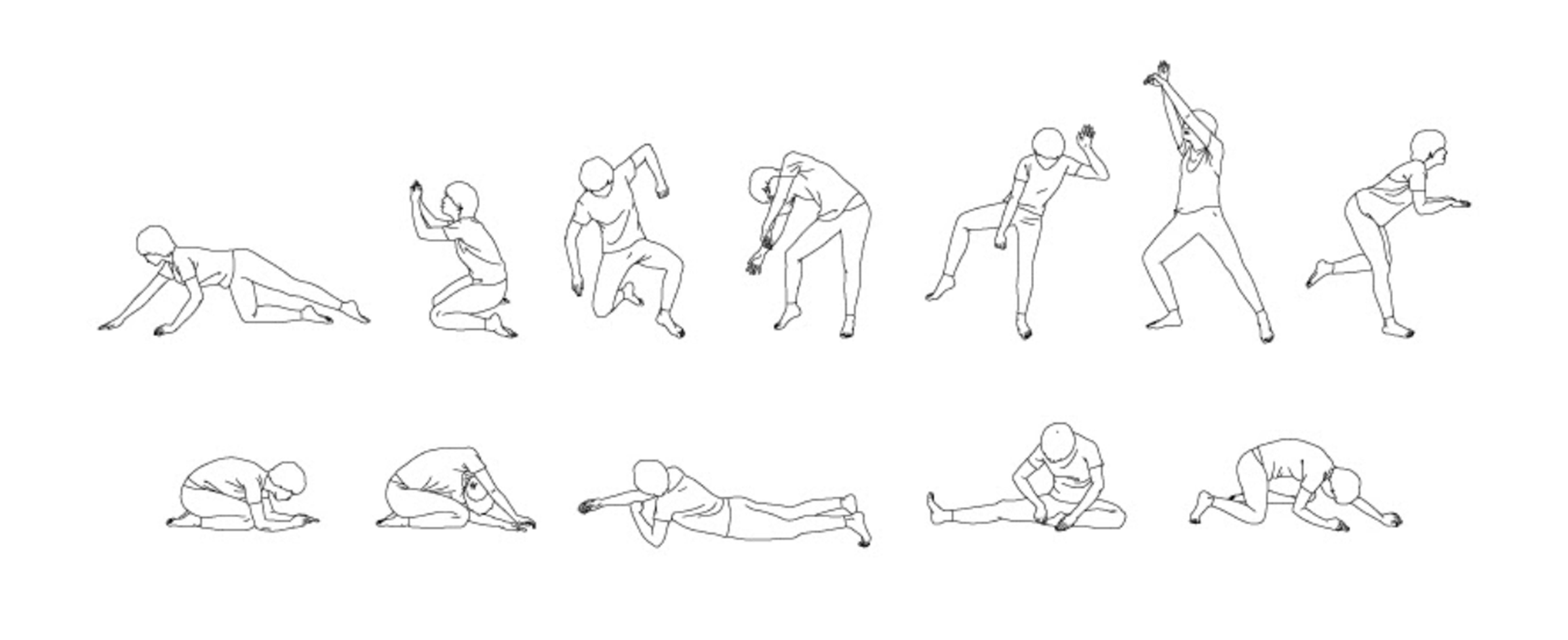
Jihye Park’s practice begins with questions about the value systems shared within society and the ways in which they operate. She examines how the criteria we accept as natural for making choices and judgments are in fact formed under specific conditions, and how these criteria intersect with individual lives. This line of inquiry leads her to view her work not as a single outcome, but as a set of actions and conditions. As seen in Practical Work Yoga(2015) and Yoga of Devotion(2015), her work is presented as a process carried out through specific bodily movements within given environments.
 
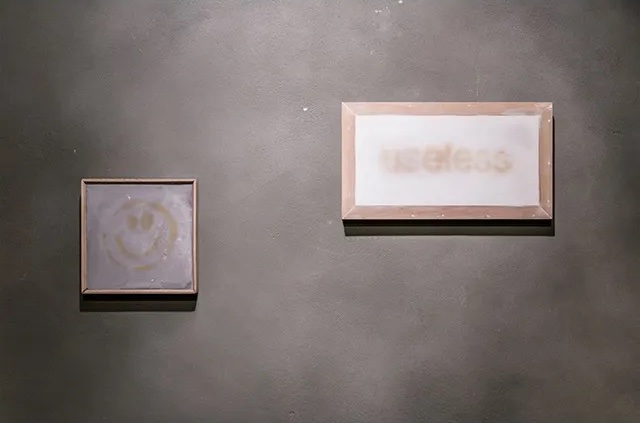
Her interest later expands to the notions of efficiency and rationality promoted by society, and the results they produce. In 《An Ordinary Failure》(Gallery Chosun, 2018), rather than simply following the standards that divide success and failure, she focuses on the contradictory situations those standards generate. Works such as Infallible Failure(2018) do not overturn the evaluation itself, but instead prompt a reconsideration of how such evaluations are made.
 
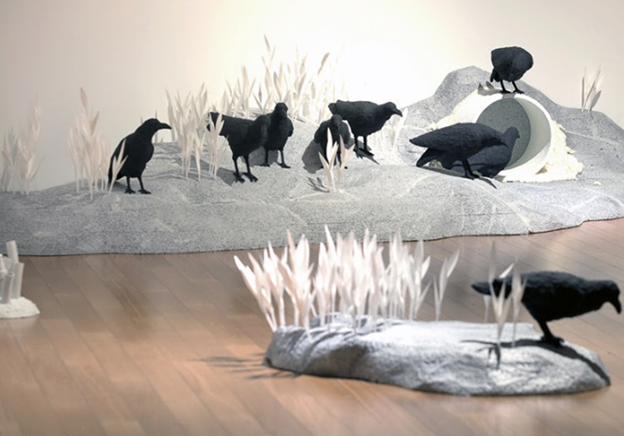
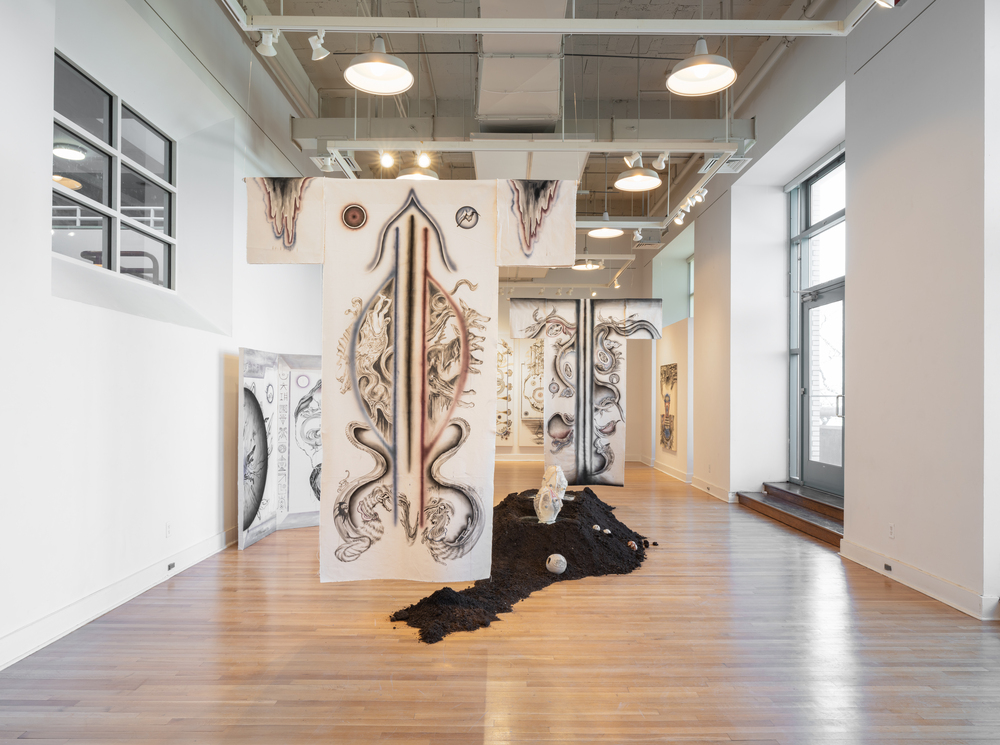
By the time of 《To Find the Glory Scars》(SONGEUN Art Cube, Seoul, 2019), her attention shifts toward the issues of symbols and belief. The objects placed within the exhibition do not assert a single, fixed meaning, but simultaneously evoke layers of meaning accumulated across different contexts. Scenes presented in works such as Dear My Friend(2019) and home sweet home(2019) unsettle familiar interpretations at the moment they are recognized, leaving meaning in an indeterminate state.
 
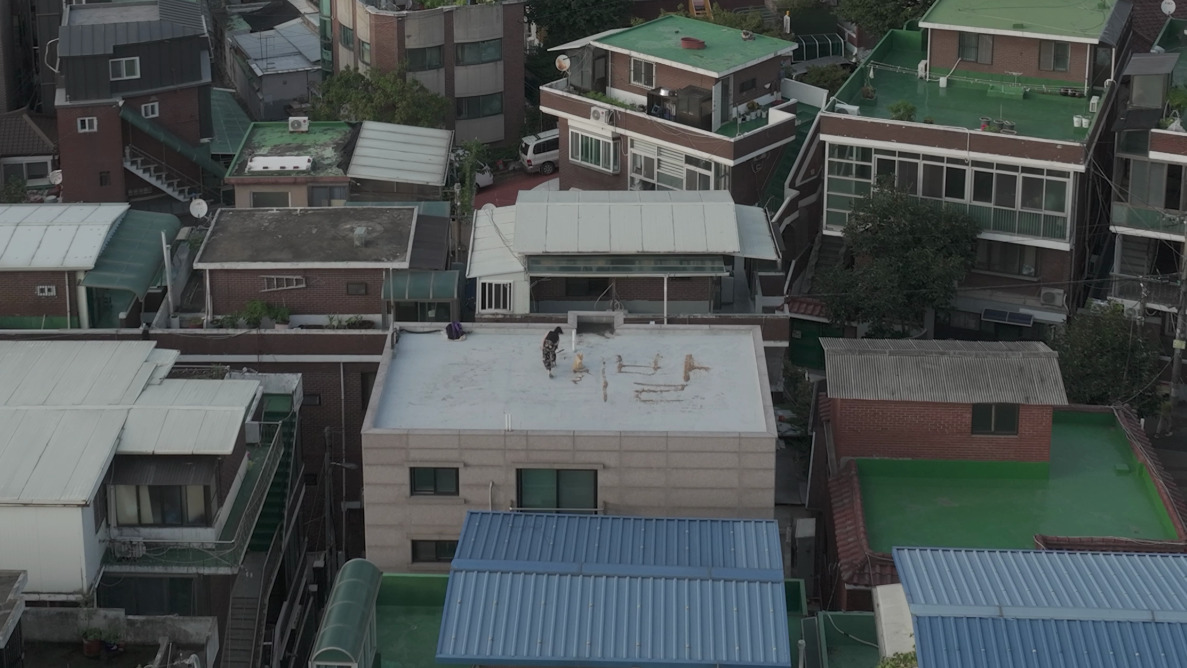
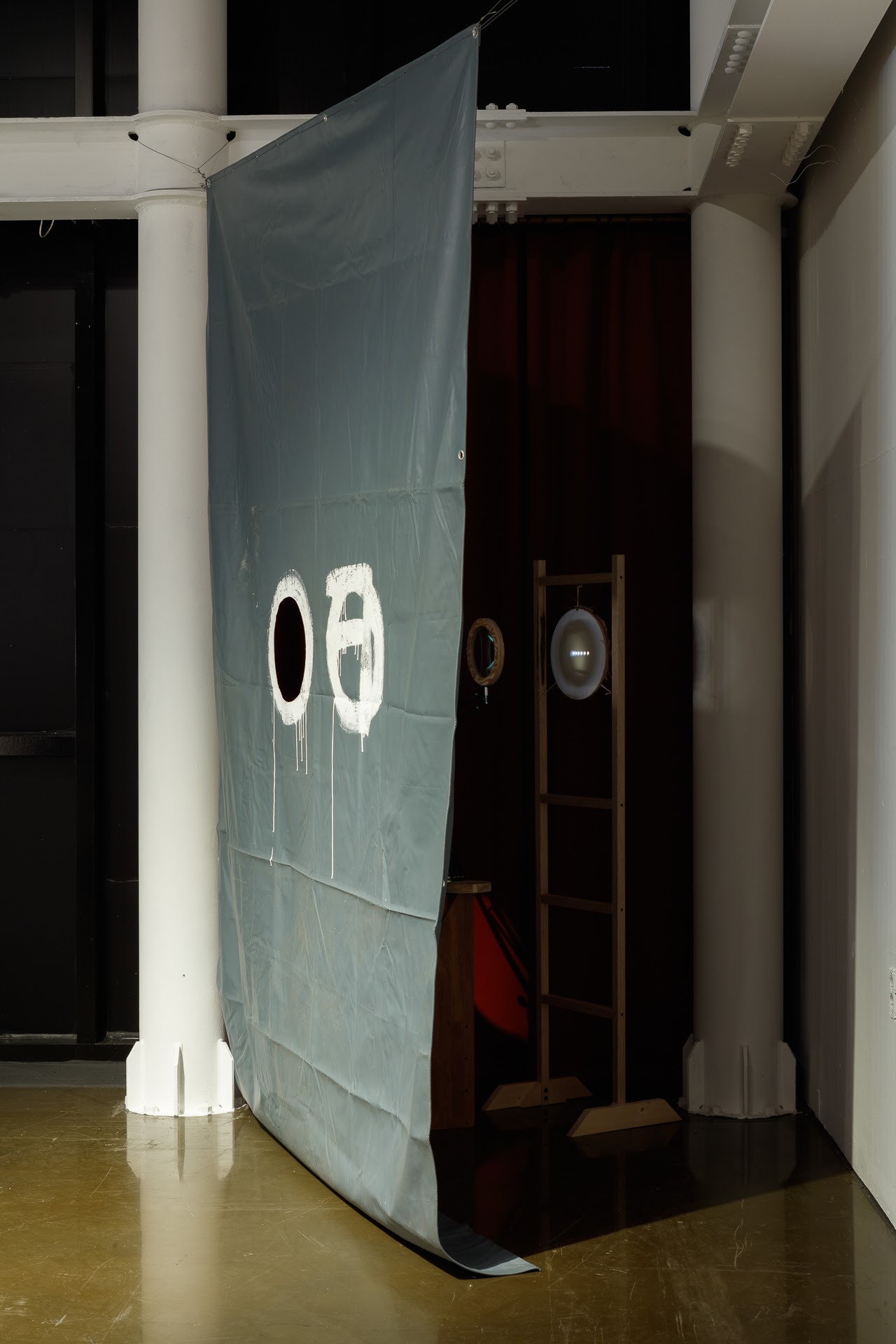
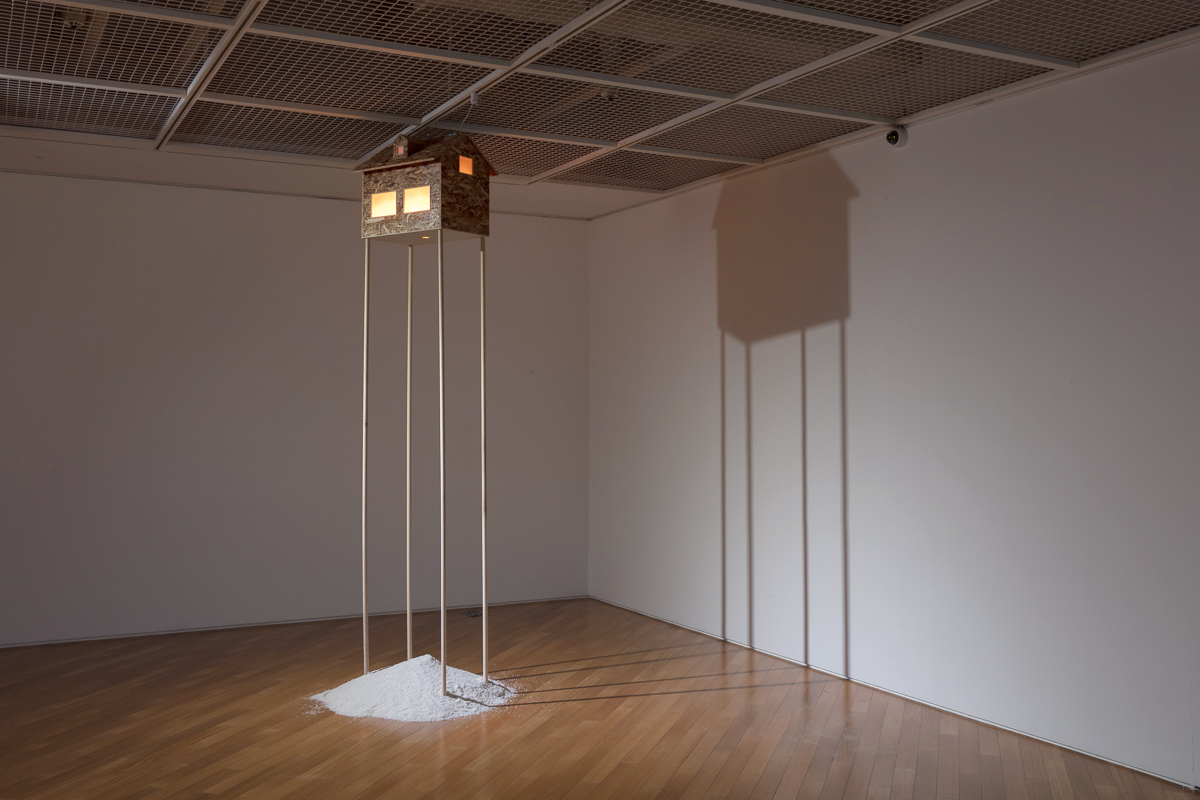
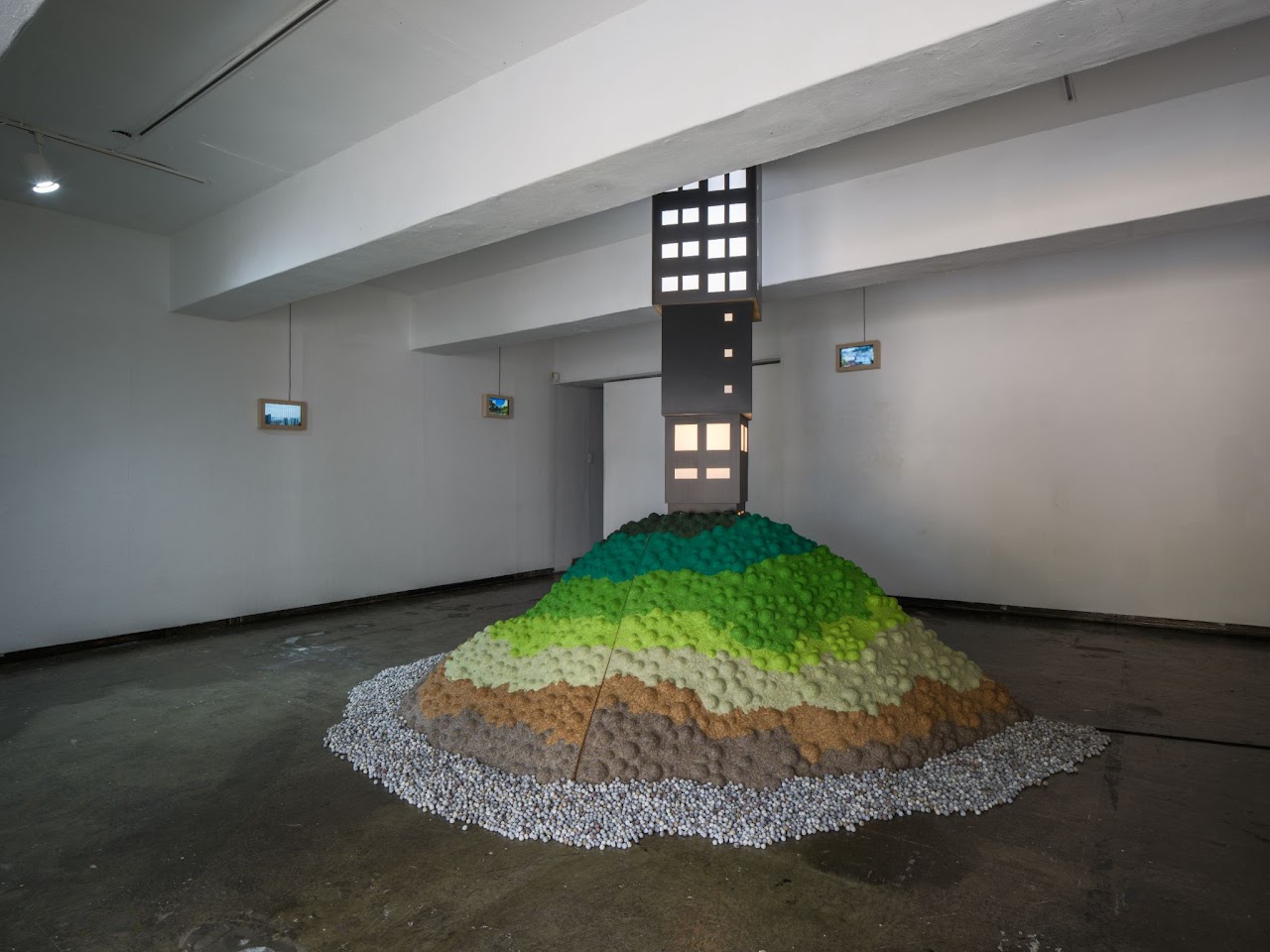
In her more recent work, these questions extend into more specific issues of relationships. Through exhibitions such as 《Son’s Time 1/2》(The Museum of Korean Modern Literature, Incheon, 2022), 《Son’s Time 2/2》(Space BEAM, Incheon, 2023), and 《Let’s Go Home》(Insa Art Space, Seoul, 2024), she explores layers of emotion that arise within the contexts of family, generations, and everyday life. Works such as A Time Difference(2022), OO(2022), My Island(2022), and Your Castle(2022) reveal unarticulated distances and emotions within relationships, showing how individual experiences diverge and intersect.

Style & Contents

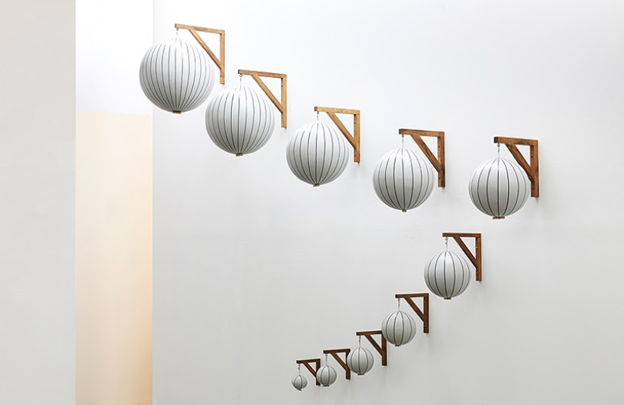
Jihye Park’s work is structured around sculpture and installation, while also incorporating text and video. Rather than being fixed in a single medium, she expands her formal language by addressing the same concerns through different approaches. A defining characteristic of her early work is the treatment of materials not in terms of function, but as units of structure and condition. Familiar materials such as plywood, lumber, paper, and fabric are assembled according to standardized measurements, making the process of construction itself visible as a formal element.
 
In this process, the body functions as a crucial point of reference. The size, weight, and mobility of her works are all determined in relation to the artist’s physical body, emphasizing that the work cannot be separated from material conditions. If Practical Work Yoga presents the use of the body for making work through language, her later sculptural works translate those conditions into spatial form.
 
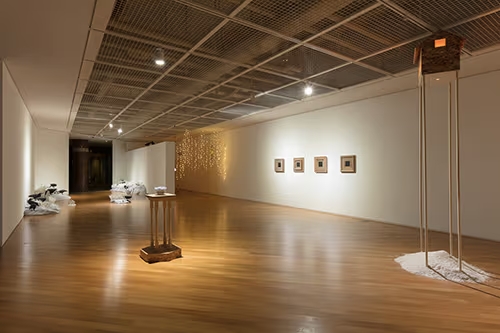
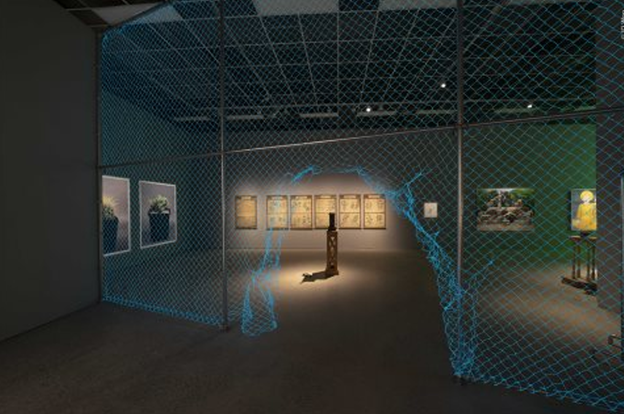
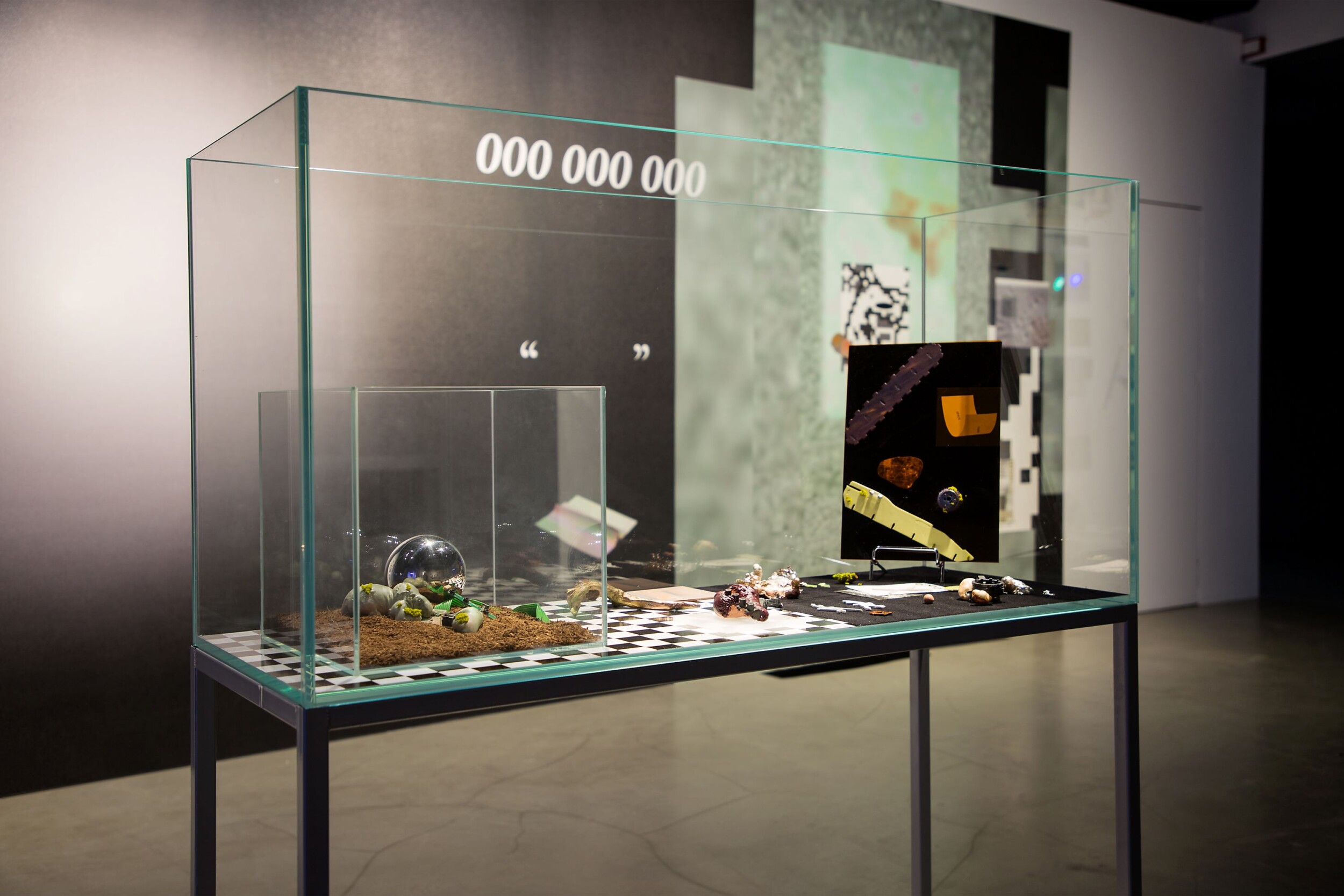
Around 2019, the arrangement of objects and the composition of space become more significant. In 《To Find the Glory Scars》, the installation resembles a constellation of scenes rather than a single narrative. Each object, positioned within different cultural beliefs and symbolic associations, invites multiple interpretations. In this context, the exhibition space does not deliver a unified message, but operates as an environment where different meanings intersect and conflict.
 
More recently, this formal approach has expanded into a more narrative-oriented spatial composition. Works such as My Island(2022), Your Castle(2022), and OO(2022) take on more structured narrative forms, translating emotional states—such as distance, misunderstanding, and care—into sculptural configurations. In 《Son’s Time 2/2》(Space BEAM, Incheon, 2023), video becomes central, presenting repeated images of disappearing entities and acts of erasure. In 《Let’s Go Home》, she returns to installation, distributing narratives across the entire space while integrating sculpture, installation, and storytelling into a unified structure.

Topography & Continuity

A consistent axis throughout Jihye Park’s work lies in revealing the gap between socially accepted standards and the lived experiences of individuals within them. While she examines how values such as efficiency, rationality, belief, and normality function, she does not critique them through abstract rhetoric. Instead, she approaches them through concrete materials, spatial arrangements, and the language of everyday life. In this sense, her work maintains a balance between institutional critique and a close engagement with lived experience.
 
Formally, although her practice begins with sculpture, she does not treat it as a fixed genre. The use of booklets, text-based works, calculated installations, symbolic objects, and single-channel video reflects not the addition of different media, but a process of addressing the same concerns through varied forms. Notably, the conditions of production and the constraints of the body directly shape the form of her work, and these realities are not concealed but incorporated as integral elements of her practice.
 
In her more recent work, her practice increasingly centers on personal experience and narrative, constructing more concrete scenes. Rather than directly addressing the structural problems of social systems, she lingers on the subtle traces of emotion and relationships experienced by individuals within them. What emerges in 《Son’s Time》 and 《Let’s Go Home》 is not a definitive conclusion, but a layered field of small gestures—repeated acts of care, misunderstandings, casual exchanges, silences, and emotional states that resist easy resolution.

Works of Art

On the Forms Shaped by Human Imperfection

Articles

Exhibitions

Activities