Dasom
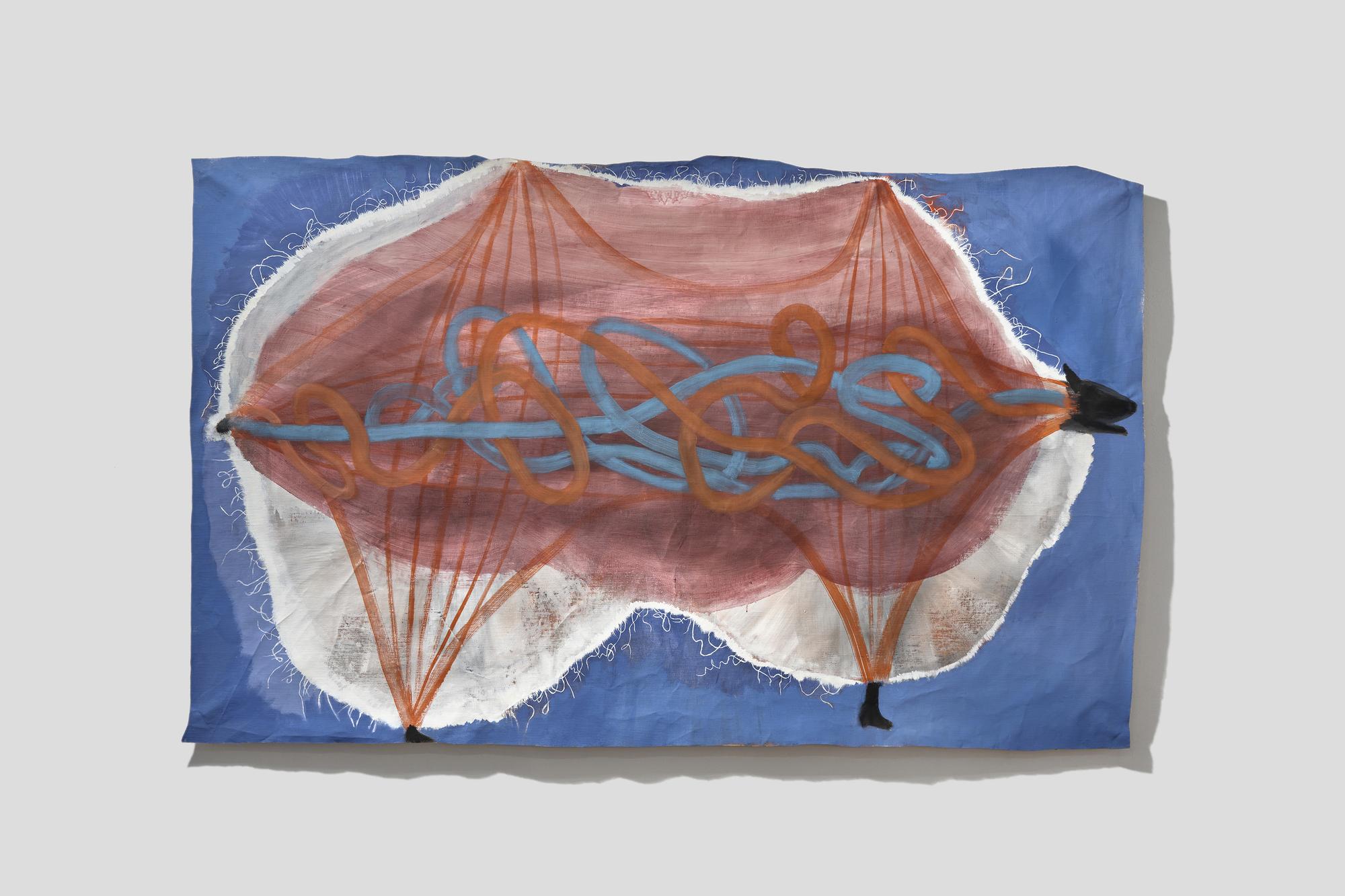
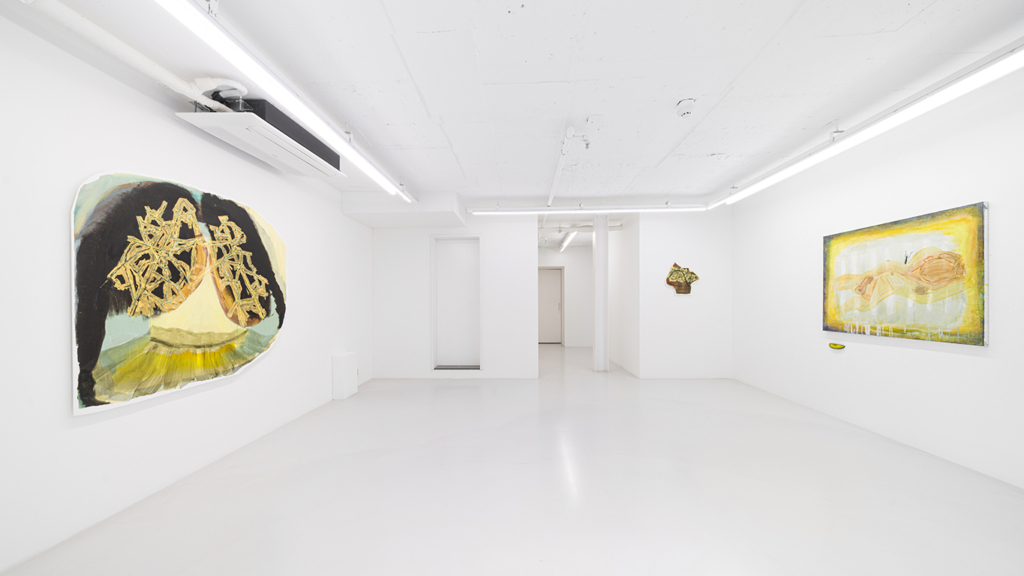
Park’s practice begins with an understanding of the “body” as material. Here,
the body is not a fixed identity but an entity inevitably transformed by time,
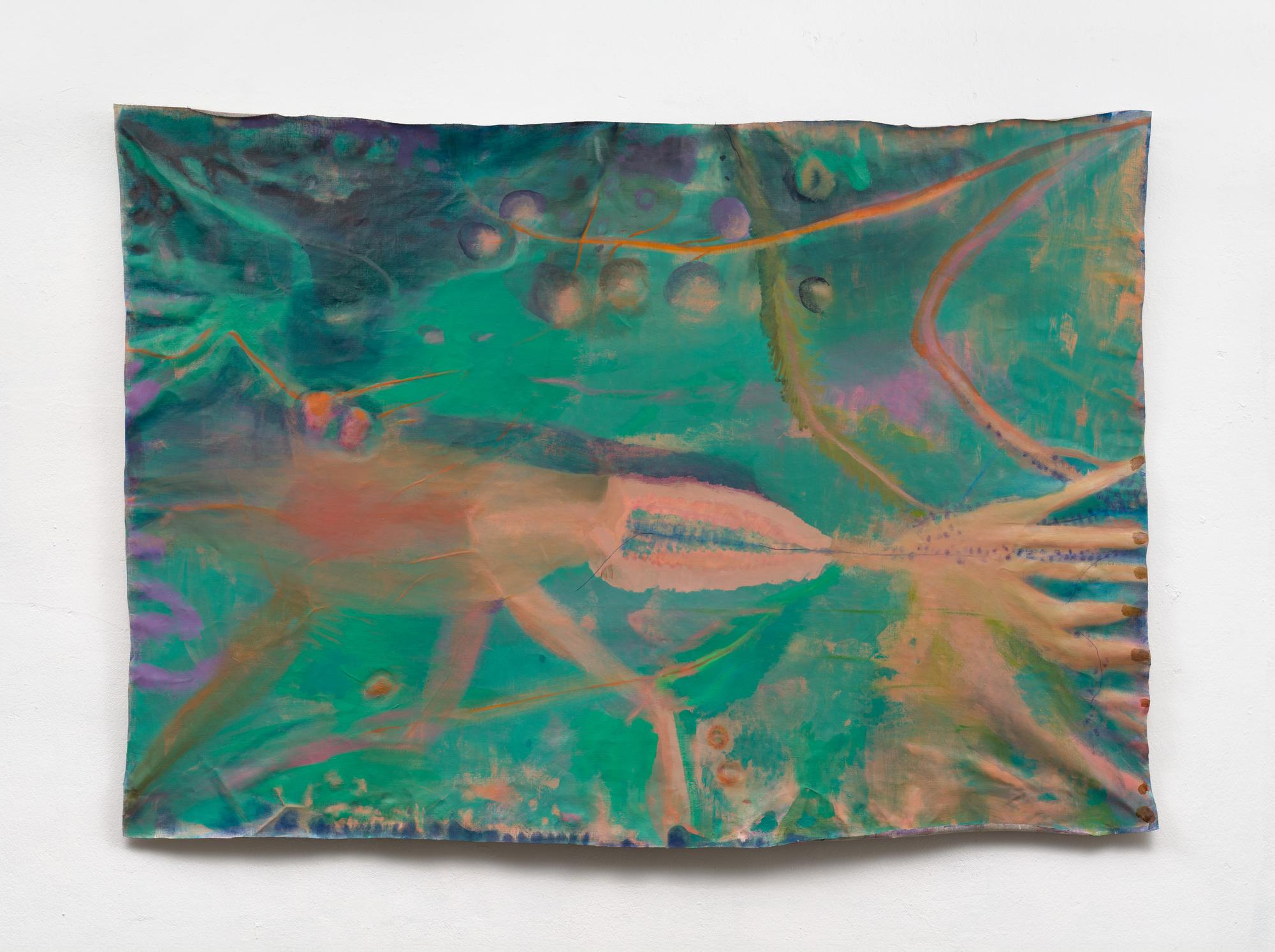
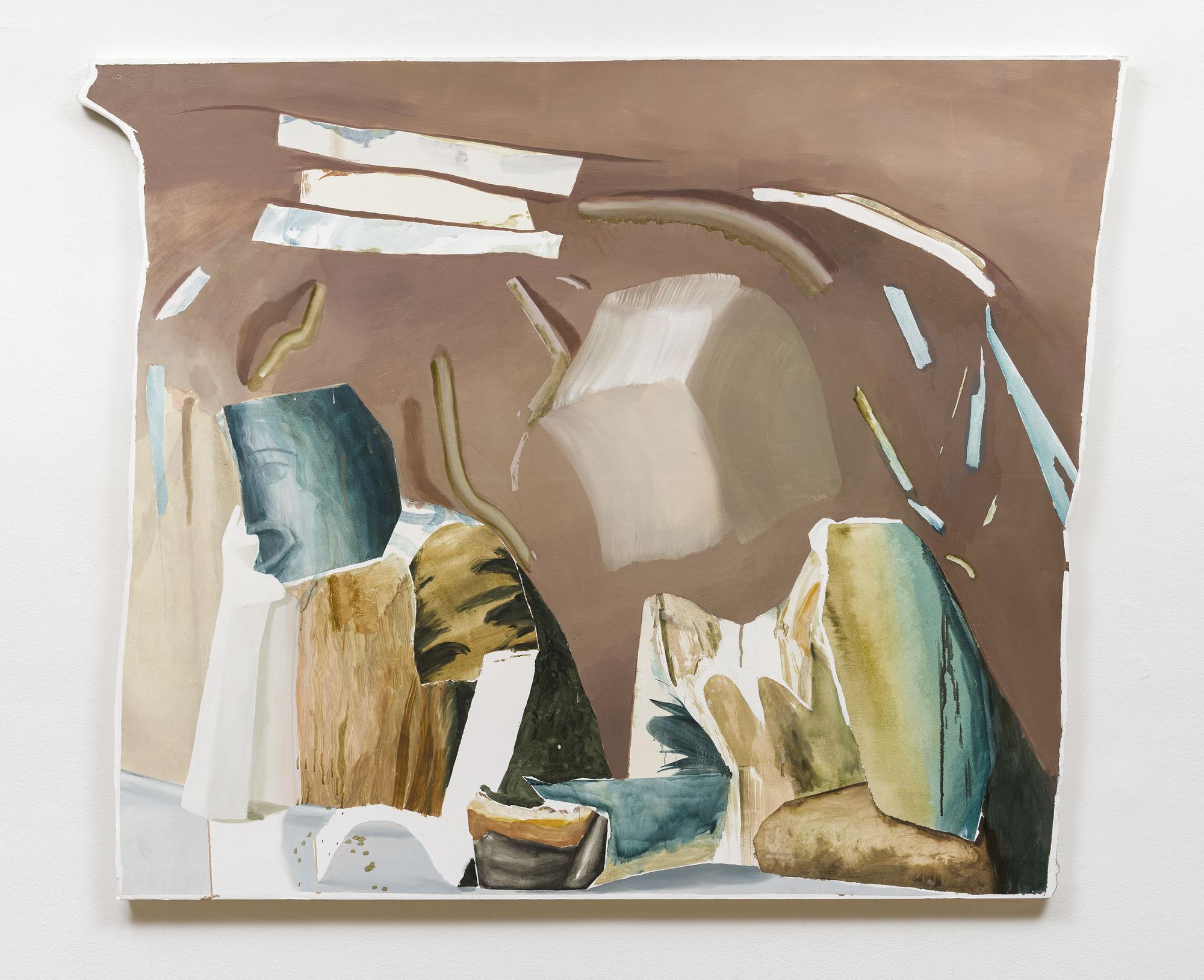
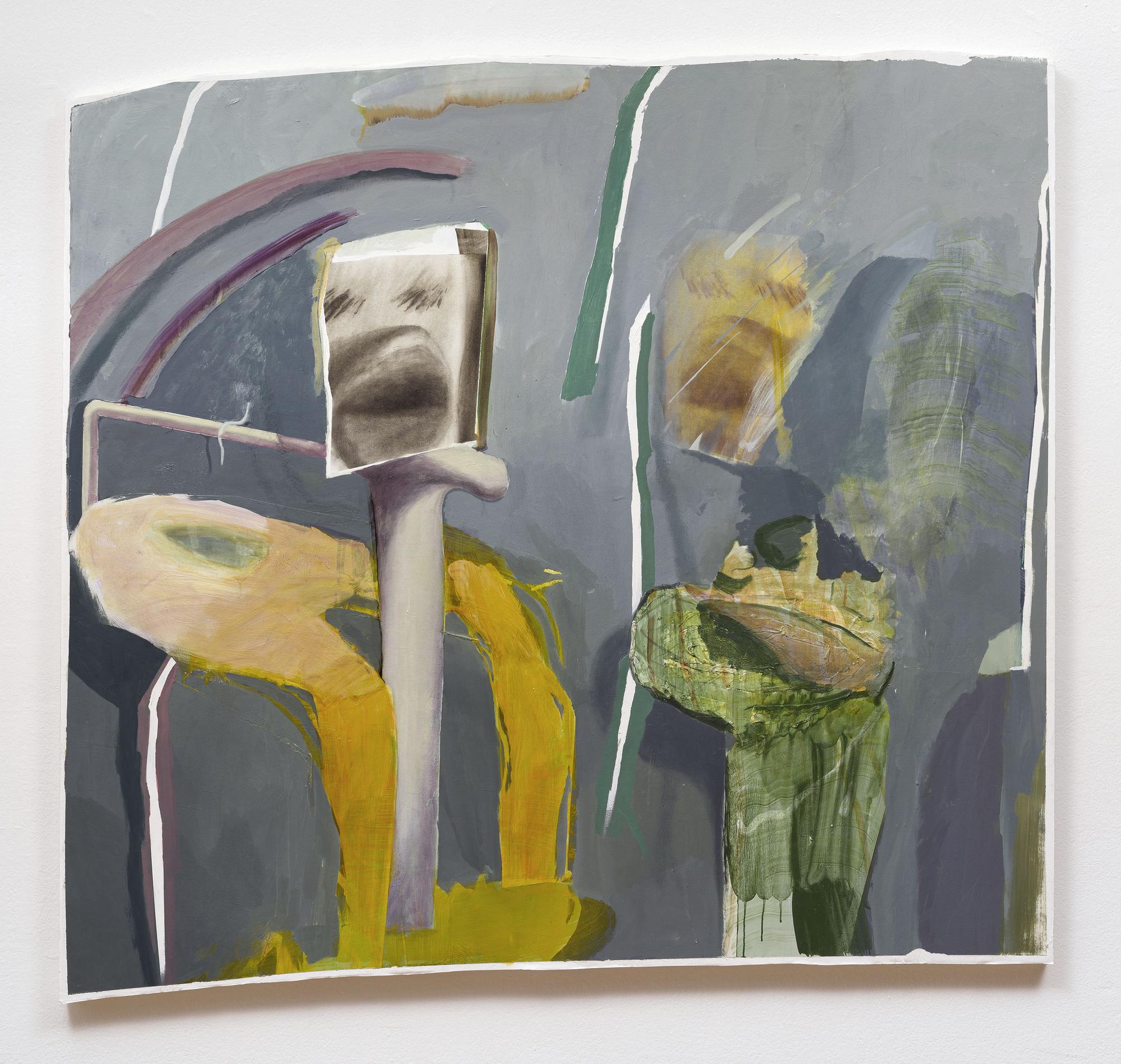
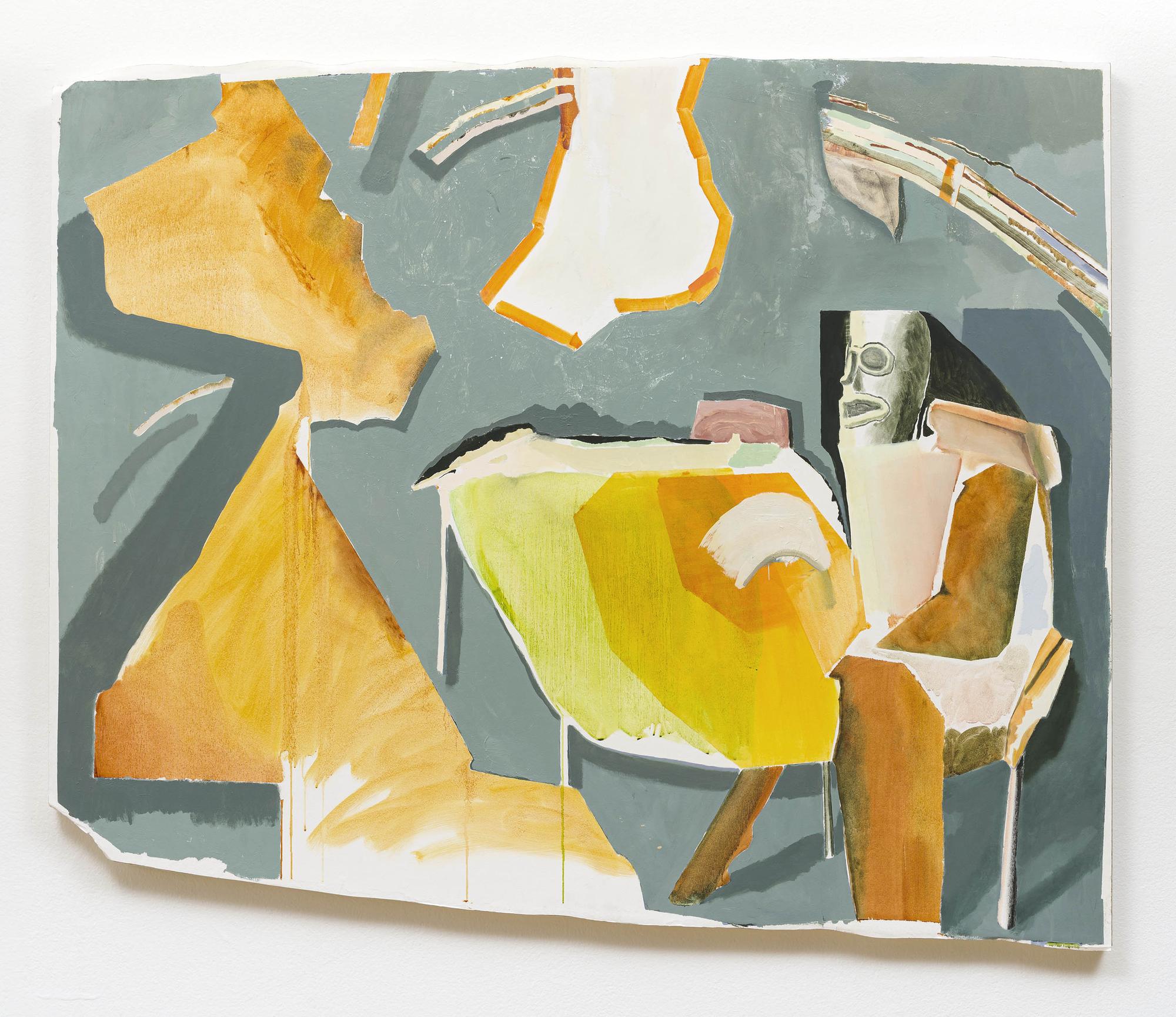
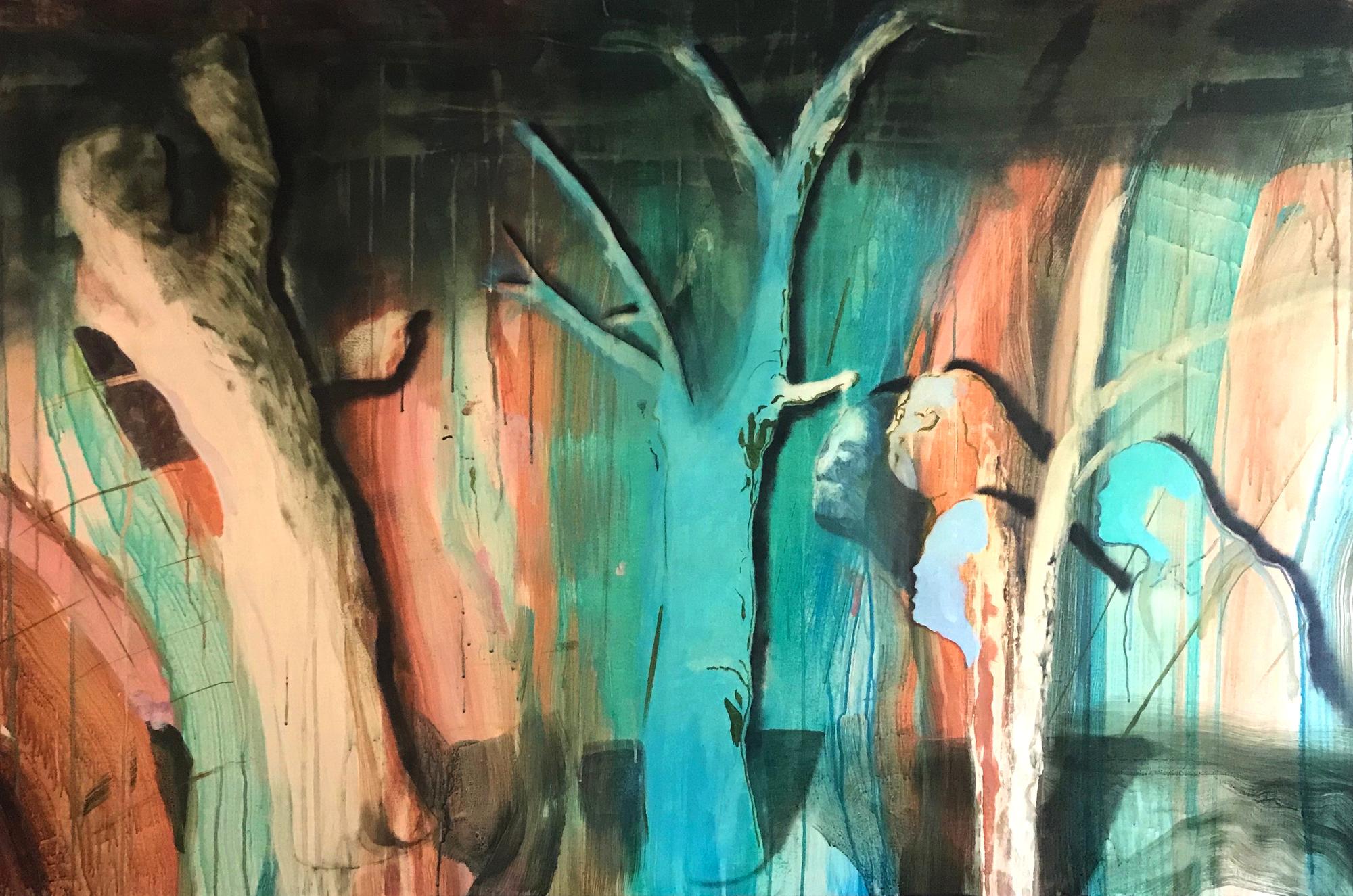
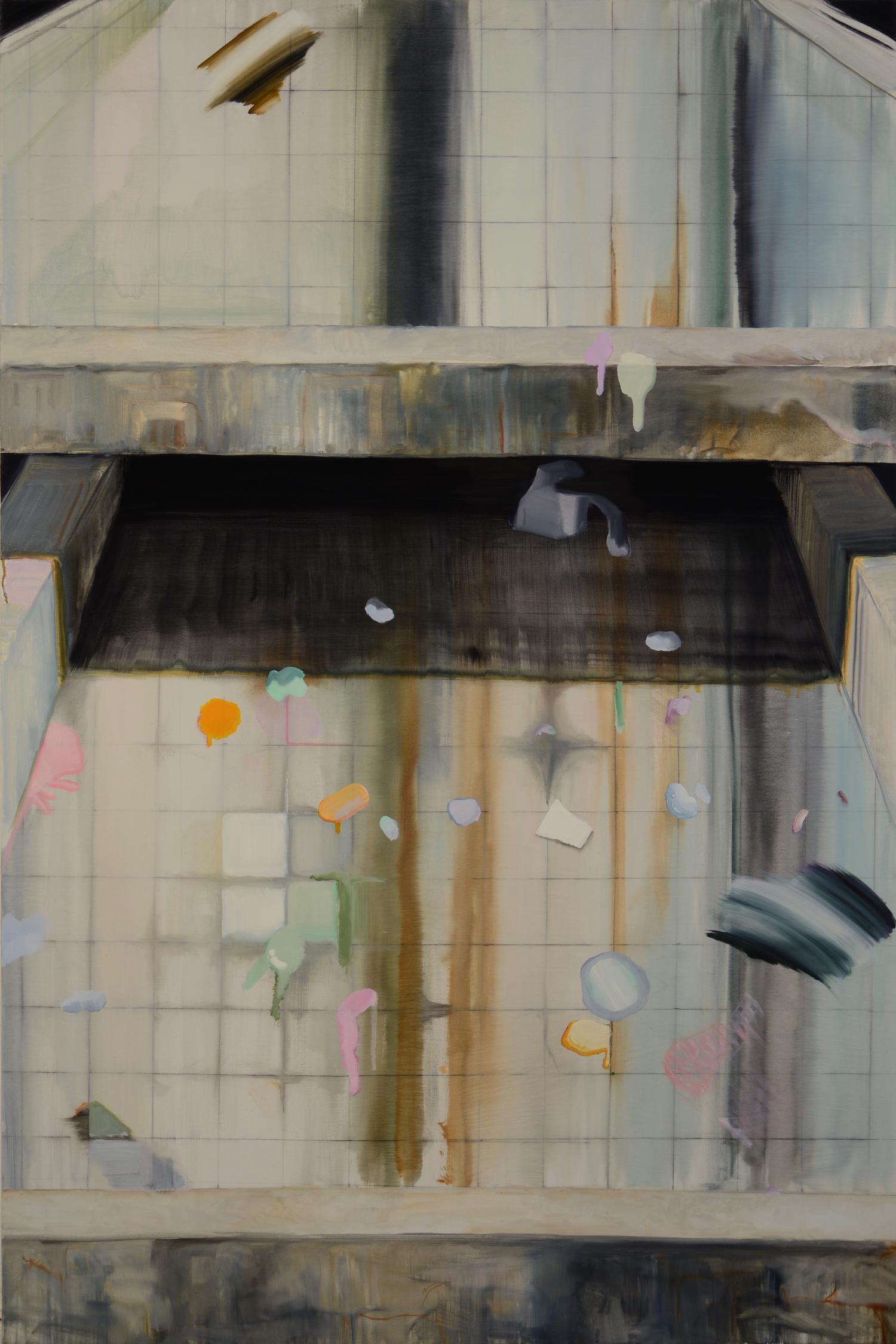
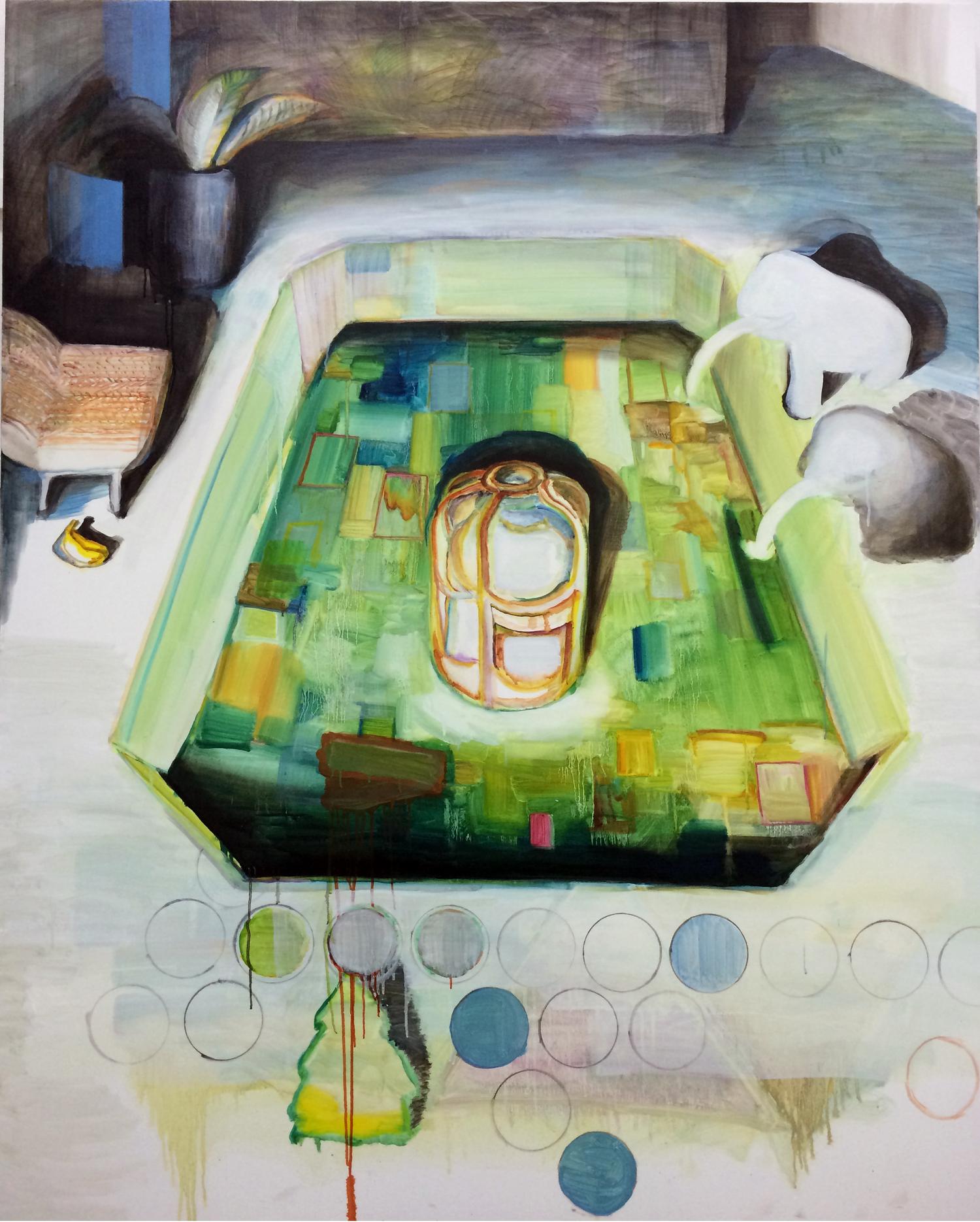
gravity, and environment. In works such as Between
Trees(2018), In a Submarine(2019),
and Dining Room(2020), the bodies of humans, objects,
and insects are exchanged and intertwined, gradually losing their specificity.
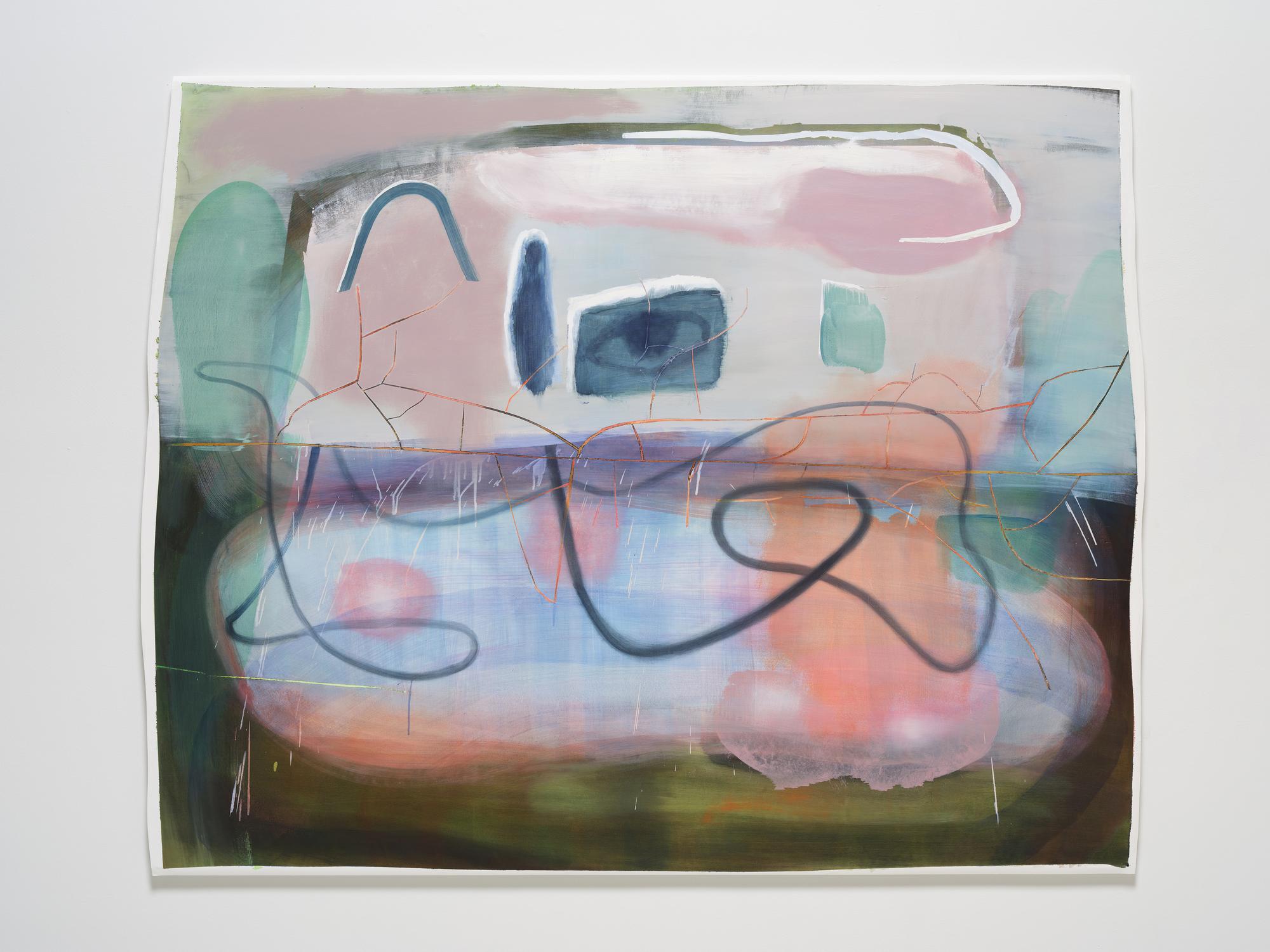
The body is no longer represented as a figure but reduced to inclines, curves,
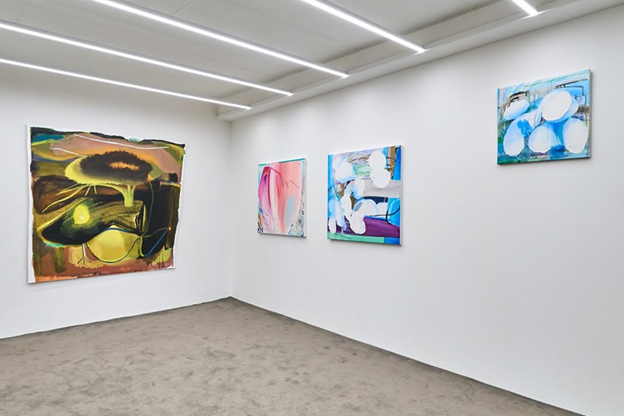
and masses. The surfaces from this period resemble dreamlike scenes, reflecting
the artist’s attempt to approach fears of loss and aging indirectly—through the
condition of “forgetting” inherent to dreams rather than through direct
representation.
In
observing the aging process of those she loves, Park has sought ways not to
interpret bodily transformation as loss. As she notes in her artist statement,
dreams are spaces where transformation and distortion do not demand punishment.
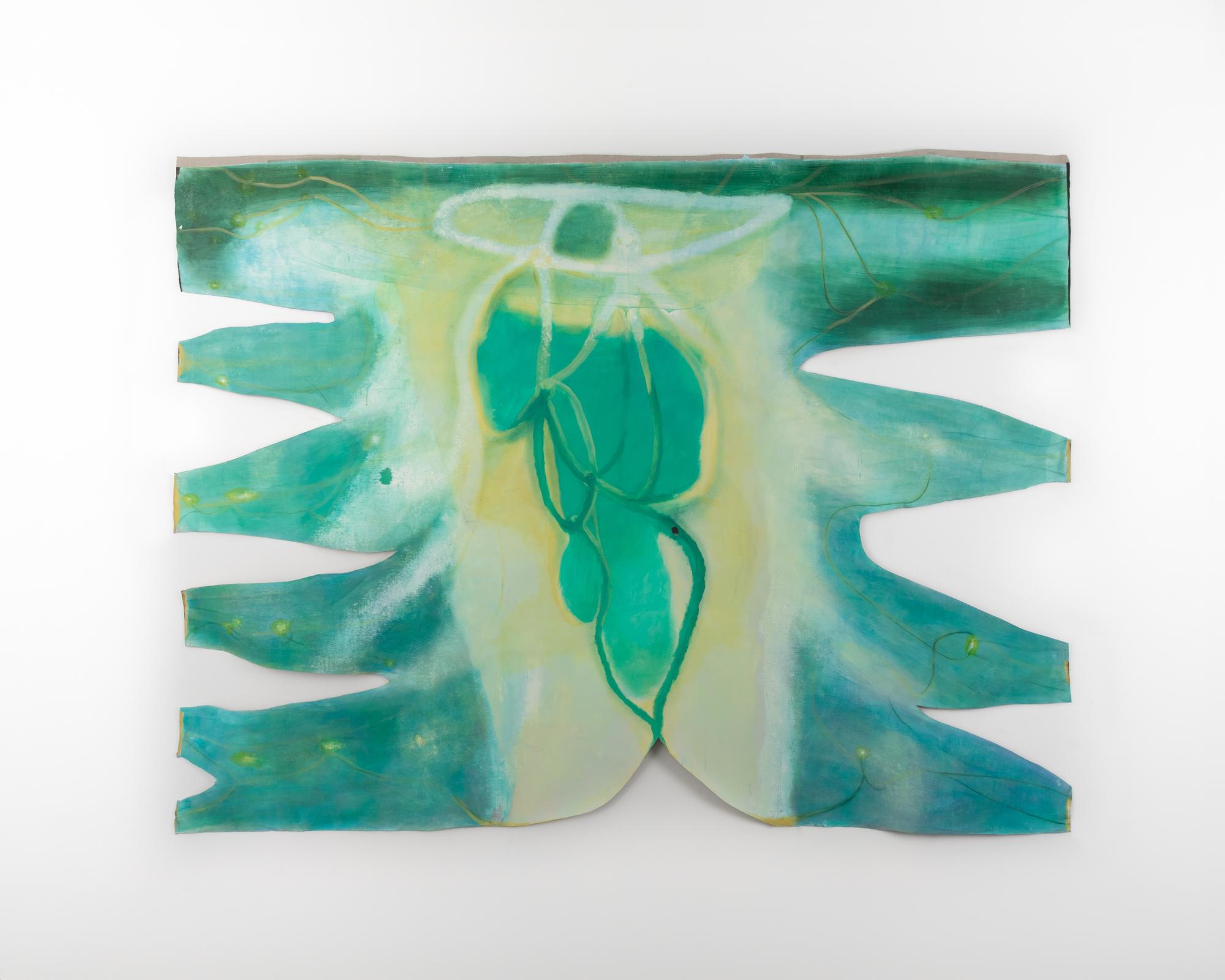
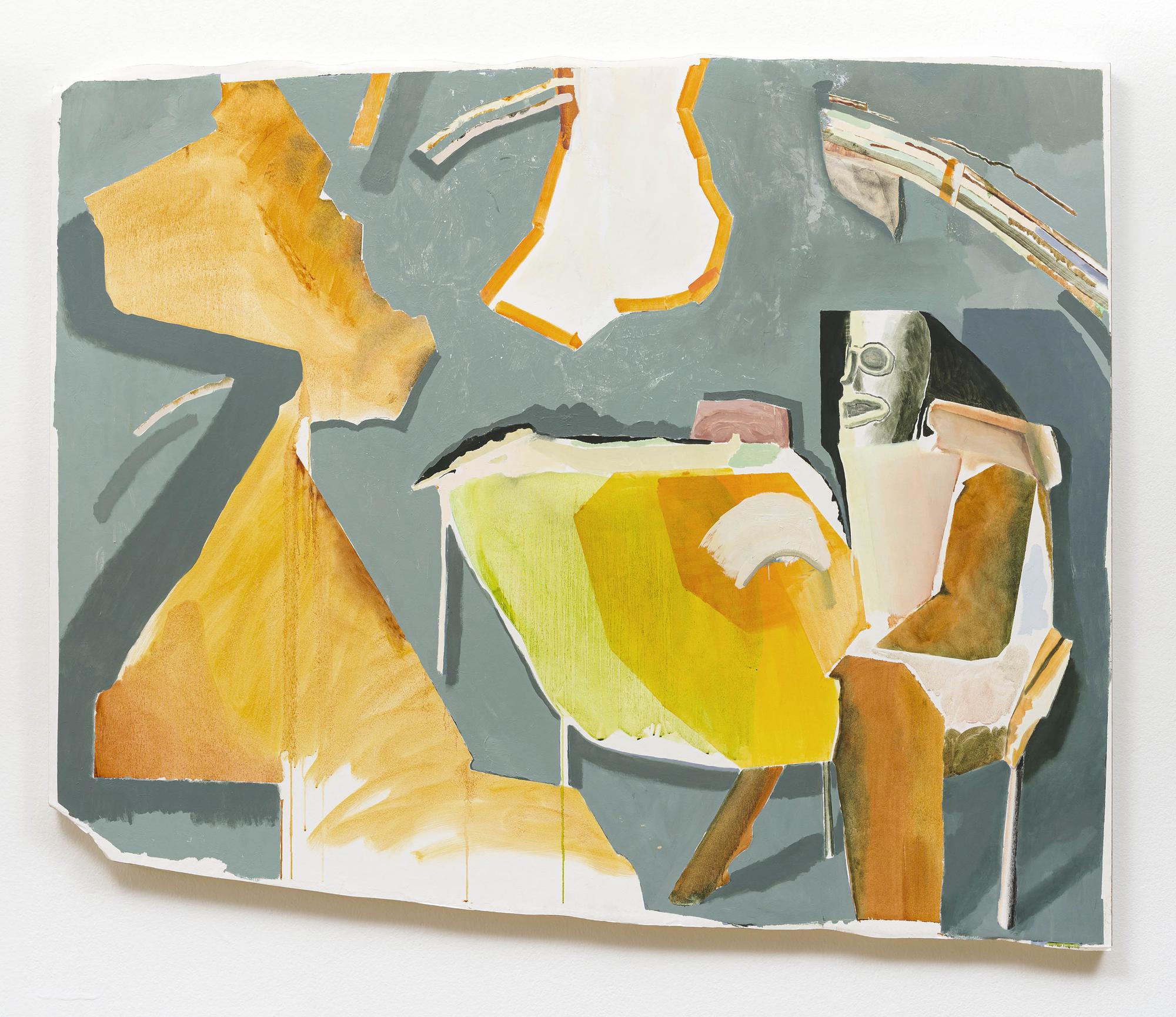
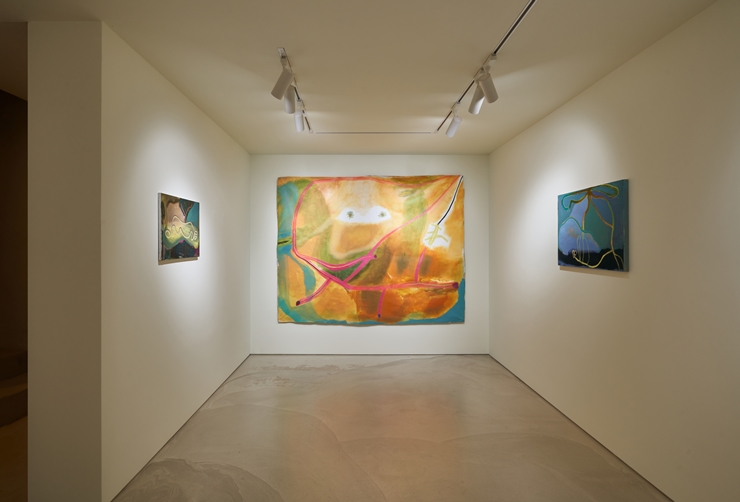
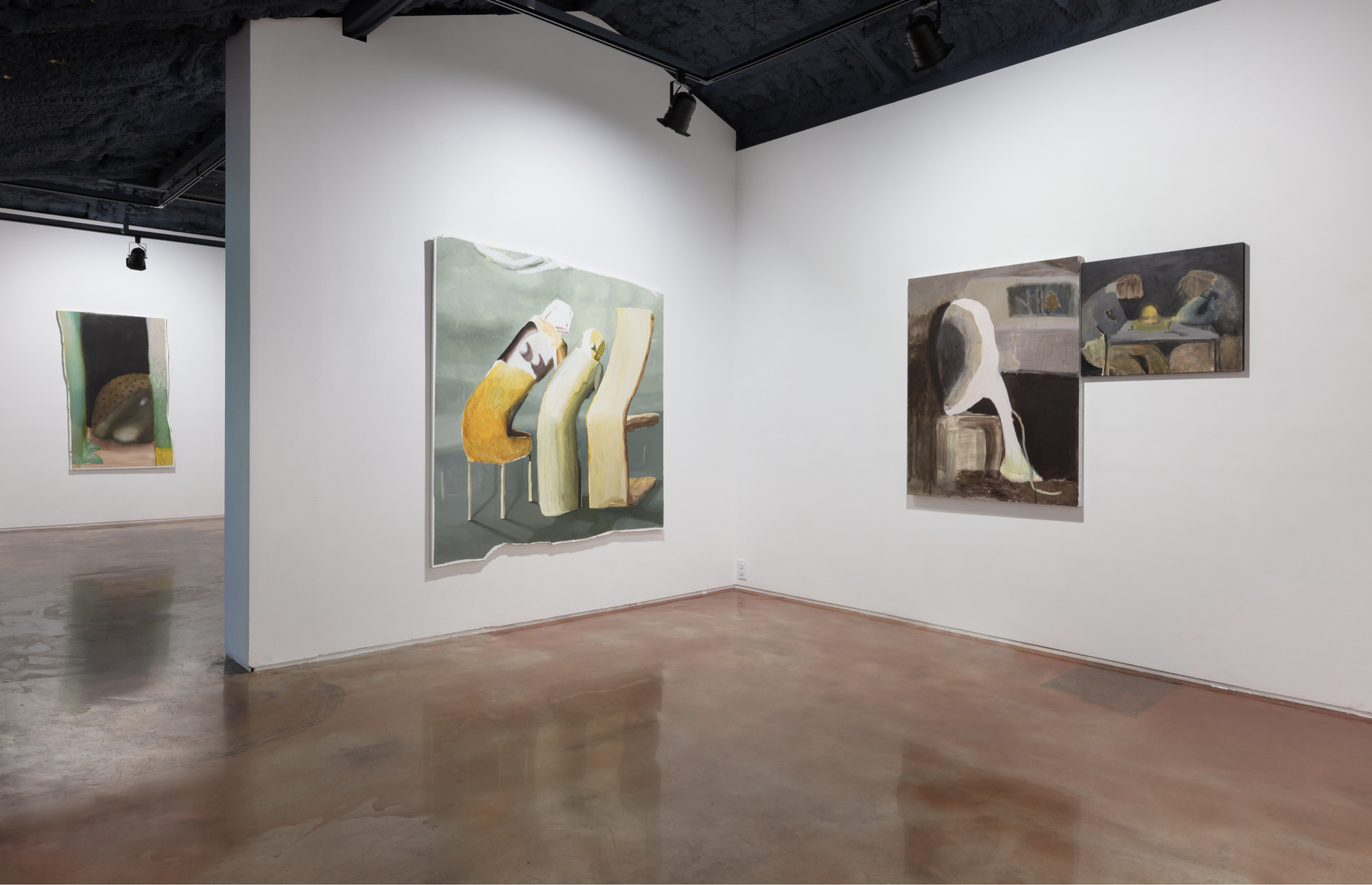
This perspective extends into works such as A Narrow
Place(2020), where she explores bodily transformation within enclosed
spaces. The body leans, rests, and undergoes substitution, gradually losing
autonomy; yet it never fully disappears. Instead, a condition persists in which
deconstruction and generation coexist.
This line
of thought was articulated through the concept of “inclination” in her first
solo exhibition 《House of A
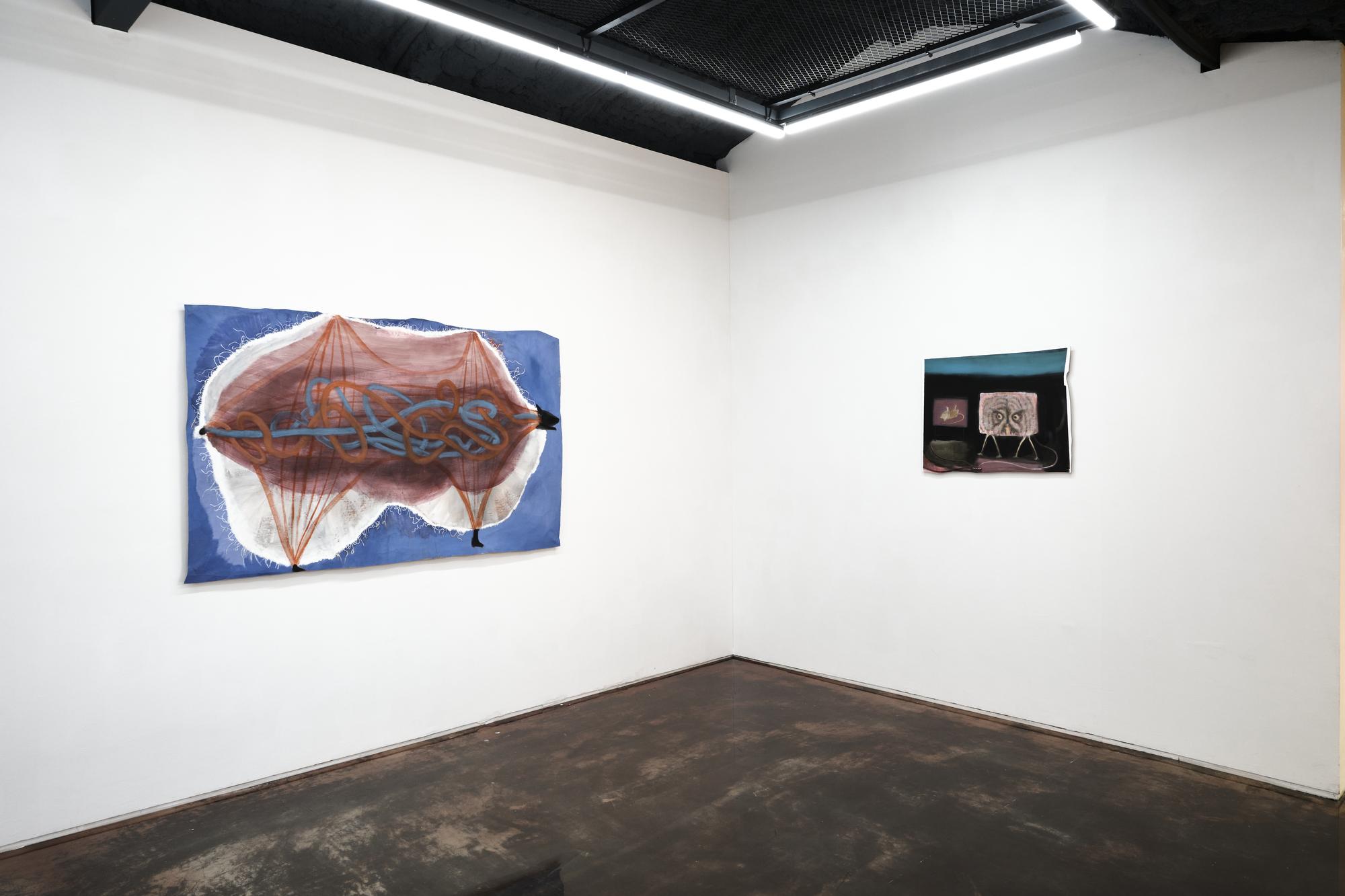
Hunched Back》(Place MAK2, 2021). In these works, all
figures and objects adopt an equally tilted state. This gesture attempts to
erase the negative connotations attached to the hunched body of the elderly,
reframing inclination as a universal condition. Bodily transformation becomes
not a defect but a structural principle of the world. Inclination functions
both as a device that dissolves hierarchy and as a metaphor for a nonlinear
perception of reality.
In
subsequent exhibitions, including 《The Art of Matter》(Kumho Museum of Art,
2022) and 《Drive》(Gallery2,
2023), Park’s focus shifts from emotion to cause.
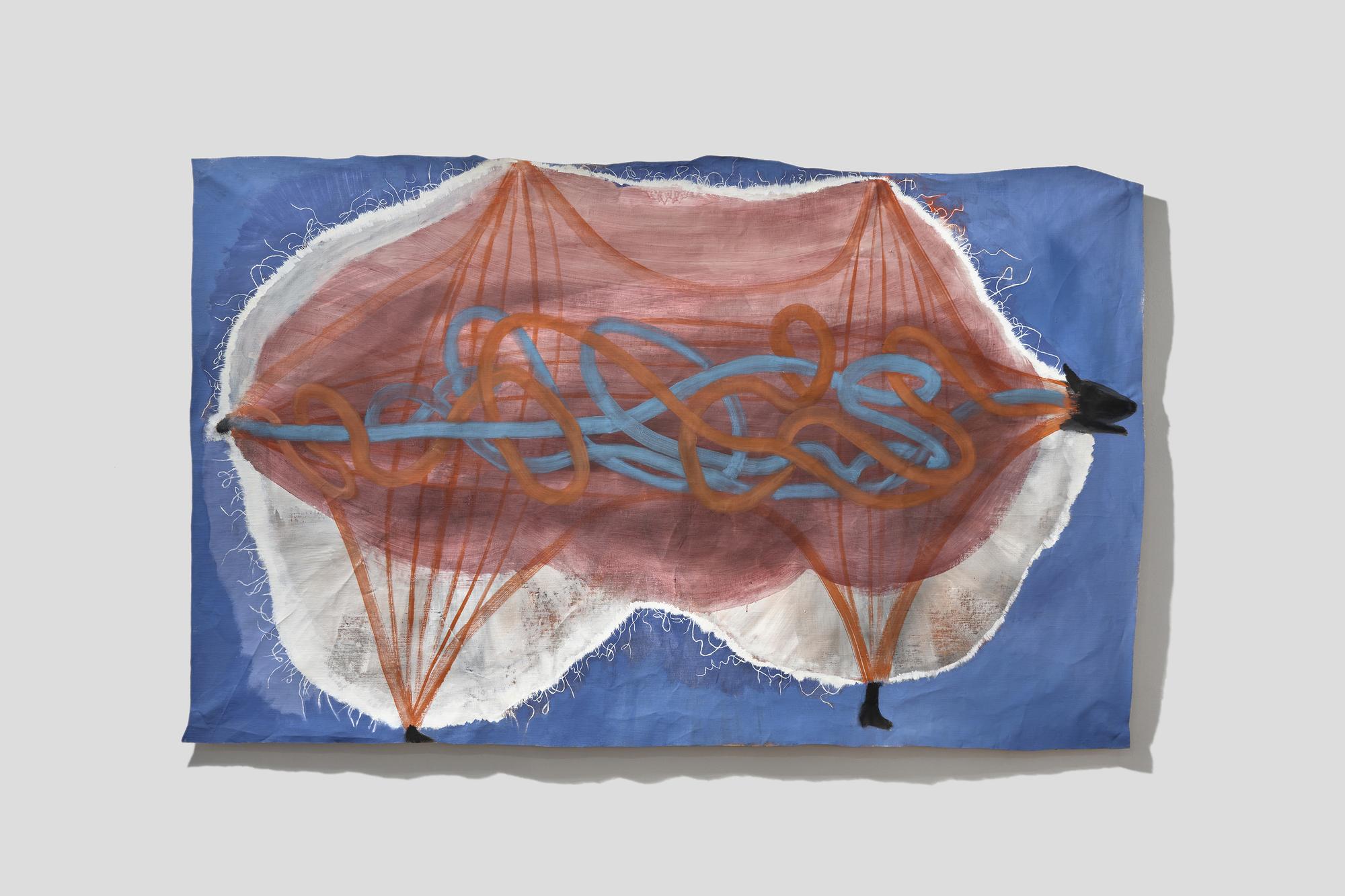
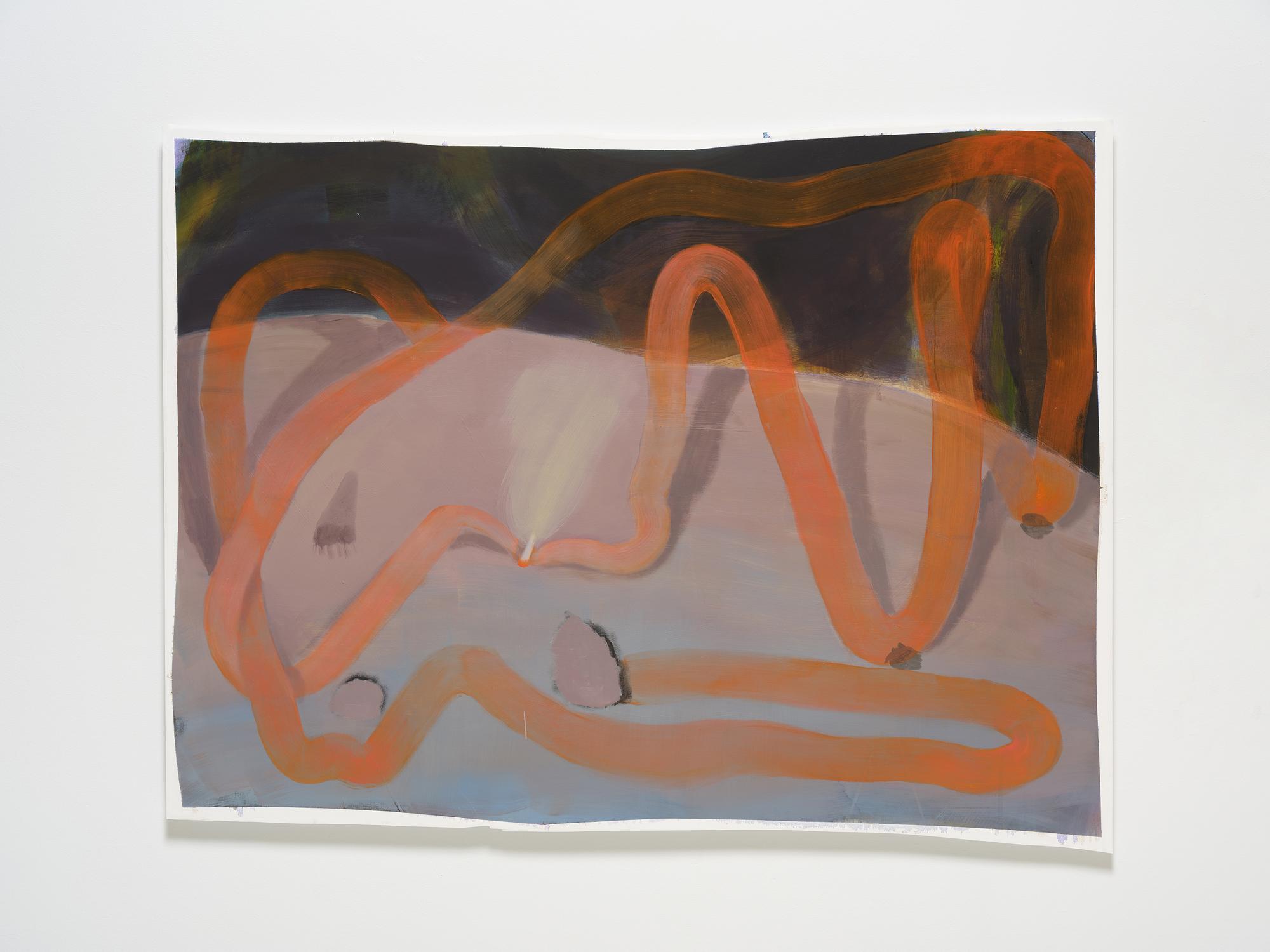
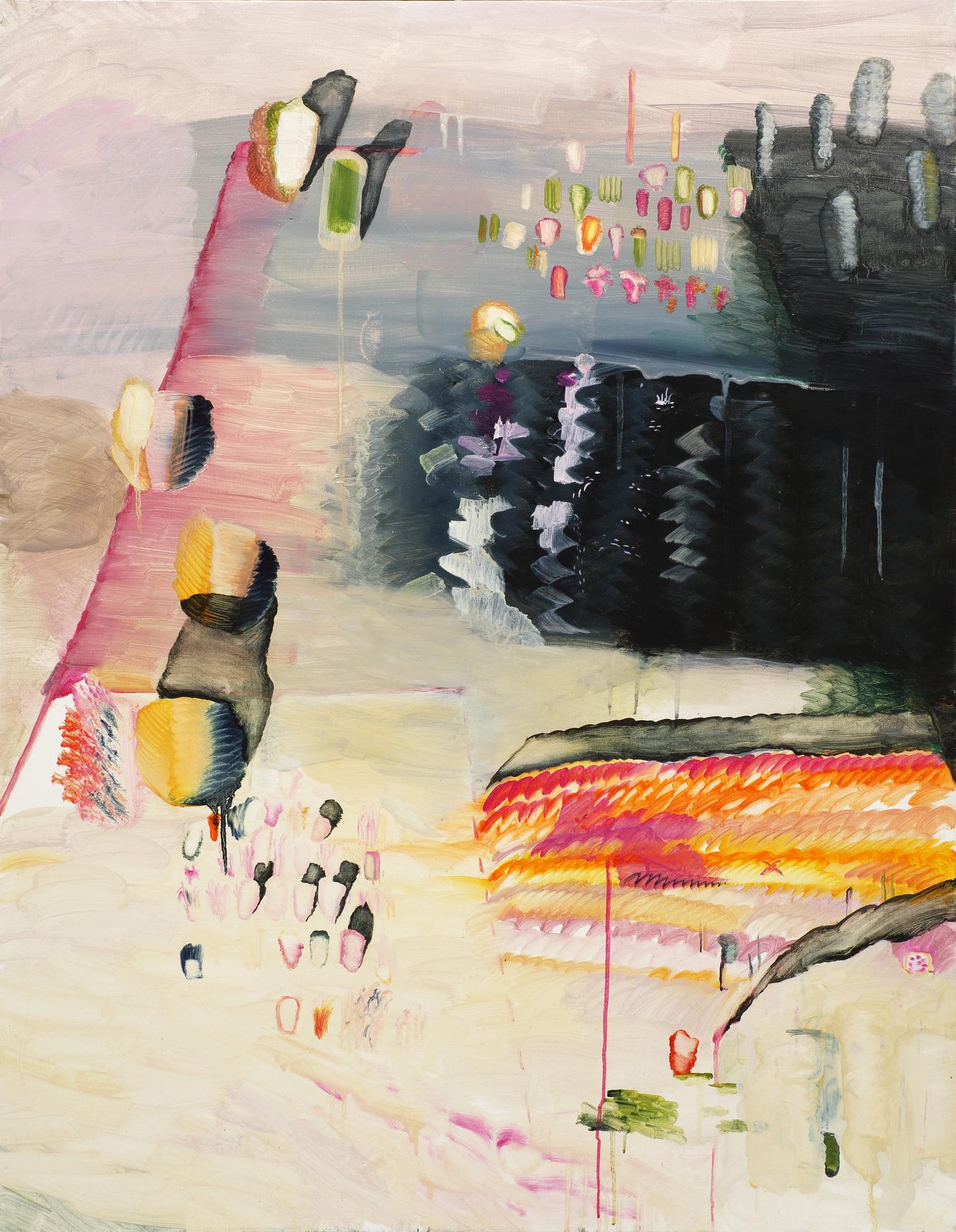
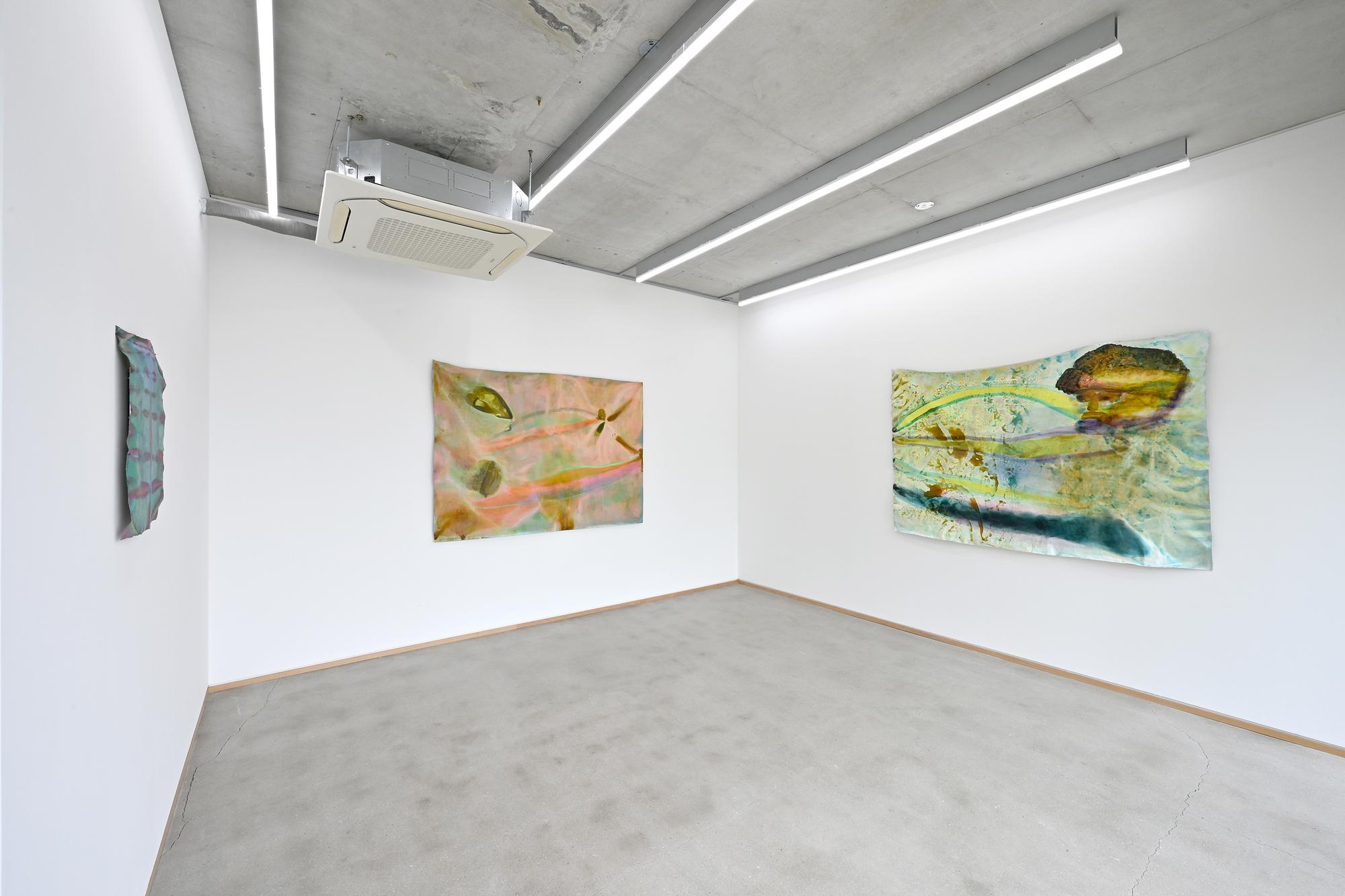
In Smoking(2022) and Bad
Photo(2022), the curves of a roller coaster overlap with the form of
a wrinkled body. Rather than centering sorrow or melancholy, the works
foreground structural conditions—time and gravity. The body ceases to function
as a mediator of emotion and instead becomes a surface inscribed by physical
forces.