Looking that fire - K-ARTIST

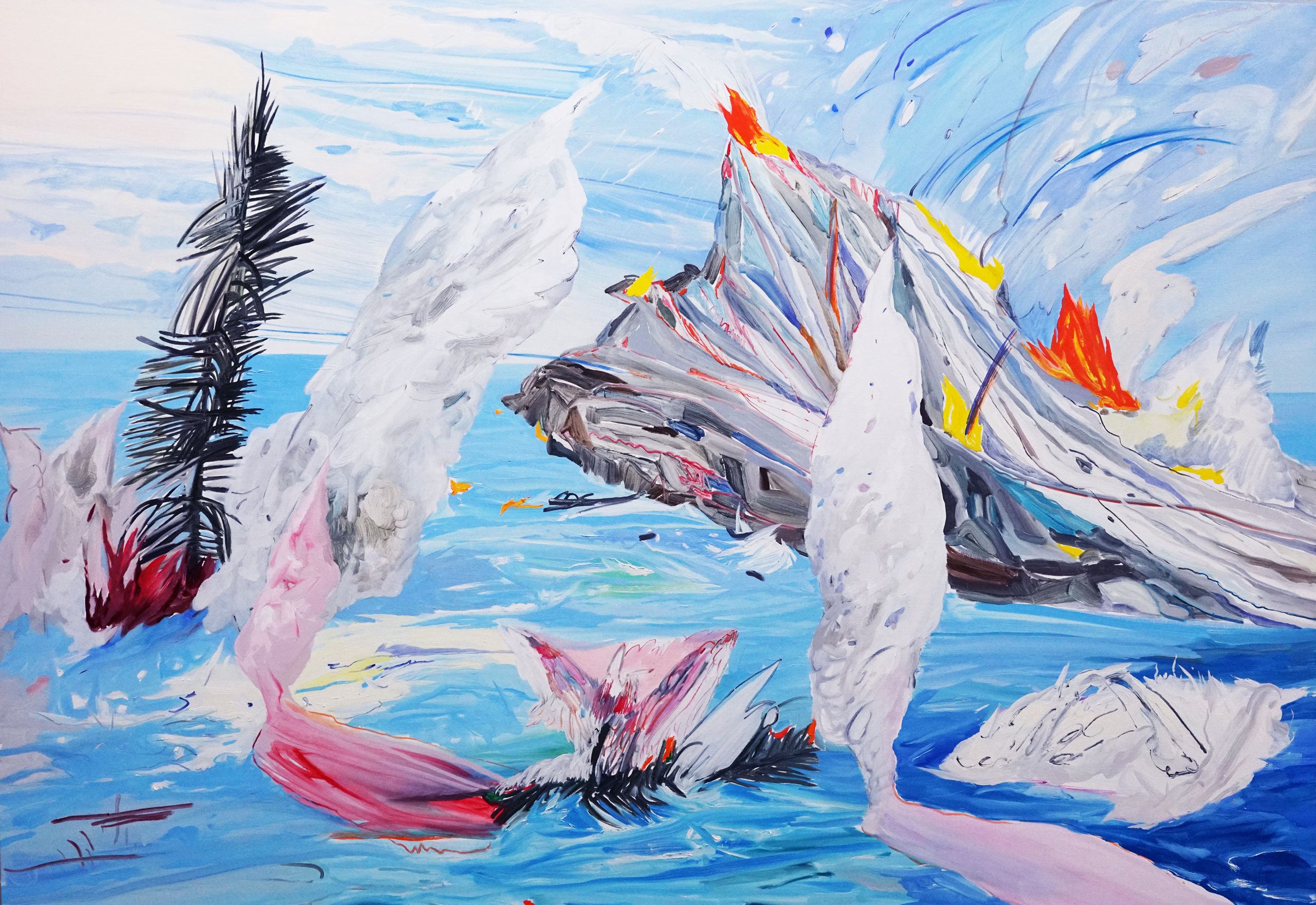
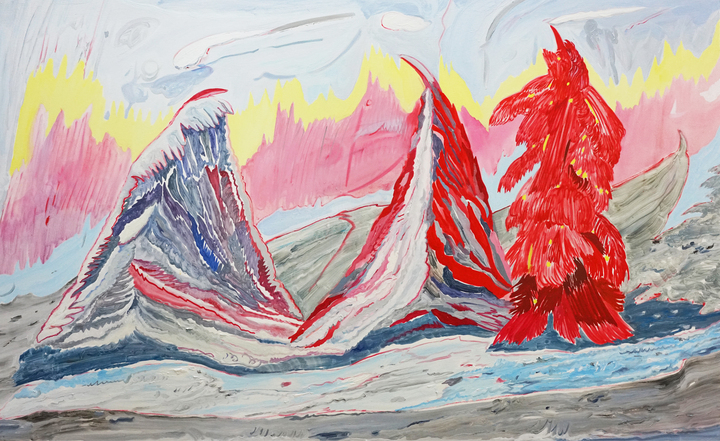
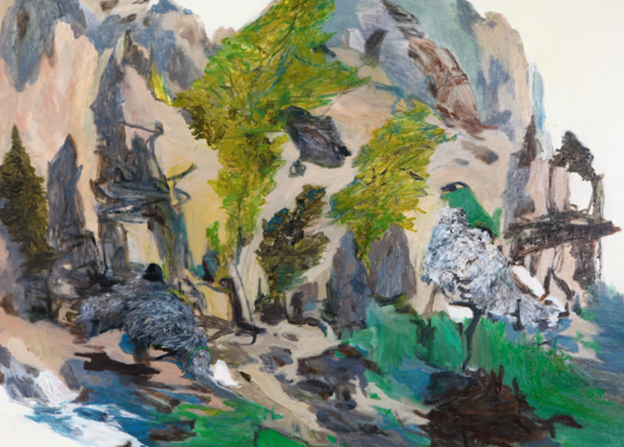
Looking that fire

2019 
Oil on canvas
112 x 162.2 cm
About The Work

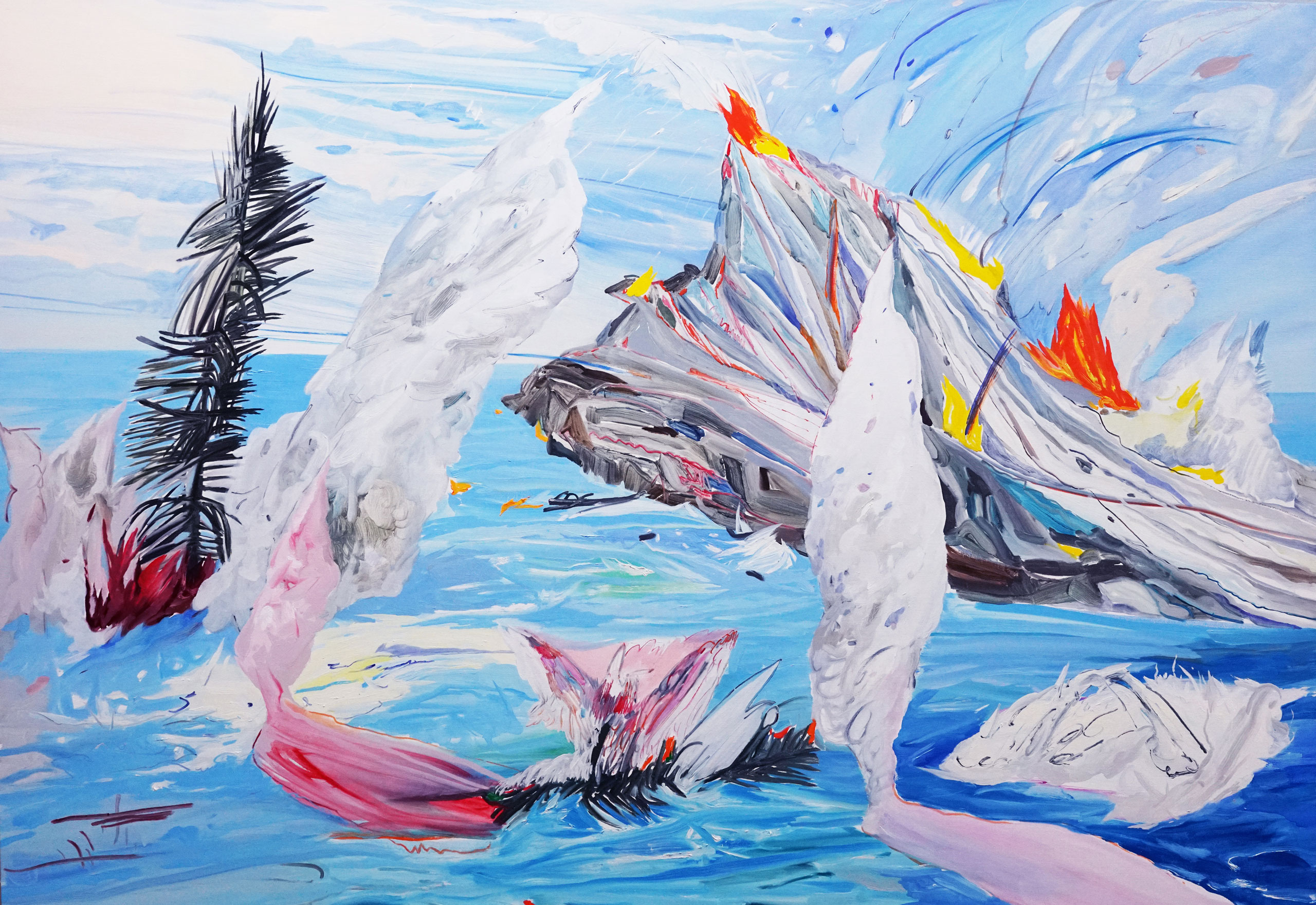
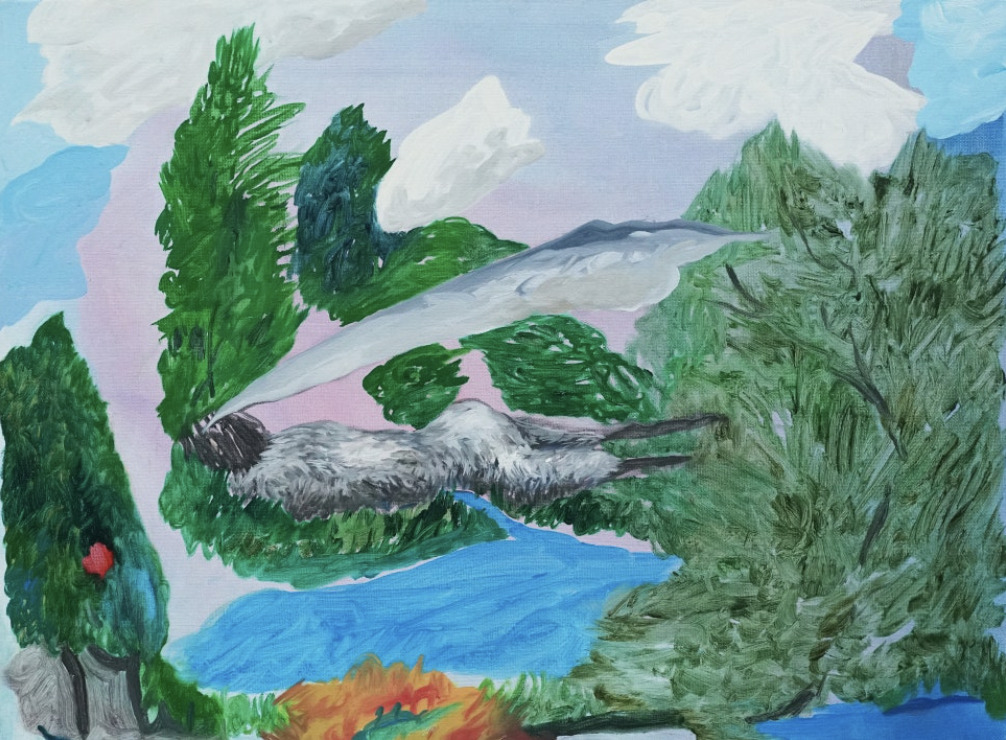
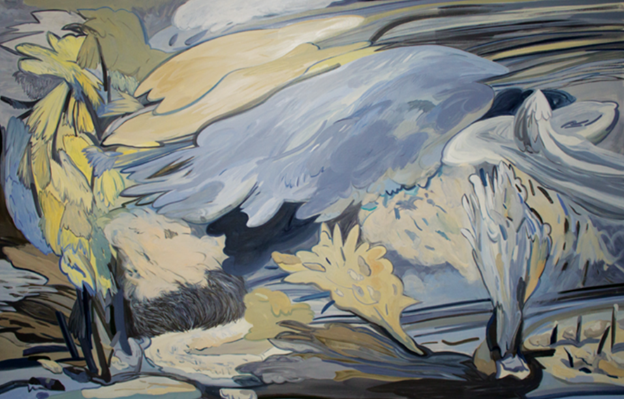
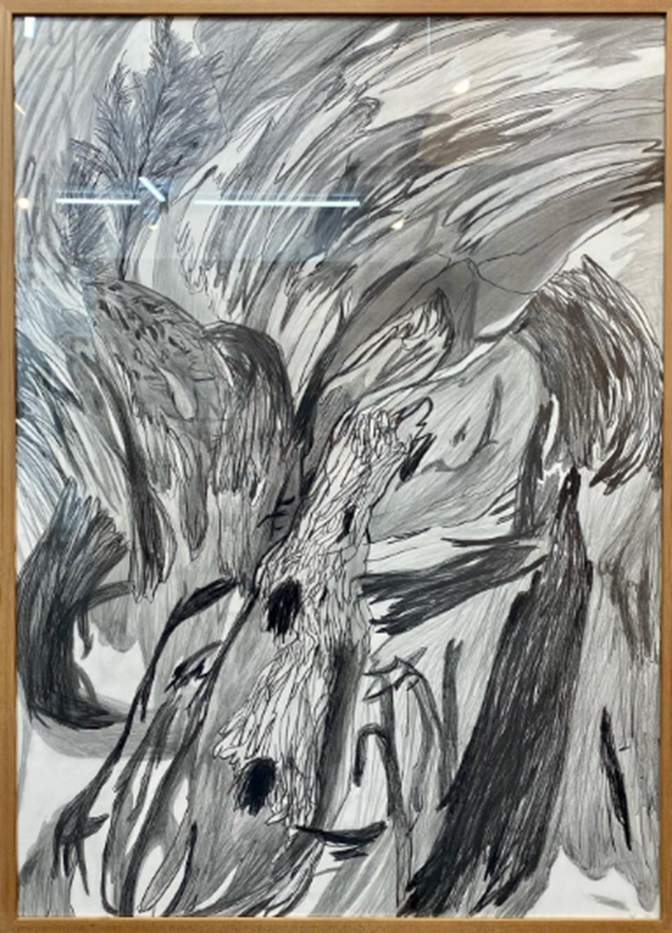
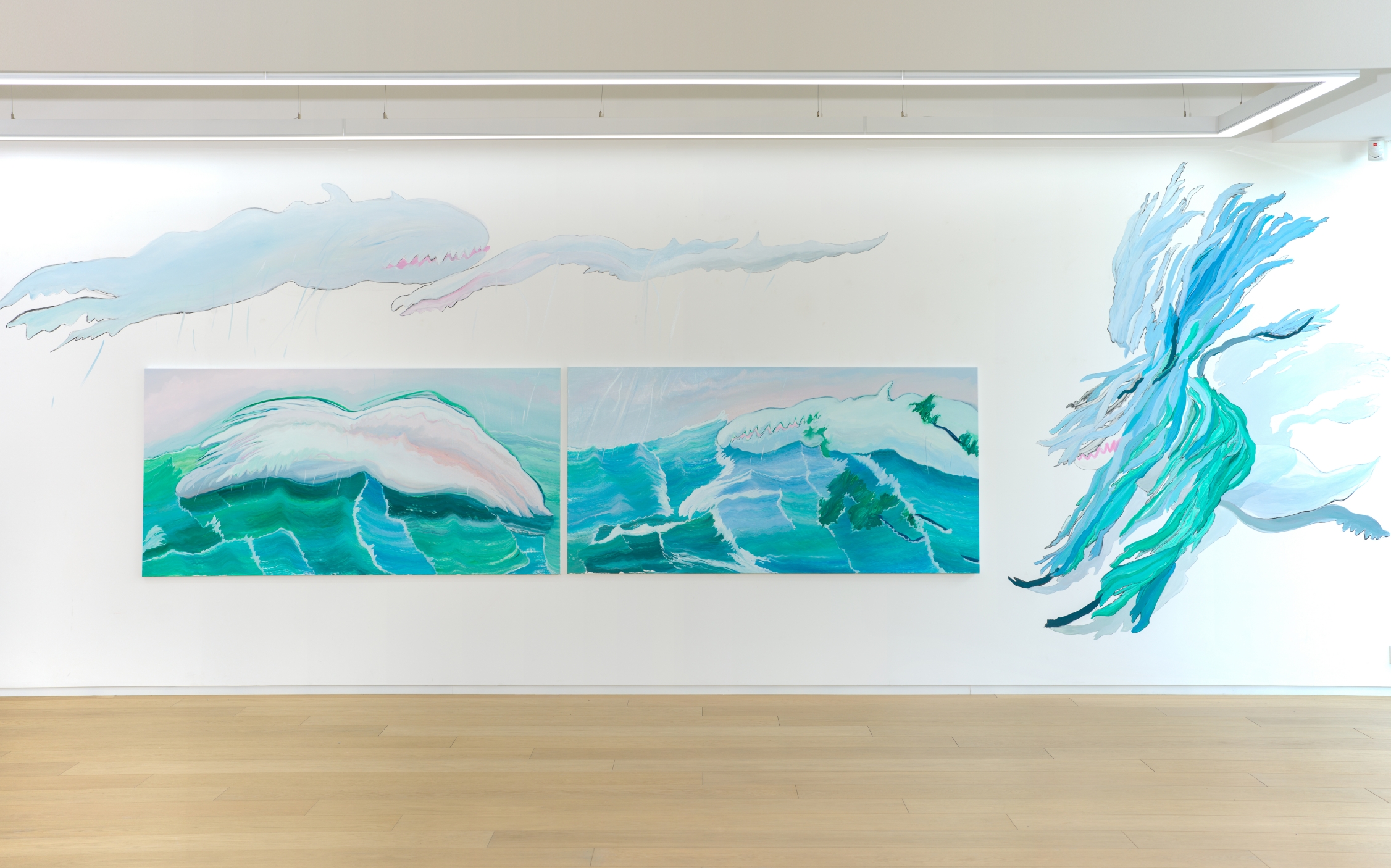
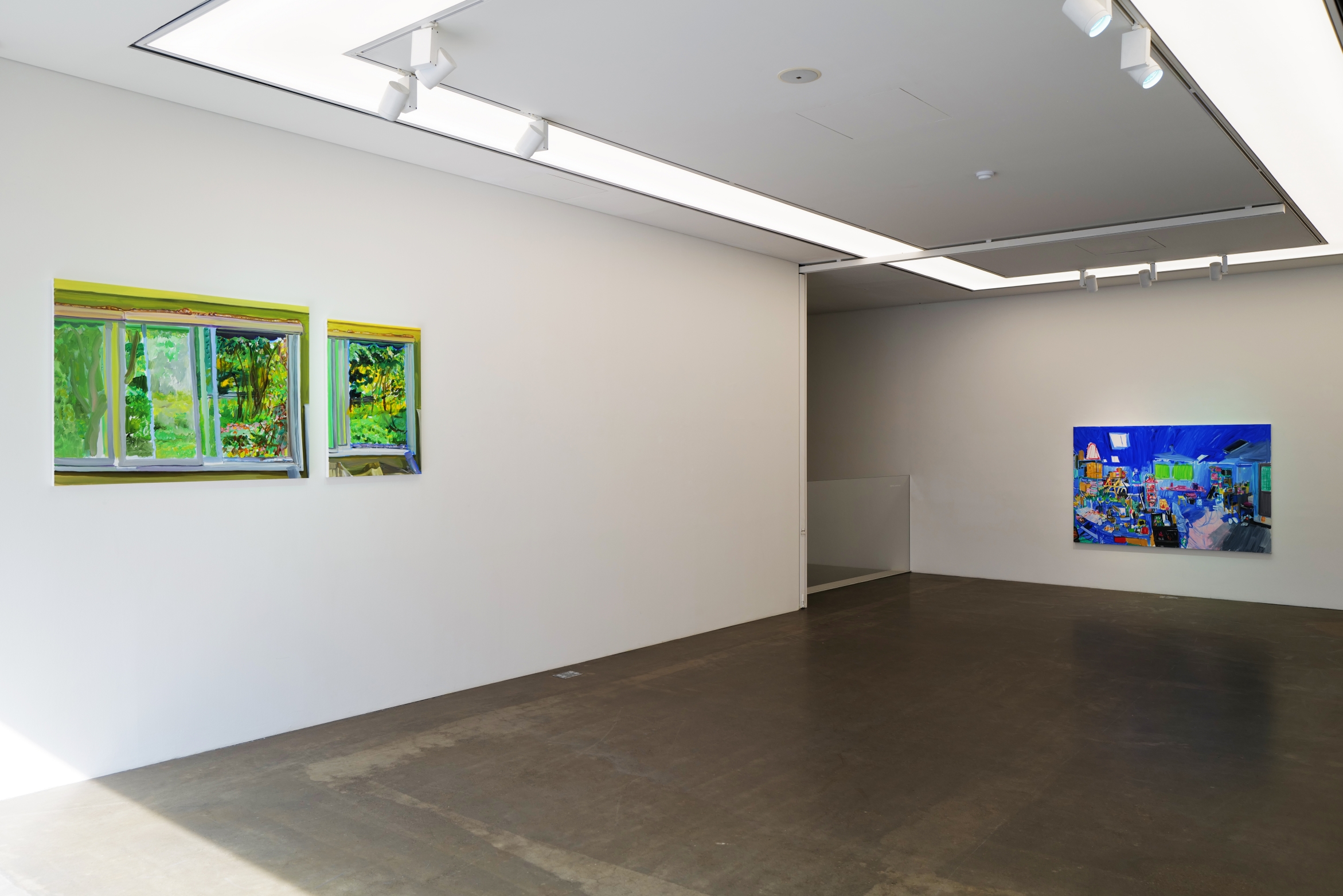
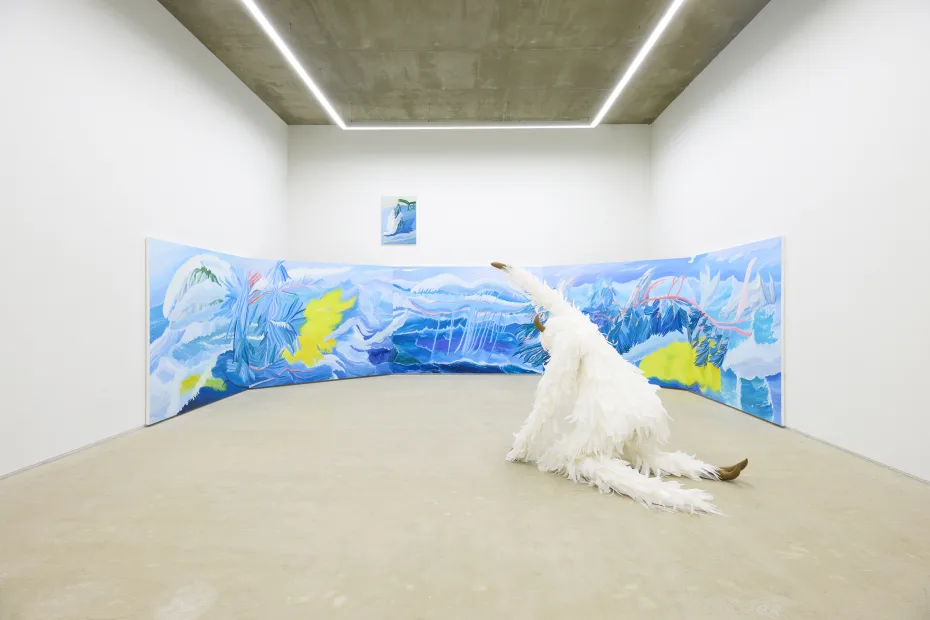
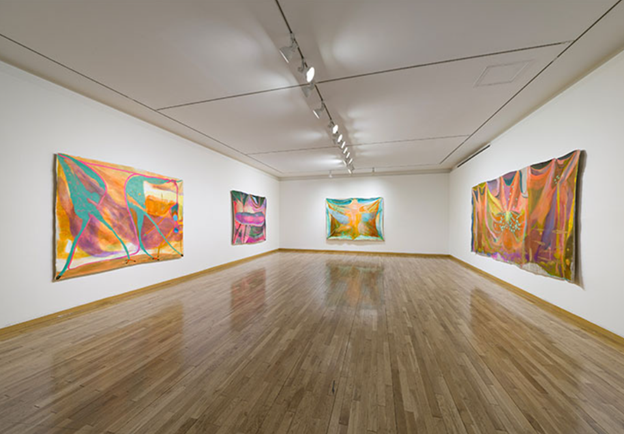
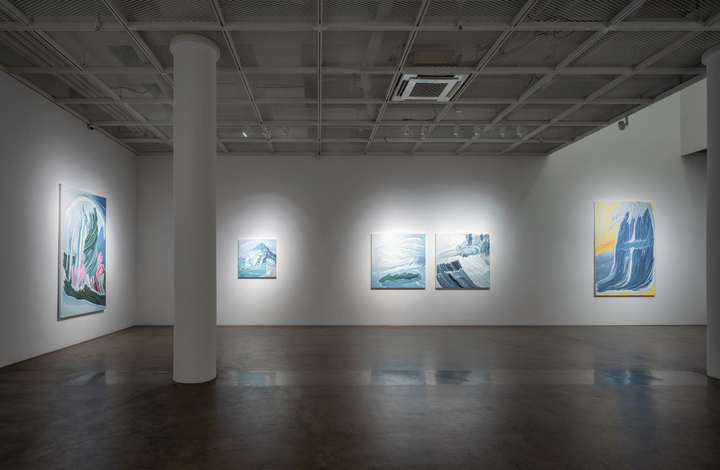
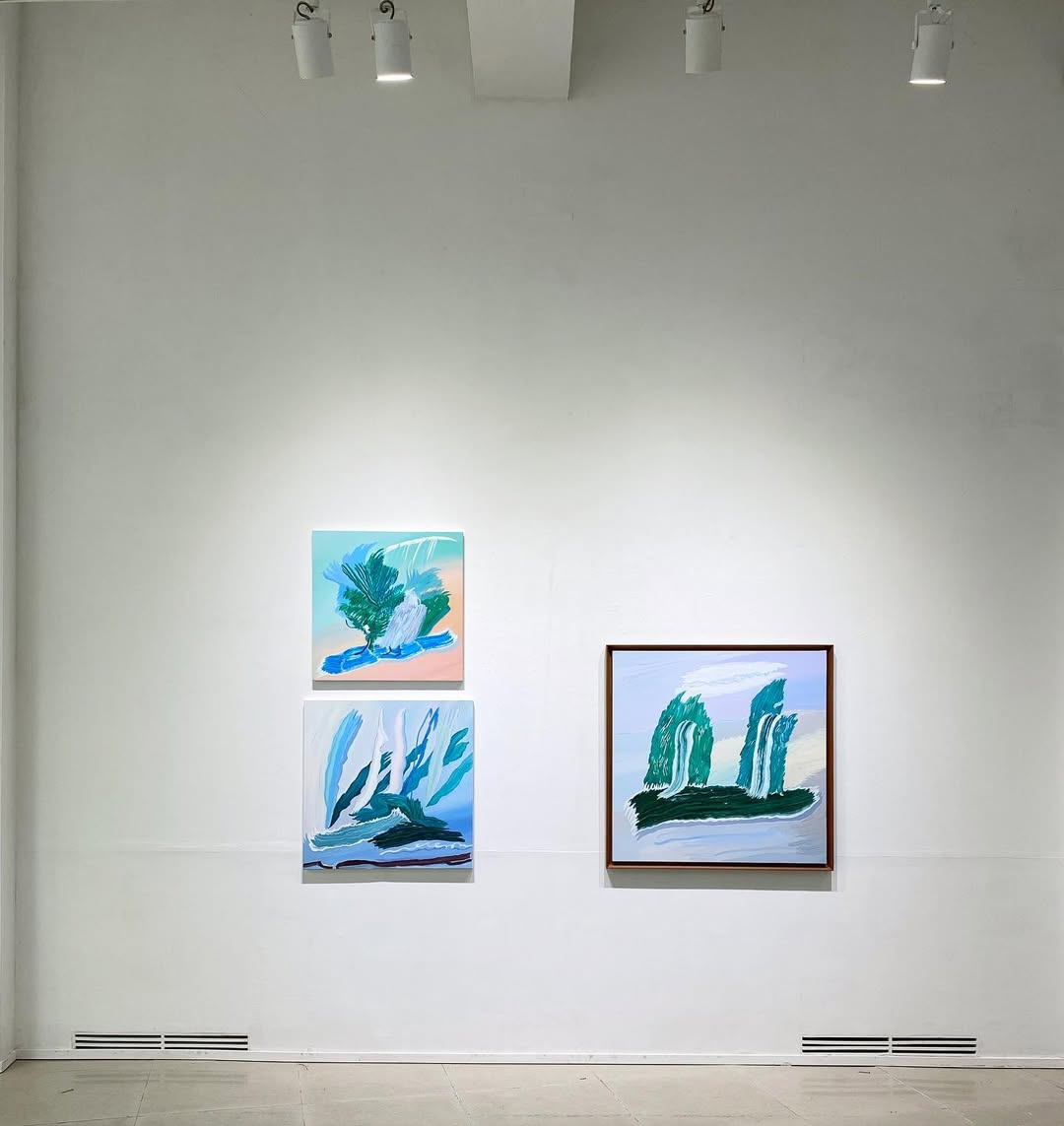
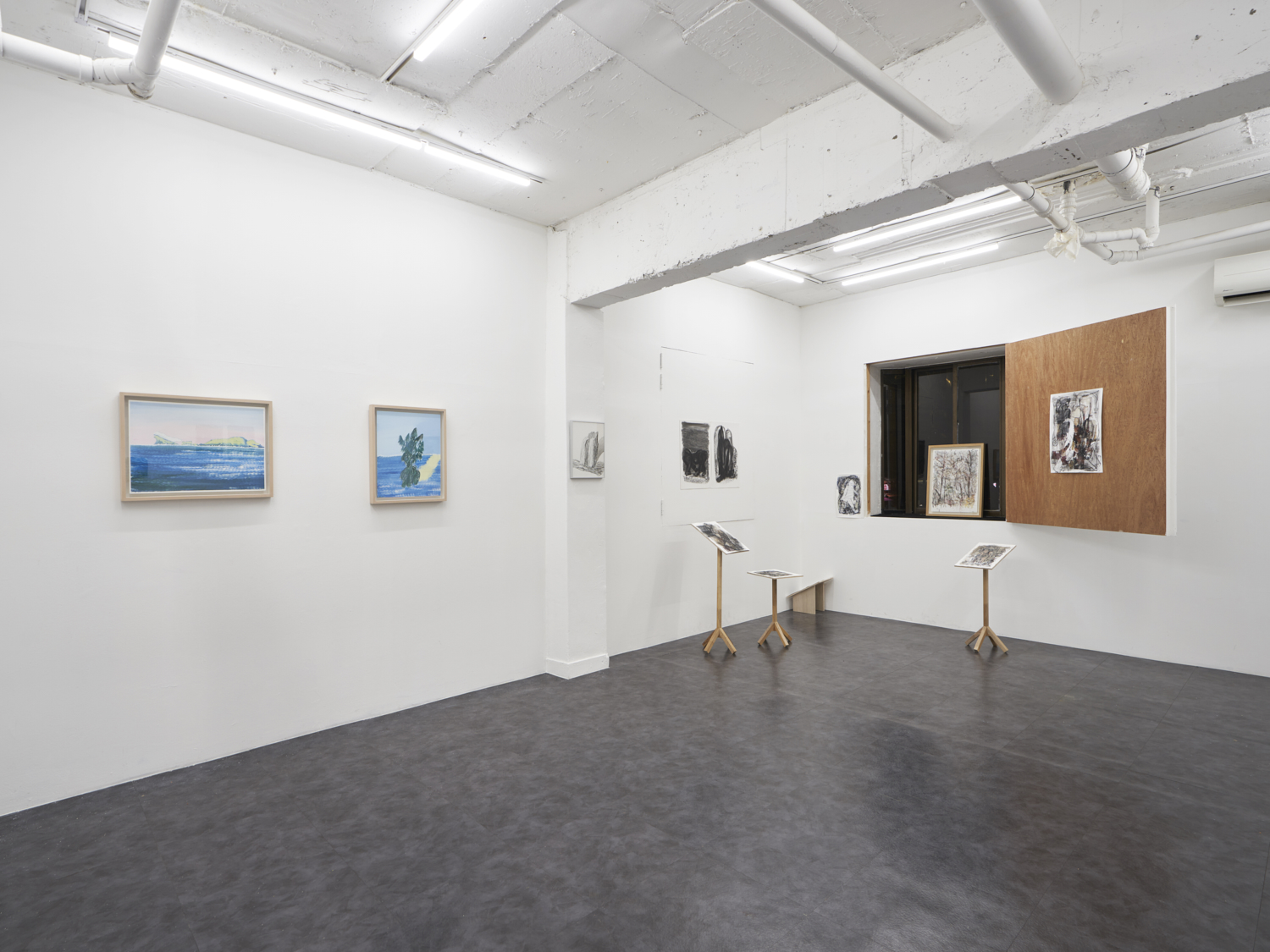
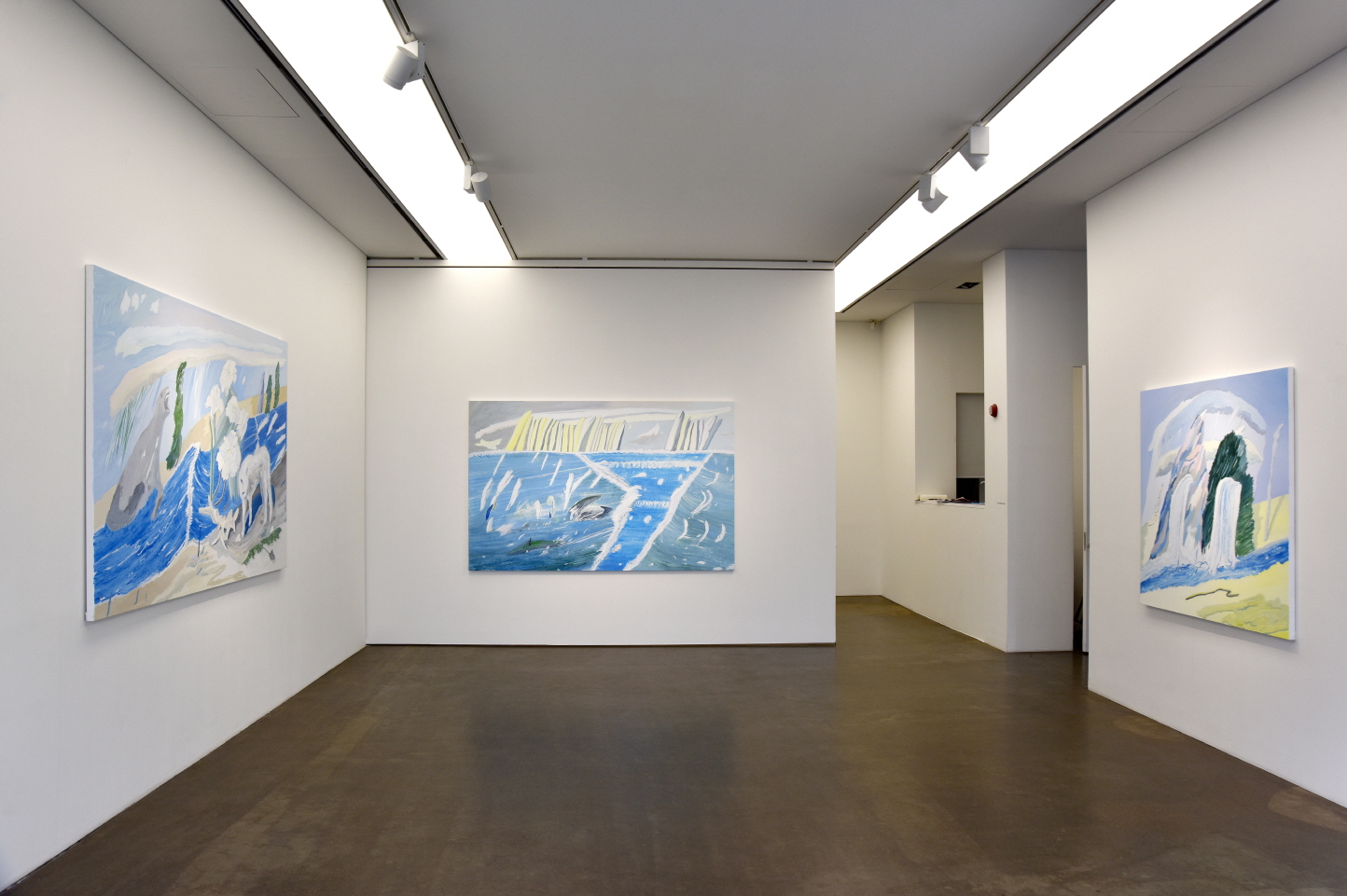
Choi Suin reflects on relationships grounded in her own lived experiences, translating the emotions that arise from them into forms that may be perceived as elements of nature. Her paintings become spaces in which dormant and uncomfortable inner feelings are brought out and confronted. Emotions that could not be fully articulated in words are projected onto natural forms, unfolding as scenes that resemble theatrical tableaux.
 
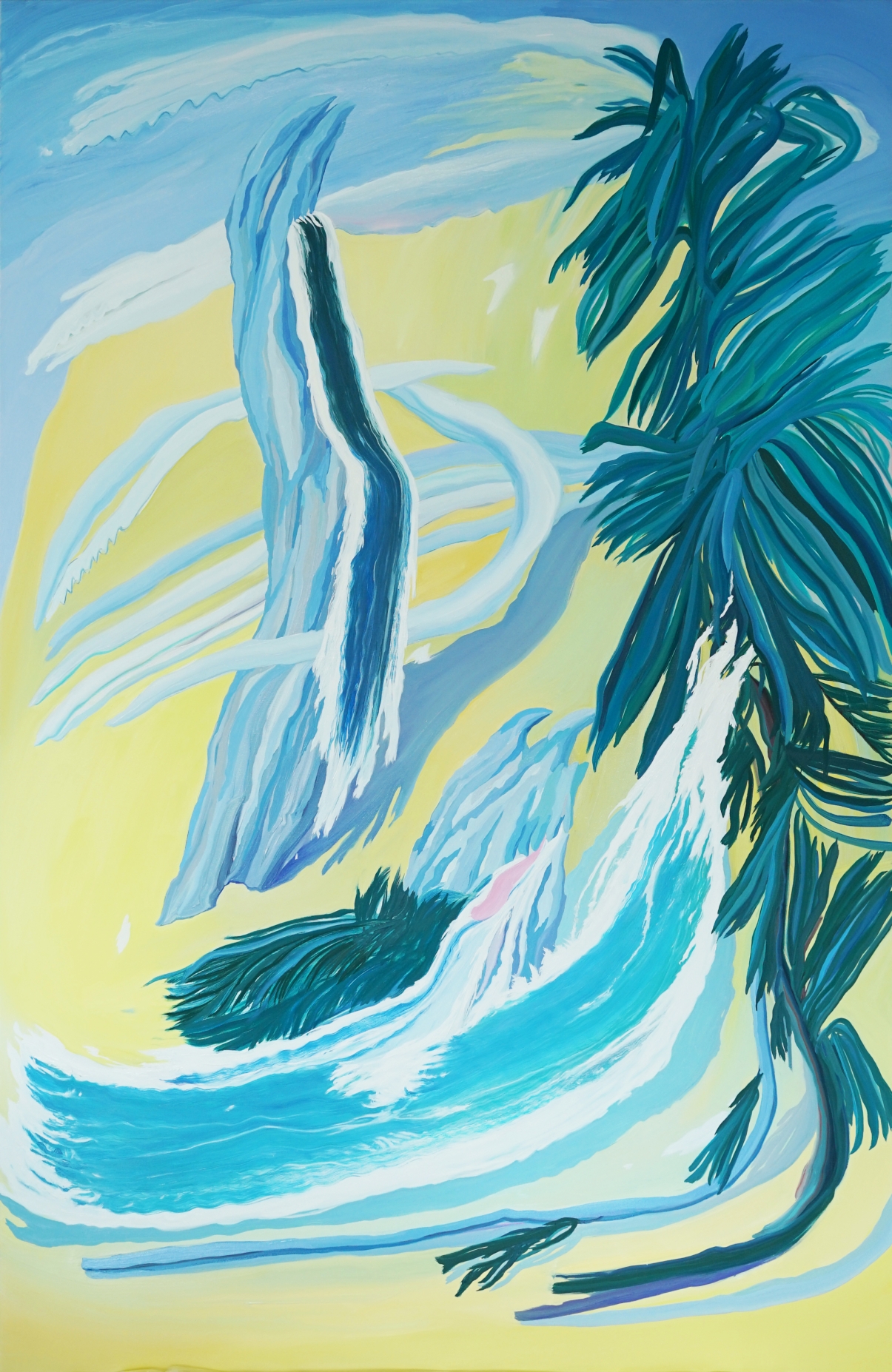
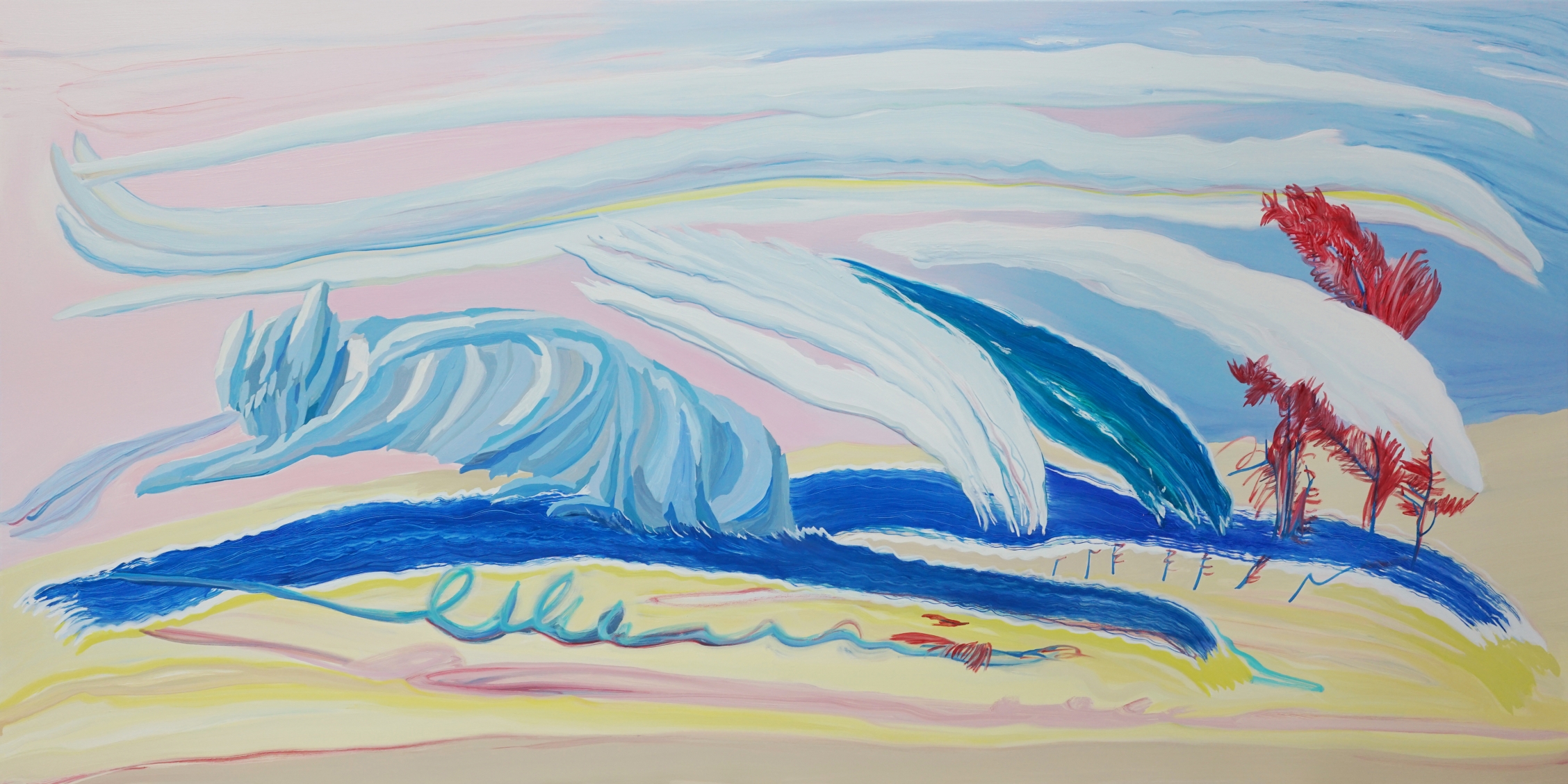
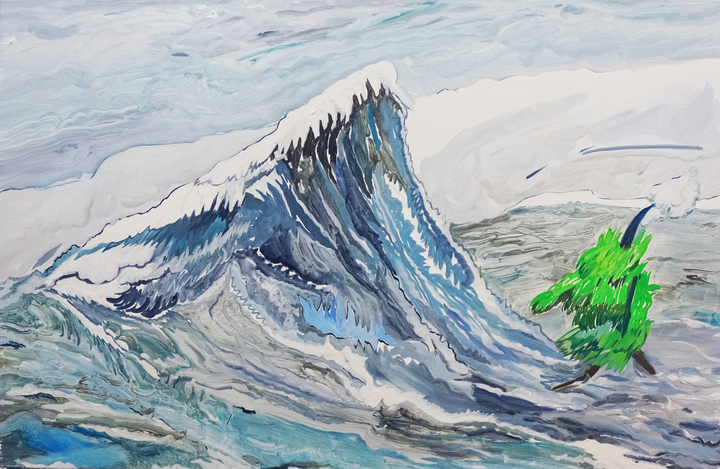
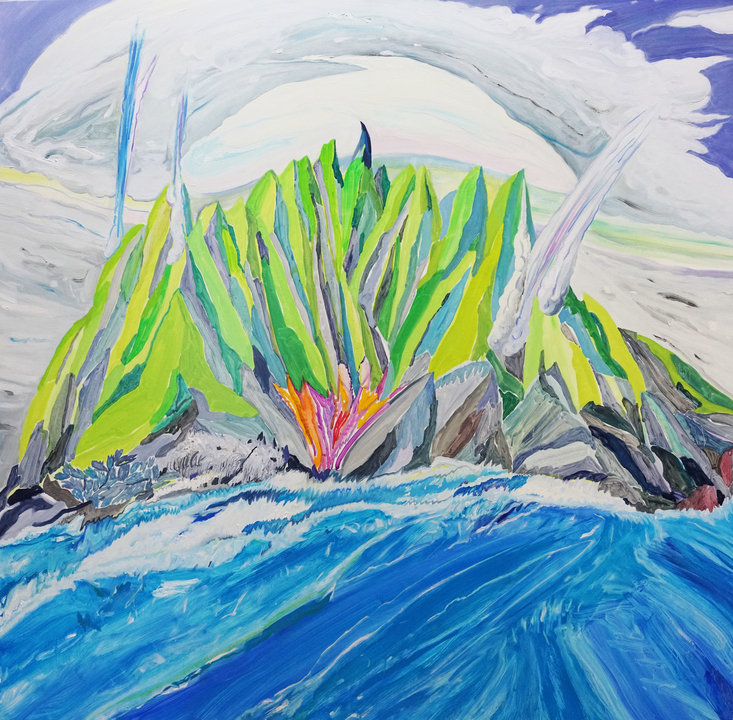
Choi Suin captures the friction of emotions that arise within relationships—feelings that cannot be fully articulated in words or are concealed because one does not wish to reveal them—as “scenes” within painting. These emotions are often translated into forms that resemble elements of nature, such as waves, clouds, mountains, fire, and explosions. Although the images may appear to depict landscapes, the canvas actually operates as a stage on which psychological situations shaped by relationships are arranged.
 
Choi Suin’s painting is less about “expressing” emotions that arise in relationships than about reconstructing the structure of situations those emotions produce as scenes. Devices such as natural forms that serve as outer shells, stage-like spatial arrangements, and mask-like figures do not determine the authenticity of feeling. Instead, they leave within the frame the mechanism of relationships in which truth and falsehood, revealing and concealing operate at once.

Solo Exhibitions (Brief)

Choi Suin has held solo exhibitions including 《The Busted》 (Gallery2, Seoul, 2025); 《He gives me butterflies. love》 (Artside Gallery, Seoul, 2023); 《My Lovely Villain》 (Artside Gallery, Seoul, 2021); 《Fake Mood》 (Artside Gallery, Seoul, 2020); and 《Dance for Me》 (Gallery Chosun, Seoul, 2019).

Group Exhibitions (Brief)

Choi has also participated in numerous group exhibitions, including 《Silent, you sway, Trembling faintly with a delicate shiver》 (Artside Gallery, Seoul, 2025); 《And Afterwards》 (Kumho Museum of Art, Seoul, 2024); 《Hybrid Ground》 (Zaha Museum, Seoul, 2023); 《16 Suns and 69 Eyes》 (Kumho Museum of Art, Seoul, 2019); and 《50x50》 (Art Sonje Center, Seoul, 2016).

Awards (Selected)

Choi was selected as a Kumho Young Artist in 2016.

Collections (Selected)

Choi’s works are held in major collections including Kumho Museum of Art, the National Museum of Modern and Contemporary Art, Korea (MMCA), and the Government Art Bank.

Works of Art

Uncomfortable Emotions Latent Within

Originality & Identity

Choi Suin captures the friction of emotions that arise within relationships—feelings that cannot be fully articulated in words or are concealed because one does not wish to reveal them—as “scenes” within painting. These emotions are often translated into forms that resemble elements of nature, such as waves, clouds, mountains, fire, and explosions. Although the images may appear to depict landscapes, the canvas actually operates as a stage on which psychological situations shaped by relationships are arranged.
 
In her early solo exhibition 《It Won’t Be Appeared – No Show》 (Kumho Museum of Art, 2015), she expressed the desire to “escape” from the distortion of emotions through images of combustion and eruption, as well as spaceship-like forms that suggest mechanisms of departure. In Spaceship Beneath the Clouds(2015) and Constructed Place 1(2015), scenes that she wishes “would not appear” coexist with images of an ideal calm she longs to reach. Even that ideal state remains artificial and ultimately unattainable within the same pictorial language.
 
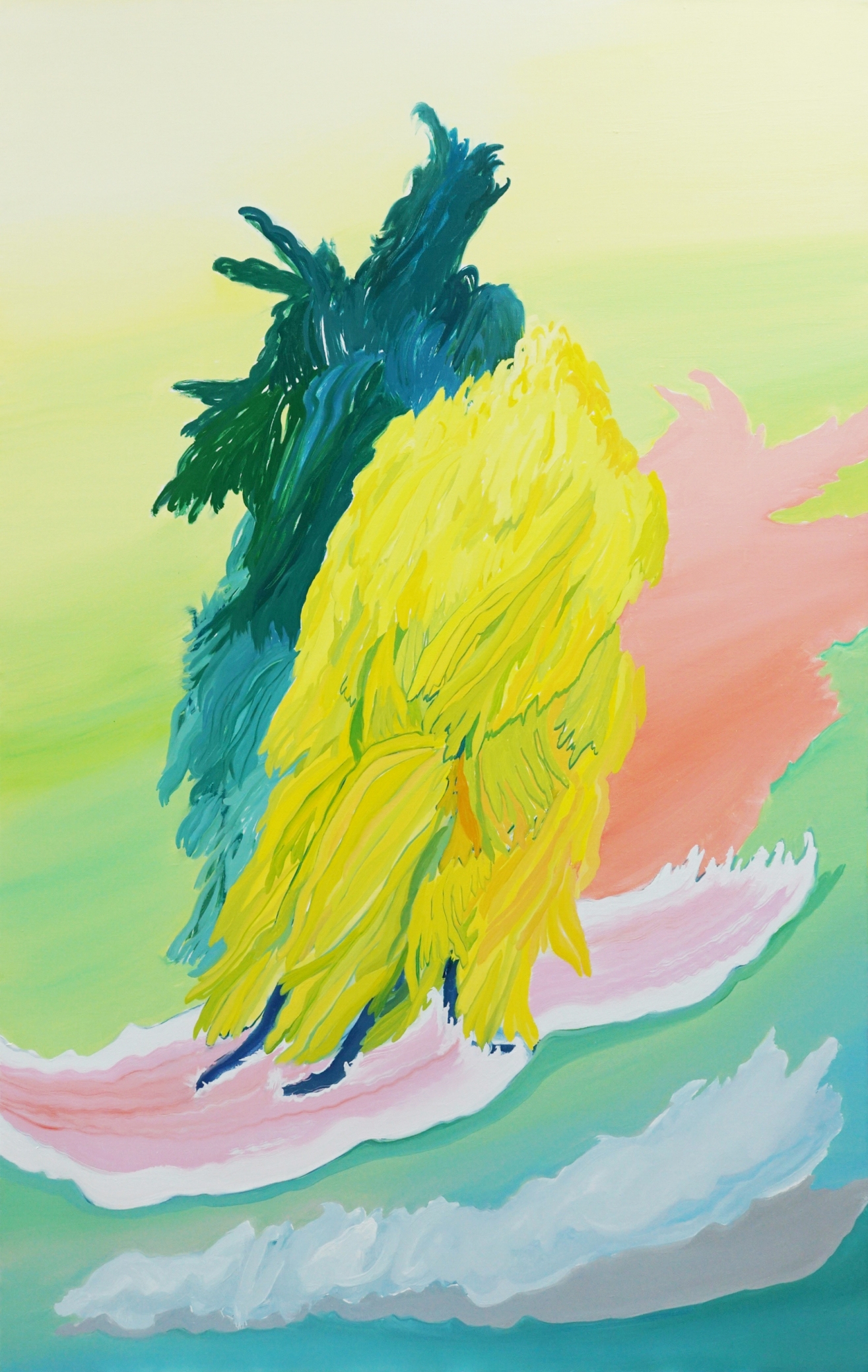
By the time of her solo exhibition 《Dance for Me》 (Gallery Chosun, 2019), the tension within relationships shifts more directly toward the issue of “attitude.” Furry, creature-like beings, exaggerated volcanoes and clouds, and fragmented natural environments symbolize defensive postures, avoidance, and the tremor of unstable inner states that emerge before others. Rather than presenting these as “landscapes,” she frames them as “scenes” that capture moments of life rearranged without clear causality, drawing viewers into the discomfort these scenes leave behind.
 
Since 《Fake Mood》 (Artside Gallery, 2020), the focus has increasingly moved from the emotions of the “speaker” (subject) to the pressures, surrounding gazes, and situations encircling that figure. In 《My Lovely Villain》 (Artside Gallery, 2021), she reinforces the structure of revealing and concealing through monster-like, mask-like figures. In 《He gives me butterflies. love》 (Artside Gallery, 2023), she further specifies the theme of relationship as “love,” intensifying moments in which truth and exaggeration, devotion and suspicion operate simultaneously.

Style & Contents

Although Choi Suin works primarily in oil painting, her approach is closer to theatrical staging than to the conventions of static landscape painting. The figures within her canvases resemble natural forms, yet they are not depictions of nature itself; rather, they are arranged like props that correspond to particular emotions and attitudes. Mountains, clouds, waves, fire, and explosions function less as background than as devices that generate events, prompting viewers to confront not so much “what is happening” as “what emotional state is being arranged.”
 
In 《It Won’t Be Appeared – No Show》, images of fire (combustion, eruption), spaceship forms (escape, avoidance), and entangled gestures (defense mechanisms) establish the basic units through which discomforting emotions are translated into scenes. In works such as The Thinking Person(2016), figures that indicate an observer or subject sometimes appear as fable-like beings—furry forms that incorporate the act of looking at the scene from outside the frame into the narrative itself.
 
In 《Dance for Me》, “dance” is presented as a central keyword. For the artist, dance signifies the most unadorned and pure gesture, freed from affectation. In works such as Dancing Eros(2019), a liberated bodily movement becomes the fleeting expression of sincerity that surfaces within relationships. Yet this sincerity does not settle into a final conclusion; it remains a transient state that passes between avoidance and defense.
 
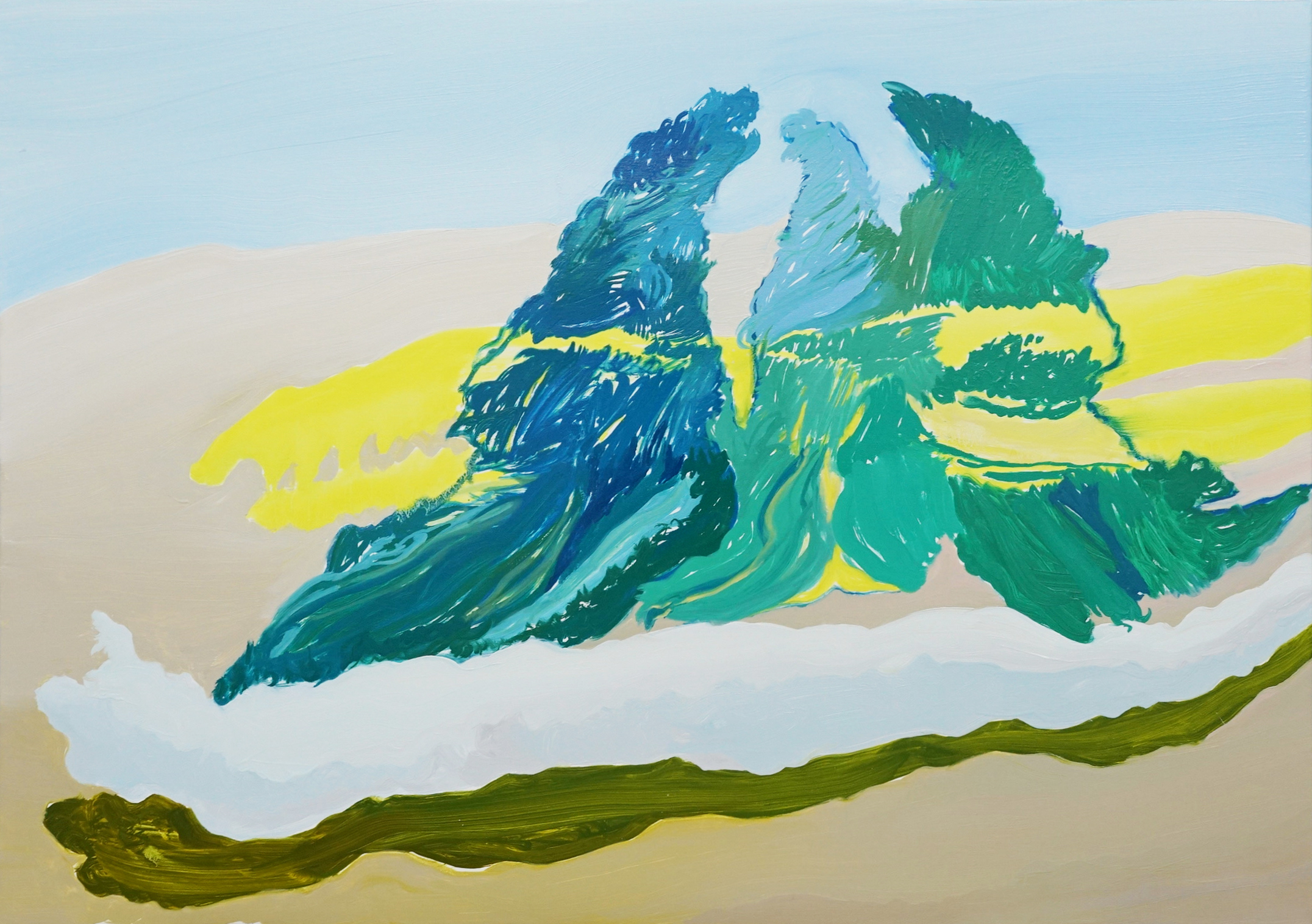
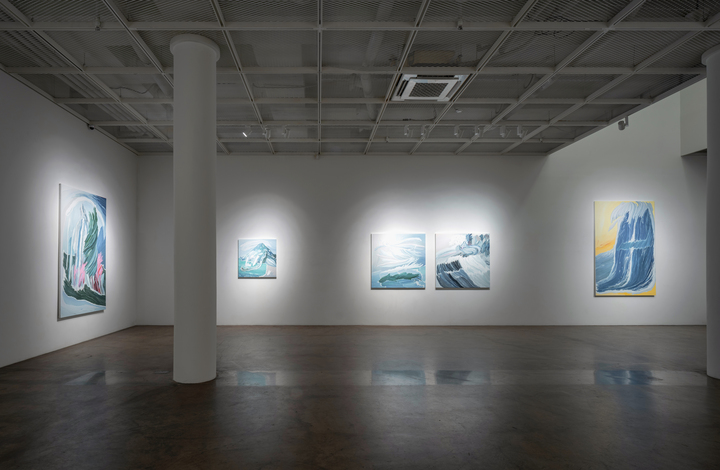
In 《Fake Mood》, color and form come more actively to the fore. In works such as A fake wave(2020) and An angry mountain(2020), she rejects the convention that confusion or discomfort must be rendered in darkness, instead pushing uneasy psychological states forward through bright and lively tones. This approach does not make the scenes easier to “read”; rather, it preserves ambiguity, leading viewers to trace the structure of emotion on their own by following titles and visual cues embedded in the canvas.

Topography & Continuity

Choi Suin’s painting is less about “expressing” emotions that arise in relationships than about reconstructing the structure of situations those emotions produce as scenes. Devices such as natural forms that serve as outer shells, stage-like spatial arrangements, and mask-like figures do not determine the authenticity of feeling. Instead, they leave within the frame the mechanism of relationships in which truth and falsehood, revealing and concealing operate at once.
 
Looking at the trajectory of her work, the early phase strongly externalizes “the psychology I experience” through images of explosion, escape, and defense (《It Won’t Be Appeared – No Show》). Later, the surrounding environment and attitudes within relationships become central (《Dance for Me》). This further expands into scenes shaped by socially imposed images, pressures, and the gaze of others (《Fake Mood》, 《My Lovely Villain》). More recently, while addressing more intimate relational phases such as love (《He gives me butterflies. love》), she continues to maintain not the conclusion of emotion but the vibration and dissonance of the moment as the core of the image.
 
Choi Suin places before the viewer’s senses the point at which the verbalization of emotion fails—states that cannot be fully grasped in words—by translating them into natural forms, masks, and staged compositions. The bright and soft impression of her surfaces paradoxically prolongs the tension of uncomfortable situations, allowing viewers to move between “what is visible” and “what is concealed” through the lens of their own experience. In this way, her painting operates simultaneously as emotional depiction and structural arrangement of scenes.
 
The strength of Choi Suin’s work lies less in explaining specific events than in repeatedly recalibrating the stage produced by relational emotions—pressure, defense, exaggeration, affection, suspicion. Moving through the contexts of various exhibitions in which she has participated, the methodology of “scenified emotion” has continued to expand, and this flexibility will serve as the foundation for the next phase of her practice.

Works of Art

Uncomfortable Emotions Latent Within

Articles

Exhibitions

Activities