Urban Jaesaeng Device #3 Rotary - K-ARTIST

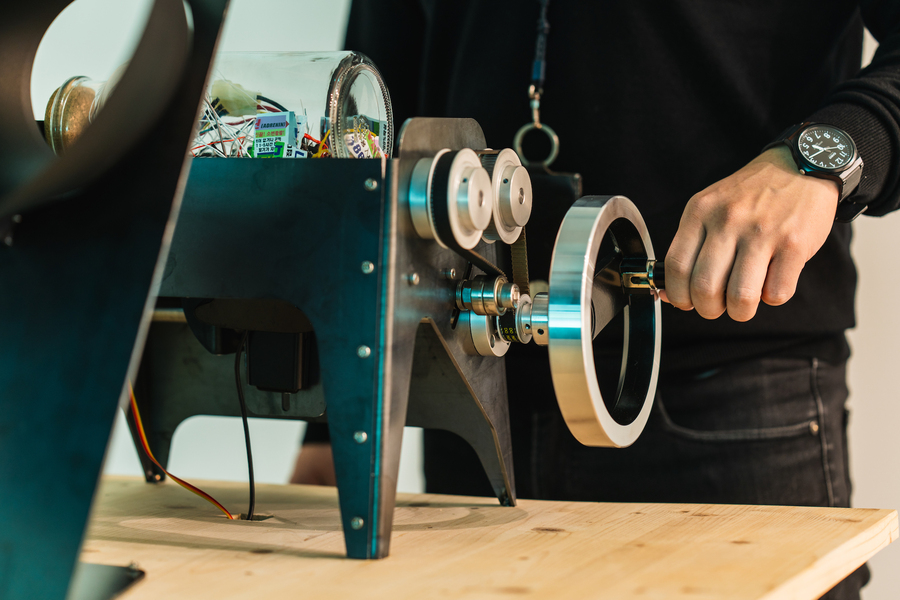
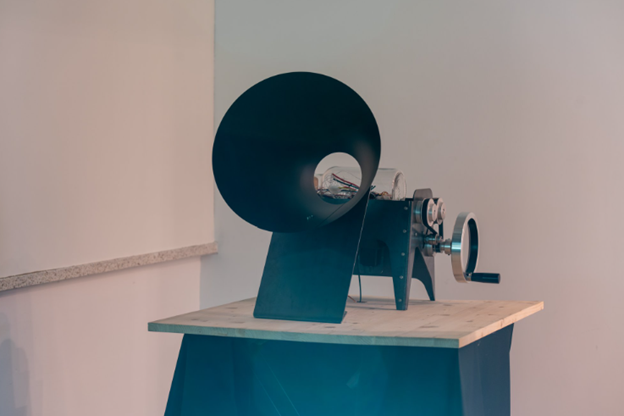
Urban Jaesaeng Device #3 Rotary

2022
Mixed media
170 x 80 x 80 cm
About The Work

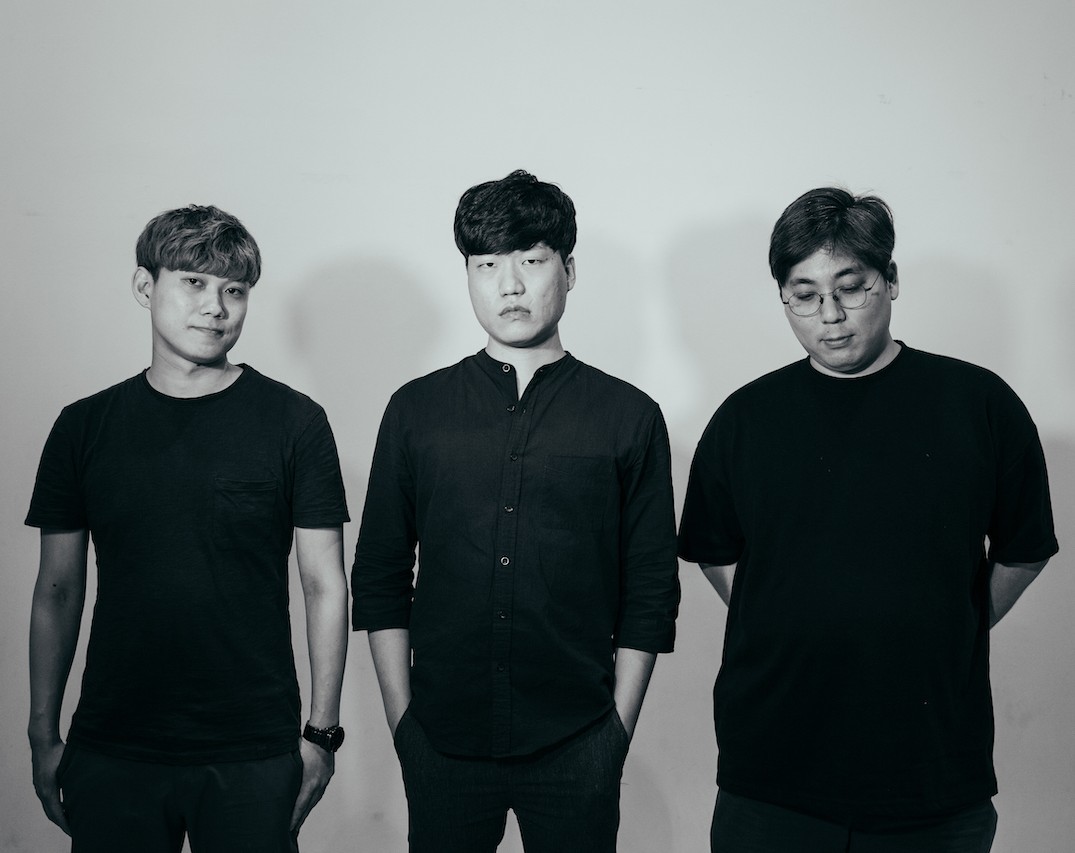
Team TRIAD reads and interprets data from contemporary society, including urban environments, through both objective and subjective lenses, and continues to create works that translate hidden narratives into new visual and sonic forms.
 
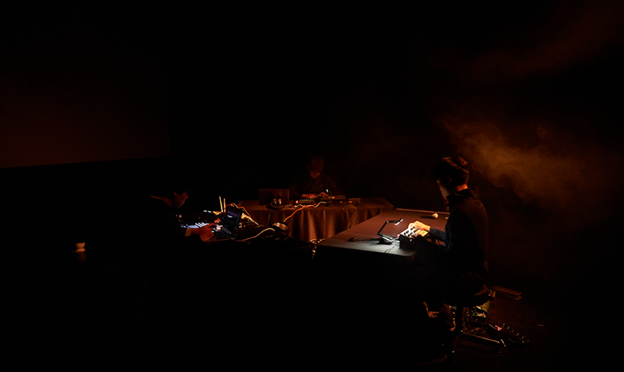
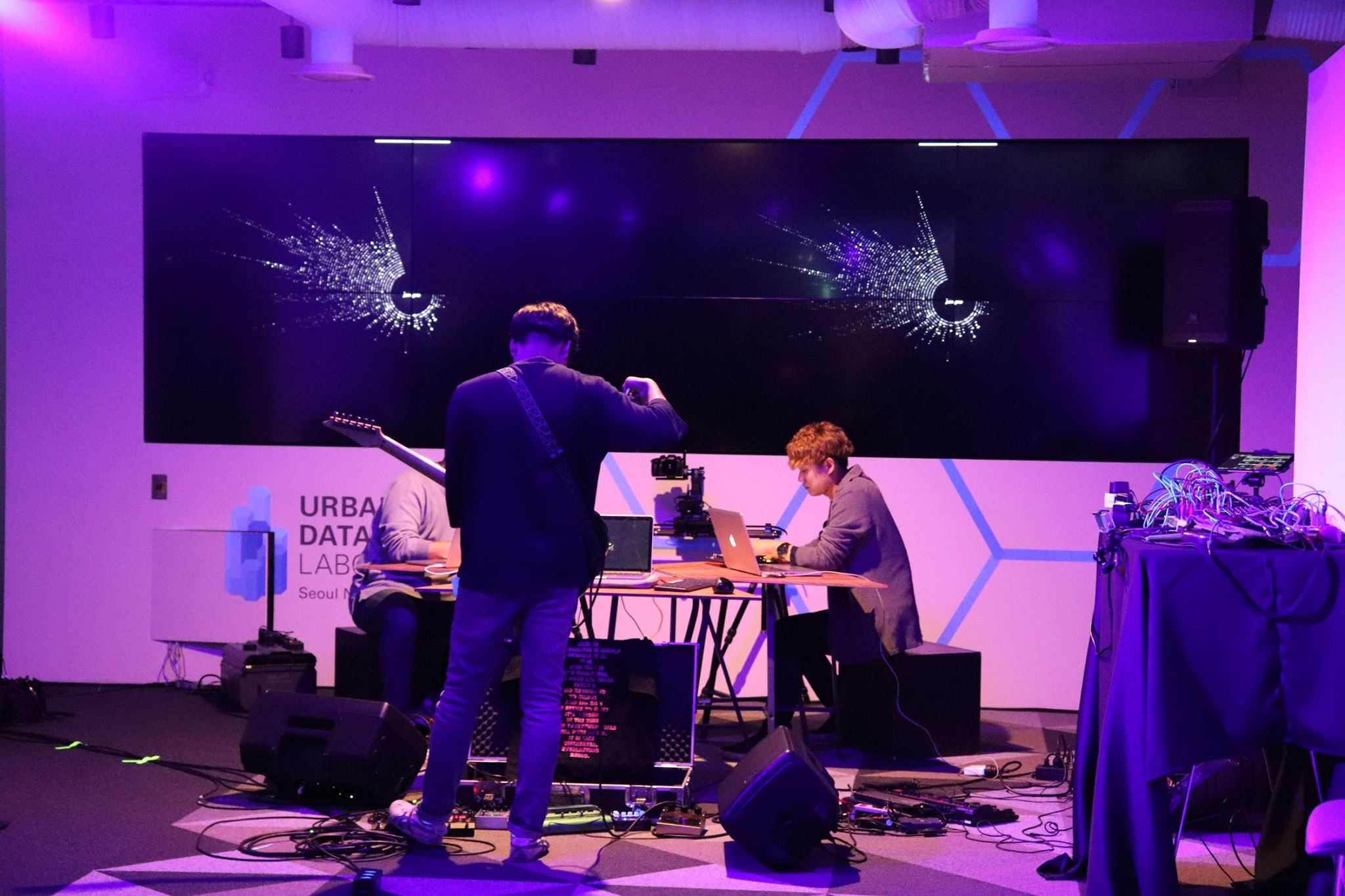
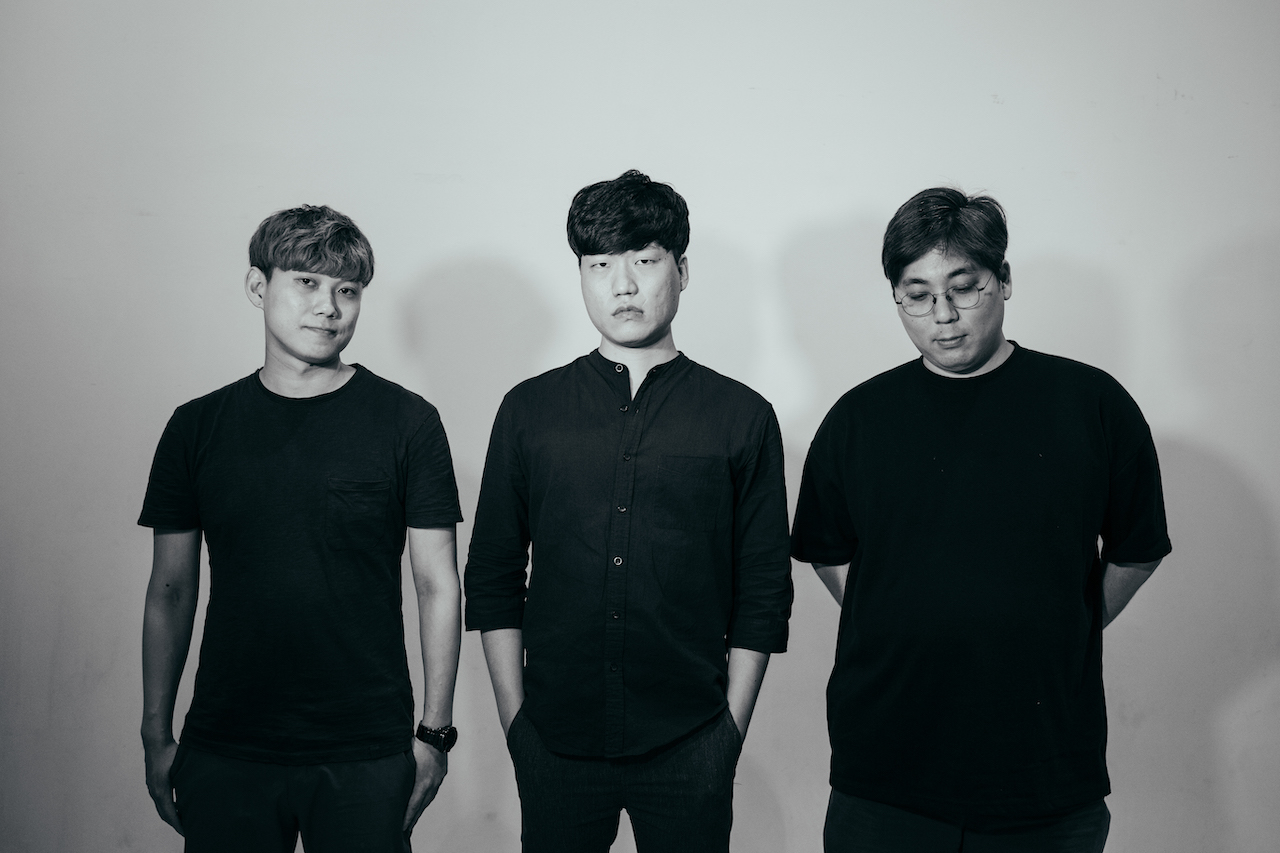
The name Team TRIAD derives from the musical term triad, referring to a three-note chord composed of different pitches. As the name suggests, Gwangmin Hong, Minje Jeon, and Honam Kim have collaborated in an ensemble-like format centered on the shared medium of sound, offering new auditory experiences through soundscapes.
 
Team TRIAD translates and reconstructs urban data into light and sound through diverse media experiments, activating senses dulled by an overload of information and revealing overlooked narratives hidden within it.
 
Structured as multilayered sound environments, their works position the audience’s movement and body as central elements, leading viewers toward an active auditory experience—one that invites them to walk through and perceive everyday space and time with renewed sensibilities.

Solo Exhibitions (Brief)

Team TRIAD has held solo exhibitions and performances including 《Noise Walk》 (Citizens’ Hall [Sound Gallery], Seoul, 2022), 《Urban Jaesaeng Device #2: Radiophonic Orchestration》 (Space Type, Seoul, 2020), and 《Data Pulse: Incheon》 (Incheon Art Platform, Incheon, 2019).

Group Exhibitions (Brief)

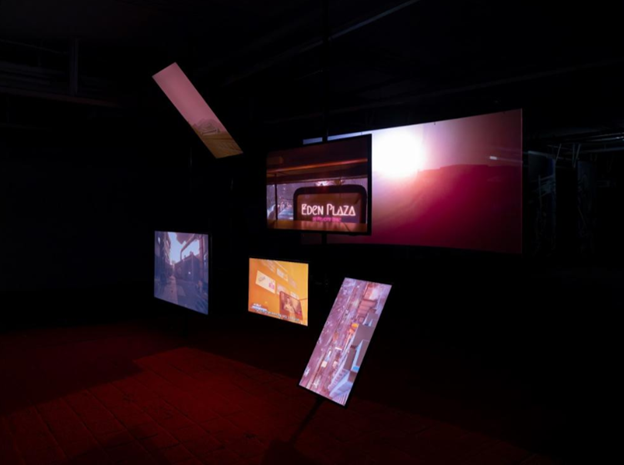
The Team TRIAD has also participated in numerous group exhibitions, including 《The Radiant City, Dark Rapture - Dystopian Images of the Modern City》 (SeMA Bunker, Seoul, 2024), 《MMCA Cheongju Project: Urban Resonance》 (National Museum of Modern and Contemporary Art, Cheongju, 2022), 《A.I.MAGINE》 (Urban Data Science Lab, Seoul, 2018), and 《Neotopia: Data and Humanity》 (Art Center Nabi, Seoul, 2017).

Works of Art

New Auditory Experiences through Soundscapes

Originality & Identity

Since its formation in 2018, Team TRIAD has continuously explored ways of translating data that constitutes cities and society into sensory experiences. For the collective, data is not merely information or a subject of visualization, but a trace and narrative accumulated within urban environments and individual lives. They view shared social concerns as being inscribed in the structures and environments of cities, and seek to read and reconstruct these traces through urban data. This perspective is clearly articulated in their early work The Musical Score of the City: Jongno (2018).

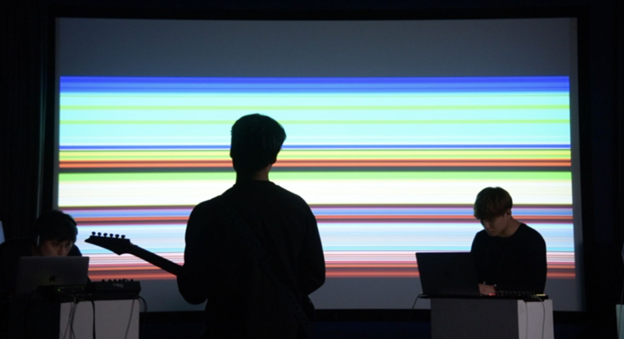
The Musical Score of the City: Jongno is structured by layering subjective sounds interpreted by the three artists onto algorithmically generated visuals and sounds based on thirty years of building data. Through this process, Team TRIAD juxtaposes objective data with individual sensory interpretation, presenting the city not as a fixed structure but as a collection of rhythms and temporal layers open to interpretation. This approach marks the starting point of a core concept that recurs throughout their practice: maintaining tension between the “objectivity” of data and the “subjectivity” of human perception.

This line of inquiry expands further in Data Pulse: Incheon (2019), where the city is understood as a living organism. By analyzing logistics, atmospheric, and urban structural data from Incheon, the collective likens the circulation of a port city to the human circulatory system, revealing the city as a constantly flowing and pulsating system. Here, data functions not as abstract numerical values but as a medium through which the city’s physiology and rhythm are made perceptible.

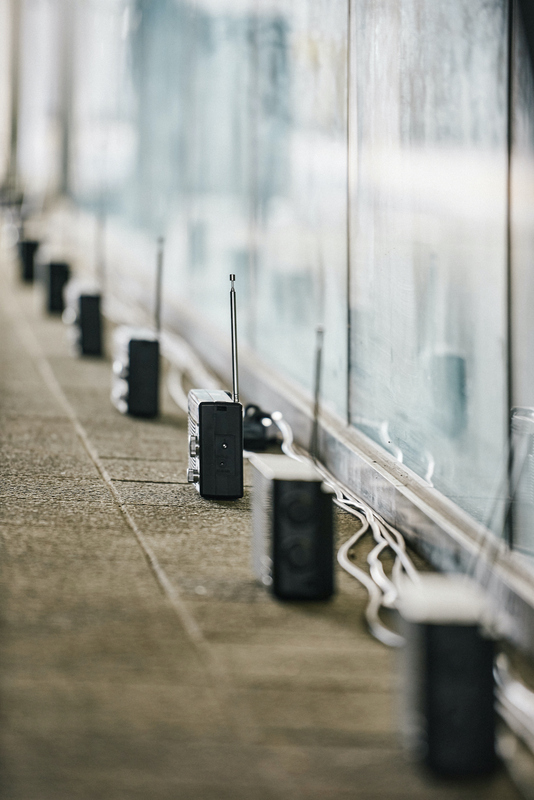
From 2020 onward, the ‘Urban Jaesaeng Device’ series shifts the focus of data toward questions of temporality, memory, and representation. Works such as Urban Jaesaeng Device (2018), Urban Jaesaeng Device #2: Sound Walk (2022), Urban Jaesaeng Device #3: Rotary (2022), and Urban Jaesaeng Device #4: Phantom Pain (2024) share a common question: how can traces of cities that have disappeared or become inaccessible be reactivated through sensory experience? Through data and technology, Team TRIAD connects past, present, and future, inviting viewers to reconsider the city on the levels of memory and imagination.

Style & Contents

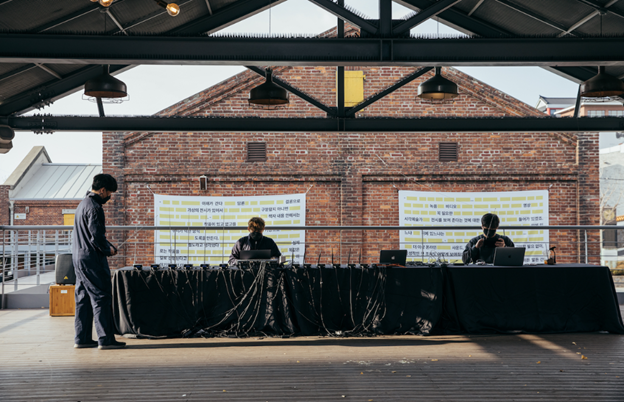
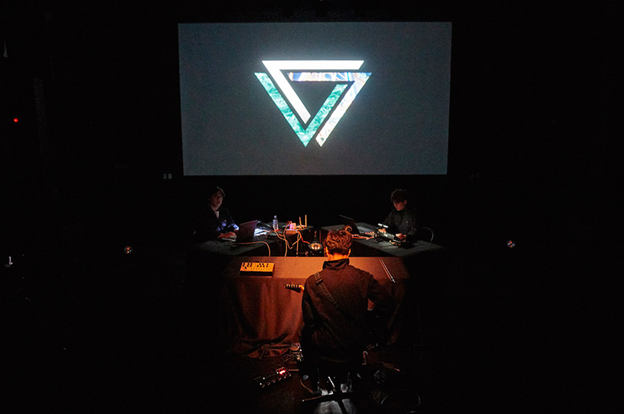
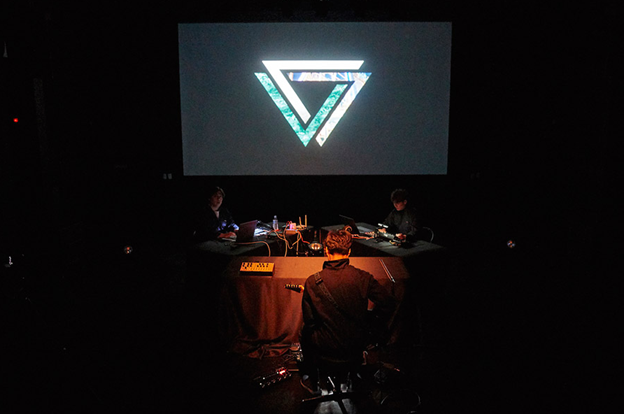
Team TRIAD’s practice is grounded in sound-centered media experimentation, while its formal structure gradually expands and becomes more complex over time. Early sound performance works such as The Musical Score of the City: Jongno combine data sonification with improvisational performance, positioning sound as a primary medium for interpreting the city. In these works, sound reveals the underlying structure of data while simultaneously producing variable sensory experiences through performers’ interventions.

In Data Pulse: Incheon, sound is actively combined with visual and installation elements. Diverse forms of urban data—such as air pollution levels, logistics flows, and architectural information—are translated into audiovisual forms, allowing audiences to both “hear” and “see” the rhythms of the city. This work represents a turning point at which Team TRIAD moves beyond a single medium toward immersive audiovisual environments.

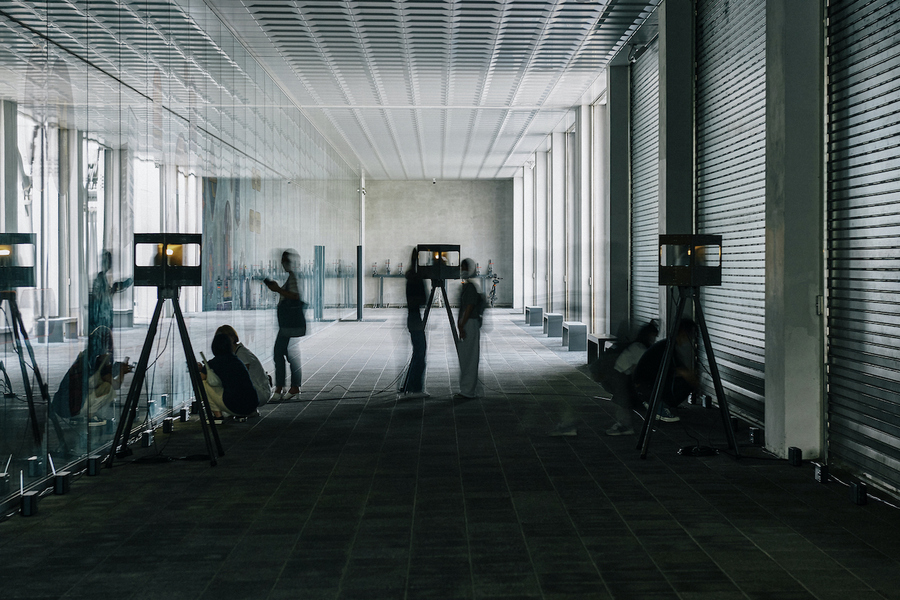
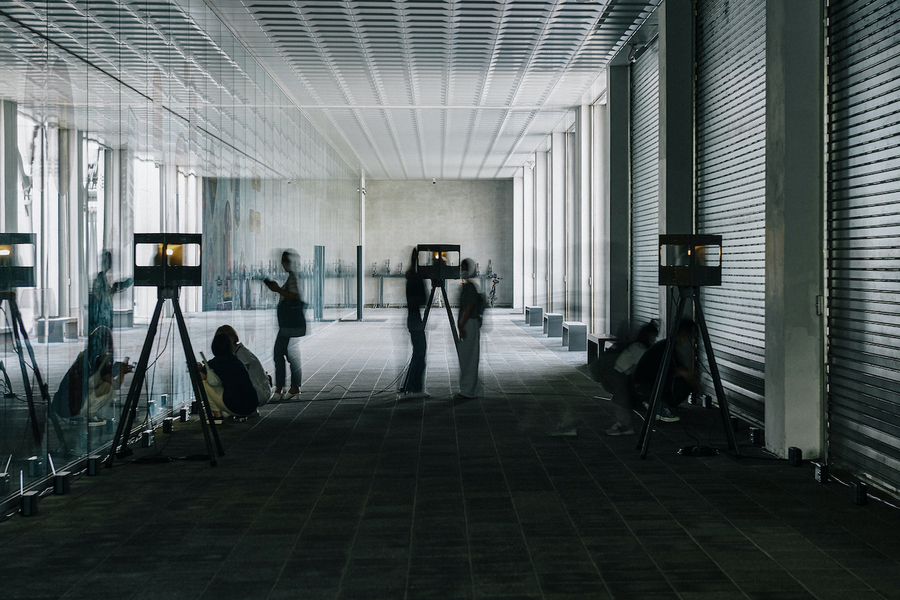
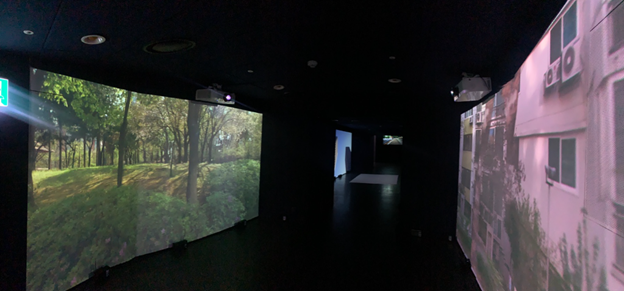
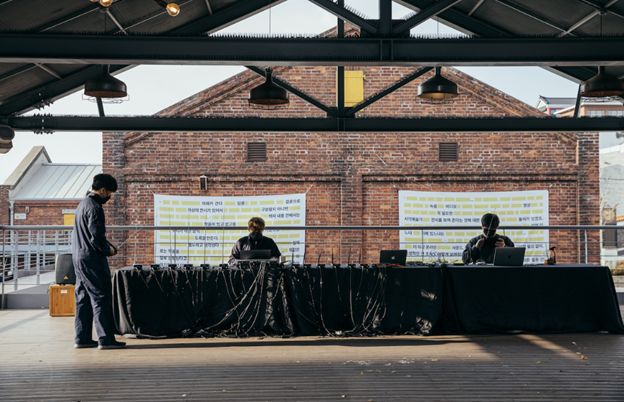
With the ‘Urban Jaesaeng Device’ series, the collective’s practice shifts decisively from performance to device-based installation. Urban Jaesaeng Device draws on the historical context of the phonautograph as a data sculpture, transforming urban records into a “playable instrument.” In Urban Jaesaeng Device #2: Sound Walk, a multi-channel radio system integrates audience movement and listening behavior into the work itself, turning the entire space into a sonic environment.

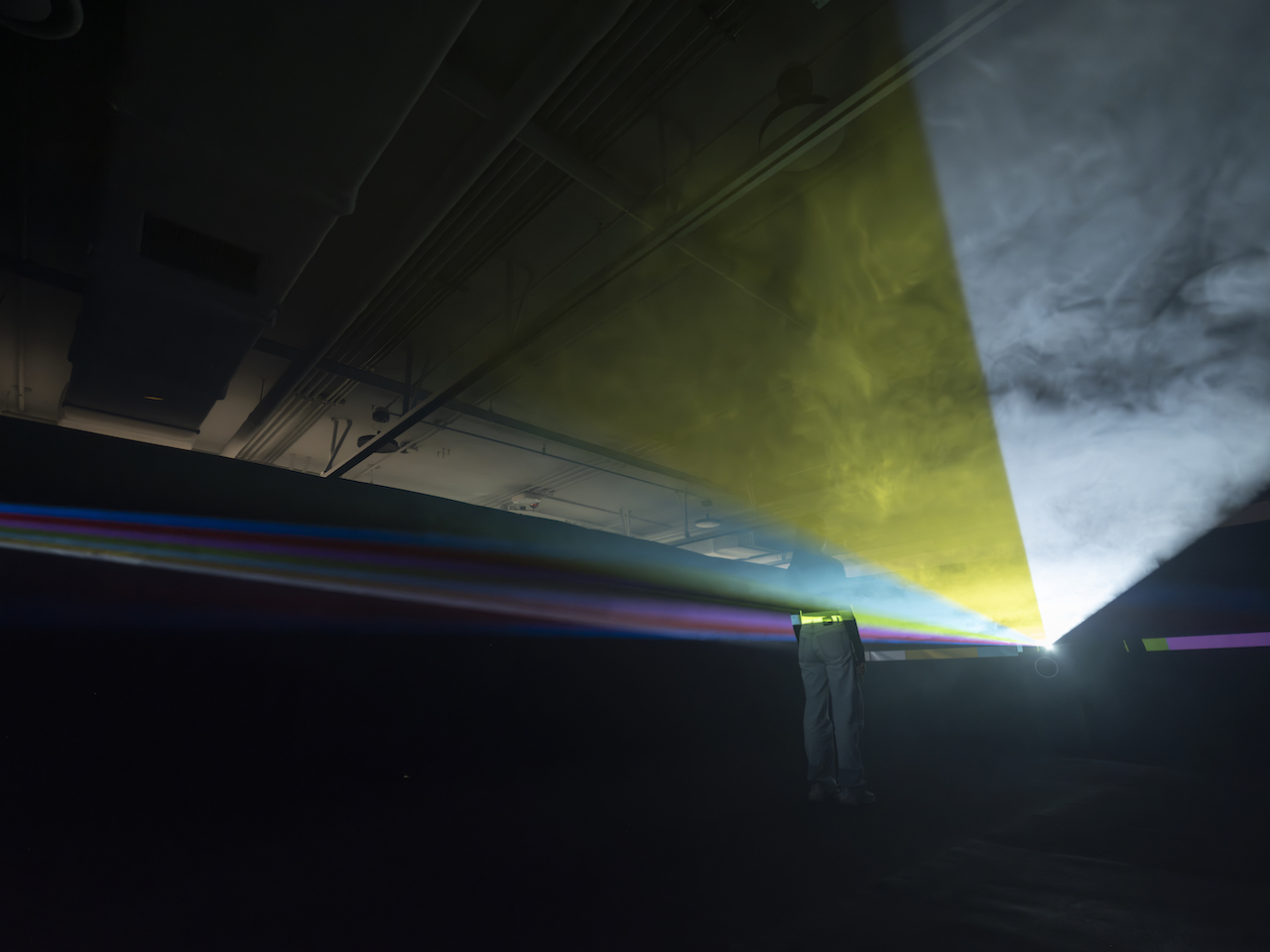
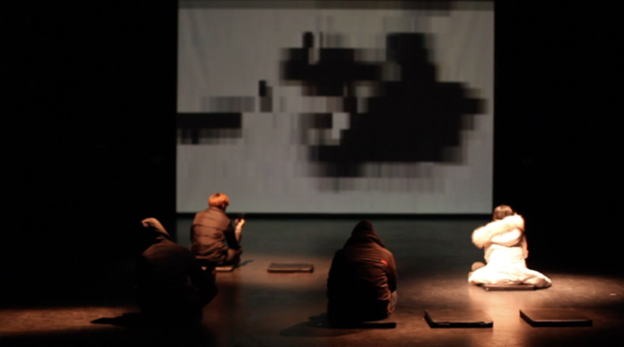
In the recent work Urban Jaesaeng Device #4: Phantom Pain, light and video emerge as key components alongside sound. By compressing media data from Seoul and Pyongyang into color spectra and sound, the work experiments with modes of representation through the active involvement of projectors and the audience’s body. Centered on sound yet extending into data sculpture, multi-channel installation, and video, Team TRIAD fluidly traverses the boundaries between media.

Topography & Continuity

Team TRIAD’s practice is consistently structured around a connective framework linking data, sound, space, and the body. While early works emphasize the relationship between data and sound, spatial conditions and the audience’s physical presence gradually become central elements, expanding both the scale and density of their installations. The performer-centered structure of The Musical Score of the City: Jongno shifts toward audience-centered listening experiences in Urban Jaesaeng Device #2: Sound Walk.

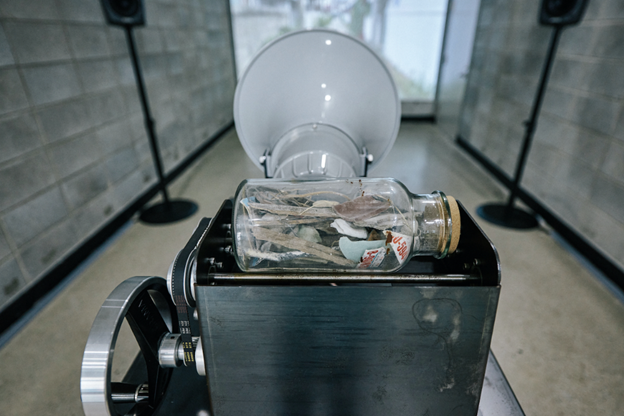
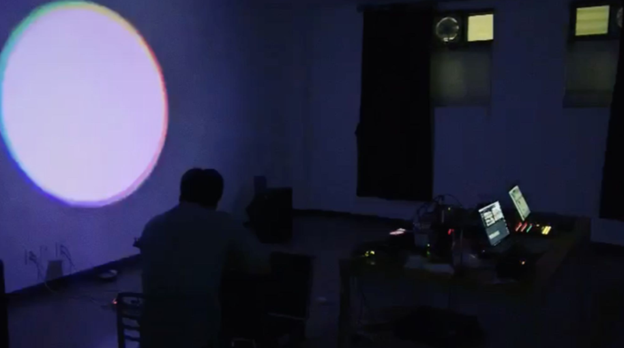
Rather than fixing the city as a singular image or narrative, the collective treats it as a multilayered and fragmented aggregation of sensations. If Data Pulse: Incheon articulates urban circulation through rhythm, Urban Jaesaeng Device #3: Rotary transforms traffic data into rotational movement and Doppler effects, emphasizing repetition and cyclical motion within the city. These works demonstrate how different types of data invite distinct auditory and spatial interpretations.

Beyond the sensory effects produced by data, Team TRIAD increasingly engages directly with questions of representation and perception. In Urban Jaesaeng Device #4: Phantom Pain, data undergoes processes of compression and reduction into pixels and sound, then becomes fragmented again through the mediation of the audience’s body. This points to the fundamentally incomplete and conditional nature of how cities are understood and represented.

In this way, Team TRIAD’s practice does not shift abruptly in response to changing technologies, but rather maintains a consistent set of questions while gradually expanding the layers of media and perception through which they are explored. By activating sensory awareness through urban data and destabilizing habitual modes of perception through audience participation, their work continually renews the question of how we sense and understand cities—and the world—within an information-saturated society.

Works of Art

New Auditory Experiences through Soundscapes

Articles

Exhibitions

Activities