WONJEONG
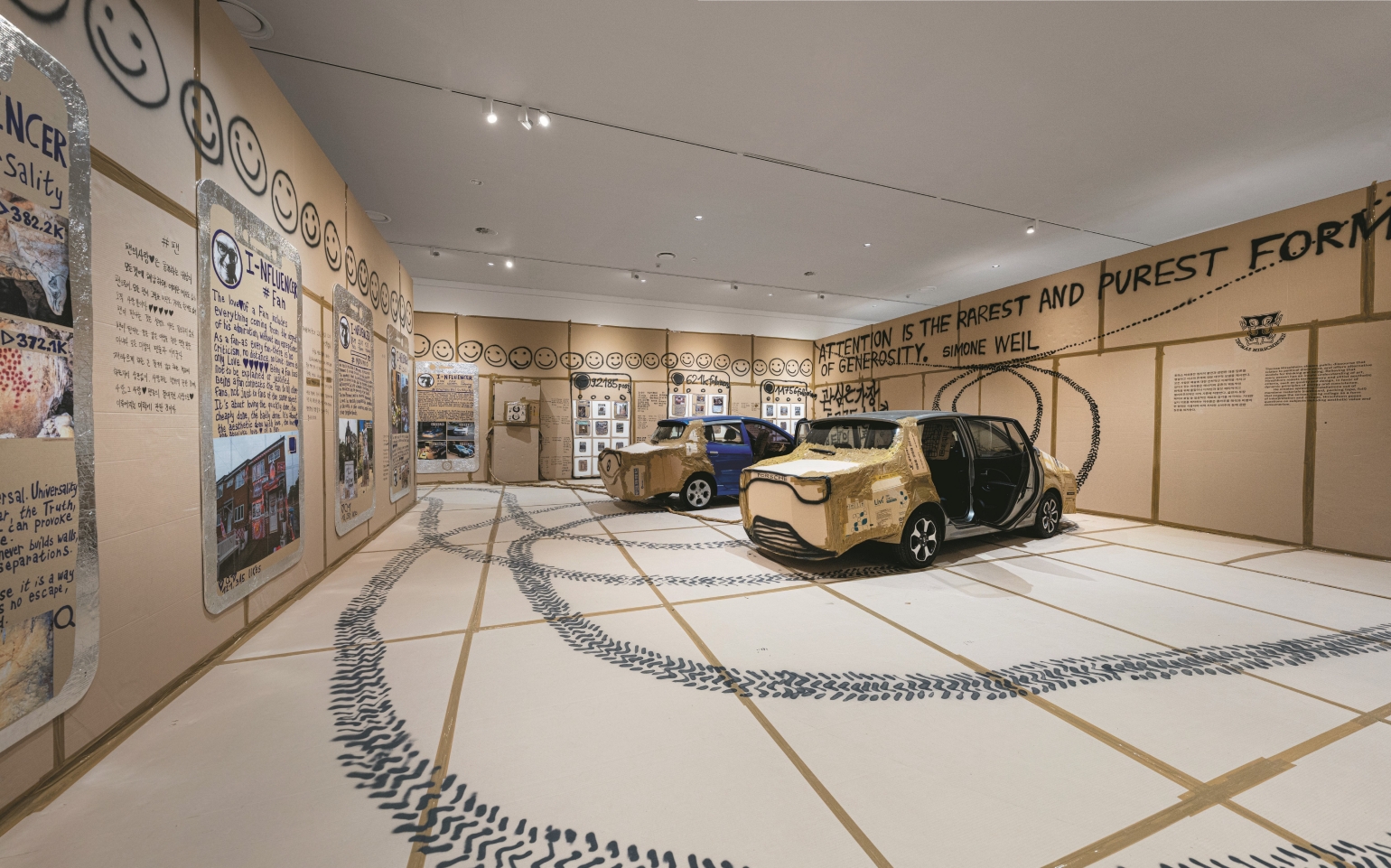
DEPARTMENT STORE works across media installation, performance, music albums,
and music videos, resisting fixation on a single medium. Rather than treating
digital imagery as content alone, she incorporates its modes of production,
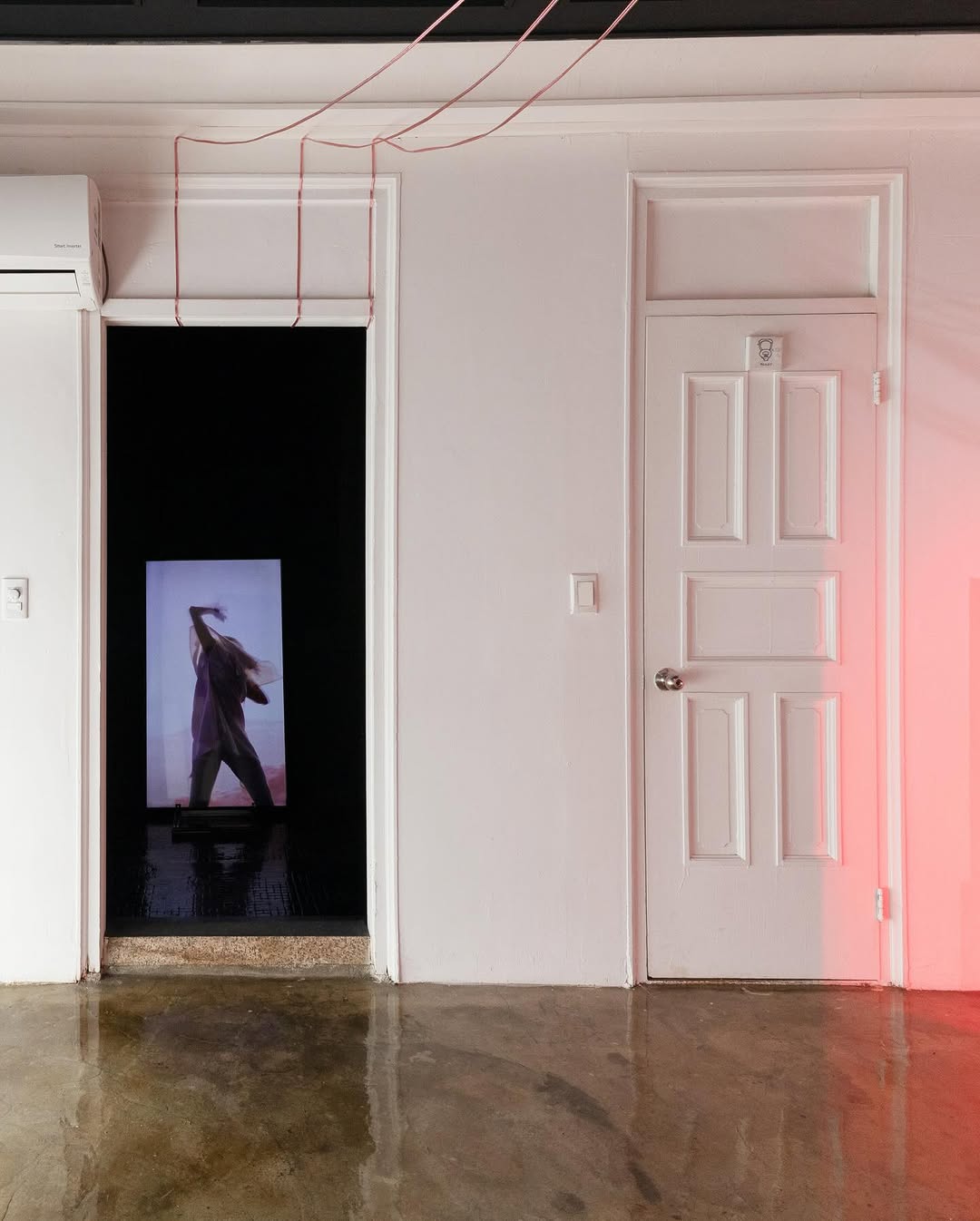
circulation, and consumption into the structural logic of her work. Performance
functions as a key device that connects bodies on screen with bodies in
physical space, positioning viewers as both visual spectators and sensory
witnesses.
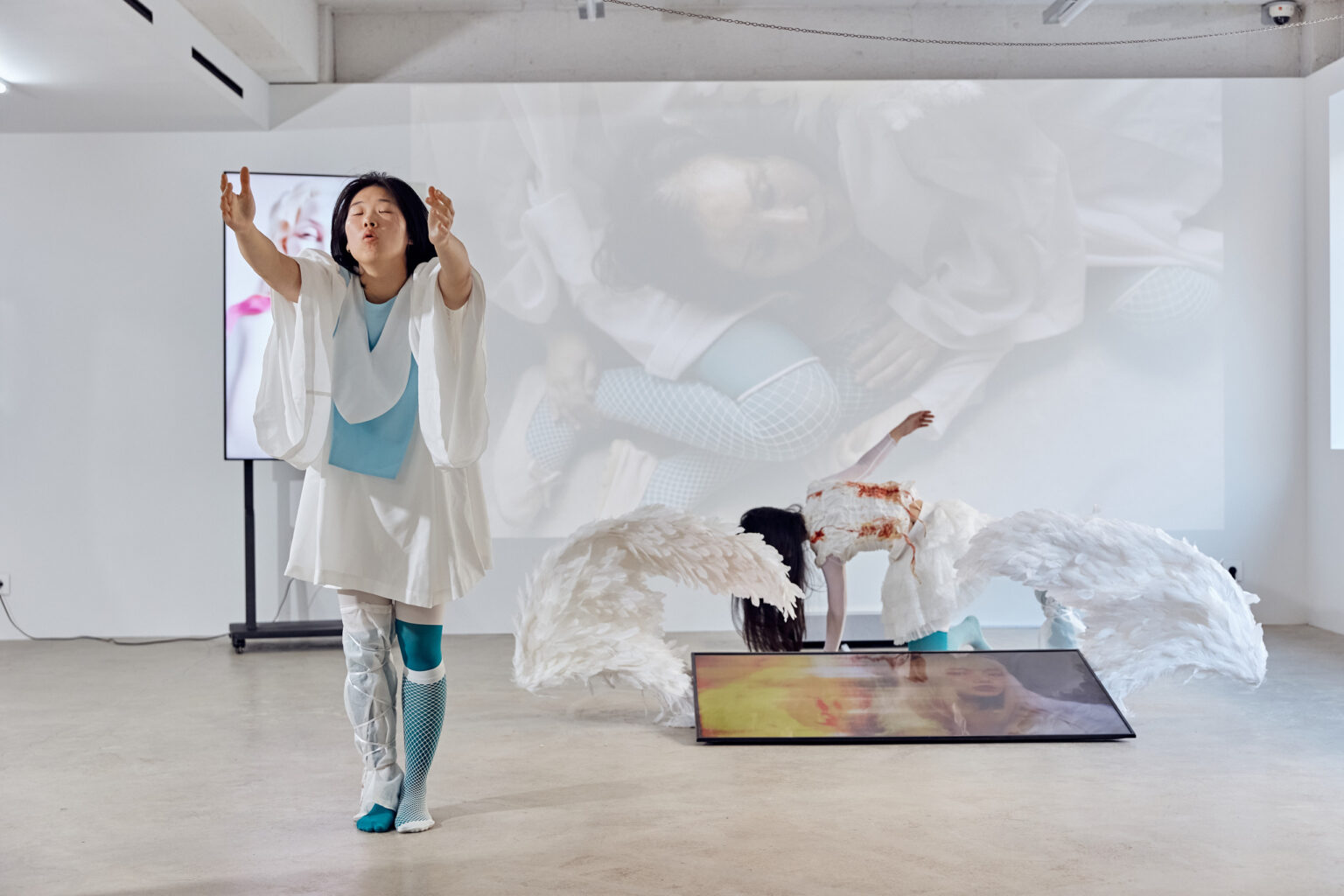
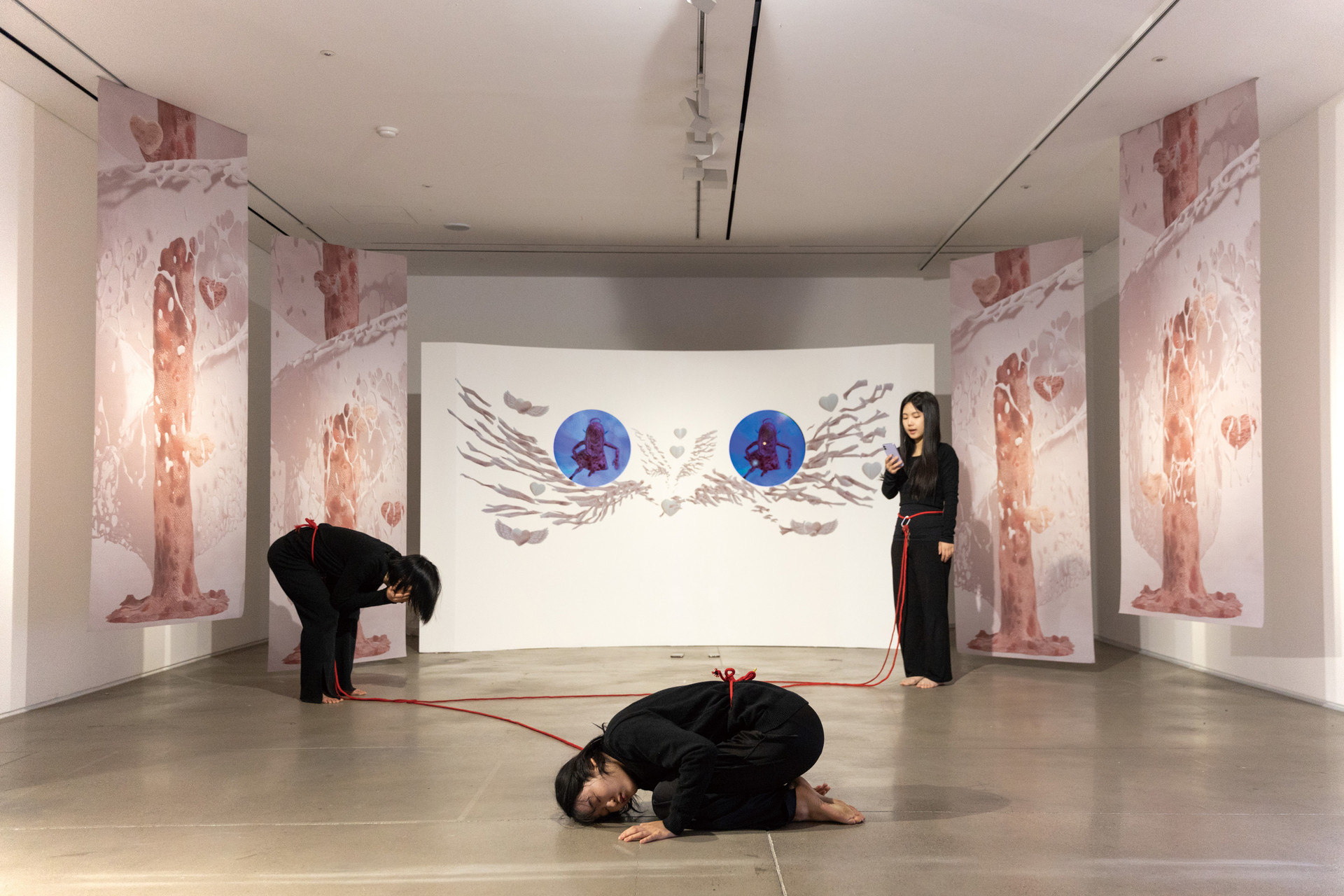
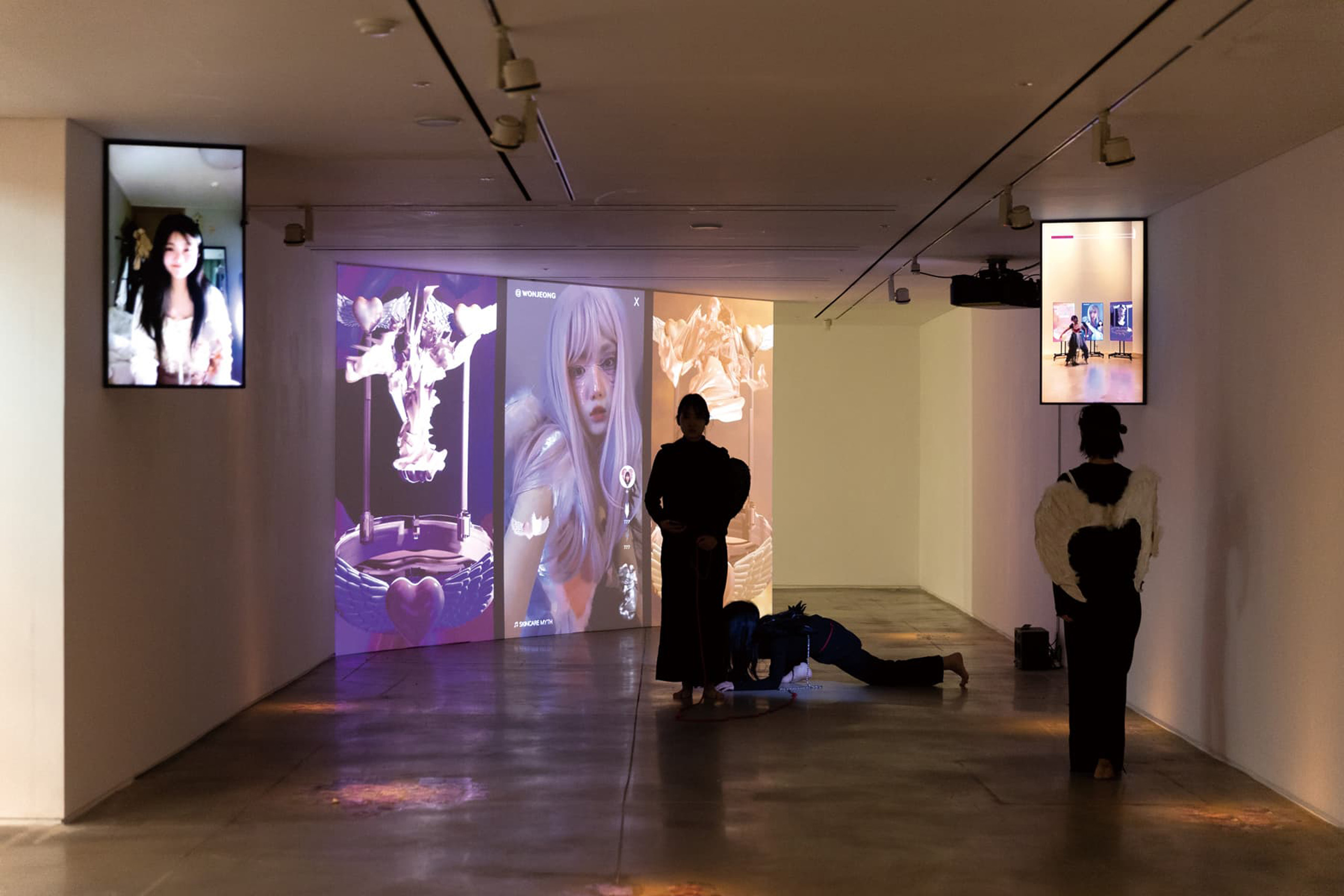
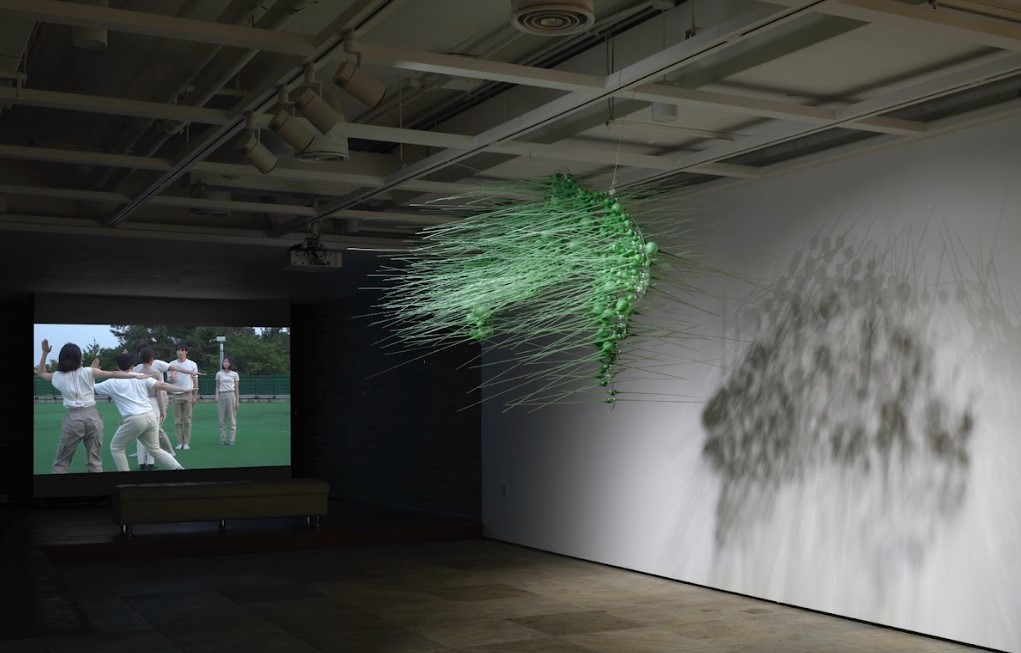
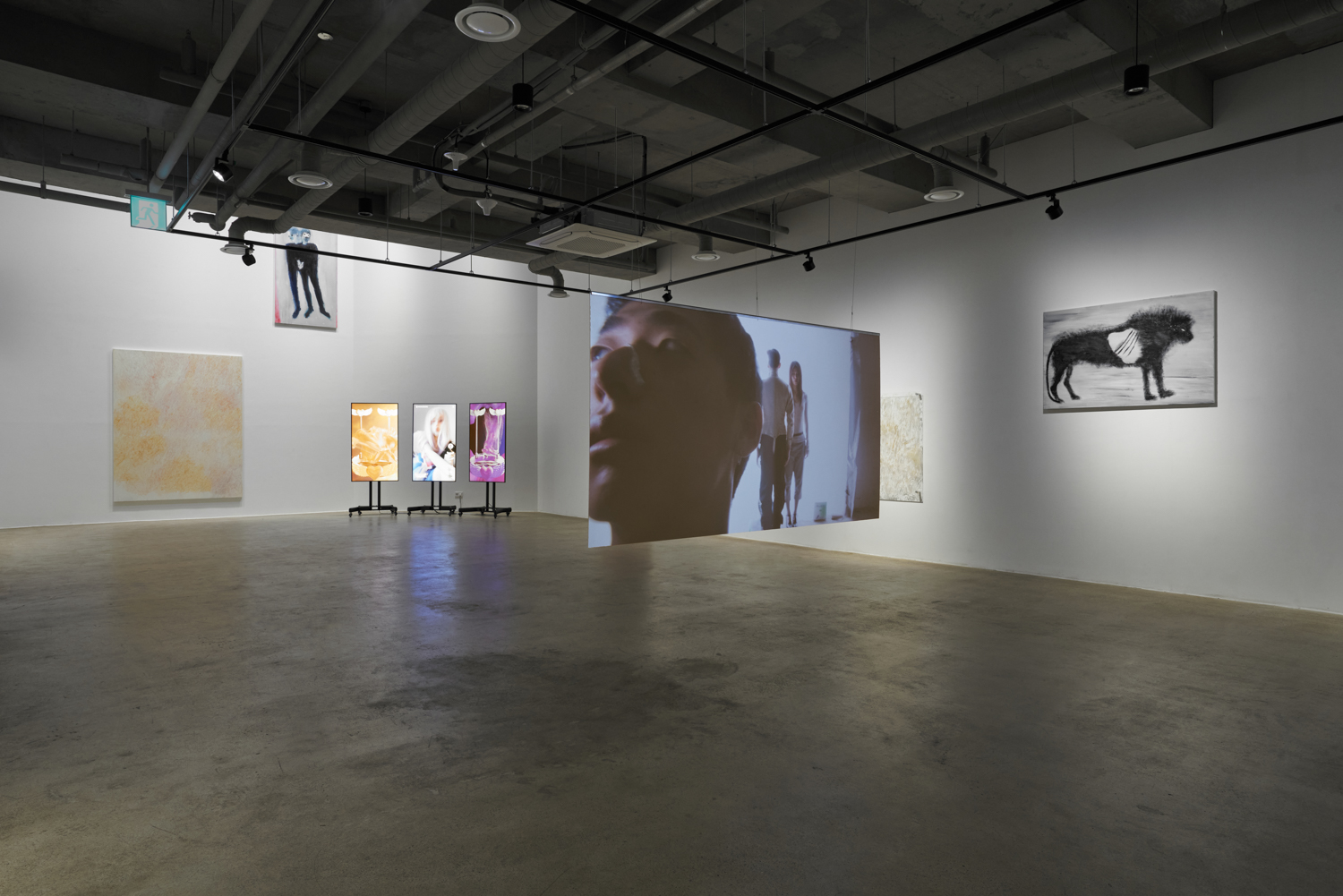
In SKINCARE
MYTH, a triptych-like three-channel screen structure is combined with
live performance. Selfie images at the center, flanked by angelic and monstrous
figures, are staged alongside a performing body beneath the screens. This
configuration simultaneously separates and links the gaze of the on-screen body
and the physical body, establishing a contrast between images oriented outward
and a body focused inward on sensation.
BED
TRAINING (2023) and Pure
Hymn further extend this structure, constructing theatrical
environments that combine beds, mangers, sound, and AI-generated imagery.
In BED TRAINING, performances are scripted through
dialogues with ChatGPT, presenting advertising, birth, and the transfer of
desire as a cyclical system. Technology here operates not simply as a tool, but
as a narrative mechanism mediating bodily experience and desire.
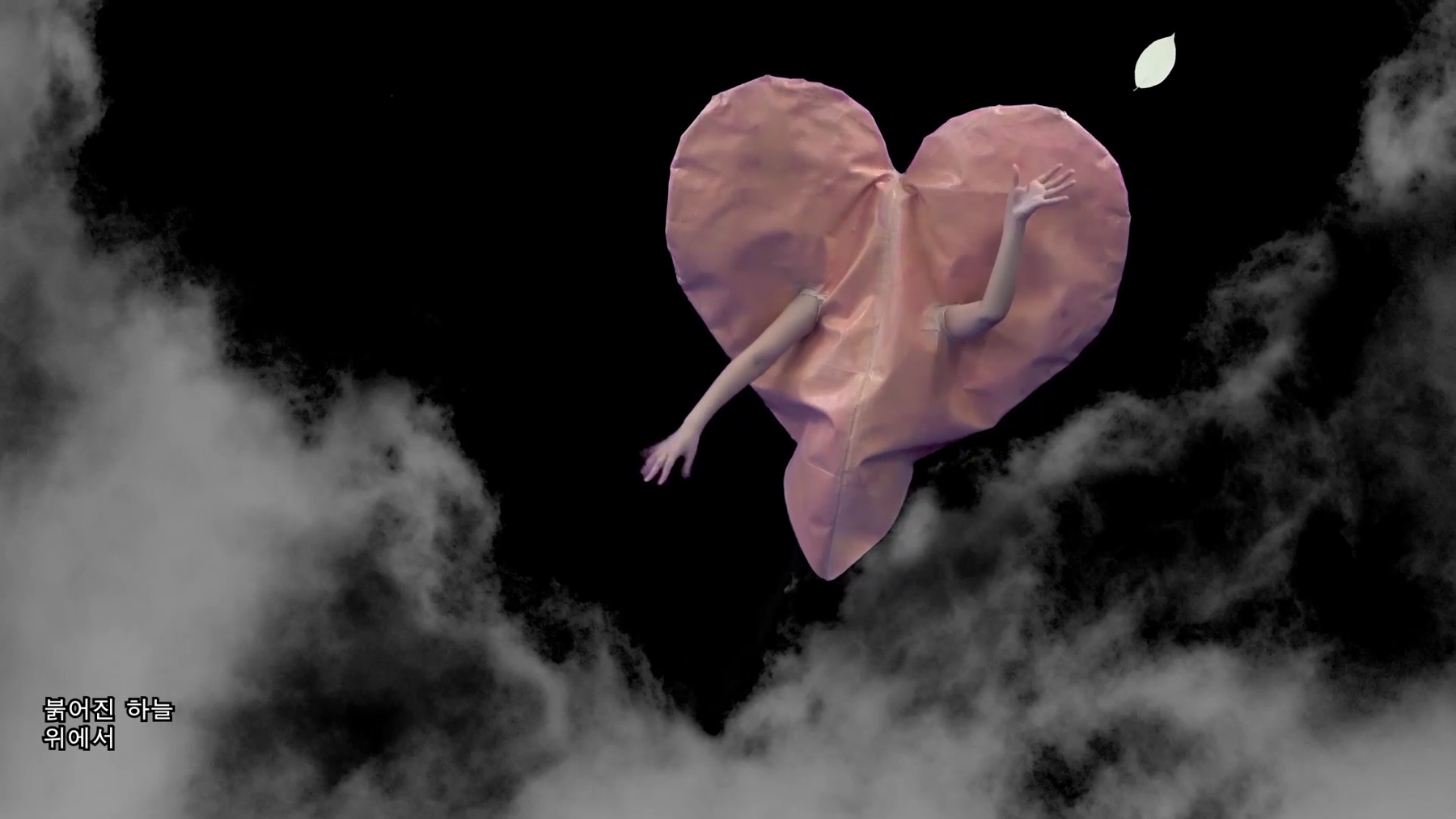
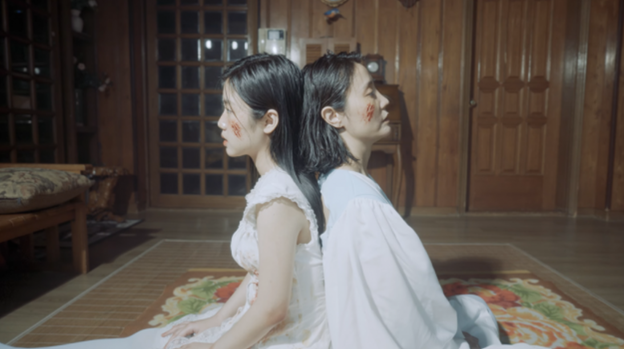
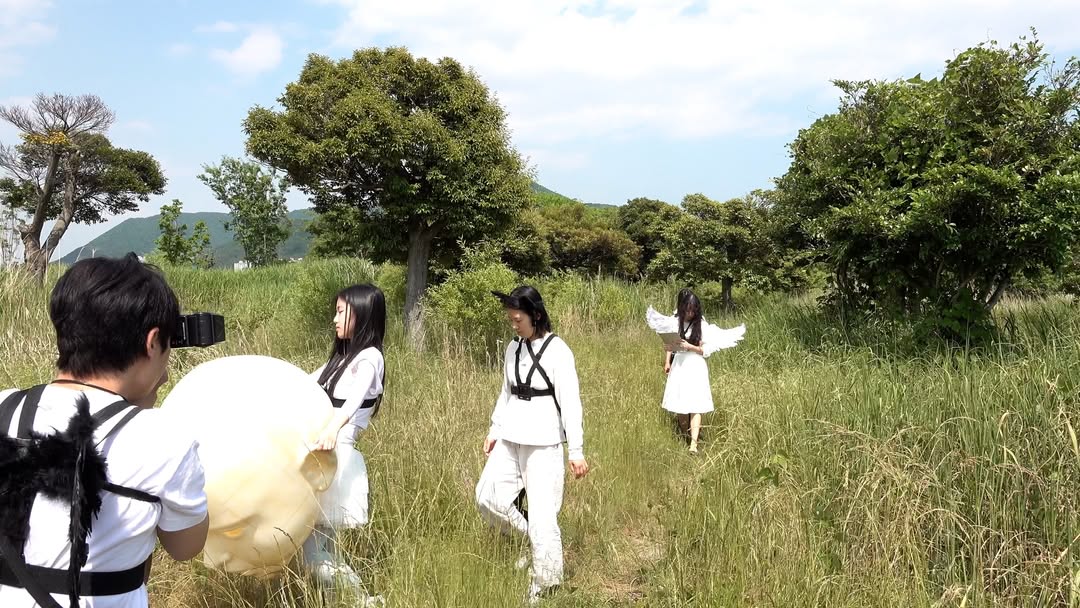
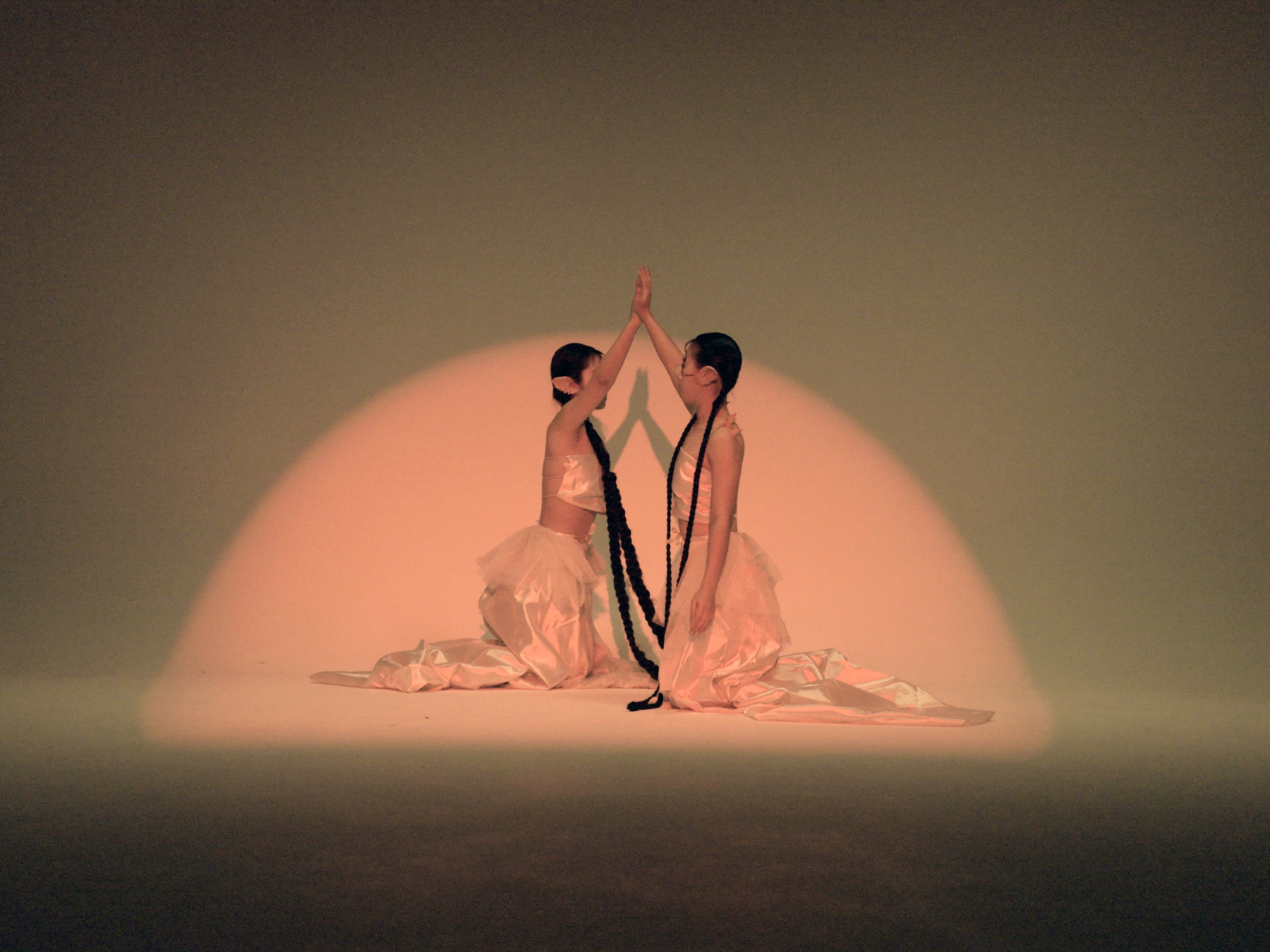
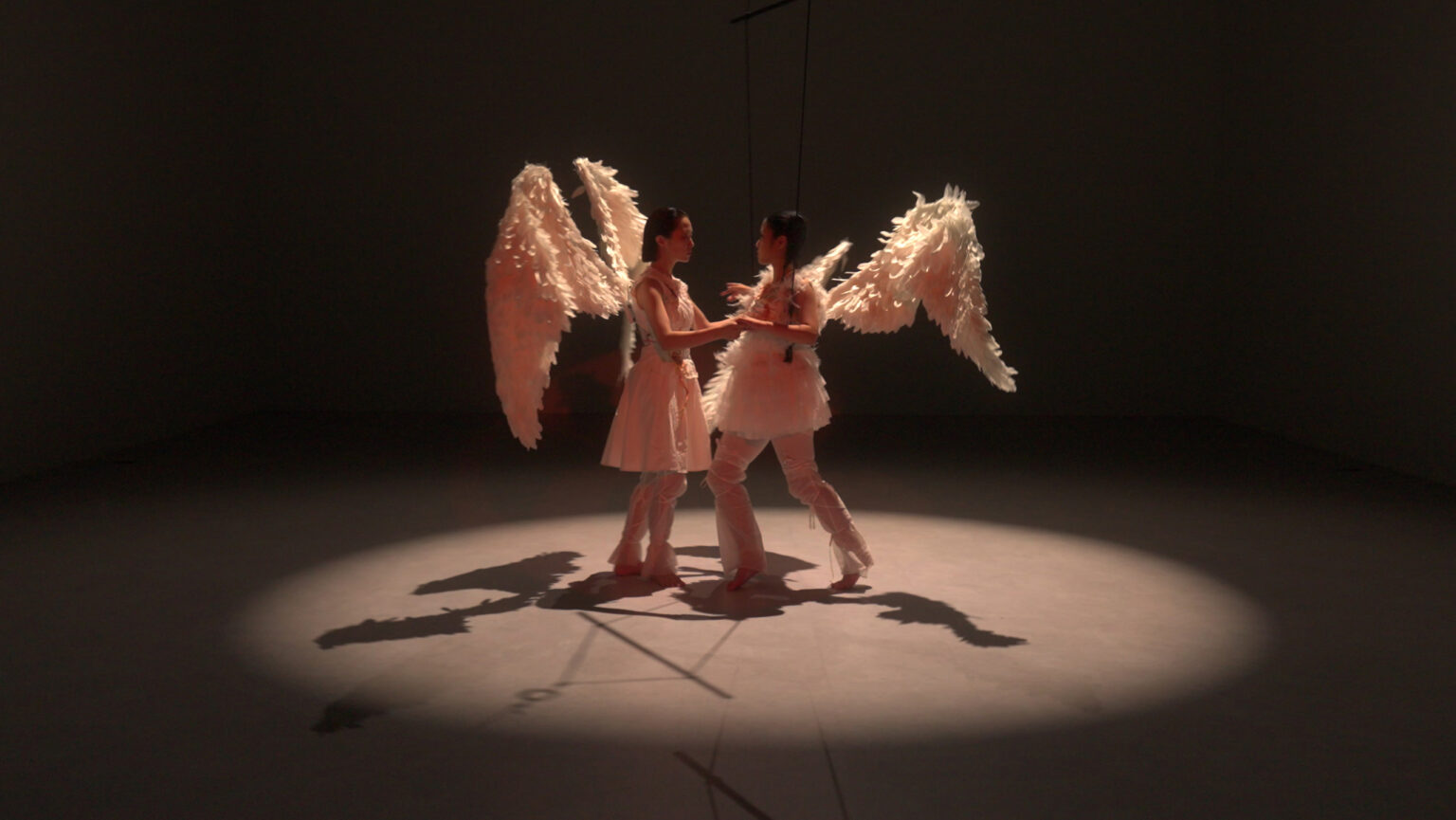
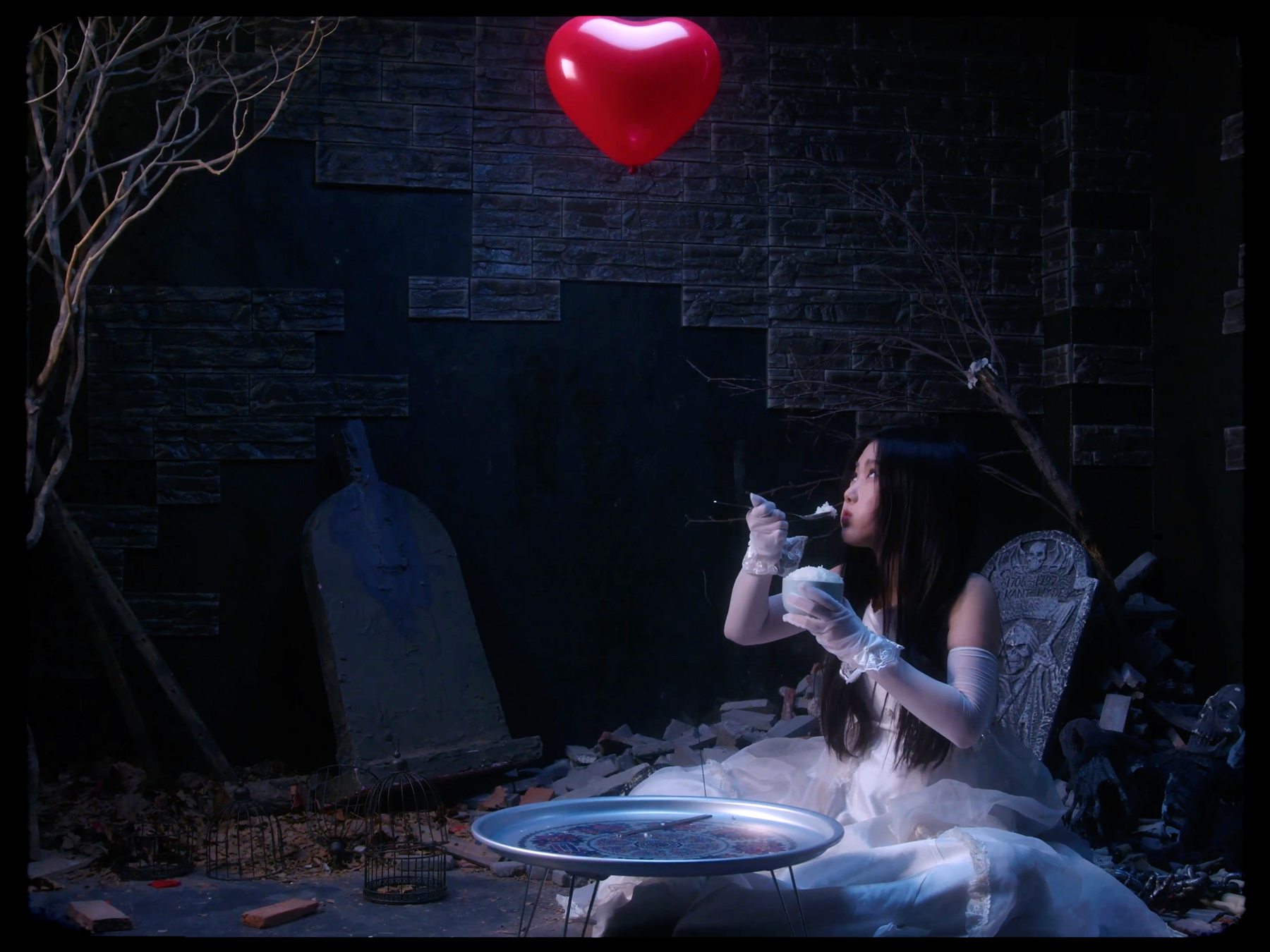
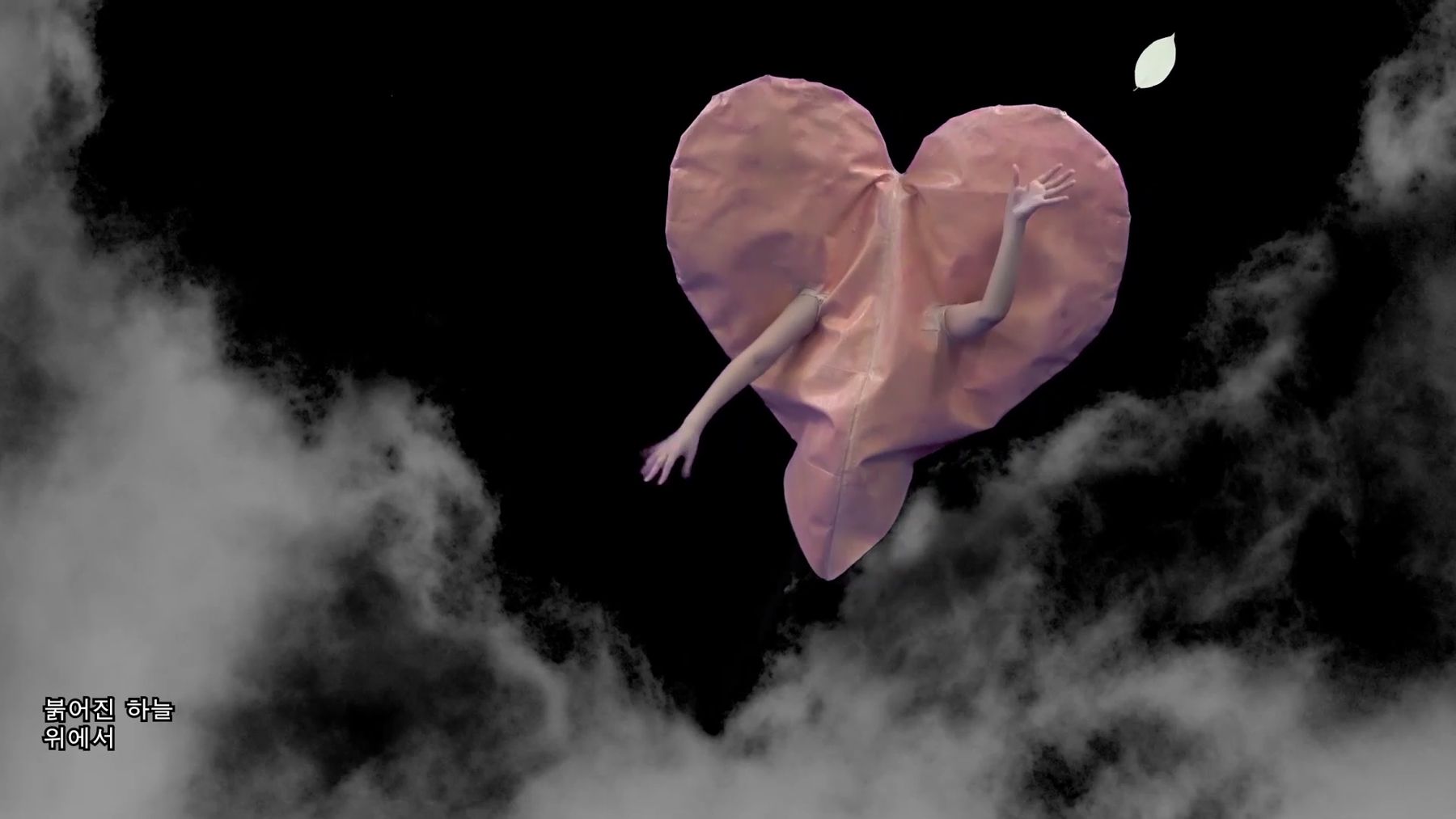
In AV.E-Maria and Puuple (2024),
these strategies shift toward music videos and long-duration performance
recordings. The continuously transforming body of E-Maria, the interplay of
nonverbal sounds and AI-generated voices, and the unstable boundary between
angel and monster collectively render the process through which the digital
self reorganizes its body. These works underscore the artist’s sustained
commitment to invoking bodily presence even within screen-based formats.