Eunju
Hong’s practice begins with a view of the history of technological development
as a reflection of human desire. Rather than accepting the dominant narrative
that technology has been invented to improve life, she focuses on how
fragility, violence, loss, and repression have accumulated alongside
technological progress. This perspective leads her to approach technology not
simply as a tool or an object of critique, but as a field in which human
emotion, memory, and embodied experience are deeply entangled. Through her
work, Hong elevates the points of collision between technology and emotion,
matter and memory into states of poetic tension, persistently examining moments
where personal wounds overlap with social ones.
From early
on, her interest has centered on how “the body” and “matter” are transformed
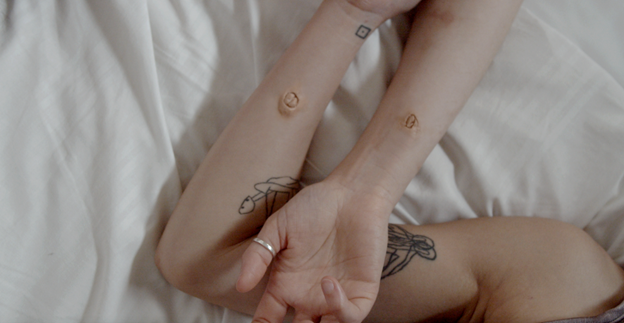
and acquire meaning within technological contexts. High
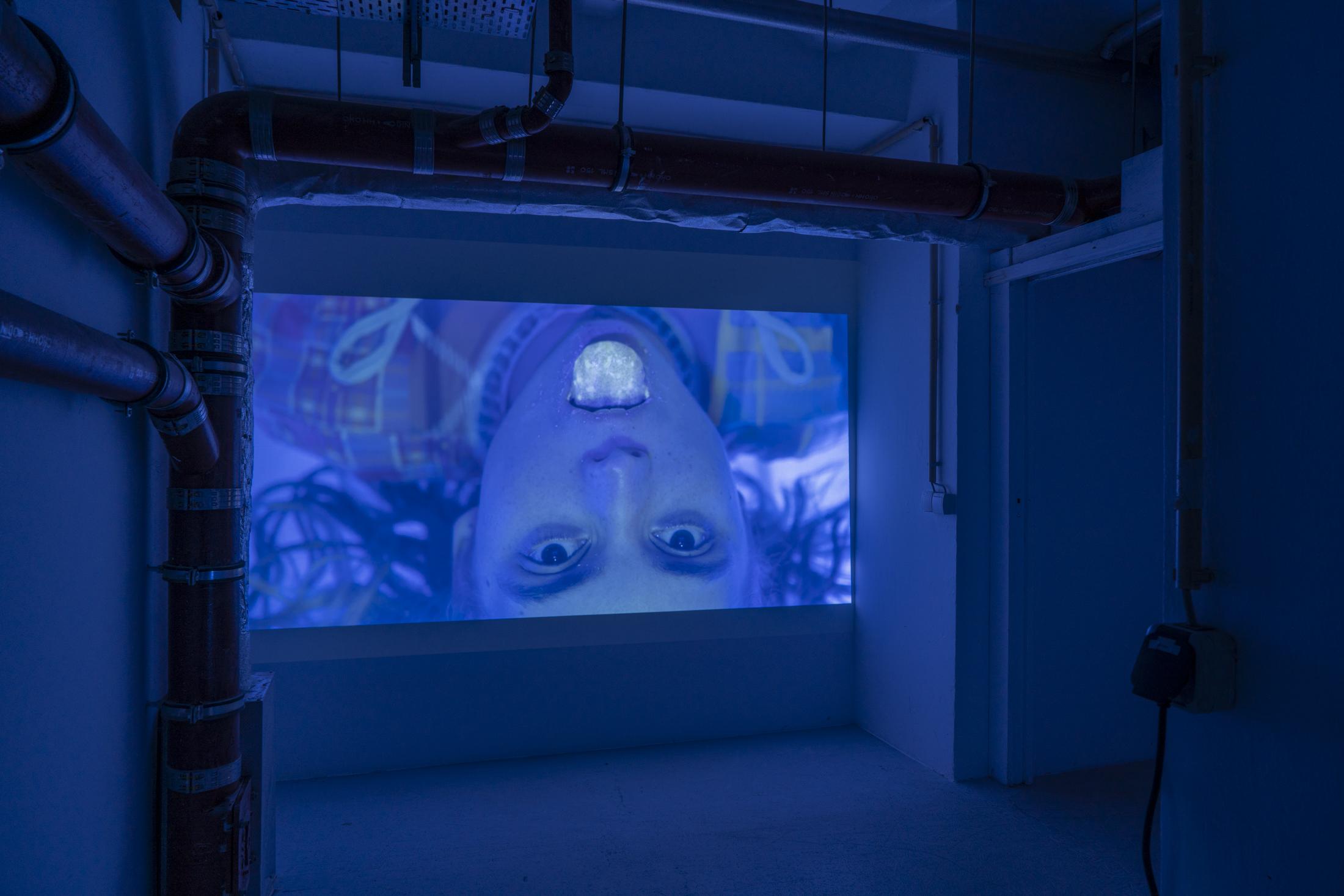
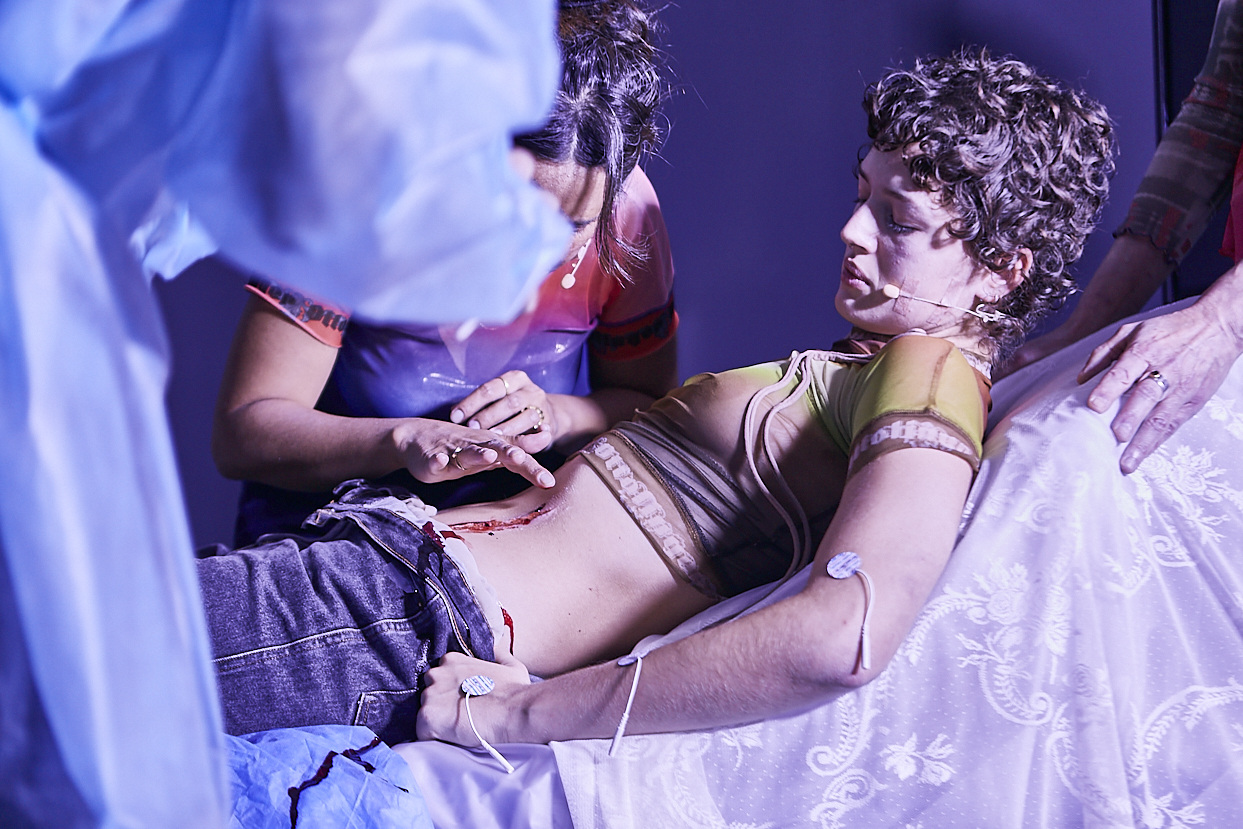
Fever(2023) reveals the vulnerability of human existence through the
relationship between medical technology and the body, showing how technology
paradoxically functions as a device that makes human incompleteness visible.
This approach shifts attention away from technological outcomes toward the
emotional residues and traumas produced in the process itself.
In her
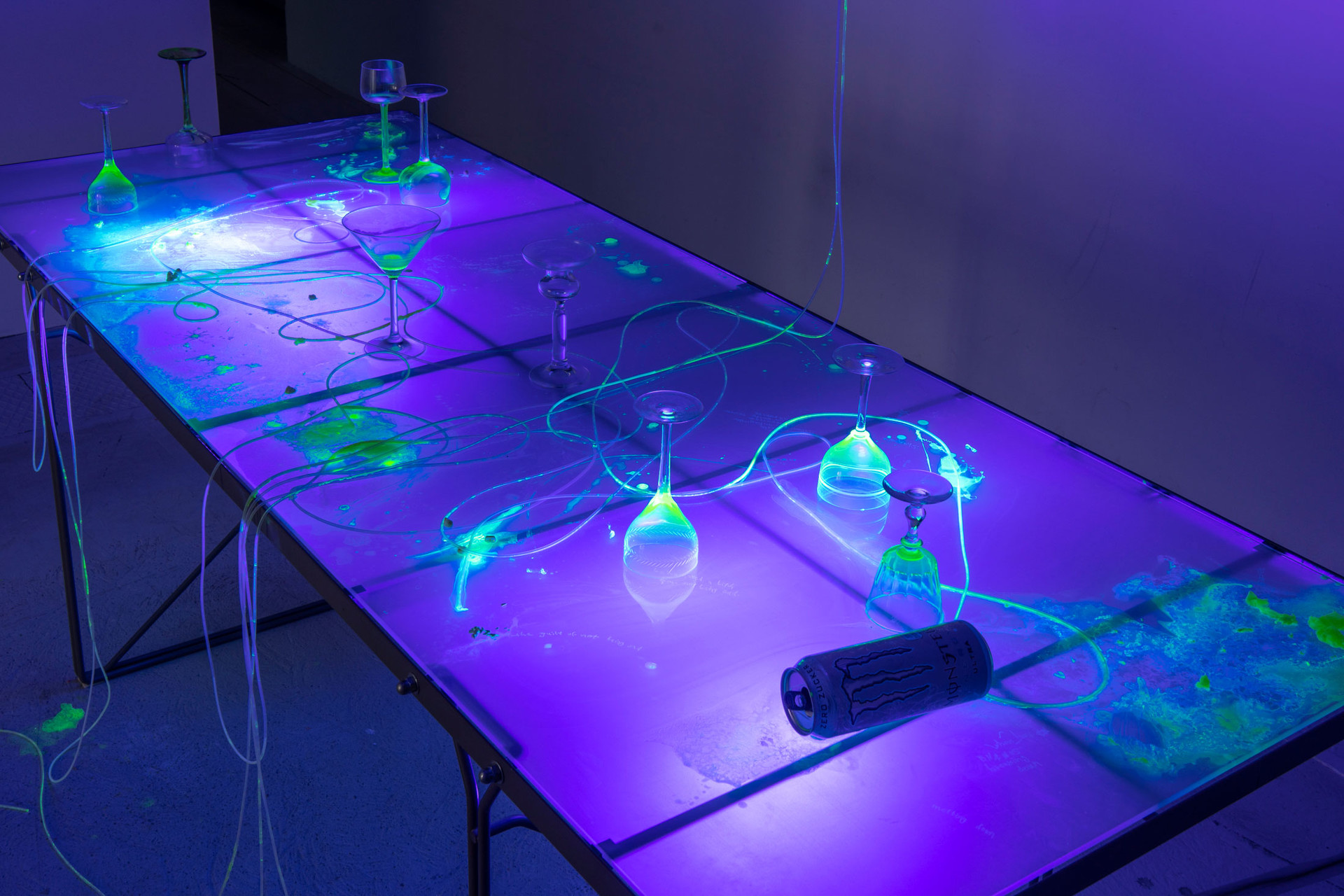
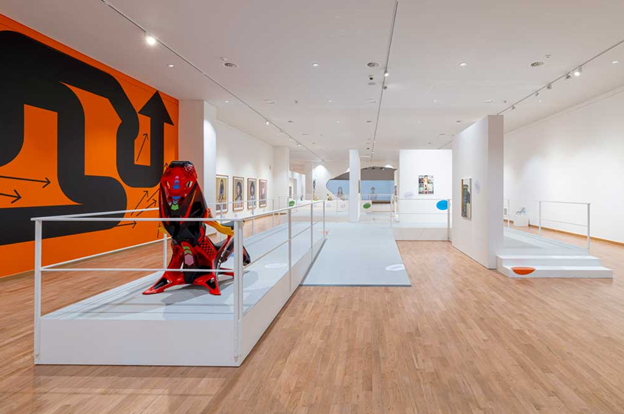
solo exhibition 《I want to mix
my ashes with yours》(Gallery175, Seoul, 2022), Hong
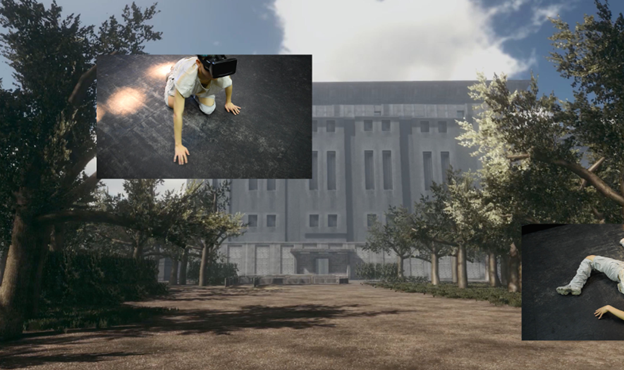
imagines a situation in which the boundaries between heterogeneous
entities—humans, buildings, machines, and animals—collapse. Here, the concept
of the body is expanded from a singular subject into a non-linear network of intertwined
beings. The phrase “mixing ashes” is recontextualized beyond a metaphor for
eternal love, instead pointing to contemporary conditions in which the
boundaries between forms of existence become increasingly ambiguous.
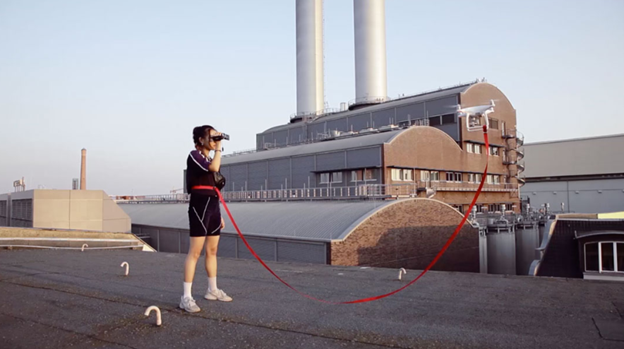
In her
later works, Hong further expands her inquiry into issues of technology, power,
and the gaze through the keywords of wound, suturing, manipulation, and
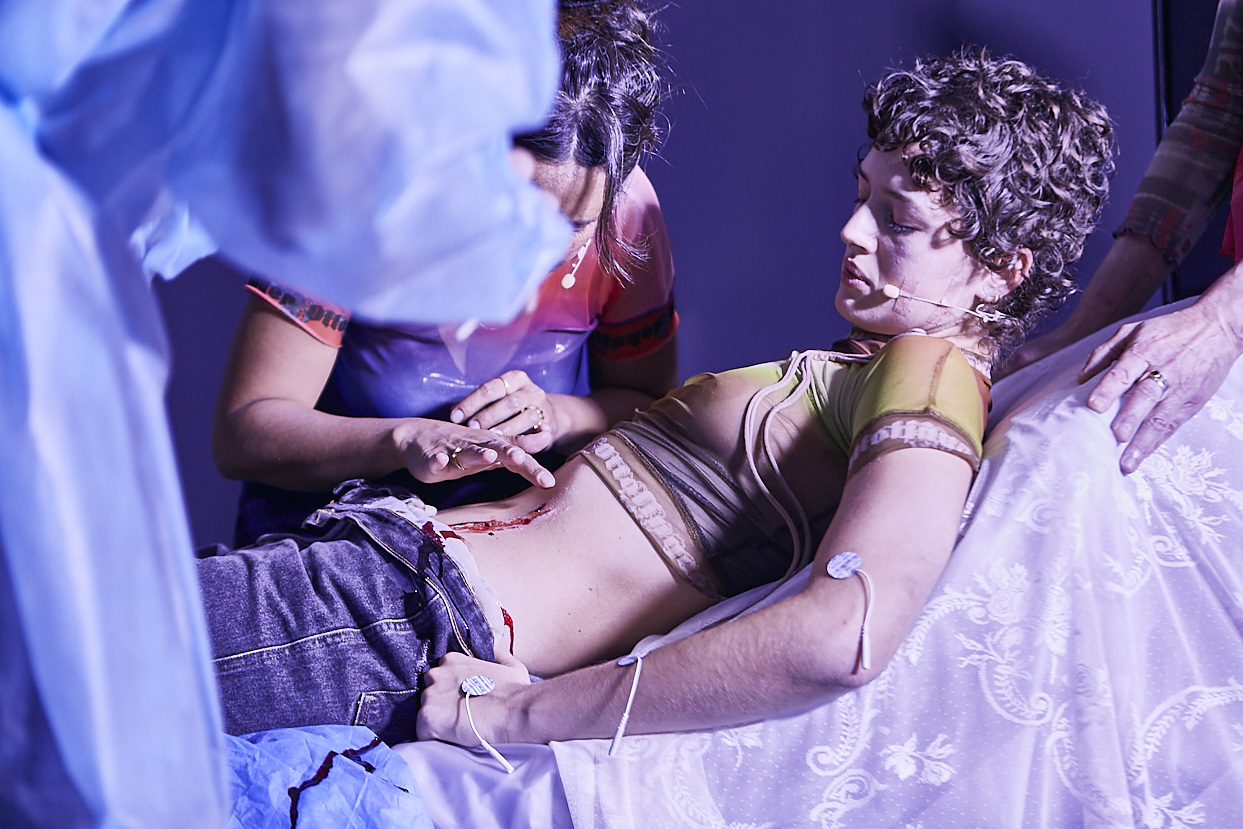
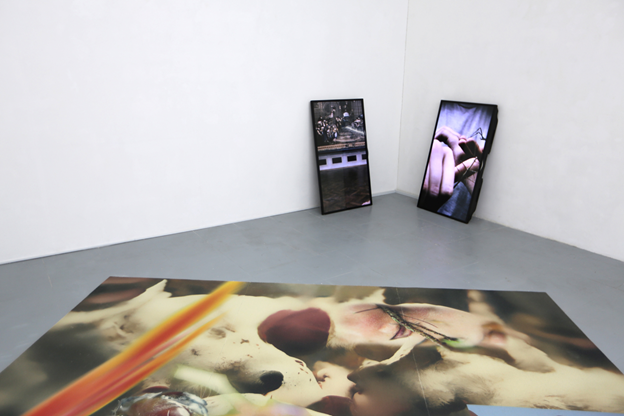
representation. Suture(2023) and the solo exhibition 《Suture-rewired》(Arcade Seoul, Seoul, 2024)
trace how wounds have historically been transformed into spectacle and
subsequently concealed, beginning with the “operating theater” of Western
medical history.
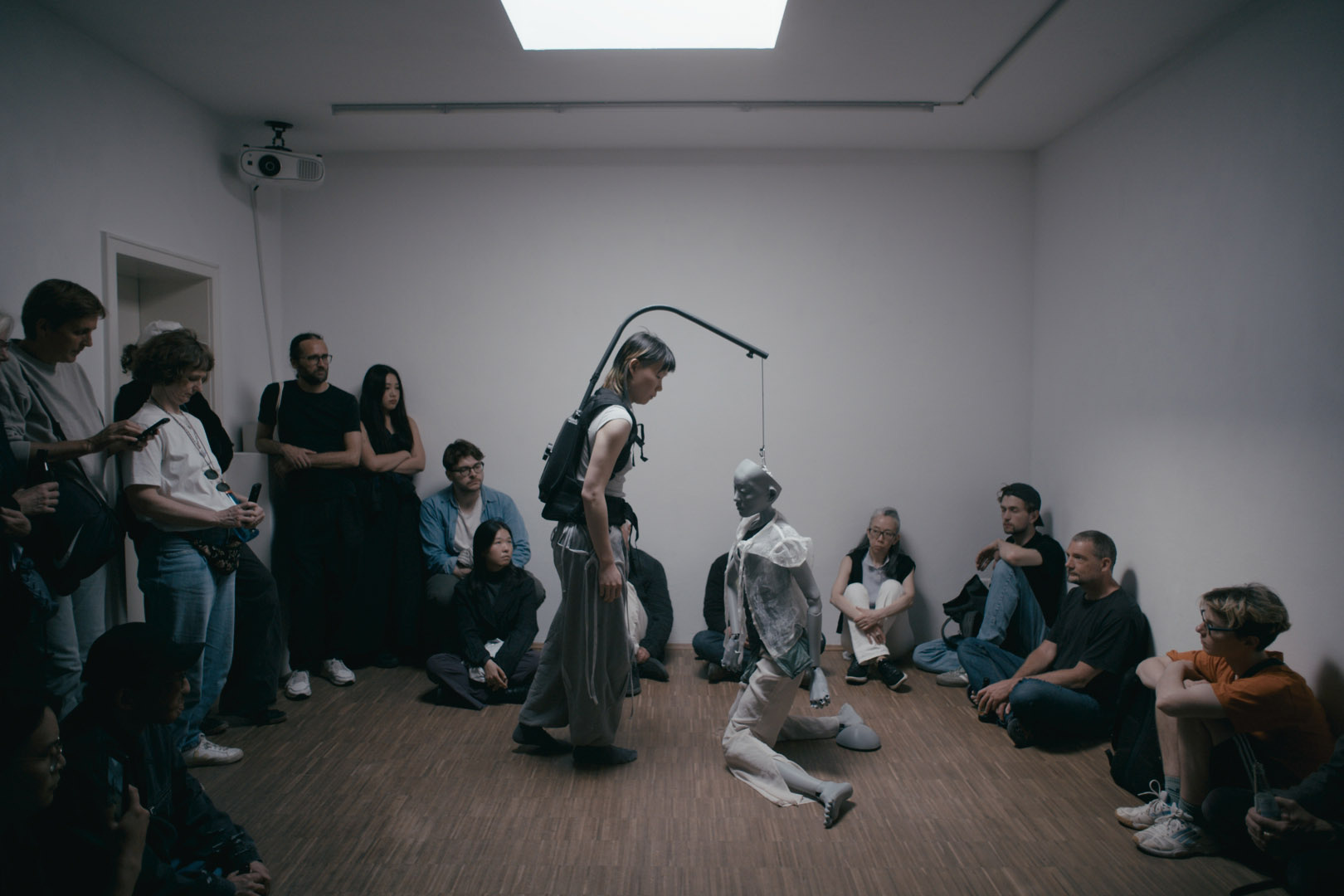
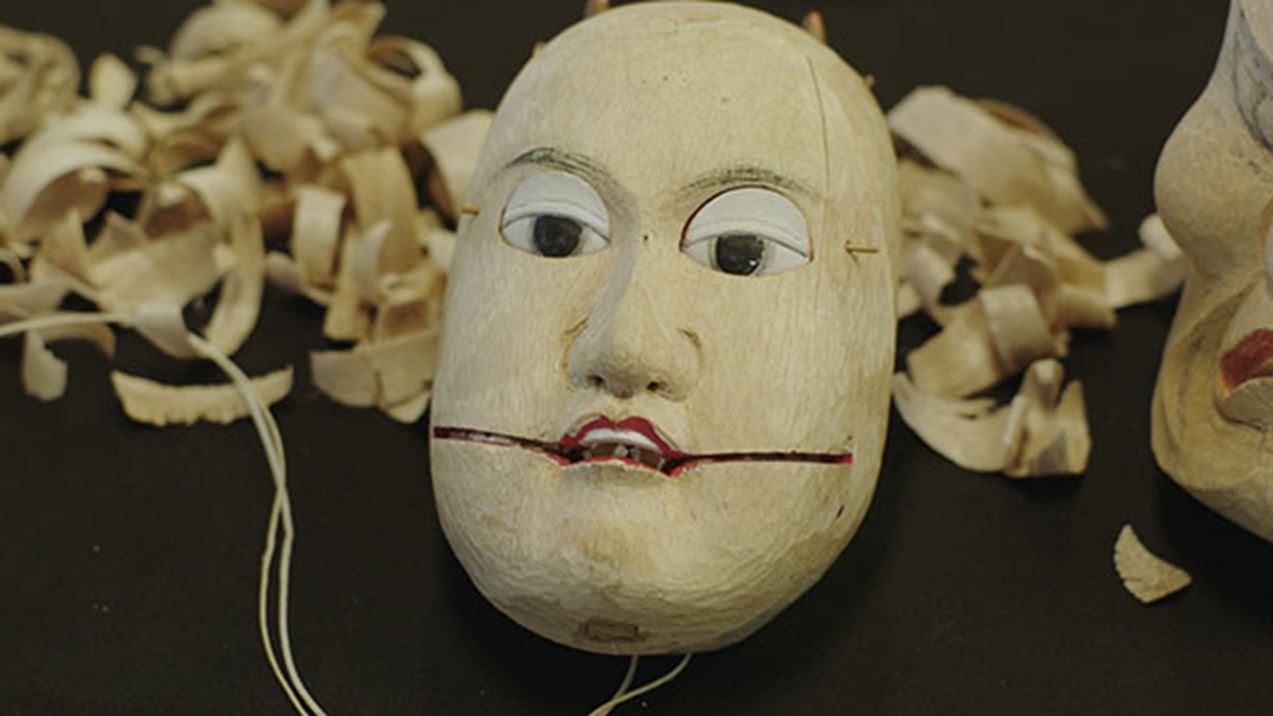
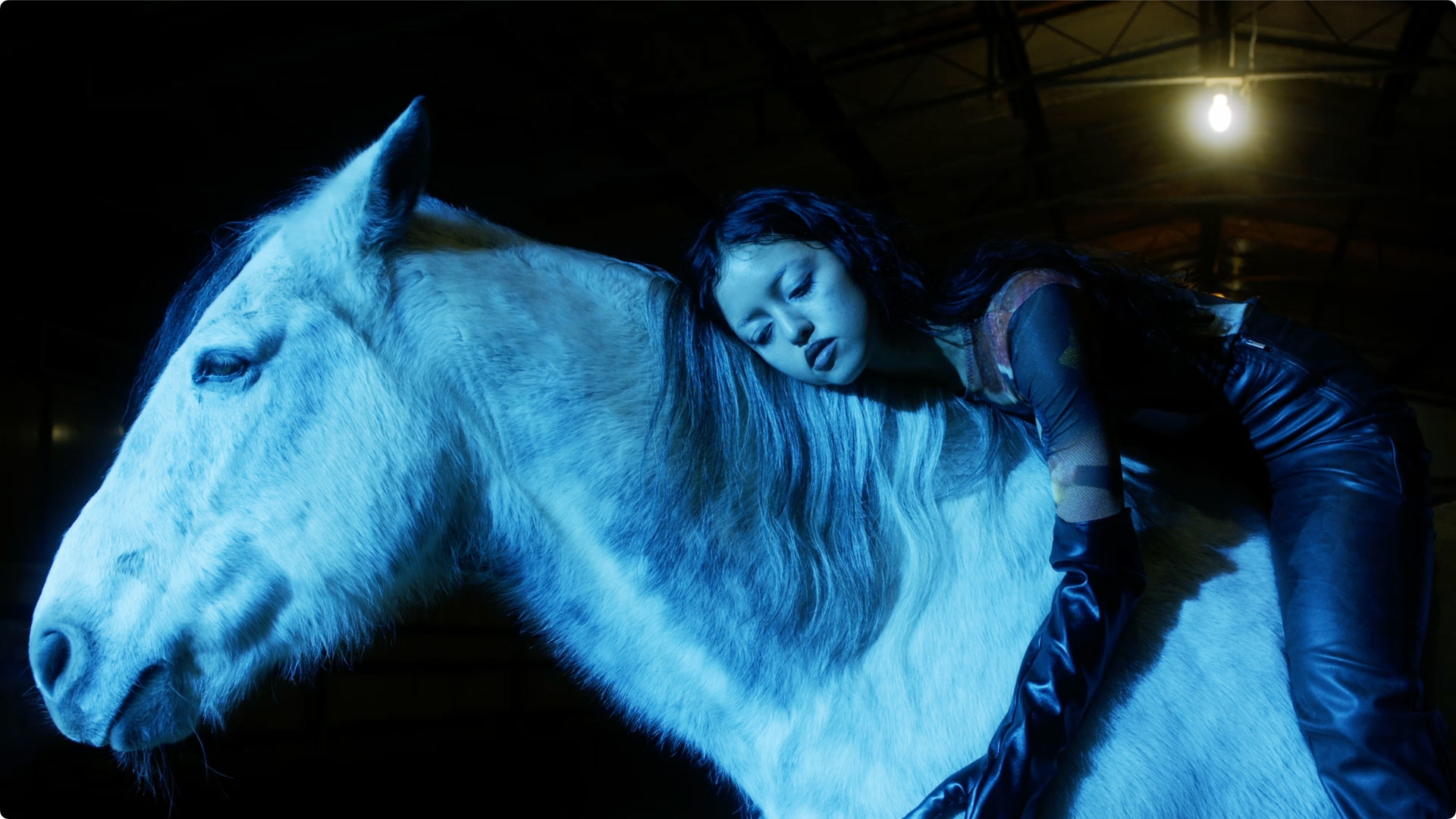
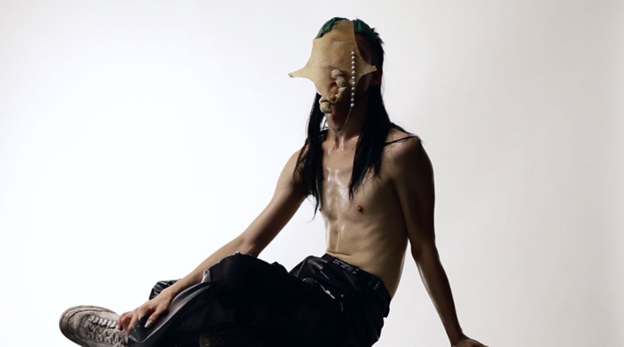
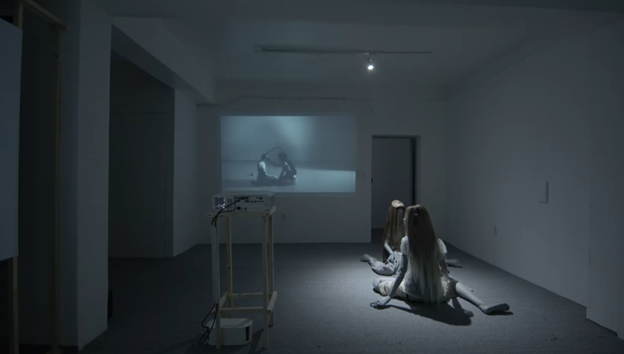
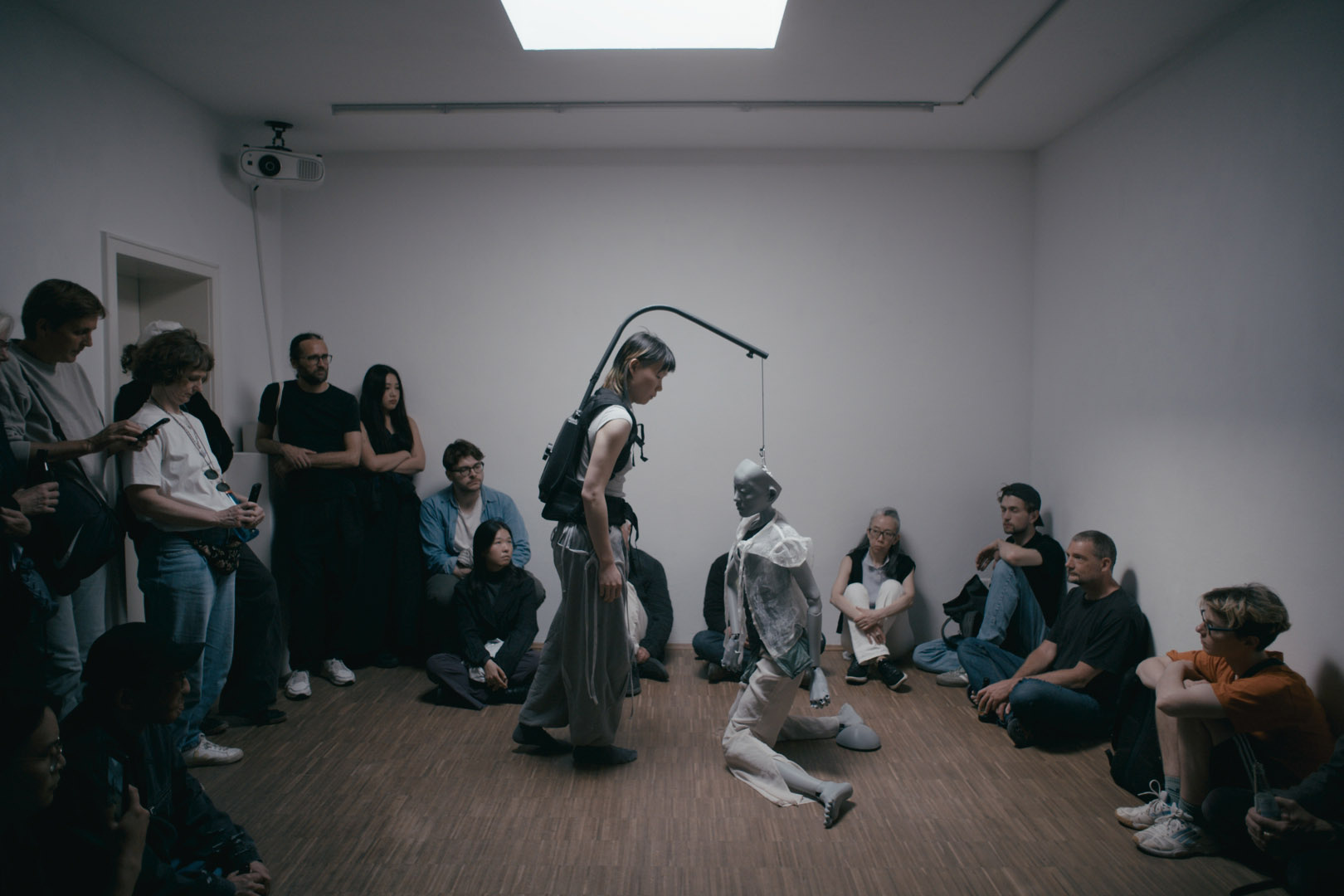
More recent works, including She seemed
devastated, when I was weeping with Joy(2025) and the solo exhibition
《Shadow Play》(Faction, Seoul,
2025), draw on the contexts of puppetry and traditional theater to examine
structures of emotional transmission between humans and nonhumans, performers
and objects, continuing her investigation into the intersections of technology,
the body, and memory.



.jpg)
.jpg)