Kim Uljiro
reorganizes how “material/immaterial” operates at the seam of reality and the
virtual into a new, life-like metaphor. Made during the
pandemic, NULL player(2020) replaces street canvassing
with AR, testing how invisible, noiseless campaign gestures can still occupy
public space. She then overlays the microstructures of carnivorous plants with
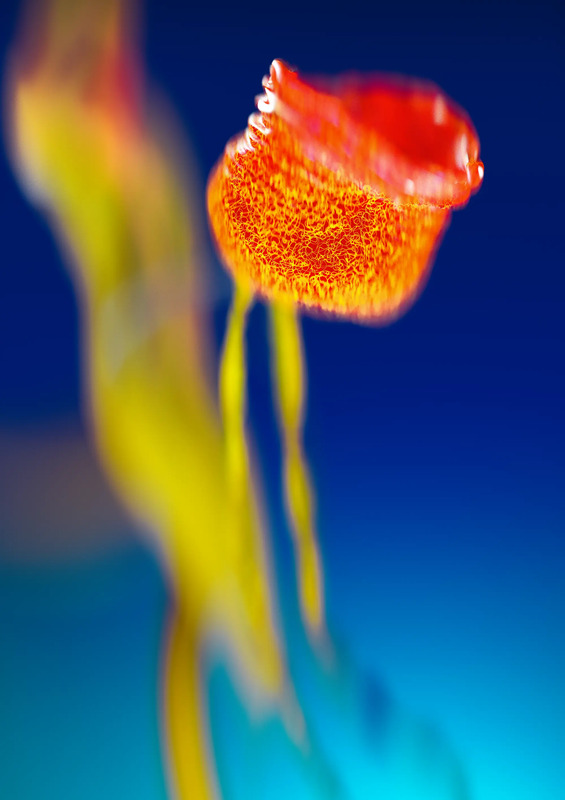
digital rendering logics in N. rafflesiana sema(2021)
and N. rafflesiana sema-micro(2021) to propose a
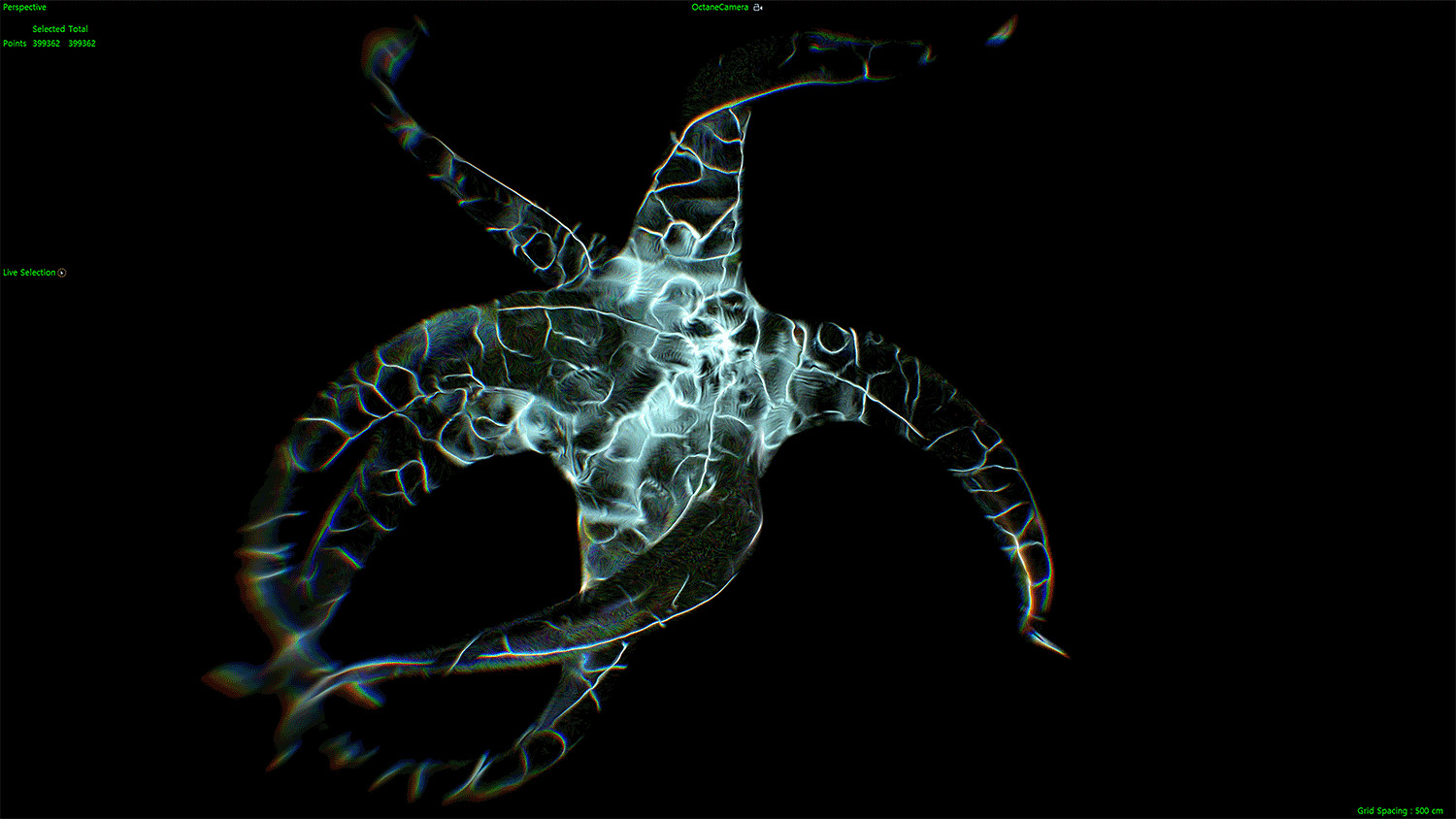
“virtual incubator,” while Hyper-morphogenesis β(2022)
observes microorganism-like systems emerging from data–physics simulations,
visualizing the paradox of organisms that “both exist and do not.”
This
approach deepens by juxtaposing plant self-replication and networks with
digital image-generation rules. The Trace of
Ferns(2022) connects a dancer’s motion trajectories to an L-system
plant algorithm, turning the human body into a “spore substrate,”
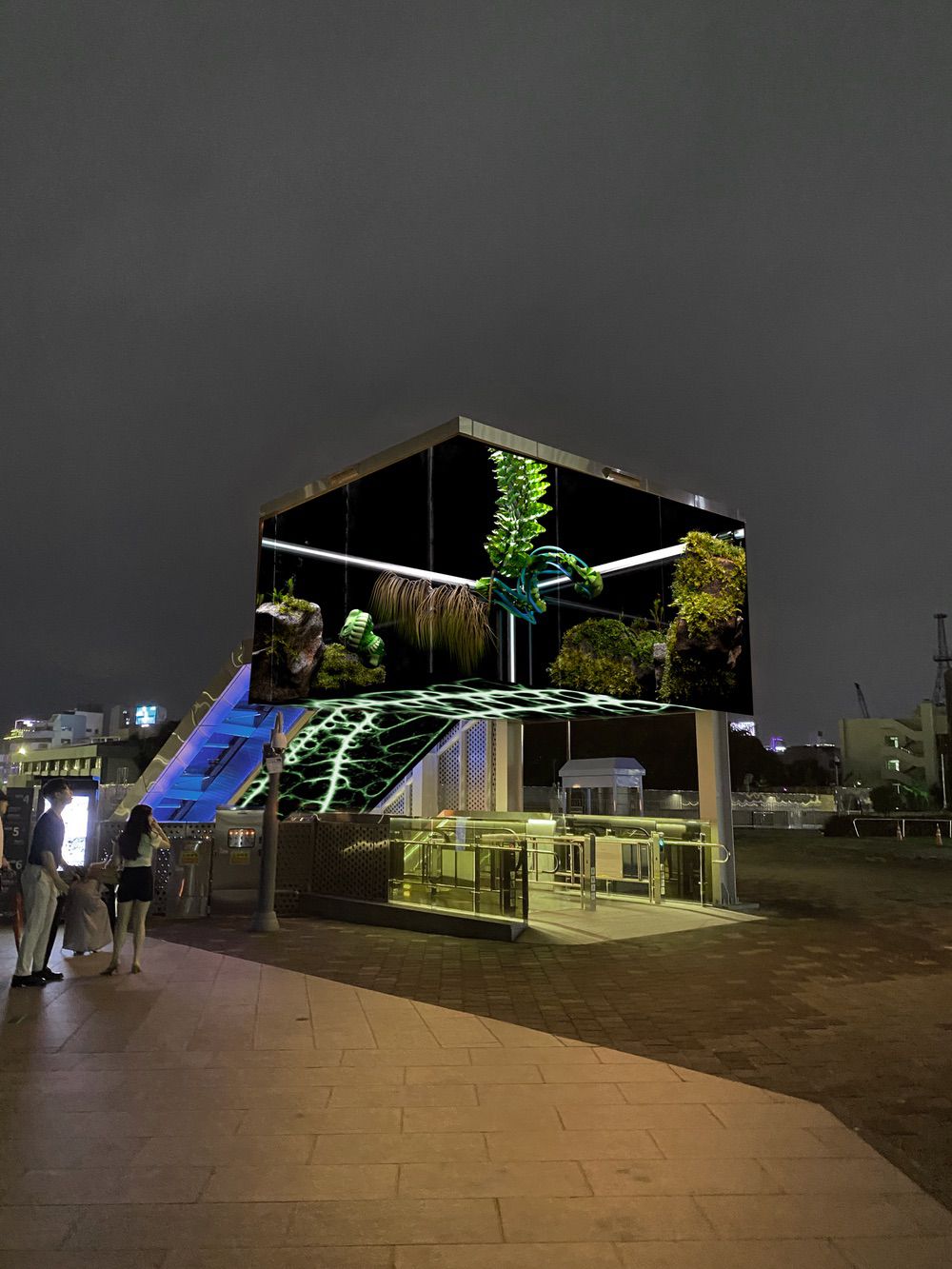
and A Three-dimensional Preparat(2022) designs the ACC
Media Wall as a “digital terrarium” split above/below ground, positioning
viewers as nutrient carriers—i.e., participants in the growth mechanism. In the
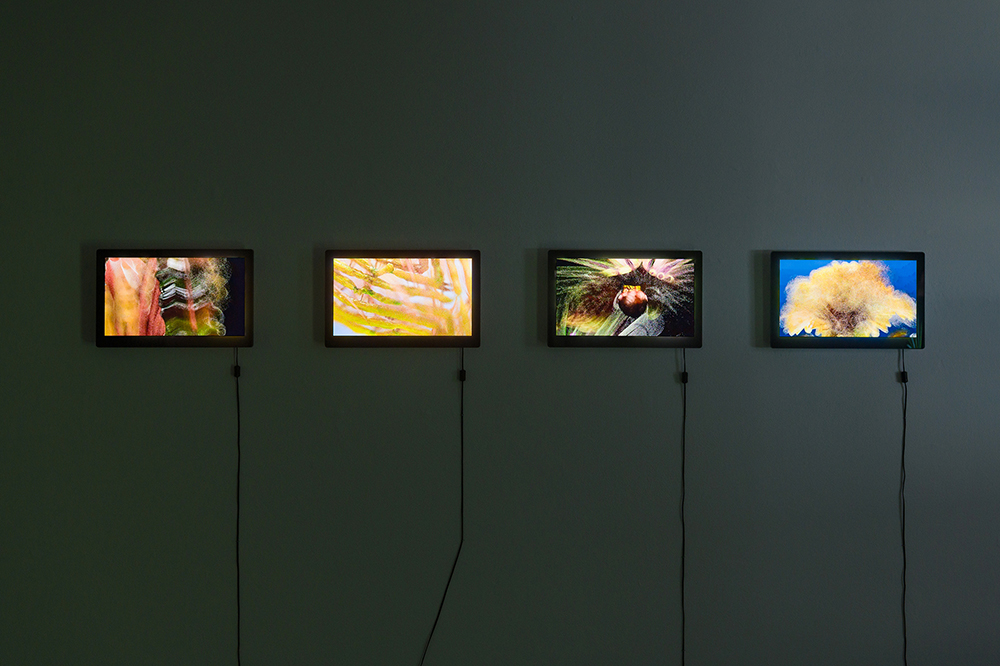
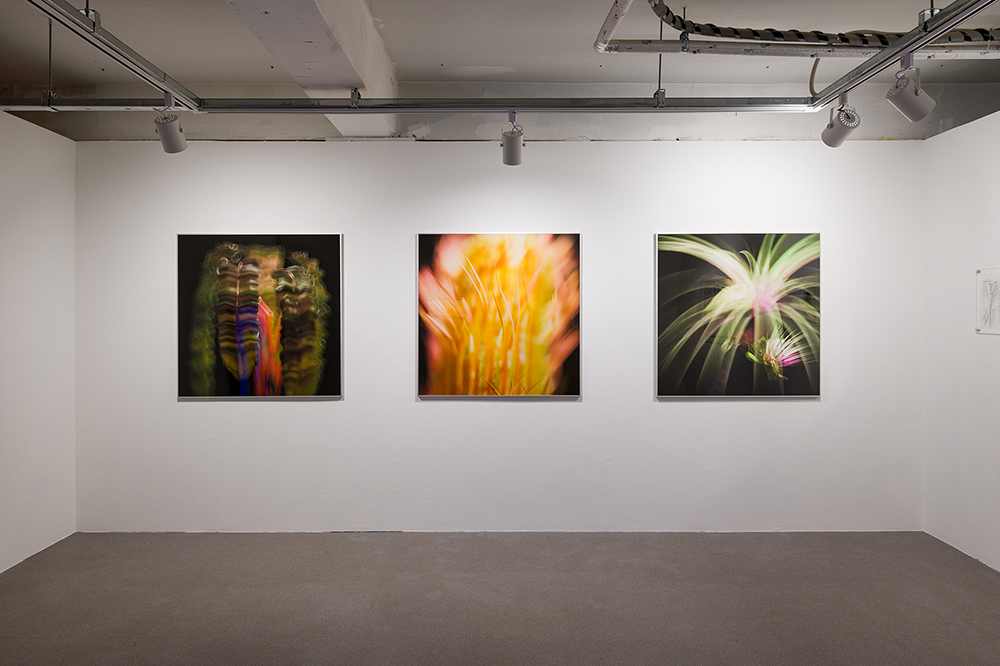
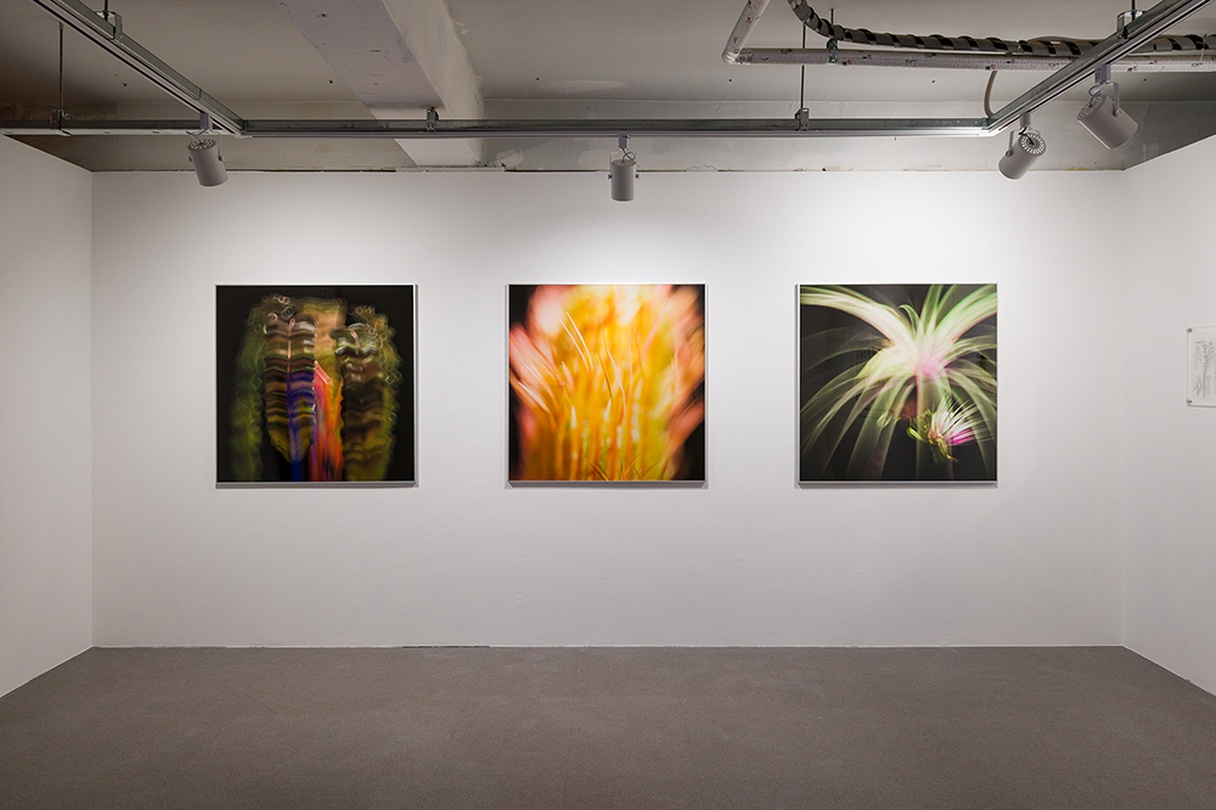
solo show 《Potting》 (Re:Plat, 2023), she questions the sleek graphic conventions akin
to the aesthetic breeding of “indoor plants,” exposing glitches and low surface
densities to overturn the notion of a “corrected nature” (Soil
mixing(2023), Sequence(2023)).
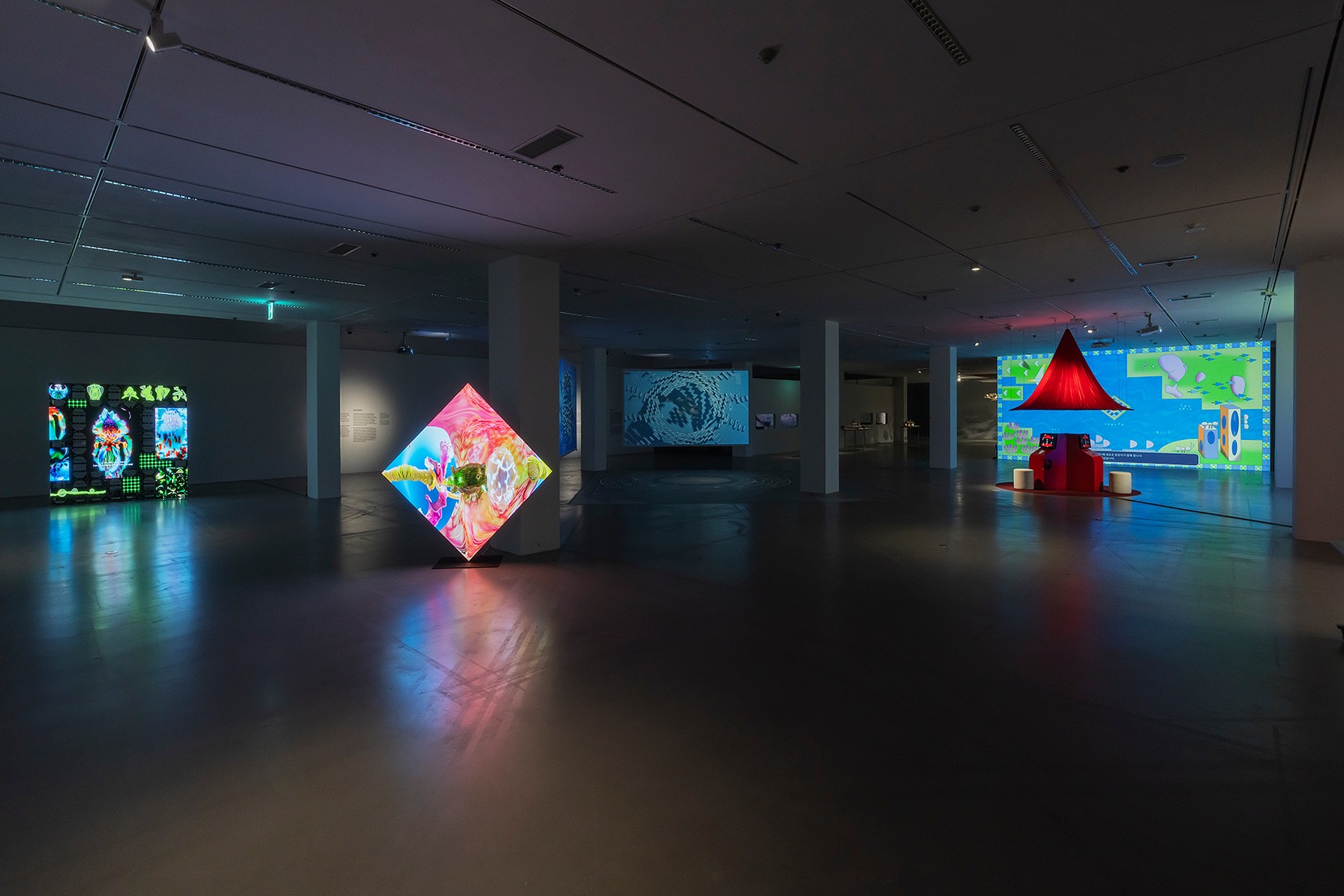
At MMCA’s 《What Things Dream About》 (MMCA,
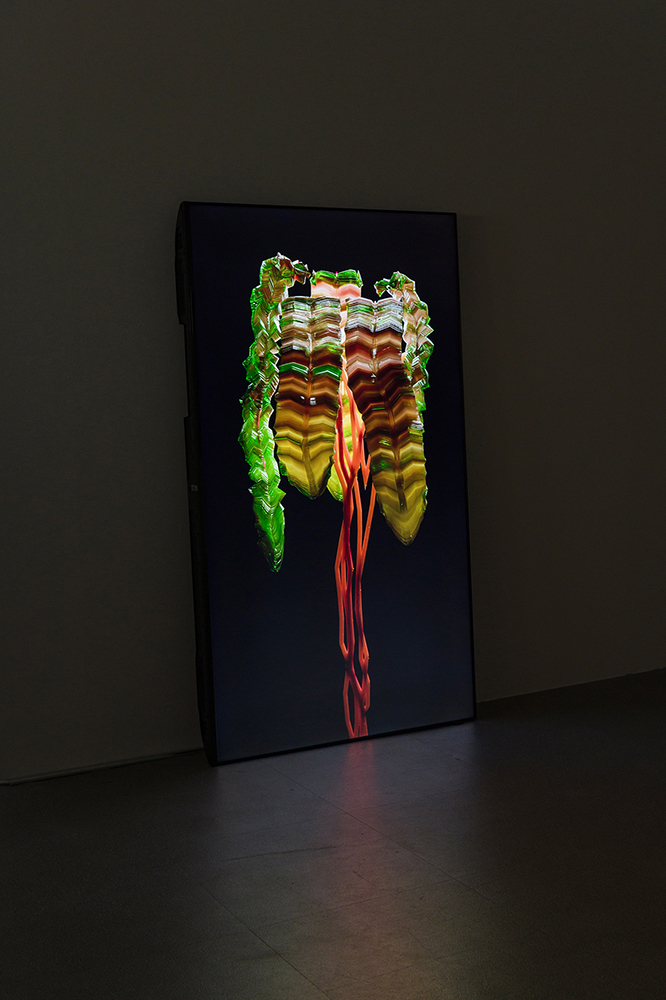
2024), Garden of Mechanical Sun(2024) pushes a
pixel/seed equivalence: by connecting a solar-plant circuit to a 3D system,
pixels “grow” into units and clusters, summoning a scale of imagination where
life and data are indistinguishable. Most recently at 《Young
Korean Artists 2025: Here and Now》 (MMCA, 2025), the
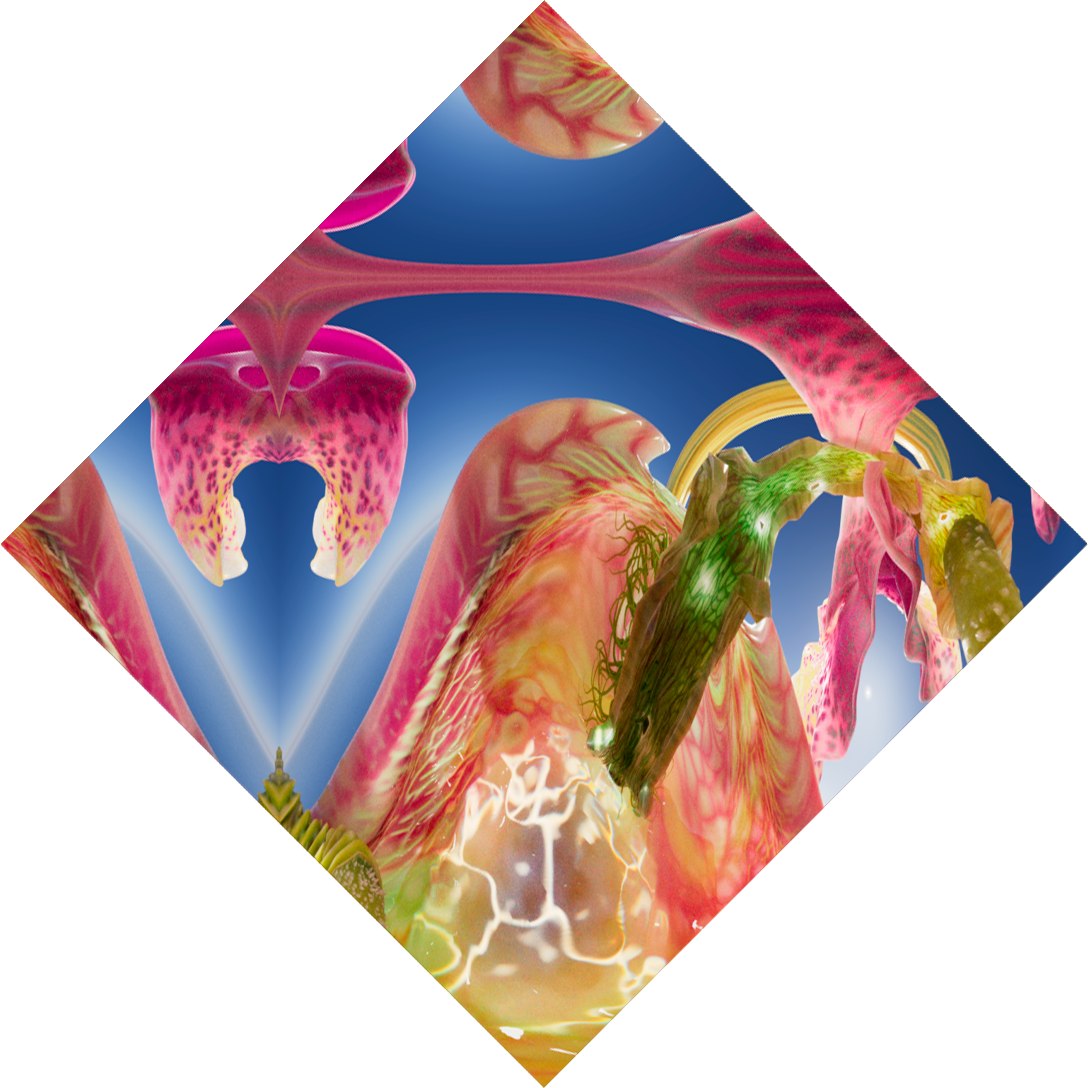
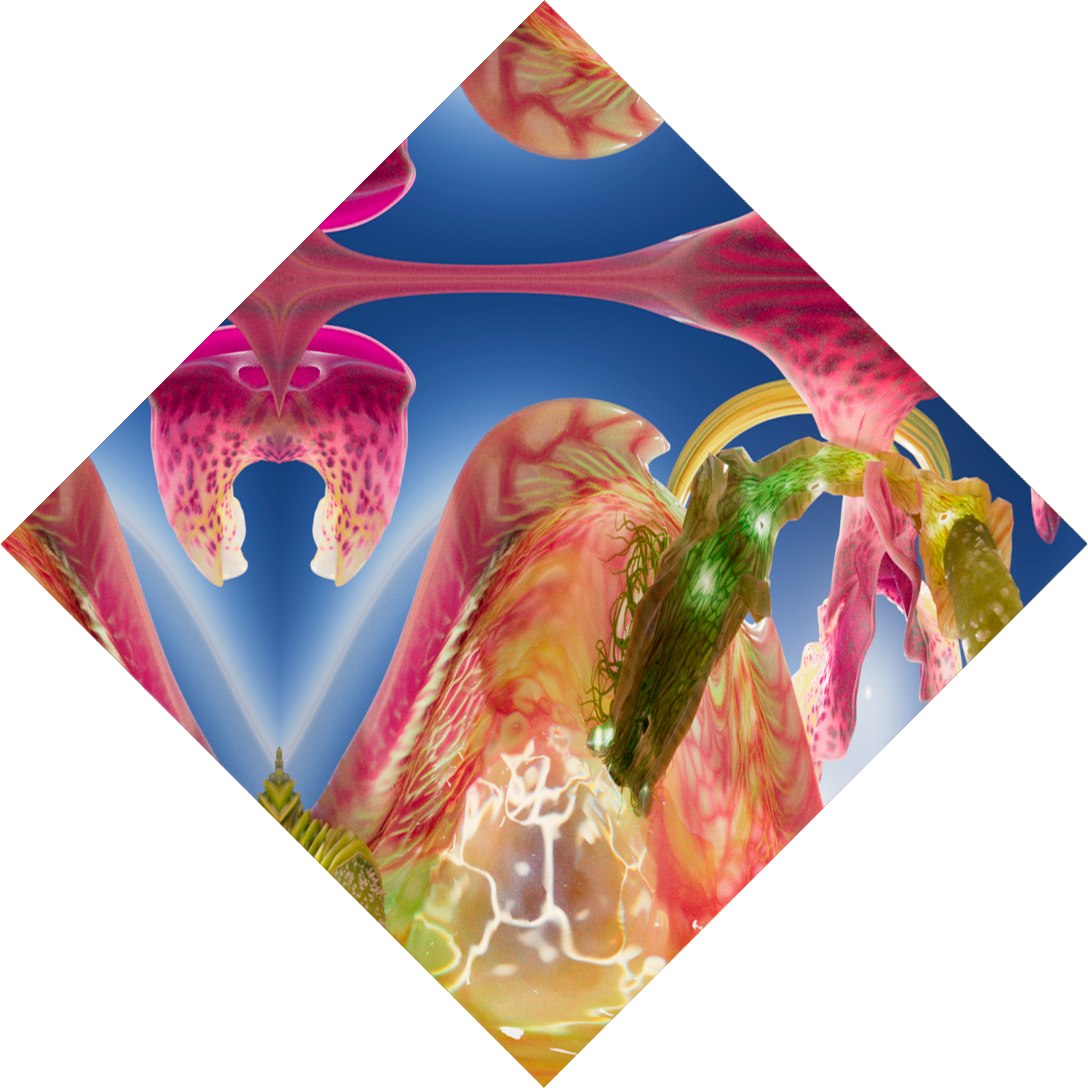
new works Similia Similibus
Curantur(2025), Herald of the Compound
Eye(2025), and Creeping Pulse(2025)
cross-project orchid symbiosis, pollination, and creeping with the
perceptual/reproductive conditions of digital media, formalizing nonhuman
viewpoints and temporalities that unsettle anthropocentric classification. In
short, Kim translates “virtual–real transition” into the languages of growth,
creeping, and differentiation, arguing convincingly that the digital can be
“another kind of ecology.”