Proof of existence - K-ARTIST

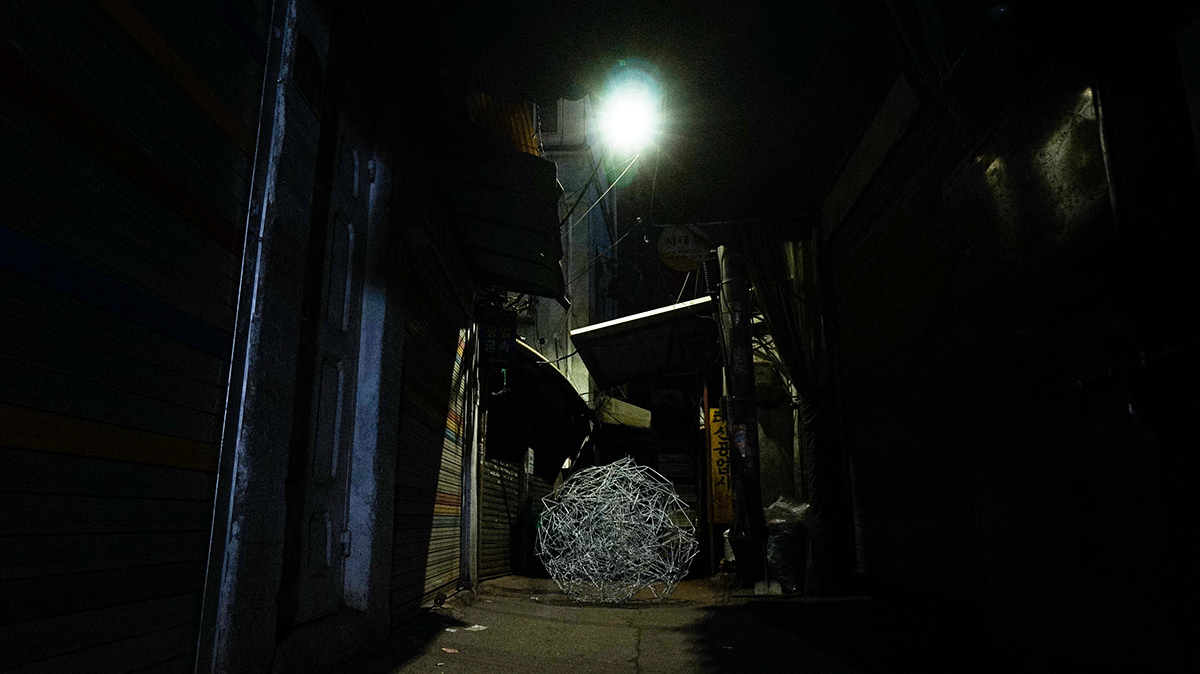
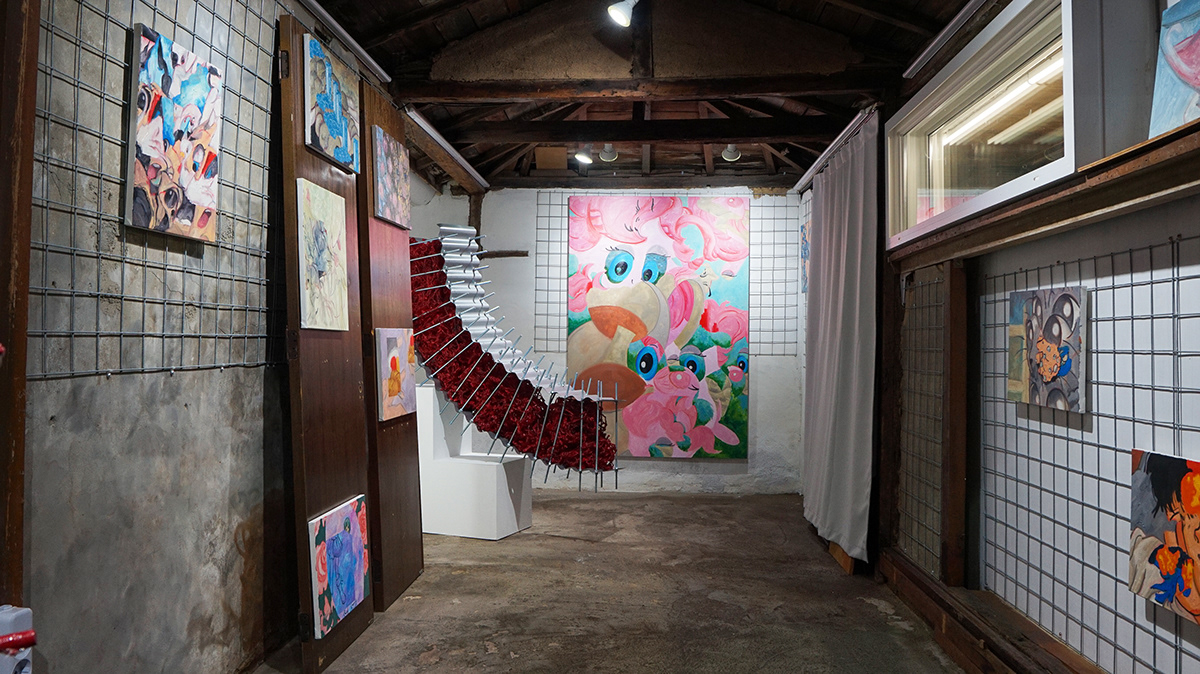
Proof of existence

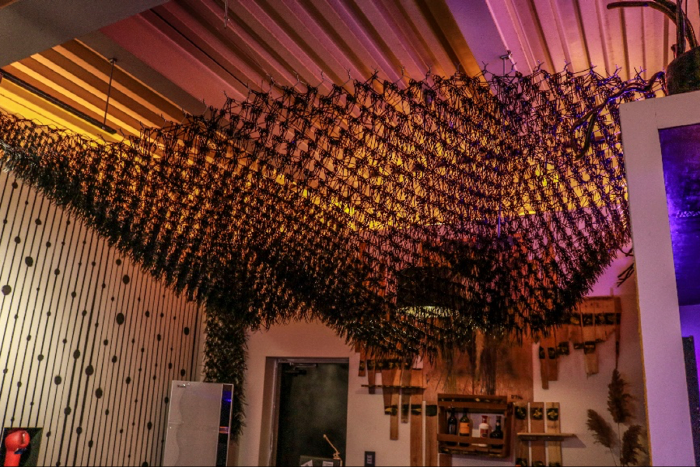
2022
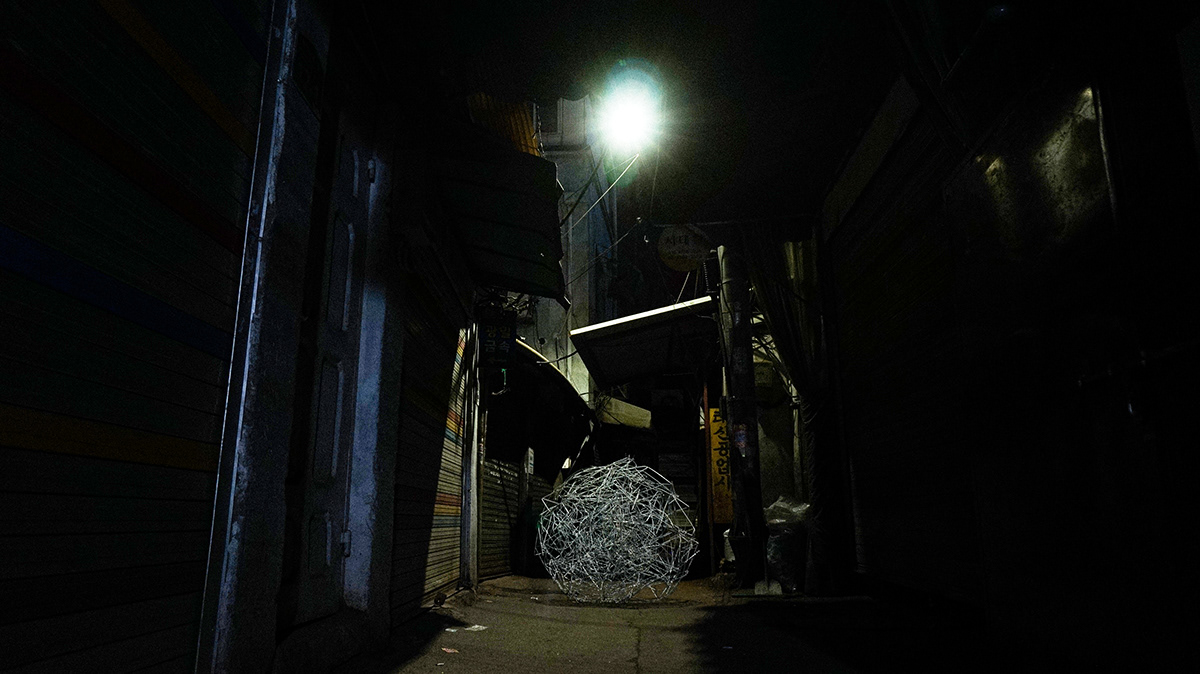
Lighting shop fixtures in the demolition area due to redevelopment
110 x 110 x 110 cm
About The Work

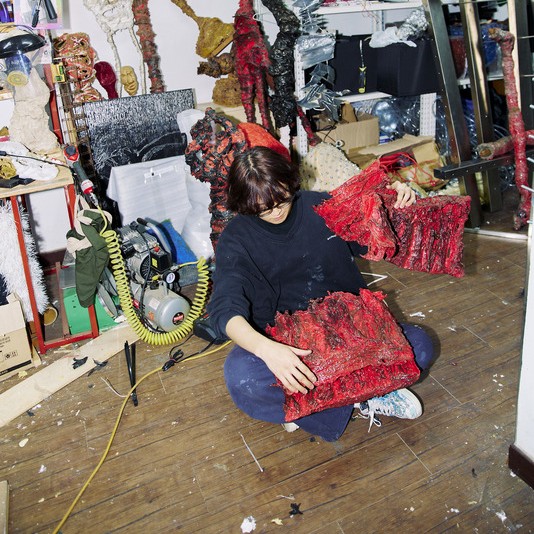
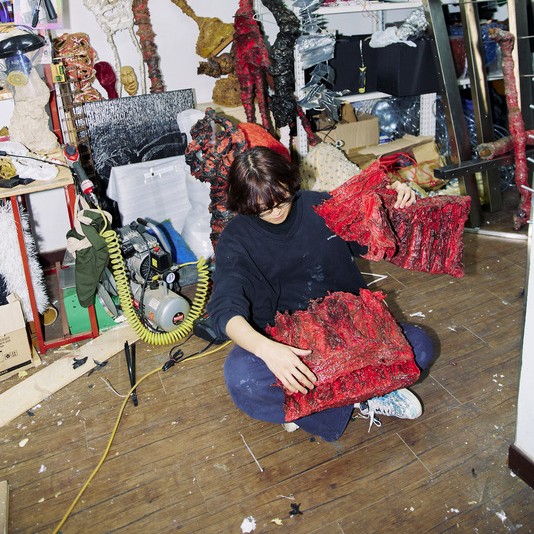
Sijae Jang focuses on precarious scenes from everyday life—such as faded objects, cracks in broken building facades, and demolition sites—translating the tense gazes and emotions they evoke into the language of sculpture.

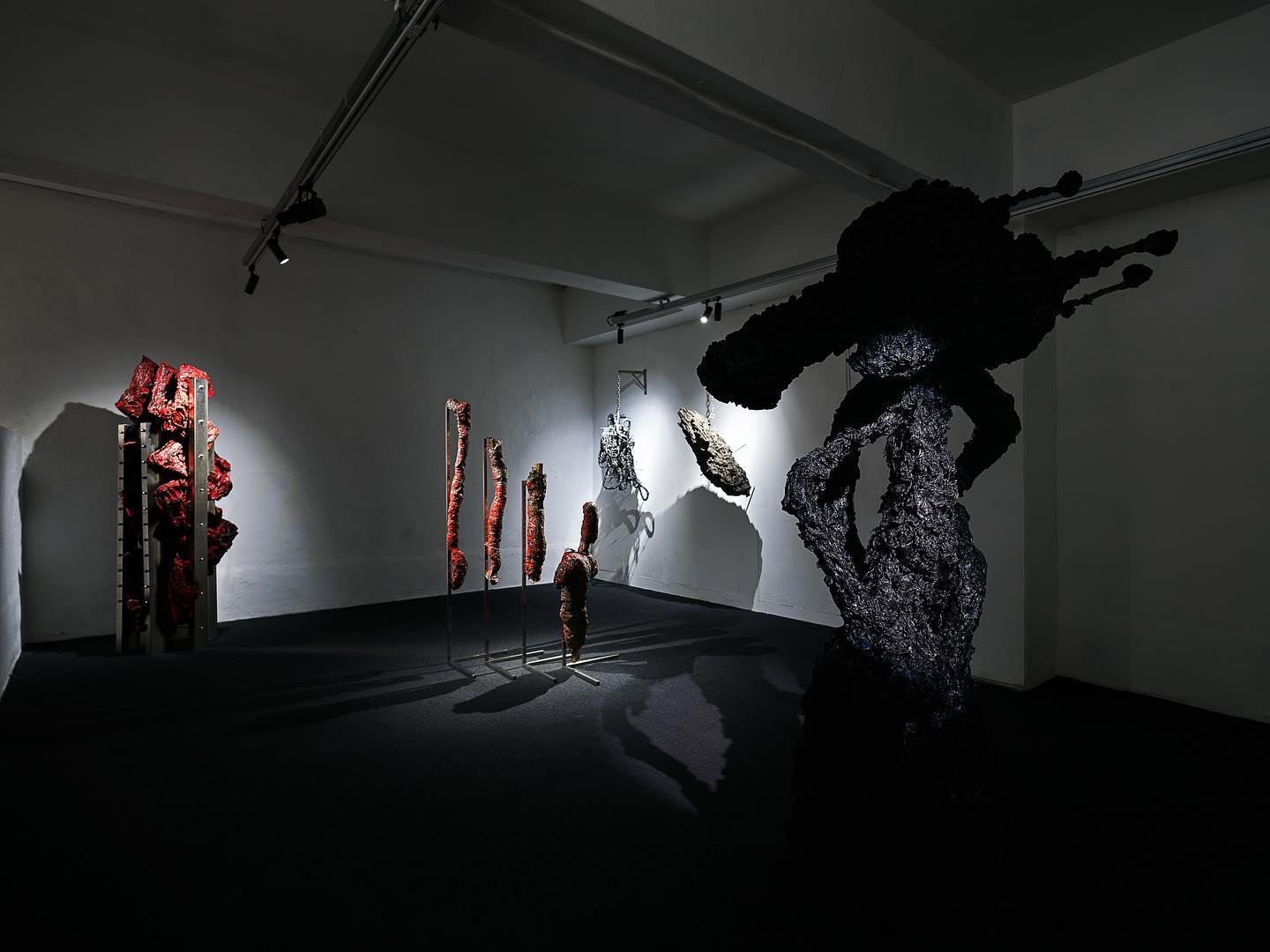
By twisting, accumulating, and burning commonly used industrial materials, he creates three-dimensional and installation works with irregular, rough textures. Through the unfamiliar and unsettling points that emerge from these processes, the artist seeks to uncover new possibilities.
 
Jang’s sculptural practice not only makes us acutely aware of the subtle tremors and tensions embedded in everyday life, but also invites us to imagine alternative worlds beyond reality. The unstable points in his work and the delicate, unsettling sensations they generate prompt viewers to reconsider what they have long taken for granted.

Solo Exhibitions (Brief)

Jang has held three solo exhibitions, 《Xenogenesis》 (Faction, Seoul, 2024), 《Orbit Deviation of HX9X+33》 (Yoho Seoul and surrounding sites, Seoul, 2024), and 《Client, Interlocutor》 (TINC, Seoul, 2023).

Group Exhibitions (Brief)

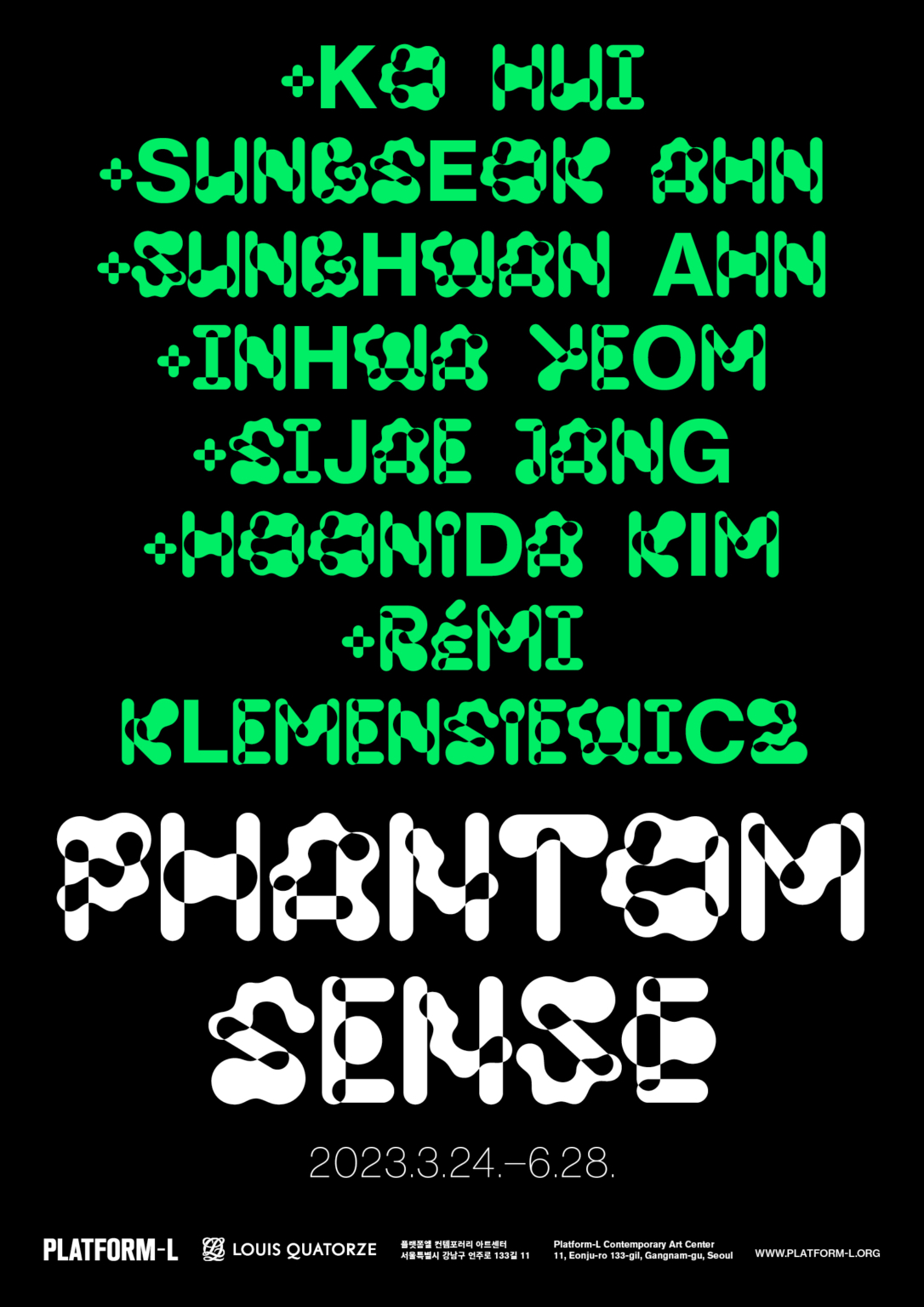
Jang has also participated in numerous group exhibitions, including 《The Disappeared Story》 (Sian Museum, Yeongcheon, 2025), 《FOR LIGQIDITY》 (Mupurpose, Seoul, 2024), 《Dummy》 (17717, Seoul, 2023), 《Phantom Sense》 (Platform-L, Seoul, 2023), 《Meeting the Wall》 (Prompt Project, Seoul, 2023), and 《THINGS LEFT UNMADE》 (Chamber, Seoul, 2023).

Residencies (Selected)

Jang has participated in artist-in-residence programs such as the Euljiro Design Art Project 1 (2019–2024) and the 8th Palbok Art Factory Creative Studio (2025–2026).

Works of Art

Precarious Scenes from Everyday Life

Originality & Identity

Sijae Jang’s early works, beginning with observations of urban ruins and remnants, translate the unease and awe that emerge when familiar orders collapse into the language of sculpture. As seen in The form of street material in Chungmuro, Seoul(2019), he collected objects and façades eroded by time and demolition sites, confronting the precariousness embedded in everyday life. The Euljiro district deepened this sensibility, establishing from the outset a sense of “situatedness,” where the city’s debris becomes the trigger for perception.

By the early 2020s, his strategy of dismantling the familiar to create estrangement became clear. In works such as Modern record series: Tower and Pillar - Power(2020), everyday consumables like tape, wire, and cable ties were transformed into Informel masses, building textures that stimulate both vision and touch. Here, estrangement does not function as an emptying of meaning but as a device that calls forth the latent tensions within the urban environment as “events of perception.”

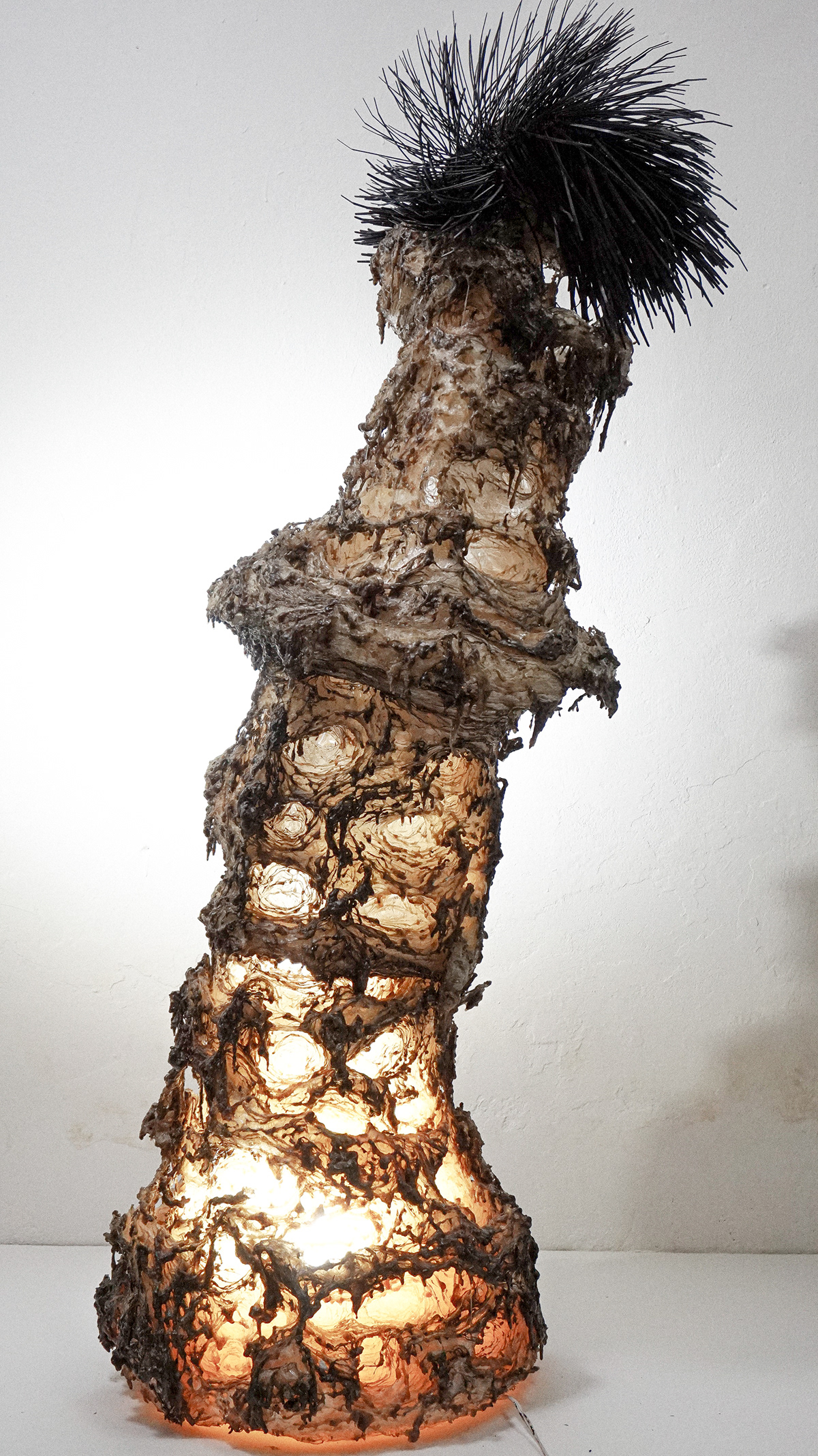
Later, his themes expanded toward the psyche and the imagination of vitality. His solo exhibition 《Client, Interlocutor》(TINC, 2023) drew upon psychoanalytic object relations theory, linking performance, installation, and archive into a continuum, presenting works not as completed objects but as “a sequence of events.” In the same year, the ‘Untitled’(2023) series shown in the group exhibition 《Phantom Sense》(Platform-L, 2023) referenced MRI blood-flow imaging, sculpting micro-movements and unpredictability while exploring the tension of being “as if alive.”

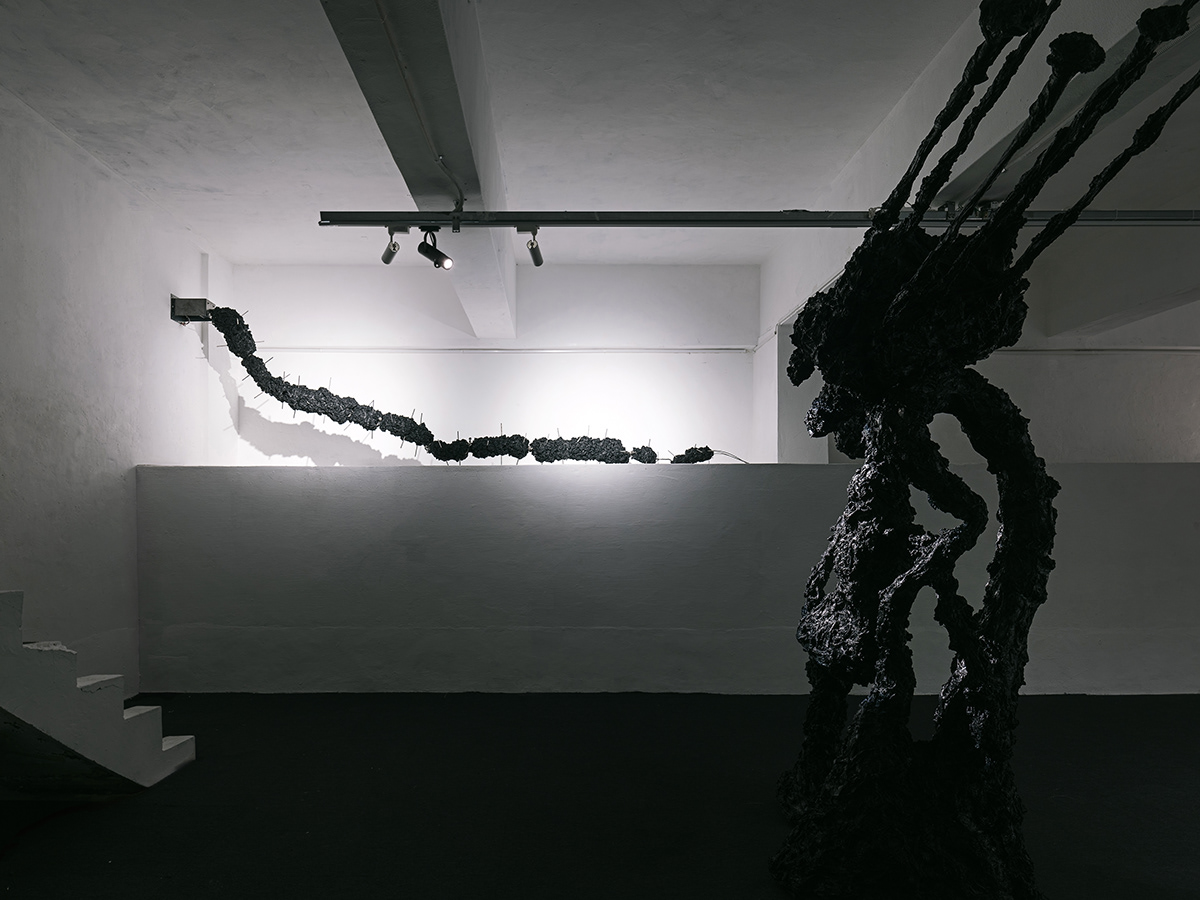
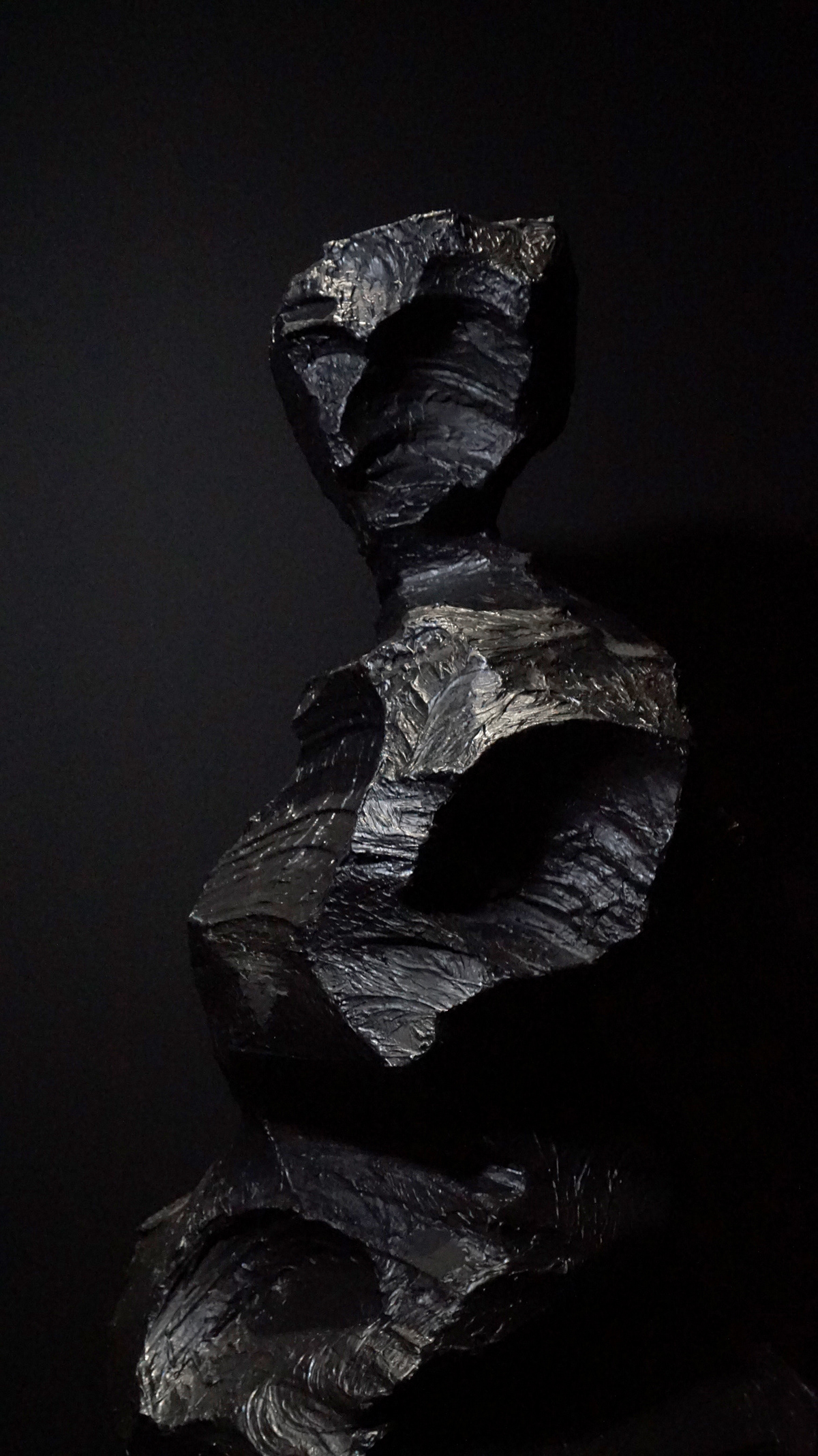
More recently, in the group exhibition 《Xenogenesis》(Faction, 2024) and in works such as Xenogenesis(2024), nonhuman life potential and posthuman imagination came to the forefront. The premise that inorganic industrial materials might hybridize into organic bodies suspends the binaries of “life/inanimate” and “nature/technology,” situating viewers at the threshold of “another reality” through unstable gravities and uncanny sensations. Black Mass – Futuristic Debris(2025) condenses this imagination into images of ruinous residue and futuristic fragments, hinting at worlds of possibility beyond reality.

Style & Contents

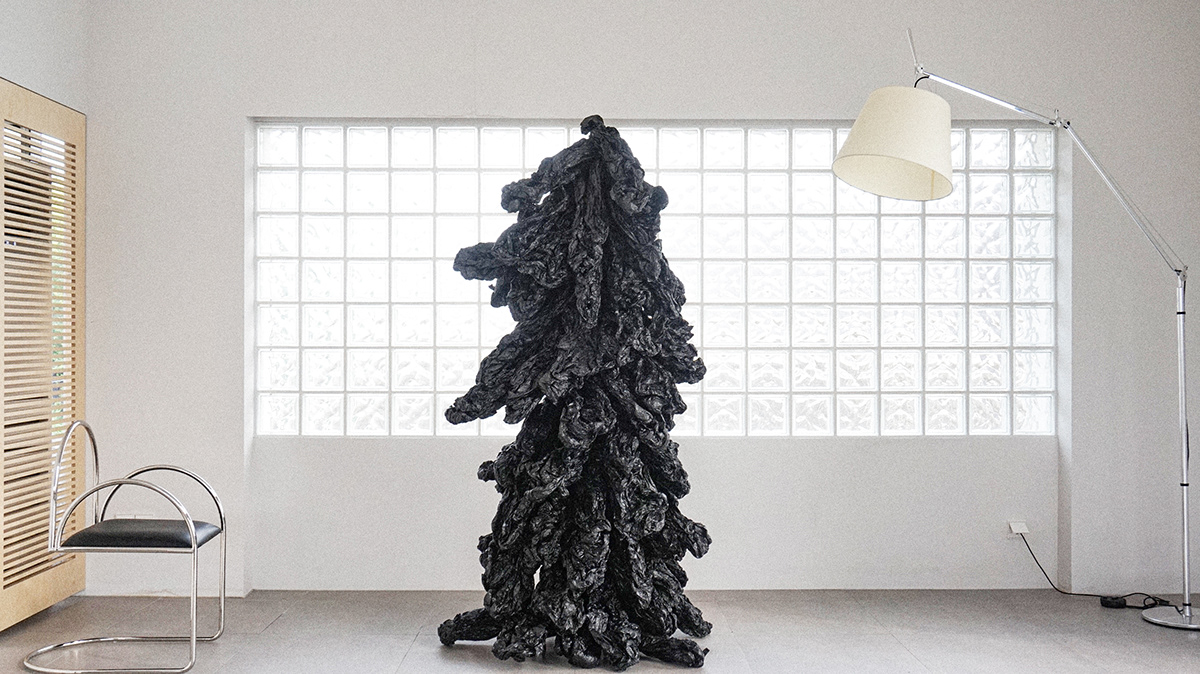
Formally, Jang’s work is grounded in the chain of “collecting—assembling—transforming.” Industrial and architectural materials such as tape, garbage bags, steel plates, and slate are amassed into Informel accumulations, sometimes burned or abraded to produce chance surfaces. This process nullifies the materials’ “original functions” and leaves tactile traces of debris re-born as unfamiliar bodies.

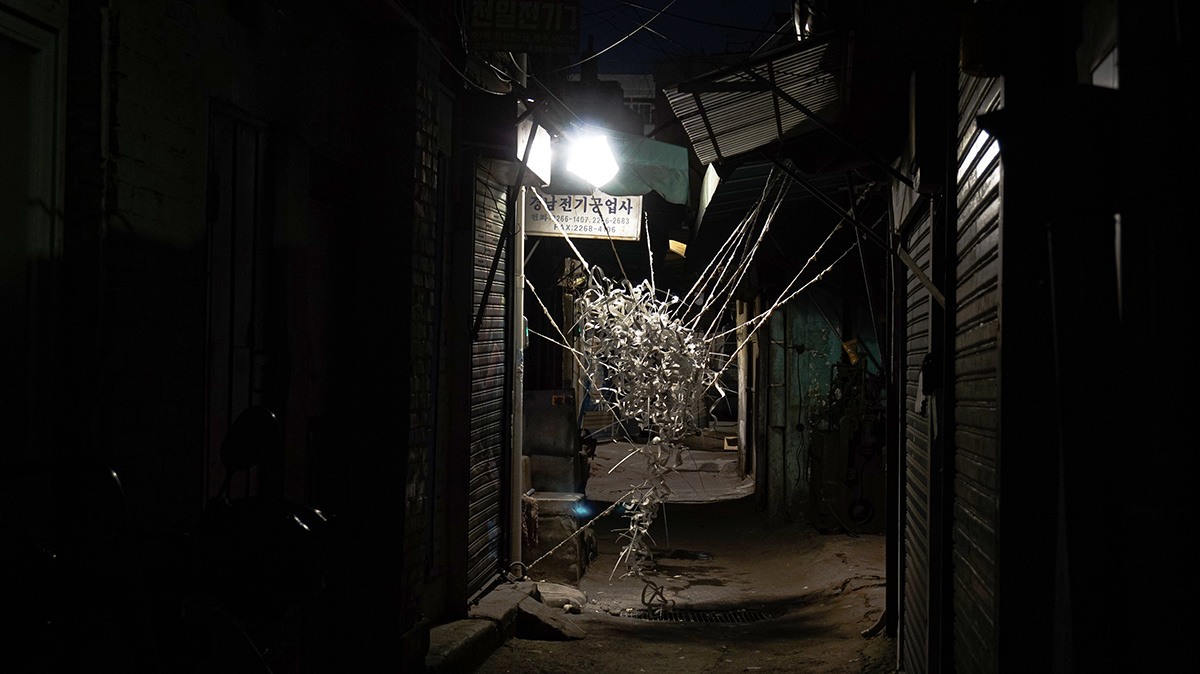
His spatial strategies expand through site-specificity. In installations such as in Seoul(2022) and in Paris(2022), he collected and arranged local materials in Seoul, Paris, Eindhoven, and Berlin, situating them in alleyways, façades, and interiors, and documenting through performance, photography, and video. This “urban transplantation” oscillates between camouflaged assimilation and jarring protrusion, making the works devices that both collide with and resonate against their environments.

After 2023, temporality itself became content. 《Client, Interlocutor》(TINC, 2023) linked objects and archives produced through two performances into an “exhibition-event.” The ‘Untitled’ series presented in 《Phantom Sense》(Platform-L, 2023) was designed to gradually mutate throughout the duration of the exhibition, sensorially articulating micro-vibrations and potential transformations. Works were presented not as “finished” but as “in progress,” with indeterminacy functioning as both content and form.

A recent turning point is the integration of kinetics and sound. Works such as There is something - safety device(2024) and Scarecrow(2024) induce irreversible movements generated by primal structures, incorporating accidental sounds of friction, vibration, and trembling into the work itself. The open-studio solo exhibition 《Orbit Deviation of HX9X+33》(Yoho Seoul, 2024) staged kinetic sculptures moving through the studio, embodying the concept of “substitutive presence” as sonic and tactile rhythms. In his recent solo exhibition 《Xenogenesis》(Faction, 2024), this dynamism fused with hybridized bodies, constructing a narrative of “bio-mechanical masses” responding to unstable gravitational forces.

Topography & Continuity

Jang has consistently taken the “aestheticization of debris” and the “formalization of indeterminacy” as central axes of his practice. Reconfiguring urban remnants into Informel bodies, incorporating variables of time, site, and movement as sculptural principles, and admitting chance sounds and vibrations as part of the work—these approaches have remained constant from his early practice to the present. This trajectory positions him within the lineage of industrial and waste-material sculpture while expanding the spectrum of contemporary Korean sculpture through the integration of posthuman and bio-imaginaries.

At the same time, his practice has evolved in a gradual arc: from site-specific collecting and Informel accumulation, through temporal mutability and performative processes, to the recent convergence of motion, sound, and hybridized bodies. Since 2024, his exhibitions have synthesized these shifts, reaching a stage where the boundaries of “technology/nature” and “life/inanimate” are narrated in sculptural form.

Within the contemporary field, he occupies a position mediating between “urban ruin aesthetics” and “post-bio imagination.” By defining sculpture not as a static object but as a “living apparatus” that interacts with environment, time, gravity, and sound, he shifts the spectator’s experience from static appreciation to eventful encounter. More recently, he has condensed this trajectory into the icon of ‘future fragments,’ while expanding new boundary-life narratives.

Works of Art

Precarious Scenes from Everyday Life

Exhibitions

Activities