

Drawn and Carved: The Story of Byeongsan 1 - K-ARTIST

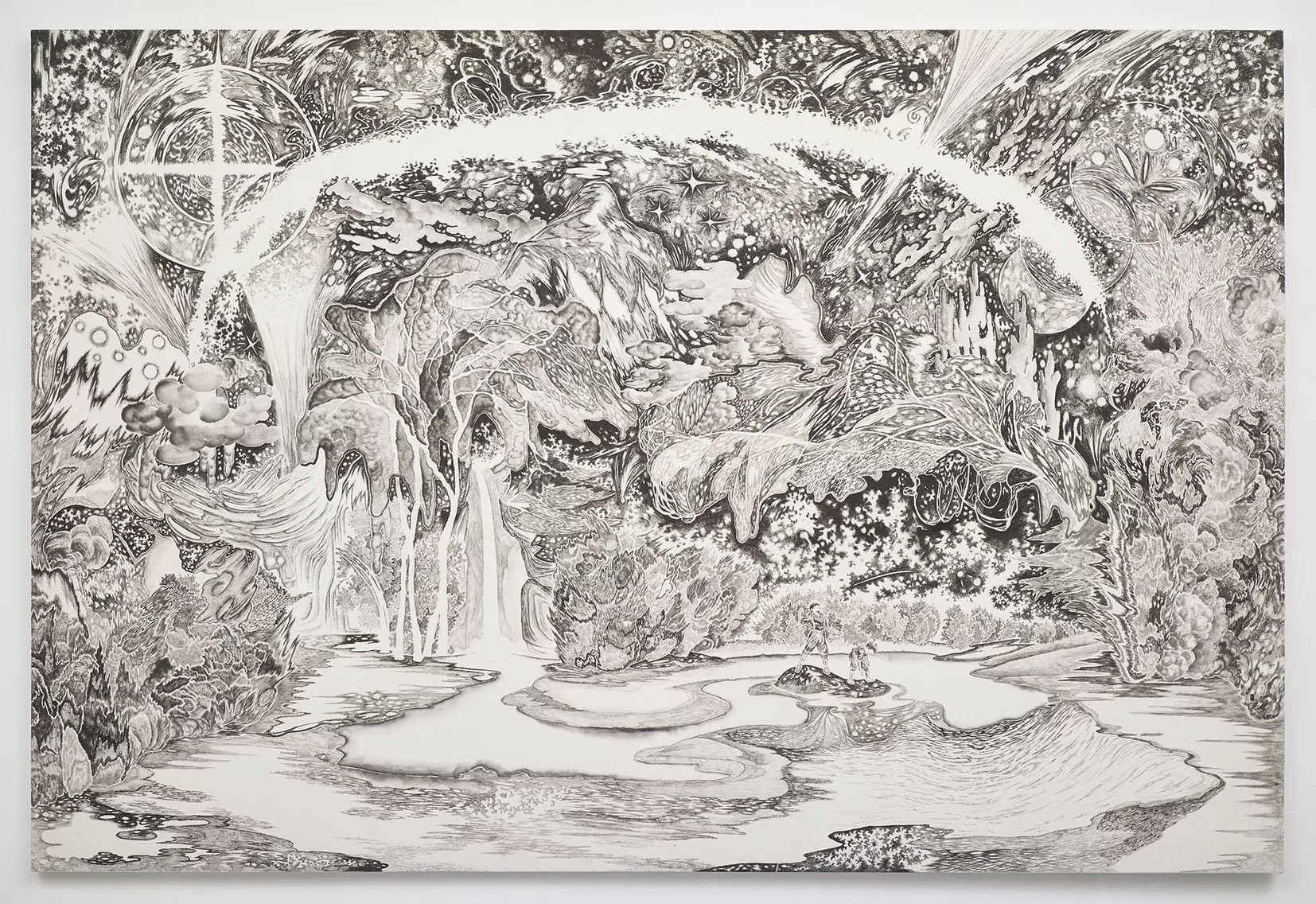
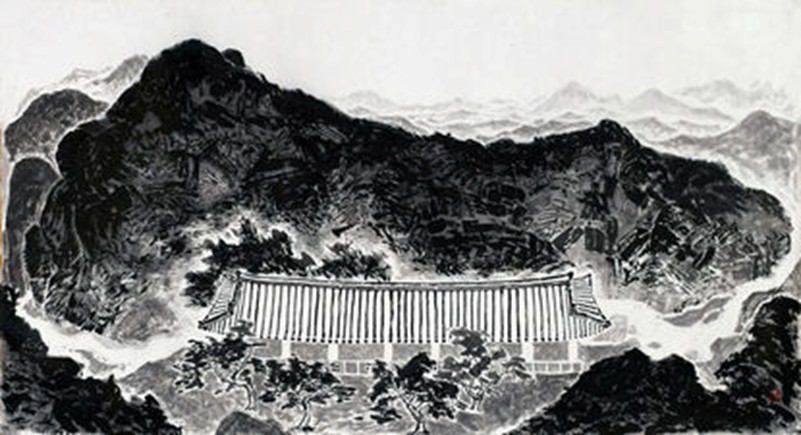
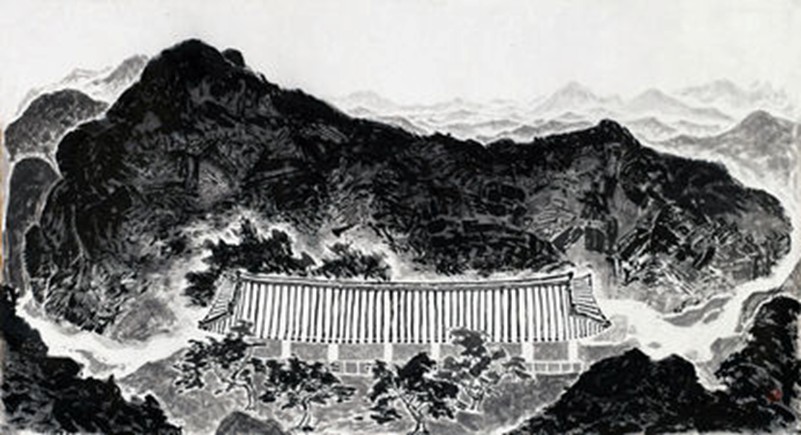
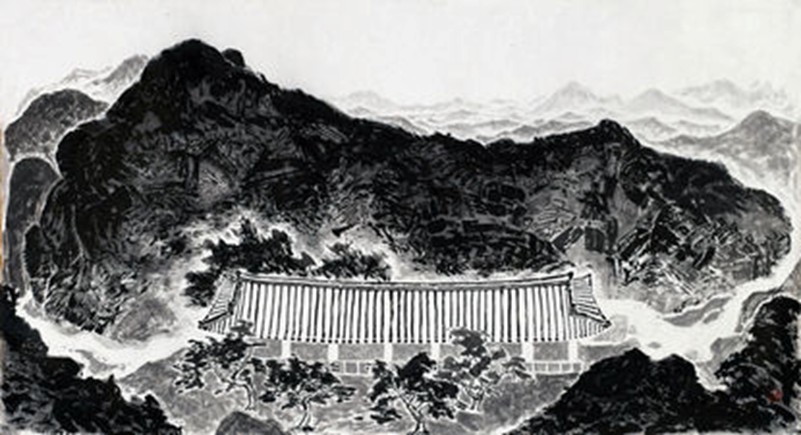
Drawn and Carved: The Story of Byeongsan 1

2011
Ink on Korean paper
70 × 140 cm
About The Work

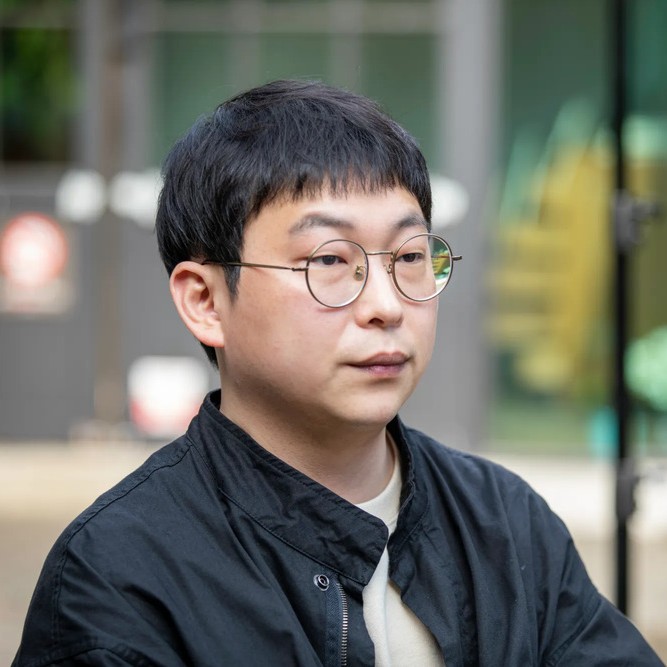
Cha Hyeonwook paints fantastical landscapes where the past, present, and future, as well as fact and fiction, intertwine—drawing from fragments of memory collected through personal experience. He has developed a unique visual language by skillfully combining techniques of traditional Korean landscape painting with painterly approaches found in Western art. For him, memory is not something that simply remains in the past but living fragments that reconnect with the present and, through this process, shape a new future.
 
He reinterprets traditional Korean landscape painting into his own visual language, creating a link between the past, present, and future while exploring his personal identity. In this process, he adopts a free and experimental artistic approach that blurs the boundaries between East and West, linear conceptions of time, and reality and unreality, thereby expanding the horizons of traditional painting.

Solo Exhibitions (Brief)

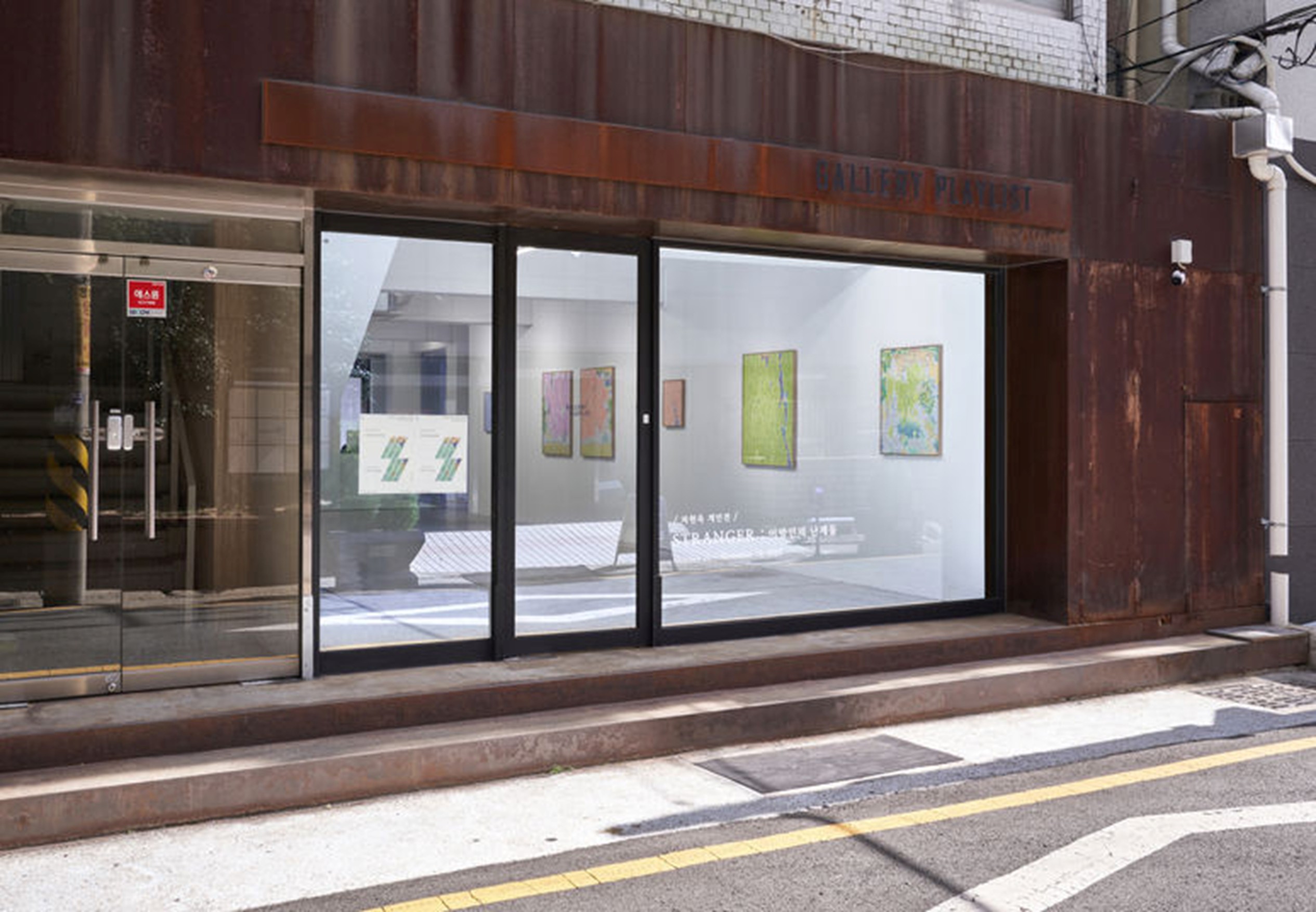
Cha’s solo exhibitions include 《Low Glide》 (Arario Gallery, Seoul, 2024), 《Stranger》 (Gallery Playlist, Busan, 2023), 《A Little More, Closer》 (The Necessaries, Seoul, 2022), 《Staying through the Shadow》 (Gallery 175, Seoul, 2020), 《Night Blooming Flowers》 (Daegu Art Center, Daegu, 2018), among others.

Group Exhibitions (Brief)

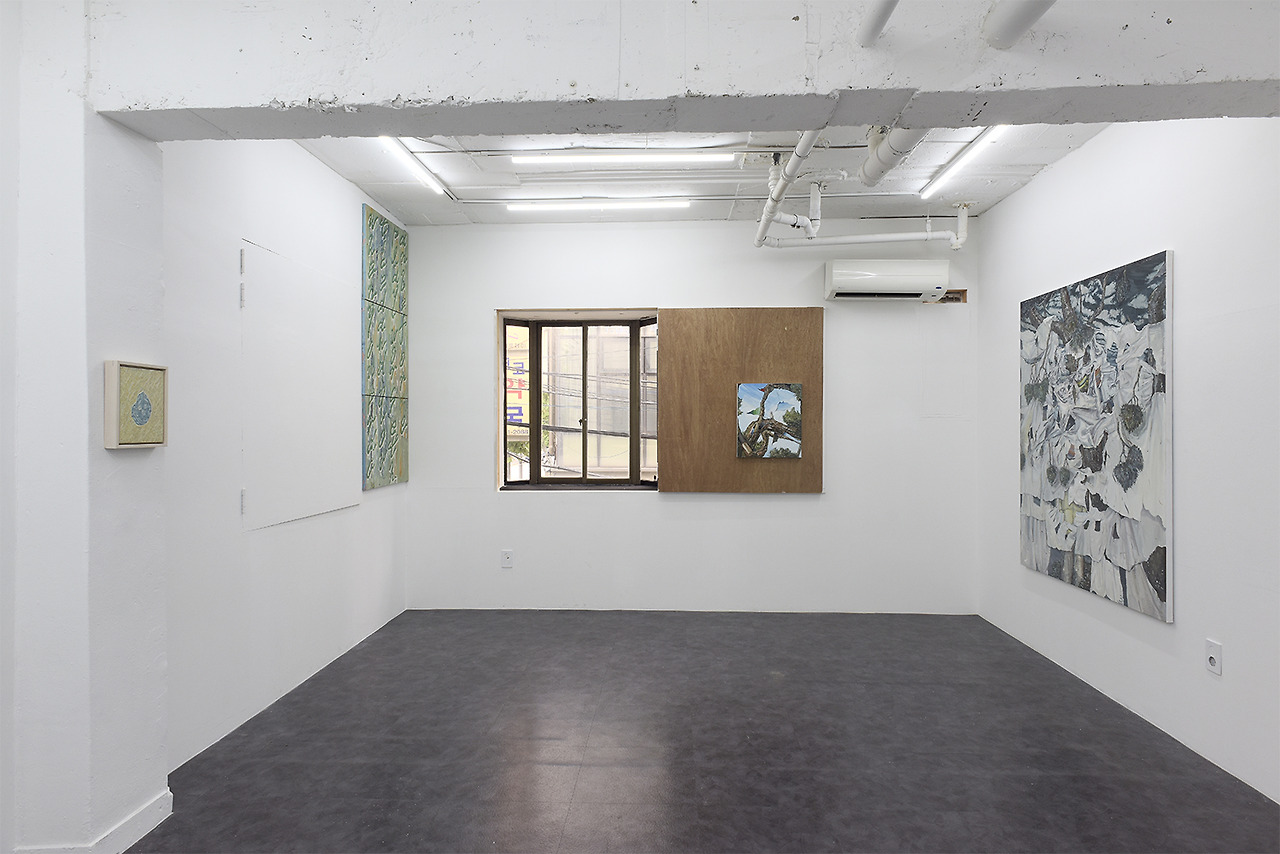
Cha has also participated in numerous group exhibitions such as those held at Incheon Art Platform (Incheon, 2025), Outhouse (Seoul, 2023), Kumho Museum of Art (Seoul, 2022), Daegu Art Factory (Daegu, 2020), Jeonnam International Sumuk Biennale (Jindo, 2018), Zaha Museum (Seoul, 2018), Daegu Art Museum (Daegu, 2018), Posco Gallery (Pohang, 2016), and Cheongju Art Studio (Cheongju, 2016, 2014).

Awards (Selected)

Cha was awarded the ‘Young Artist of the Year’ (Daegu Art Center, Daegu) in 2018 and the ‘4th Gwangju Hwaru Artist Award’ (Gwangju Bank, Gwangju) in 2020.

Residencies (Selected)

Cha Hyeonwook was selected for the residency programs at the Gachang Art Studio (Daegu, 2012) and the Cheongju Art Studio (Cheongju, 2014).

Collections (Selected)

Cha’s works are in public collections such as the National Museum of Modern and Contemporary Art, Art Bank, Daegu Art Museum, Daegu Arts Center and Seoul National University Museum of Art.
Works of Art

Reconstructing Memory Through the Transformation of Korean Traditional Painting

Originality & Identity

Cha Hyeonwook’s early work focused on conceptually deconstructing Korean traditional landscape painting. In his first solo exhibition, 《Works from Reminiscence》 (Cheongju Creative Art Studio, 2015), he reconstructed the notion of landscape not through direct observation but through language and conceptual abstraction. Landscape in his work became a mental image—a fluid conceptual terrain rather than a depiction of physical space.

As his practice developed, Cha began integrating autobiographical narratives into his compositions. Works such as A Brimming Night (2018), Convent of Carmel (2018), and Annapurna (2018) reflect moments from his life—playing in a valley as a child or traveling through Nepal—recast into the landscape. A key turning point came after a 2016 visit to an observatory, which reignited memories of childhood wonder, especially around outer space and science.

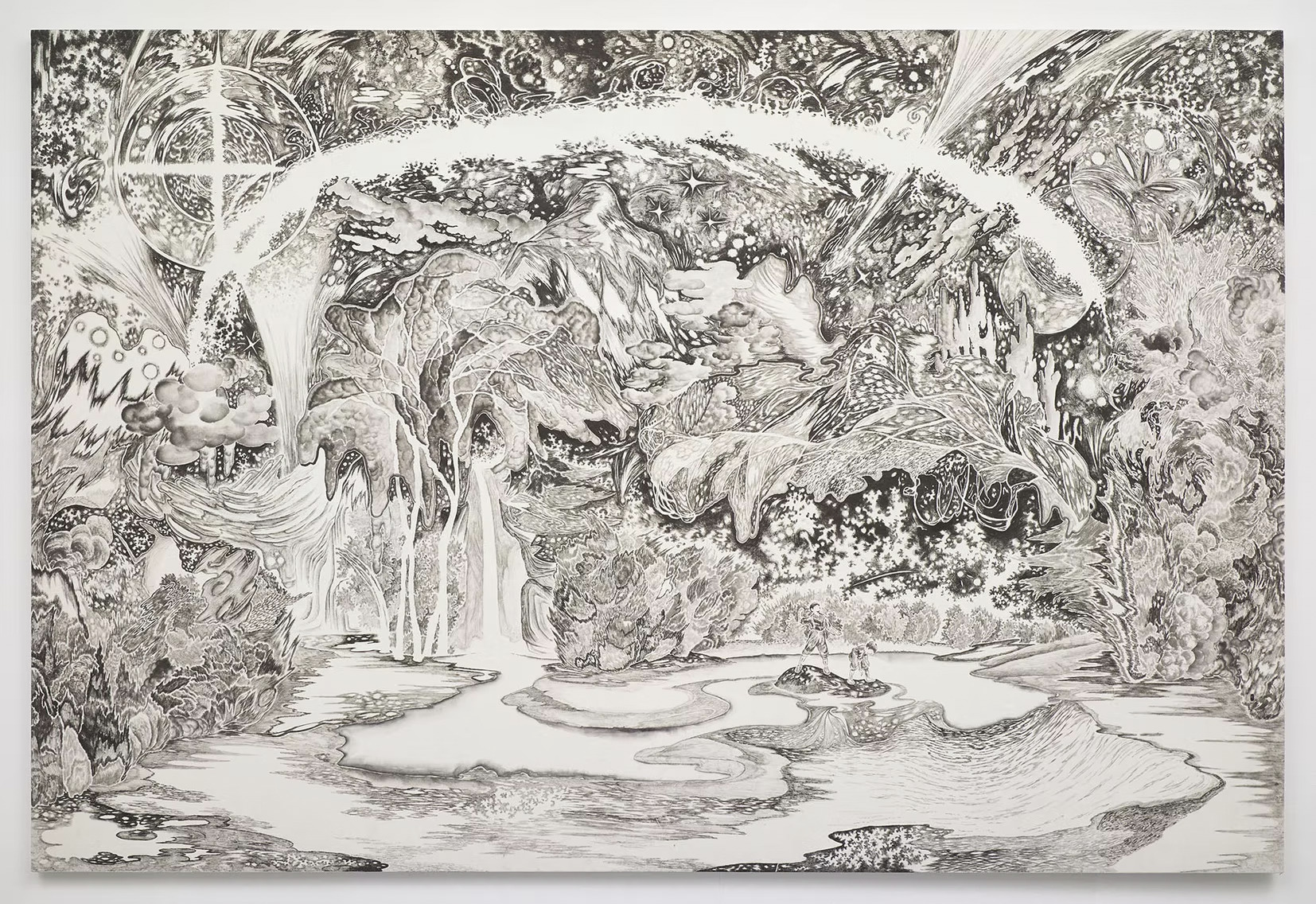
By 2020, his focus turned to the nature of memory itself—its fragmentation, distortion, and imaginative reconstruction. In Endless Night (2020), layers of remembered skies merge with later life experiences to form surreal and temporally ambiguous environments. Here, memory is not just a recollection of the past, but an active agent in shaping future-oriented selfhood.

More recent works like Chasing (2024), Wandering Tree (2024), and Willow Blossom Cloud (2024) delve deeper into fractured identity and displacement. Trees and clouds recur as symbols of emotion and memory. These compositions are populated by fragments—each standing slightly apart—suggesting an identity that is partial, migratory, and constructed through incomplete stories rather than a singular, unified self.

Style & Contents

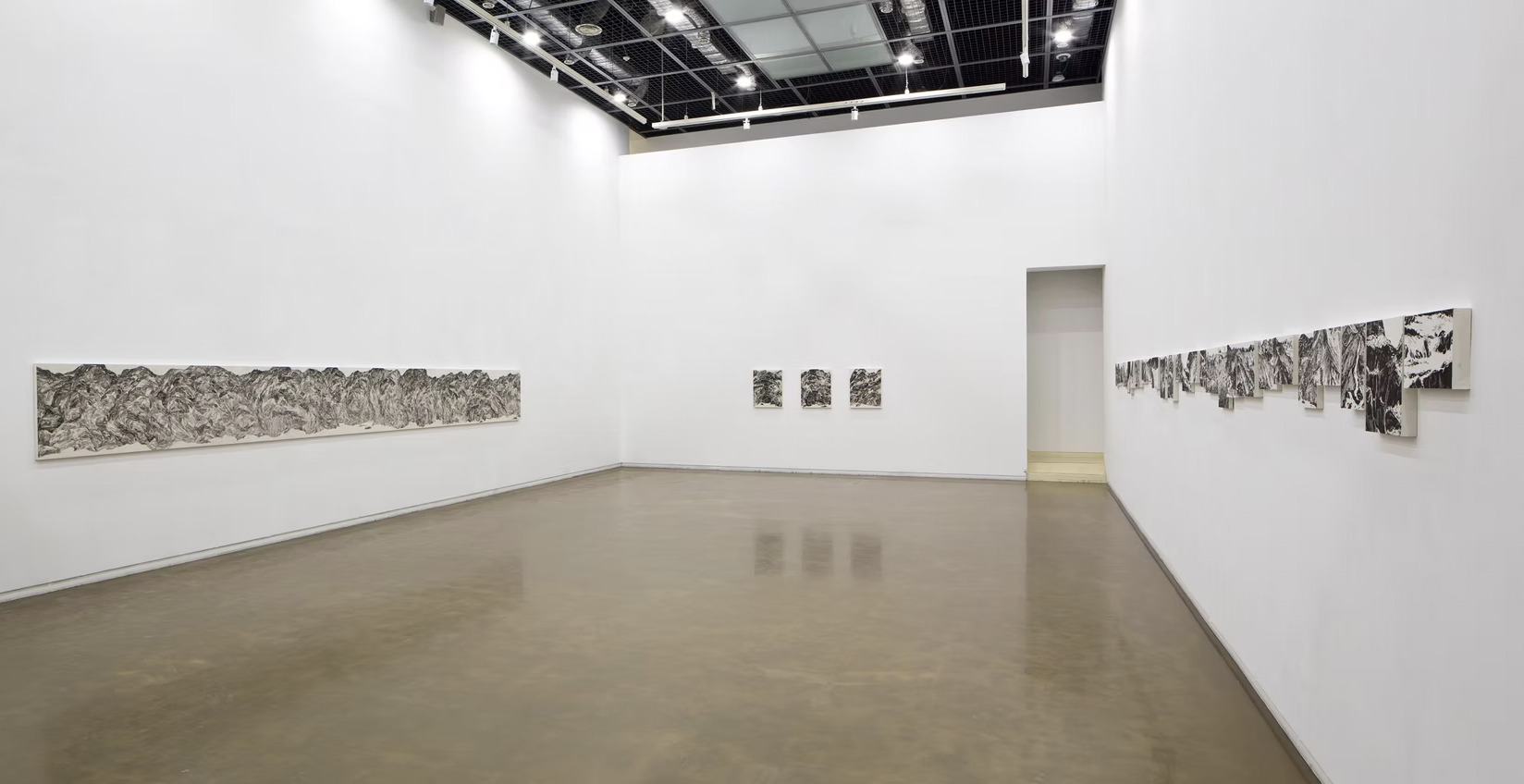
Cha has continually reimagined traditional Korean materials and techniques through a contemporary lens. Early works utilized hanji and ink to create abstracted landscapes through bleeding, layering, and gestural washes. Rather than using traditional compositional logic—such as deep or bird’s-eye perspective—he focused on surface movement and tonal rhythm, crafting meditative scenes untethered to geographic specificity.

Starting in 2016, he introduced physical depth to his paintings by collaging hanji to create ridges and irregularities. In works like Convent of Carmel (2018), this method produces landscapes that are sensory rather than representational. The emphasis on surface becomes a way of visualizing sensation, memory, and rupture through form.

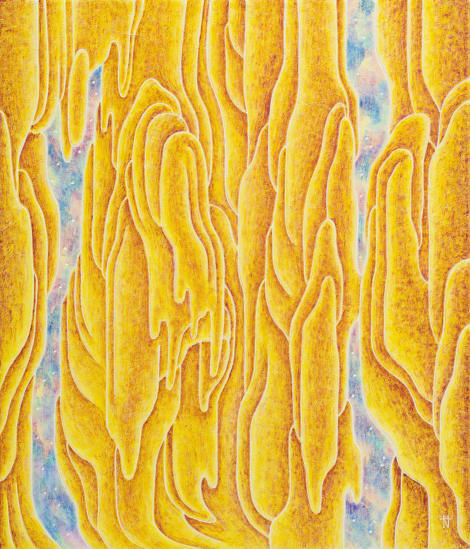
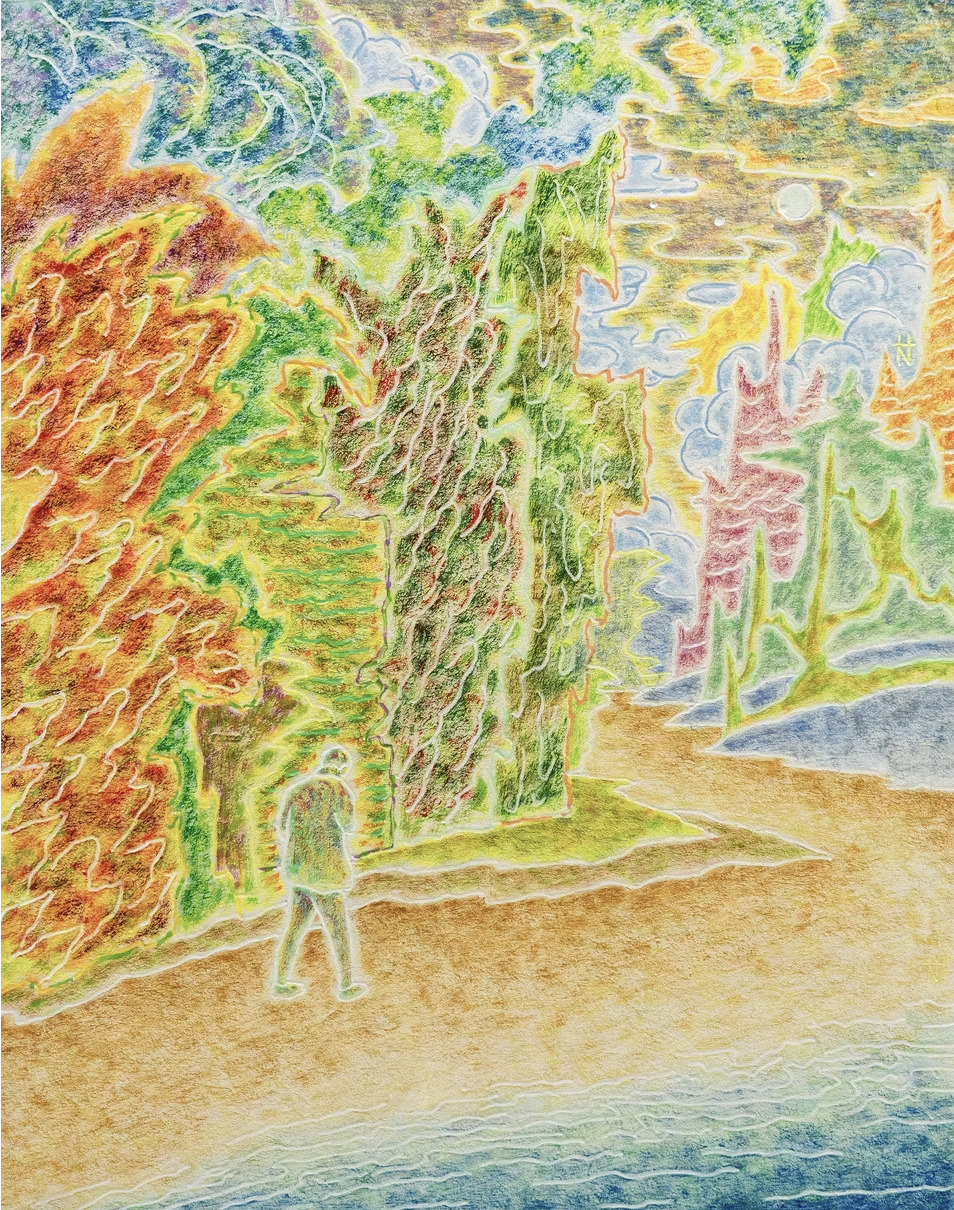
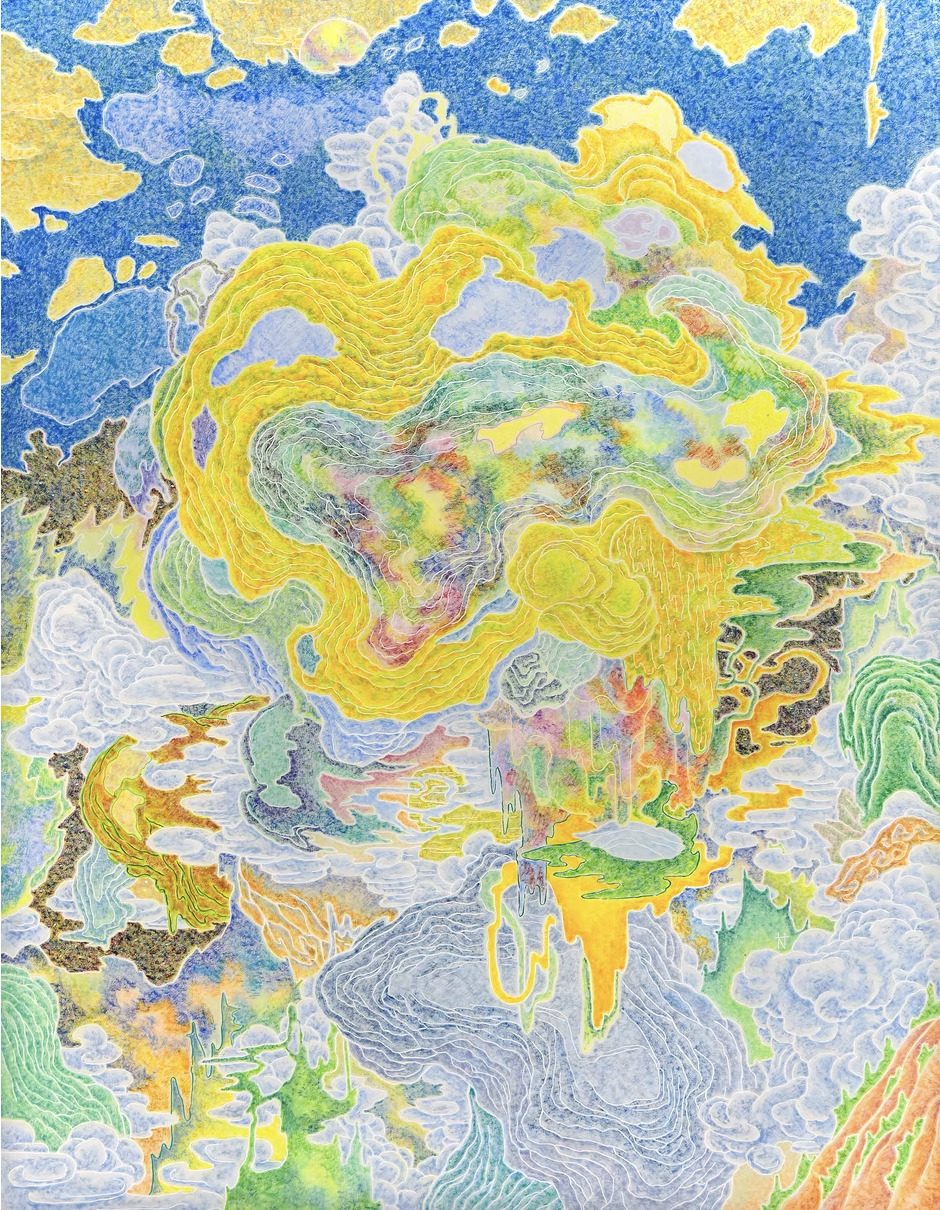
Post-2020, his use of color expanded significantly. Moving beyond monochrome ink, Cha began working with anchae and hobun, applying layers of dry brushstrokes over embossed surfaces. In works such as Enter Night (2022), Stranger (2023), and a new version of A Brimming Night, he maintains the ink’s expressive qualities while pushing toward vibrant, textured palettes that evoke emotional and spatial depth.

In pieces like Low Glide (2024), Chasing (2024), and Willow Blossom Cloud (2024), he synthesizes Eastern and Western visual languages. While grounded in Korean pigments and traditional line-based structure, his compositions demonstrate Western-influenced spontaneity in color dynamics, compositional looseness, and symbolic arrangement. These hybrid methods dismantle binary oppositions and allow for a unique pictorial logic rooted in cross-cultural experimentation.

Topography & Continuity

Cha Hyeonwook occupies a distinctive position within Korean contemporary painting by turning the traditional medium of Korean landscape into a field of memory, emotion, and fiction. His approach neither preserves tradition as static heritage nor discards it—it is instead continuously restructured through personal experience, intuitive gesture, and conceptual inquiry.

Over time, his practice has expanded from abstract landscapes into richly symbolic, narrative-laden paintings. His consistent use of voids, marginal space, and layered surface textures forms a visual language that renders memory not as an image but as a rhythm, as something slipping between visibility and absence.

In the Korean art context, Cha’s work offers an original form of "narrative landscape" that transcends linear storytelling. Themes of movement, estrangement, and recollected identity place his practice in direct dialogue with issues of migration, dislocation, and subjective formation in a globalized world. He invites viewers to encounter the artwork not as a fixed scene but as an unfolding process of memory retrieval and reinvention.

Cha carries forward the lineage of traditional Korean landscape painting, yet by decontextualizing and recontextualizing its visual language, he is establishing himself as a key artist who reconstructs the horizons of Korean painting through a contemporary sensibility.

Works of Art

Reconstructing Memory Through the Transformation of Korean Traditional Painting

Articles

Exhibitions

Activities