Yi’s
practice began with oil-based realist painting and gradually moved toward
experiments in collaging disconnected images, later transitioning into
pattern-based painting through recurring motifs. In 《181cm, 83kg, XS》, rounded characters fill
the canvas, juxtaposing playfulness and suggestiveness, and deconstructing
iconographic forms. At this stage, his painting used repetition to establish
new visual orders while disrupting existing modes of perception.
In 《When the Remote Control Did Not Work, the Drone Crashed to the Floor》 (2023), the artist initiated a full-fledged transition from
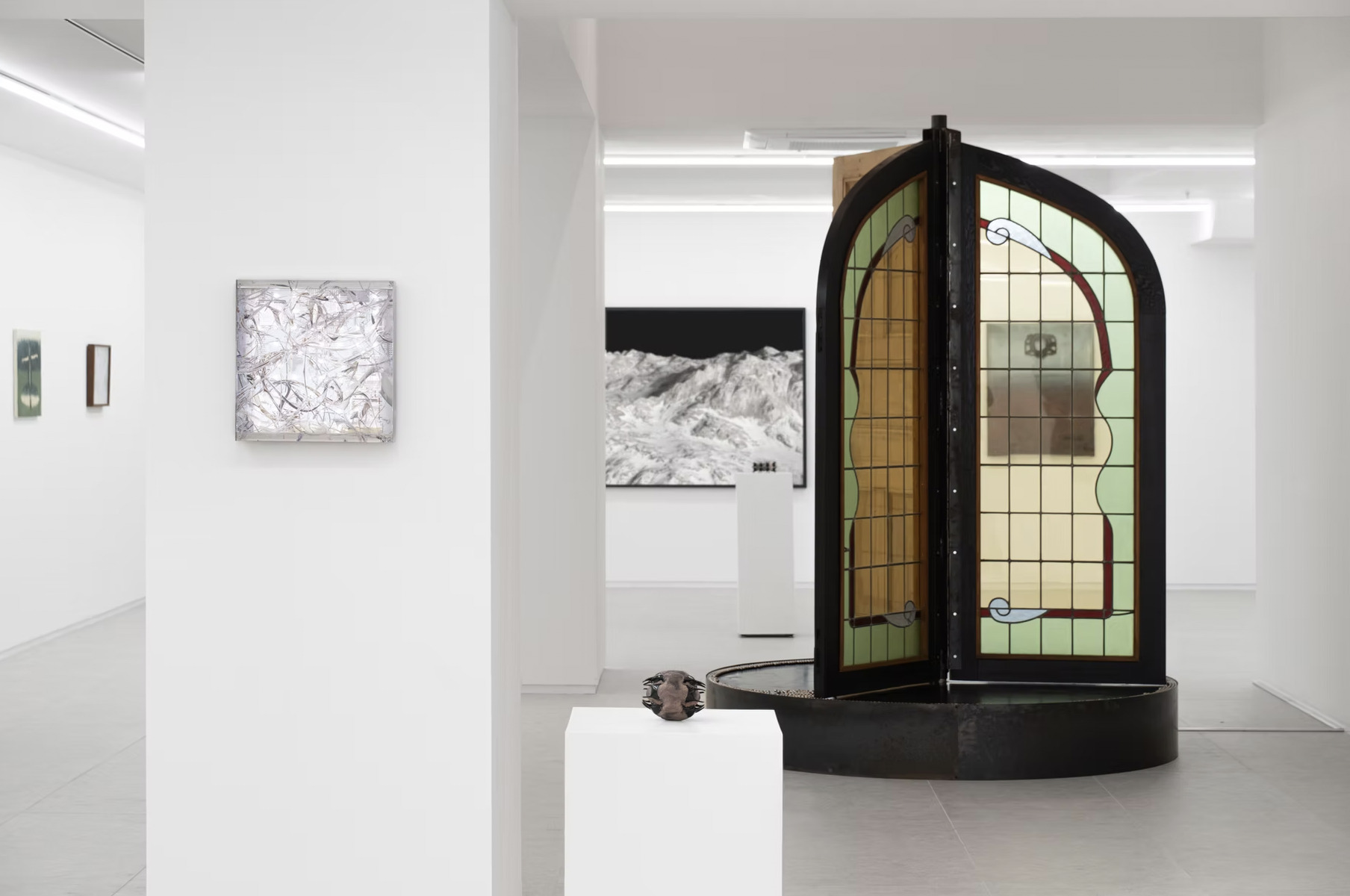
two-dimensional works to three-dimensional forms. The installation
painting The amberjack that ate feed mixed with chocolate didn’t
think the feed was special, and those who ate the amberjack didn’t realize it
had eaten chocolate feed (2023), reminiscent of Damien Hirst’s
controversial works, segments the body of the fish into cubic forms made from
wood and aluminum. Blurring the boundaries between flatness, dimensionality,
and motion, the work provokes visual confusion and perceptual disorientation,
disrupting the continuity of space and perspective.
Returning
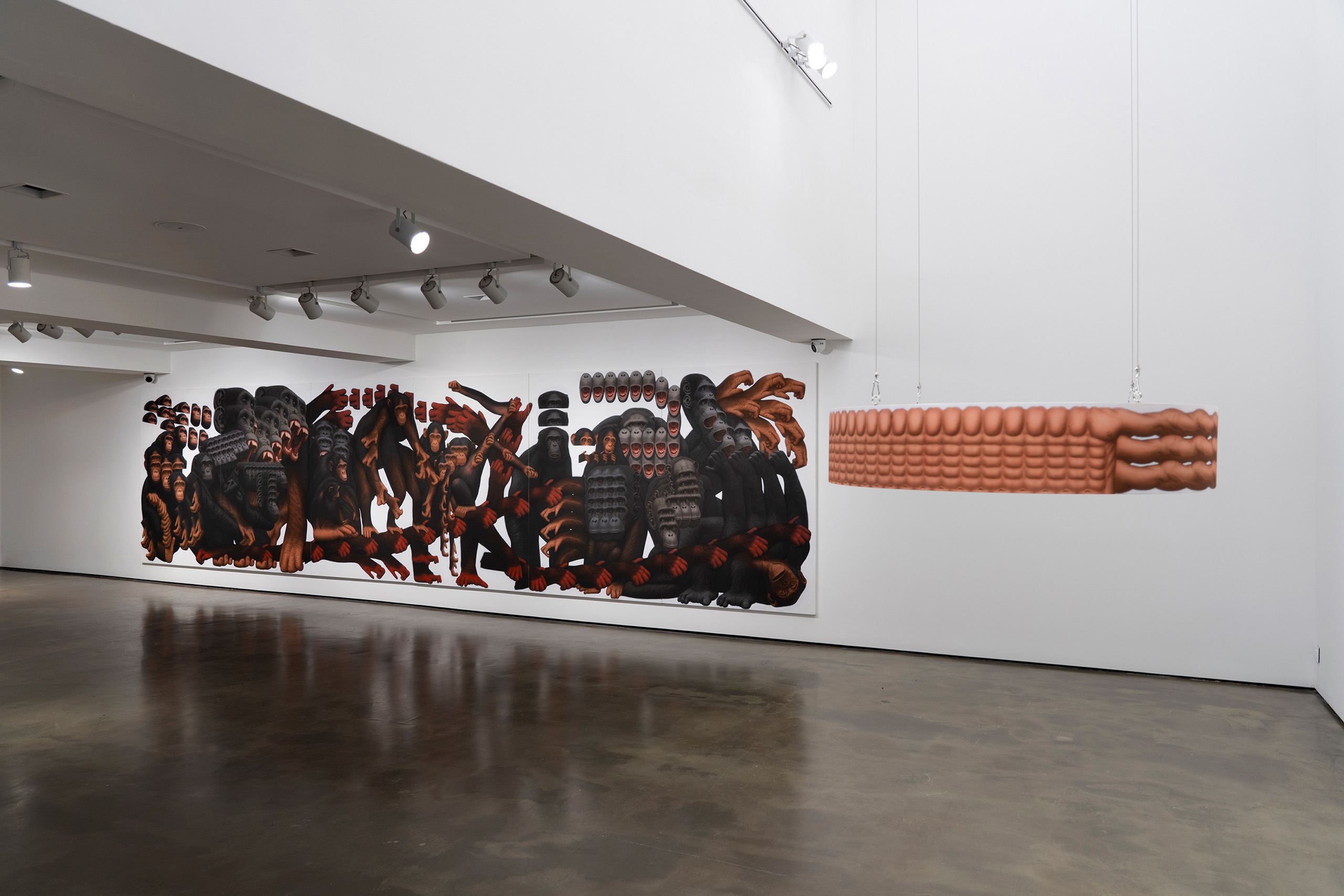
once more to painting, the solo exhibition 《Deformation of the Frame》 (OCI Museum of
Art, 2024) experimented with strong continuity by connecting fragmented bodily
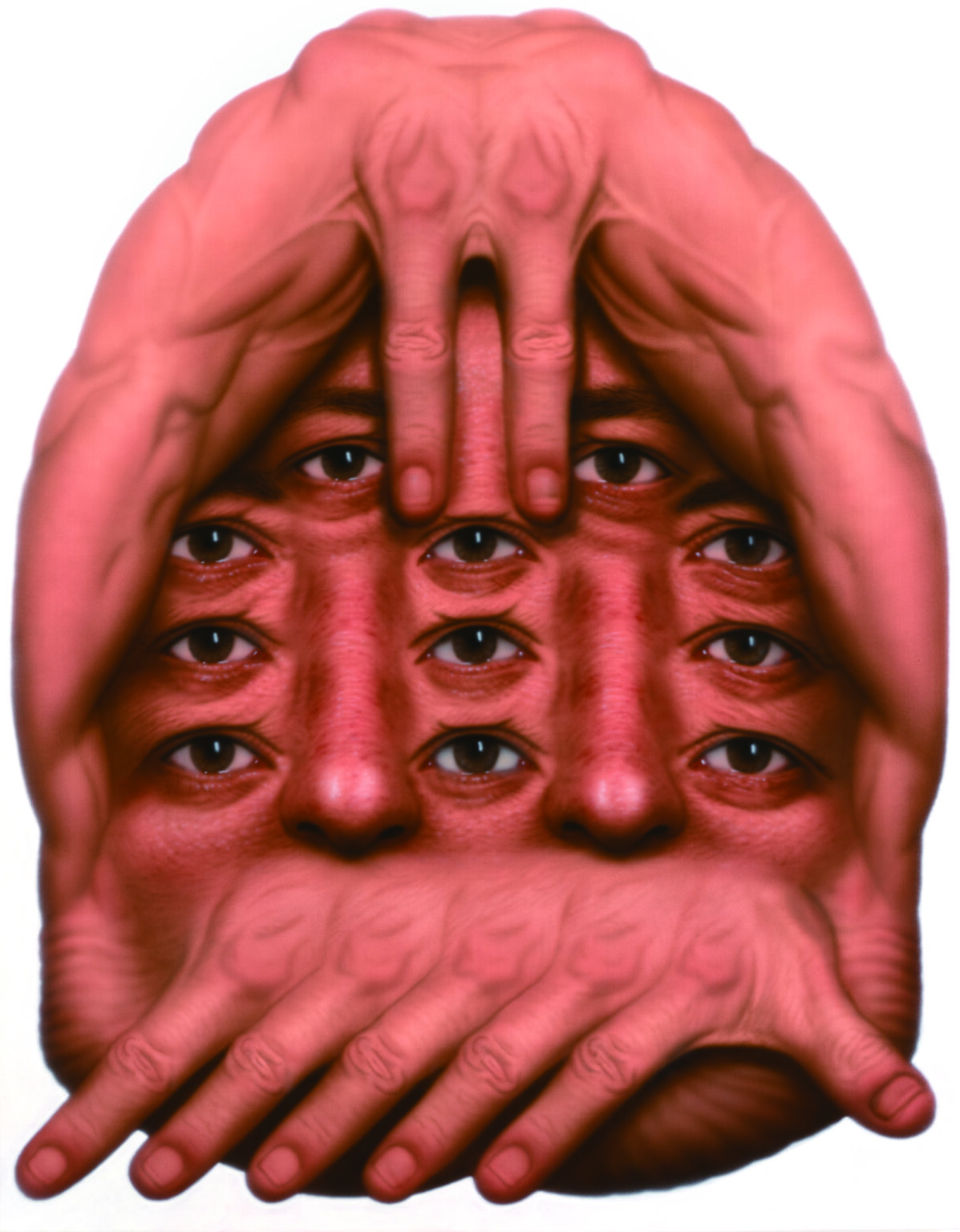
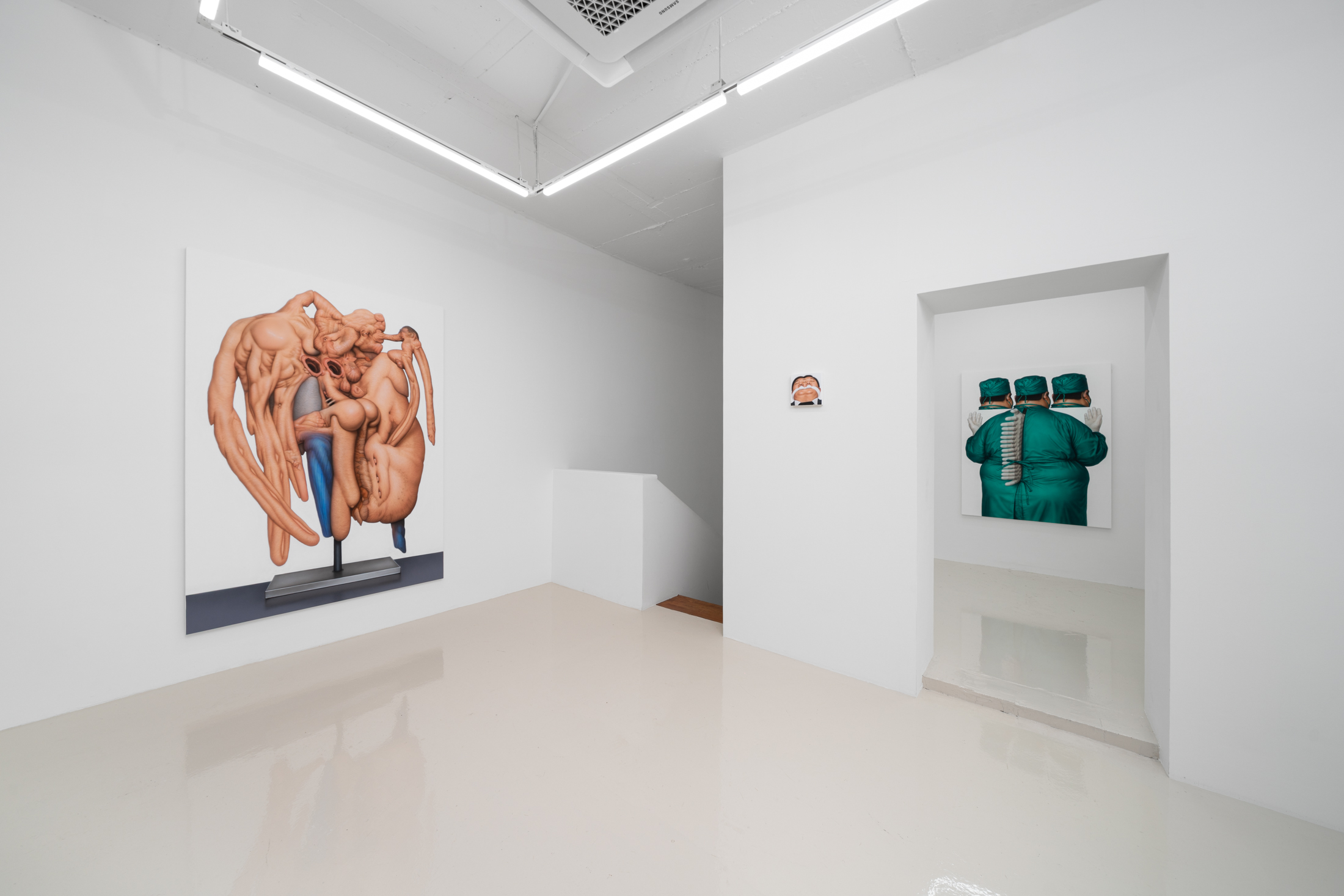
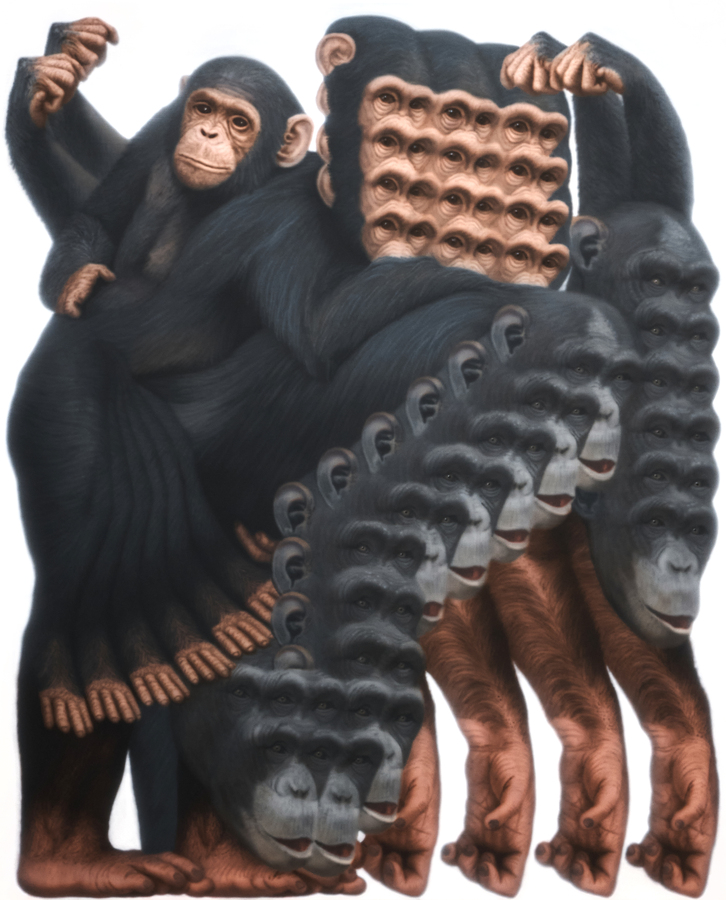
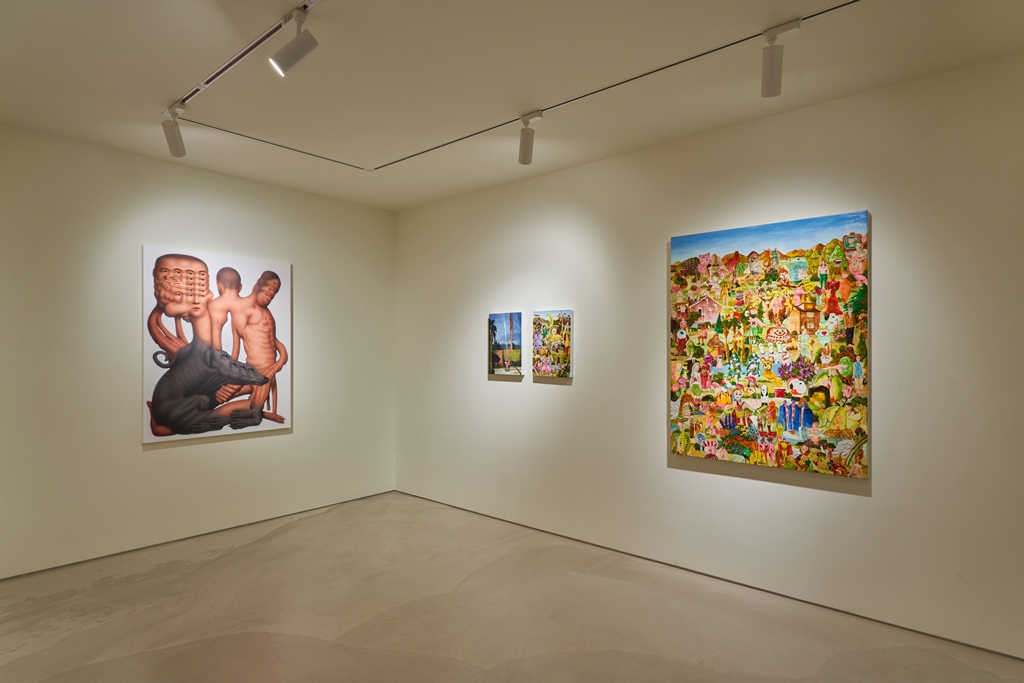
images through airbrush techniques. In Portrait of a Person Who,
Distrusting Others, Only Thinks About Counterarguments While
Listening (2024), realistic depiction and distorted anatomy
coexist, creating sensory conflict. The artist derives rhythm and emotional
resonance within the painting through subtle variations in repetition.
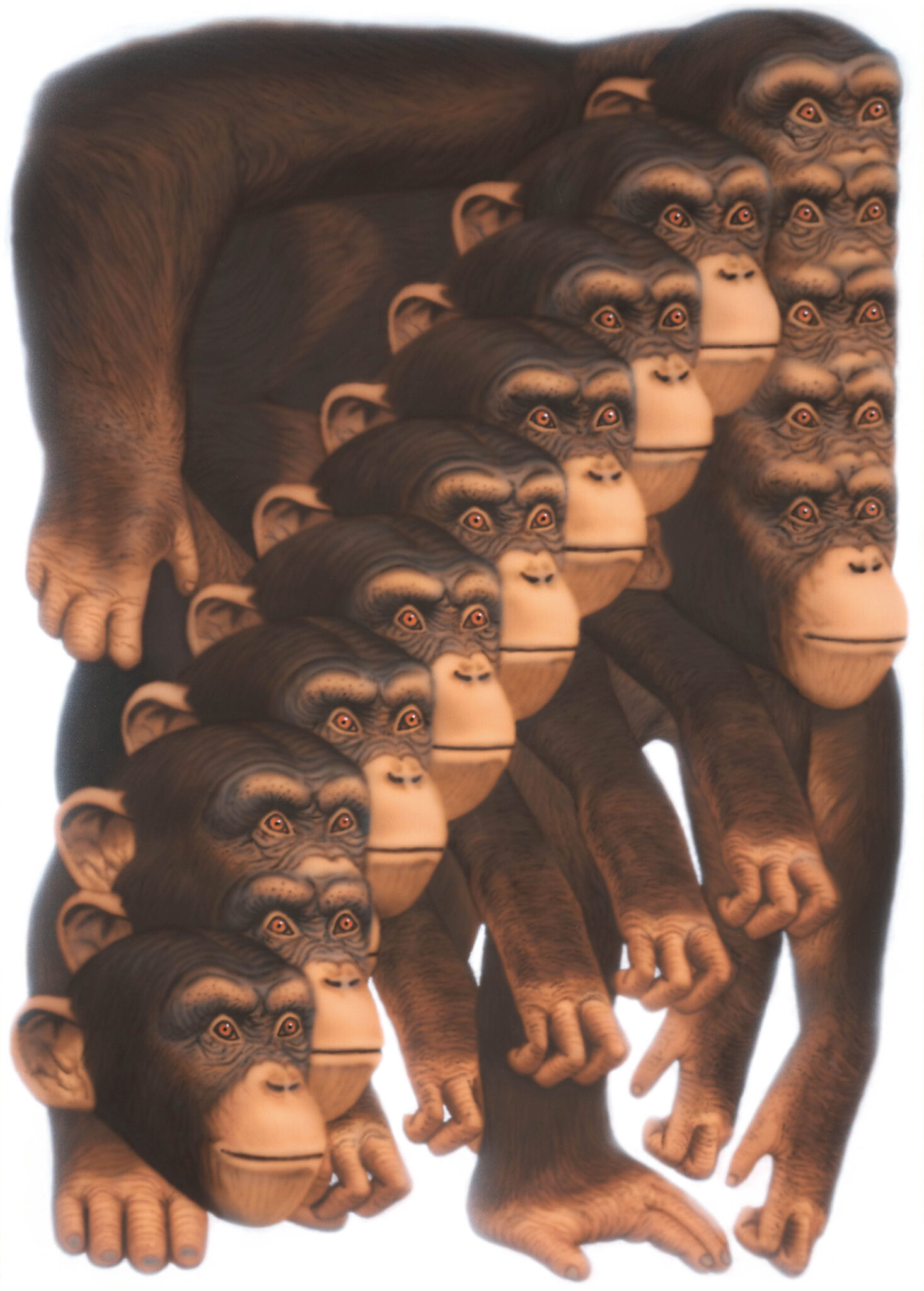
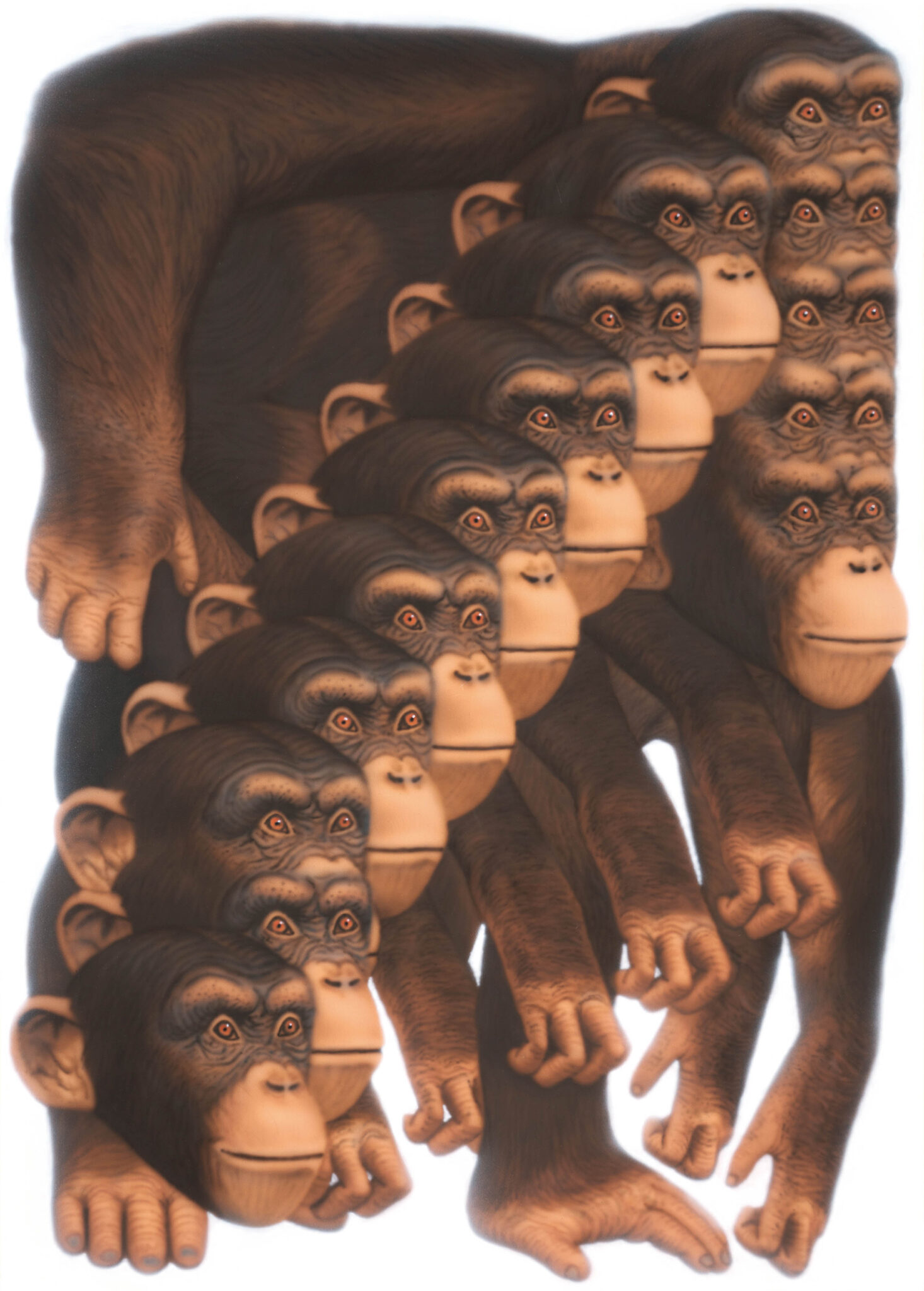
The
repetition of manipulated bodily fragments becomes more intimate
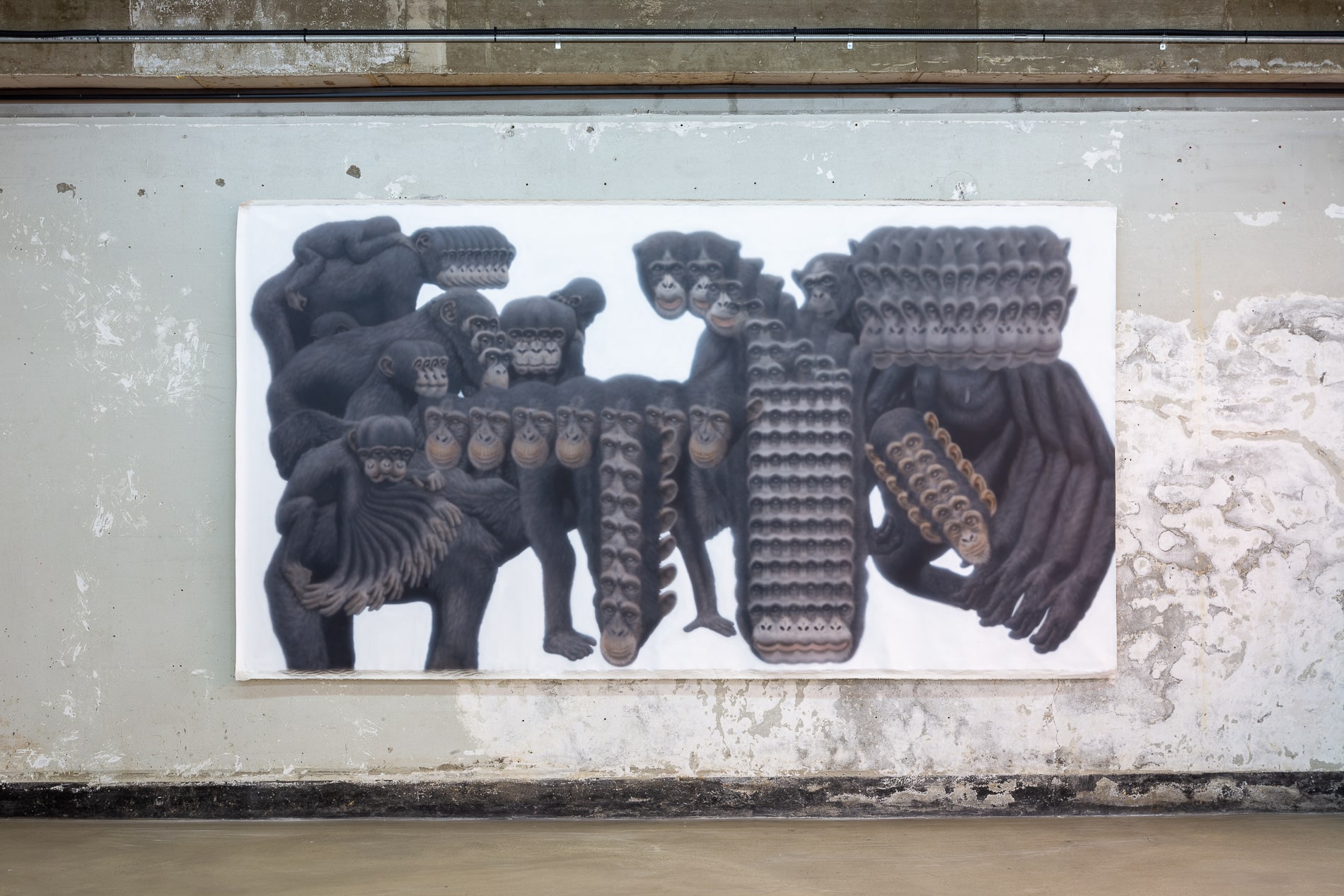
in The Final Portraits of Those Who Became Constellations in the
Sky (2025). This work encapsulates Yi’s perceptual mechanism,
shaped through a cyclical movement between flatness and dimensionality and back
again to painting. Through fragmentation, variation, and repetition, he
explores the endless combinatory potential of images, triggering a chain
reaction of sensory collisions.