Computation/Operation 1 - K-ARTIST

Computation/Operation 1

2018/2024
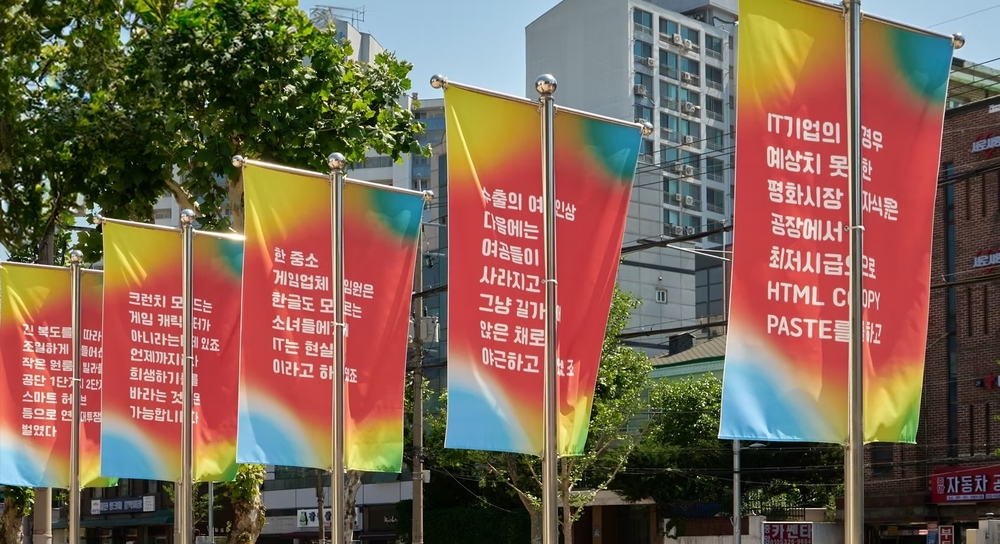
Sentence generated by the Markov chain algorithm, series output
About The Work

Unmake Lab machine perception to explore ways in which humans, nature, and society can engage with one another through computational means. Their practice particularly focuses on intersecting elements of artificial intelligence—such as datasets, computer vision, and generative neural networks—with the history of developmentalism in Asia, thereby revealing the social, spatial, and ecological conditions of the present.
 
Unmake Lab borrows the gaze of cutting-edge technology, imprinted with our contemporary senses, perceptions, culture, and history, to offer insights into our current era. Today, technology progressively influences our lives and existence both in visible and invisible realms. Against this backdrop, Unmake Lab’s work not only visualizes how we navigate this world alongside various non-human entities across multiple layers but also fosters collective discourse through research and educational formats.

Solo Exhibitions (Brief)

Unmake Lab’s recent solo exhibitions include 《Popular Creatures》 (Boan 1942, Seoul, 2023), 《Utopian Extraction Performance》 (Coreana Museum of Art, Seoul, 2020), 《Operation Room》 (Space Imsi, Seoul, 2019), and 《Whole Data Catalog: Tracking the Alternative Happiness》 (413 Space, Seoul, 2018).

Group Exhibitions (Brief)

Unmake Lab has also participated in numerous group exhibitions such as 《Open Codes. Networked Commons》 (Nam June Paik Art Center, Yongin, 2021), 《Tangible Error》 (d/p, Seoul, 2020), 《The Security Has Been Improved》 (Coreana Museum of Art, Seoul, 2019), 《Dutch Savannah》 (Museum De Domijnen, Amsterdam, 2018), and 《Do it》 (Ilmin Museum of Art, Seoul, 2017).

Awards (Selected)

Unmake Lab was also selected as one of the finalists for the 《Korea Artist Prize 2025》, jointly hosted by the National Museum of Modern and Contemporary Art Korea (MMCA) and SBS Foundation.

Works of Art

Relationships Between Technology, Nature, and Society

Originality & Identity

Unmake Lab reexamines the relationship between humans and technology, nature and society within a computational context through the act of technological "appropriation." In their early work, Computation/Operation 12018), they used a Markov chain algorithm to generate text linking labor from the industrial and digital eras, based on data collected in Guro, a district historically known for its manufacturing plants. Through such work, they position technology not as a tool, but as a medium of interpretation, unfolding social contexts via machine learning and algorithmic processes.
In the ‘Whole Data Catalog’(2018) series, they explore the quantifiability of emotions—particularly "happiness"—critically engaging with how technology penetrates even the inner realms of the human experience. By recording and visualizing emotions using devices that combine emotion-analysis APIs and microcontrollers, they reveal how feelings have come to be managed and commodified in contemporary society.

Their 2020 work Utopian Extraction poses reflective questions on the anthropocentric technological paradigm by investigating post-pandemic “untact” technologies and spaces. Through the concept of “Generic Nature,” they critically describe a form of nature that has been extracted and reshaped by development logics, aiming to dismantle the human-centered myth.

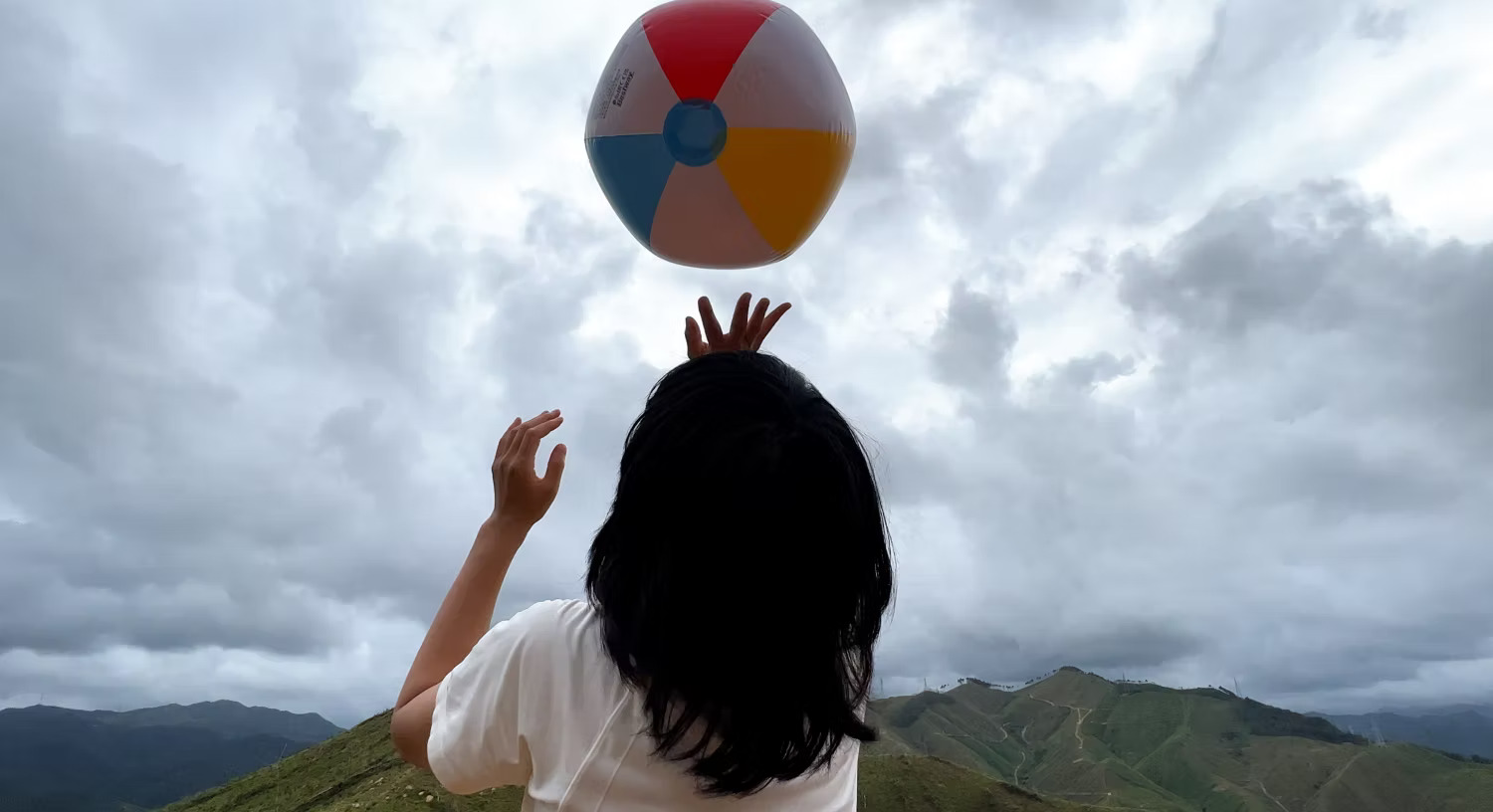
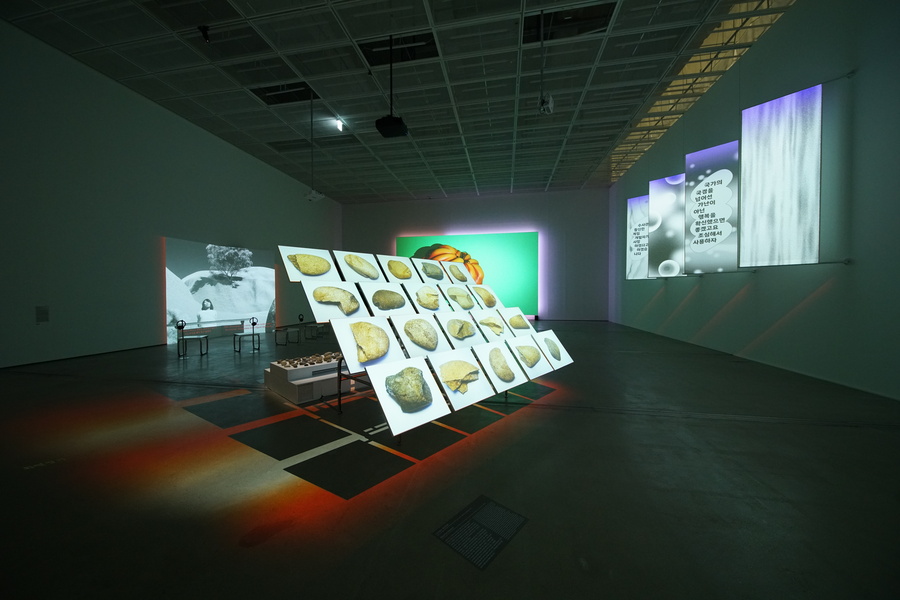
In their recent work Ecology for Non-Future (2023), the artists introduce the temporal concept of “non-future” by intersecting a site of ecological disaster—burned mountains—with the predictive capacities of artificial intelligence. Here, Unmake Lab critically addresses the coloniality embedded within AI’s visual learning systems, the politics of familiarity, and human-centered cognitive structures, all while contemplating the possibilities and limitations of ecological perception mediated through technology.

Style & Contents

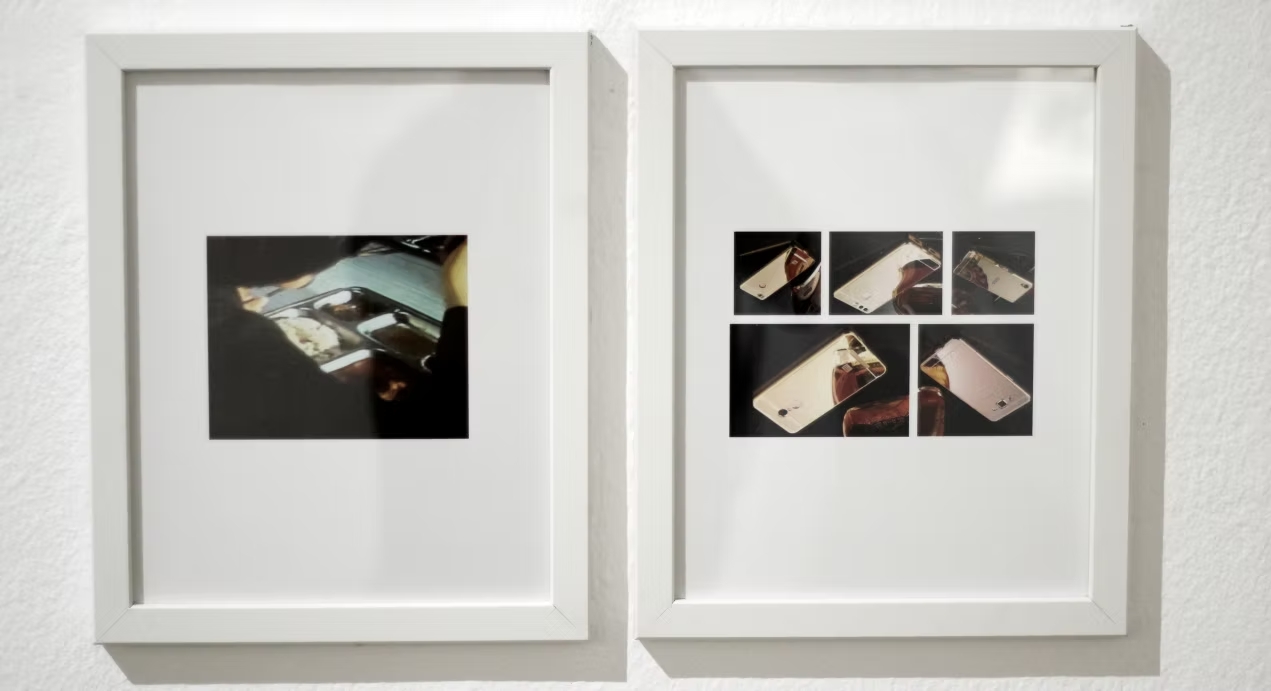
Unmake Lab’s works are structured through a complex, technology-based format involving text generation algorithms, image matching, emotion analysis APIs, computer vision, 3D scanning, VR, and game engines. Rather than merely using technology as a tool, they design their works to expose the structures, errors, and limits inherent in these technologies. For instance, Computation/Operation 2 (2018) reveals the distortion of memory produced by technology through contextless image matches generated via Google image search using historical photos.

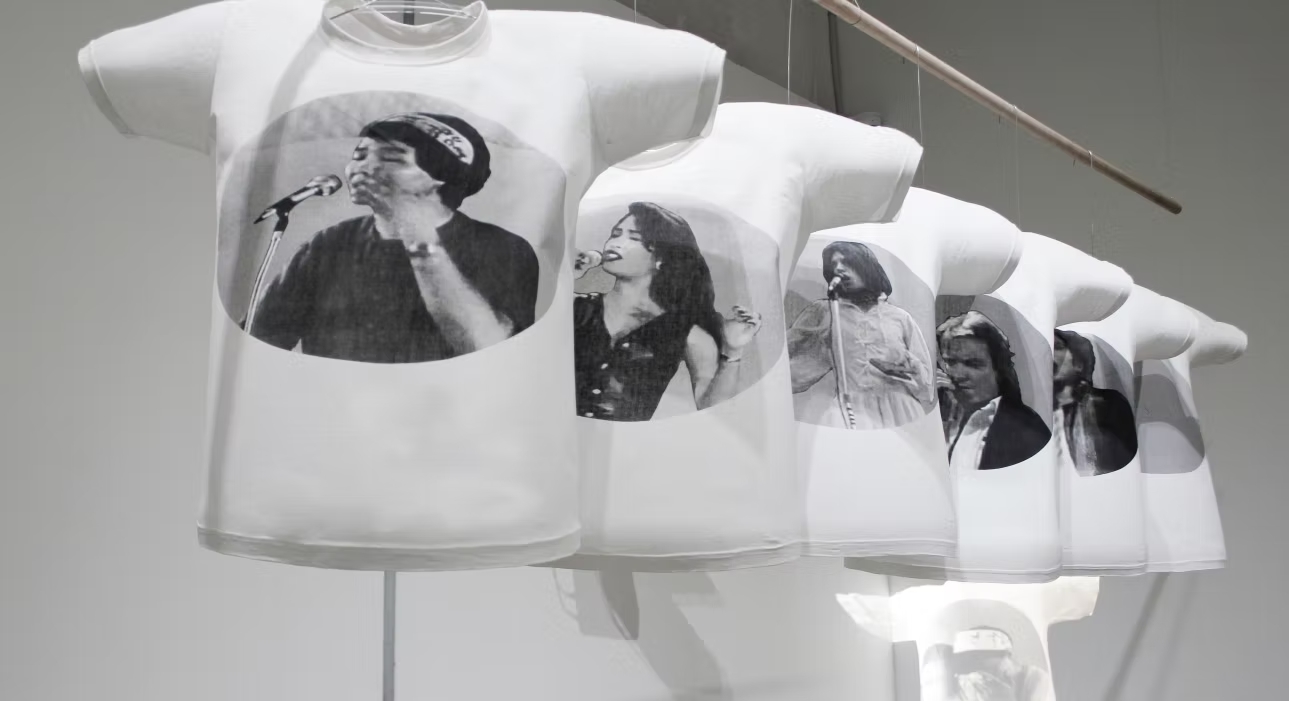
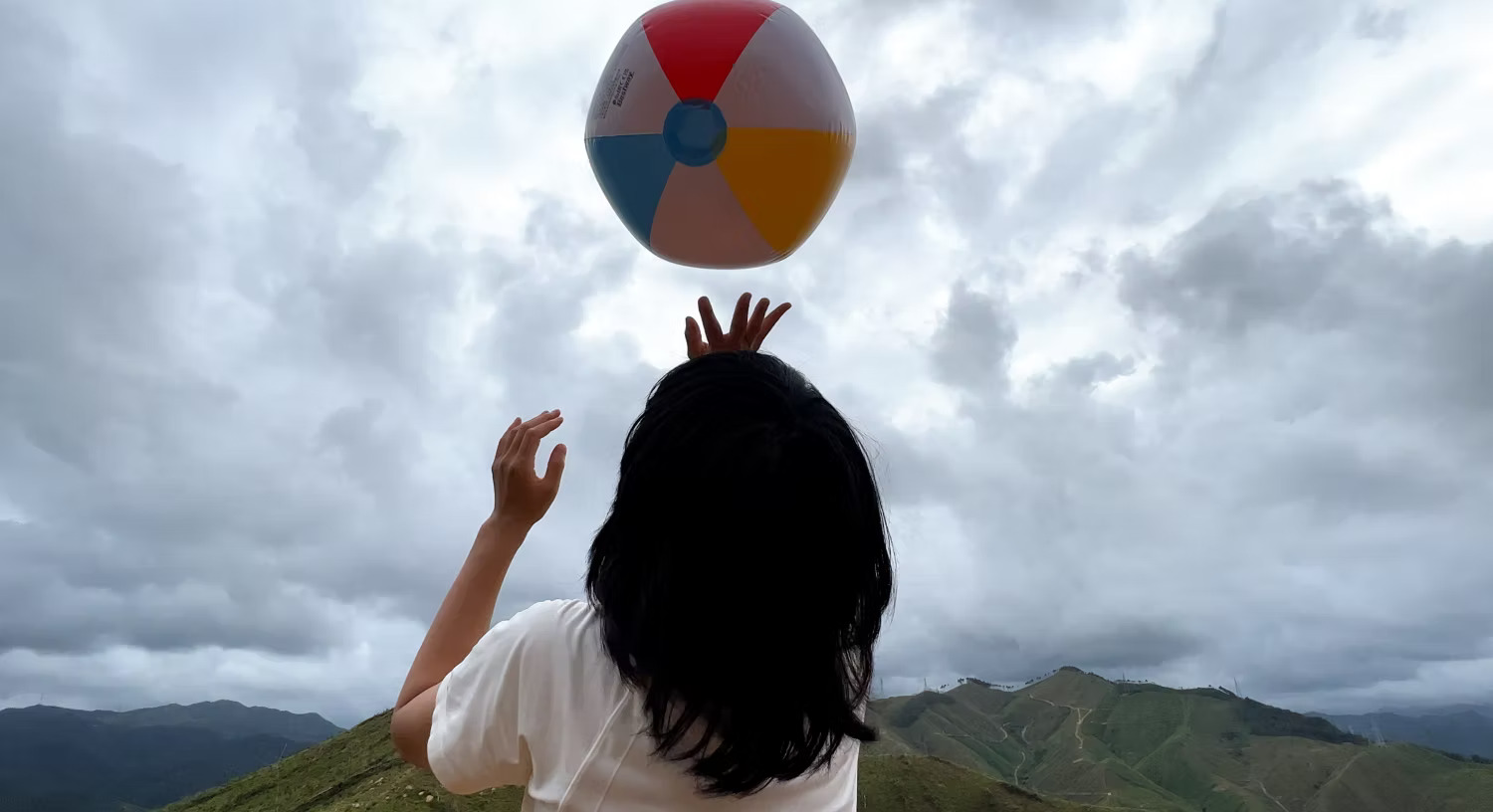
In Computation/Operation 3 (2018), the results of image matching are silk-screened onto T-shirts, which are then inflated using industrial fans—an act that spatially reveals the algorithmic emptiness of urban environments. In this way, technological computation and the physical form of objects combine to create a layered sensory experience beyond mere conceptual apparatus.

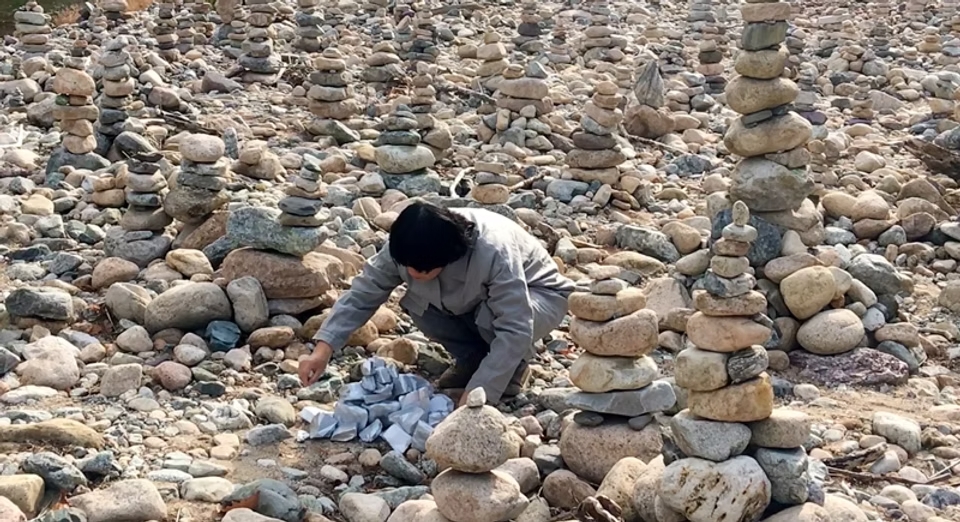
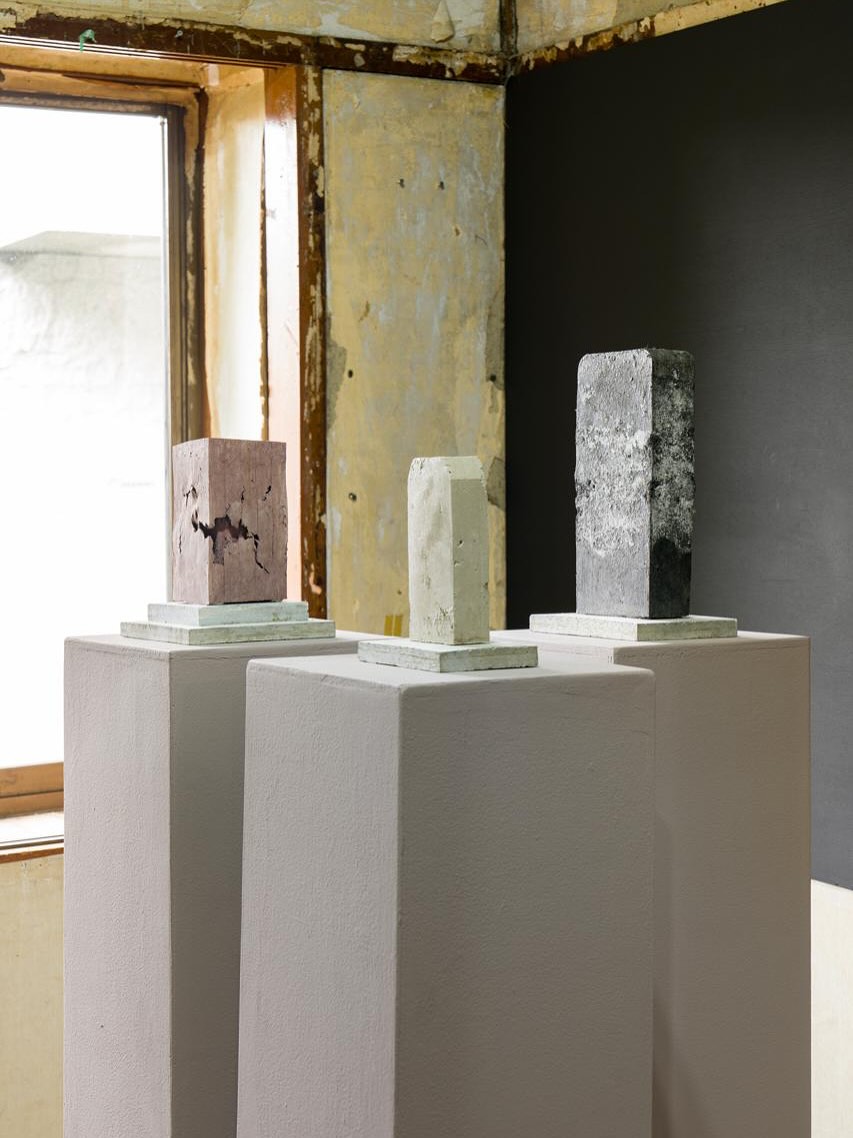
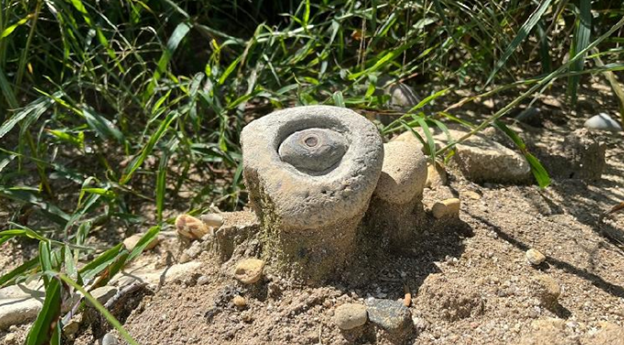
In Whole Data Catalog 2: The Origin of Happiness (2018) and Whole Data Catalog 4: Tourists / No Results (2018), they combine emotional data visualization with site-specificity. The former investigates the materiality of data through the stacking of 3D-printed "origin stones," while the latter stages an ironic situation in which a portrait embedded with emotional expressions is tagged as “tourist” by an image recognition API, only to return a result of “no data” in emotion analysis.

In works such as The Variable of Sisyphus (2021), they utilize large-scale language models like GPT-3 to generate narratives that dislocate human-centered myths. These narratives not only twist the textual structures of traditional myths but also serve as experiments in storytelling, wherein new prophetic languages produced by algorithms test the interaction between human and non-human assemblages.

Topography & Continuity

Rather than simply using technological devices, Unmake Lab has continuously revealed the sensory and epistemological limits of technology itself through their work. By reverse-tracing the logic of a datafied society or transforming algorithmic distortions and errors into visual and linguistic mechanisms, they have established themselves as a leading example of critical technology-based art.

The formal appropriation of technology seen in the ‘Computation/Operation’ and ‘Whole Data Catalog’ series has gradually evolved into sculptural compositions of hybridized sensations involving humans, non-humans, and machines in works such as Utopian Extraction, The Variable of Sisyphus, and Ecology for Non-Future.

Unmake Lab appropriates the deep structures of contemporary technologies—real-time algorithms, emotion recognition systems, generative language models (GPT-3), XR platforms—while persistently deconstructing the mythical frameworks and perceptual biases these systems produce.

Such critical and multilayered practices have increasingly defined their position within the contemporary art field. Notably, they have been selected as one of the finalists for the 2025 Korea Artist Prize by the National Museum of Modern and Contemporary Art, solidifying their standing as key practitioners of technologically informed artistic practices. Their forthcoming solo exhibition will provide an opportunity to further delve into their dense universe encompassing techno-ecology, emotional datafication, and algorithmic critique.

Going beyond traditional media art, Unmake Lab constructs a new cartography of technological aesthetics rooted in questions surrounding East Asia’s developmental history, non-Western technological sensibilities, and post-human sensory systems.

Their work functions not as mere applications of technology, but as a continuous interrogation of how technology constitutes the human. In doing so, they serve as a significant example of post-anthropocentric art, redefining contemporary art discourse at the intersection of technology, culture, and ecology.

Works of Art

Relationships Between Technology, Nature, and Society

Exhibitions