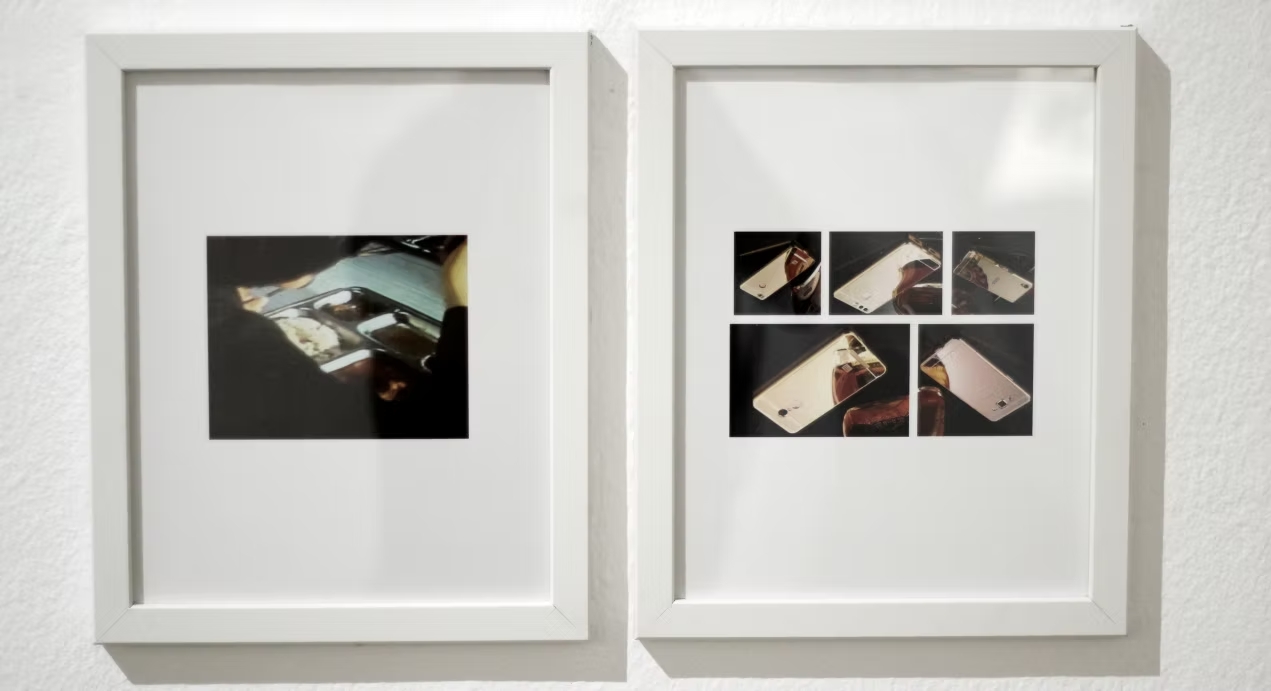
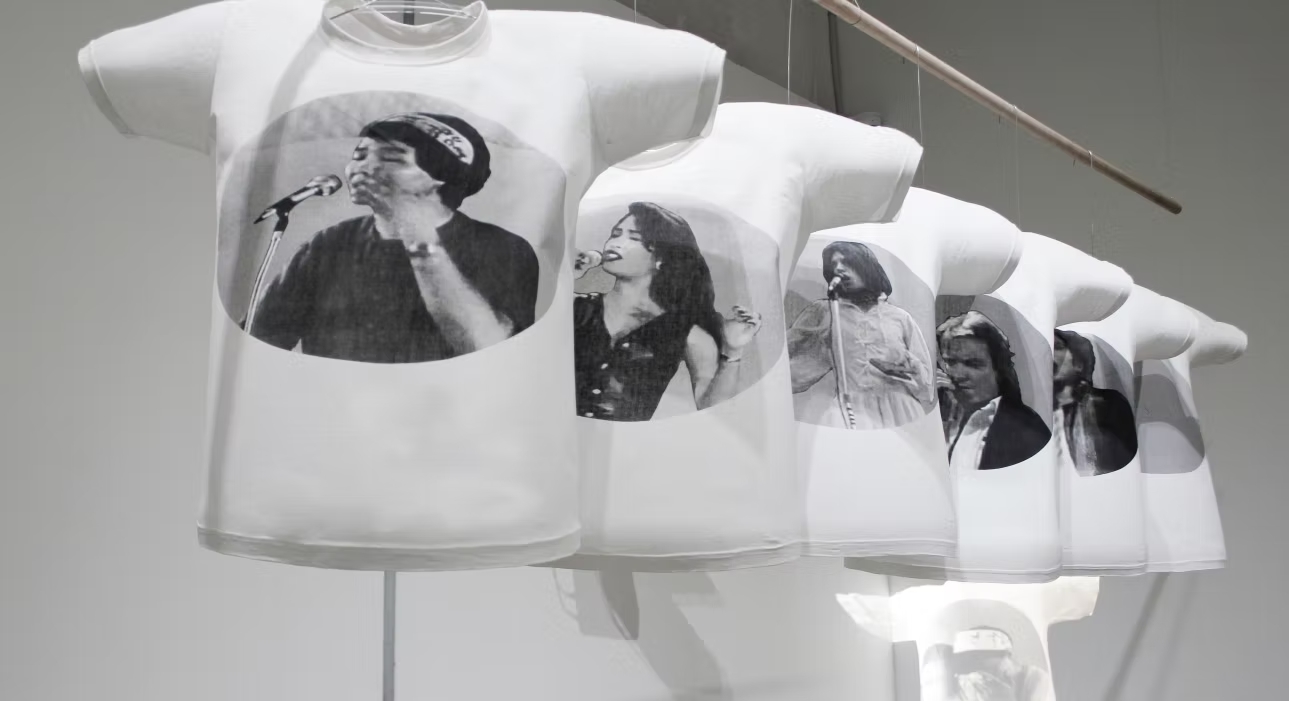
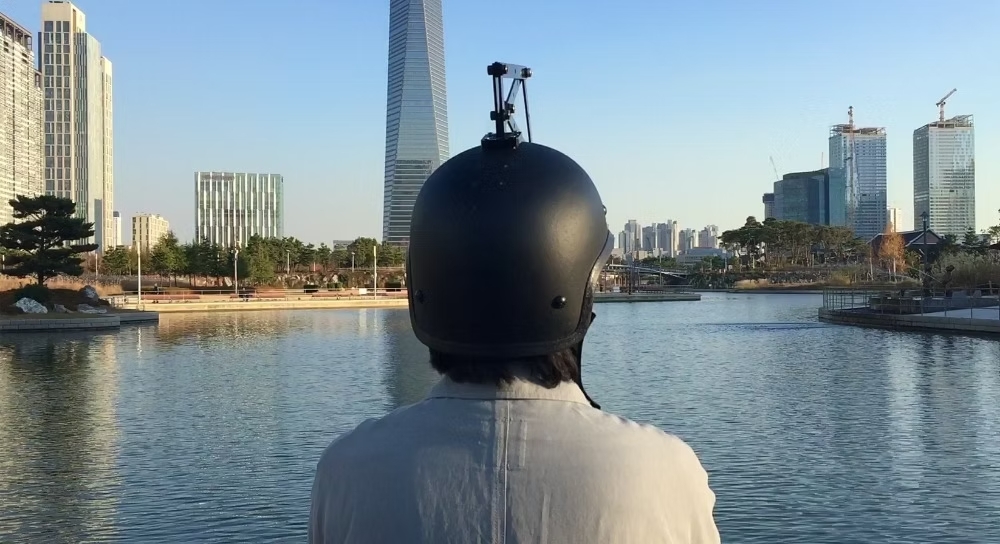
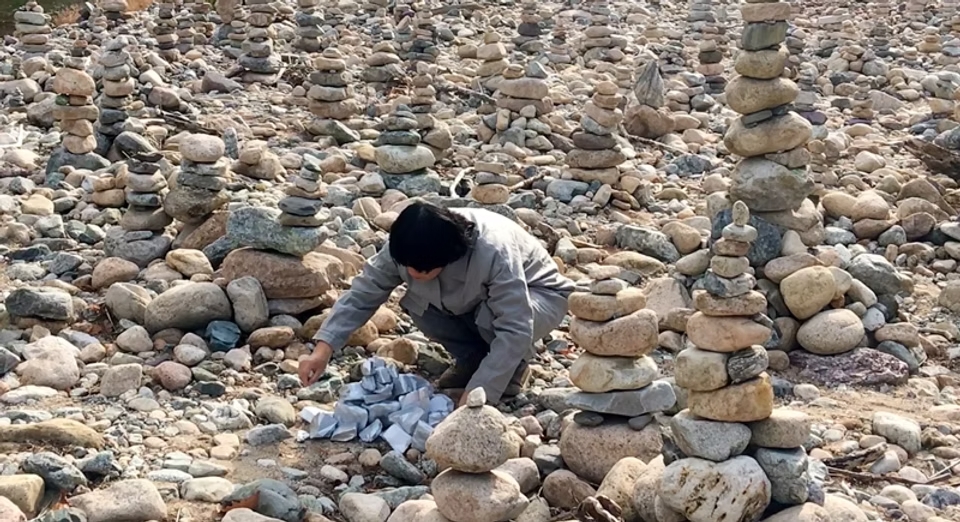
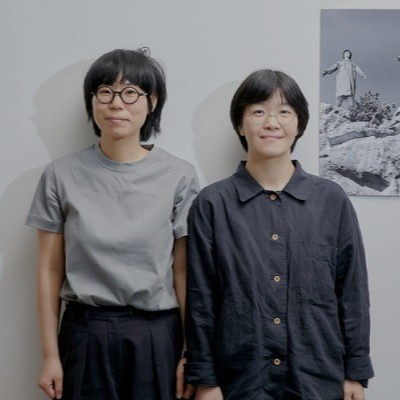
Rather than simply using technological devices, Unmake Lab has
continuously revealed the sensory and epistemological limits of technology
itself through their work. By reverse-tracing the logic of a datafied society
or transforming algorithmic distortions and errors into visual and linguistic
mechanisms, they have established themselves as a leading example of critical
technology-based art.
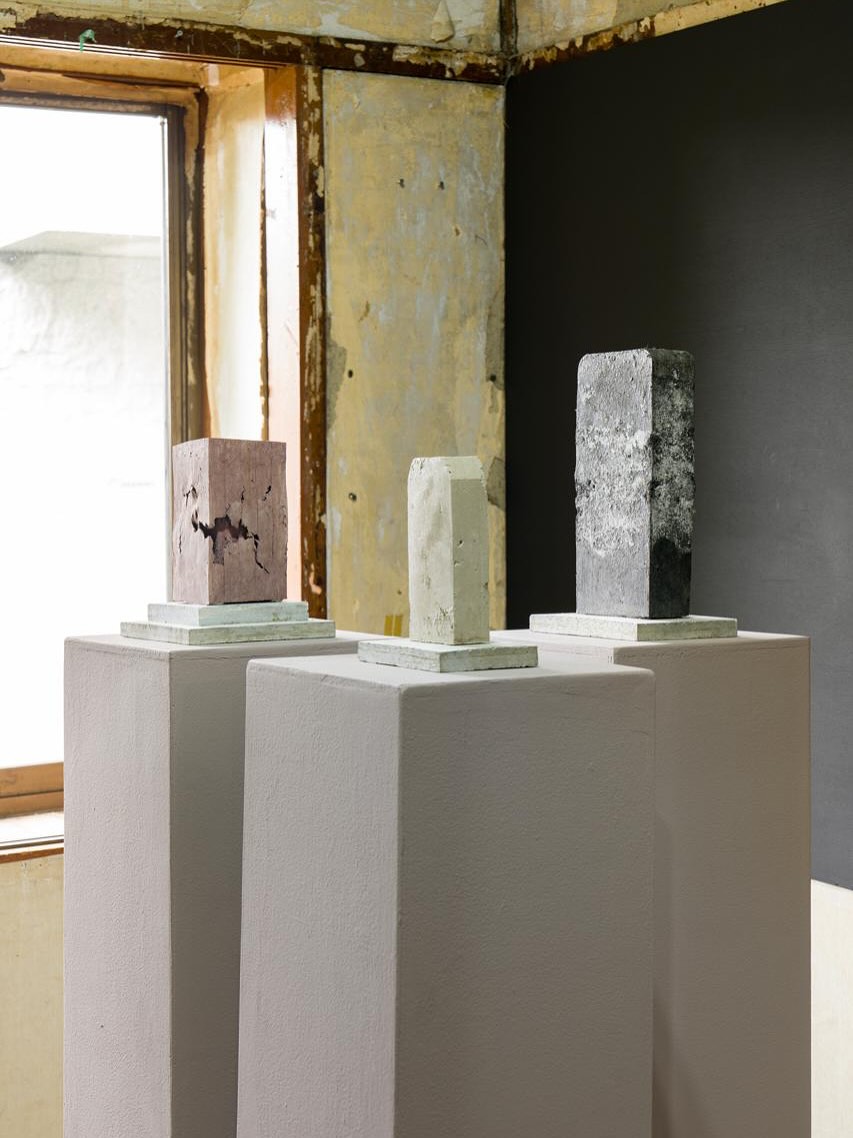
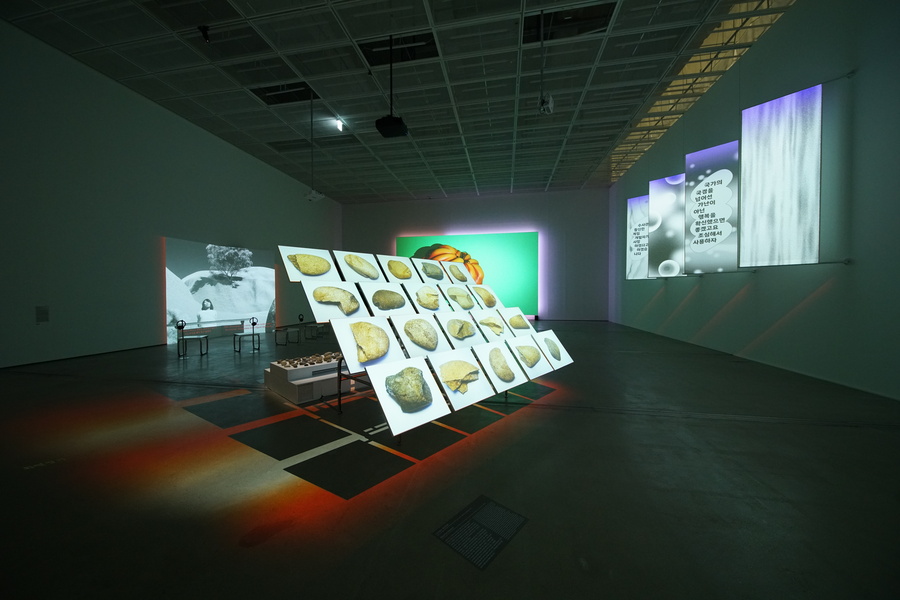
The formal appropriation of technology seen in the ‘Computation/Operation’
and ‘Whole Data Catalog’ series has gradually evolved into sculptural
compositions of hybridized sensations involving humans, non-humans, and
machines in works such as Utopian Extraction, The
Variable of Sisyphus, and Ecology for Non-Future.
Unmake Lab appropriates the deep structures of contemporary
technologies—real-time algorithms, emotion recognition systems, generative
language models (GPT-3), XR platforms—while persistently deconstructing the
mythical frameworks and perceptual biases these systems produce.
Such critical and multilayered practices have increasingly defined
their position within the contemporary art field. Notably, they have been
selected as one of the finalists for the 2025 Korea Artist Prize by the
National Museum of Modern and Contemporary Art, solidifying their standing as
key practitioners of technologically informed artistic practices. Their
forthcoming solo exhibition will provide an opportunity to further delve into
their dense universe encompassing techno-ecology, emotional datafication, and
algorithmic critique.
Going beyond traditional media art, Unmake Lab constructs a new
cartography of technological aesthetics rooted in questions surrounding East
Asia’s developmental history, non-Western technological sensibilities, and
post-human sensory systems.
Their work functions not as mere applications of technology, but
as a continuous interrogation of how technology constitutes the human. In doing
so, they serve as a significant example of post-anthropocentric art, redefining
contemporary art discourse at the intersection of technology, culture, and
ecology.