30th Anniversary of MMCA Gwacheon SONGS FROM KNEE TO CHIN - A PROJECT BY SORA KIM - K-ARTIST

30th Anniversary of MMCA Gwacheon SONGS FROM KNEE TO CHIN - A PROJECT BY SORA KIM

2016
About The Work

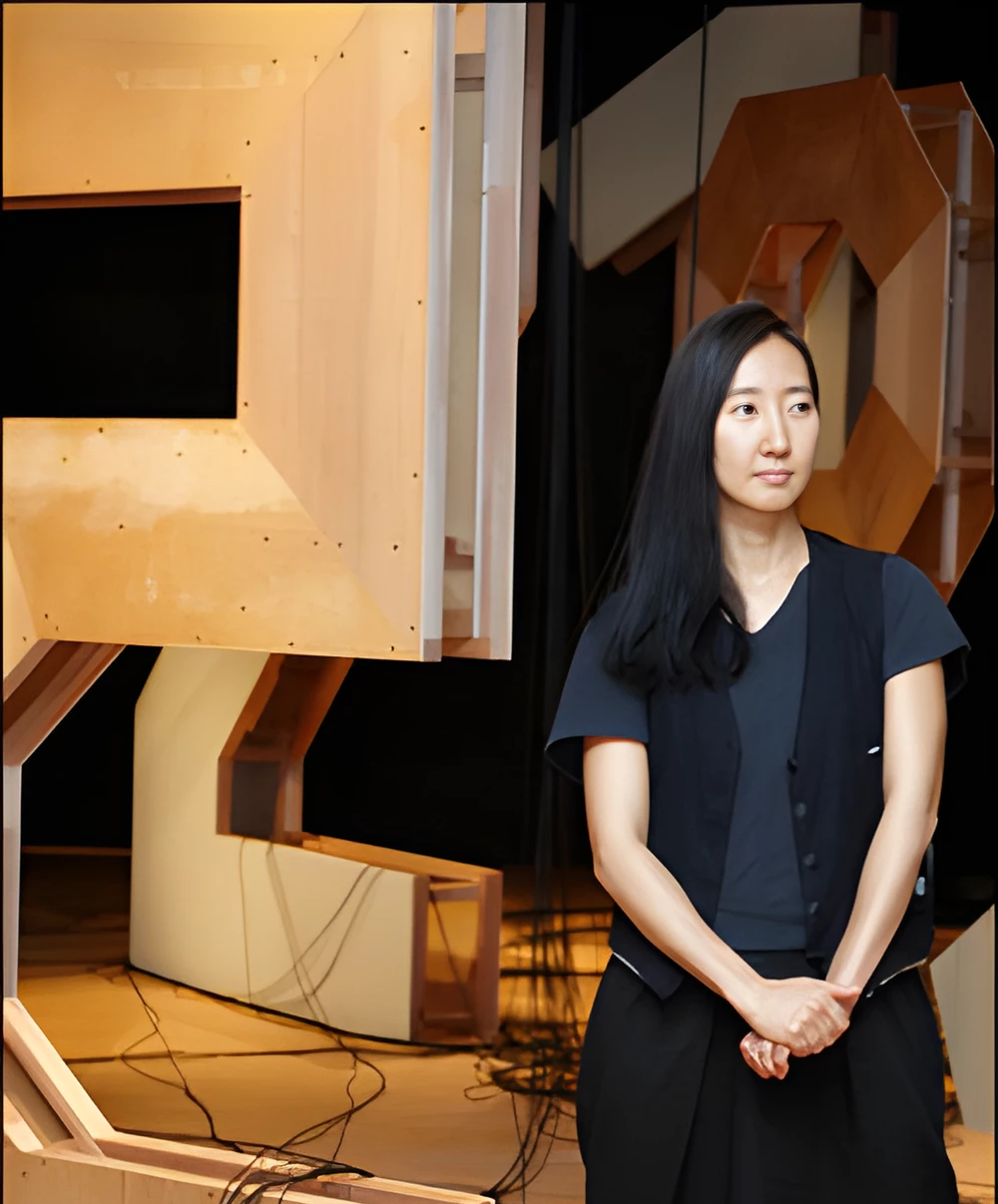
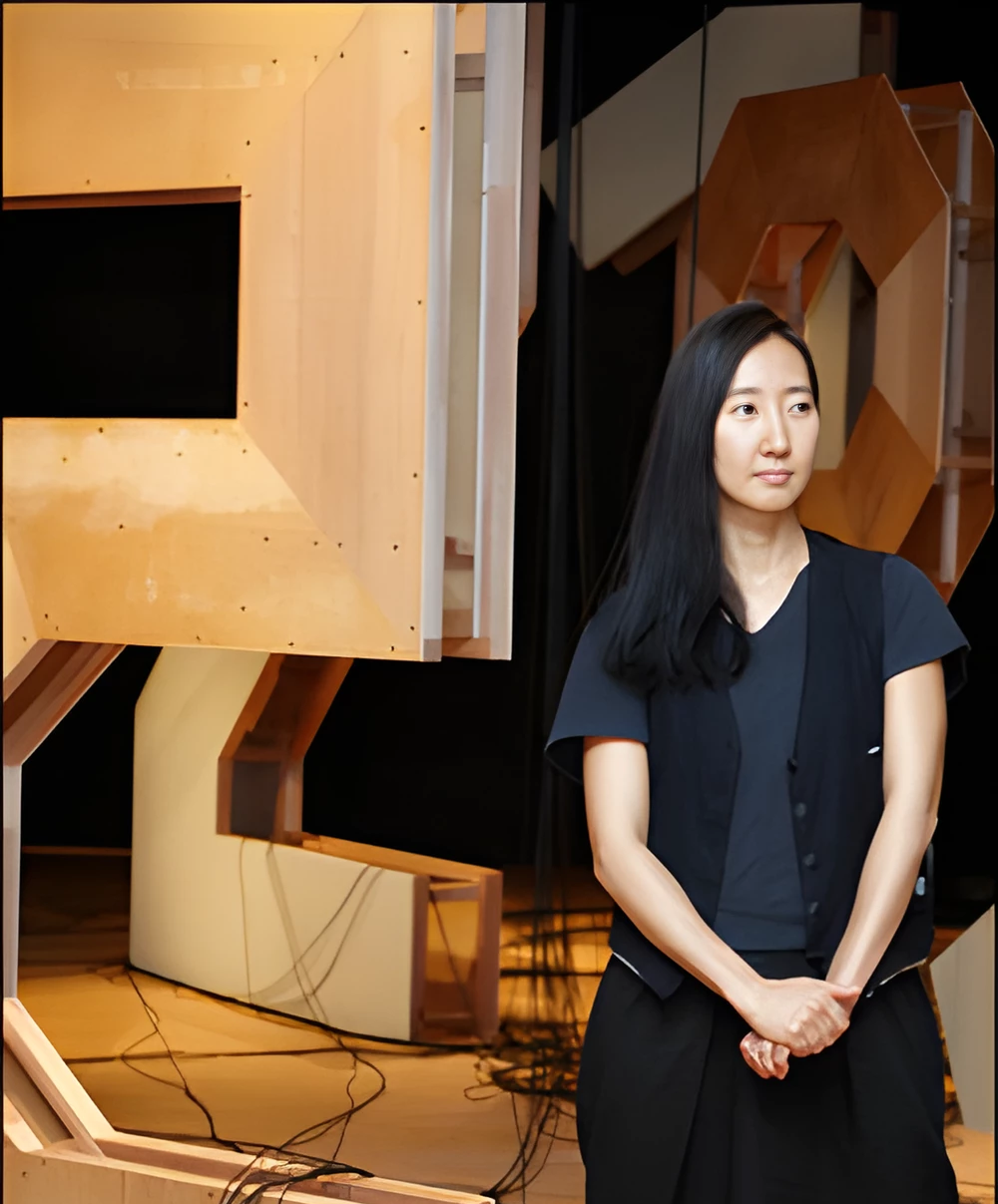
Sora Kim is one of the representative Korean conceptual artists who has been making forays into open interpretations of humans and surroundings through video, sound, installation and performance based on entering into a relationship and the process of communication. Her work explores new possibilities of artistic experience and interaction by actively incorporating collaboration with various artists from different genres or audience participation in the production or exhibition process.

Solo Exhibitions (Brief)

Sora Kim’s work has been exhibited in numerous shows around the world, including solo shows such as 《Songs from knee to nose》 (National Museum of Modern and Contemporary Art, Gwacheon, 2016); 2015 Artist of the Year 《2,3 Sora Kim》 (Korea Cultural Centre, London, 2015); 《Three Foot Walking》 (Kunsthal Charlottenborg, Copenhagen, Denmark, 2013); 《Abstract Walking》 (Art Sonje Centre, Seoul, 2012); and 《Sora Kim Solo Exhibition》 (Atelier Hermès, Seoul, 2010).

Group Exhibitions (Brief)

Sora Kim’s work has been exhibited in numerous shows around the world, including solo shows such as 《Songs from knee to nose》 (National Museum of Modern and Contemporary Art, Gwacheon, 2016); 2015 Artist of the Year 《2,3 Sora Kim》 (Korea Cultural Centre, London, 2015); 《Three Foot Walking》 (Kunsthal Charlottenborg, Copenhagen, Denmark, 2013); 《Abstract Walking》 (Art Sonje Centre, Seoul, 2012); and 《Sora Kim Solo Exhibition》 (Atelier Hermès, Seoul, 2010).

Awards (Selected)

Sora Kim received an award from the Cité Internationale des Arts in Paris, France(2007).

Residencies (Selected)

Sora Kim was selected for the Art/Omi Artists Residency Program in New York, US (1997) and the Young-Eun Artists Residency Program in Kyunggido, Korea (2000).

Collections (Selected)

Sora Kim's works are included in the collections of Kadist Art Foundation (USA), National Museum of Modern and Contemporary Art, Seoul Museum of Art, Art Sonje Center, POSCO Museum, and Maeil Dairies.
Works of Art

The Art of Connection and Communication

Originality & Identity

Sora Kim has consistently explored the potential of art to serve as an alternative language for interpreting and reconstructing the self and the world through the processes of forming relationships and communication. Her early performance work, Longest saddest song on the earth (2006), was composed of a song collaboratively created from a poem written by the artist and set to music by a composer. Each day, a boy or girl sang a part of the song during the exhibition period. This piece sought to reconstruct a communal sensibility by connecting personal narrative with others, translating between the mediums of language and music.

In her early solo exhibition 《Hansel & Gretel》(Kukje Gallery, 2007), Kim reinterpreted a fairy-tale narrative by creating a space where reality and fantasy, fact and fiction intersected. Through this, she employed the strategy of defamiliarization to critically reassess everyday systems and symbolic structures. Rather than simply conveying meanings, Kim focused on rearranging sensory experience to disrupt dominant modes of perception.

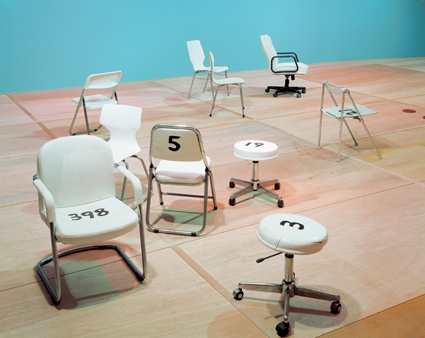
The installation work Don't ask me why (2010), presented in her solo exhibition at Atelier Hermès, further minimized narrative and planning, instead drawing attention to unpredictability and emergent orders. Rather than constructing a fixed system, the artist created conditions in which new meanings could arise organically through sound, objects, video, and numerical symbols. This approach reflects her ongoing interest in dismantling and reconfiguring established systems.

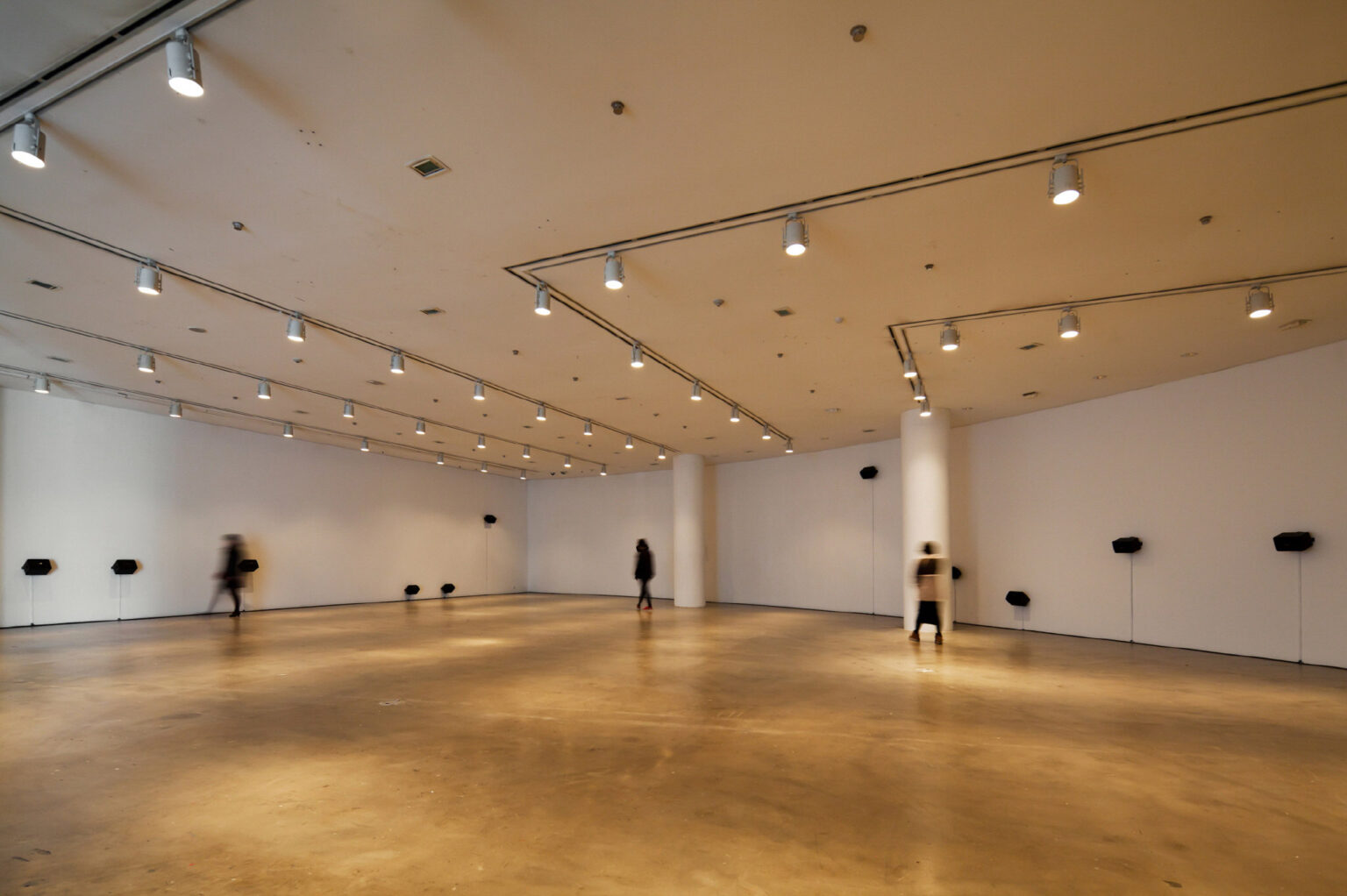
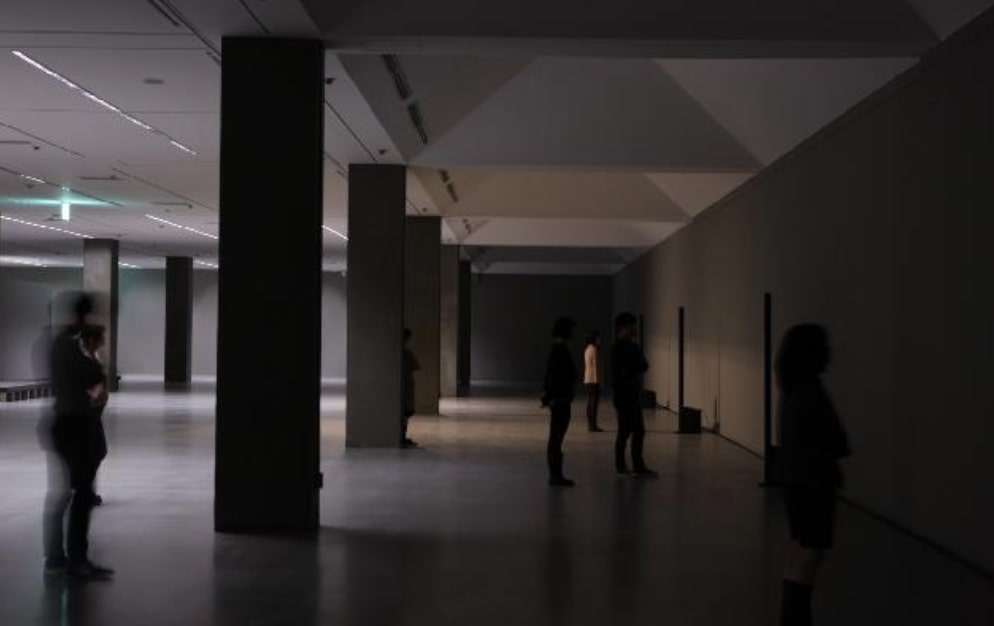
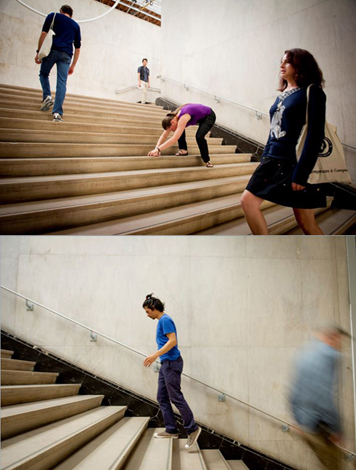
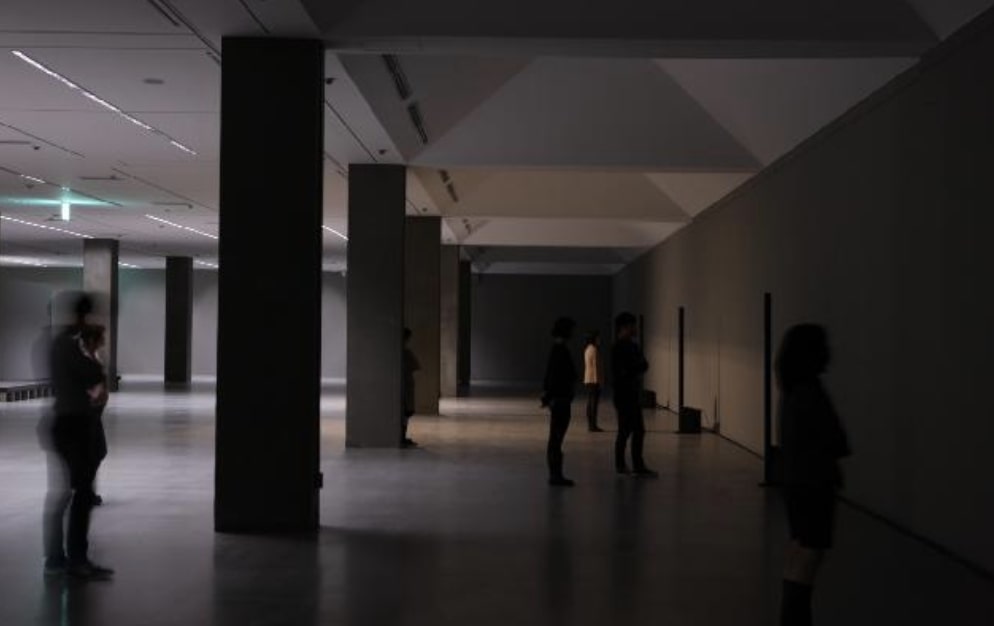
Subsequent projects such as 《Abstract Walking: Sora Kim Project 2012》(Art Sonje Center, 2012) and 《Songs from knee to nose》(National Museum of Modern and Contemporary Art, Gwacheon, 2016) proposed a mode of sensory thinking that passes through the body, facilitated through the immaterial medium of sound. In these works, Kim continues to pursue the role of art as a medium for calling forth marginalized values, forgotten narratives, and invisible presences by using perception as a point of entry.

Style & Contents

Kim’s work has long been characterized by its multi-media approach. Drawing on performance, sound, video, object, and text, she does not merely expand her mediums but explores how these materials themselves generate meaning. In Longest saddest song on the earth, a poem was transformed into music and vocalized within the exhibition space by children. This kind of transposition between media forms is a fundamental structural device in her practice.

In 《Hansel & Gretel》, the artist configured the entire exhibition space like a theatrical set. Disparate objects such as blinking lights, artificial leaves, office lamps, and newspaper clippings were combined not to represent but to create an immersive experience. Rather than following a linear narrative, the exhibition operated through a non-linear structure that guided the audience’s physical and sensory engagement, turning the entire space into an installation apparatus.

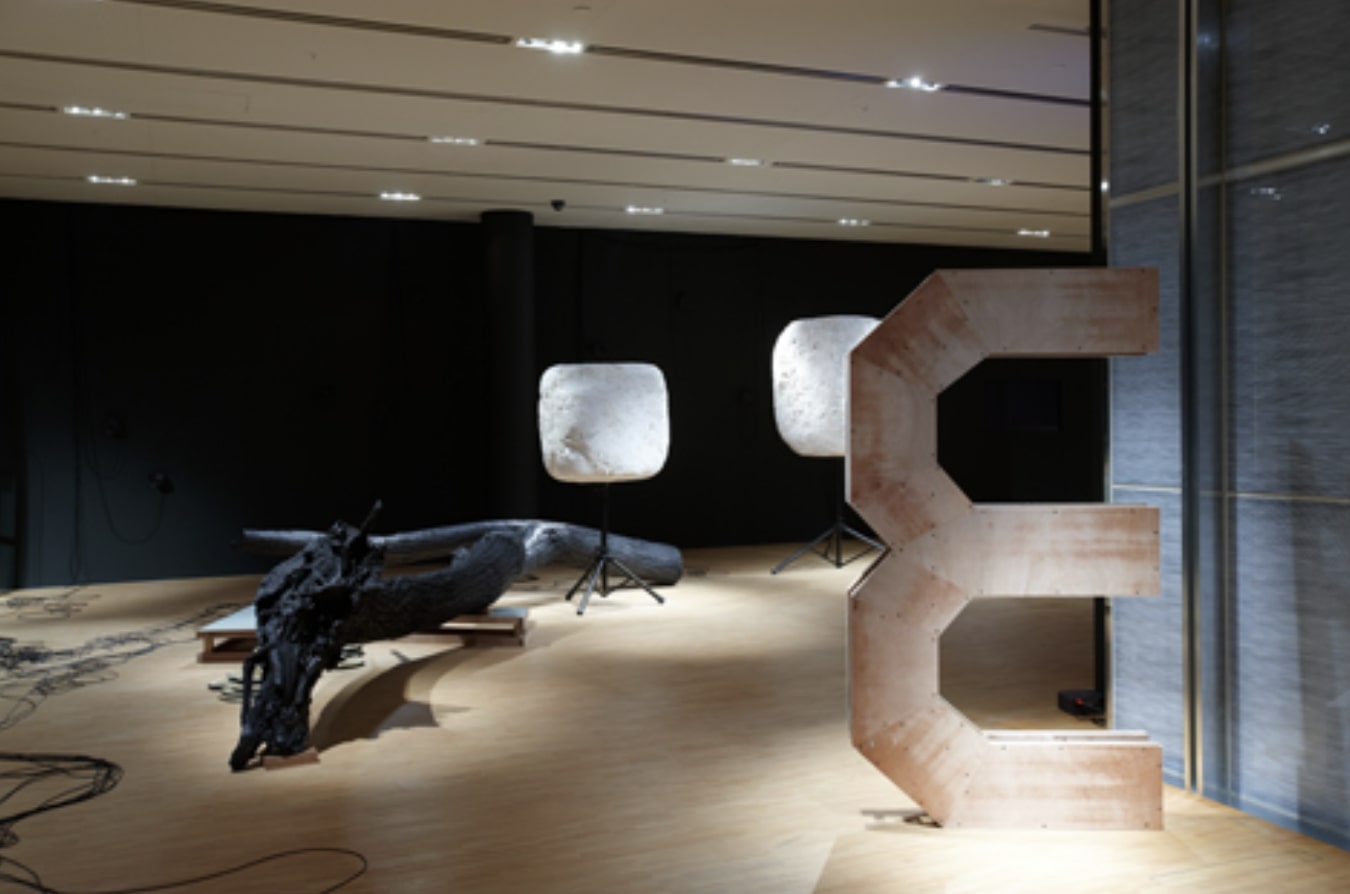
The installation work Don't ask me why, now in the collection of the National Museum of Modern and Contemporary Art, expanded upon these strategies by forming a landscape where chaos and harmony coexist. Numerical sculptures functioned as pre-symbolic signs, while the sound piece Atlas (2010) led viewers into a post-narrative sensory realm. In this work, sound, wires, video, and scattered configurations interact with the audience’s unpredictable movements to generate new sensory orders.

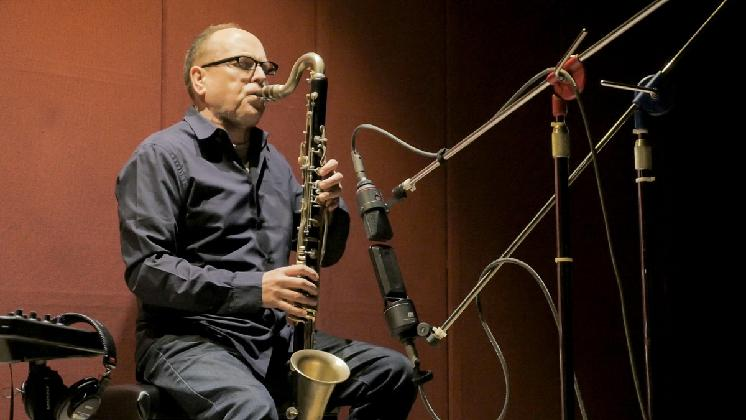
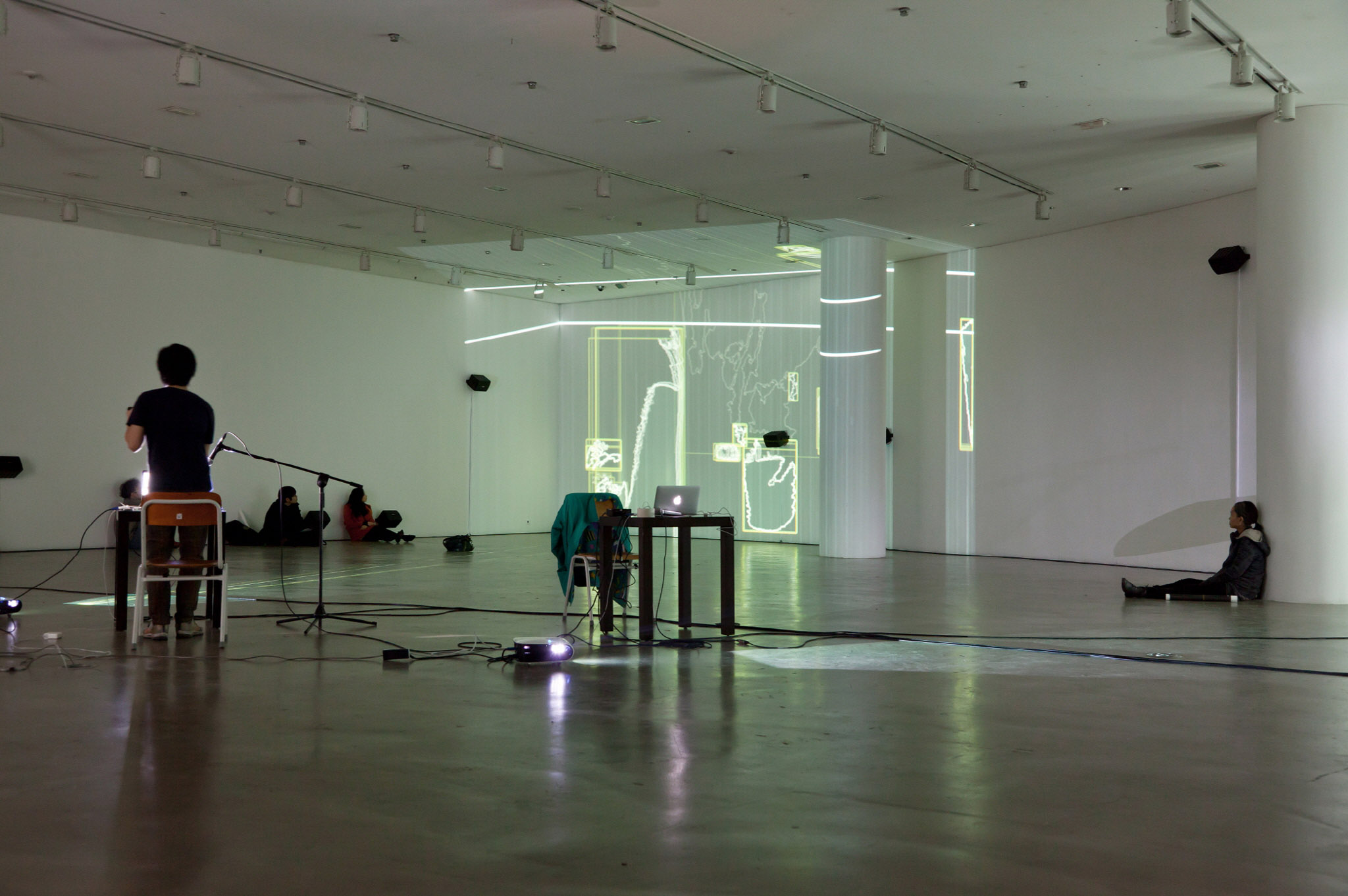
The sound-based projects of 2012 and 2016—《Abstract Walking》 and 《Songs from knee to nose》—eschewed visual imagery in favor of space constructed through the performances and sound of musicians. These works attempted to spatialize perception through bodily listening. Centered around nonverbal experience, the exhibition space was recast as a fluid site of engagement. For Kim, art functions not as a container of fixed meaning but as an open structure for interpretation.

Topography & Continuity

Sora Kim stands as one of Korea’s leading conceptual installation artists, having built a singular body of work that interweaves conceptual inquiry, multi-media experimentation, and strategies of audience participation. While her earlier work focused on the tension between social relations and systems of exchange value, her later projects expanded into decentered narrative systems, broadening the terrain of perception through the immaterial medium of sound.

She views the exhibition as a systemic form in itself. Whereas she initially took on the dual role of artist and planner, in recent years she has moved toward functioning as a facilitator of emergent orders. Since Don't ask me why, Kim has particularly focused on pre-symbolic elements such as numbers, sounds, and signs, exploring the state of meaning before interpretation. This practice exposes the fictionality of symbolic systems built by modern civilization and aims to recover the immediacy of sensory experience.

This shift has made her a continued subject of international attention, with her projects presented not only in Korea but also across Europe, Japan, and North America. Sound-based works such as 《Abstract Walking》 and 《Songs from knee to nose》 resonate with contemporary art’s turn toward immateriality, de-visualization, and non-hierarchical structure. These works also exemplify strategies of synesthetic exhibition design.

Looking ahead, Kim is expected to move more freely across media boundaries, constructing spaces that integrate bodily experience and intellectual reflection. Her work will likely continue to expand the possibilities of post-narrative art and serve as a practical field of critical inquiry within the shifting terrain of contemporary art.

Works of Art

The Art of Connection and Communication

Exhibitions