

Yangachi Guild - K-ARTIST

Yangachi Guild

2002
About The Work

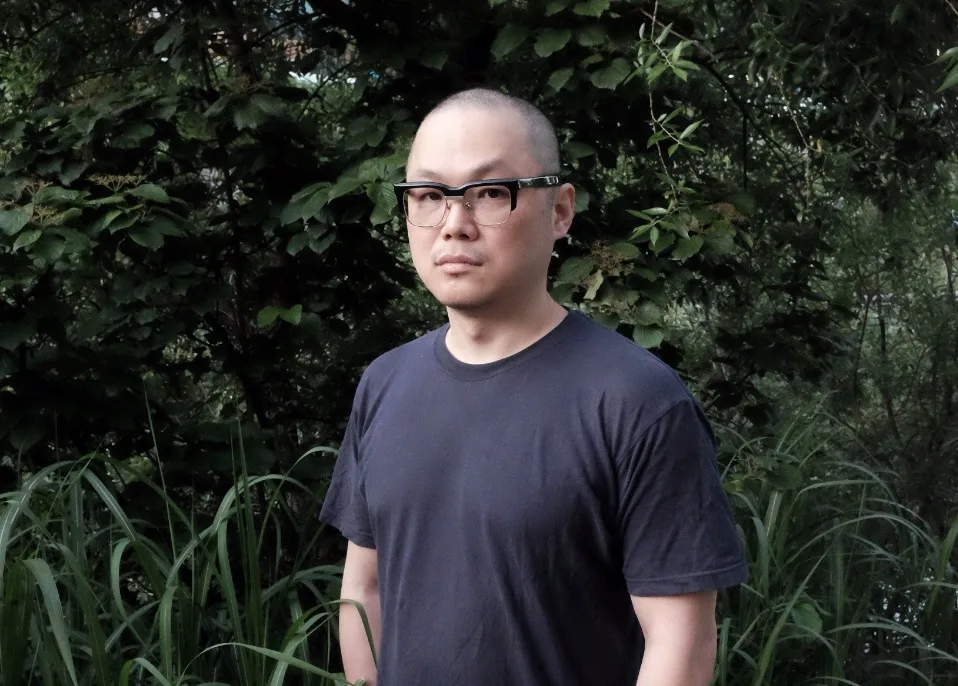
Media artist Yangachi has explored the influence and nature of technology on society, culture, and politics, beginning with his web-based works in the early 2000s. Through a variety of media, including installation, video, text, and photography, he captures the contemporary world intertwined with technology while conducting artistic experiments that test and expand the boundaries of media.

Yangachi has continued to explore the field and essence of 'media' by experimenting with contact points between the invisible, intangible yet existent worlds. In his artistic realm, technology serves as both a medium reflecting society and a device to connect humans and non-humans tangled within it, as well as a lens to view a world of latent possibilities.

Solo Exhibitions (Brief)

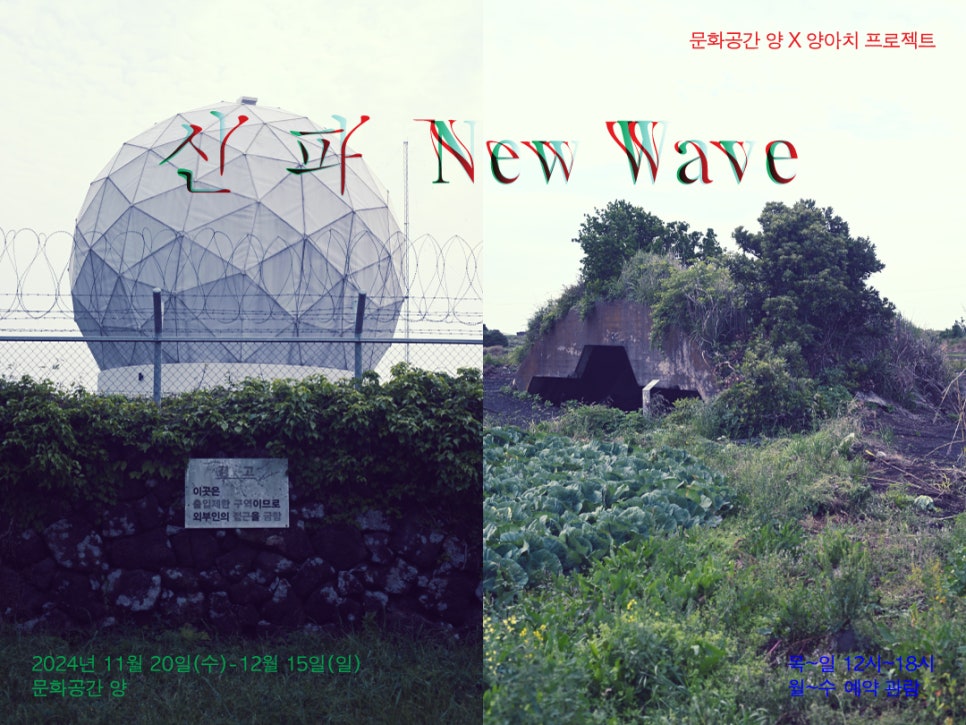
Since 2002, Yangachi has held approximately 9 solo exhibitions. Notable solo exhibitions include 《New Wave》(2024, Culture Space Yang, Jeju), 《Galaxy Express》(2020, Barakat Contemporary, Seoul), When Two Galaxies Merge,(2017, Atelier Hermes, Seoul), A Night of Burning Bone and Skin(2014, Hakgojae Gallery, Seoul), 《Middle Corea: Yangachi Episode III》(2009, Art Center NABI, Seoul), 《Yangachi Guild, www.yangachiguild.com》(2002, ILJU Art House, Seoul), among others.

Group Exhibitions (Brief)

Yangachi participated in recent group exhibitions including 《Synthetic Fever》(2025, Coreana Museum of Art, Seoul), 《Liquid Politan》(2025, Bucheon Art Bunker B39, Gyeinggido), 《Cabinet of the Ephemeral - Collecting Media Art》(2023, Art Center Nabi, Seoul), 《Shark, Bite the New World》(2021, Sehwa Museum, Seoul), 《SF: A Fantasy Odyssey》(2021, Buk-Seoul Museum of Art), 《Double Vision (Diplopia)》(2020, ARKO Art Center, Seoul) others.

Awards (Selected)

Yangachi was a recipient of the Hermes Missulssang Award in 2010

Collections (Selected)

Yangachi has his works housed in several prominent institutions such as National Museum of Modern and Contemporary Art, Korea, Seoul Museum of Art, Gyeonggi Museum of Modern Art, and Amorepacific Museum of Art. 
Works of Art

Relationship Between Technology and Society

Originality & Identity

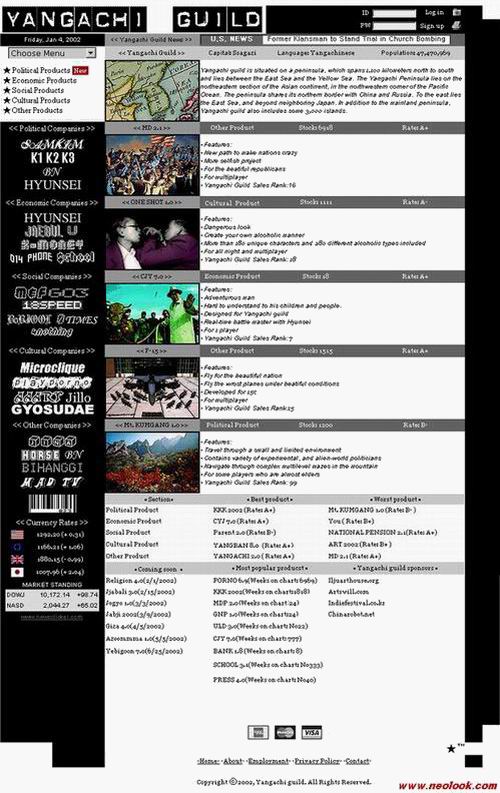
Yangachi’s practice begins with a critical reflection on the entanglement between technology and society. His early web project Yangachi Guild(2002) sarcastically critiques the hybrid nature of consumption and reality in the virtual space of the internet, exposing the illusory value systems blindly followed by society. The artist focuses on how technology functions not merely as a means of progress but as a tool of surveillance, control, and capital, and he has continued to translate this into works that invoke individual existential perception.

eGovernment(2003) deepens this critical perspective. The work questions how governments and corporations collect and use personal information, presenting a simulation that inverts the logic of surveillance systems to attempt a deconstruction of digital power structures. By commodifying individual data, the work visualizes the mechanisms of an information-capitalist society while inviting reflection on the boundary between anonymity and identification.

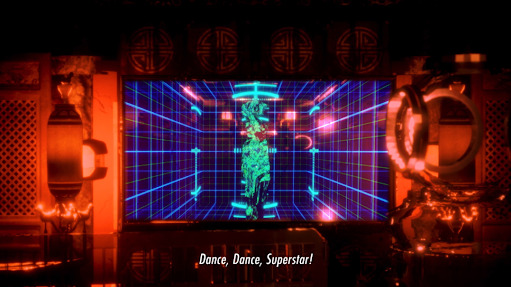
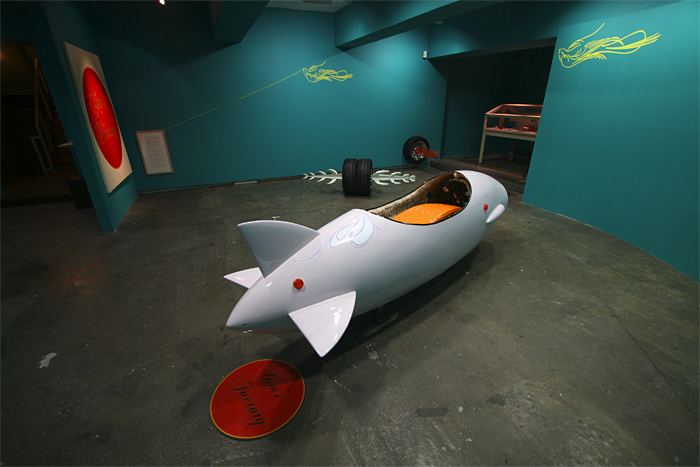
The series 'Middle Corea: Yangachi Episode'(2008–2009), based on the idea of a fictional nation situated between South and North Korea, imaginatively reconstructs the triadic entanglement of state, ideology, and technology through a media-based fictional narrative. The Kam's Factory in 'Middle Corea' produces devices such as the Kamikaze Bike(2008), “Rumor Gun,” and “Satellite,” all of which function as instruments of disruption aimed at the existing order, embodying a desire for resistance and imagining a future beyond control.

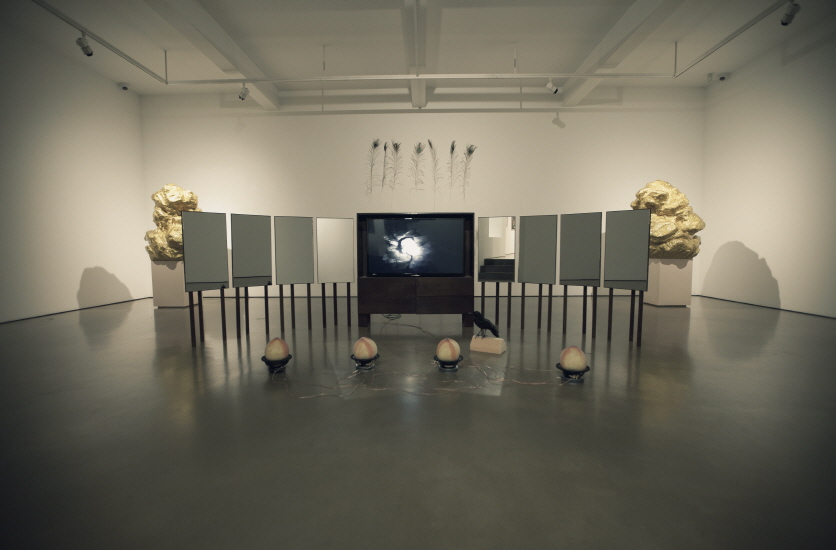
The solo exhibition 《A Night of Burning Bone and Skin》(Hakgojae Gallery, 2014) intersected virtuality and reality, past and present, attempting a sensory awakening to structural oppression and repeated historical violence. The artist metaphorically captured today’s diseased society, where visible domination has shifted into invisible systemic control, and explored realities that exist beyond the limits of visibility and perception.

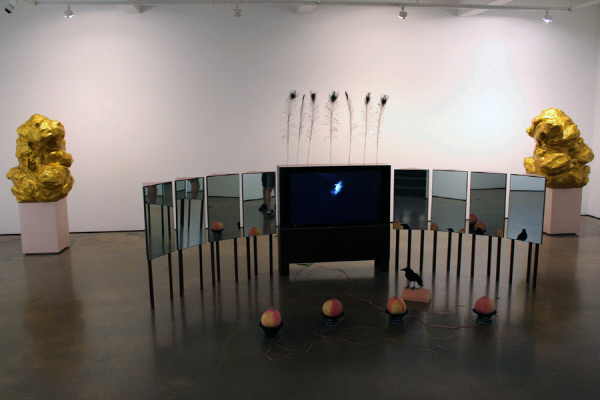
While his earlier works dealt primarily with psychological, social, and national phenomena linked via internet technology, his more recent projects focus on more intricate and microscopic network structures. In the solo exhibition 《Galaxy Express》(Barakat Contemporary, 2020), he deconstructs the boundaries between subject-object, human-nature, and life-object, metaphorically presenting a world of interconnected things.

Style & Contents

Yangachi’s early works began with web-based interfaces and user-participatory structures. In Yangachi Guild (2002), he appropriated the format of an online shopping mall to sell seemingly real virtual goods, transforming the operational logic of commercial codes within the web environment into an artistic language. These works focused on simulations and performative developments mediated by digital platforms.

From the late 2000s onward, Yangachi expanded his practice into complex installations and narrative-driven video works that combine diverse sensory media. The series 'Middle Corea: Yangachi Episode'(2008–2009) integrates heterogeneous formats such as video, performance, drawing, and objects, while being anchored by a powerful narrative. Episode III, presented at art center nabi, developed as a live performance using real-time surveillance cameras, inducing not only audiovisual immersion but also spatial experience.

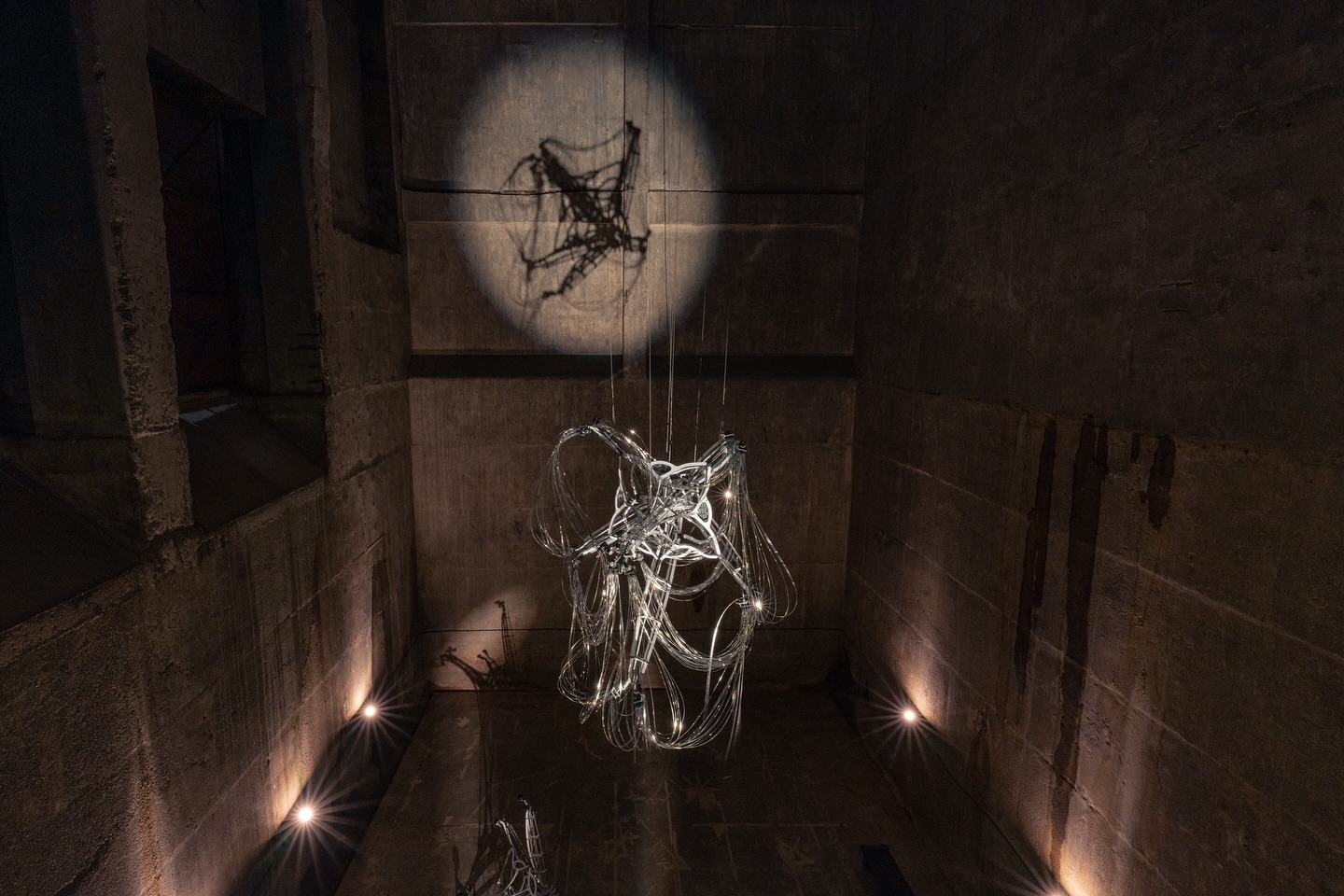
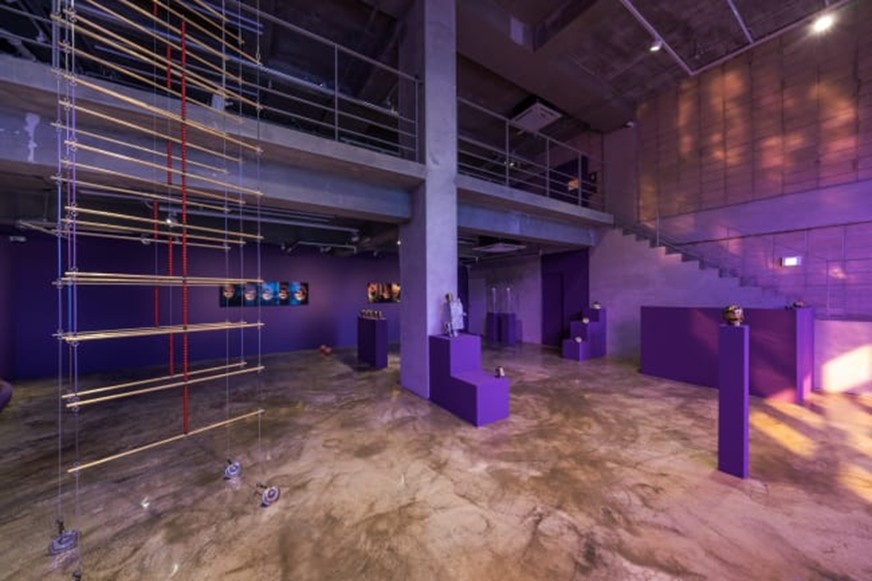
In the solo exhibition 《A Night of Burning Bone and Skin》, he configured a dark space reminiscent of ruins or a cave, incorporating photography, sound, lighting, and sculptural objects to express the extremities of fear and sensation. Moving away from a vision-centric viewing mode, the multi-layered installation structure induced auditory, tactile, and psychological immersion, experimenting with the possibility of sensory transition. This marked a precursor to the sensory expansions that would persist in his subsequent work.

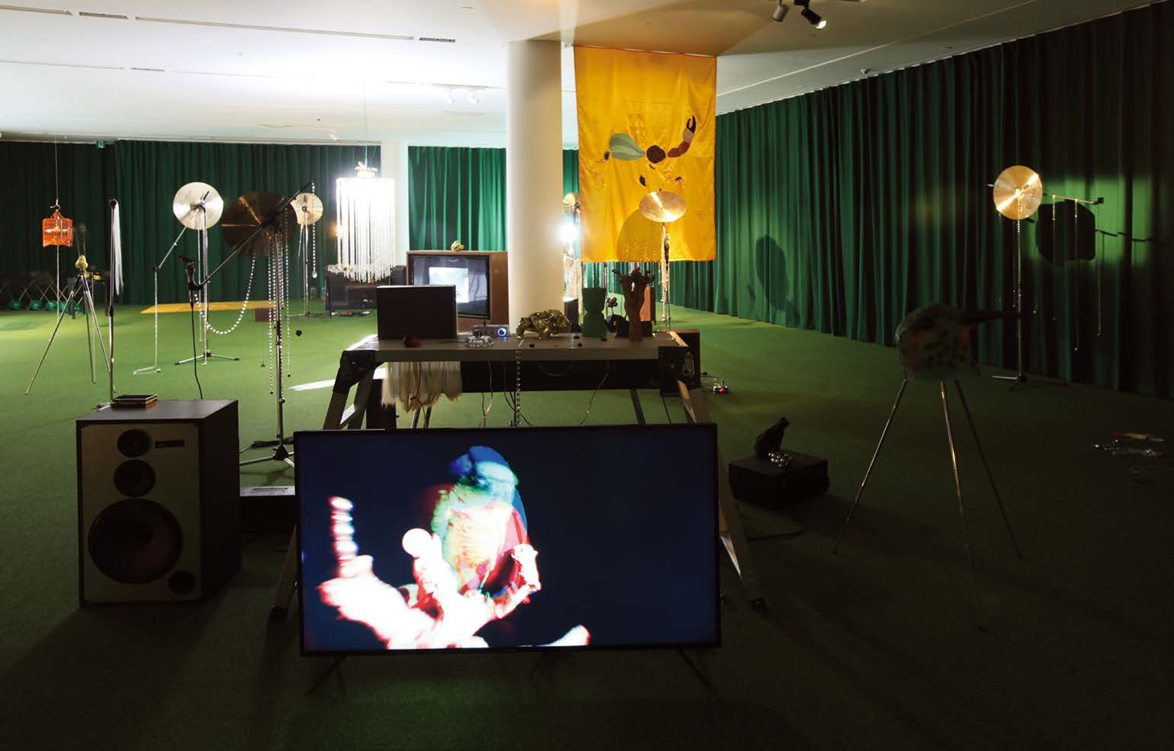
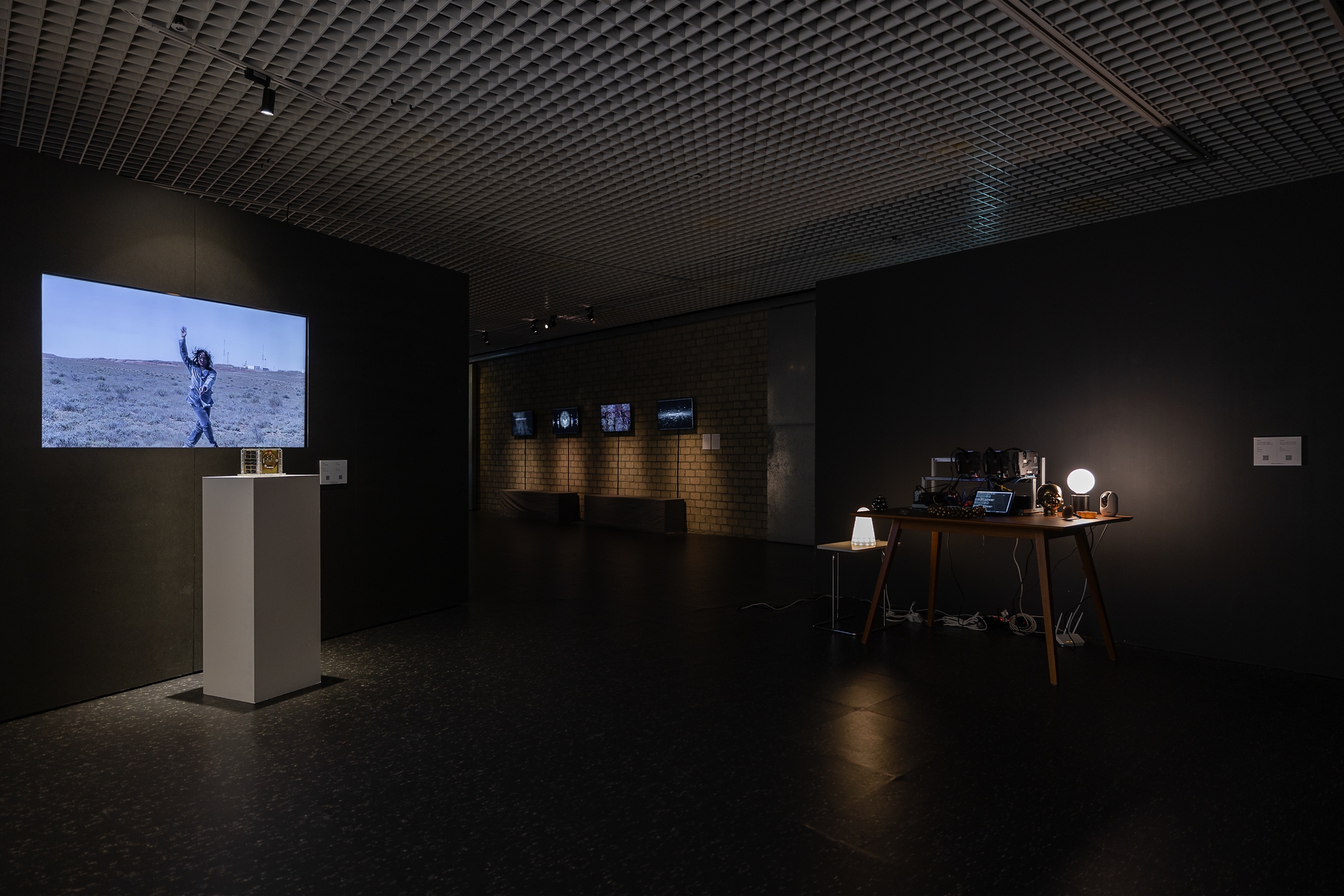
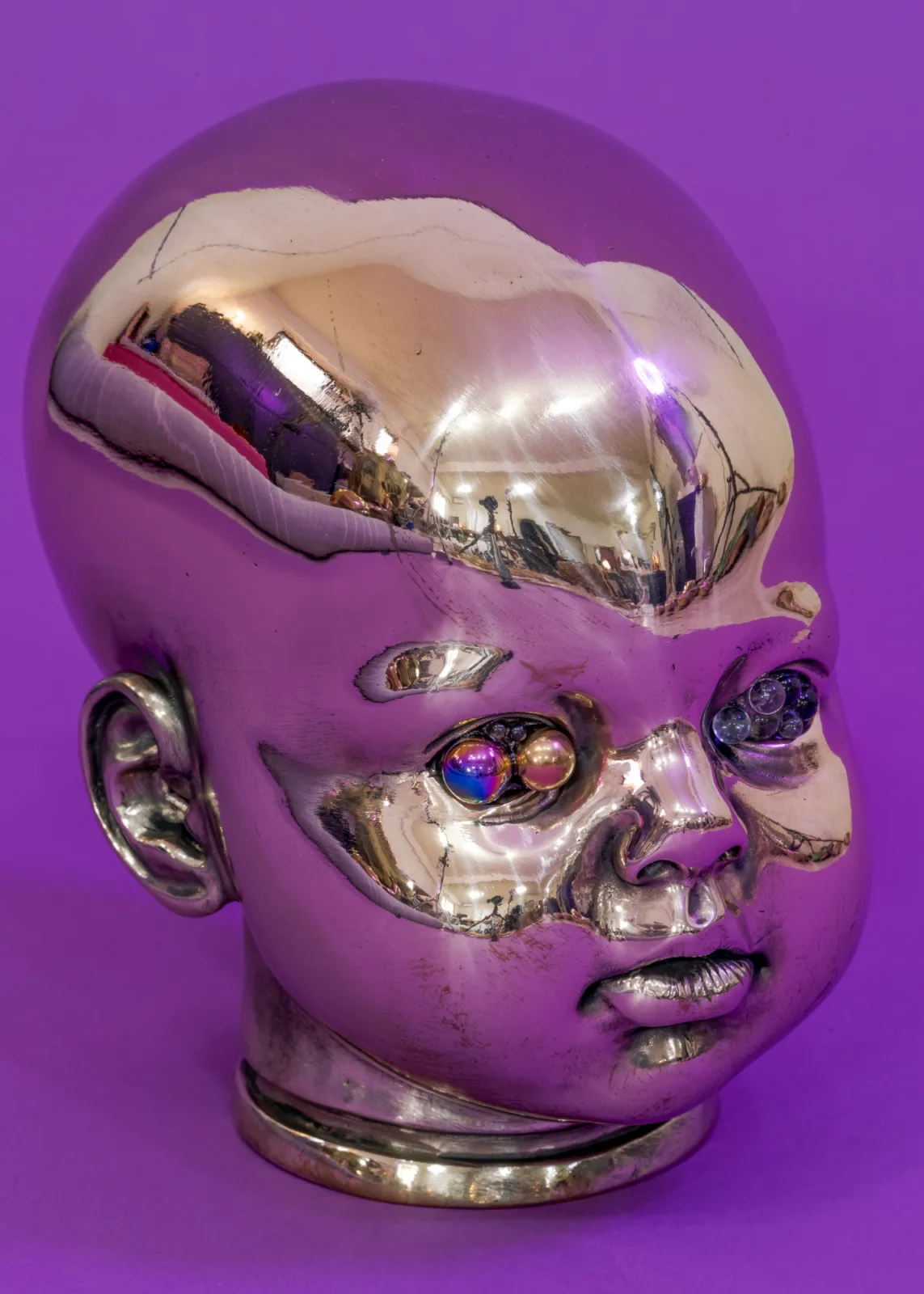
In his recent solo exhibitions such as 《Galaxy Express》(2020) and 《Rachael》(art center nabi, 2023), Yangachi directly employs technology itself—LiDAR, thermal imaging cameras, 5G, Discord app—as his medium, suggesting the emergence of new sensory organs that replace or extend the human body. These works move beyond questions of vision, aiming to construct a sensory network where humans and non-humans, nature and artificiality, body and data are interconnected.

Topography & Continuity

Yangachi perceives media not merely as a tool for expression but as a mode of existence and a social apparatus. From his early web-based works to his recent technology-based installations, he has consistently visualized the multilayered networks among technology, society, and human life. Especially in his exploration of data, control, connectivity, surveillance, and fiction, he has extended these concepts across diverse media and sensory dimensions, establishing a distinct position within contemporary media art.

His practice continually explores the tripartite structure of sensation, technology, and society, consistently maintaining an experimental attitude that dissolves the boundary between reality and virtuality. From the data-hacking system in eGovernment, to the non-human gaze in 《Galaxy Express》(2020), and the construction of mobility and urban cognition systems in 《Rachael》(2023), his way of reassembling the world through technology has become increasingly complex and introspective.

Yangachi’s works have garnered attention not only at major Korean art institutions but also at prominent international venues in France, Germany, the United States, Japan, and beyond, serving as a testament to the global potential of Korean media art. His sustained inquiries into the invisibility of technology, the expansiveness of sensory perception, and the fictional nature of society position him as a defining artist in the post-media era.

Moving forward, Yangachi is expected to further develop multifaceted, interface-based projects grounded in the interaction between human conditions and non-human environments within networked societies. Situated at the threshold where reality and virtuality, sensation and technology intersect, he continues to pose critical questions—and enables audiences to experience them—asserting his singular position in expanding the boundaries of contemporary art.

Works of Art

Relationship Between Technology and Society

Articles

Exhibitions