

Ghost Steps - K-ARTIST

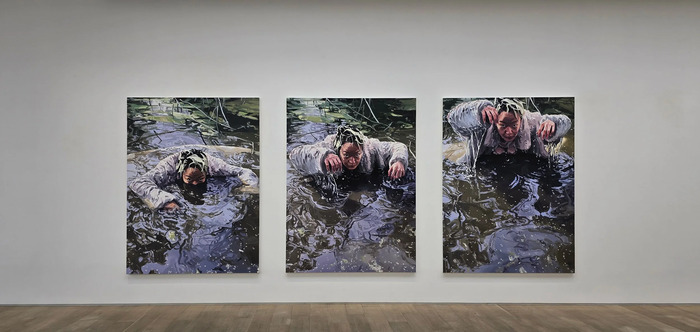
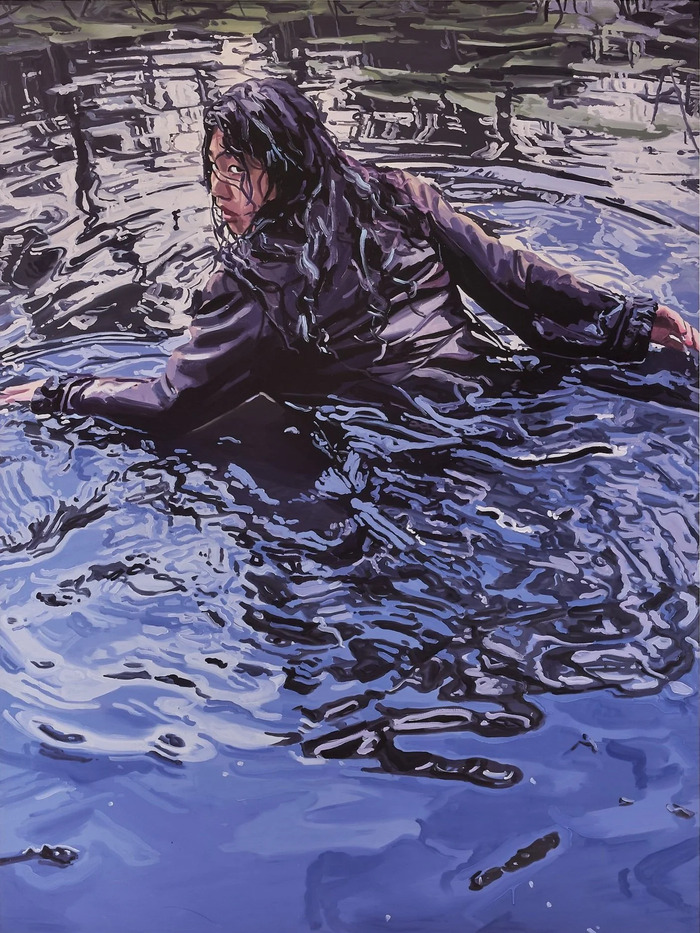
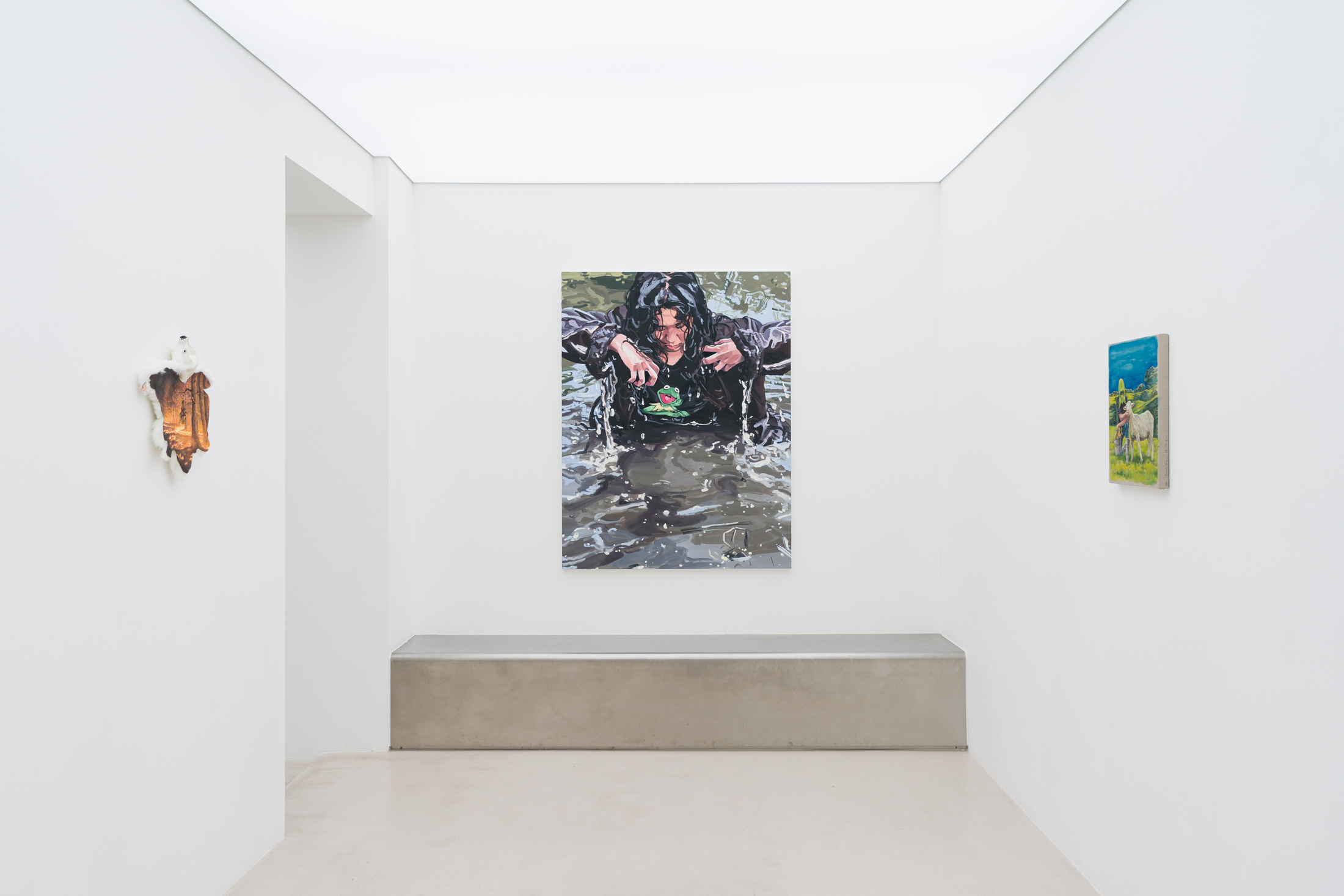
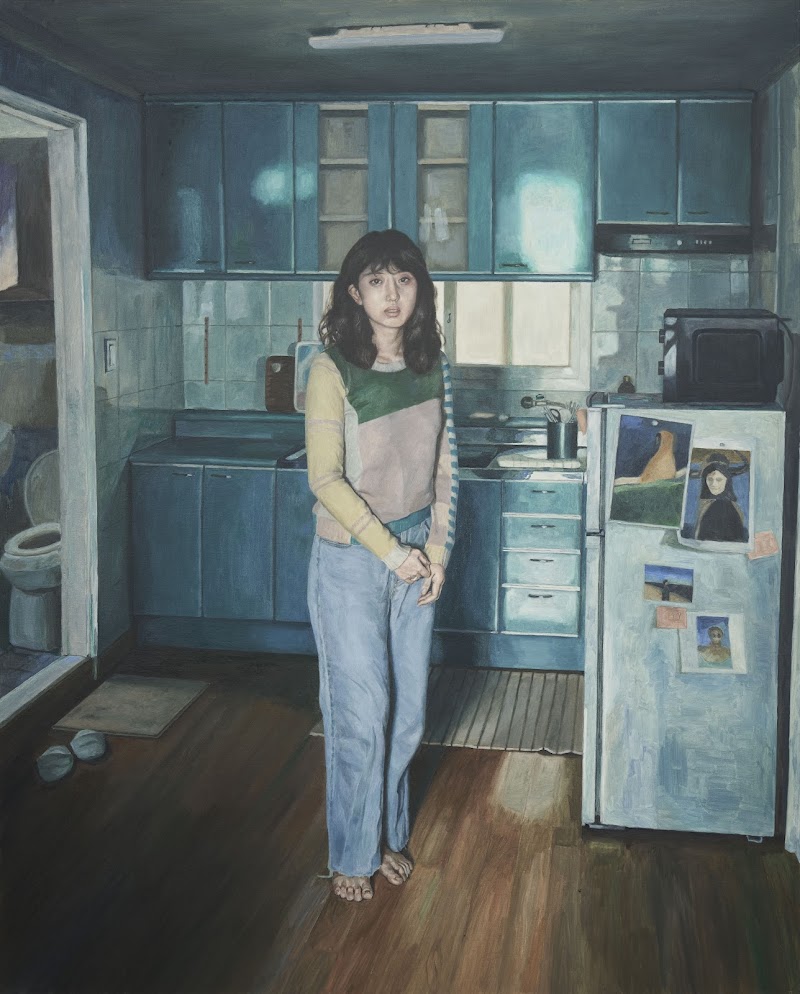
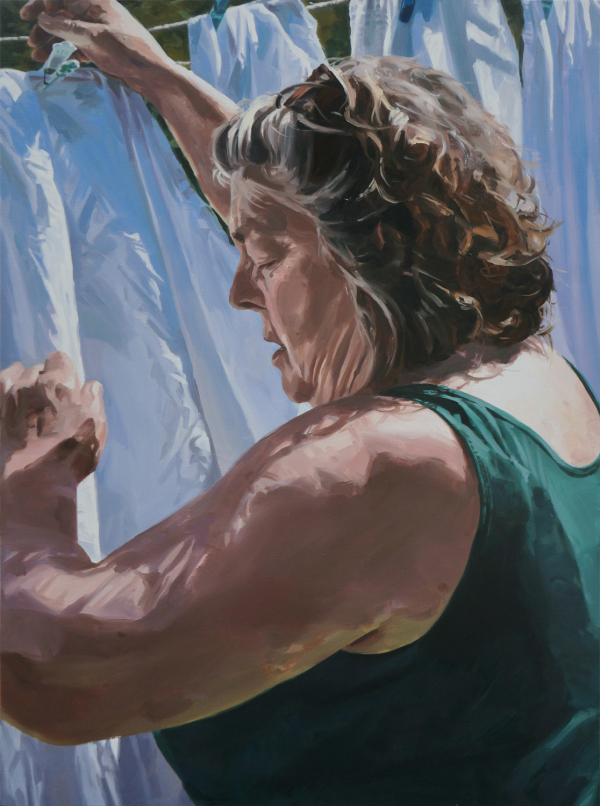
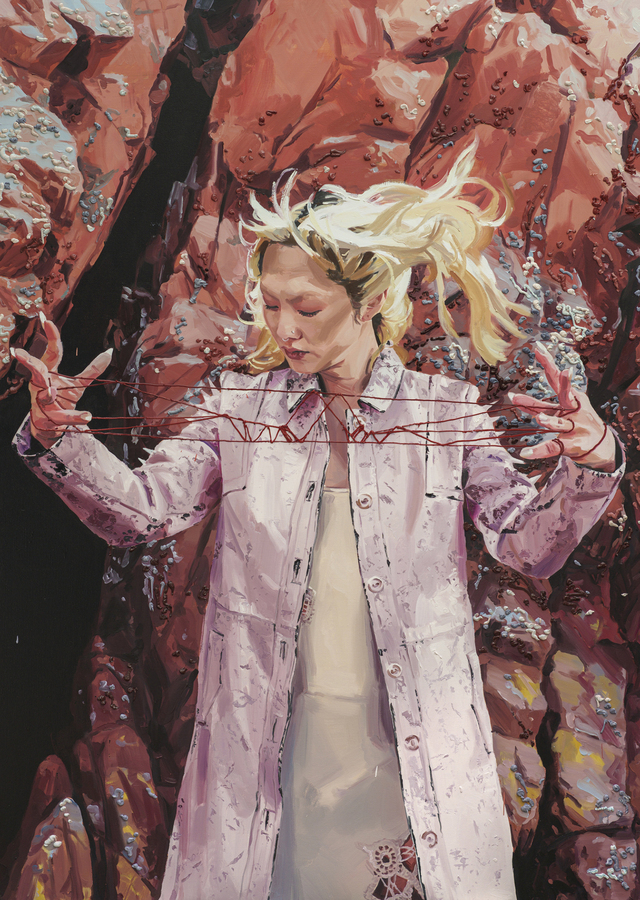
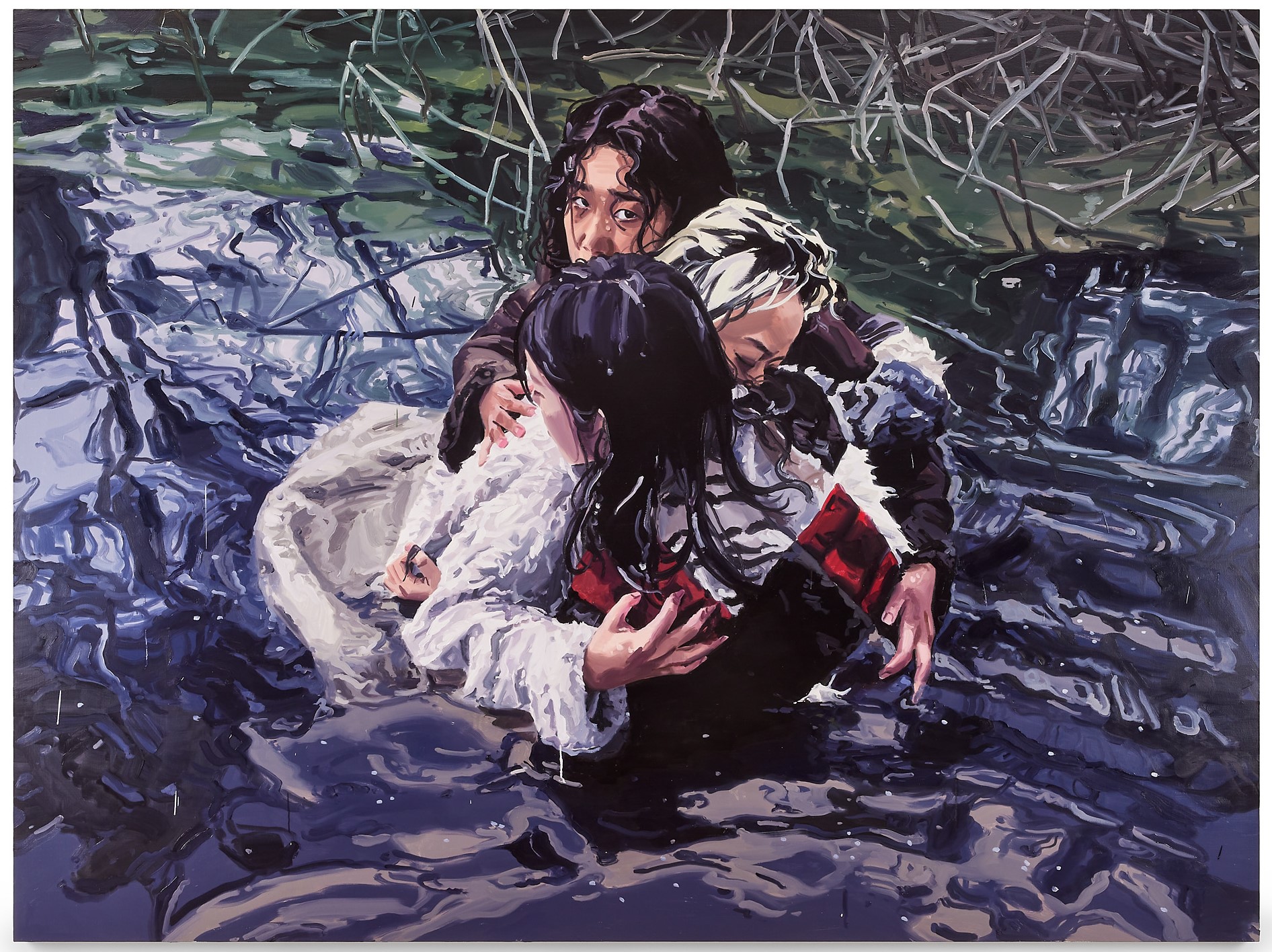
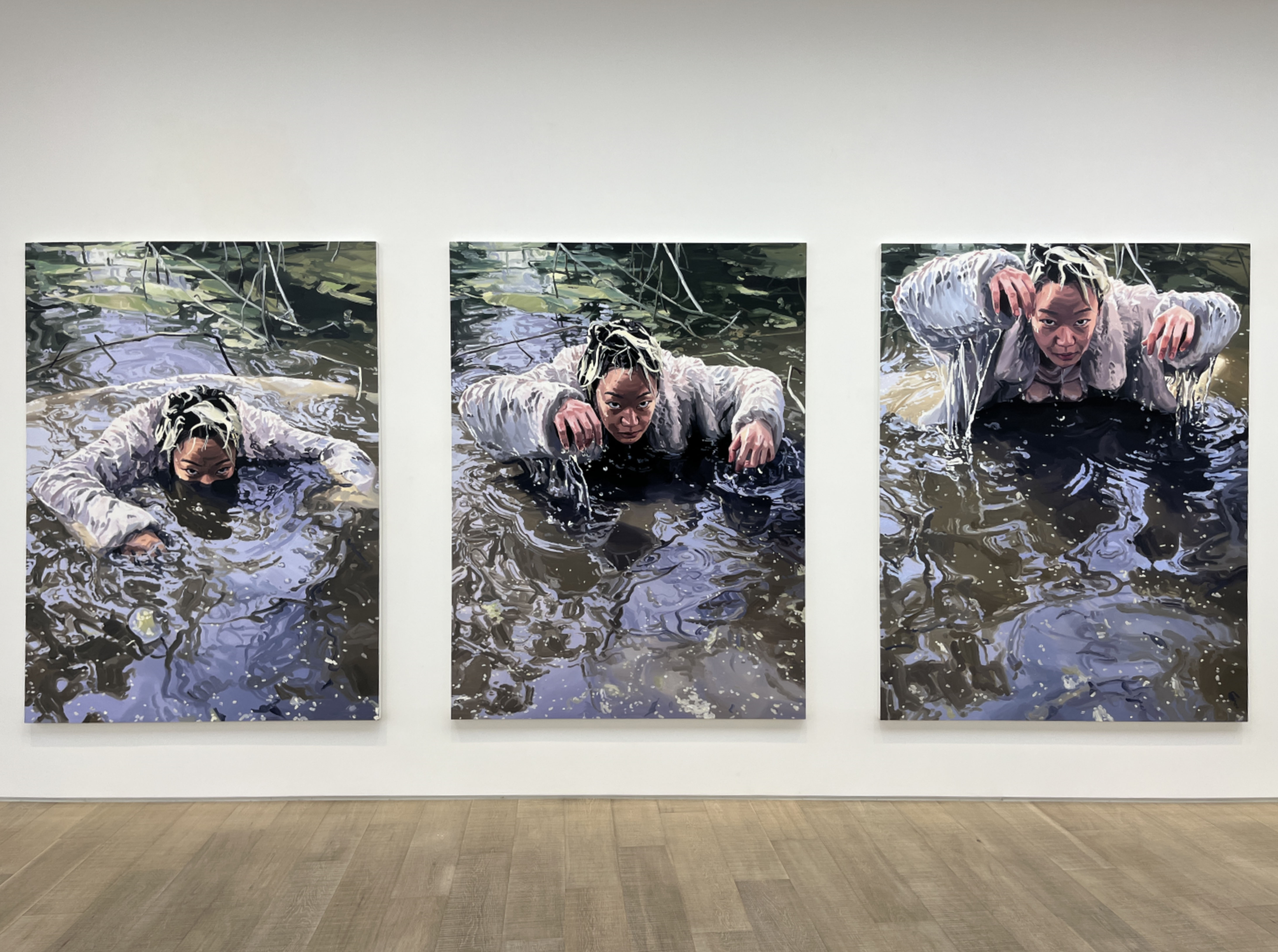
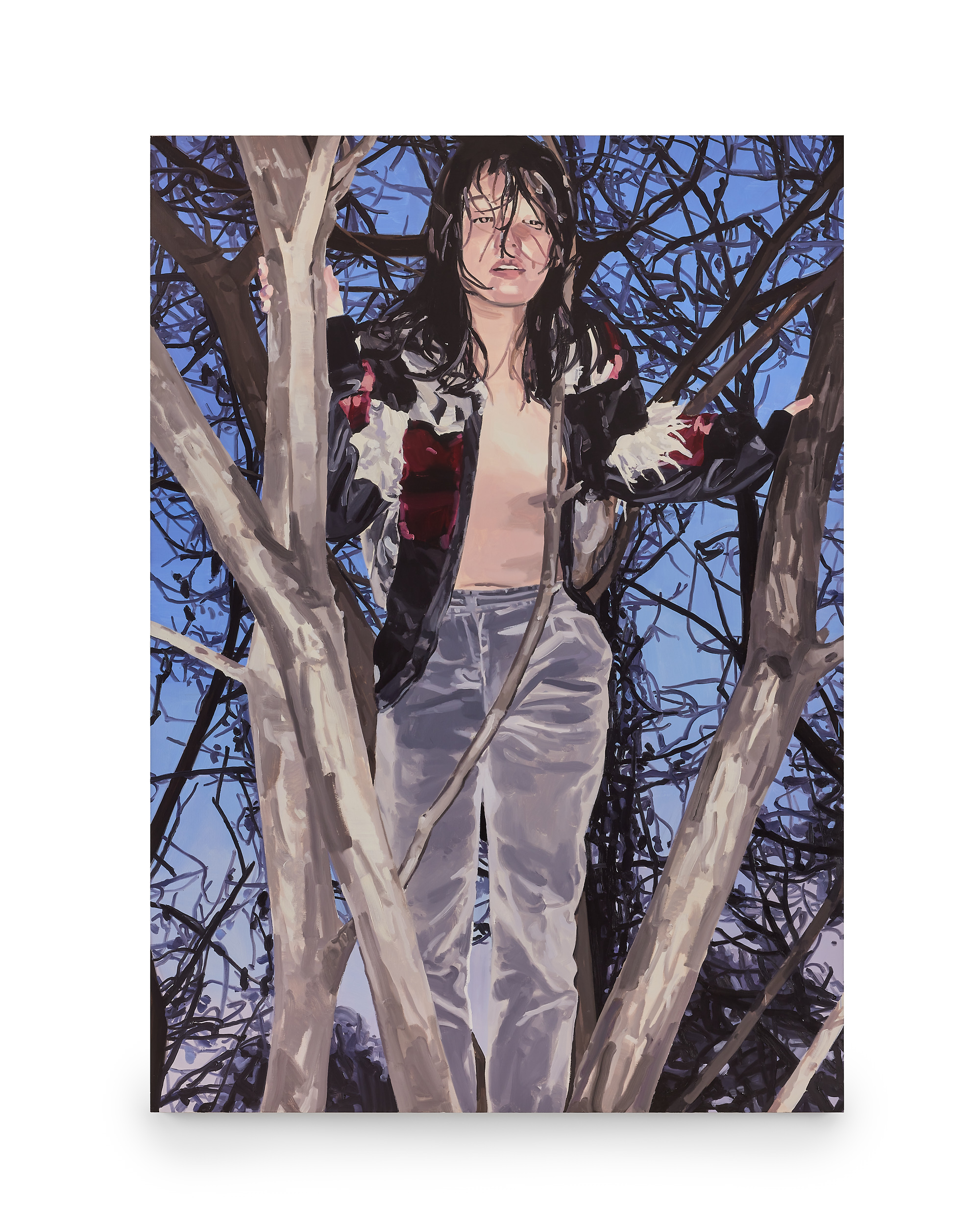
Ghost Steps

2024
Oil on canvas
259.1 x 193.9 cm
About The Work

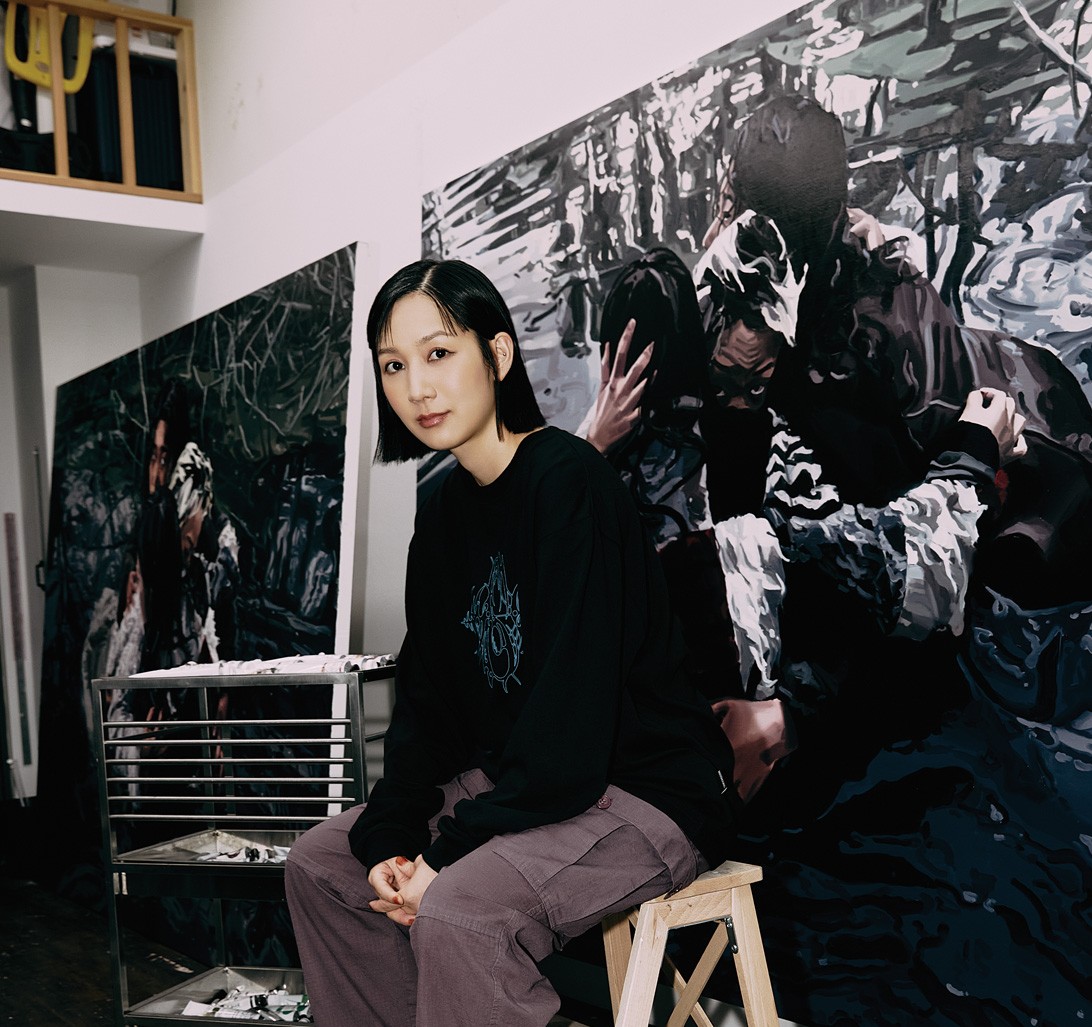
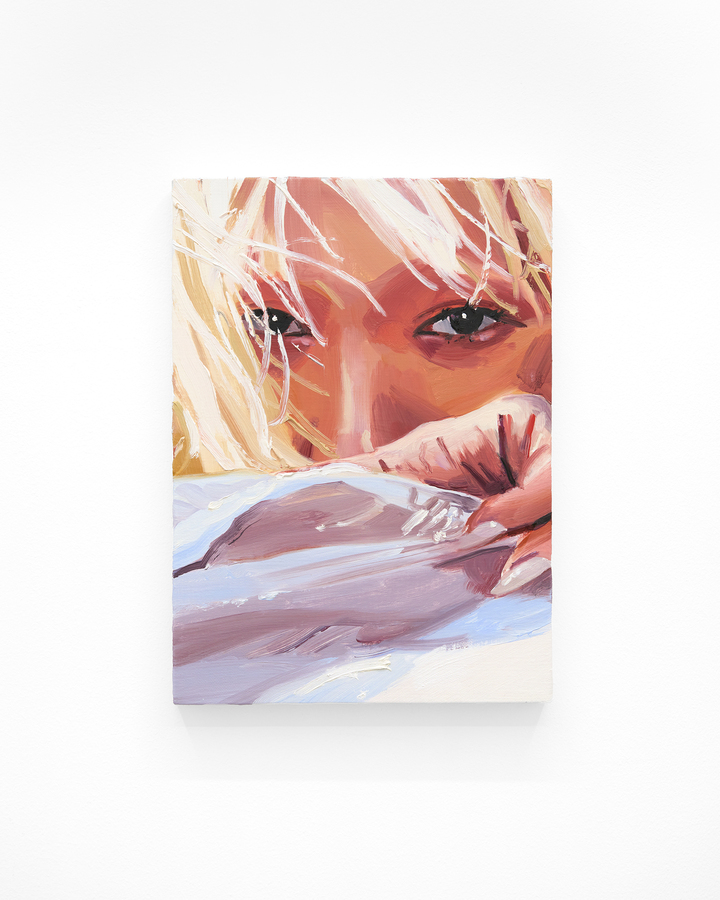
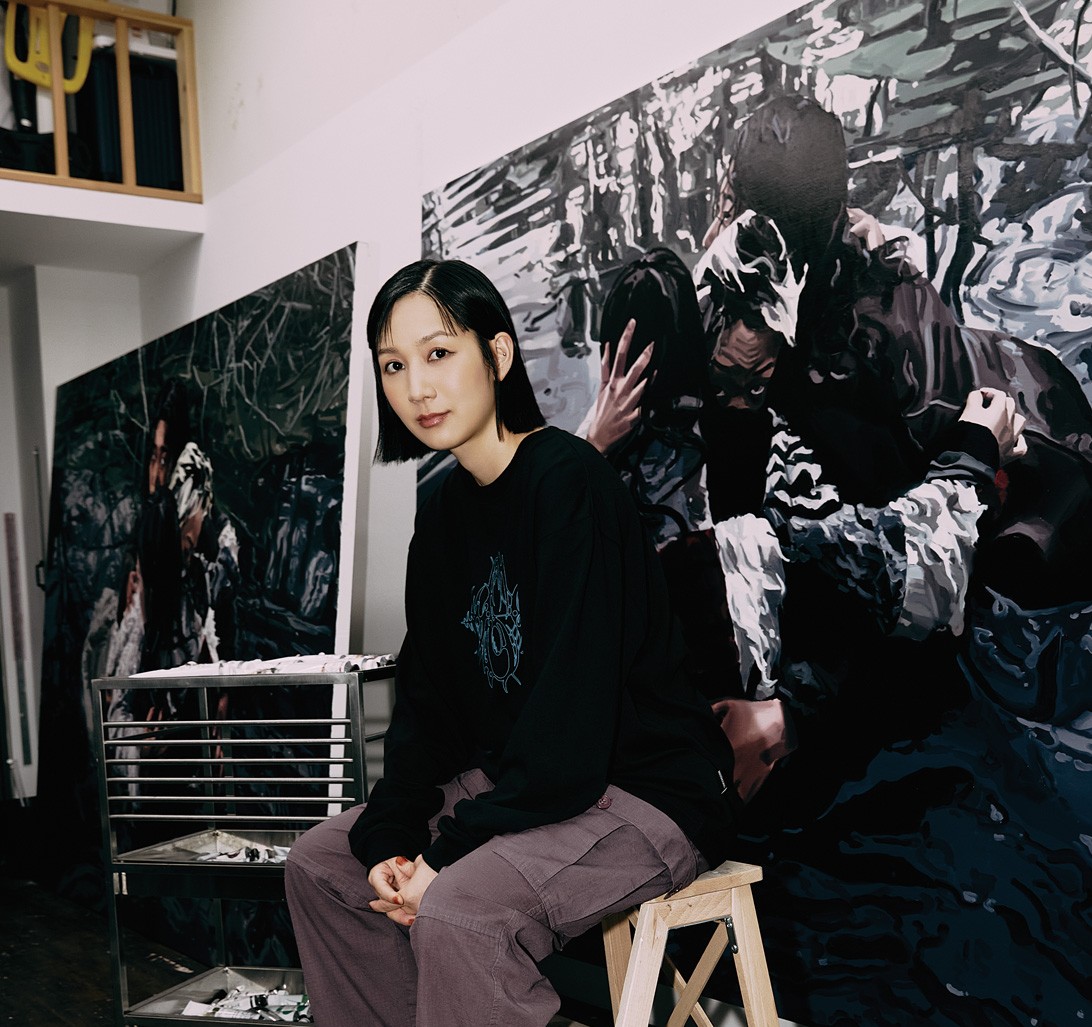
Miryu Yoon begins her work by drawing from the emotions and sensations she experiences while observing and encountering ordinary subjects. She explores ways to capture and construct fragments centered around figures, organizing them within the pictorial space. Through this process, she translates the intimate and abstract sensibilities evoked by familiar subjects into a painterly language.

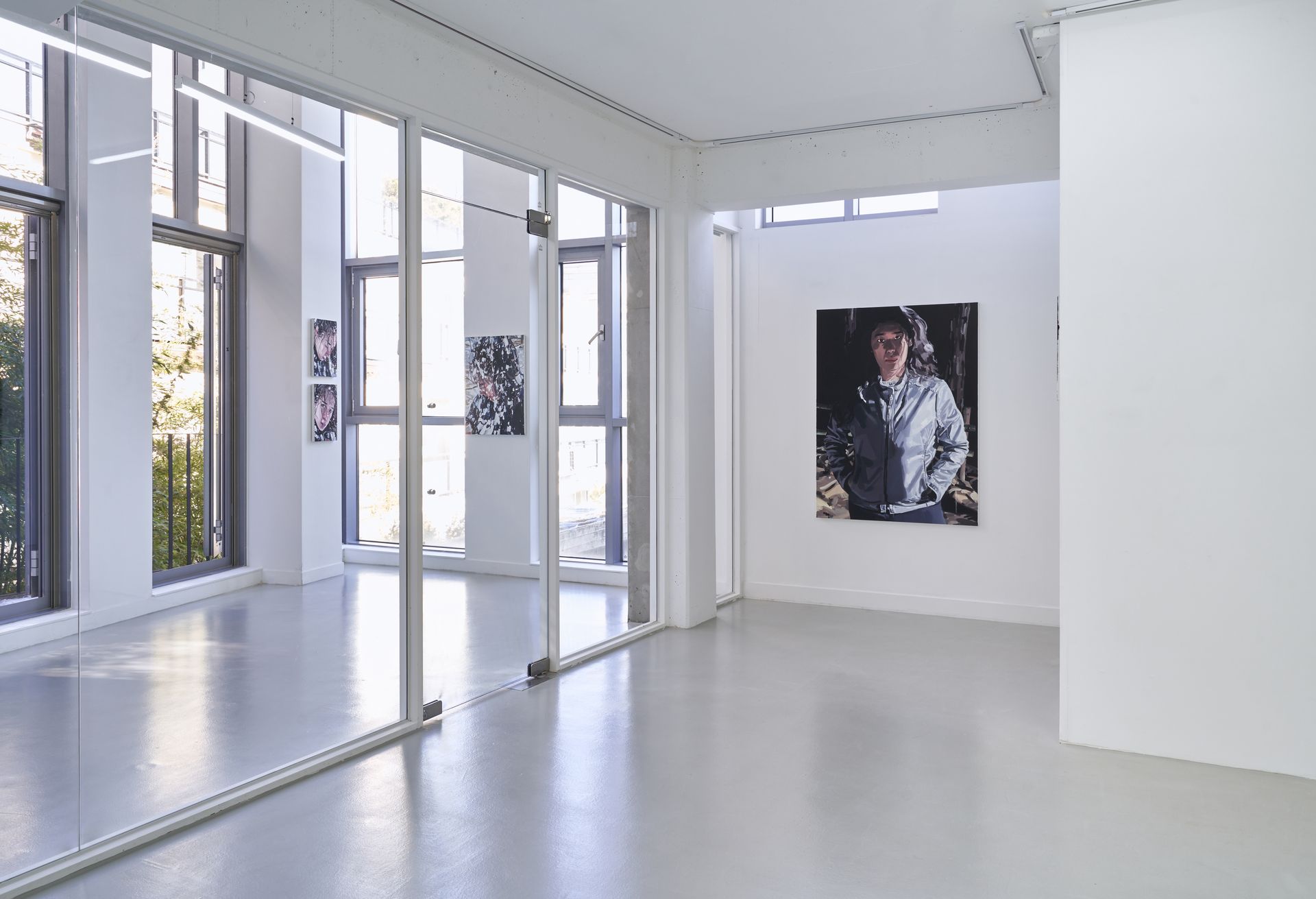
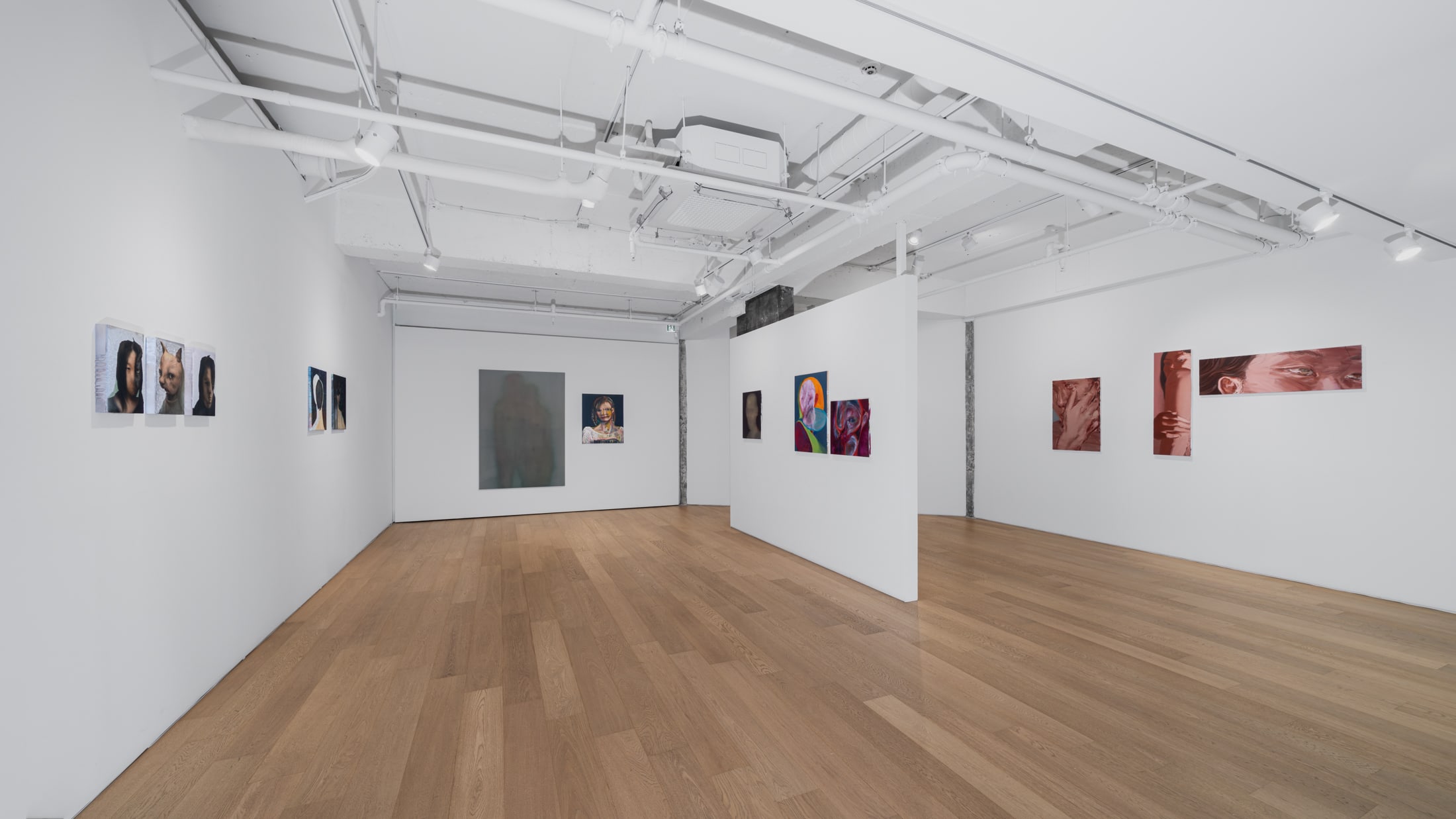
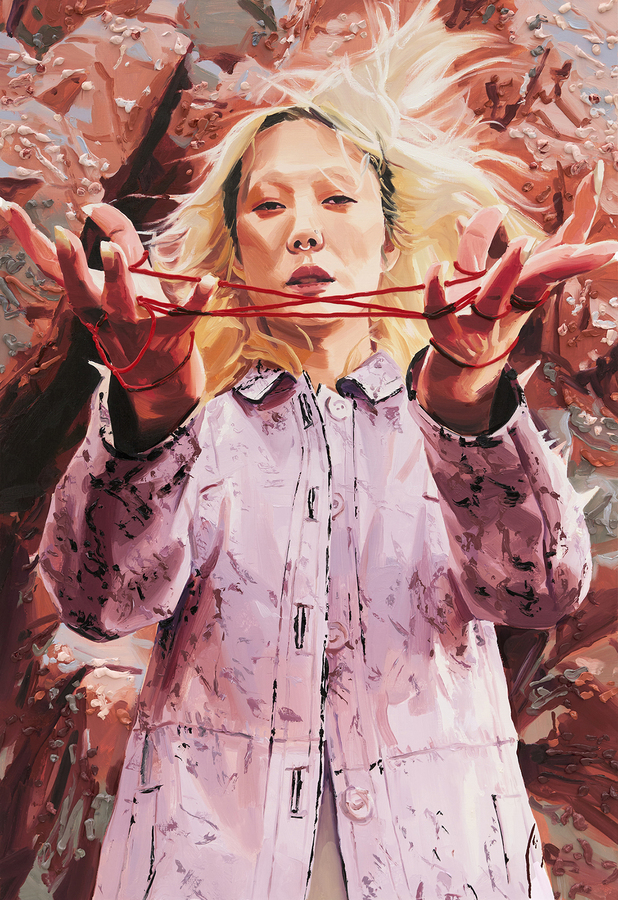
Through these portrait works, Yoon ignites the spark of new narratives that can endlessly expand within the viewer's imagination. This moves beyond simply observing the form of the figure represented in the painting, leading the viewer toward a personal and abstract experience.

Solo Exhibitions (Brief)

Since her first solo show in 2021, 《Not Walking at a Consistent Pace》(Plan C, Jeonju), Yoon Miyu has held several exhibitions, including 《B-hyeong Bi-yeom Gwi-yeom》(Sahng-up Gallery, Seoul, 2022), 《Double Weave》(Cadalogs, Seoul, 2022), 《Pyromaniac》(SeMA Storage, Seoul, 2023), and 《Do Wetlands Scare You? 》(Foundry Seoul, 2024).

Group Exhibitions (Brief)

Miryu Yoon has participated in group exhibitions at Artplug Yeonsu (Incheon), Jeonbuk Museum of Art (Wanju), Factory of Contemporary Arts in Palbok (Jeonju), Kyobo Art Space, Museumhead, Pipe Gallery, Space illi, Buk-Seoul Museum of Art, SONGEUN, Mimesis Art Museum, AOD Museum (all in Korea), as well as L.U.P.O. (Milan) and Con Gallery (Tokyo).

Awards (Selected)

Miryu Yoon received the Epop Friends Artist Award (2021) and was selected for Selected Young JEONBUK Artists 2022 (2022) and SeMA Emerging Artist (2023).

Residencies (Selected)

Miryu Yoon has participated in residencies at Artplug Yeonsu (2021, Incheon), Factory of Contemporary Arts in Palbok (2022, Jeonju), Seoul Art Space Geumcheon (2023, Seoul), SeMA Nanji Residency (2024, Seoul), and MMCA Residency Goyang (2026, Goyang).

Collections (Selected)

Her works are included in public collections such as the Government Art Bank, Incheon Foundation for Arts & Culture, and Jeonbuk Museum of Art.
Works of Art

The Abstract Sensibility of Fleeting Moments Through Painting

Originality & Identity

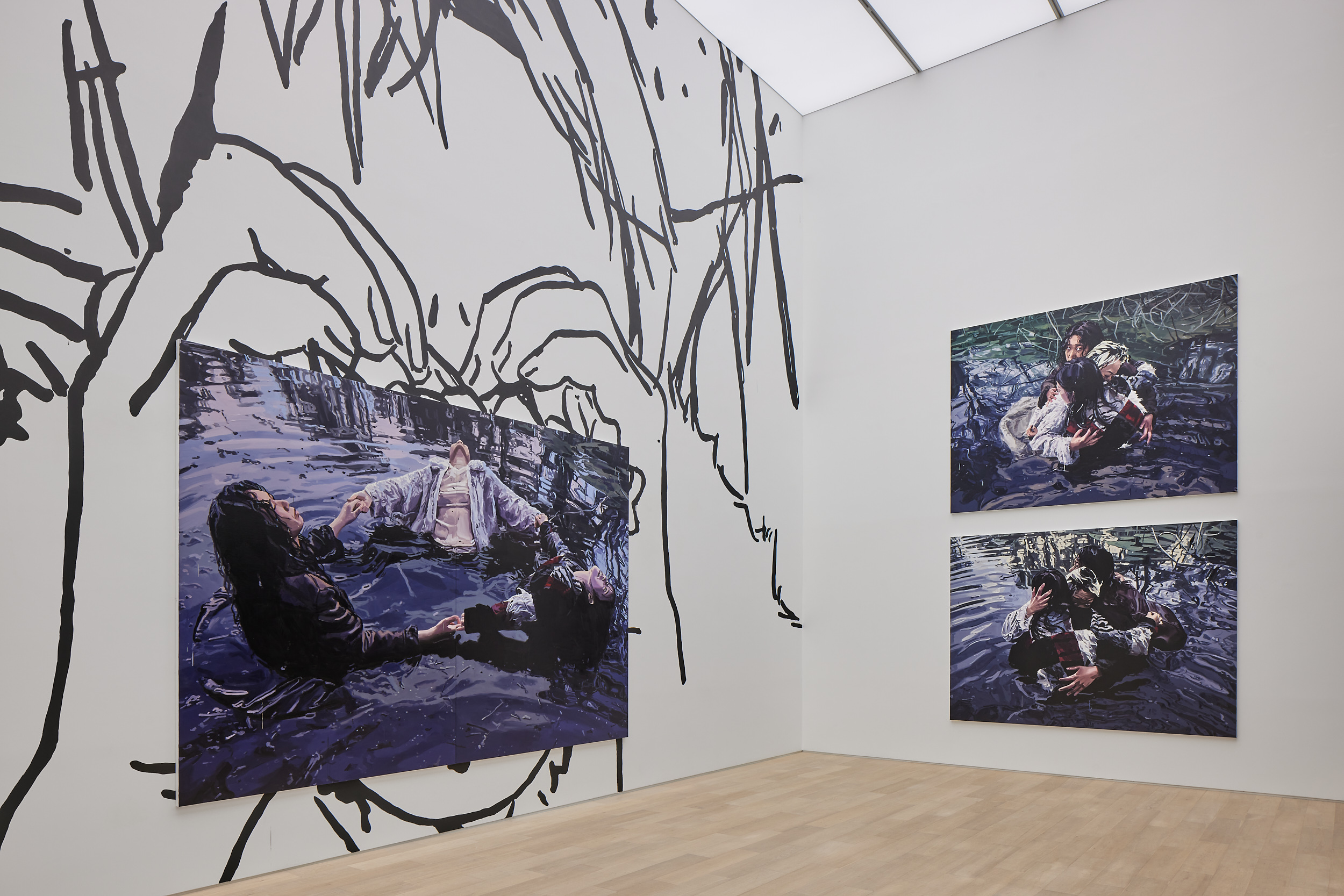
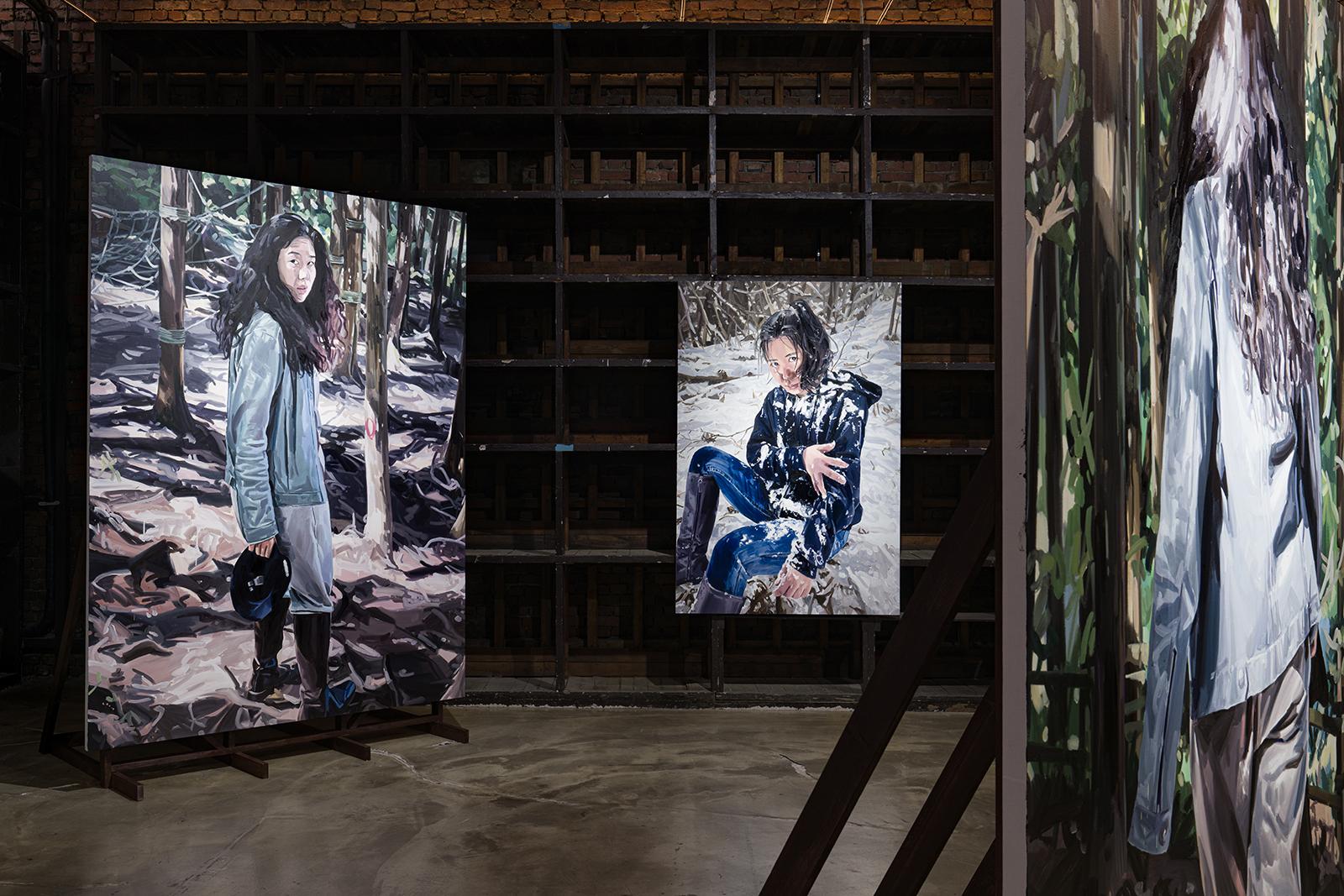
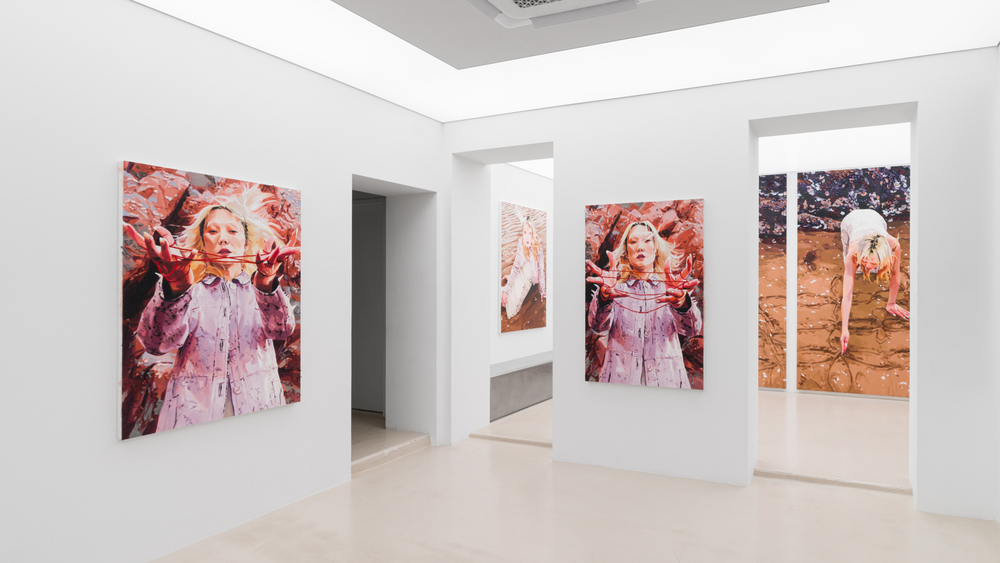
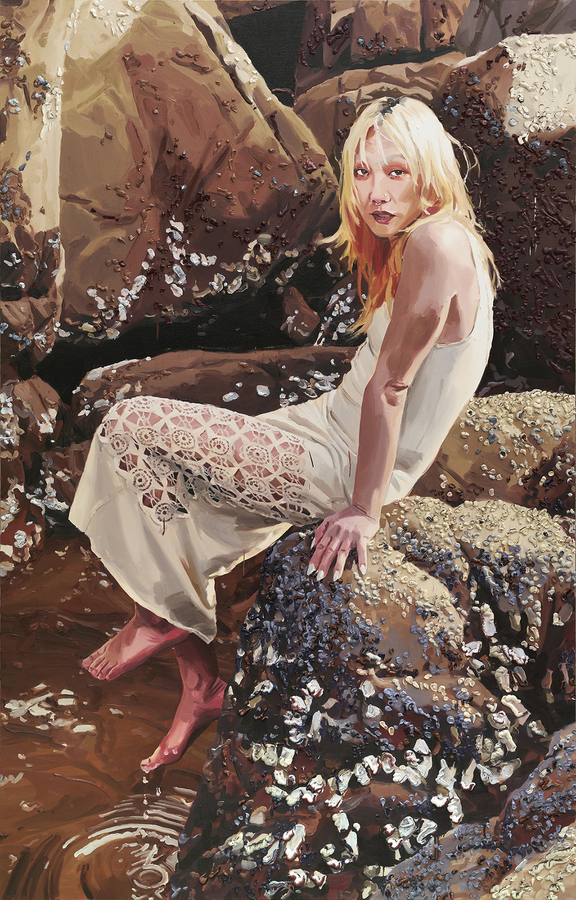
Miryu Yoon’s practice begins with an exploration of the tension between reality and fiction, staging and chance, sensation and representation. The artist constructs carefully orchestrated situations by setting specific locations and placing figures within them, while simultaneously capturing unpredictable elements such as light, temperature, movement, and fleeting expressions that arise within those conditions. This dual structure allows the image to function not merely as representation, but as an event in which momentary sensations are condensed. In this sense, her paintings are less about depicting a scene than about constructing the conditions under which a particular sensation can emerge and translating it into visual form.

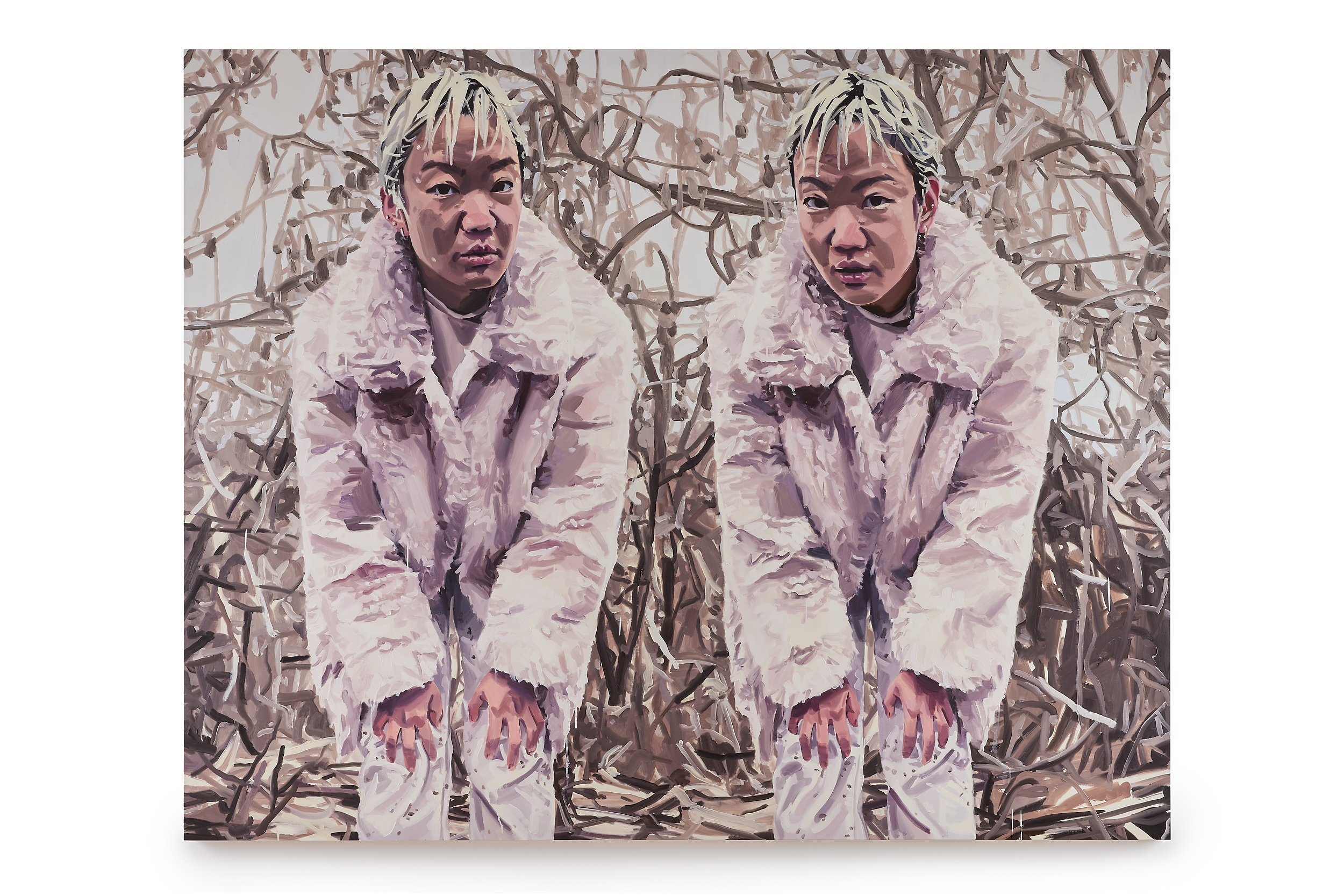
Within this framework, the human figure operates not as the center of narrative, but as a mediator for painterly experimentation. Yoon casts real individuals to perform fictional roles, and through their interactions with natural environments, she builds layered images shaped by sensory collisions. This process resonates with the uncanny—the moment when the familiar becomes unfamiliar—where reality and fiction intersect. Through this, the artist destabilizes the concreteness of the subject and metaphorically reveals personal yet intangible emotions and atmospheres within the painting.

Ultimately, Yoon’s work departs from specific figures and situations while moving toward the creation of autonomous images that exceed representation. Moving between digital imagery and painting, she investigates how sensation is transformed into form, appropriating fragments of reality while reconfiguring them into alternative modes of existence. This practice proposes a new role for painting within contemporary visual culture—as a device for organizing and reconfiguring sensory experience.

Style & Contents

Miryu Yoon’s practice constructs both form and content through a process of medial translation that moves between photography and painting. Using the iPhone’s Live Photo function, the artist captures staged scenes and translates the subtle movements and temporal durations embedded within them into painting. Here, painting does not fix a single moment; rather, it operates as a device that compresses the gaps and delayed temporality existing between sequential frames. Residual sensations that cannot be fully captured by photography—traces of movement and fragments of time—are reorganized through brushwork and color, forming a new rhythm and tension on the pictorial surface.

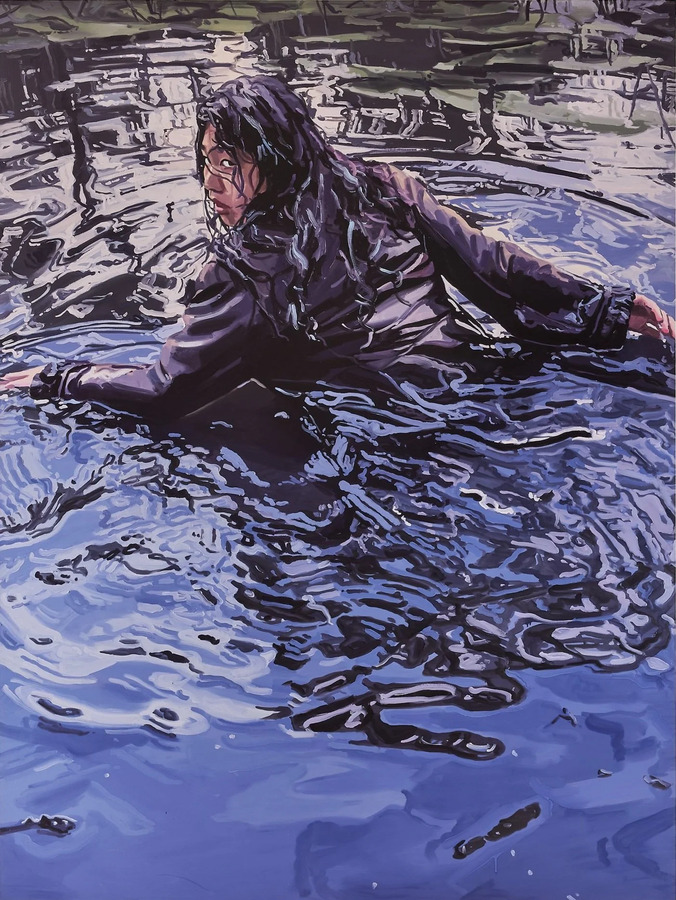
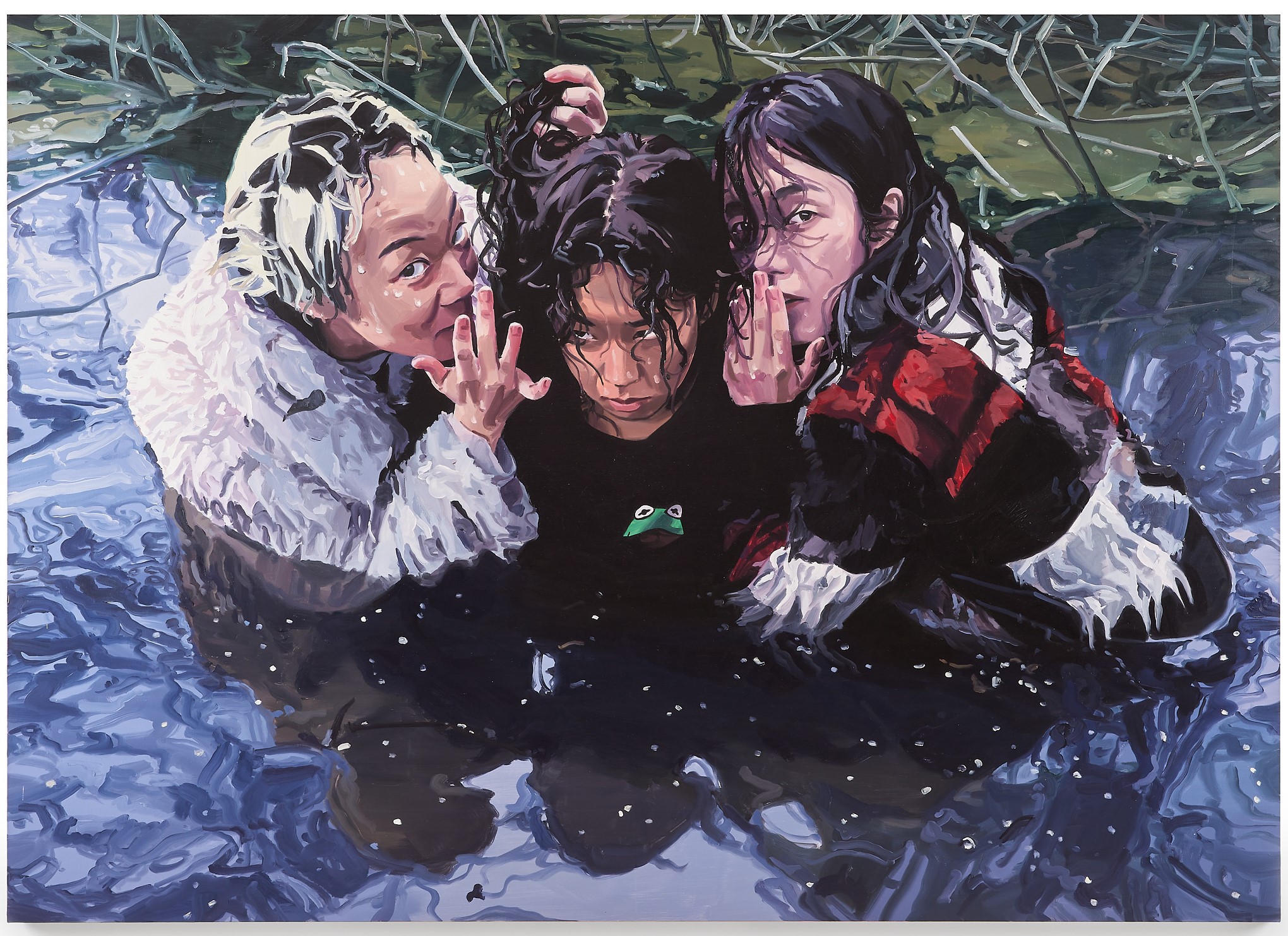
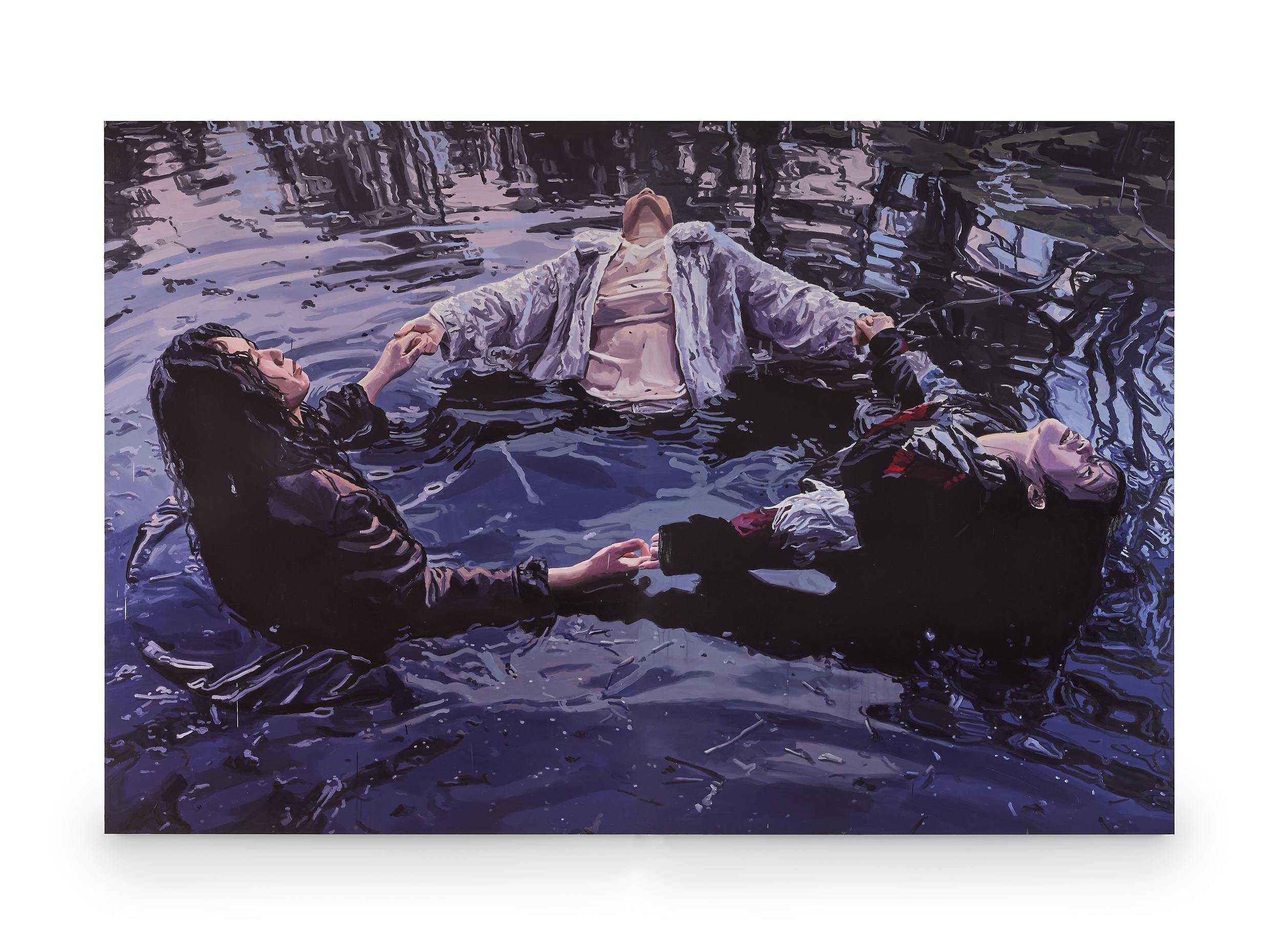
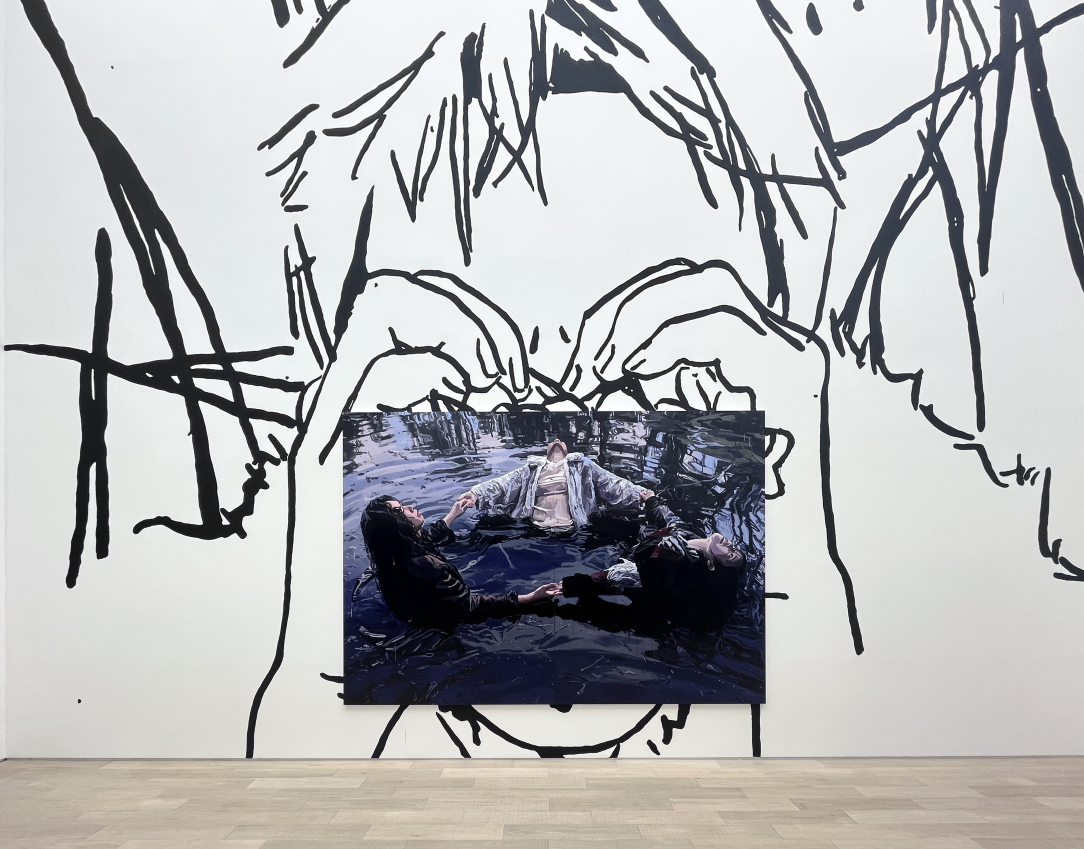
Her paintings are composed within environments where figures, water, light, and vegetation intertwine, with fluid spaces such as swamps playing a central role. These environments come into close contact with the bodies of the figures, producing visual effects that blur boundaries. Through thick brushstrokes, rapid gestures, and viscous, dense colors, the artist materially renders sensations such as ripples, reflections, and flows. In this process, figures are not presented as complete forms; instead, they are often cropped, overlapped, or fragmented, with different moments coexisting within a single canvas. This reveals painting not as a stable mode of representation, but as a site where sensation and event intersect.

At the same time, Yoon’s work is structured through the coexistence of staged situations and spontaneous responses. While the artist provides figures with specific roles and settings, she embraces the autonomous movements and emotions that emerge within them. This approach combines cinematic direction with documentary capture, positioning painting as a medium that reconstructs images generated in between. As a result, her work does not aim for narrative closure, but rather forms an open structure in which viewers are invited to connect and interpret scenes through relational cues and sensory fragments.

Topography & Continuity

Miryu Yoon’s practice accumulates around specific sites and environments, forming a kind of topography through the repetition and variation of recurring scenes and settings. From earlier works to recent ones, spaces such as the studio, natural landscapes, and most notably the swamp function not merely as backgrounds but as conditions under which events unfold and sensations are generated. These sites reappear across different works, reconfigured through shifts in time, light, and atmosphere, gradually constructing a loose narrative network. While each work maintains its autonomy, they simultaneously reference and extend one another, forming an interconnected structure.

In particular, the swamp, which has become central in her recent practice, operates as a liminal space where life and death, reality and fiction, and consciousness and the unconscious intersect. It is a fluid environment without fixed form, where layers of shifting sensations accumulate. Within this setting, Yoon blurs the boundaries between human and non-human, subject and other, reality and imagination, experimenting with conditions in which different modes of existence can coexist. Through the repetition and transformation of such environments, her work sustains a consistent conceptual framework while continually generating new formal possibilities.

At the same time, the continuity of Yoon’s practice is secured through her movement between digital imagery and painting. The process of capturing images through Live Photo and translating them onto canvas is not merely a technical method, but a structural approach that reflects her engagement with time and sensation. This methodology allows each work to present different figures and scenes while maintaining a consistent process, ultimately laying the foundation for her practice to expand into a cohesive “universe.” Through ongoing cycles of repetition and variation, Yoon’s paintings are gradually establishing a distinct system for organizing sensory experience.

Works of Art

The Abstract Sensibility of Fleeting Moments Through Painting

Articles

Exhibitions

Activities