

Surface Tension 05 - K-ARTIST

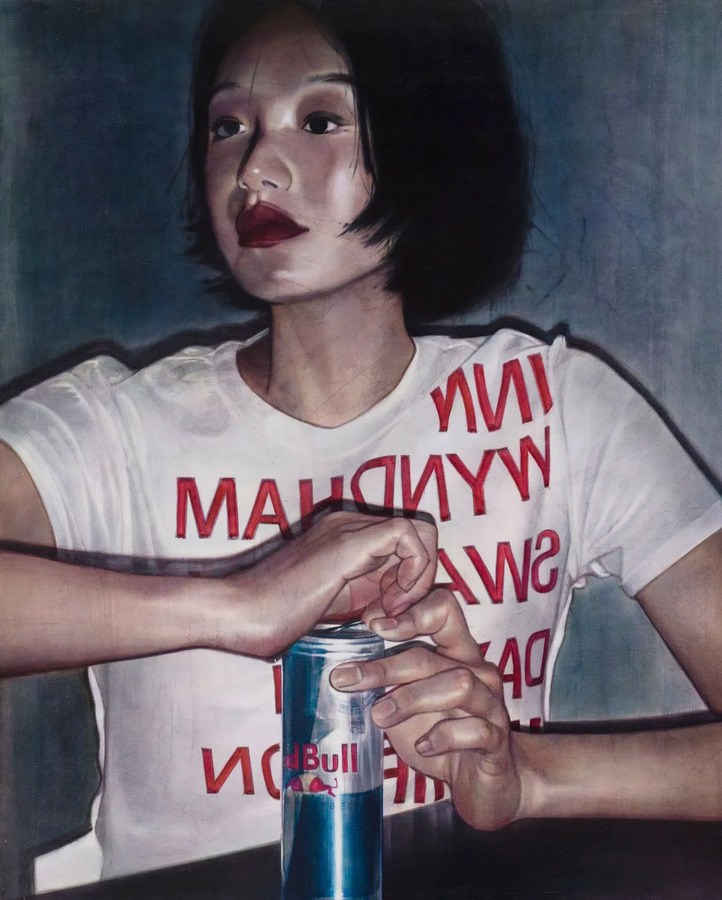
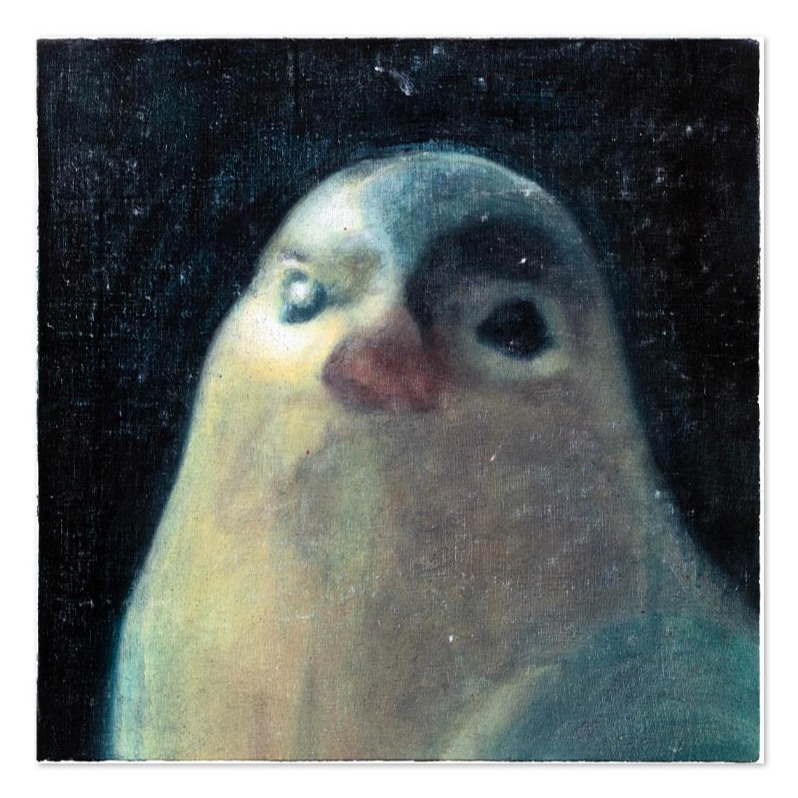
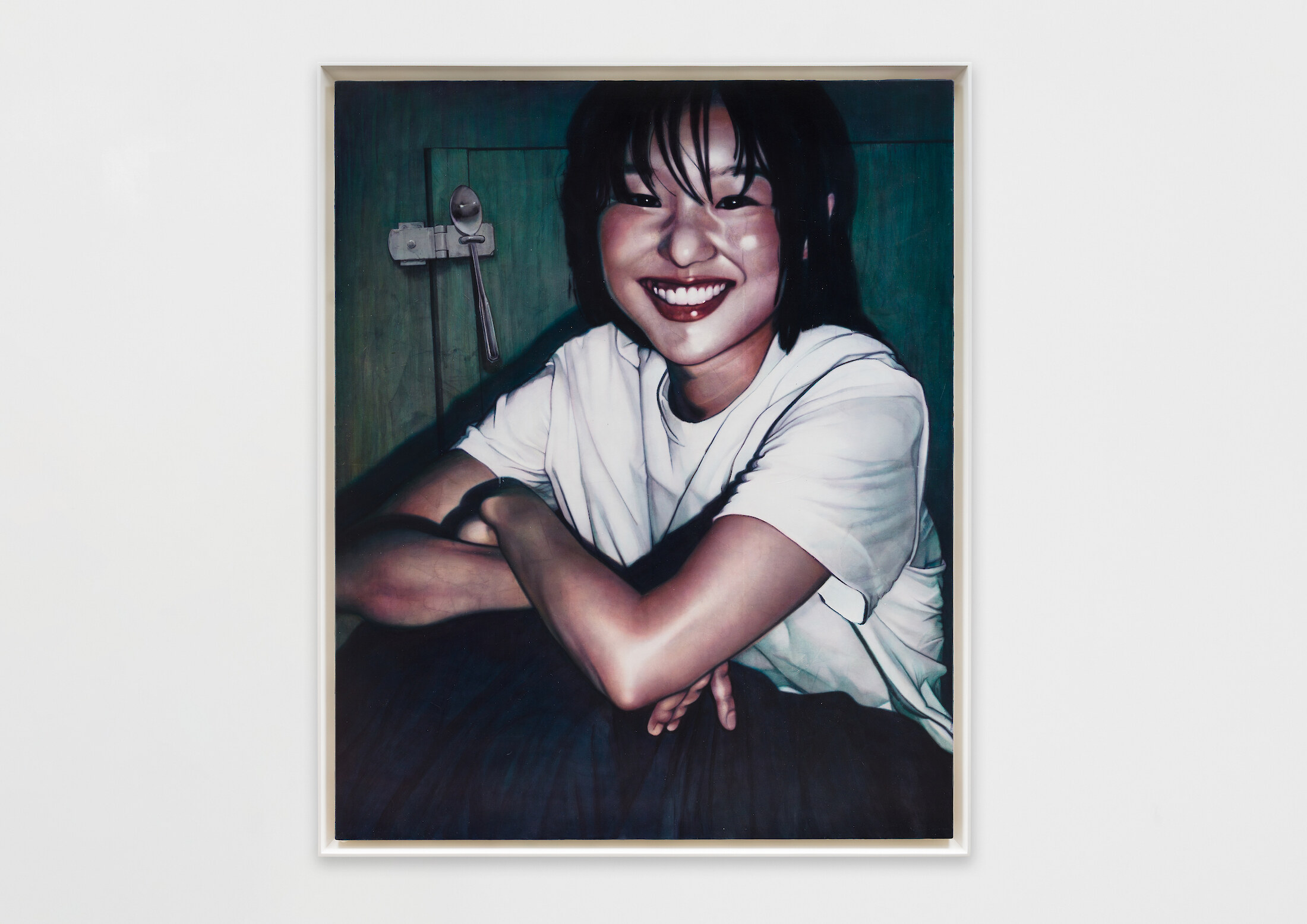
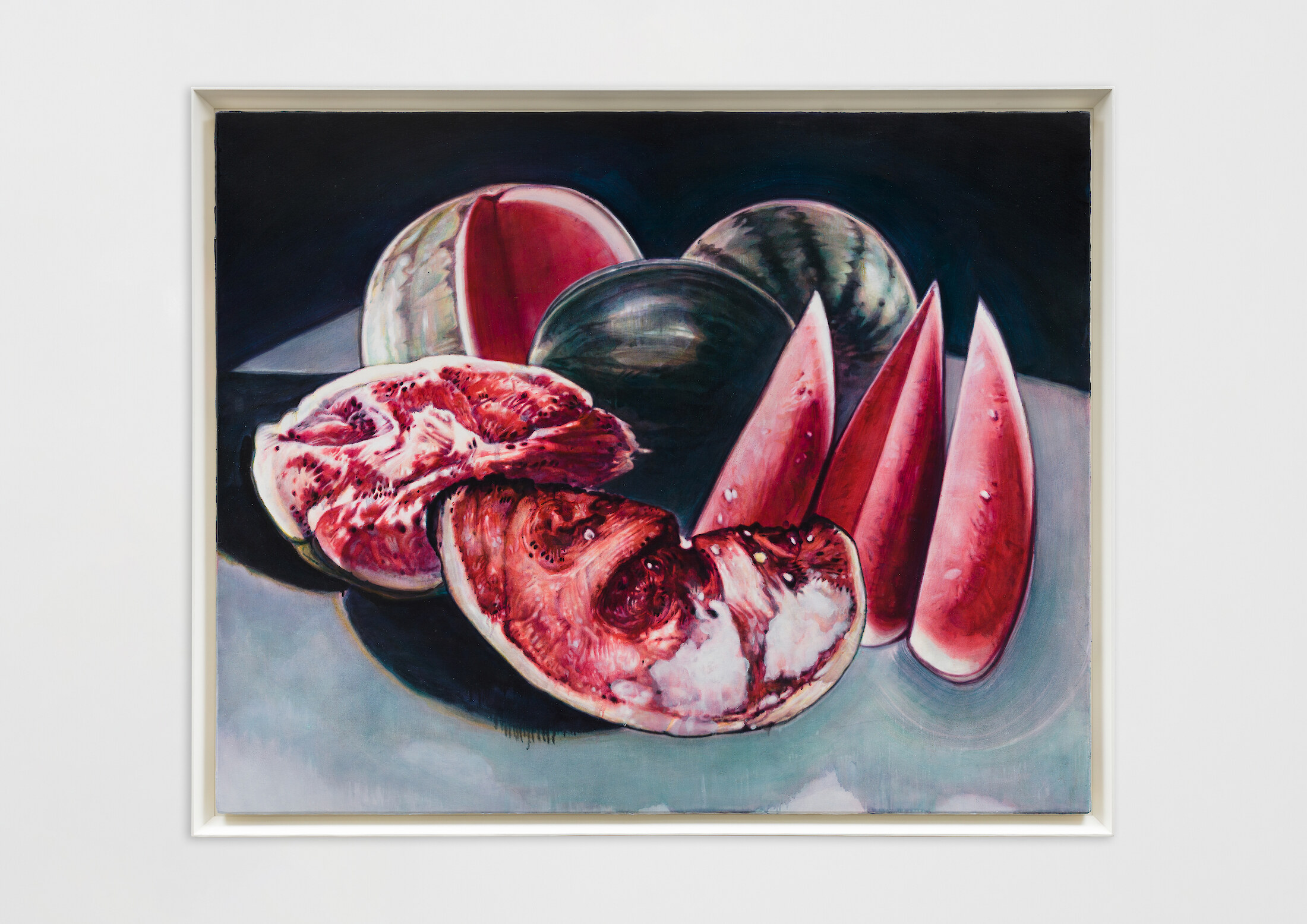
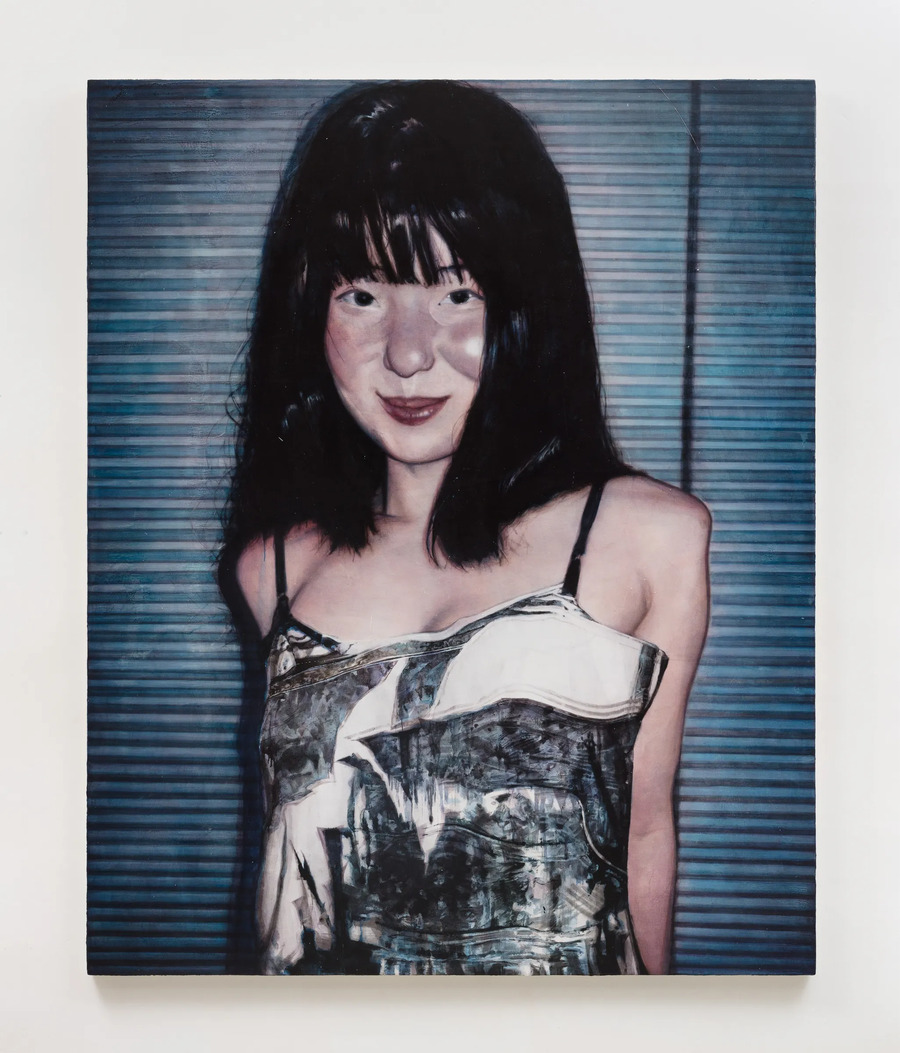
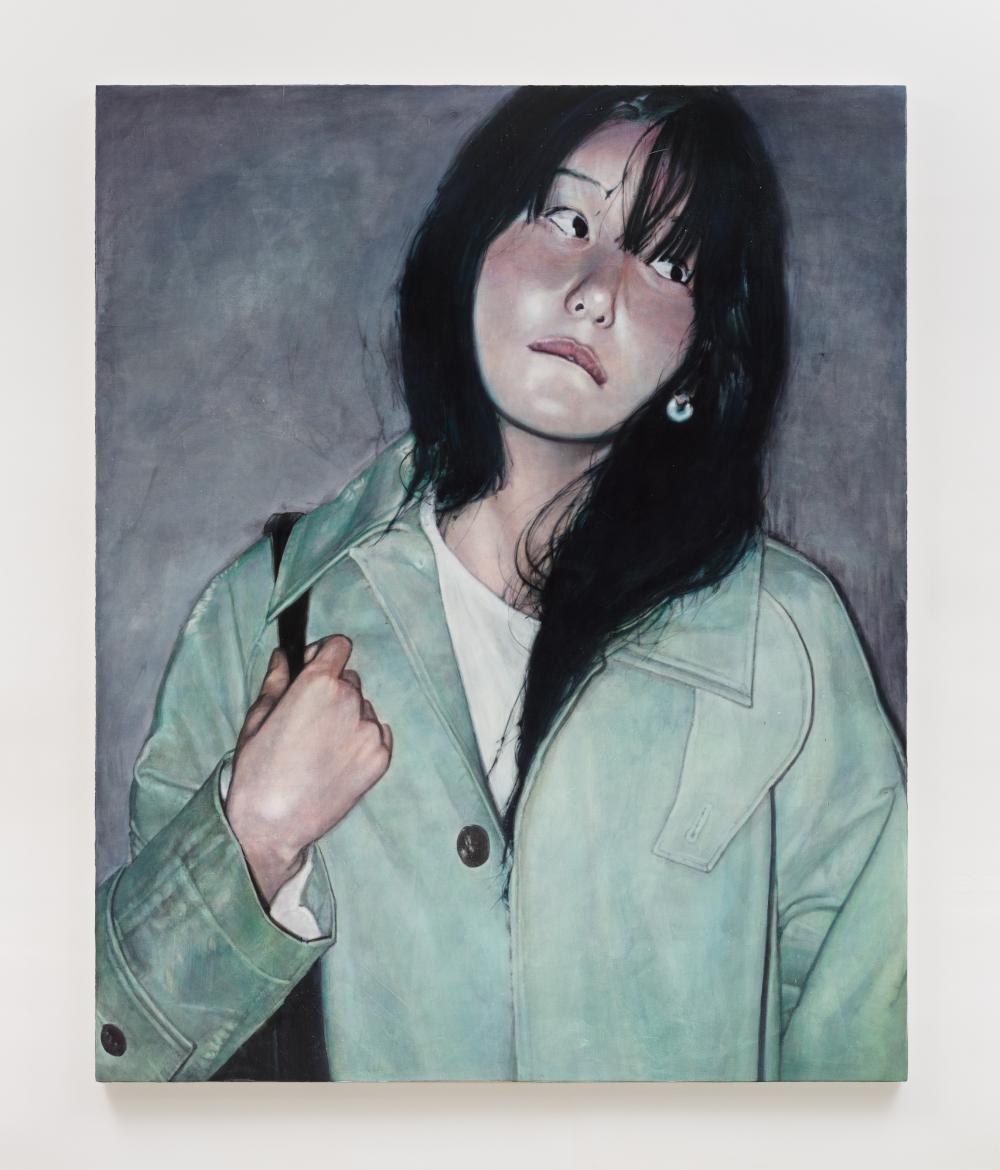
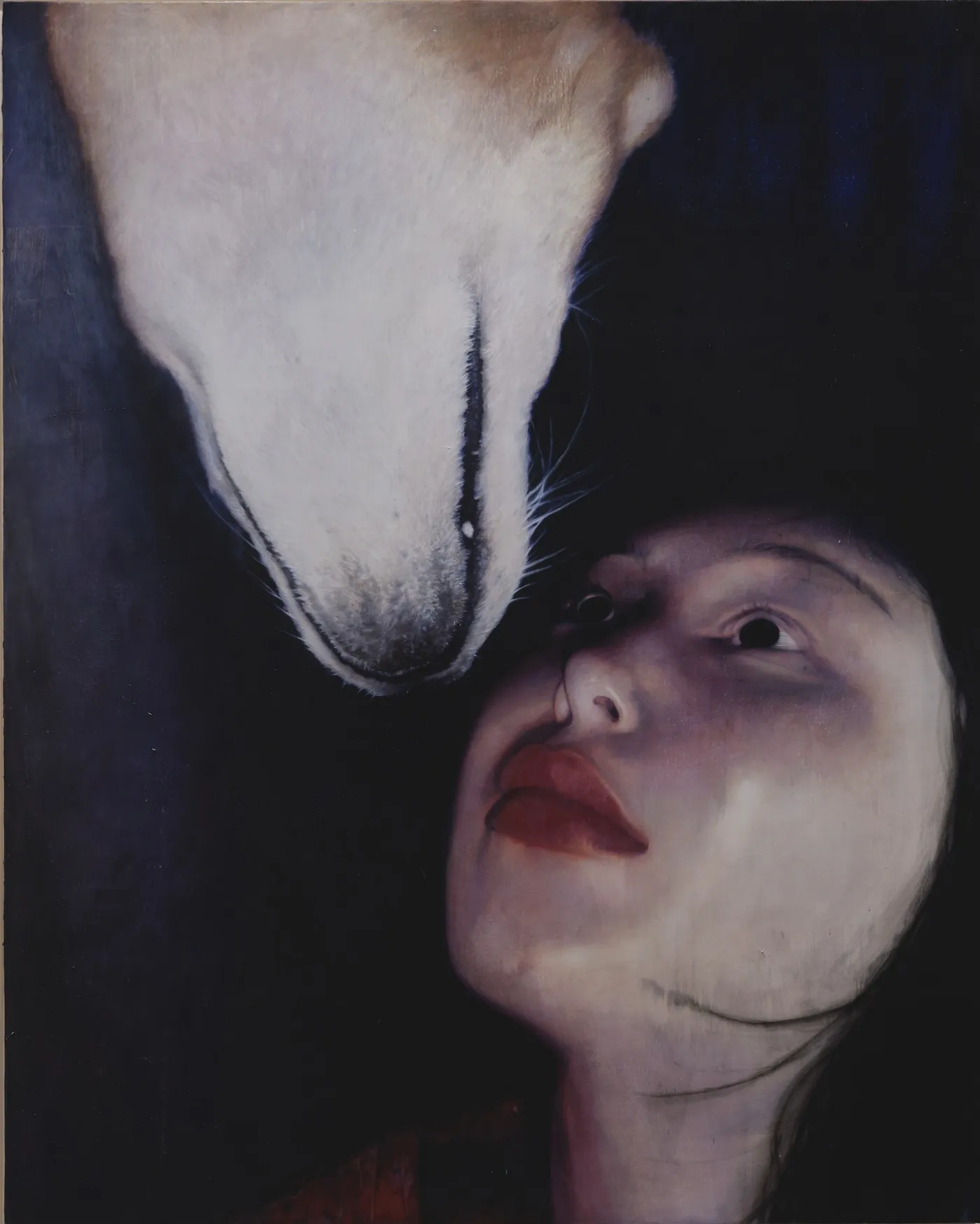
Surface Tension 05

2023
Oil on cotton
194 x 157.5 cm
About The Work

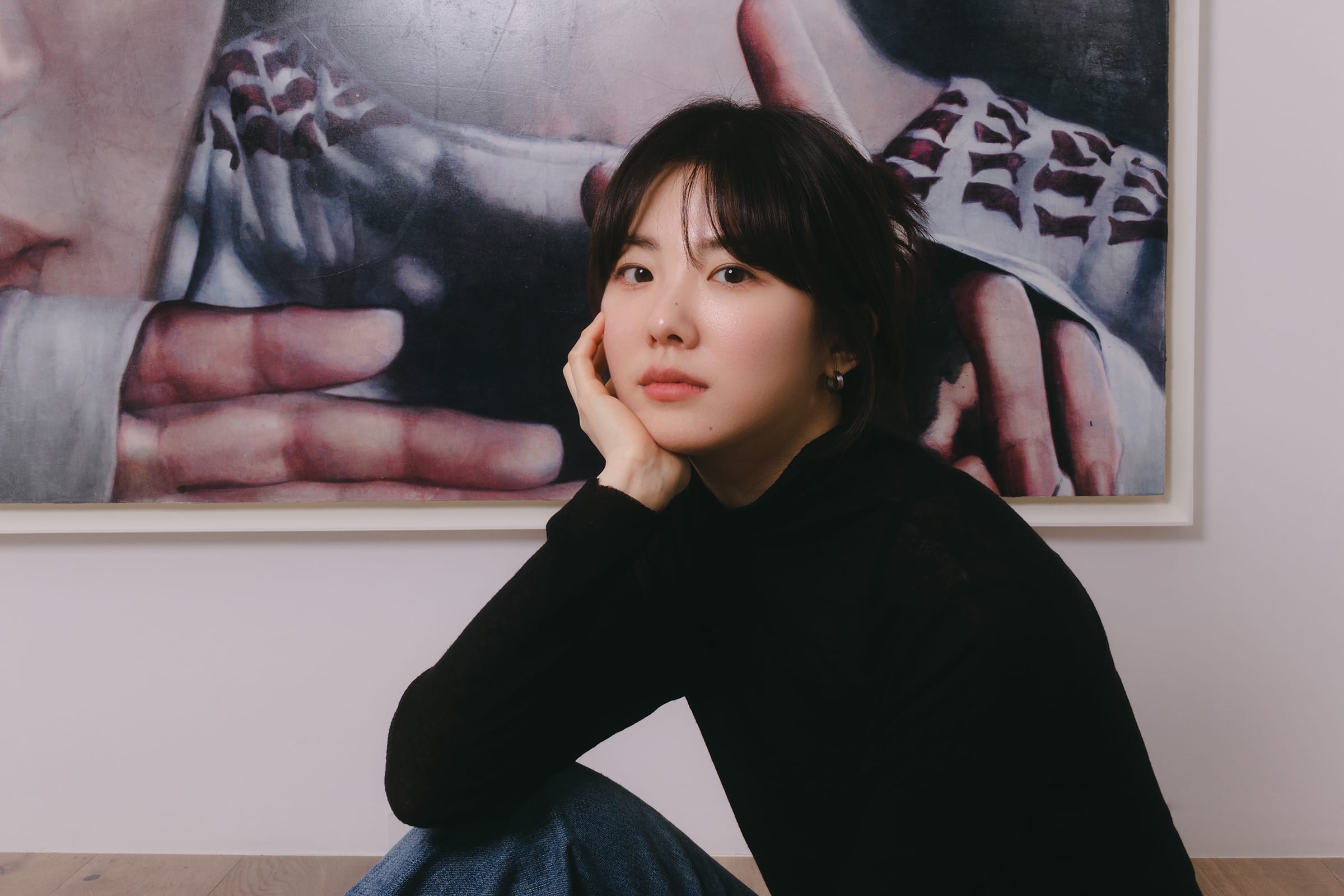
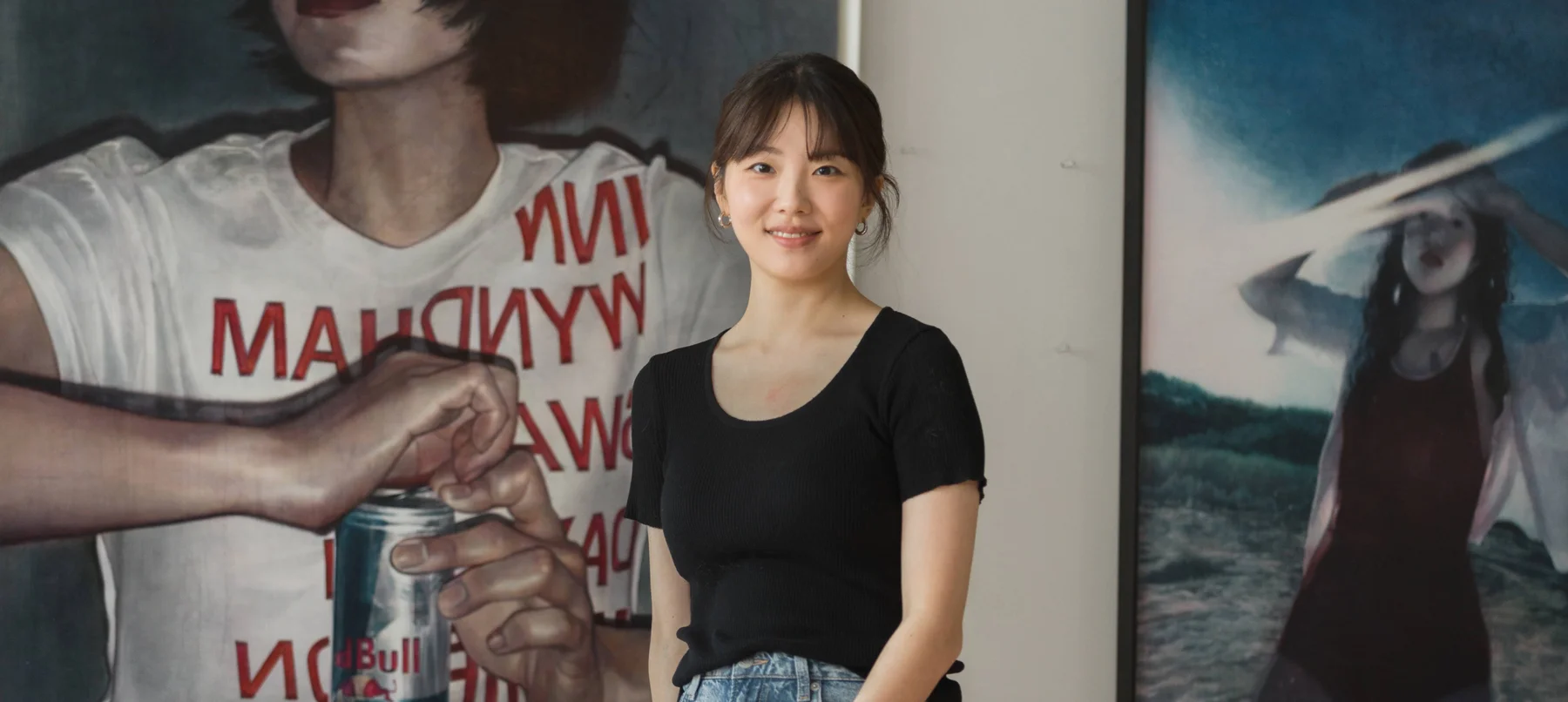
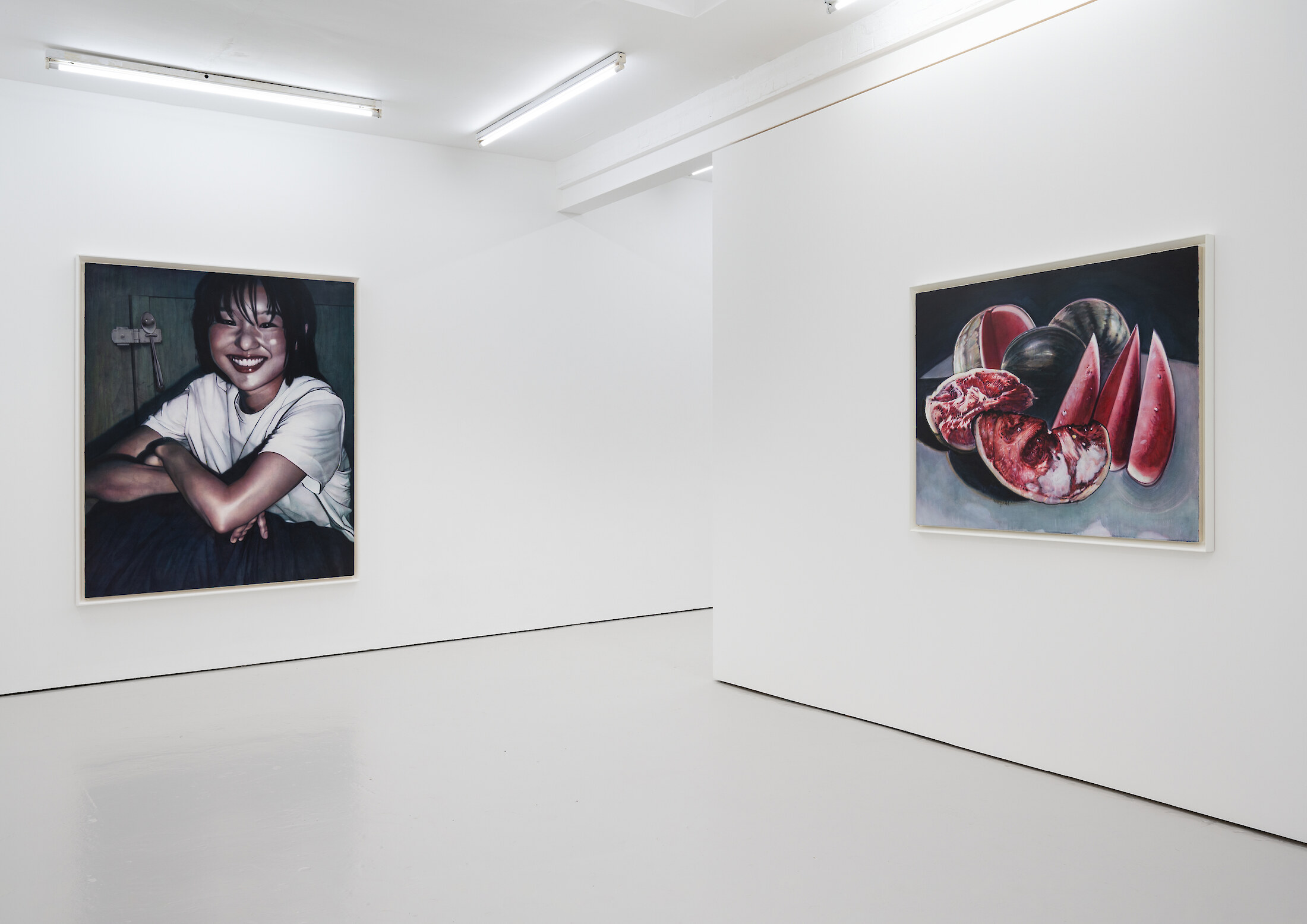
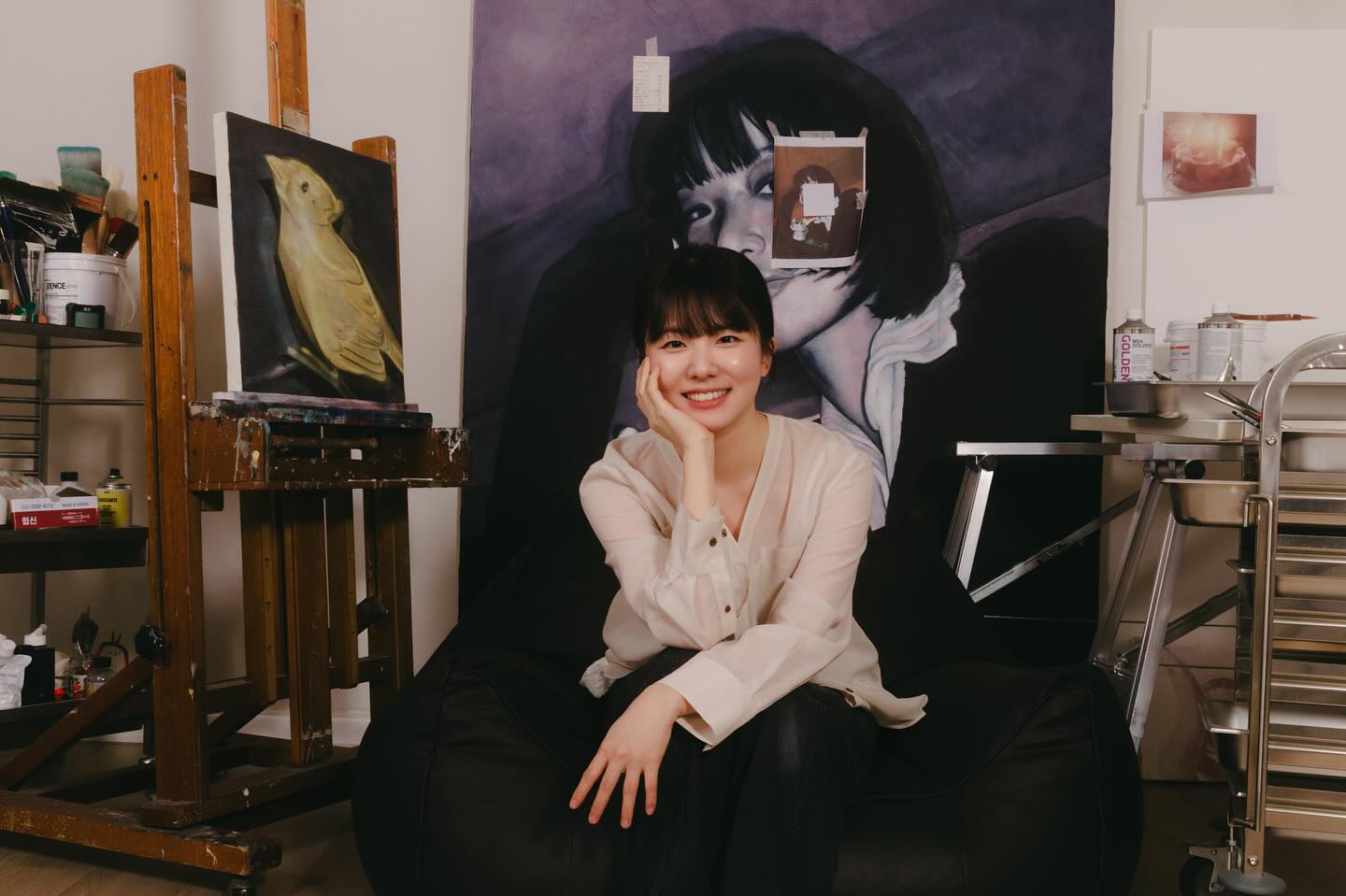
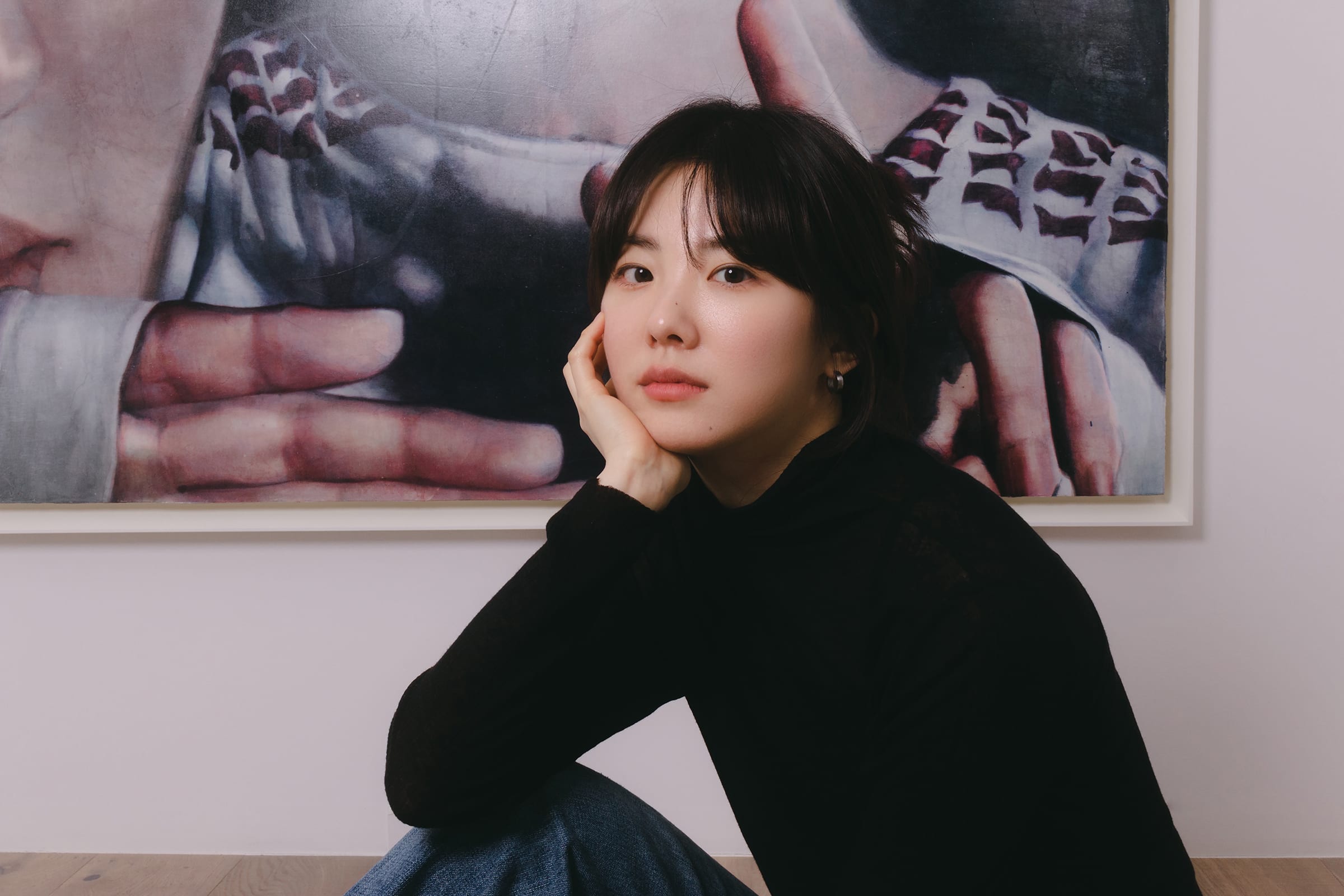
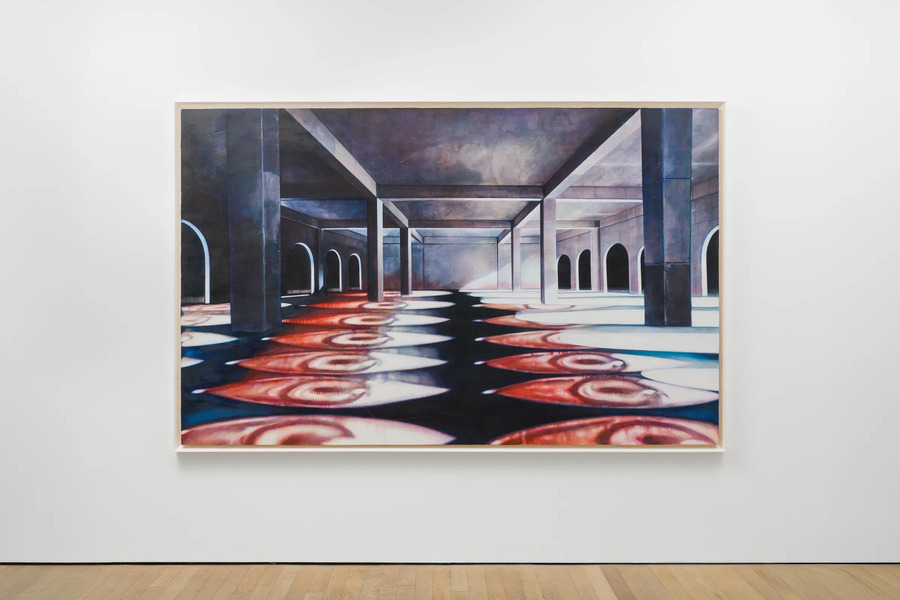
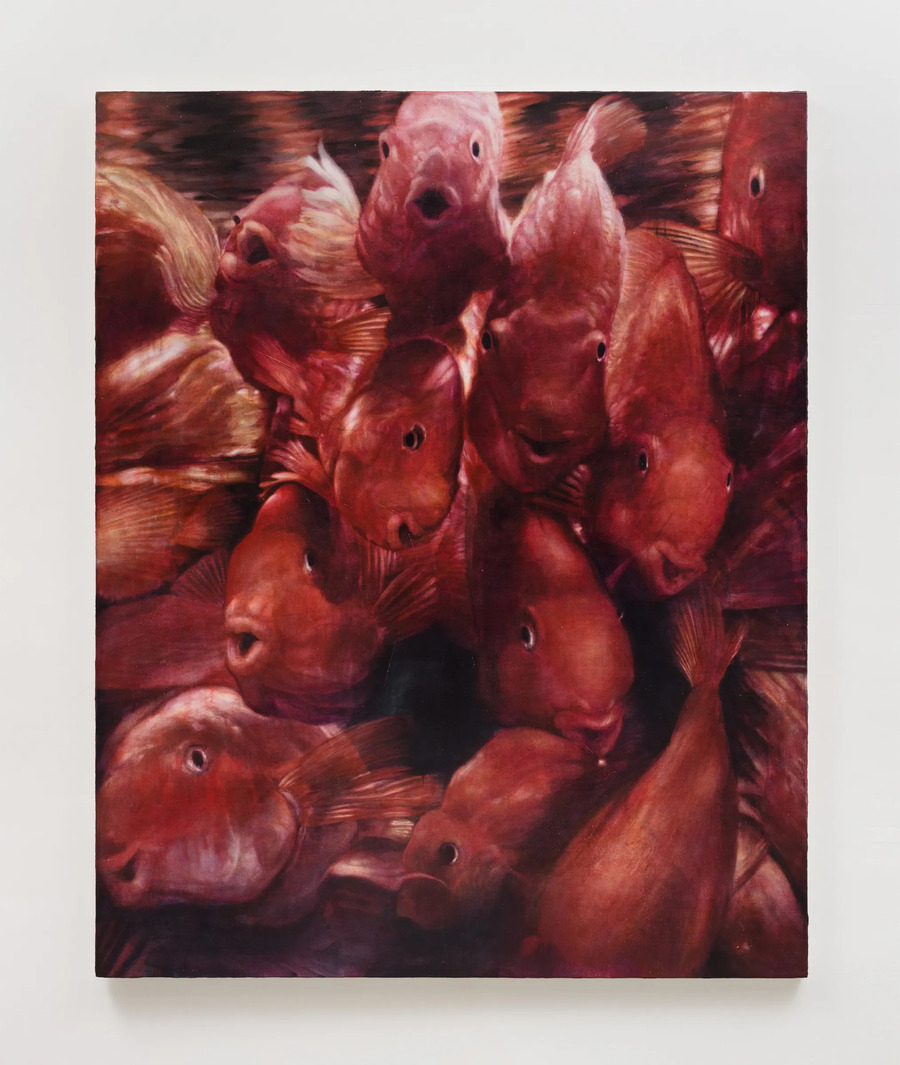
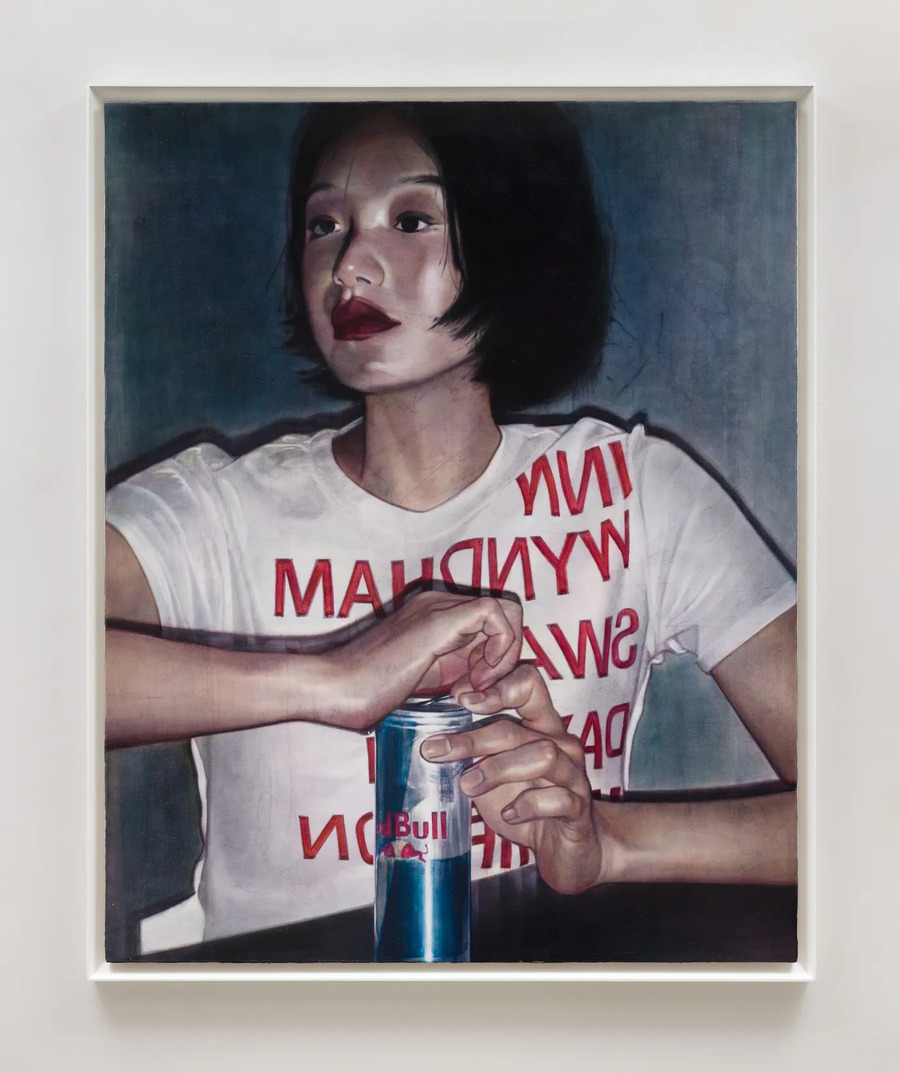
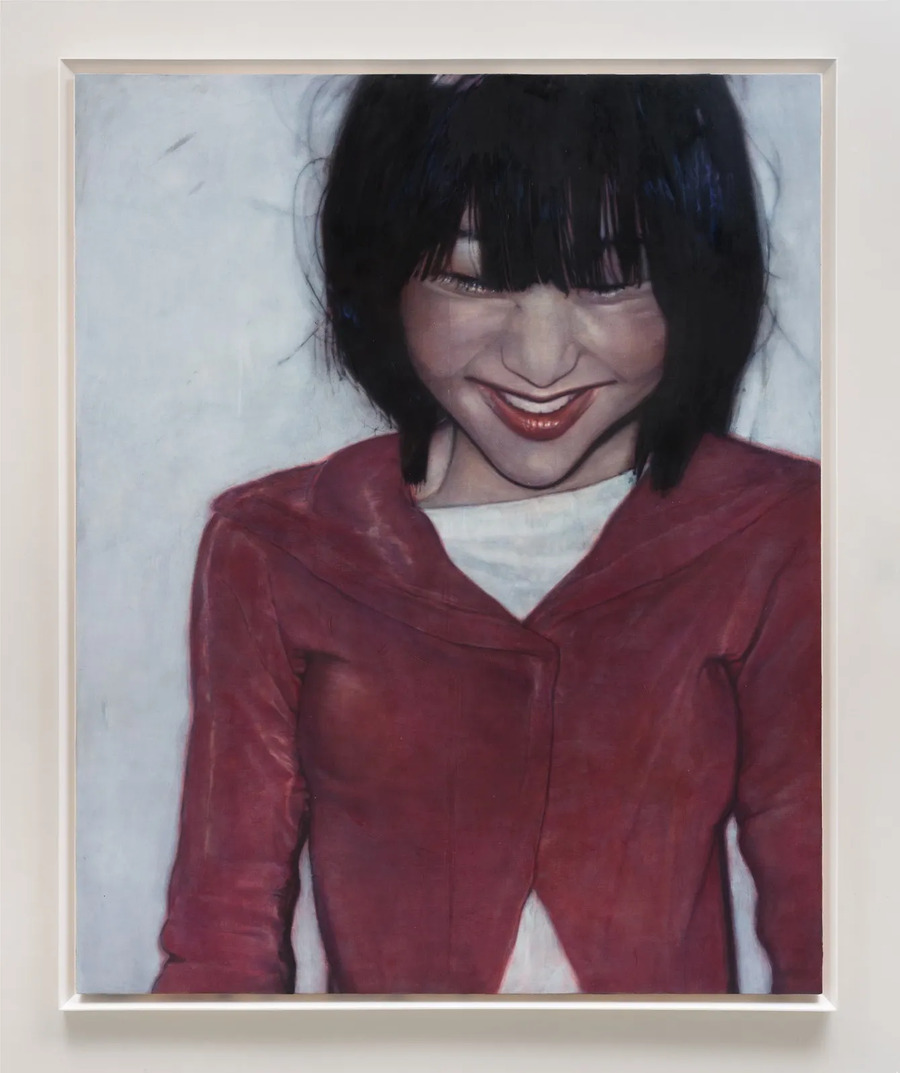
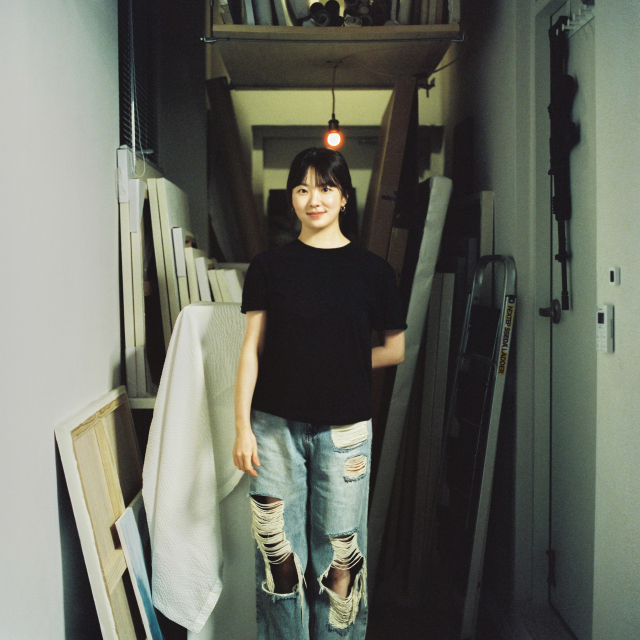
Moka Lee paints portraits of today's youth, capturing both their brilliance and instability. Blurring the boundaries between portraiture, still life, and landscape painting, Lee’s work embraces the underlying anxieties of youth hidden beneath the vibrant images displayed on social media.

Her paintings, which appear thin and transparent yet are built with solid brushstrokes, express the clash of these unstable emotions and contemporary identities through the language of painting.

Solo Exhibitions (Brief)

Moka Lee has held solo exhibitions at Carlos/Ishikawa (London, 2025), Jason Haam (Seoul, 2023), This Weekend Room (Seoul, 2021, two-person exhibition), Gallery ANOV (Seoul, 2020), and Yugiche (Busan, 2020).

Group Exhibitions (Brief)

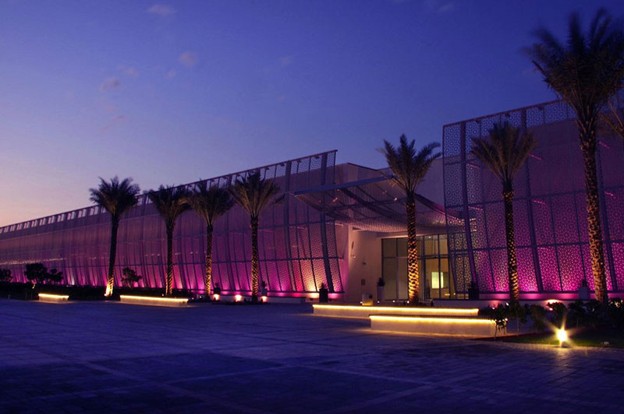
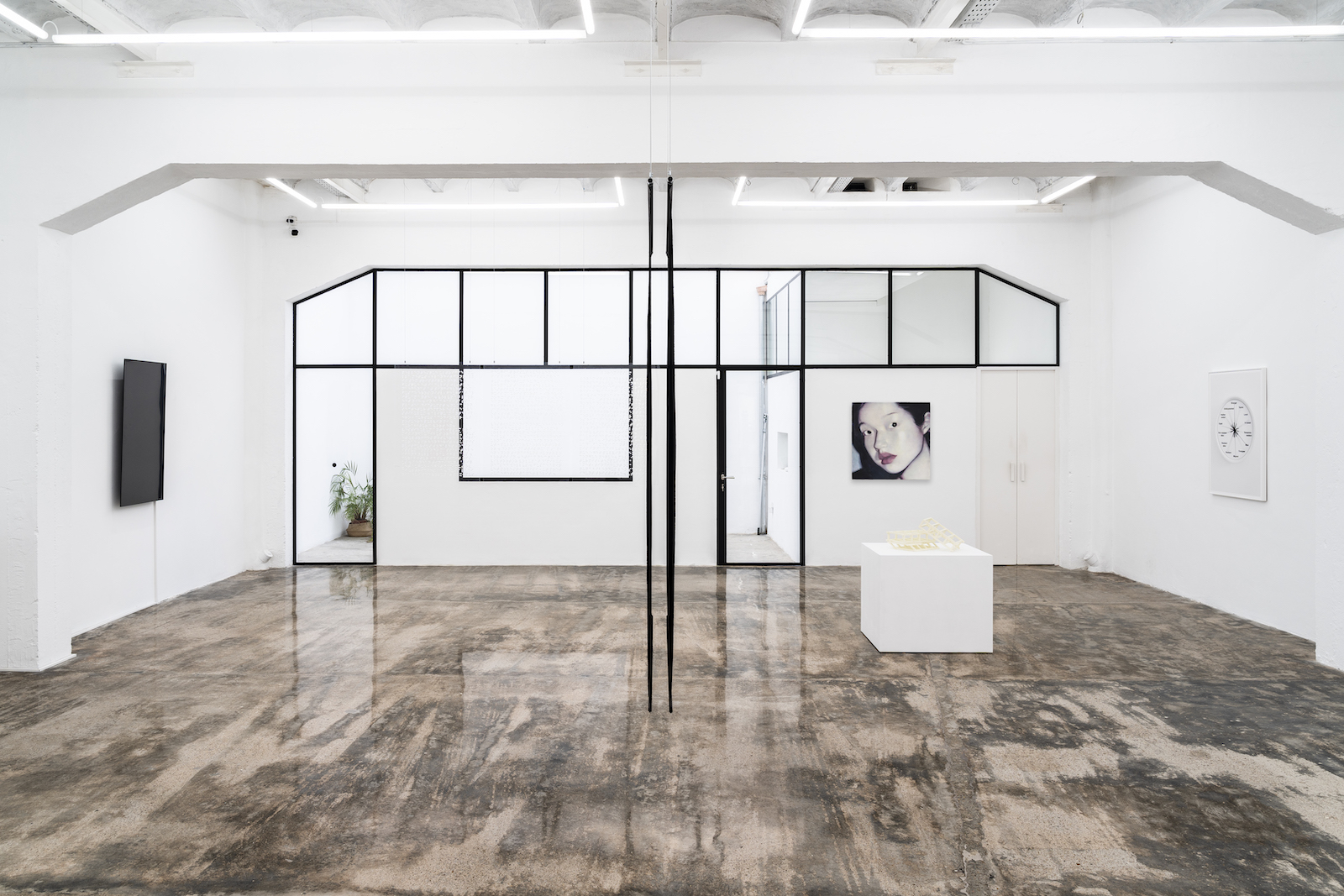
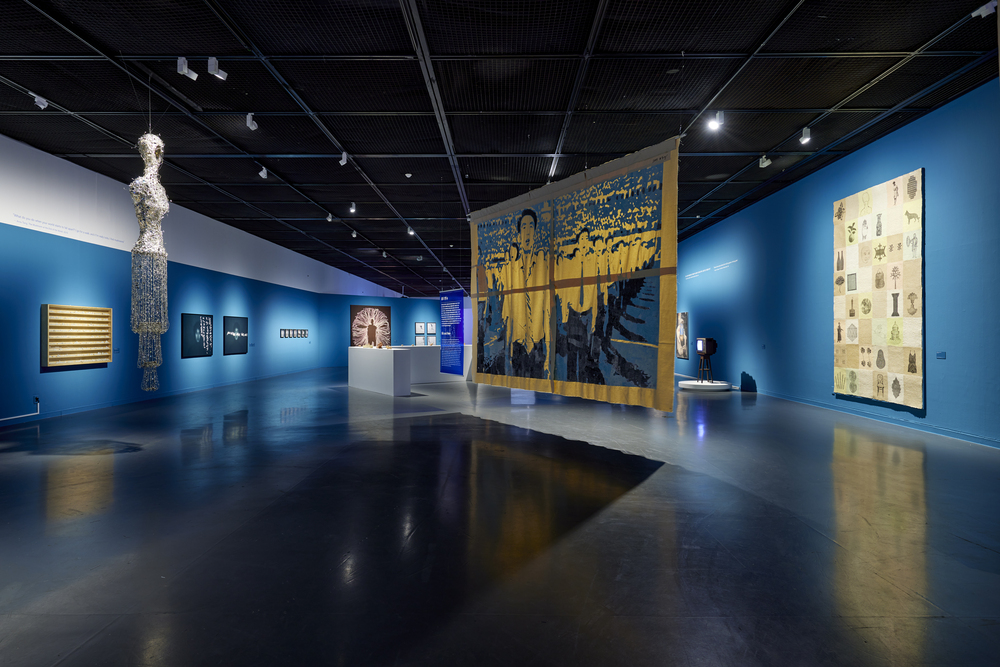
Moka Lee has participated in group exhibitions at Jason Haam (Seoul, 2025, 2024, 2022), Seoul Museum of Art (Seoul, 2025, 2024), David Kordansky Gallery (Los Angeles, 2025), Manarat Al Saadiyat (Abu Dhabi, 2025), Frieze No.9 Cork Street (London, 2025, 2023), Galería Fermay (Palma de Mallorca, 2024), Museum of Contemporary Art Busan (Busan, 2024), and Chang Ucchin Museum of Art (Yangju, 2019).

Awards (Selected)

Moka Lee was selected for the Artsy Vanguard 2025 (2025) and received the DDP Prize at the Asian Students and Young Artists Art Festival (2019).

Collections (Selected)

Moka Lee’s works are held in the collections of the Seoul Museum of Art (Seoul) and Kistefos Museum (Jevnaker, Norway).
Works of Art

The Invisible Sides of Today's Youth

Originality & Identity

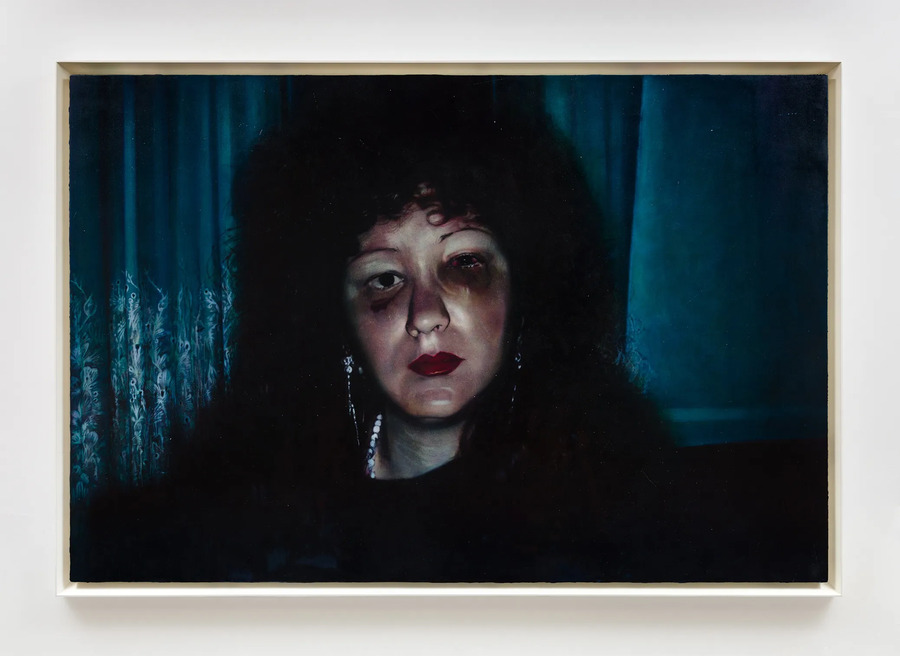
Moka Lee’s practice explores the structures of identity and emotion shaped within the environment of social media. Drawing from anonymous images sourced from platforms such as Instagram, she translates into painting the ways in which individuals construct and perform themselves under the gaze of others. Her work focuses on the gap between the “presented self” and the “actual self,” capturing the tension between socially constructed personas and inner emotional states. In this sense, her paintings move beyond generational portraiture, expanding into a broader inquiry into how images mediate emotion and narrative in contemporary life.

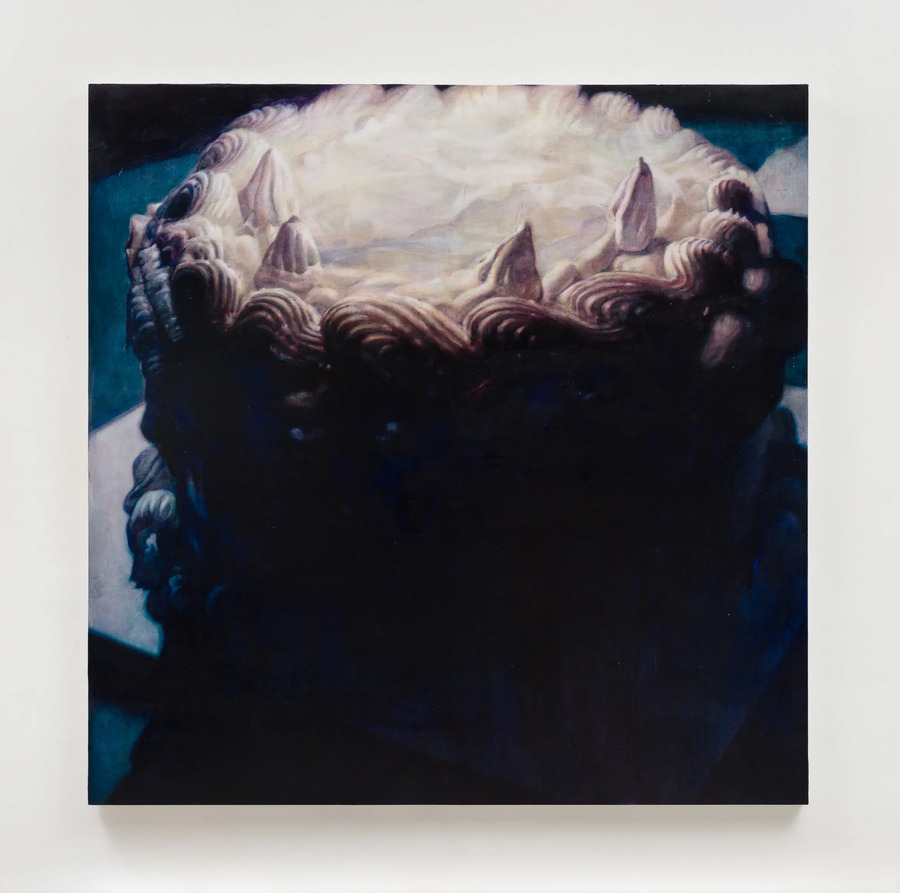
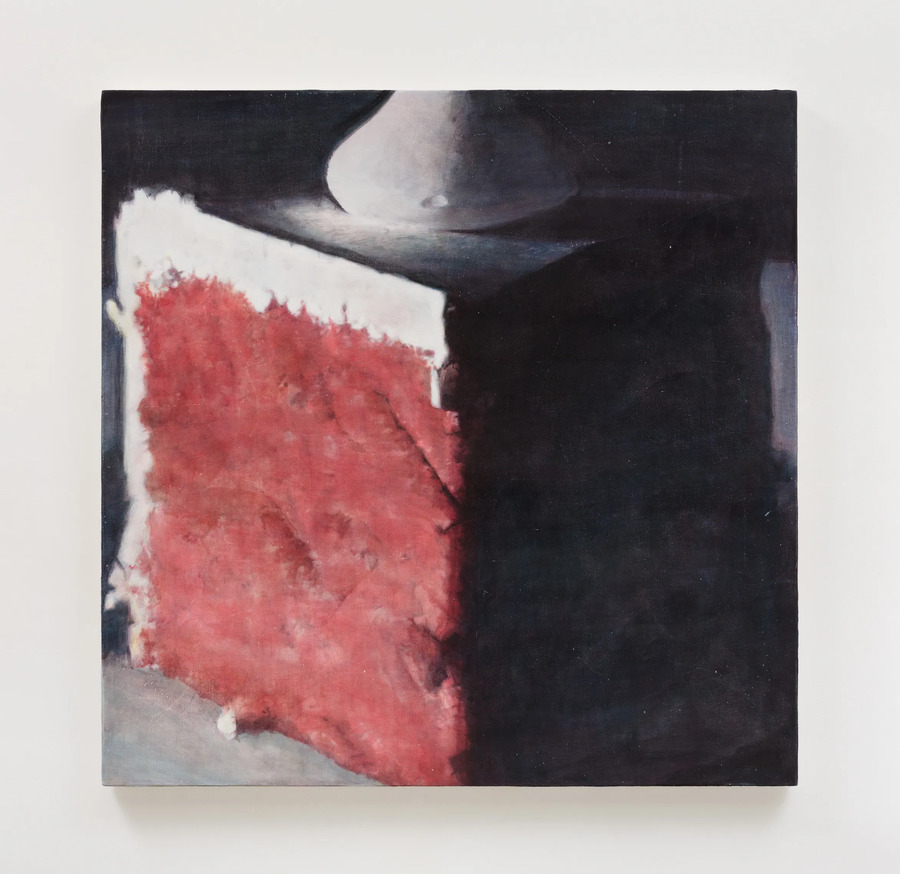
The figures Lee selects are typically anonymous, stripped of name and context, yet they reveal subtle signs of emotional complexity. Bright expressions, staged poses, and celebratory settings may suggest happiness and fulfillment on the surface, but Lee exposes the underlying structures of anxiety, lack, and desire embedded within these images. Her representative series, ‘Live Inside Bubble’ and ‘Illusion Cake,’ respectively examine idealized femininity and the formation of personal desire, unfolding narratives that reflect how identity is constructed through external images, memory, and fantasy.

While her work begins with close observation of the contemporary image environment, it ultimately converges on a more fundamental question: what constitutes the self? Through processes of selection and transformation, Lee reveals the constructed and inherently unstable nature of how individuals perceive themselves and present themselves to others. In this regard, her paintings function both as portraits of the digital age and as a visual language that reflects the sensory and psychological conditions of contemporary existence.

Style & Contents

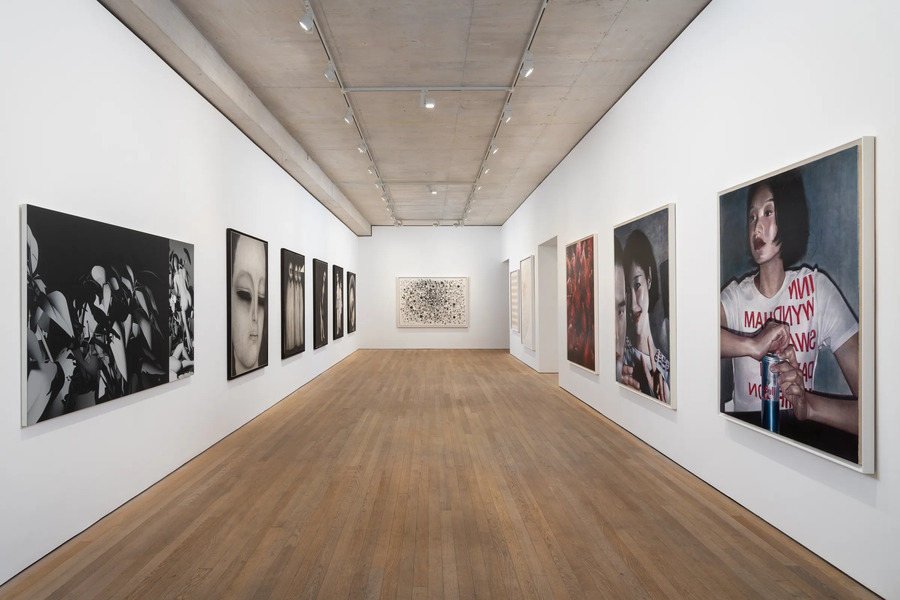
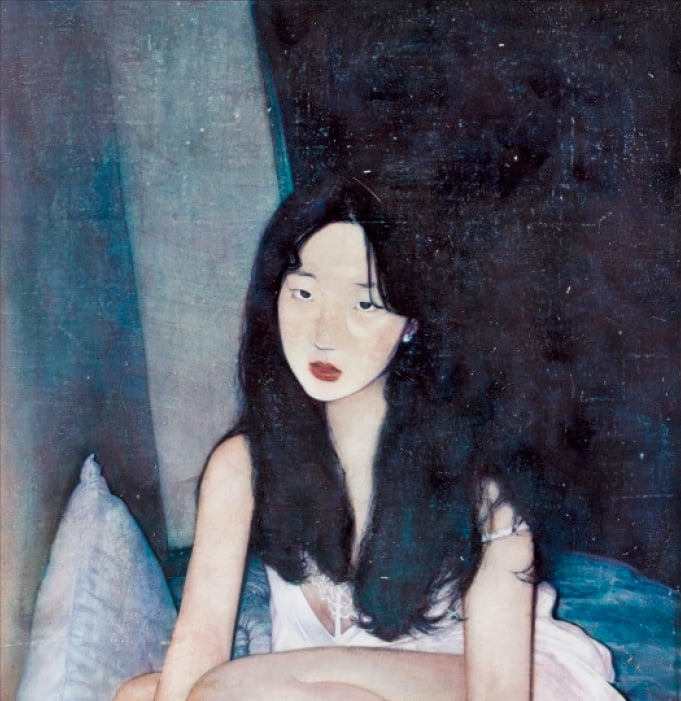
Moka Lee’s paintings are grounded in oil on canvas, yet they deliberately destabilize the conventions of the medium through hybridized techniques. While working with oil paint, she adopts methods more commonly associated with watercolor, such as leaving the brightest areas unpainted and allowing the ground to function as light. This approach produces a distinctive visual tension—images that resemble watercolor at first glance but reveal the material depth of oil upon closer inspection. Her process involves layering thin washes of pigment, often building up translucent surfaces that absorb and diffuse light, creating an atmosphere that feels both immediate and distant.

A defining aspect of her formal language lies in the manipulation of photographic source material. Lee selects, crops, and reconfigures images—often selfies or staged portraits—reducing contextual information and intensifying the psychological focus on the figure. Close-up compositions, abrupt framing, and the flattening of spatial depth contribute to a sense of visual dislocation. At the same time, her muted and sometimes murky color palette softens the hyper-clarity of digital images, introducing a temporal ambiguity akin to faded or aged photographs. Through this process, the crispness of the digital image is translated into a tactile, painterly surface that retains traces of both immediacy and erosion.

Lee’s handling of light and shadow further reinforces the emotional complexity of her work. Flash-like illumination—often evoking nighttime photography—coexists with areas of deep, abstracted darkness rendered through visible brushstrokes. These dark zones, sometimes reduced to gestural fields of color, disrupt the legibility of the image while simultaneously suggesting psychological depth or social unease. In this interplay between figuration and abstraction, between clarity and obscurity, Lee constructs a visual language that mirrors the instability of perception in the contemporary image environment.

Topography & Continuity

Despite her relatively short career, Moka Lee’s practice demonstrates a strong sense of continuity, maintaining a consistent thematic focus and formal language while gradually expanding its scope. Elements such as close-up figures, flash-like lighting, and muted color palettes, already present in her early works, continue to recur and evolve, forming a distinctive visual system. In particular, her method of selecting subjects from social media remains a central structure throughout her practice, anchoring her ongoing inquiry into the contemporary image environment.

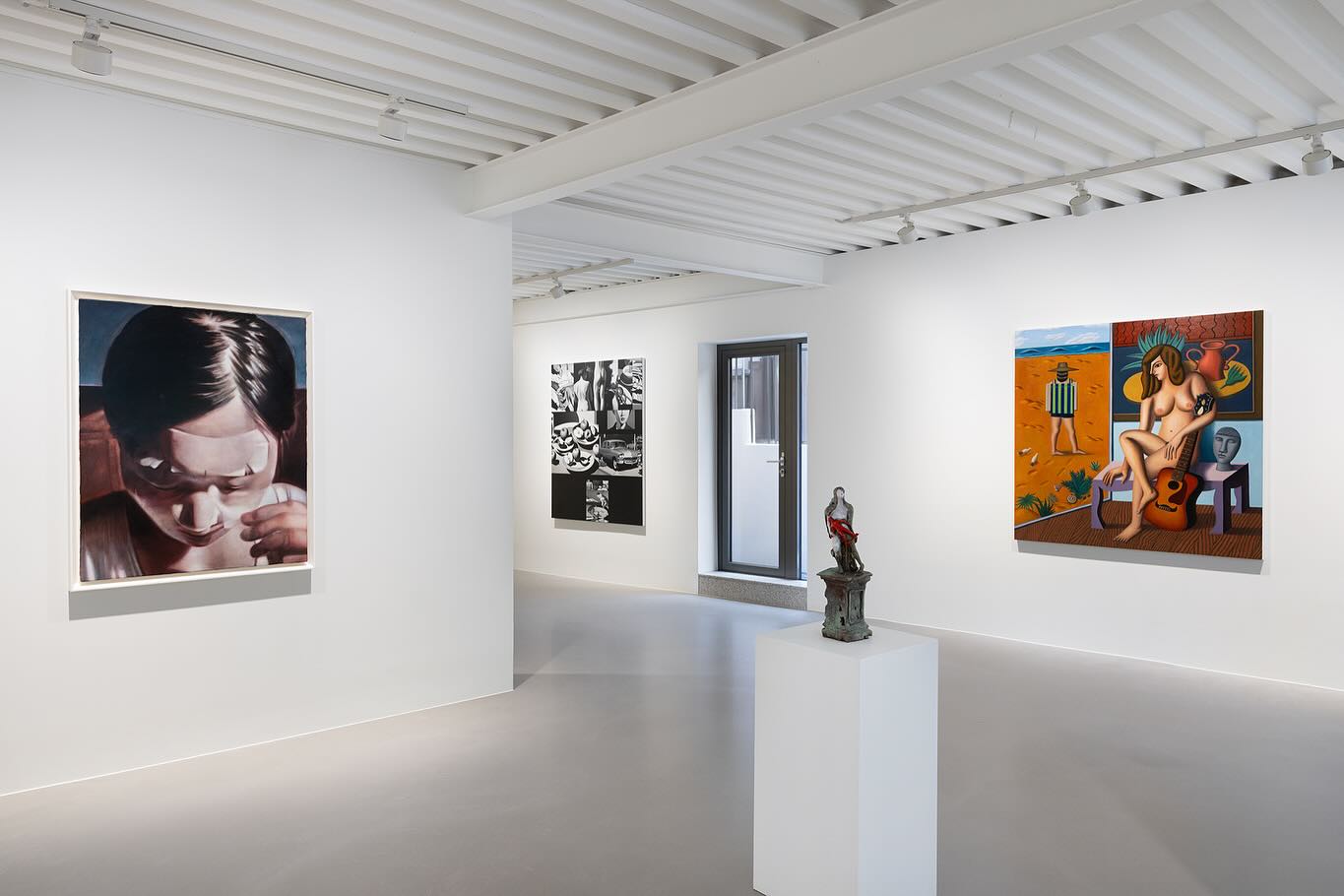
This continuity does not remain static but develops through the incorporation of broader visual references and artistic dialogues. More recent works engage with other artists’ practices and art historical imagery, extending her focus beyond personal experience toward a wider field of visual culture. Through this shift, her work moves from observations rooted in contemporary Korean society to more universal and structural questions about image production and perception.

Ultimately, Lee’s practice accumulates a sustained inquiry into both identity and the mechanisms through which images are produced and consumed. Through a rhythm of repetition and variation, her paintings construct a kind of topography of contemporary visual culture, suggesting an evolving trajectory and future expansion of her work.

Works of Art

The Invisible Sides of Today's Youth

Articles

Exhibitions