Sogong-ro 99-1 - K-ARTIST

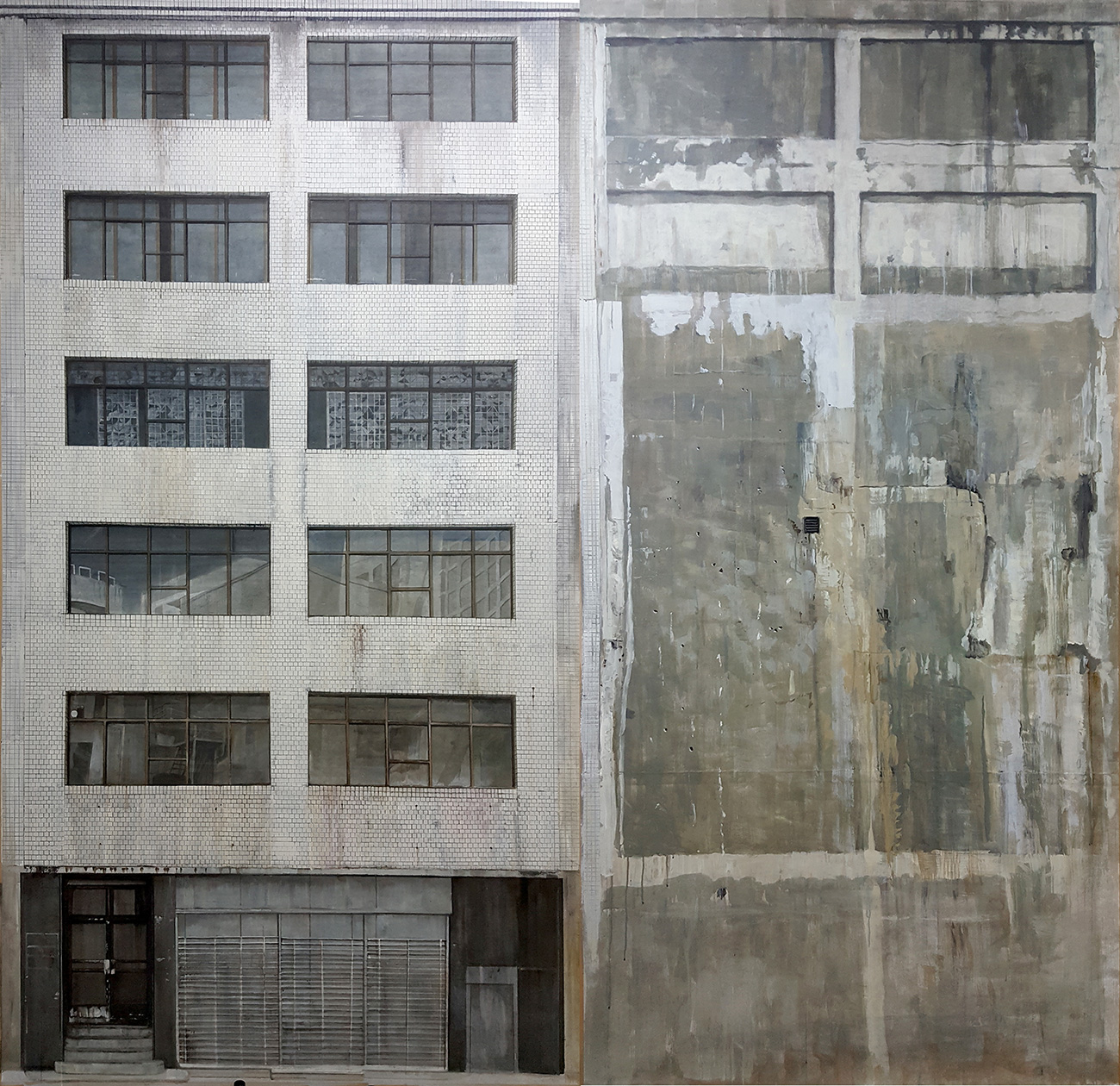
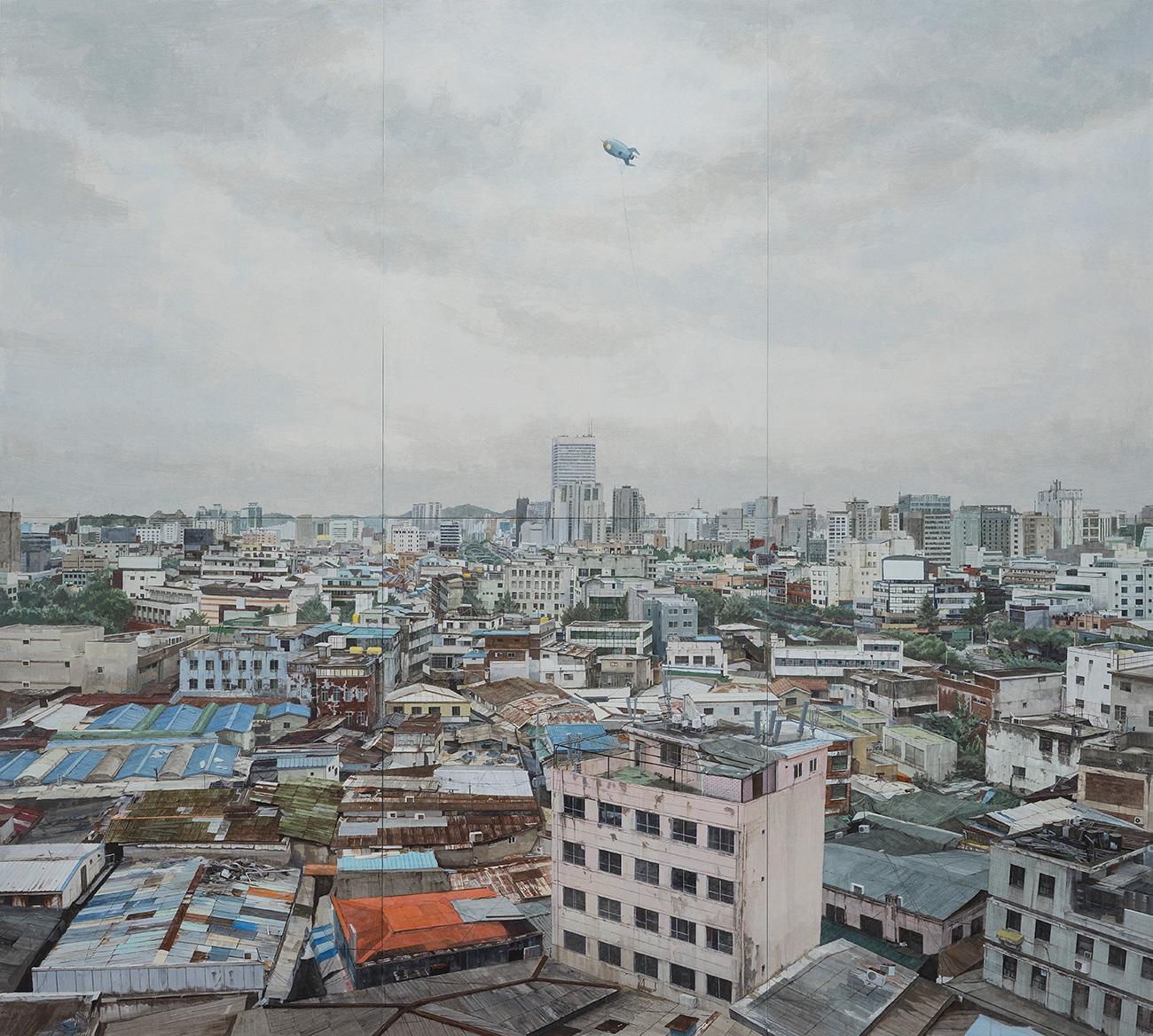
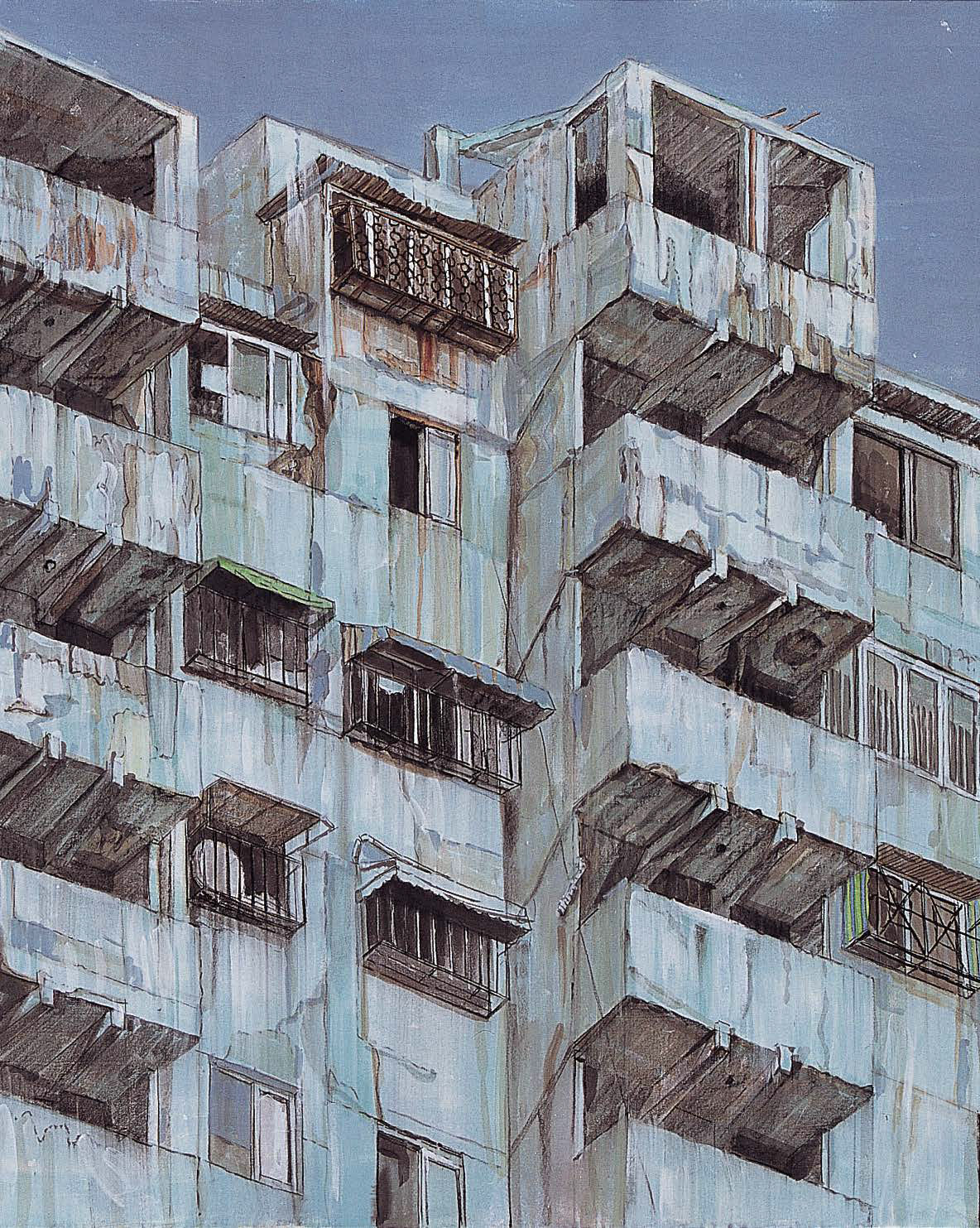
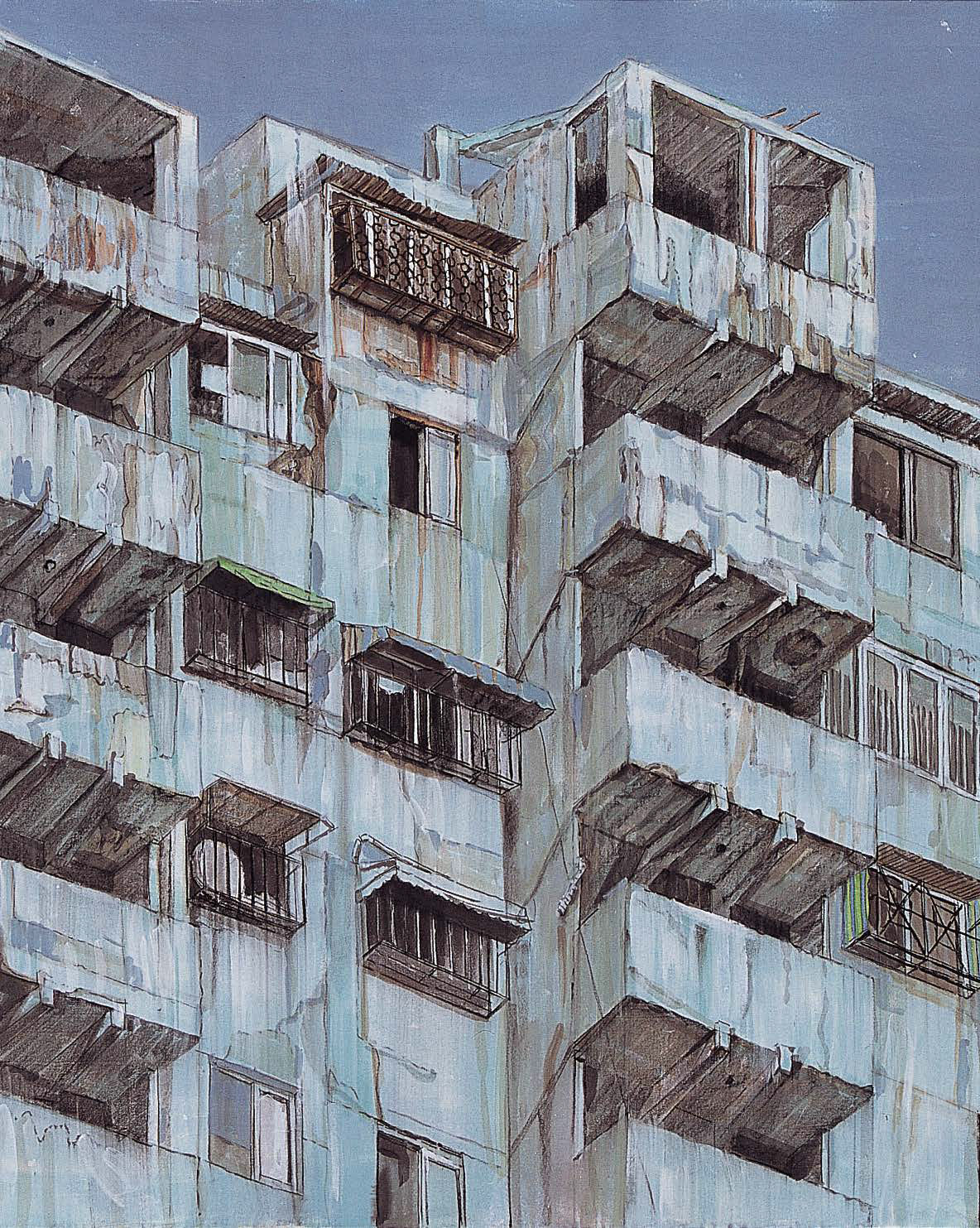
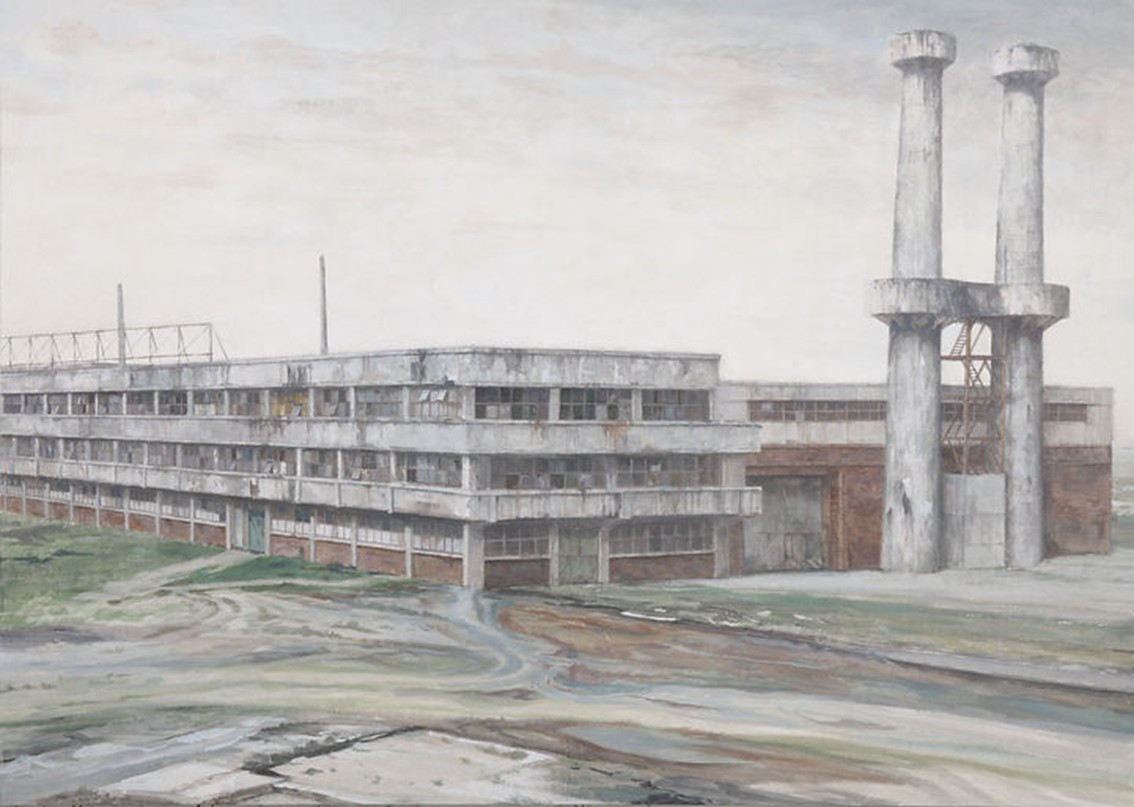
Sogong-ro 99-1

2018
Acrylic on Korean paper
280 x 280 cm
About The Work

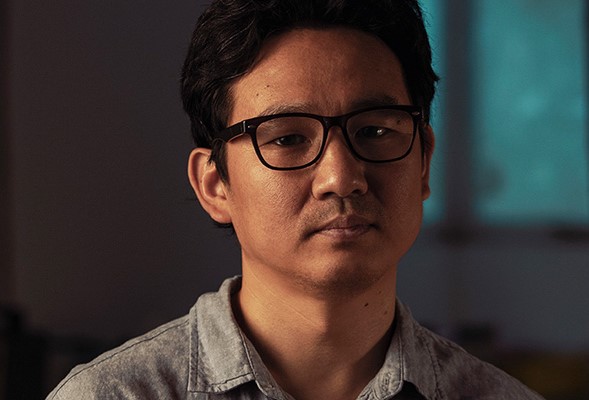
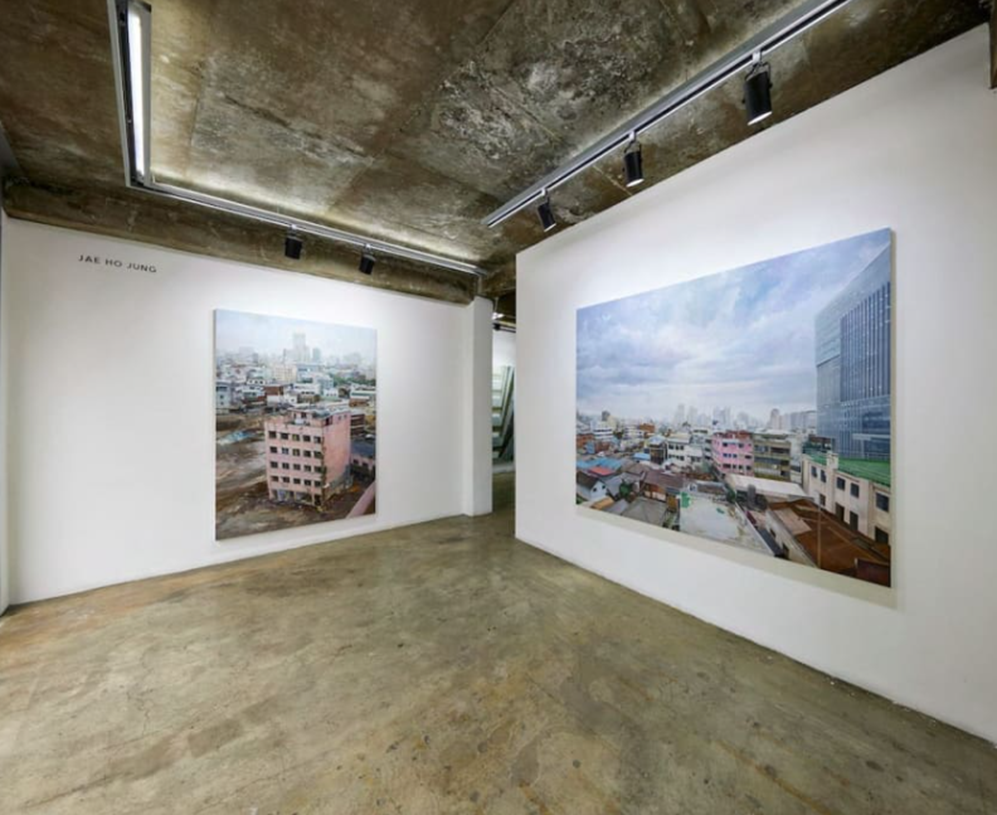
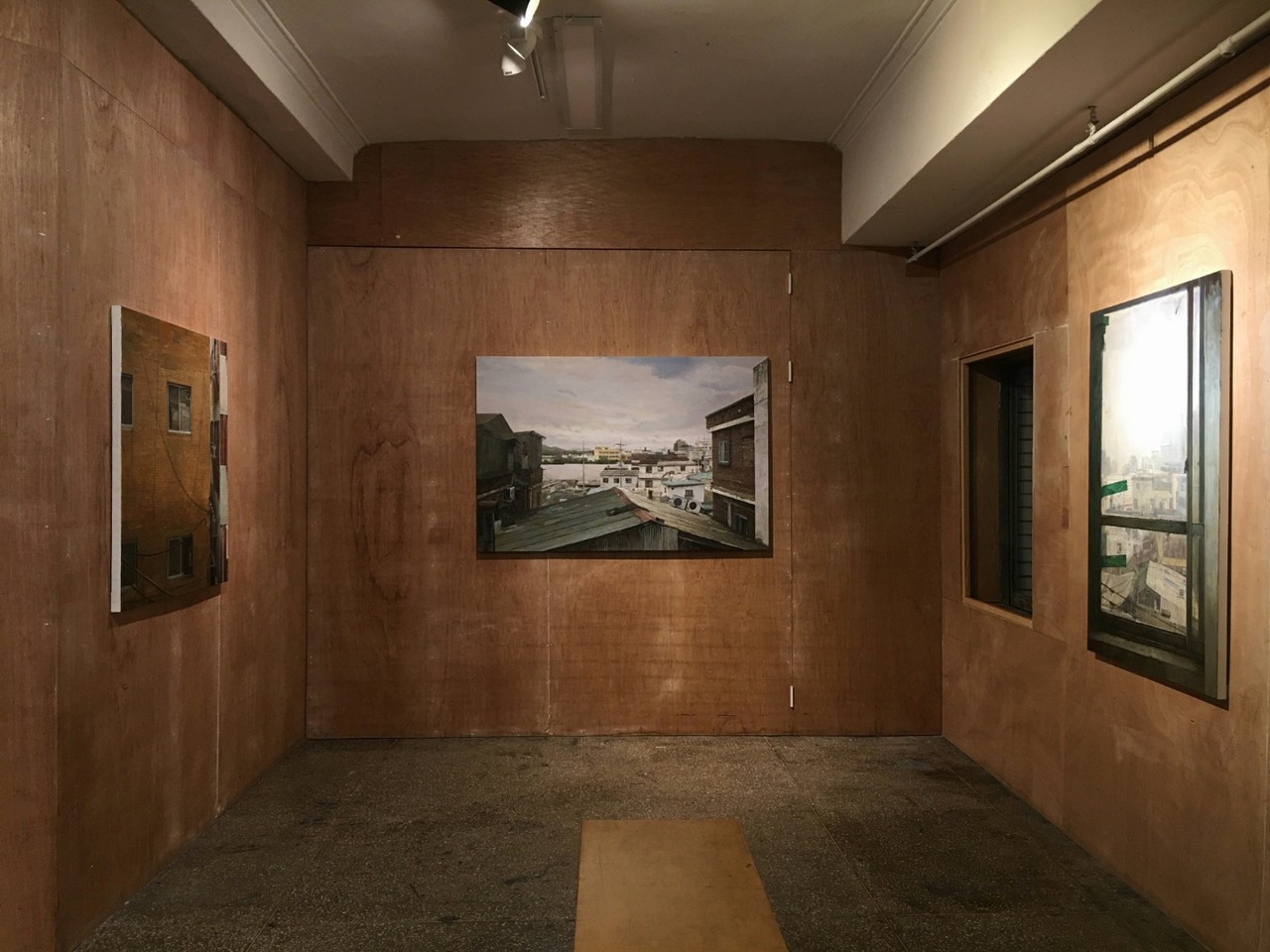
Jaeho Jung is an artist who captures the process of urban development and decline during Korea's modernization, as driven by state initiatives, through painting. He meticulously observes and portrays urban landscapes over extended periods, including Seoul's nightscapes, areas threatened by redevelopment, and newly constructed buildings.
 
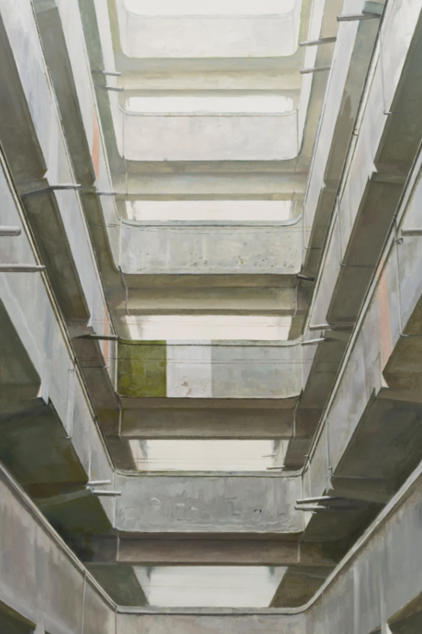
At the core of Jung’s practice lies a persistent attentiveness to disappearing forms and a deep trust in surfaces shaped by accumulated time. From early city nightscapes to aging apartments, modernist architecture, archive paintings, and ultimately recent works, he has consistently recorded the residual traces left behind by urban development. For Jung, buildings are living entities that embody both history and human presence.
 
Jaeho Jung has discovered the continuity of the past within the present, capturing it in the landscapes of our society and documenting it through his unique pictorial language. His work portrays past events, buildings, objects, and people, prompting reflection on history while also showing how it relates to the current reality.

Solo Exhibitions (Brief)

Jaeho Jung has held various solo exhibitions including 《How long have I been I here》(CHOI&CHOI Gallery, 2023), 《Spear and Heap》(Sahngup Gallery, 2020), 《Heat Island》(INDIPRESS, 2017), Planet(Gallery SoSo, 2011), and Father's Day(Gallery Hyundai, 2009).

Group Exhibitions (Brief)

Jung has also participated in numerous group exhibitions at institutions such as the OCI Museum of Art (2017), Cheongju Museum of Art (2016), Ilmin Museum of Art (2015), Arko Art Center (2014), and Buk-Seoul Museum of Art (2014). 

Awards (Selected)

Jung was nominated for the Korea Artist Prize in 2018 by the National Museum of Modern and Contemporary Art. 

Collections (Selected)

Jung’s works are housed in major collections, including the National Museum of Modern and Contemporary Art, Korea, Seoul Museum of Art, Busan Museum of Art, Jeju Museum of Art, Kumho Museum of Art, and OCI Museum of Art.

Works of Art

The Traces Left Behind Urban Development

Originality & Identity

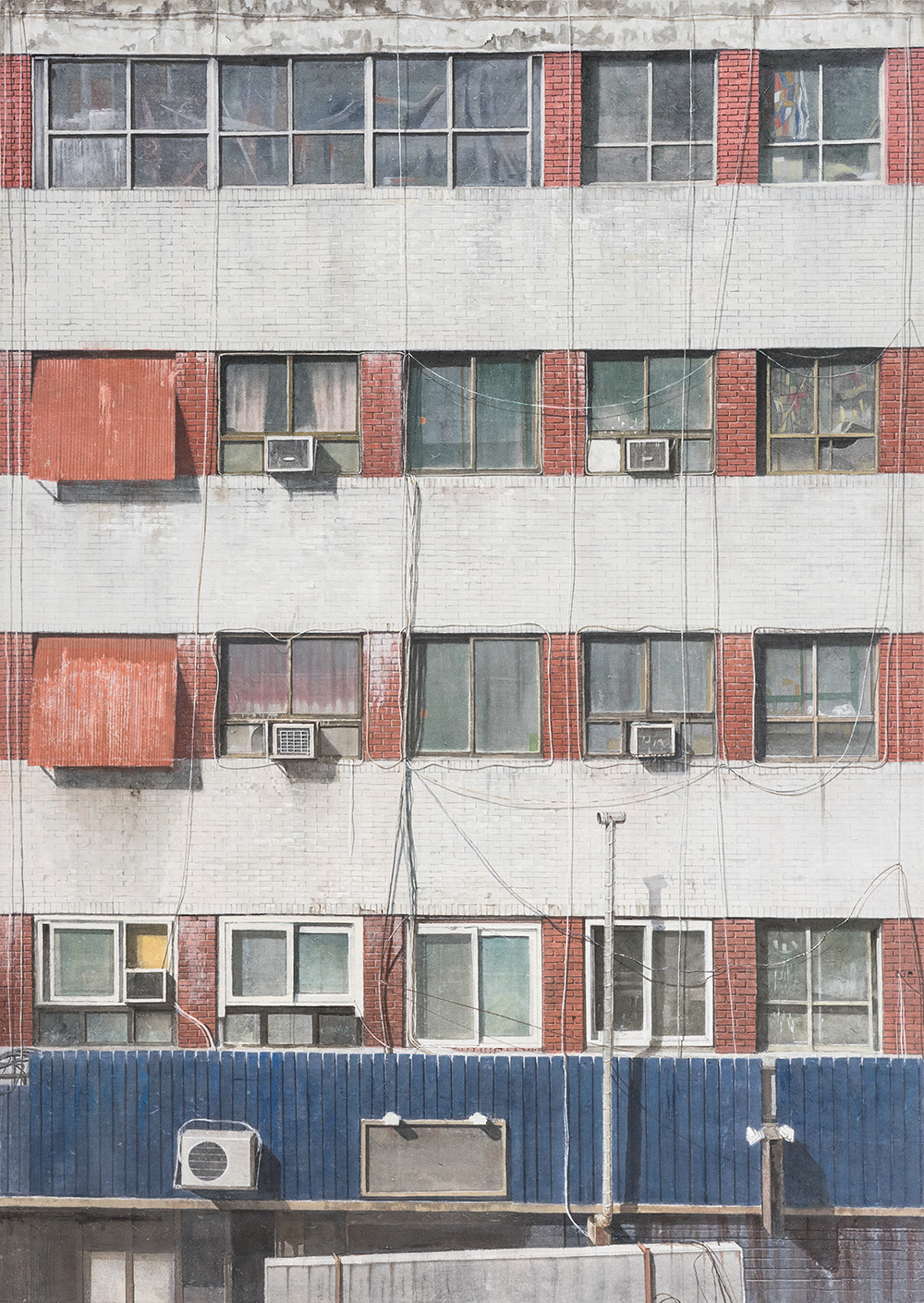
Jaeho Jung’s practice begins with recording the lives of individuals and communities through architectural structures that were formed and later declined in the course of Korea’s modernization. The aging apartment blocks and buildings that appear in his paintings seem perpetually on the verge of demolition, yet they simultaneously stand as structures that bear witness to accumulated time and memory under state-led development. Jung regards these building façades not as neutral scenery, but as surfaces saturated with traces of lived experience.

After his first solo exhibition in 2001, in which he captured Seoul’s nightscape from an aerial perspective, Jung gradually shifted his gaze toward the underlying layers of the city through long-term observation. His sustained engagement with aging apartment complexes, which became fully articulated in Cheongun-dong Monument(2004), records residential spaces disappearing due to redevelopment while sensorially evoking the absence of those who once lived there. From this point onward, buildings in his work cease to function as mere physical objects and instead emerge as repositories of memory and lived time.

His practice subsequently expanded beyond architecture itself to encompass the social and historical contexts in which these buildings were formed. The solo exhibition 《Father’s Day》(Gallery Hyundai, 2009) reconstructs vanished spaces and objects within a virtual time-space where the artist’s family history intersects with Korea’s collective memory. Rather than attempting to restore the past, this body of work poses questions about how the past is summoned and reactivated from the vantage point of the present.

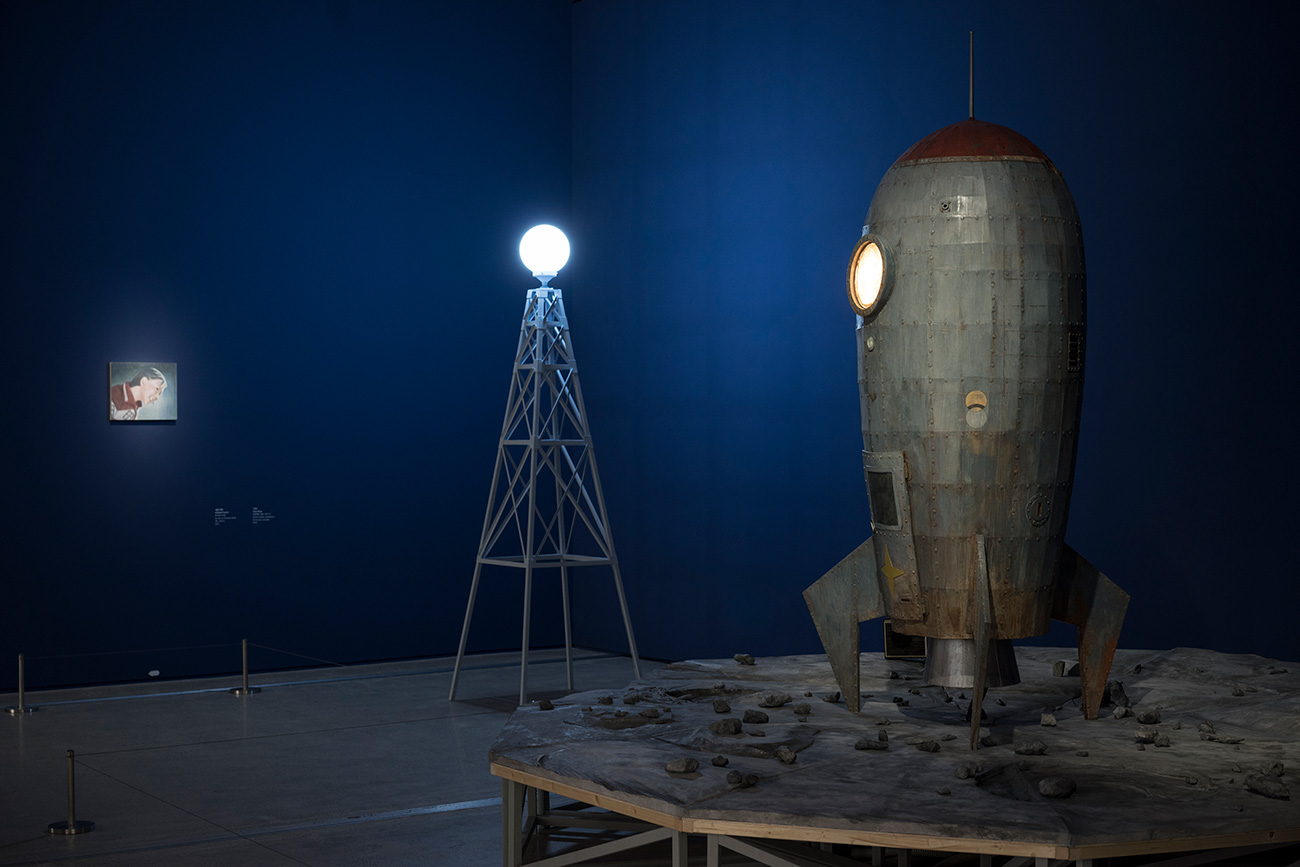
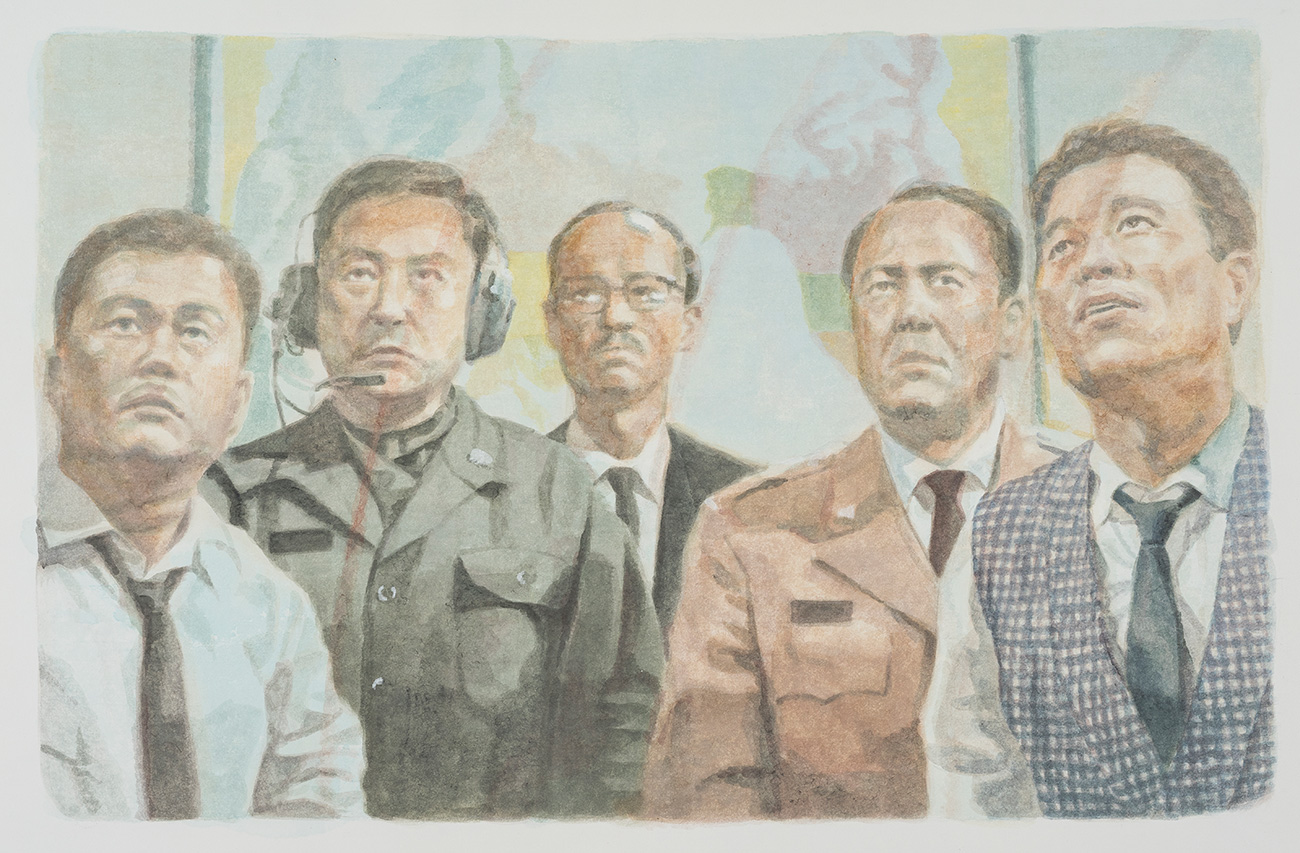
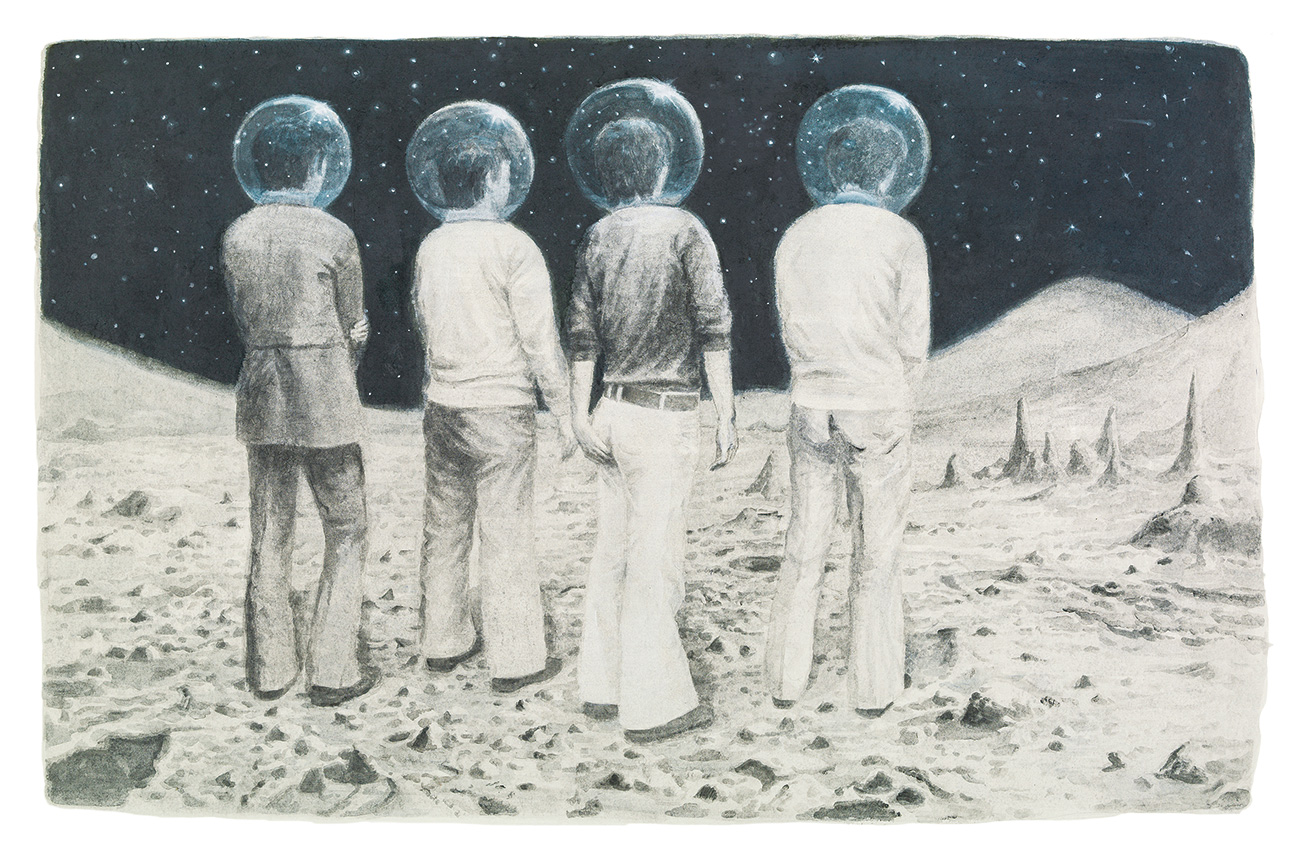
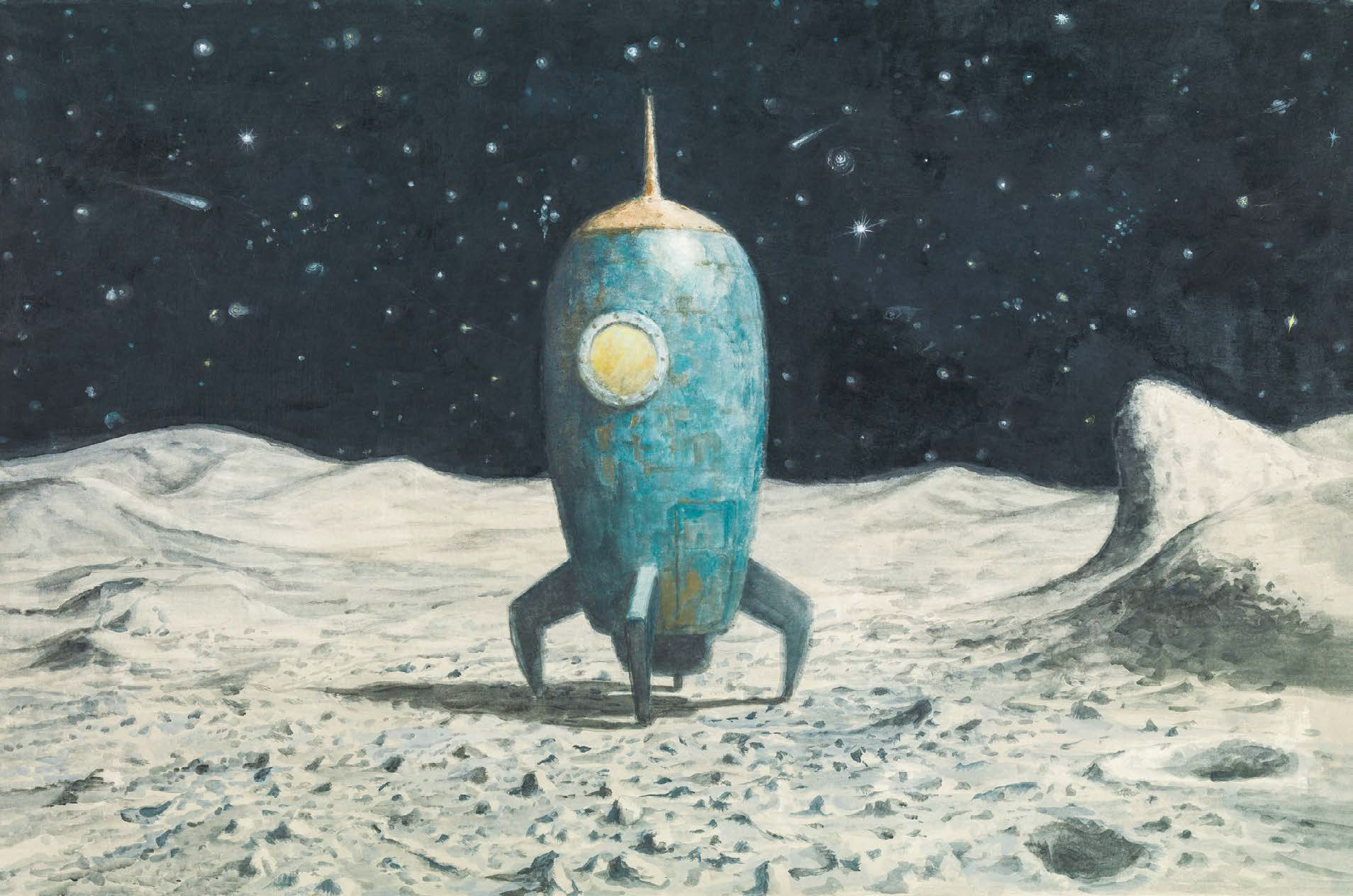
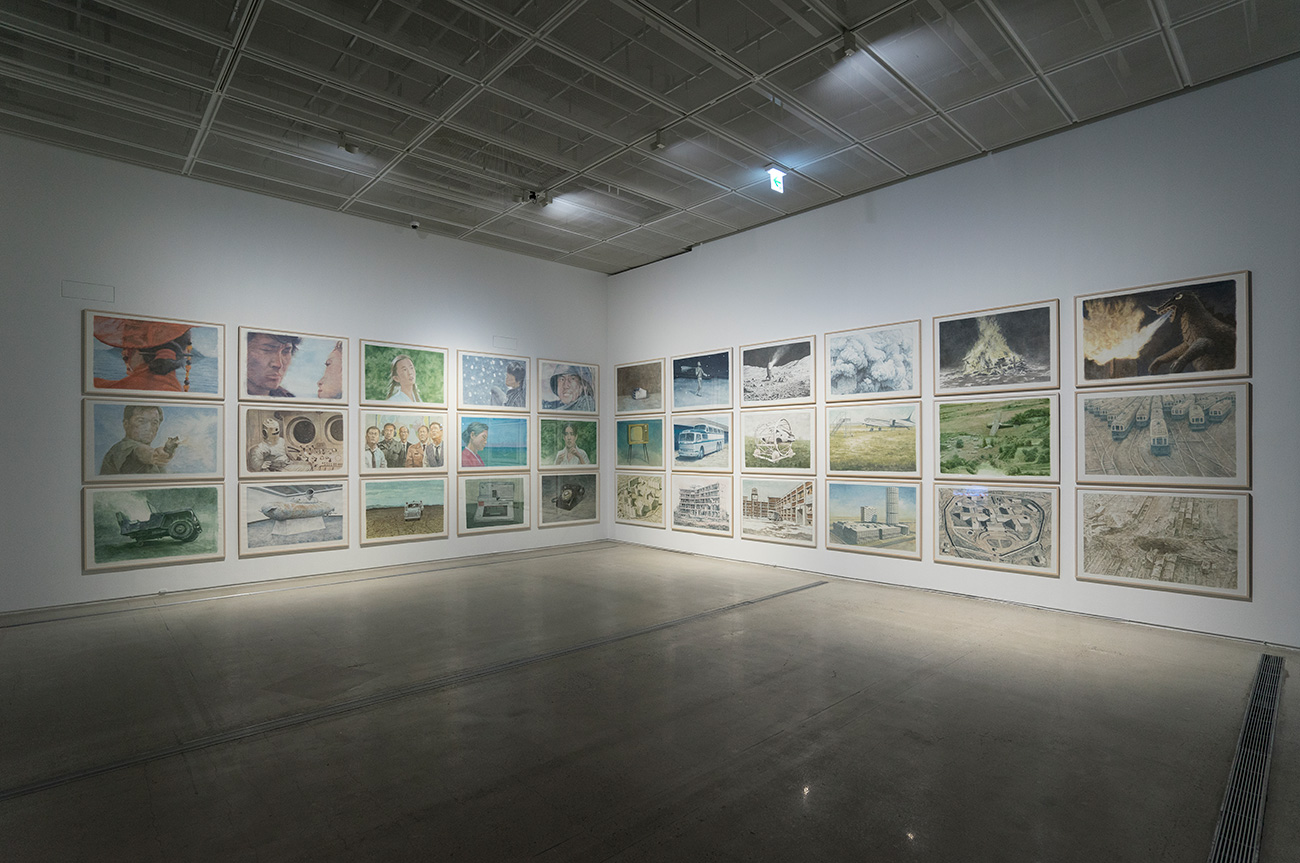
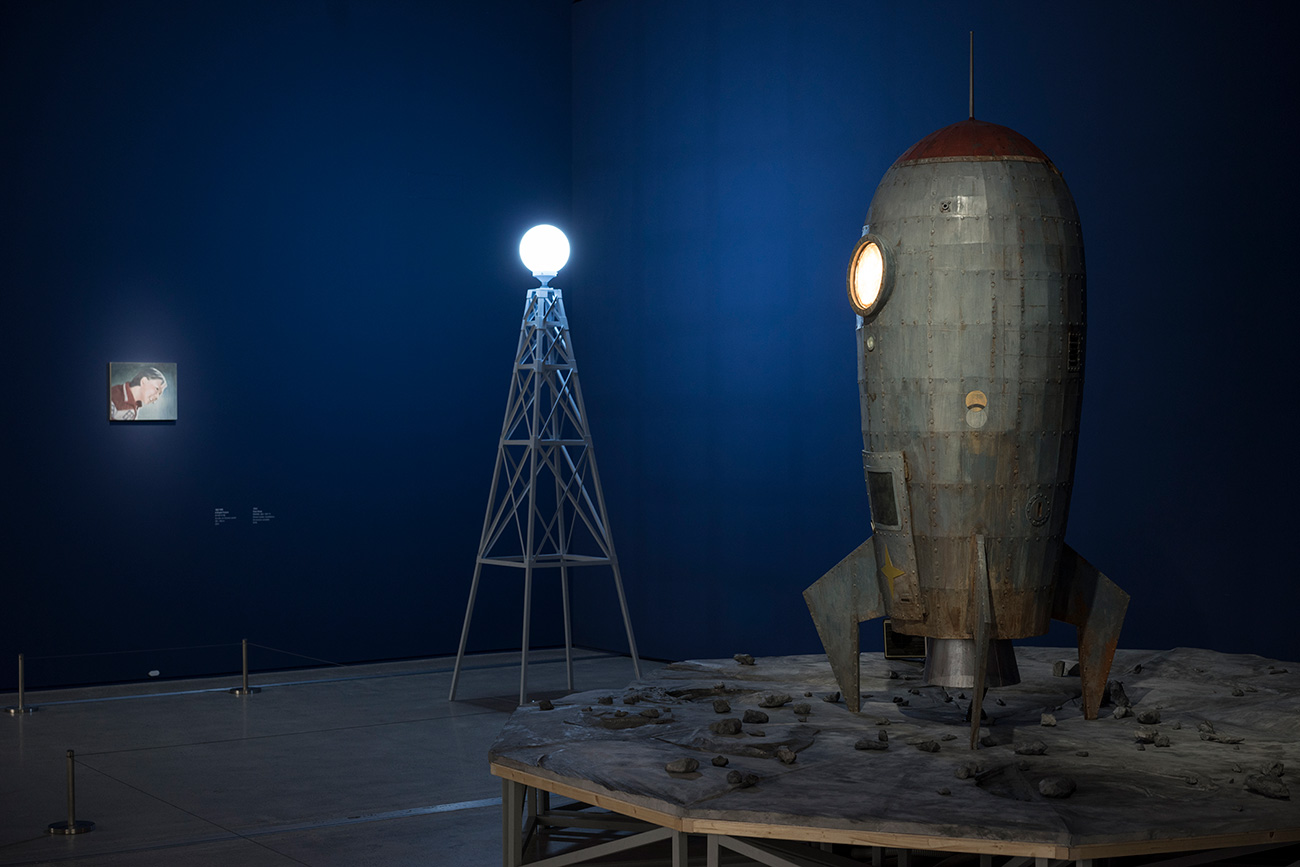
This line of inquiry continues through Jung’s “archive paintings,” including Planet(2011) and A Ball of a Dwarf(2018), extending toward reflections on the futures promised by industrialization and scientific progress—and on the present moment in which those promises no longer function. Rather than asserting a fixed message, Jung’s paintings juxtapose heterogeneous temporal layers left behind by modernization, prompting viewers to re-examine the present they inhabit.

Style & Contents

Jung’s paintings are characterized by meticulous, persistent realism. In early apartment works such as Cheongun-dong Monument and Geumhwa Citizen Apartment(2005), he employed a combination of hanji, ink, charcoal, and acrylic to precisely record stains, cracks, and signs of deterioration on building façades. The juxtaposition of traditional East Asian materials with Western painting media intensifies the fragile presence of architectural forms on the brink of disappearance.

Following the exhibition 《Old Apartment》(Kumho Museum of Art, 2005), his compositions increasingly aligned the building façade directly with the picture plane. Works such as Riverside Hotel–Joongsan Pilot Apartment(2005) densely fill wide horizontal canvases with frontal views of apartment buildings, presenting them almost as portraits and inviting viewers to confront architecture as they would a human face. From this period onward, Jung’s paintings take on a clearer identity as “paper monuments.”

In the ‘Ecstatic Architecture’ (2006–2007) series, Jung’s intervention becomes more pronounced atop his documentary approach. In works such as Modern Arcade(2007), real buildings serve as points of departure, but exaggerated patterns or altered architectural elements translate the artist’s sensory experience of accumulated time into painterly form. These works mark a transition from documentation toward a more relational mode of painting that foregrounds the artist’s sustained engagement with specific structures.

From the 2010s onward, Jung’s “archive paintings” actively incorporate photographs, video stills, and internet-sourced imagery. Works such as Youth(2012), Bright Future(2011), and A Ball of a Dwarf(2018) combine and transform images from disparate temporal and spatial contexts, revealing the past not as a closed chapter but as a continuous layer shaping the present. In this phase, painting functions simultaneously as a recording device and as a means of intervening in historical imagery.

Topography & Continuity

At the core of Jung’s practice lies a persistent attentiveness to disappearing forms and a deep trust in surfaces shaped by accumulated time. From early city nightscapes to aging apartments, modernist architecture, archive paintings, and ultimately A Ball of a Dwarf(2018), he has consistently recorded the residual traces left behind by urban development. For Jung, buildings are living entities that embody both history and human presence.

Within the contemporary Korean art landscape, Jung occupies a distinct position by reconfiguring the grand narrative of modernization and urban development through a personal gaze and sustained painterly labor. By working through painting rather than photography or video, he counters the logic of speed and efficiency with slow observation and accumulation. This approach establishes a unique intersection between documentation and painting, and between personal memory and collective history.

The heterotopian question of the future raised in A Ball of a Dwarf(2018) demonstrates that Jung’s work does not remain confined to the past but actively engages with the sensibilities and conditions of contemporary Korean society. In an era when narratives of technological progress and development no longer hold persuasive power, his paintings quietly reveal a social landscape that has learned to dream only within the limits of what seems possible.

Jung’s nomination for the Korea Artist Prize in 2018 and his current position as Professor of Painting at Sejong University attest to the recognition and trust he has earned within the contemporary art field. As he continues to balance artistic practice and pedagogy, Jung is likely to further refine the tensions between city and painting, record and sensation. His work does not merely preserve the memory of Korean modernization, but remains a vital reference point that encourages renewed reflection on that memory from the perspective of the present.

Works of Art

The Traces Left Behind Urban Development

Exhibitions

Activities