Mi-jung SHIN (b. 1983) explores the lives of people who have lost their place due to external forces such as forced migration, deportation, and displacement, as well as the physical and psychological spaces they have yet to reclaim.
 
She has created video works that examine how migrants within local communities are viewed as “others” (Autre) and the memories of those who have lived under this gaze. Her videos are primarily based on oral accounts and archival materials collected through fieldwork. Working within the tension that emerges at the intersection of images and records, she experiments with constructing micro-narratives.


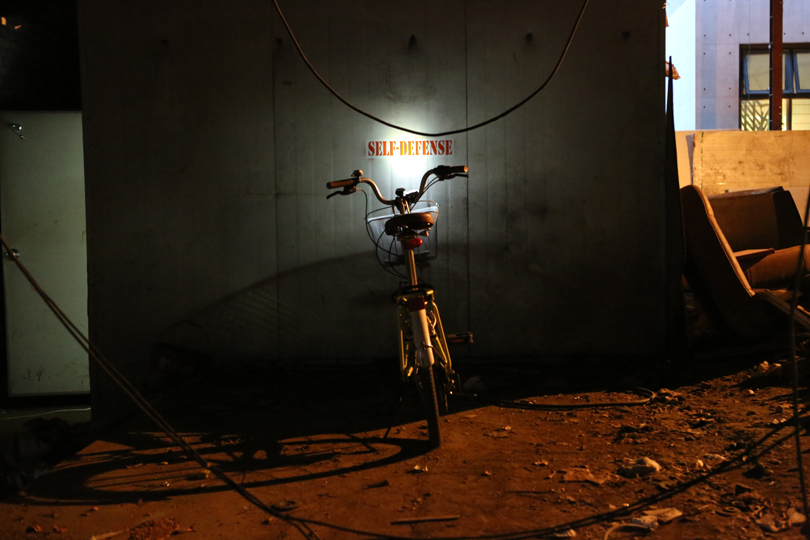
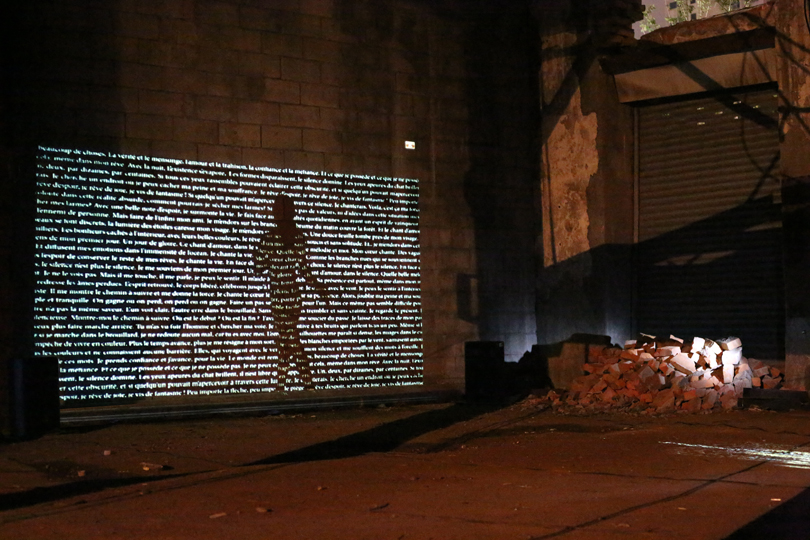
Mi-jung SHIN, Self-defense_text #4, 2013, HD, performance video, sound, 2min 33sec. © Mi-jung SHIN

In her early works, Mi-jung SHIN sought to explore the anxiety arising from self-defense in relationships with others, and the points at which boundaries emerge within these relationships, highlighting how the figure of the “other” persists even in contemporary society.

 
For example, her ‘Self-defense’ (2014) series was an attempt to develop an aesthetics of place through the reciprocal relationship between public and private spheres as manifested in everyday life, examining the instinct for self-defense against others that permeates the human unconscious.


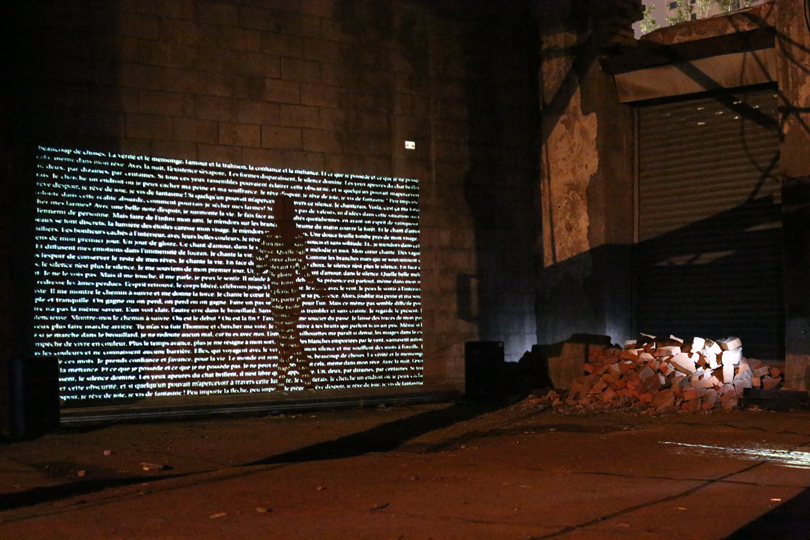
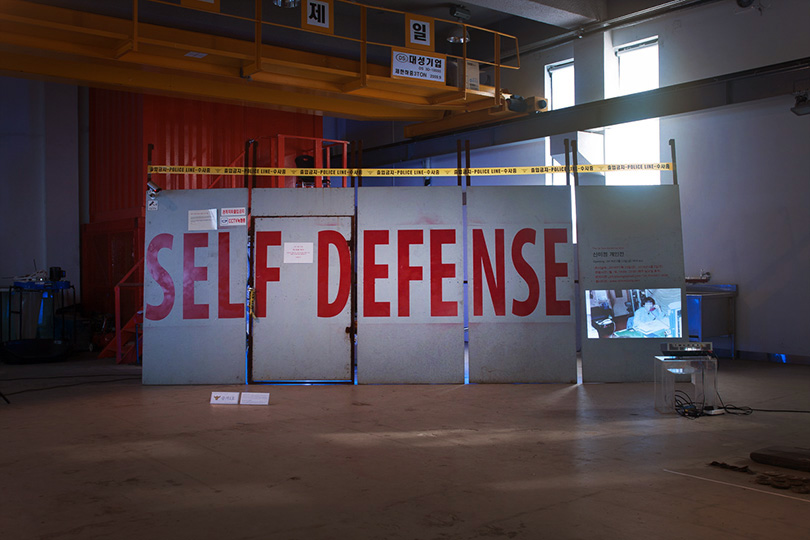
Installation view of 《SELF-DEFENSE》 (Factory in Mullae-dong, Seoul, 2014) © Mi-jung SHIN

The artist chose an abandoned factory in Mullae-dong, Seoul, that was awaiting redevelopment as the exhibition site. The space, seemingly frozen in time, had been built during the Japanese colonial period and once operated as a thriving metalworking factory. It was soon to be demolished to make way for a new factory.
 
While the factory was still in operation, its workers became embroiled in a dispute with the building owner over lease issues and were eventually all forced out, after which the factory’s metal structures were dismantled and removed. At the time the artist was preparing the exhibition, the dispute was still being litigated under the Commercial Building Lease Protection Act.
 
The artist regarded this abandoned, derelict space as a place where self-defense had utterly failed. By choosing it as the exhibition site, she sought to amplify the work’s intent. Her first solo exhibition, 《SELF-DEFENSE》, thus drew on the factory’s structural features to evoke the shifting relationship between public and private space.


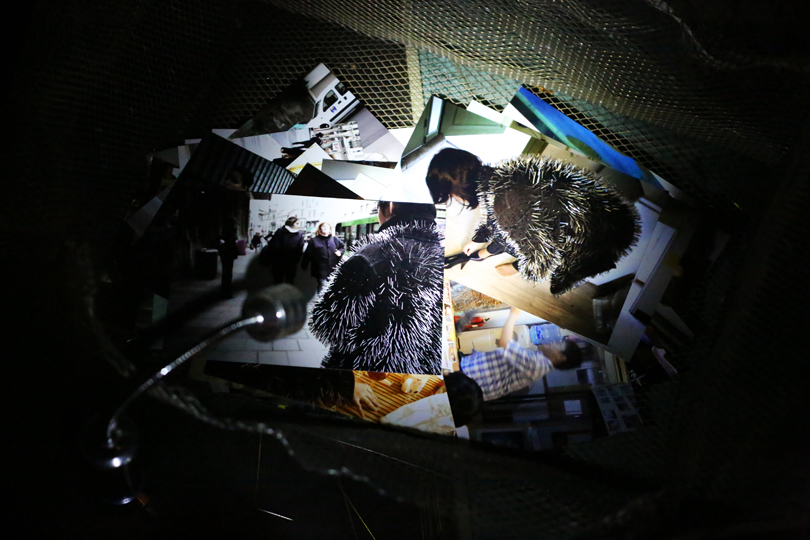
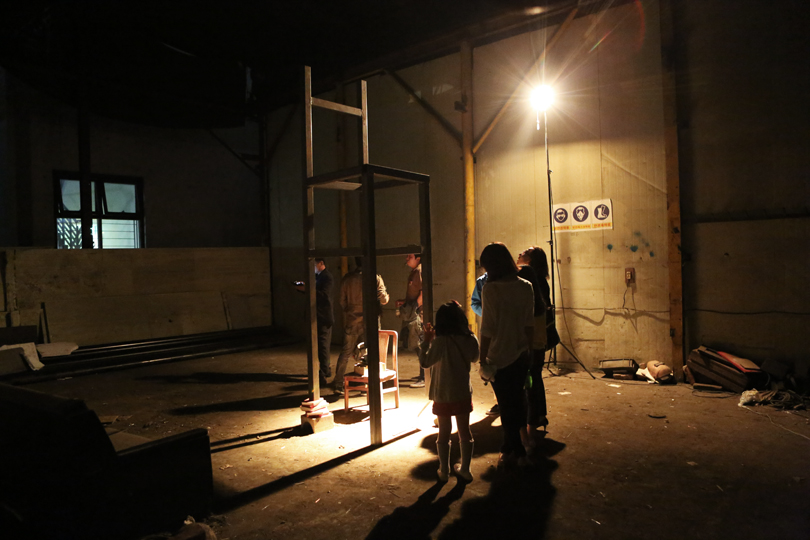
Installation view of 《SELF-DEFENSE》 (Abandoned factory in Mullae-dong, Seoul, 2014) © Mi-jung SHIN

The exhibition space featured installations designed to evoke anxiety. After passing a video in which a voice endlessly murmured, visitors encountered chairs with legs of varying lengths. To maintain their balance, the chairs relied on surrounding objects, such as a broken hard hat and books with titles related to anxiety, which propped them up.
 
The anxiety initially perceived as static took on a more dynamic form as the exhibition continued onto the second floor. Ascending the stairs, where visitors were confronted with a warning that the structure could collapse, they encountered a reversal in the relationship between defense and attack.
 
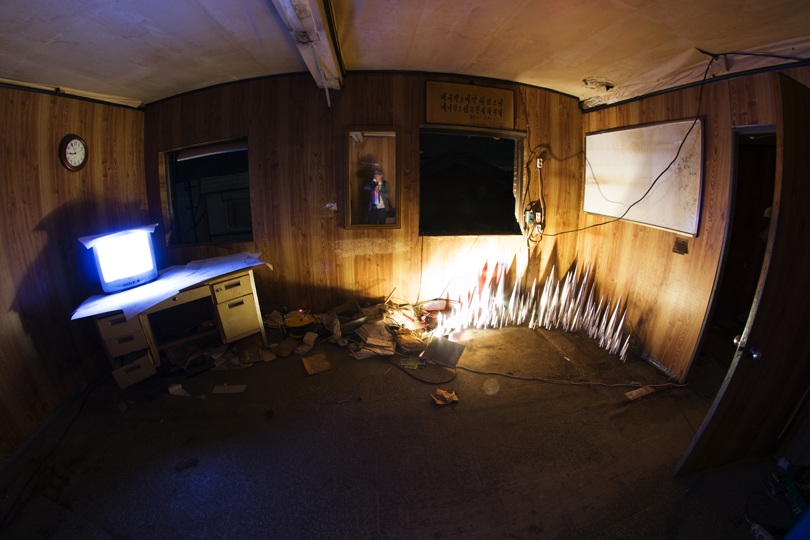
For example, photographs of a figure going about everyday life in a coat made of nails revealed how an object intended for self-protection could become a weapon that threatens others. The drawings, composed of swiftly executed straight lines, likewise conveyed an aggression generated by speed and direction, revealing the psychological mechanisms of defense that lie beneath it.


《A Theft Case at an Abandoned Factory》 (Mullae Art Factory, 2014) © Mi-jung SHIN

Meanwhile, shortly before the exhibition, all the artworks and lighting equipment were stolen because the gate had been broken open. As a result, the artist had to install and dismantle the works every day throughout the exhibition. Ironically, this incident served to make the work’s underlying intention even more apparent.
 
In her subsequent two solo exhibitions, the artist addressed the notion of “refugees of capitalism” in contemporary society. By revisiting the trespassing and theft at the abandoned factory during her first solo exhibition, she also shed light on the reality of neoliberalism, under which countless people are forced out of their homes, shops, and neighborhoods, while places imbued with their sensory memories are continually disappearing, replaced by quantifiable economic value.


Mi-jung SHIN, Colony/Memory, 2015, Single-channel video, 12min 17sec. © Mi-jung SHIN

Beginning with an abandoned factory, Mi-jung SHIN’s practice sheds light on the invisible forces of capital and the lives displaced by them. Since then, she has also moved between regions in order to sustain her own practice as an artist, tracing the stories of people and places that have been unable to settle or find a permanent home.
 
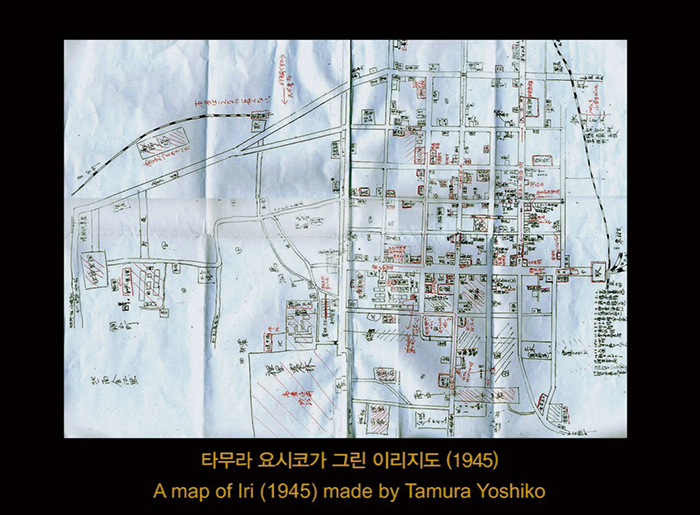
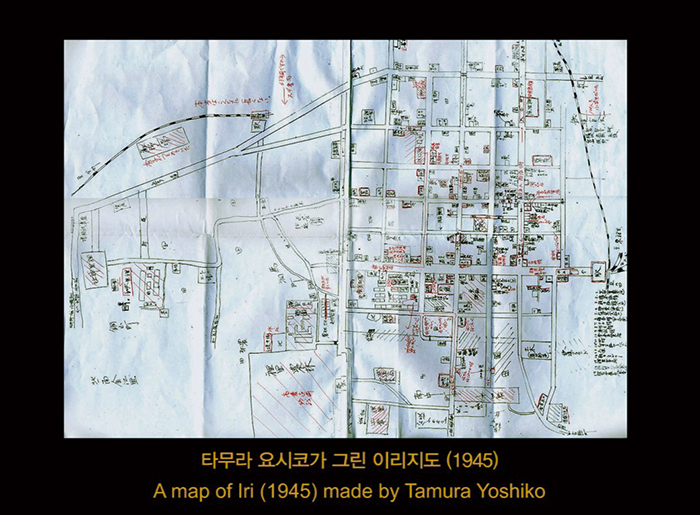
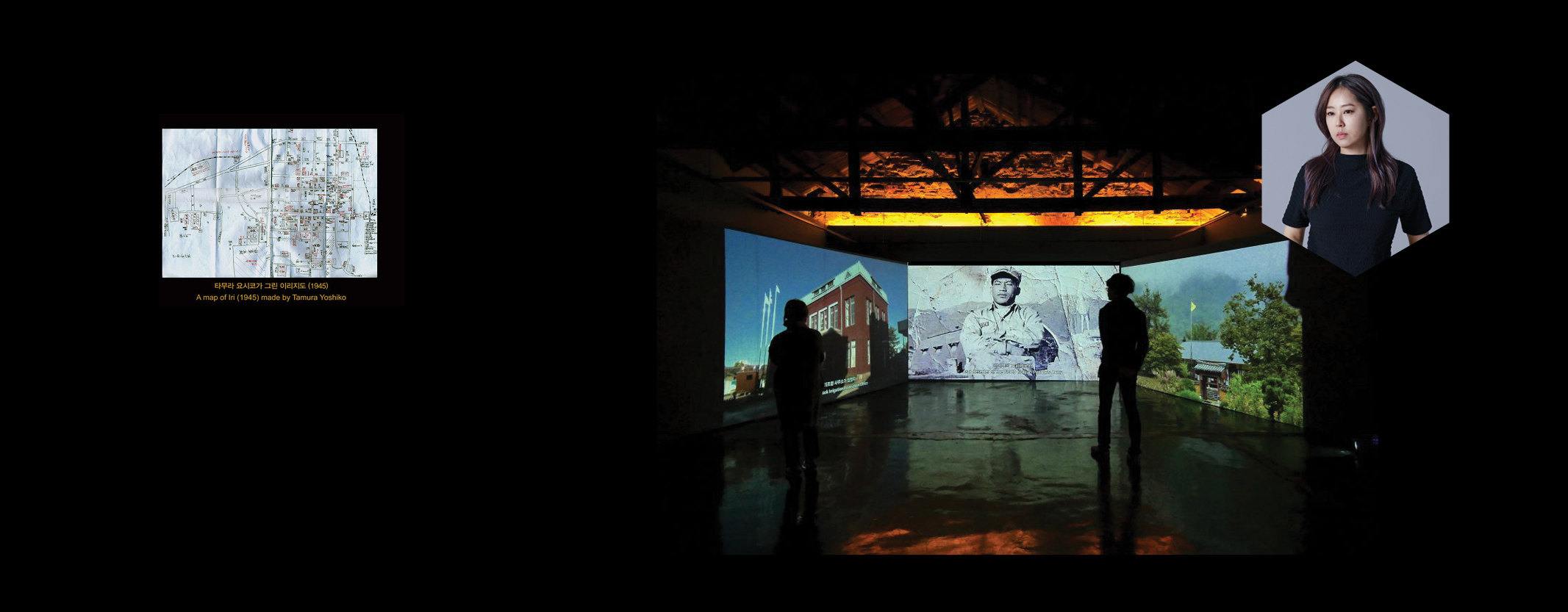
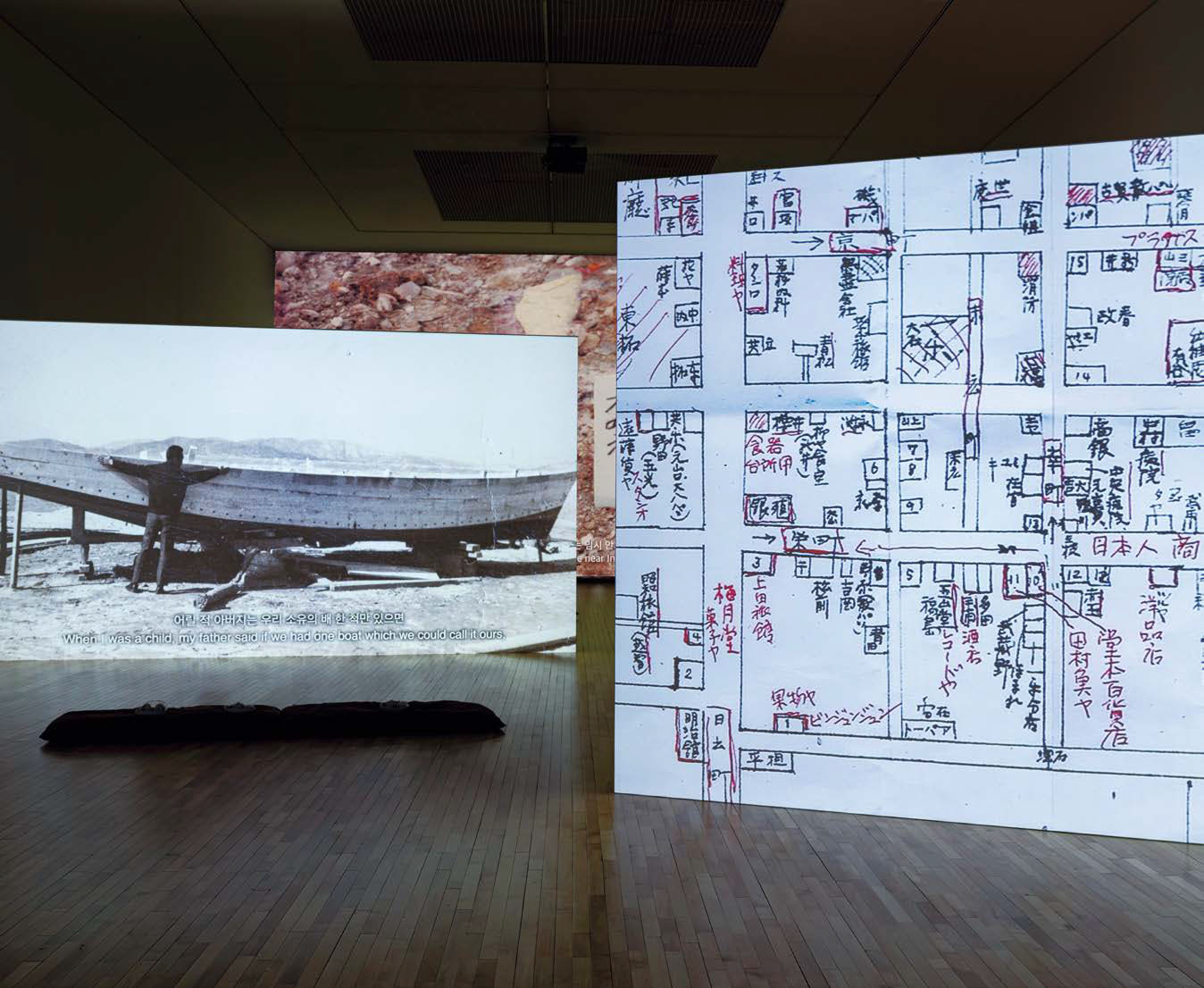
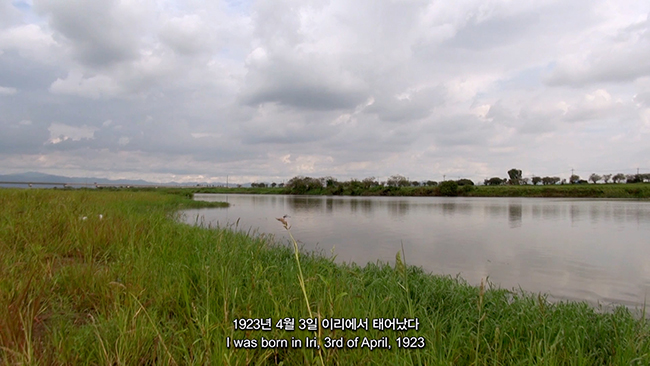
Her 2015 video work Colony/Memory, for example, takes as its starting point a map drawn by Yoshiko TAMURA, a Japanese woman born in Iri, Jeollabuk-do, during the Japanese colonial period. Now renamed Iksan, Iri was one of the key cities used as a base for Japanese exploitation. The map of Iri from 1945, which the artist discovered in Iksan, documents the city in considerable detail during the colonial era.


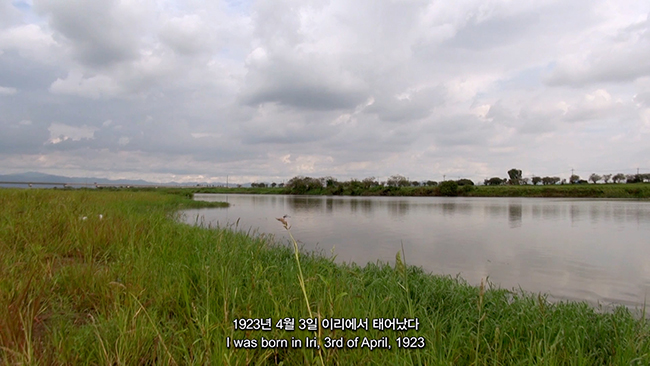
Mi-jung SHIN, Colony/Memory, 2015, Single-channel video, color, sound, 12min 17sec. © Mi-jung SHIN

Yoshiko TAMURA, who drew the map, worked as an elementary school teacher in her hometown of Iri until she was repatriated to Japan following Korea’s liberation in 1945. For TAMURA, Iksan was not a colony but her home. After her departure for Japan, she carefully drew and preserved a detailed map of Iri, the place where she had lived, in an effort to keep her hometown from fading from memory.
 
Through TAMURA’s map, Colony/Memory reveals how a Japanese woman, as an individual, perceived and remembered the colonial space around the time of liberation. By bringing attention to the memories held by an individual within the grand narrative of the nation, the work explores a complex intersection of the personal and the national, memory and history, and lyricism and narrative.


Mi-jung SHIN, Path of my life, 2016, Single-channel video, color, sound, 11min 20sec. © Mi-jung SHIN

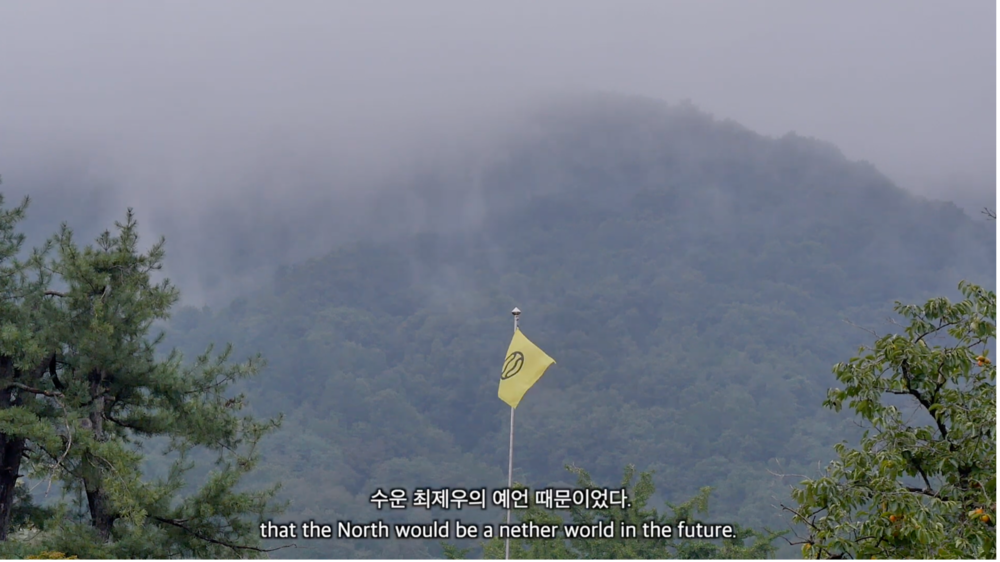
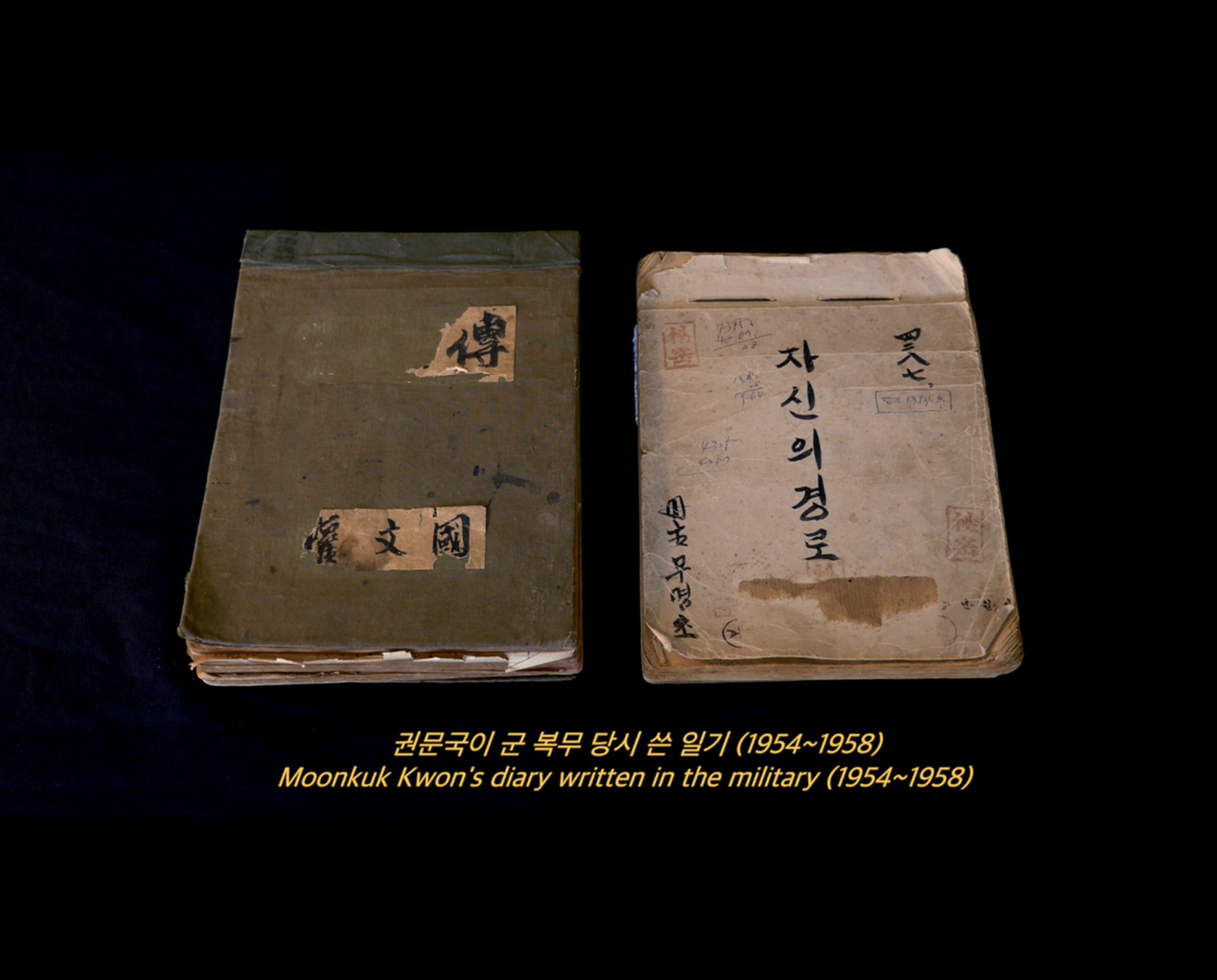
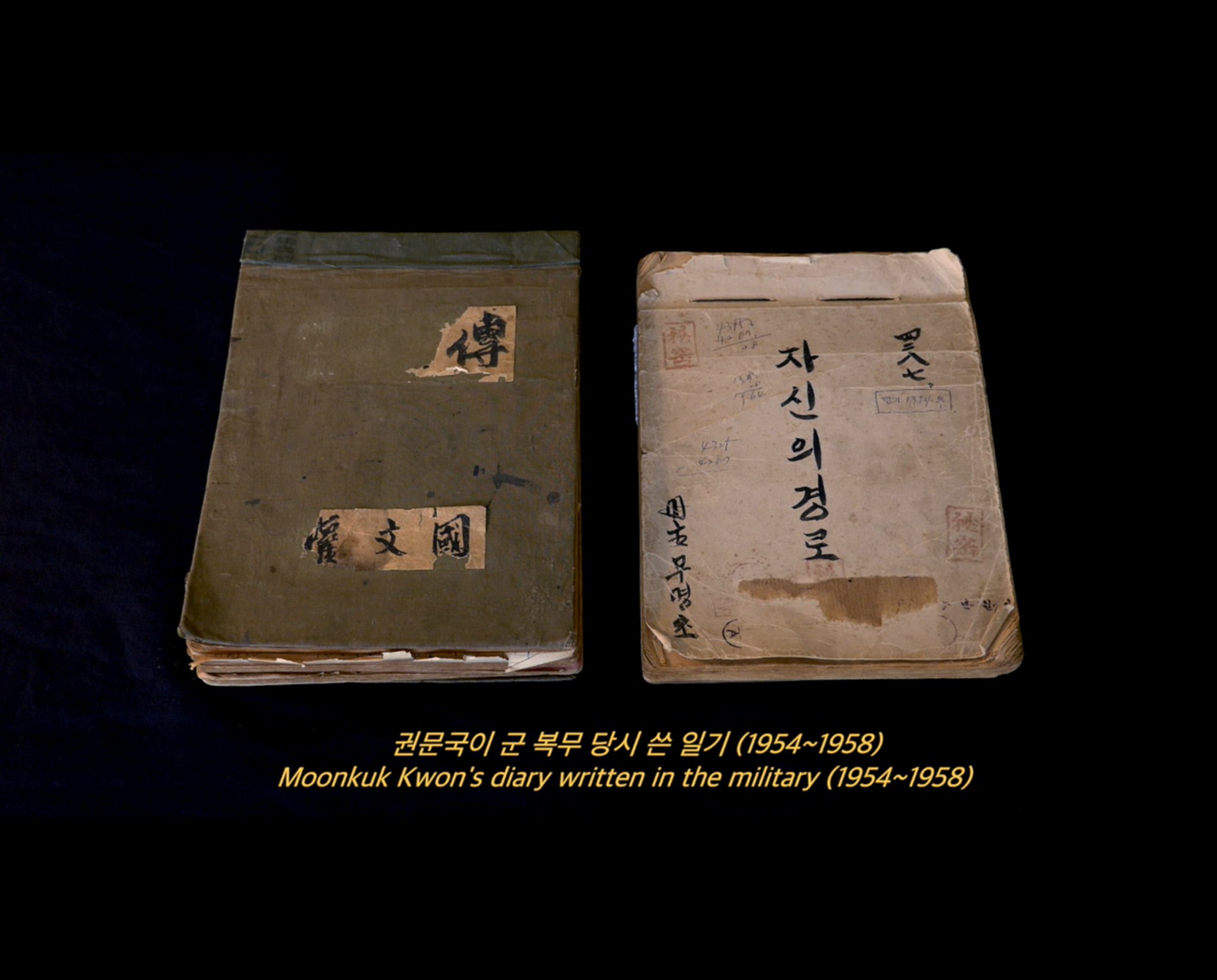
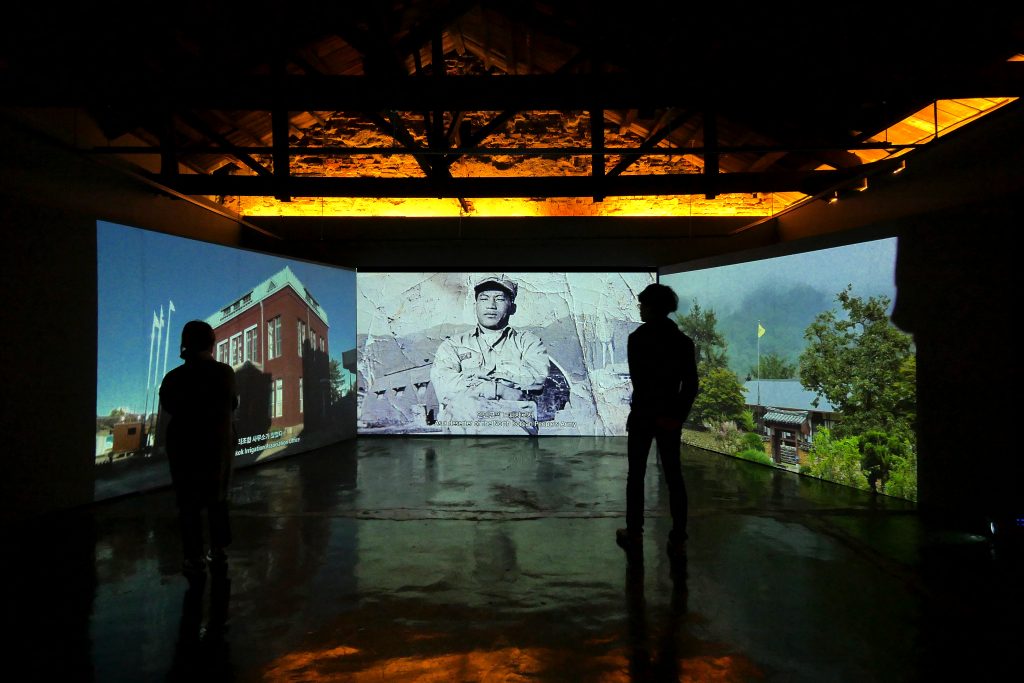
In her video work Path of My Life (2016), presented the following year, SHIN traces the life of GWON, Mun-Guk, a man whose life unfolded under two opposing regimes: the North Korean People’s Army and the South Korean military.
 
The artist invites GWON, a displaced person from North Korea living in Sokcho, to participate in her work, bringing his diary to life through his own voice. His words recount a life shaped by the turbulent course of Korean history.
 
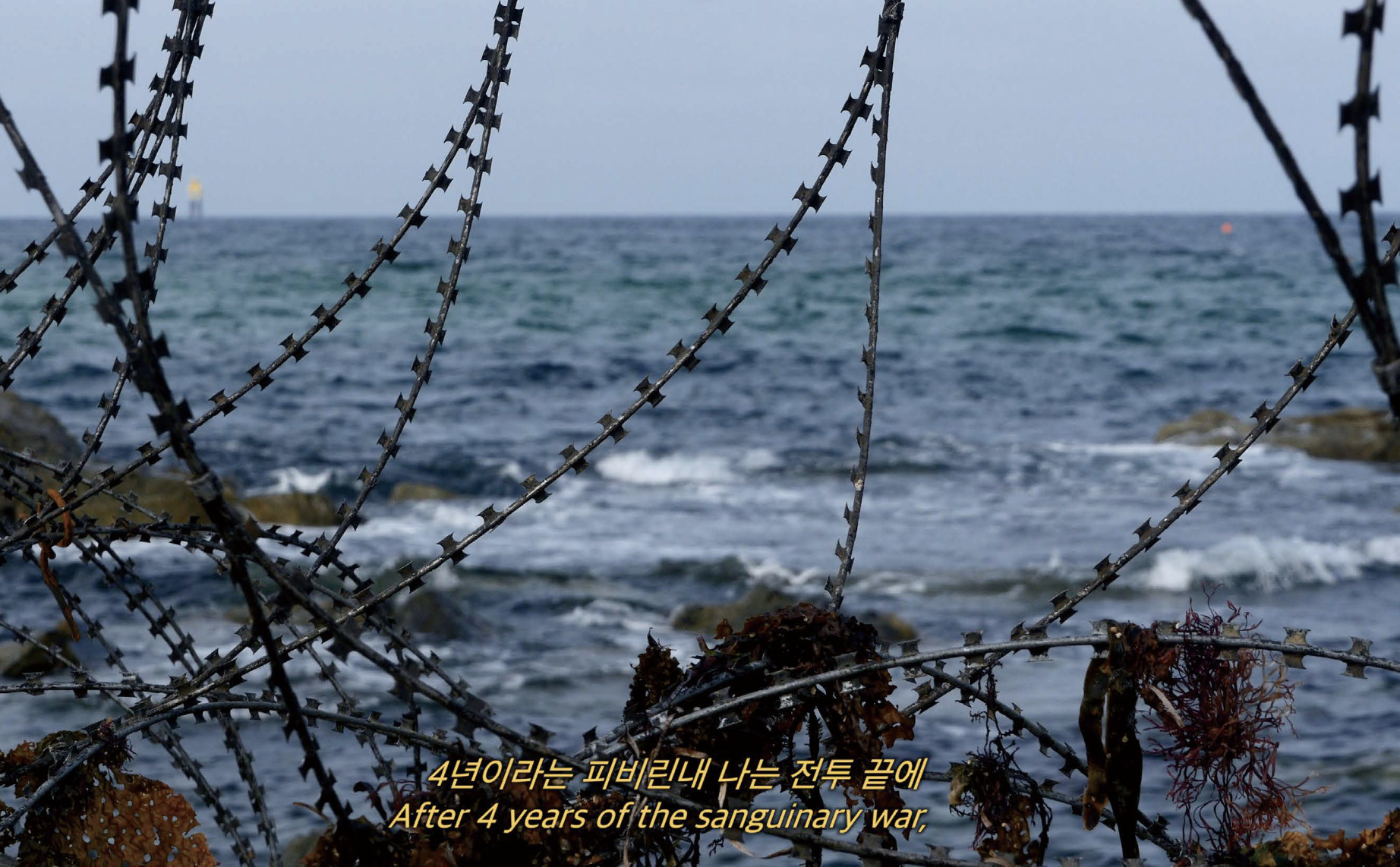
Sokcho, a harbour city on East Sea, was a North Korean territory occupied by the Soviet Army when the border between the North and the South was first drawn after the liberation. Holding the tragic moment of the Korean History, it became the territory of the South again after the Korean War.


Mi-jung SHIN, Path of my life, 2016, Single-channel video, color, sound, 11min 20sec. © Mi-jung SHIN

In response to GWON, Mun-Guk’s trembling voice, which conveys his grief over the loss of his hometown and his life as a displaced person, Mi-jung SHIN offers images of Sokcho’s natural landscapes. These landscapes move toward primordial imagery, resisting the clichés associated with the natural scenery of Sokcho as a specific region.
 
This resistance extends beyond the visual representation of landscape to include auditory impressions, such as the sounds of waves, rustling grass, and insects. Through this process, the artist also explores the layers of Korean history concealed within the natural environment.
 
Sokcho’s landscape becomes a place that is both Gwon’s home and not his home, evoking the nostalgia of a displaced person for a hometown that is no longer accessible, while also offering consolation. When the beauty of the natural landscape transforms the despair of an irretrievable home into a place of comfort, the images in this work become more than a source of consolation: they become a space for healing.


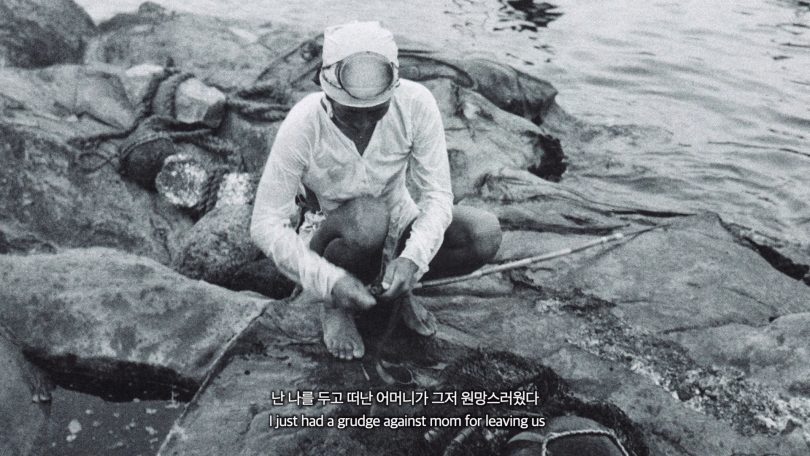
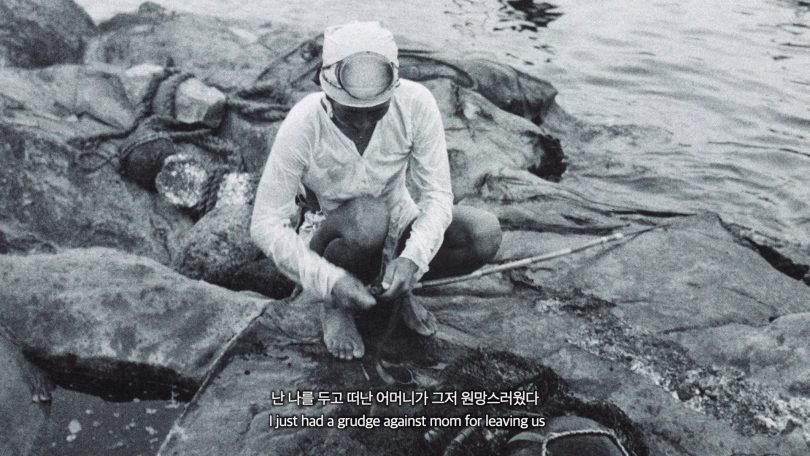
Mi-jung SHIN, Leaving hometown, 2018, Single-channel video, color, sound, 13min 3sec. © Mi-jung SHIN

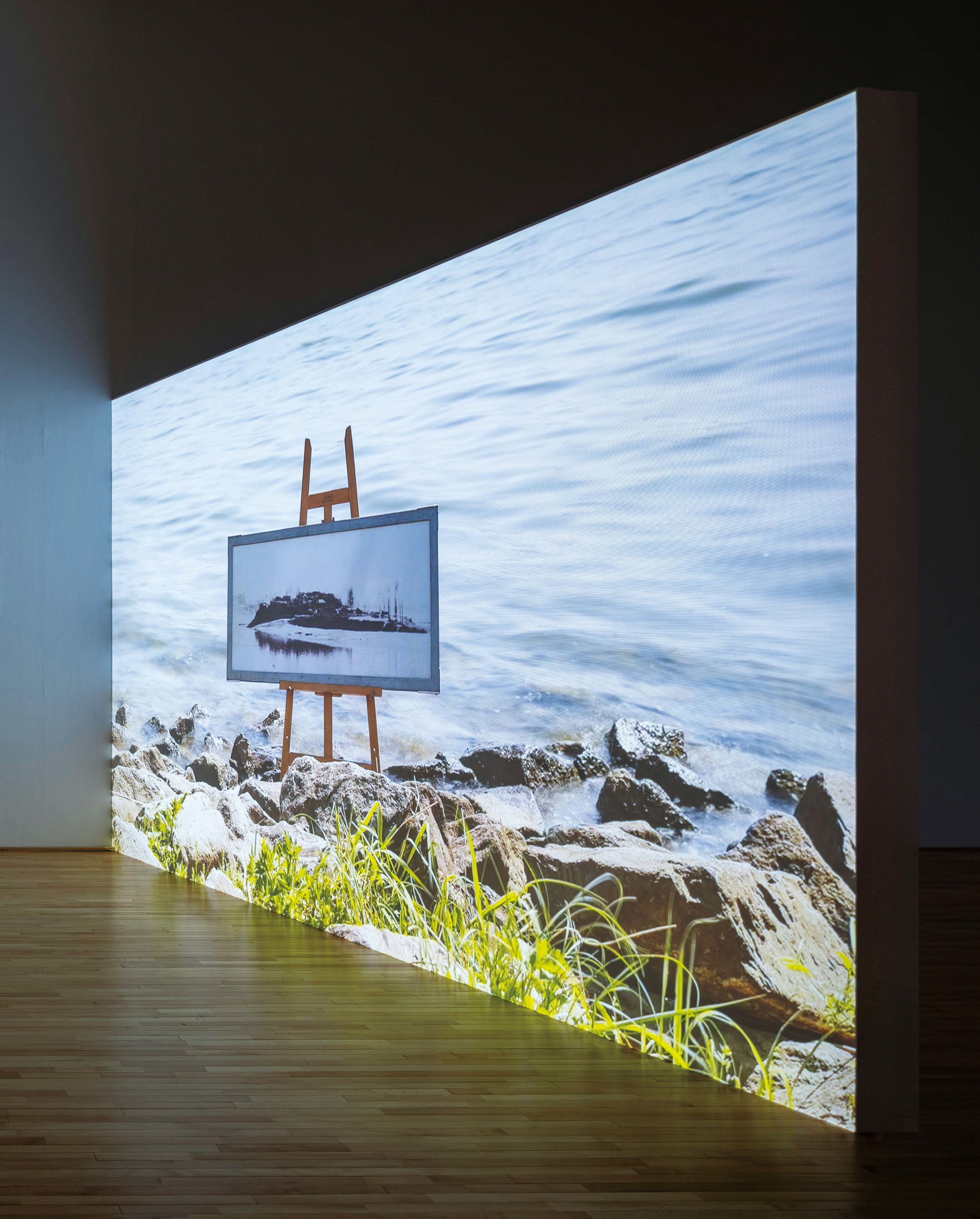
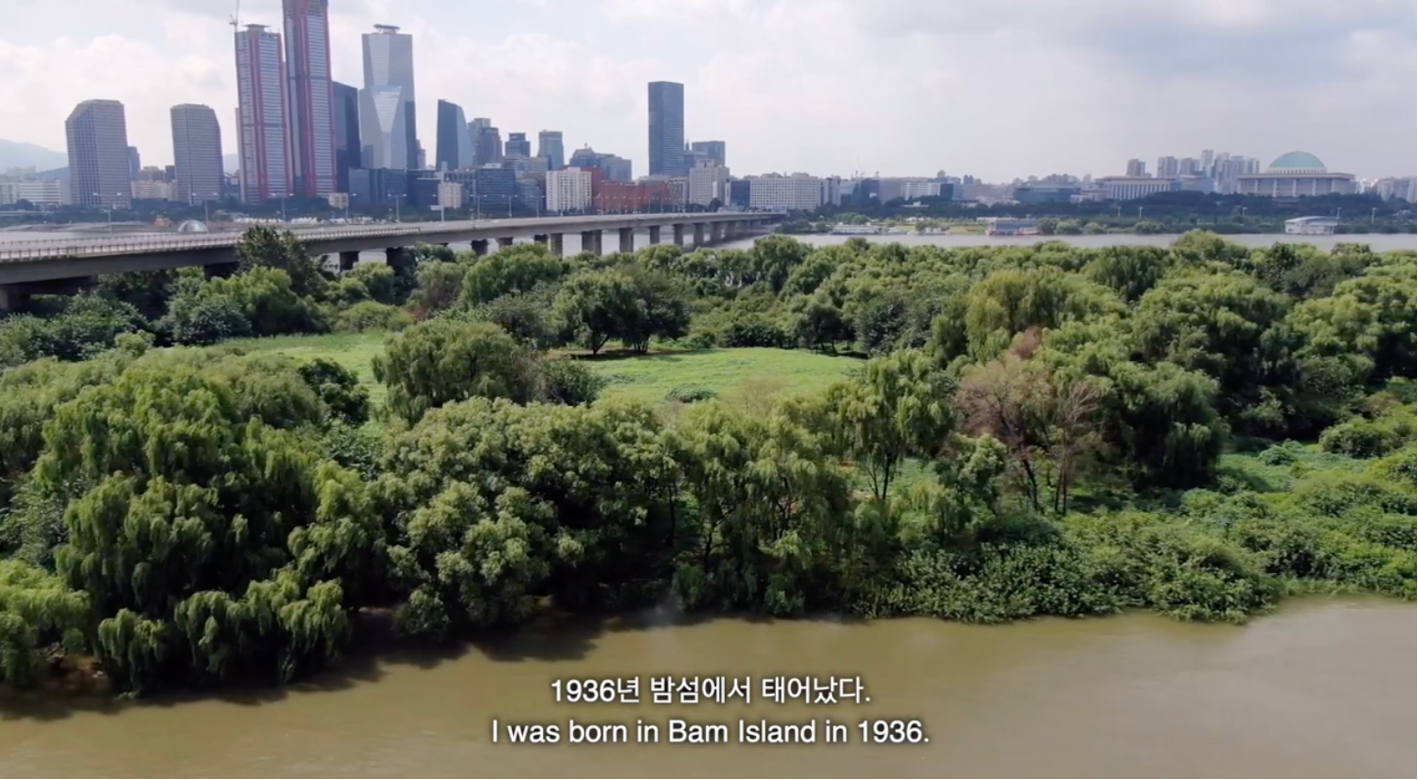
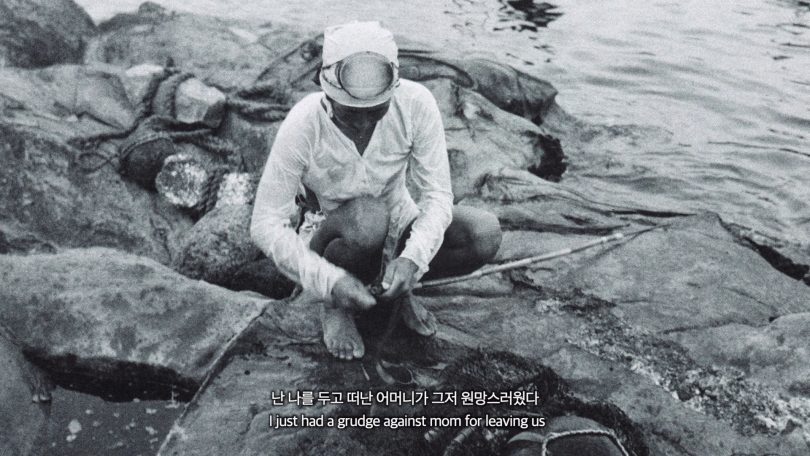
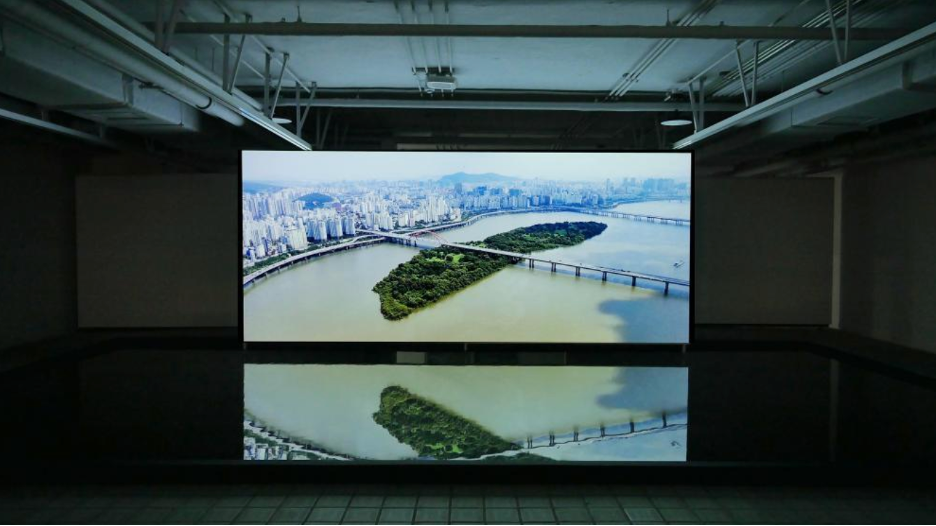
In other works, Mi-jung SHIN brings the voices of individuals displaced from their homes and livelihoods into her practice, including Yang Sun-taek, a haenyeo (female diver) who lost her home and workplace due to the Jeju 4·3 Incident and coastal development in Leaving Hometown (2018), and Lee Il-yong, a shipbuilder who lost his home when his hometown of Bam Island was demolished under the Hangang River Development Plan in Bam Island (2020).
 
Through these works, she brings the displaced “other” into view and attempts to restore the spaces that have been taken from them.
 
In this way, SHIN follows the lost places of individuals whose voices have been erased or marginalized, bringing their personal memories of these places back to life through images and sound.


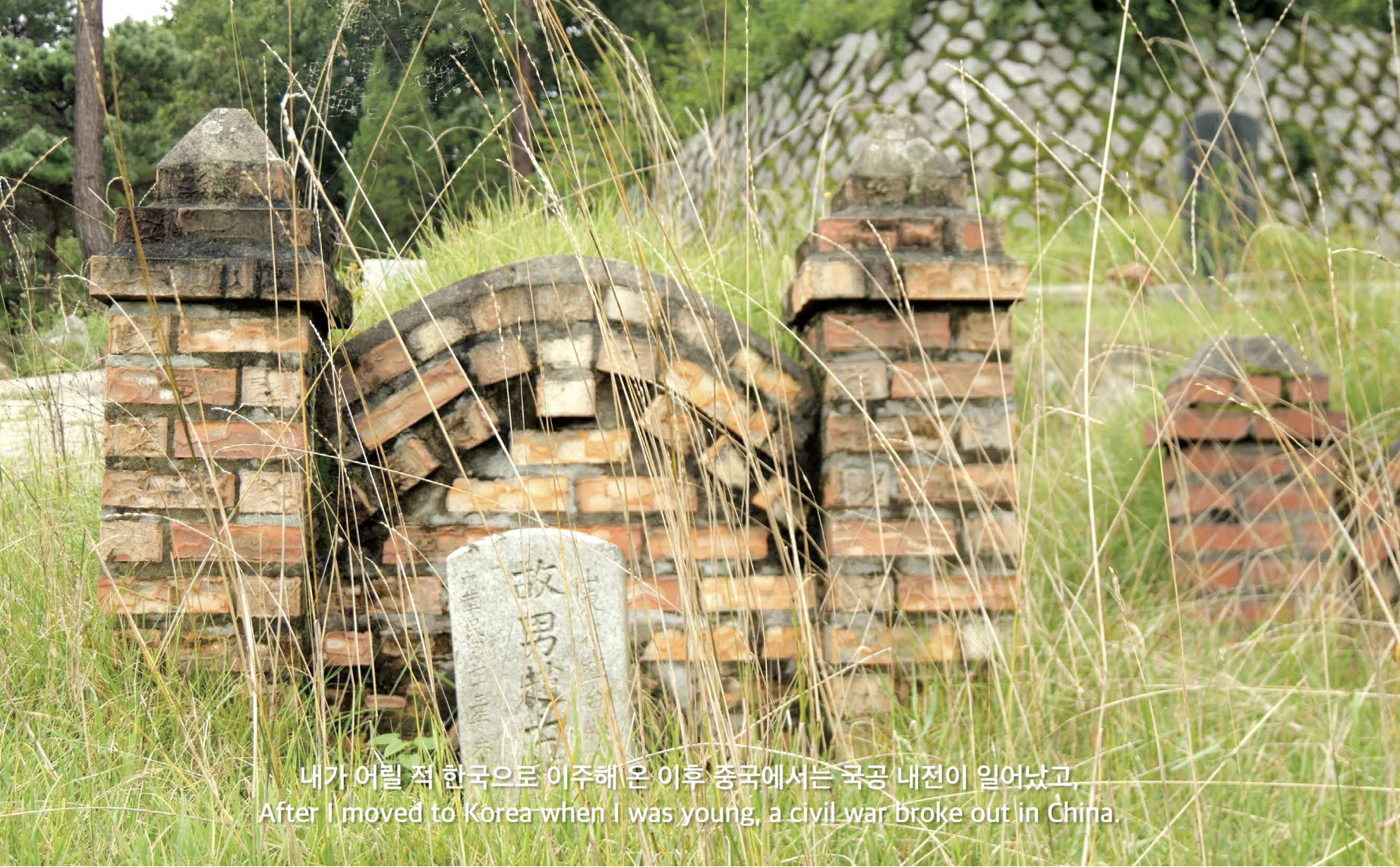
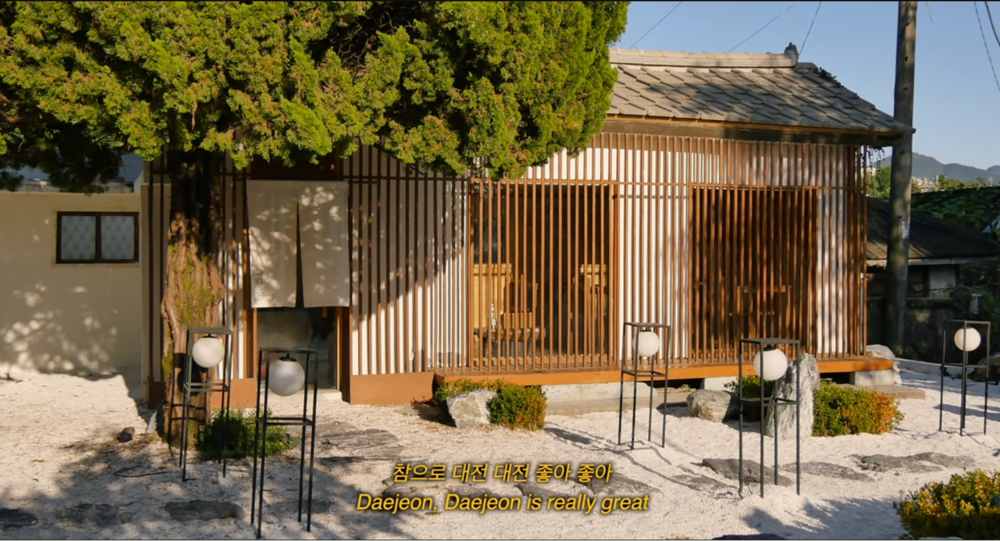
Mi-jung SHIN, Taiwan, the Foreign Land, and the Other, 2023, Single-channel video, color, sound, 16min 15sec. © Mi-jung SHIN

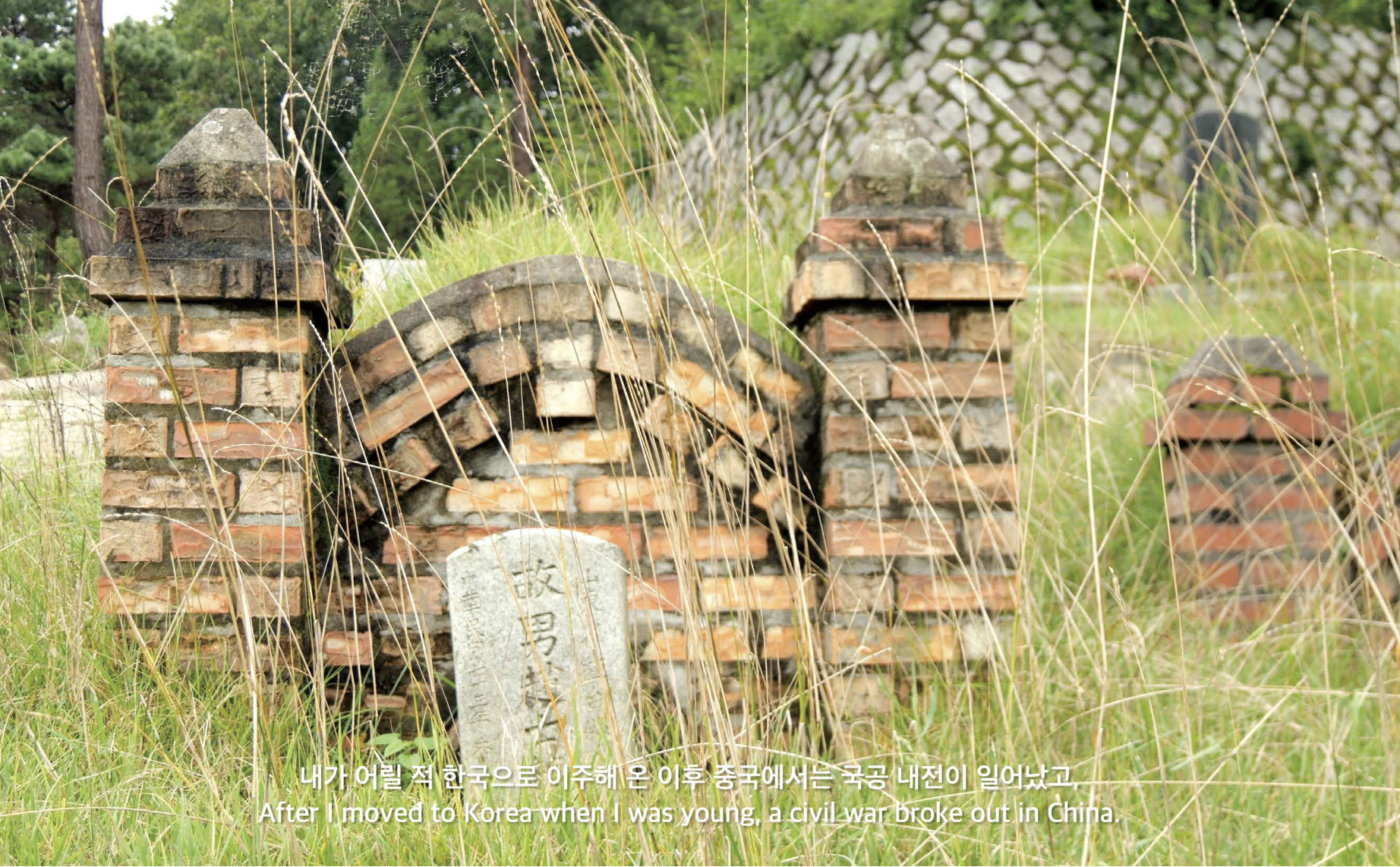
In Taiwan, the Foreign Land, and the Other (2023), Mi-jung SHIN follows the story of Kim Seong-jeong, a Taiwanese Korean-Chinese who migrated across national borders in Asia, reflecting on hybrid identity and mobility. The work examines major historical events encountered at the crossroads of ideological conflict and traces the marks they left on the individual’s microhistory.
 
Beginning with the intimate personal experiences of an individual chosen by the artist, the work gradually expands into broader social contexts. In the process, SHIN calmly renders the lives she encounters on screen, much like entries in a diary.


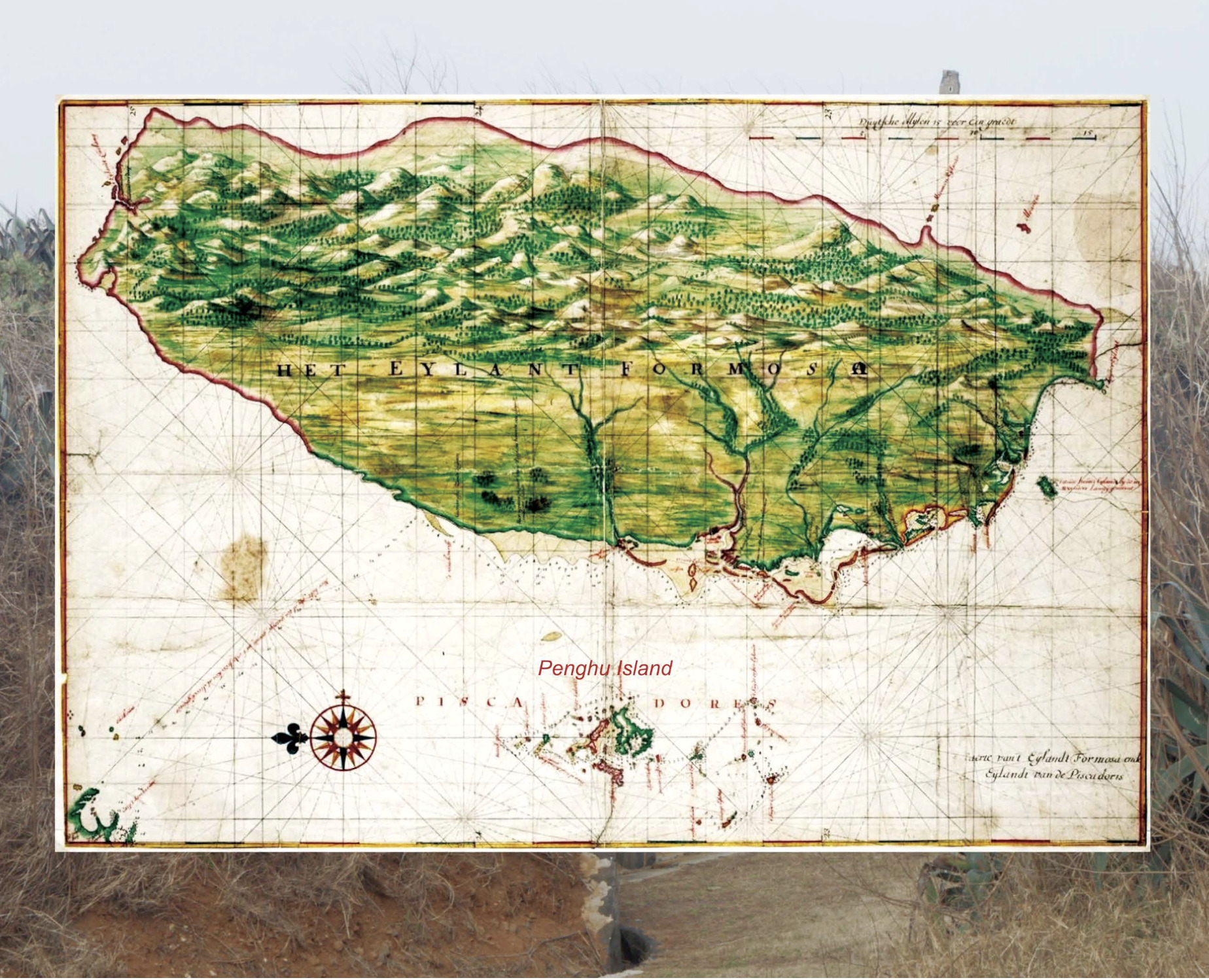
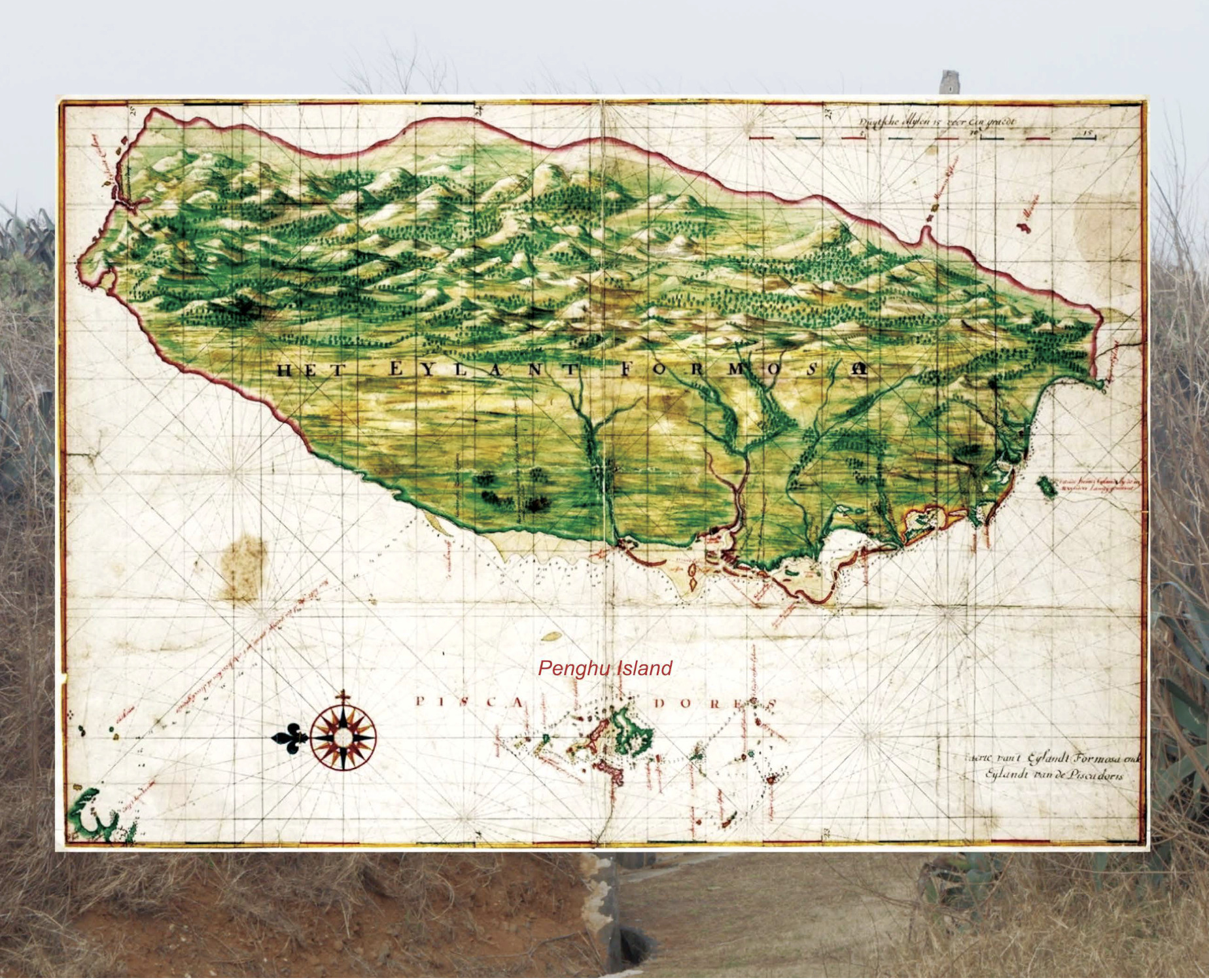
Mi-jung SHIN, Penghu Island, 2024, Single-channel video, color, sound, 11min. © Mi-jung SHIN

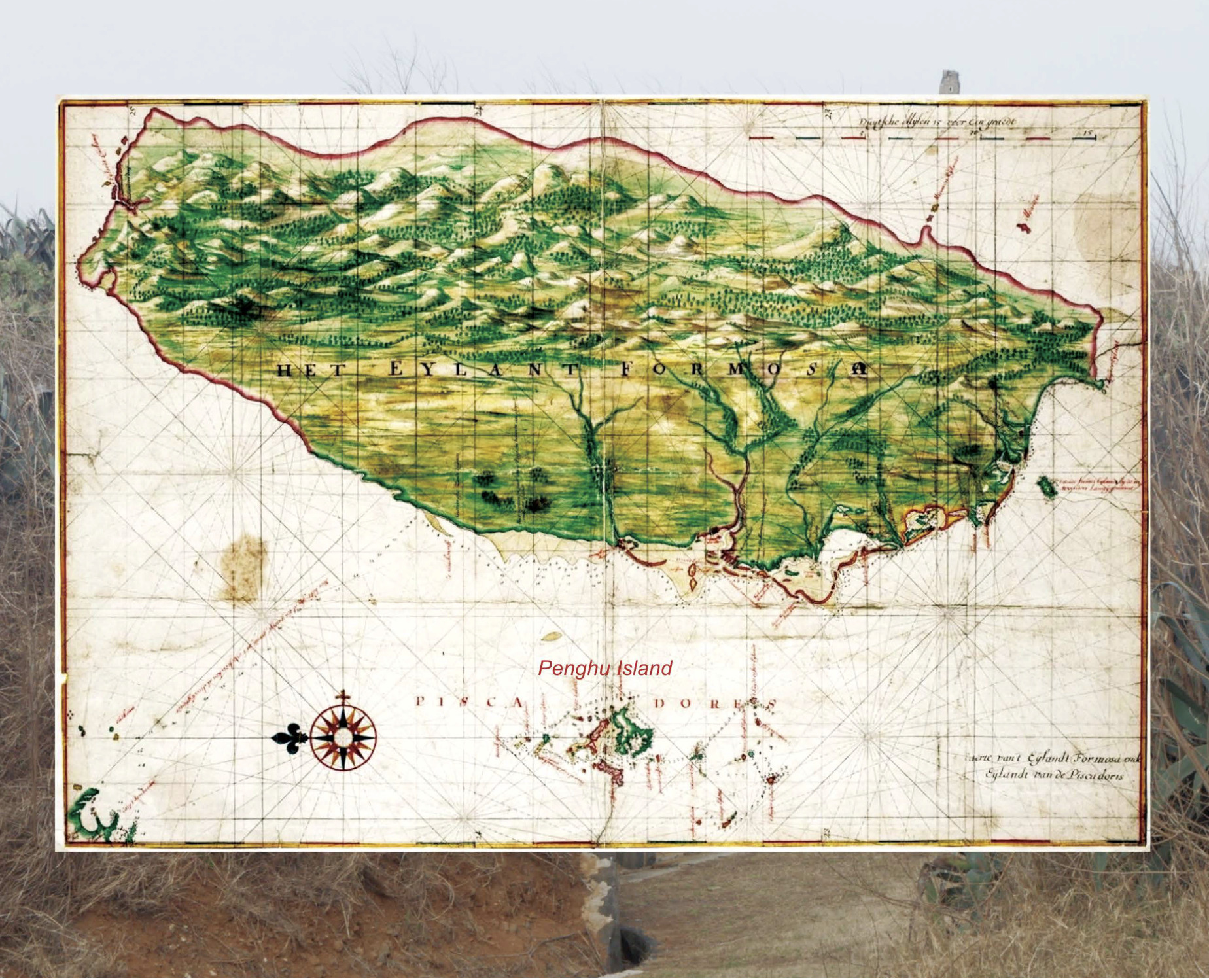
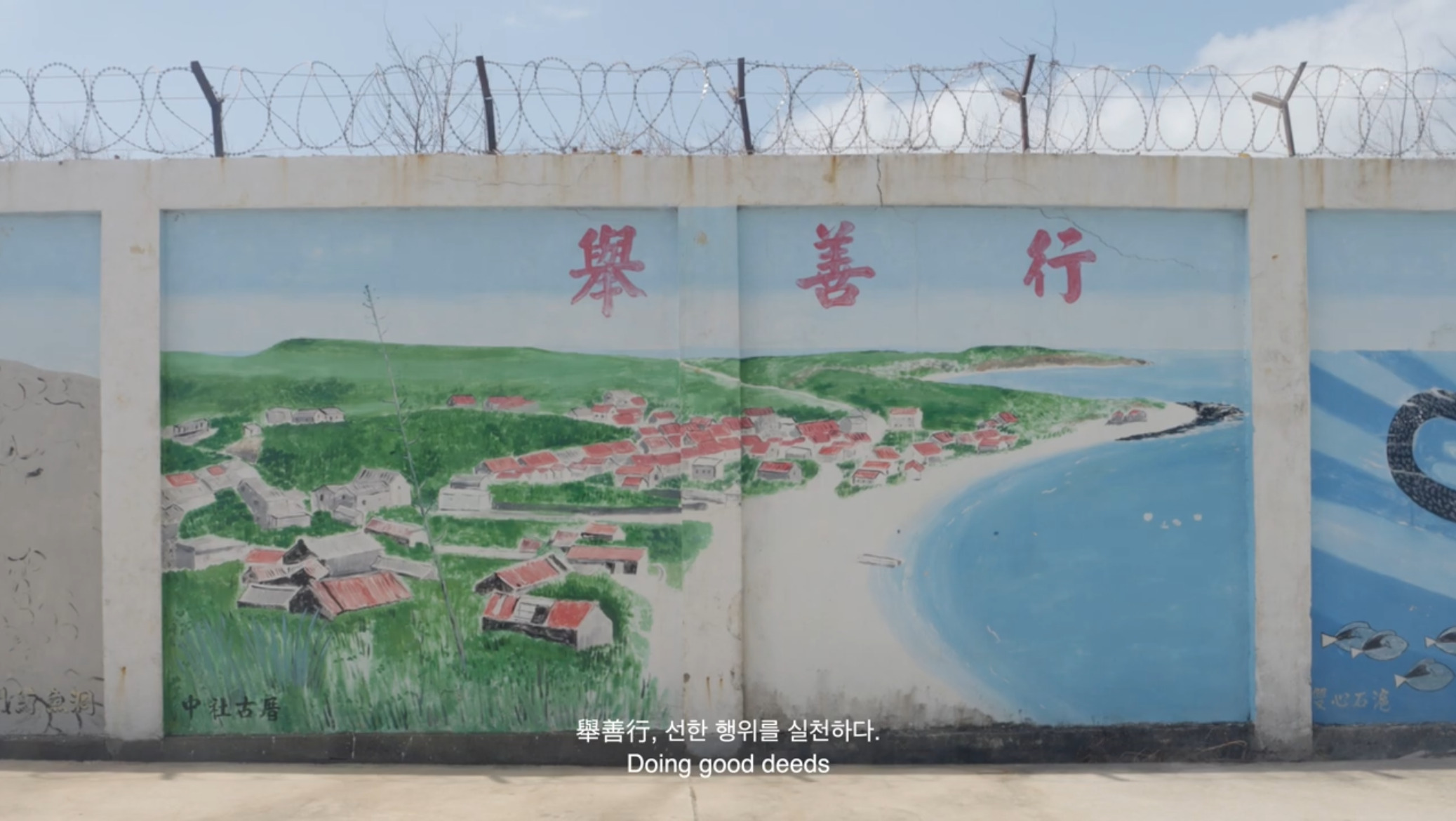
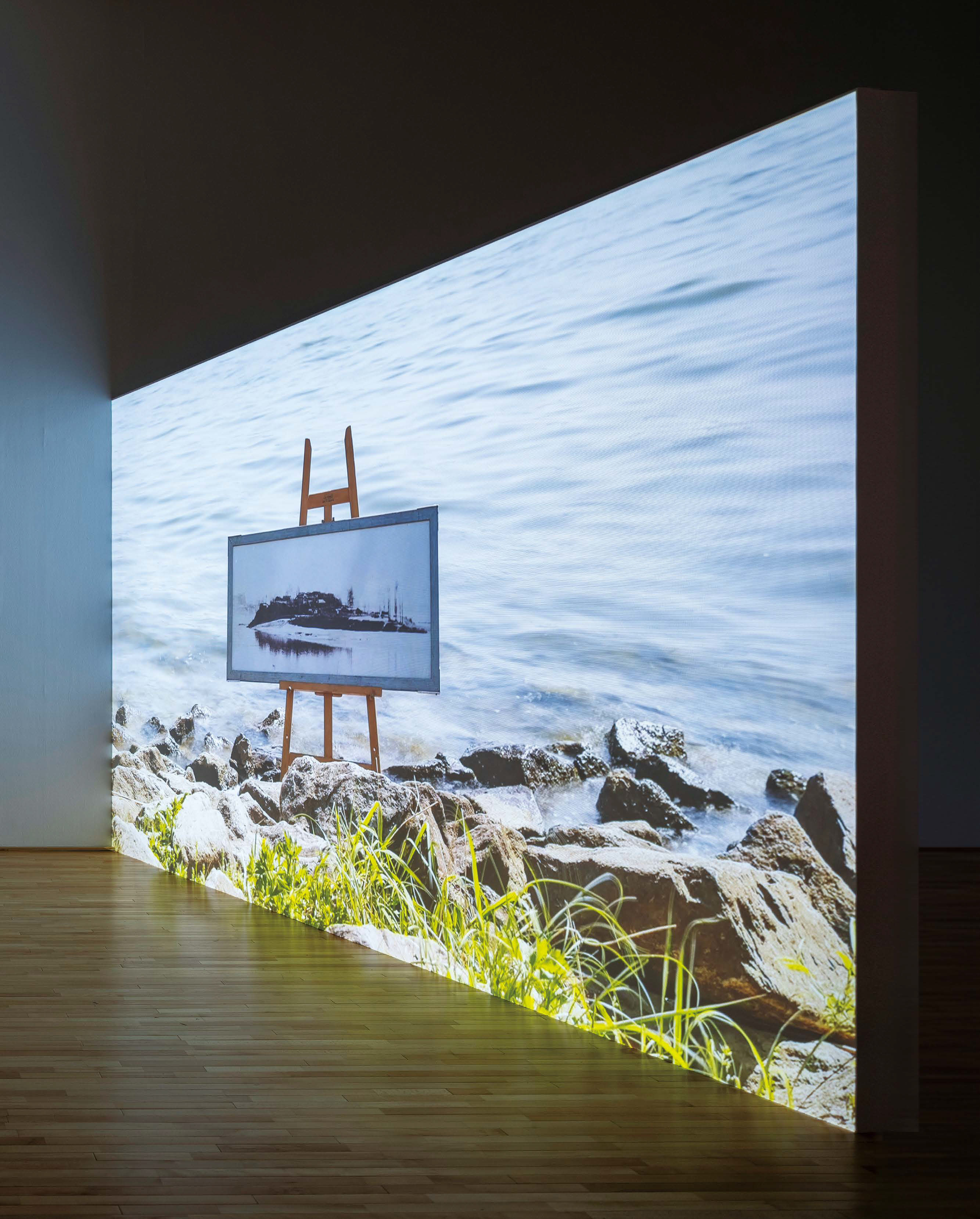
In contrast to the first-person narratives of her earlier works, Mi-jung SHIN’s recent work Penghu Island (2024) does not foreground any individual figure. This work is an experimental video artwork exploring the Penghu Islands, located between China and Taiwan. It recounts the stories of refugee school students and teachers who migrated from Shandong Province, China, to Penghu Island during the Chinese Civil War in 1949.
 
At its core is the Penghu 713 Incident, a tragic event during Taiwan’s dark era. Refugee students were forcibly conscripted and turned into soldiers, with some subjected to oppression and coercion, leading to their untimely and tragic deaths.


Mi-jung SHIN, Penghu Island, 2024, Single-channel video, color, sound, 11min. © Mi-jung SHIN

This incident left deep scars on many individuals, regardless of nationality. The artwork underscores how such violence and oppression continue to echo in modern times.
 
Penghu Island does more than record the past—it connects history to the present, posing profound questions and inviting viewers to reflect on the essence of violence, identity, and memory.


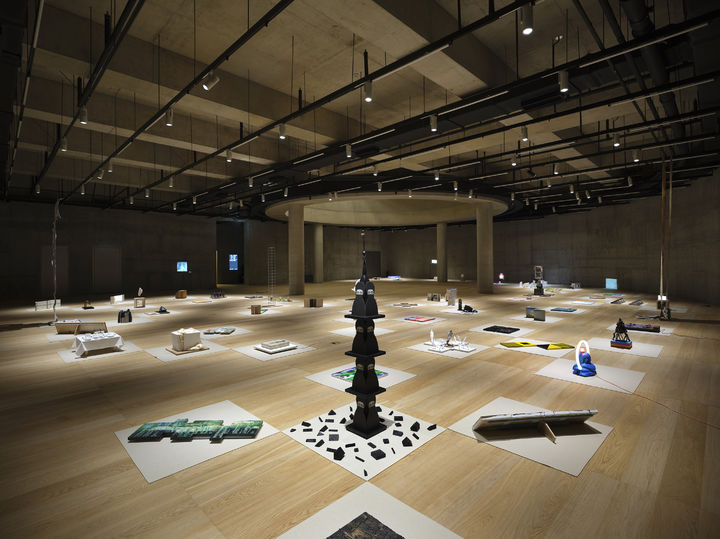
Installation view of 《The Landscape of People Who Kept Silence》 (Space 9, 2018) © Mi-jung SHIN

In this way, Mi-jung SHIN has explored questions of identity and boundaries through the experiences of people forced to leave their homes by national and political powers.
 
Tracing accounts of local residents and outsiders, departure and return, migration and remigration, she captures scenes and voices of lived experience that cannot be fully conveyed through historical narratives alone. Through this process, the artist reconsiders the significance of vanished places and the people who once inhabited them.

“All of my works stem from my interest in ‘place.’ Place is a different concept from space. Space is abstract and can be quantified, whereas place contains people and encompasses the time and memories of their lives. My work is a process of representing that place.” (Mi-jung SHIN, in an interview with Jungbu Ilbo)


Artist Mi-jung SHIN © Seoul Art Space Geumcheon

Mi-jung SHIN studied Oriental painting at Chugye Art University before earning her bachelor’s and master’s degrees in fine arts at the Dijon national art school (ENSA DE Dijon) in France. Her solo exhibitions include 《Three Voices, a World Unveiled》 (Pohang Museum of Steel Art, Pohang, 2024), 《City × Island × Archive》 (SeMA Bunker, Seoul, 2021), and 《Leaving Hometown》 (MOHA Art Studio, Ulsan, 2018).
 
She has also participated in numerous group exhibitions, including 《Perhaps, All of Us》 (Korean Cultural Centre Canada, Ottawa, 2026), 《SONGEUN × UNBOXING PROJECT: Generative Forms》 (SONGEUN, Seoul, 2026), 《The Museum Founded on Artworks》 (Daejeon Museum of Art, Daejeon, 2025), 《Prelude: With a Heart Singing Stars》 (Seoul Museum of Art, Seoul, 2025), 《DMZ OPEN Exhibition: Passage》 (Camp Greaves, Paju, 2024), 《I Want to Love Us》 (Buk-Seoul Museum of Art, Seoul, 2024), and the 《The 23rd SONGEUN Art Award Exhibition》 (SONGEUN, Seoul, 2023).
 
SHIN has participated in residency programs at THAV in Taipei (2024), Seoul Art Space Geumcheon (2023), the MMCA Residency Goyang (2022), and the Nanji Residency (2019). Her works are held in the collections of various institutions, including the MMCA Art Bank, Daejeon Museum of Art, Ulsan Museum of Art, and Seoul Museum of Art.

References