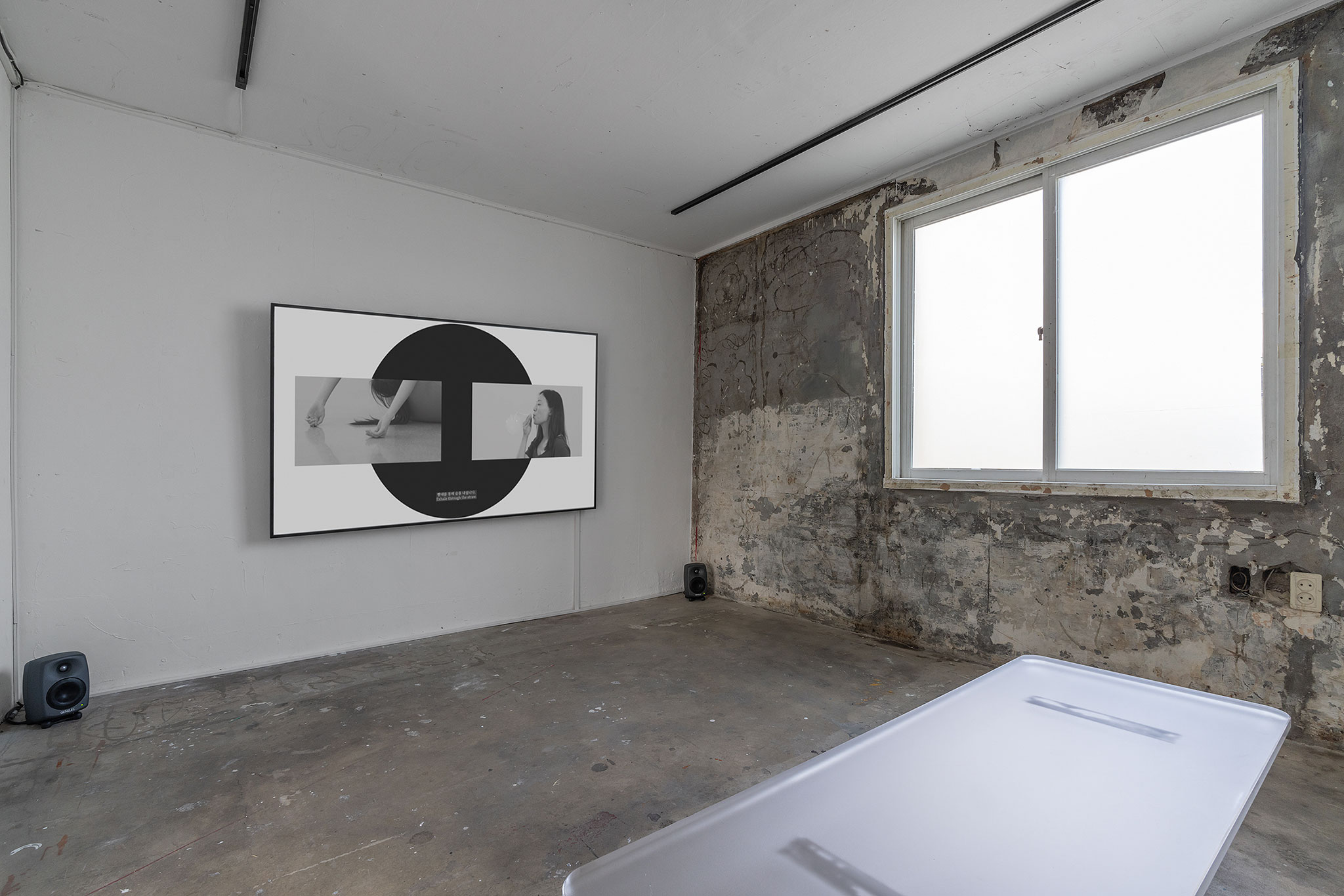
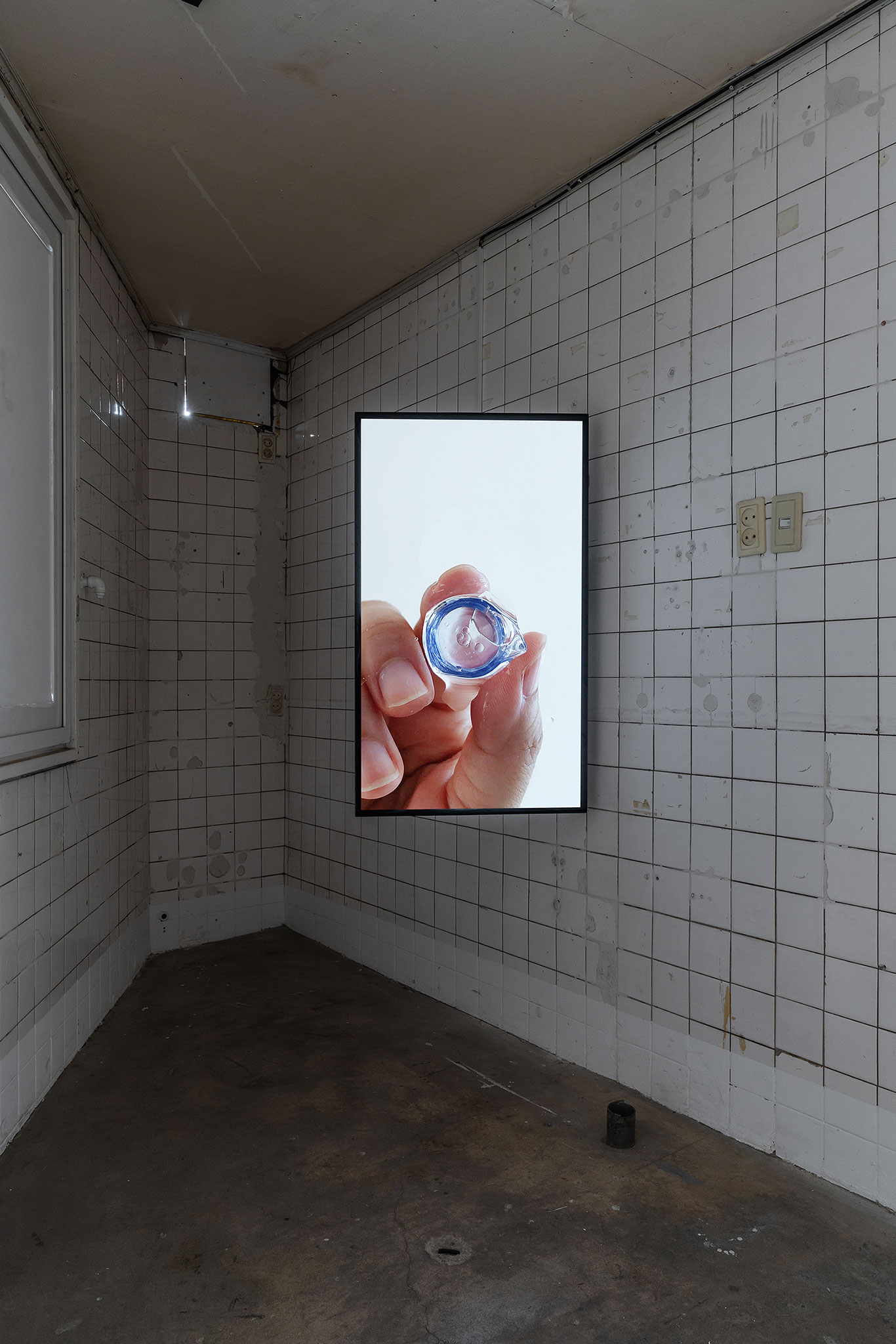
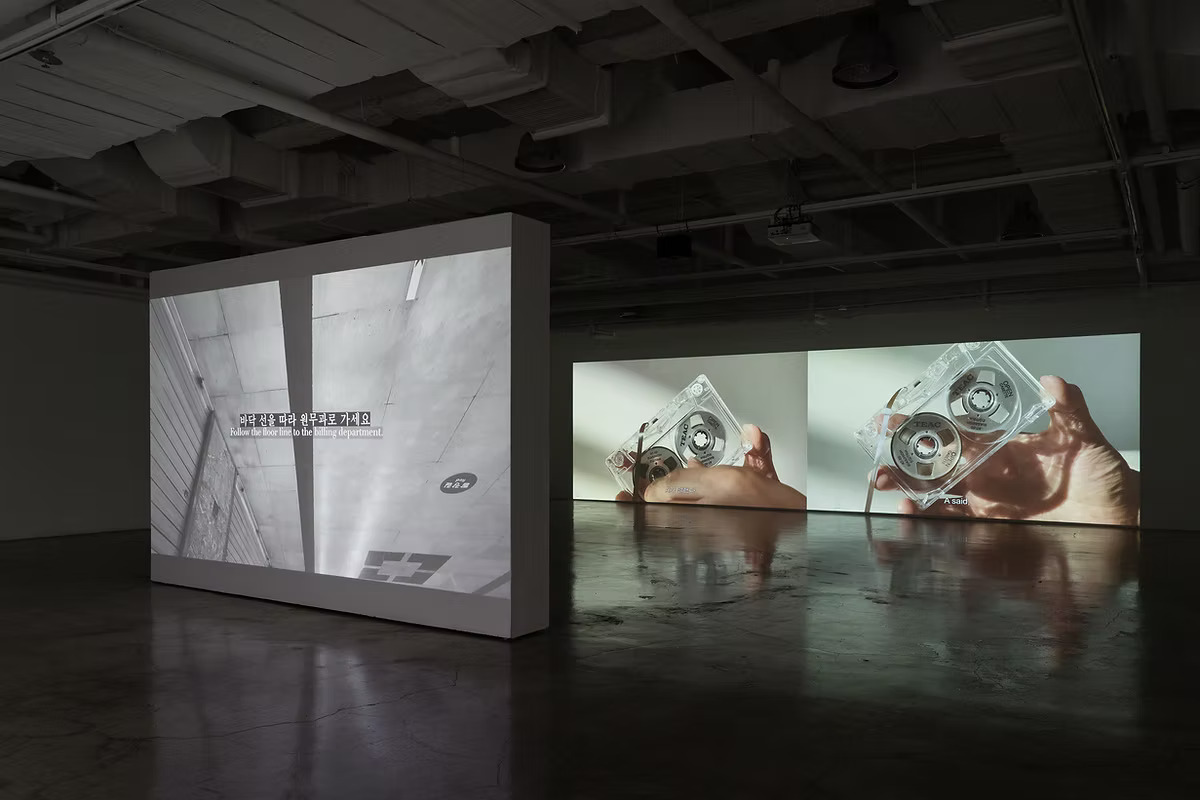
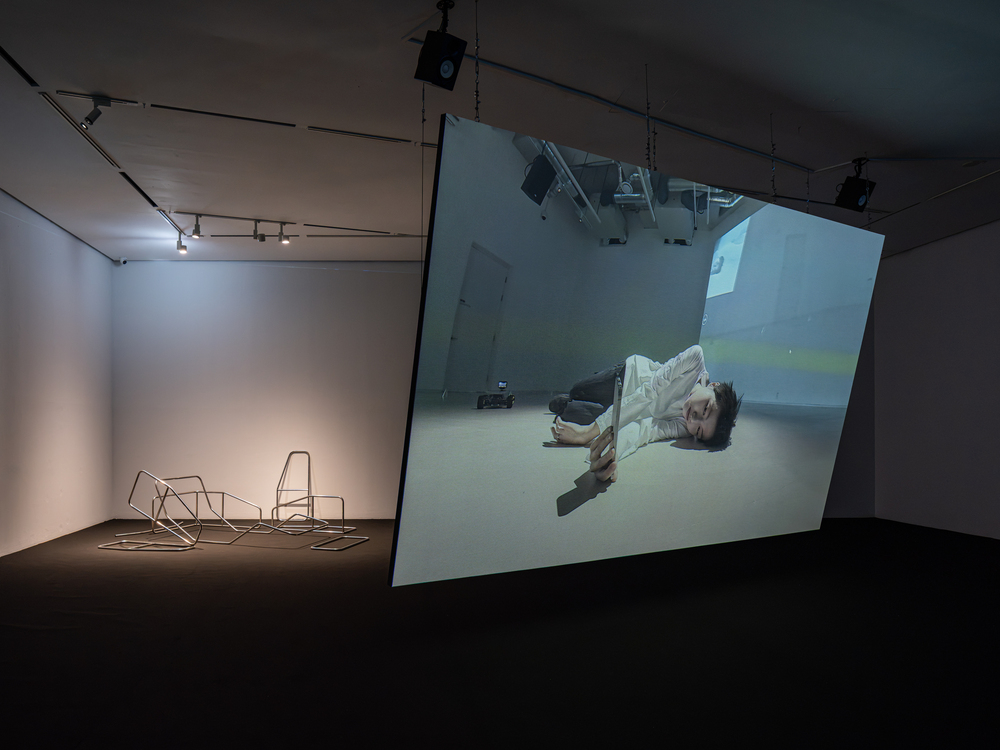
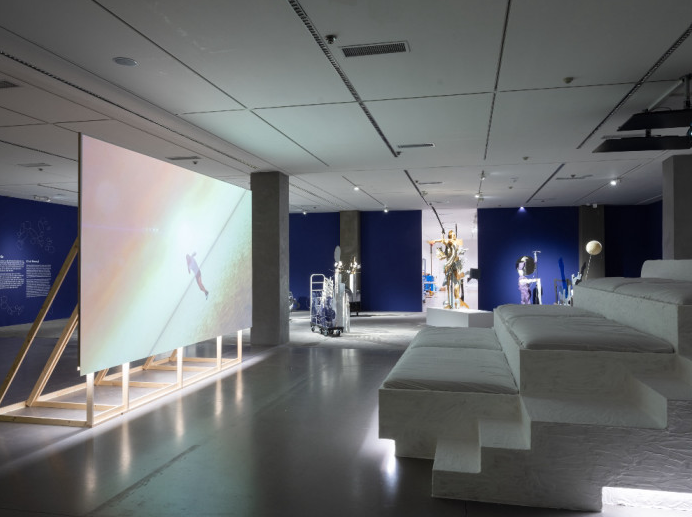
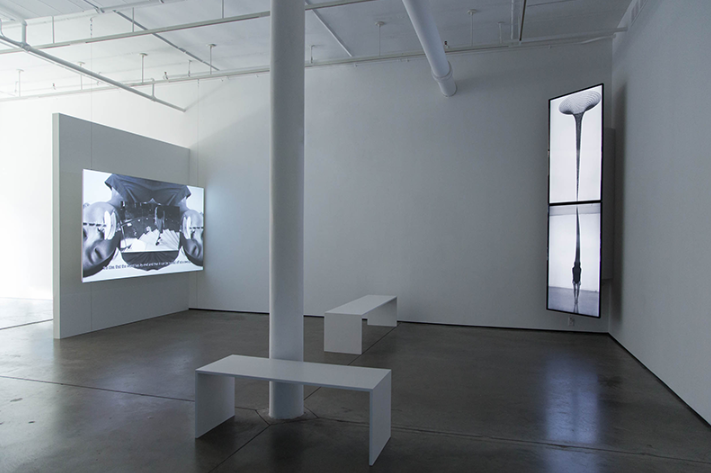
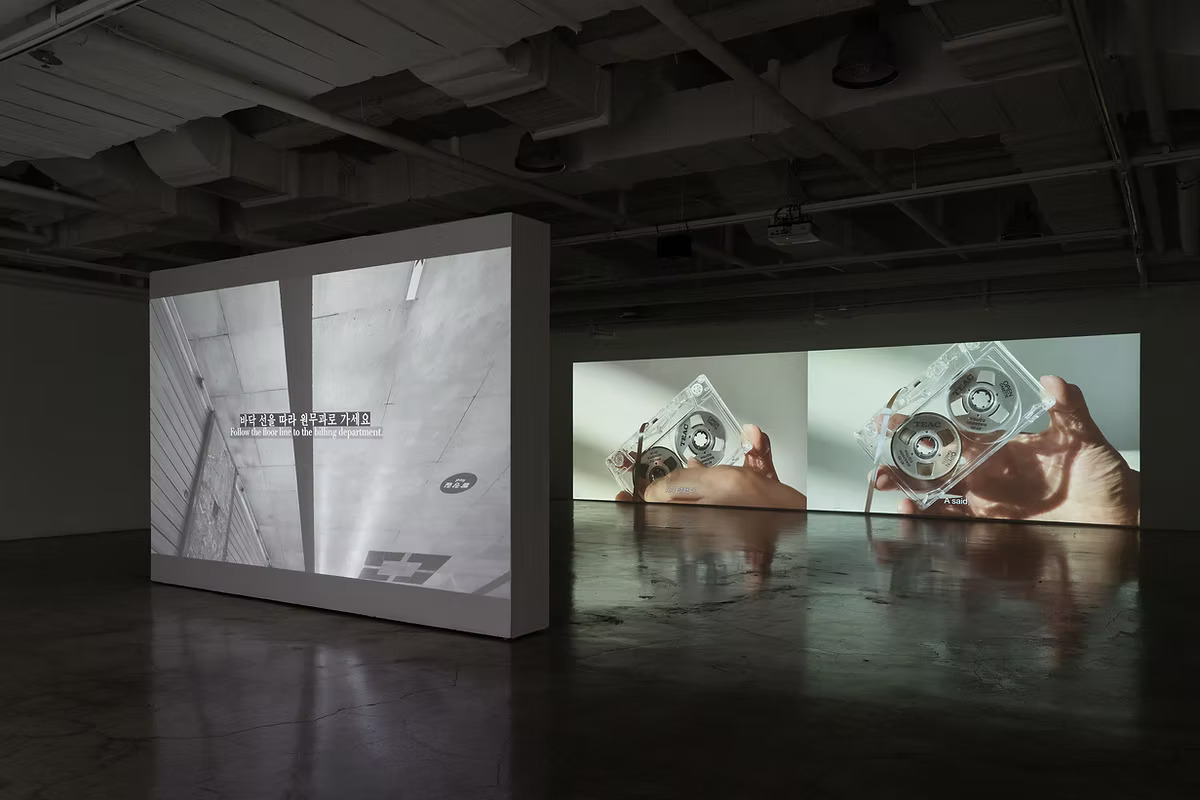
Seo Young Chang (b. 1983) has explored the finite existence of beings living within the cycle of life and death through video and installation. Her practice moves across the ambiguous territories between the immaterial and the material, the inside and outside of the body, and life and death, offering profound reflections on the conditions of existence and the ways in which our “bodies” exist.
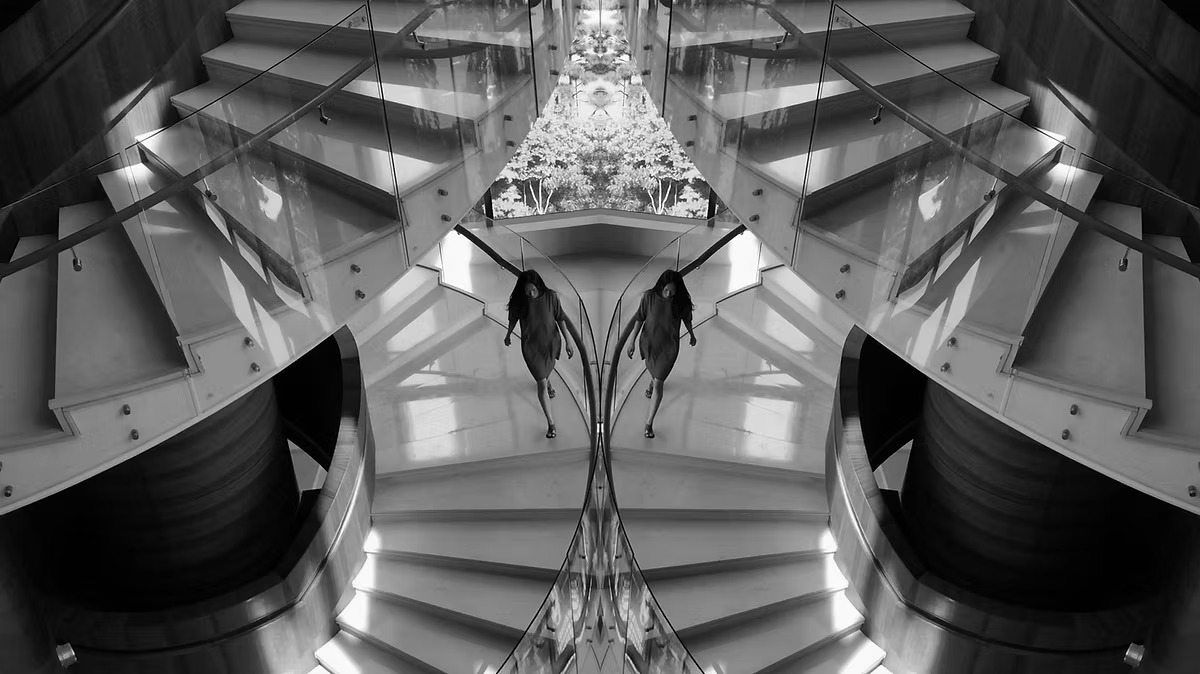

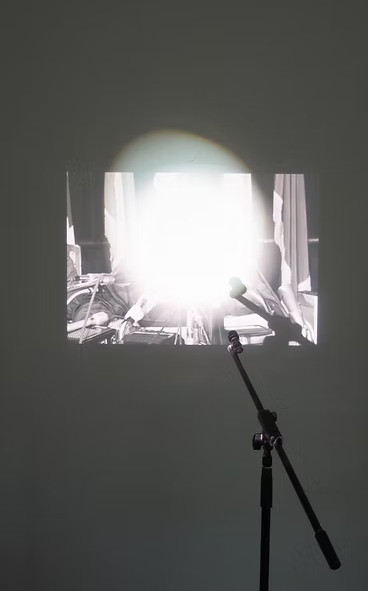
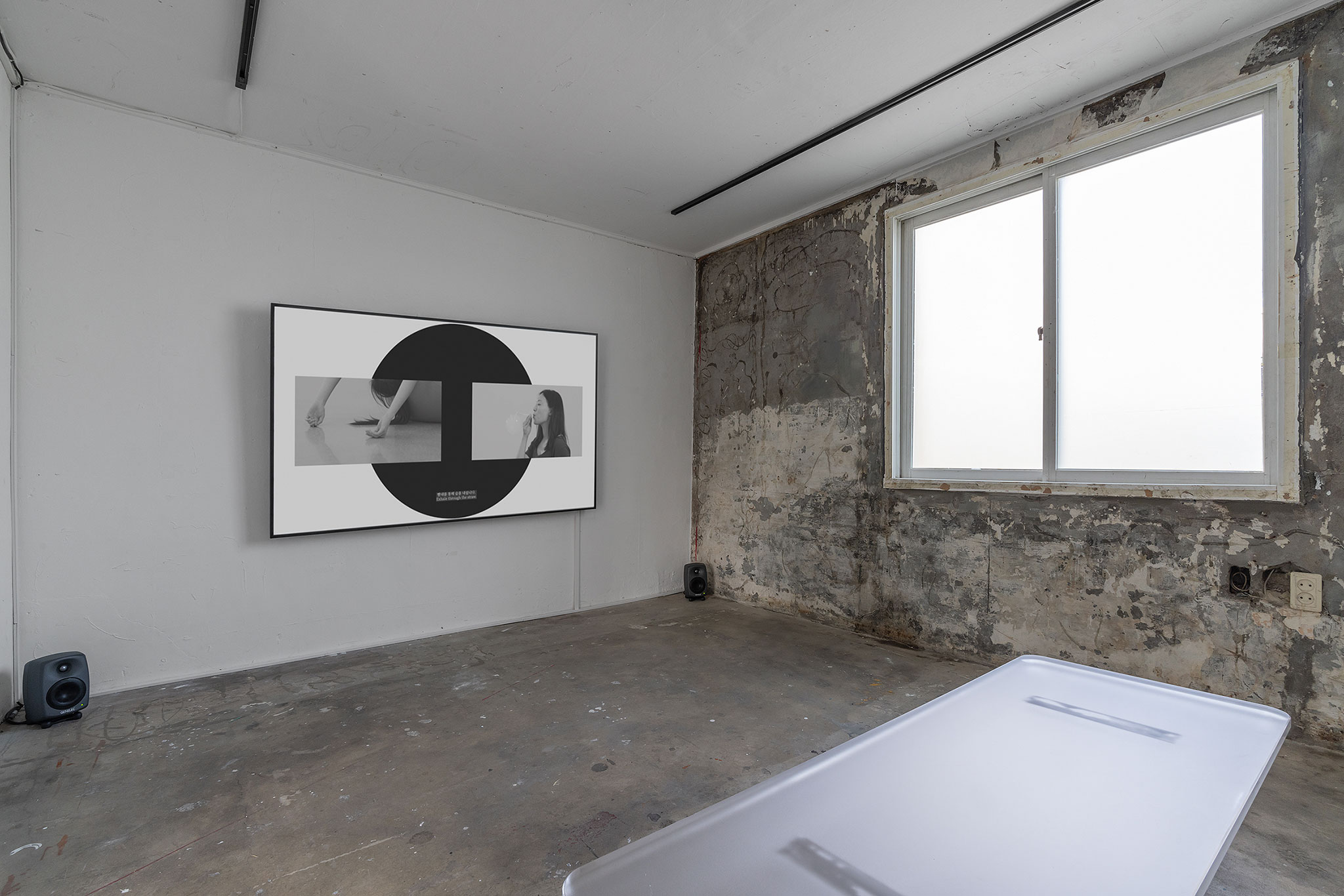
Seo Young Chang, Circle, 2017, Single-channel video, 8min. © Seo Young Chang

Seo Young Chang’s interest in the finite and vulnerable “body” stems from her direct experience of bodily sensations that fall outside what is commonly regarded as “normal.” Having focused on the “social meaning of existence” in her early practice, Chang began exploring the “existence of the body” after personally experiencing unexplained physical symptoms that could not be medically diagnosed.
 
In her early works, which examined social structures and existence within them, Chang focused on how individuals who are physically equal in their existence come to possess different degrees of presence. She considered how some individuals gain greater influence and visibility within society, while others, despite clearly existing, become increasingly faint or are omitted from view.


Seo Young Chang, Your Delivery, 2019, Single-channel video, 7min 19sec. © Seo Young Chang

This interest led Chang to explore situations in which something that clearly exists is treated as though it does not, or conversely, something that does not exist is accepted as though it does, depending on social recognition, acknowledgment, and visibility.
 
Focusing on these ambiguous states between presence and absence, Chang has expressed through video the ways in which certain things come to be recognized as existing within society while others are erased.
 
Her reflections on beings rendered invisible within social relationships and structures subsequently expanded into the more specific and microscopic realm of the “existence of the body.”
 
Turning her attention to the body as a component of society whose existence can be diminished or erased when it falls outside the standards of a “healthy and productive” society, Chang began to explore the forms and structures through which bodies that can hardly be said to fully exist nonetheless manage to reveal their presence.


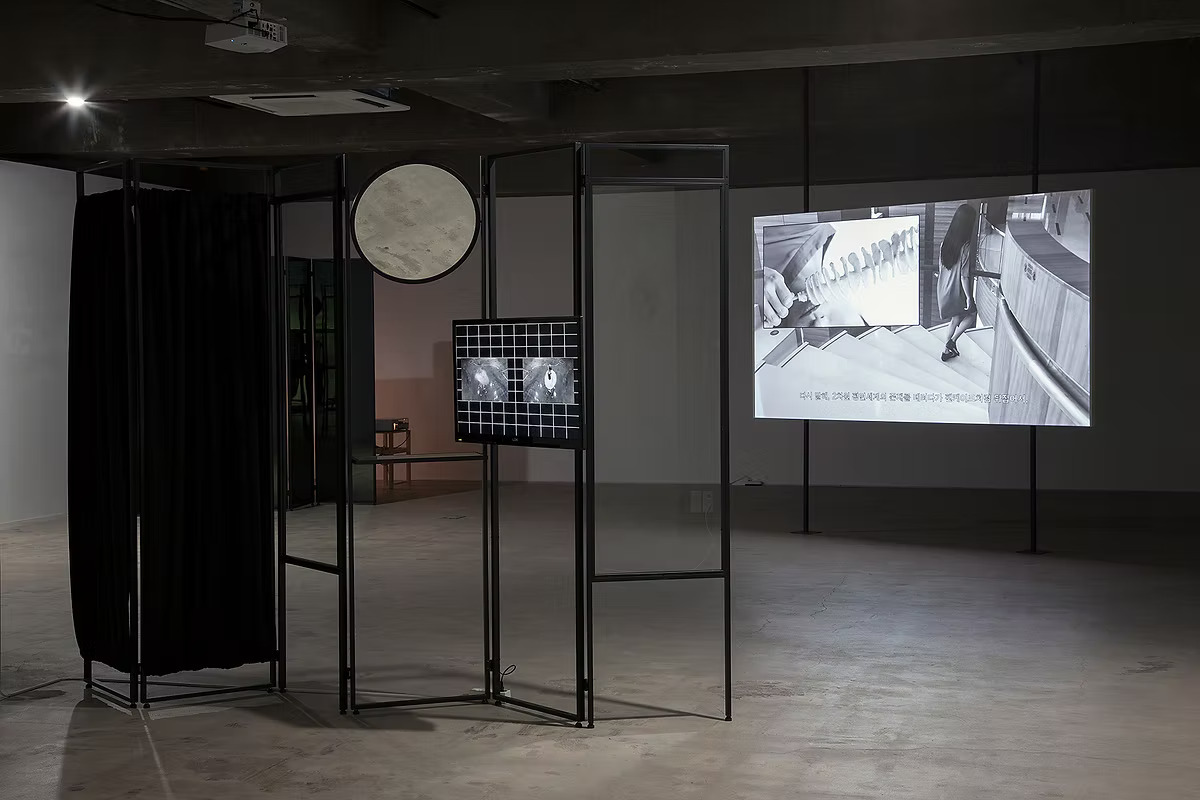
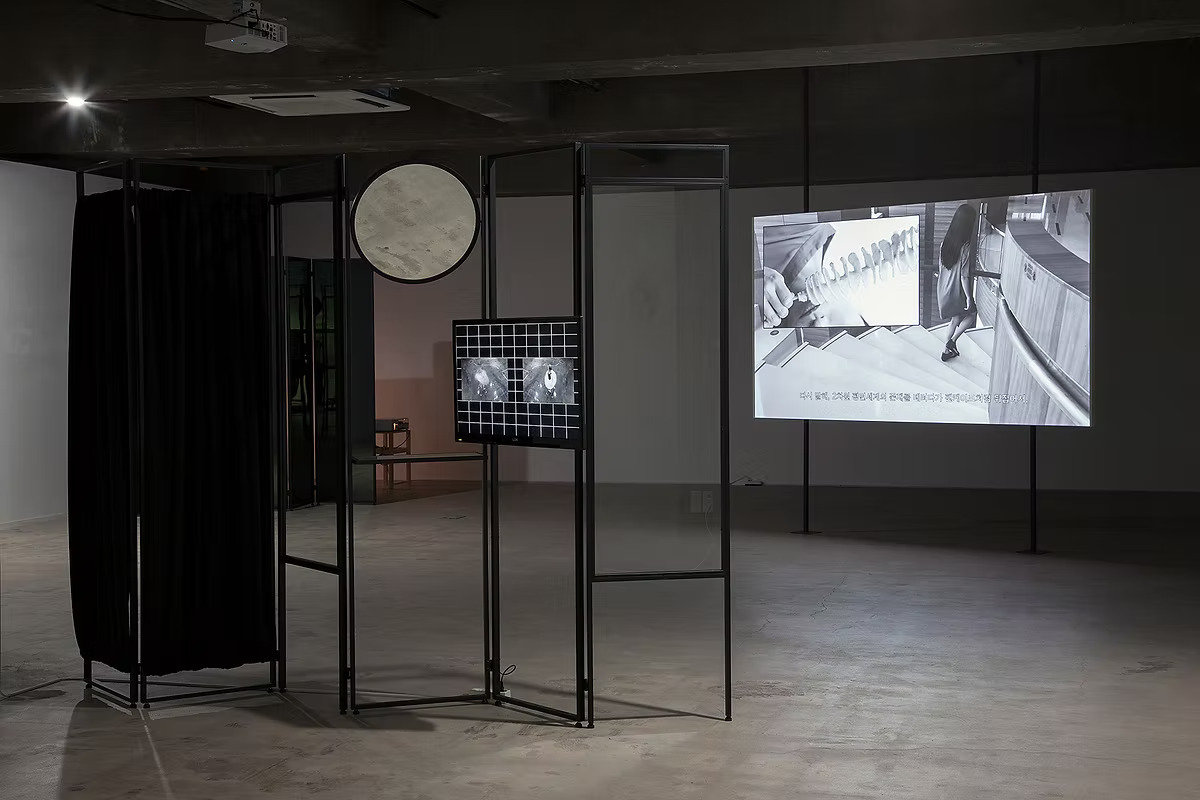
Installation view of 《Black Hole Body》 (CR Collective, 2017) © Seo Young Chang

Based on these explorations, Chang’s 2017 solo exhibition 《Black Hole Body》 at CR Collective focused on the particularity of the body that Chang calls the “Black Hole Body.” She uses this term to describe the sensation of trying to move into the next movement, only to collapse under a powerful force within the body that seems to pull her back.
 
In the exhibition, Chang addresses bodies that have been left unnamed, othered, and marginalized by organized systems of power, as well as an anxious consciousness that has, conversely, escaped restraint and control.
 
The institutions and systems of power that have evolved around established discourses of reason and unreason have continually created gaps between the two, repeatedly producing and marginalizing the other. Chang identifies and brings attention to these multiply marginalized others.
 
The exhibition, composed of black-and-white video works, mirrors, and partition-like structures, is staged like an operating room, drawing viewers more deeply into a narrative that reveals the institutional gaps and forms of marginalization experienced by those who are “normal only in the absence of a diagnosis.”


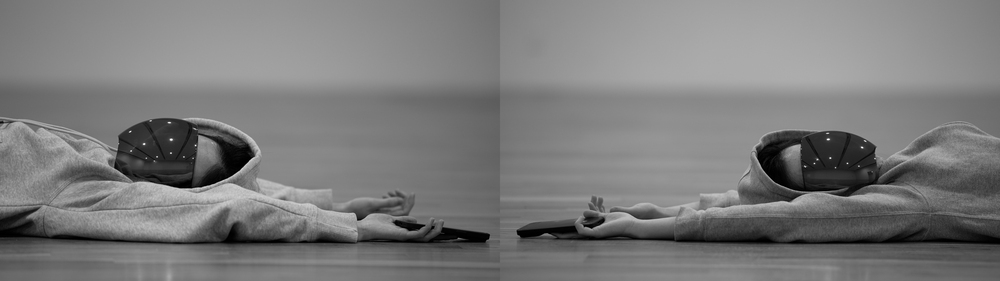
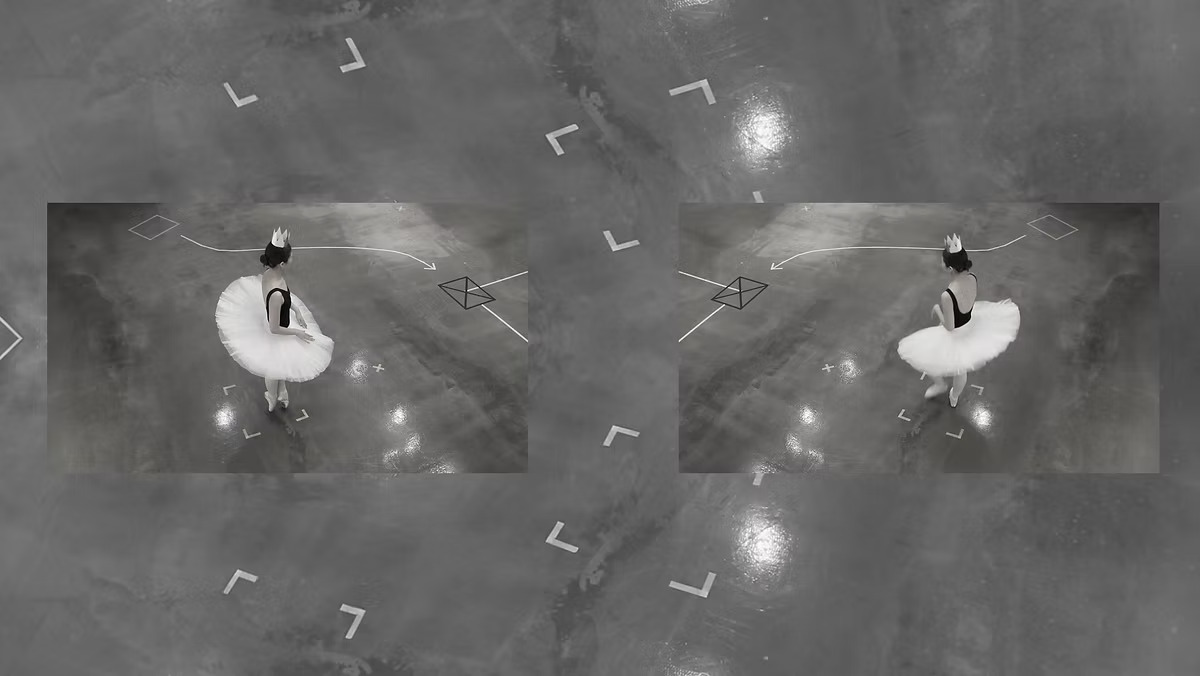
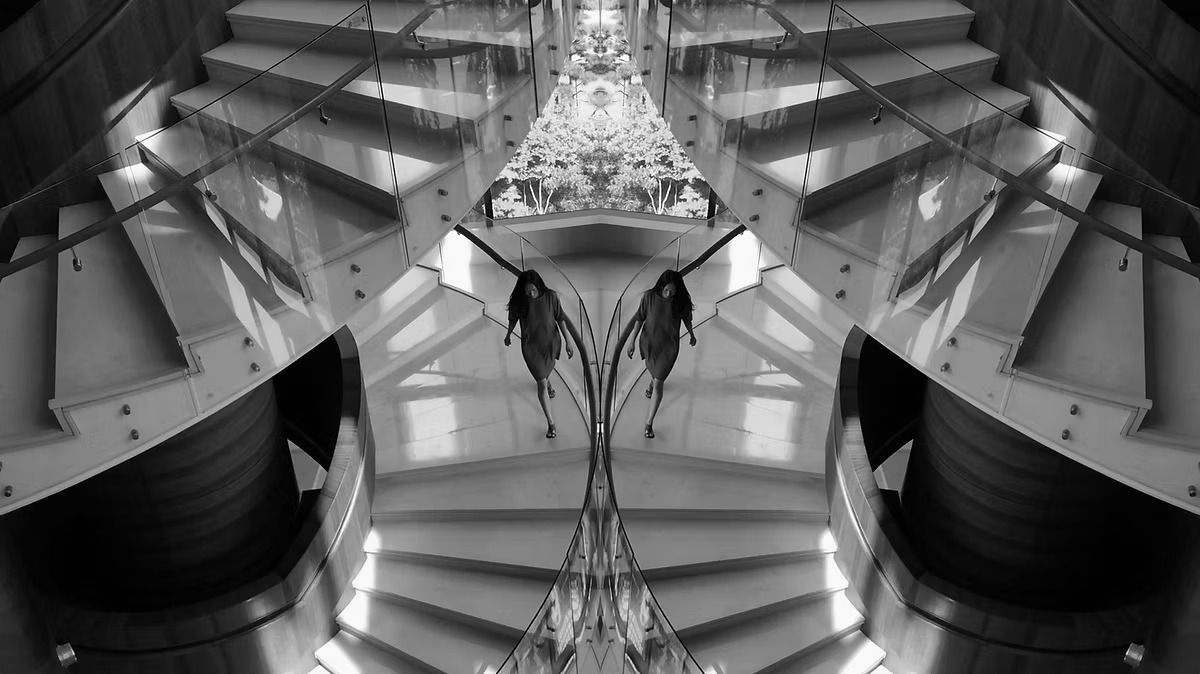
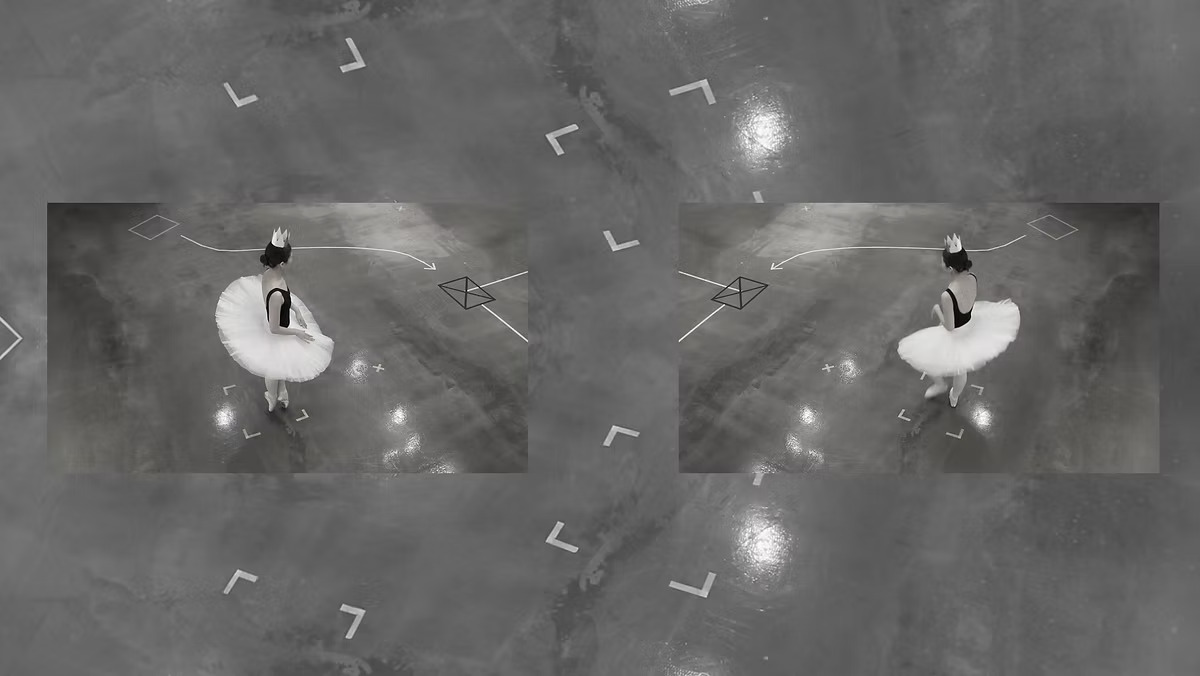
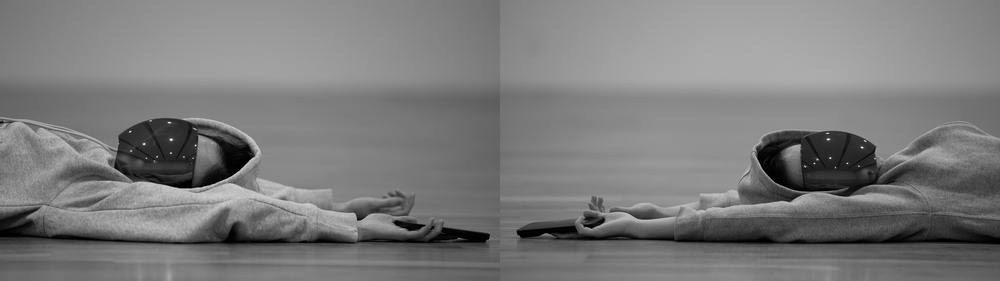
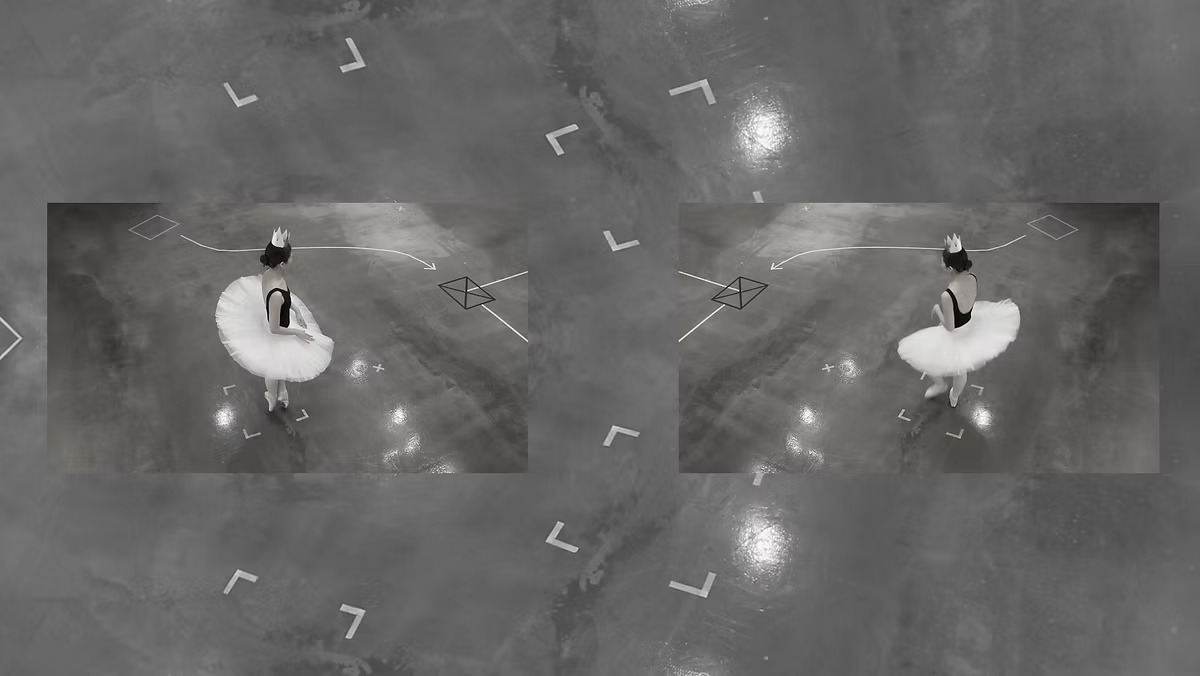
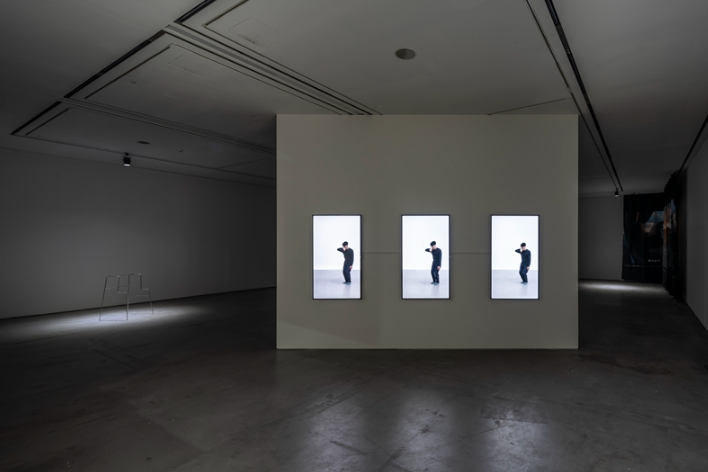
Seo Young Chang, Until Your Name Is Called, 2017, Single-channel video, 26min 30sec. © Seo Young Chang

The video installation Until Your Name Is Called (2017), for instance, depicts a ballerina practicing choreography. Rather than presenting the classical beauty and graceful movements conventionally expected of a ballerina, however, the work stages unfamiliar and unsettling situations.
 
Buffering, looping, and the sculptural use of the screen introduce subtle disruptions distinct from technical refinement, generating an affective sense of immersion through unexpected developments and an atmosphere of unease.


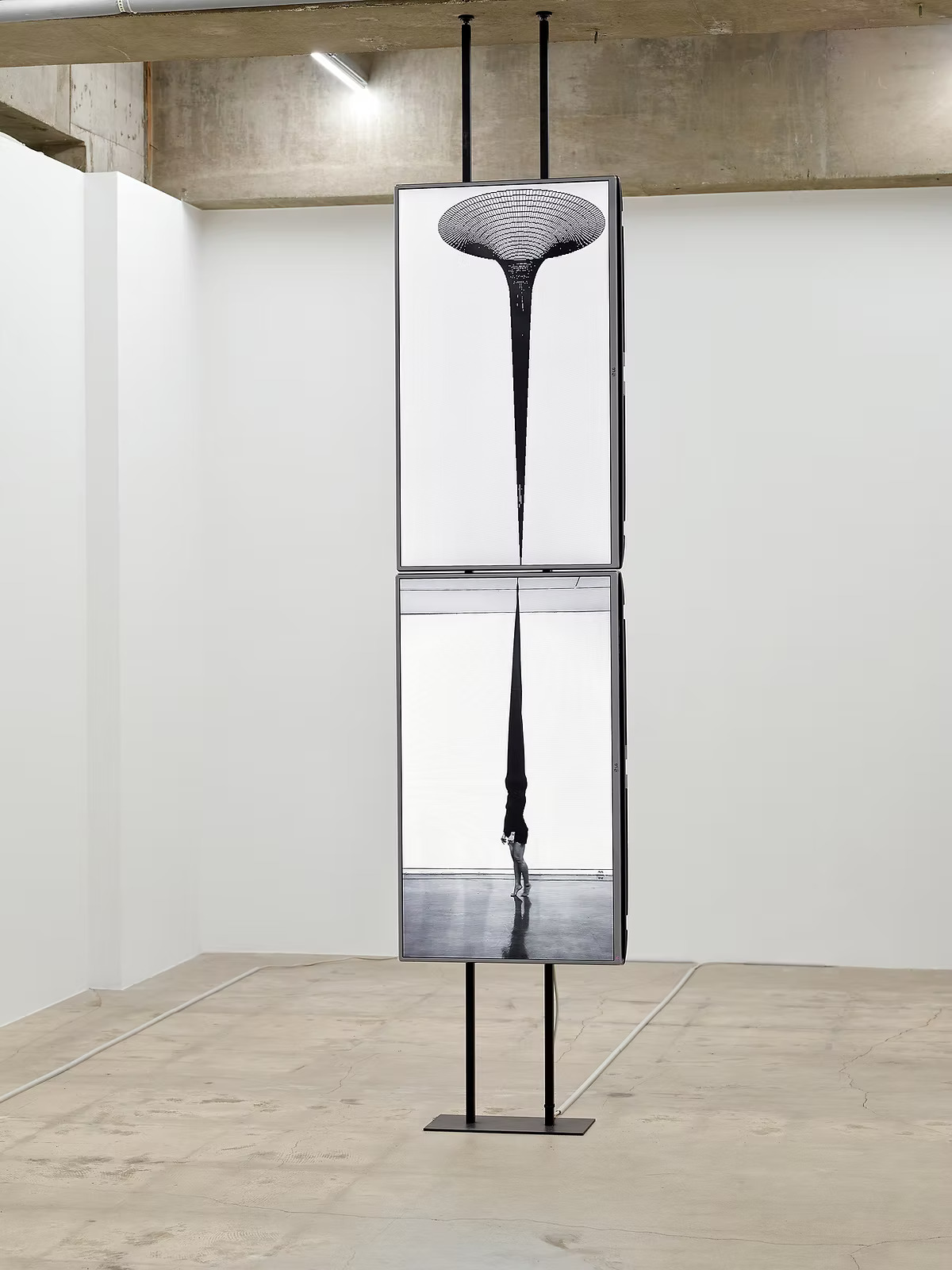
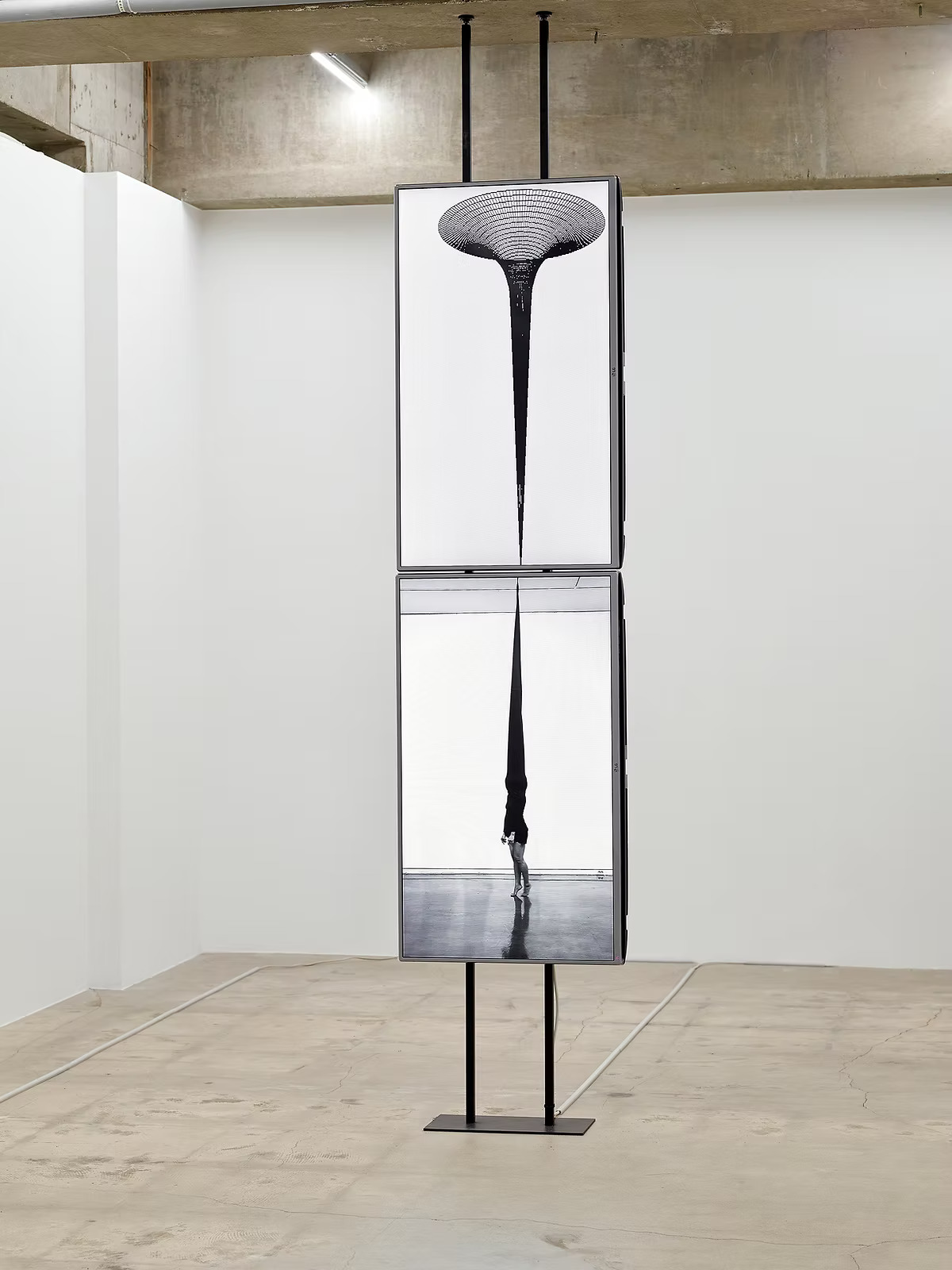
Seo Young Chang, Nameless Disease, 2016, 2-channel video, loop © Seo Young Chang

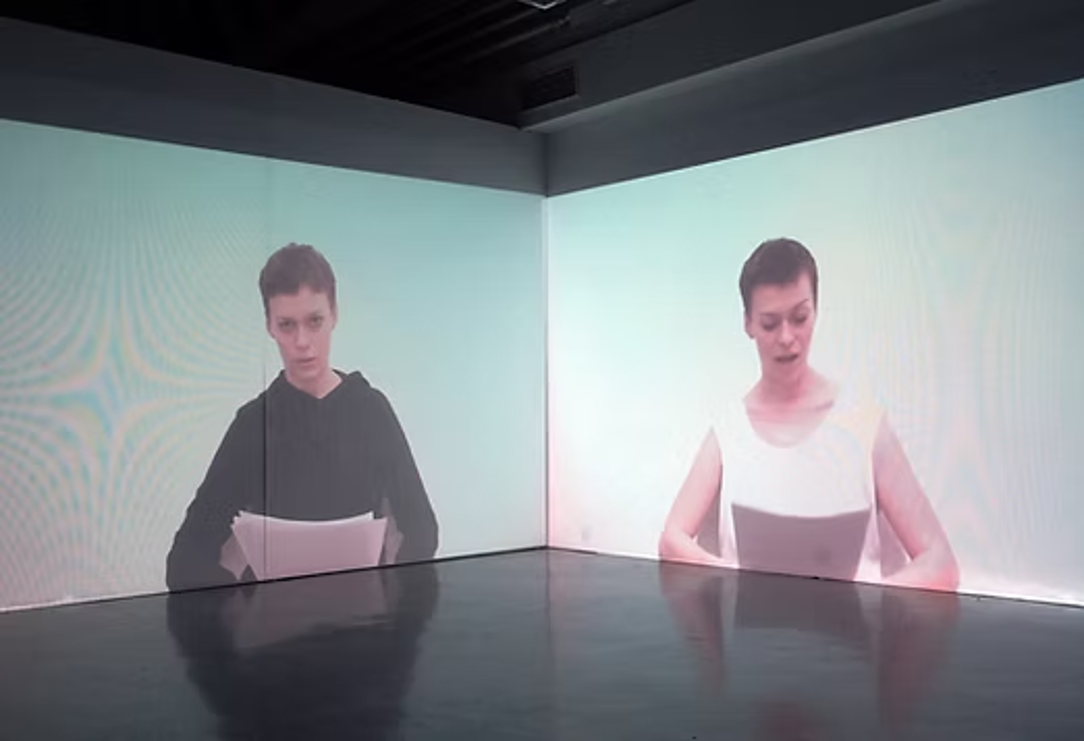
Meanwhile, in Keep Calm and Wait (2017), the command “Wait quietly until your name is called… Wait quietly until your name appears on the list” is repeated, pushing the viewer into the position of the other. Through this work, Chang raises questions about the particularity of a body that can neither accept, reject, nor turn away, and that resists individualization, objectification, and subjectification.
 
The two-channel video installation Nameless Disease (2016) conveys an intensified sense of anxiety and strangeness through a synesthetic approach. In the video, a woman standing on tiptoe hangs from a black cone-shaped fabric, repeatedly spinning in circles for no apparent reason.
 
Engaged in an incomplete and meaningless movement, she performs the most purposeless and unproductive form of labor, revealing a peculiar emotional state that has lost the qualities of the ordinary.


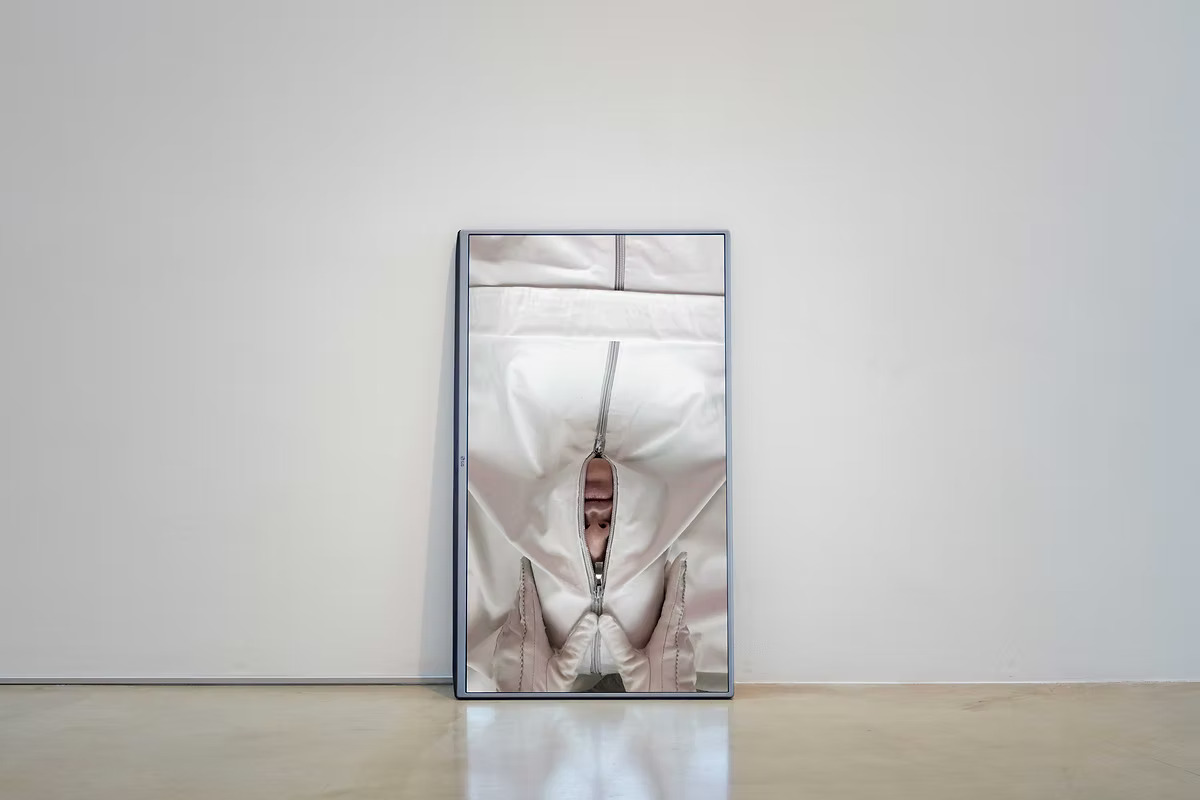
Seo Young Chang, Cream, 2018, Single-channel video, 6min. © ONE AND J. Gallery

Chang has continued to explore the imperfect existence of the subject, while also developing works that evoke the finite conditions of human existence through a range of materials and forms.
 
The finitude of the body and temporality that changes because of it presents repetition and circulation in Chang’s work, at times as a box or socks turned inside out, while other times as a certain space, text or movement of a performer in straitjacket.
 
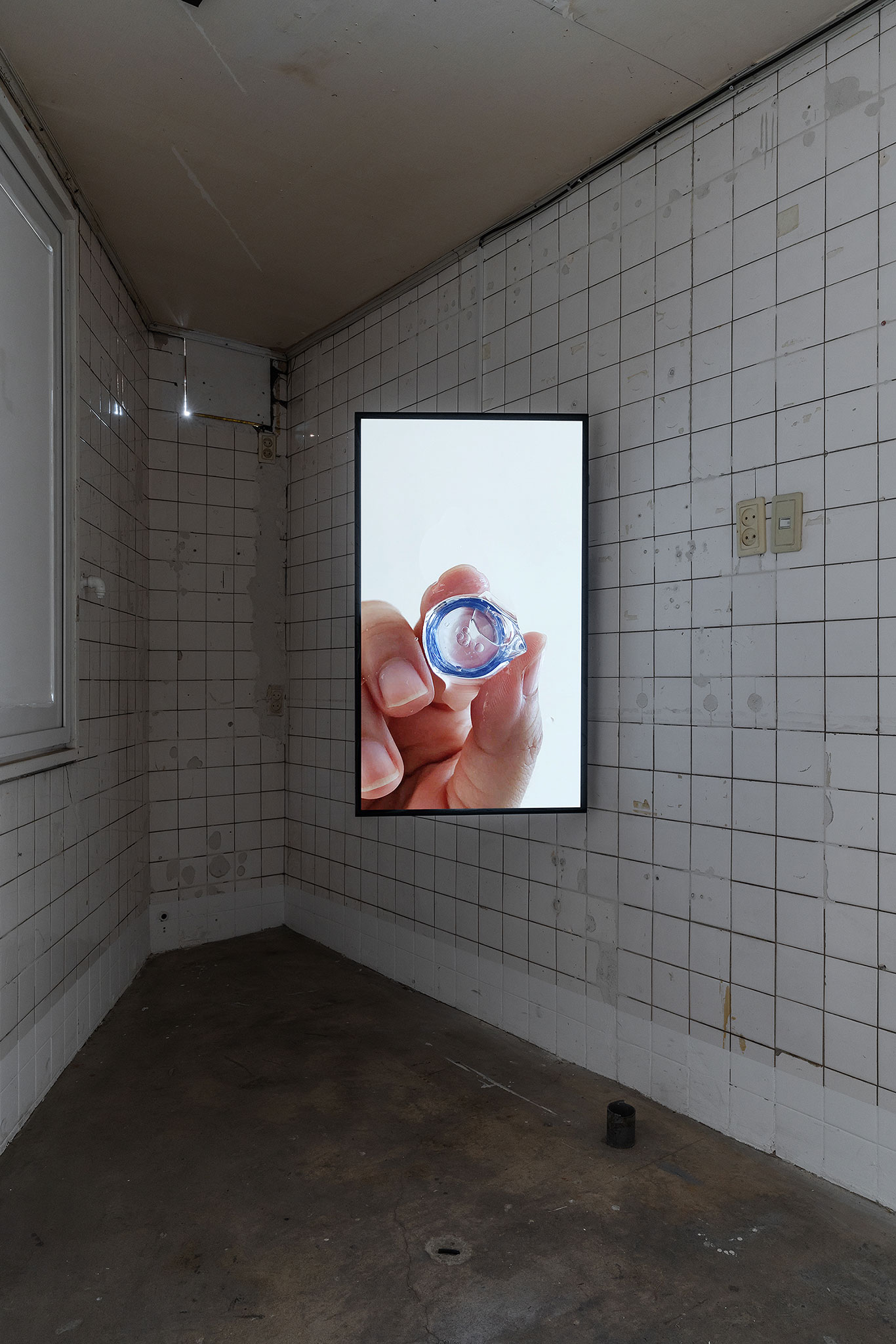
Cream (2018) confronts death with a neutral attitude. In Cream, a person’s nose and mouth are exposed outside of the body-bag that holds a corpse. Two hands are massaging skin/leather, which is unclear whether it belongs to a person who is alive.
 
A person in the body-bag repetitively refers to ten adjectives that are frequently used for anti-aging cream advertisements. Cream refers to two different types of cream—one is an anti-aging facial cream for human skin and the other is a cream for managing leather products. The dual function of the single word cream corresponds to the transition between life and death.


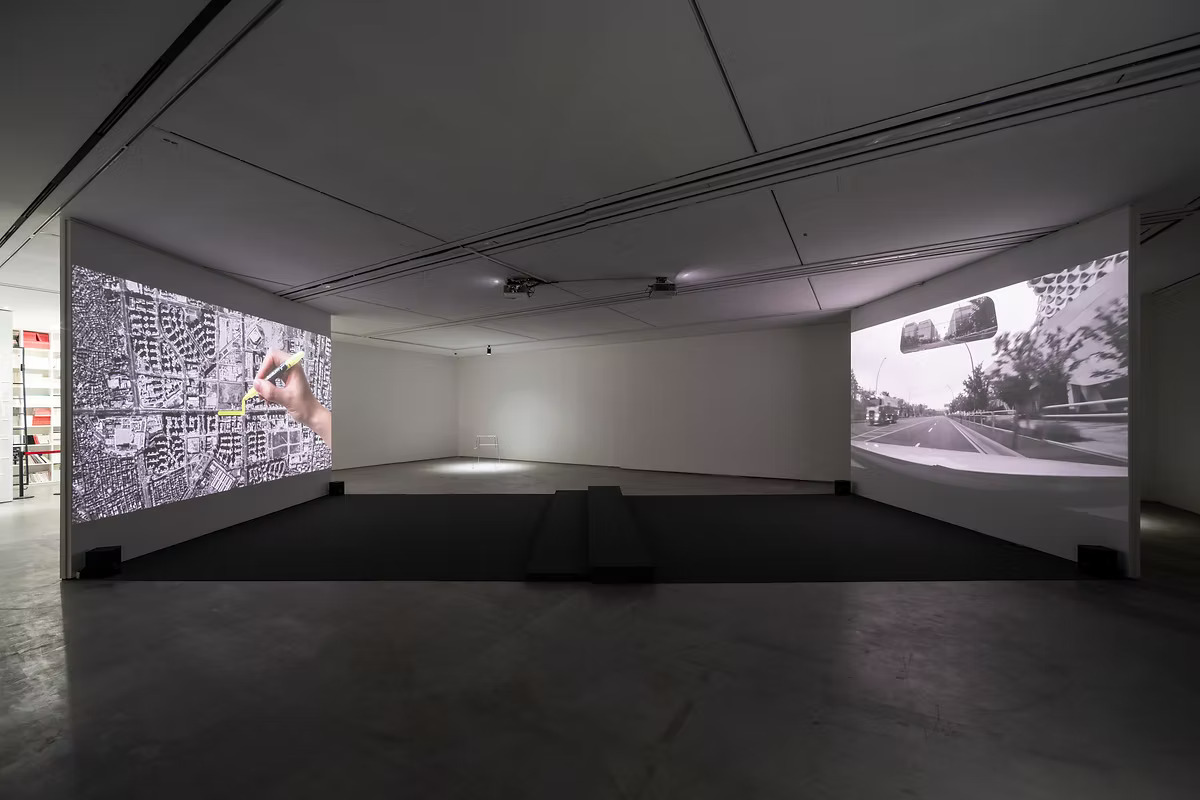
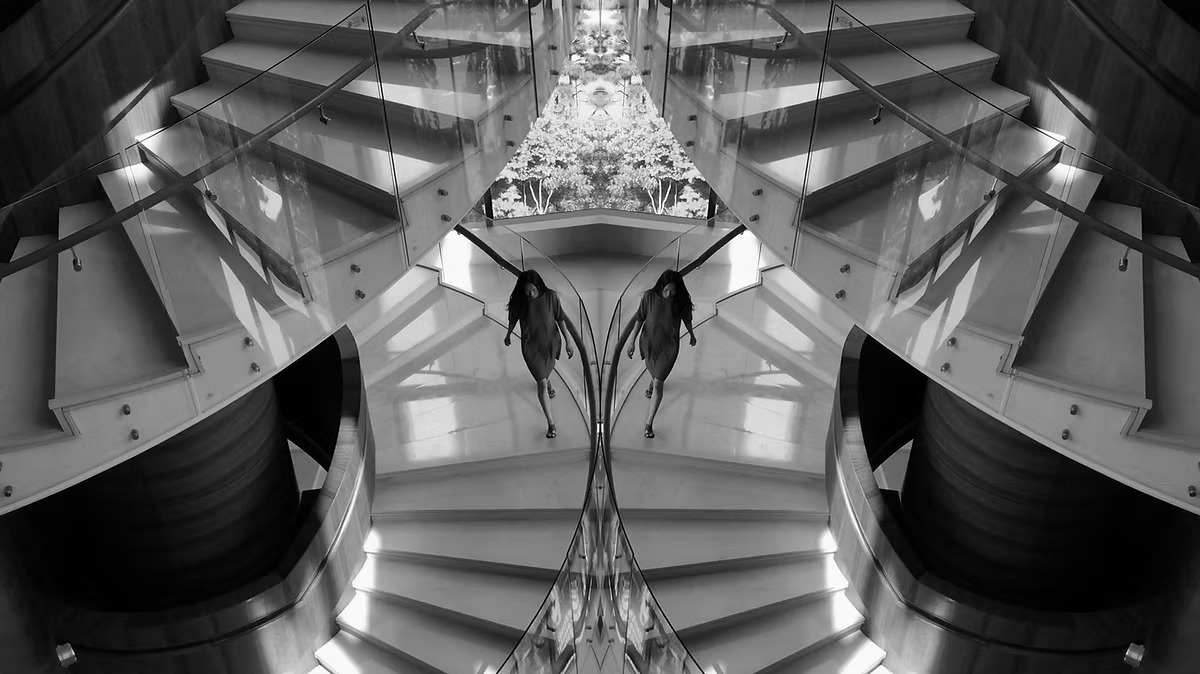
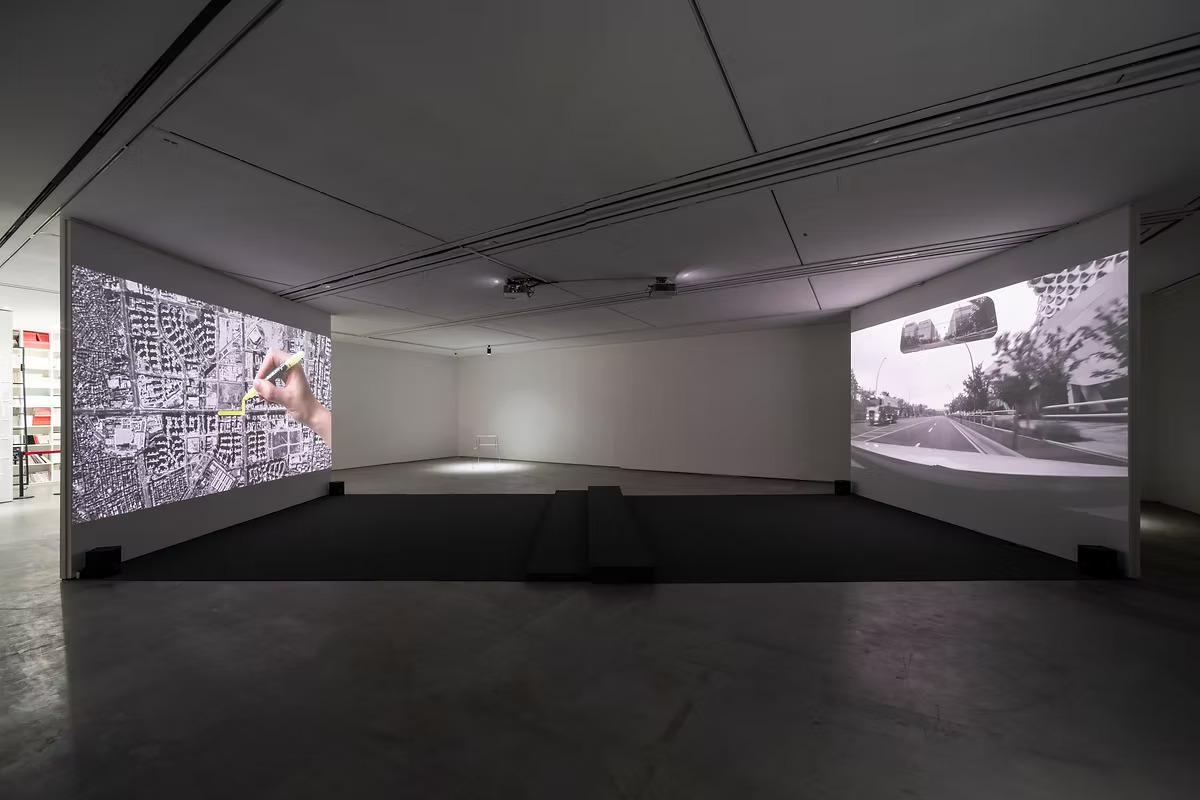
Seo Young Chang, Slipstream, 2019, 2-channel video, 15min 10sec. © DOOSAN Gallery

Meanwhile, Slipstream (2019) gives one the illusion of the human body becoming that of an automobile. The scenery outside the front and back windows of a vehicle, along with unusual commands of navigation, penetrate the time of past, present and future, reflecting on the human life on a finite timeline.
 
There’s always a beginning and an end in time for human. We’re oblivious to our predetermined nature, until things start happening to the body. Chang reminds the viewer of this inevitable sense of finitude through the various methodologies in her work.


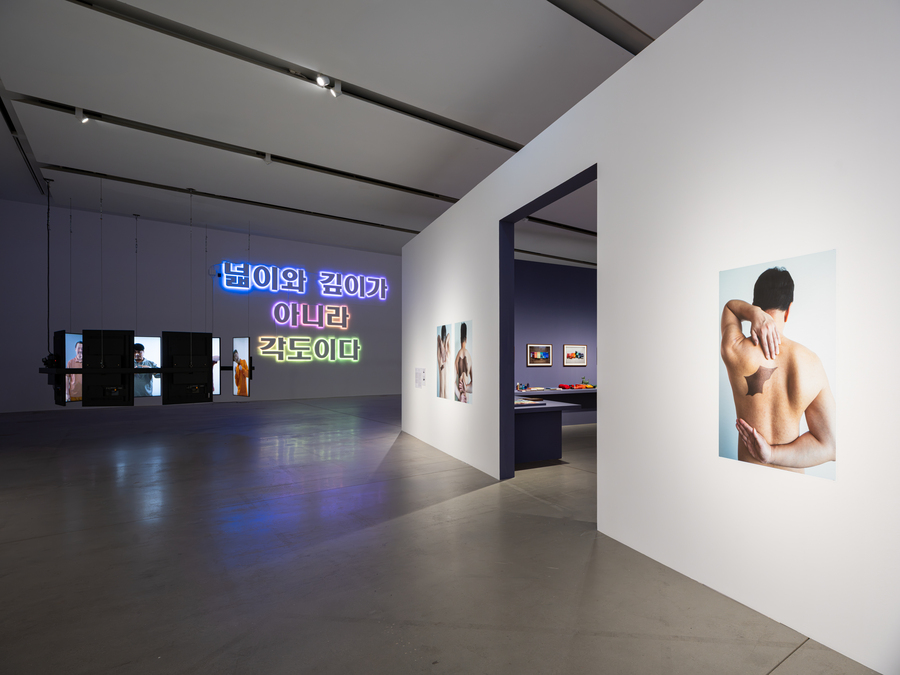
Installation view of 《A Blinding Future》 (Amado Art Space, 2021) © Amado Art Space

Meanwhile, in her 2021 solo exhibition 《A Blinding Future》 at Amado Art Space, Chang presented works that grew out of research into the “sphere,” a form that both symbolizes an ideal future society and serves to preserve it.
 
For 《A Blinding Future》, Chang explored circular images, hemispheres, and spheres found in visionary architecture, the human eye, and children’s drawings of their imagined futures. She translated these forms into interpretive objects and placed them throughout the exhibition space, including balloons, soap bubbles, exercise balls, crystal balls, and lungs associated with breathing.


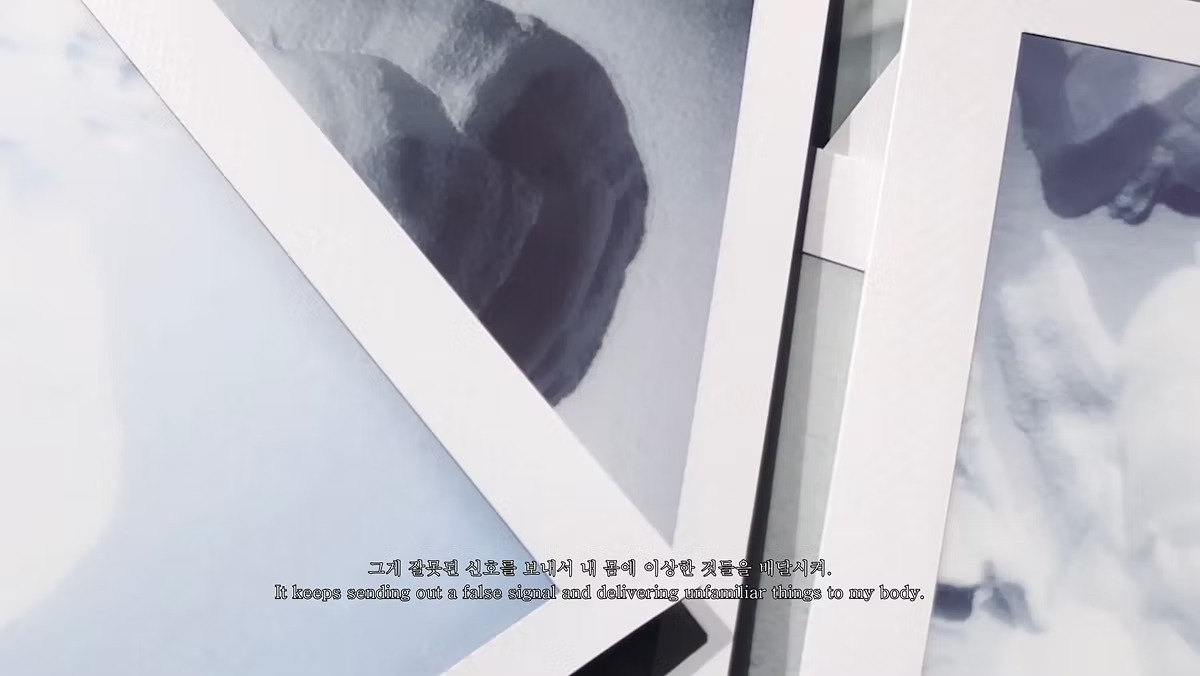
Seo Young Chang, Cataracts, 2021, Single-channel video, 6min 17sec. Installation view of 《A Blinding Future》 (Amado Art Space, 2021) © Amado Art Space

In the video Merry-Go-Round (2021), the act of repeatedly returning to the point of origin continues in a cyclical motion. In AIR (2021), the repetitive movements of the body and a voice that produces subtle dissonances indirectly and directly evoke the aging of the body, which converges toward death with every passing moment, and the inevitable aging of the future society that accompanies it.
 
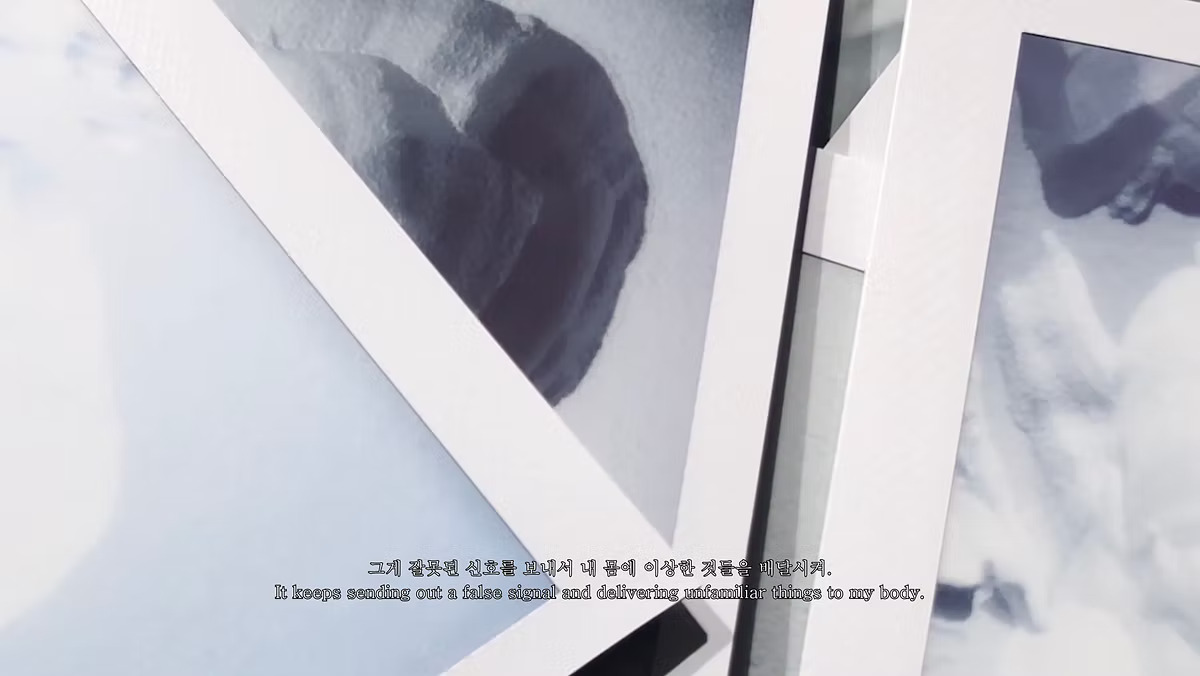
This is further supported by the screens that gradually lose their clarity as though the proteins in the lens deteriorate and degenerate over time, as seen in Lens Tower (2019) and Cataract (2021), as well as in the text work Sphere, Dome, Pipe (2021).
 
Through this sequence of video and text works, Chang articulates the gap between the futures we once imagined and the sensations of the present as experienced through the body.


Installation view of 《Fix Or Repair Daily》 (Wumin Art Center, 2025) © Seo Young Chang

In this way, Chang has approached the body as both a material and temporal form, exploring the reconfiguration of the spatiotemporal conditions perceived by a body transformed through processes of deterioration.
 
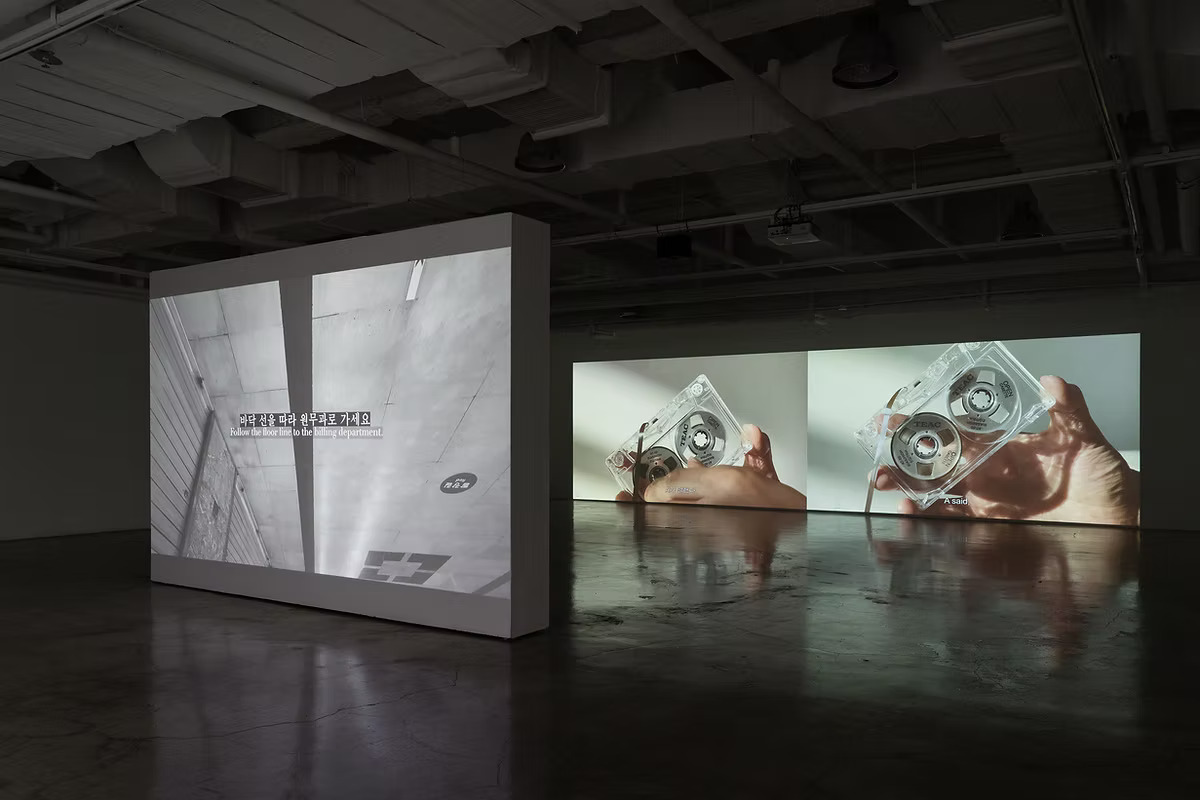
In her 2025 solo exhibition 《Fix Or Repair Daily》 at Wumin Art Center, Chang revealed how a body that is constantly renewed and worn down within an accelerating experience of time collides and synchronizes with its technological environment.
 
Beginning with the question, “Can you get lost even on a single path?” the exhibition focuses on the human experience of sometimes encountering a labyrinth even within clearly designed routes and procedures, such as those found in health screening centers, large hospitals, kiosks, moving walkways, and highway Hi-Pass lanes.
 
Through the condition of the body, which requires continual repair, replacement, and adjustment on a daily basis, Chang explores how we sense the “self” as a material existence even within a society where technological interfaces are becoming increasingly seamless.
 
By translating the friction between technological operating principles and the body, as well as the interfaces that operate between them, into a visual language, she prompts us to reconsider the relationships between the body, technology, and time.


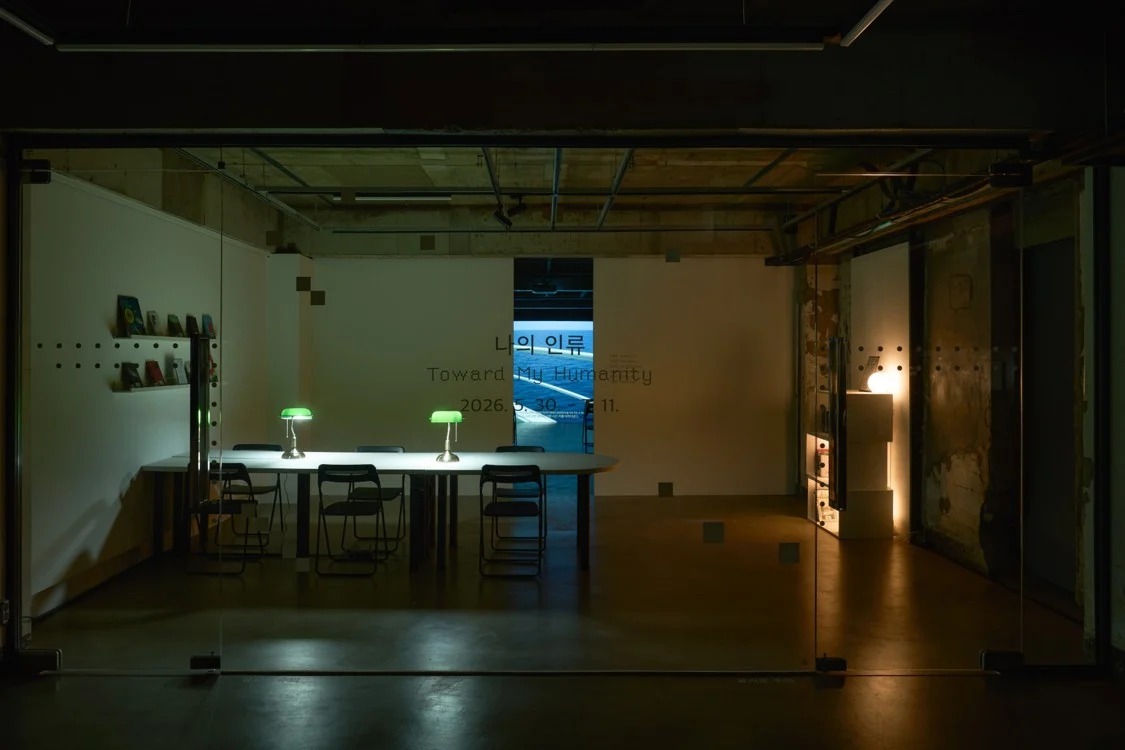
Installation view of 《Inhwan Oh vs. Seo Young Chang: Human Error》 (Buk-Seoul Museum of Art, 2026) © Seoul Museum of Art

Meanwhile, in the 2026 Title Match 《Inhwan Oh vs. Seo Young Chang: Human Error》 at Buk-Seoul Museum of Art, Chang focuses on the human being as an imperfect entity that experiences unexpected errors arising within the body, under the theme “Silicon Vanitas.”
 
“Silicon Vanitas” combines silicon, a key material in semiconductors, with vanitas, an artistic form that reflects on the transience of life. By contrasting a technological civilization that pursues perfection with the human body that ages, becomes ill, and dies, Chang revisits the conditions of human existence.
 
Chang takes as motifs bodily events beyond human control, ranging from the minor experiences of everyday life, such as the evaporation of memory and the exhaustion of physical strength, to serious conditions such as malignant neoplasms and genetic disorders.
 
A’s Thread (2025) explores the temporality shared by technology and the body by connecting the continual migration of data, driven by the development and obsolescence of recording media, with the generation and disappearance of cells, as well as forgetting.
 
Her new work Pollux’s Mirror (2026) reflects on AI and malignant neoplasms as twin-like entities that grow by consuming humans as their nourishment, as well as on human suffering that cannot be transmitted to nonhuman beings.


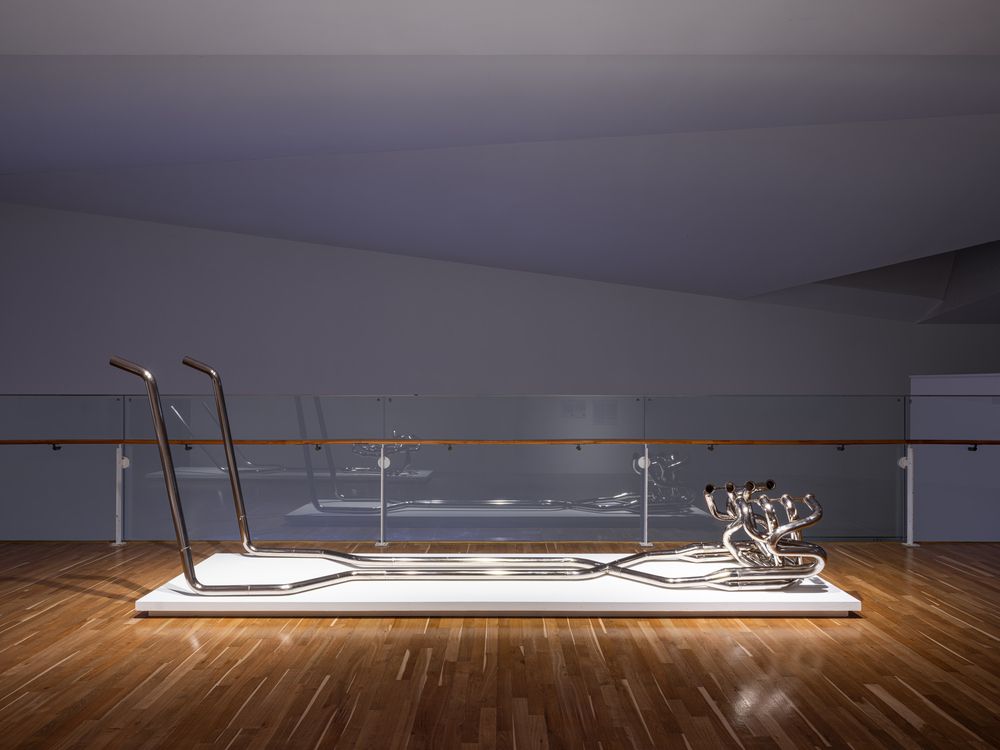
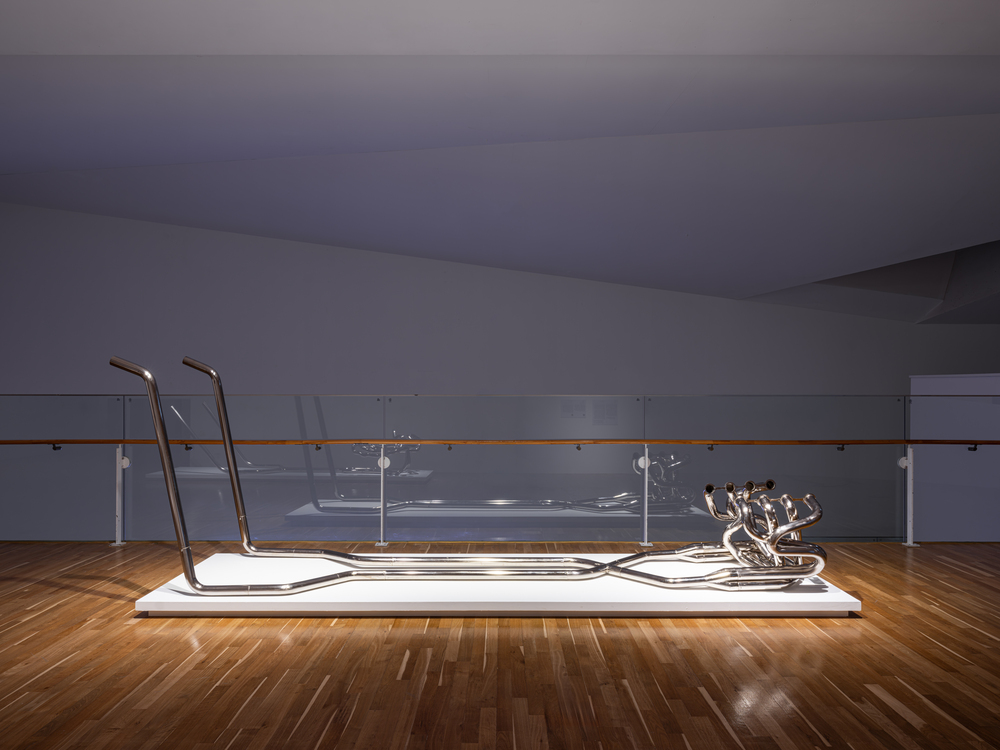
Seo Young Chang, Exhausted, 2026, Chrome plated steel, 118×106×400cm © Seoul Museum of Art

Meanwhile, Chang’s sculptural installations materially embody the concepts explored in her exhibitions and video works while occupying the physical space of the exhibition venue. By combining video, a time-based moving image, with sculpture, a spatial and static image, she enables viewers to experience her works not only visually but also through tactile and bodily engagement.
 
Exhausted (2026) uses the double meaning of the English word to take the form of an exhaust system from a worn-out internal combustion engine, condensing the concepts of exhaustion and circulation that run throughout the exhibition.
 
Pipe ver. 2 (2026) takes the physiological processes of circulation within the human body and renders them as an excessively elongated pipe, metaphorically evoking the human figure rendered passive within a system.


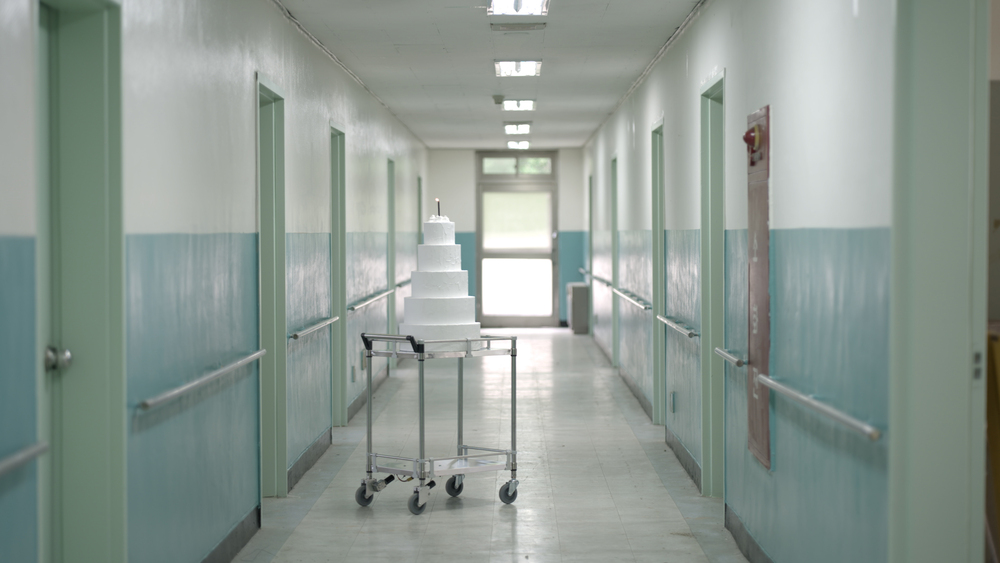
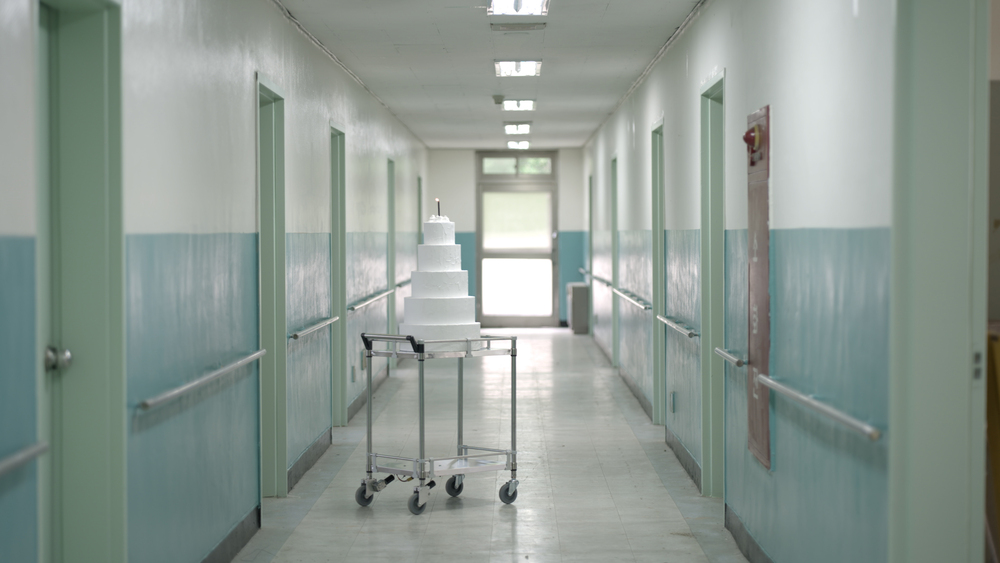
Seo Young Chang, This Memory, 2026, Single-channel video, color, stereo sound, 41min 36sec. © Seoul Museum of Art

Autonomous driving, platform algorithms, and AI technologies have been developed for human convenience, yet as automation deepens, physical contact between humans and the world gradually weakens.
 
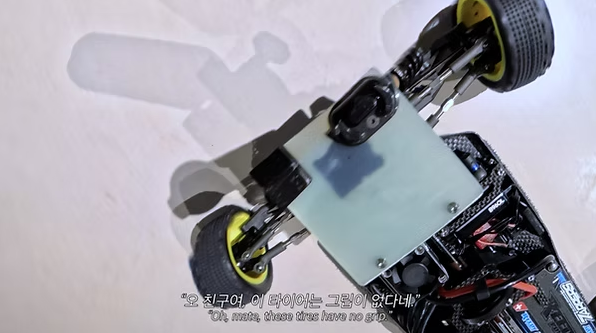
All No Grip (2025), which critically addresses a smooth world from which human judgment—or “grip”—has been removed, and Smooth Muscle (2025), its sculptural interpretation, portray contemporary individuals who can only slip away from the tracks of the technological systems they have built.
 
Chang also imagines a future in which the human body has disappeared. Hello, See You in the Cloud (2026) conveys a message transmitted as the body moves from the material world into the virtual realm of cloud servers, while This Memory (2026) allegorically depicts a world without humans through a cake wandering in search of an entity capable of blowing out its candles after humanity has disappeared.
 
These works exist independently while also forming an organic network through recurring motifs and concepts. Moving through the labyrinthine exhibition space, reminiscent of a circuit or conveyor belt, viewers follow a map of the world Chang has constructed, connecting scattered clues along the way.


Seo Young Chang, Pollux's Mirror, 2026, 2-channel video, color, 2.1 channel sound, 16min 41sec. © Seoul Museum of Art

In this way, Chang has focused on the relationship between the body and time within an era of accelerating technocapitalism. In particular, she sheds light on human beings with fragile and vulnerable bodies that inevitably fall short of the perfection demanded by society, exposing the gaps within a society that continually strives toward an ever more “perfect” life. Through this, she invites us to reconsider the conditions of human existence.

“I find it fascinating that we exist through the form of the body, and that this form is both material and temporal. It is fascinating that the body remains valid only for a certain period before expiring, that it deteriorates over time, and that the spatiotemporal conditions perceived by this altered body are strangely reorganized and fed back into the body. Mapping the terrain of the relationship between time and the body has become the central concern of my practice.” (Seo Young Chang, Artist Note)


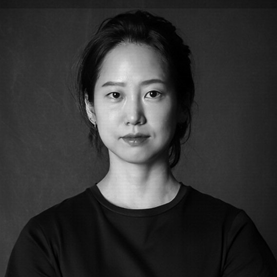
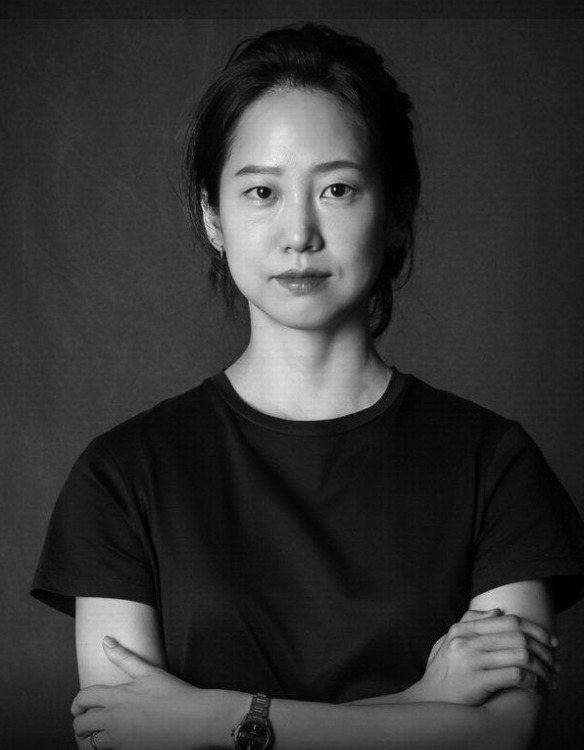
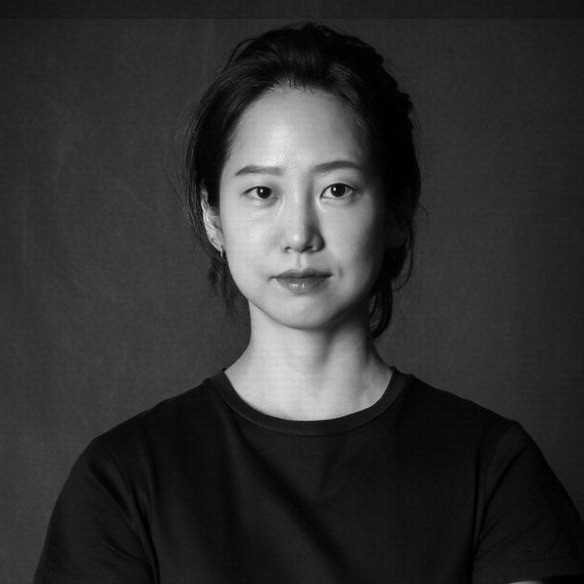
Artist Seo Young Chang © Seoul Museum of Art

Seo Young Chang received her B.F.A. and M.F.A. in Sculpture from Ewha Women’s University and M.A. in Art in Context from Berlin University of the Arts. Her recent solo exhibitions include 《All No Grip》 (SPACE ÆFTER, Seoul, 2025), 《Fix Or Repair Daily》 (Wumin Art Center, Cheongju, 2025), 《Skid》 (Sindoh Art Space, Seoul, 2022), and 《A Blinding Future》 (Amado Art Space, Seoul, 2021).
 
Chang has also participated in numerous group exhibitions, including 2026 Title Match 《Inhwan Oh vs. Seo Young Chang: Human Error》 (Buk-Seoul Museum of Art, Seoul, 2026), 《Big Brother Blockchain》 (Nam June Paik Art Center, Yongin, 2024), 《Windows Reconstruction》 (Amado Art Space, Seoul, 2023), 《Anticipation of a Contingency》 (d/p, Seoul, 2022), 《SF 2021: A Fantasy Odyssey》 (Buk-Seoul Museum of Art, Seoul, 2021), and 《Young Korean Artists 2019: Liquid Glass Sea》 (MMCA, Gwacheon, 2019).
 
In 2024, Chang received the 23rd Wumin Art Award. Her works are held in the collections of various institutions, including the National Museum of Modern and Contemporary Art, Korea; Busan Museum of Art; Busan Museum of Contemporary Art; Seoul Museum of Art; and DOOSAN Yonkang Foundation.

References