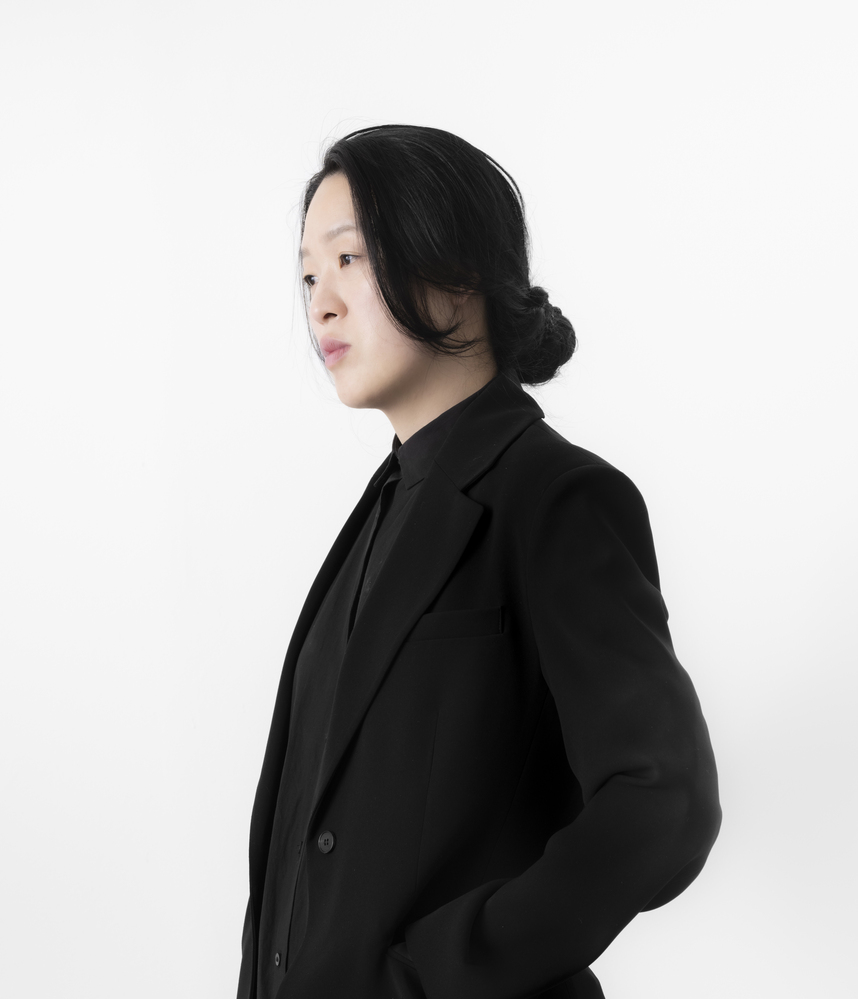
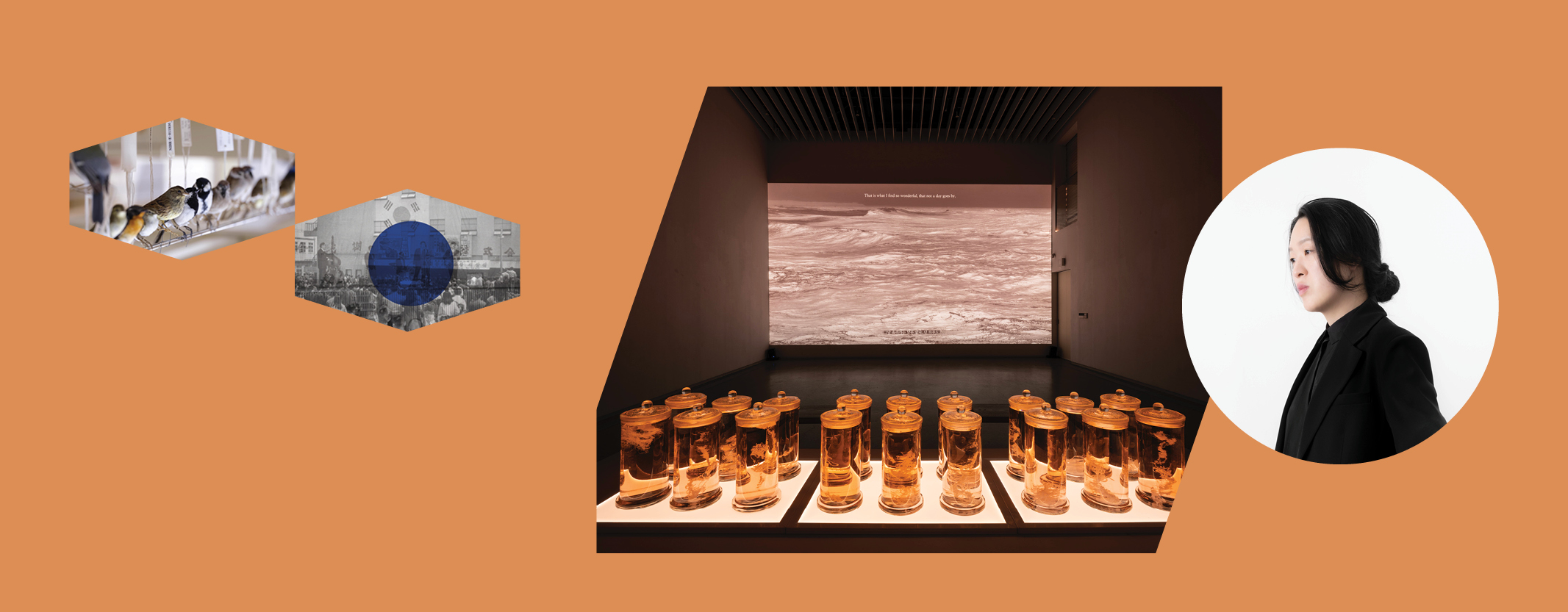
Ifie Sin’s
practice observes the tensions and relationships that exist between
individuals, and between individuals and groups, within society. Her early work
Red Ribbon(2008) revealed the tension of living in a divided
country—a condition that is difficult to perceive directly—through the
restricted movements of two performers, while Cabbage(2008)
addressed migration and racial prejudice through an everyday food ingredient.
In Talk(2011), Flag(2011), and Breath
of Relationship(2014), she focused on elements such as conversation,
distance, and breathing that connect people to one another, examining conflict,
alienation, and tension within relationships.
During this period, society in
Sin’s work appeared less as a vast abstract structure than as a field in which
individual subjects continually observe and respond to one another, exchanging
tension. Rather than presenting answers or solutions, she consistently examines
how an individual is defined, pushed aside, and brought back into relation
within a group.
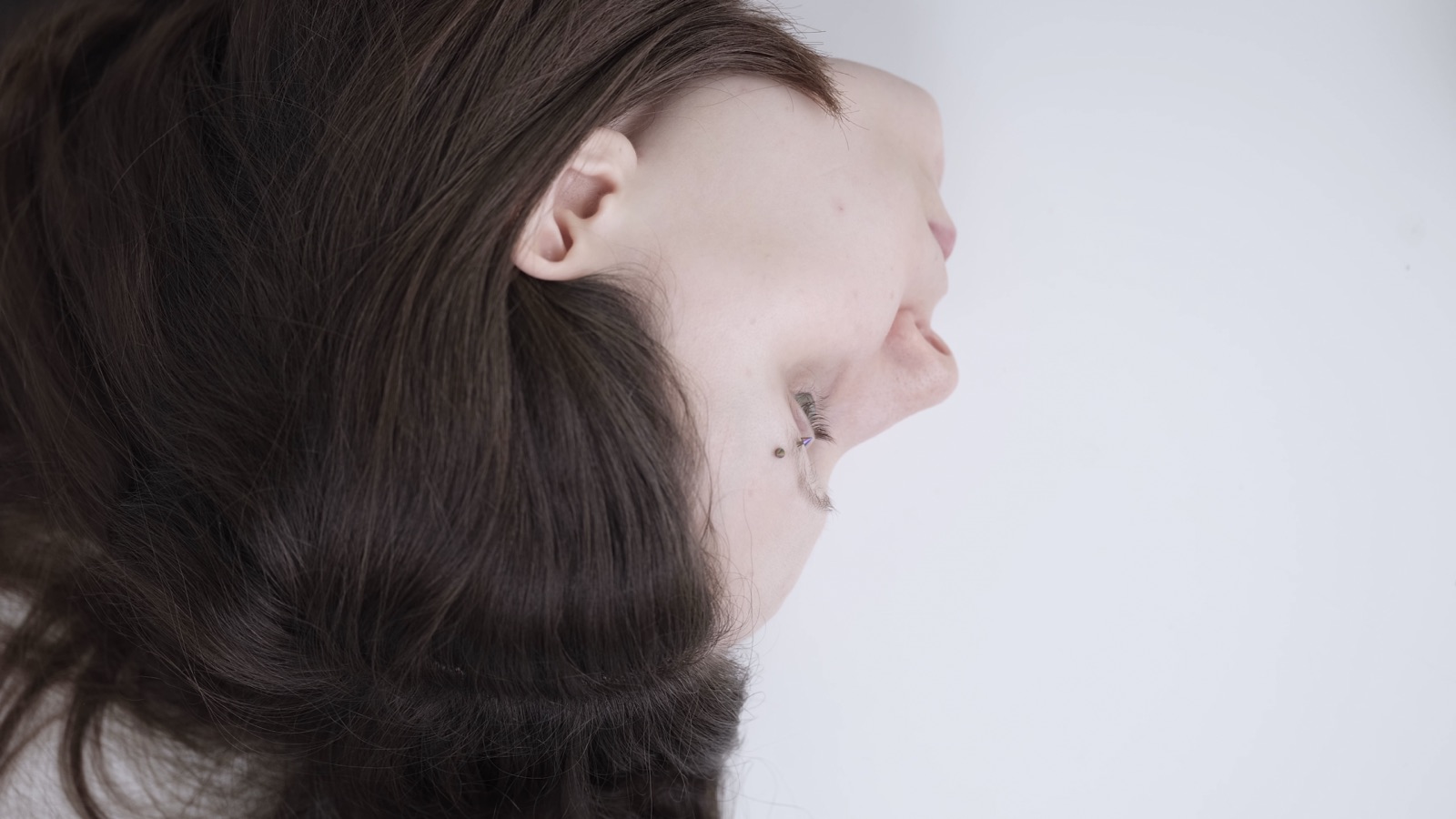
This
interest gradually shifted toward a microscopic observation of the body,
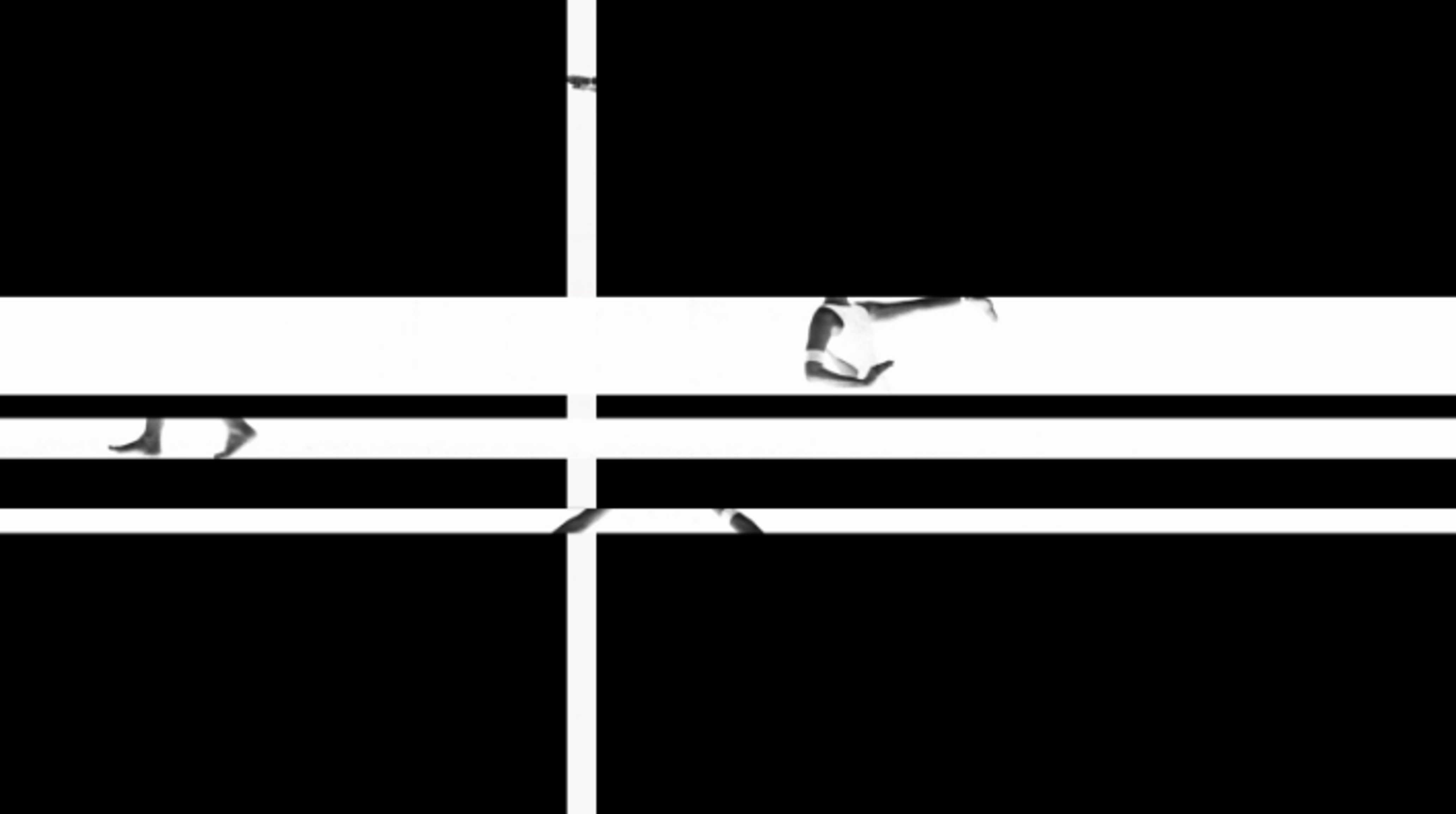
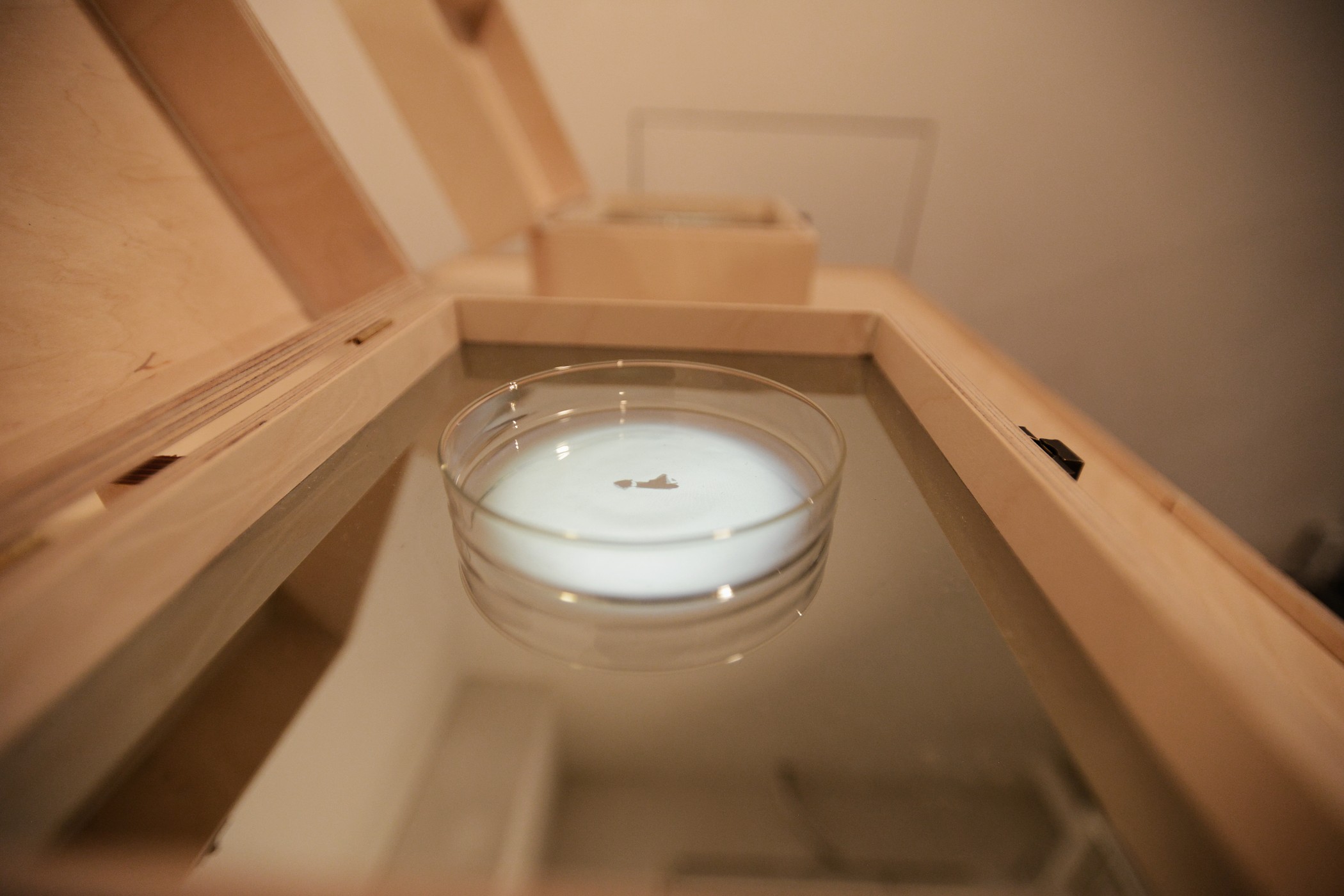
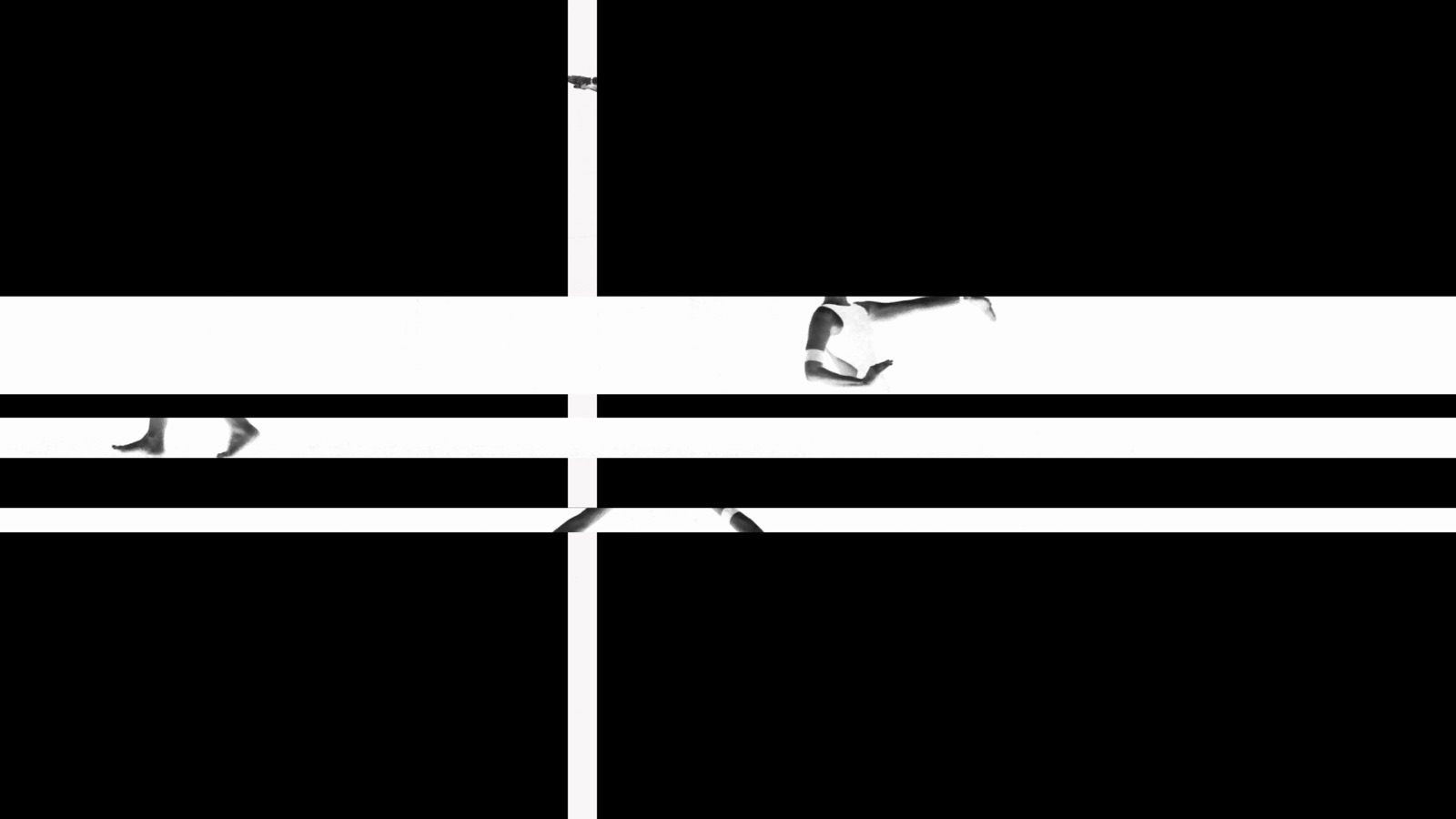
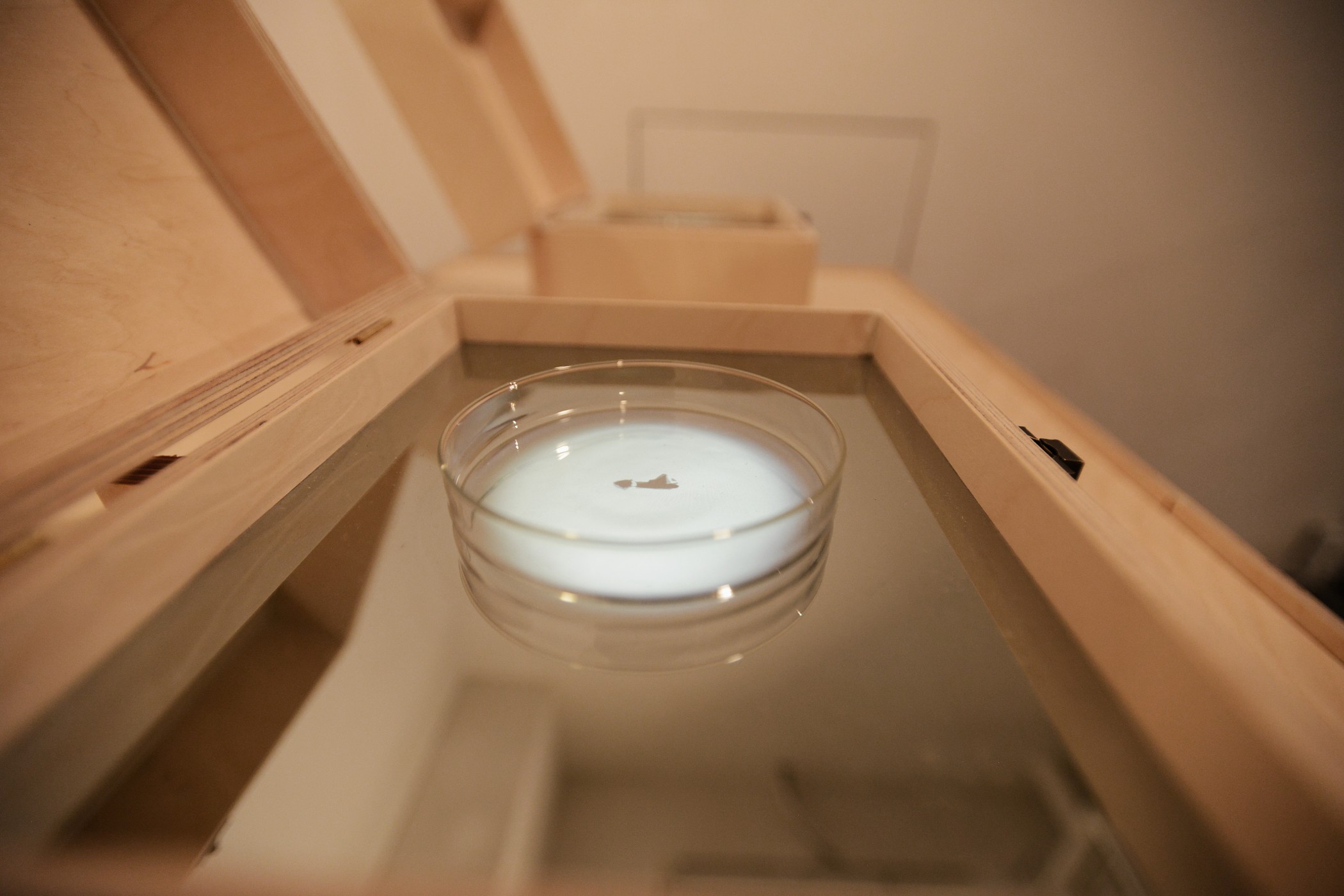
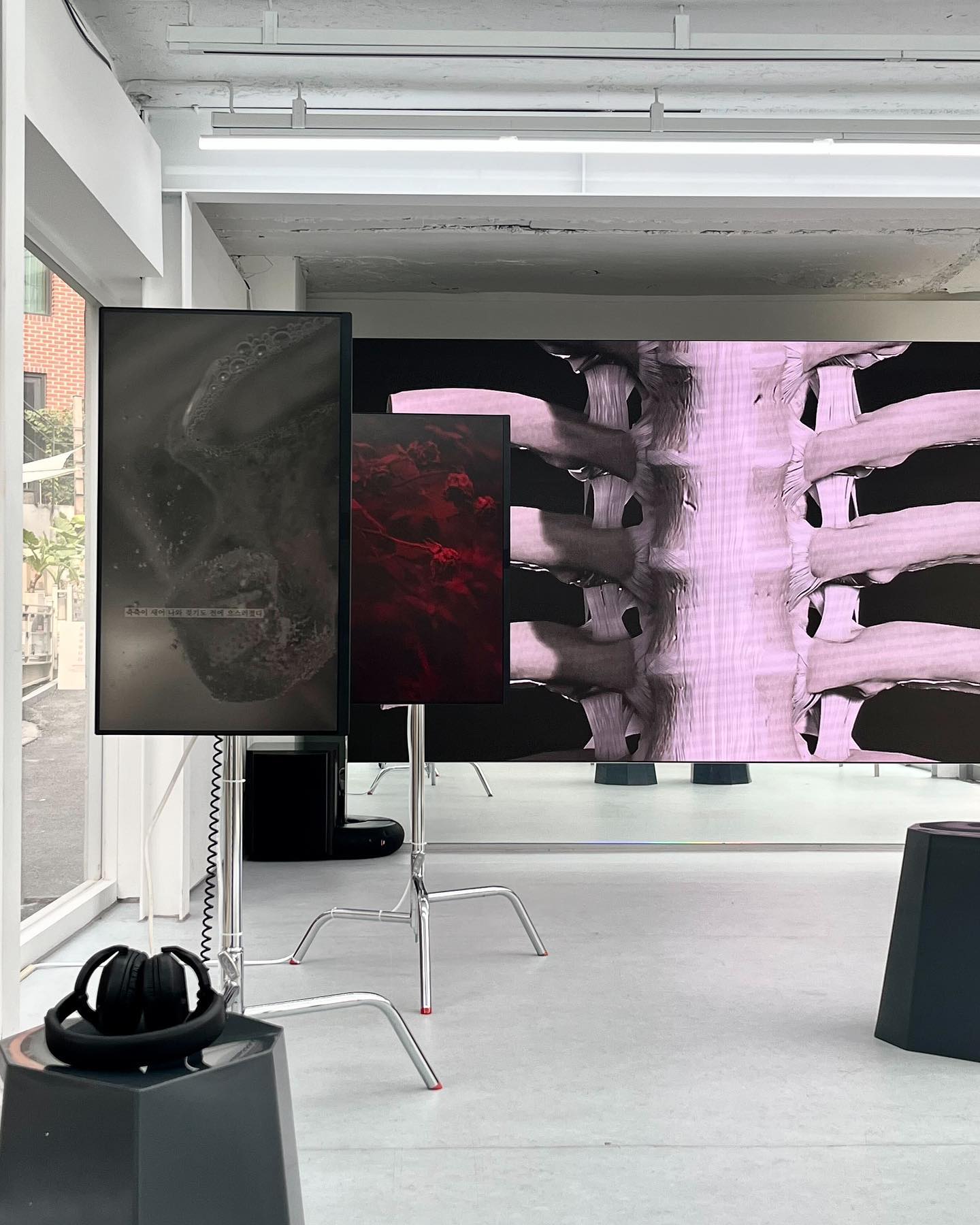
emotion, and life. In Cell Culture Dish(2014) and
XY-SA 0900(2015), the movements of dancers are treated like
cells or experimental subjects, turning the human body situated within social
rules and relationships into an object of observation.
The Hidden
Dimension(2017) expresses through movement the conflict and confusion
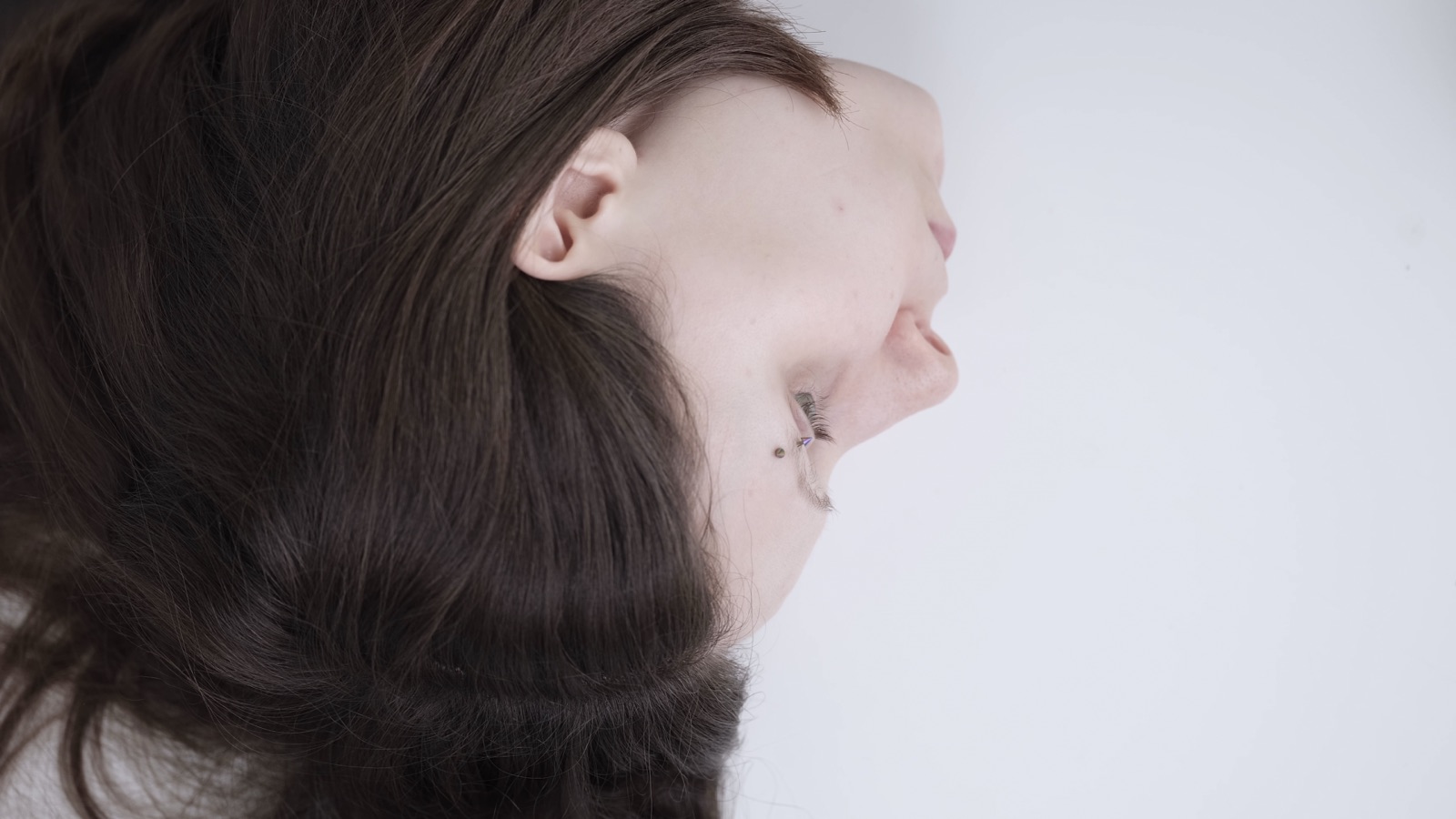
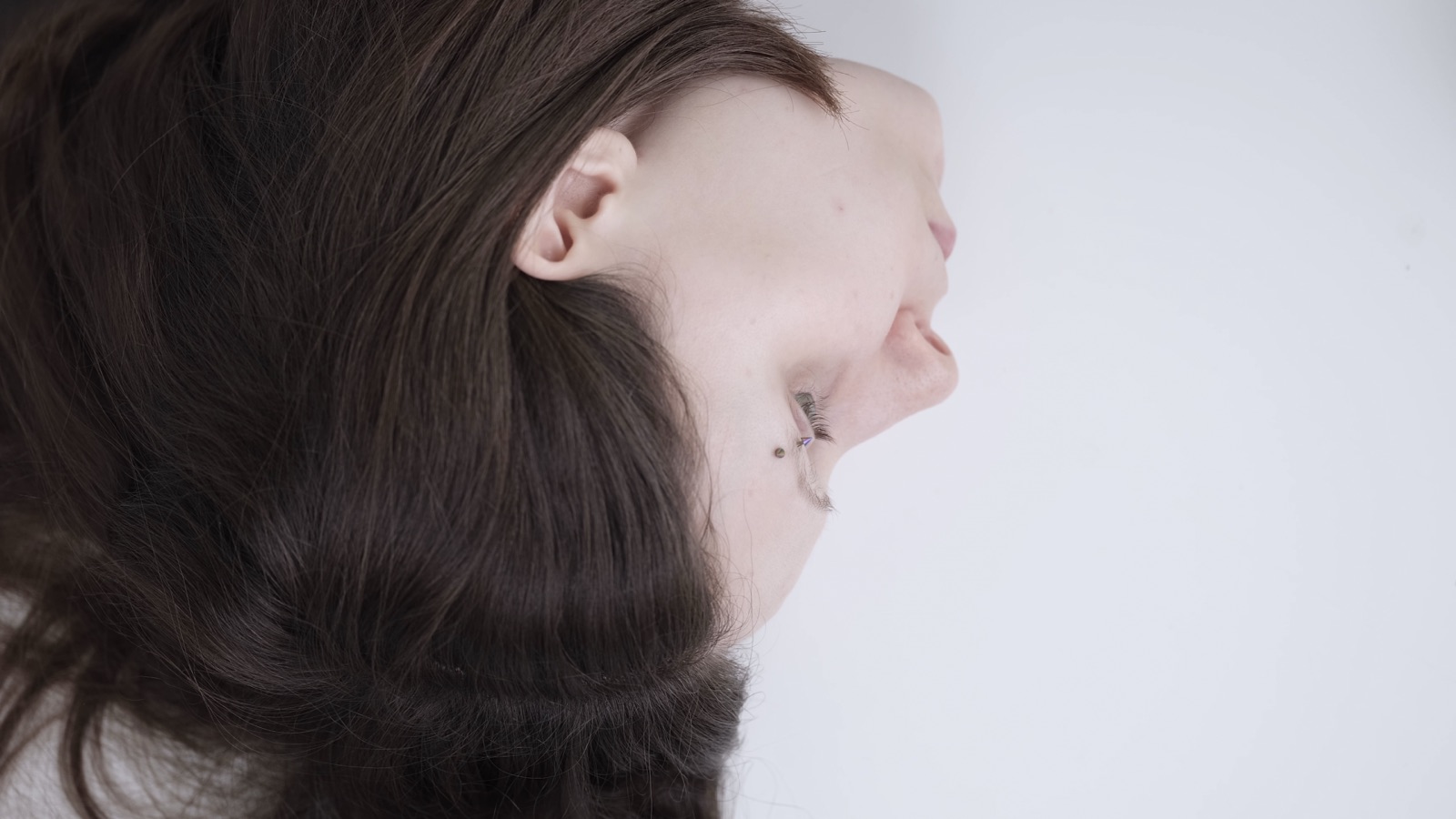
experienced by individual bodies within densely populated cities, while 《A Sleep in Whiteness》(SONGEUN Art Cube,
Seoul, 2018) connects isolation, depression, and death to the condition of the
individual within urban civilization.
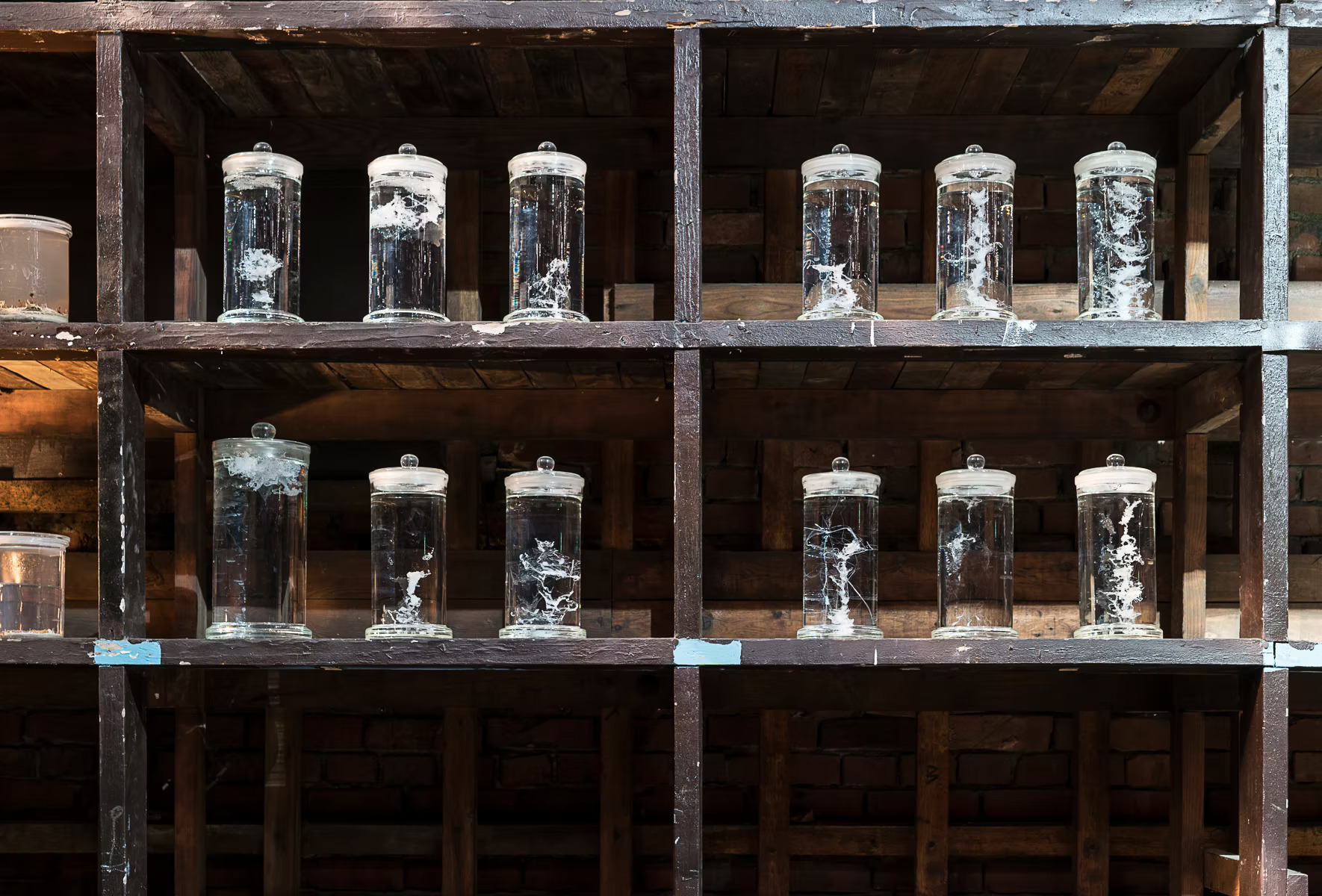
Here, the “laboratory” becomes not simply
a visual device but an attitude through which the artist looks at the world: a
method of examining a person who has been absorbed into a group or statistic as
an individual once again, and magnifying the emotions and anxieties that emerge
within that individual.
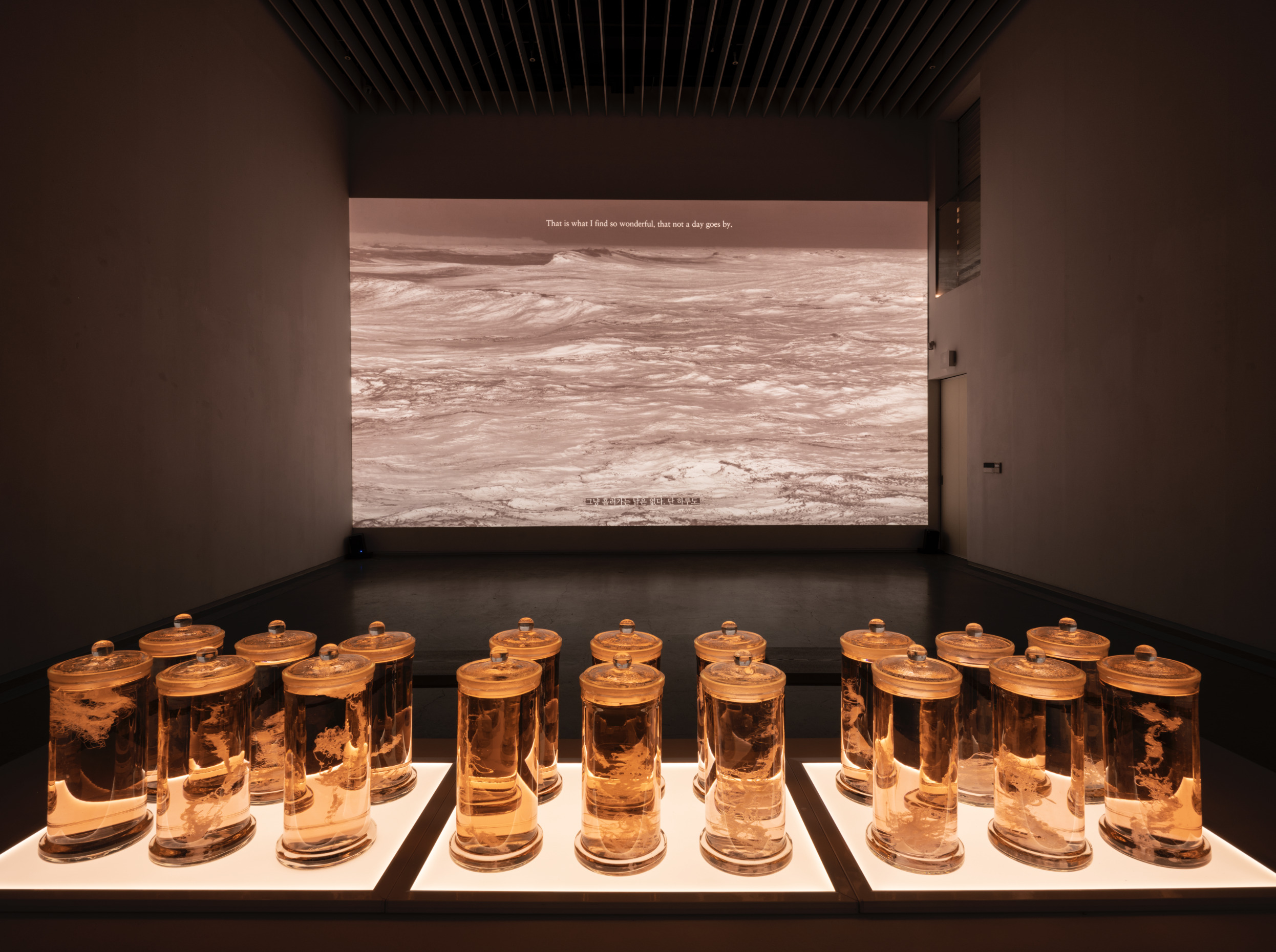
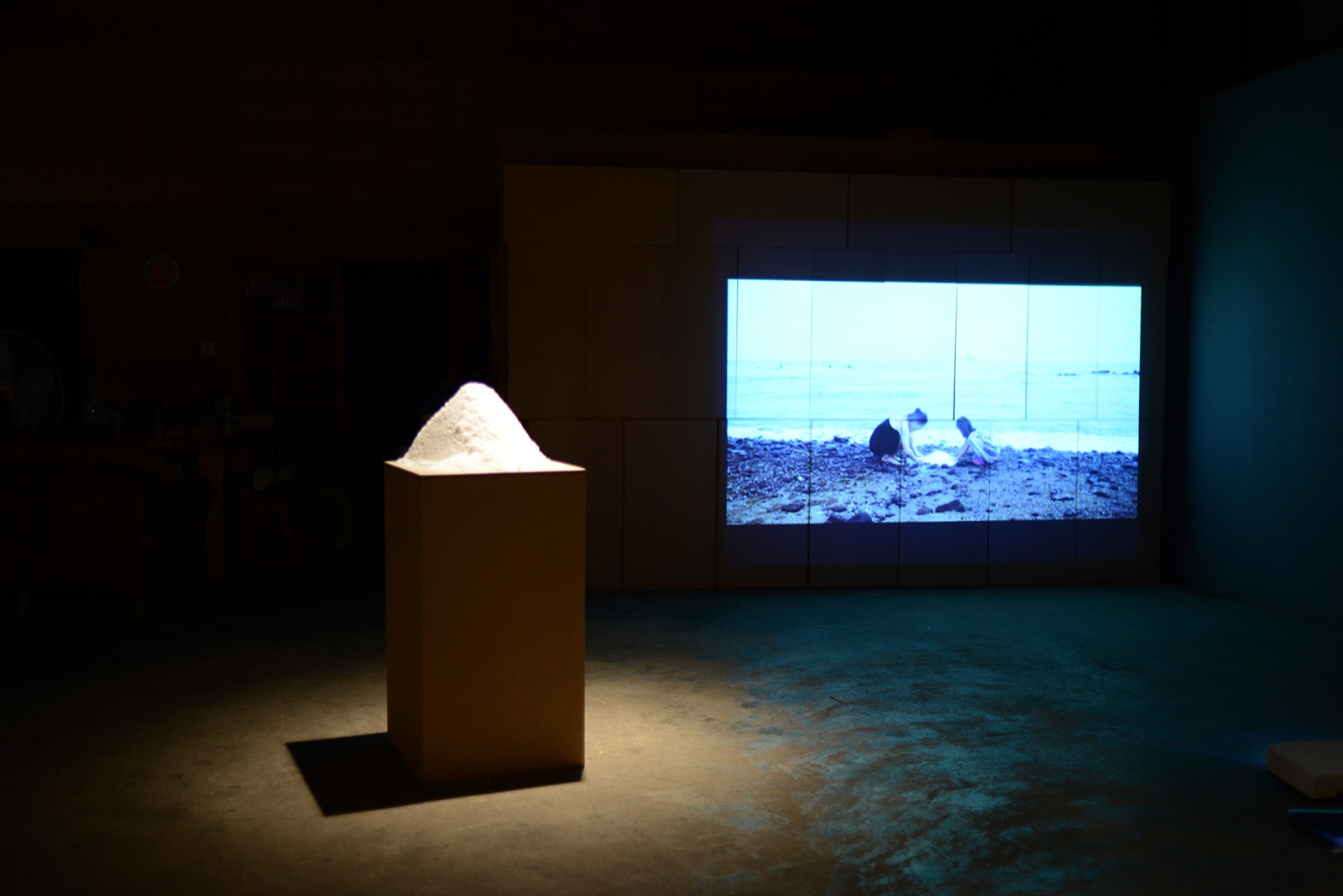
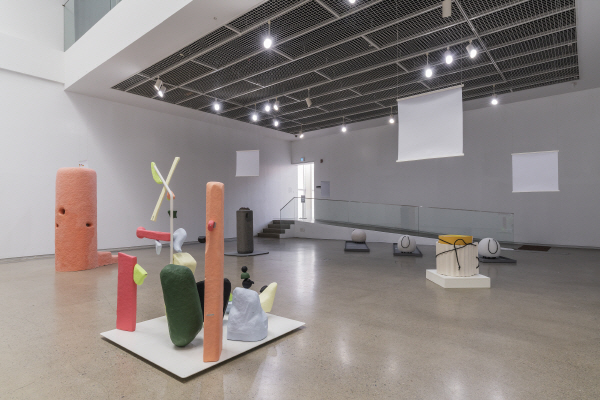
Around 《Emotion of Leg》(SeMA Storage, Seoul, 2019),
this microscopic mode of observation expanded beyond human relationships toward
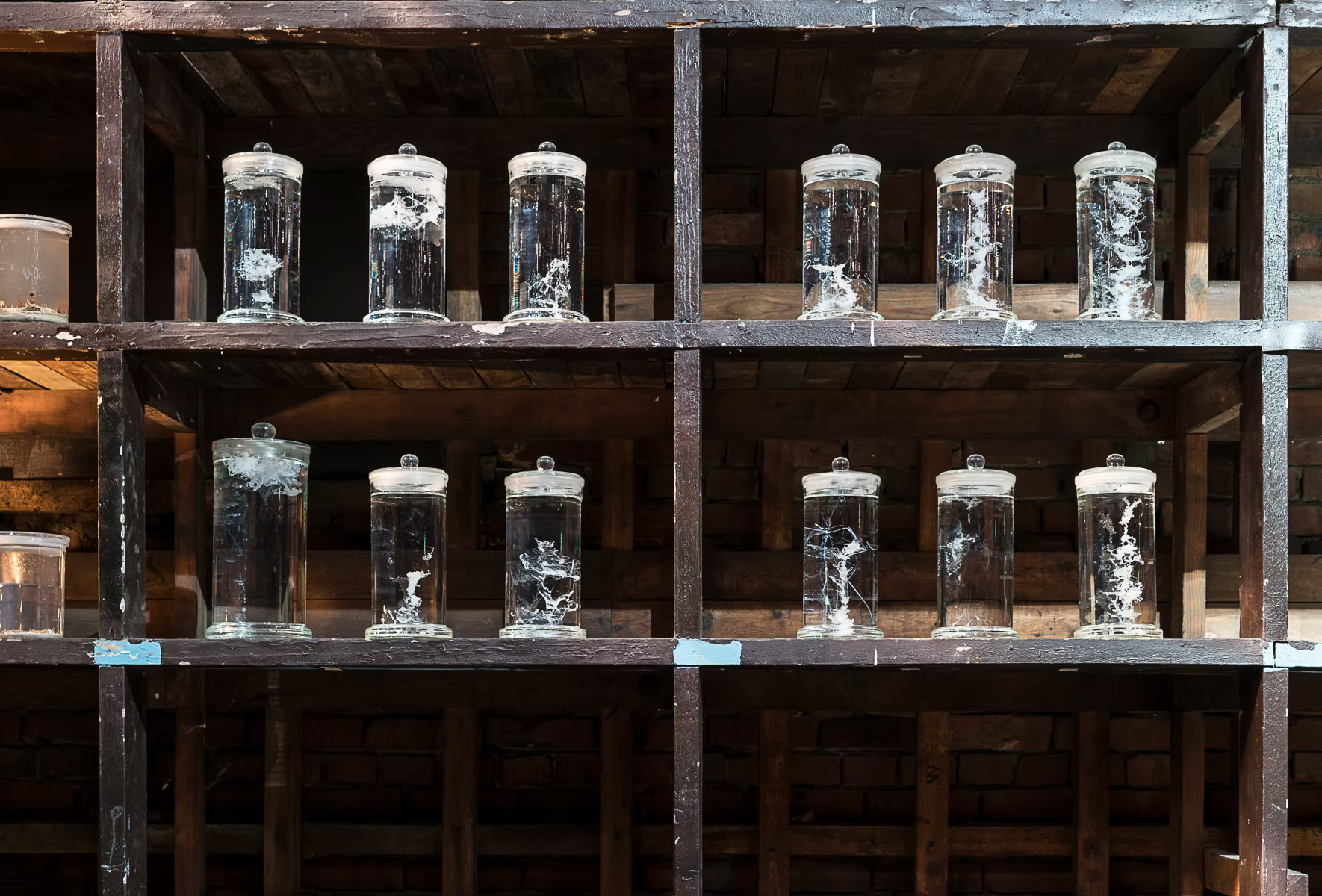
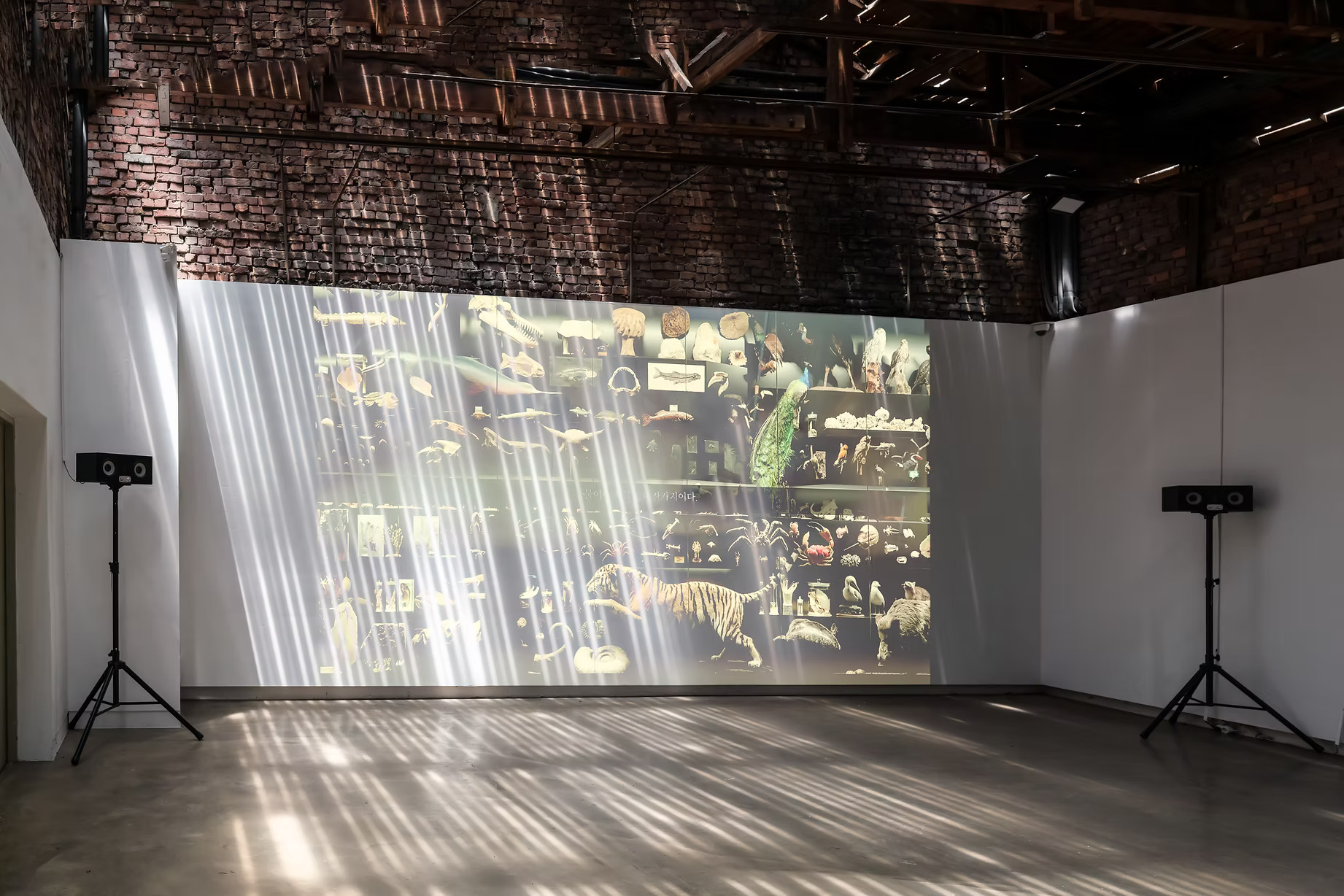
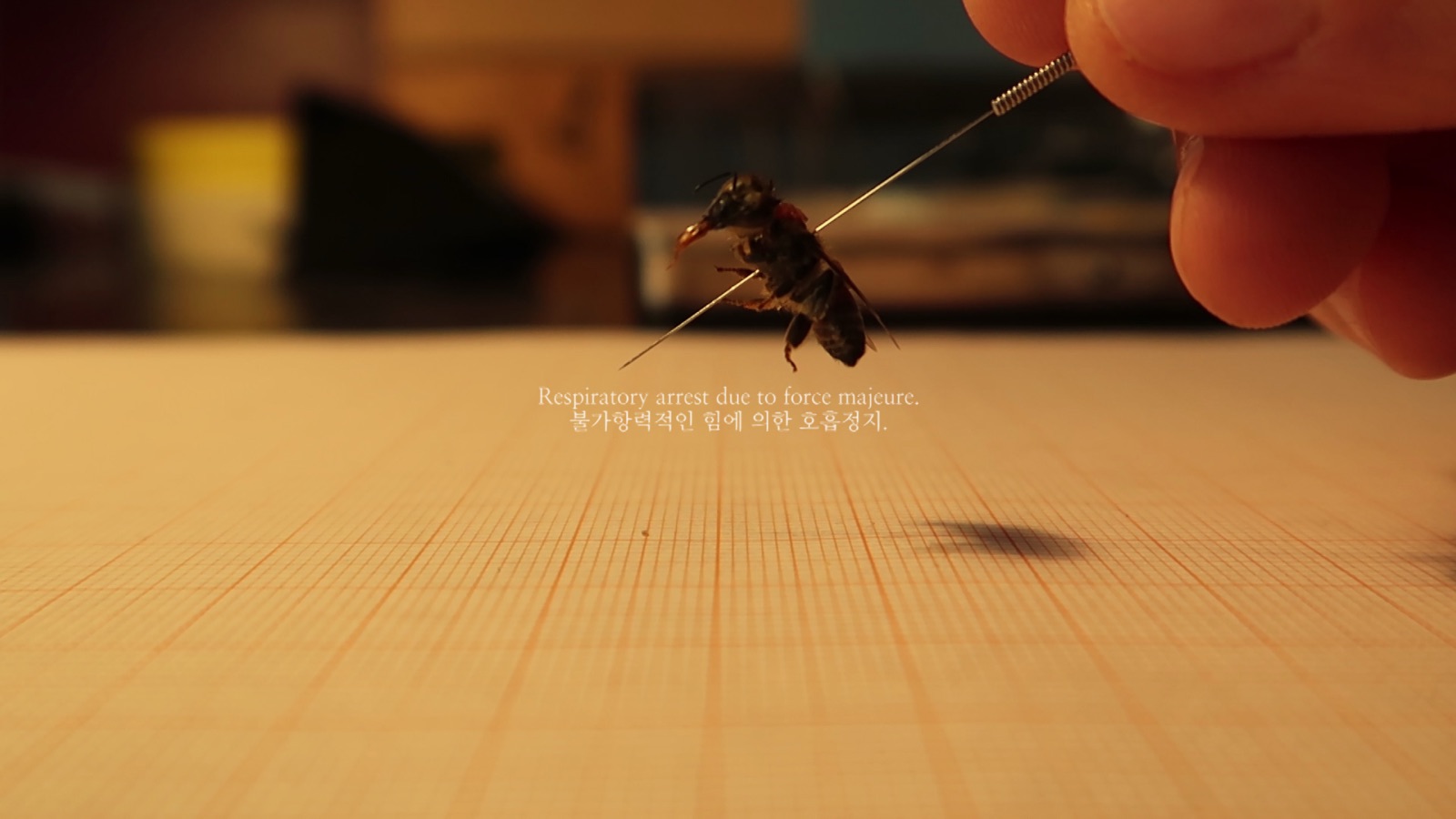
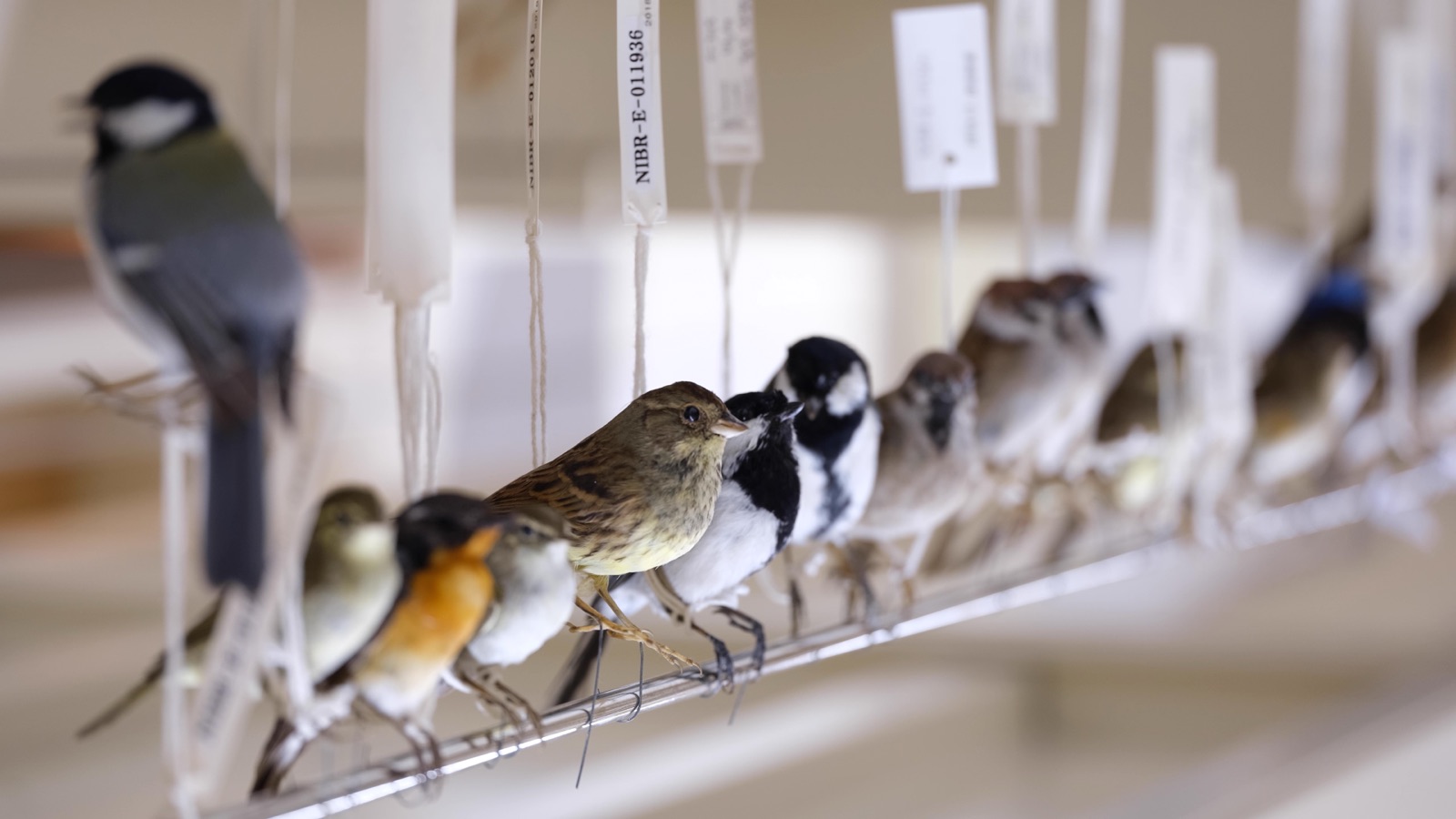
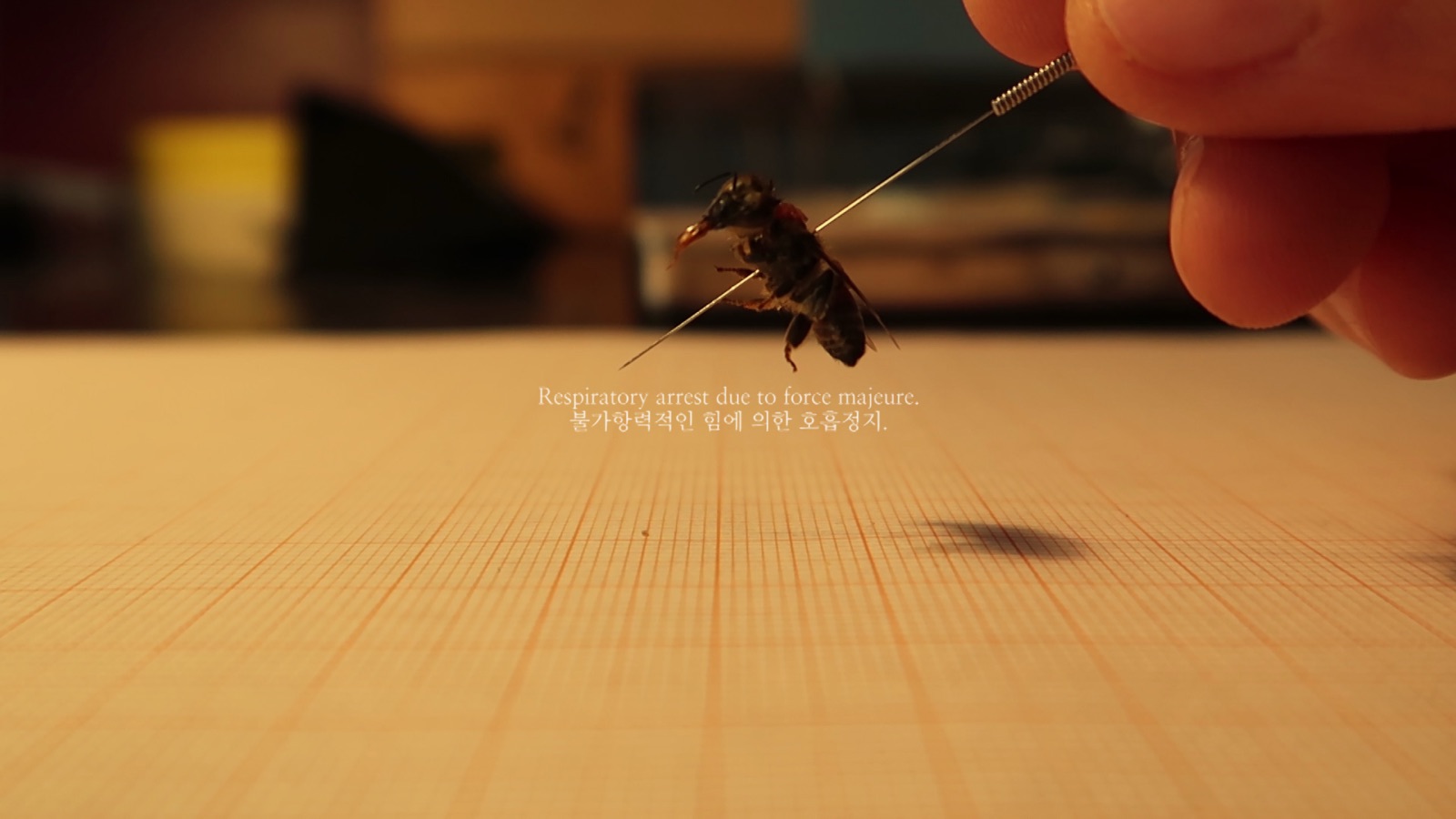
the ways humans classify and preserve life and death. Emotion of
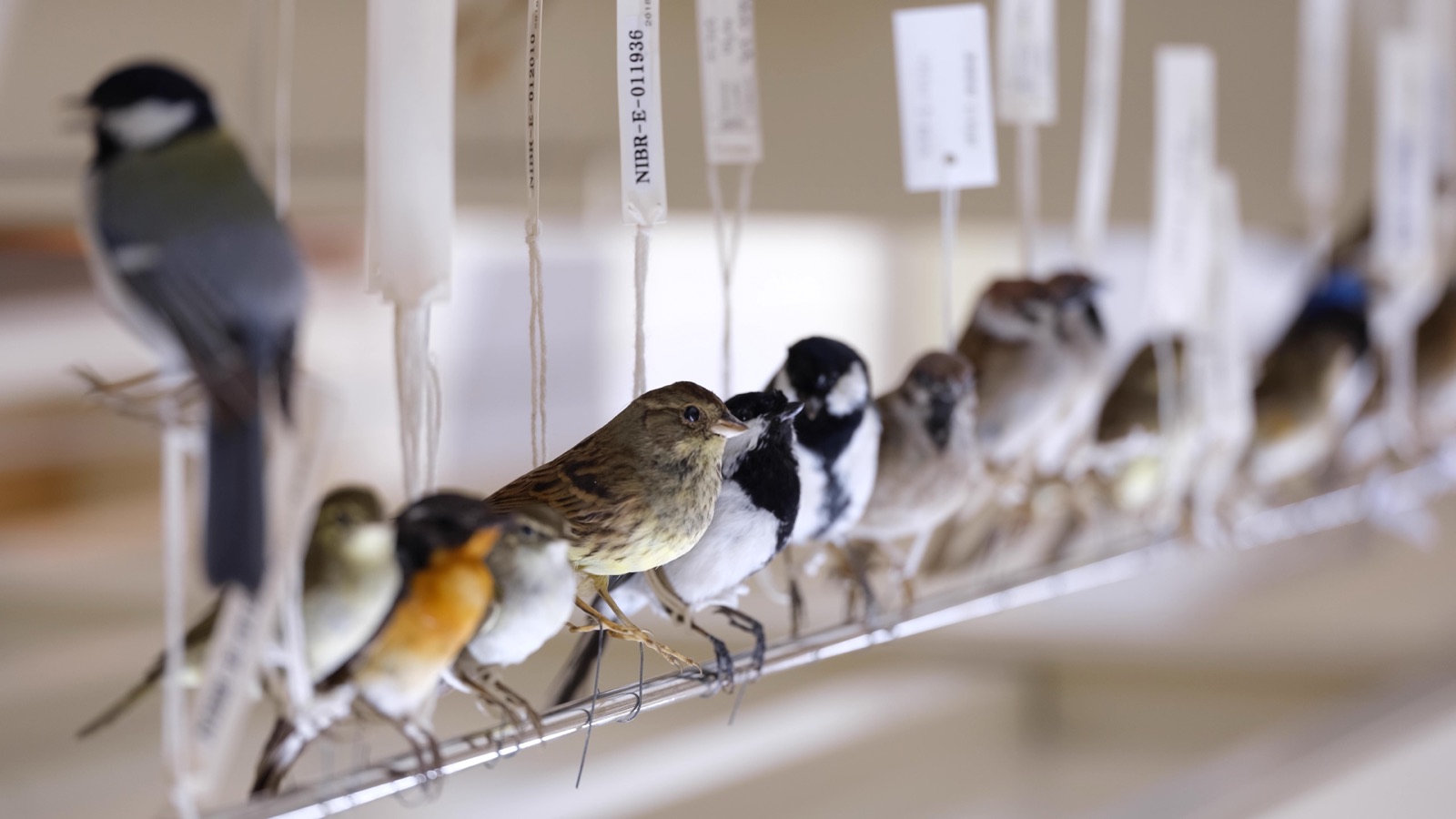
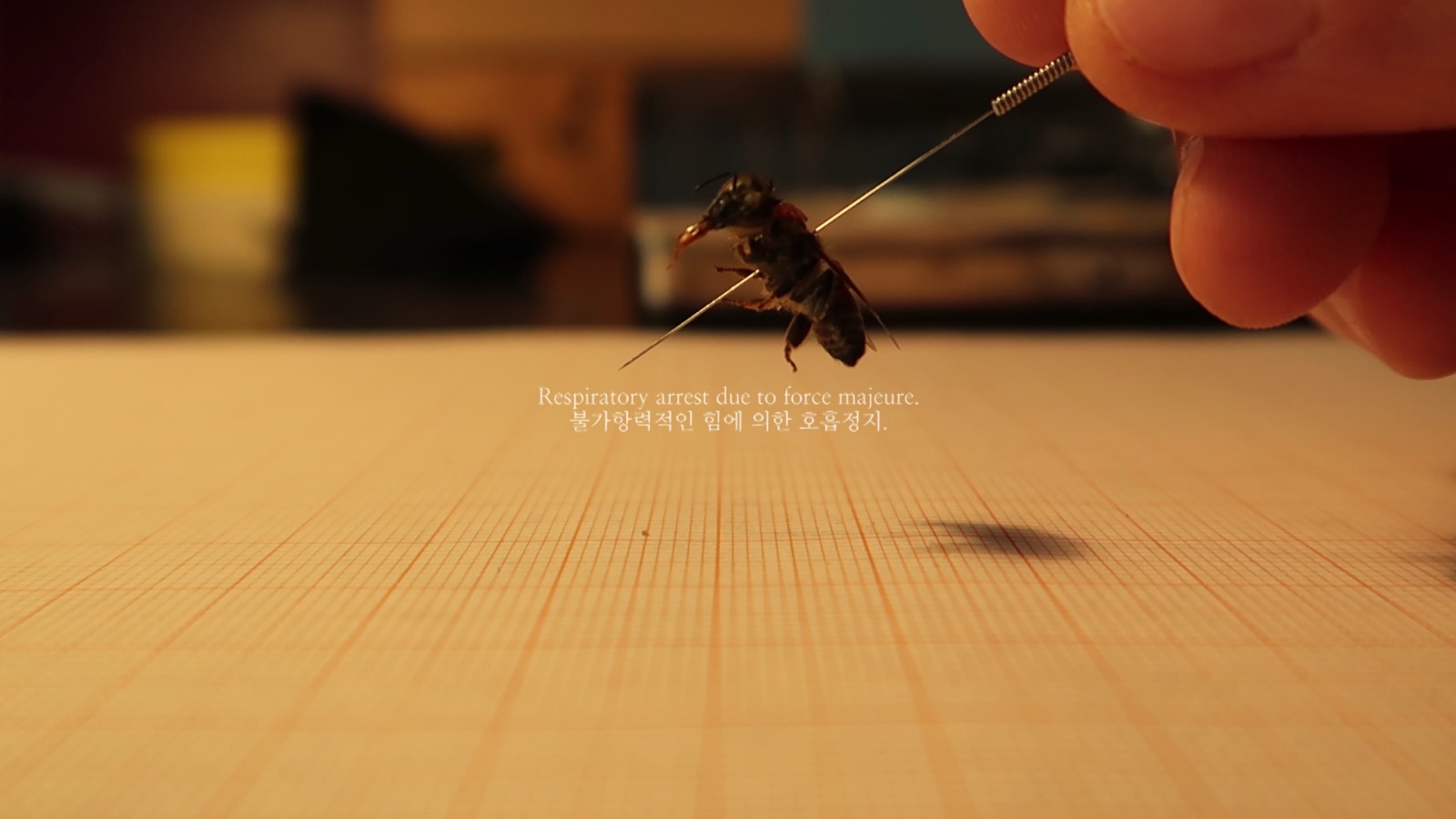
Leg(2018) connects disparate places and images—including bees and
taxidermied creatures in a natural history museum and a Nazi concentration
camp—to ask whether the human act of “preservation” can be both a way of
remembering life and a way of classifying and objectifying the dead.
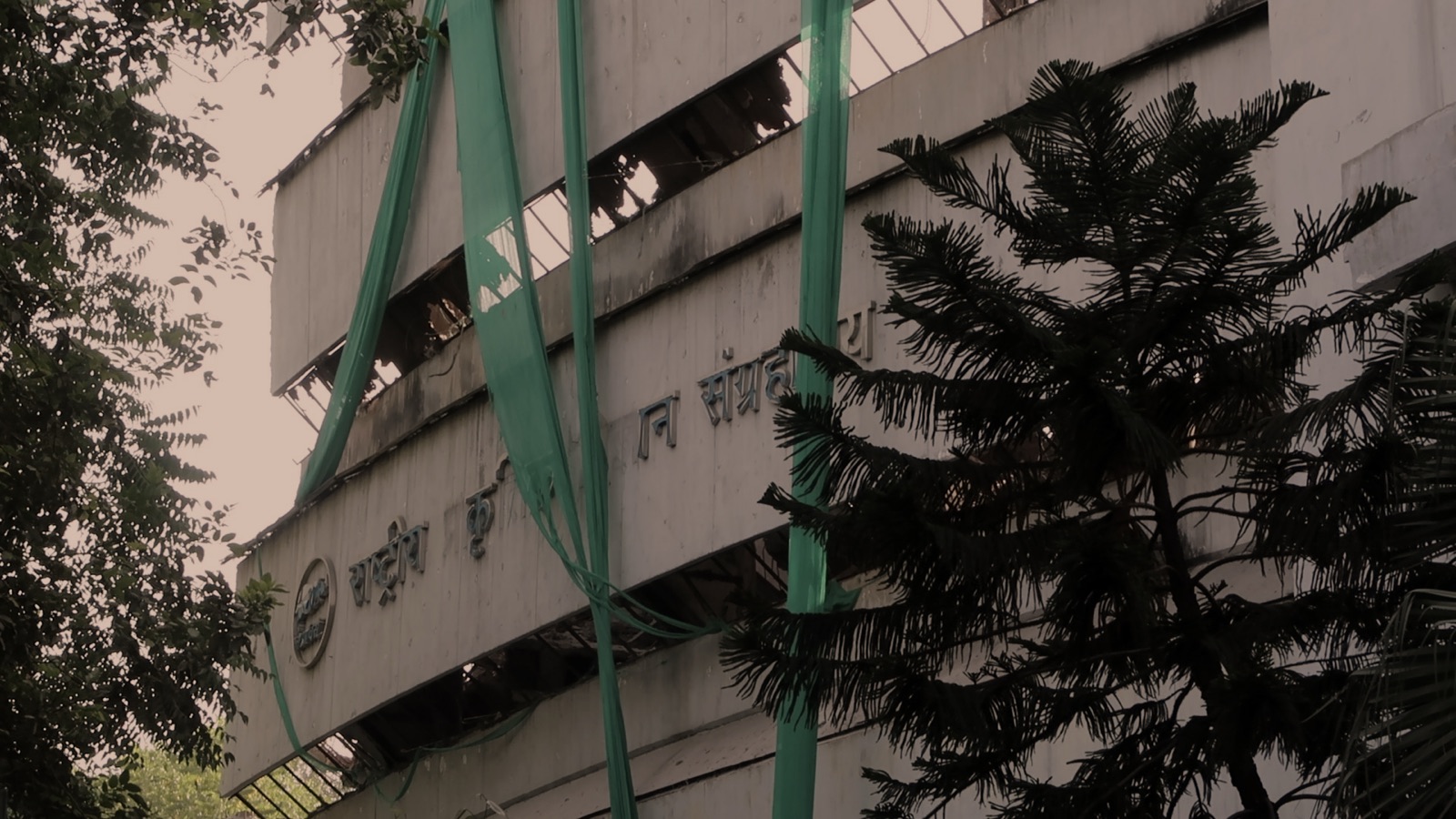
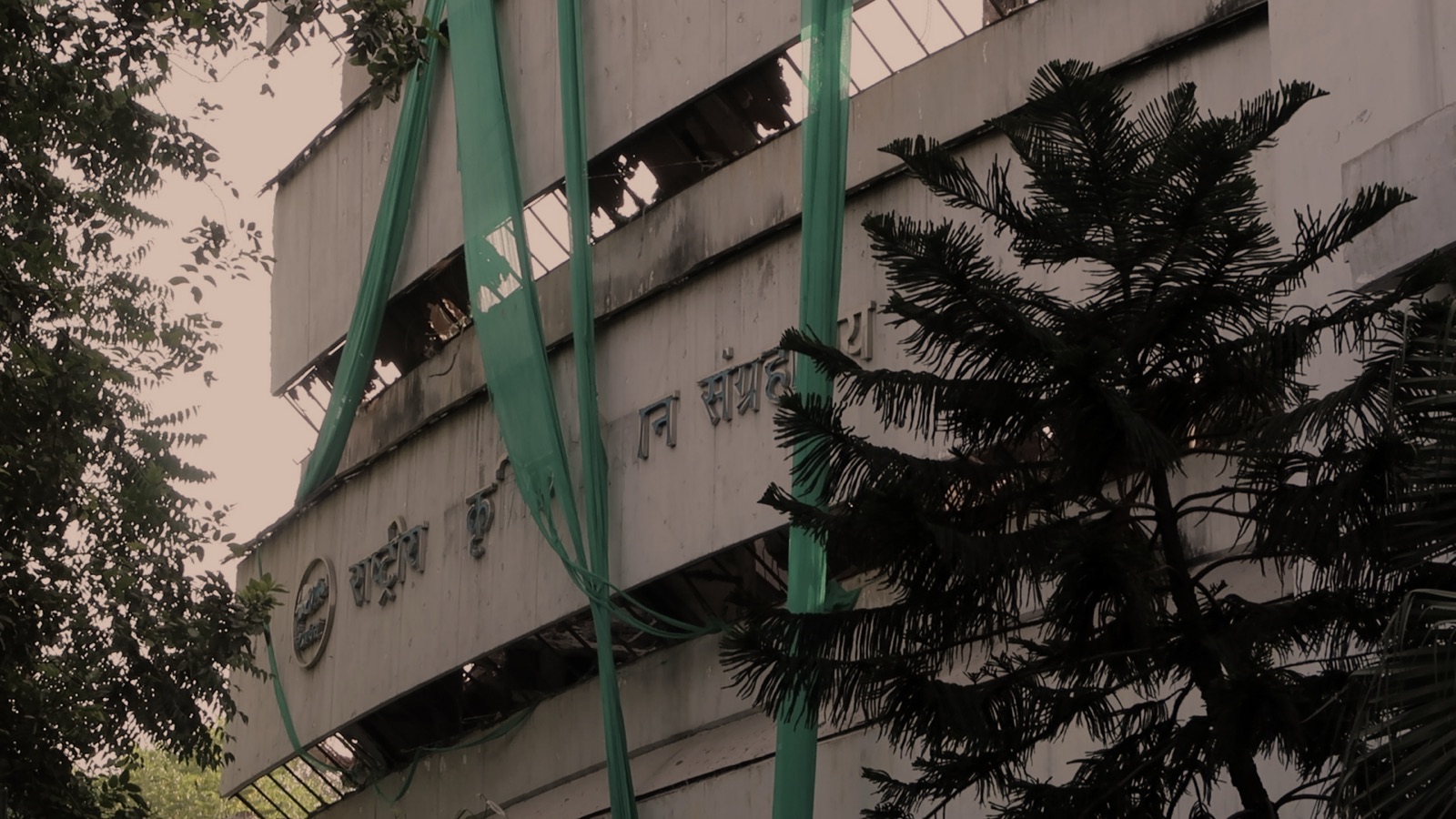
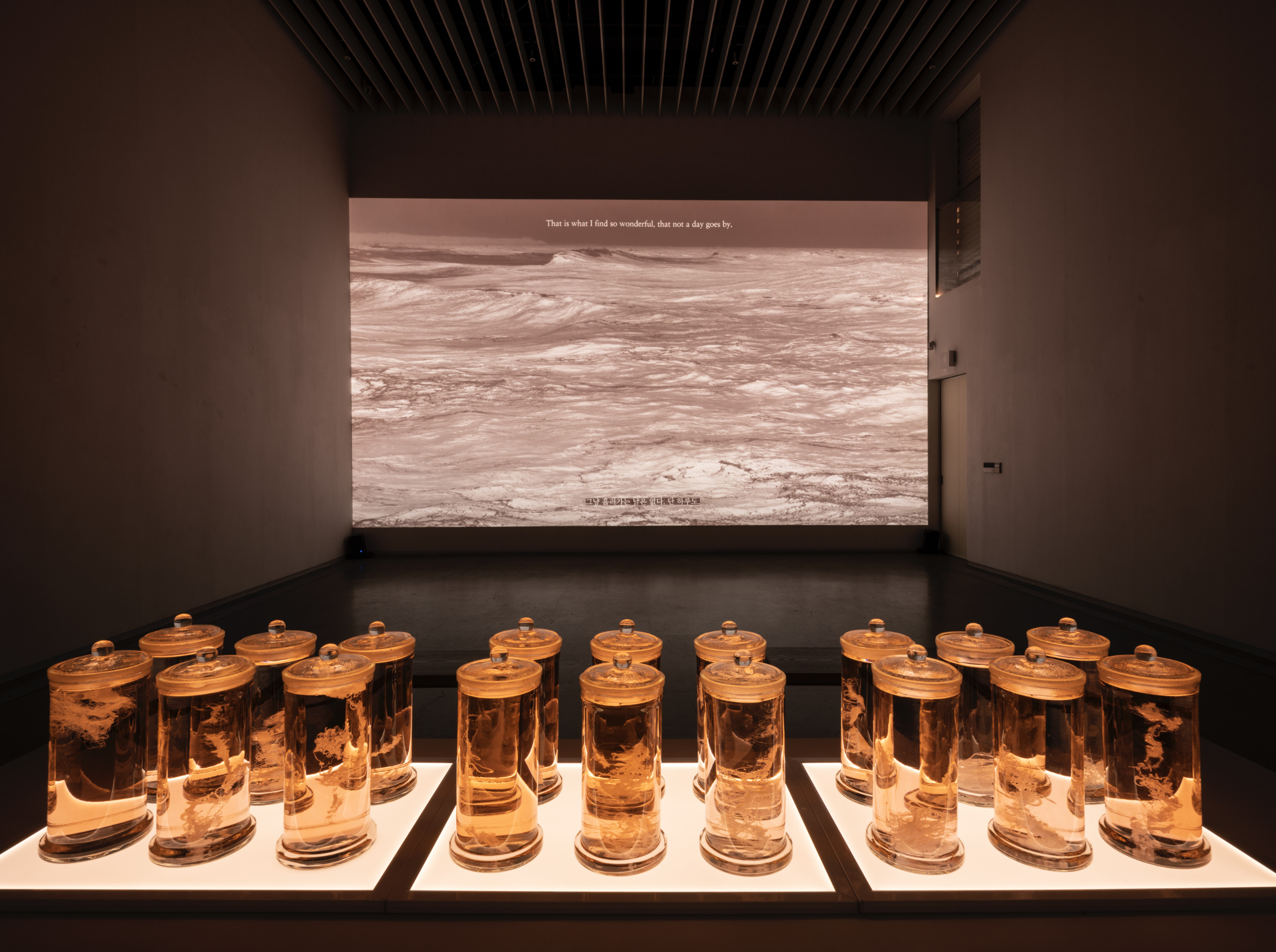
Echolocation(2018) juxtaposes bats whose sensory abilities
have changed through adaptation to an urban environment with the Natural
History Museum in New Delhi, which was destroyed by fire, destabilizing the
boundaries between evolution and regression, loss and adaptation. From this
period onward, Sin’s attention expanded from relationships within human society
to those between human and nonhuman beings, and between natural history and
political history.
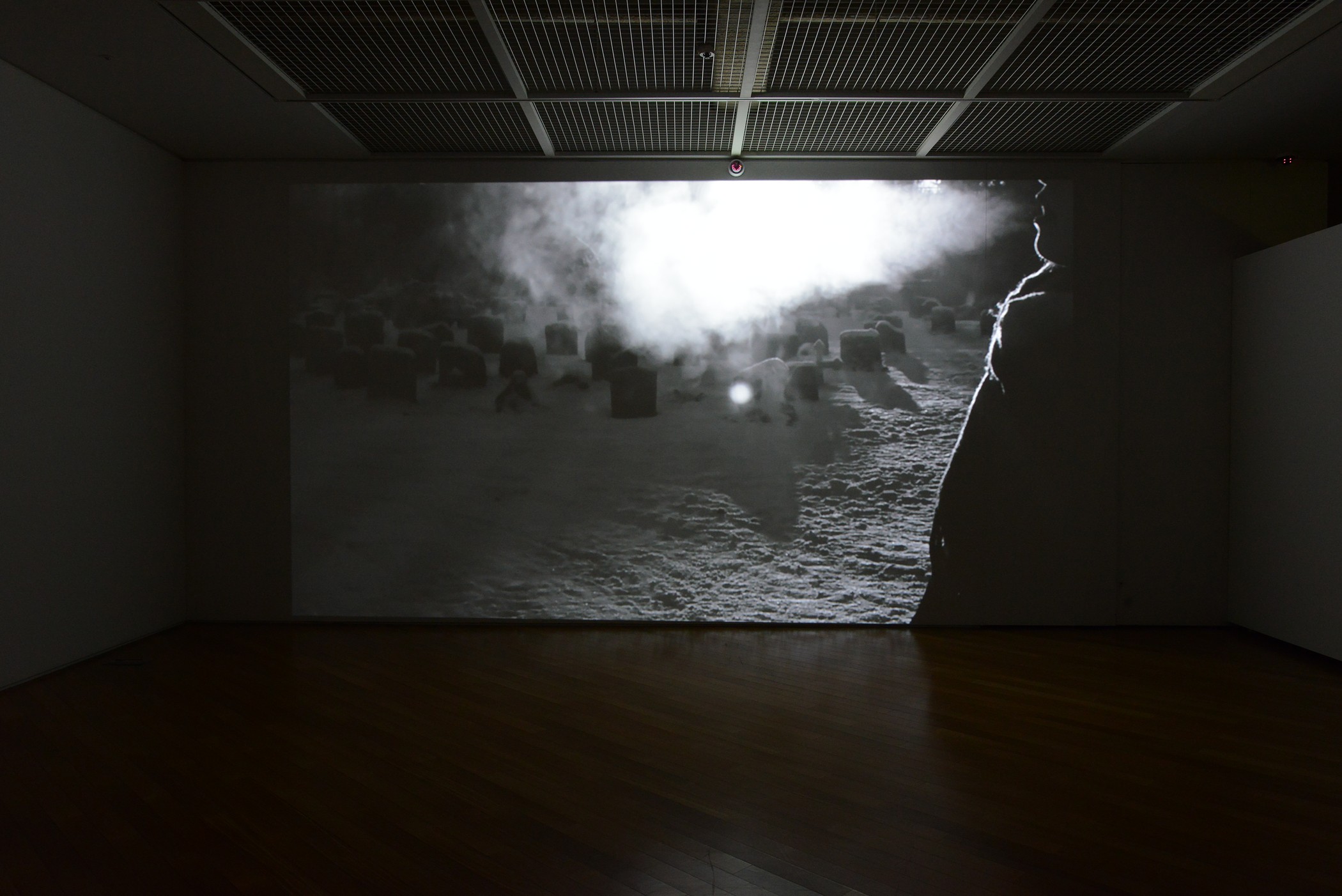
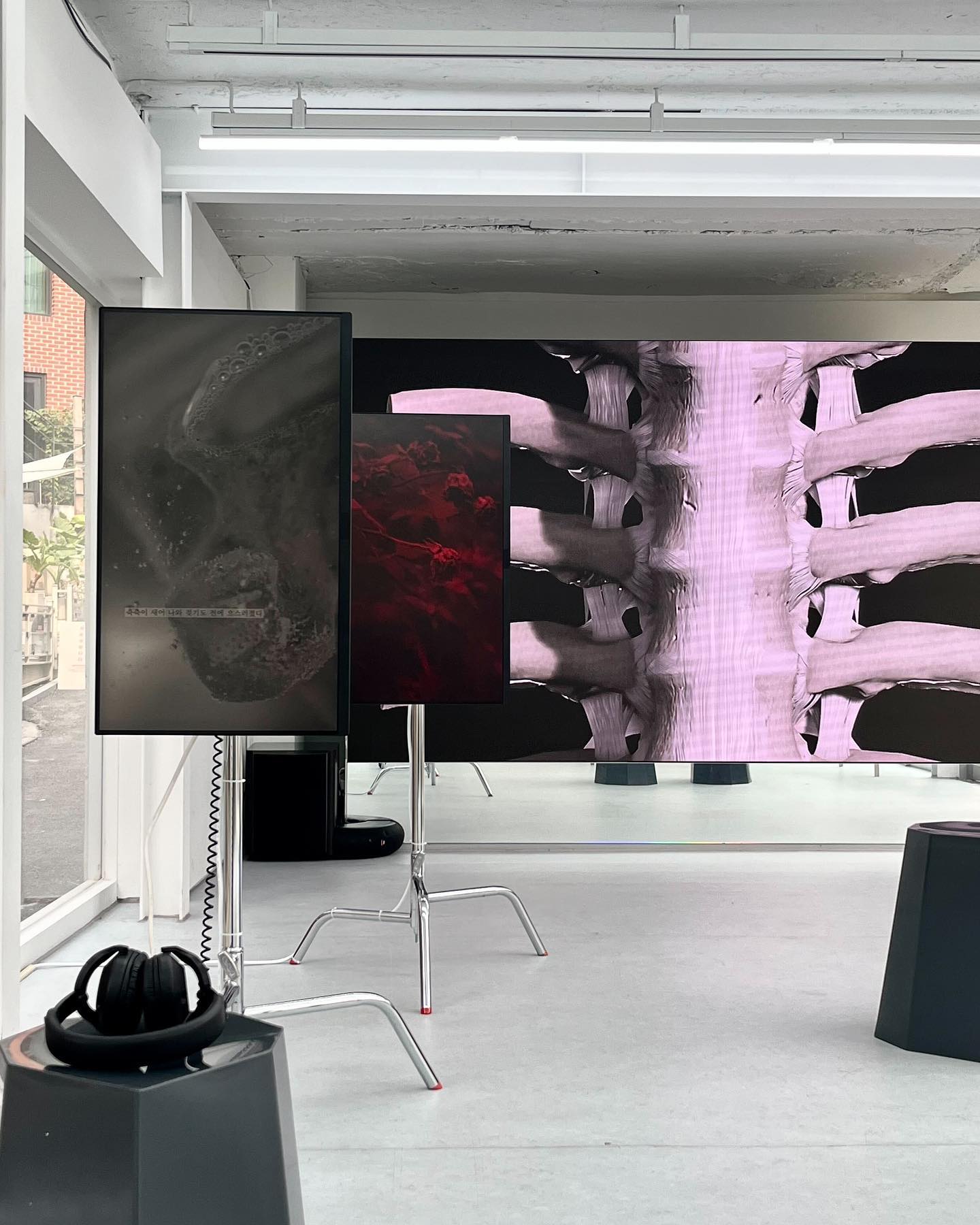
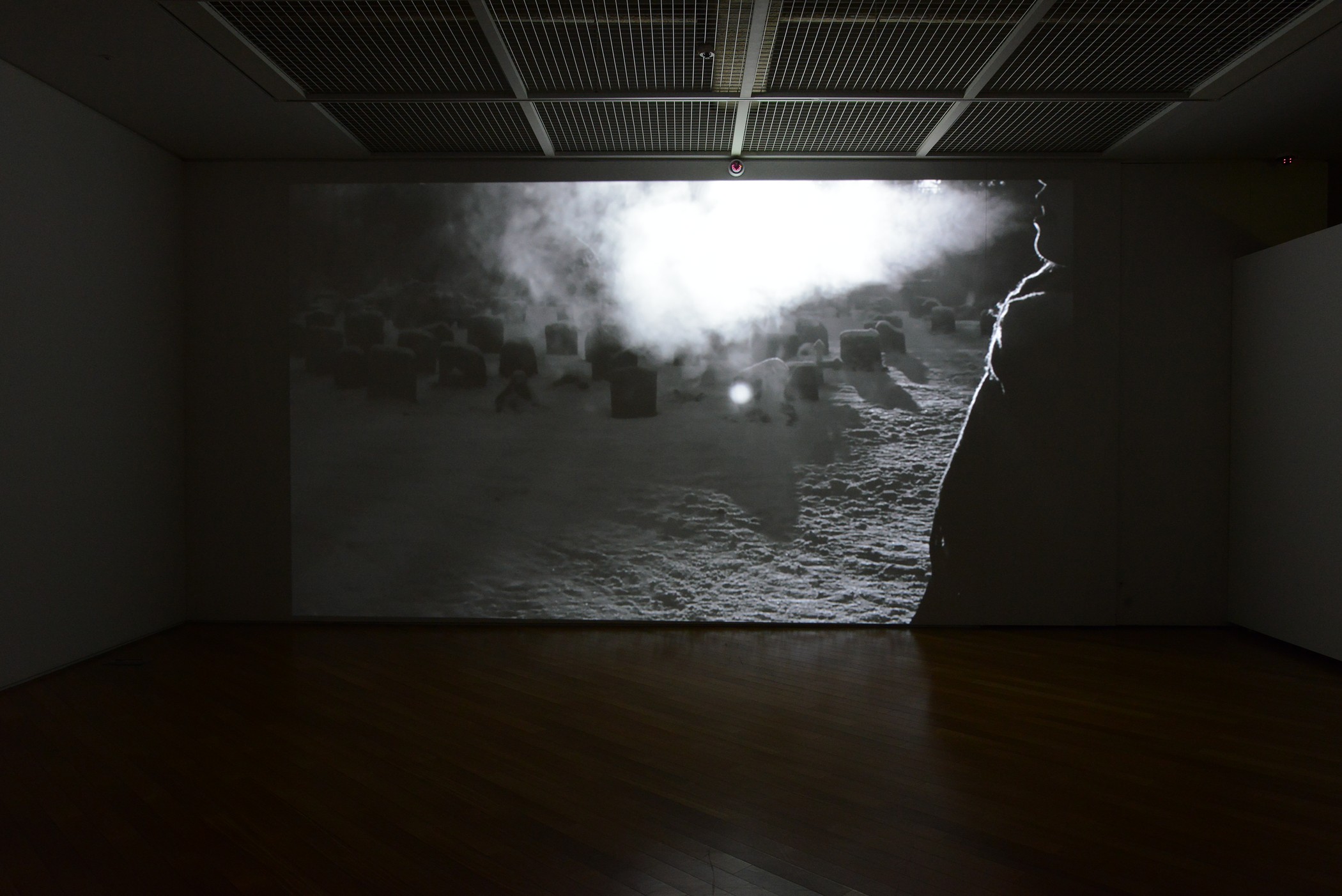
In the ‘A
Cold Bird on the Dead Mountain’(2019–2020) series, Hwiang
Bird(2020), and later 《Single Gentre Femur》(Elephant Space, Seoul,
2022), questions of death and preservation become connected to massacre, the
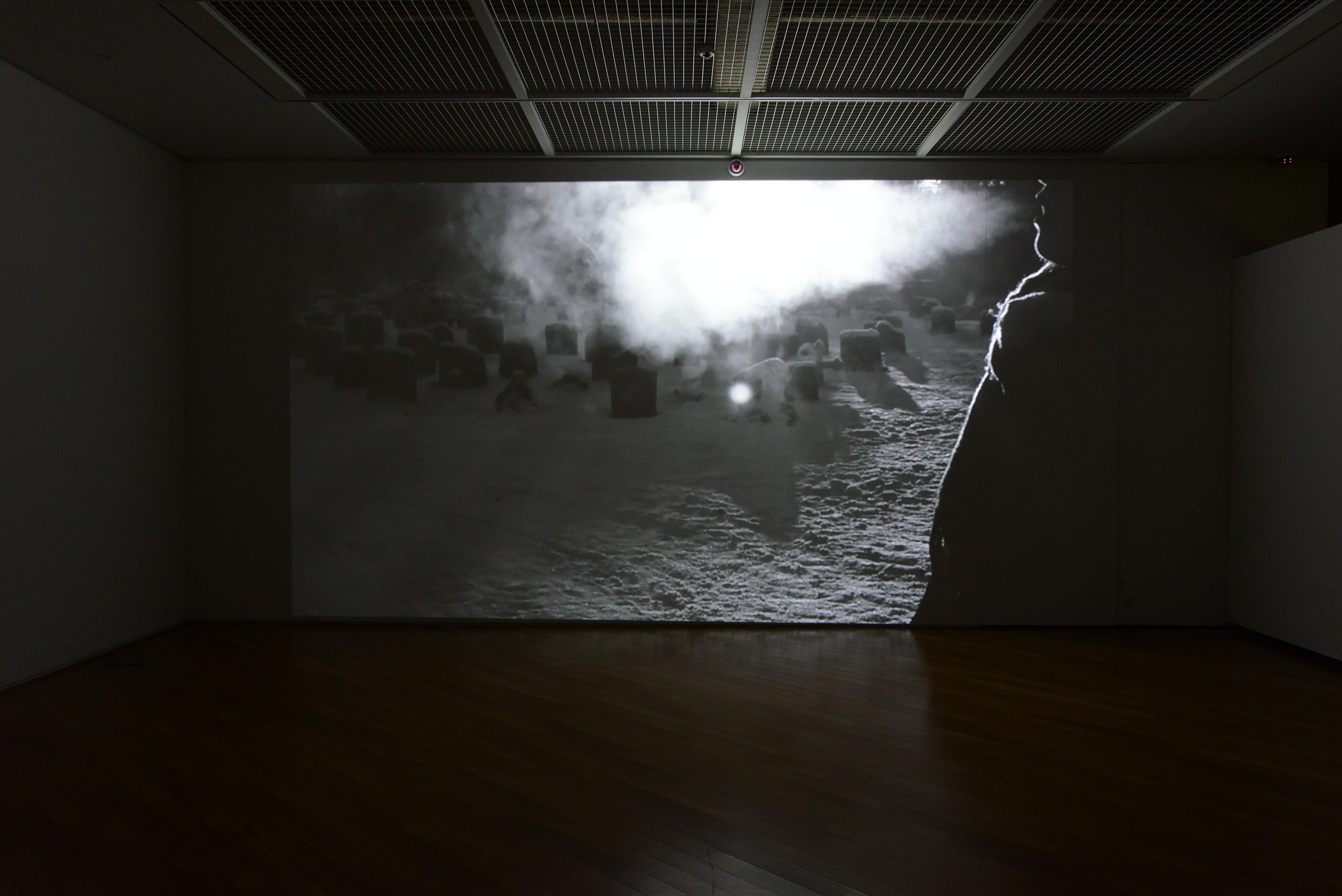
excavation of human remains, and historical documentation. A Cold Bird
on the Dead Mountain #01(2019) addresses a new town and birds that
died after failing to adapt to its environment, while A Cold Bird on
the Dead Mountain #02(2020) and A Cold Bird on the Dead
Mountain #03(2020) examine livestock culling and burial.
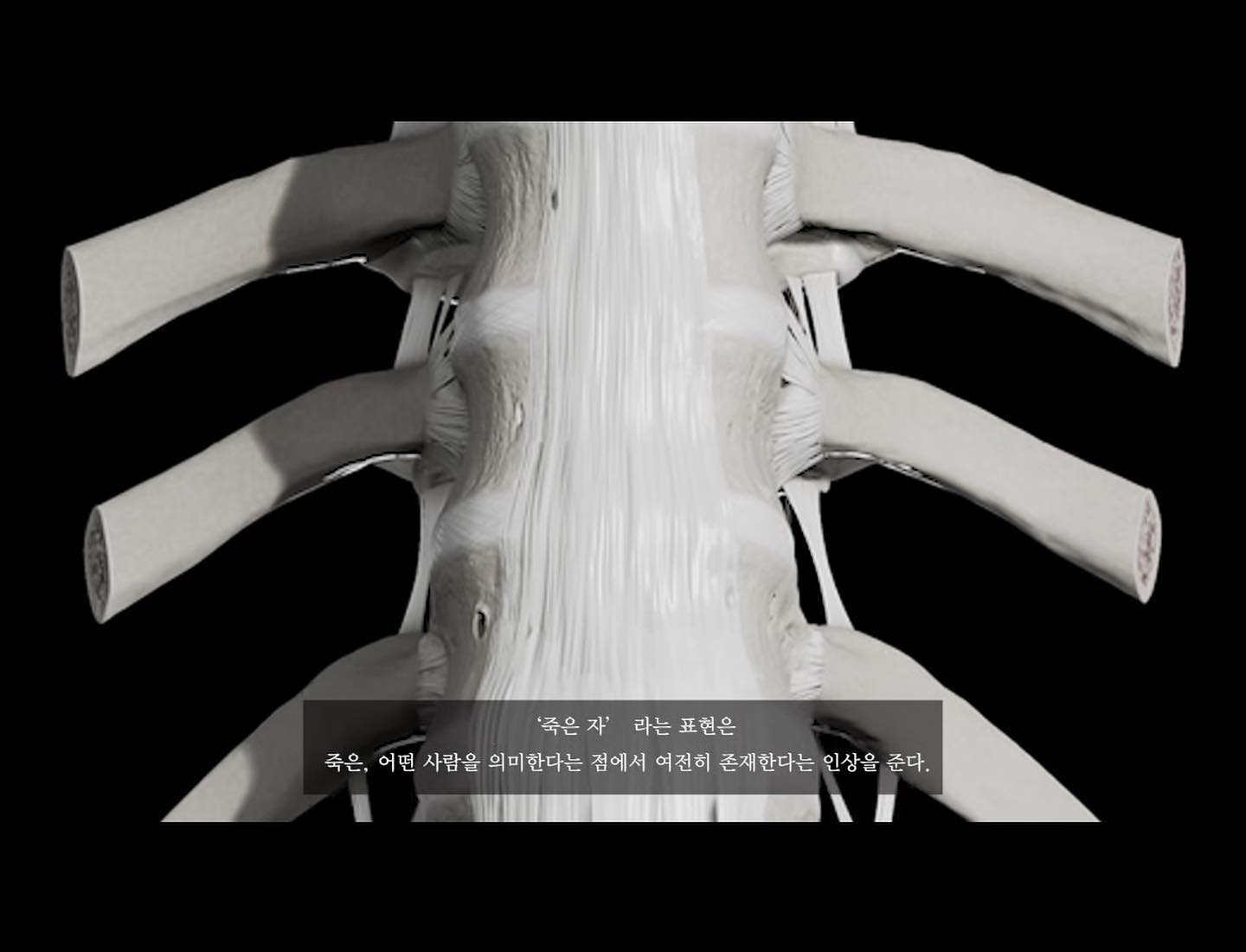
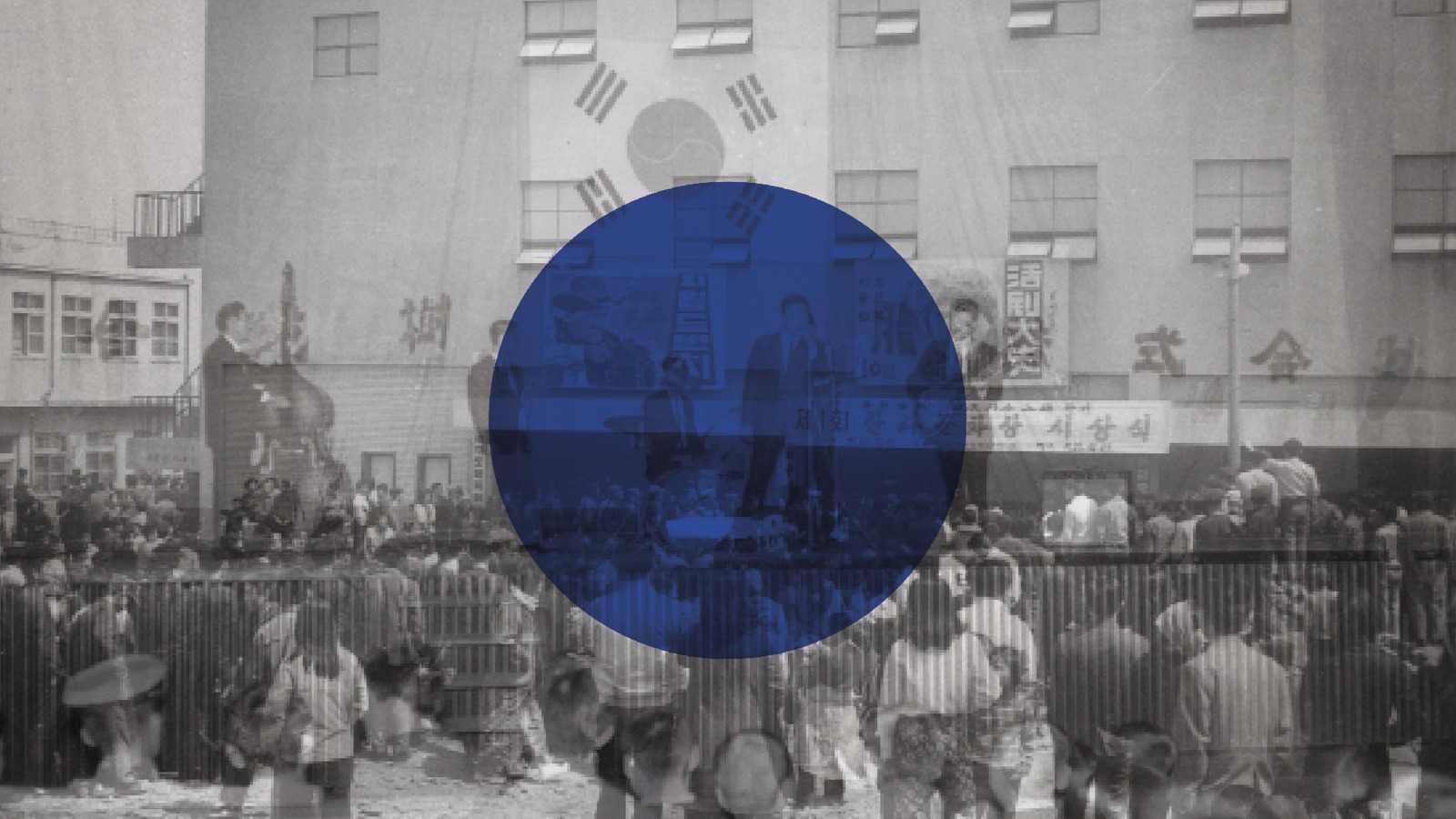
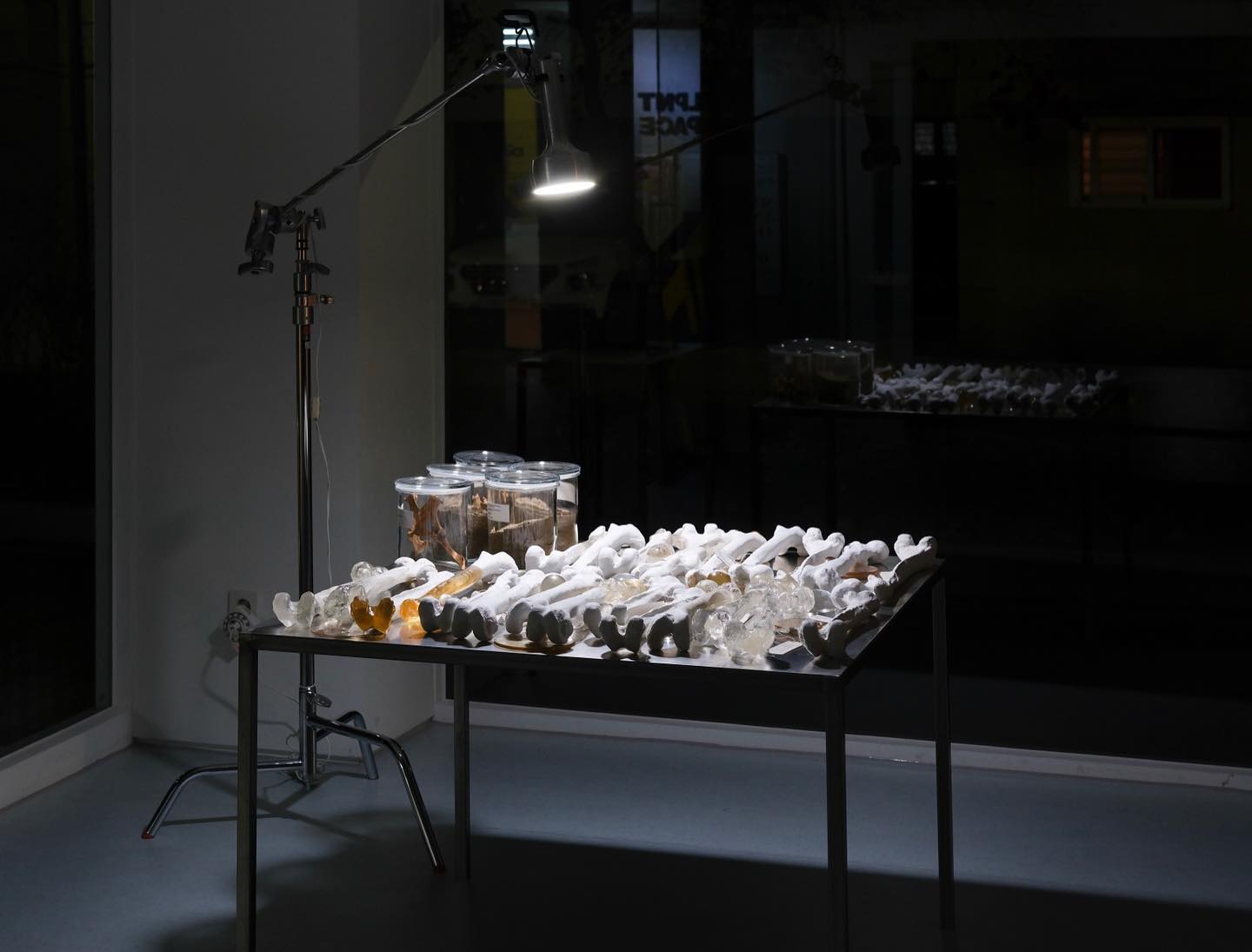
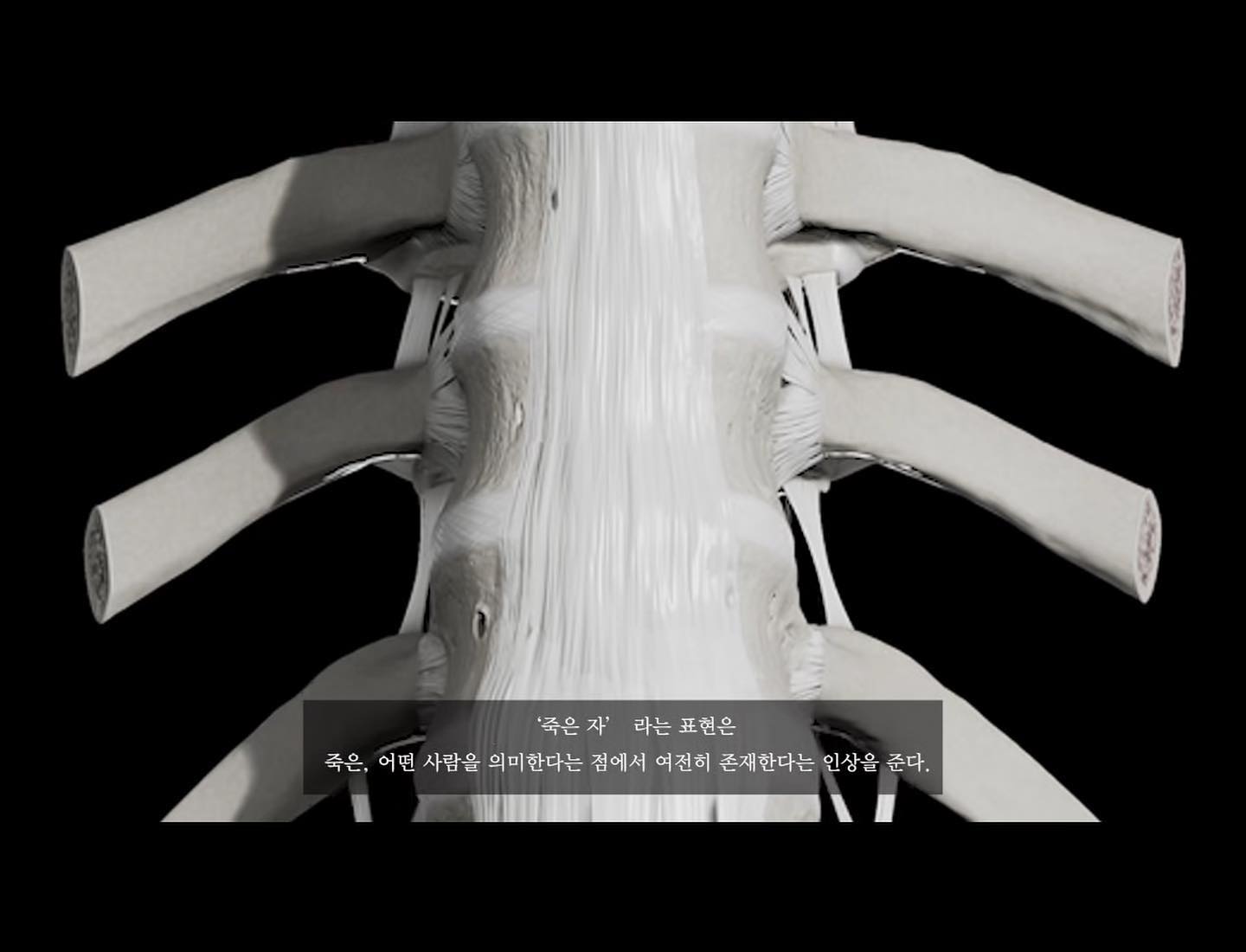
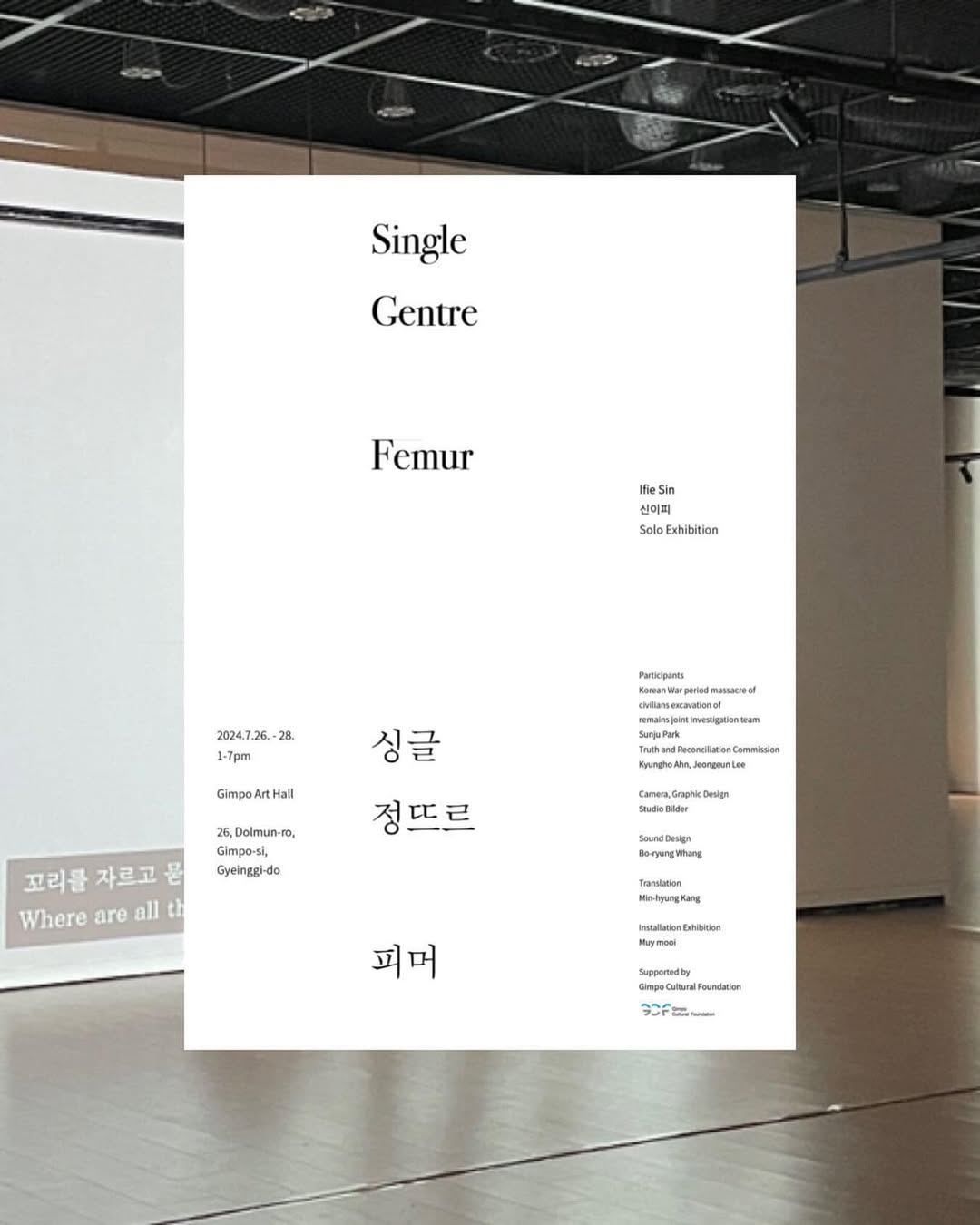
The ‘Single Gentre
Femur’ series then turns to the Jeju 4·3 Incident, civilian massacres
surrounding the Korean War, and the ongoing excavation of human remains. Here,
a bone is not an anonymous “remnant” but the minimum evidence that a person
once existed. The early gaze directed toward an individual within a network of
relationships deepens over time into a concern with how a life and a name
erased from records and history might once again be regarded as an individual.