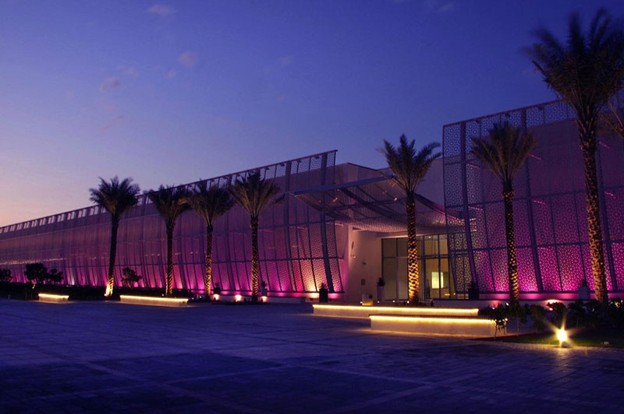
Hye Joo Jun (b. 1985) has expanded her practice by exploring environmental and sensory conditions that are not readily perceptible through interventions in urban spaces and public sites.
 
Through audiovisual installations incorporating diverse media, including photography, video, sound, and archives, she examines the points where histories accumulated in specific places intersect with human perception.


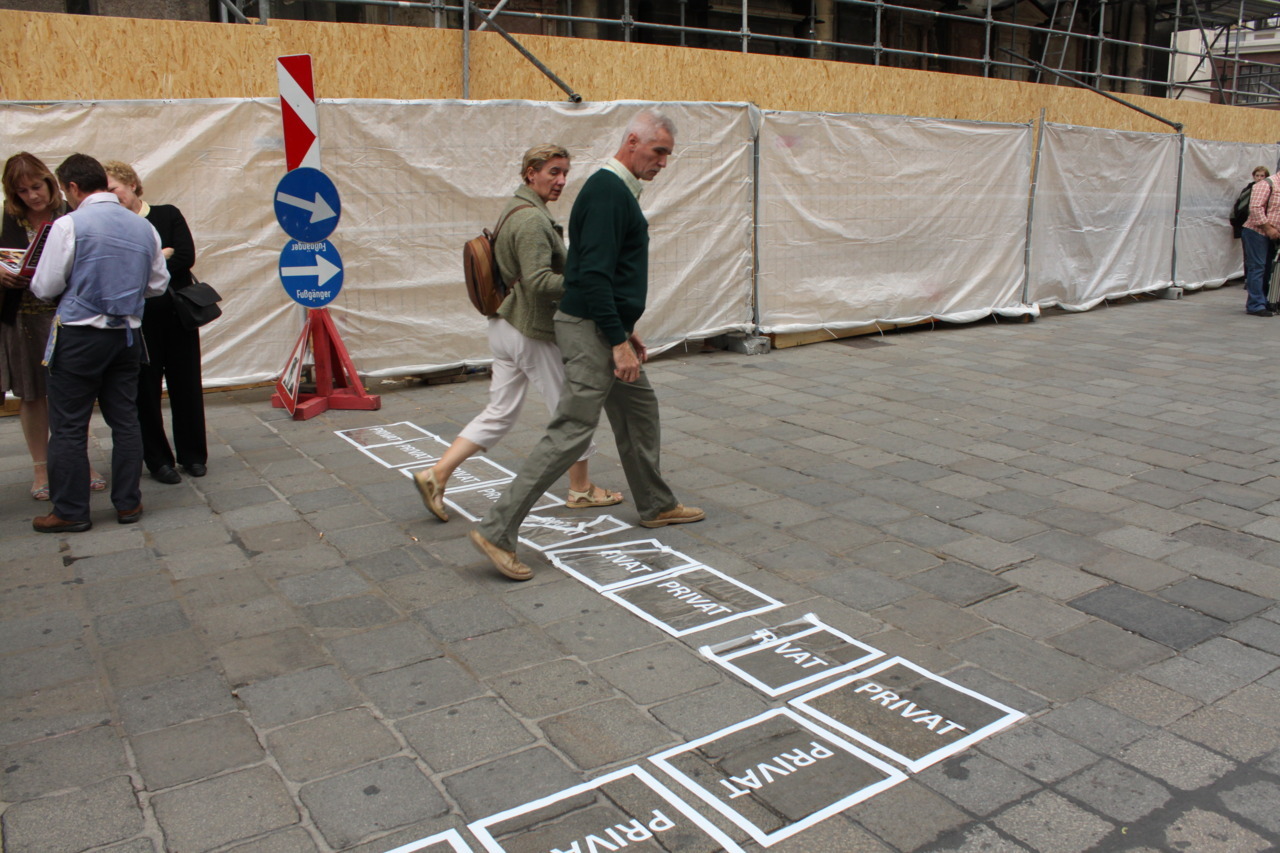
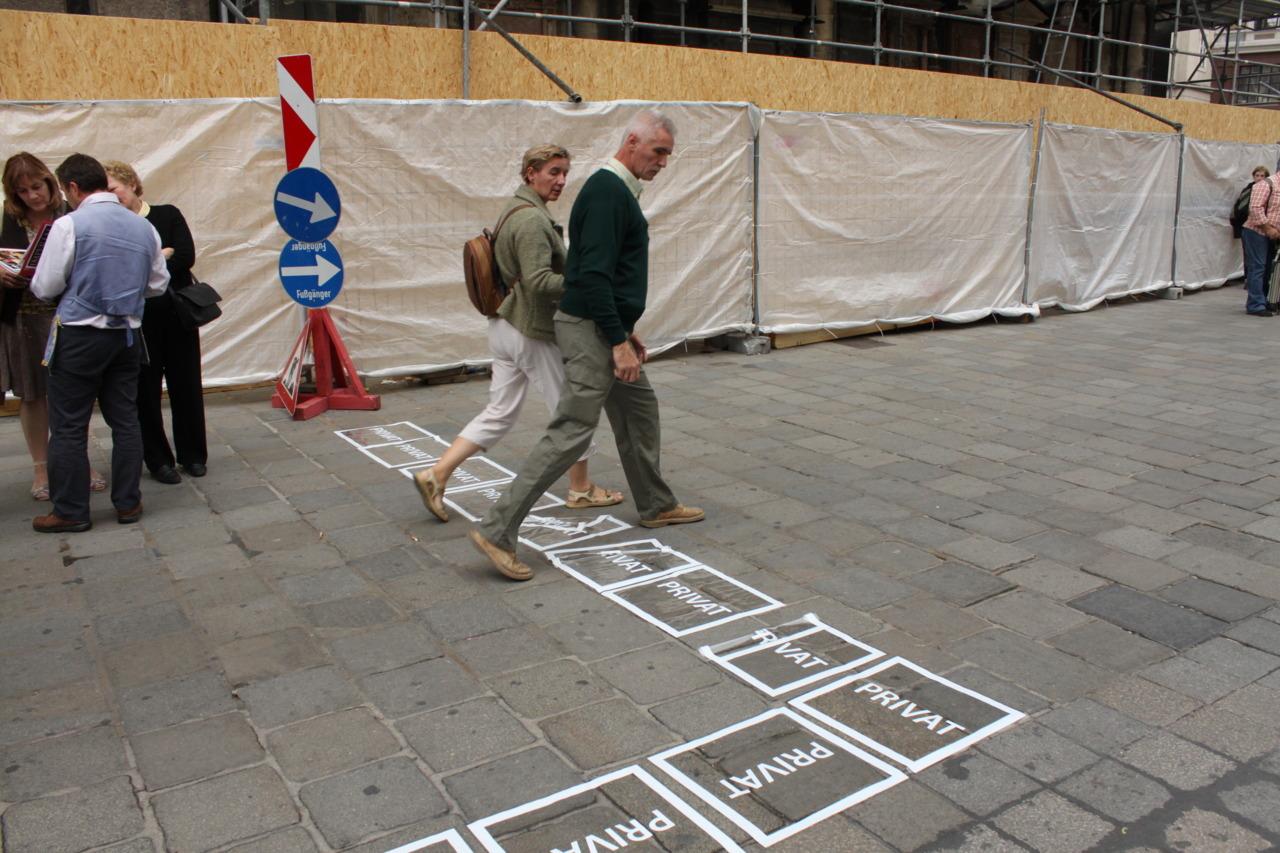
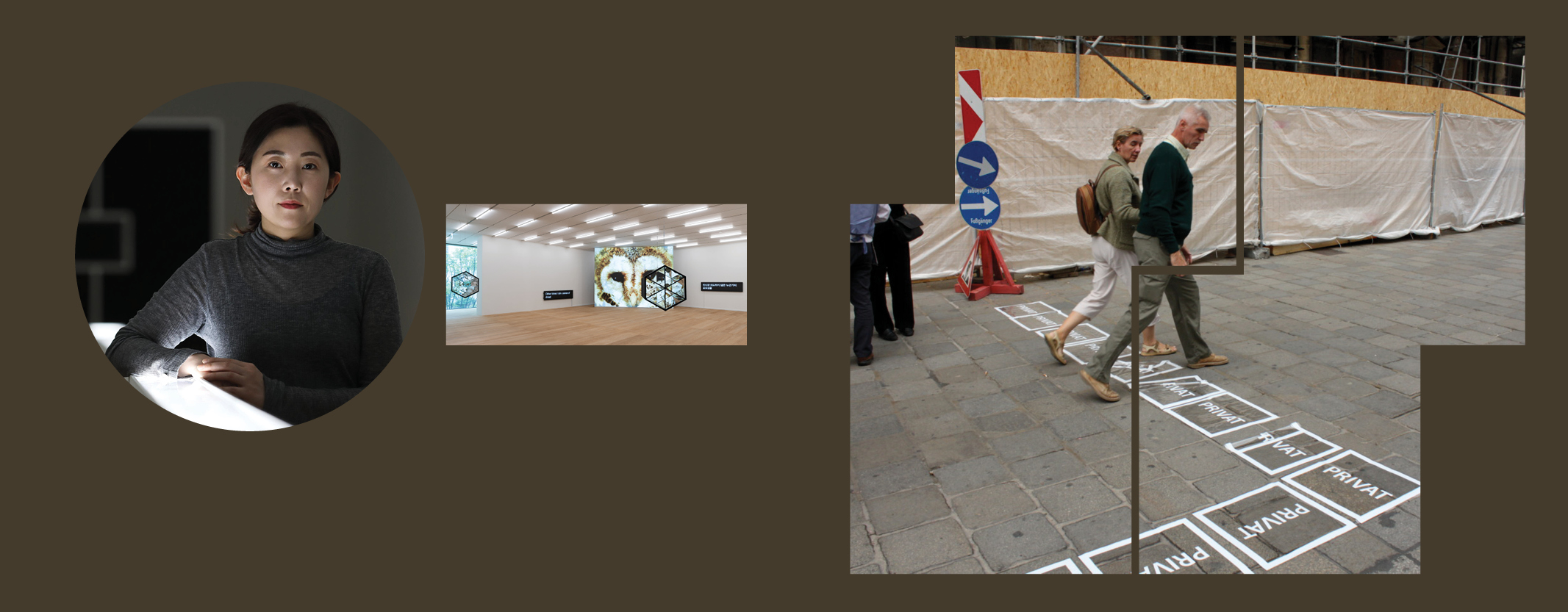
Hye Joo Jun, PRIVAT, 2009, Intervention in public space, white print on transparent adhesive film (500x500mm) © Hye Joo Jun

In her early practice, Hye Joo Jun conducted a range of experiments that probed the gaps and openings within public spaces accessible to everyone.
 
For instance, PRIVAT (2009) invited anyone to place markers bearing the word “Privat” (private) in public spaces such as benches, stairways, and parking lots, temporarily reclaiming agency over the designation of private space within an urban environment where distinctions and boundaries are often blurred.
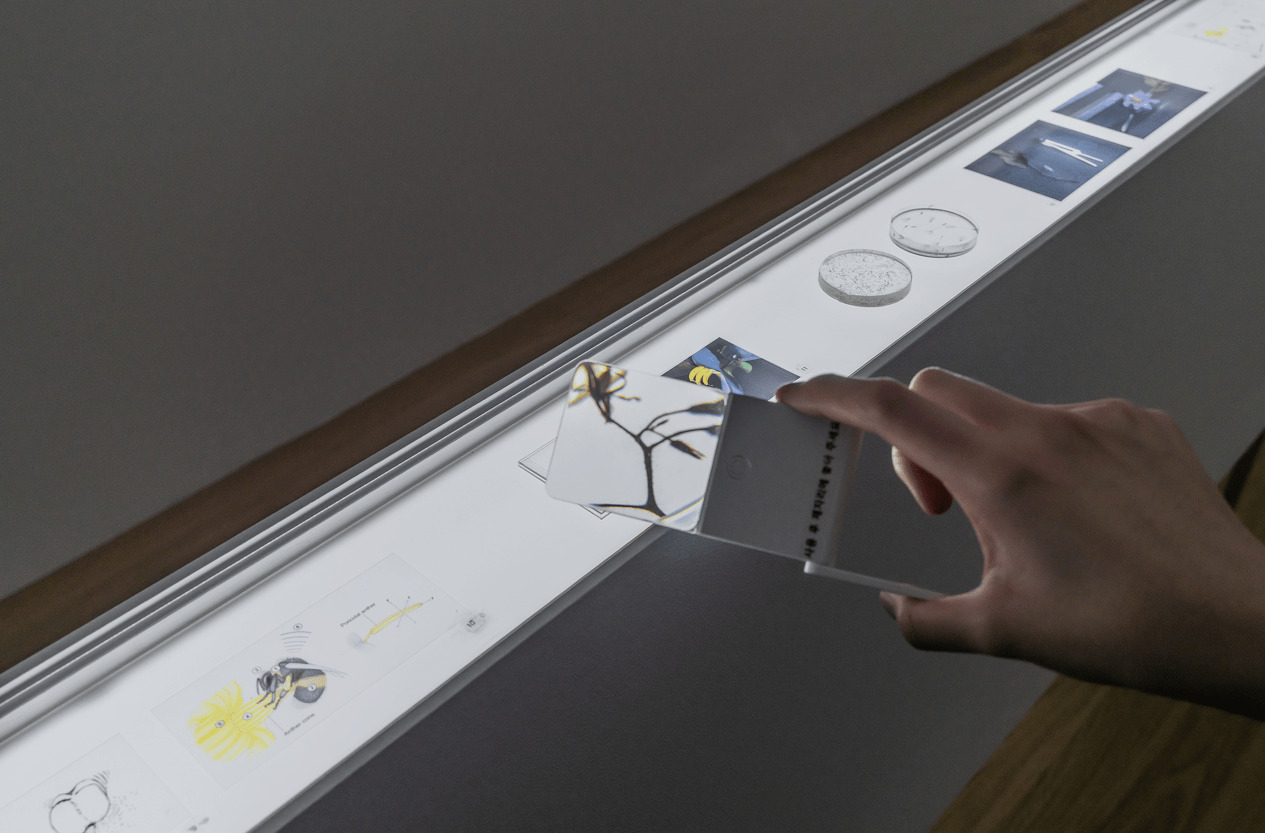

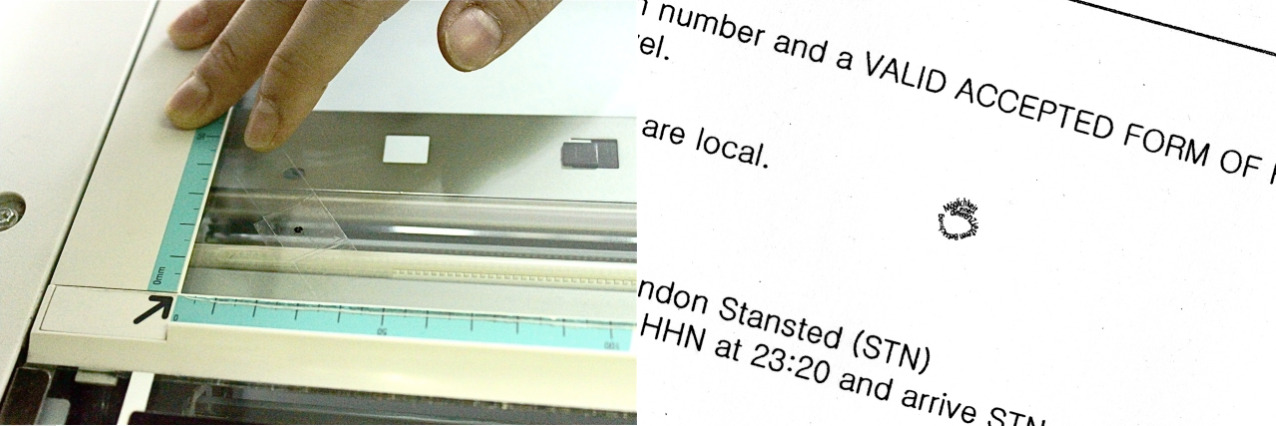
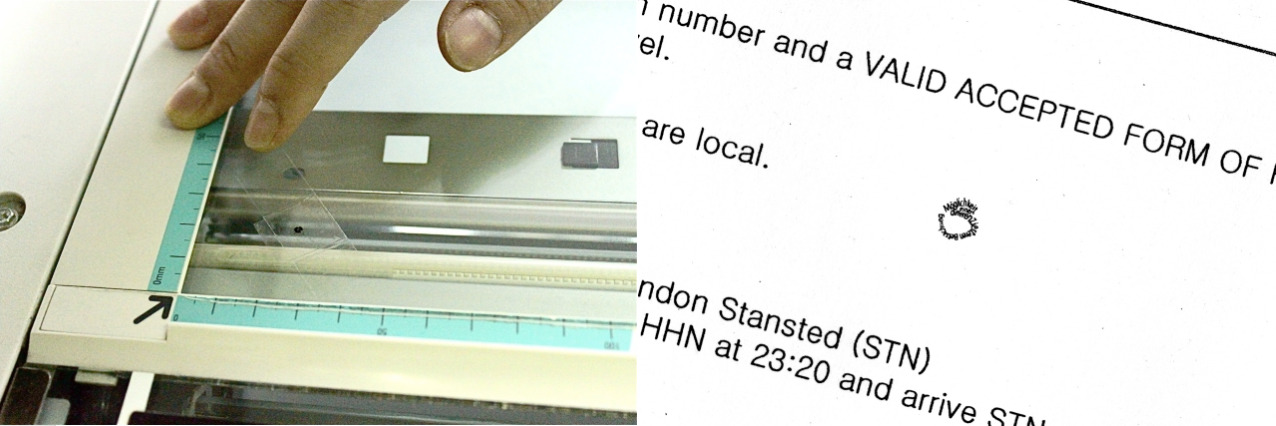
Hye Joo Jun, Kopierfehler (copying errors), 2009, Intervention in public space © Hye Joo Jun

Meanwhile, in Kopierfehler (copying errors) (2009), the artist secretly attached transparent vinyl sheets printed with tiny texts that were illegible to the naked eye to the glass surfaces of photocopiers in public spaces.
 
Passersby who visited these photocopiers to duplicate materials, documents, or reports would take away their copies without realizing that the machines bore hidden messages resembling small stains.
 
Designed to look like marks left on an old photocopier, the tiny texts could only be read with the aid of a magnifying glass.


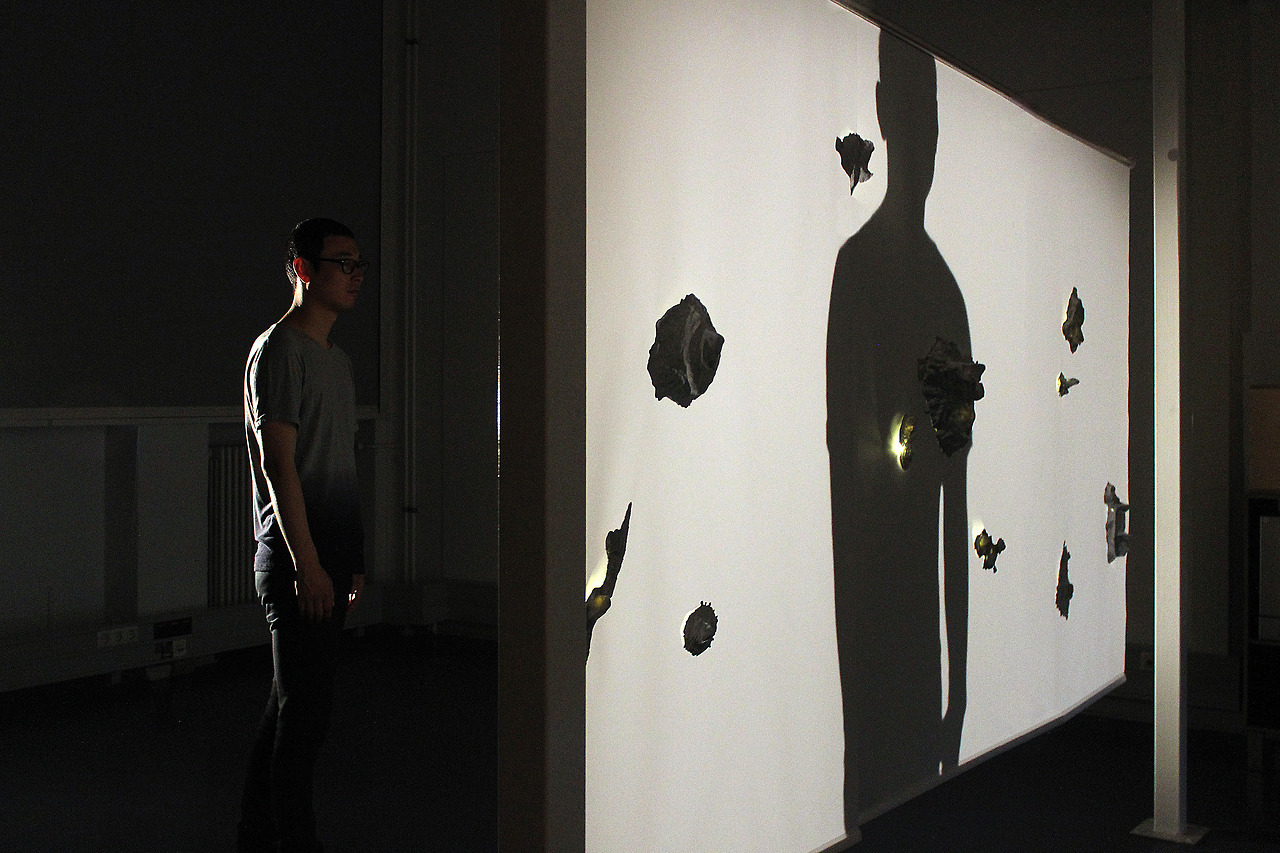
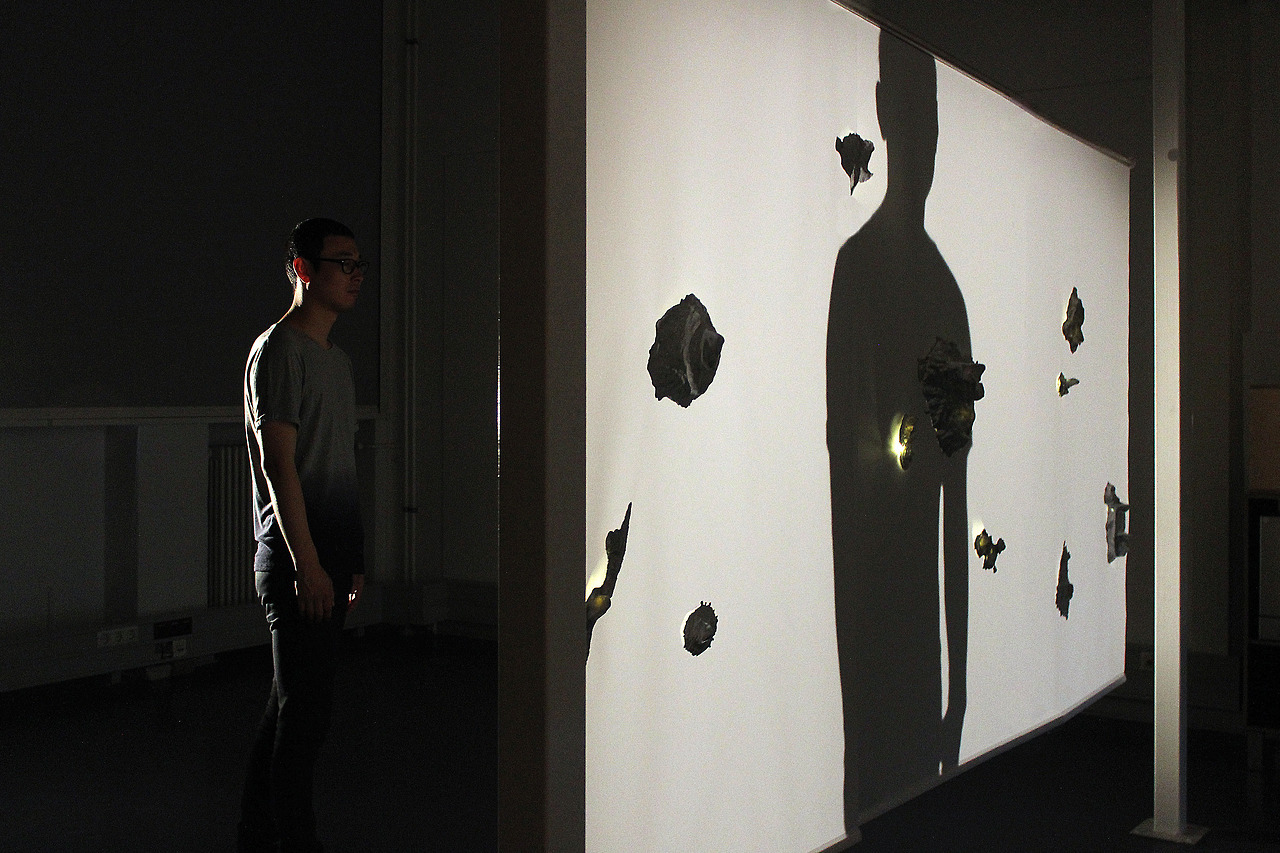
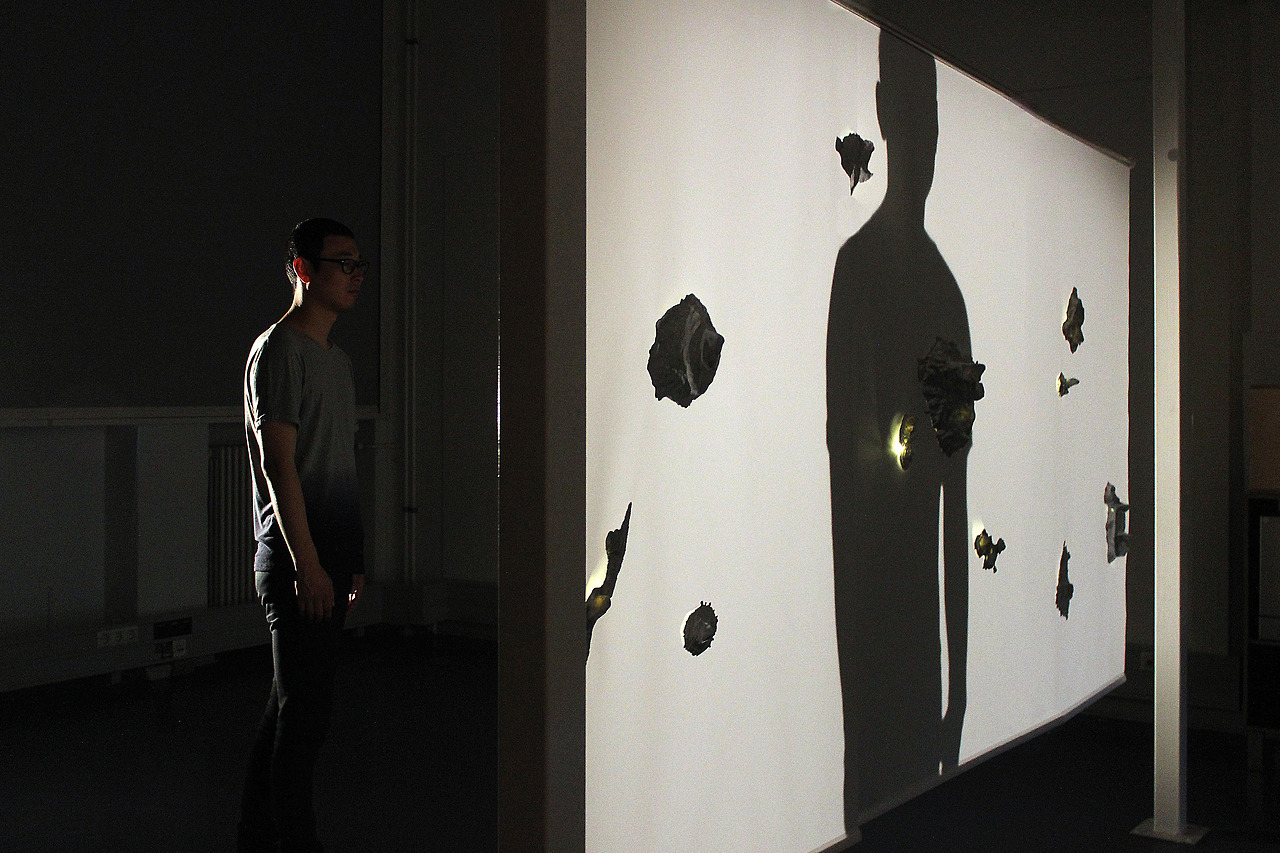
Hye Joo Jun, Phantom Limb, 2014, 3D scan, 3D print (PLA), polyester casting, resin © Hye Joo Jun

In her subsequent work, Hye Joo Jun expanded her interventions in increasingly multisensory ways, incorporating technologies such as cameras, projectors, and 3D scanning.
 
For example, in Phantom Limb (2014), she cast bullet marks remaining on buildings in Berlin and projected the resulting forms onto visitors’ shadows, evoking historical scars through the sensation of a phantom limb—the experience of feeling a body part that is no longer present.
 
The light of these scars cast over the visitors’ bodies brings latent pain beyond conscious awareness to the surface. In this way, the work intervenes in the viewer’s consciousness, drawing attention to the traces of bullets in the city that have become familiar and desensitizing through repeated encounters, while recalling the pain of war that is gradually being forgotten.


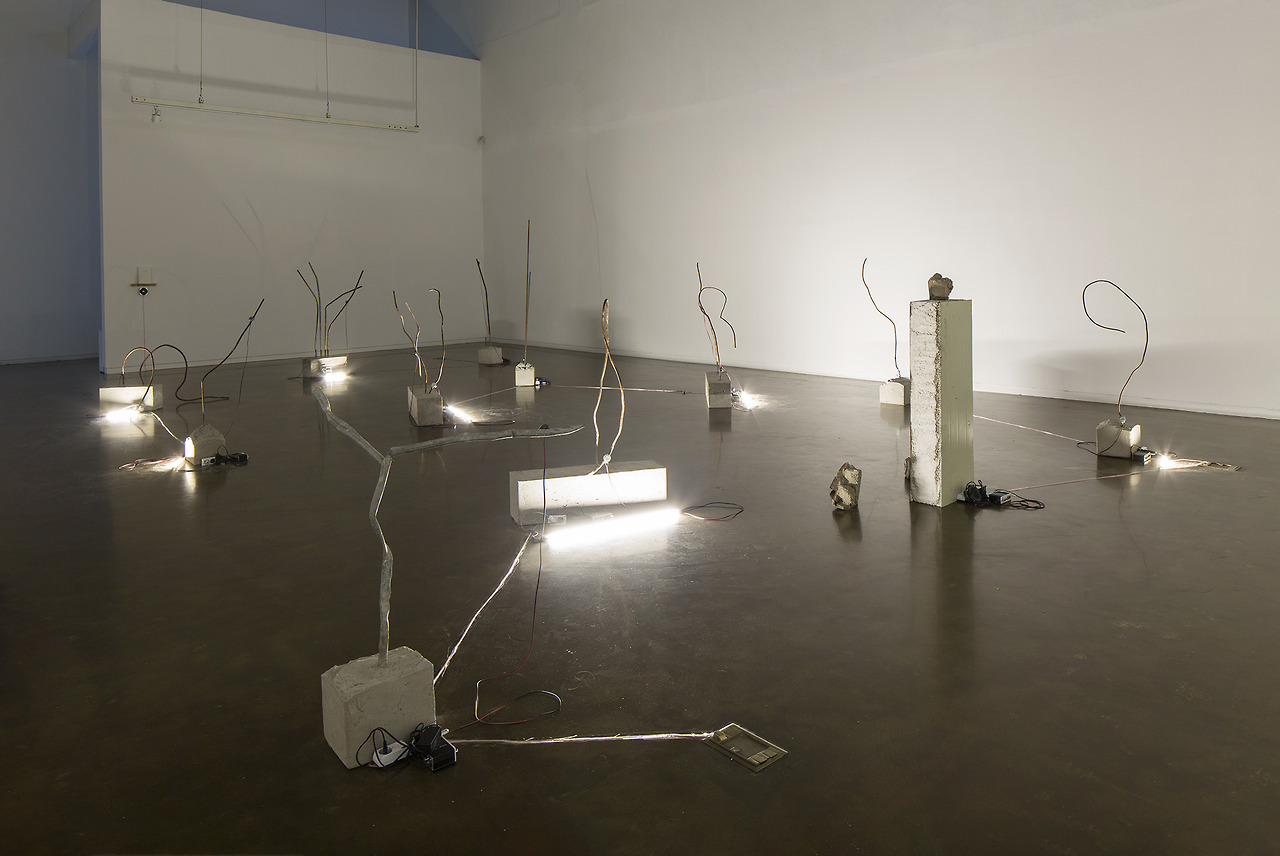
Installation view of 《No-mind, the name of a stream》 (Cheongju Art Studio, 2017) © Hye Joo Jun

In this way, Hye Joo Jun’s interest in the histories, traces, and experiences embedded in places has expanded into works that make visible the personal stories of individuals whose lives have unfolded within urban spaces.
 
Her 2017 solo exhibition 《No-mind, the Name of a Stream》, held at Cheongju Art Studio, began with the ruins of an old residential neighborhood she encountered while researching the city of Cheongju.
 
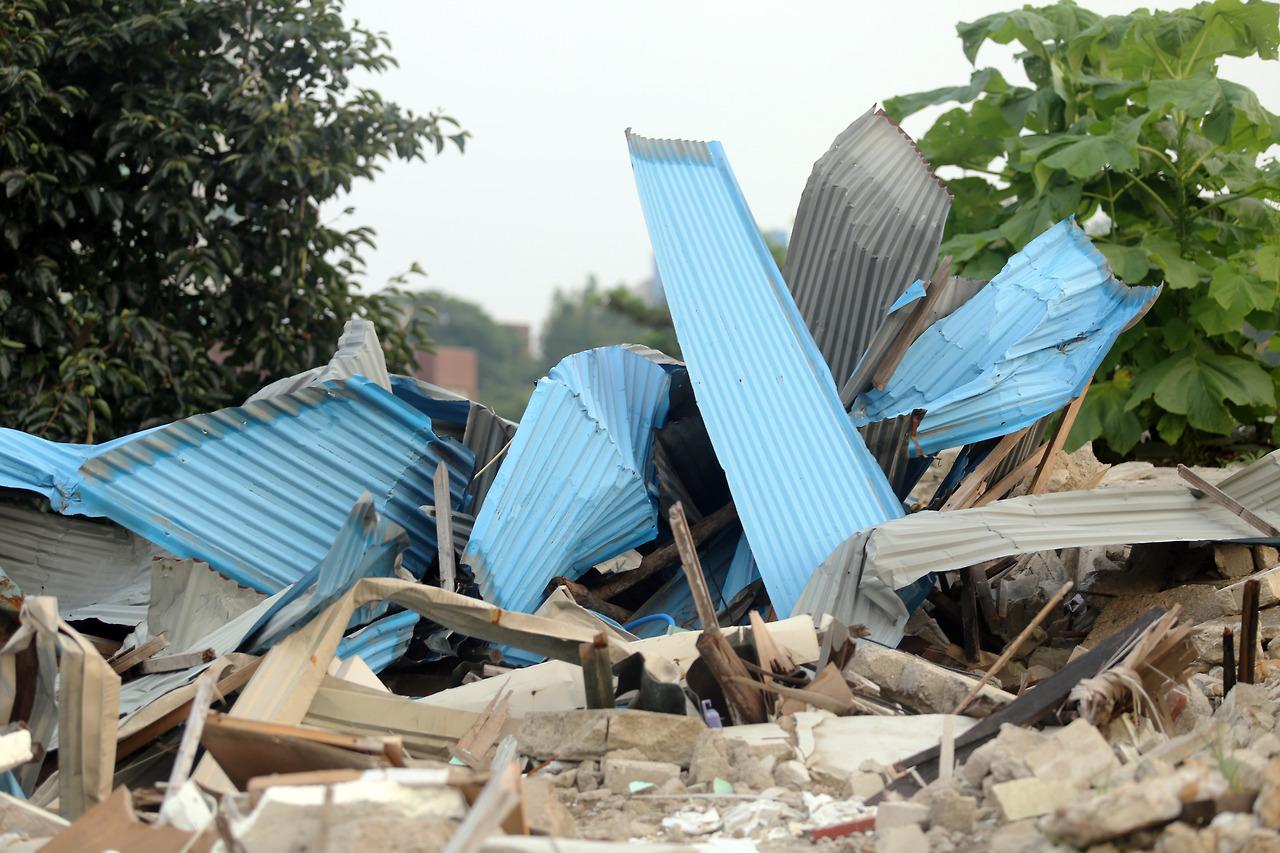
According to the artist’s notes, while looking at the broken remains of buildings in a redevelopment area, she became curious about the stories of the people who had once lived there.
 
During a visit to the demolition site, she happened to meet a middle-aged man who told her that he had been born there, and she came to hear about the history of his hometown, Cheongju, as well as the story of his own life.


Photograph taken during the research for the exhibition 《No-mind, the name of a stream》 © Hye Joo Jun

Cheongju was a strategic location during the Baekje period, when ironworking culture flourished, and was one of the region’s centers of iron production. In contrast to this history, the iron that remains in the city today exists primarily as rebar embedded in and supporting buildings, only to be bent and tangled within the shattered concrete remains left behind by redevelopment.
 
Through this work, Hye Joo Jun sought to explore the inherent properties and uses of iron, and how its role has reflected the lives of people inhabiting urban spaces in the past and present. She also sought to discover what stories iron might tell us about our own lives.


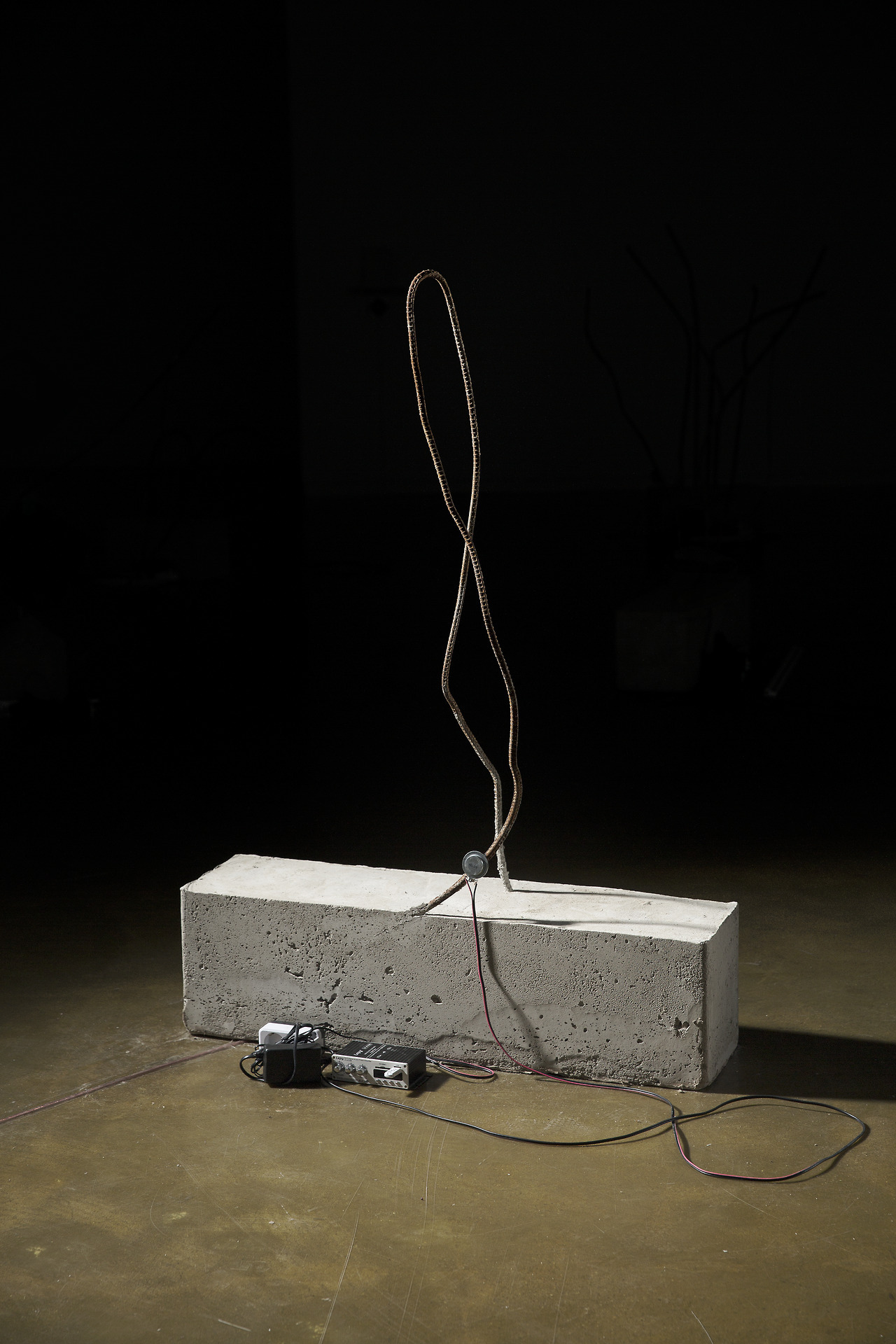
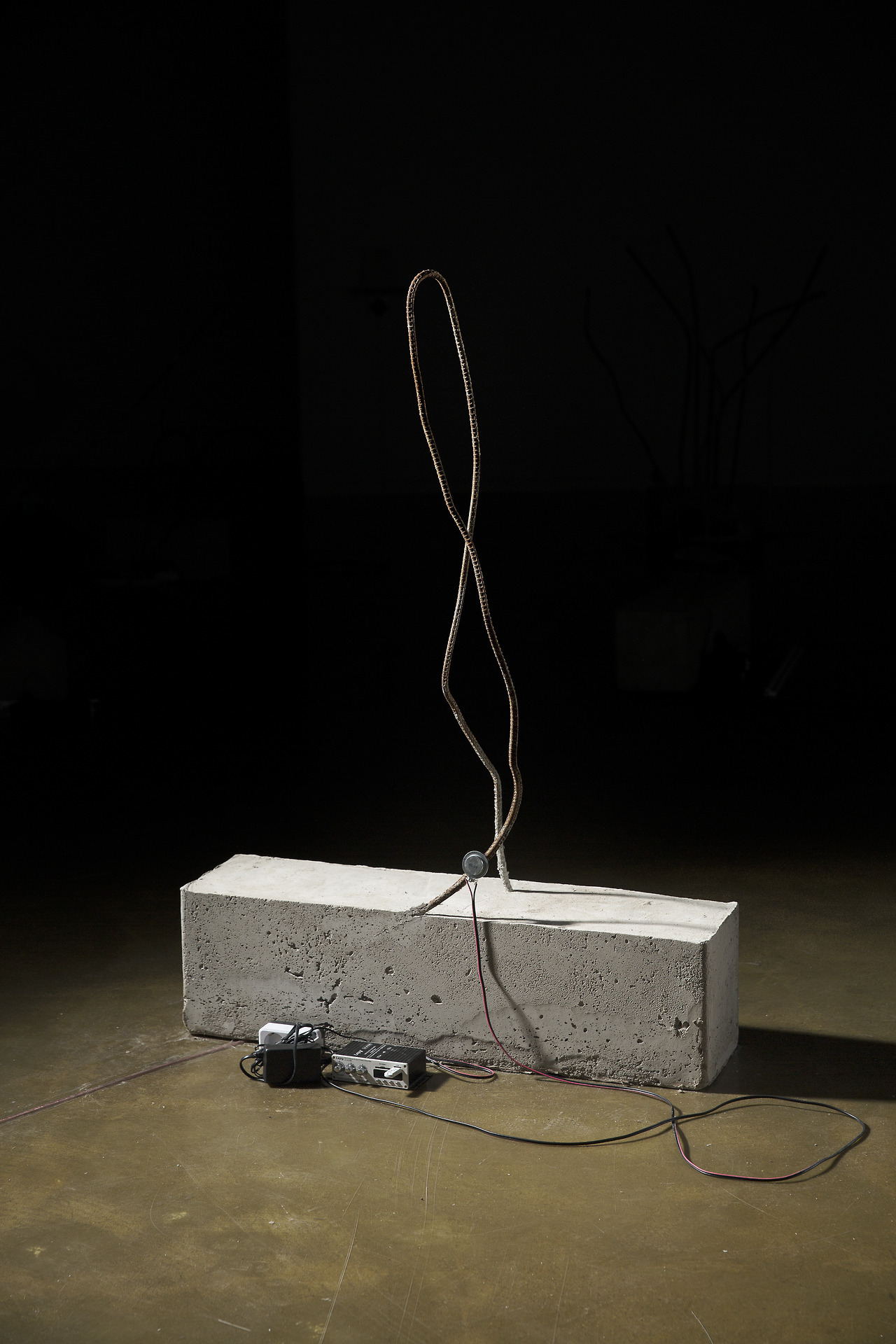
Hye Joo Jun, No-mind, the name of a stream, 2017, Cement, rebar, vibration speakers, amplifier, Dimensions variable © Hye Joo Jun

The rebar collected from construction sites and brought into the exhibition space tells its own story through its individually bent forms. Visitors could hear the sounds produced by the vibrating rebar by holding the pieces in their hands and bringing them close to their ears.
 
The sounds transmitted through the rebar recount the history of Cheongju and the personal history intertwined with the site, based on the story of the middle-aged man the artist happened to meet in the demolished residential neighborhood.
 
Alongside this, reflections on changing civilization through the motif of iron and the labor embedded within it were rendered into text and recited as sound.


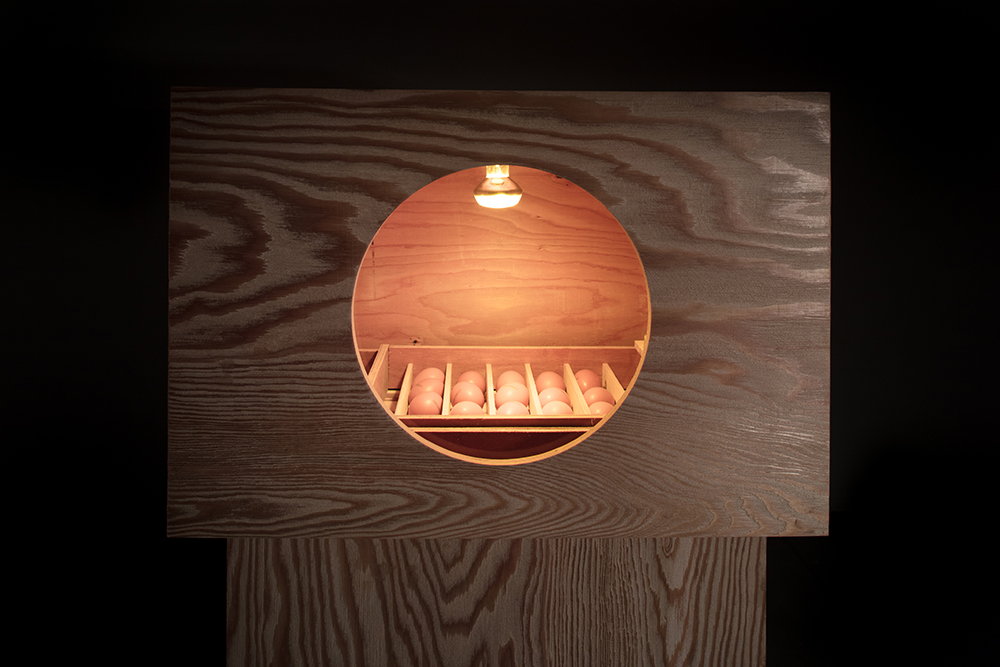
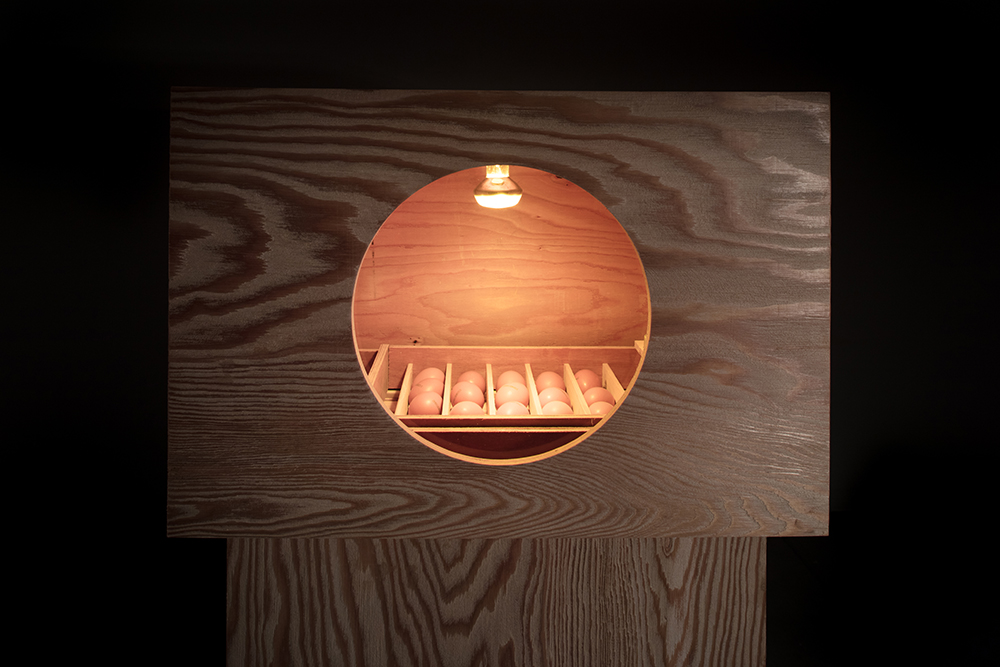
Hye Joo Jun, Whirl, 2019, Mixed media (sofa, transducer, hatch machine, motor, eggs, microphone, audio mixer, translated and modified Etana Epic_prints, collected images, frames) © Hye Joo Jun

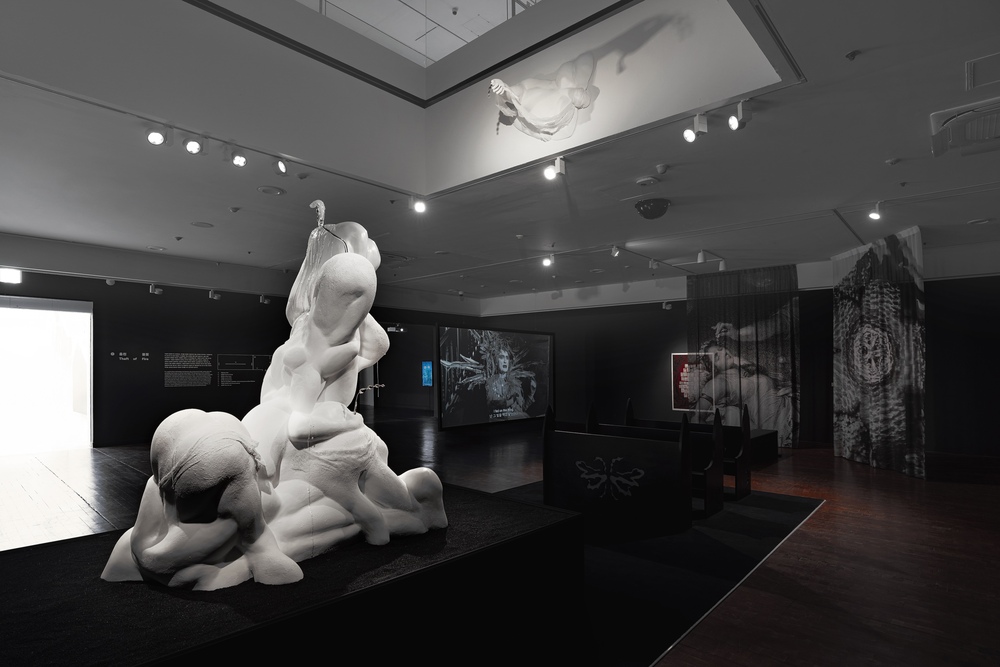
Jun’s exploration of the flow of urban environments, which are repeatedly demolished and rebuilt, and the realities underlying this process continued in her 2019 solo exhibition 《Whirl》. The exhibition alluded in various ways to the cyclical nature of cities, where creation and destruction endlessly repeat.
 
To this end, the artist created a situation in which two opposing images—birth and destruction—would emerge as a single form through the experience of the exhibition.
 
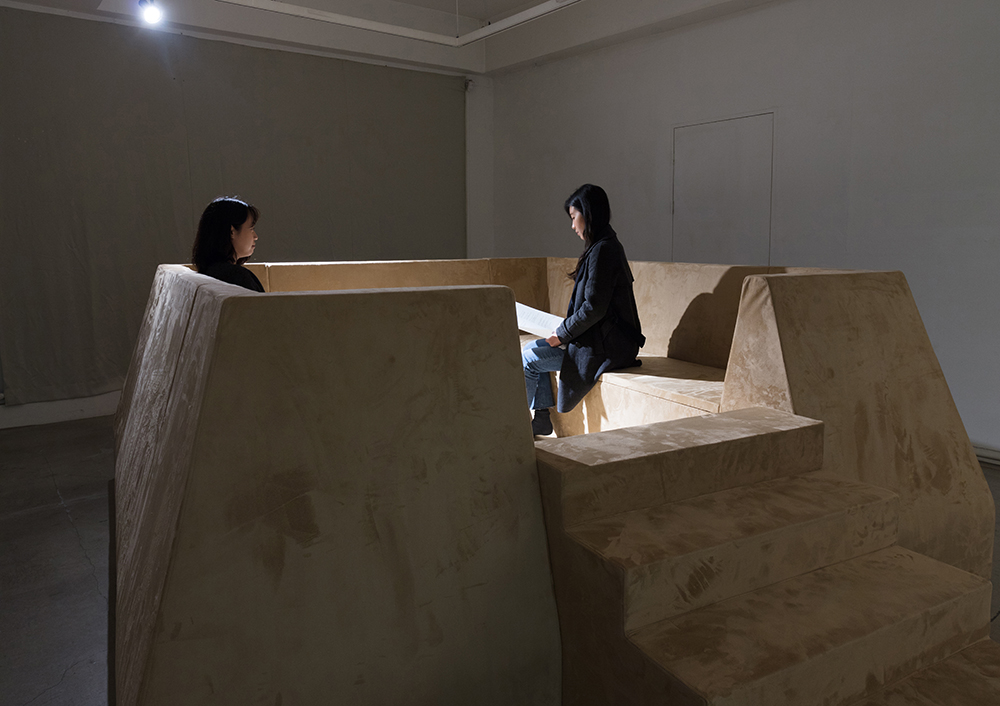
The sounds of eggs beginning to hatch inside an incubator installed on the second floor were transmitted through speaker cables to a specialized device embedded in a large pyramid-shaped sofa on the first floor, where they were transformed into vibrations. Visitors sitting on the sofa consequently experienced a sense of unease, as though an earthquake were taking place.


Hye Joo Jun, Whirl, 2019, Mixed media (sofa, transducer, hatch machine, motor, eggs, microphone, audio mixer, translated and modified Etana Epic_prints, collected images, frames) © Hye Joo Jun

The sensory encounter between the stirring eggs, symbolizing birth, and the pyramid, symbolizing destruction, reveals the ambivalent condition of the contemporary world, in which anxieties about the end and dystopian visions continue to intensify even within a modern society marked by advanced technology and civilization.
 
Between these two possible endings, the artist considers the open possibilities of the city as a vast, ever-expanding human project—one through which people continue to build ever-higher towers even today.


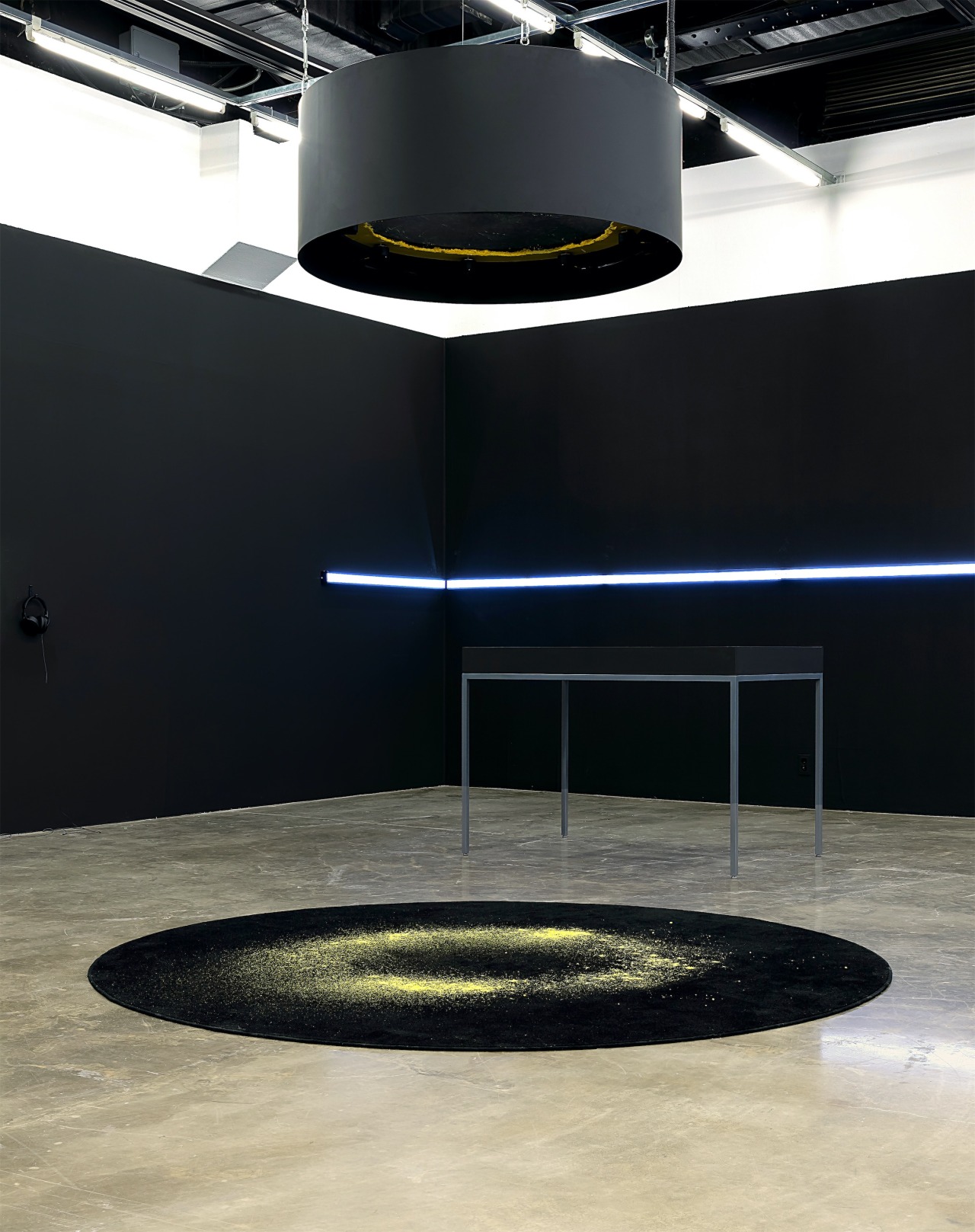
Hye Joo Jun, Yellow Border, 2021, Vibrator, pine pollen, collected flowers and pollen, digital print, video(10m18s) © Hye Joo Jun

Hye Joo Jun subsequently began exploring the ecological and social continuities of the contemporary world that, while invisible, exist and remain interconnected at a microscopic level, focusing on the potential of pollen to trace the past, records, and histories of specific places.
 
This inquiry became more concrete amid the circumstances in which the invisible coronavirus caused isolation from the outside world and anxiety in everyday life, as well as environmental problems caused by fine dust, which have intensified alongside the development of civilization.
 
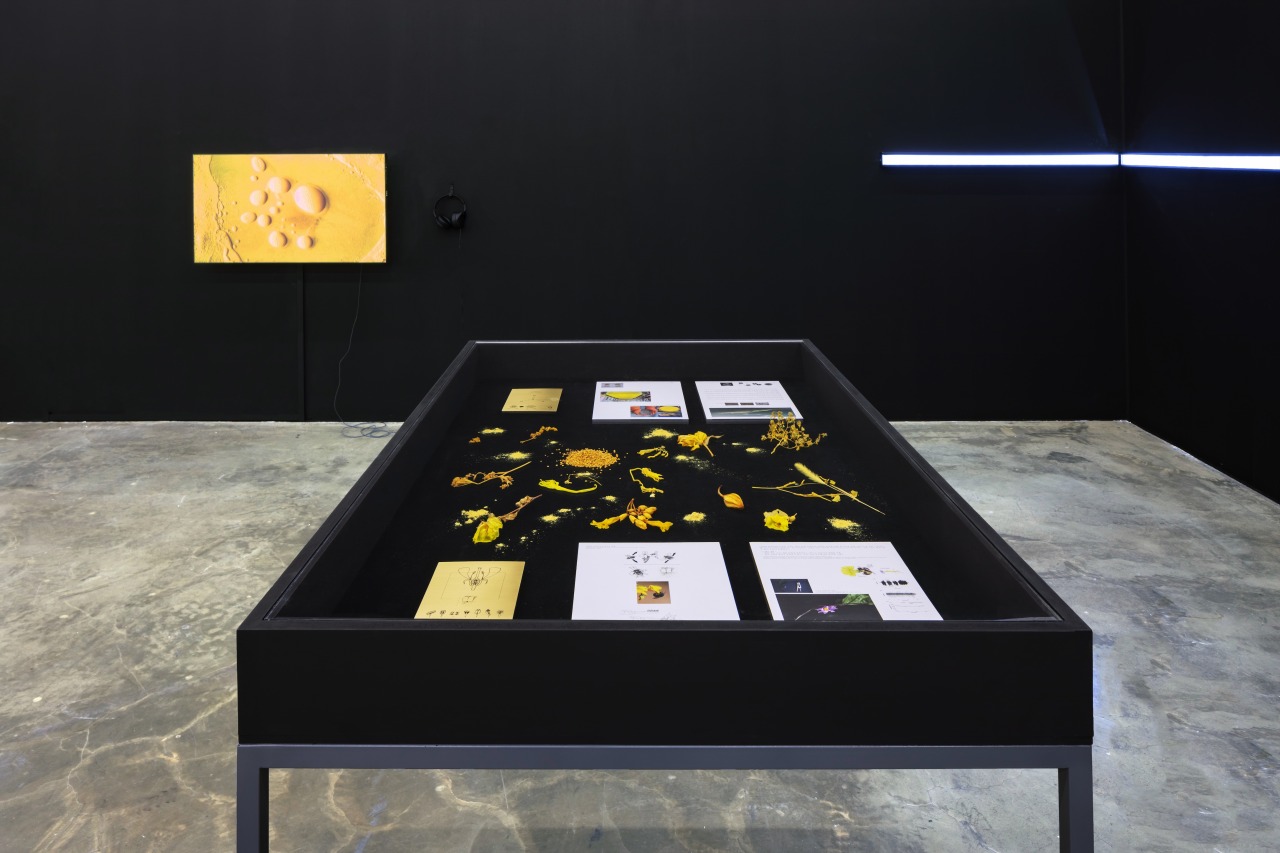
For example, her 2021 work Yellow Border began with the observation that pollen, a form of biologically derived fine particulate matter, closely resembles uranium yellowcake, a refined uranium powder used as a nuclear fuel material, to the extent that the two are difficult to distinguish with the naked eye.


Hye Joo Jun, Yellow Border, 2021, Vibrator, pine pollen, collected flowers and pollen, digital print, video(10m18s) © Hye Joo Jun

Hye Joo Jun researched two different substances, both in the form of yellow powder, that cross the boundaries of the human body, reconstructing her investigation into the ways in which they divide and expand through installation, video, and archival materials.
 
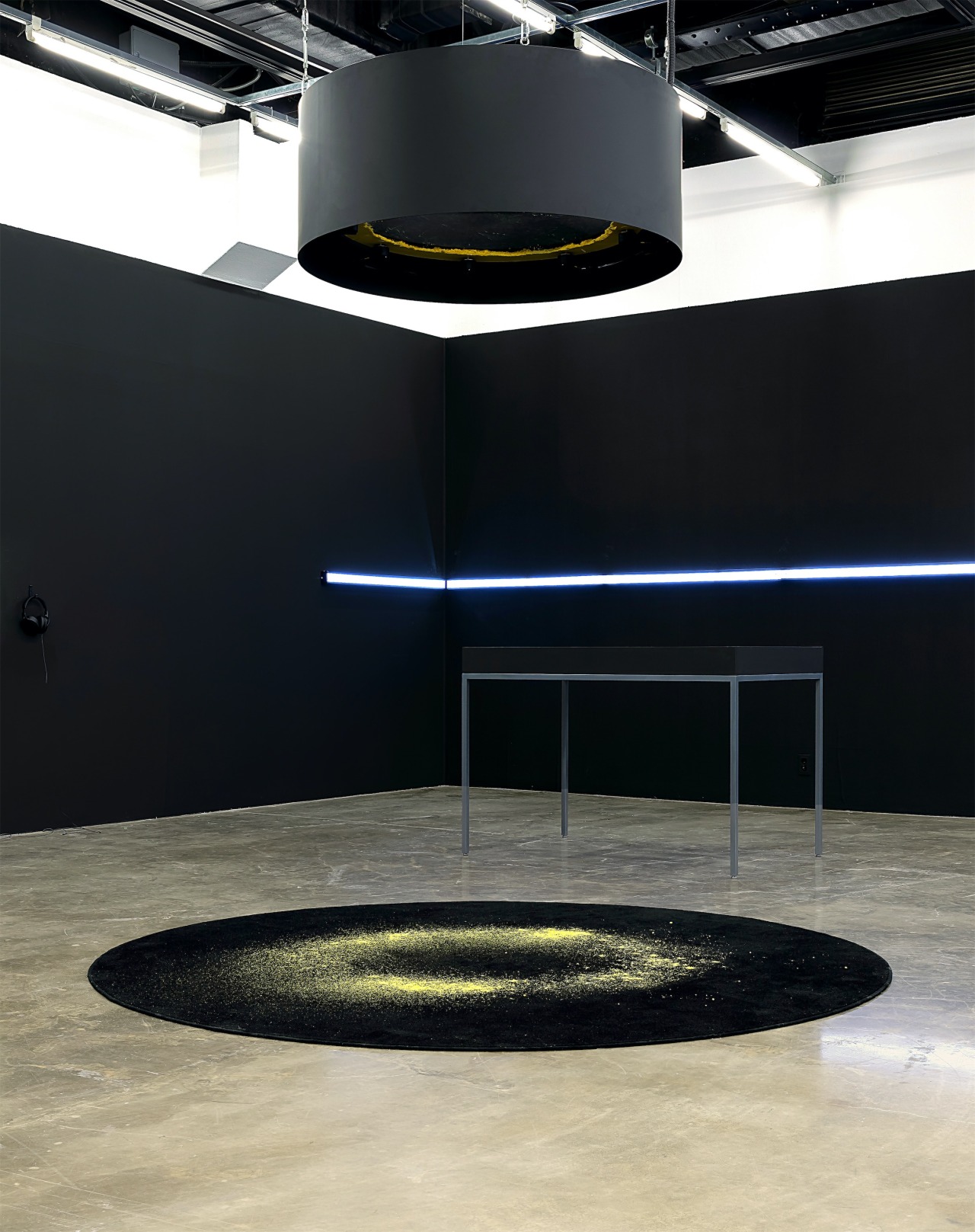
The installation device imitates the movement of bees, whose wings beat at a specific frequency as they gather nutrients from flowers. This simulated movement functions, in accordance with the laws of nature, to release pollen.
 
As a result, the fine yellow powder that falls to the floor gradually accumulates over time, leaving a distinct trace.
 
Like pollen that crosses boundaries, coloring the atmosphere and water around the Earth yellow in spring, and hazardous substances that enter our bodies through various pathways, the powder evokes an external world that may not be clearly perceptible but cannot be ignored or excluded. It speaks to an uncontrollable microscopic world that lives, breathes, and moves within our own breath.


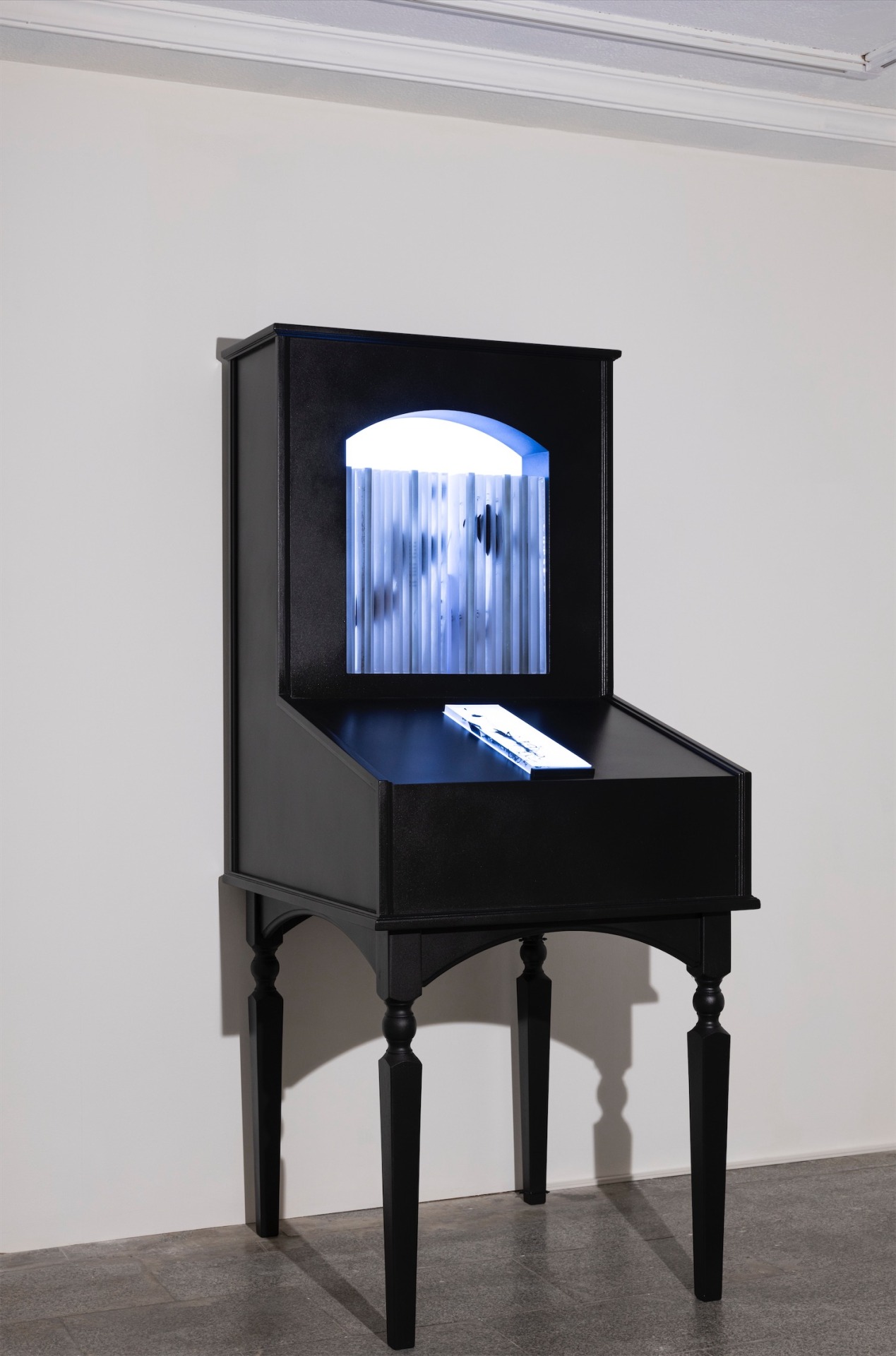
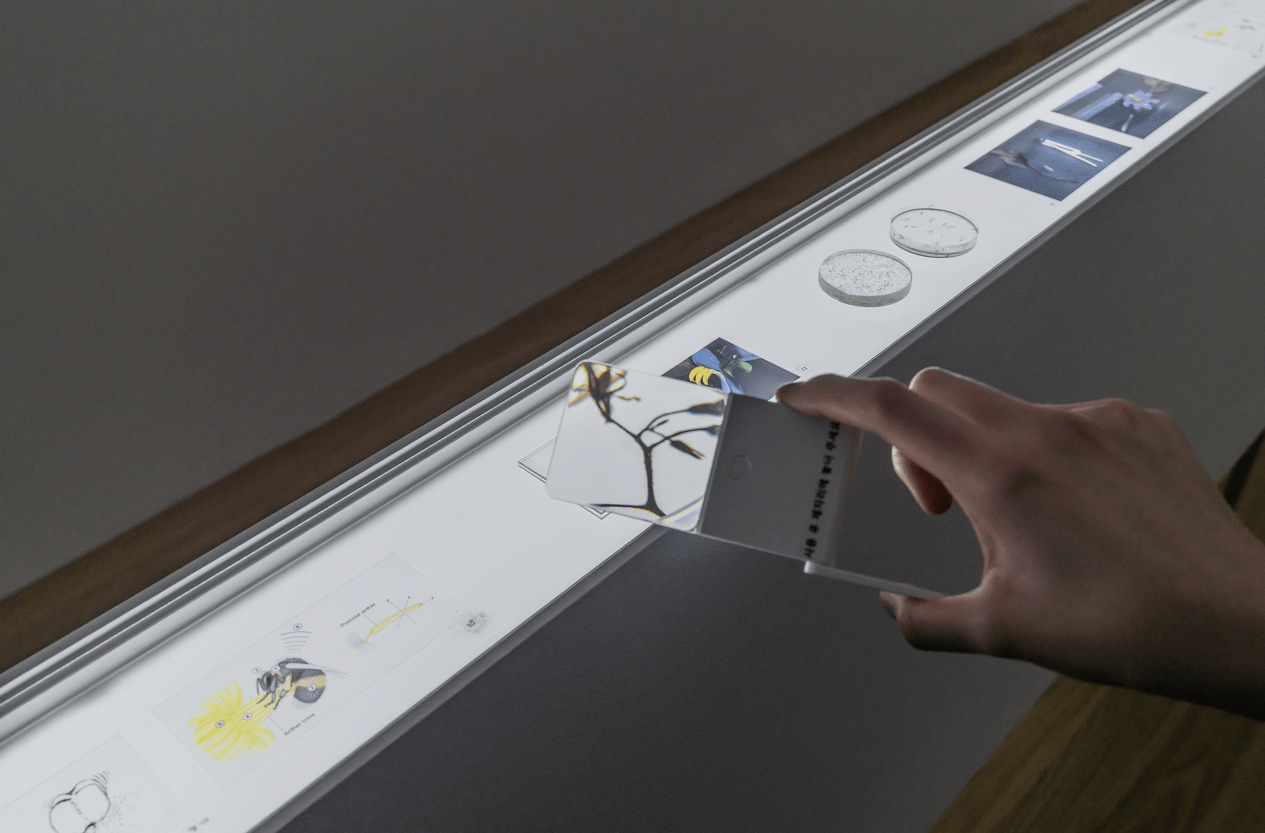
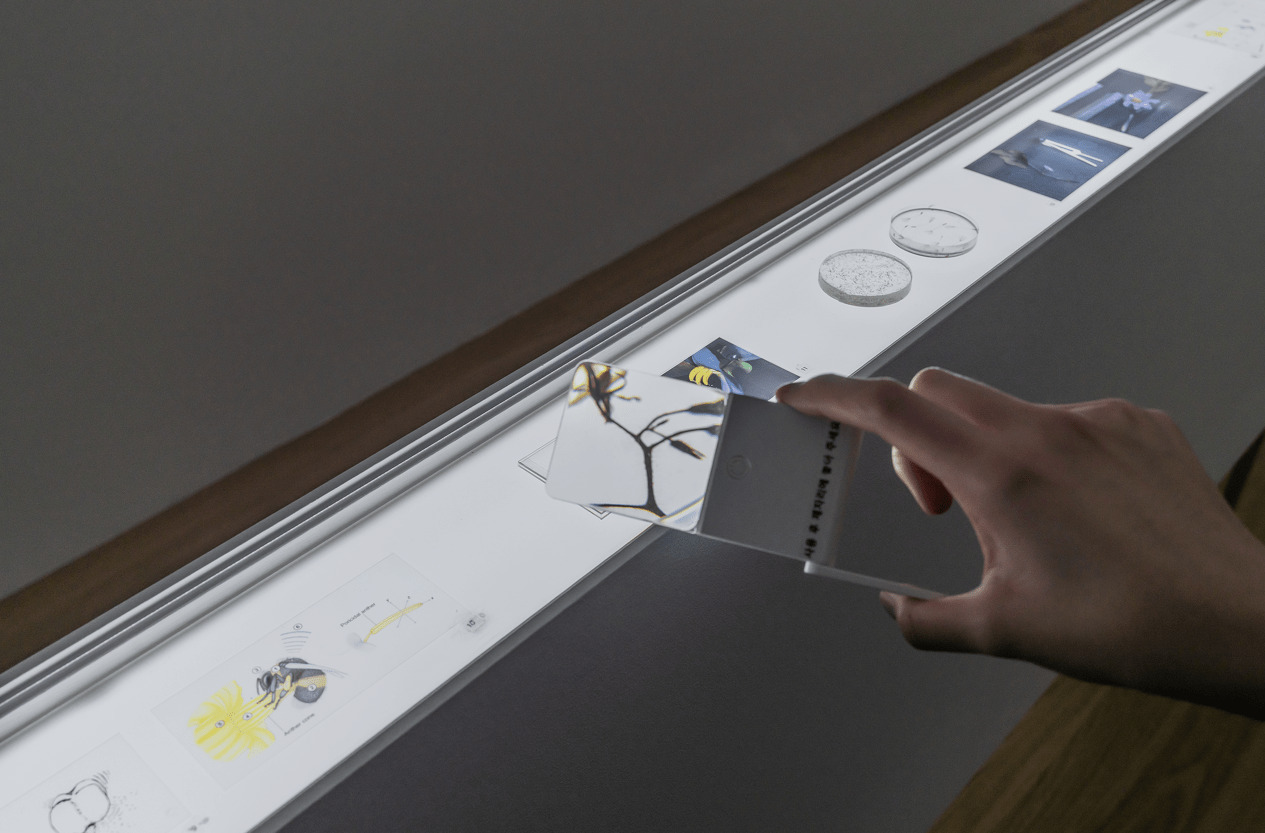
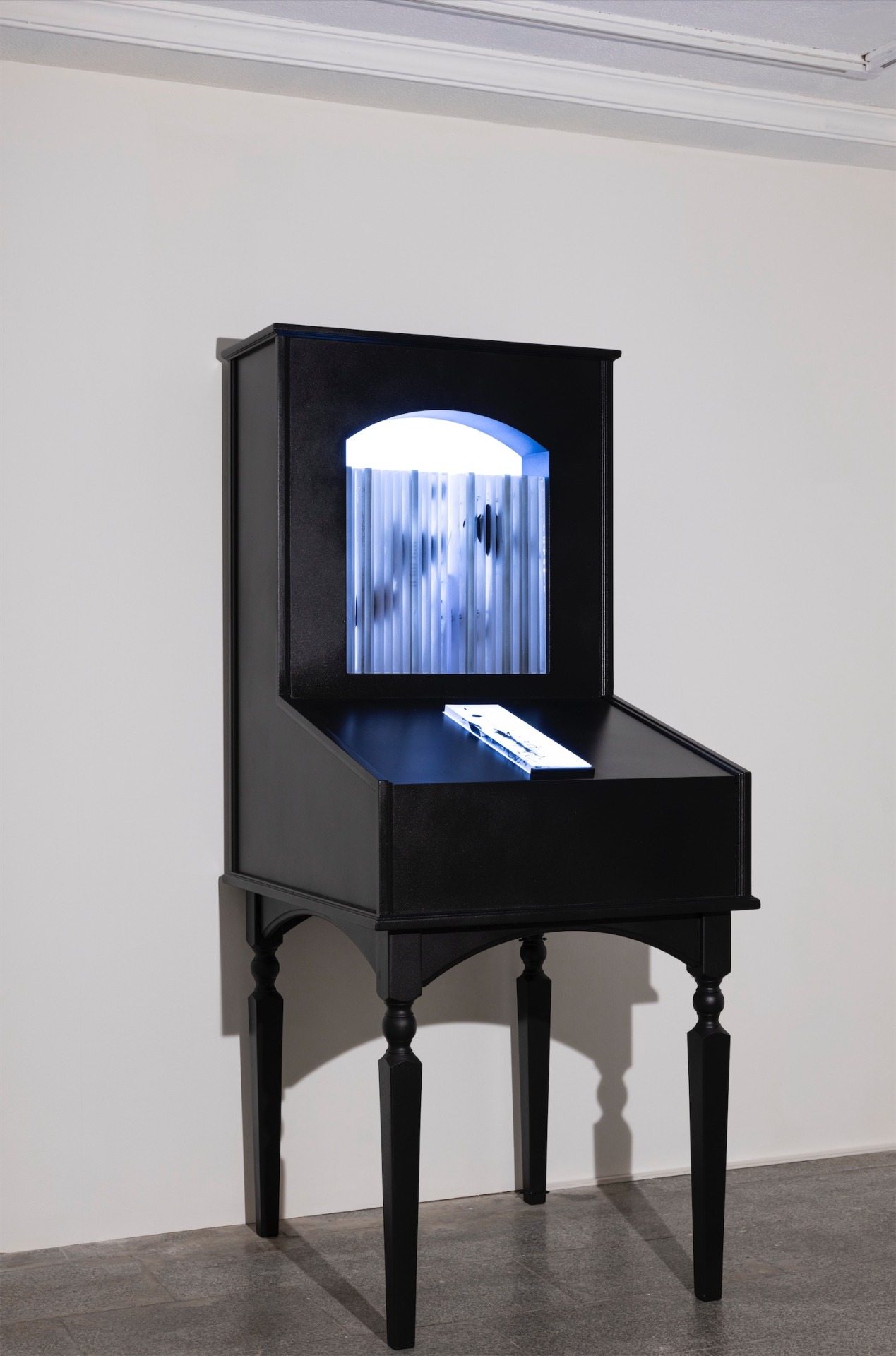
Hye Joo Jun, Hummer, 2022, Specimen display box, botanical and pollen specimen, reference images, two-channel super-directional loudspeaker, sound, Dimension variable. © Hye Joo Jun

Furthermore, in Hummer (2022), Jun compares weapons and military technology to the survival techniques of pollen in the air. The artist focuses on technologies that function in invisible domains, much like pollen in the air. Since they penetrate our bodies gradually, it is easier to overlook their impact than that of weapons.
 
The directional loudspeakers that are installed at opposite ends of the exhibition hall are the same speakers used for crowd control. The sound is created by the artist combining the tones of bees, drones, and unmanned vehicles that may be familiar yet still difficult to perceive and discern.


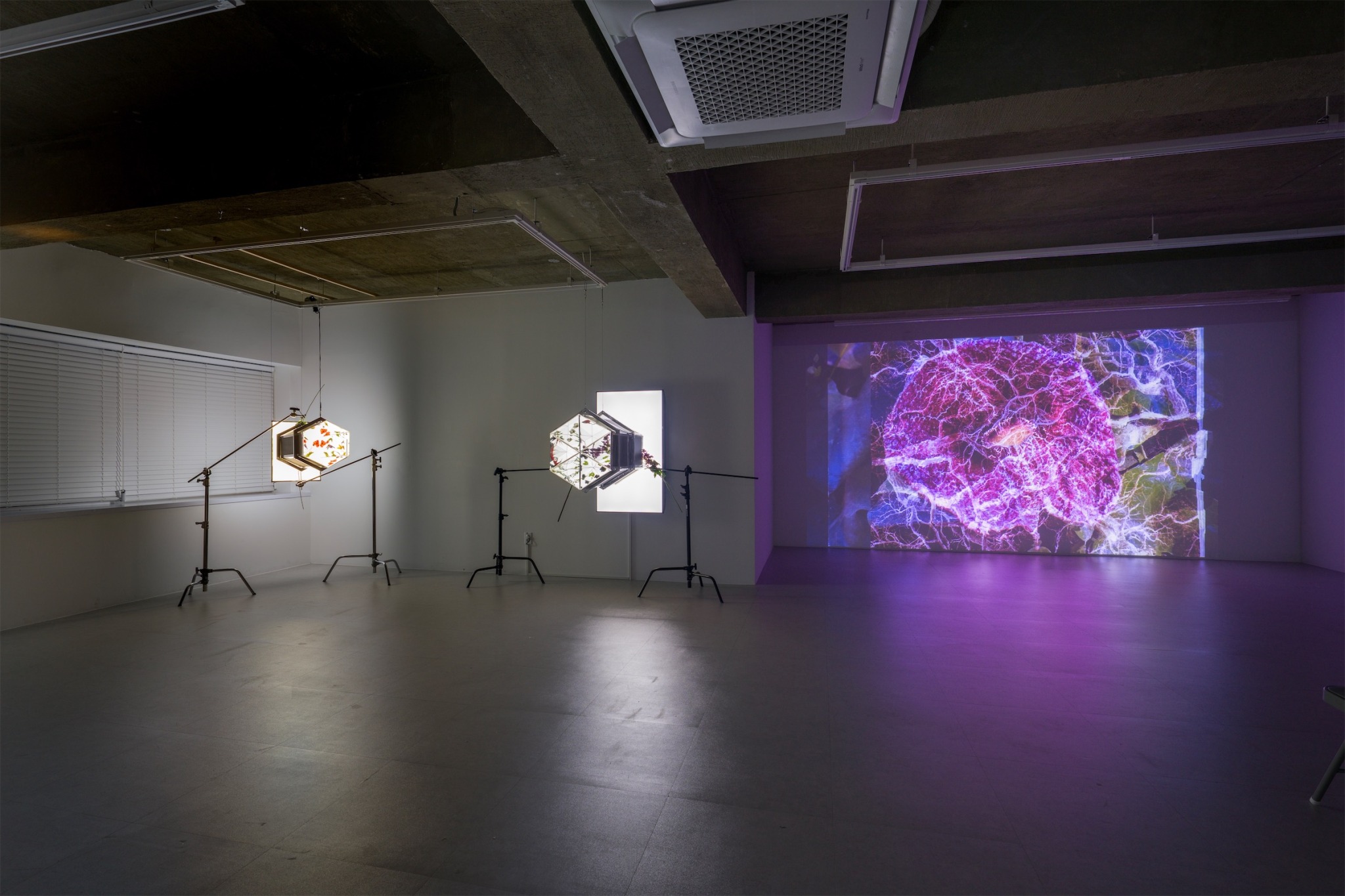
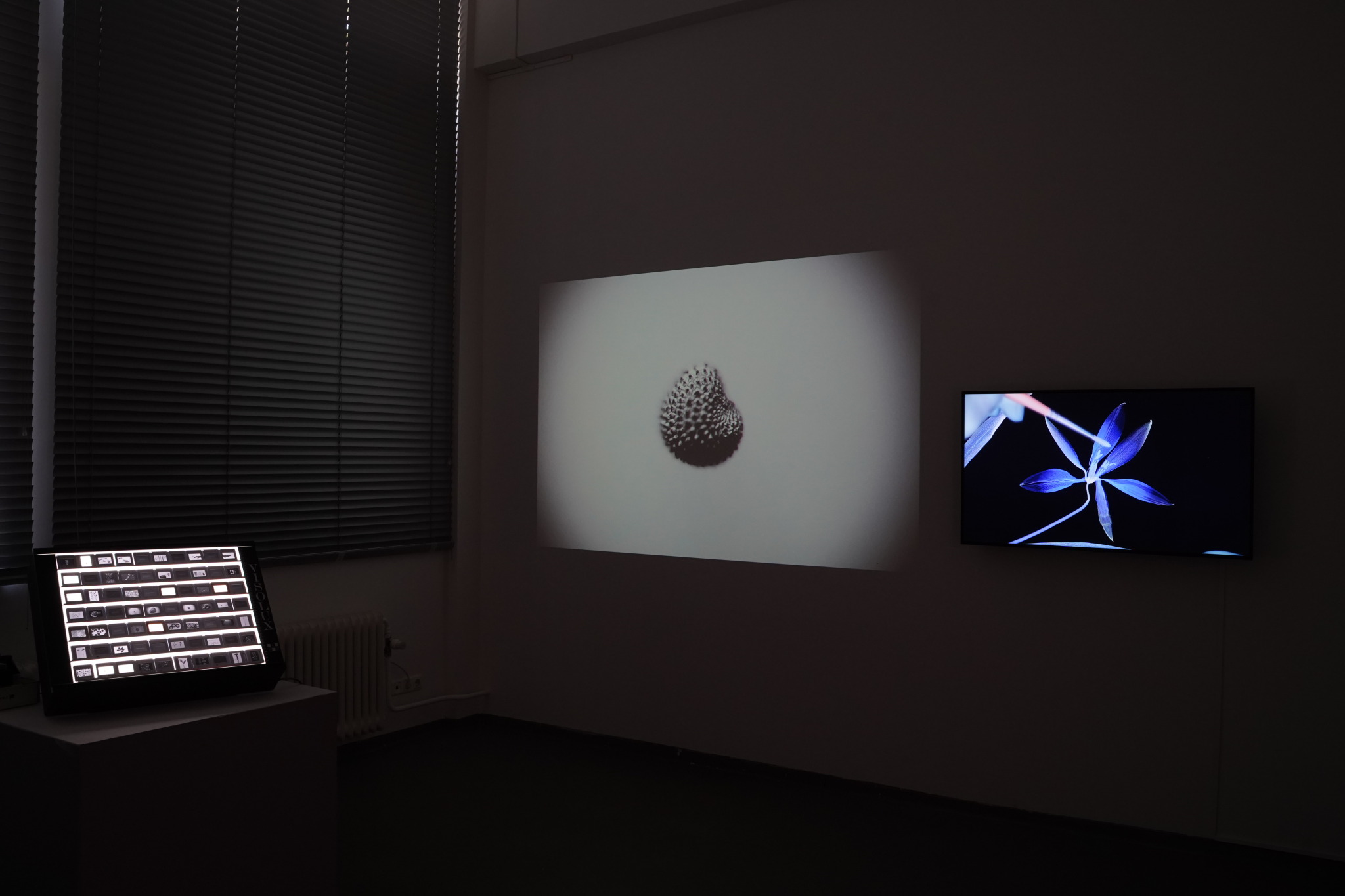
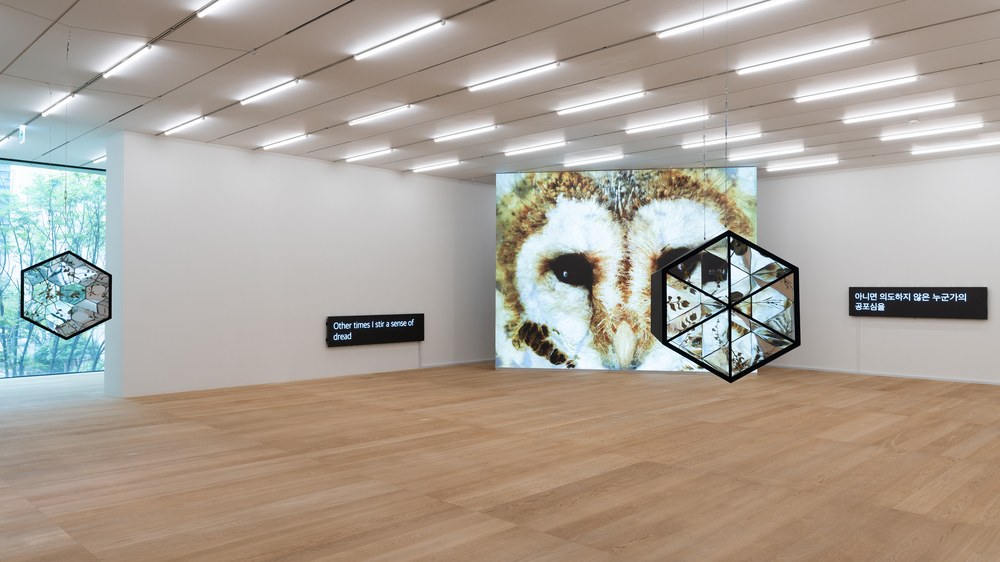
Installation view of 《Endoskopeia》 (SONGEUN, 2026) © SONGEUN Art and Cultural Foundation

This work, which revealed how external environments organize the human body and social structures, subsequently became a starting point for the artist’s in-depth exploration of the interconnected relationships that constitute the world through the mediation of microscopic matter and sensory perception.
 
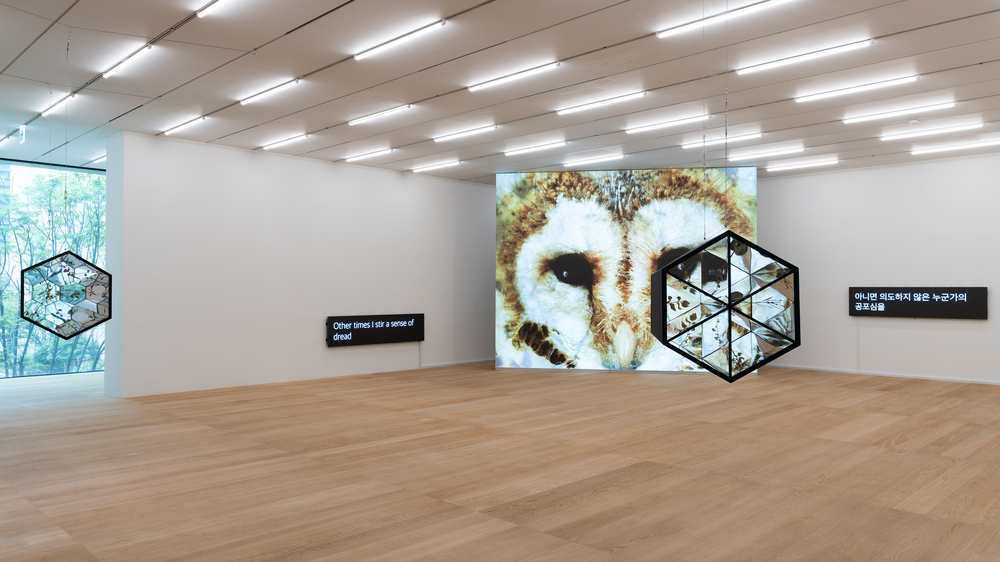
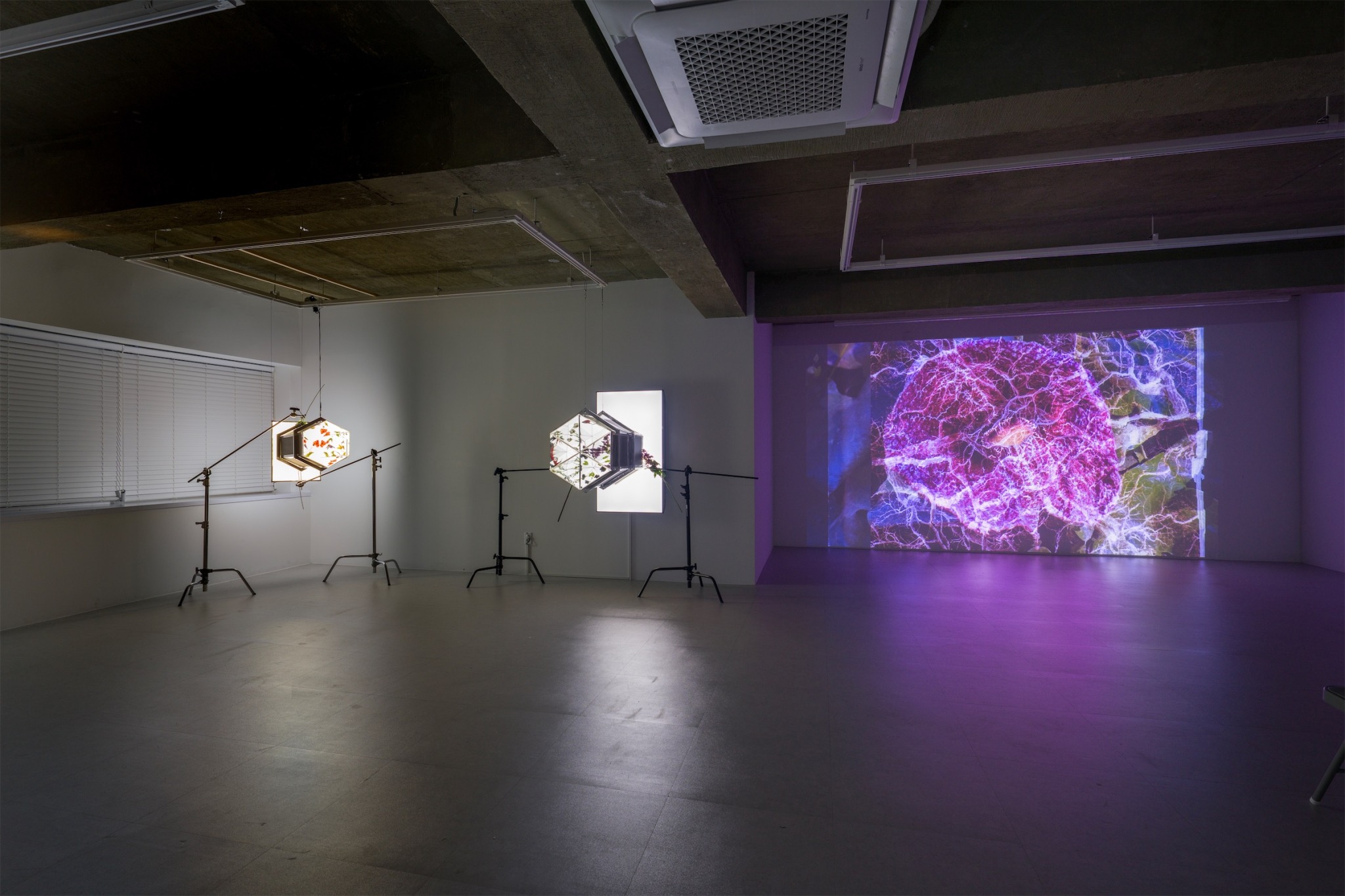
The artist’s recent solo exhibition 《Endoskopeia》 (2026) at SONGEUN takes its concept from the Greek roots “endo” (within) and “skopein” (to observe), focusing on the processes and ways in which the external world enters the interior of the body. The exhibition transforms the entire exhibition space into a single tubular structure.
 
Moving through a flow that extends from the geological strata to growth and the atmosphere, visitors encounter how microscopic entities suspended in the air traverse histories and ecologies, technologies and power, bodies and societies.
 
Traces accumulated in the geological strata expand through structures of growth and control into a sensory experience of the atmosphere and circulation, revealing that the boundaries that have traditionally separated humans from their environments are in fact situated within processes of constant exchange and transformation.
 
While Hye Joo Jun has explored the relationship between humans and their environments by observing, collecting, classifying, and arranging objects around her, this exhibition constructs an environment of its own, inviting the human body to become a field of sensory response to air, humidity, and the vibrations of sound.


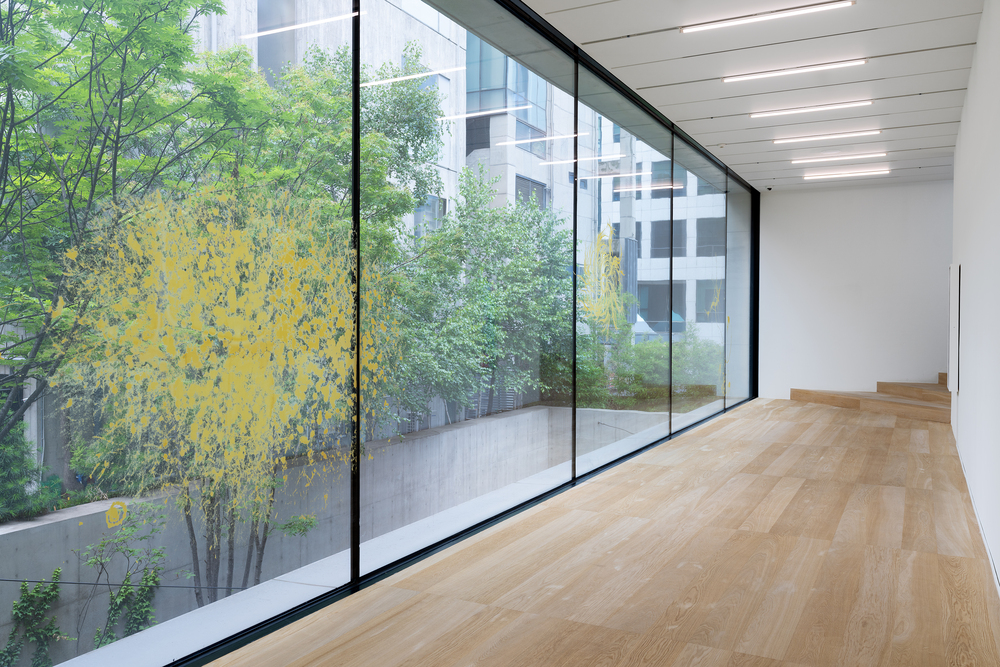
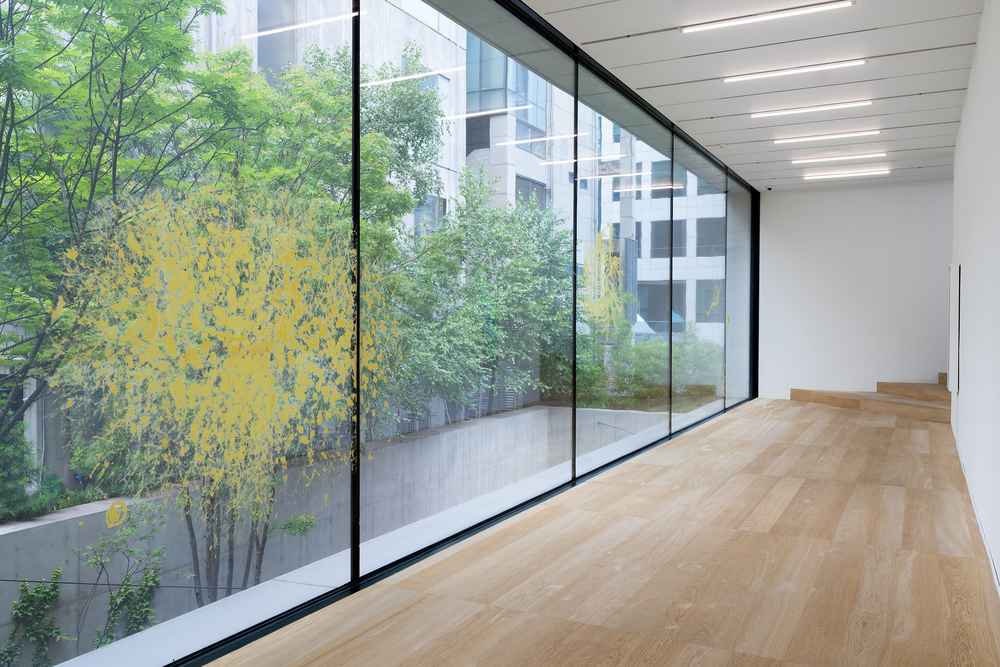
Hye Joo Jun, Refugia, 2026, Pollen, silkscreen, Variable dimensions © SONGEUN Art and Cultural Foundation

First, the new work Refugia (2026) extends the artist’s interest in the movement and reproduction of plant species, developed in her earlier work The Birth of a New Flower (2023), to a more microscopic scale.
 
The artist views the glass surfaces of buildings as membranes of skin where interior and exterior intersect, visualizing the movements of mycelial networks, pollen, dust particles, and other matter that pass through or temporarily remain within this space.
 
Drawing on visual materials she has collected over many years relating to plants, microorganisms, and airborne particles, she reconstructs the processes through which life and matter become entangled and disperse into an organic structure.
 
The forms spread across the glass do not point to specific entities but suggest invisible flows of movement and connection, revealing that the boundaries separating inside and outside, nature and the artificial, and individual organisms and their environments are not fixed lines but states of continual penetration and exchange.


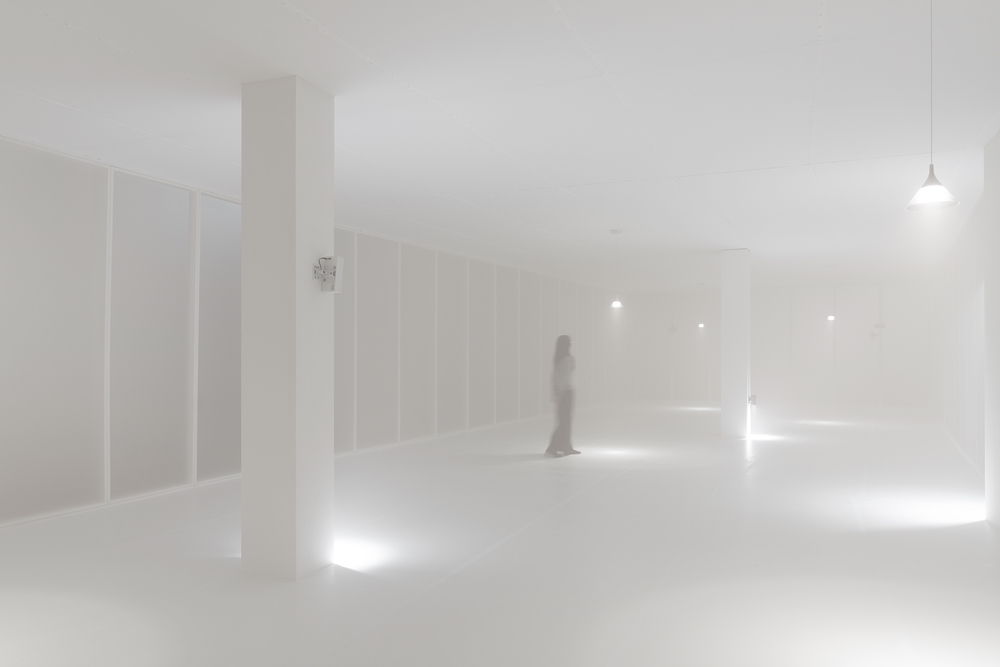
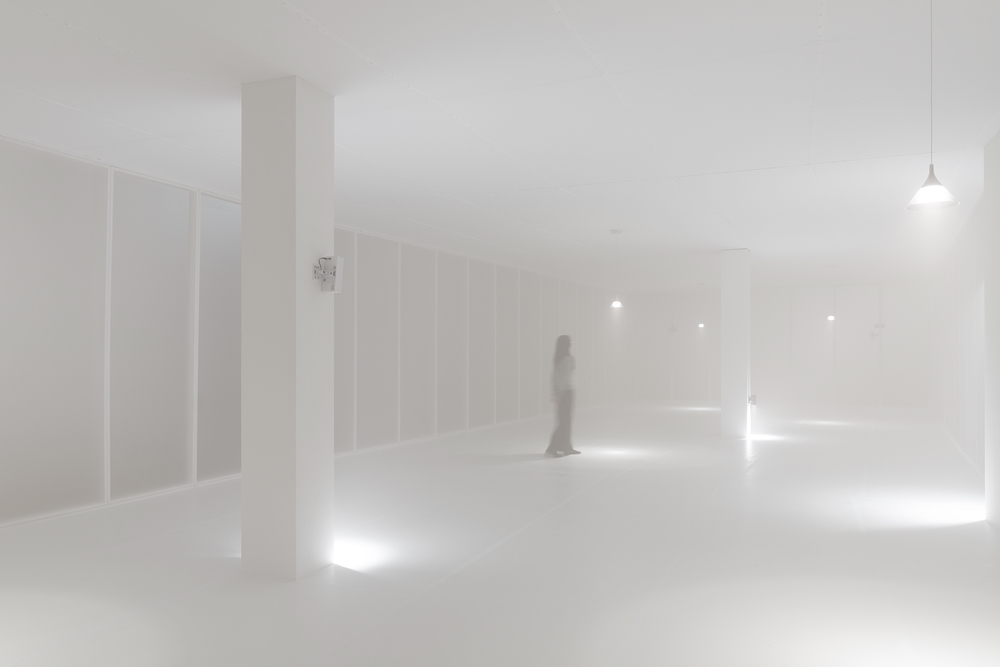
Hye Joo Jun, Atmosphere, 2026, Multi-channel sound, ultra-directional speakers, Variable dimensions © SONGEUN Art and Cultural Foundation

Another new work, Atmosphere (2026), begins with the flows of invisible matter—such as air, dust, mold, and moisture—that permeate everyday life yet often go unnoticed. It reveals the process by which the external environment enters the body by juxtaposing bodily structures, such as the digestive and respiratory systems, with architectural cycles in which air-conditioning systems and mold growth repeatedly interact.
 
Ultrasonic speakers installed throughout the exhibition space and flickering lights generate invisible currents of air and vibration within the space, allowing visitors to physically sense the movement of the atmosphere as they move through these flows.


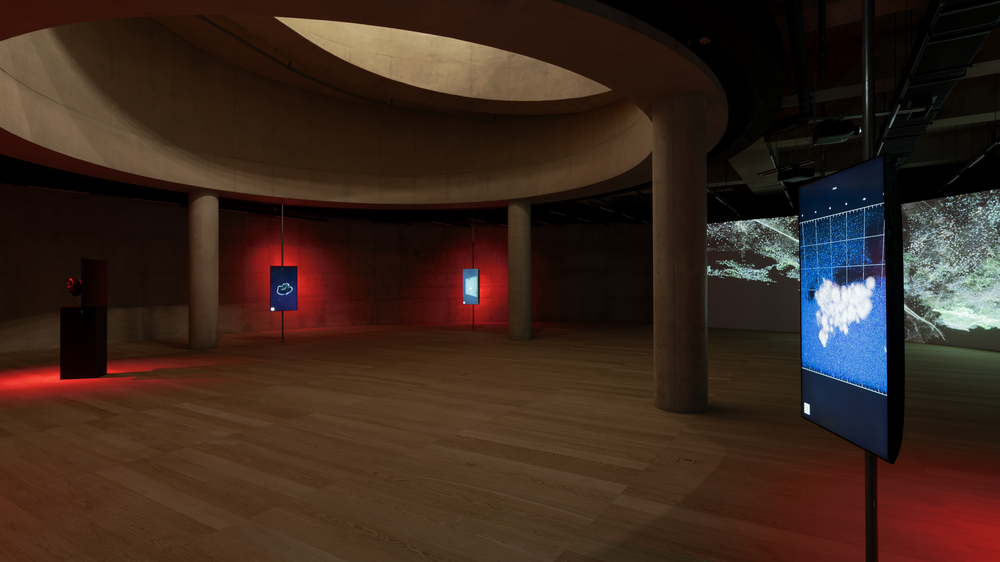
Installation view of 《Endoskopeia》 (SONGEUN, 2026) © SONGEUN Art and Cultural Foundation

Through these works, Hye Joo Jun demonstrates that the boundary between interior and exterior is not a fixed division but a condition formed through continual exchange and response. Her practice has consequently focused less on the boundaries separating humans and nature or inside and outside than on the circulation, interaction, and living states that emerge between them.
 
Her work brings to the sensory level what lies beneath the surface of the macro-scale systems and orders that structure our world, allowing us to perceive through our bodies the invisible and microscopic connections that constitute it.

“Ultimately, I want to convey the message that the state of the ‘self’ is not fixed but continually changes as it mixes with the outside world, and that we should become a little more accepting of the environment around us.” (Hye Joo Jun, from an interview with Noblesse)


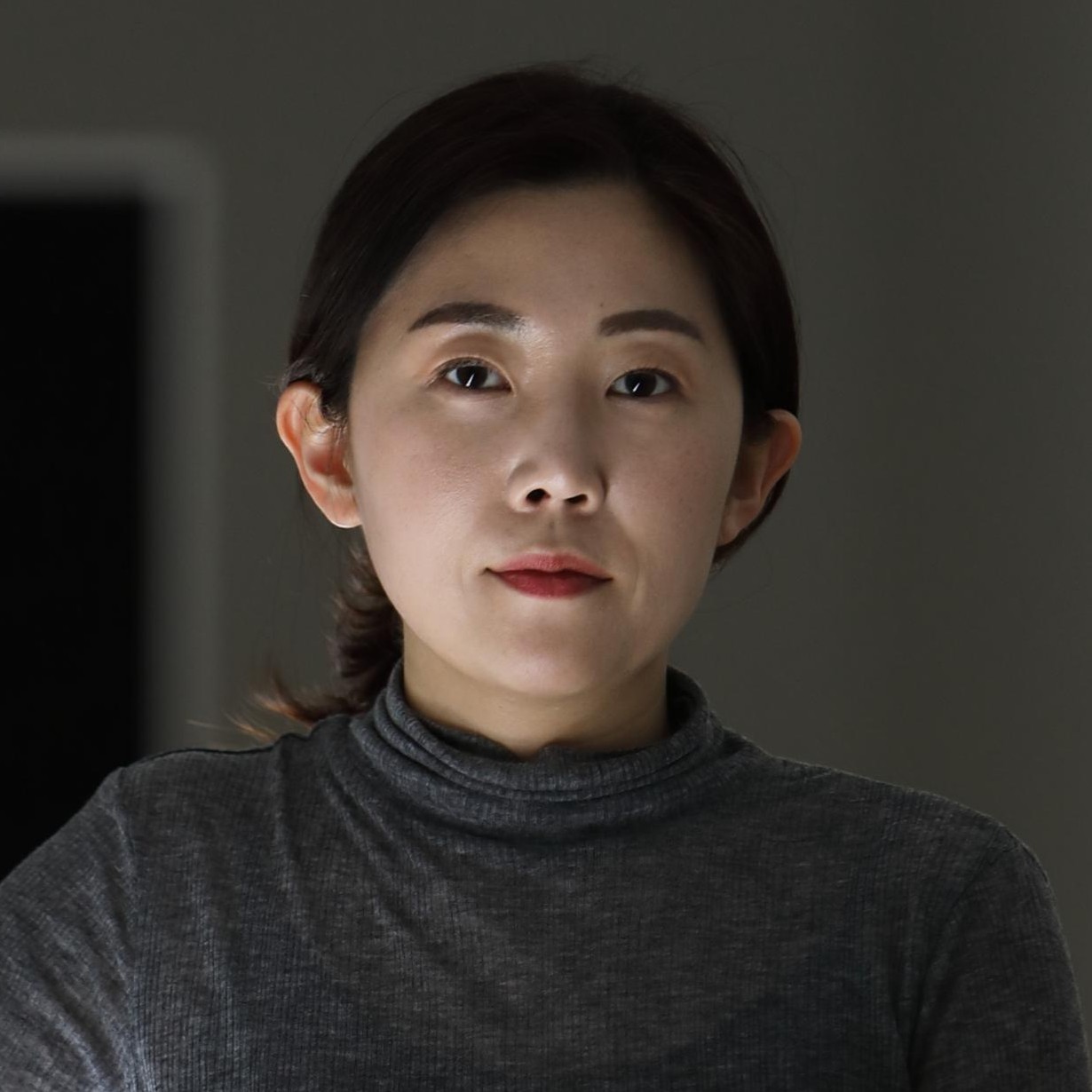
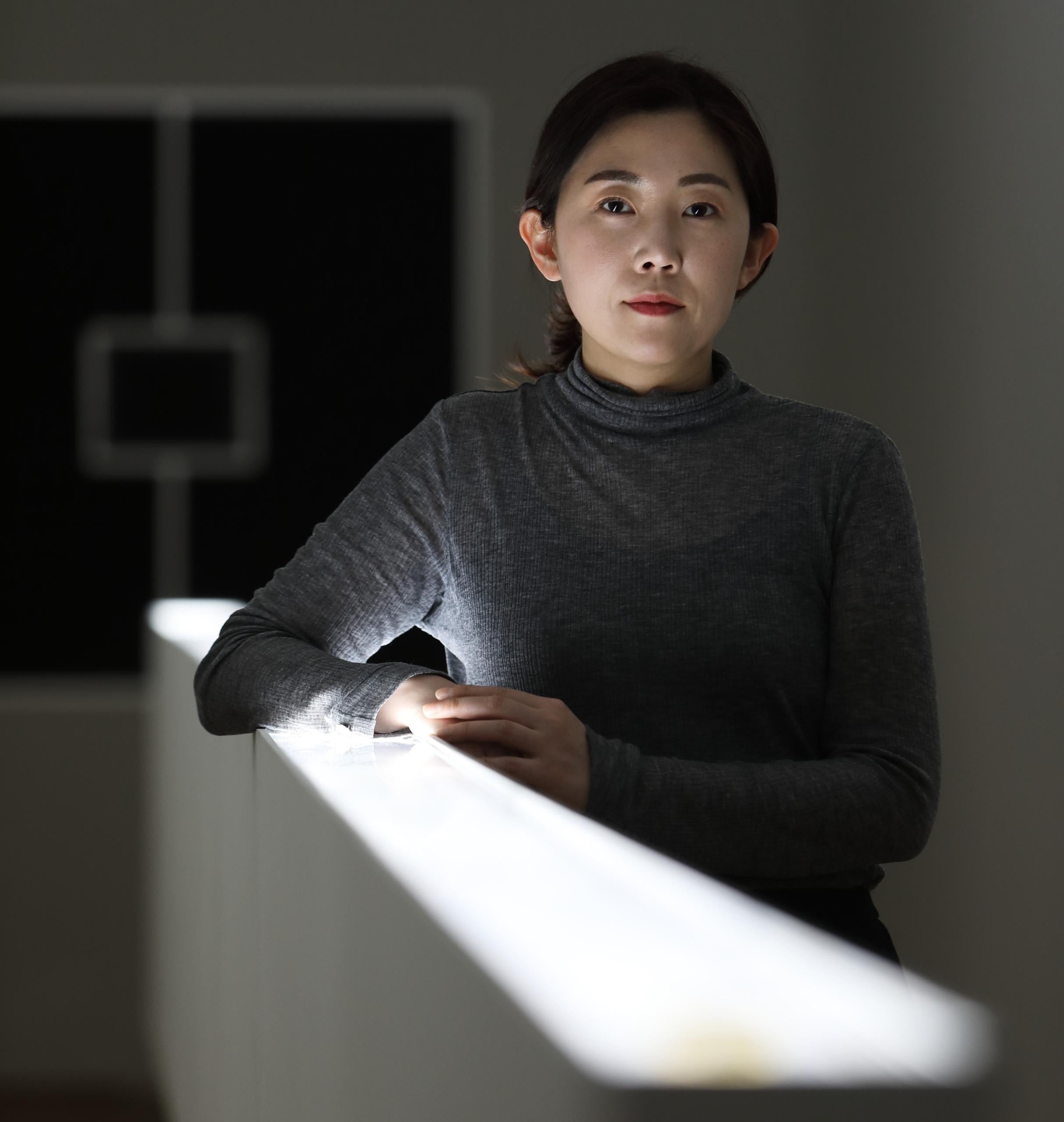
Artist Hye Joo Jun © SONGEUN Art and Cultural Foundation

Hye Joo Jun studied New Media and Stage Design at the Hochschule für Gestaltung Offenbach am Main in Germany, and earned a master’s degree in Art and Media from Berlin University of the Arts, where she also completed the Meisterschüler program. Her recent solo exhibitions include 《Endoskopeia》 (SONGEUN, Seoul, 2026), 《Patterns of Confinement》 (Shhh, Incheon, 2025), 《Delusion – How to Face the Lost Lives》 (Surim Cube, Seoul, 2025), and 《All-Over》 (Oil Tank Culture Park, Seoul, 2022).
 
She has also participated in numerous group exhibitions, including 《AMOR EX MACHINA》 (Seoul Museum of Art, Seoul, 2026), 《LAYERED MEDIUM: WE ARE IN OPEN CIRCUITS》 (Manarat Al Saadiyat, Abu Dhabi, UAE, 2025), the 15th Gwangju Biennale 《PANSORI, a Soundscape of the 21st Century》 (Gwangju Biennale Exhibition Hall, Gwangju, 2024), 《At the End of the World Split Endlessly》 (Seoul Museum of Art, Seoul, 2024), 《The 22nd SONGEUN Art Award Exhibition》 (SONGEUN, Seoul, 2022), and 《Nothing makes itself》 (ARKO Art Center, Seoul, 2021).
 
In 2023, Hye Joo Jun was awarded the Grand Prize of the 22nd SONGEUN Art Award. Her works are held in the collections of the Seoul Museum of Art, SONGEUN Art and Cultural Foundation, and MMCA Art Bank, among others.

References