Lee began
by dismantling and reassembling the grammar of cinema. He separates elements
through which film produces emotion and meaning—sound, subtitles, point-of-view
shots, acting, and location imagery—from their original narratives and places
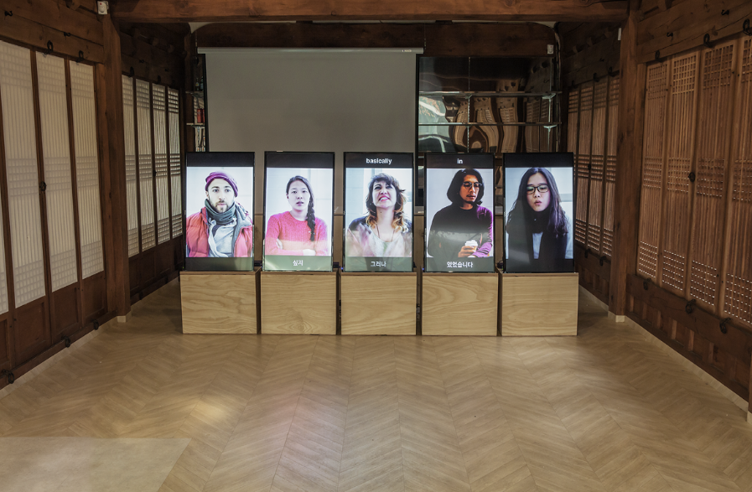
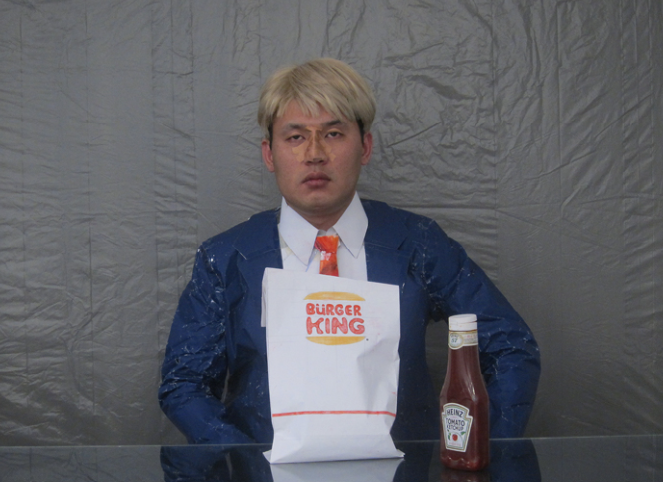
them in new relationships. Open Your Eyes(2017) exposes the
structures of horror-film sound, scenario, production design, special effects
makeup, and viewpoint, asking through whose eyes the viewer is actually seeing
an image.
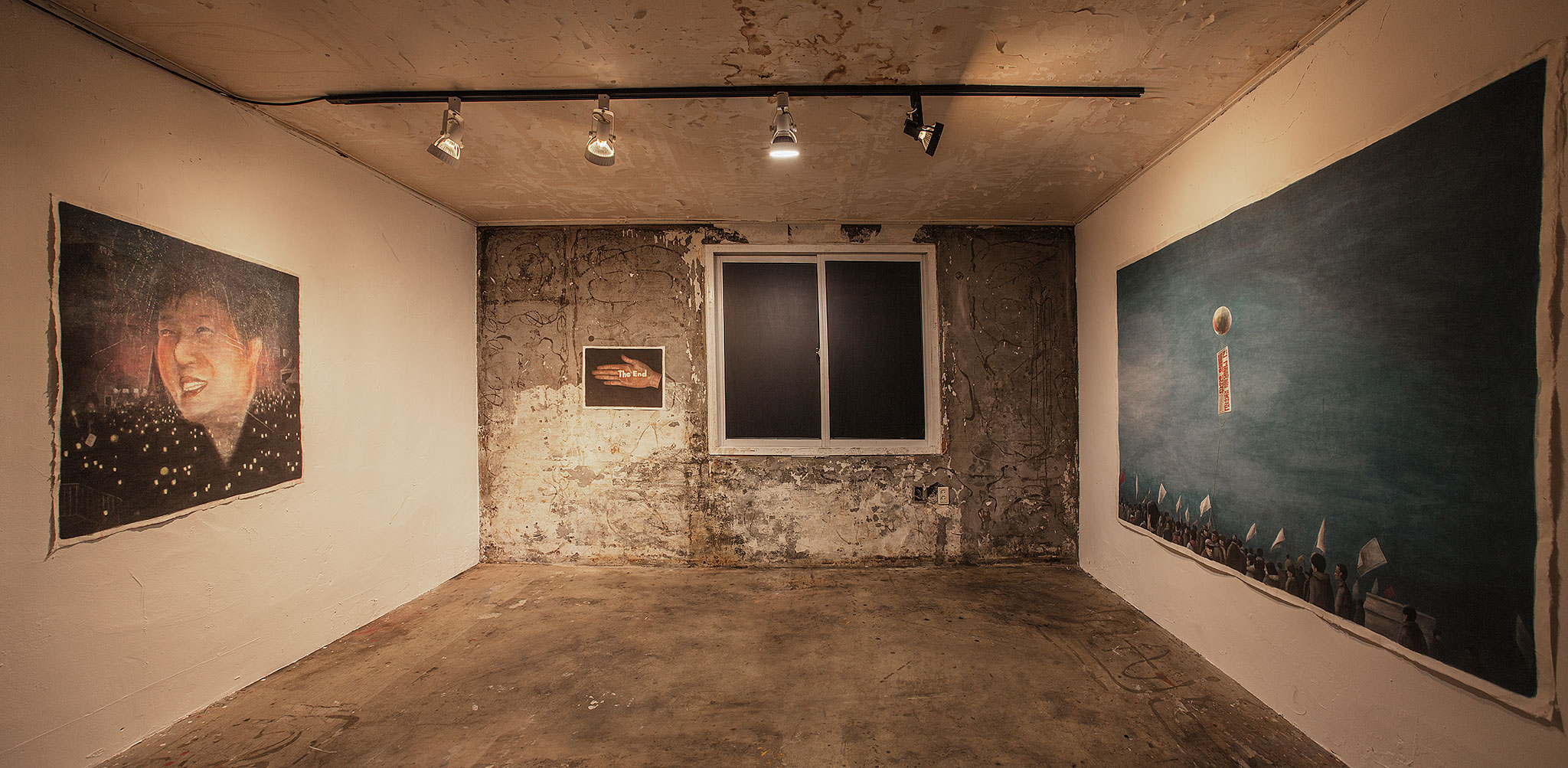
Son, That is Just a Thick Fog(2017) juxtaposes
images of dictators and slogans collected from newspapers and promotional
materials with unrelated everyday objects, obscuring the original political
purposes of the images. From the beginning, editing and rearrangement
functioned for Lee both as means of creating new narratives and as methods of
weakening the authority of existing images.
Around
2019, reverse playback, repetition, and multichannel video became increasingly
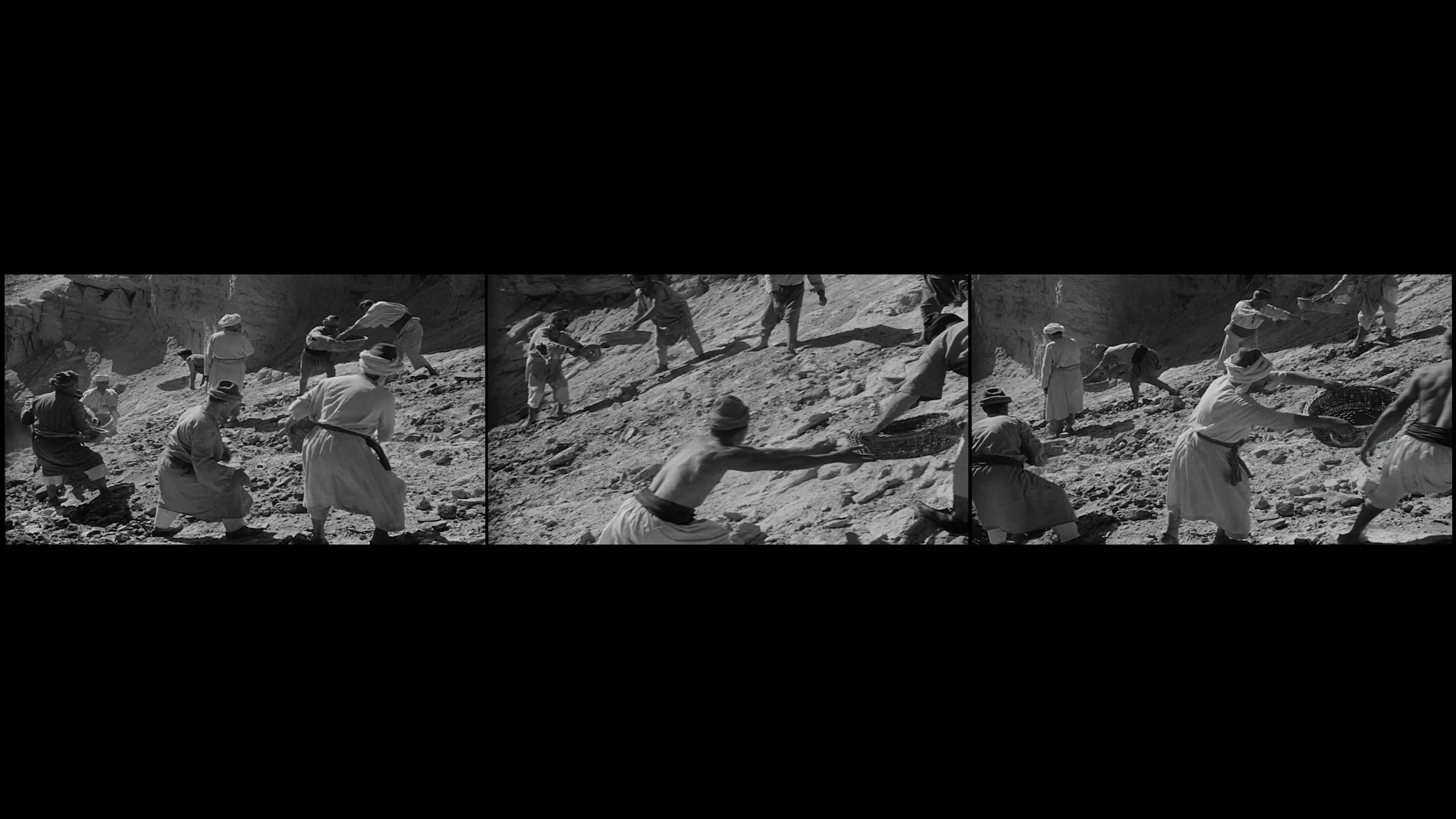
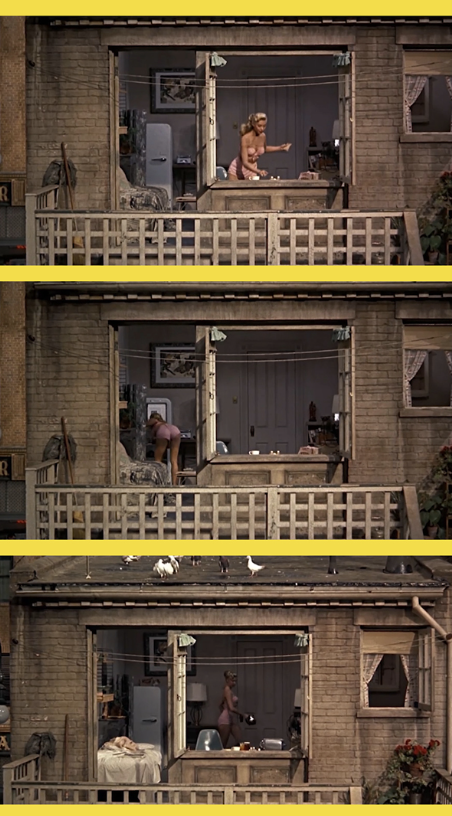
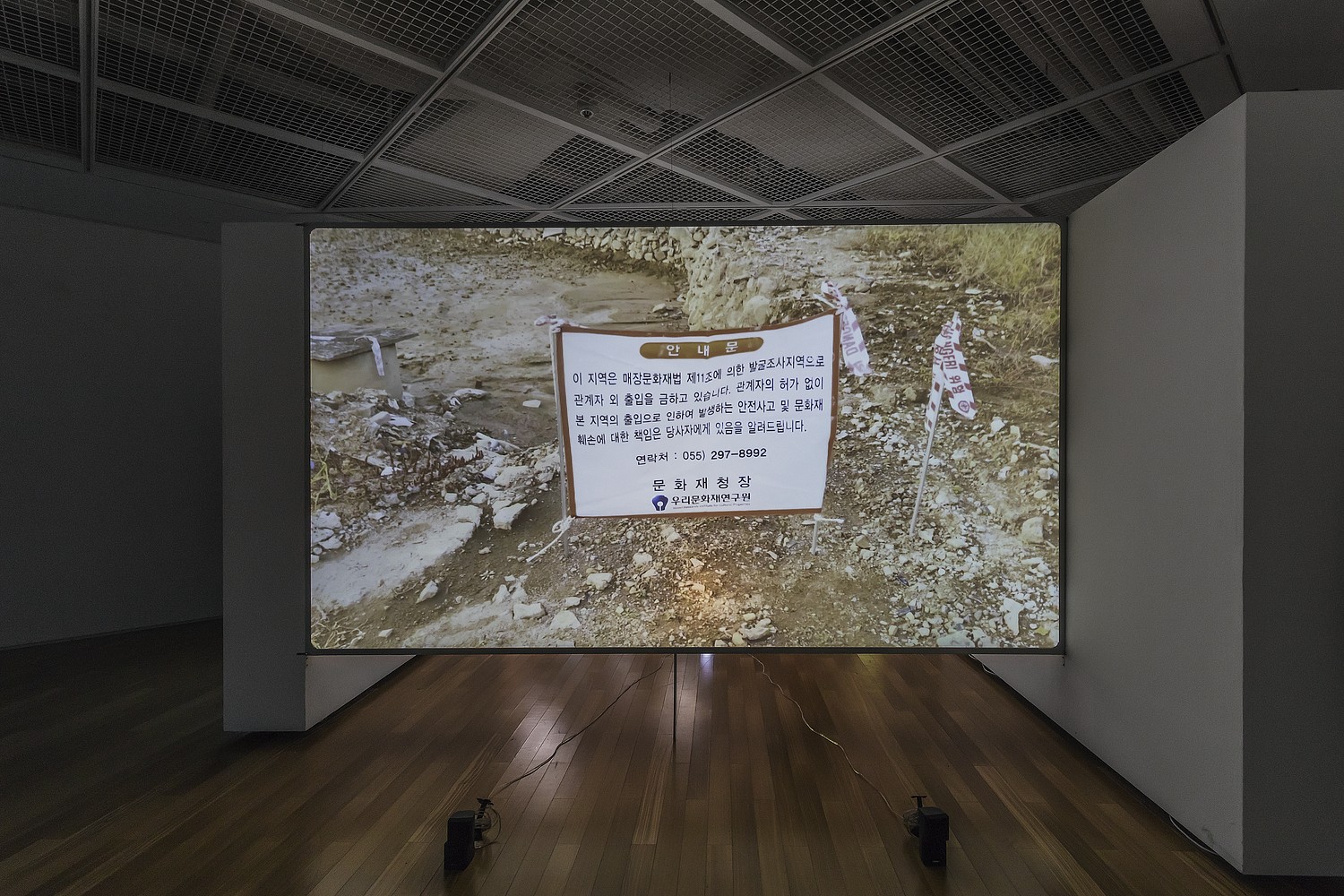
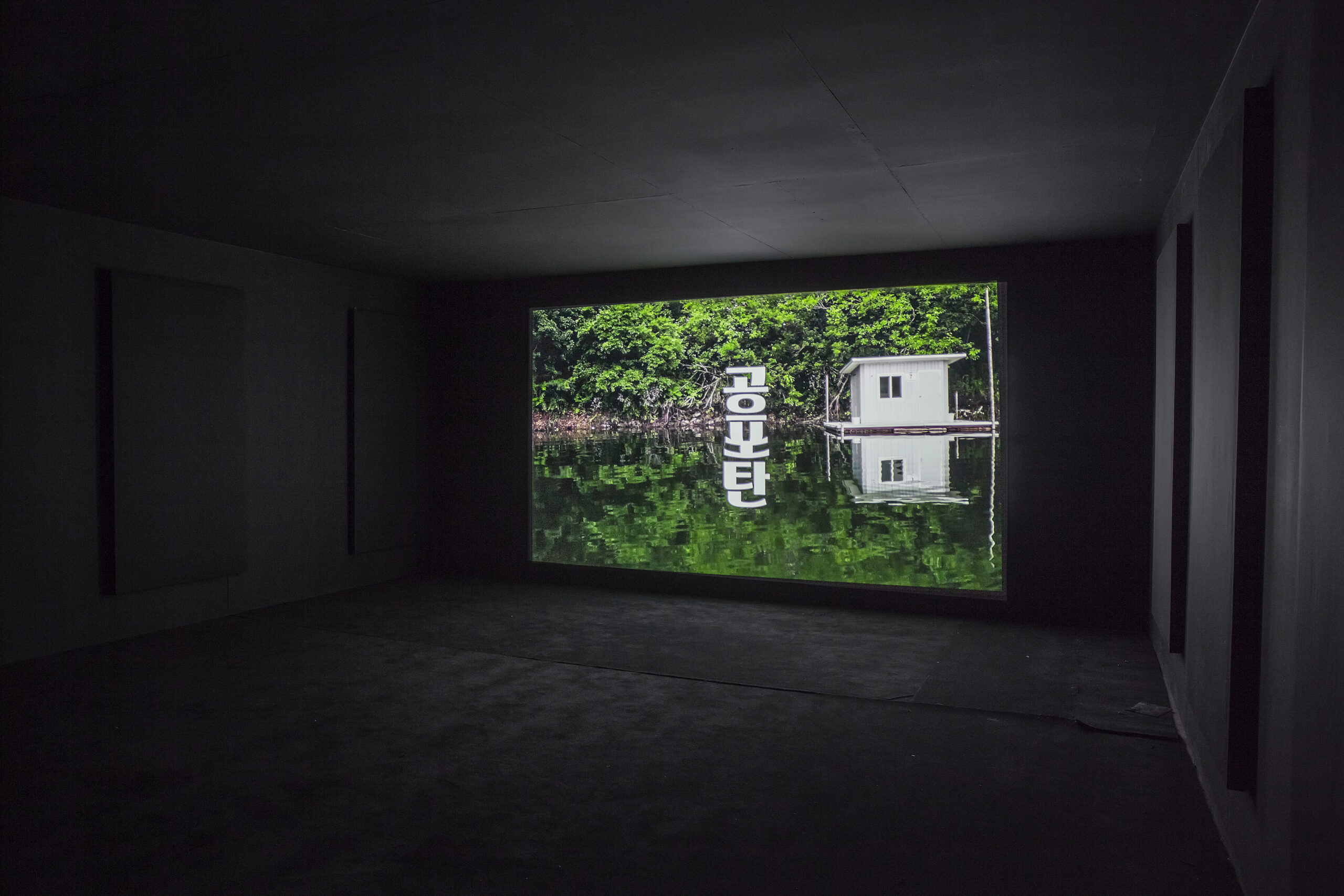
important formal devices. In the ‘The Golden Age of Grave Robbing’ series, news
footage, film scenes, interviews with actors, and historical sites are
reconstructed at different speeds and in different directions, while images,
sounds, and subtitles are reversed or deliberately misaligned.
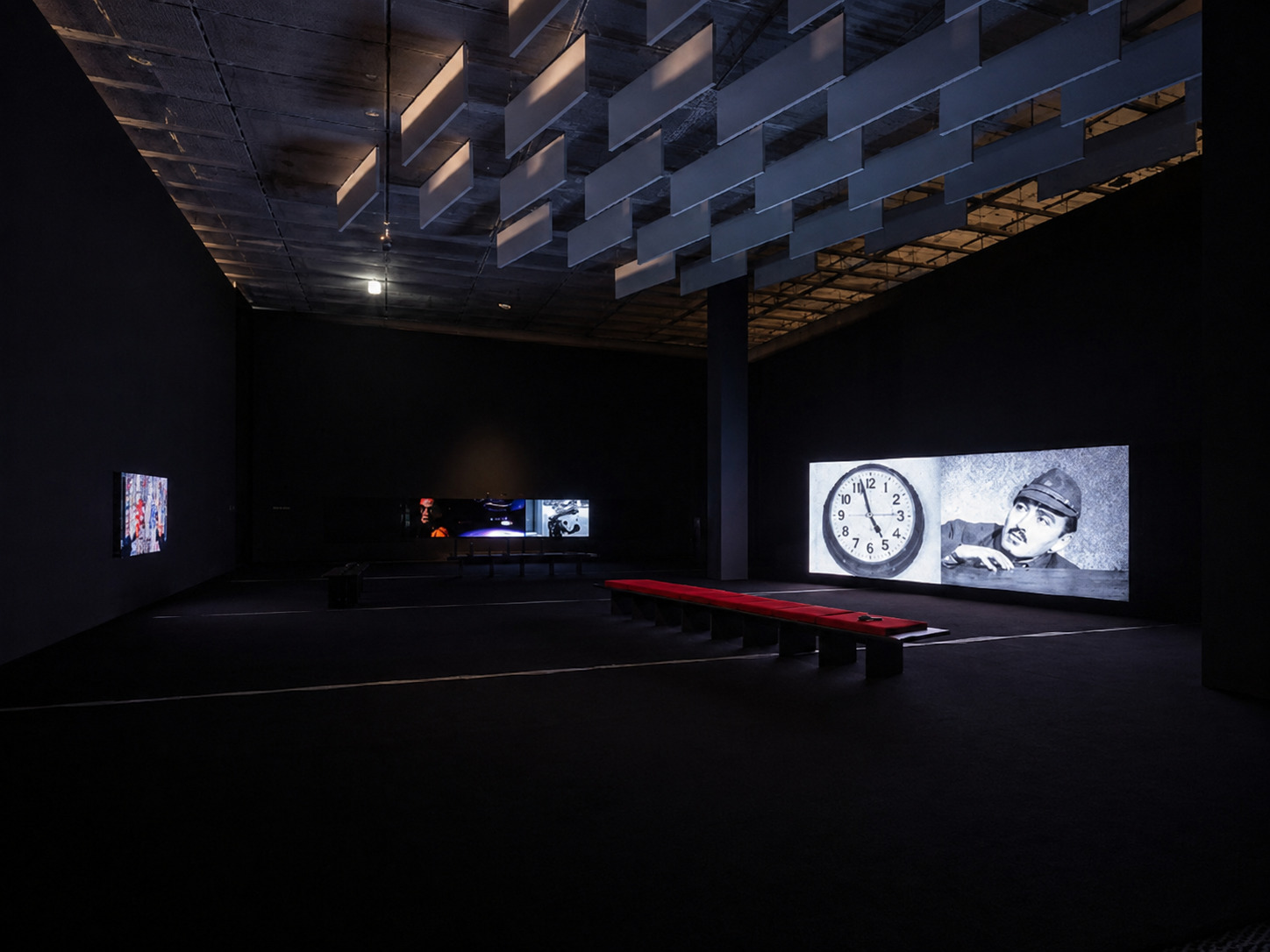
Untitled—Perfect Moments(2018) digitizes the images of four
analogue clocks and accelerates or decelerates them, producing a situation in
which viewers cannot easily distinguish whether time is moving forward or
backward. In this way, Lee inserts directly into the structure of the work the
difference between cinematic time, which can technically be reversed at will,
and historical time, which cannot.
Drones,
photogrammetry, motion capture, 3D scanning, and game engines later became
central to his exploration of technologies that measure and reproduce physical
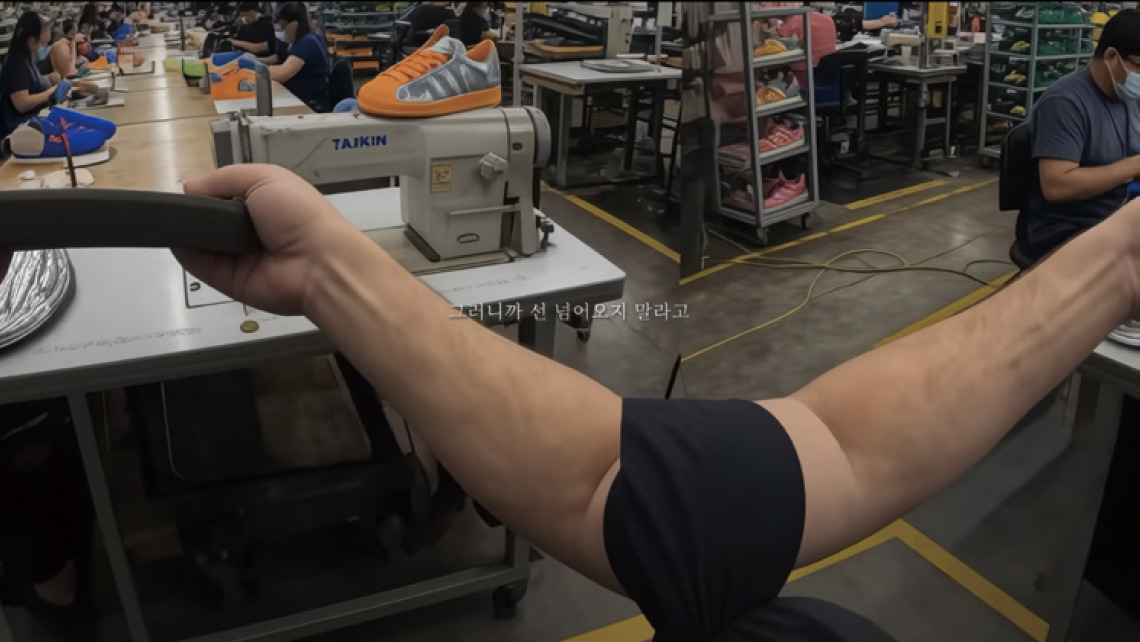
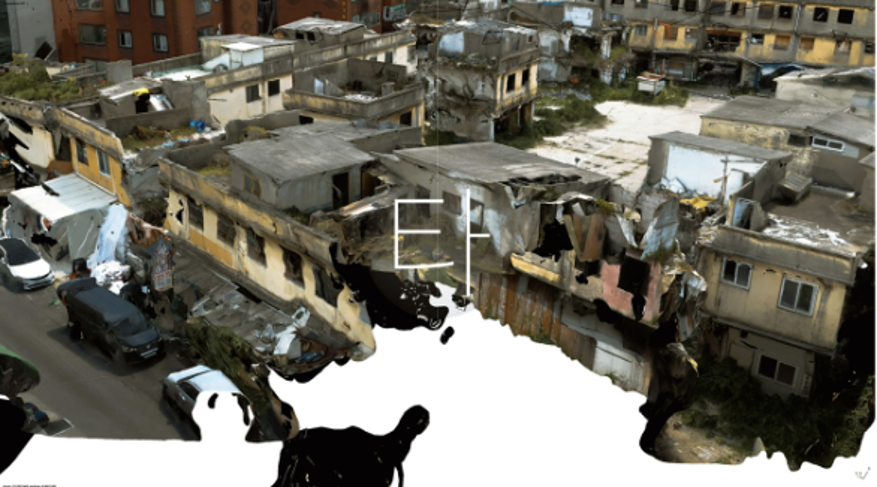
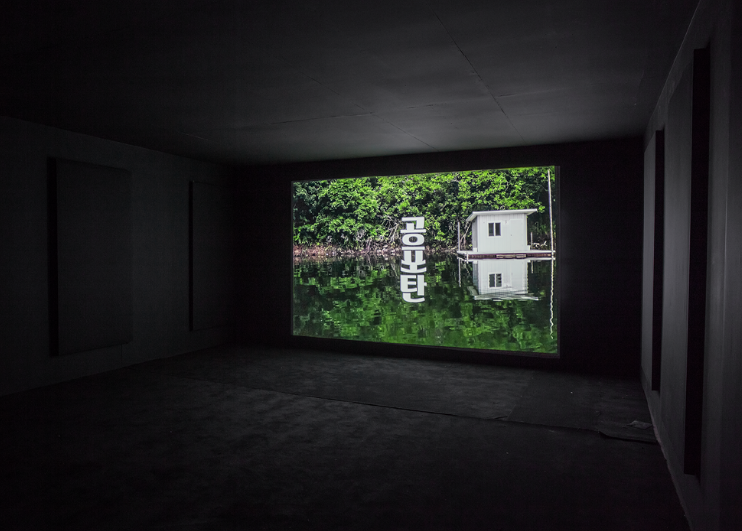
space. A-Su-Ra-Bal-Bal-Ta(2021) uses drone photogrammetry
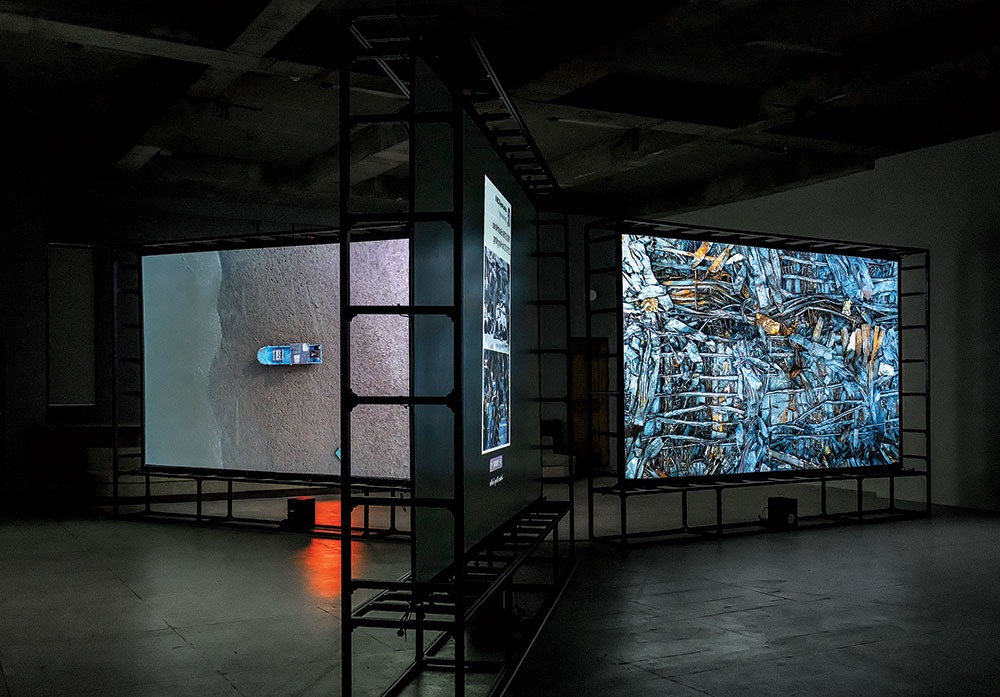
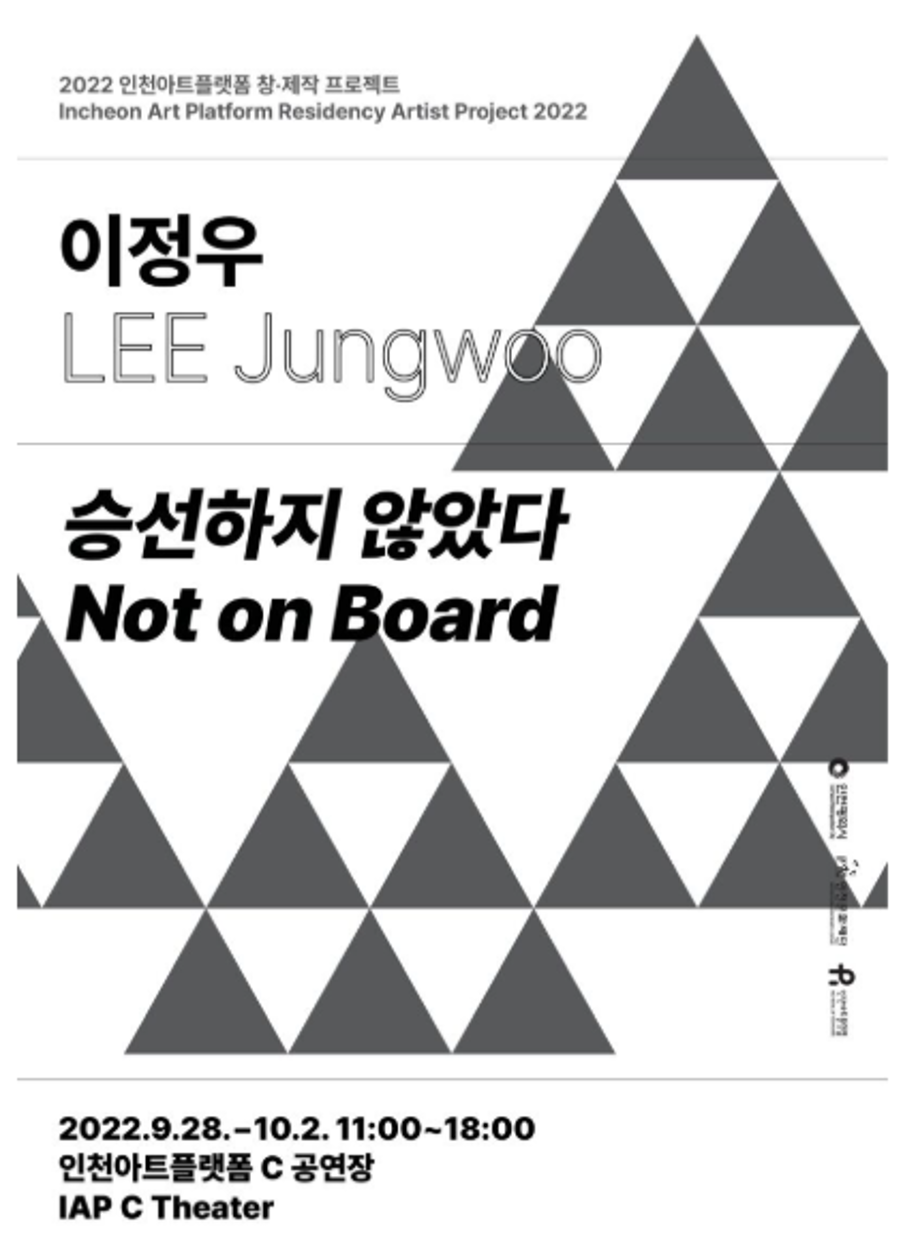
data to scan and render space in 3D, while 《Not on board》 combines stream ripping, found
footage, FPV drone filming, reference imagery, and 3D spatial scanning.
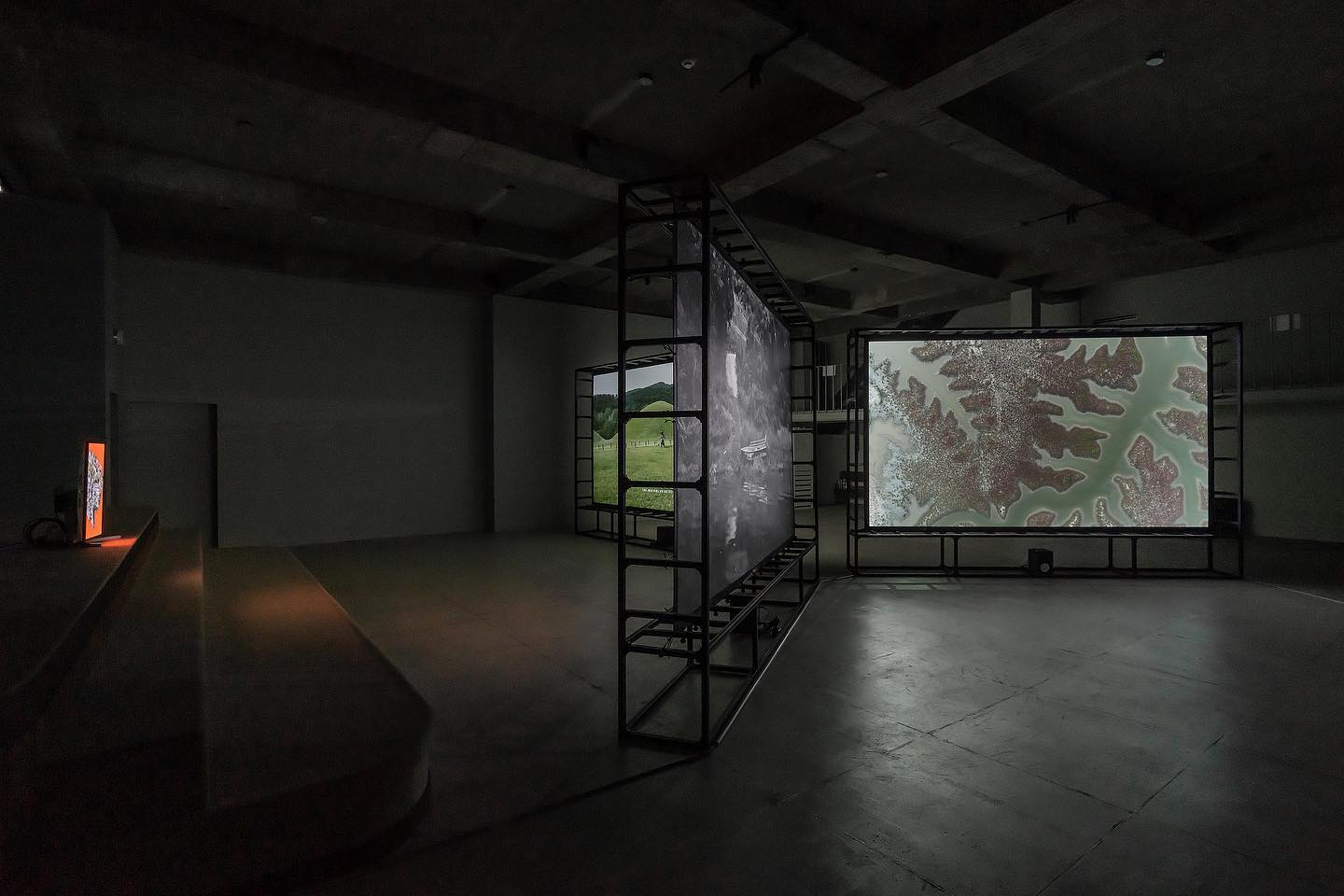
The
installation of three screens facing different directions is equally
significant: viewers cannot see all of them at once and must infer what is happening
on the unseen screens through sound. Rather than providing complete vision, Lee
deliberately withholds portions of it, structuring the experience of viewing itself
like a system in which information is selected and restricted.
In his
recent work, he has made his refusal to correct technological outputs even more
explicit. To Be Determined(2024) uses photogrammetric data
documenting the Berlin Statue of Peace but leaves its fragmented 3D mesh
incompletely reconstructed. Plant Apples and Get
Avocados(2024) exposes the instability of AR coordinate tracking,
which produces different results even when the same location and action are
repeated.
Because: Surrounded by Three Dimensions(2024)
intentionally exceeds game-engine parameters to distort the behavior of waves
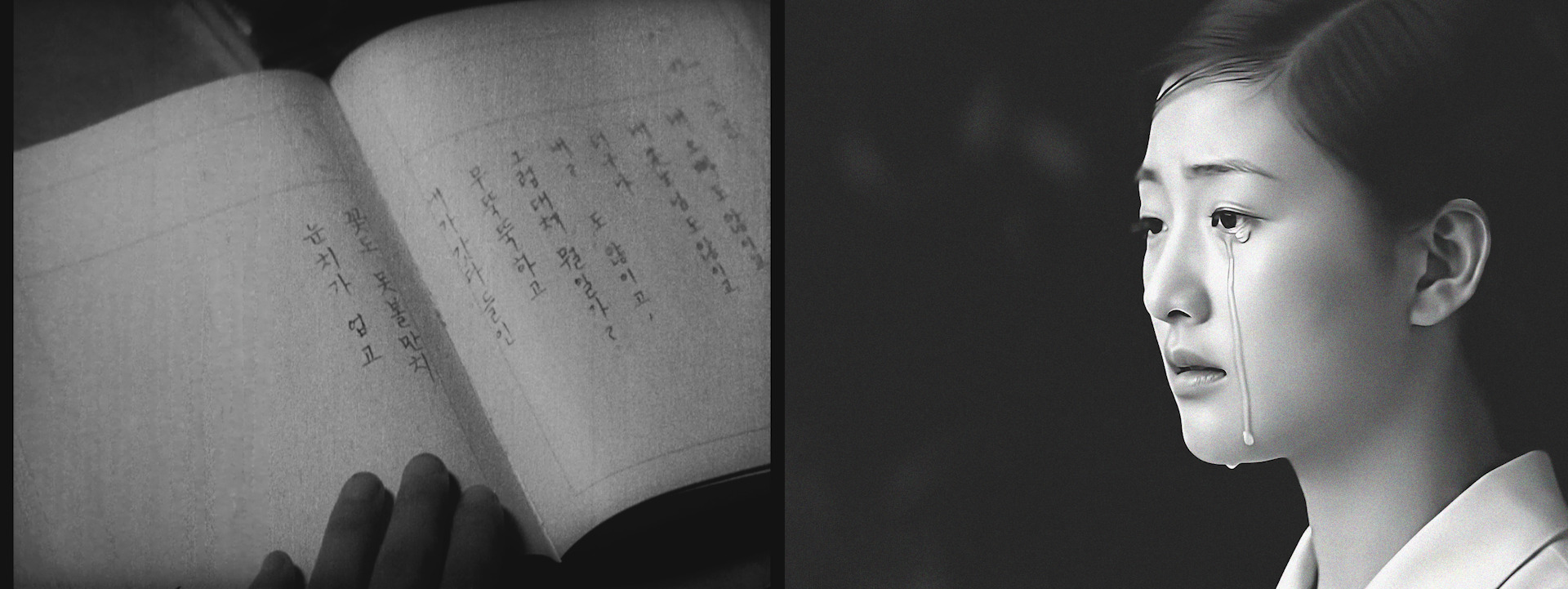
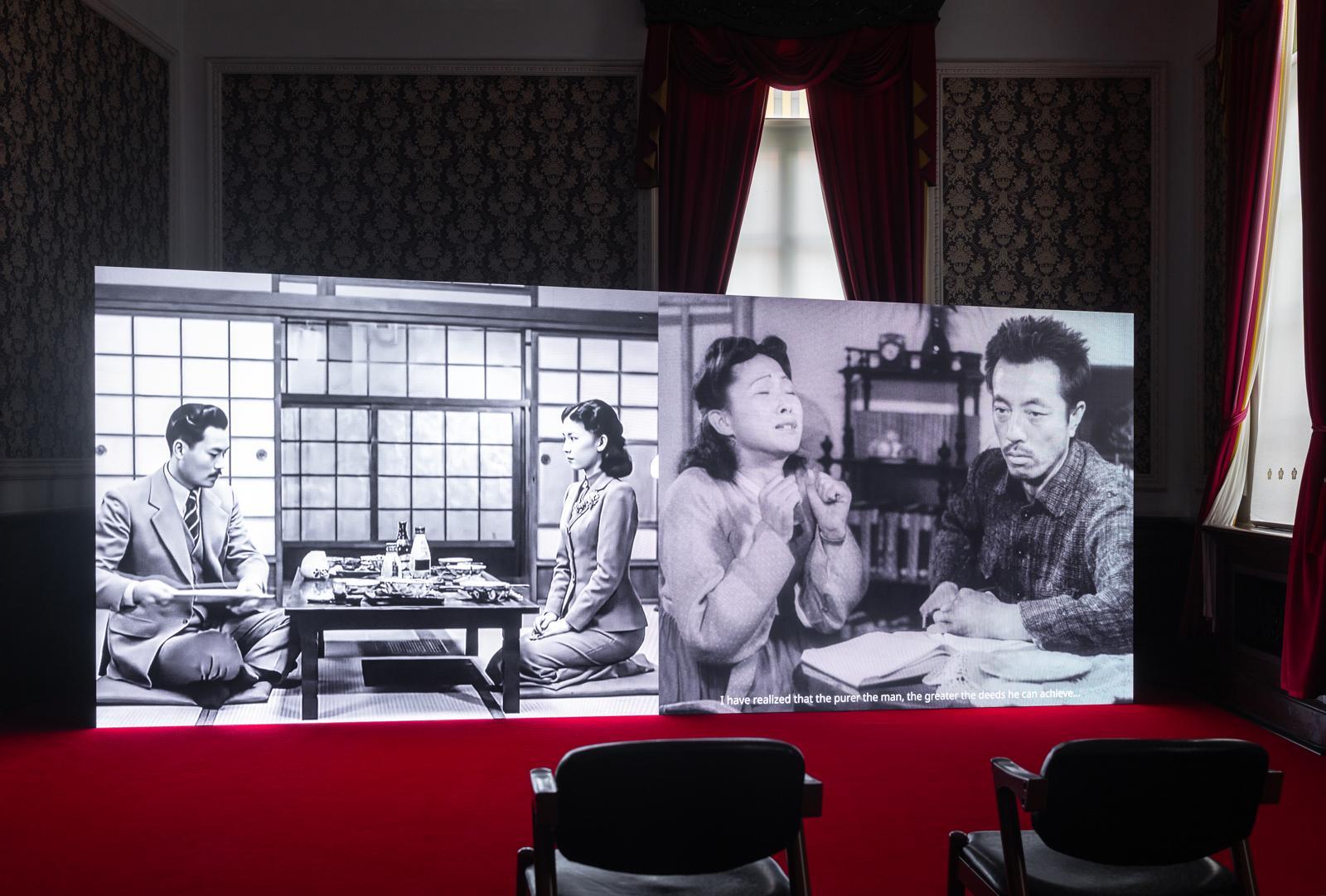
and gravity, while In Writing “Hurrah for Freedom”: Cinema and
History retains generative AI’s errors and biases in race, costume,
and behavior rather than removing them. Instead of polishing the output into a
seamless result, Lee preserves these discrepancies, turning the very
distinction between operation and malfunction into the subject of the work.