To Live Here and Now
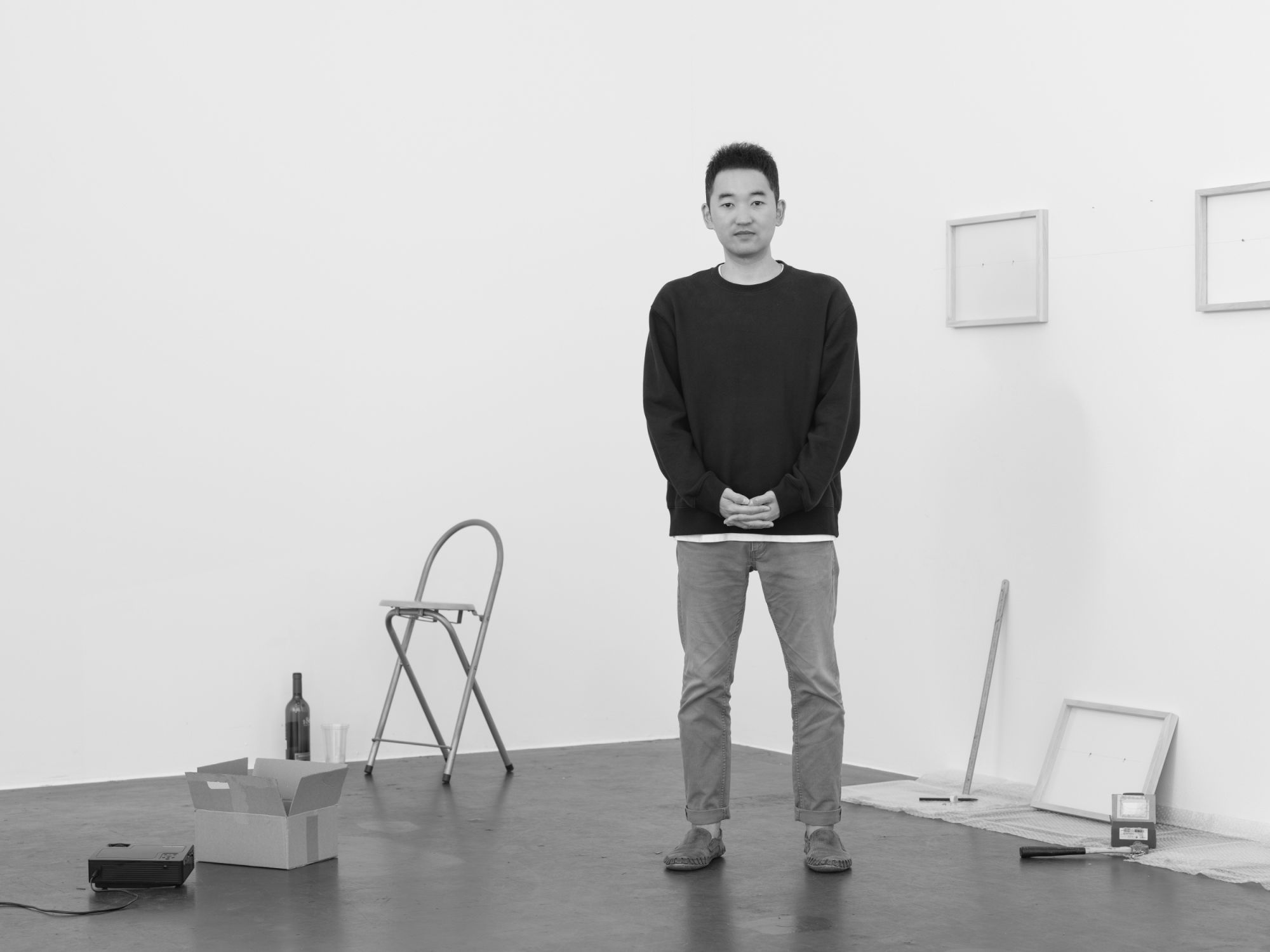
Joo Siyoung, Director of Art Centre Art Moment
Is it possible to give a “lecture” on the digital and the digital world? A lecture usually unfolds by discussing and interpreting texts, explanations, and commentaries on a particular subject. The etymology of “digital” can be traced back to the Latin word digitus, meaning “finger,” while digit is also connected to the act of counting. It became the foundation of the world of numbers, the virtual world, and the digital world.
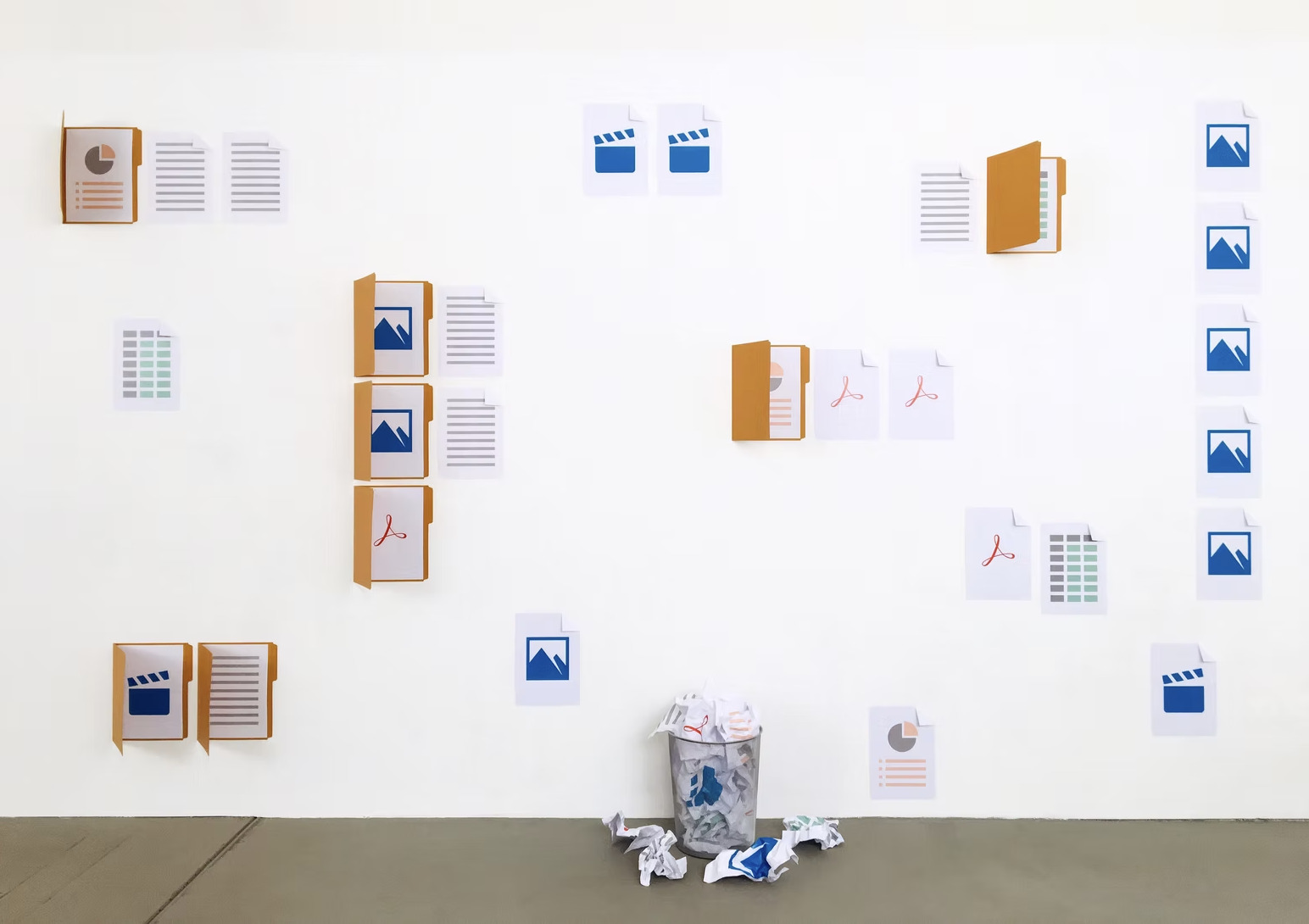
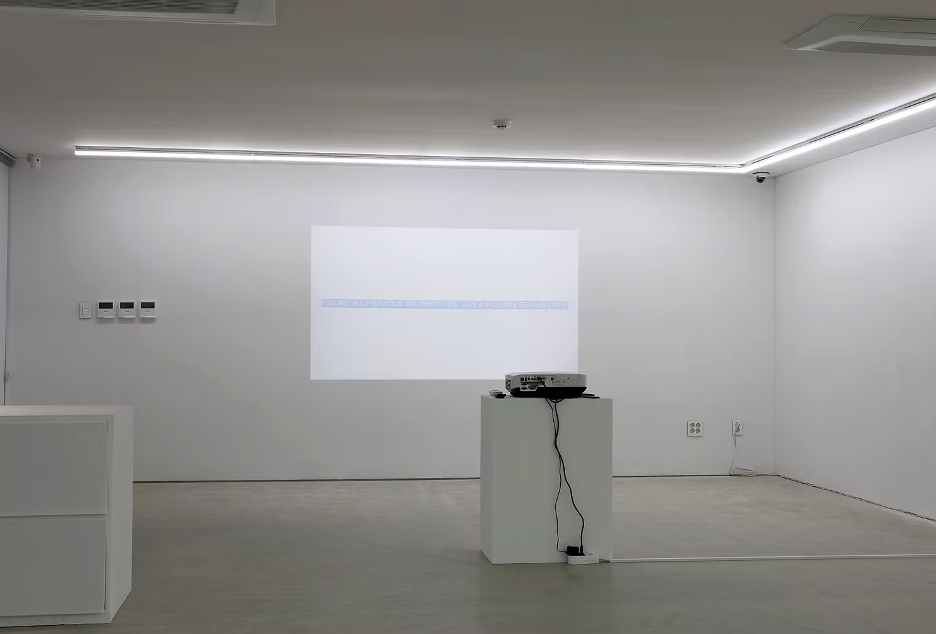
Ipkyu Jang’s experiment in attempting a digital lecture shows the process of revisiting, in an analog manner within the real world, the design tools and results used in the digital world. In doing so, it has the power to explain the digital world in depth. The ultimate human intention to convert the real world into the digital—that is, the attempt to grasp the material world in one’s hands—converts and absorbs everything that can be seen and experienced into the orbit of the digits 0 and 1.
The world of bits and the world of atoms exist separately, yet the two worlds strengthen their connection by repeatedly imitating and absorbing one another. The sensory spectacle of the digital world, which imitates the uniqueness of the real world, gradually transforms into various forms of stimulation.
What effect can the development of digital technology have on the imitation of the real world? By what value standards can the aesthetic experience of the original beauty inherent in an object be evaluated?
Jang unfolds his lecture on the digital world by tracing, in reverse, the process through which the analog world is converted into the digital world. The exhibition will become an analogical teaching on changes in sensation, perception, and worldview that occur where these two worlds in which humans are situated sharply collide.
From the beginning of human life, forming relationships with objects by handling things held in the hand has been a distinctive human way of living. The history of humans using their hands for survival was sustained through labor, by turning grasped objects into tools. The changes in sensation experienced through relationships with objects via the hand eventually seeped into the gestures and fingers that constantly grasp, stroke, and touch smartphones.
A world that can be held in the hand becomes my own world, a world I can manipulate. The reorganization of sensation that smart glasses will bring goes beyond the operation of touchscreens. Movements such as clicking with the pupil, giving commands with the voice, swiping with the palm, and pinching with the fingers lead to changes in sensation and perception beyond manipulating a small object held in the palm.
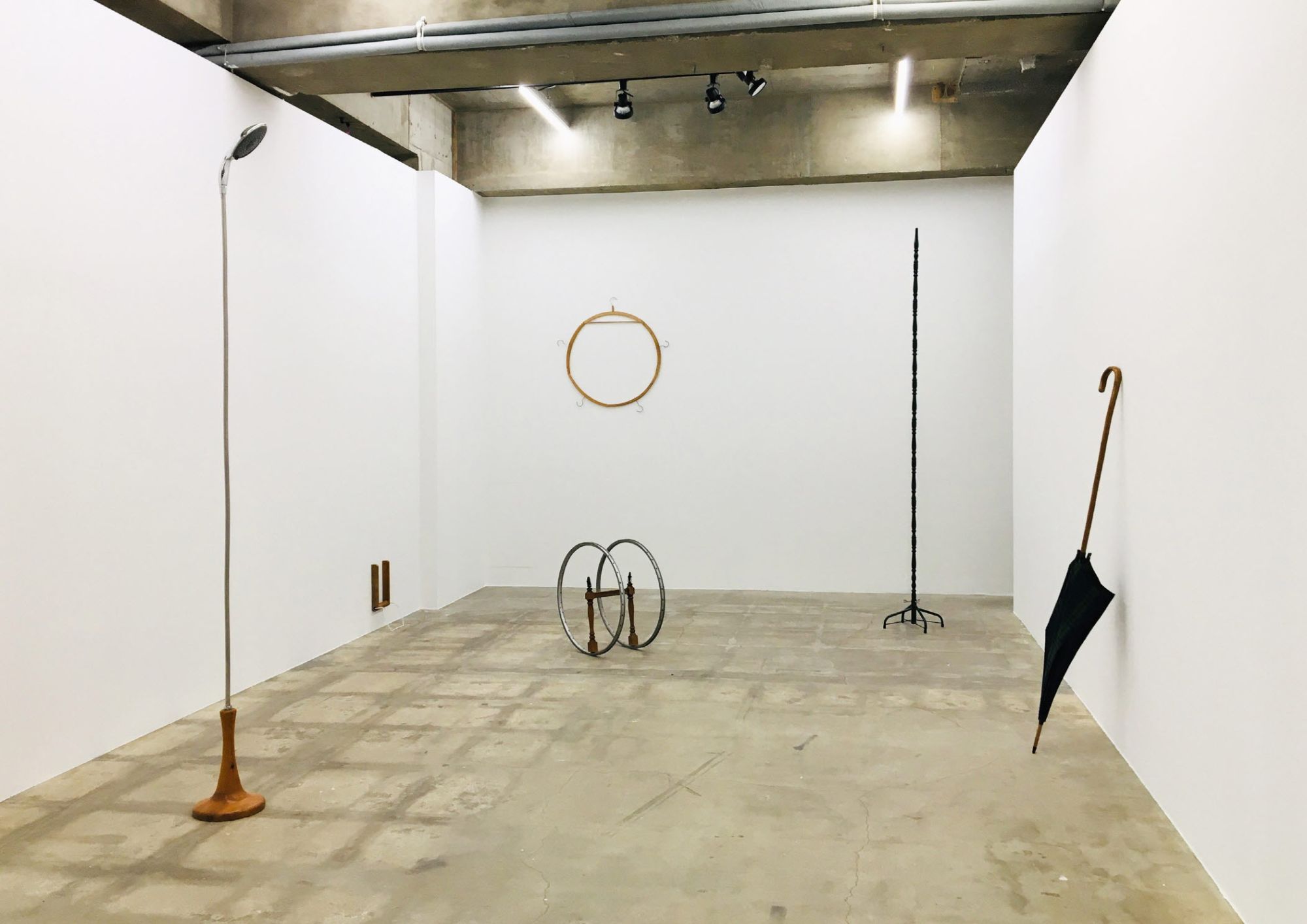
We will adapt to this dizzying drift by learning to flail in empty air or to struggle in a place with nowhere to stay while staring into space. Jang brings production methods using design tools from the digital world into the real world and physically produces both the process and the result. Instead of using a digital pen, he draws preliminary sketches with his hand and pencil.
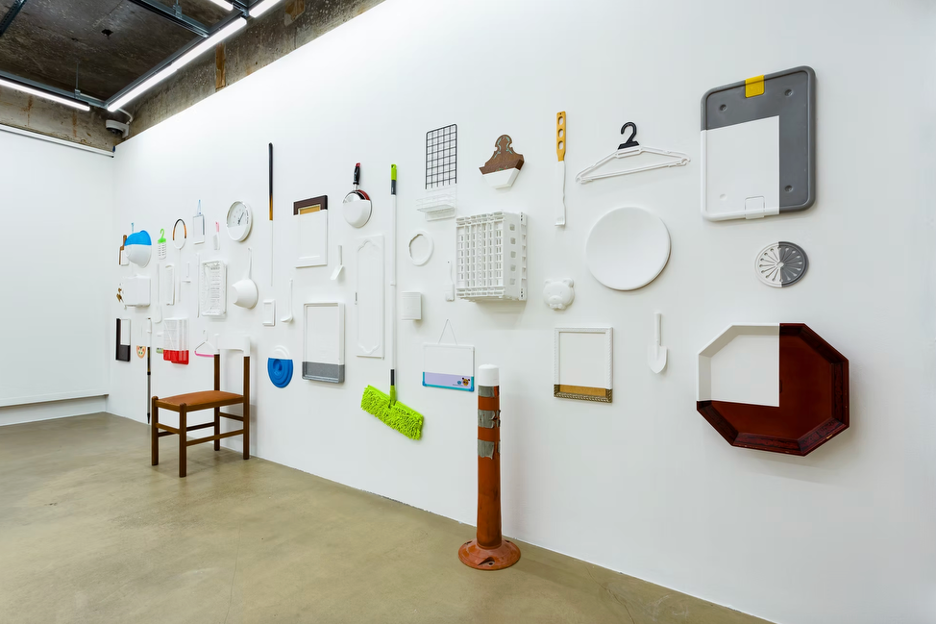
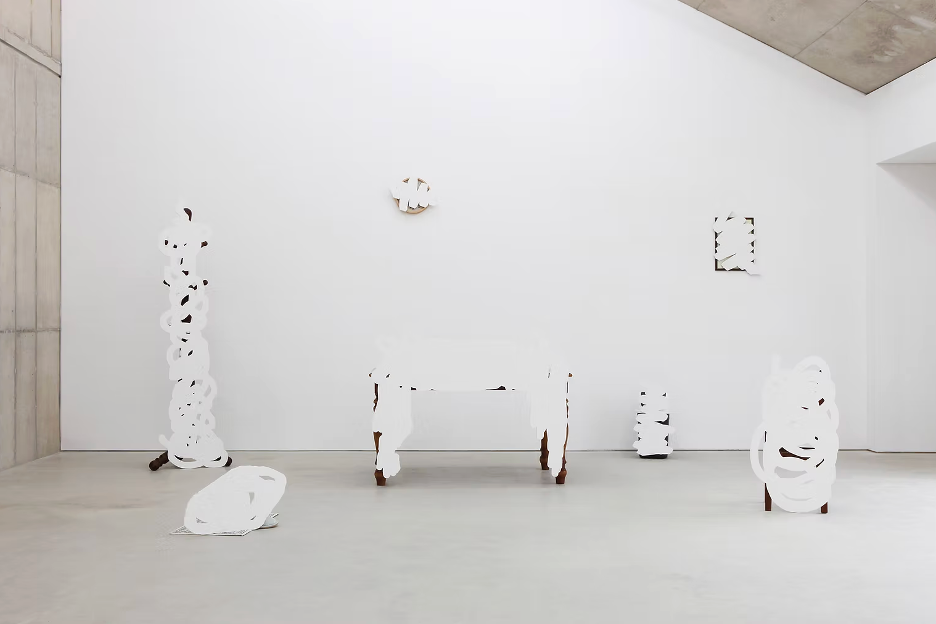
His work with real objects, wood, saws, paint, and other materials and tools passes through processes of cutting, trimming, rubbing, painting, and attaching. Because his work faithfully retraces production processes from the digital world in the real world while retaining painterly and sculptural sensibilities, it becomes a process of recovering sensations that humans have lost or may lose. By faithfully carrying out the production process through all the senses and labor mobilized in his work, the artist approaches, in reverse, the imitation of sensation taking place in the digital world.
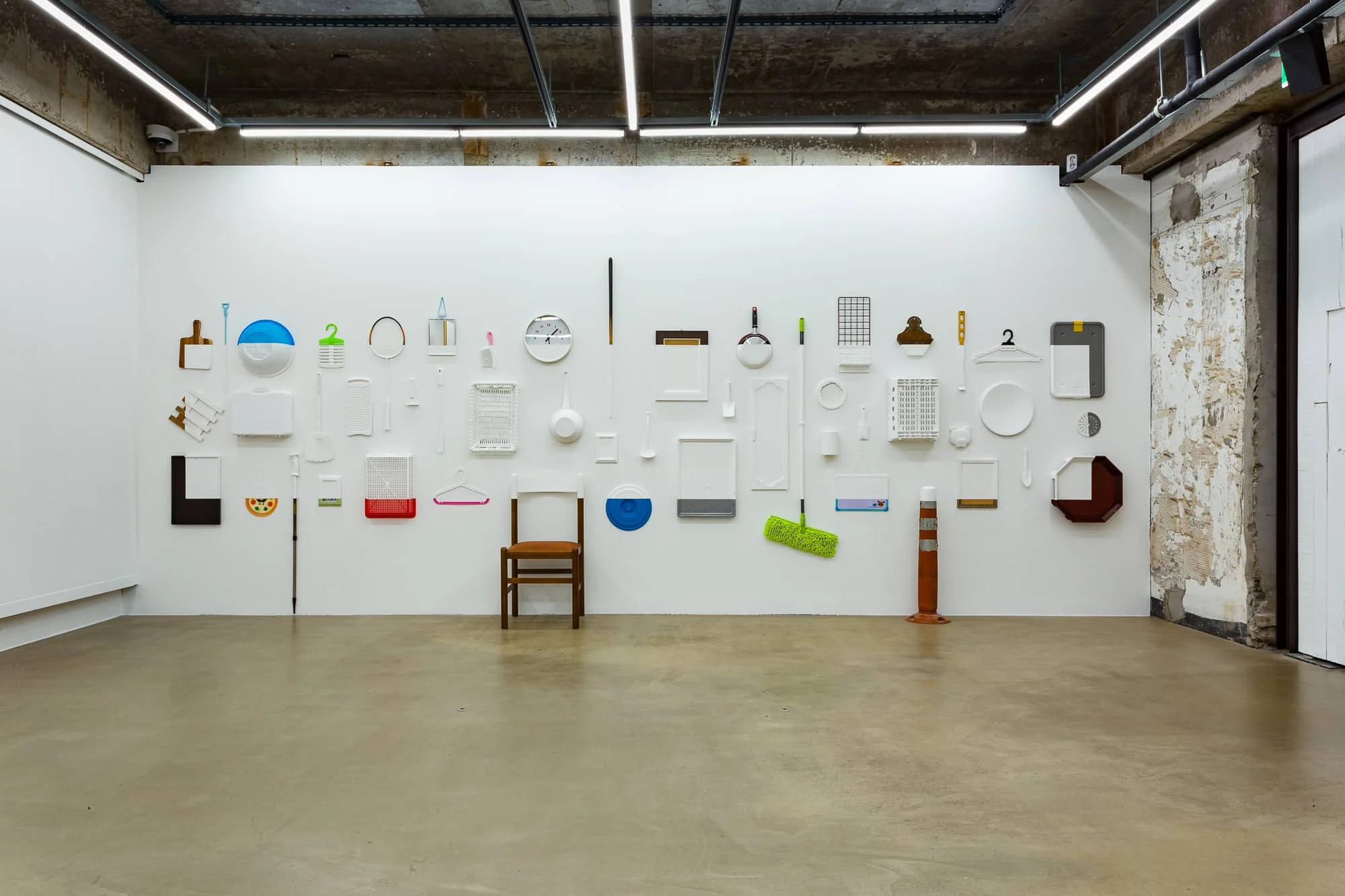
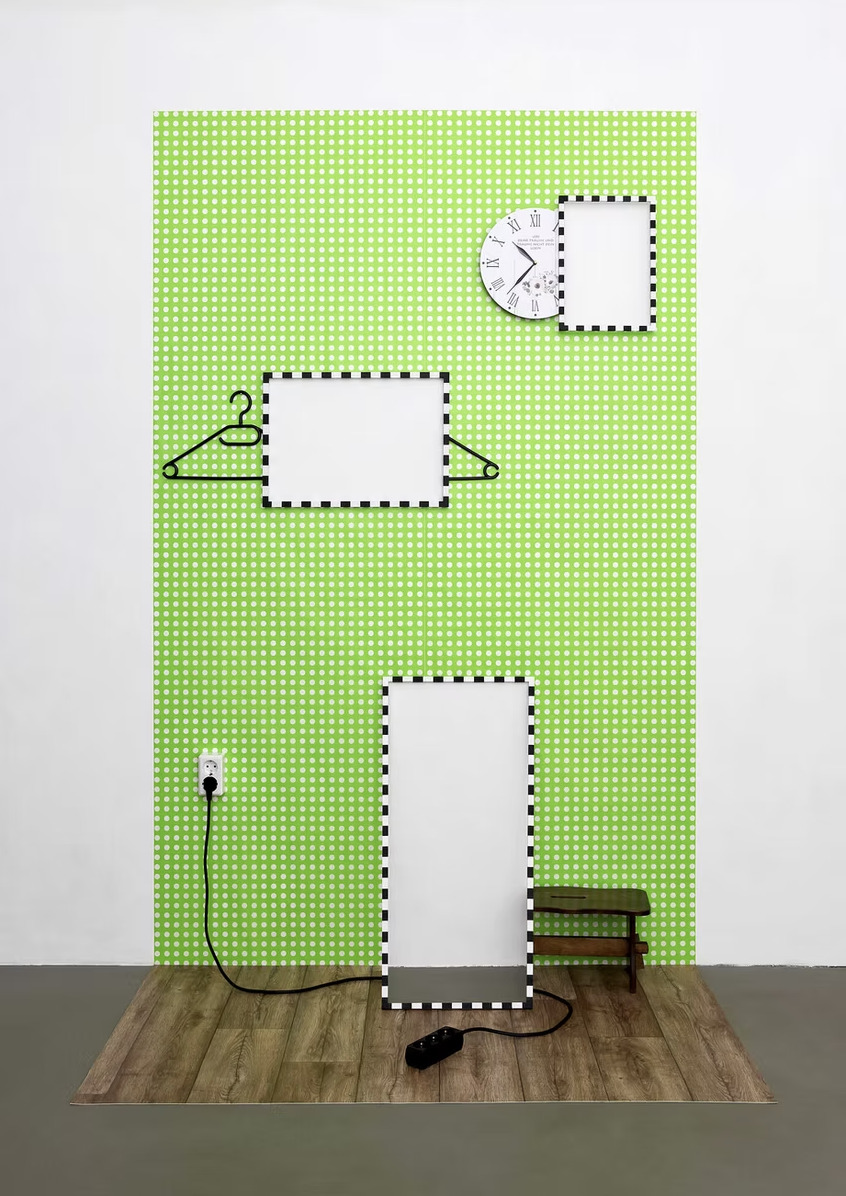
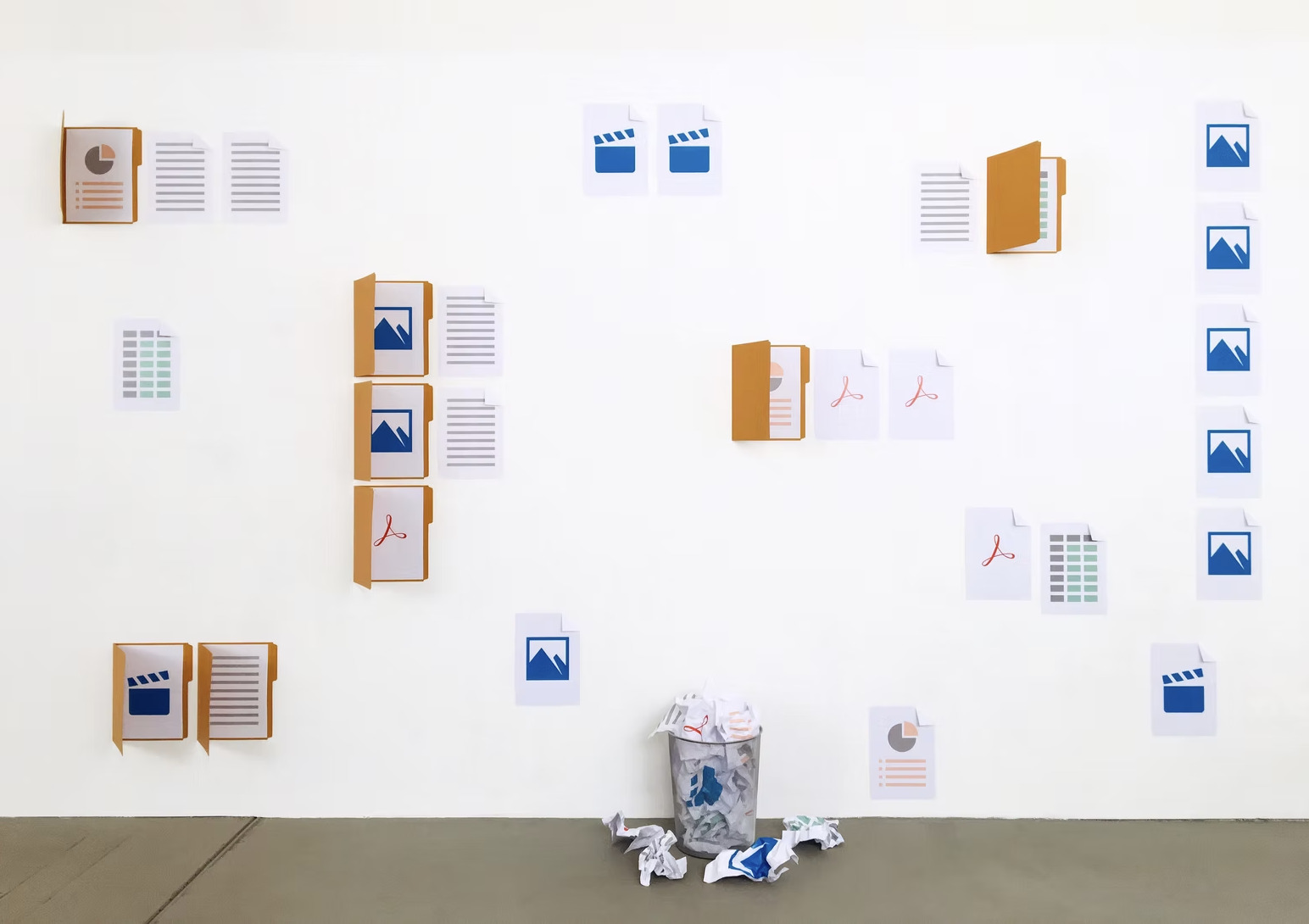
study of layers materializes the process and result of generating layers in a digital editing window. Through this work, the artist shows what the repeated forms of layers, which can be stacked and overlapped infinitely on a digital screen, become in the real world. Through the repeated production of frames with perceptible thickness and texture, the work develops into a study of the invisible sensations layered between humans and objects.
In the digital world, stories and lives are fragmented. In nonlinear time, the continuity of content is absent, and humans have reached a situation in which it is difficult to grasp the concept of moving from one place or point in time toward another. Zygmunt Bauman said that zapping has now replaced the strolling movement and gait of humans.
He said that the gait of the future will never return to the era of pilgrimage or marching, but will instead appear as a floating state, entrusting the body to a directionless flow as if swimming in water. As humans have come to regard the world as something that can be manipulated and controlled, life and the world as linear history have now changed into a repetition of original-copy-transformation, and of new versions, all held in human hands.
Now that we all regard ourselves as editors, we head toward a world that has lost meaning. We are all facing a reality in which we can only stare blankly into the air, unable to properly grasp meaning and purpose within fragmented time. Some lives and worlds are slowly discovered within the flow and continuity of time, or approach gradually, and only much later does their meaning and purpose become clear. The ability to feel lingering resonance, to look with eyes of wonder, and to wait for change can never be found in immediate editing or interrupted stories.
Editing is also related to blocking vision. In the digital world, the passivity of vision narrows an individual’s field of view for seeing what is real. For contemporary people accustomed to binge watching, a passive and consumptive attitude of merely staring with the eyes makes the world appear only through a contemplative attitude that chases visual stimulation.
The present that exists only at the moment of scrolling strengthens the atomization of humans, fragmented as if placed in a situation where everything has been cut into small pieces and no one knows how to gather them back together. In the world of social media, the process of editing, cutting, and pasting photographs, videos, events, and information removes all narrative continuity.
How empty does life become when narrative continuity is absent? Lack of context disconnects us from the larger picture and the larger flow. Living in an age in which we cannot explain ourselves, cannot tell any story about where we came from or where we are going, and cannot understand why things have become the way they are, humans respond only to what can be sensed quickly: the immediate, the intuitive, the edited result that shortens every process.
With no beginning or end, no night or day, no plot of introduction, development, turn, and conclusion, we move only from present to present, issue to issue, information to information, now to another now, until everything is suddenly terminated. This phenomenon also cuts off the continuity of stories occurring within an individual’s life and inner world. In an age when it has become difficult to read or listen to even one story from beginning to end, human life is interpreted only as a series of episodes.
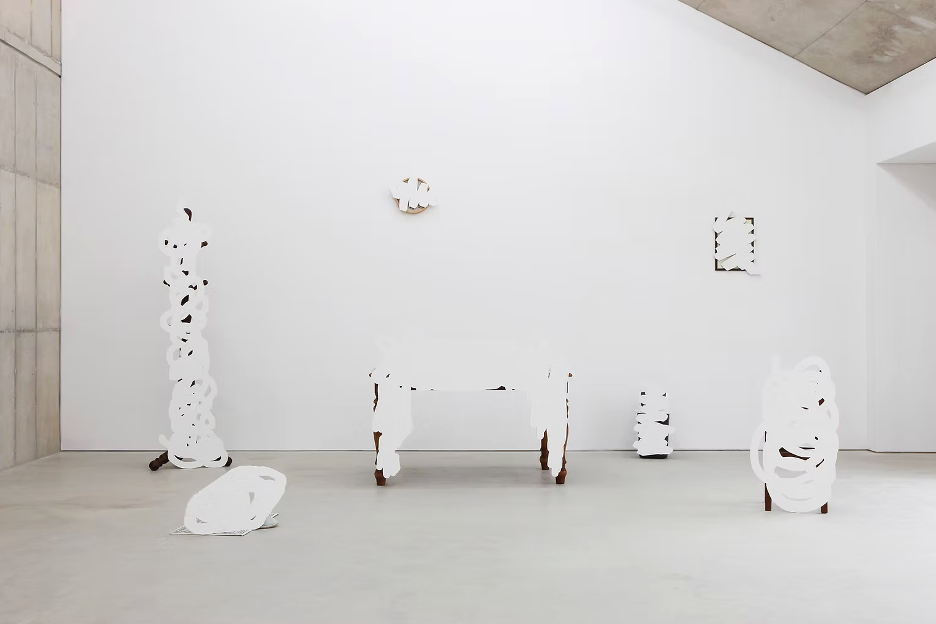
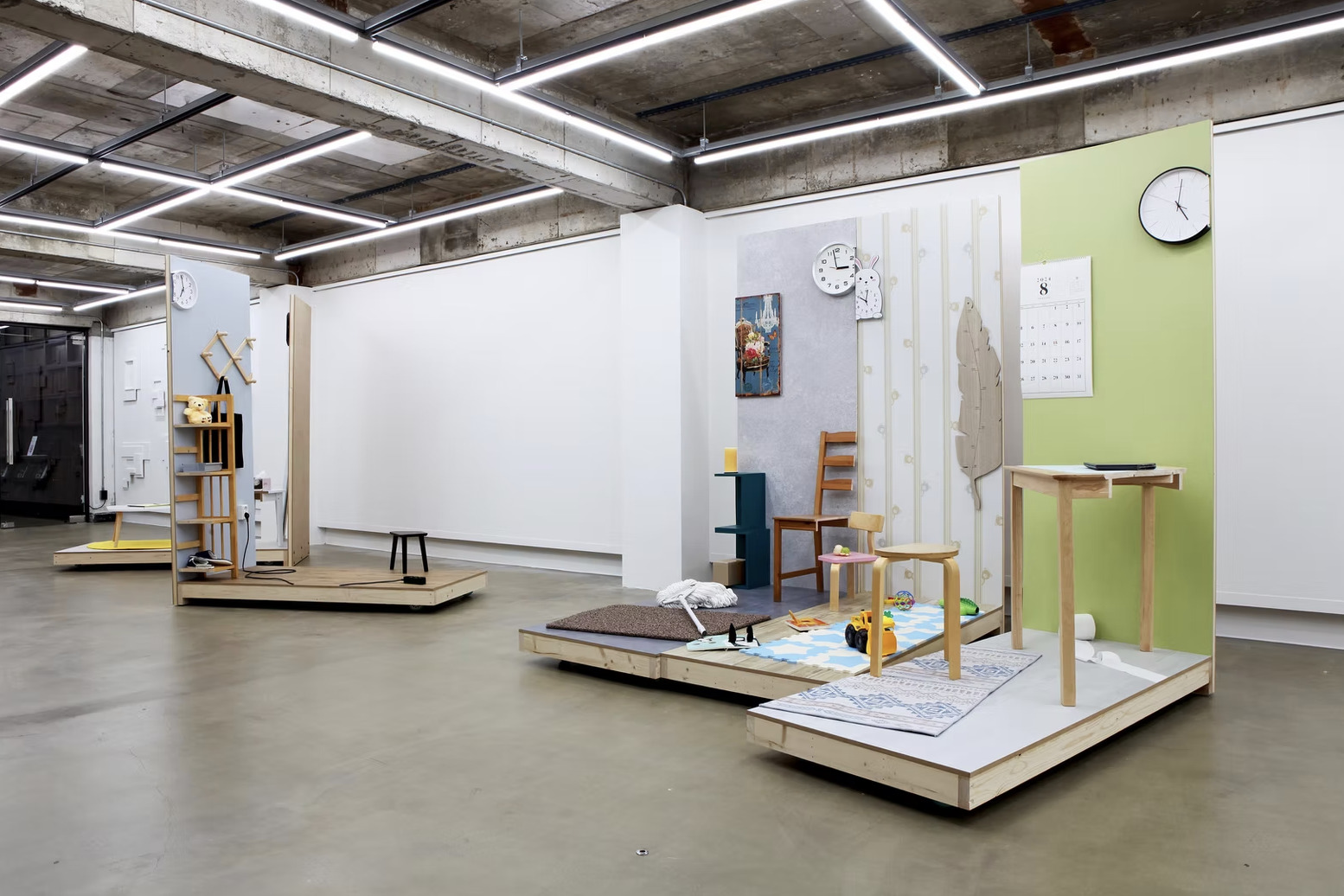
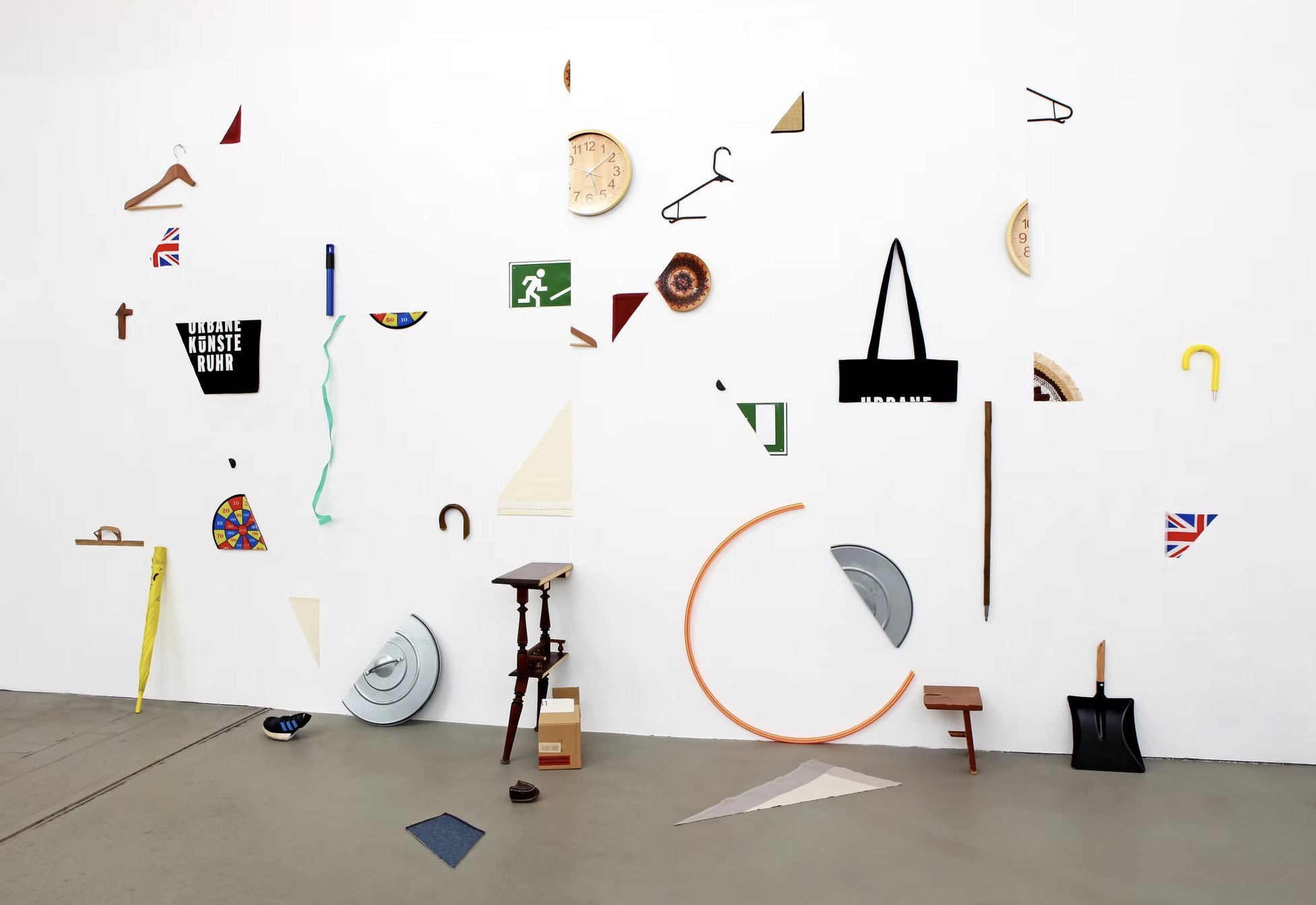
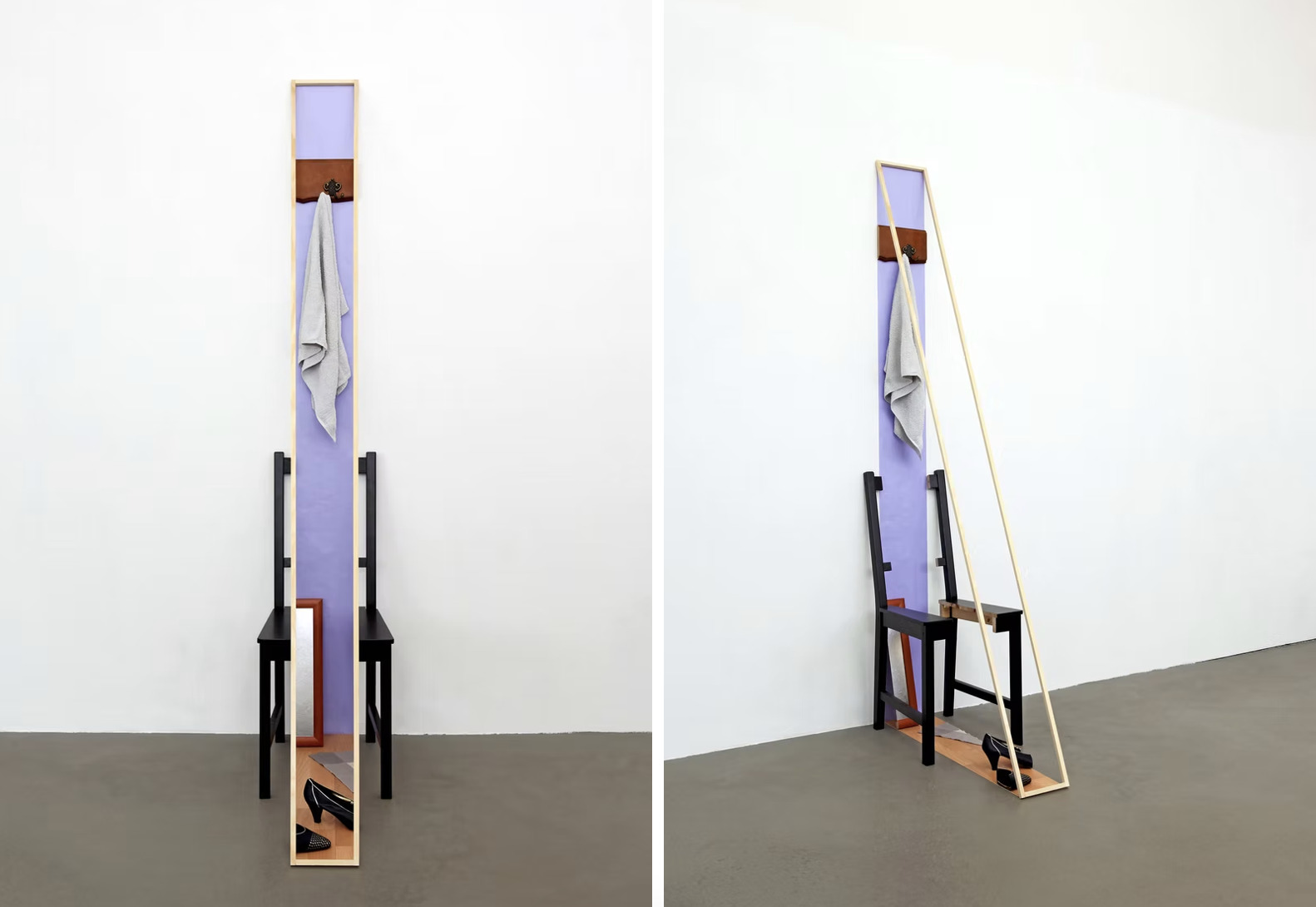
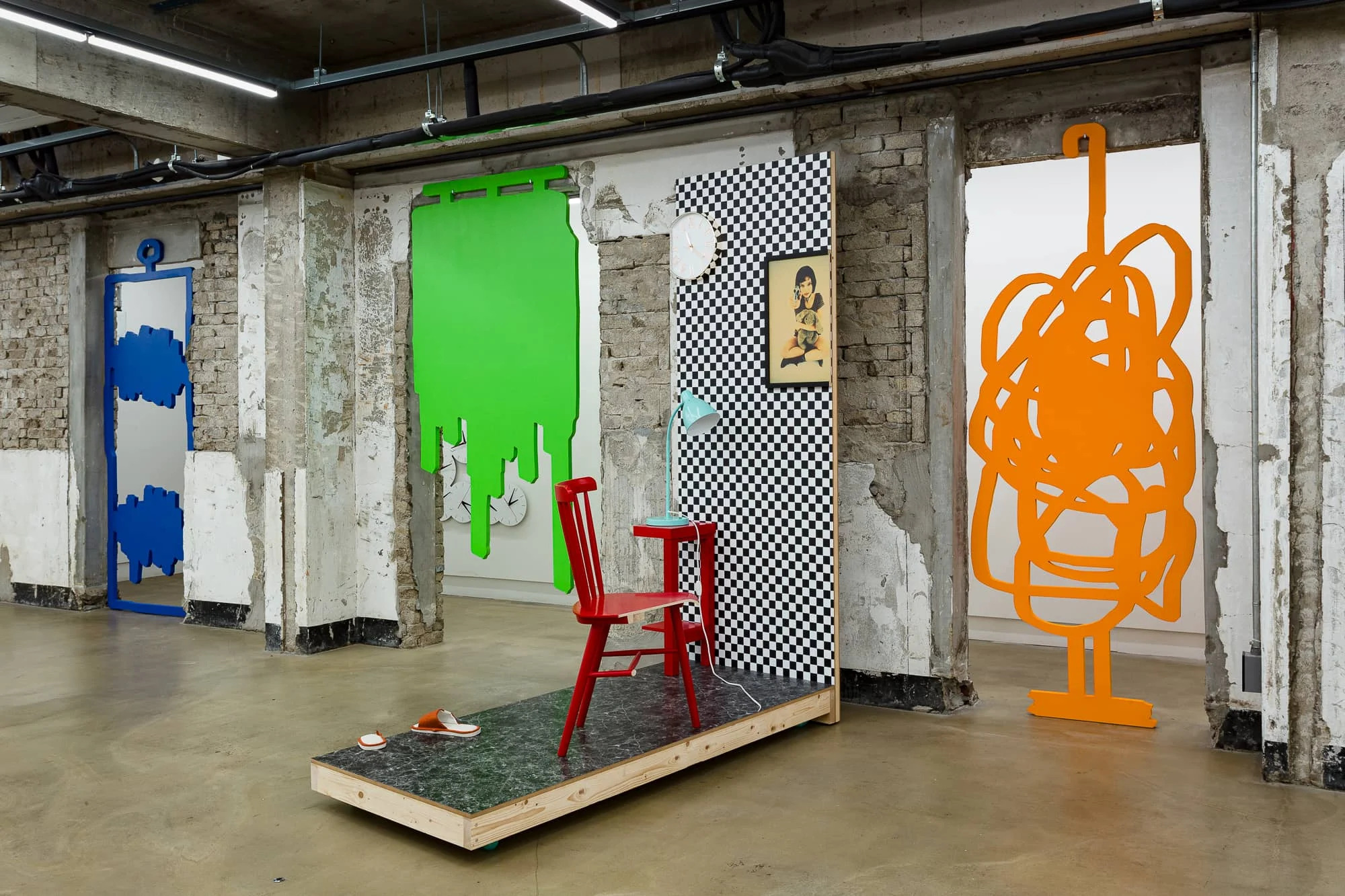
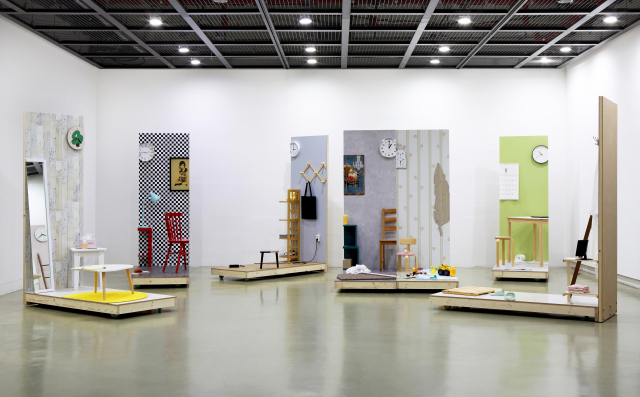
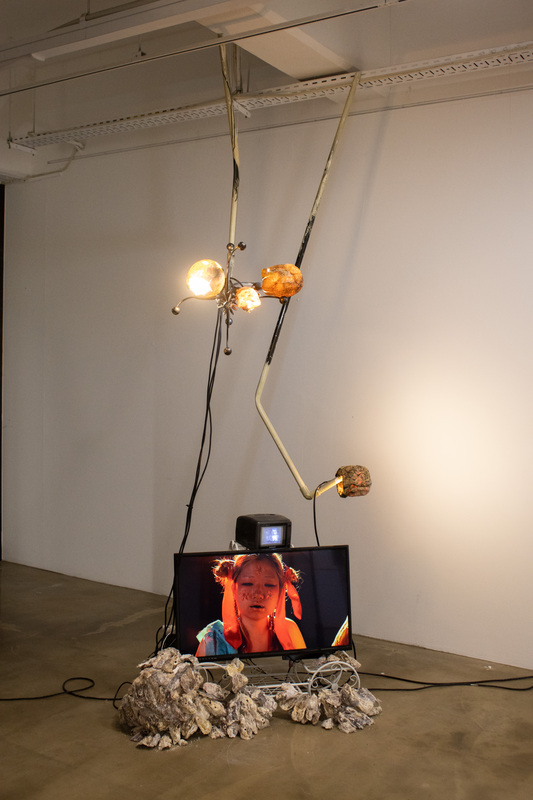
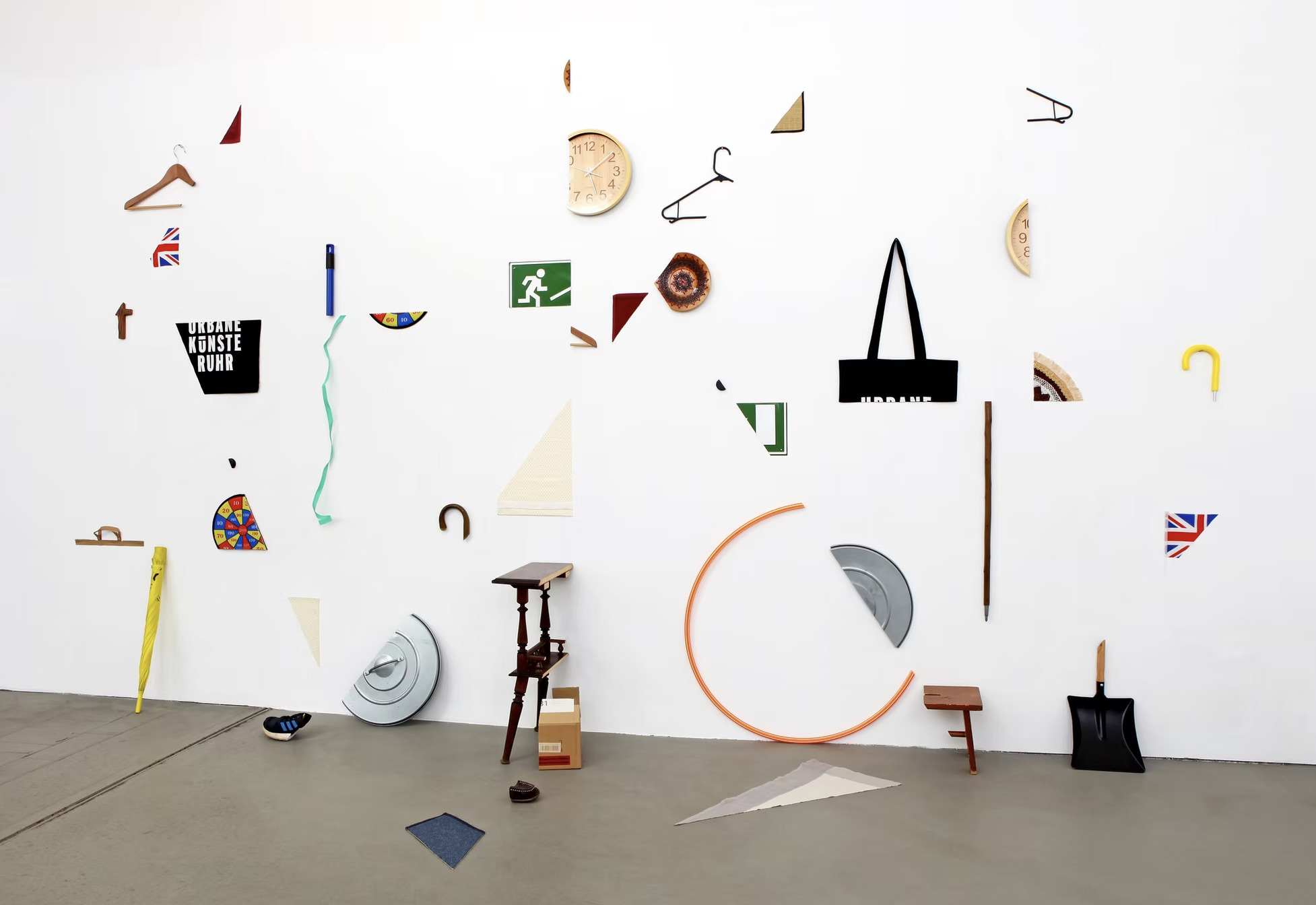
Ipkyu Jang’s work on fragmented time, edited images, and the gaze that looks at them deepens in edited space(floating images) and tangled timeline. In edited space(floating images), the artist faithfully shows the concept of edited space and fragmented time. Connected to edited space(floating images), the work materializes a kind of spatial editing technique composed in identical dimensions.
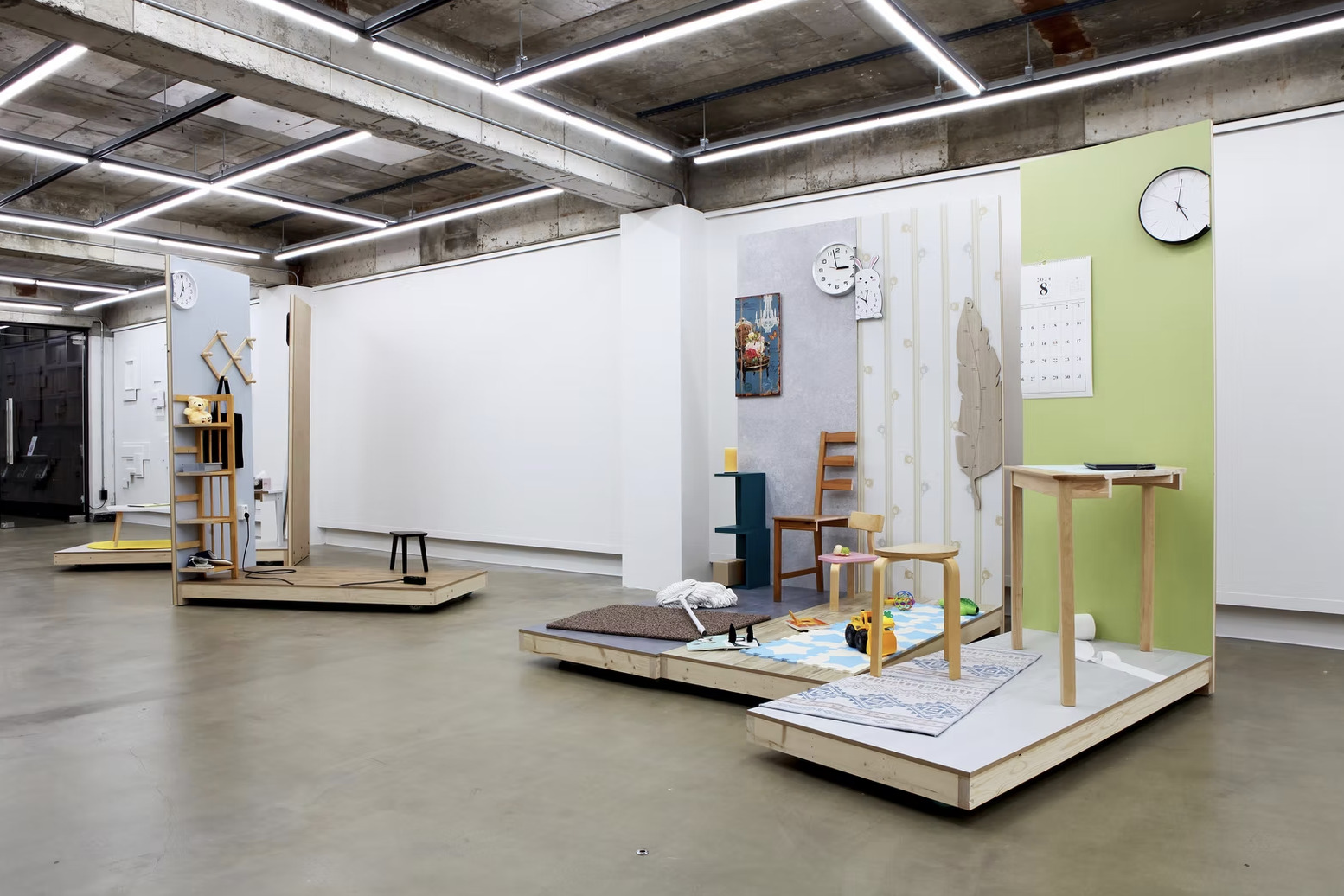
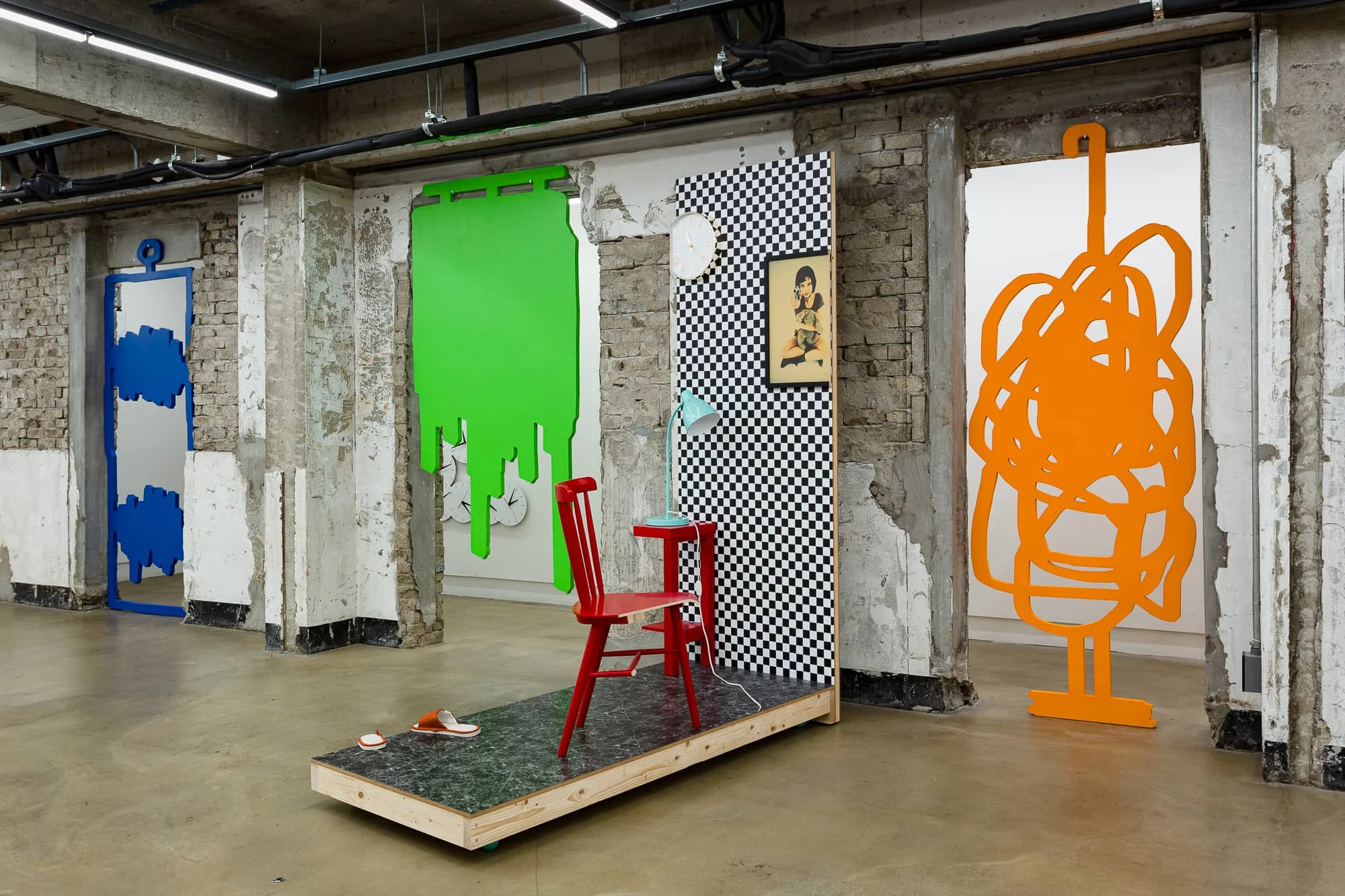
Edited screens exist simultaneously in the exhibition hall with a real sense of space, while unrelated times and spaces are listed or left to float. To bring edited images into the exhibition space, the artist goes through a process involving actual physical labor: sketching, selecting objects, bringing them in, cutting, wiping, rubbing, attaching, decorating, and positioning them.
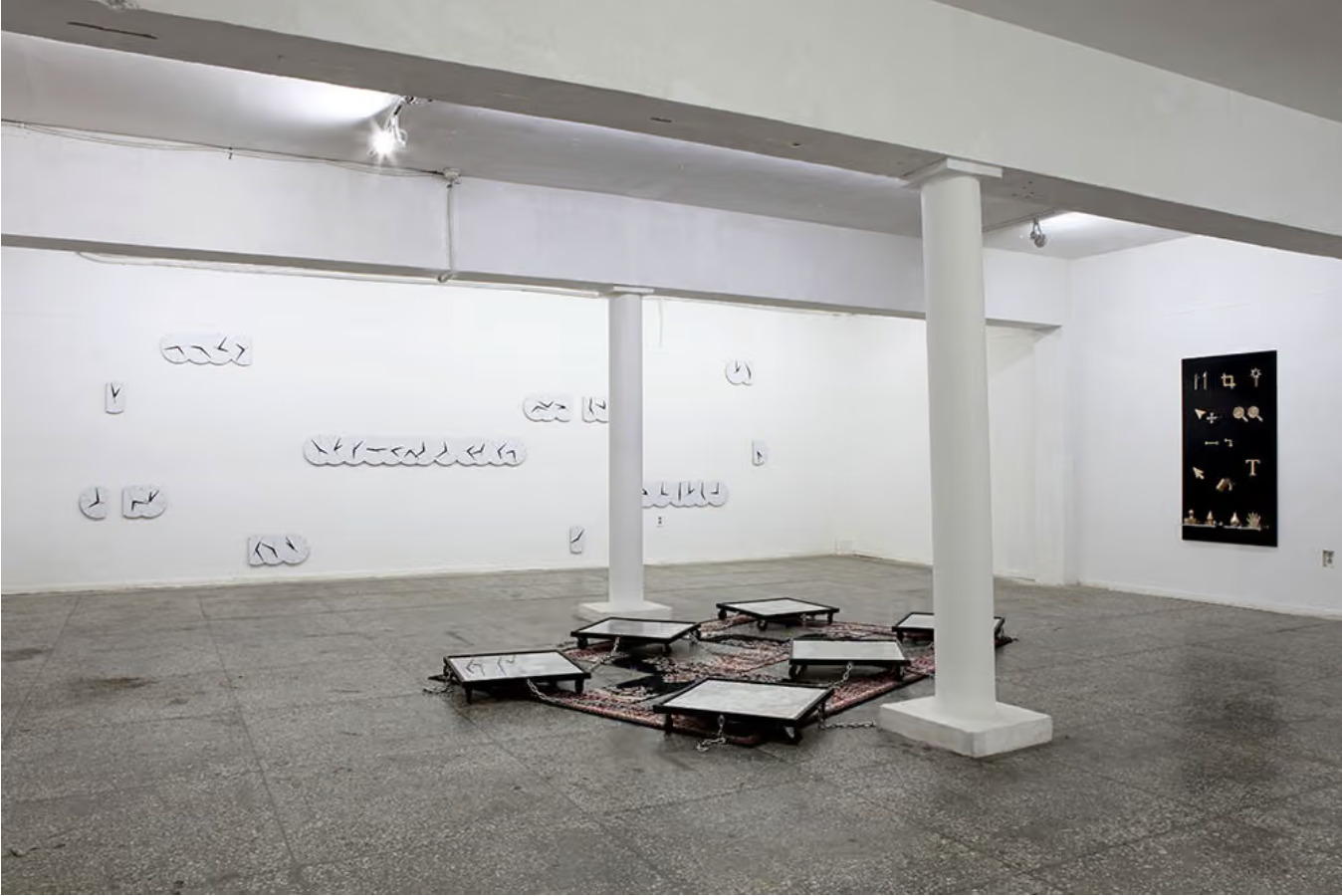
The edited images realized by hand fill the exhibition hall as isolated cut-out forms, carrying real thickness, weight, and texture. By manipulating and arranging space so that it resembles a stage set, the work reflects the fact that images on a digital screen contain the property of being editable or deletable at any time. It is intended to feel like a space that could be easily dismantled and disappear.
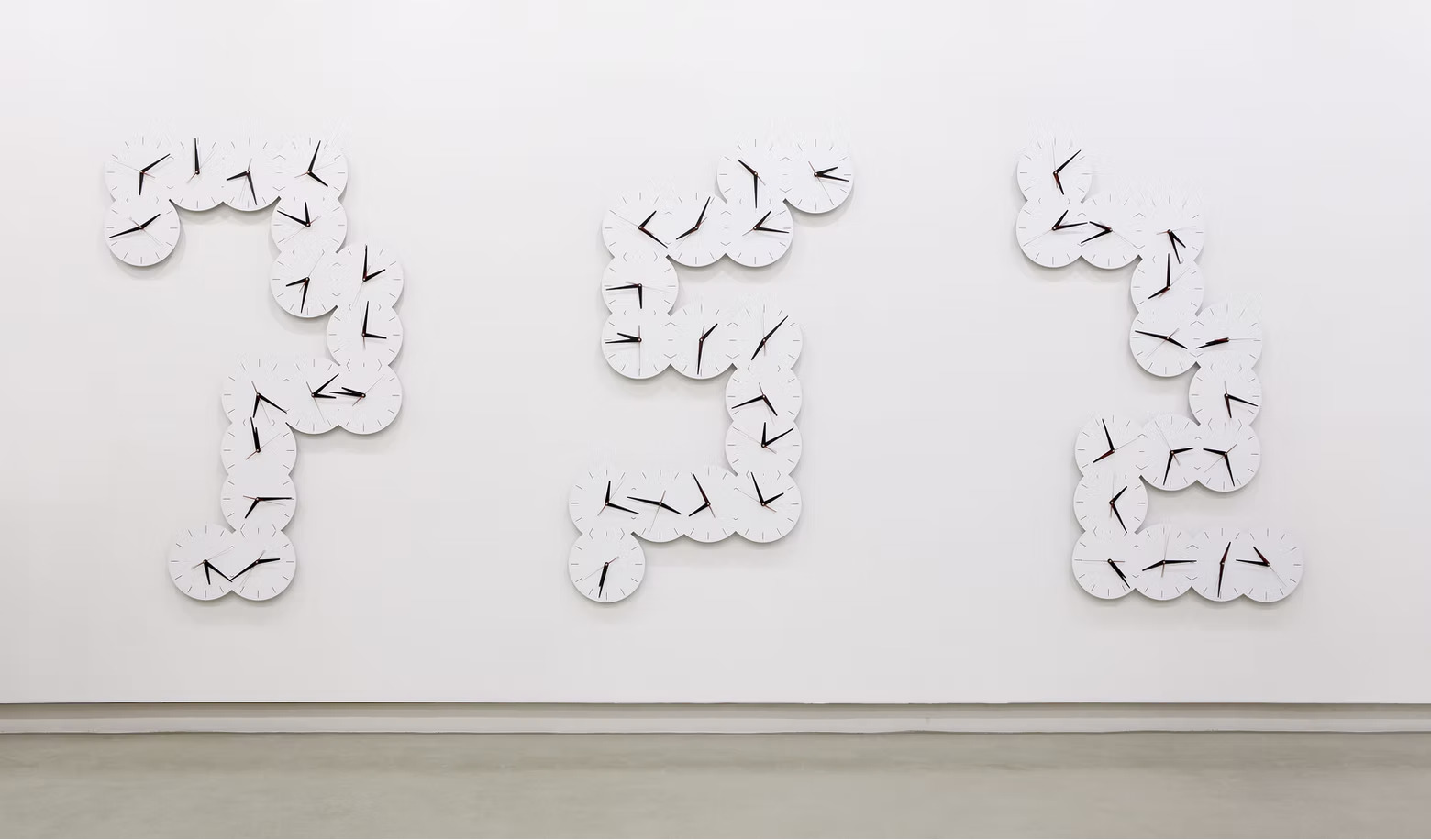
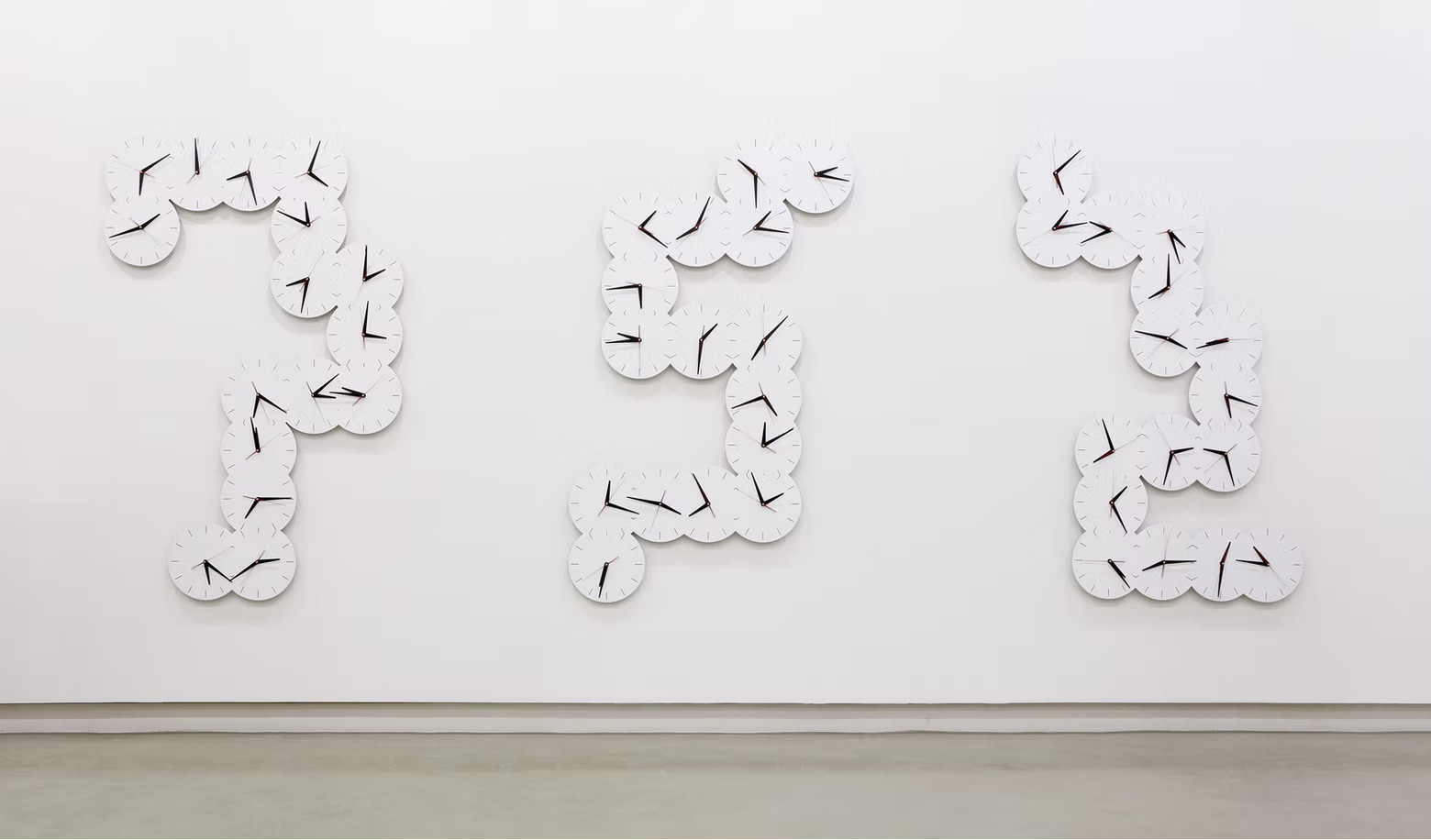
As viewers walk among the seven fragmentary spaces filling the exhibition hall, they are invited to consider how deletion, recovery, and immediate editing processes occurring on digital screens are related to the real world. The work also presents a transformation of the “timeline bar” series shown in previous exhibitions, changing it into strange forms that freely move linearly and circularly up, down, left, and right. This work consists of a total of 48 analog clocks divided into three masses and attached together in an irregularly tangled formation, with each clock pointing to a different time.
The artist’s question about the concept of digital time, approached through analog clocks, is hidden among the dizzying rotations of hour, minute, and second hands. The temporality revealed by analog clocks as tools for reading time is metaphorically expressed through the artist’s sculptural and three-dimensional handling of objects, leading toward an experiment on digital temporality. The clamor of ticking second hands from the 48 analog clocks draws us into another world of imagination, like the contextless jumps of time and space occurring on social media.