




Solo Exhibitions (Brief)
Her
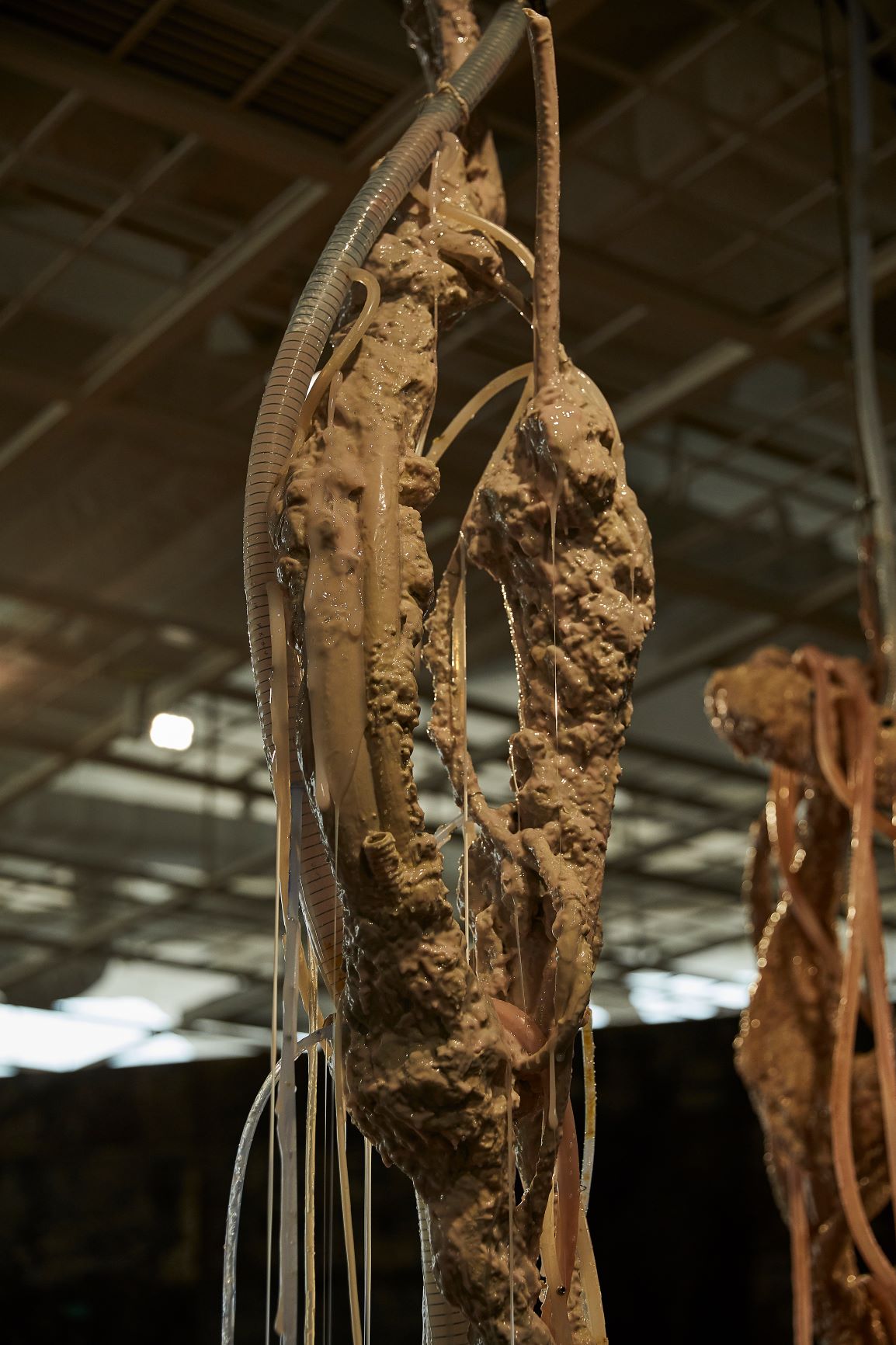
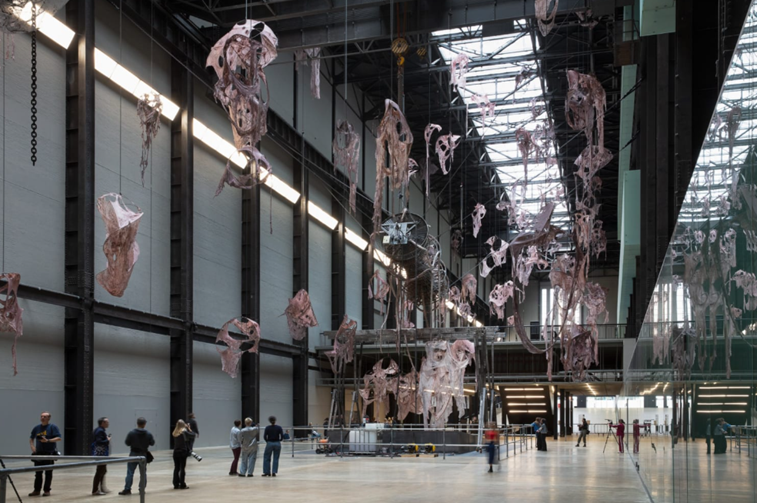
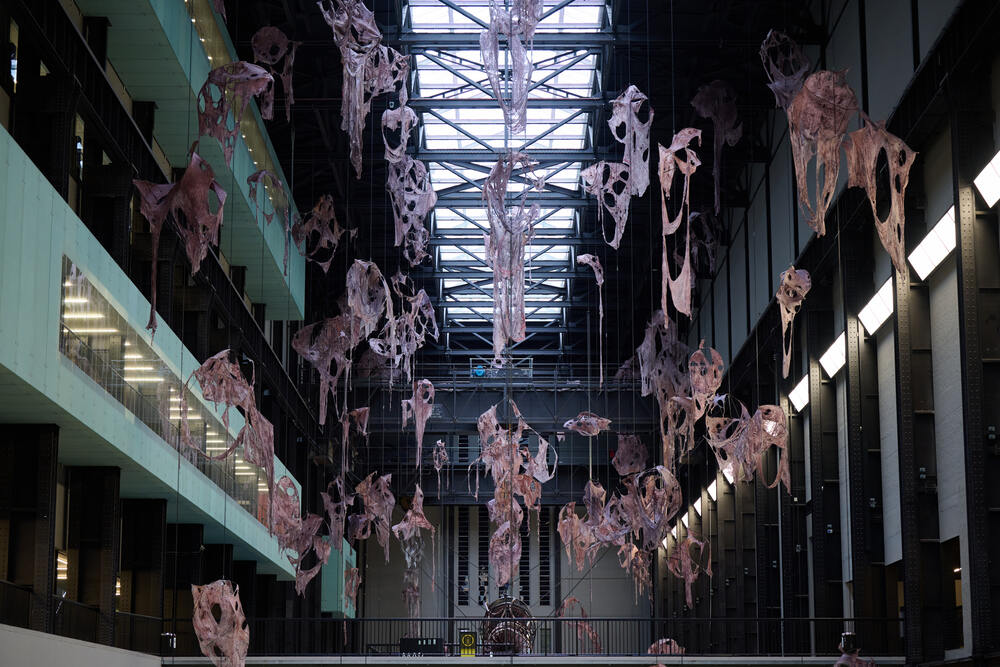
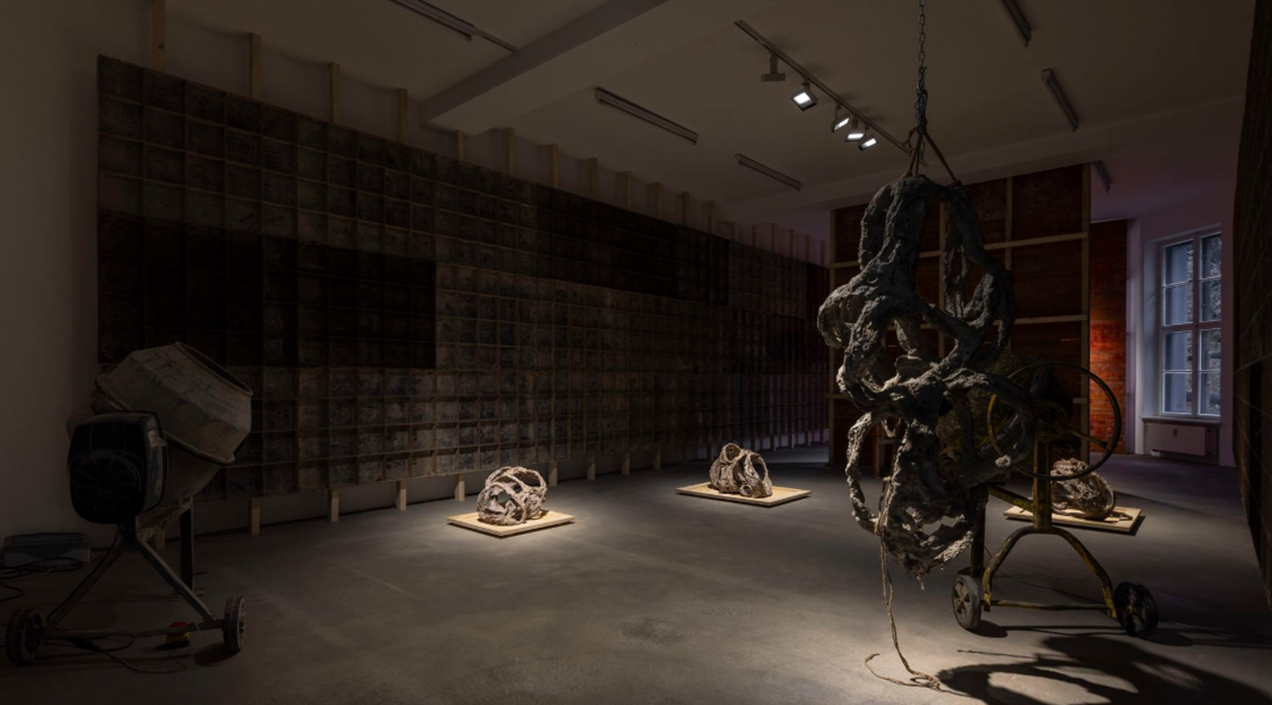
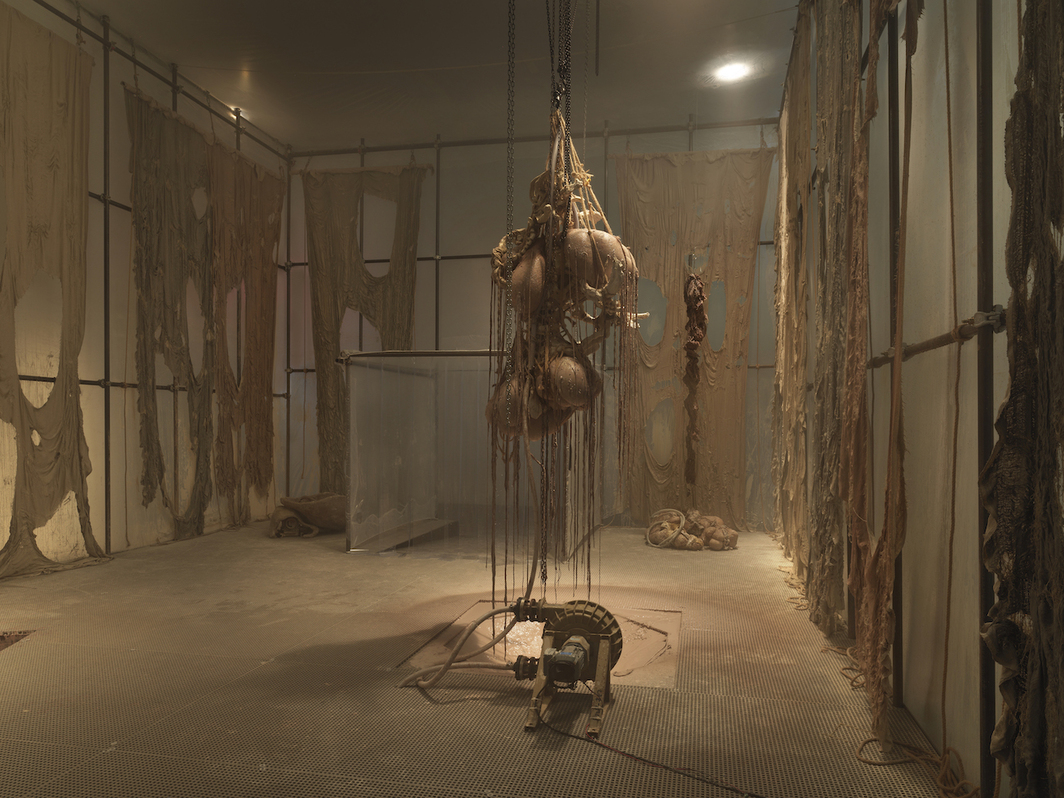
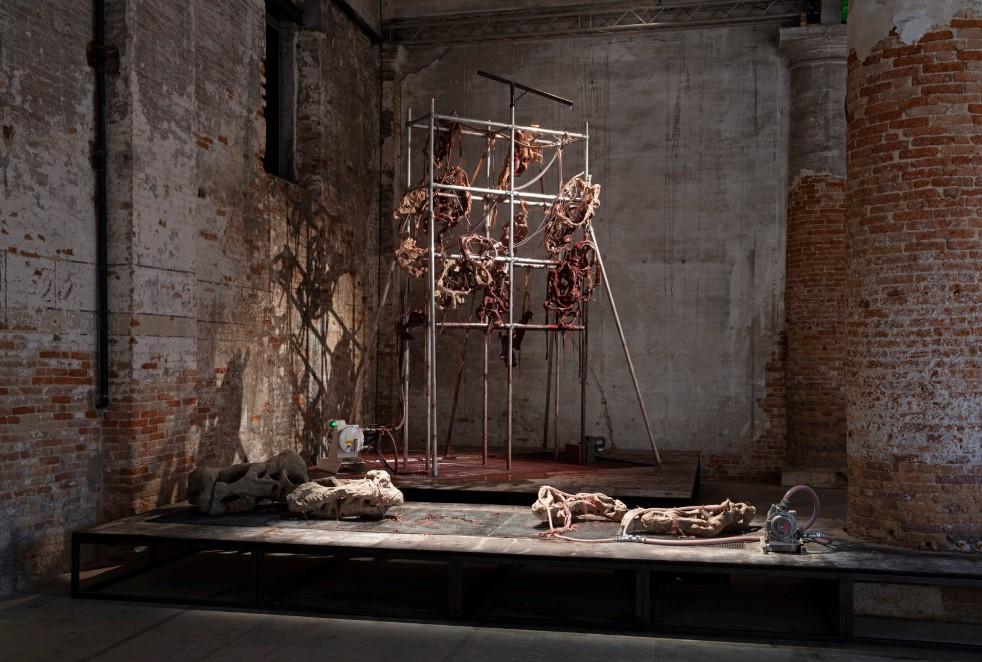
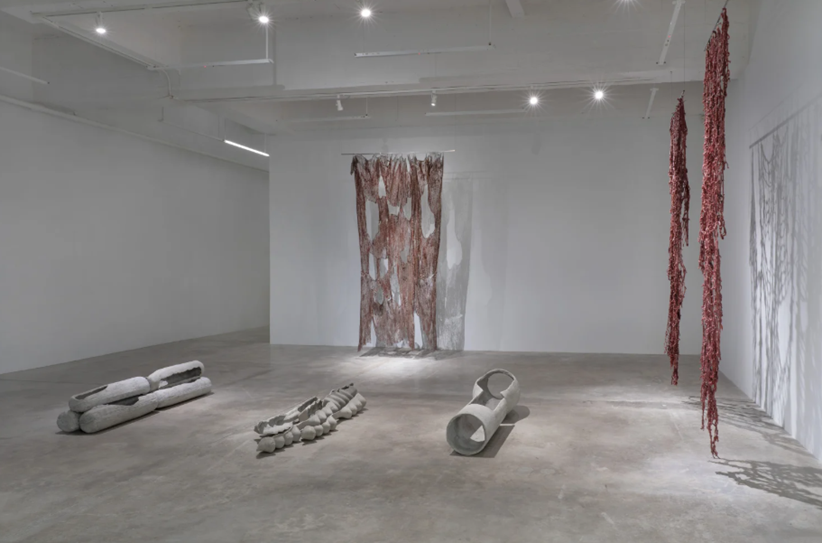
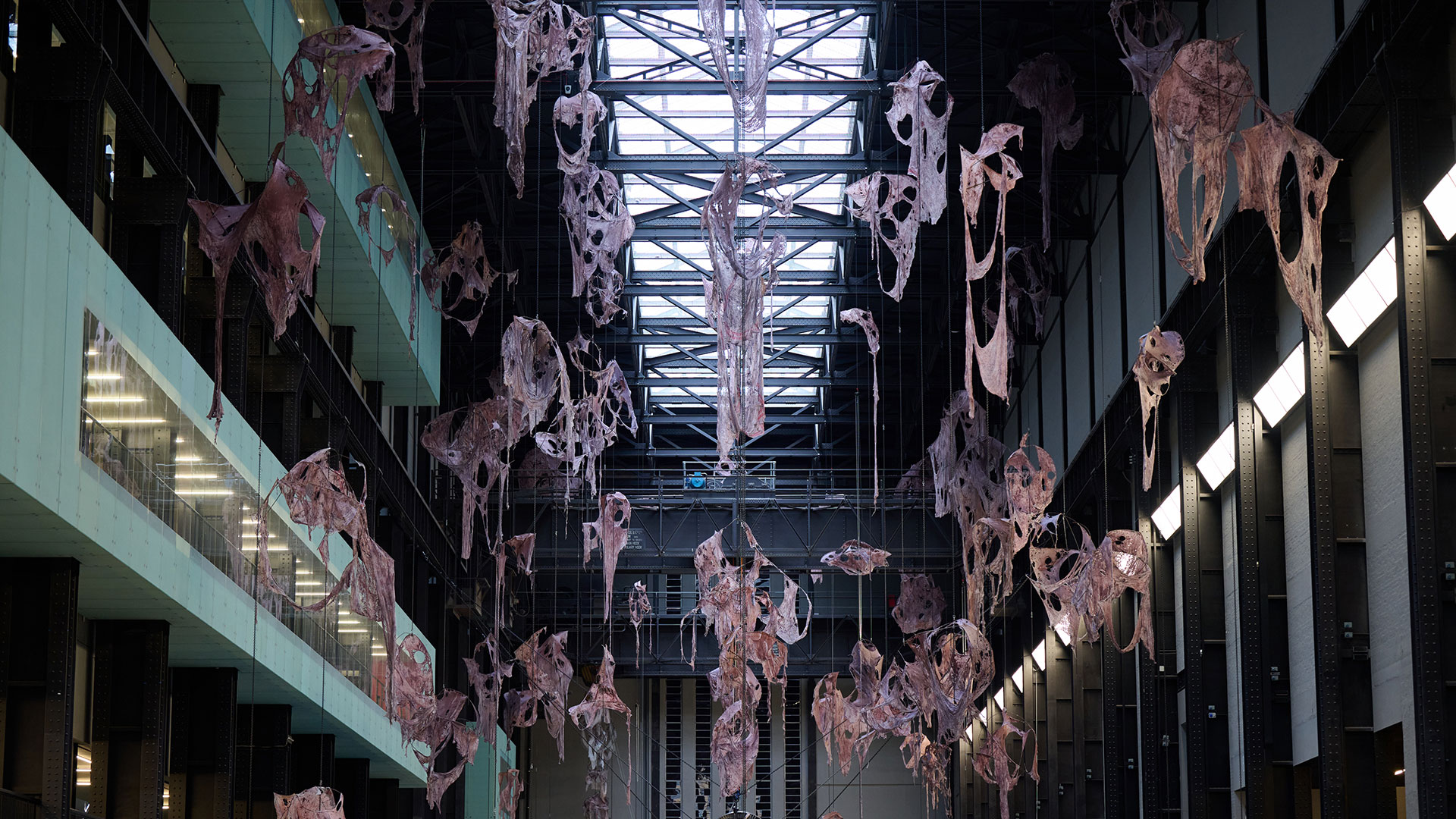
recent solo exhibitions include 《Mire Lee: Open Wound》
(2024) the Hyundai Turbine Hall Commission at Tate Modern, London; 《Black Sun》 (2023) at the New Museum, New
York; 《Look, I’m a fountain of filth raving mad with
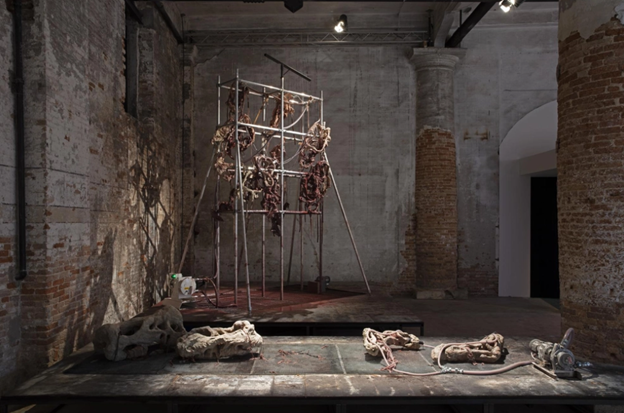
love》 (2022) at ZOLLAMTMMK, MMK Frankfurt; 《As we laydying》 (2022) at Kunstmuseum Den
Haag, Den Haag; 《Carriers》
(2020) at Art Sonje Center, Seoul, amongst others.
Group Exhibitions (Brief)
Lee’s
work was also featured in several group exhibitions including the 11th Busan
Biennale (2022), 59th International Venice Biennale (2022), 58th Carnegie
International (2022), Schinkel Pavilion, Berlin (2021), Antenna Space, Shanghai
(2020), the 15th Biennale de Lyon, Lyon (2019), and the 12th Gwangju Biennale
Pavilion Project (2018).
Awards (Selected)
She was the recipient of the PONTOPREIS MMK
2022 prize, and was shortlisted for the Special Prize at the 2021 Future
Generation Art Prize.
Residencies (Selected)
Lee has participated in notable residencies,
including the SeMA Nanji Residency and Cité
Internationale des Arts in Paris.
Collections (Selected)
Her works are held in prestigious collections such as the Centre Pompidou in Paris, LACMA, M+, Leeum Museum of Art, and the National Museum of Modern and Contemporary Art, Korea.