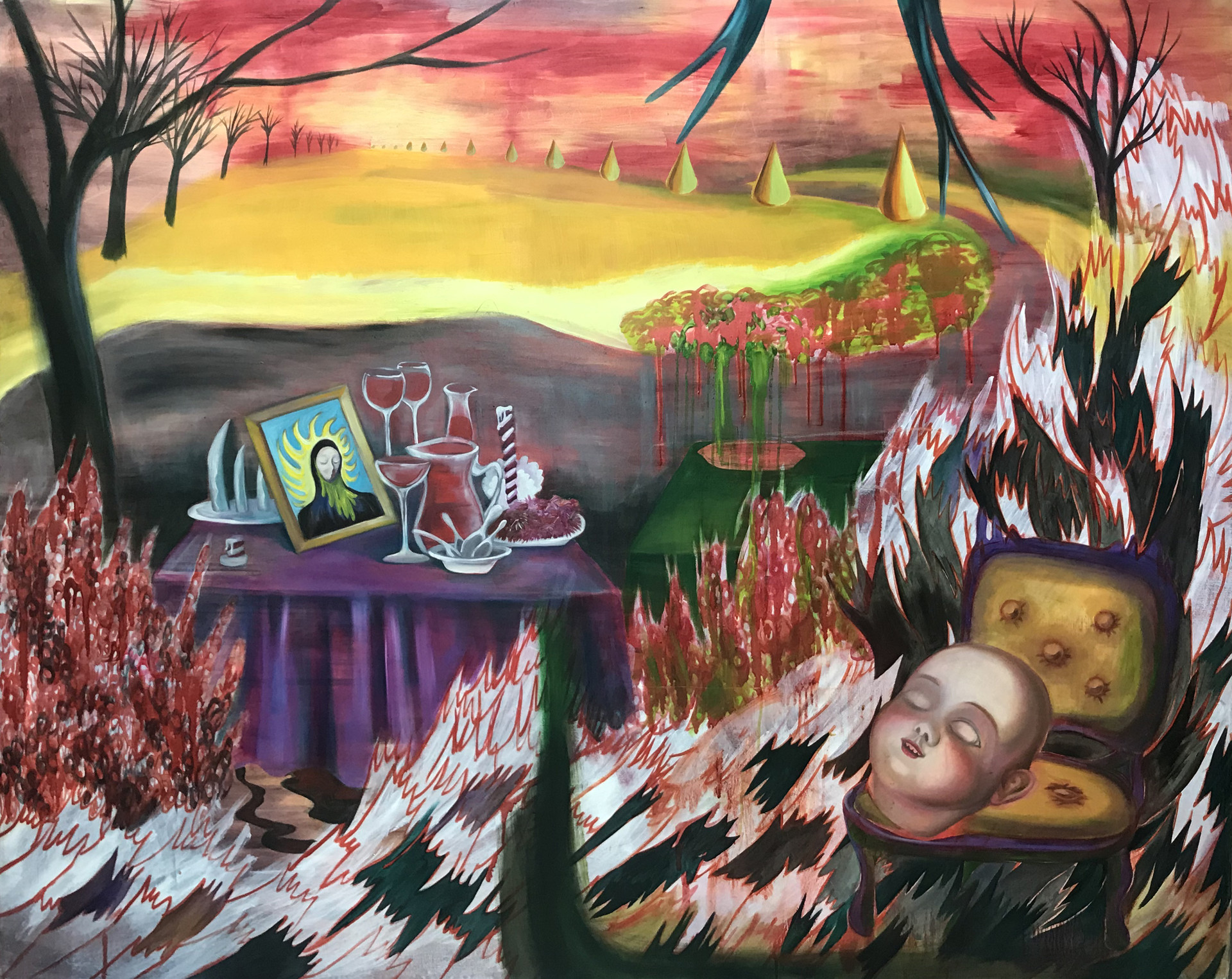
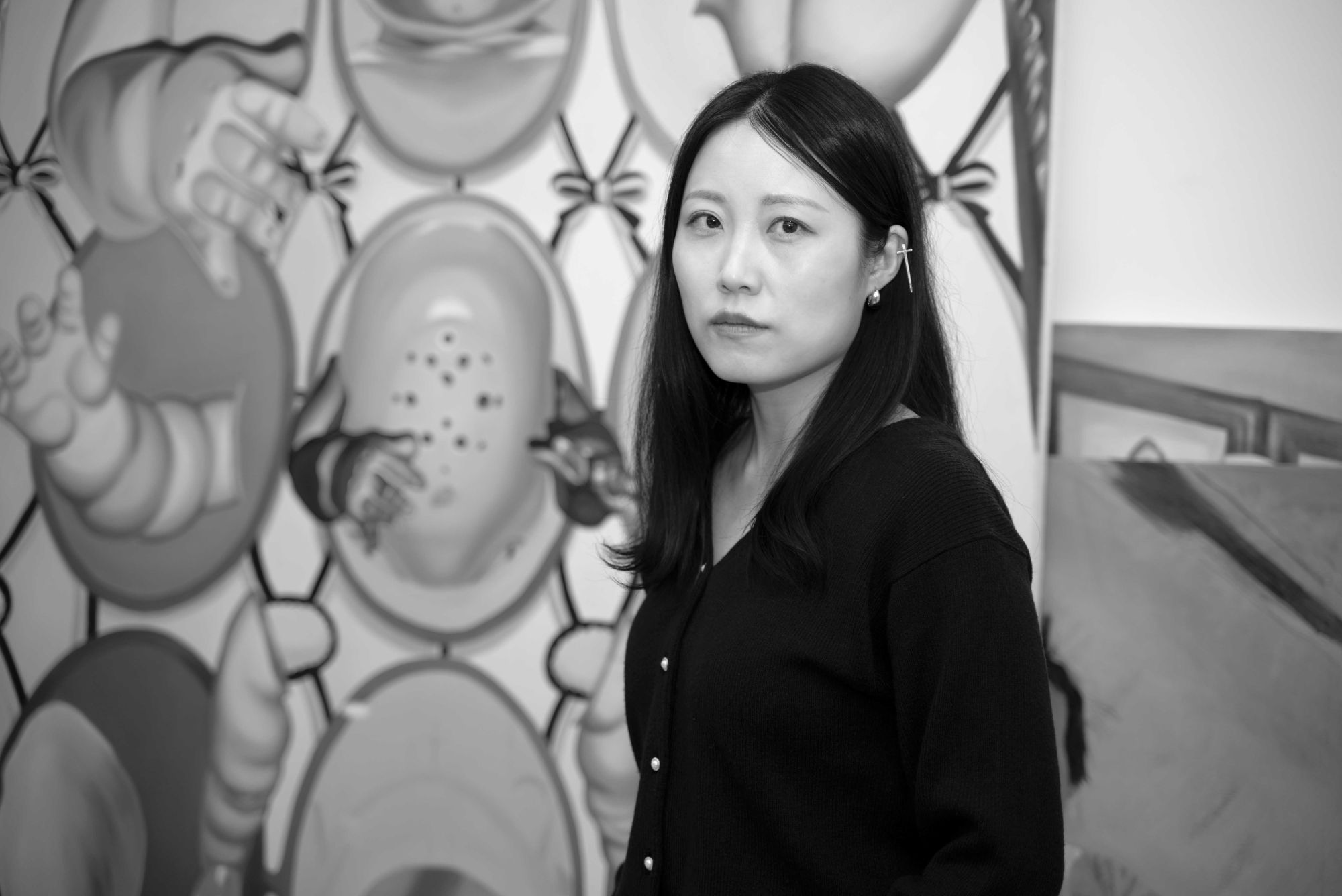
Hee Vaak’s
practice unfolds across painting, drawing, video, installation, embroidery,
objects, and handwork. In her early works, she dealt with fragments of personal
memory and living space through mixed media on canvas, collected objects, and
drawings, while later works came to emphasize materials related to manual
labor, such as broken objects, thread, cloth, embroidery, sewing, and religious
objects.
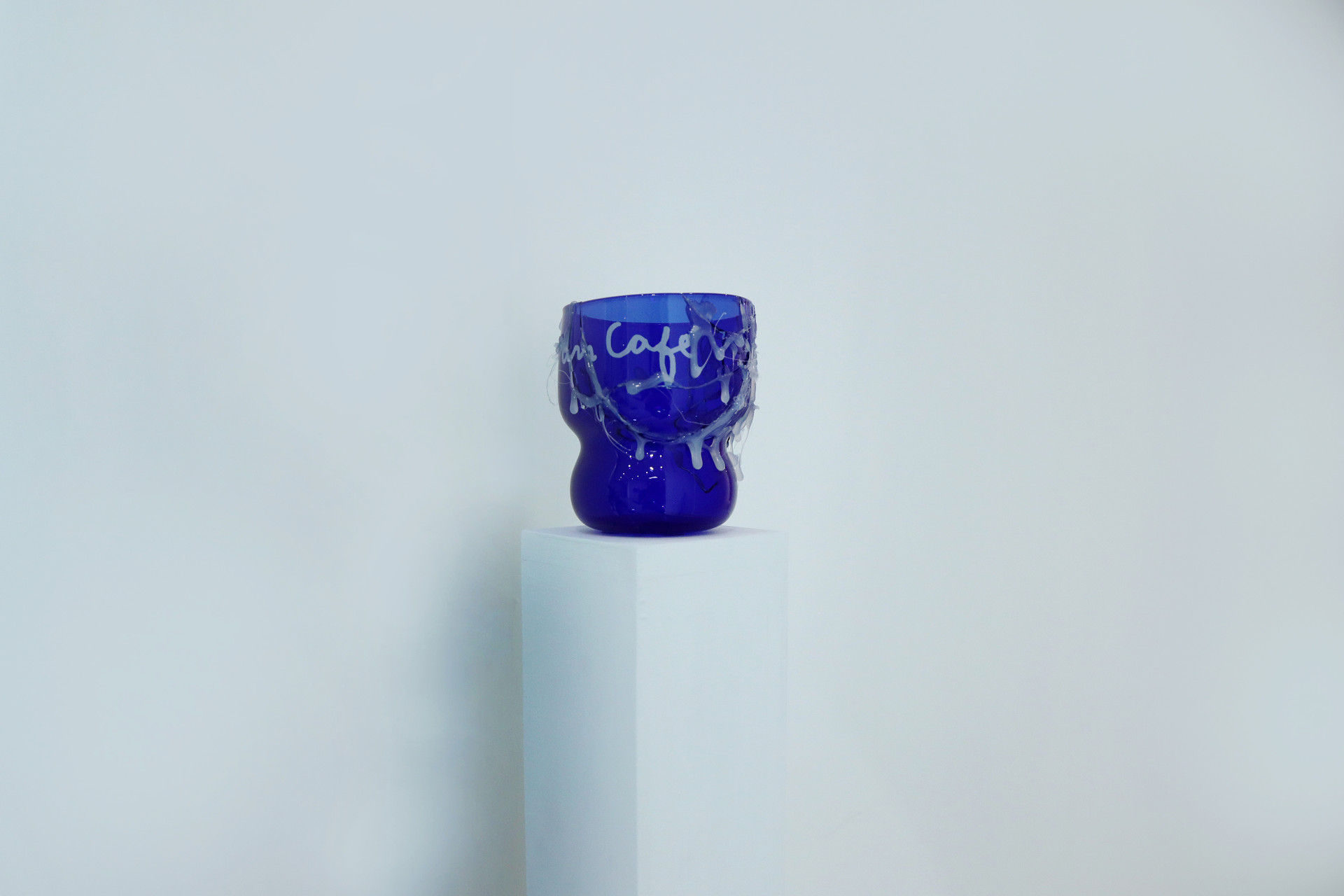
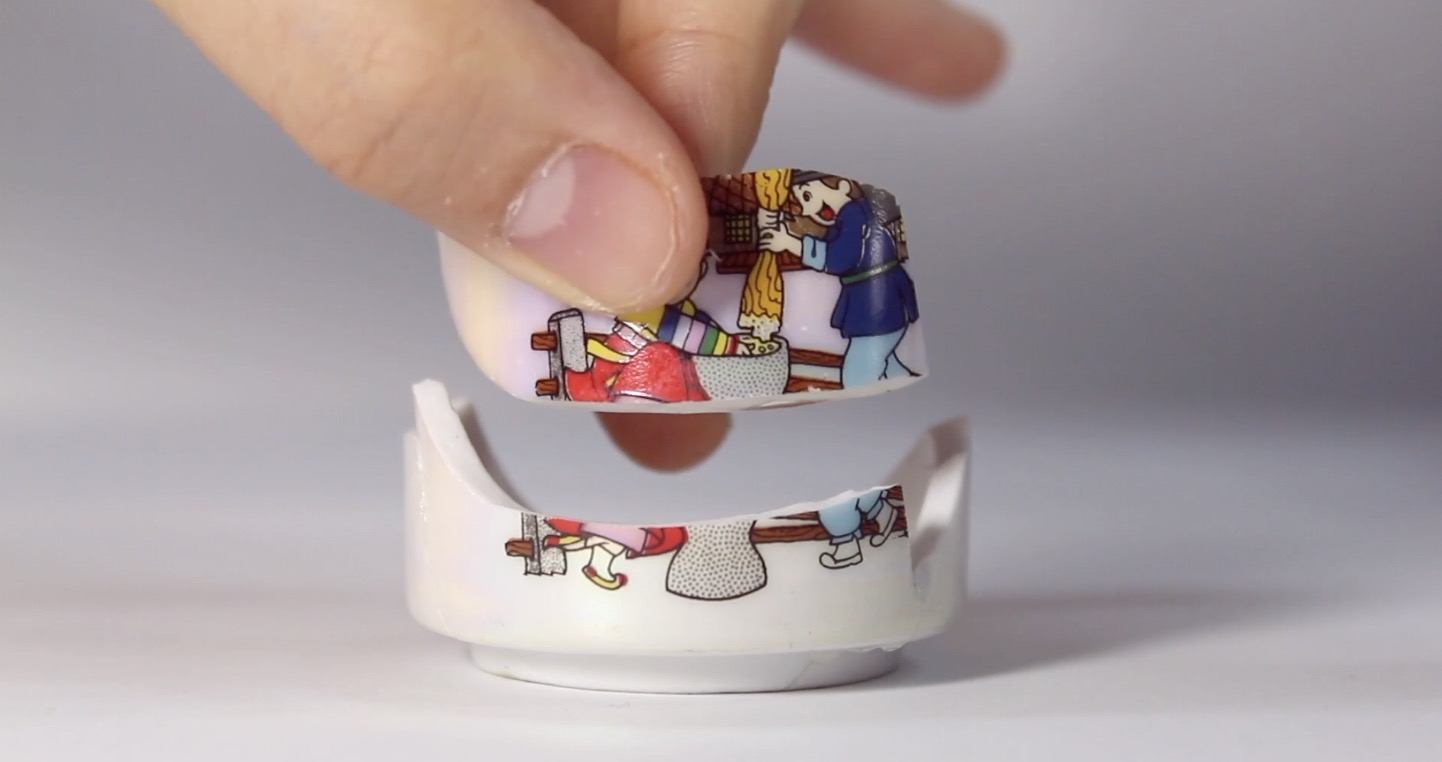
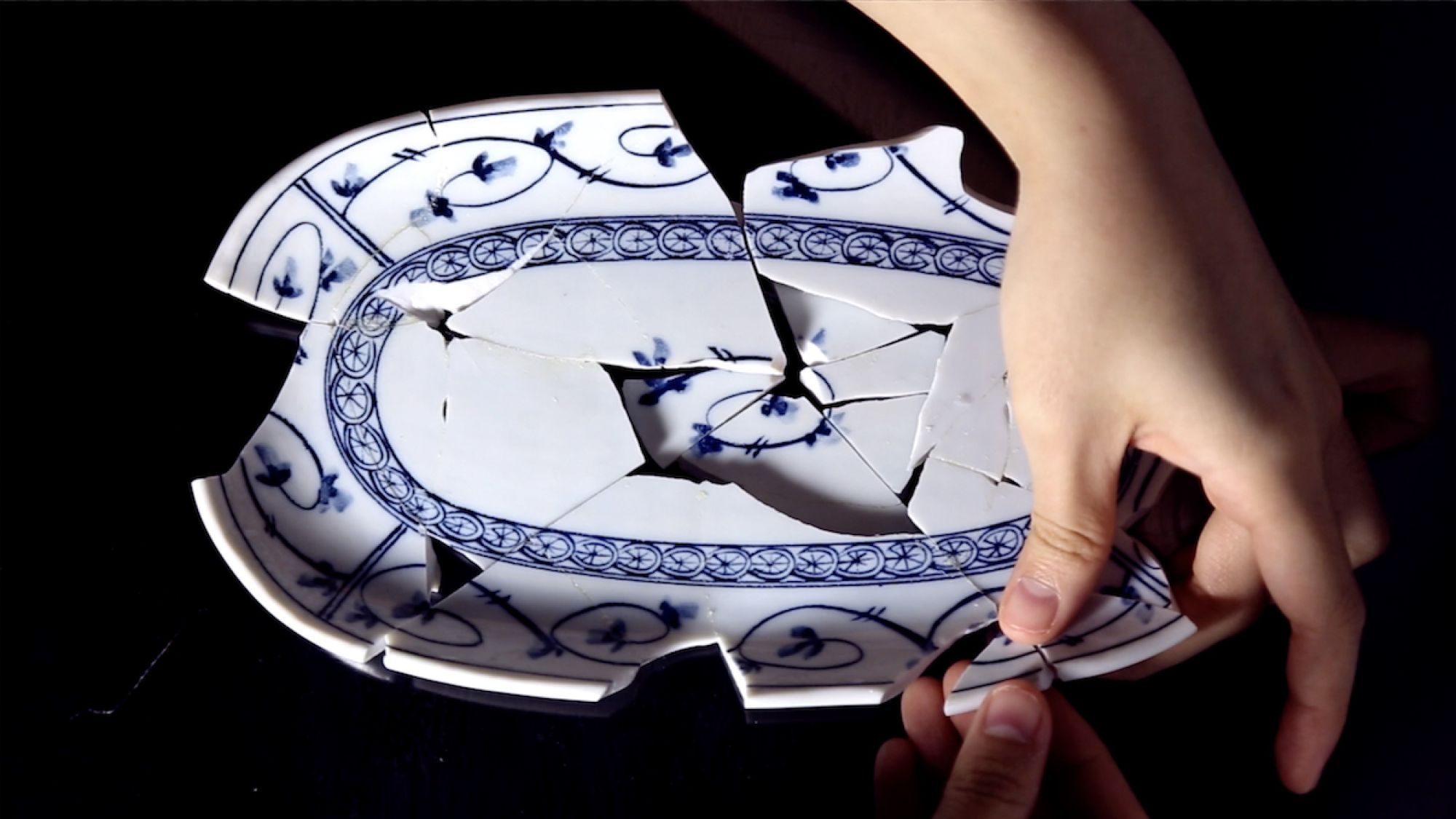
Five Cups collected from the Bugae-dong railroad
tracks records, as a single-channel video, the process of
reassembling broken cups discarded along a railroad track, connecting the very
act of restoring broken objects to questions of memory and
safety. Nameless Memories is also a video work
that retraces scattered memories, showing that in Hee Vaak’s work, restoration,
mending, and piecing together are not simply acts of repair but are connected
to an attitude toward life.
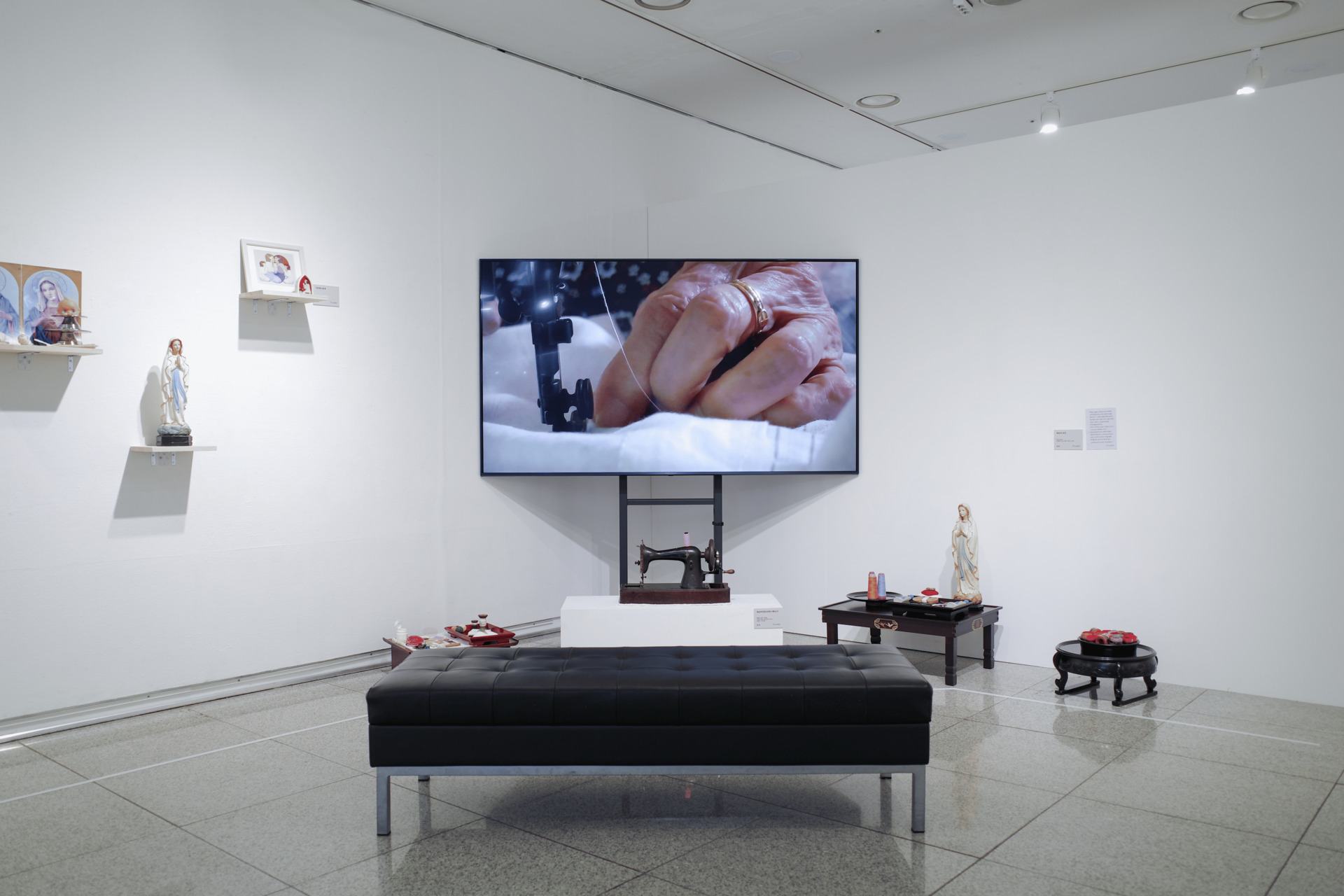
The artist
materializes the labor of women’s family history through sewing, embroidery,
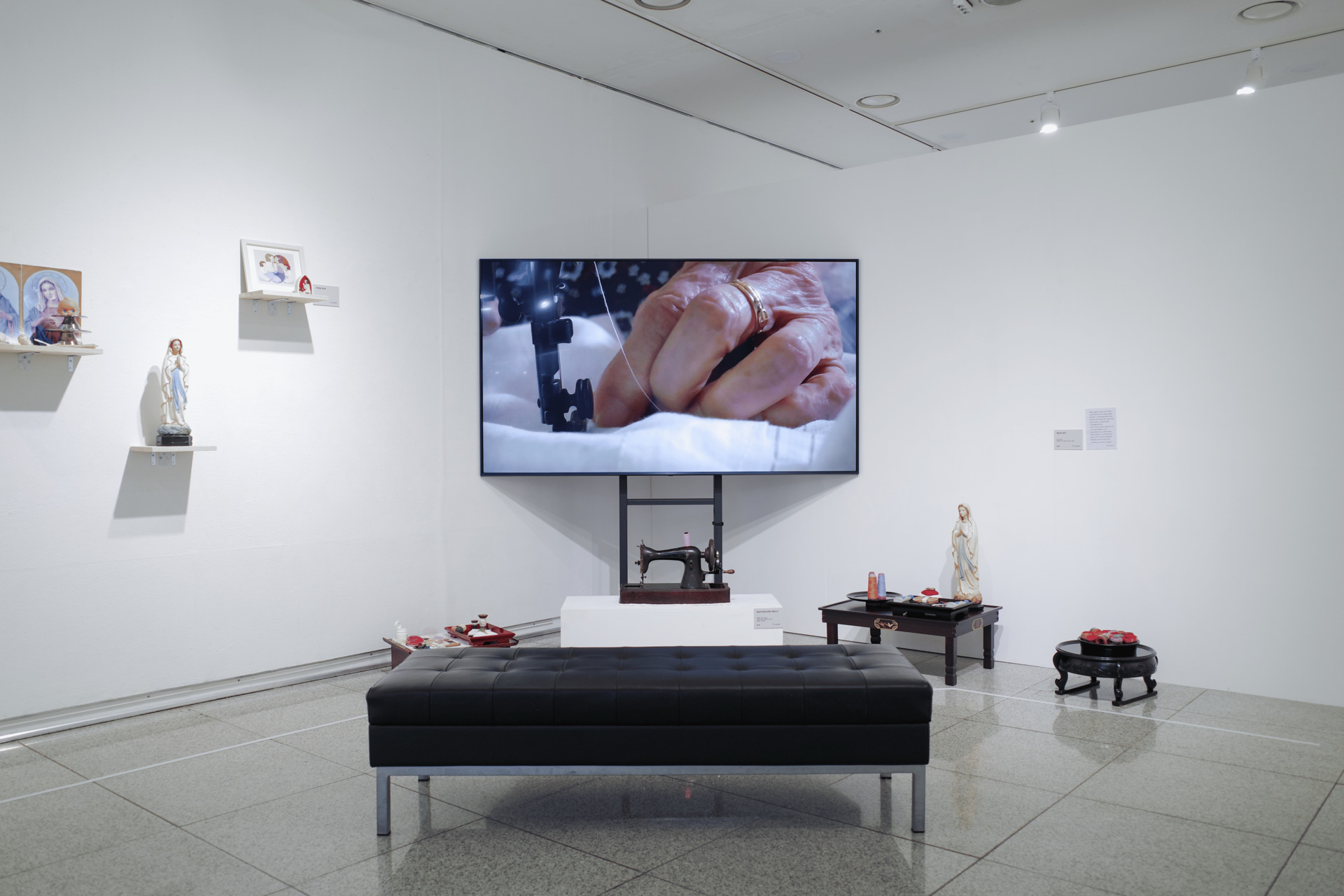
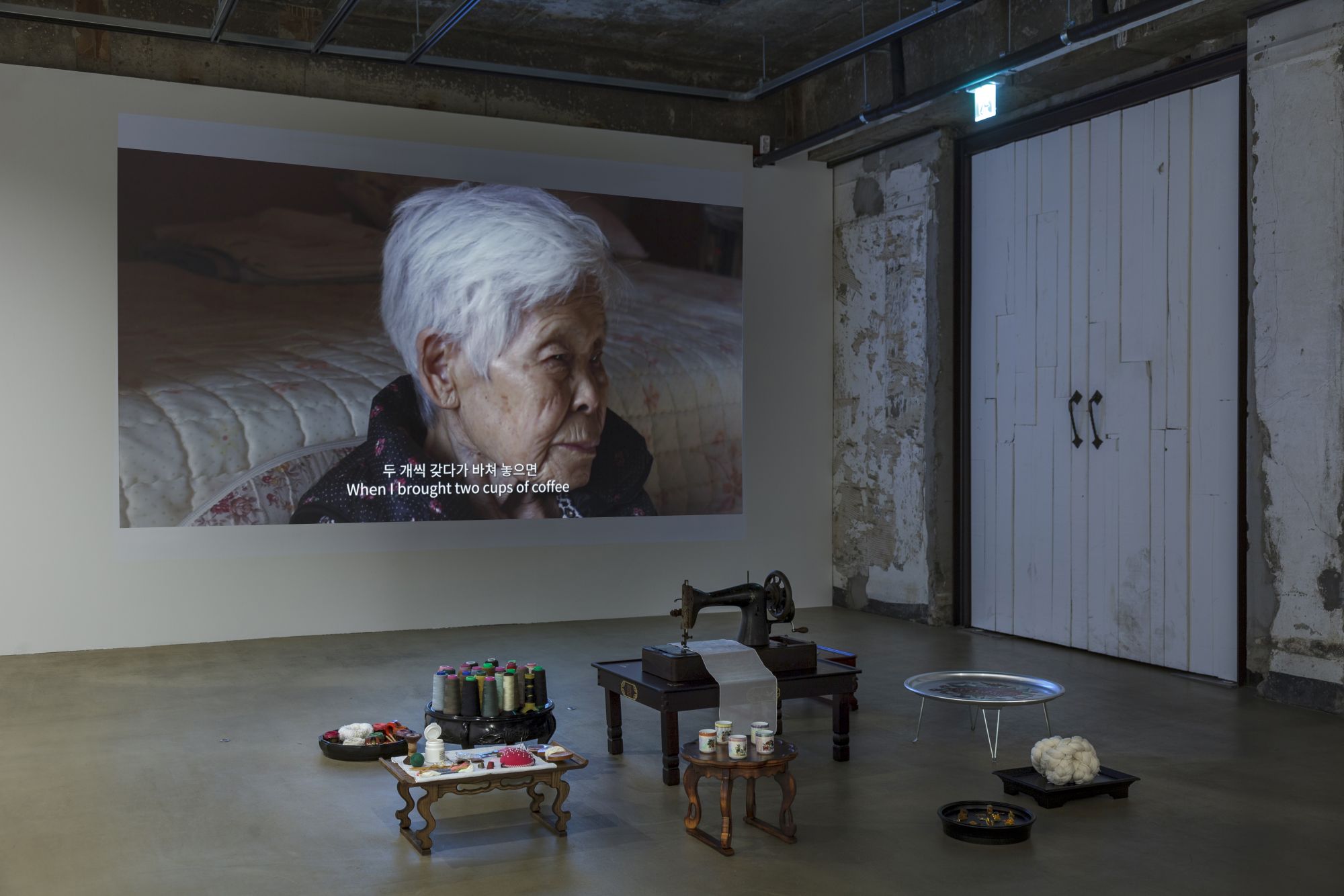
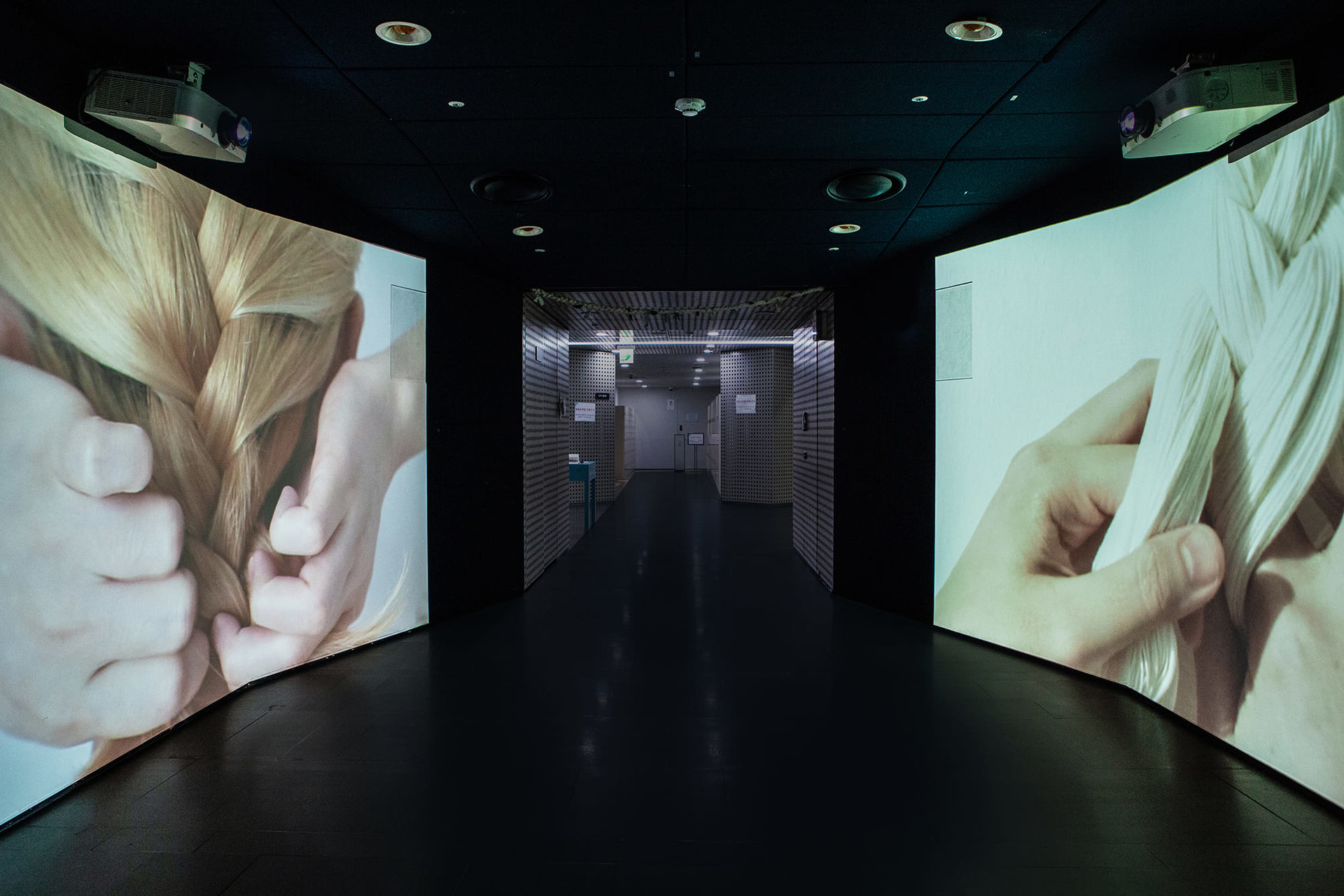
thread, and cloth. In 《Oksoon’s Thread》, the silk thread braided by Oksoon’s daughter and granddaughter,
along with the thread, sewing basket, sewing machine, and blanket left behind
by her maternal grandmother, show how one generation’s labor for livelihood is
passed on to the next generation as artistic labor.
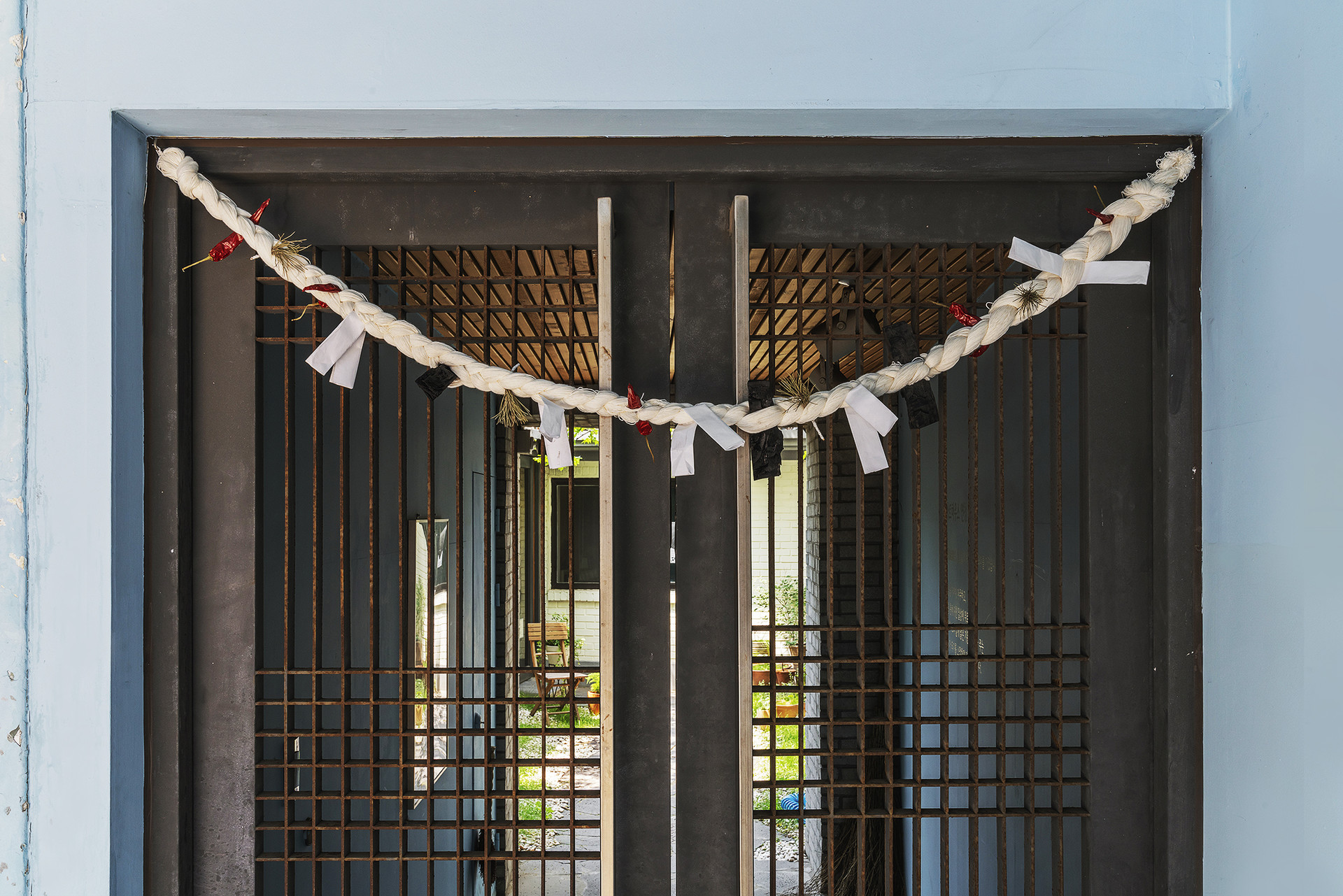
Oksoon’s
Geumjul is a work composed of silk thread, chili pepper,
charcoal, pine needle, and hanji, remaking the traditional geumjul — associated
with birth, protection, taboo, and prayer — using the thread of her maternal
grandmother. Here, the artist’s handwork is not merely a craft technique, but a
performative act of remembering Oksoon’s life and praying for the well-being of
a generation that has passed. In Hee Vaak’s work, thread is both a physical
material and a line that connects memories, a sensation that passes through
generations, and a trace left by belief and desire.
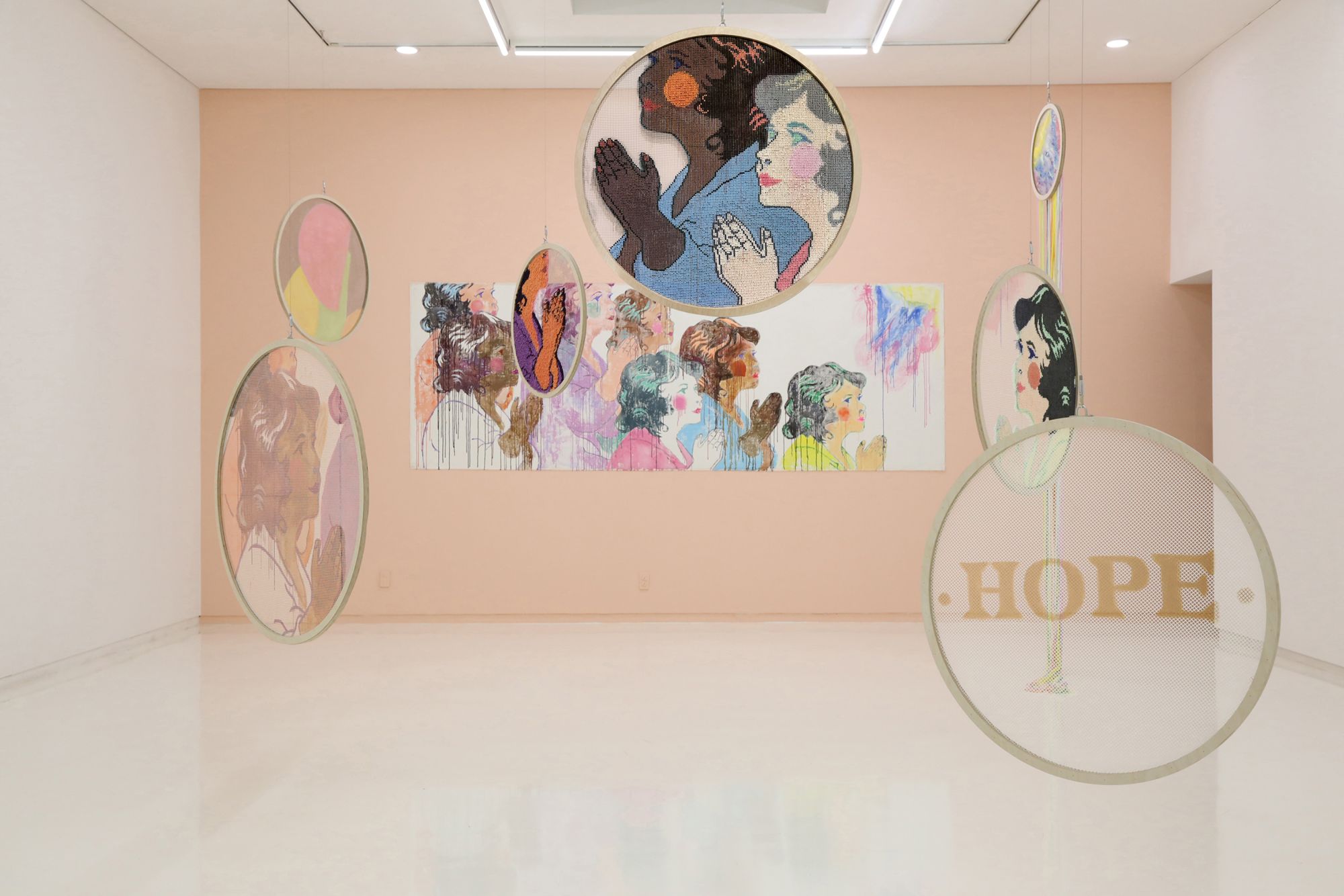
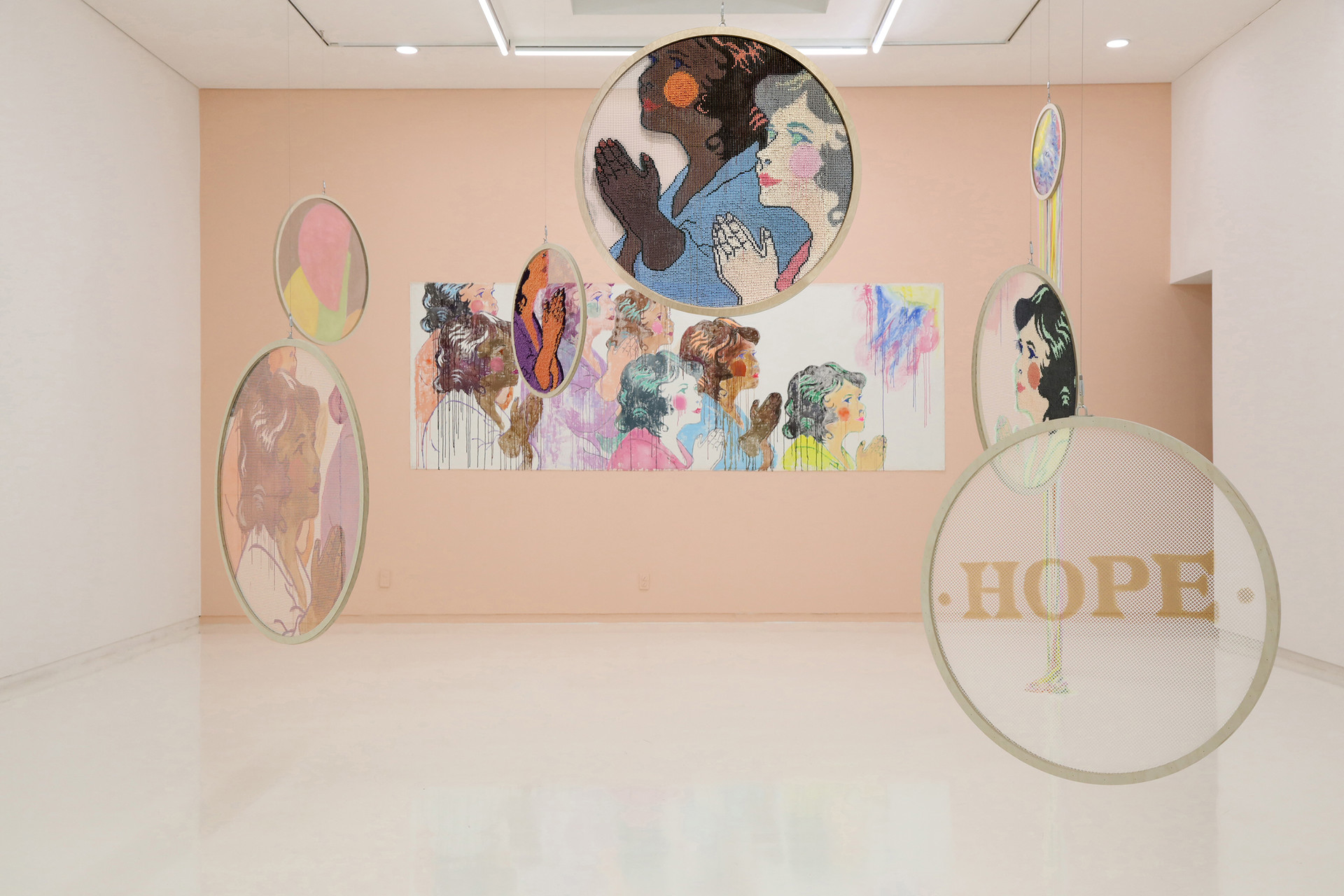
In the
2022 exhibition 《Hoping for a
Safe Day》(Cheongju Art Studio, 2022), painting,
installation, punch-needle embroidery, mesh net, wood, and objects are composed
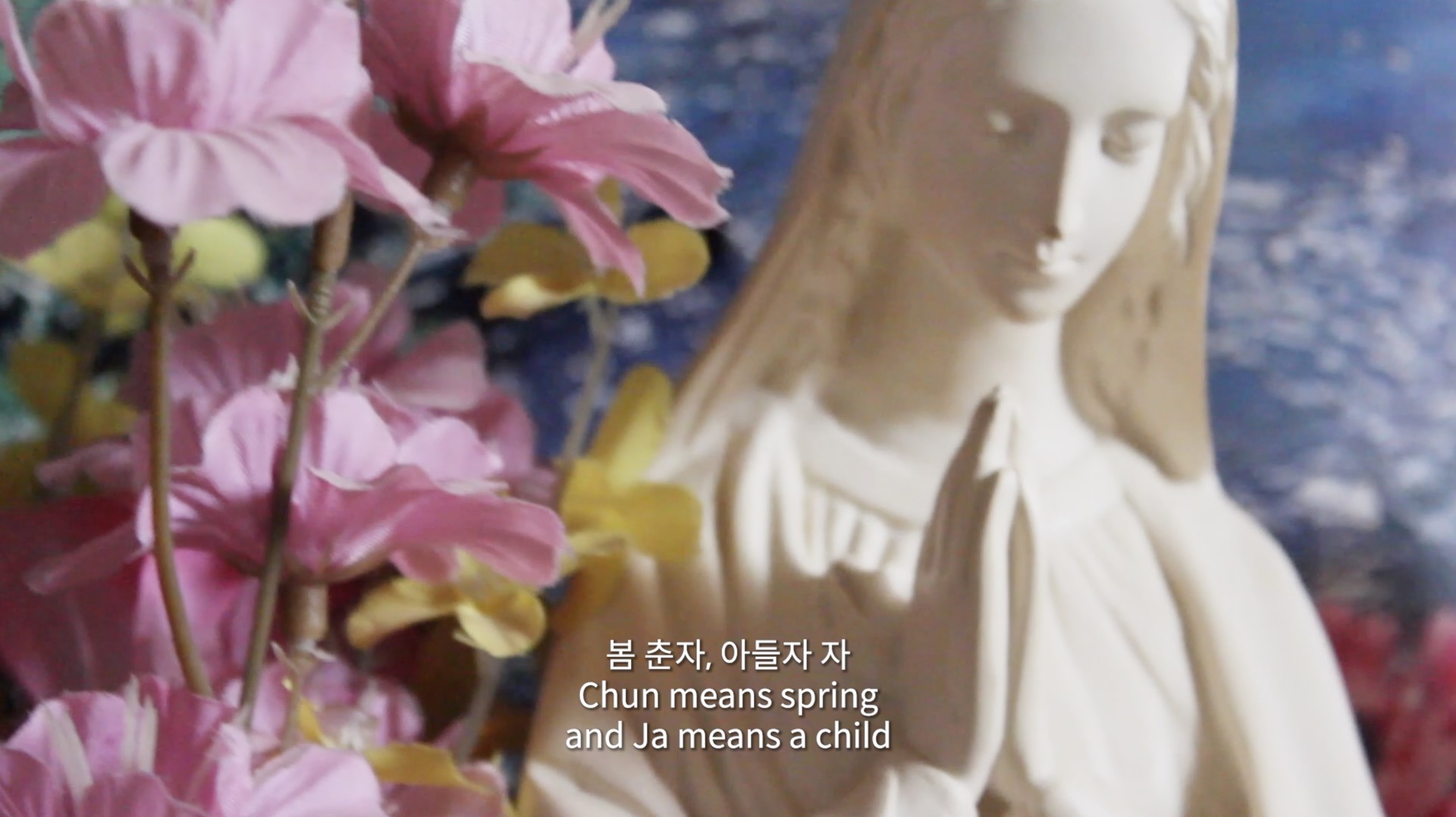
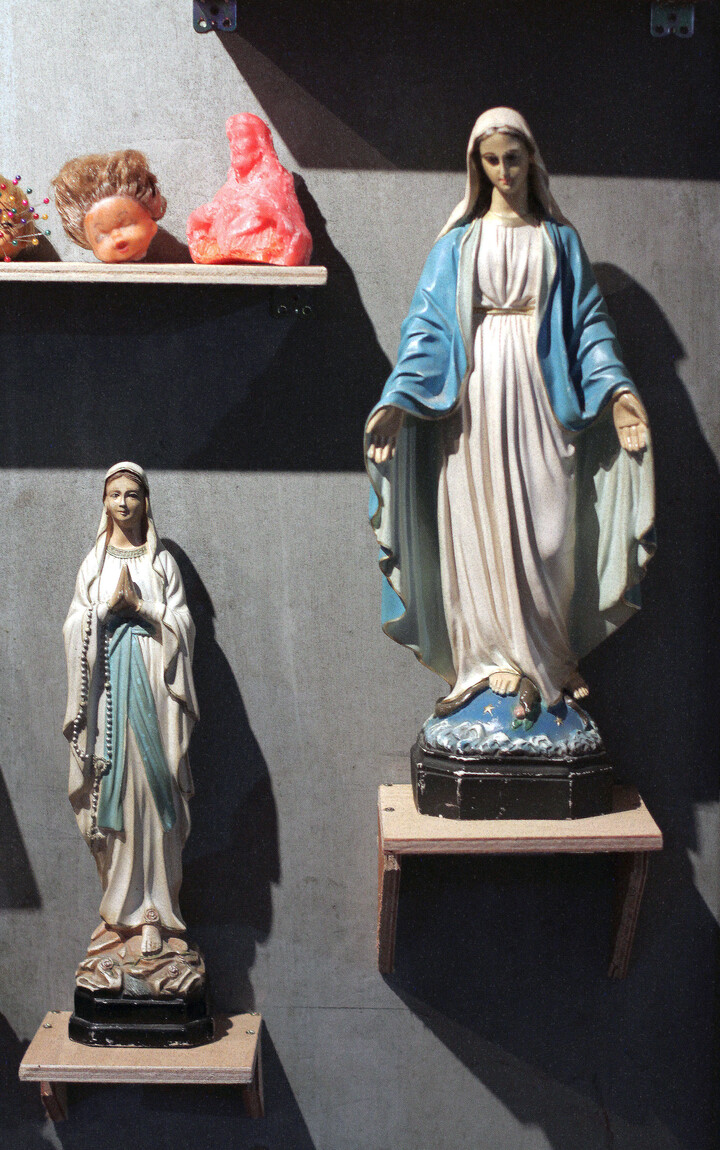
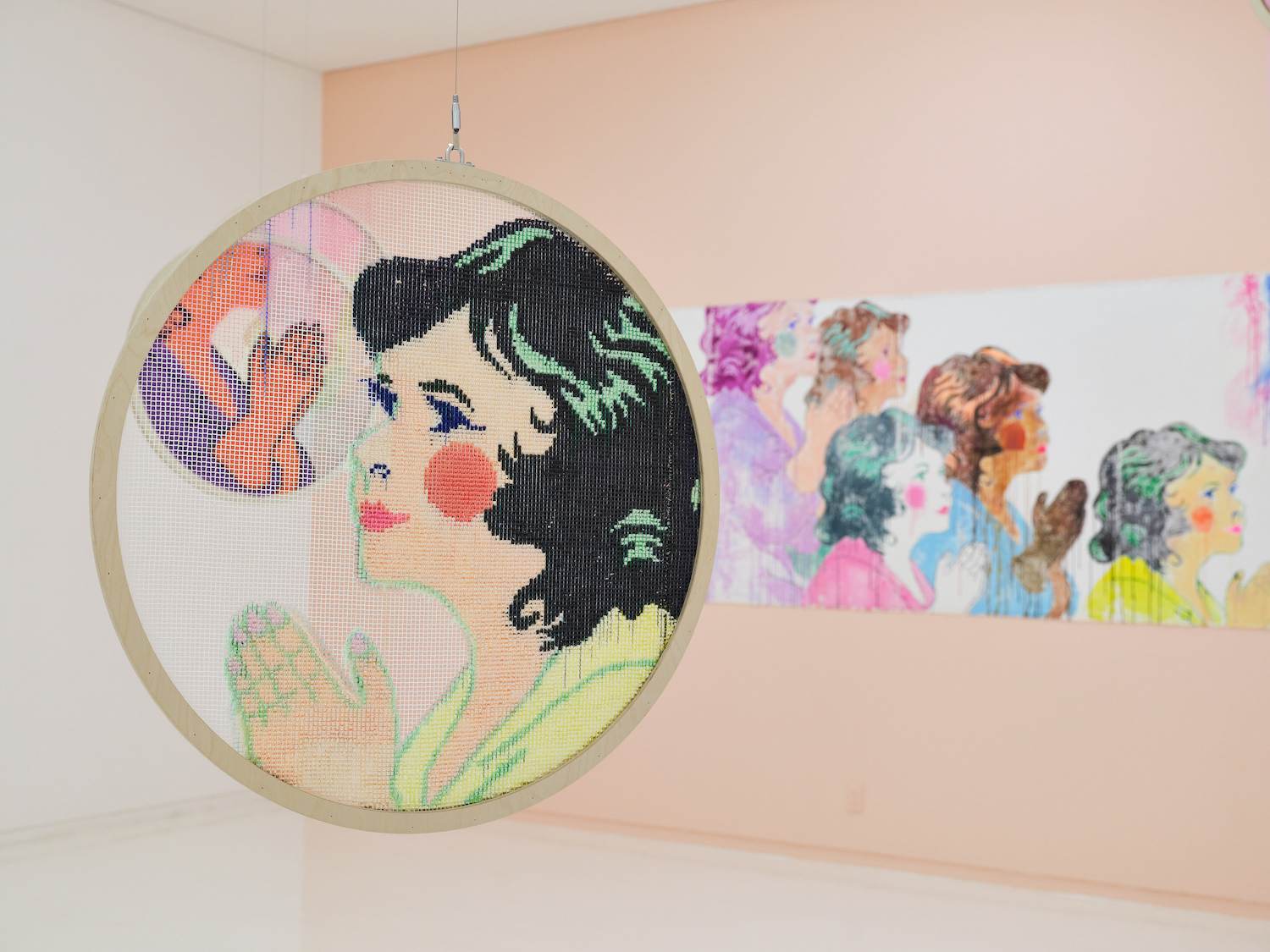
into a space resembling a pseudo-chapel. The Praying
Girl is an installation work combining acrylic, punch-needle
embroidery, mesh net, and wood, expanding the formerly flat image of the
“praying girl” into a material and spatial icon.
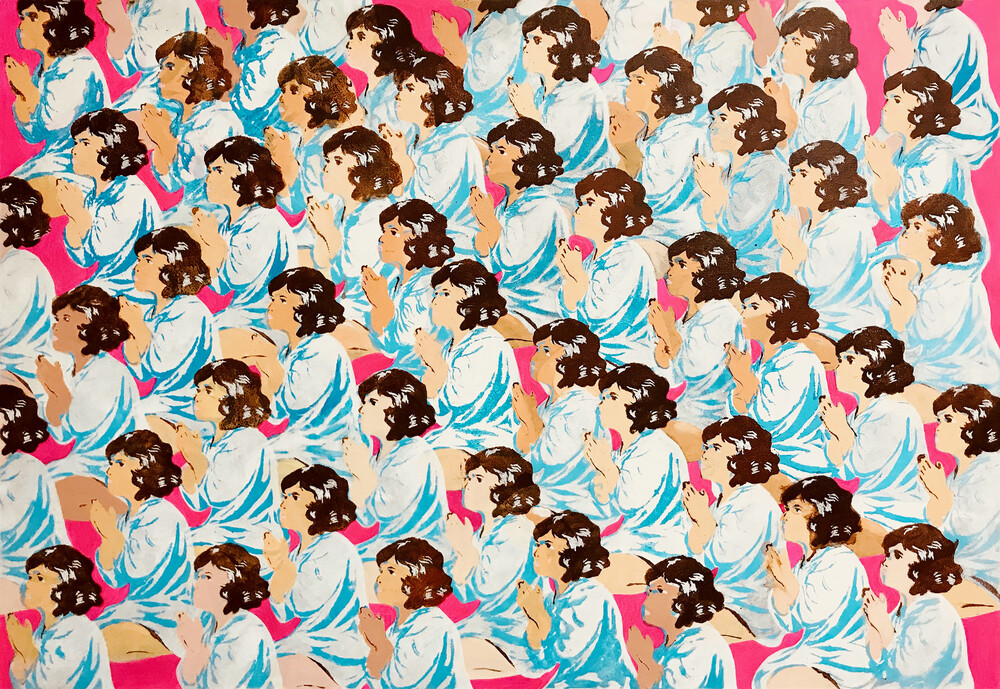
A world that
works by faith shows how faith operates through repetition,
reproduction, and habit by presenting repeated images of the praying girl on
canvas. What matters in this period is not the direct reproduction of religious
images, but the way the structure of desire is revealed through the labor of
repeatedly printing, stitching, and erecting them. Rather than the sacredness
of the praying image, the artist focuses on how that image has carried people’s
anxieties and wishes on their behalf.
In the
paintings produced after 2025, her previous narrative and installational
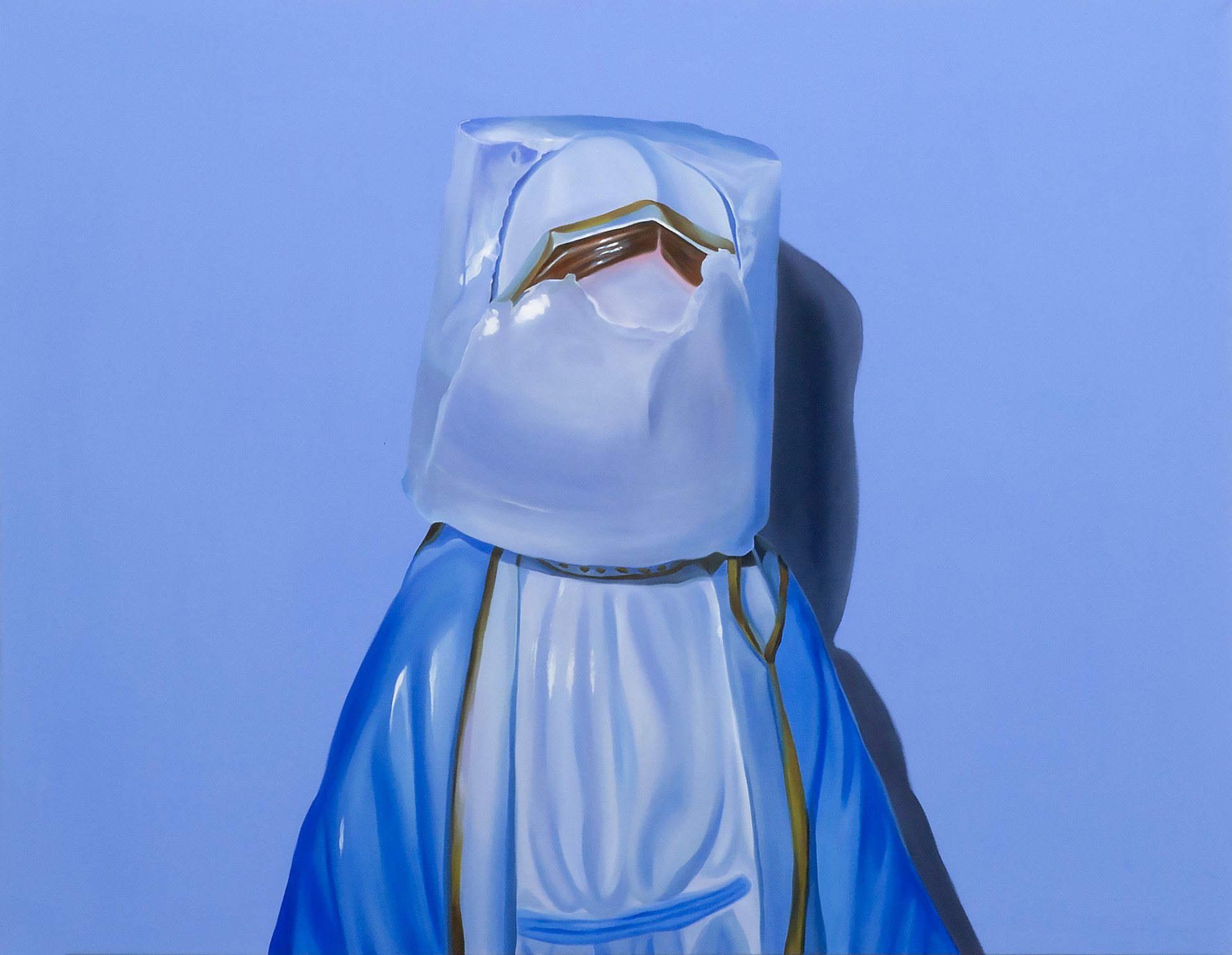
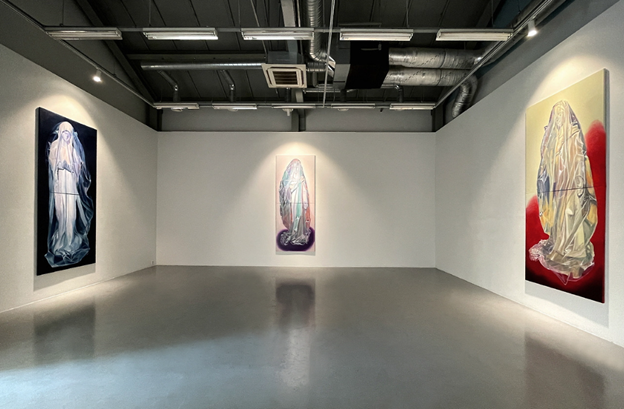
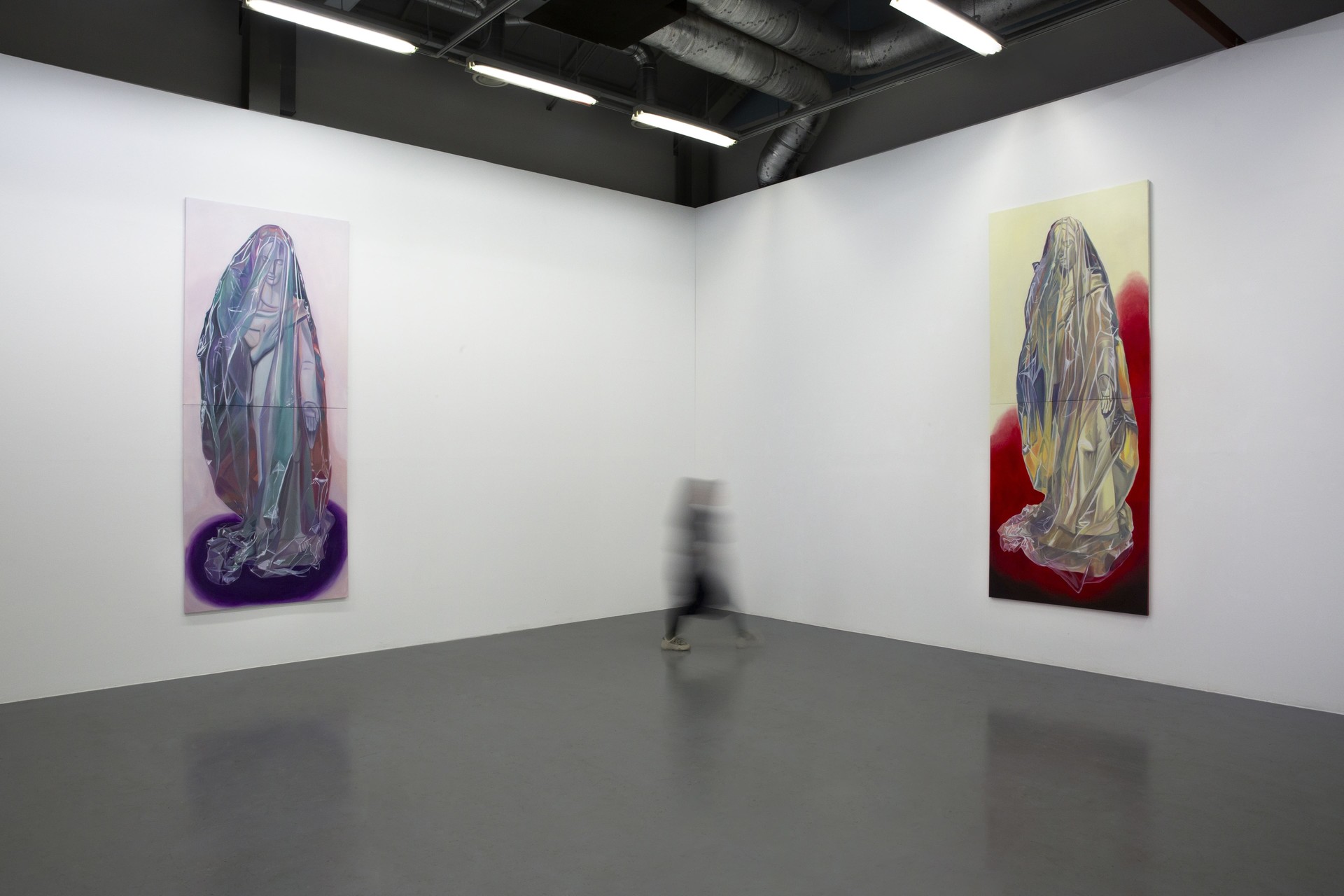
methods shift into more compressed psychological images. In 《There is no gold that does not decay》, the
Virgin Mary statue is not transparently represented under natural light, but
appears through plastic, artificial tones, segmented surfaces, and color planes
that reflect like shards of glass. Maria is an
image left behind in the process of casting a Virgin Mary statue in wax, while
wax and candles appear as instruments of prayer and as materials that can be
melted and transformed again.
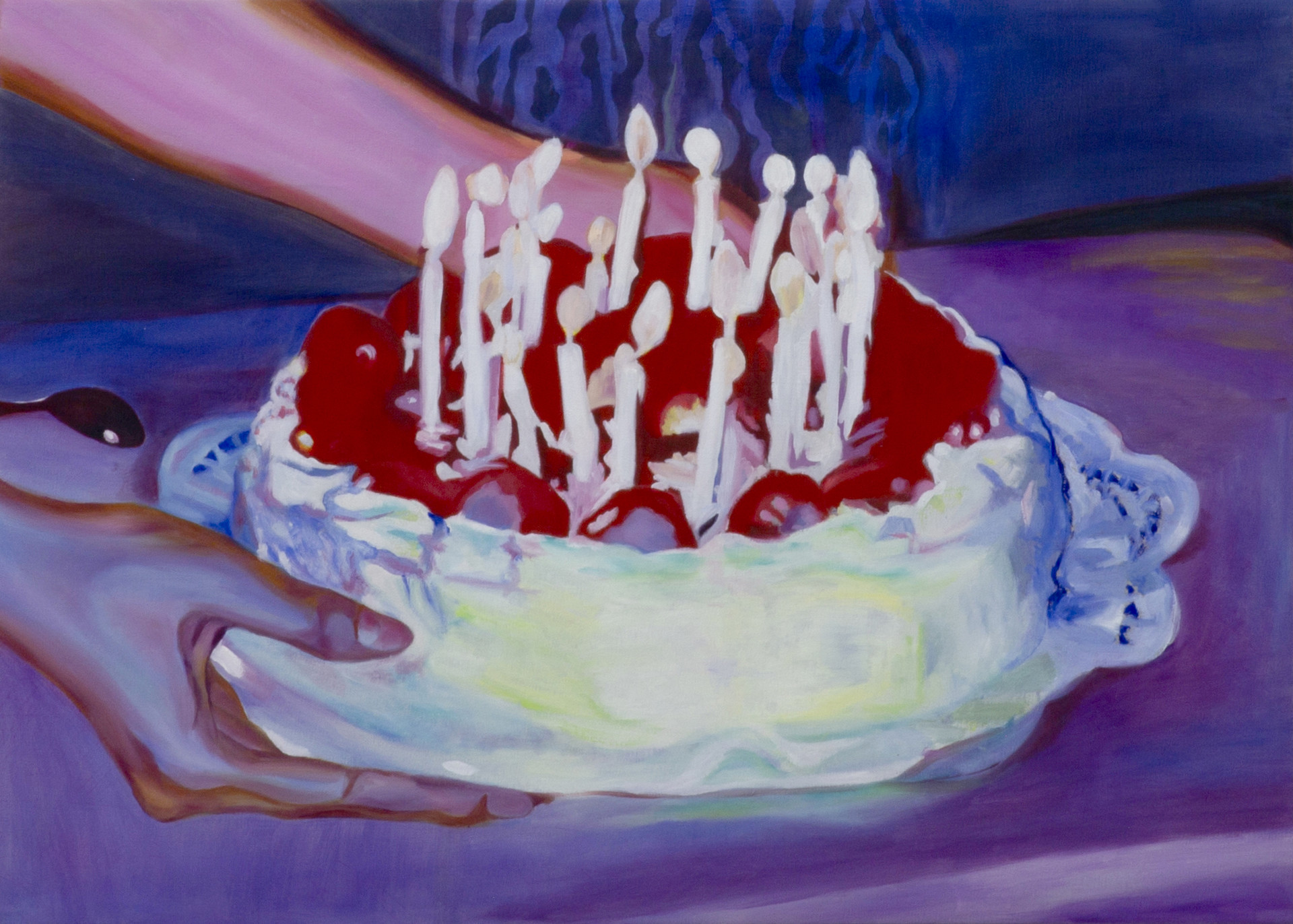
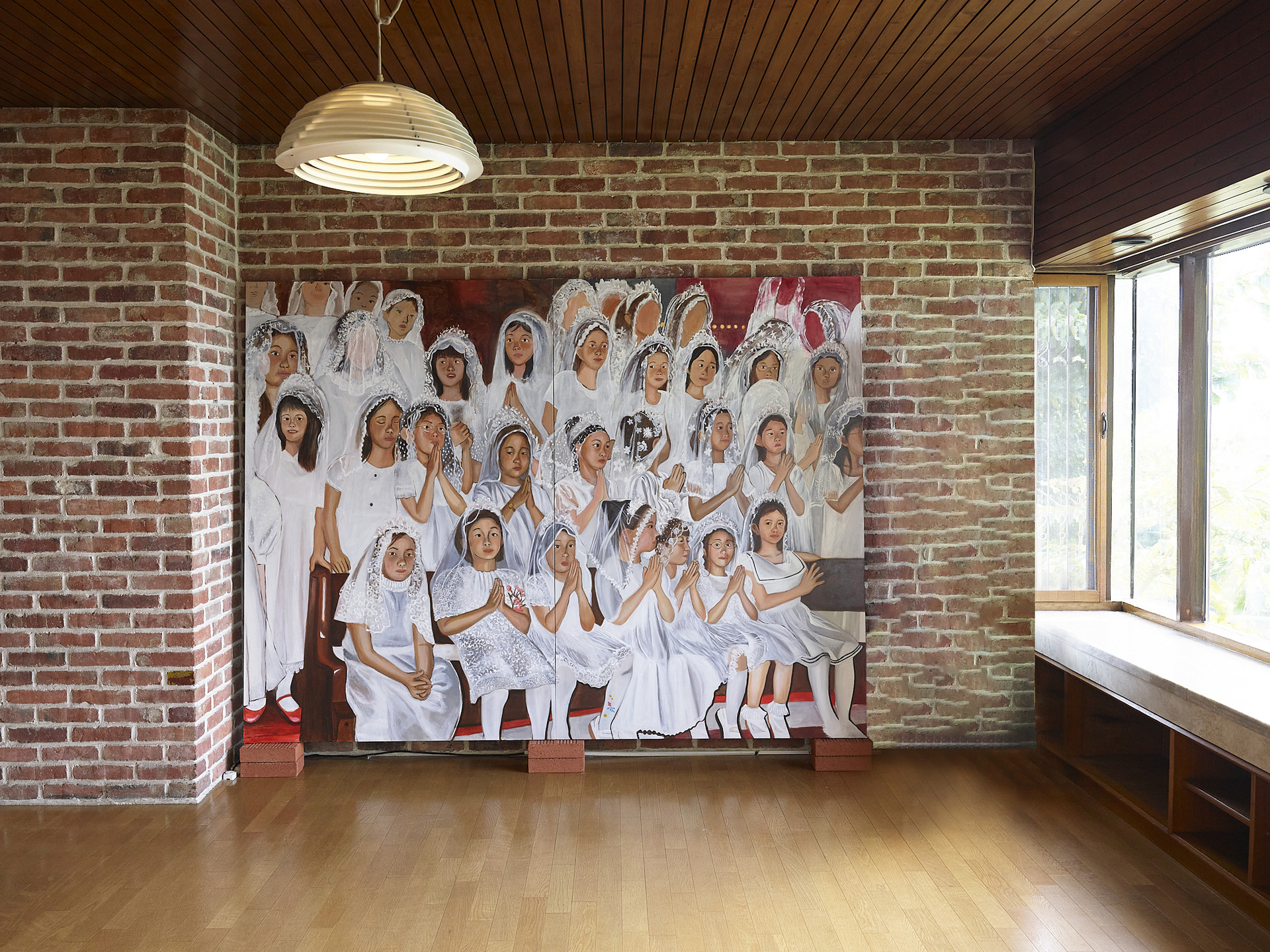
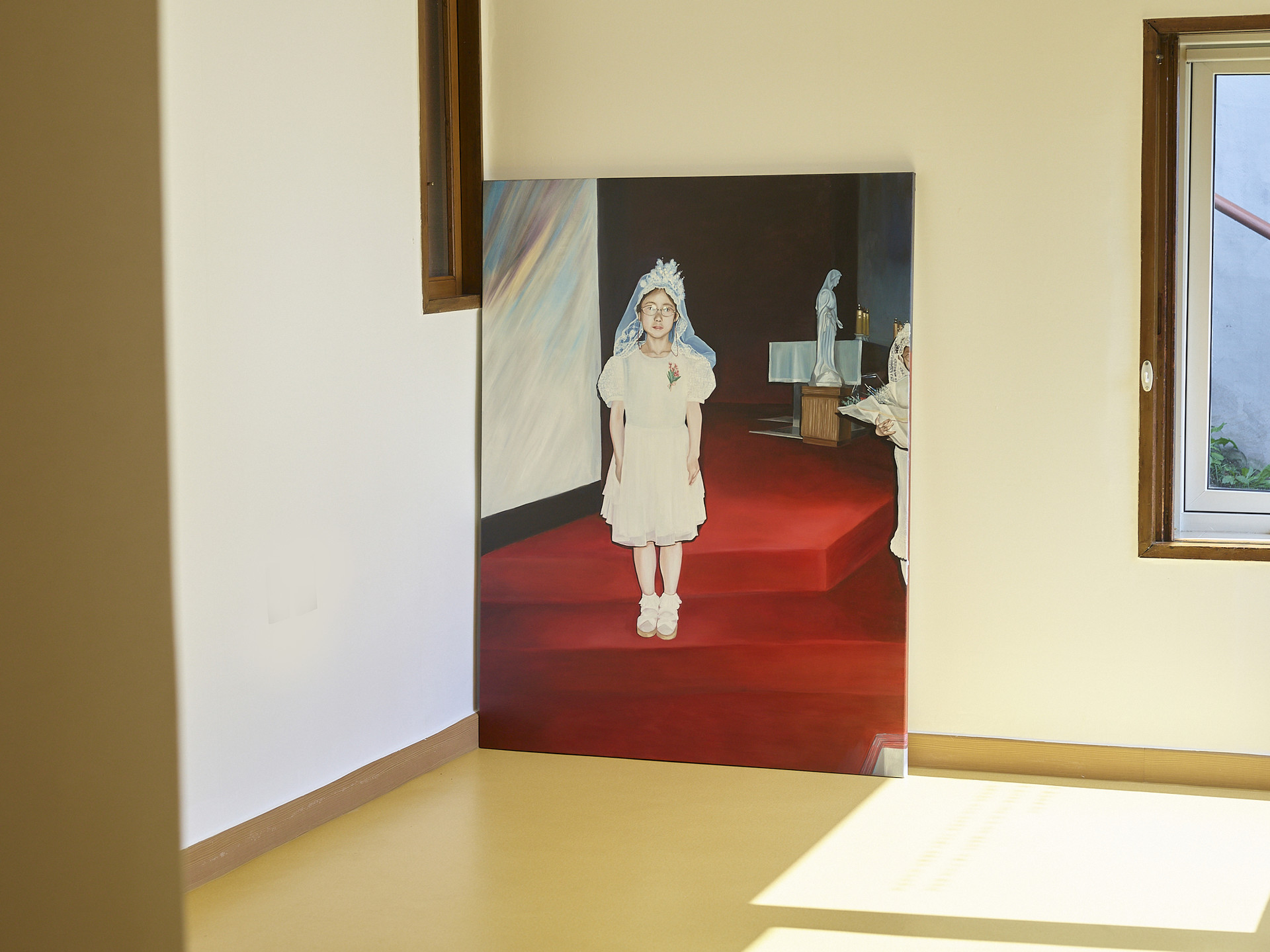
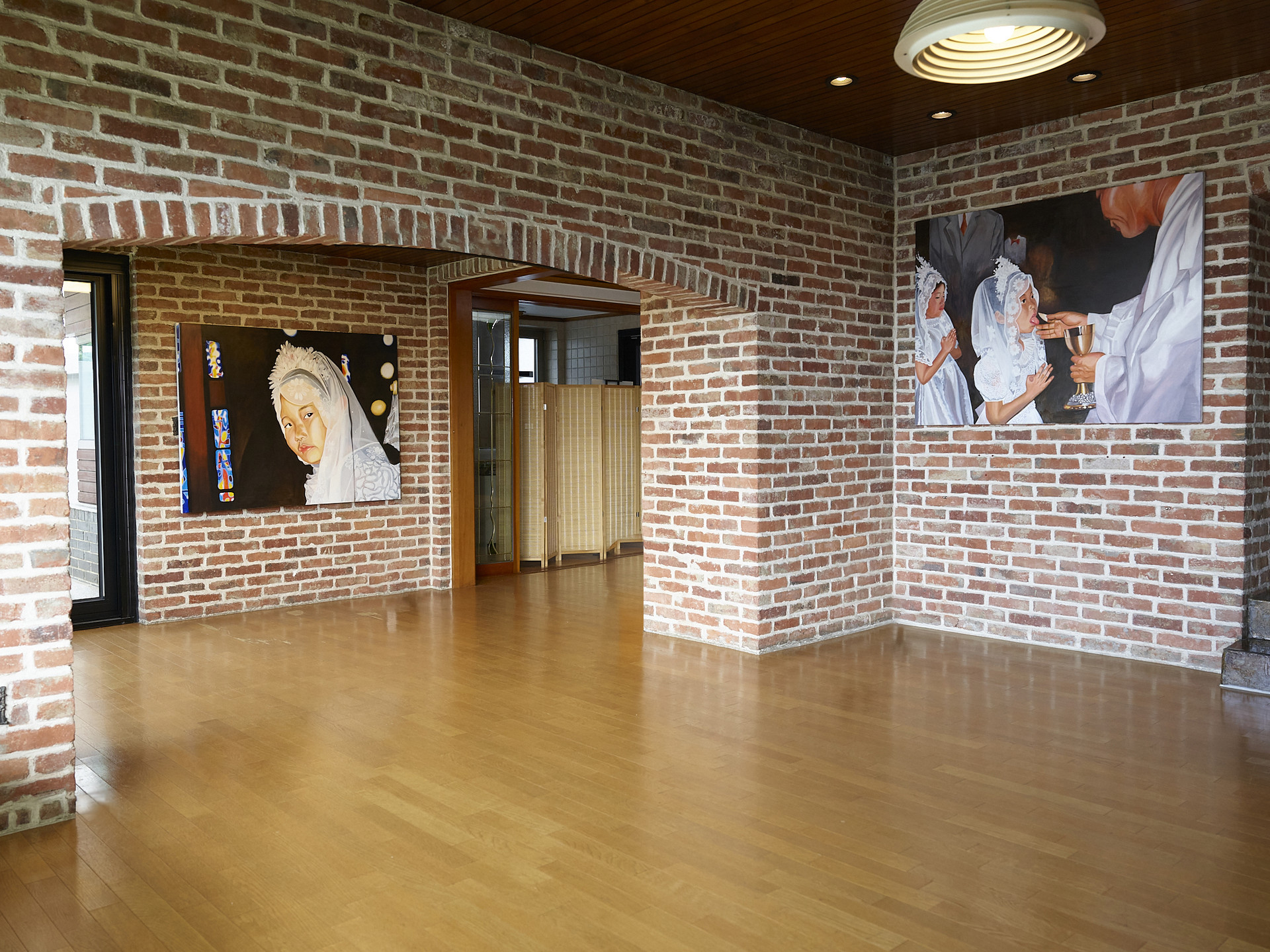
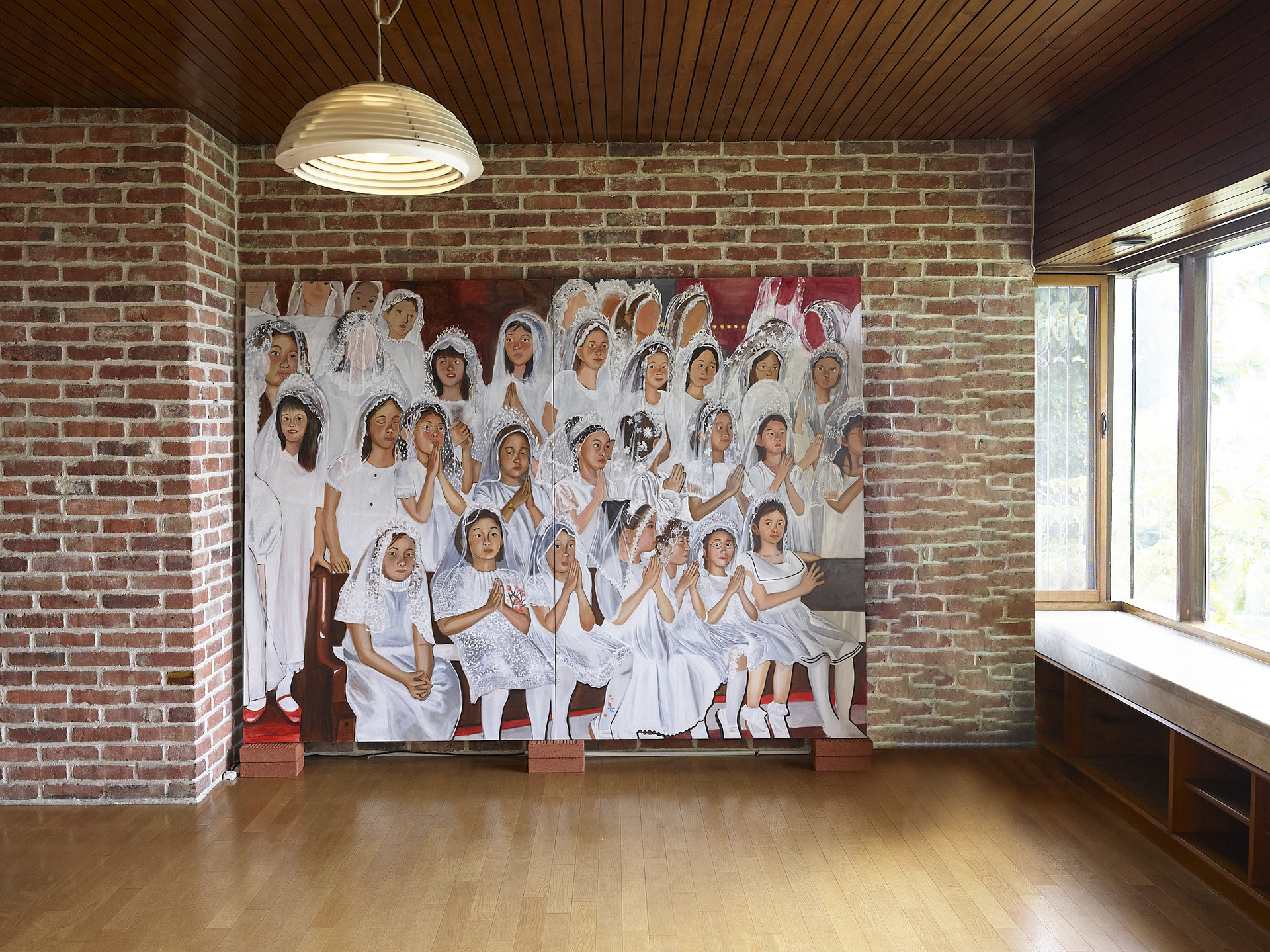
The paintings in 《Girlhood》 recall scenes of childhood First Communion, white dresses and
mantillas, and the poses and expressions of commemorative photographs,
revealing the discomfort of a young body that had to dress itself as an
immaculate and sacred being. Even as Hee Vaak’s forms move from video and
installation to painting, they continue to hold onto what is “left behind,”
what is “repeated,” what has “settled into the body,” and what “works by
faith.”