Mina Ham (b. 1987) has long depicted imperfect and ambiguous faces and landscapes drawn from the depths of memory. Through her figures, the artist captures personal experiences, a series of events, and the complex emotions that continue to linger in the present as a result of them.


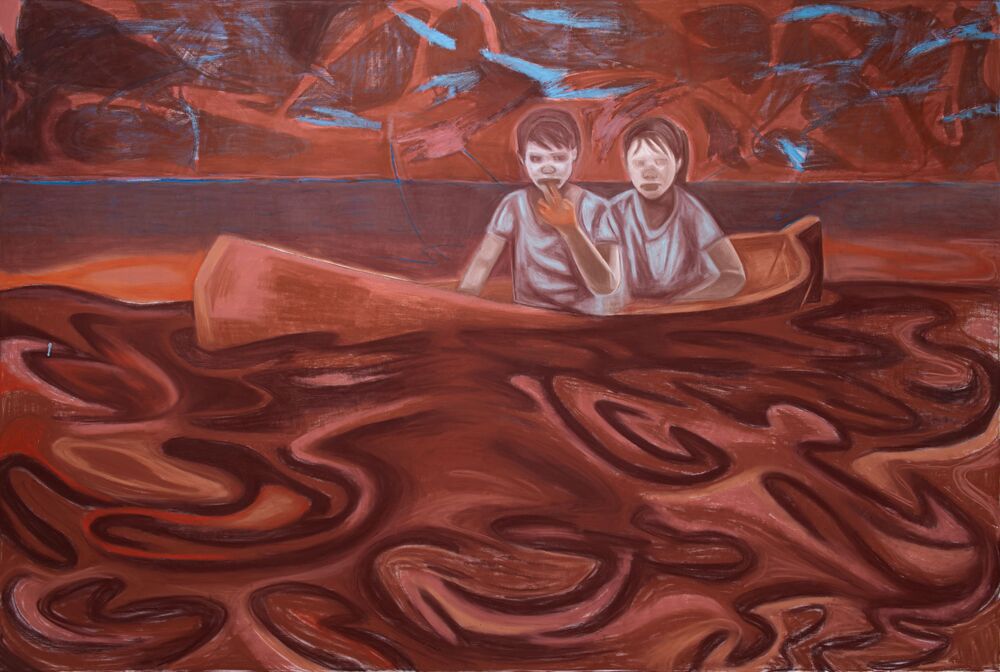
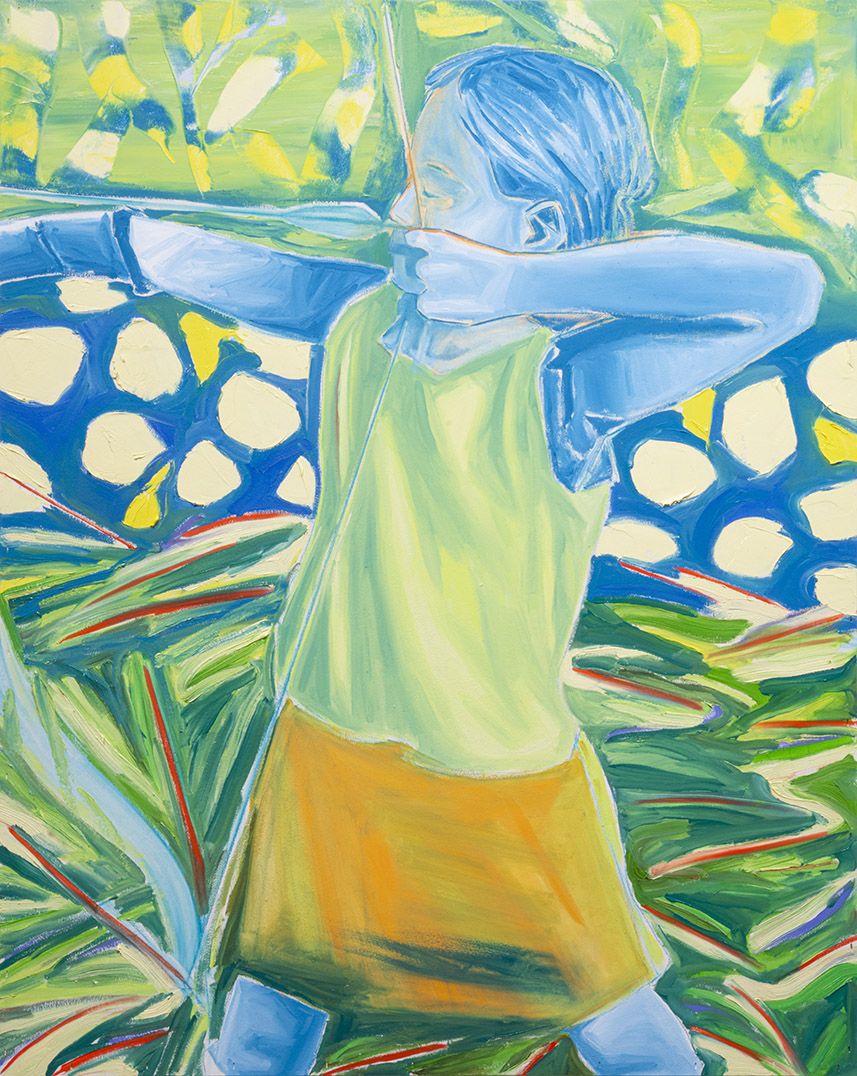
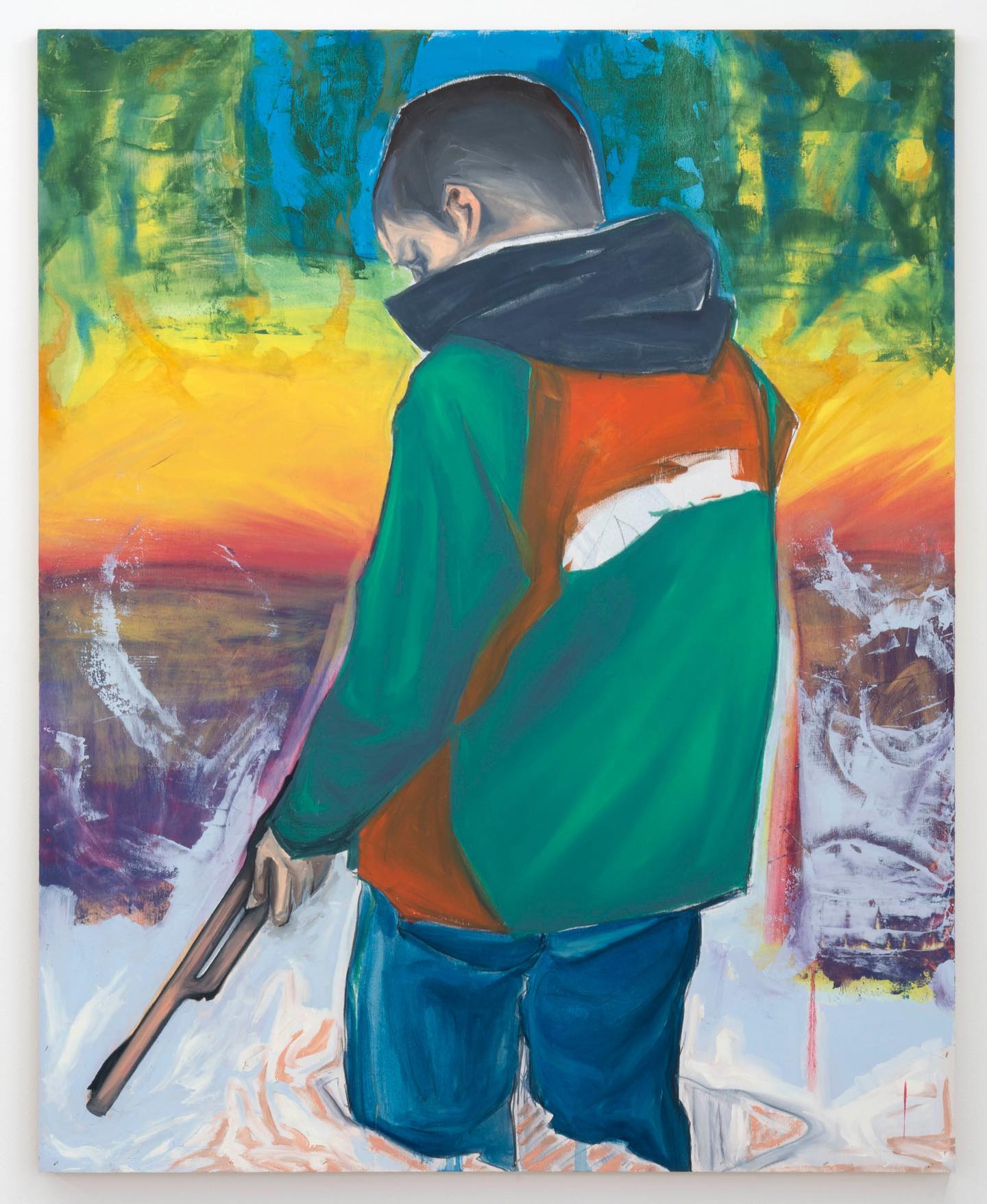
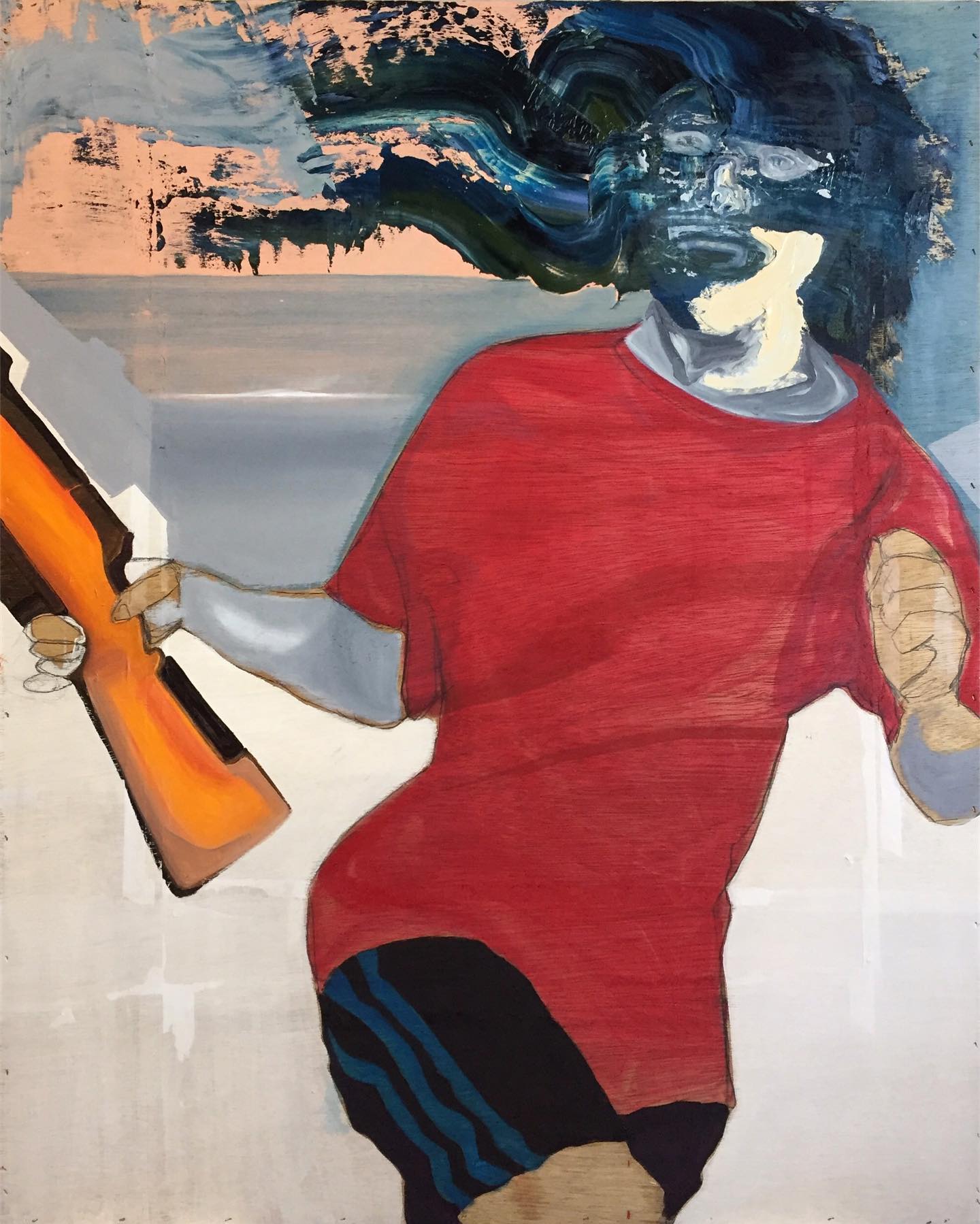
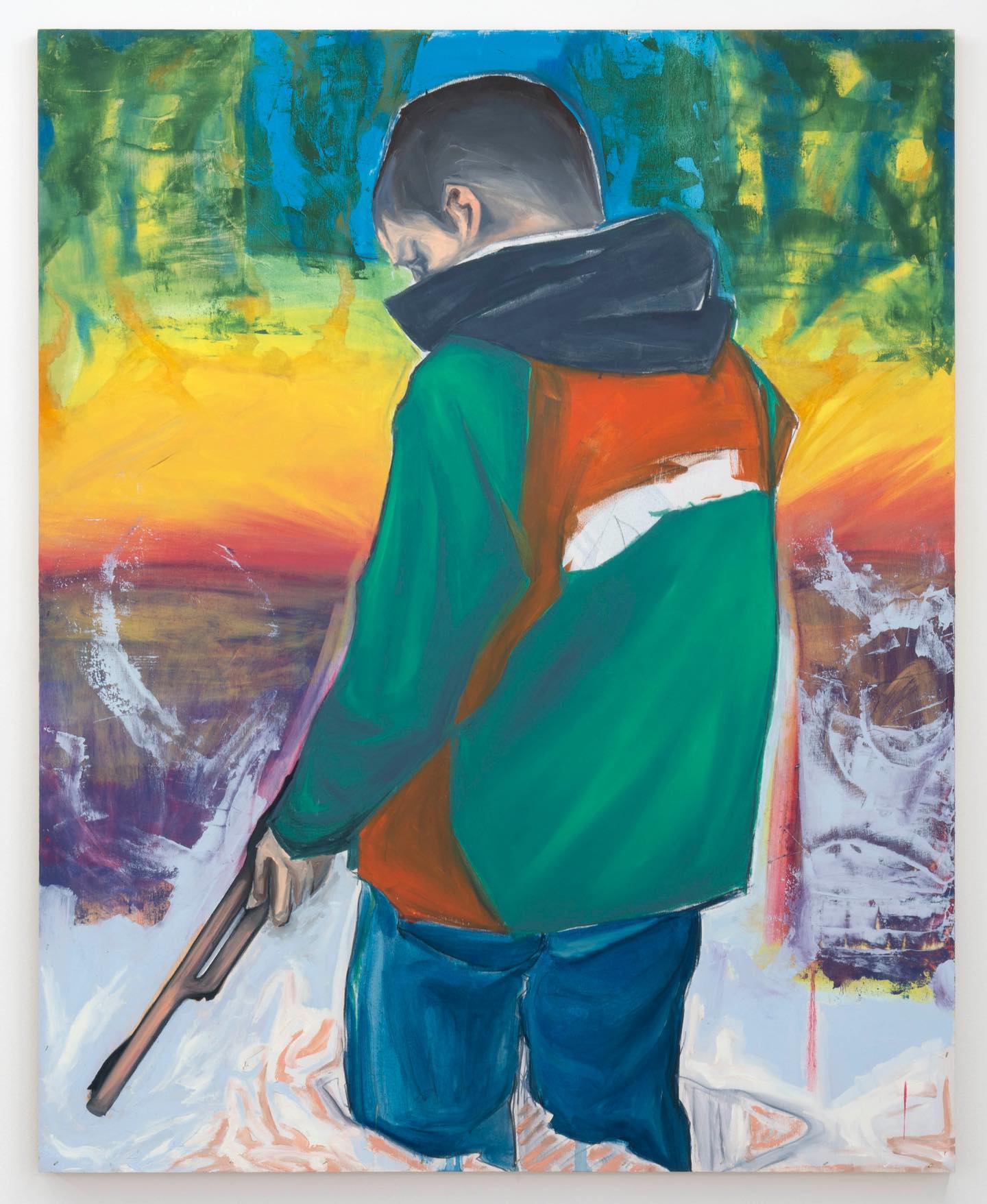
Mina Ham, i'll shoot you down², 2019, Oil on wood frame, 80.3x100cm © Mina Ham

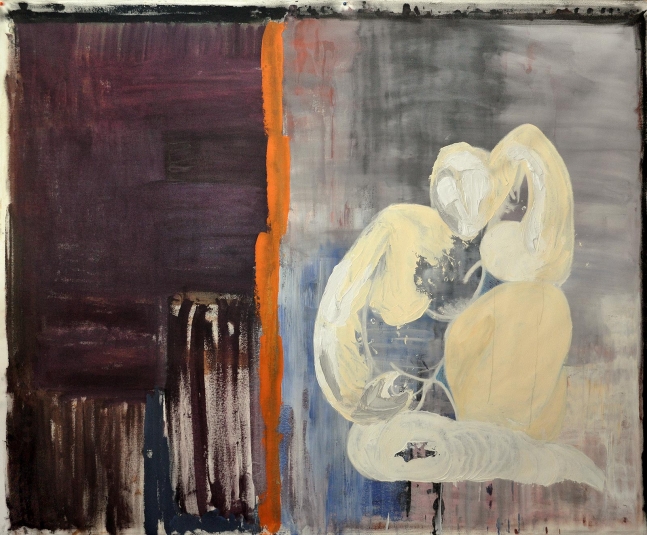
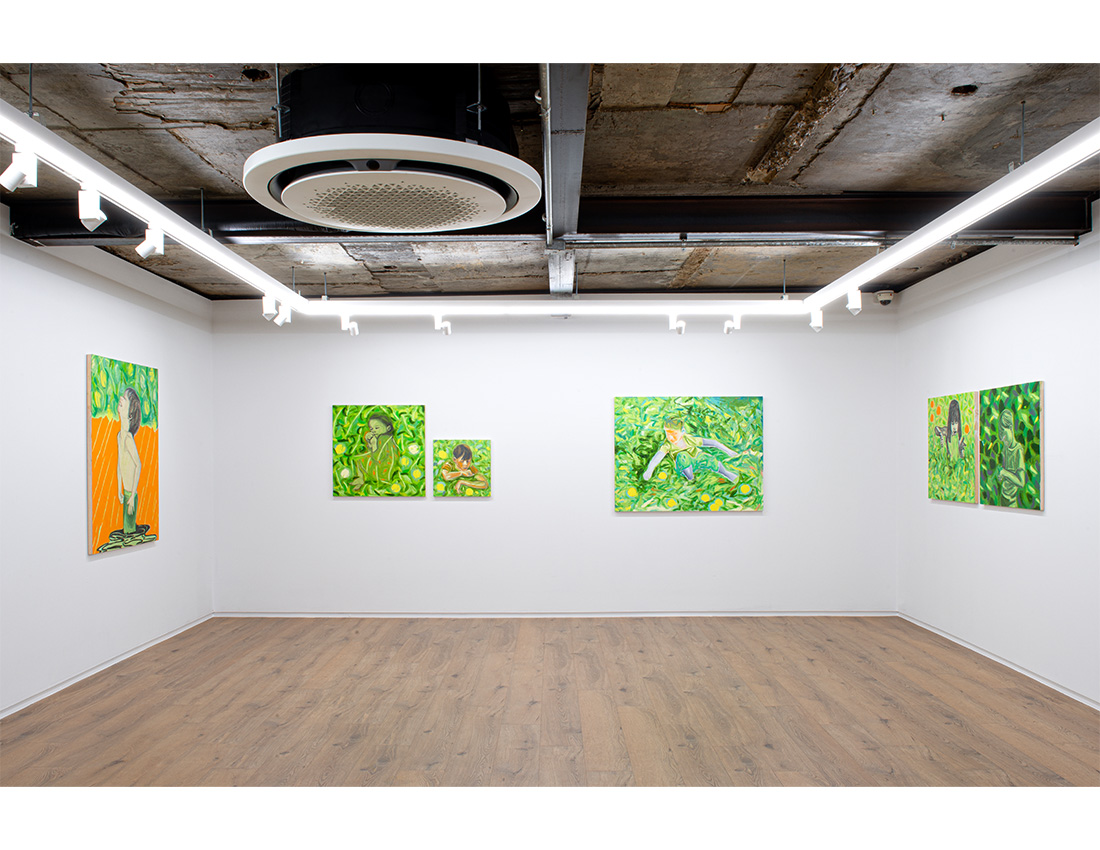
Mina Ham’s paintings are distinguished by their striking contrasts in color and distinctive brushwork. Color serves to convey emotional depth, while her material-rich brushstrokes—blurred, smudged, and flowing—construct landscapes in which personal memories and emotions intermingle.
 
Through this process, memory and emotion emerge in forms that remain deliberately indistinct and elusive.
 
This mode of expression is also closely tied to the artist’s childhood experiences. Growing up by the sea, Ham enjoyed gazing at the surrounding landscape. However, because of her poor eyesight, the shapes around her often appeared blurred together into indistinct masses.
 
The artist has noted that the impressions of color and form she perceived during those years have had a profound influence on her artistic practice today.


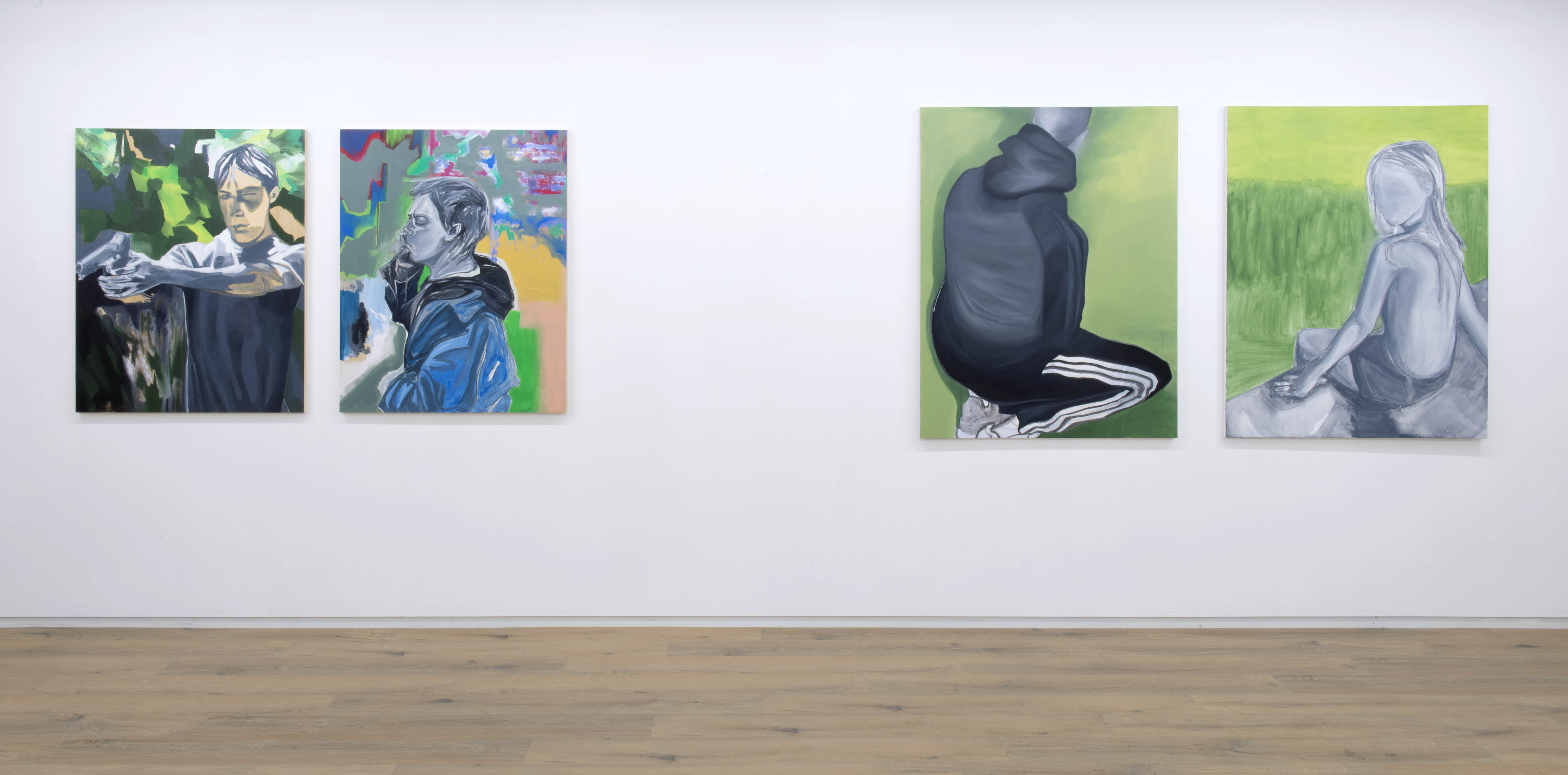
Installation view of 《Where is Bushman?》 (Keep In Touch, 2019) © Mina Ham

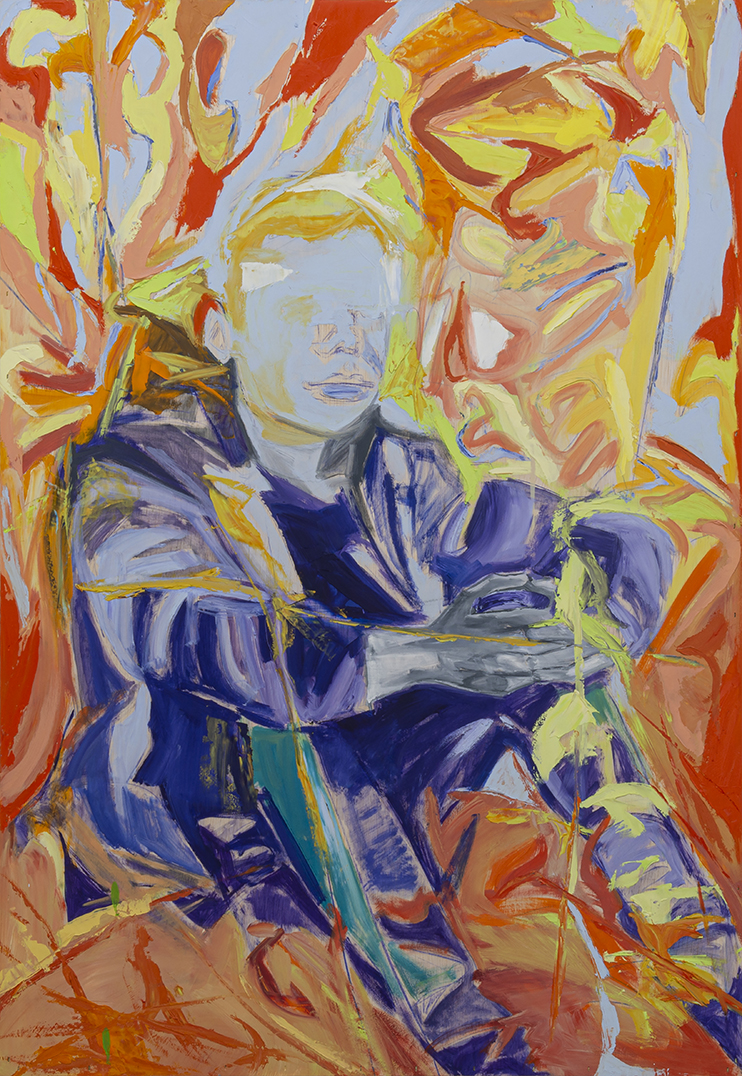
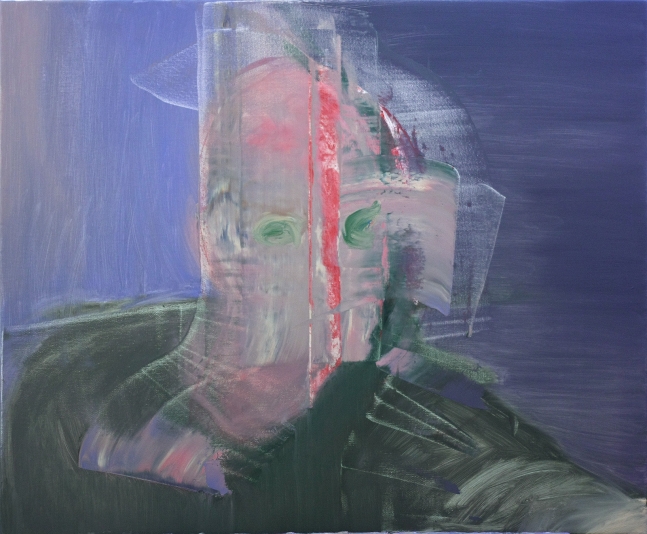
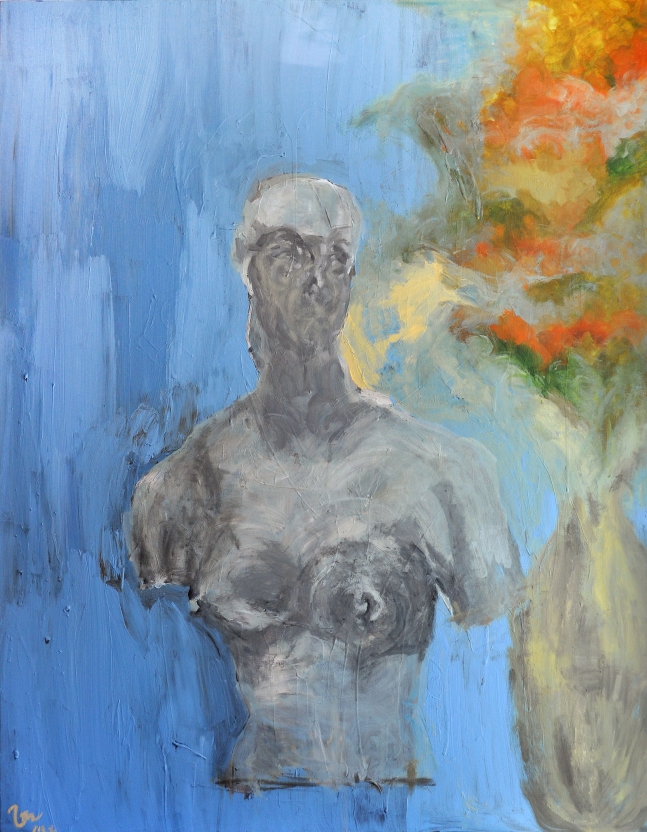
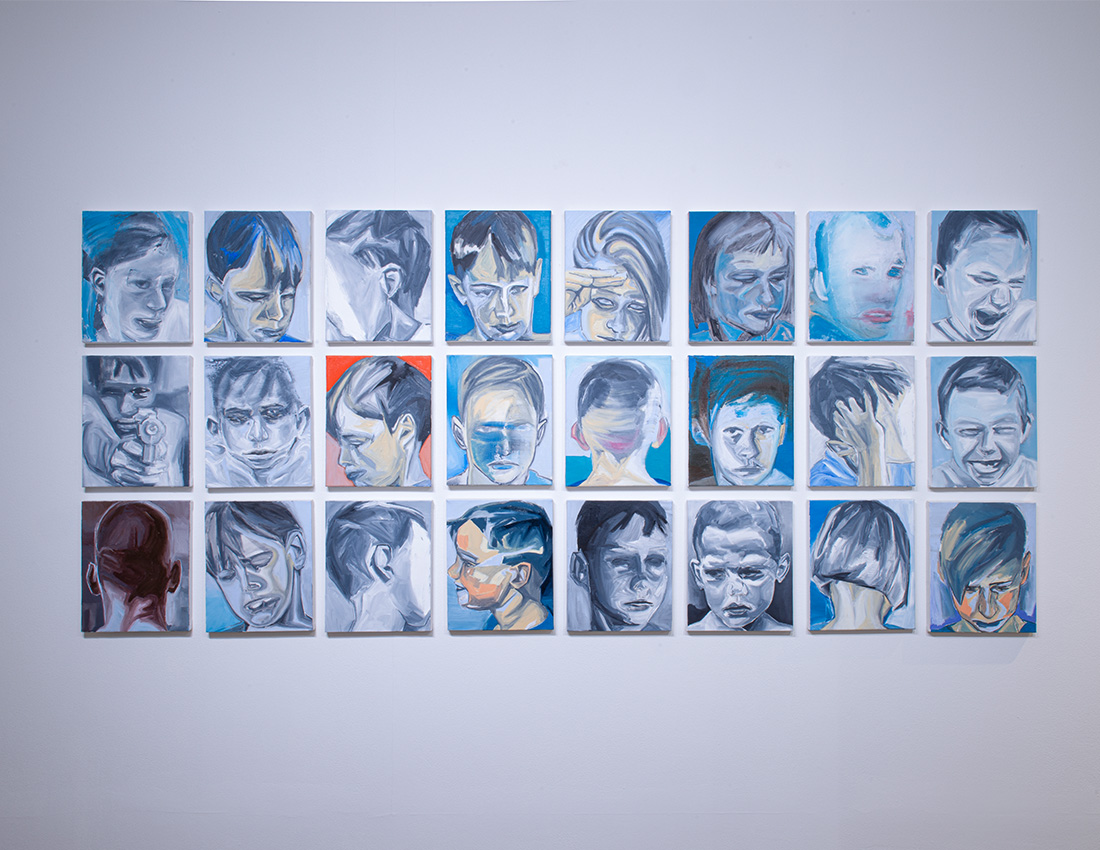
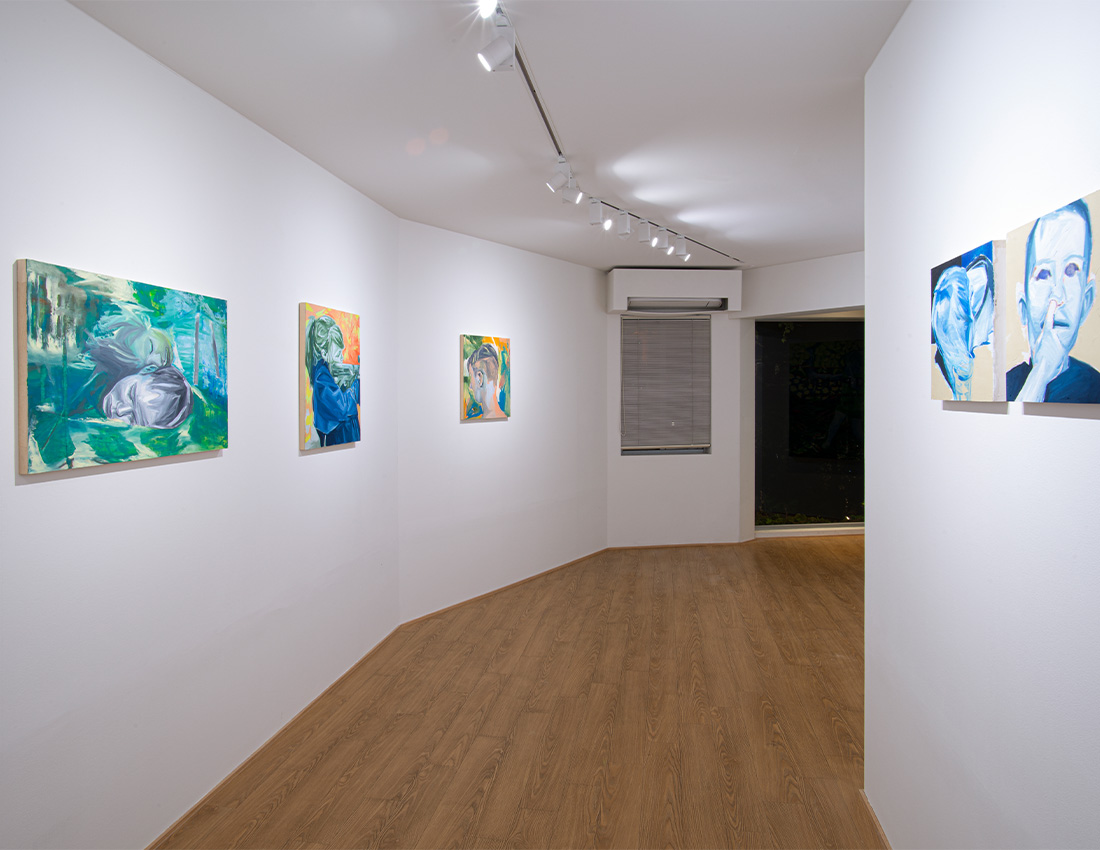
Even the faces of the figures—the primary subjects of Mina Ham’s paintings—are rendered in a blurred and ambiguous manner, making their precise emotions impossible to decipher. Marked by scattered brushstrokes and layers of accumulated paint, these faces appear less like portraits of individuals and more like landscapes composed of multiple layers of emotion and atmosphere.
 
The original sources of these figures vary widely, ranging from protagonists in films to people encountered in everyday life. The artist overlays these faces with her own subjective emotions and mental images, transforming them into unfamiliar forms.
 
As a result, the painted faces do not point to any specific individual; instead, they emerge as condensed masses of feeling, inviting viewers to project their own associations and interpretations onto them.


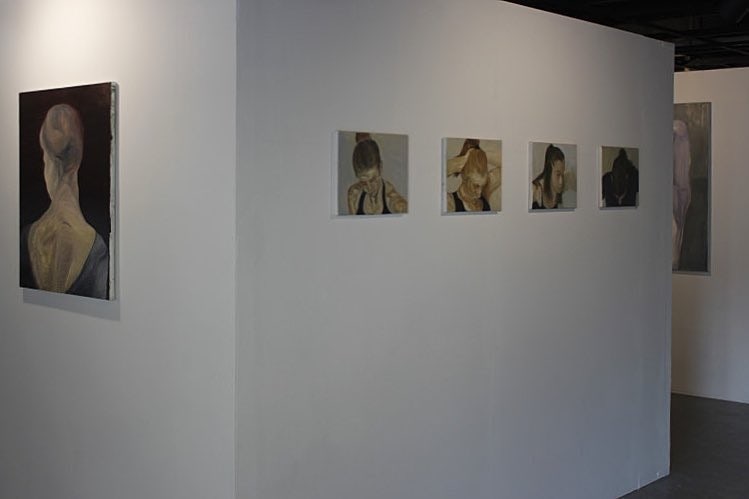
Installation view of 《Node of Sleep》 (Public Gallery, 2018) © Mina Ham

In this way, Mina Ham does not depict her subjects as they appear in reality. Instead, she breaks down her impressions of them into color, movement, and mass, translating subjective sensations into paint. This artistic approach is clearly reflected in her early series ‘Node of Sleep’ (2018).
 
The word “node” in the title refers to a joint or articulation, but can also suggest a neural or psychological point of connection. Through this term, the artist sought to condense and express both her physical actions and emotional states within the work.


Installation view of 《Node of Sleep》 (Public Gallery, 2018) © Mina Ham

This series originated from the artist’s experience of struggling with sleep disorders. To relieve physical fatigue, she would unconsciously and habitually twist her joints and contort her body in various directions while stretching.
 
The figures that appear in the works embody individuals bent and distorted by exhaustion that lies beyond the realm of conscious will, much like the artist herself.
 
Meanwhile, the swirling, undulating backgrounds evoke the emotional states that emerge after sleep. As Ham explains, “The nodes of wandering images that are found in, or come through, sleep feel like a kind of wind in the real world.”


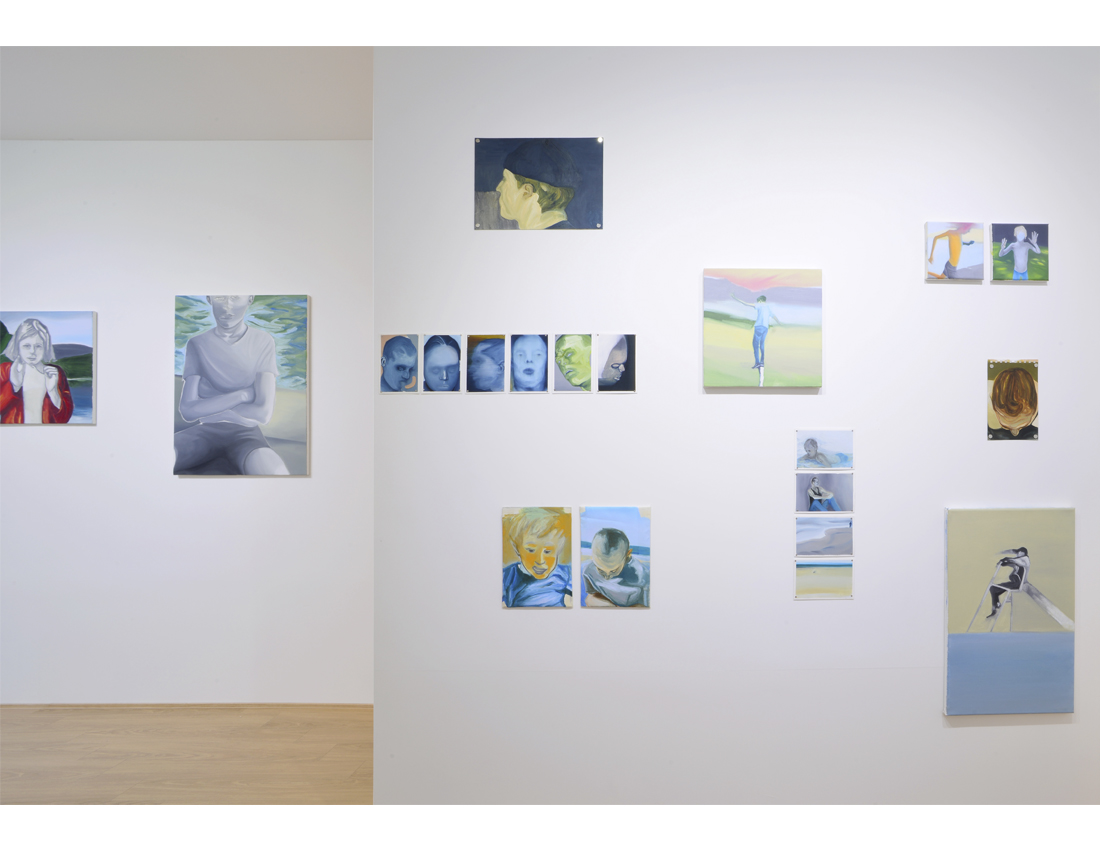
Installation view of 《Where Would I Be》 (Galerie ERD, 2020) © Galerie ERD

Another distinctive feature of Mina Ham’s paintings is the frequent appearance of children. Her works often depict figures that drift within a state of ambiguity: blurred children running against the backdrop of dense, atmospheric landscapes; a boy standing with his back turned as he gazes toward a gray horizon; or a girl wandering through a shimmering golden forest or sea that feels both unfamiliar and exotic.
 
These figures resist any clear identification of nationality, origin, or identity, existing instead in a space of uncertainty and indeterminacy.


Installation view of 《Where Would I Be》 (Galerie ERD, 2020) © Galerie ERD

These ambiguous figures are deeply intertwined with the artist’s own personal experiences. During her childhood, Ham lived near the sea in places such as Busan and the East Coast in Korea, where she frequently encountered sailors and those whose lives were shaped by travel and movement.
 
Her practice of capturing and preserving a particular fleeting moment within the vast, slow-moving flow of time reflects her personal experiences of both wandering and settling.
 
In the exhibition preface to 《Where Would I Be》, held at Galerie ERD in 2020, curator Yim Ji-Sun described Ham’s work as one in which “memories of wandering (nomadism) and longing (sedentarism) operate simultaneously.” The reason that mainly children appear in her works can also be seen as an allegory wherein the identity that has not yet settled (nomadism) intersects with a subject who wishes to return to an old memory (sedentarism).


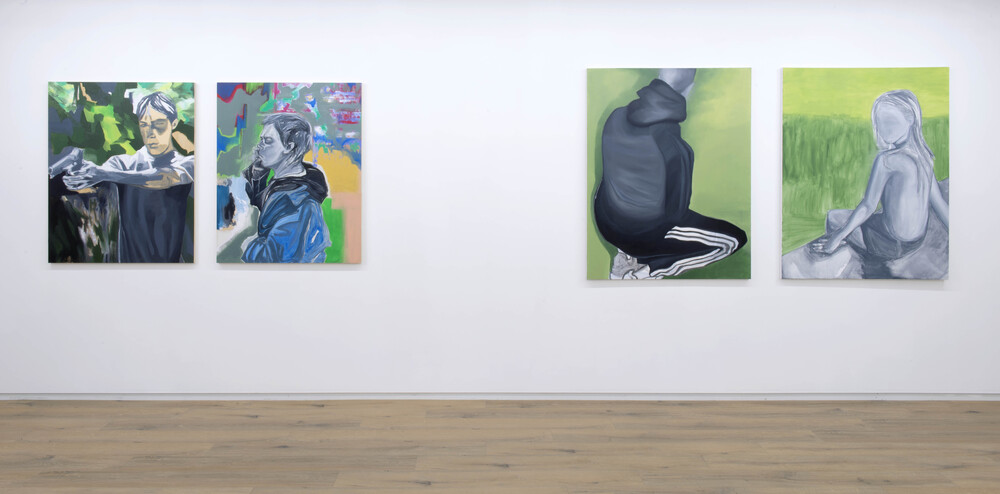
Installation view of 《Backwater》 (Galerie ERD, 2022) © Galerie ERD

Meanwhile, 《Backwater》, a solo exhibition held at Galerie ERD in 2022 as an extension of 《Where Would I Be》, presented a process of searching for direction toward the goals the artist hopes to pursue. Through works that reimagined figures isolated somewhere within her memories, Mina Ham explored how fragments of the past might serve as points of orientation for the future.


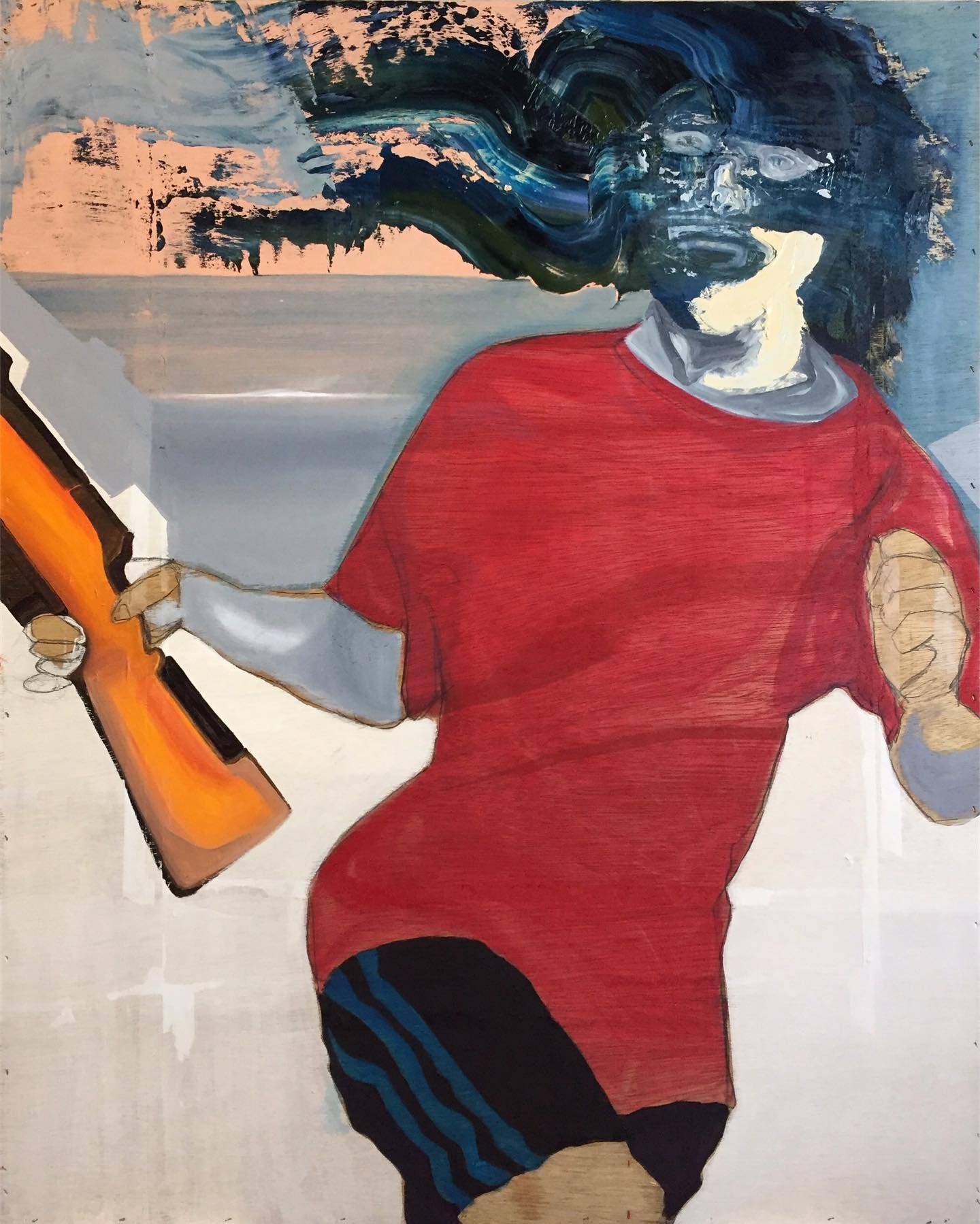
Mina Ham, Trigger, 2021, Oil on wood panel, 80.3x100cm © Mina Ham

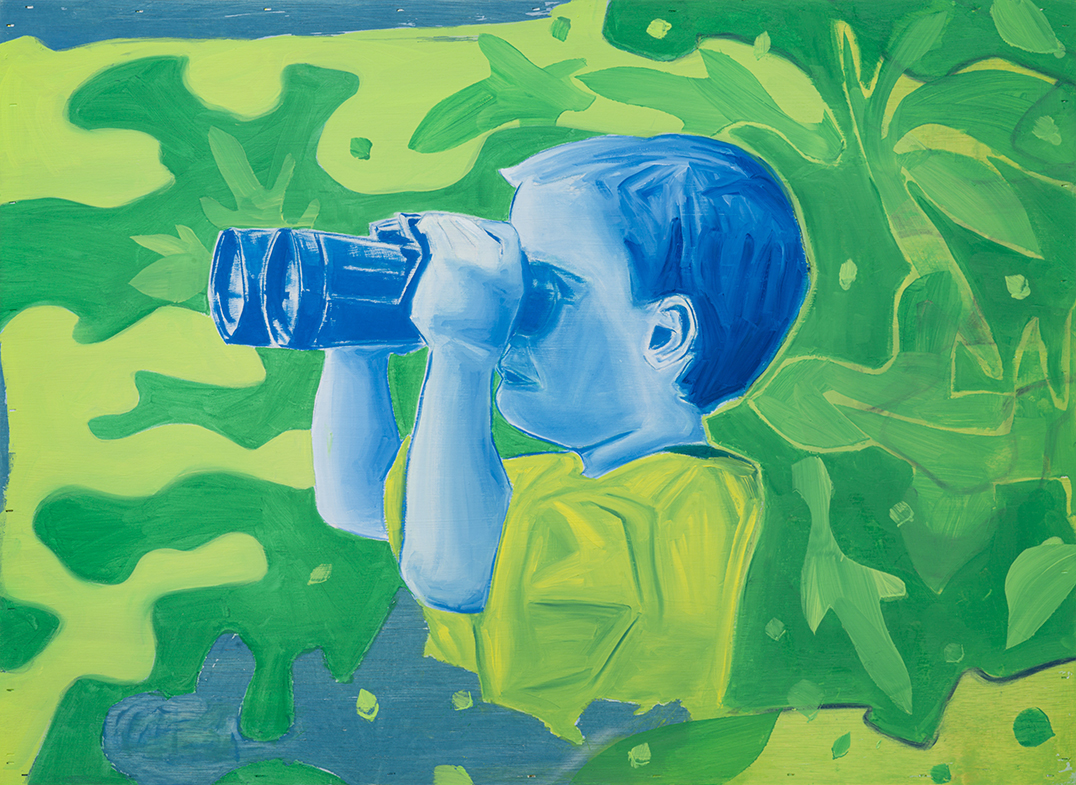
The figures depicted in this exhibition—primarily children—are likewise portrayed as people who seem to have emerged from an unknown place, their gender and nationality left deliberately ambiguous. Although their youthful appearances may initially seem playful, they also convey a sense of unease, appearing at once threatening and defensive.
 
Several of these figures are depicted holding guns. However, in Ham’s work, the image of the gun functions not as a symbol of aggression or violence, but rather as a trigger imbued with aspiration, courage, and hope—a device that points toward a desired goal, a means of directing oneself toward “something” beyond the present.


Installation view of 《ID Picture》 (Galerie ERD, 2023) © Galerie ERD

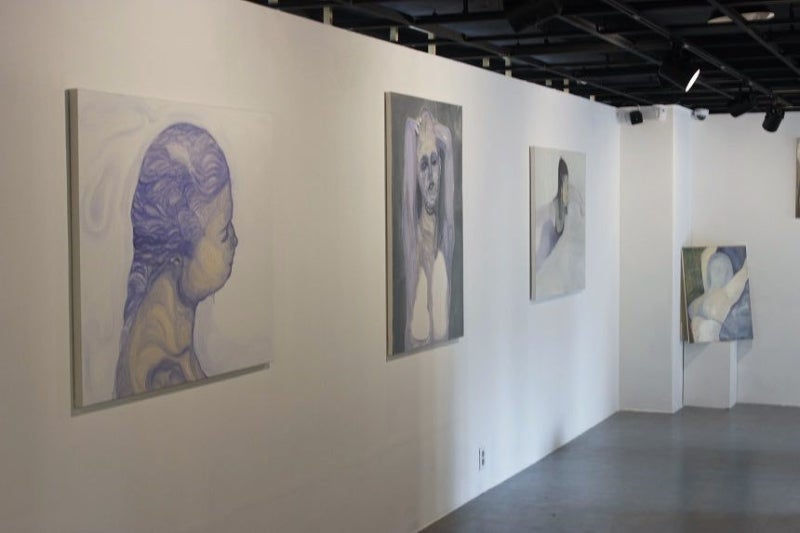
In 2023, 《ID Picture》, a solo exhibition held at the same venue, presented the ‘ID Picture’ and ‘Trigger’ series, which brought these figures into even sharper focus. The subjects in both series are primarily depicted as adolescents or young children. Yet rather than appearing as vulnerable beings in need of protection or care, they emerge as resilient and self-assured presences.


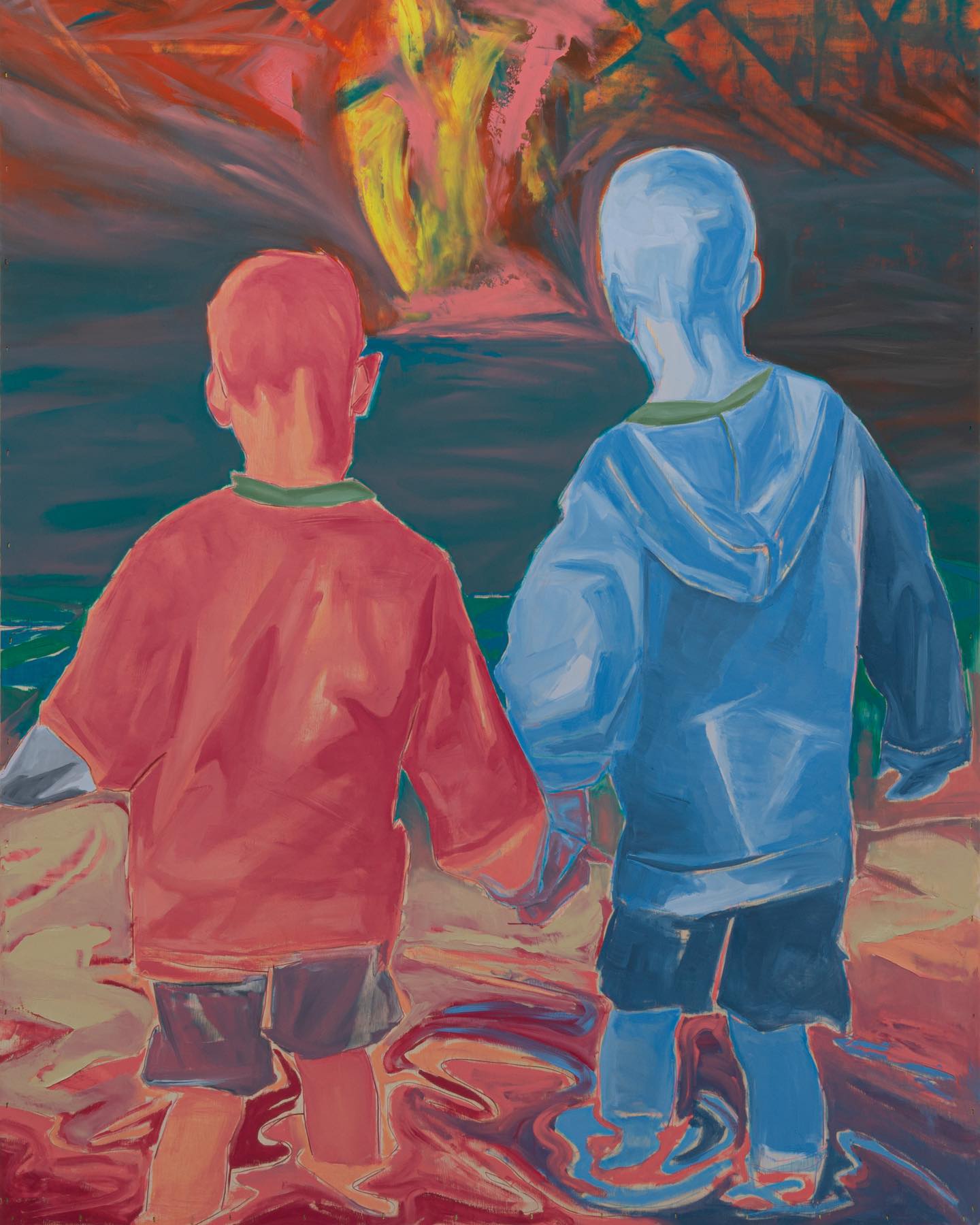
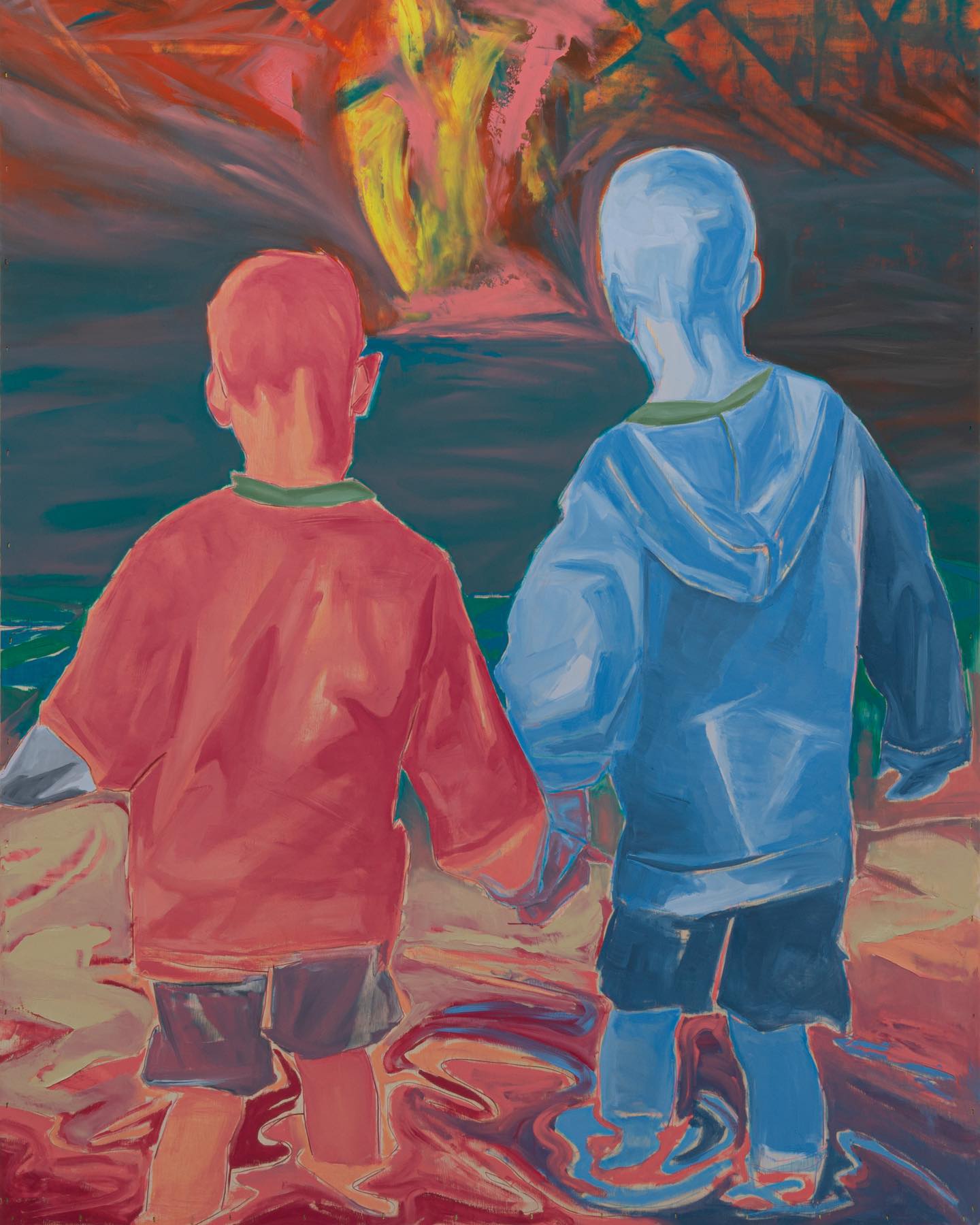
Mina Ham, Burning (Togetehr), 2023, Oil on wood panel, 116.8x91cm © Mina Ham

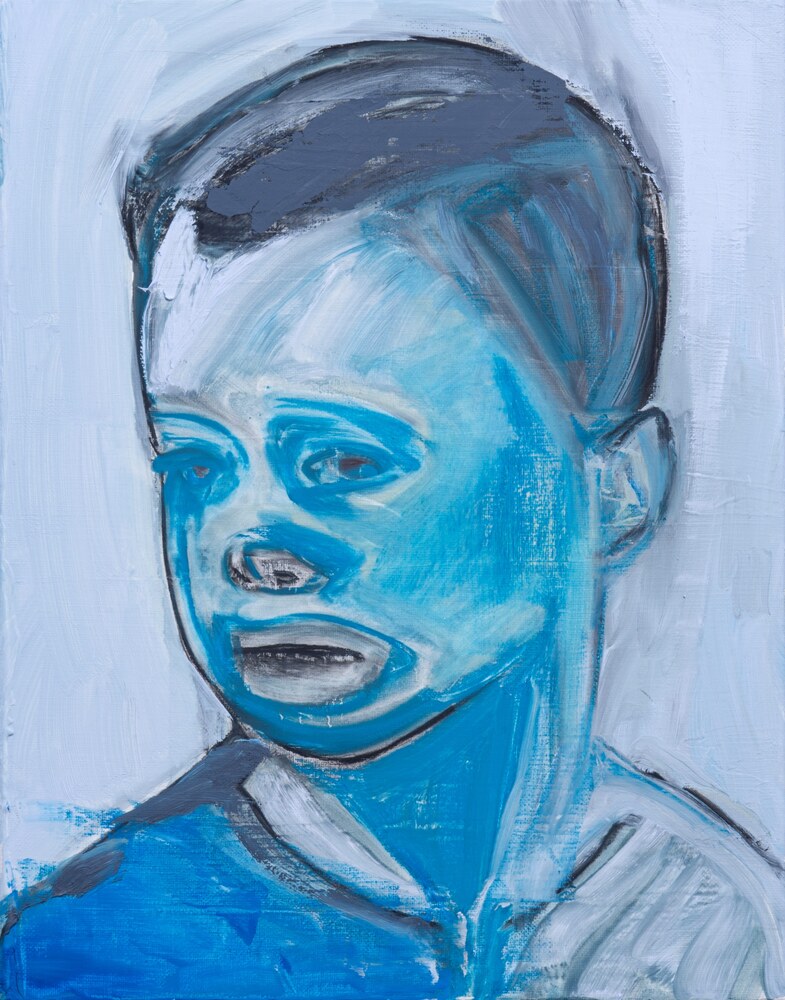
The artist renders the skin of her figures in cool shades of gray, using this restrained palette to convey a sense of composure, rationality, and emotional discipline. At the same time, forms resembling flames or crashing waves often surround the figures, visualizing their inner energy and vitality.
 
These motifs also suggest a spirit of solidarity—rather than avoiding difficult or turbulent circumstances, the figures choose to enter them, merge with them, and move through them together.


Installation view of 《Badawi》 (PIBI Gallery, 2026) © PIBI Gallery

Meanwhile, in her recent solo exhibition 《Badawi》 at PIBI Gallery, Mina Ham sought to bring into her work a sense of journey untethered to any predetermined destination, as well as an awareness of life as an ongoing process. The exhibition title “Badawi” derives from the term “Bedouin,” referring to desert nomads.
 
In Arabic, Badawi (يودب) bears a phonetic resemblance to the Korean phrase bada wi (바다 위), meaning “on the sea.” Ham draws on this resonance of sound and script to evoke images of drifting existence. The letterforms, suggestive of a vessel moving across waves, are linked to the imagery of movement, understood here less as physical displacement than as a metaphor for the passage of time and the flow of emotion.
 
The artist also drew inspiration from Kim Kirim’s poem The Sea and the Butterfly and the migratory patterns of monarch butterflies, bringing into her work a sense of beings adrift within the vast flow of time. The image of a butterfly crossing the sea overlaps with her recurring figures, translating into rhythms of uncertain time and fluctuating emotional states.


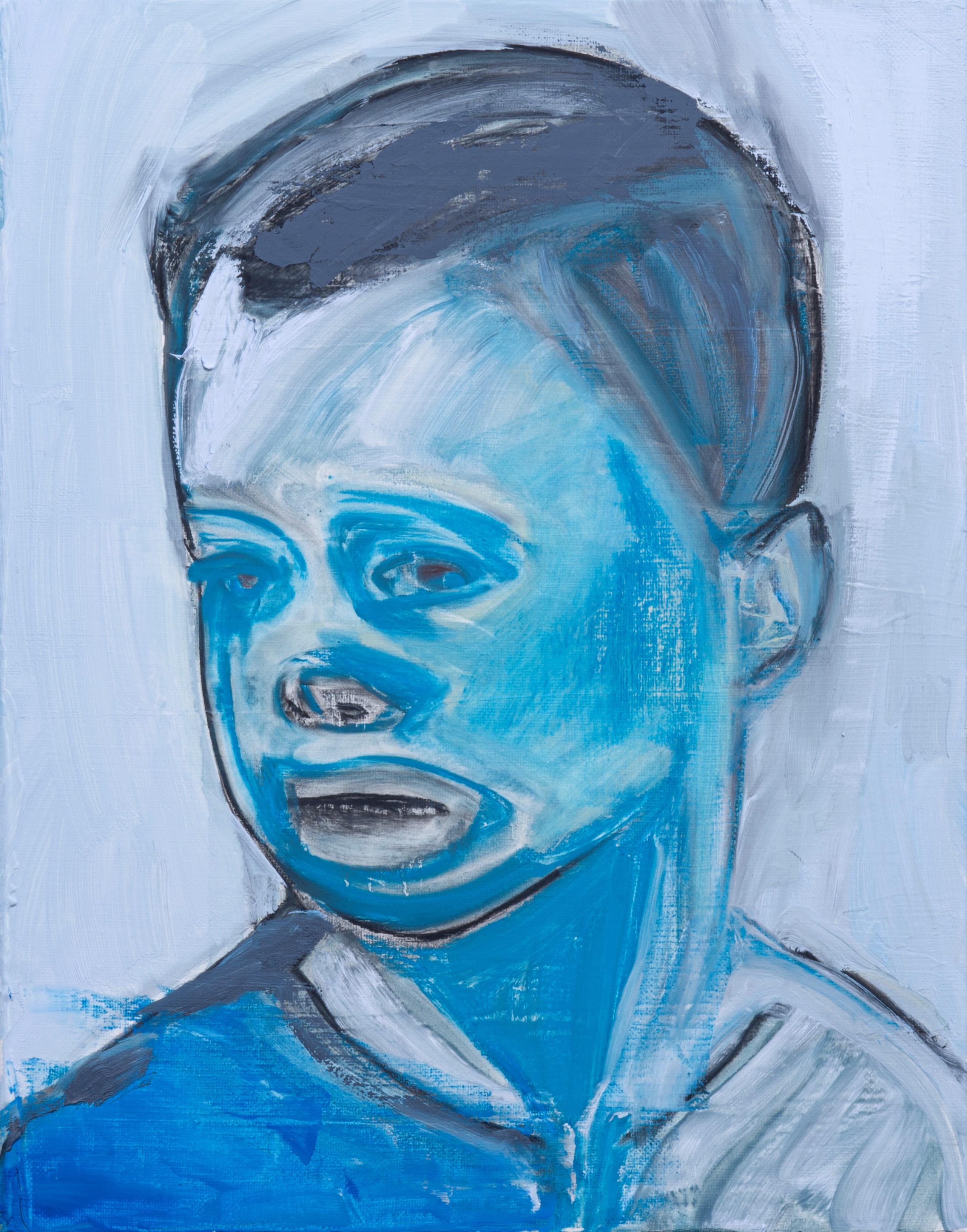
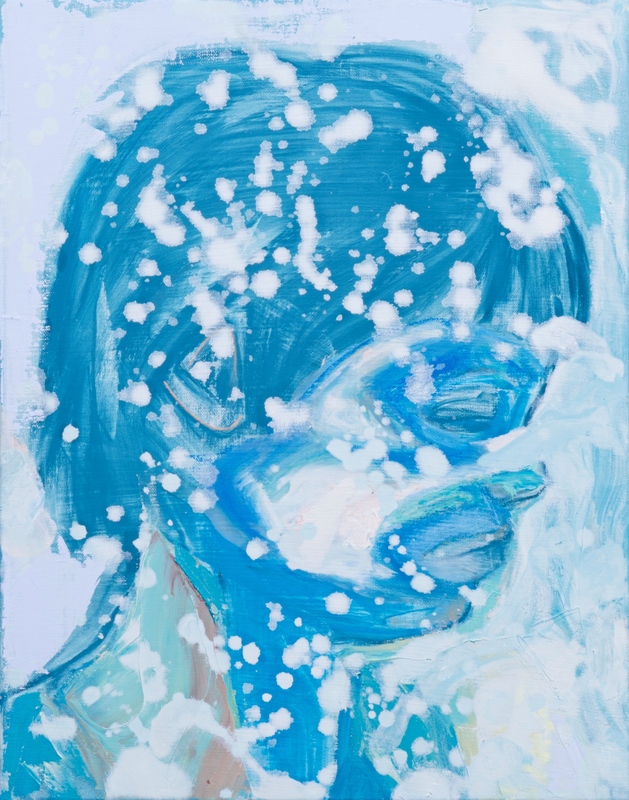
Mina Ham, The Human Chrysalis, 2025, Oil on canvas, 40.9x31.8cm © PIBI Gallery

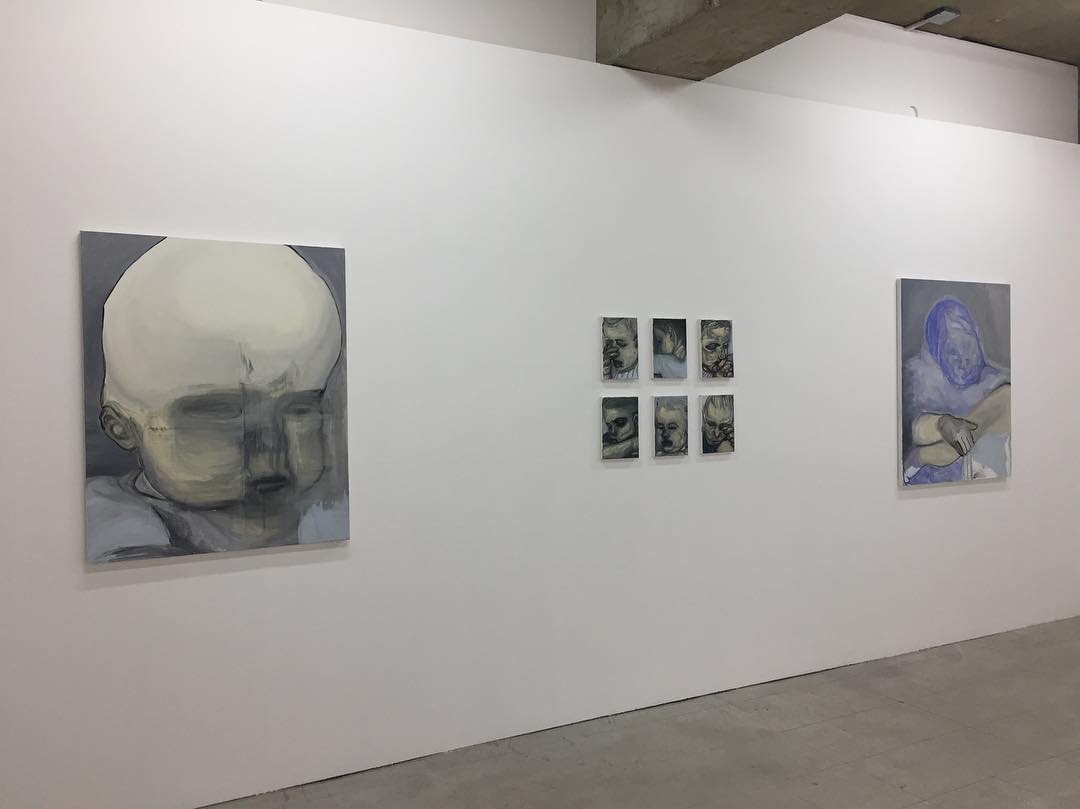
The exhibition centered on ‘The Human Chrysalis’ series, presented alongside works from the ‘Badawi’ and ‘The First Flutter’ series. ‘The Human Chrysalis’ focuses closely on the faces of indeterminate figures, evoking associations with butterfly specimens, identification photographs, or missing person posters. The series attends to moments in which an existence is recorded and held in suspension at a particular point in time.
 
The artist has said that the practice of collecting butterflies, turning them into specimens, and preserving them reminded her of faded identification photographs or “missing person” posters that have long been weathered, torn, and fixed in place—images associated with abuse, abduction, adoption, disappearance, and disaster.
 
Through these works, she sought to project figures from her personal memories while visualizing the wounds and processes of recovery experienced within contemporary society.
 
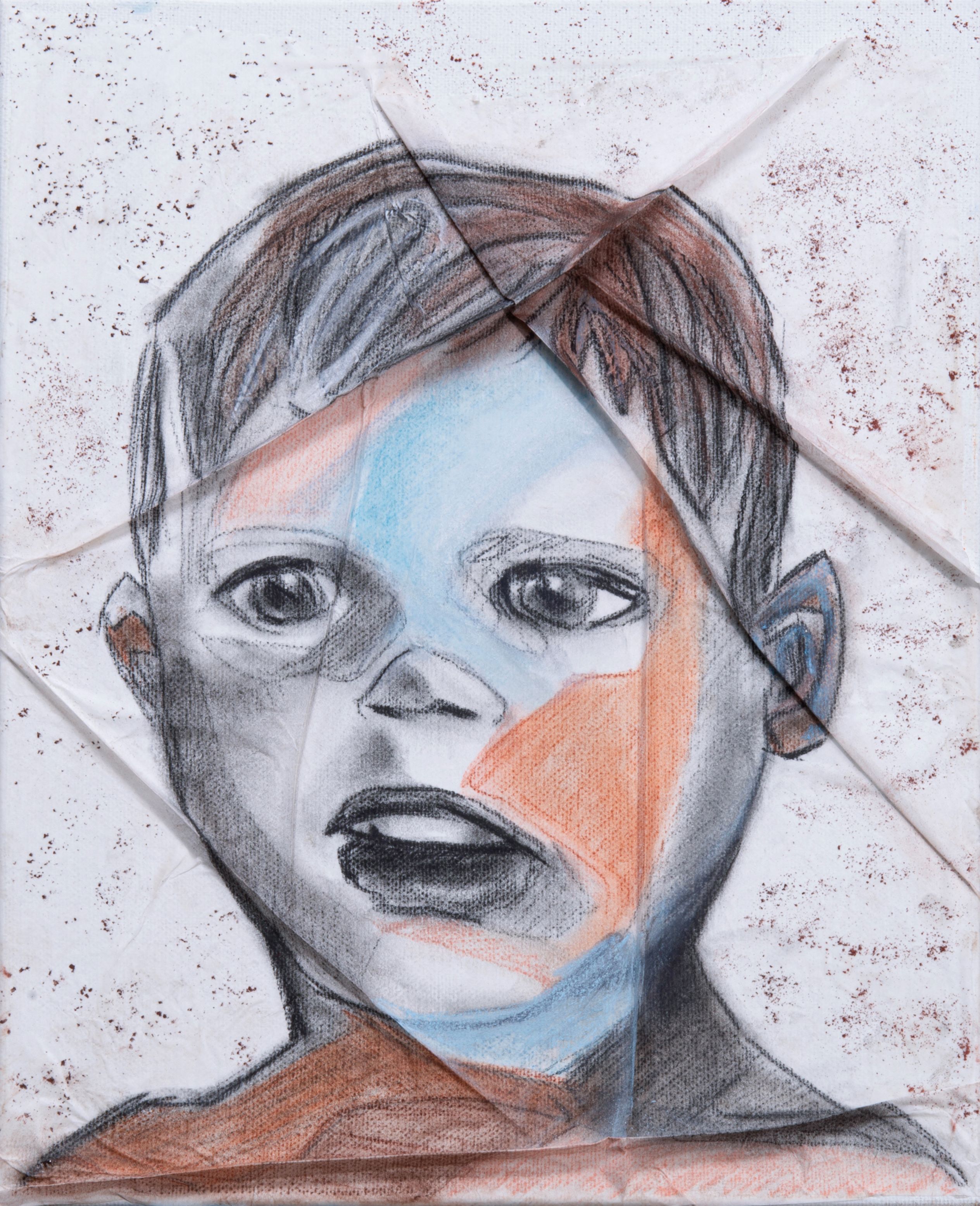
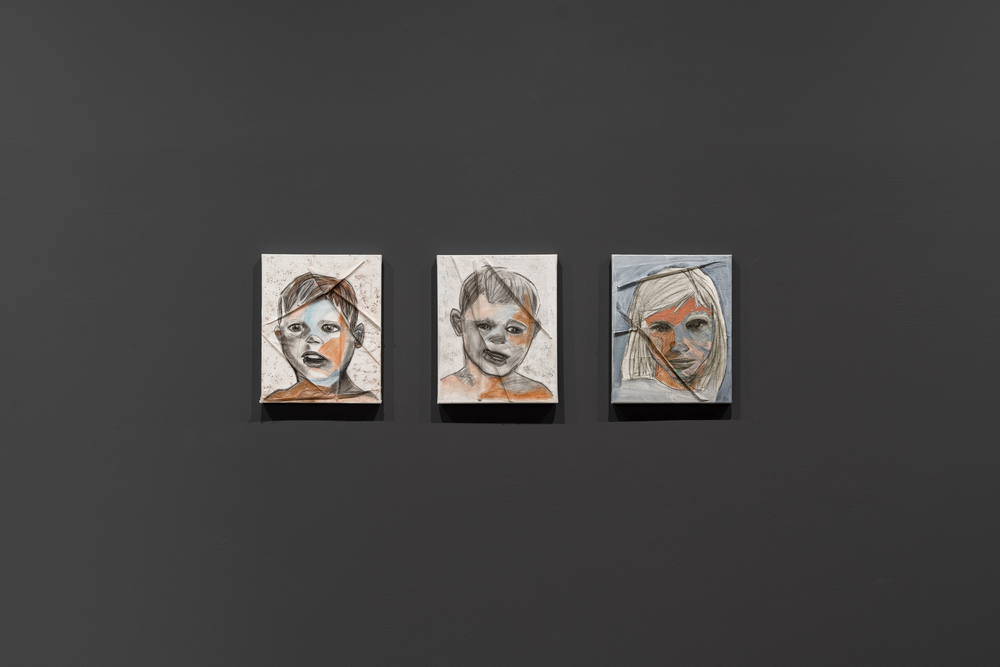
‘The First Flutter’ incorporates hanji, or traditional Korean paper, to add physical layers into the pictorial surface, extending the tension between memory and the present. By contrast, the ‘Badawi’ series depicts figures drifting across the sea more directly, presenting movement as imagery closely aligned with lived processes and the flow of emotion.


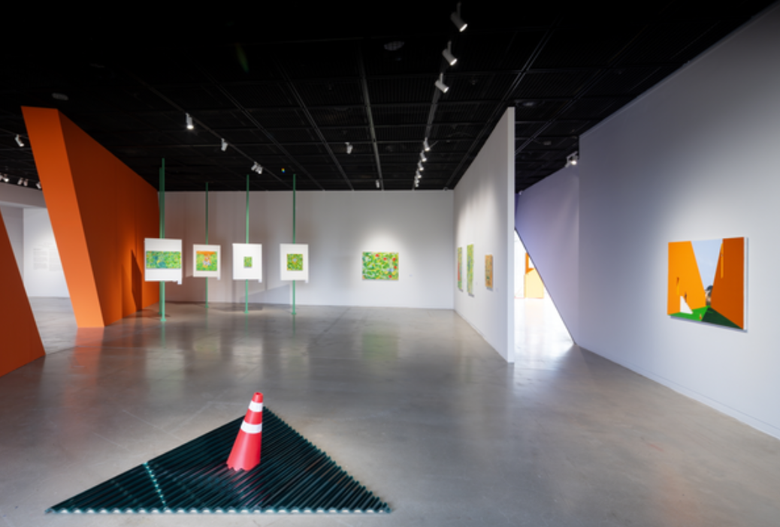
Installation view of 《Badawi》 (PIBI Gallery, 2026) © PIBI Gallery

New material experiments are prominent throughout the exhibition. Alongside oil paint, Ham employs charcoal, Conté crayon, pastel, and hanji. The smearing and erasure characteristic of dry media, together with the material properties of paper, allow images to remain as processes that unfold over time, rather than as fixed and finished results.
 
Folded or crumpled hanji, in particular, creates physical layers on the painted surface, evoking the thin, fragile wings of butterflies.


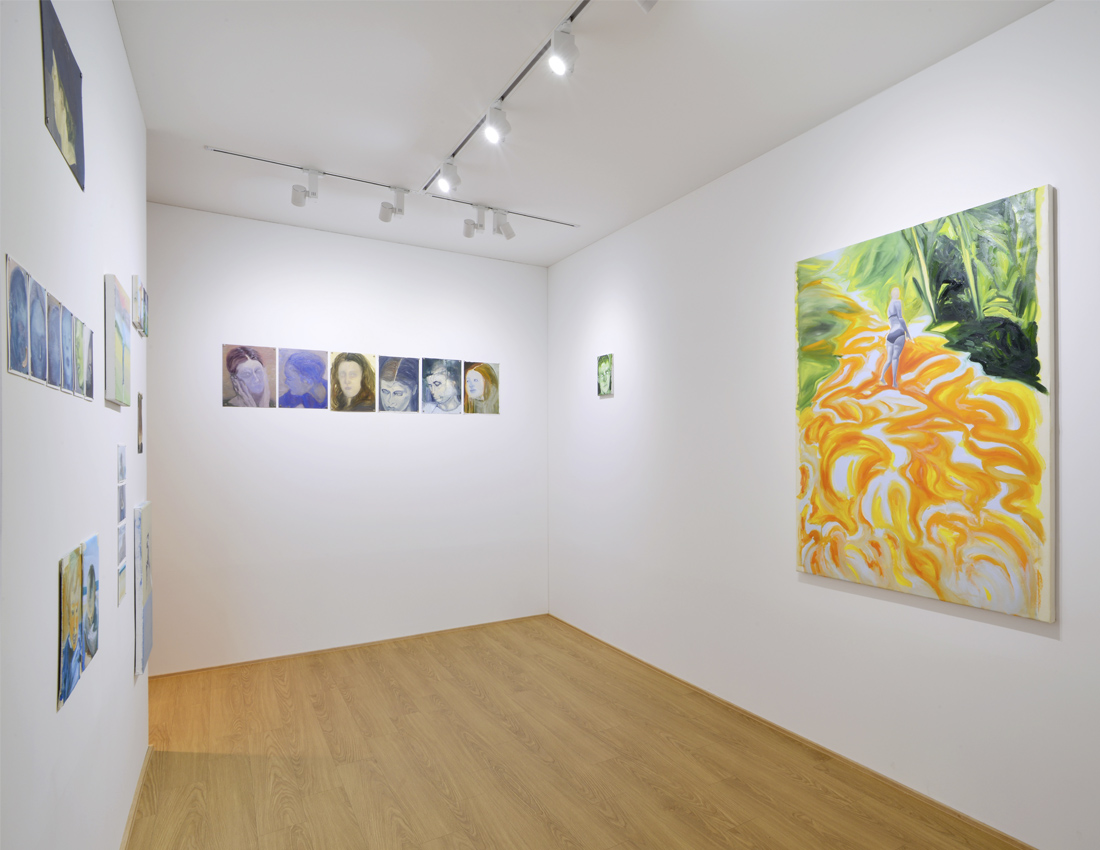
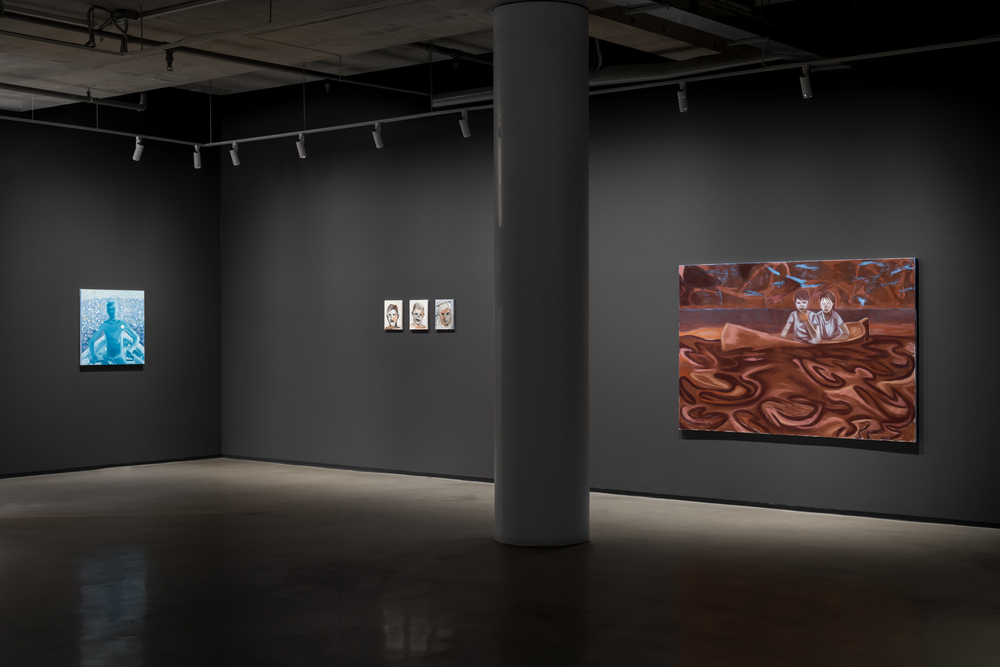
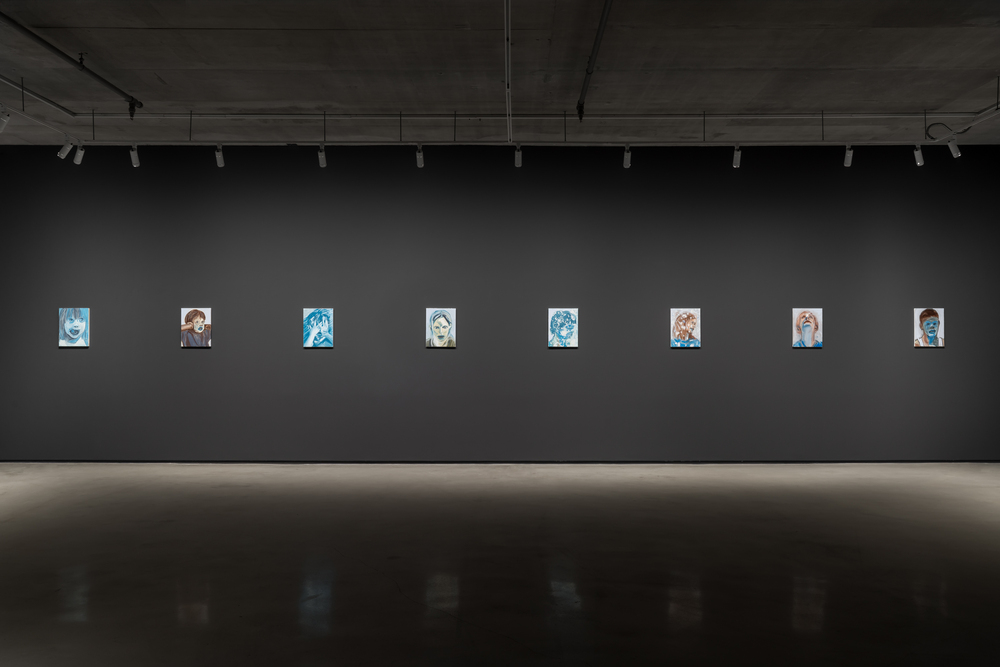
Installation view of 《Badawi》 (PIBI Gallery, 2026) © PIBI Gallery

In the gallery, paintings of identical dimensions are installed in sequence along the walls. The rhythm created by this repetition encourages viewers to perceive the works not as discrete images but as a single, continuous visual passage. In this way, the exhibition’s dual focus on movement and process, as well as on moments in which the time of movement becomes fixed, extends within the gallery space.

 
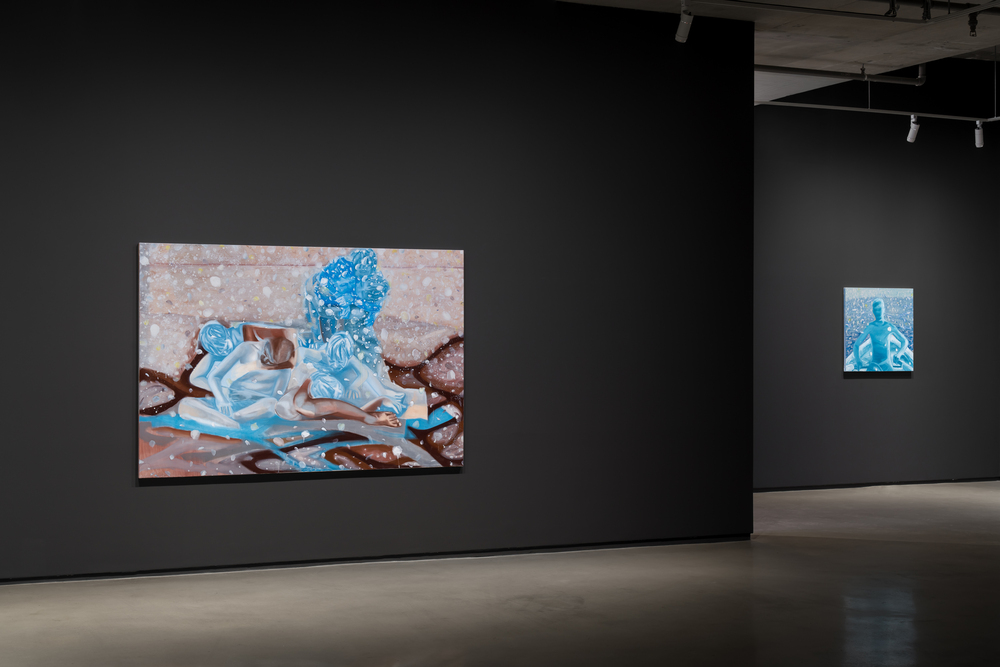
Thus, 《Badawi》 unfolds through recurring figures and a linear spatial arrangement, articulating states that hover between movement and fixation, and between the present and memory. As the individual works coalesce into a single extended sequence, visitors encounter the rhythm of a drifting existence through their own passage through the gallery.
 
In this experience, the notion of the nomad converges with contemporary life marked by uncertainty, opening the exhibition to renewed possibilities of interpretation.


Installation view of 《Badawi》 (PIBI Gallery, 2026) © PIBI Gallery

Thus, while Mina Ham’s practice originates from childhood events and the personal experiences that followed, it is less concerned with the realistic depiction of specific subjects than with visualizing the traces of imperfect memories and emotions. Her paintings function as assemblages of feelings that transcend time and space, carrying a powerful presence and message in and of themselves.
 
Moreover, the juxtaposition of contrasting colors, emphatic lines, and compositions in which blurring and emptiness coexist, together with the restrained or omitted facial expressions of her figures, leaves ample room for interpretation. These elements invite viewers to overlay the images with emotions arising from their own inner worlds.

“By dismantling and reconstructing myself through the layered strata of memories accumulated within me, I hope that my works can become a quiet psychological space where others may encounter their own inner selves.” (Mina Ham, Artist’s Note)


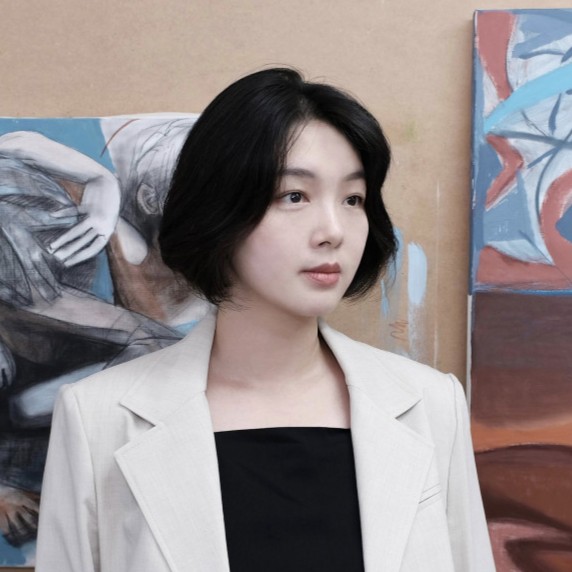
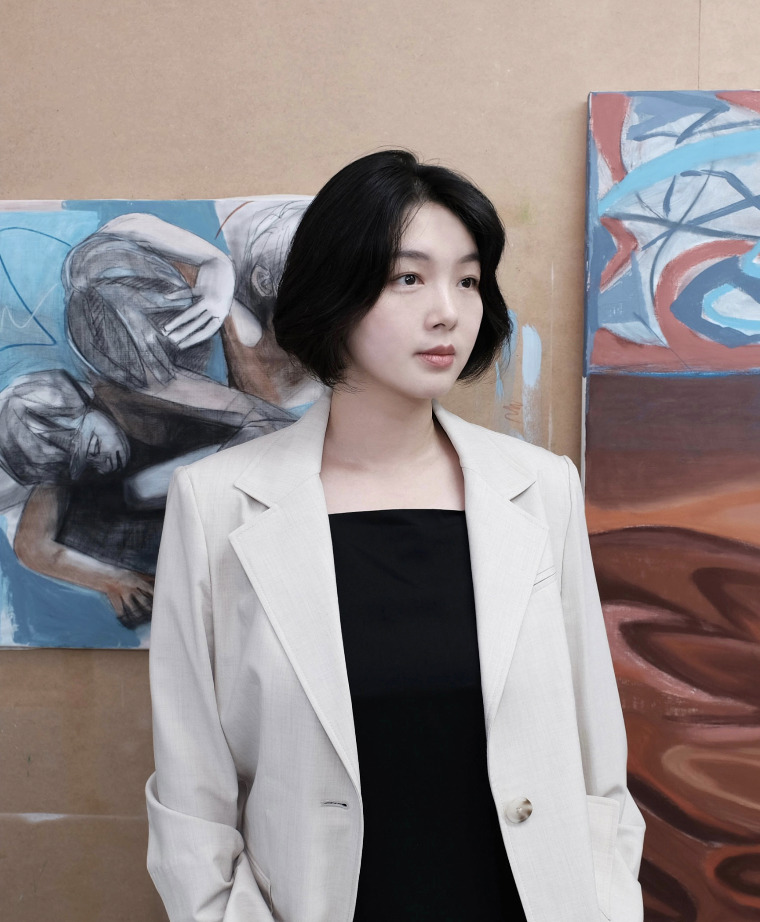
Artist Mina Ham © PIBI Gallery

Mina Ham graduated from the Department of Dramatic Space Creation at Kaywon University of Art & Design and is currently active as a painter. Her solo exhibitions include 《Badawi》 (PIBI Gallery, Seoul, 2026), 《Arcadia》 (Galerie ERD, Seoul, 2024), 《ID Picture》 (Galerie ERD, Busan, 2023), 《Backwater》 (Galerie ERD, Seoul, 2022), 《Where Would I Be》 (Galerie ERD, Busan, 2020), and 《Idleness》 (Outhouse, Seoul, 2020).
 
She has also participated in numerous group exhibitions, including 《If you come at four, I will be happy by three》 (Suwon Museum of Art, Suwon, 2025), 《Personal Gestures》 (PIBI Gallery, Seoul, 2024), 《SMALL PAINTINGS – MY BIJOU!》 (Kimreeaa Gallery, Seoul, 2024), 《Goodbye to Love: Conversation of All Those Whose Lips Are Sealed》 (Marres Maastricht, Netherlands, 2023), 《A Glimpse of Our Time》 (Kumho Museum of Art, Seoul, 2023), and 《My Your Memory》 (MMCA, Seoul, 2022), among others.

References