


Solo Exhibitions (Brief)
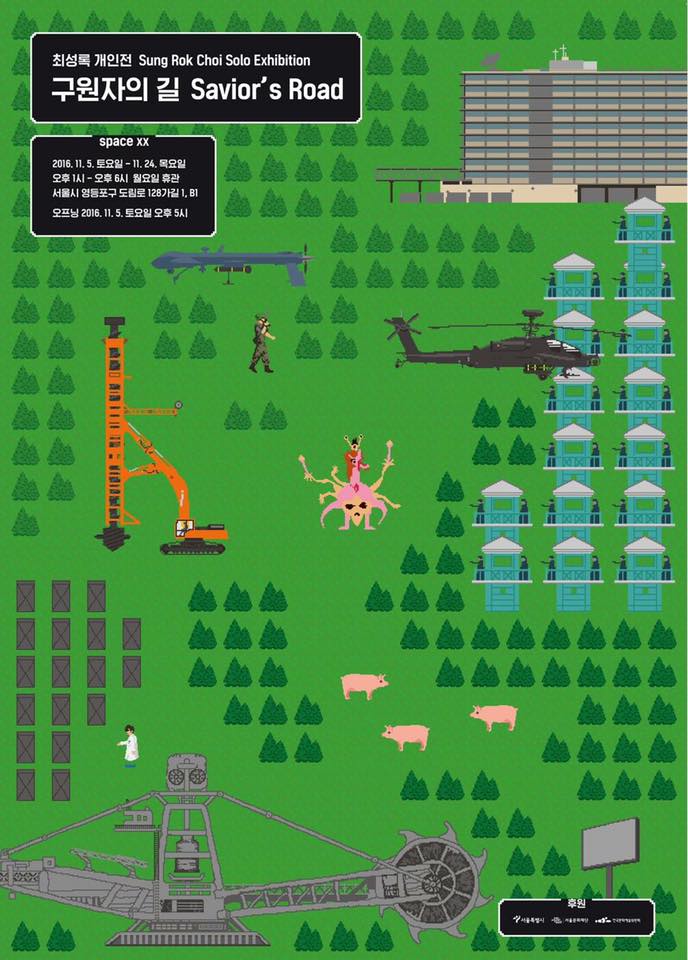
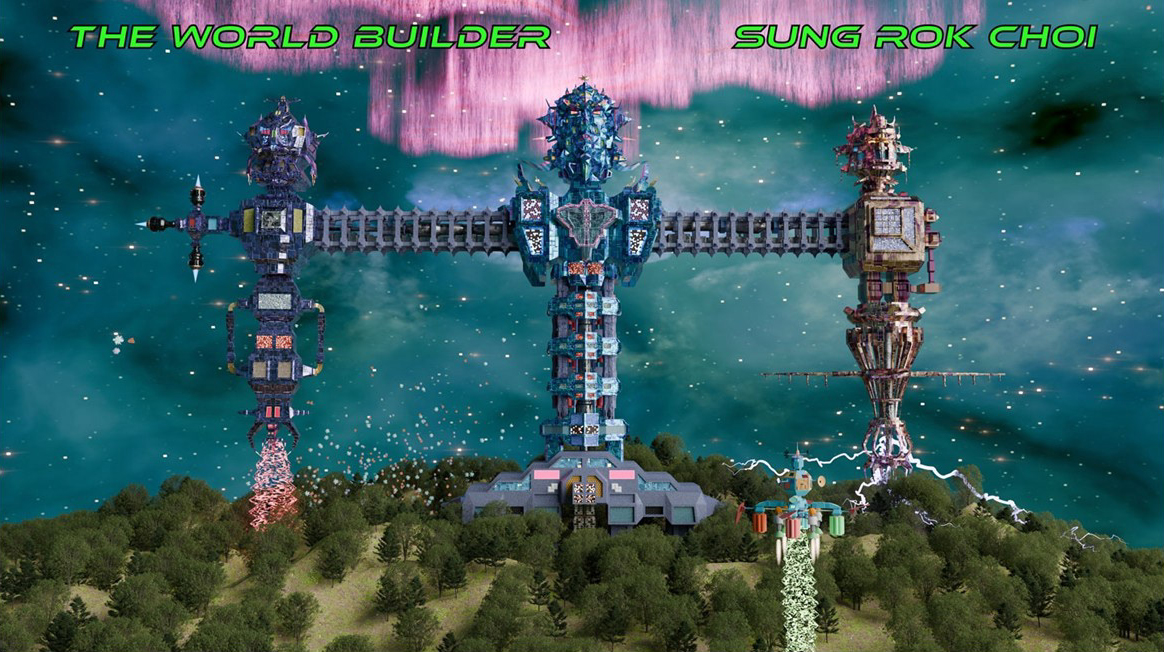
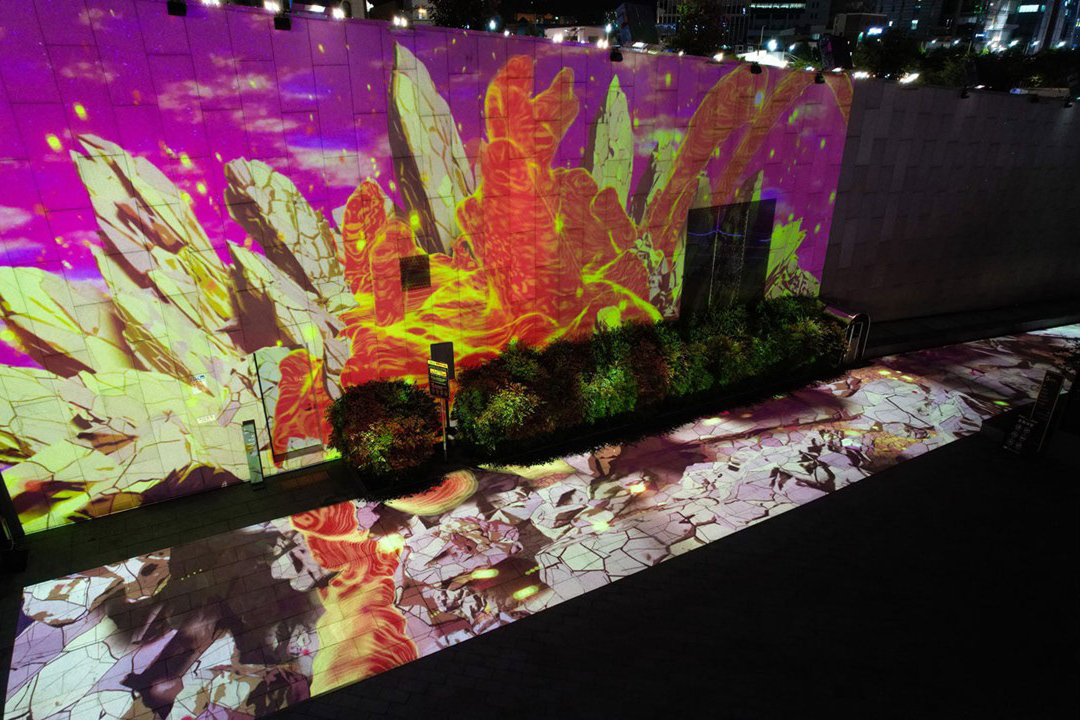
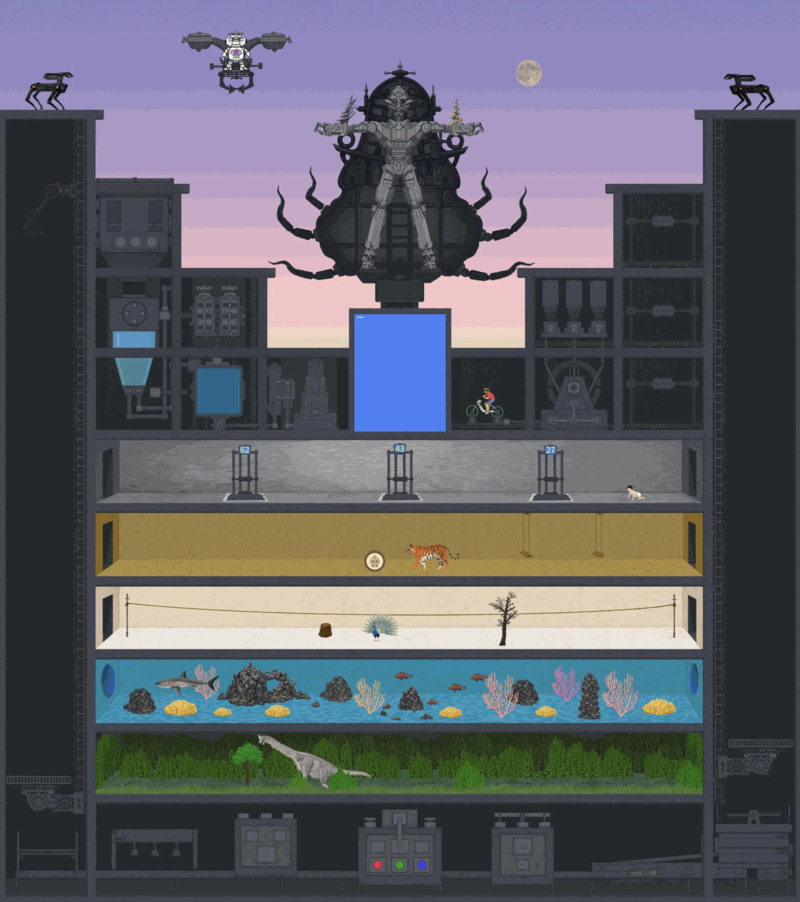
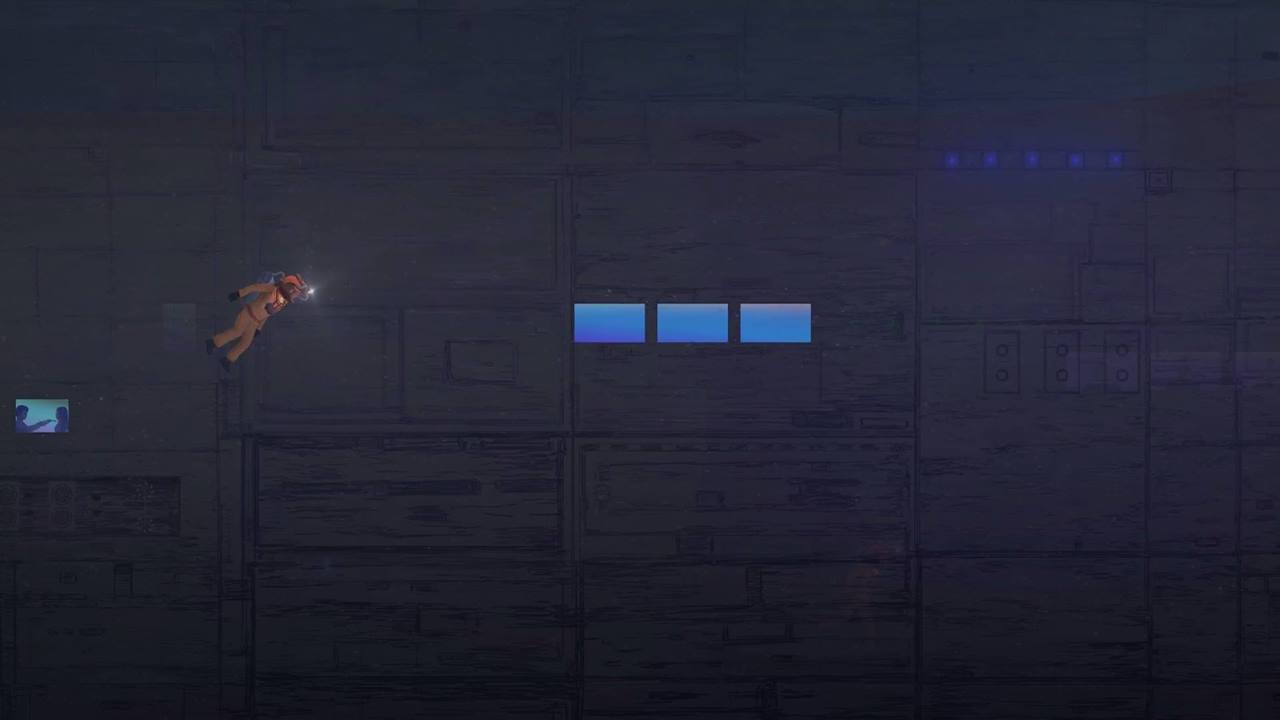
Sung Rok Choi has presented solo exhibitions at major venues in Korea and abroad, including Gallery Chosun, Seoul (2015, 2019), SeMA Bunker, Seoul (2018), Seoullo Media Canvas, Seoul (2018), Amelie A. Wallance Gallery, New York (2022), Seoul Auction, Seoul (2023), and The Square Nonhyeon, Seoul (2024).
Group Exhibitions (Brief)
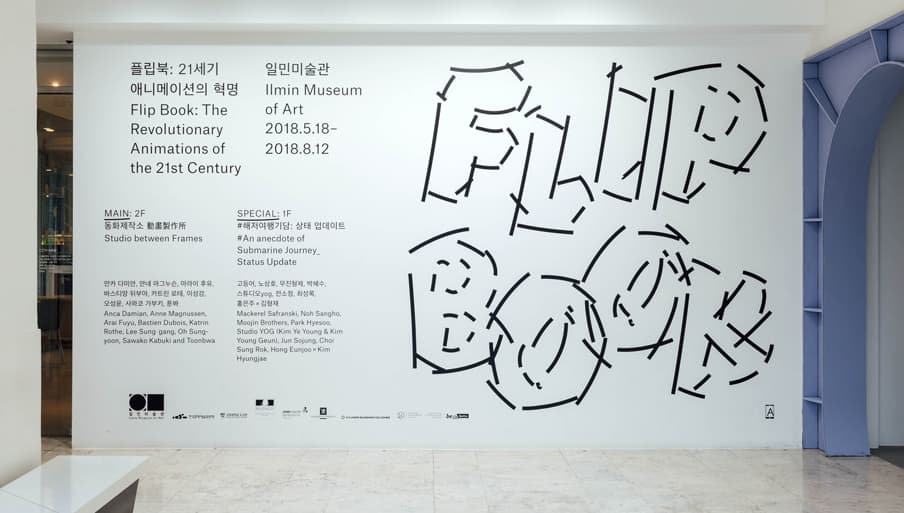
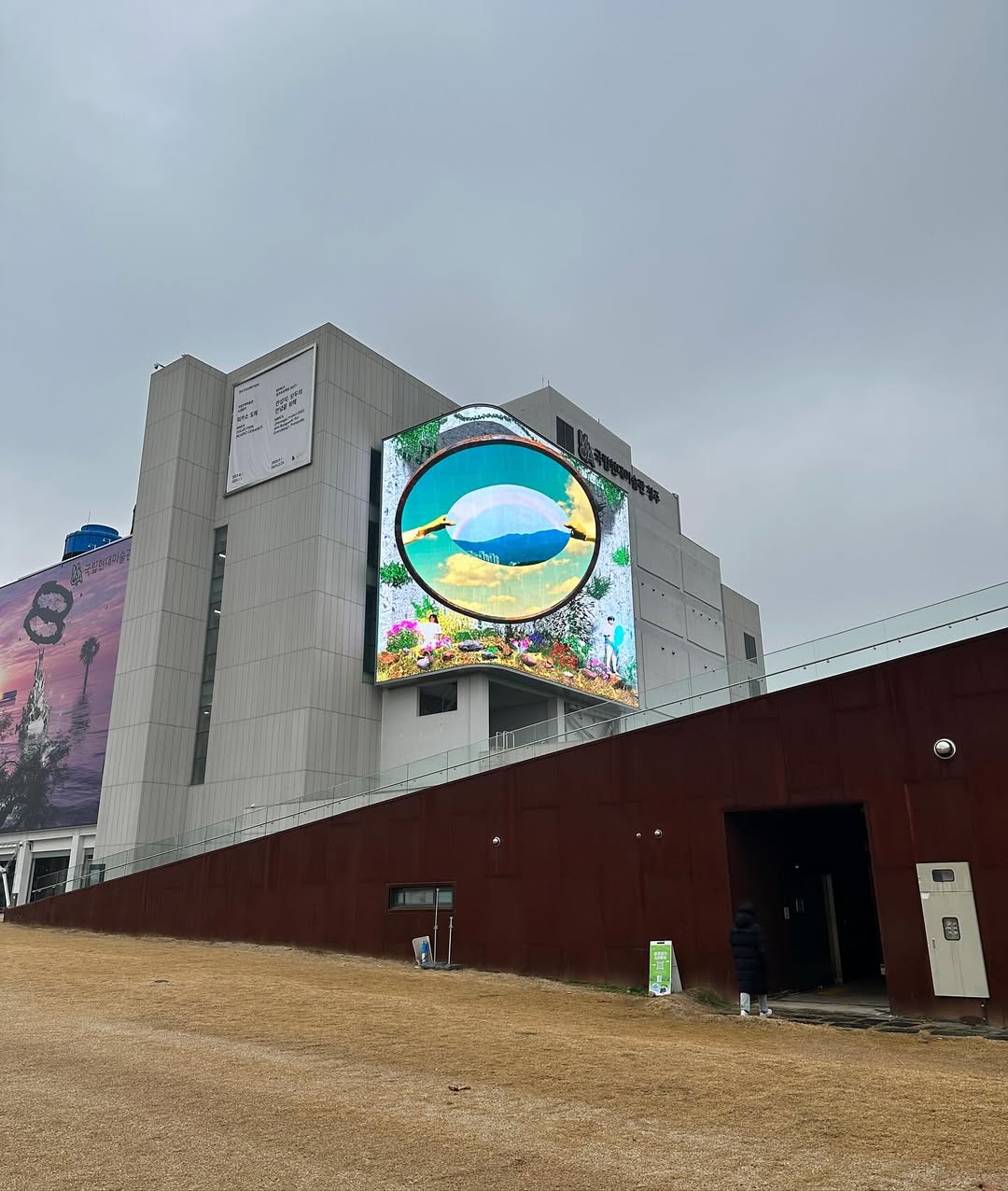
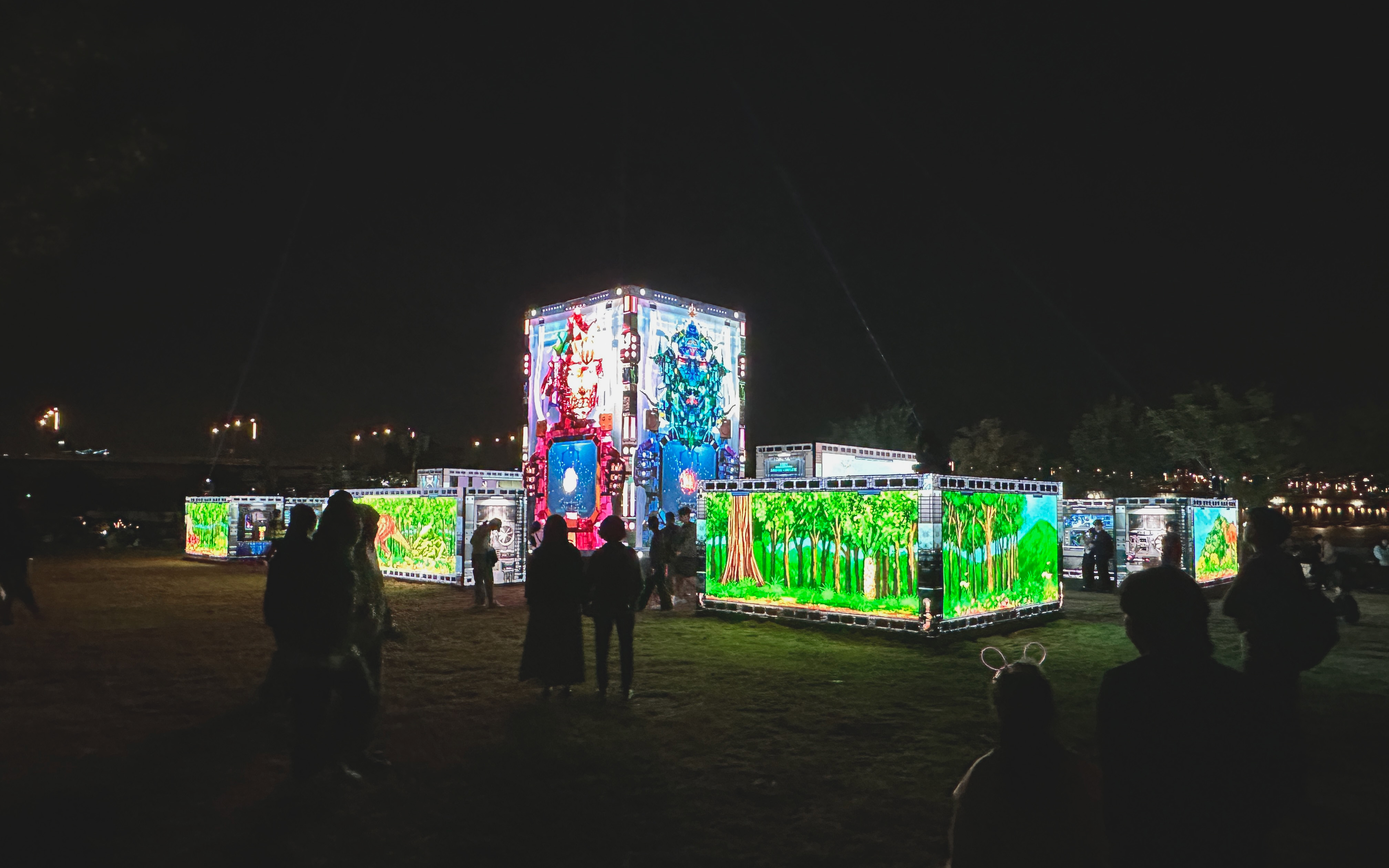
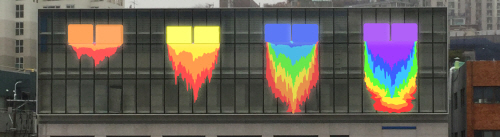
Sung Rok Choi has participated in group exhibitions at major institutions and venues in Korea and abroad, including the National Museum of Modern and Contemporary Art, Korea (2024), Pohang Museum of Steel Art (2023), SPACE ON 洙 (2022), Understand Avenue (2022), and Daegu Art Museum (2022). He has also participated in media art and media facade projects including Seoul Light Hangang Bitseom Festival (2024), Kiaf 2023 Media Art Special Exhibition (2023), Everland Flower Media Garden Media Art Project (2022), and FILE Festival (2022).
Awards (Selected)
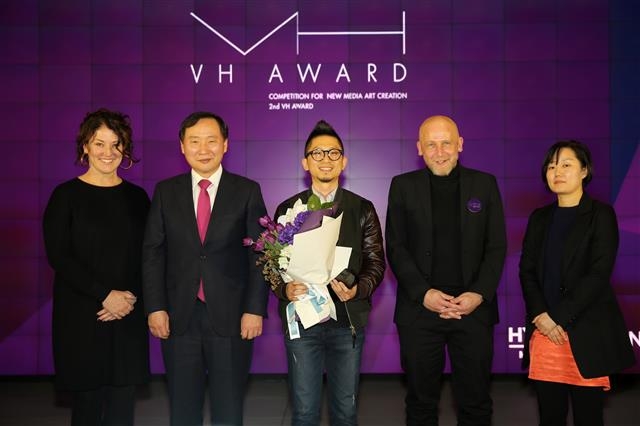
Sung Rok Choi received the Grand Prize at the 8th AHL Foundation Visual Art Competition (2011) and the Excellence Award at the 2nd VH Award (2016), and was selected for the Pittsburgh Center for the Arts Solo Exhibition Open Call (2010).
Residencies (Selected)
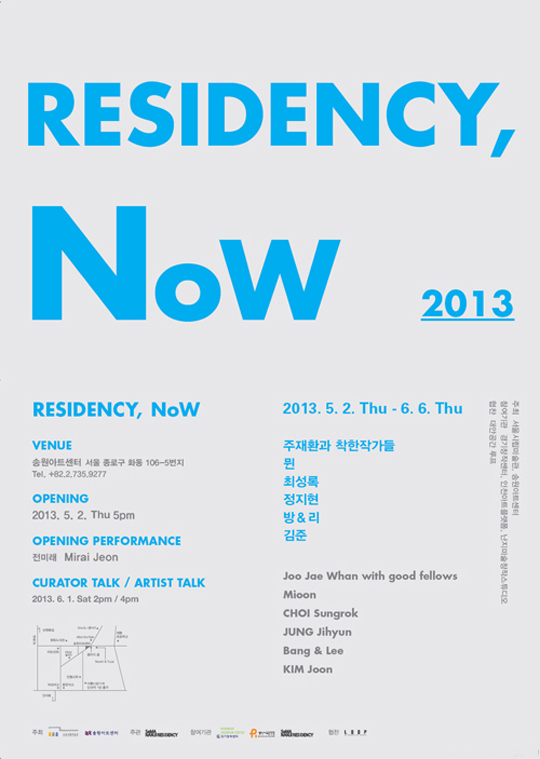
Sung Rok Choi has participated in residency programs including the MMCA Goyang Residency (2017), Ars Electronica Center (2016), Art OMI Residency, New York (2013), Incheon Art Platform Residency (2013), and the SeMA Nanji Art Studio Residency (2006).
Collections
(Selected)
Sung Rok Choi’s works are included in the collections of the Art Bank of the National Museum of Modern and Contemporary Art, Korea, the Government Art Bank of the National Museum of Modern and Contemporary Art, Korea, the National Asian Culture Center, the Seoul Museum of Art, the Daegu Art Museum, the Museum of Contemporary Art Busan, Hyundai Motor Group, and the Paradise Cultural Foundation.