Contemporary Advertising and Eight Keywords
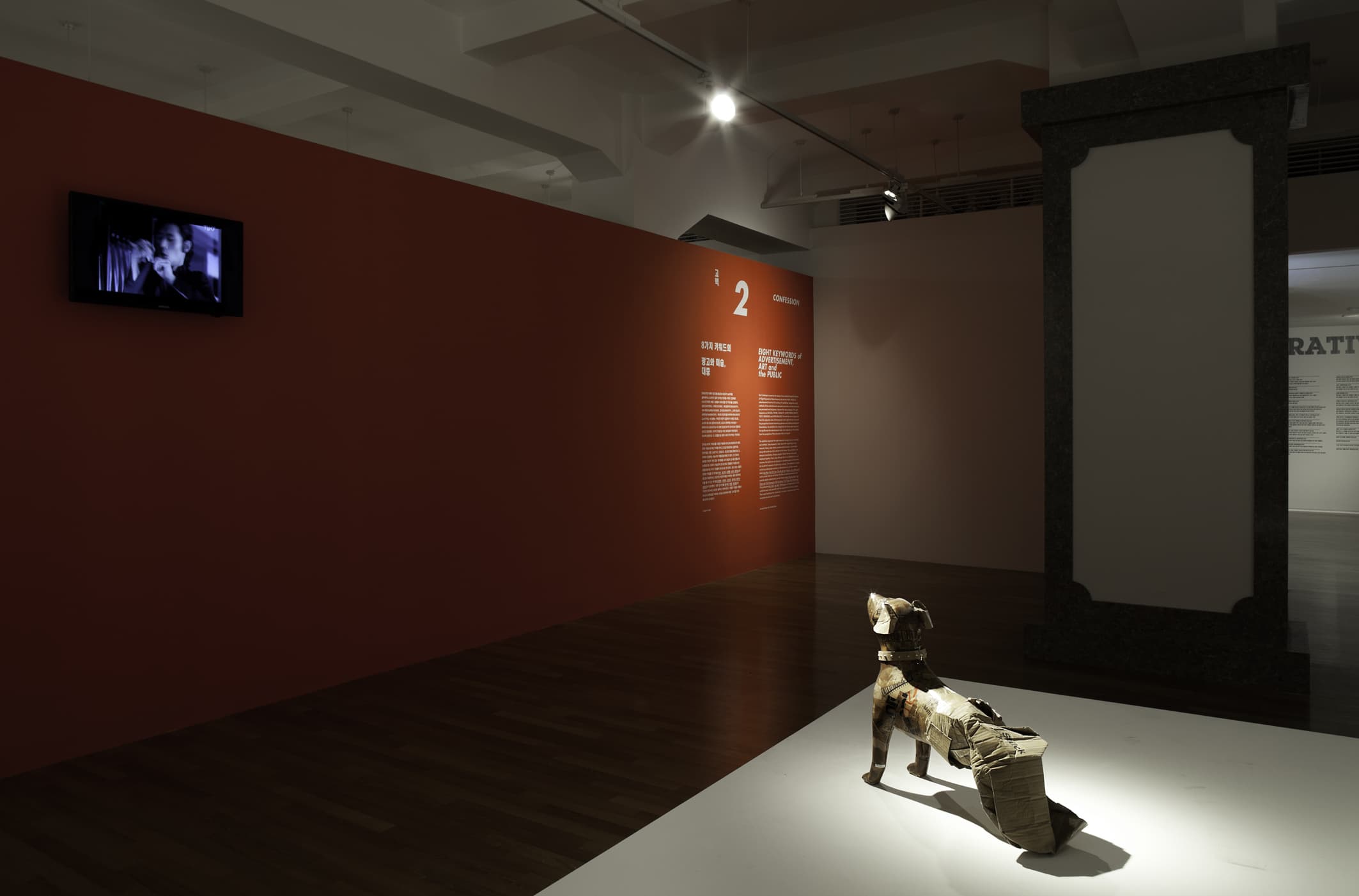
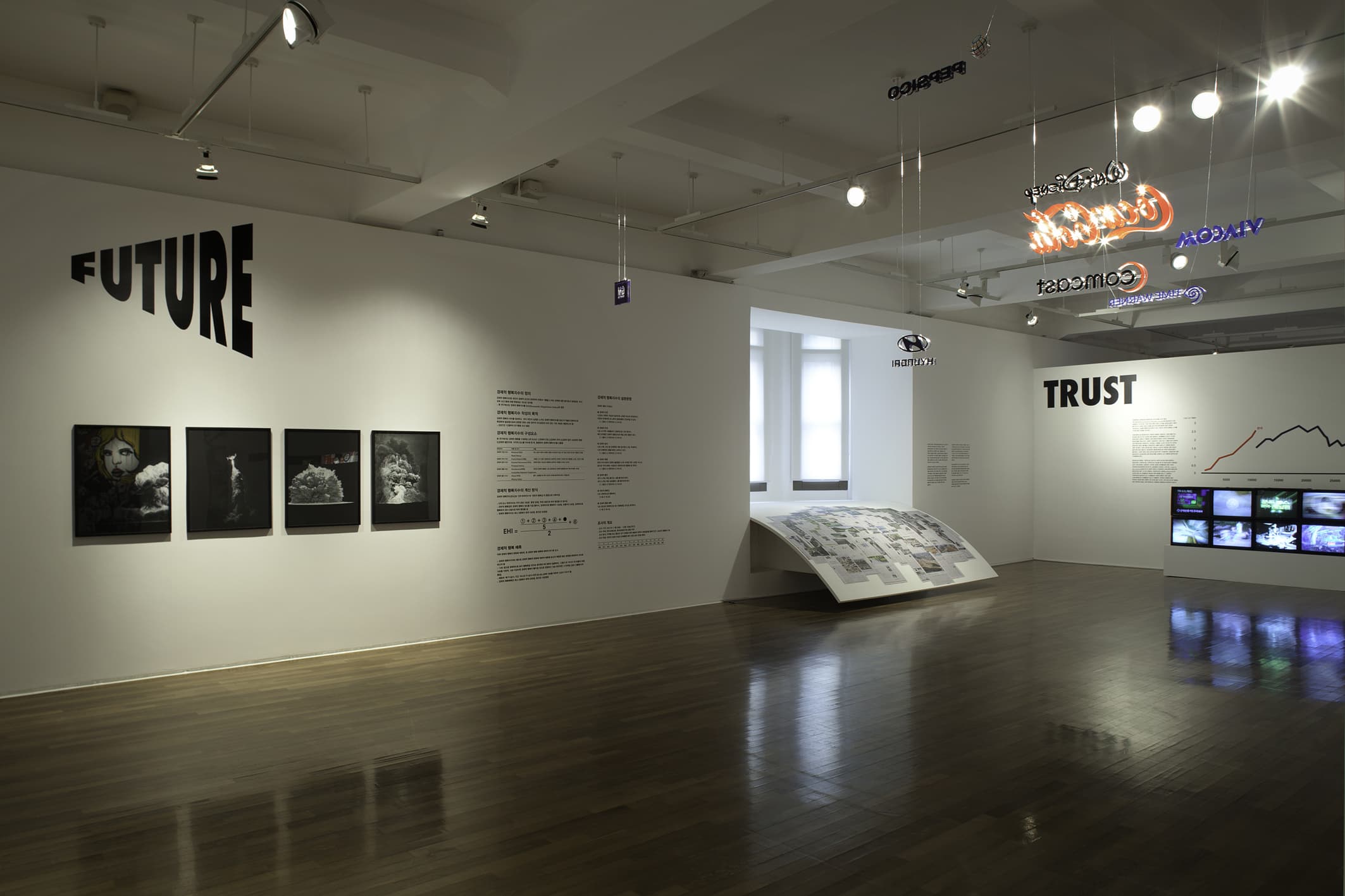
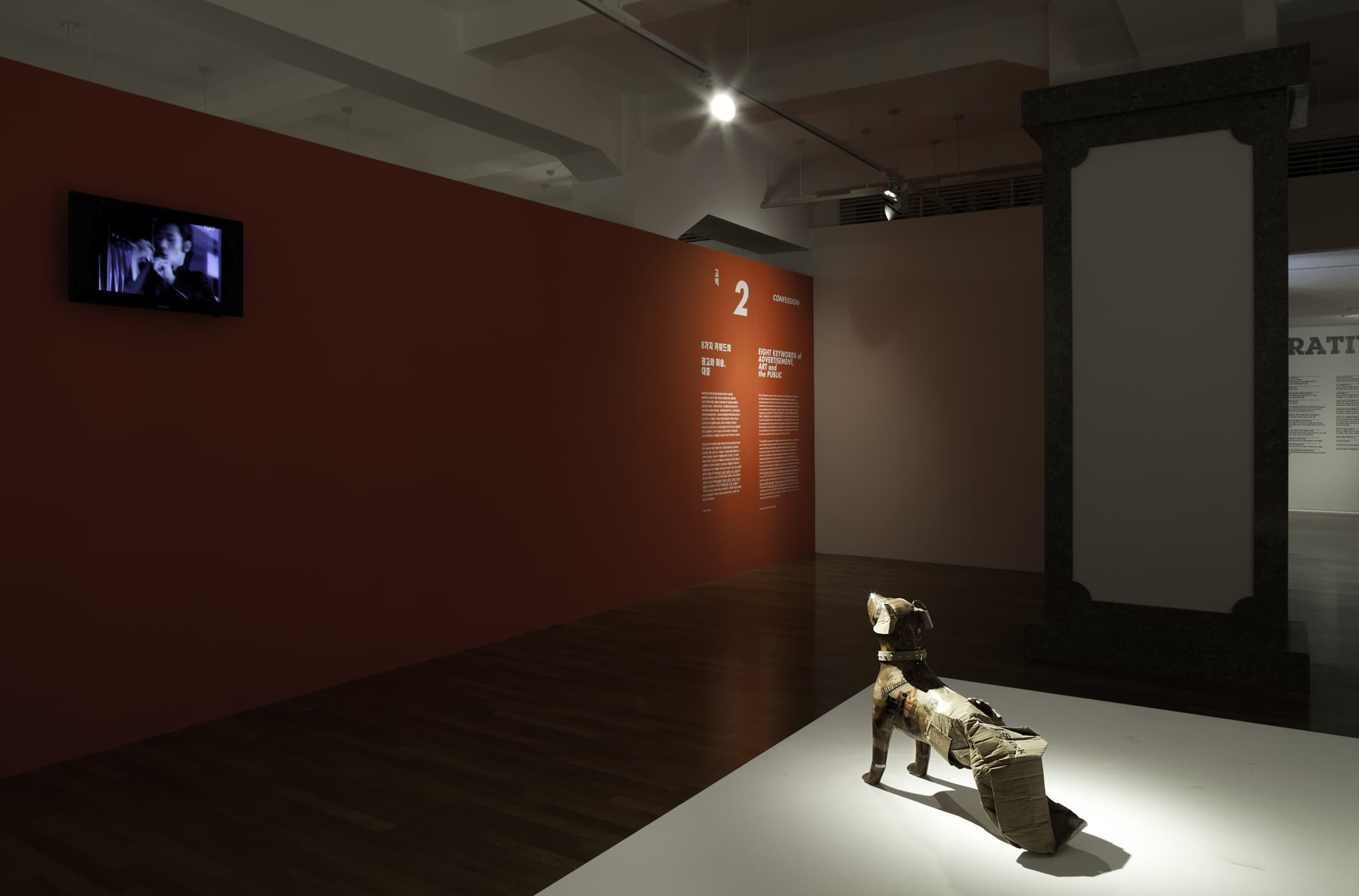
Part 2 attempts to explore the systems of value operating within contemporary society through the theme of “Advertising, Art, and the Public Through Eight Keywords.” Focusing primarily on advertisements produced after the 2000s, the exhibition categorizes the ways in which advertising persuades consumers — or consumers are persuaded by advertising — into eight conceptual groupings, selecting representative keywords for each category.
These eight keywords are Success, Future, Sexuality, Super-power, Identity, Trust, Narrative, and Hyper-realism. This classification emerges from the subjective perspective of the curatorial framework. From the standpoint of the consumer — namely, the self — the exhibition proposes that the production of meaning pursued by advertising, whether in terms of purpose or strategy, is communicated through these eight modes.
Each keyword encompasses a range of subsidiary codes. “Success” includes wealth, possession, happiness, ambition, respect, and the gaze of others. “Future” incorporates health, nature, environment, and assets, while also grouping together anxiety and stimulation as corresponding conditions. “Sexuality” extends beyond sex appeal and metrosexuality to include broader notions of gender.
“Super-power” encompasses functionality, high technology, excess, exaggeration, and the logic of the “smart.” “Trust” is approached through themes such as environment, industry, labor, campaigns, and participation, while “Identity” is understood as something made possible only when freedom and equality are guaranteed.
“Narrative” functions as another expression of personal storytelling, emotional realism, sentiment, and empathy, revealing the psychology through which the subject of consumption ultimately becomes the self. “Hyper-realism” refers to the coexistence of fantasy, fiction, illusion, and the mixed conditions of media itself.
The eight keywords do not function as dominant concepts governing their subordinate codes, but rather as symbolic structures — symbols that ultimately reflect the values pursued by contemporary society.
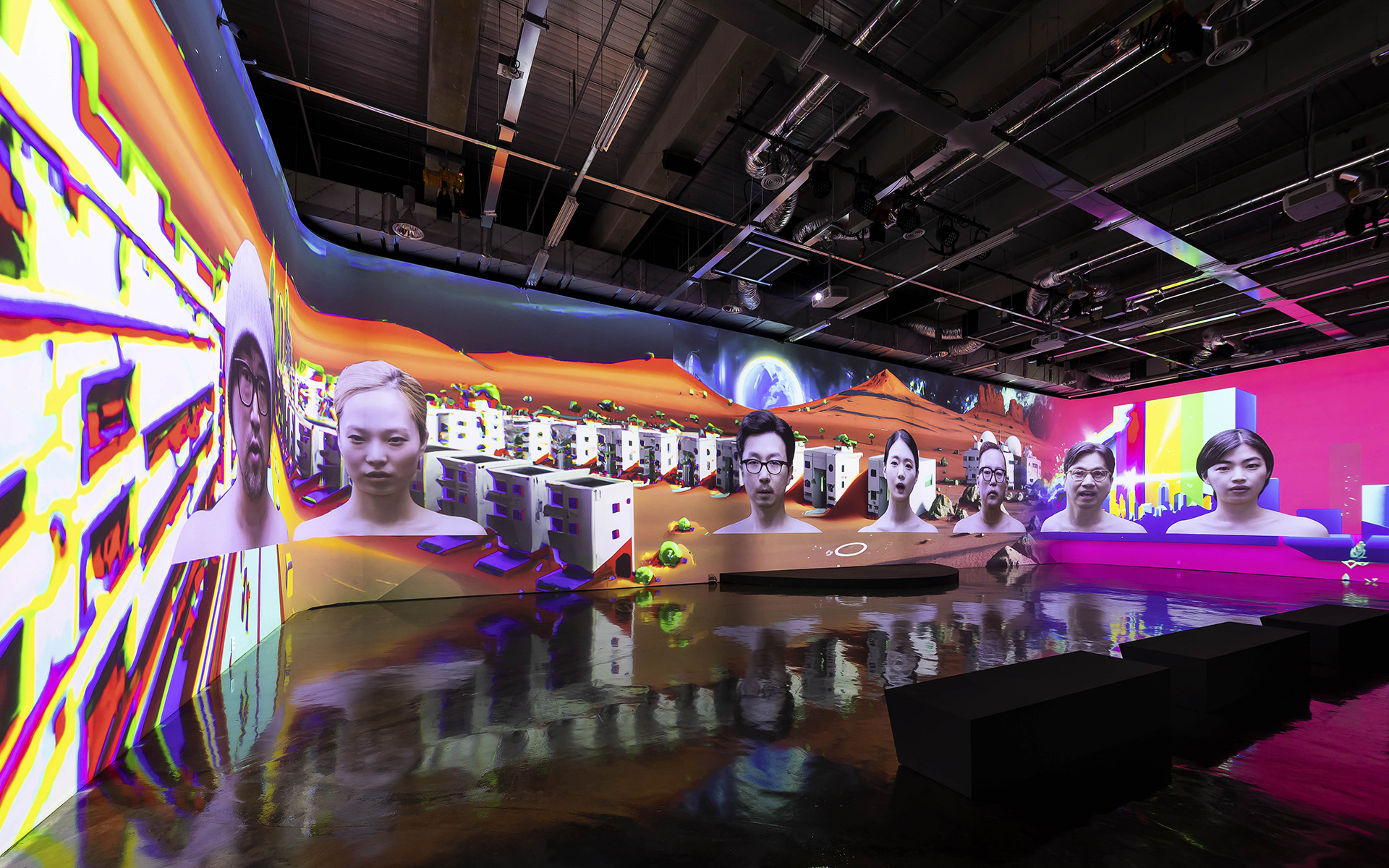
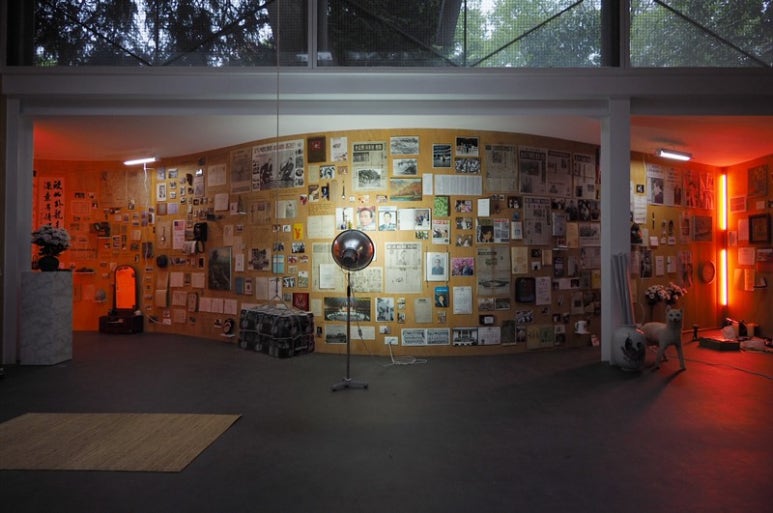
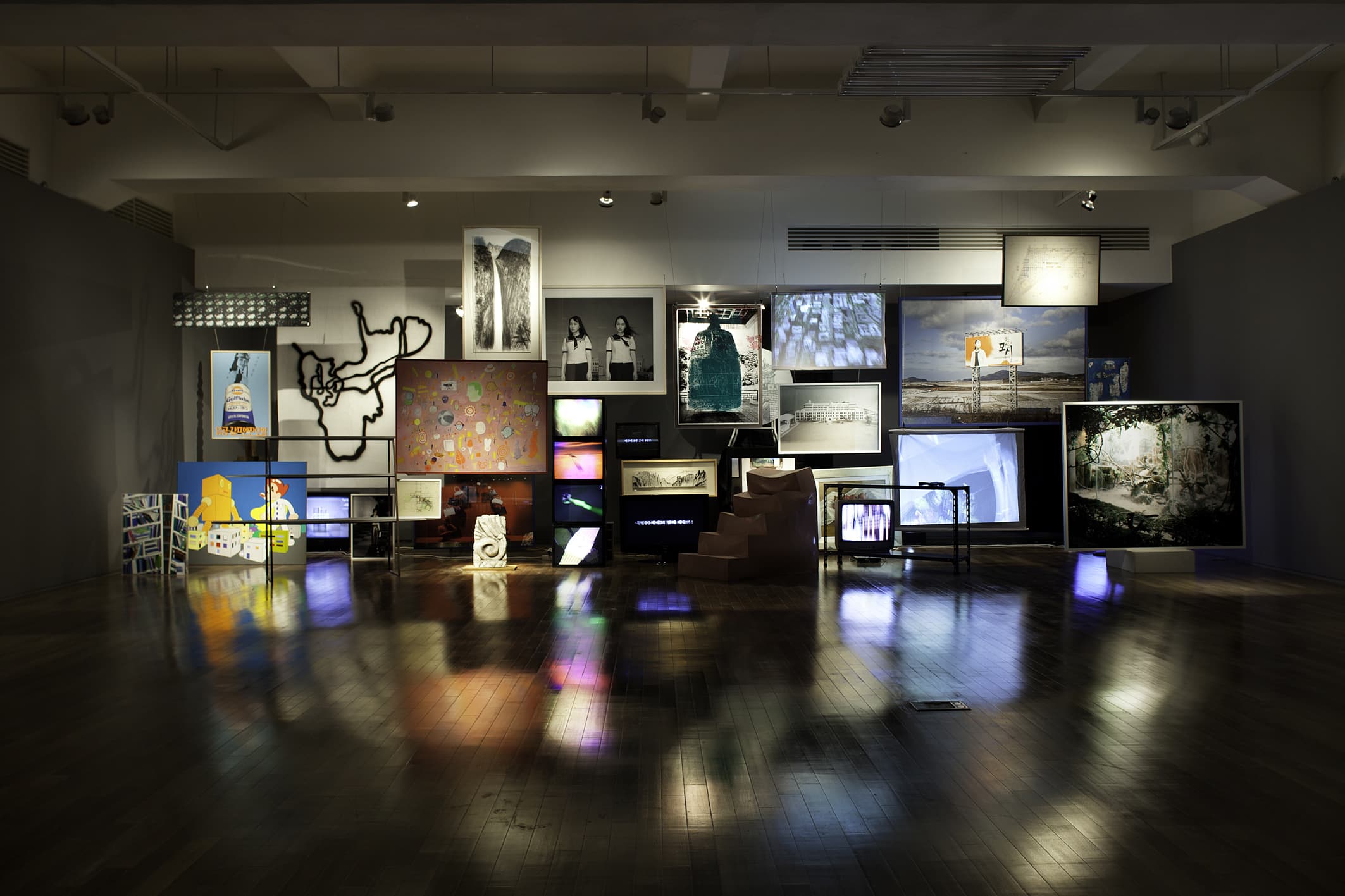
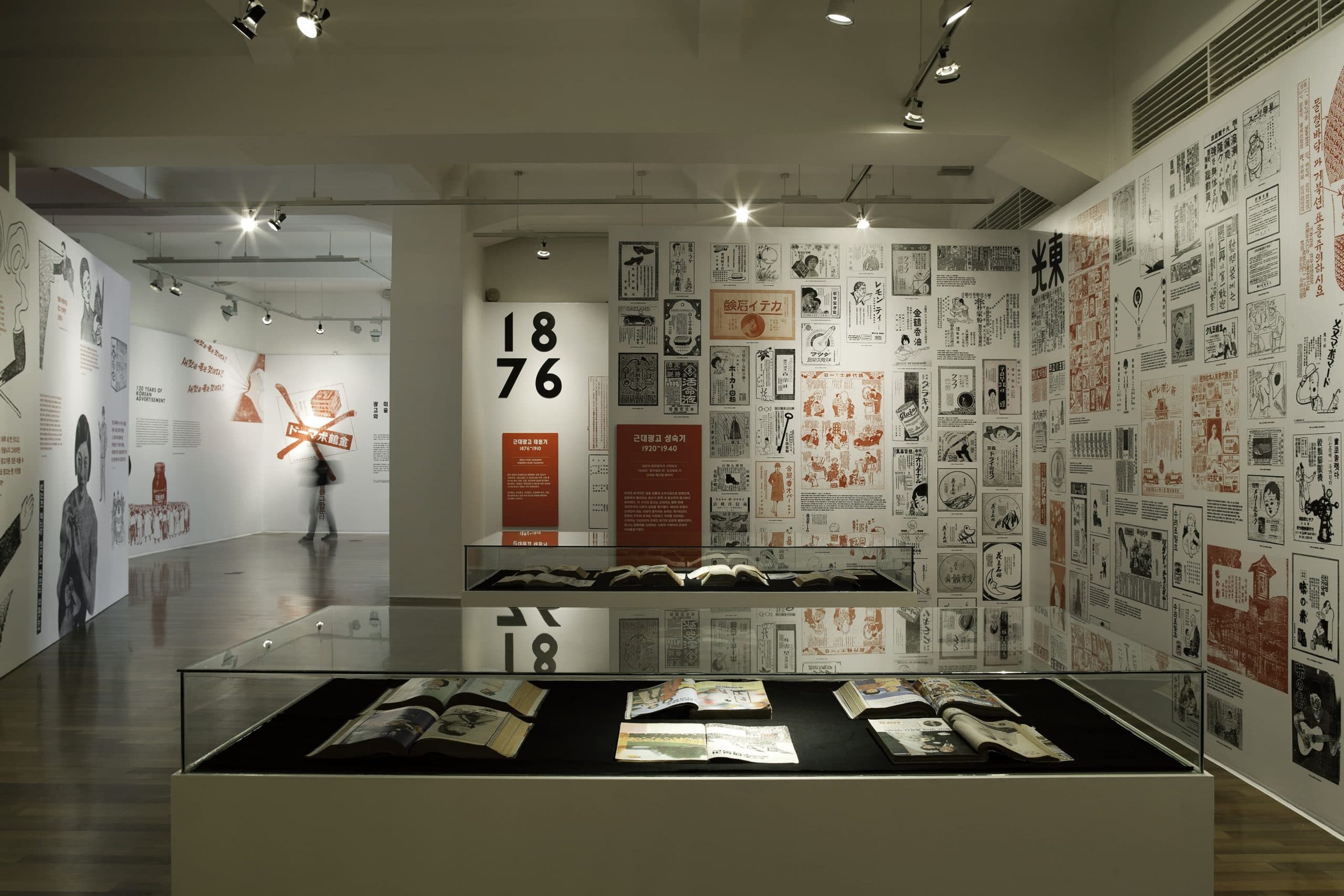
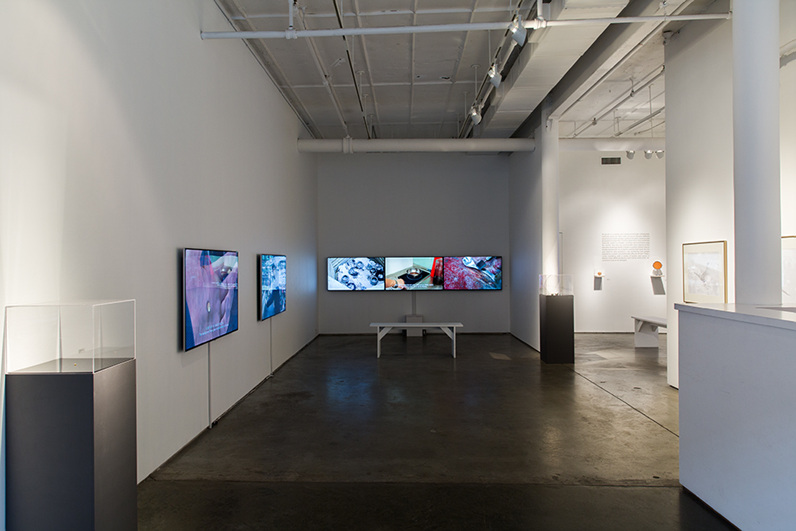
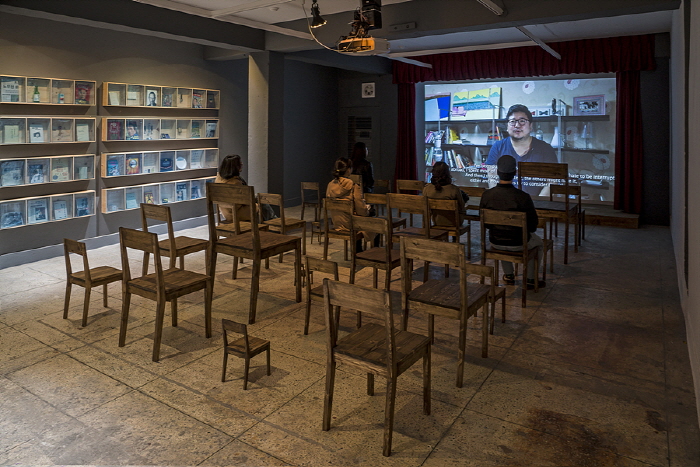
The exhibition attempts to articulate these eight keywords through a range of materials and methodologies. Each keyword is organized around a central theme, accompanied by surveys, research materials, theoretical texts, news articles, print advertisements, and video commercials that support or expand upon it. These materials are presented alongside artworks that resonate with the corresponding themes.
The exhibition seeks to create an interdisciplinary space by bringing together fields that rarely coexist within a single context. As a result, despite taking place within an art museum, the artworks are presented less as autonomous and self-contained objects than as interpretive propositions unfolding within a broader conceptual framework.
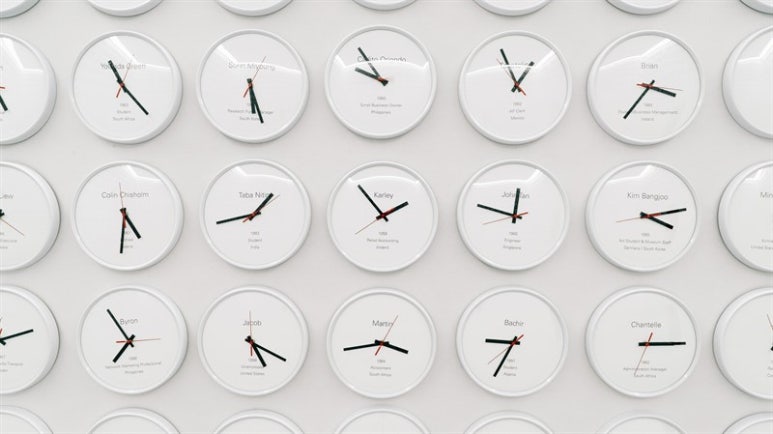
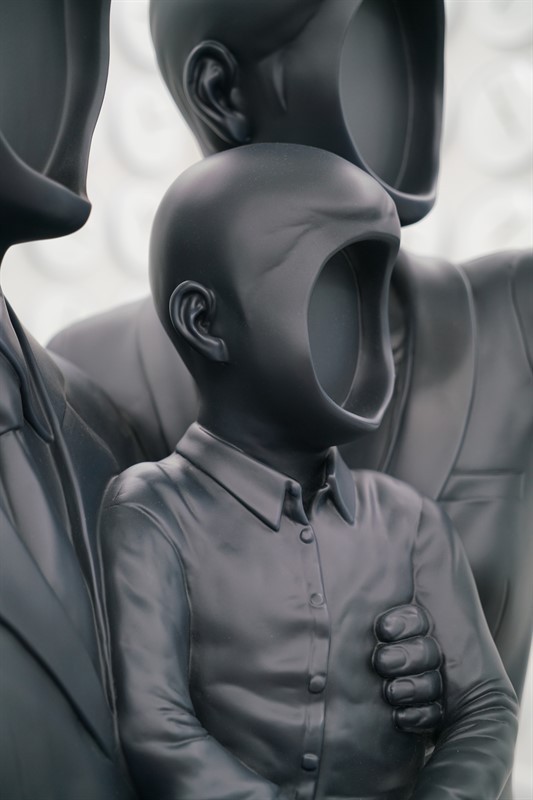
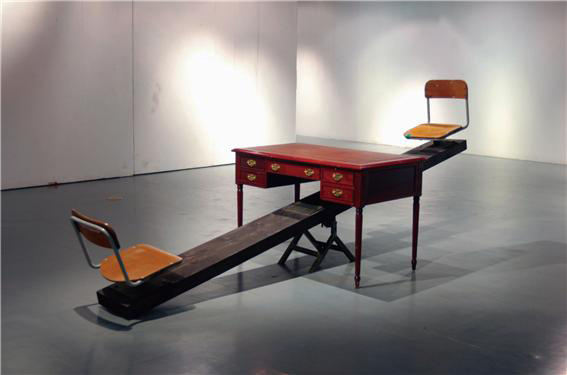
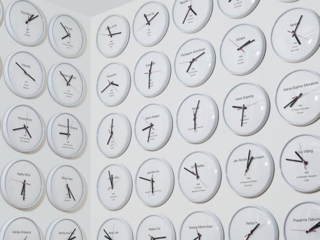
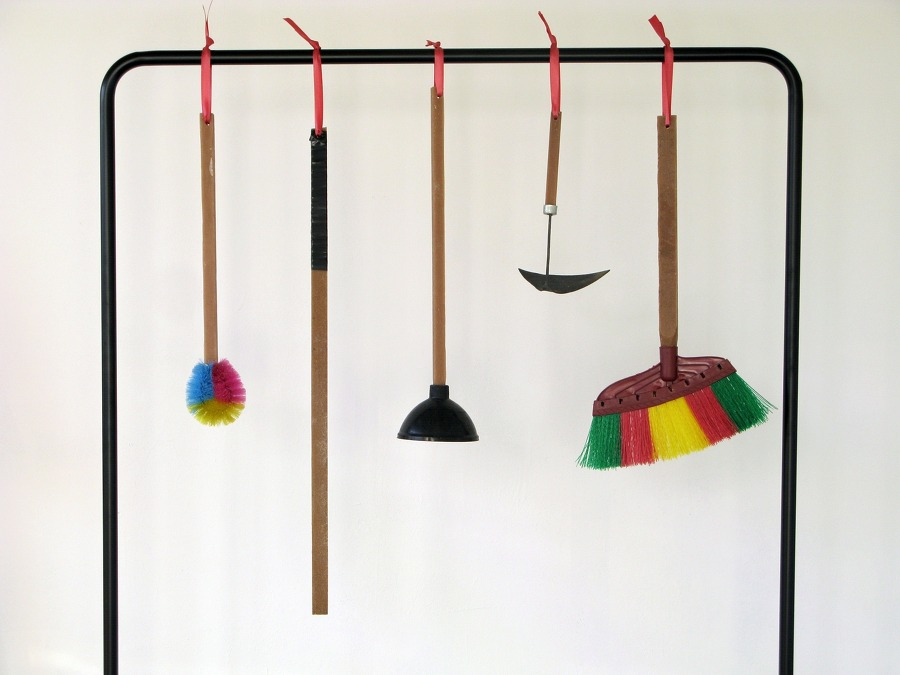
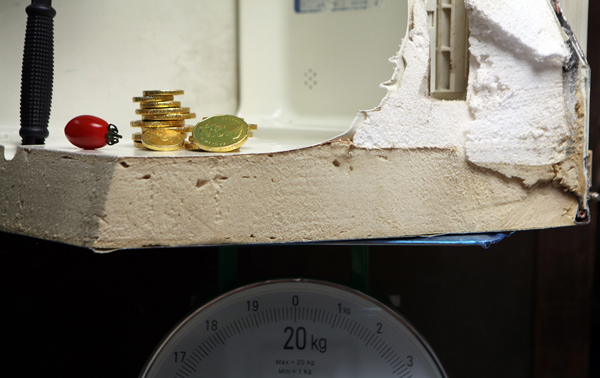
Participating artists include those whose practices directly engage with advertising or commodities — Lee Wan, Kim Sinhye, Cho Kyungran, Nanda, and Kwon Wooyeol — as well as artists whose works, while not directly appropriating advertising, provide rich frameworks for understanding the exhibition’s themes, including Kwon Kyung hwan, Seo Chanseok, Gyung Jin Shin, Kim Suyoung, Choi Dusu, and Kim Hyuen Jun.
Various forms of collaboration also informed the exhibition design and installation process, including contributions by Yunsabi, Lee Wan, and Workroom. Together, these works facilitate a more nuanced “confession” of contemporary consumer culture, in which individuals purchase not products themselves but the brands attached to them.
Advertising — the domain of making things widely known — is vast and seemingly limitless. Although the advertisements addressed in this exhibition are confined primarily to product advertising circulated through media channels, one may ask whether anything in contemporary society exists outside the logic of advertising.
From flyers and signboards to social media, countless forms of advertising circulate continuously, while individuals and groups alike promote their own positions through fashion, style, slogans, and campaigns. Culture itself may be understood as a provisional order emerging from the chaos produced by the coexistence of heterogeneous elements.
《Confession》, organized by Ilmin Museum of Art, ultimately seeks to provide an opportunity to reflect upon the systems of value and cultural consciousness embedded within contemporary visual culture.