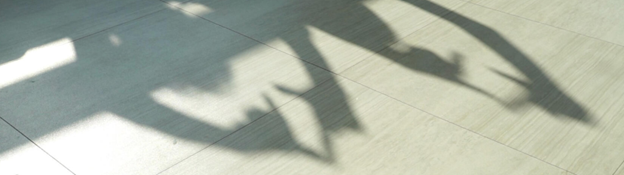
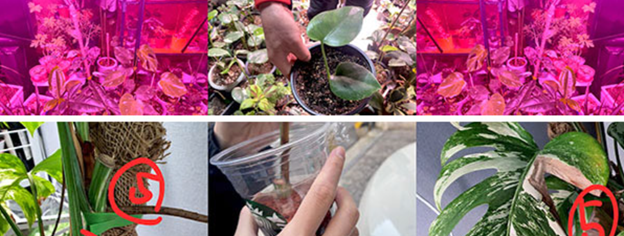
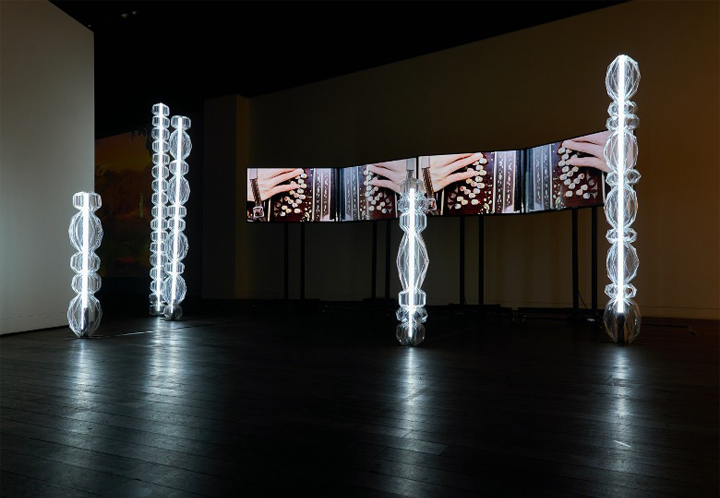
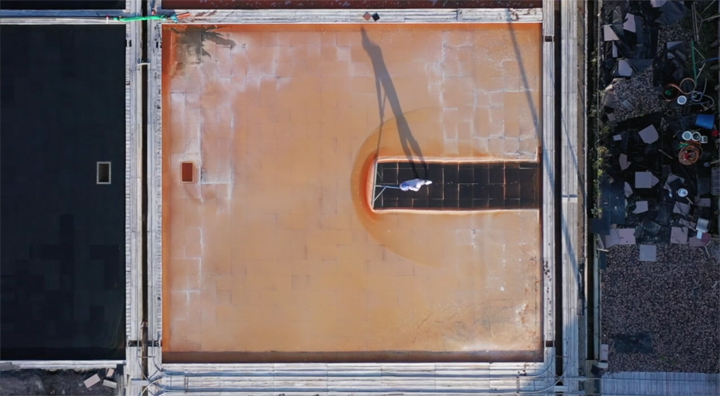
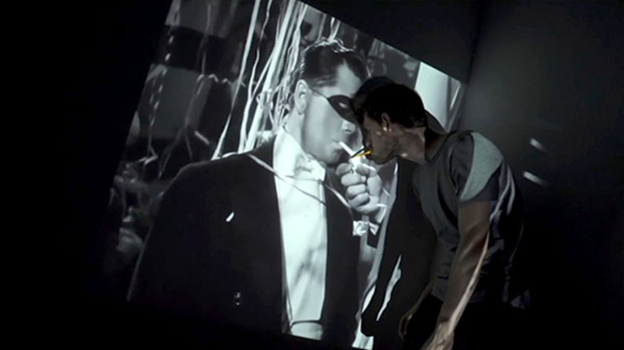
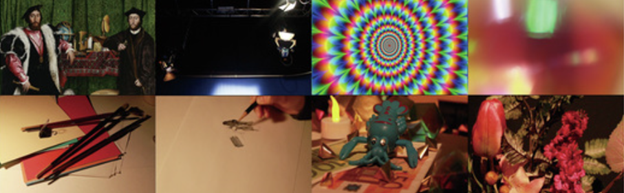
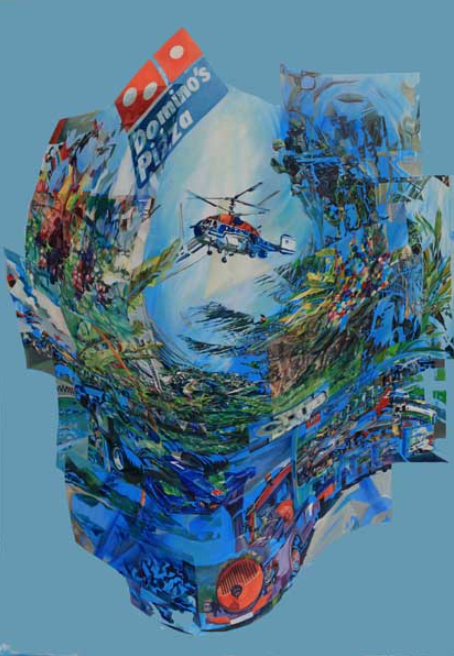
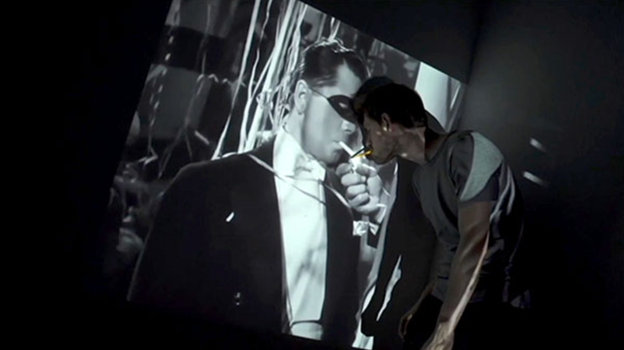
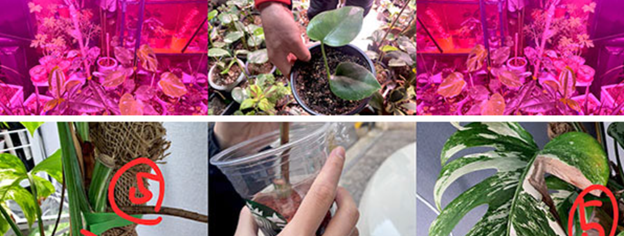
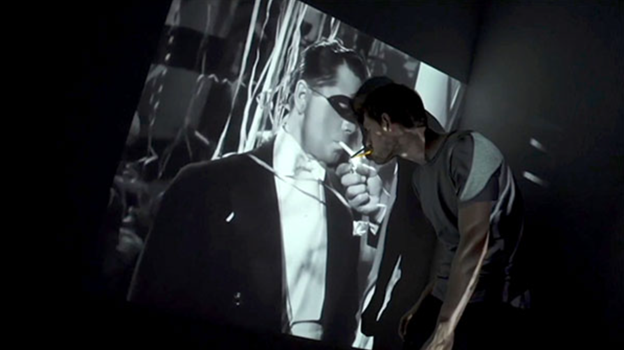
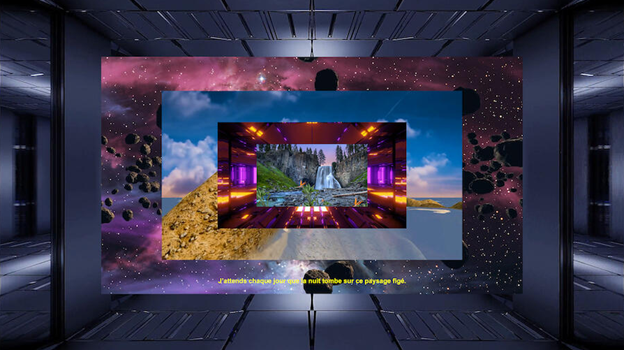
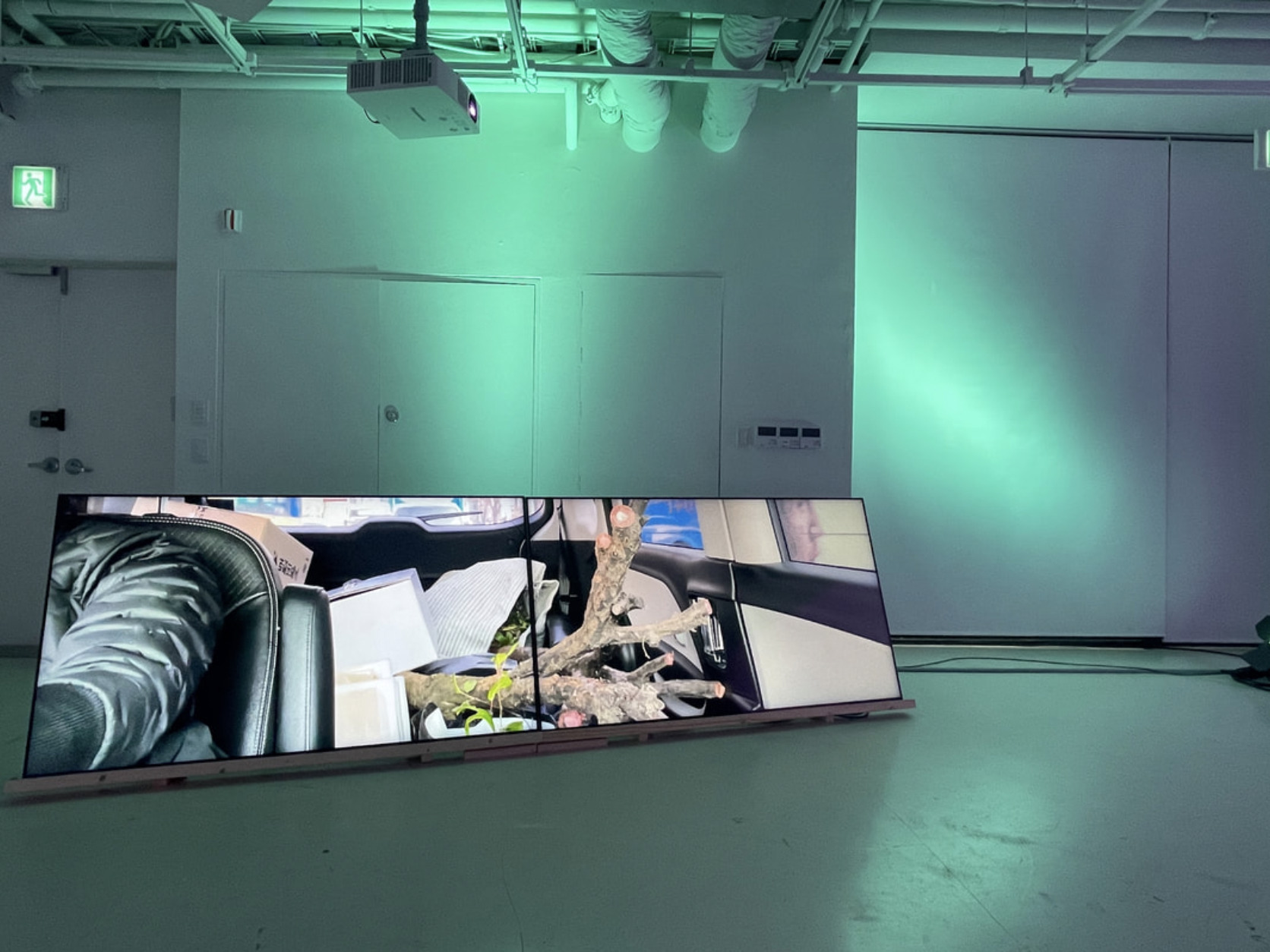
Heejung Choi, Rehearsal, 2022 © Heejung Choi

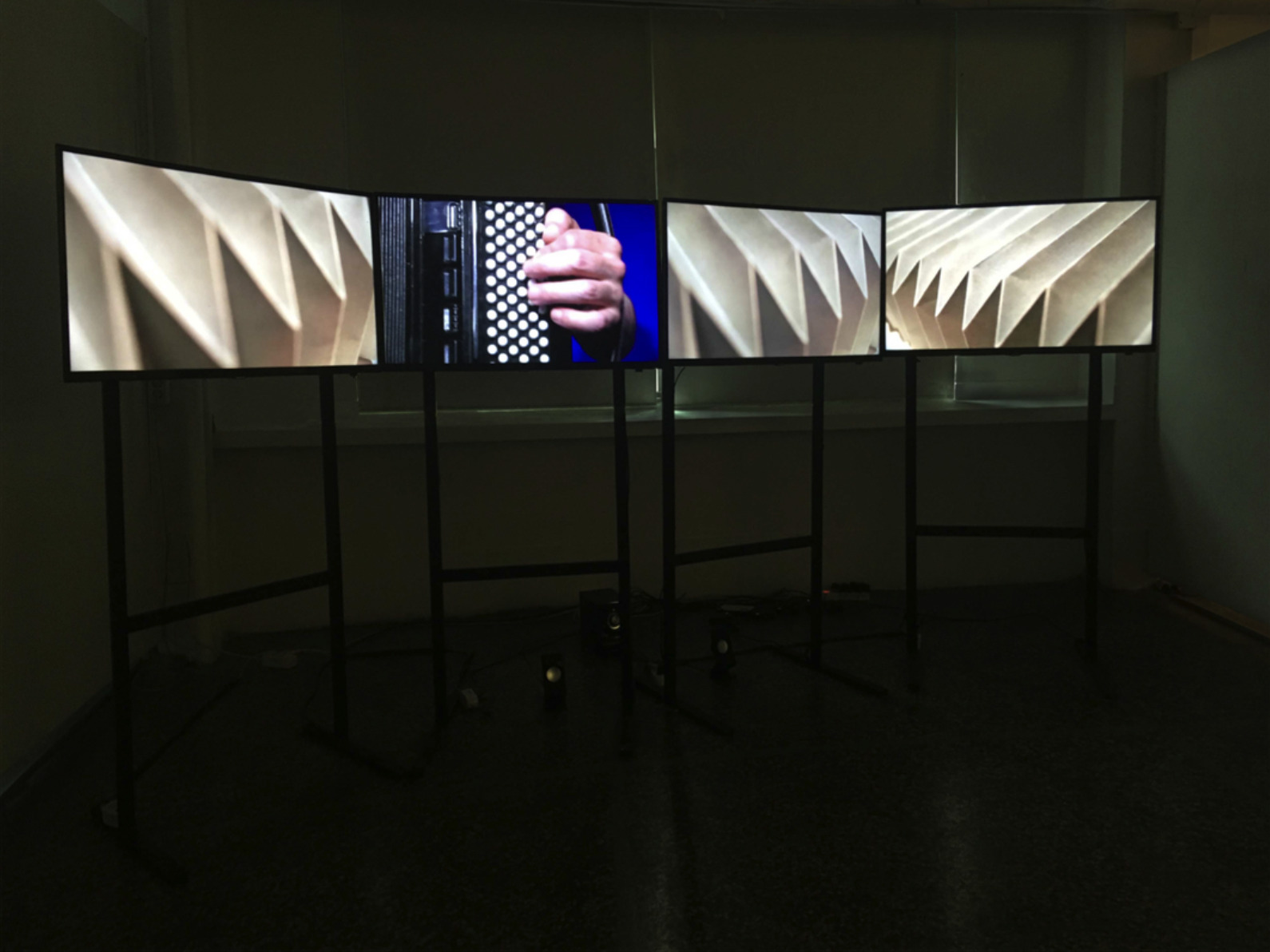
The consistency of Heejung Choi’s work lies less in its subject matter than in the structural aspect through which the work is constructed. The structure designed by the artist is already, in itself, both content and theme. The structure that Choi repeatedly constructs may be described as a kind of fold. This fold does not refer to a form layered and folded over many times. Rather than a fold as a static state, it is a structure that operates as a movement, like the accordion shown in her four-channel video work Hace Viento(2023), constantly unfolding and folding again while producing sound.

For Choi, who works primarily with video, this structure is mainly realized through the format of multichannel video. In the process of folding and unfolding, composed of multiple screens and sounds coming from multiple directions, the story flickers rather than continues, while scattered images and sounds move toward the viewer from various directions. A major aspect of Choi’s work may be that, within this dispersion, it asks the viewer to build the story back up again.

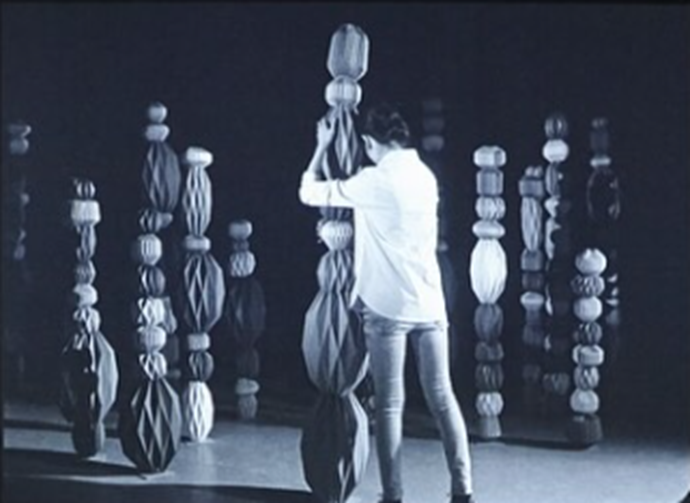
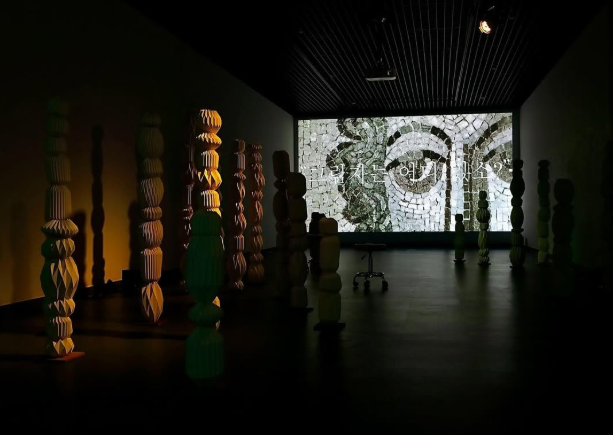
Galatea(2018) begins with a screen divided into two, top and bottom. One side of the divided screen is occupied by white, and the other by black. This division is flipped vertically, then divided again left and right, and flipped once more. After the opening sequence ends, hands appear on the screen, slowly and carefully folding white paper. The folded paper forms a geometric structure, and the structured paper becomes a three-dimensional object, stacked into a tower-like form.

The figure whose hands were folding the paper appears again on screen, walking among the towers and touching the surfaces of the three-dimensional forms that make up the towers. Soon, the camera zooms out, and amid towers of various shapes and sizes filling the space, the figure continues to face the tallest tower. The artist explains that this work is like “the process of seeking her own sculpture, Galatea.” To understand this, let us return to the well-known story of Galatea.

Galatea is also the name of one of the sea nymphs in Greek mythology, but it is also the name of the statue made by Pygmalion in Ovidius’s Metamorphoses. Pygmalion, a sculptor from the island of Cyprus, decides to create in sculpture the woman he considers ideal. This sculpture eventually possesses perfect beauty, and Pygmalion falls in love with this sculpture, which is not a person. Pygmalion prays to Aphrodite, the goddess of love and beauty, asking that he be allowed to take the statue as his wife, and Aphrodite, moved by Pygmalion’s devotion, breathes life into the statue and turns it into a human being. Pygmalion eventually marries Galatea and lives happily.


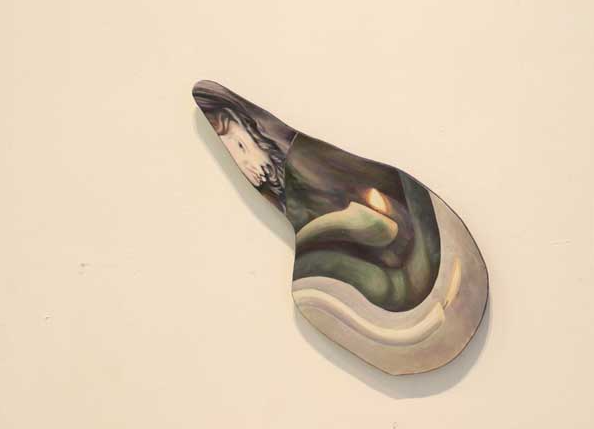
Heejung Choi The opposite of love is abandonment, 2023 © Heejung Choi

The motif that a powerful expectation could transform even a sculpture into a person is also the origin of the psychological concept familiar to us as the Pygmalion effect. Yet the most originary aspect of the theory of art contained within this story is precisely the pursuit of ideal beauty. And when that beauty is realized, the work gains a life of its own and becomes something independent that exceeds the artist. The ideal beauty of her own that Choi shows through Galatea, declaratively or as a kind of wish, is a monumental tower built from folded planes and stacked into a spherical three-dimensional object with an empty center. The fold is an ideal.

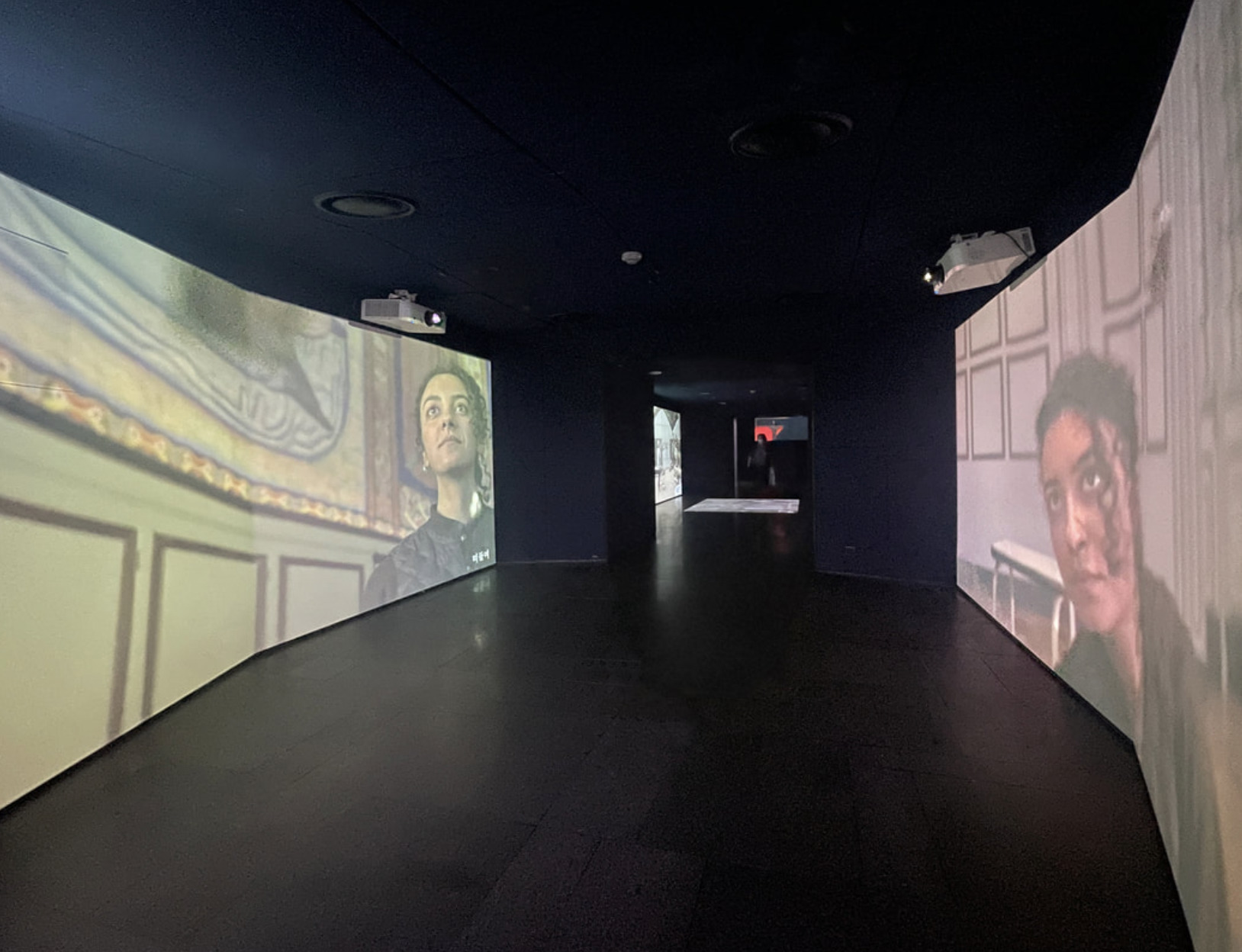
In the two-channel video work Lightning of Salvation(2022), four figures appear one after another. First, a person appears walking around a large space while attempting to tie a bracelet around their own wrist. Although it is a simple task, this figure continues to fail to fasten the bracelet’s clasp, repeating the action like Sisyphus, who was punished to roll a boulder for eternity. Another figure sits on the floor with arms crossed, likewise continuously attempting to stand up but failing. A figure who repeatedly scatters glittering paper into the air appears next, followed by a figure who tries to climb a ladder but continually fails, unable to move from the spot.

At first, the screen shows these figures individually in close-up, then slowly moves backward to reveal that they are all in one space, and only then does the scene appear, at last, like a scene from a theater of the absurd. The only one who remains an outsider to the structure in which these endlessly repeated actions overlap is the artist herself. Yet this composition can unfold in another form within a new space. When the four figures are realized as an installation in the space, each on a separate display,

it is we, the viewers, who come to occupy the position of the artist. What will the viewer experience when, in that virtual space, we become entangled in the relations among figures who seem destined to fail forever, and when we walk through that place, no longer simply as someone looking at it?

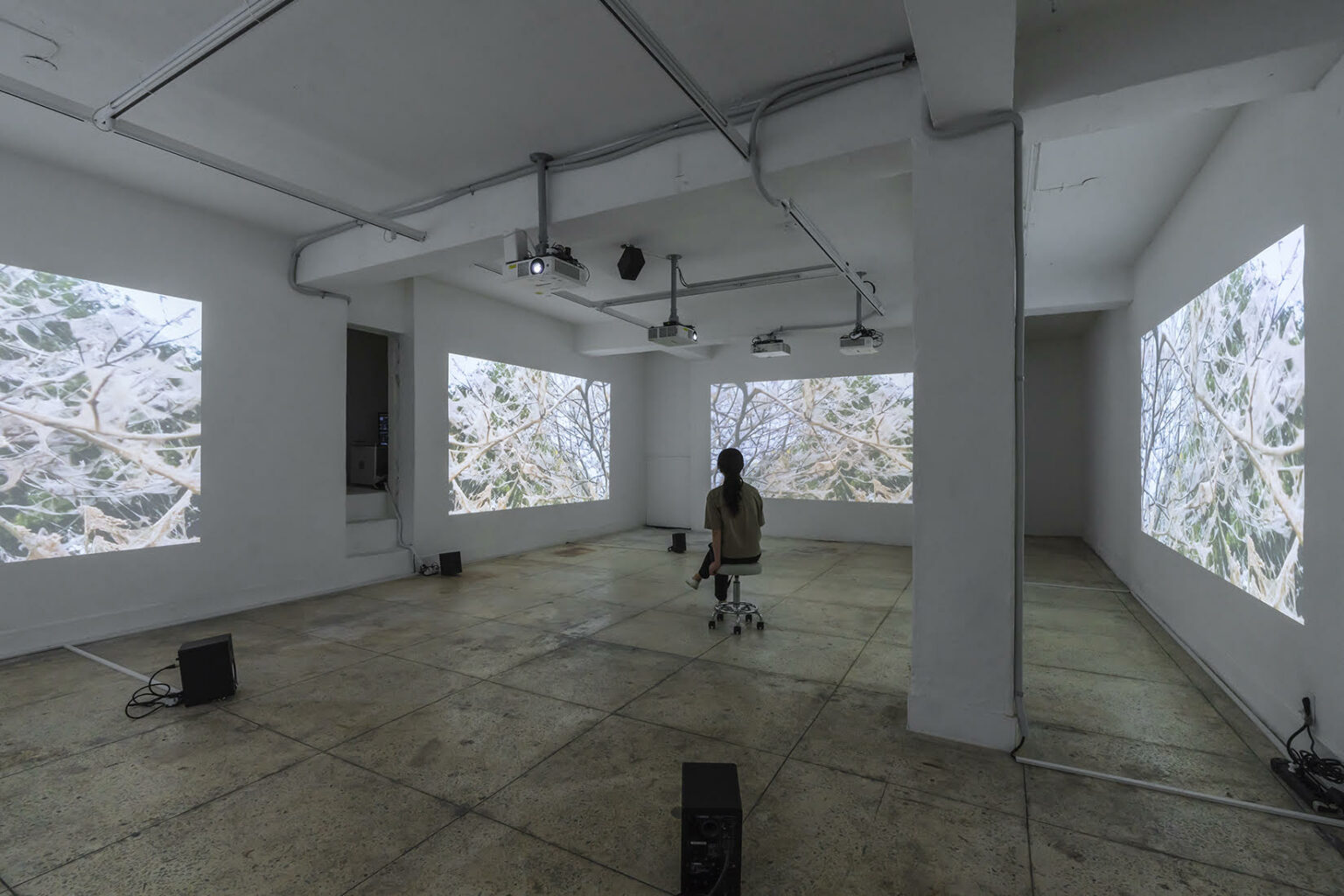
I found my shadow after a long time(2024) is a recent work that maturely realizes the structure of the fold through multichannel video. After showing, in the opening sequence, five subtly different views of snow-covered mountains seen from an airplane, what appears next in the video are five different images. On the center screen, there is a scene from a film or drama in which a white woman holding a megaphone says something to people, and the sound is synchronized with this screen.
On one screen beside it, only subtitles such as “Only exactly ten people, including regular employees, please line up” appear against a black background. This line is different from what the woman is saying through the megaphone on the center screen. The screen on the other side shows an airplane landing on a runway, while the other two screens show different landscapes seen from an airplane.

The five screens are difficult to perceive at a glance, and it is also difficult to integrate and recognize as one the images that seem unrelated to one another. This perceptual experience is one of the modes structured by I found my shadow after a long time. Yet this work does not emphasize only a dispersed experience through scattered images and sounds. The central narrative that leads this work is Adelbert von Chamisso’s novel Peter Schlemihls windersame Geschichte(1814), which tells the story of Peter Schlemihl, who sold his shadow to the gray man. Schlemihl sells his shadow and gains infinite wealth, but as his shadow disappears, people come to fear him or regard him as a strange being, and he is no longer able to become a normal social being.

In I found my shadow after a long time, footage appears and disappears: friends, everyday urban landscapes, the manipulation of digital images, a grandmother… Some seem related to the story of Schlemihl, while others seem to have no relation at all. Their connections are not immediate. The ending of I found my shadow after a long time sequentially shows, across the five channels, a kayak quickly passing from left to right on a river.

When the kayak appears from the left side of the second screen, passes to the right, and disappears, it then appears from the left side of the third screen and exits again to the right. What remains after the kayak passes through the five screens is the long-continuing ripple of the water, and the screen shows this ripple for some time. The waves of the screen, which had appeared in different forms through temporal gaps, slowly form the same pattern. This sequence seems like a metaphor for how, and with what kind of time lag, the structure of the fold in Choi’s work eventually arrives before us all at once.

At the end of Peter Schlemihls windersame Geschichte, the gray man proposes to Schlemihl that he will return his shadow if Schlemihl sells him his soul. Schlemihl, however, refuses this and sets off on a wandering journey in search of his identity. Choosing wandering rather than direct and equivalent exchange, Schlemihl’s final choice resembles the fold structure of Choi’s work, which anticipates that some experience will be structured amid scattered uncertainty.

References