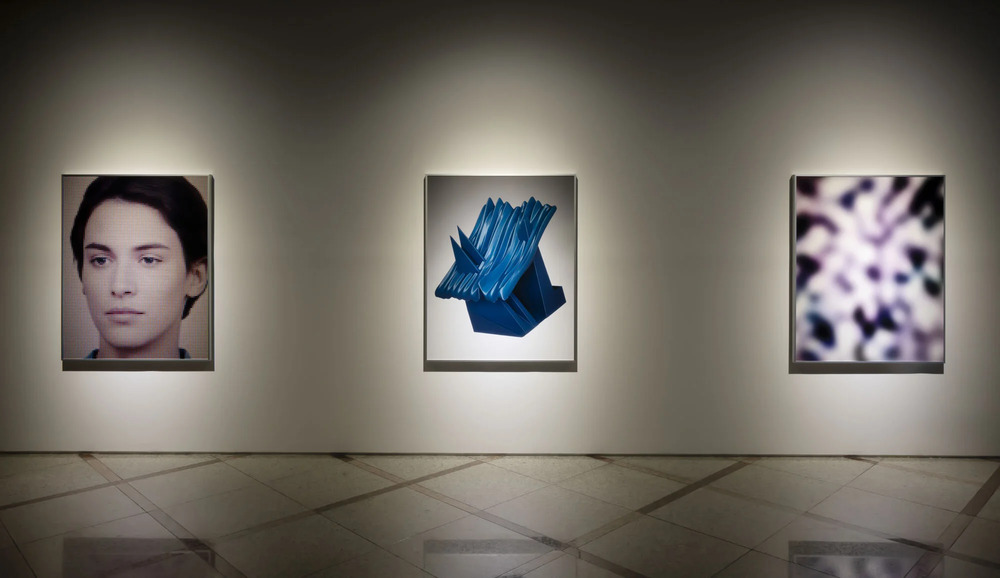
Exhibitions
《Landscapes》, 2023.07.13 – 2023.08.25, Wooson Gallery
July 11, 2023
Wooson Gallery
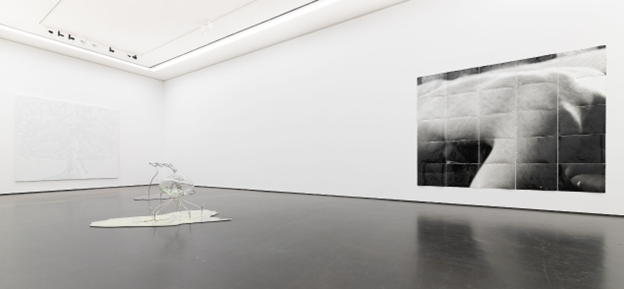
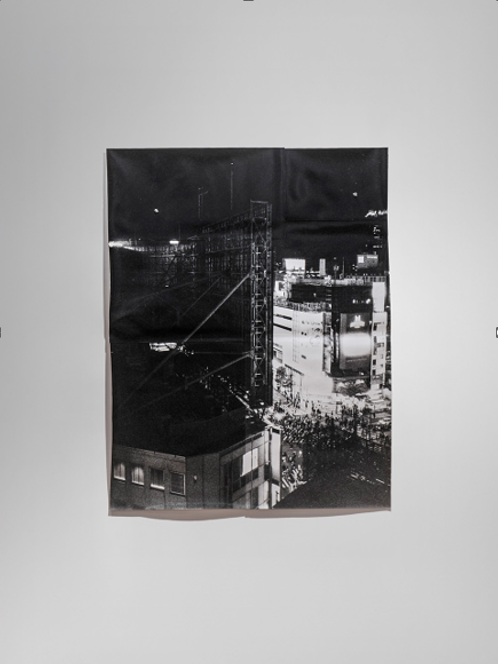
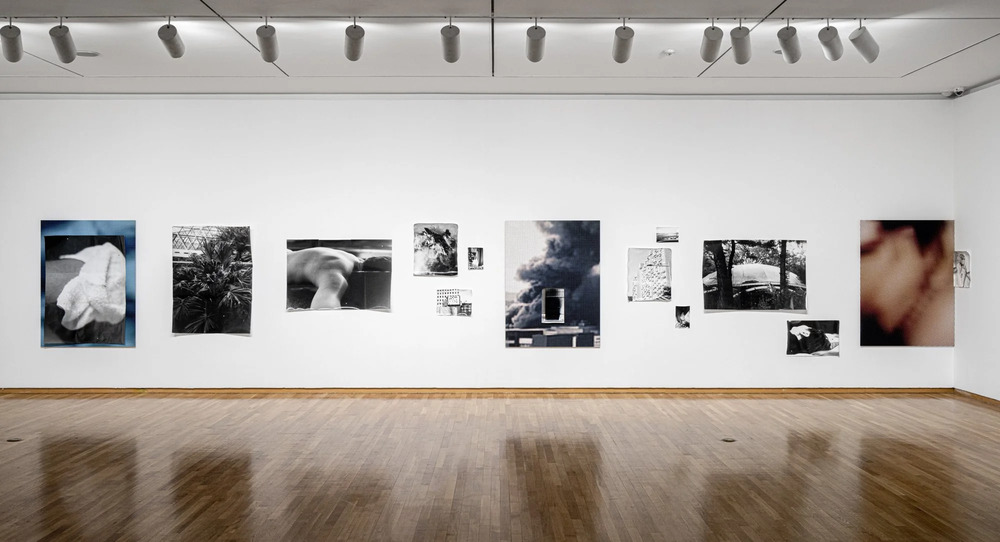
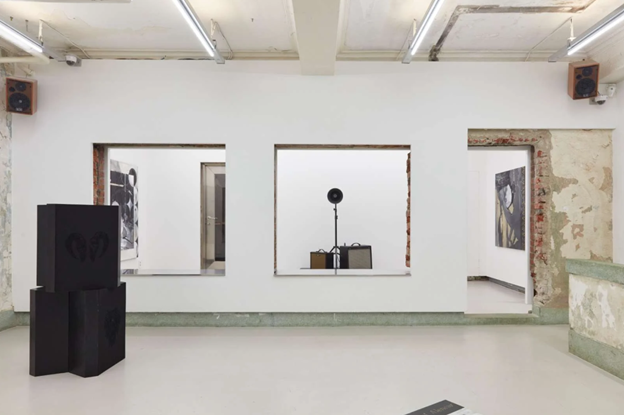
Installation view of 《Landscapes》 © Wooson Gallery
Landscapes: Landscapes as Landscapes
Art is inevitably of its time. Therefore, to practice art presupposes that creation, viewing, and the mediating agents that connect the two—separately yet together—share an aesthetic contemporaneity that penetrates a specific era. Thus, when engaging with art, assessing contemporary art or the contemporaneity of art must necessarily be regarded as one of the foremost conditions. In this way, art constructs its form through the differing interests of the various agents that allow it to manifest as art, and at times through the overarching structural tendencies of the present that transcend these interests.
To understand art in contemporary terms, it is crucial to grasp such dynamics that participate in its formation. The artist, as the subject of creation, translates their unique sensibility into audiovisual experience named as artwork, thereby establishing their aesthetic act within the category of art itself. If creating an artwork is such an act, then viewing or understanding an artist or artwork is another form of aesthetic action. What is interesting is that, although differing in levels of expertise, the act of viewing ultimately resonates with the dimension of artistic creation. In this context, exhibitions and criticism take on the role of mediating these agents. In other words, at the point where artworks created by the artist, exhibitions that encompass them, and the viewer’s experience intersect, a single contemporary landscape of art that defines an era comes into being.
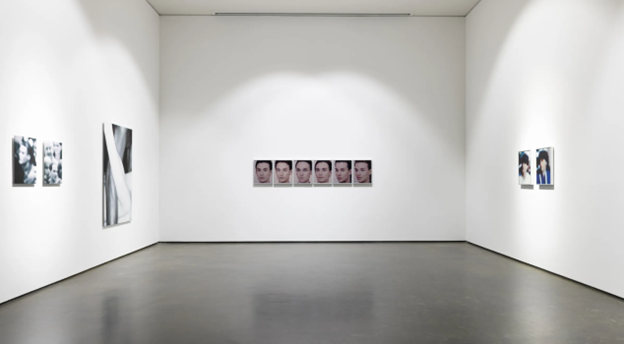
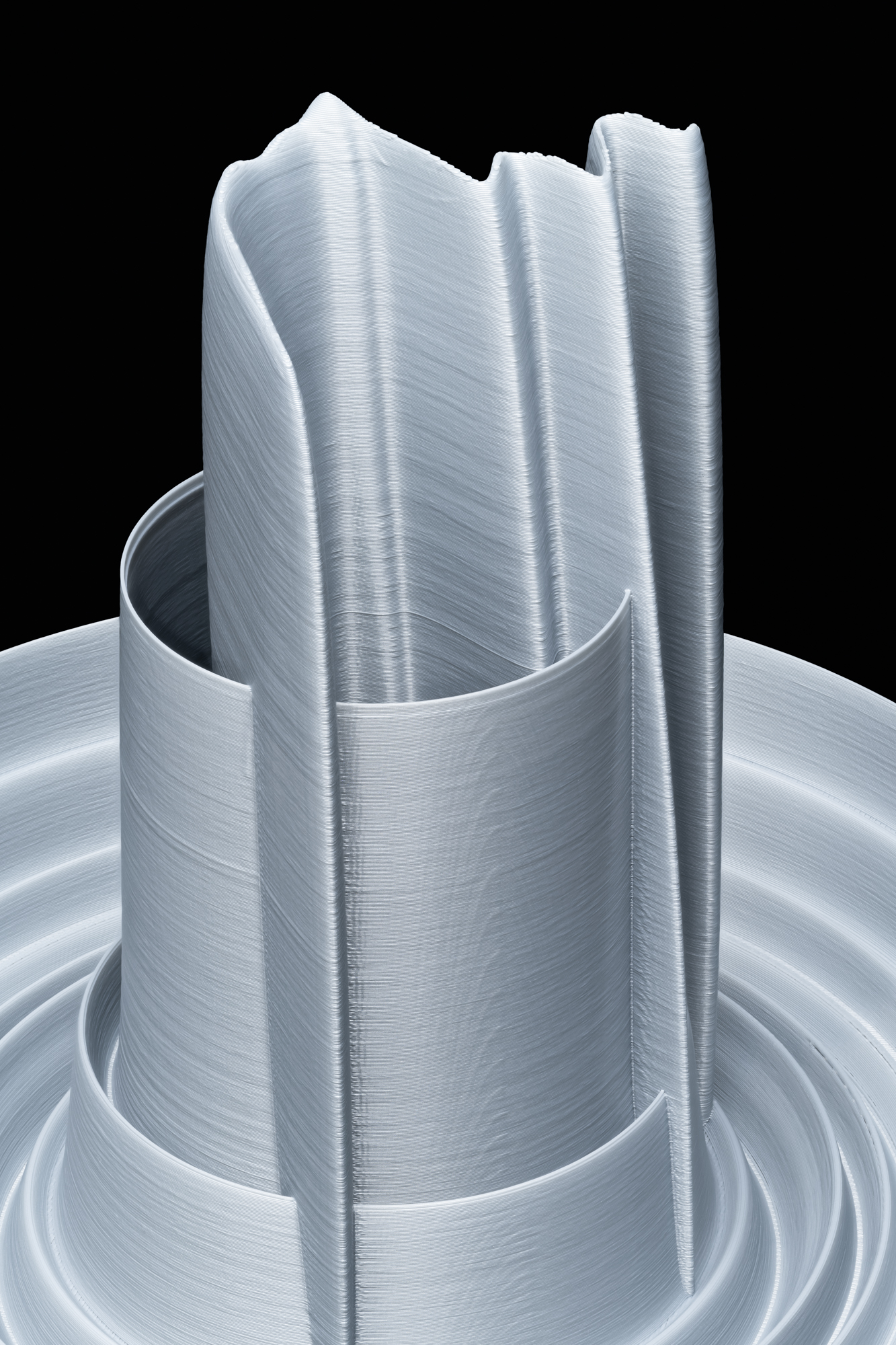
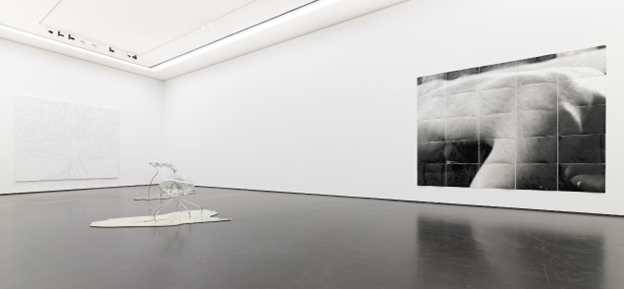
Installation view of 《Landscapes》 © Wooson Gallery
When we speak of an artist’s work, it typically functions as a constitutive element of contemporary art or as a driving aesthetic force that leads and shapes it, serving as a kind of indicator. Among the countless works that constitute contemporary art, the former case is the majority, while the latter—though carrying significant weight—is relatively rare. The exhibition 《Landscapes》 focuses on the methodologies specific to works that mobilize each medium in distinct ways among the various branches of contemporary art, while also identifying works that, like the latter case, possess sufficient capacity to represent contemporary art itself.
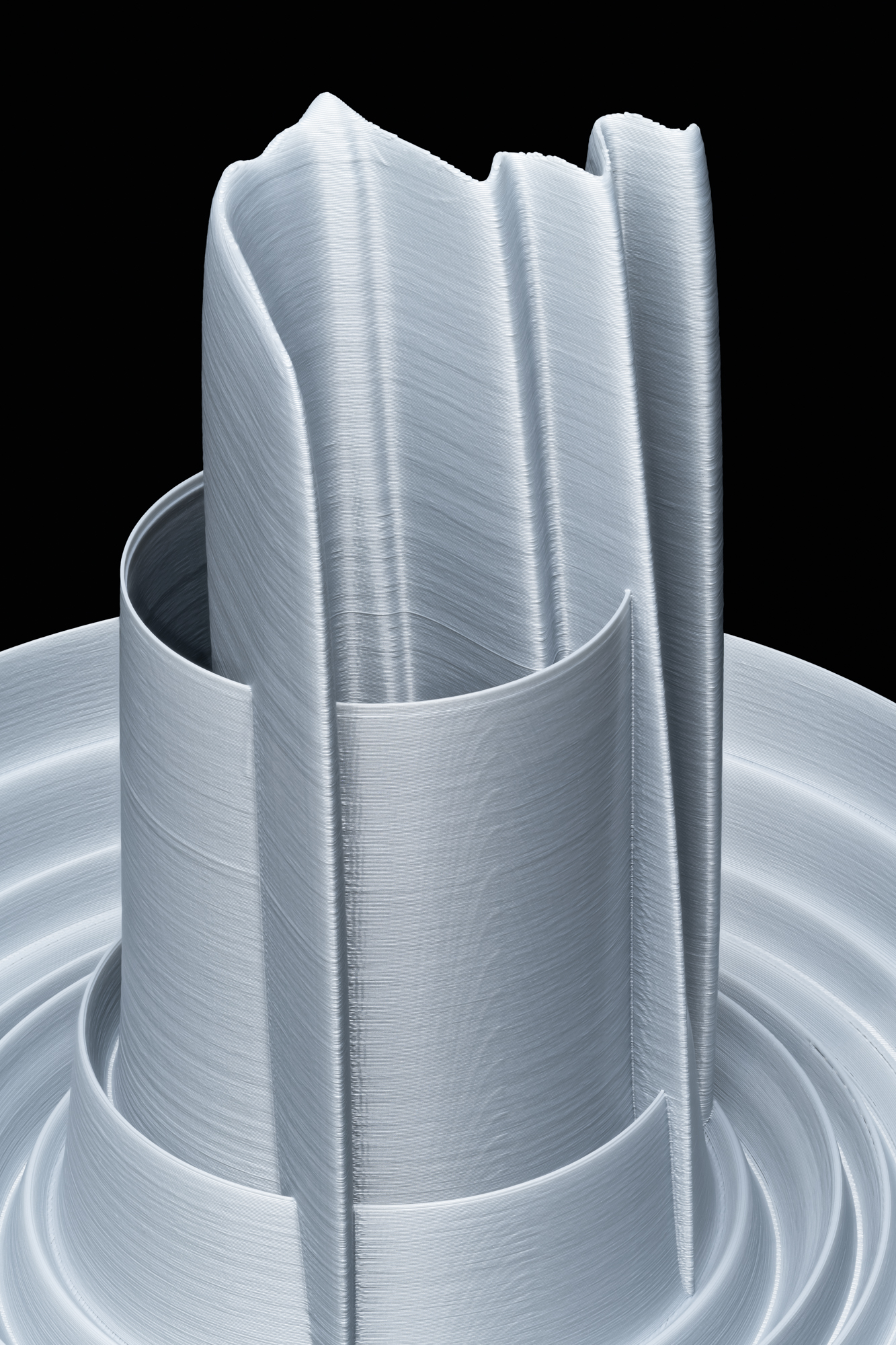
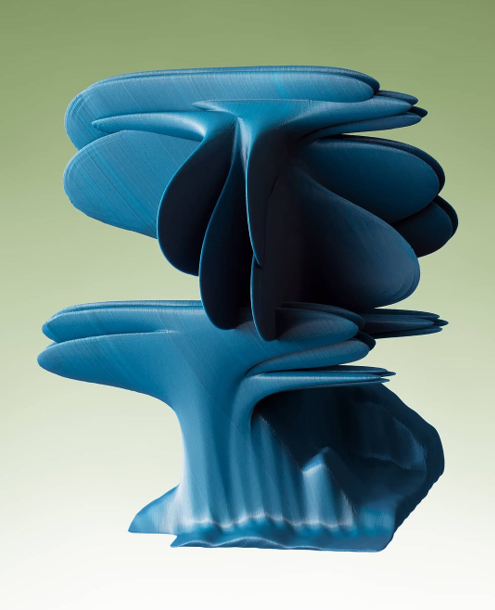
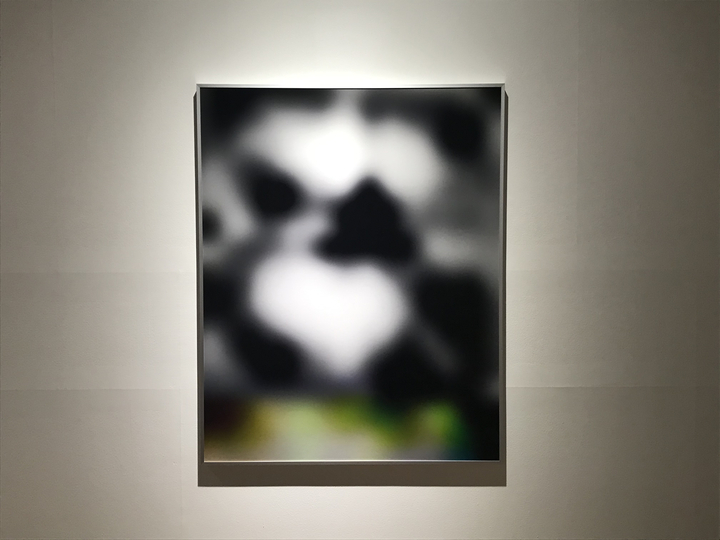
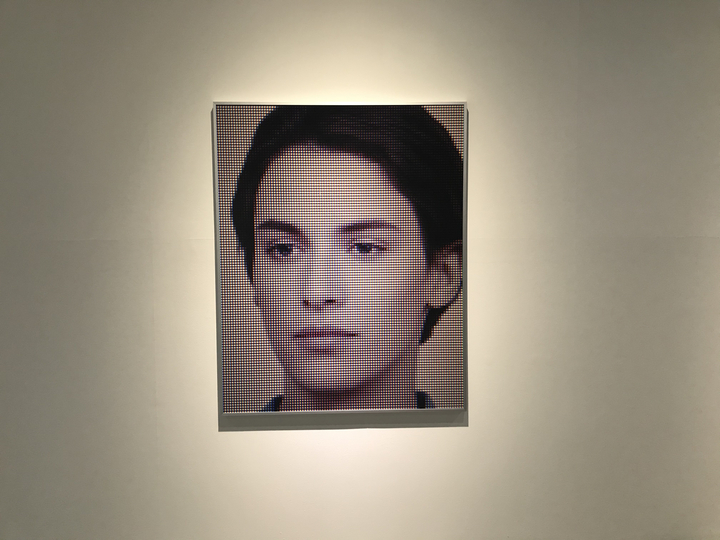
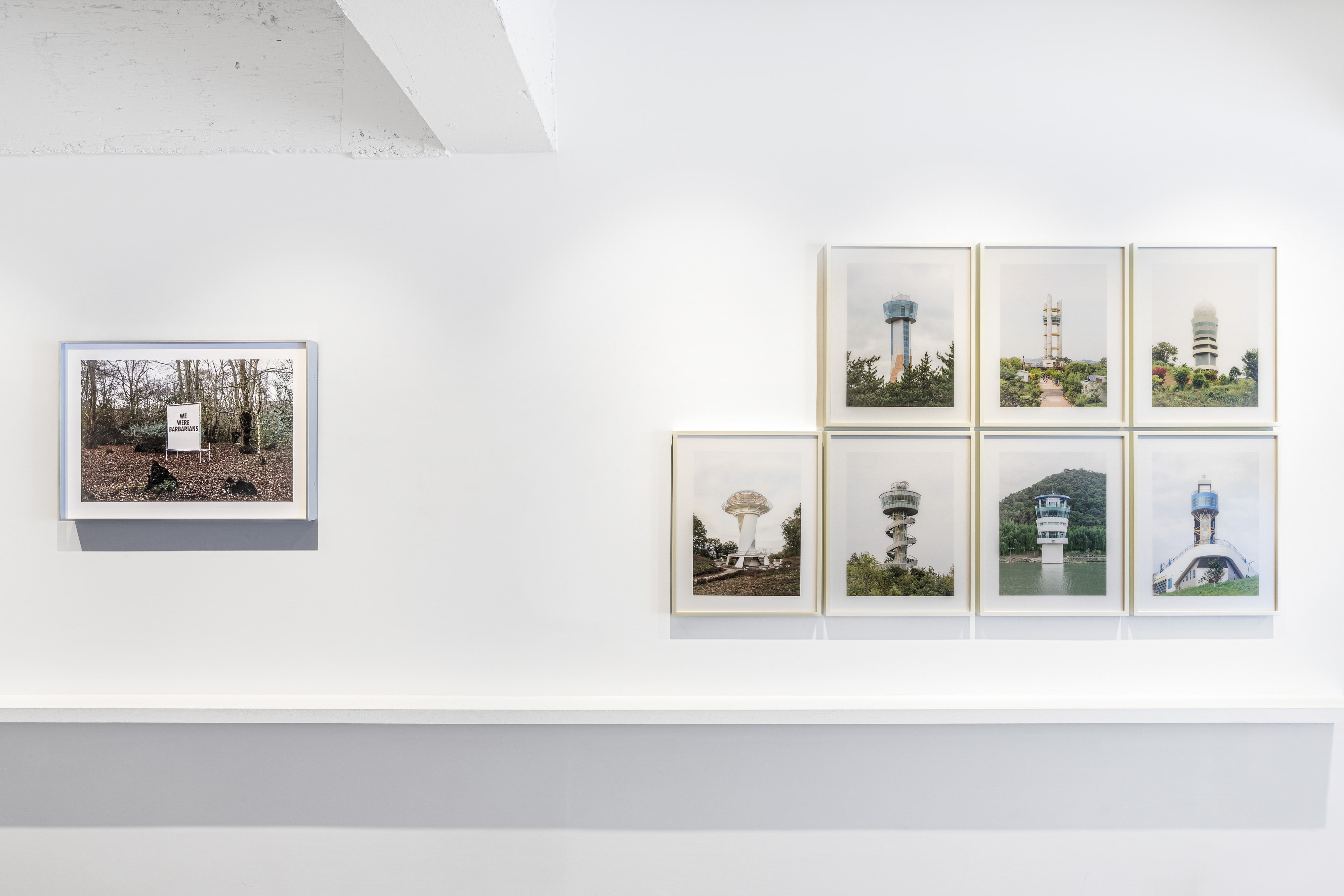
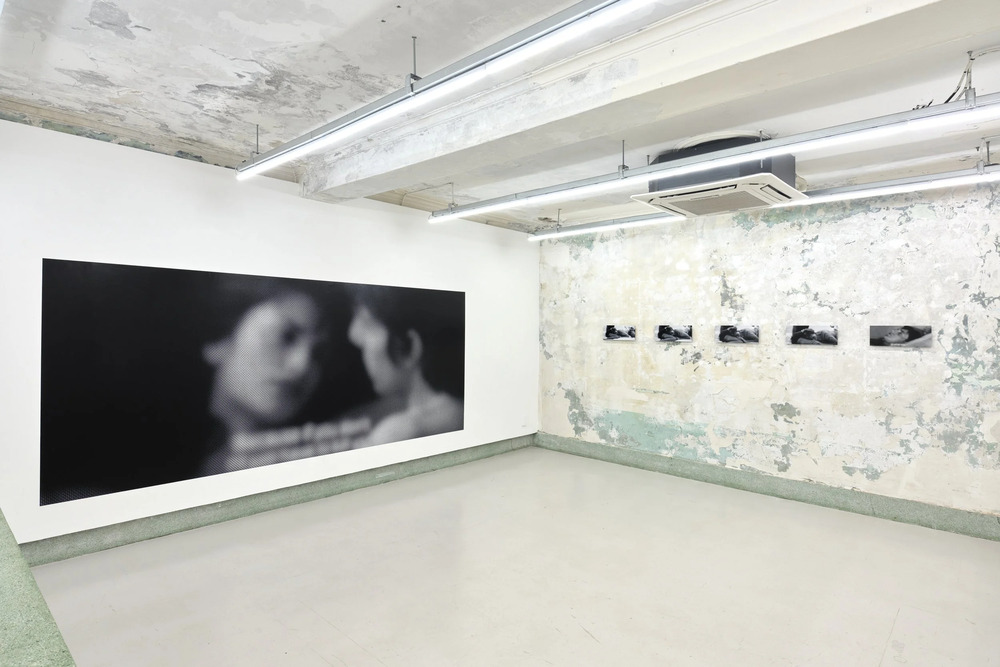
From this perspective, the works of Omyocho, Nosik Lim, and Jeong Young Ho invited in this exhibition define themselves through traditional and widely recognized media such as sculpture, painting, and photography, while at the same time seeking to rediscover their value through the complex and multilayered contemporary environment in which the artists live. In doing so, they offer a comprehensive view of the contemporary landscape that art as a whole constructs.
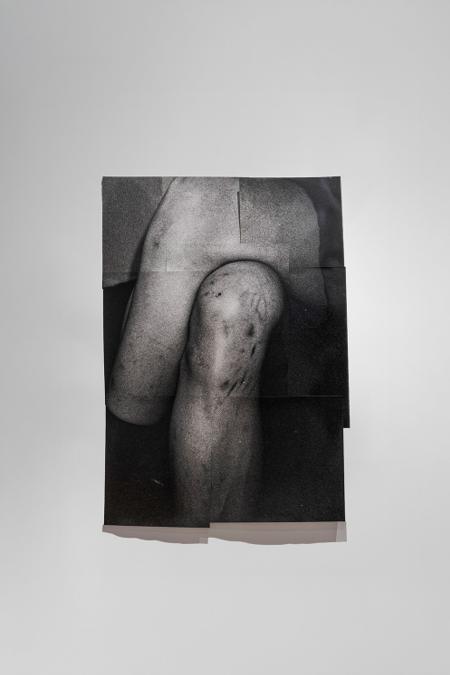
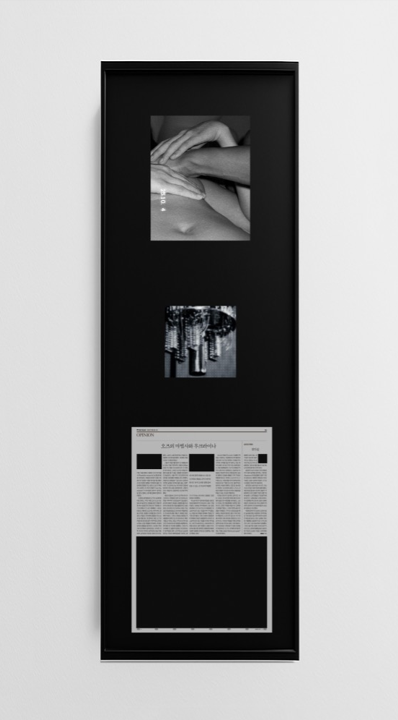
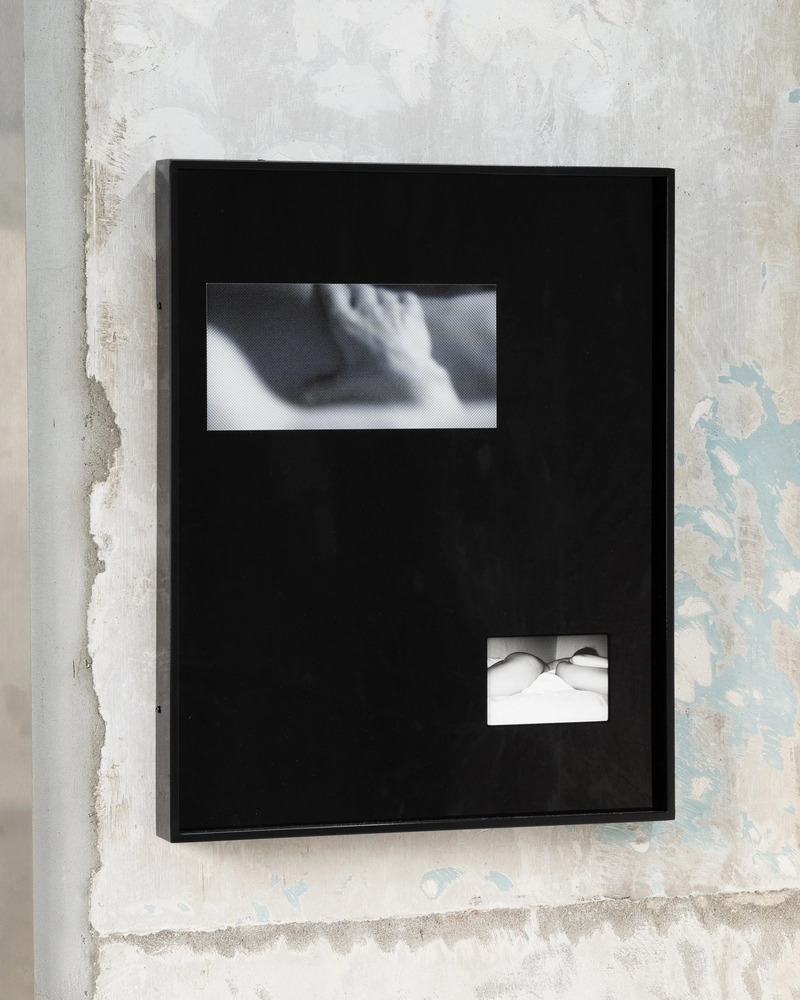
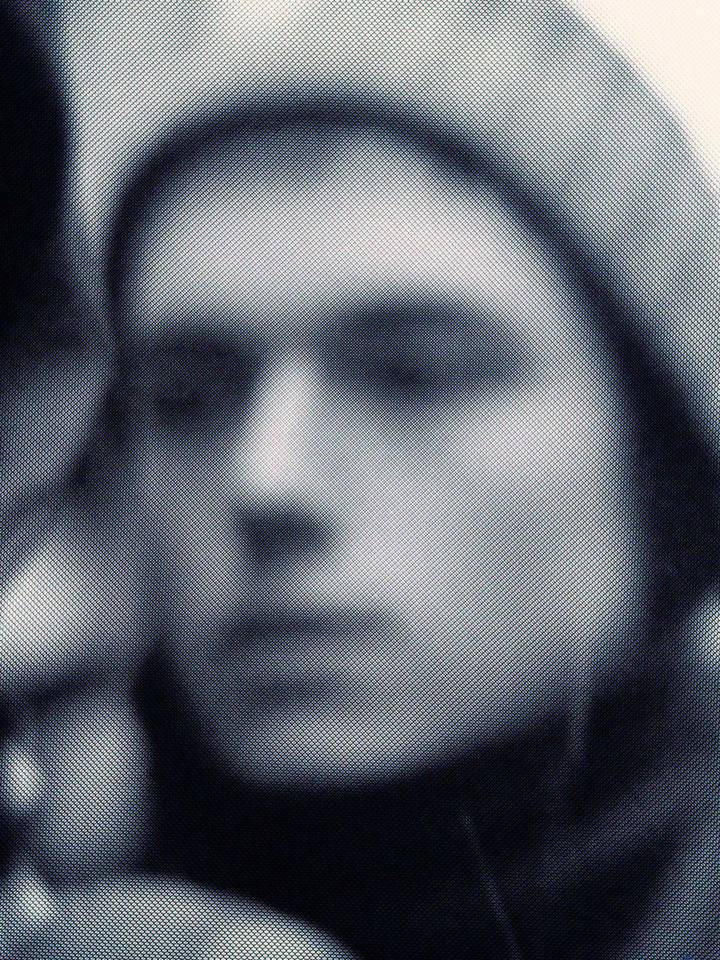
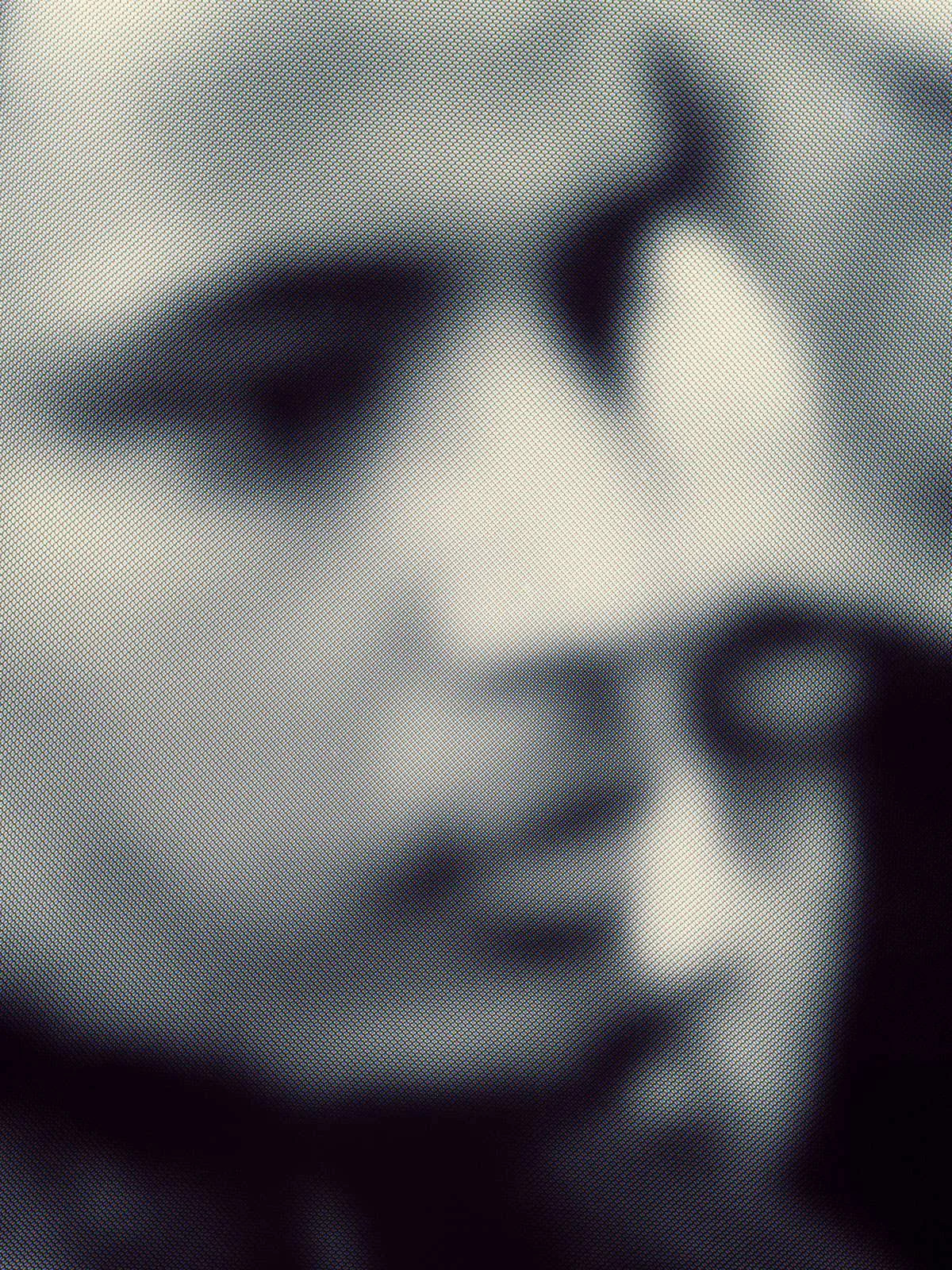
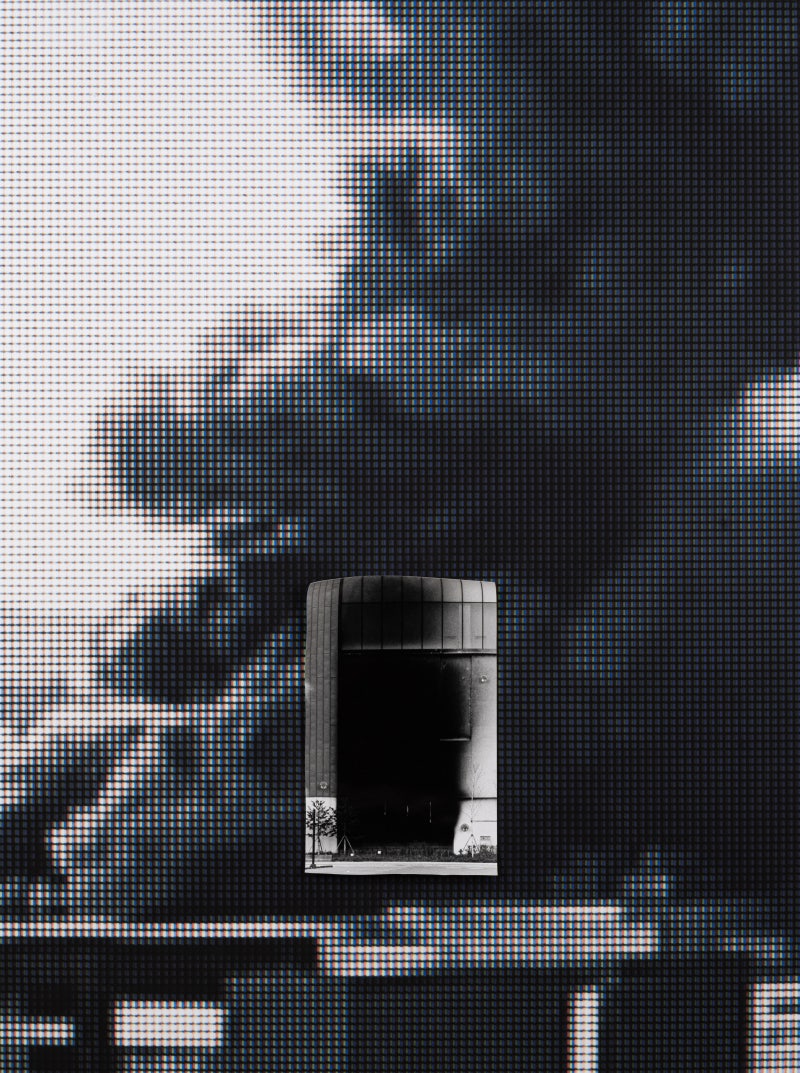
Omyocho traverses the temporalities of past, present, and future through the scaffolding of literary imagination, narrating our lives through form and material. Nosik Lim intersects and re-presents attitudes of self-reflection on personal life, as well as traces of fundamental contemplation on the medium, within a somewhat limited and condensed pictorial plane. Meanwhile, Jeong Young Ho deconstructs society as a paradigm of perception through photography as an optical device at various magnifications, allowing us to naturally confront the full scope of what constitutes the present as a specific spatiotemporal condition.
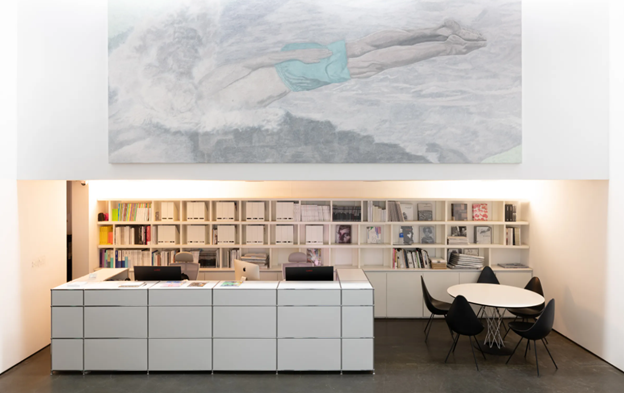
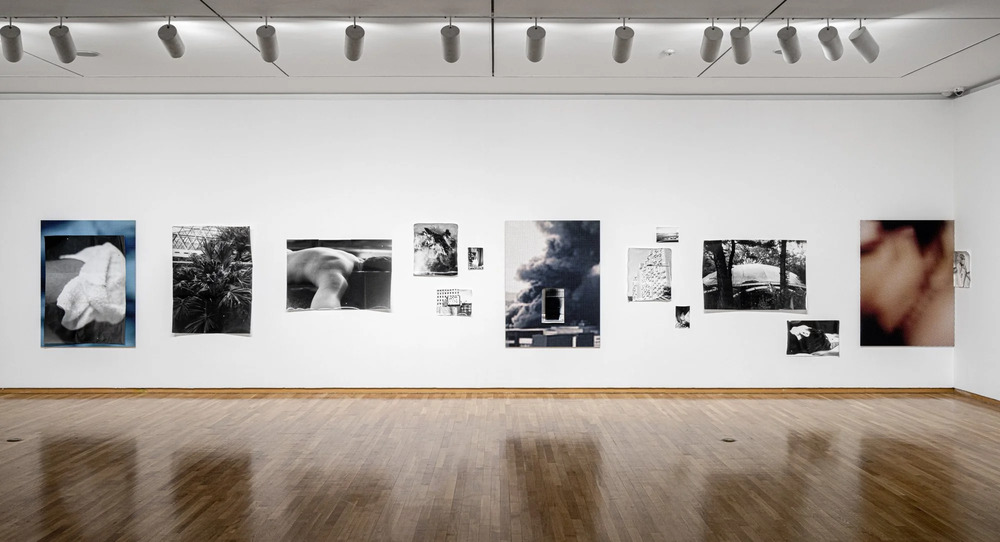
Installation view of 《Landscapes》 © Wooson Gallery
《Landscapes》 reminds us that the individual landscapes created by Omyocho, Nosik Lim, and Jeong Young Ho exist as multiple landscapes with distinct meanings, while simultaneously proposing that they be viewed as a single pathway and a unified landscape through which the artistic landscape of the present can be perceived. A landscape becomes landscapes, and landscapes become new landscapes. In this way, the attempt to read the contemporary through the support of present-day temporality may, perhaps more than anything else, serve as an example of aesthetic criticism grounded in a historical approach.
Curated by Jintaeg Jang