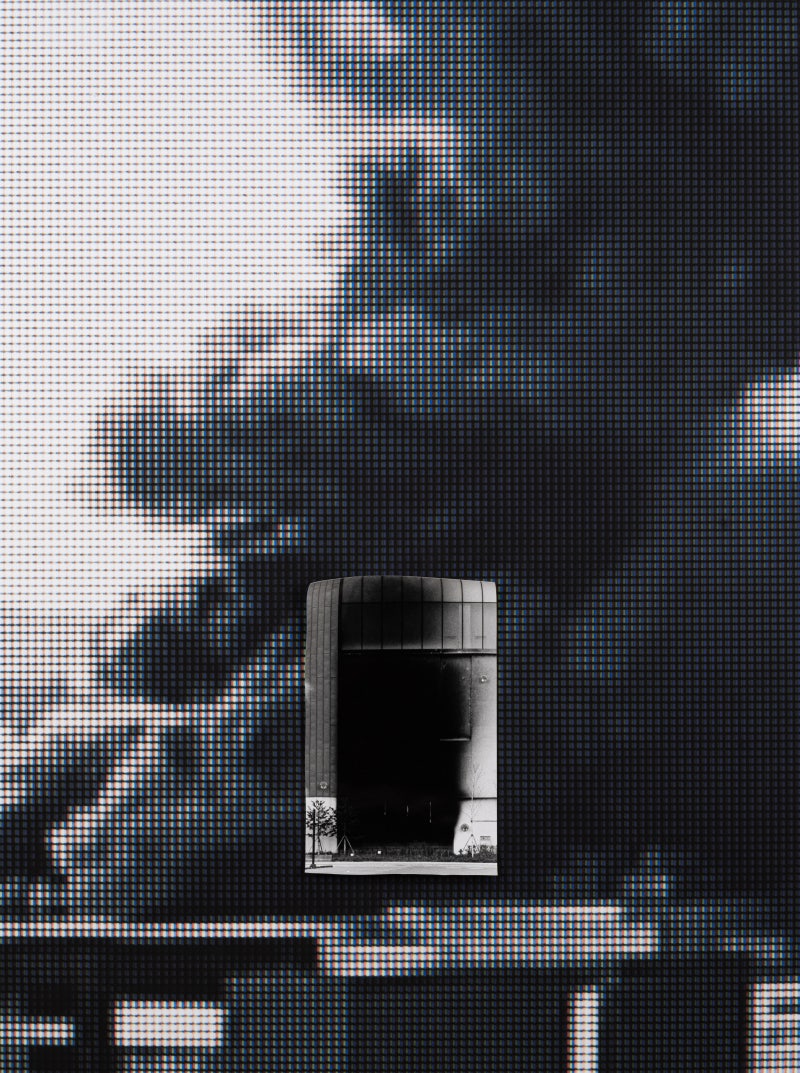
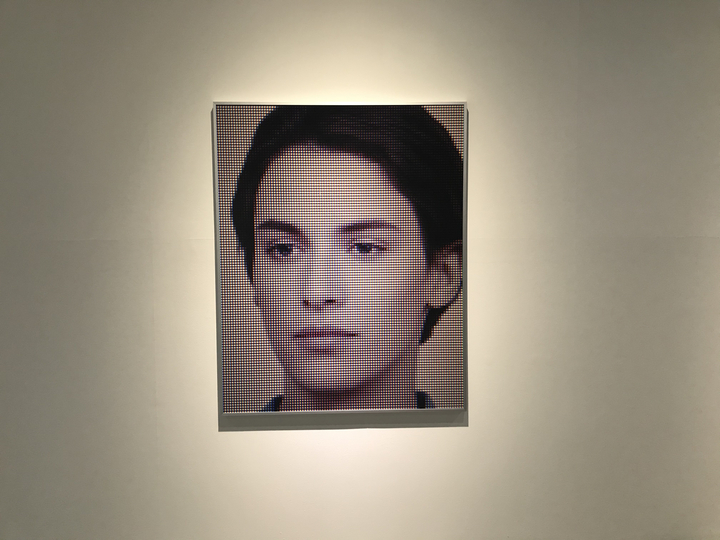
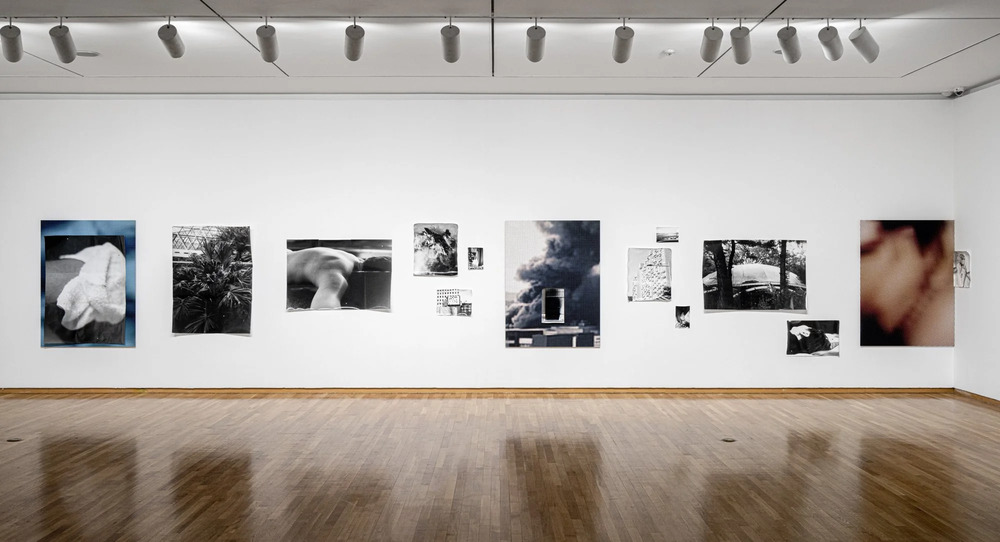
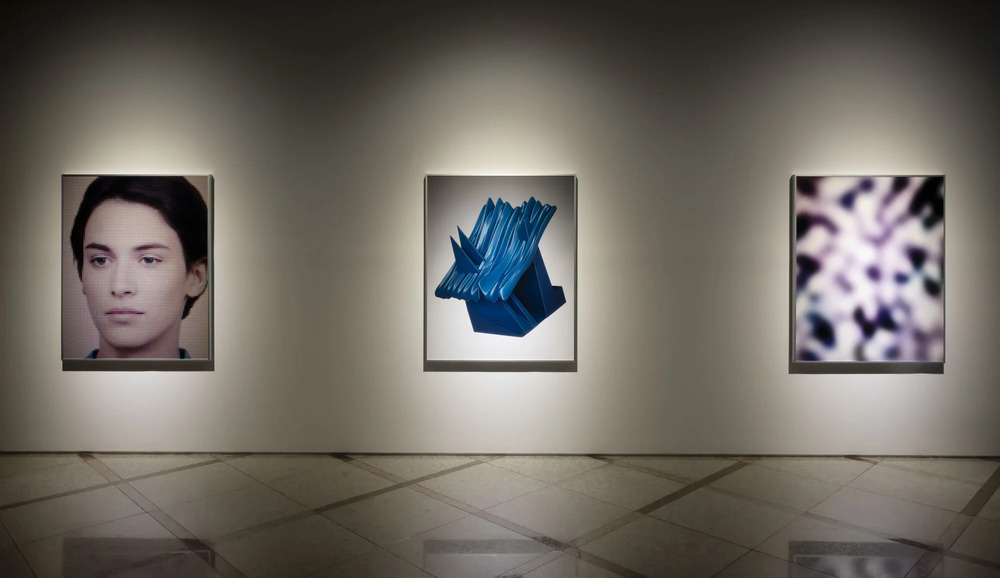
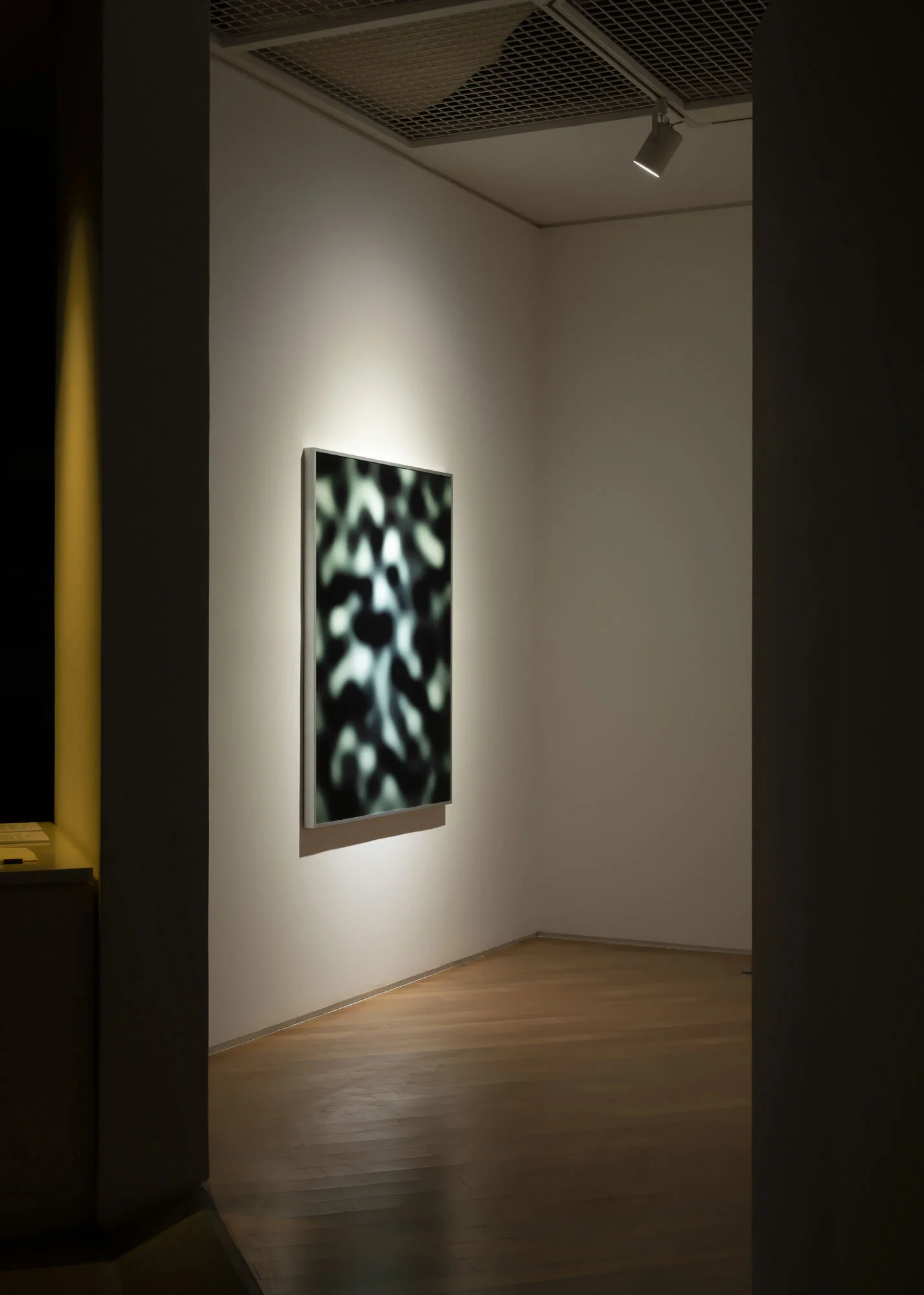
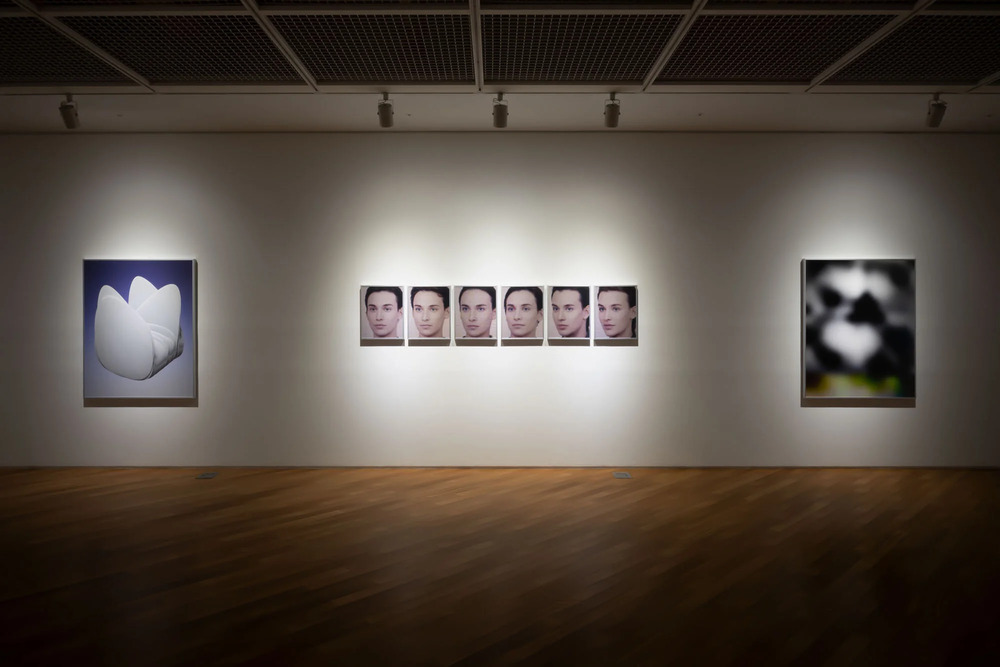
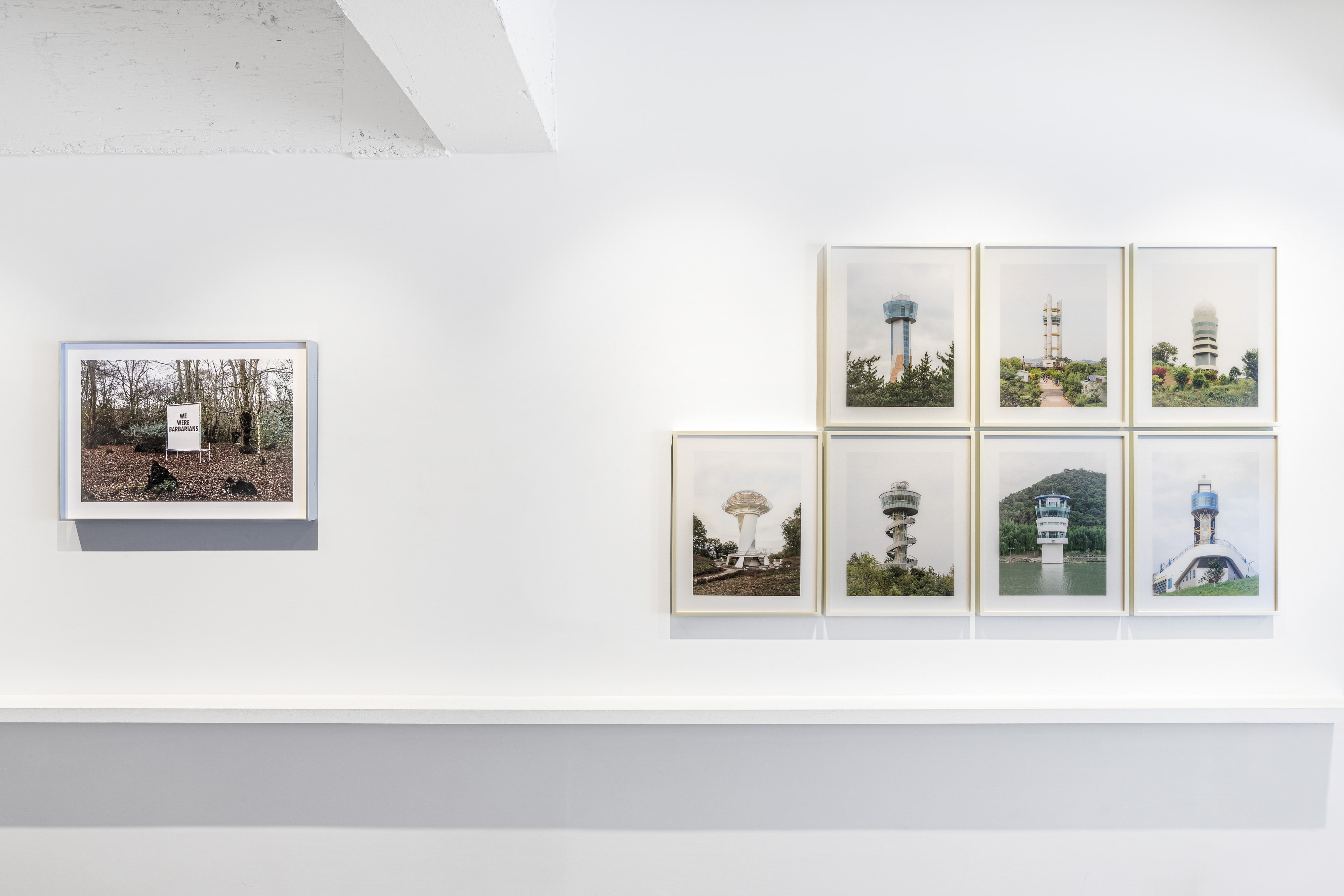
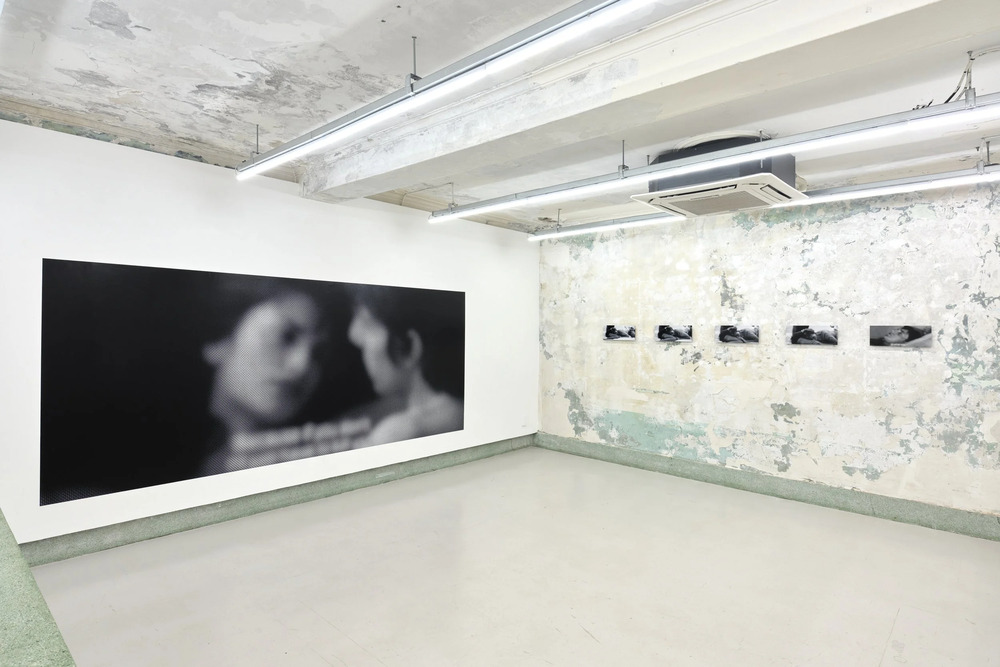
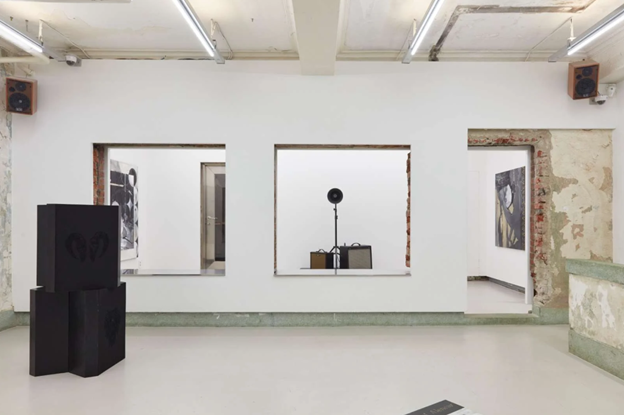
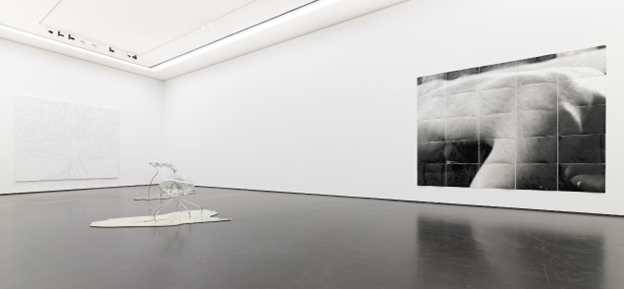
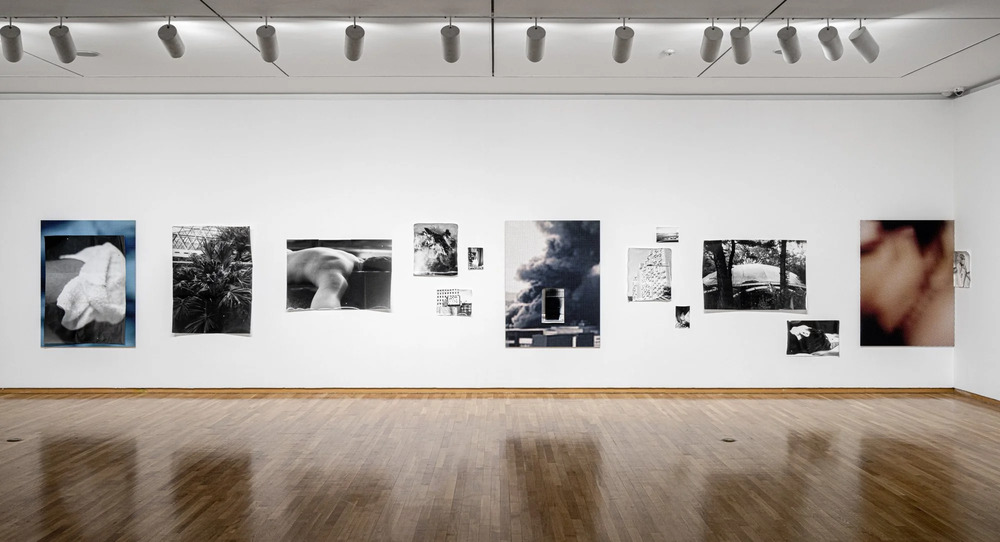
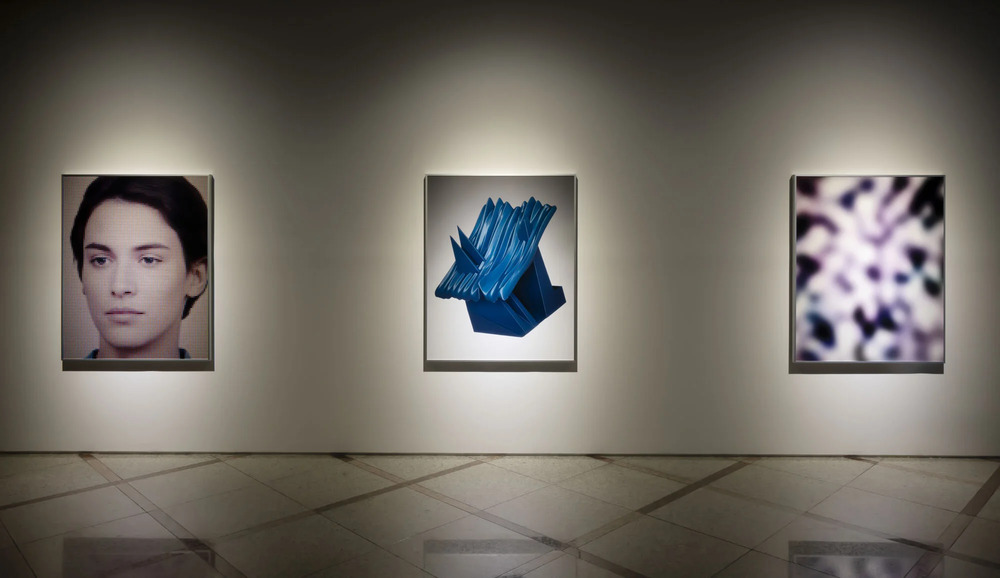
The early work ‘Monologue Assembly’ series is a project that recreates protests in unrelated locations, such as quiet forests, by appropriating promotional phrases from placards used in actual demonstrations. Questioning whether it is possible to create a protest without providing any contextual information to the viewer, Jeong Young Ho organizes this solo exhibition by interweaving three categories of works. The first includes works that provoke curiosity through ambiguous forms, such as the ‘Lightless Photography’ (2019–2020) series, which is photographed in the absence of light.
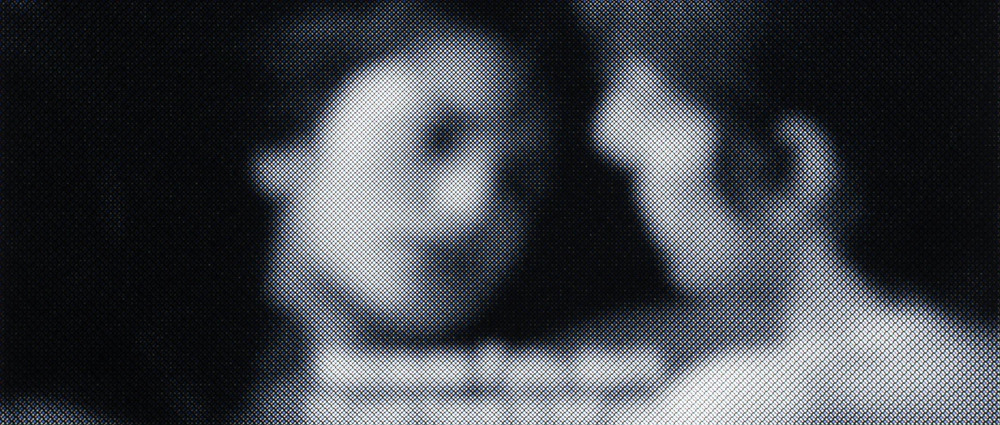
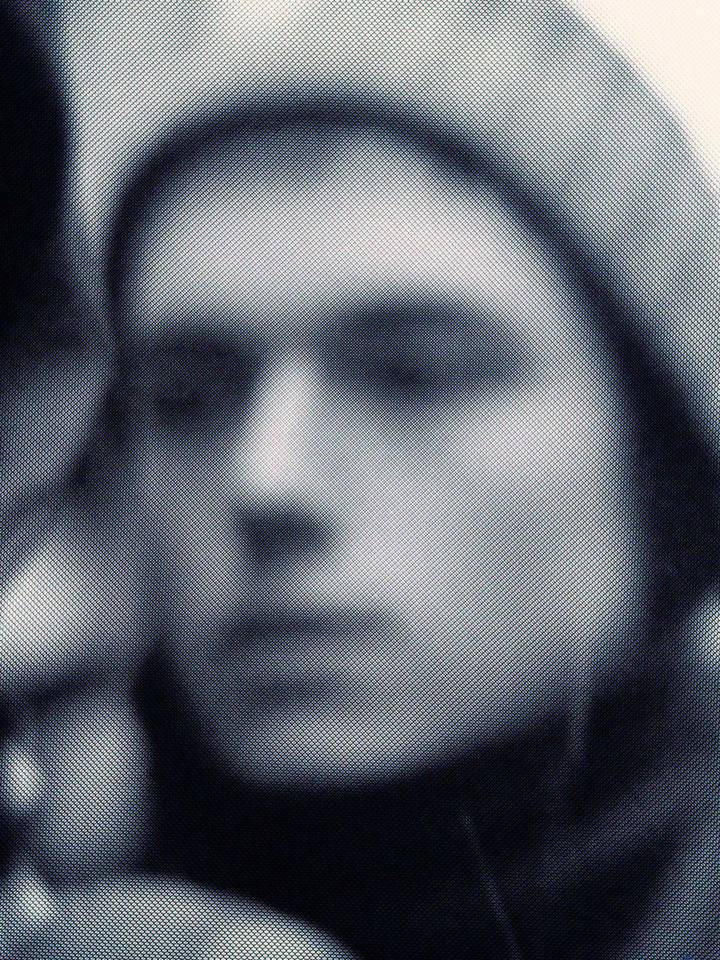
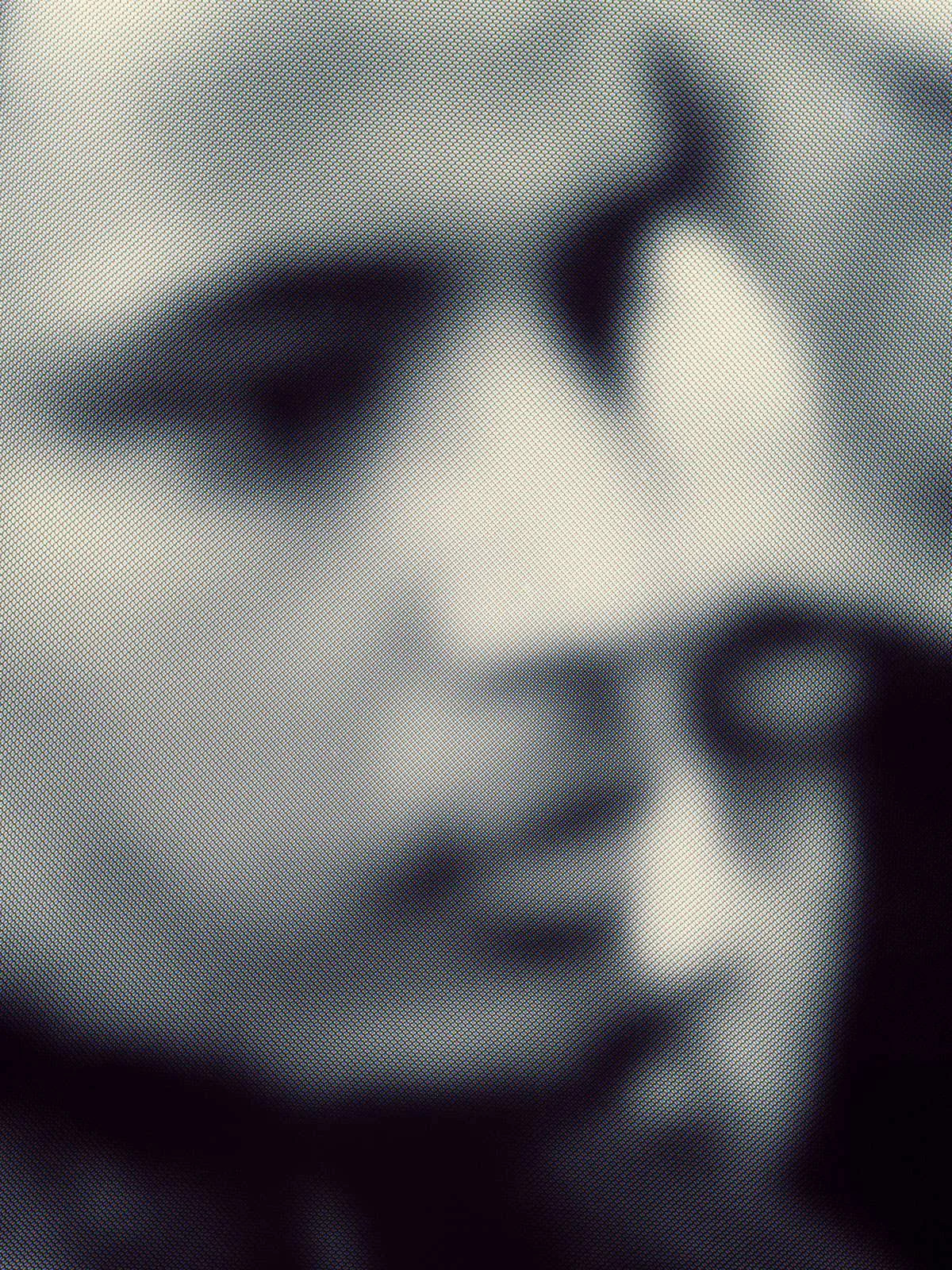
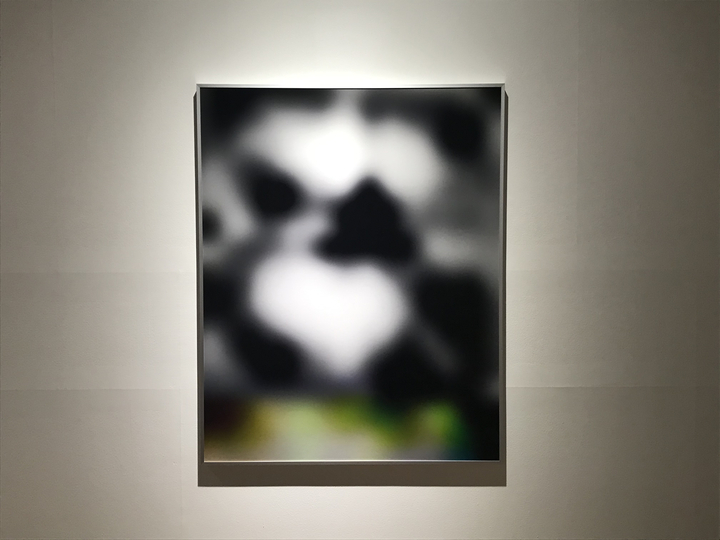
When the shutter is pressed without allowing light to pass through, noise alone amplifies even without a subject, producing formless images. The results, selected at random and enlarged, create a quietly intense environment through color alone. Noise, commonly recognized as the grain-like distortion in low-quality images, here becomes the subject; the artist’s magnified compositions evoke a familiar visual discomfort while containing infinite imagination and strangeness regarding the subject of the photograph. These works, which realize artistic forms without exposure to light, function both as experiments that reconsider the limits of technology and as attempts to expand the possibilities of the medium.
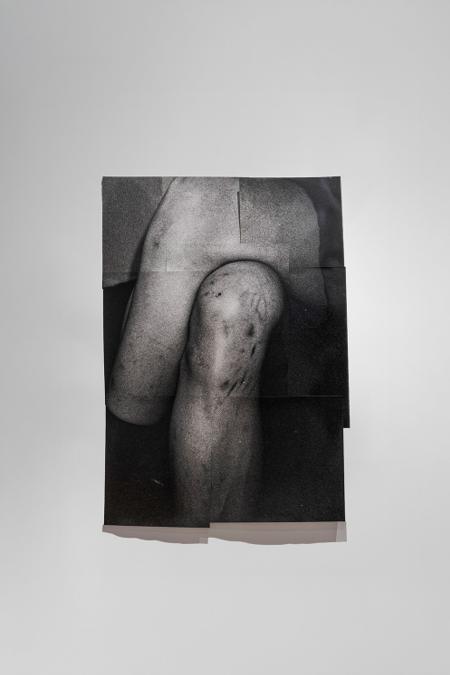
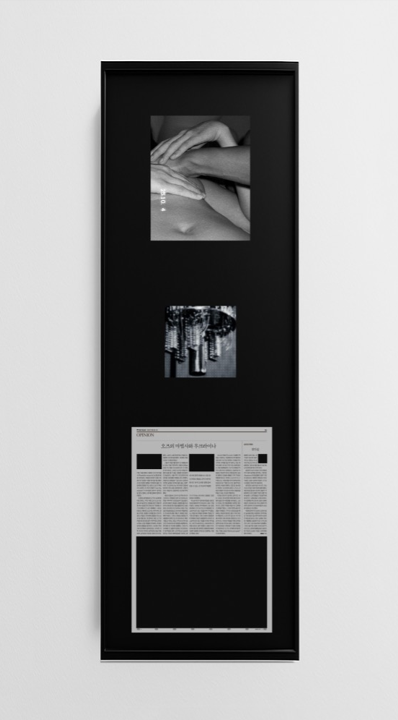
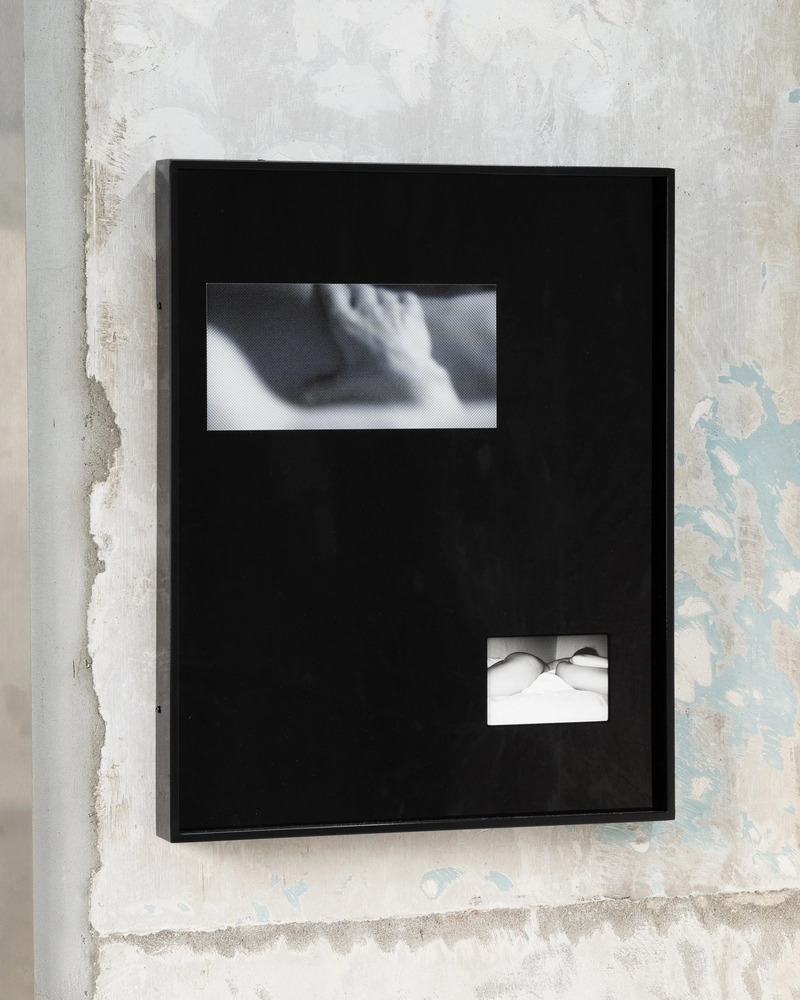
Today, we are more closely connected to the online world than ever before, encountering social events through the internet. In this context, Jeong Young Ho identifies digital sex crimes—one of the most widely discussed issues in Korean society in 2020—as a representative case. Because such events do not occur directly before our eyes and are only experienced indirectly, and because images associated with them are often represented solely as graphic images, they feel even more distant. In the exhibition, the artist presents large-scale prints to address how such events, which continue to evolve and increase beyond the capacity of photographic representation, gradually influence our thoughts, beliefs, and ultimately even legal systems.
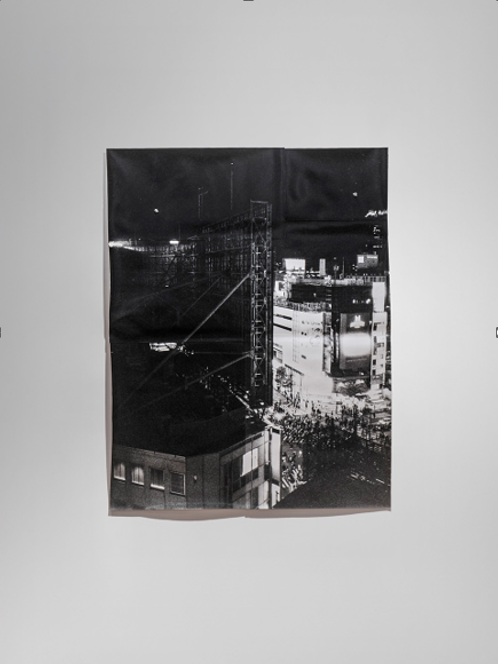
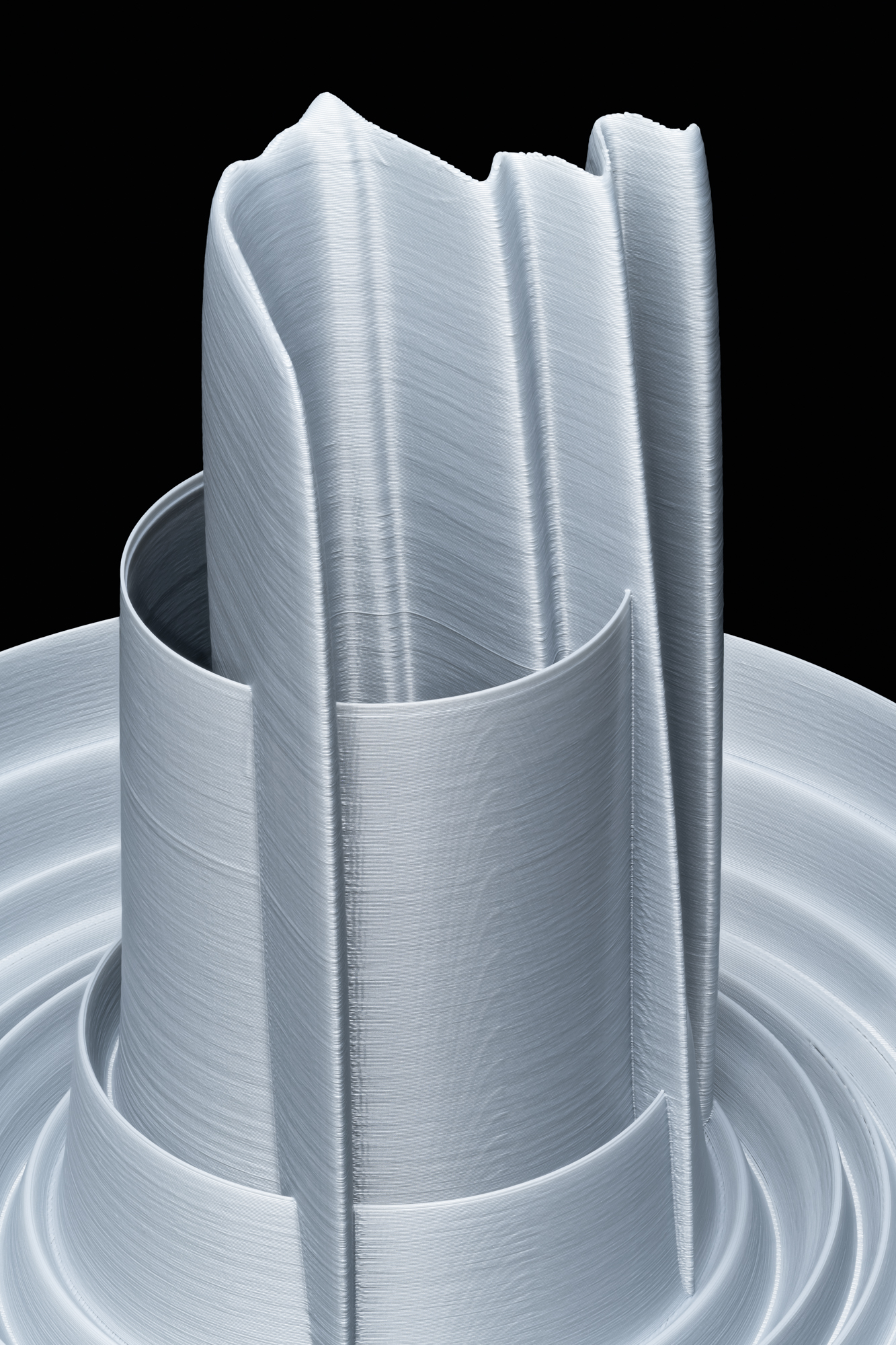
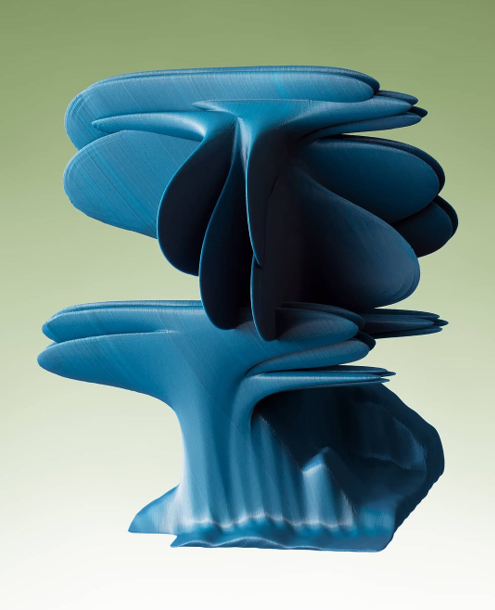
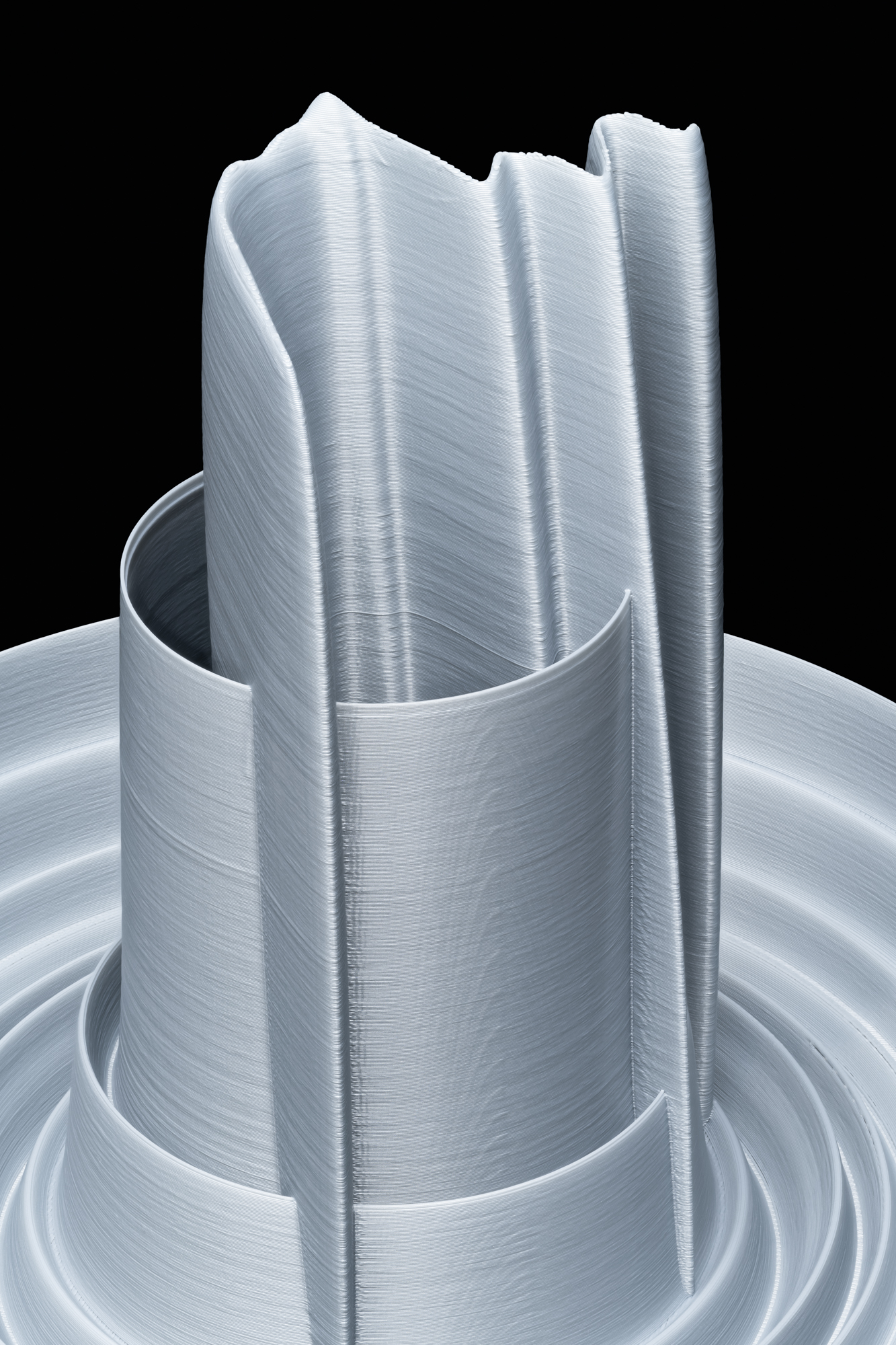
By inputting keywords and time periods related to highly discussed events on Google Trends, an Excel file indicating search frequency and intensity is generated. Through 3D modeling processes and the artist’s intervention, these data are transformed into intricate and irregularly structured objects that were not visible in their initial state. When these models—each containing different stories and data—are photographed and placed onto separately shot backgrounds, the ‘Unphotographable Cases’ (2020–2021) series is completed. Events that are increasingly transformed into data disappear, leaving only confusion within a contemporary condition where reality and illusion coexist.