Solo Exhibitions (Brief)
Hong Seung-Hye held her first solo
exhibition at Kwanhoon Gallery in 1986 and developed her pixel-based practice
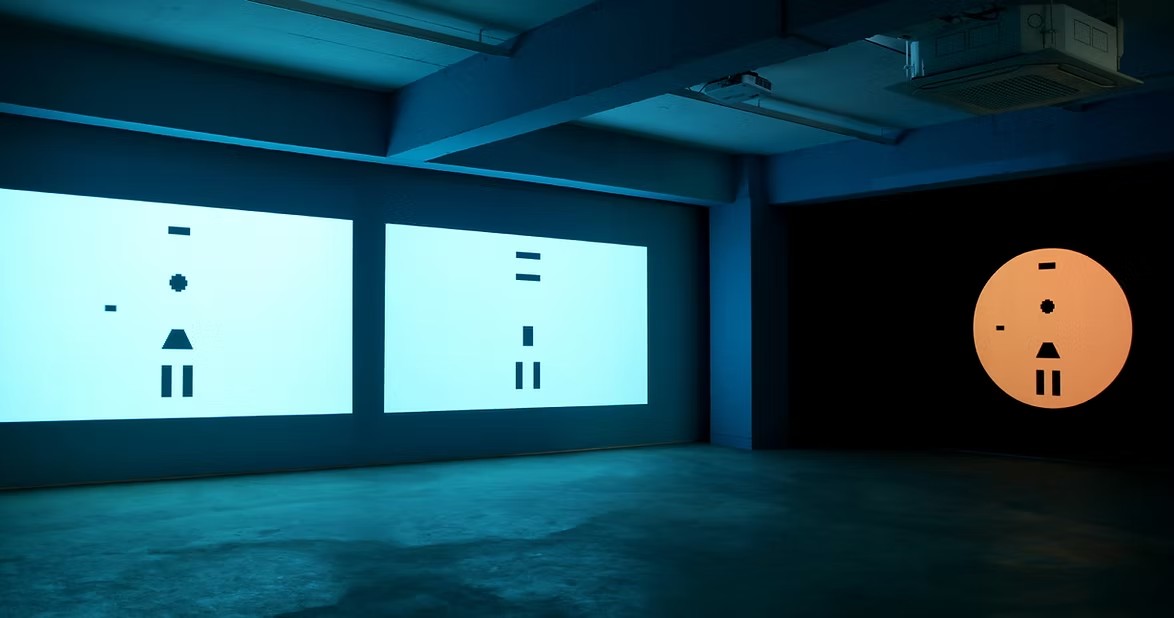
following 《Organic Geometry》 at Kukje
Gallery in 1997. She has since held solo exhibitions at Kukje Gallery
(1995–2023), Atelier Hermès (2012), Space Willing N Dealing (2016), Buk-Seoul
Museum of Art (2016), and Ilmin Museum of Art (2021), and most recently
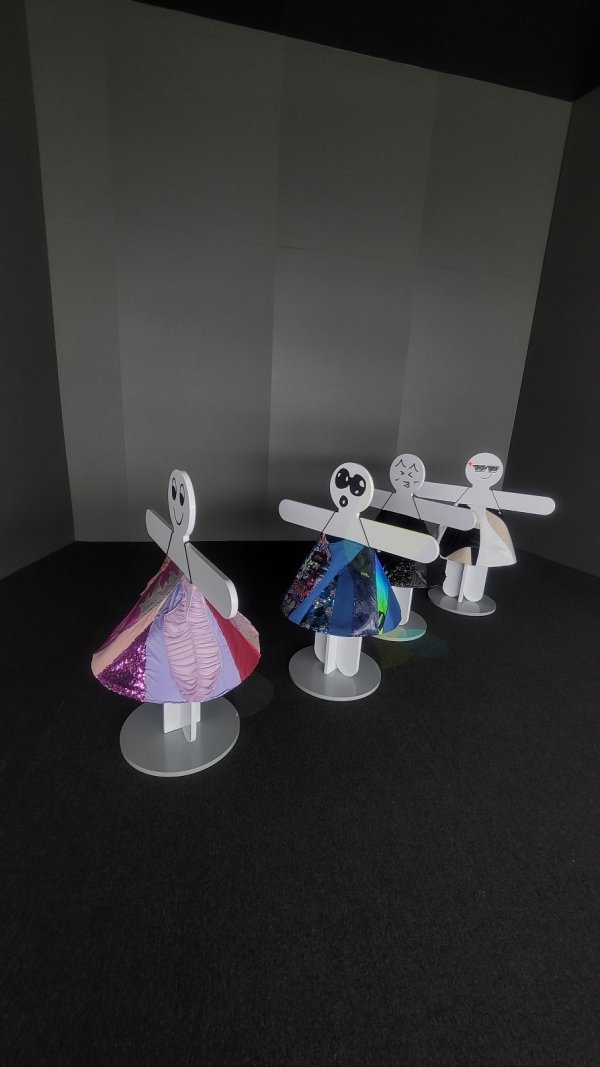
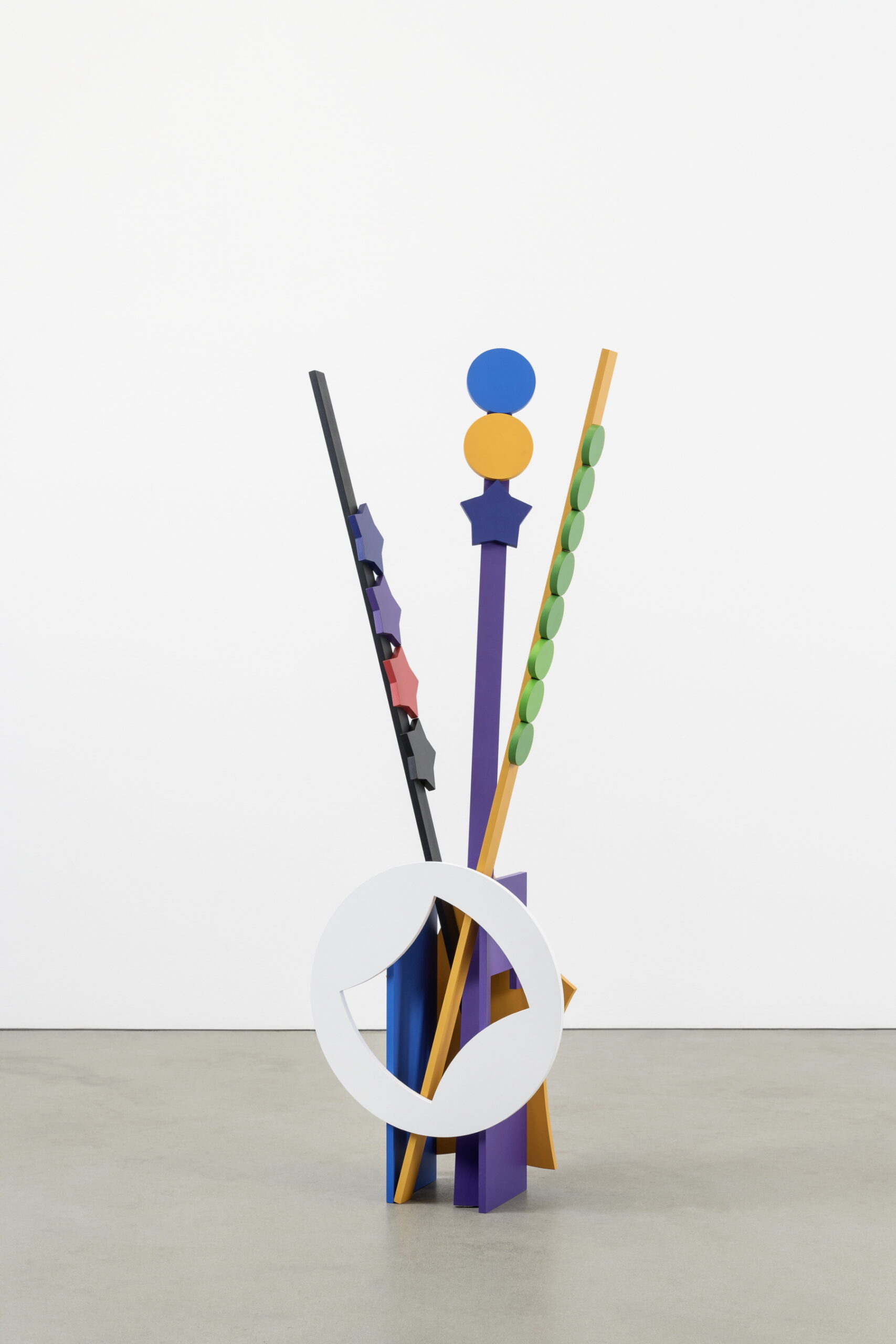
continued her interdisciplinary exploration across painting, sculpture, space,
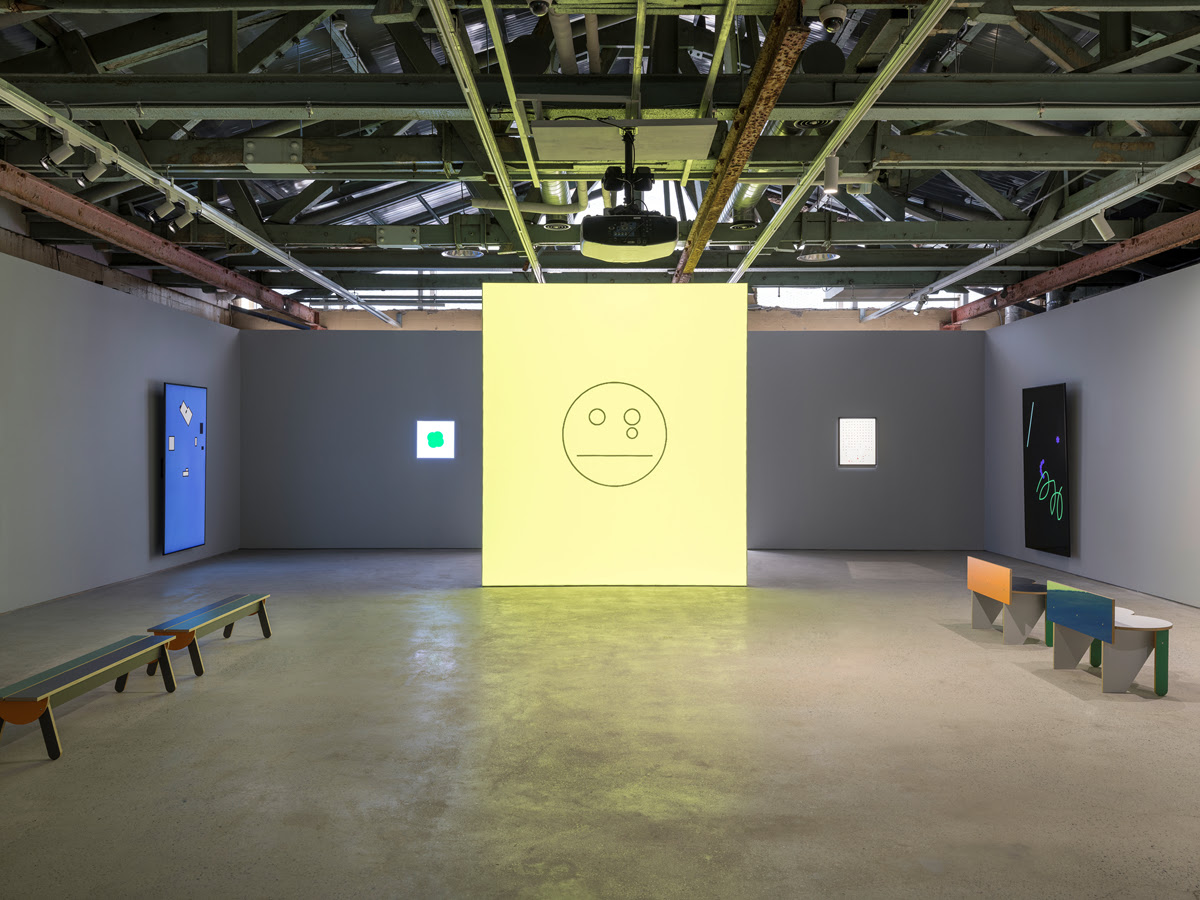
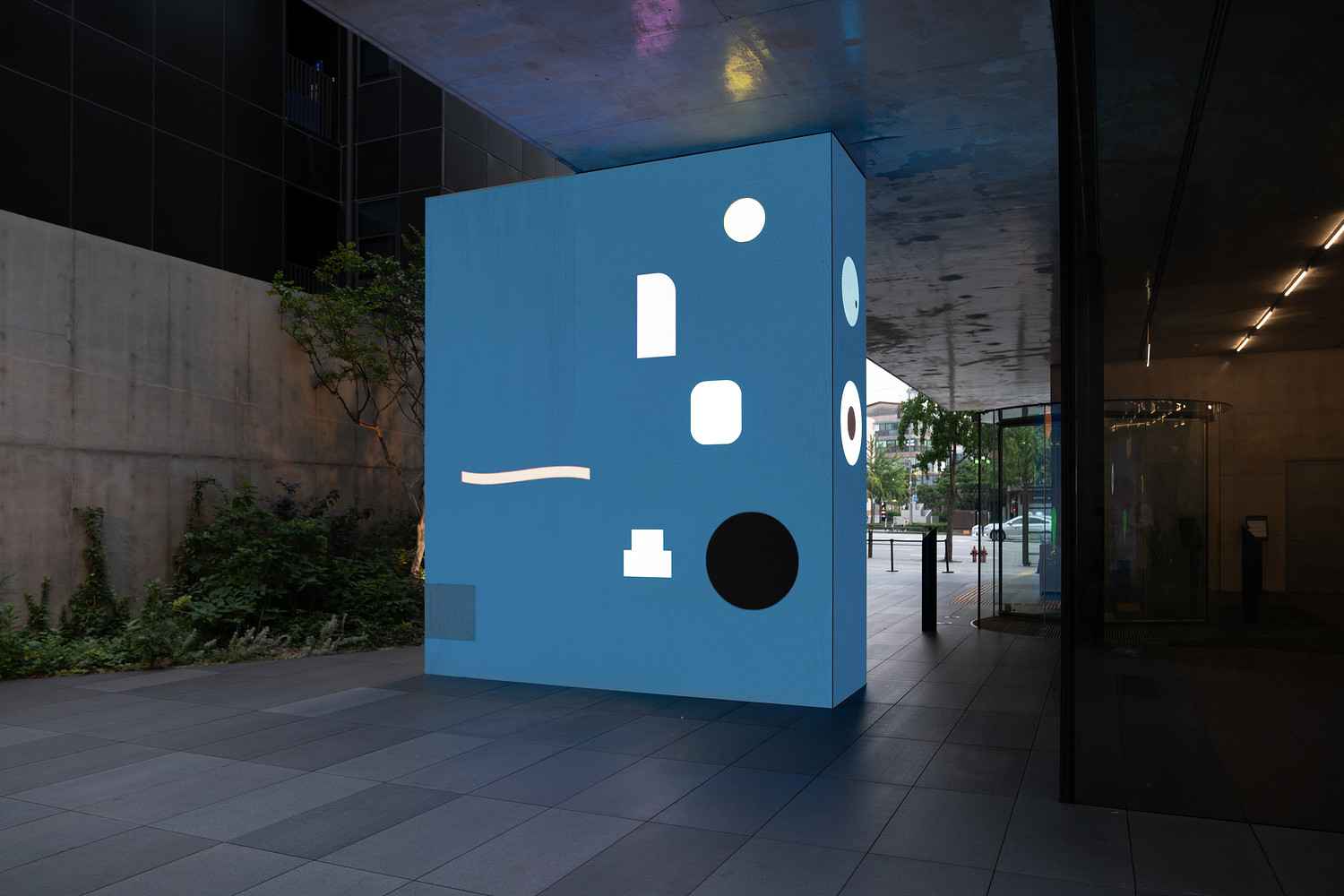
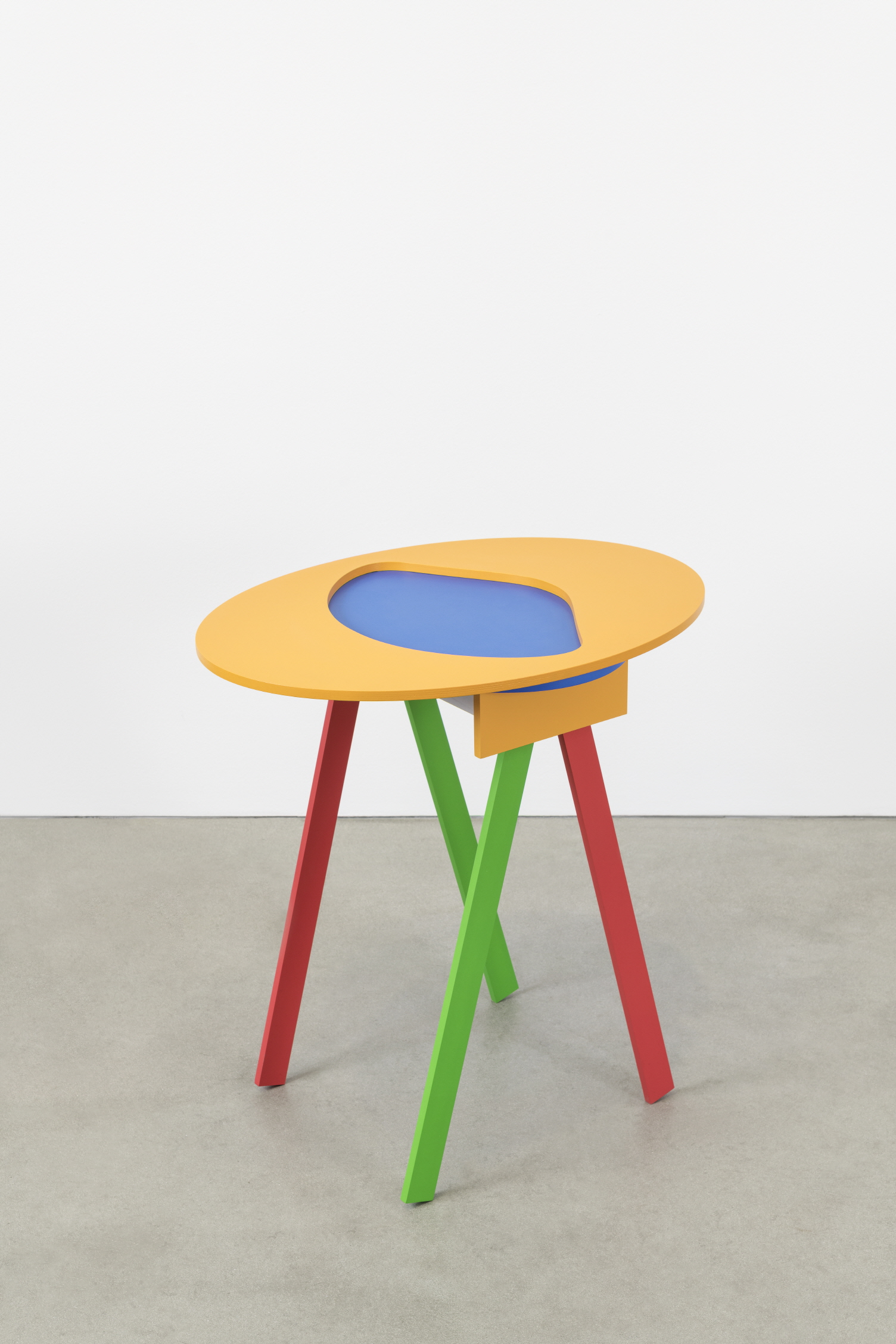
and sound with 《The Painter’s Architecture, The Painter’s
Furniture》 (2025, Space ZeroOne, New York).
Group Exhibitions (Brief)
She has participated in group exhibitions
at major Korean institutions including the National Museum of Modern and
Contemporary Art (2002, 2015, 2019, 2020, 2024), the Seoul Museum of Art (2012,
2013, 2015, 2016), the Ilmin Museum of Art (2015, 2017), and Songeun (2023), as
well as in the Gwangju Design Biennale (2017), Seoul Mediacity Biennale (2002,
2012, 2016), and the Gangneung International Art Festival (2022). She has also
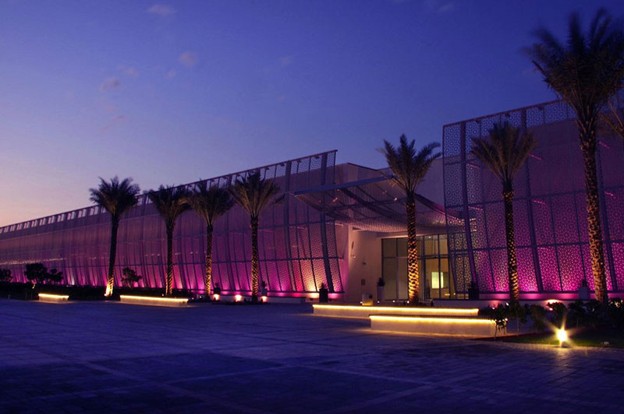
exhibited internationally in cities such as Paris, Beijing, New York, and Abu Dhabi.
Awards (Selected)
She received the Total Art Award in 1997
and the Lee Jung-Seob Art Prize in 2007.
Collections (Selected)
Hong Seung-Hye’s works are held in the
collections of the National Museum of Modern and Contemporary Art, the Seoul
Museum of Art, the Leeum Museum of Art, the Sungkok Art Museum, and the Art
Sonje Center.